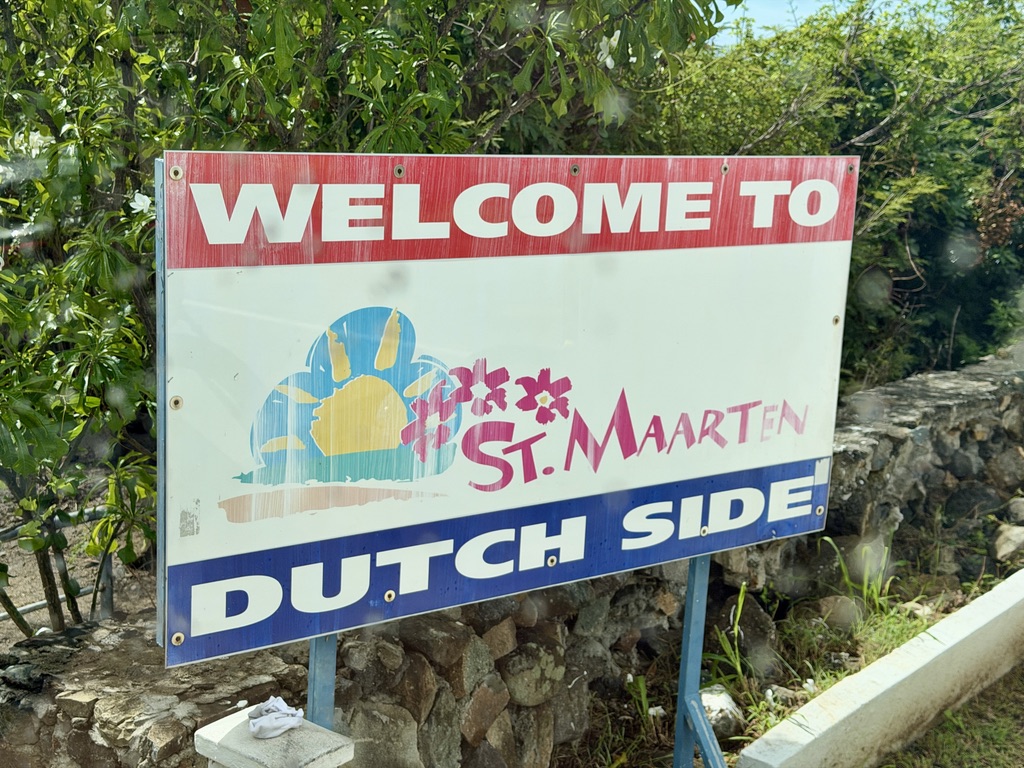
Saint Martin has a split personality: part of the island (Sint Maarten) is “an autonomous constituent country within the Kingdom of the Netherlands” and the remainder (Saint-Martin) is “an overseas collectivity of France.” Please don’t ask me to explain what either status signifies; all I know is neither is considered an independent nation.
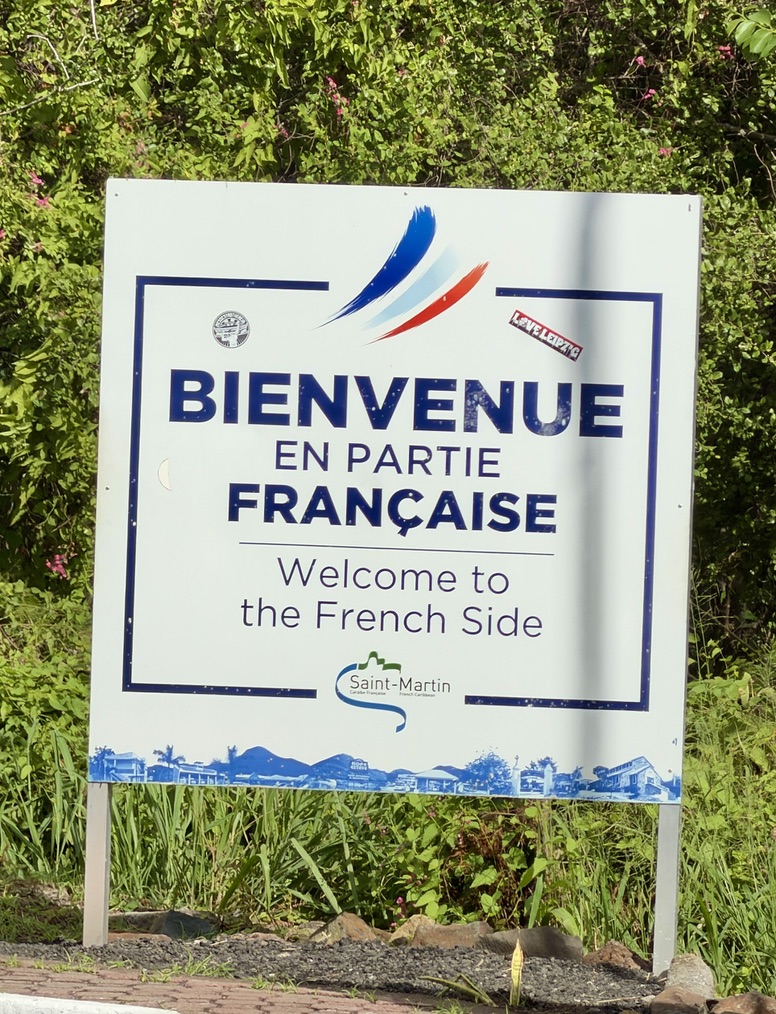
The received wisdom about the island used to be to “stay on the Dutch side, eat on the French side.” I don’t know if that still holds true; my last couple of visits to the island (most recently ten years ago) were via cruise ship.
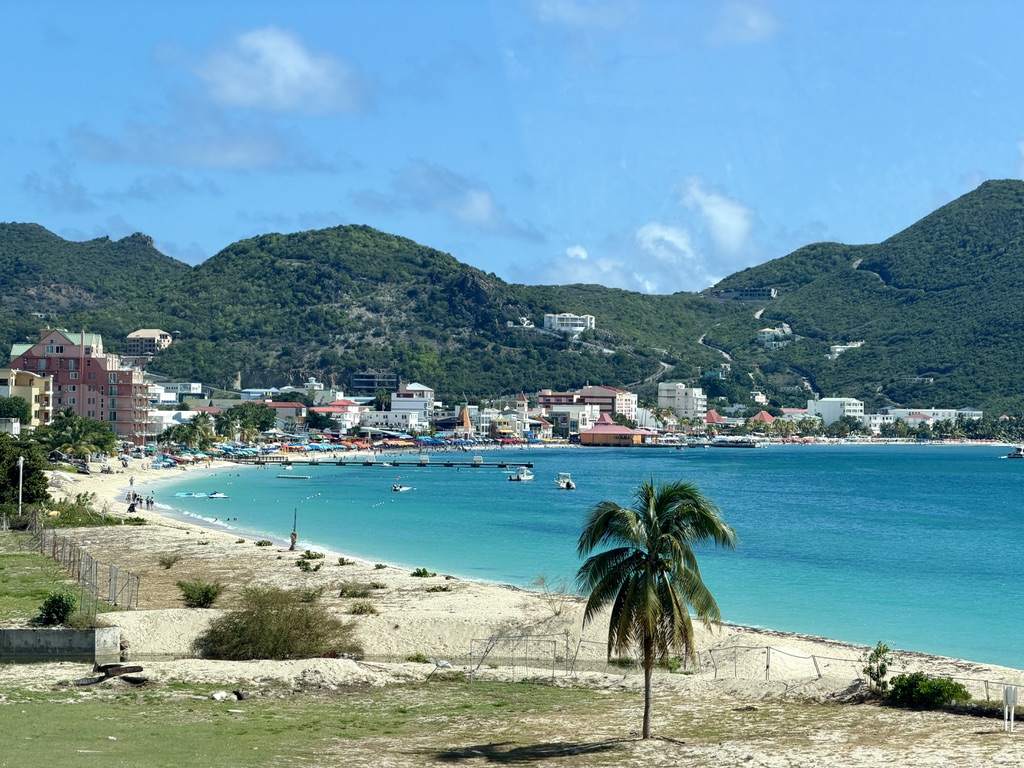
Philipsburg, the capital of Sint Maarten, is the lively city where the cruise ships dock. It overflows with restaurants, cafes, bars, souvenir stores, and other trappings of and traps for tourists. The last time I was here, I just wandered around the city. Today I decided to head to the French side and booked a tour called “French Marigot Highlights with Wine & Cheese.” (The tour description helpfully notes that “cheeses and wine are included” but that the tour is “not recommended for guests with cheese allergies.” Go figure.)
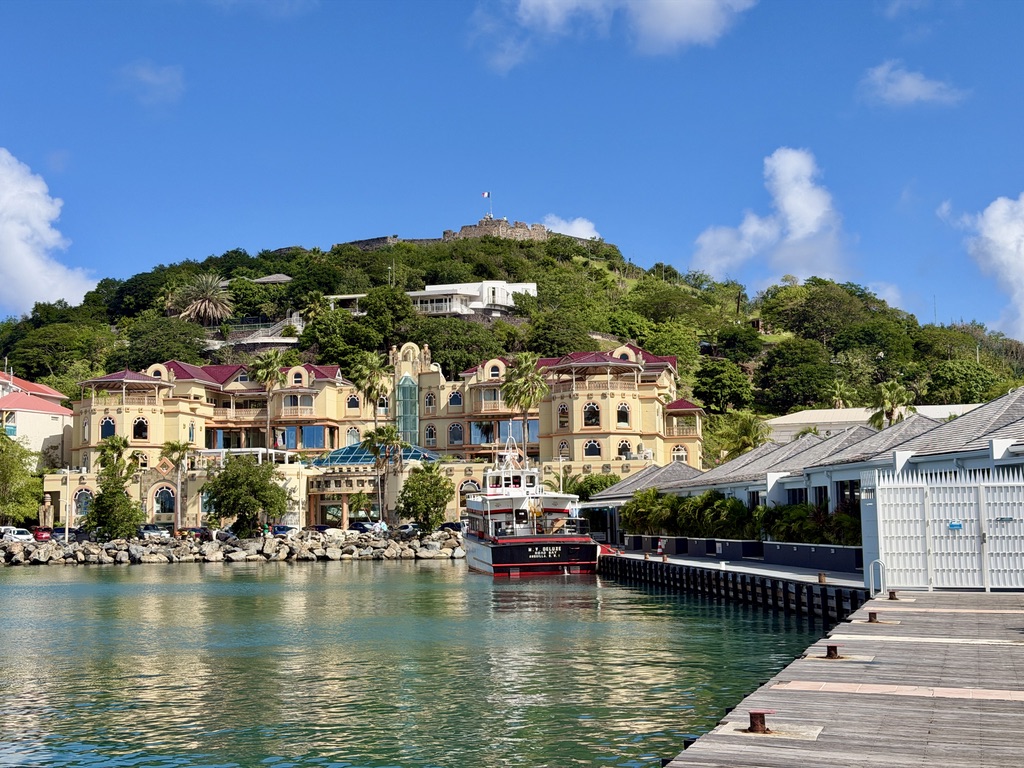
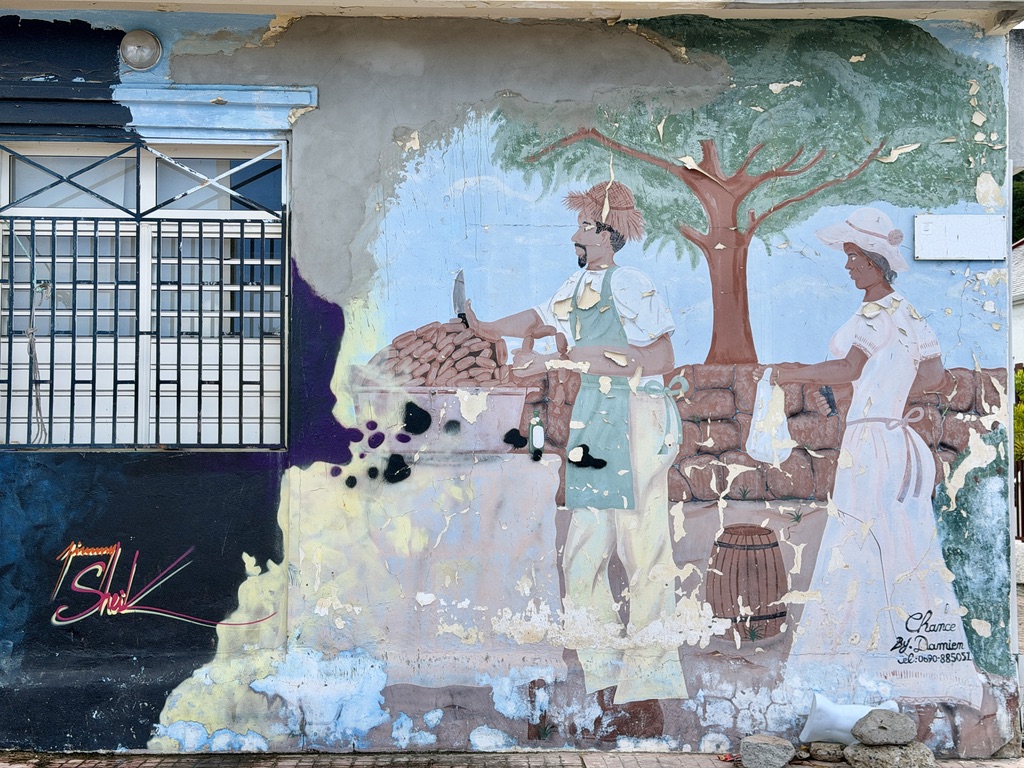
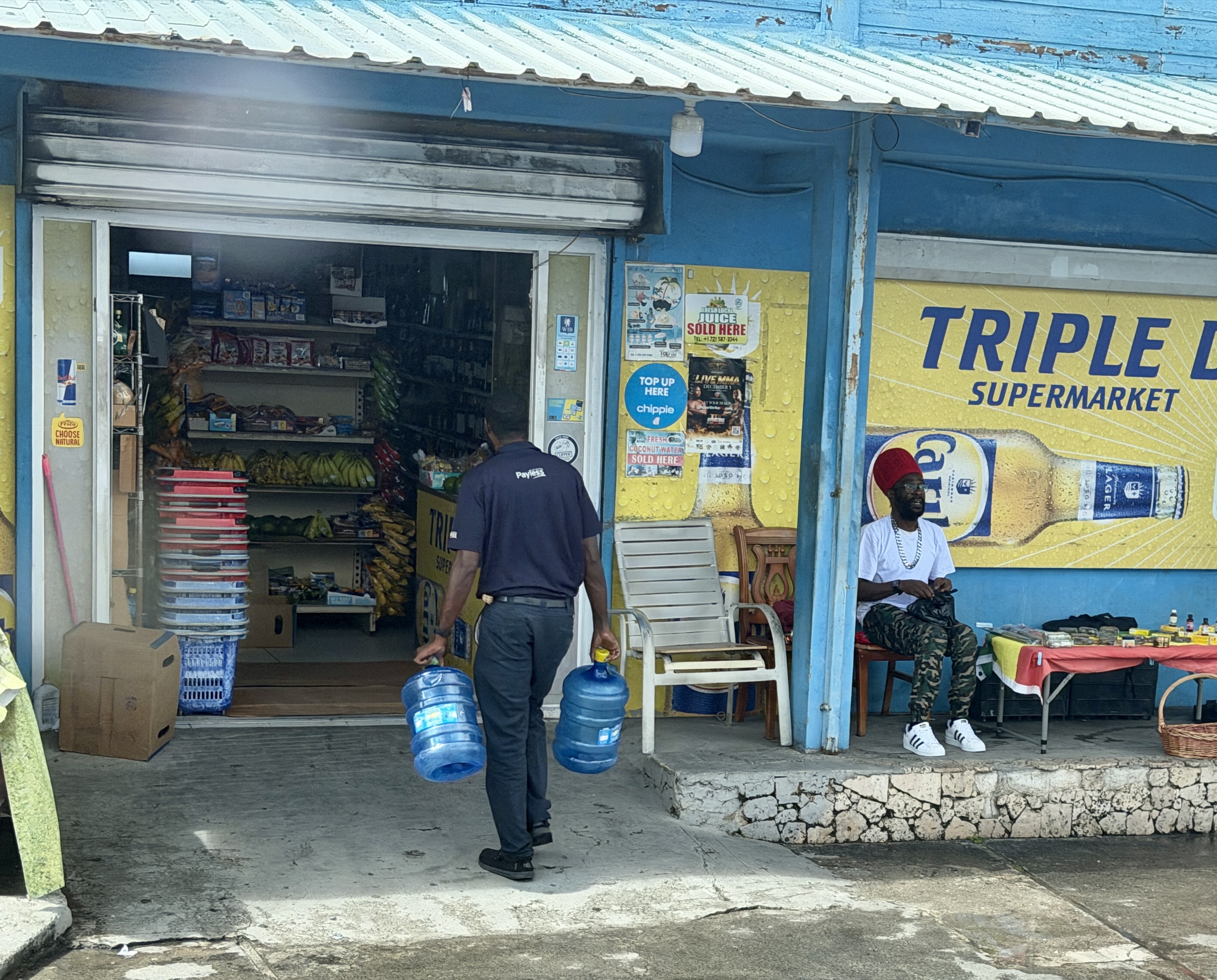
Our tour guide, Jimmy from Suriname (apparently residents of former Dutch colonies can move freely to present-day Dutch colonies), was of the “I will point out everything we pass” school. By the time we got to Marigot, our attention had been directed to police stations, hospitals, supermarkets, schools, cemeteries, and every last one of the dozens of structures damaged by Hurricane Irma in 2017.
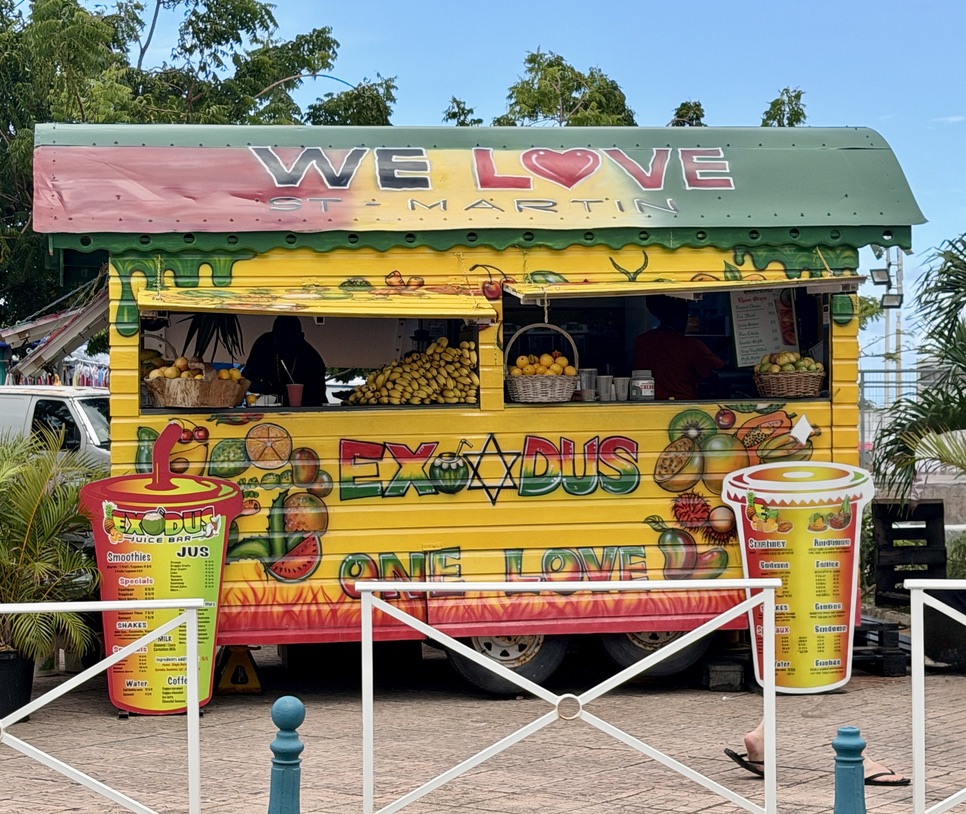
To give Jimmy credit, he did give an interesting explanation of differences in life on the French side versus the Dutch side: children on the French side have a longer school day and school year, the roads are better on the French side, people work harder on the Dutch side, everything is more expensive on the French side, and you’d better speak French if you are stopped by a policeman on the French side. Policemen on the Dutch side, per Jimmy, are much friendlier and can communicate in English, French, Dutch, and Papiamento. I didn’t inquire how he acquired his expertise in island law enforcement.
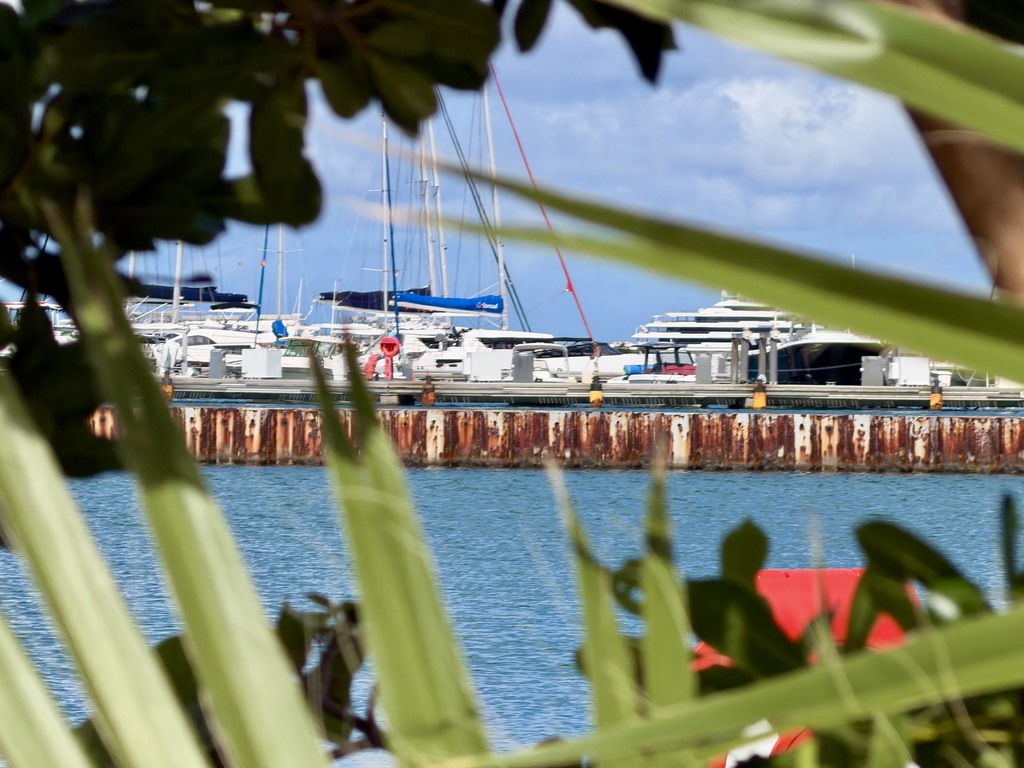
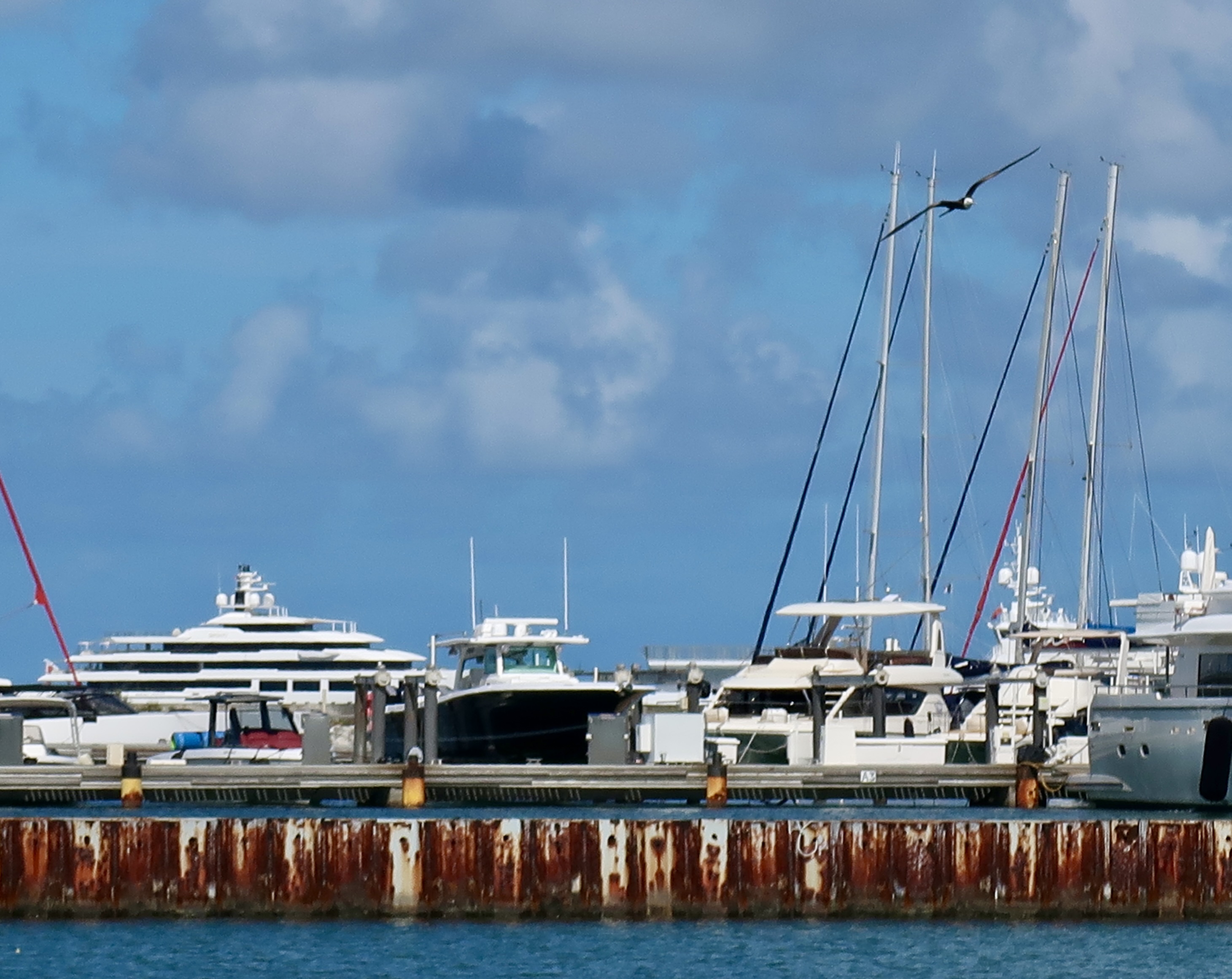
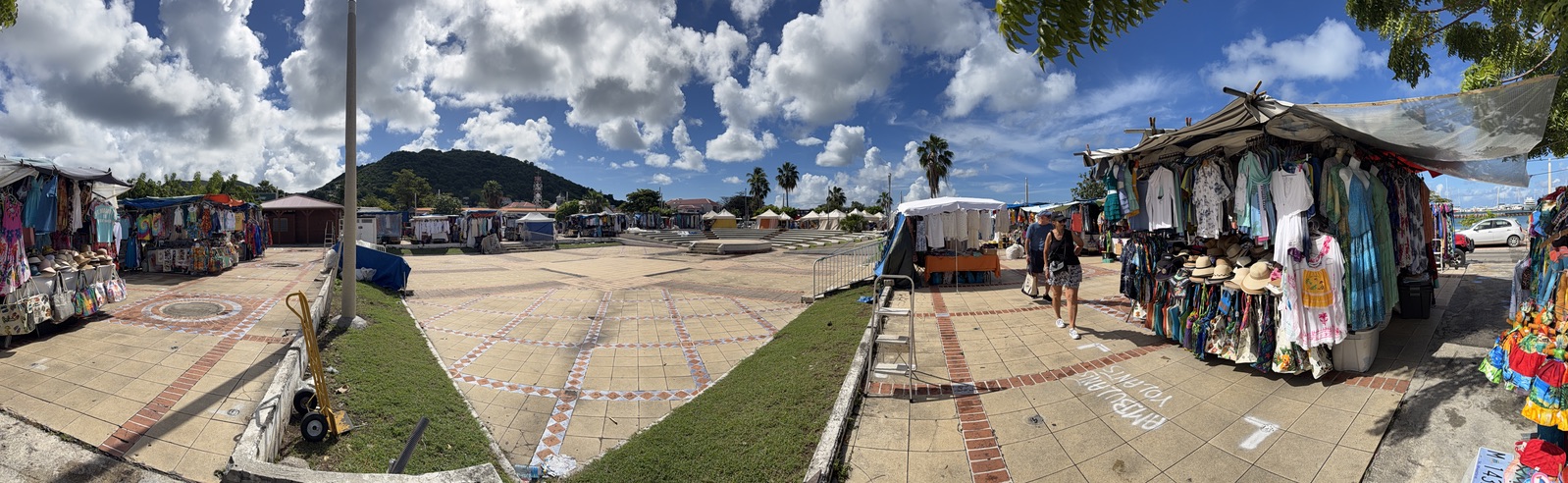
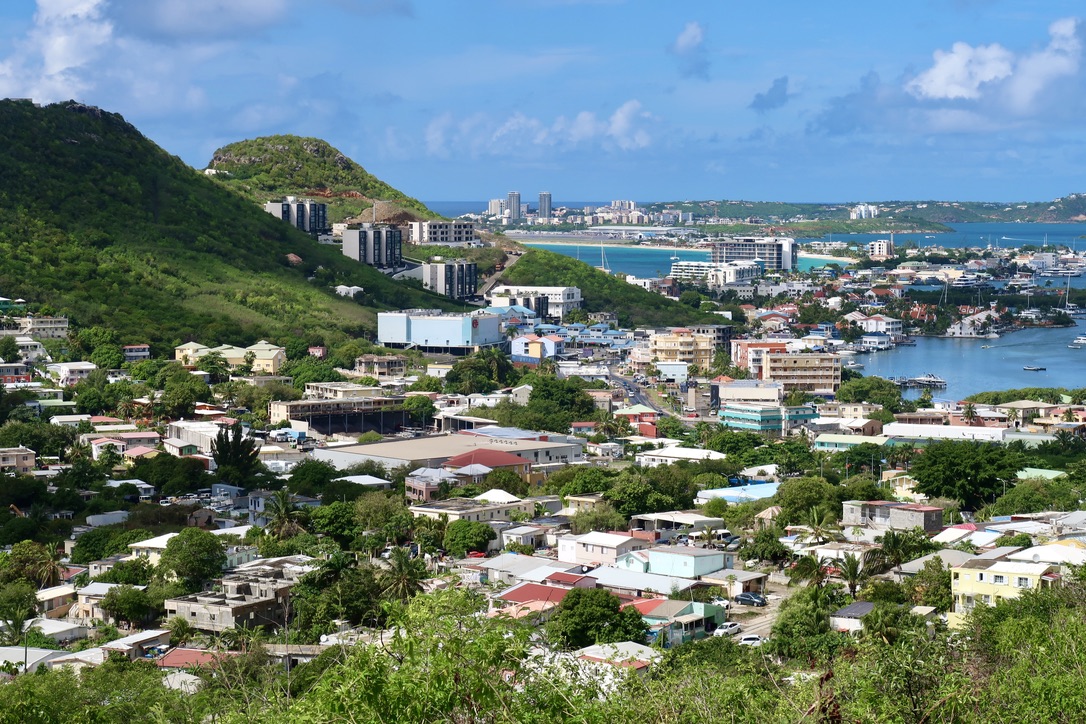
Like Philipsburg, the hills above Marigot are dotted with mansions, the vibe is energetic, the harbor teems with yachts, and the city overflows with restaurants, cafes, bars, souvenir stores, and other trappings of and traps for tourists. (Thank you, copy and paste.) Both cities are rife with Chinese restaurants, though the ones in Marigot tend to start with “Chez.” Marigot gains the advantage in baked goods; there are beaucoup de boulangeries. (My seat mate on the bus, a lovely woman from Quebec, was hors de soi at Jimmy’s butchering of her native tongue, rendering my trip even more enjoyable.)
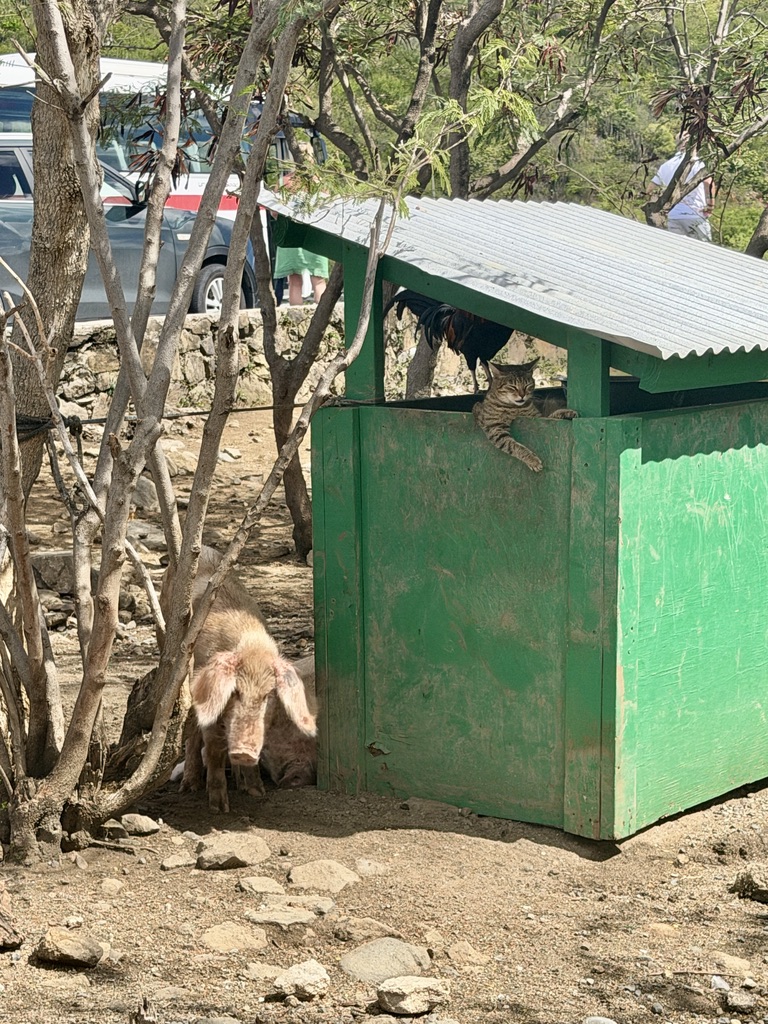
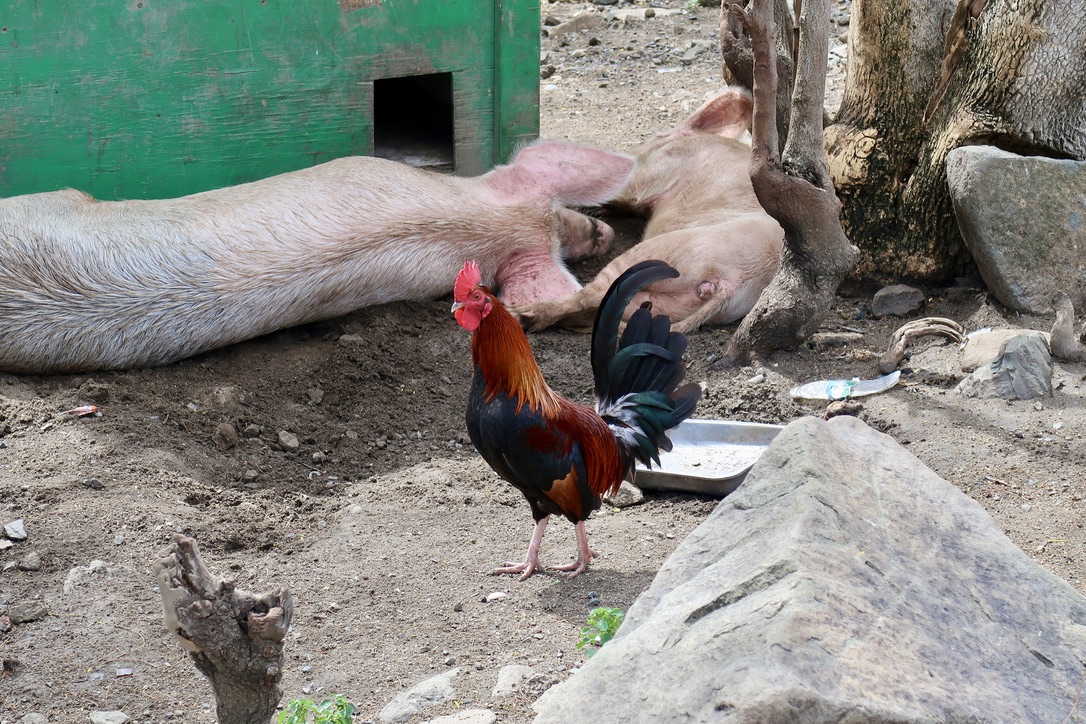
Heading back to the Dutch side, we stopped at an overlook where I was charmed by a couple of lazing pigs, a scattering of frenetic chickens, and an imperious cat overseeing the lot. The view was nice as well, but I’ll nearly always opt for animals over scenery.
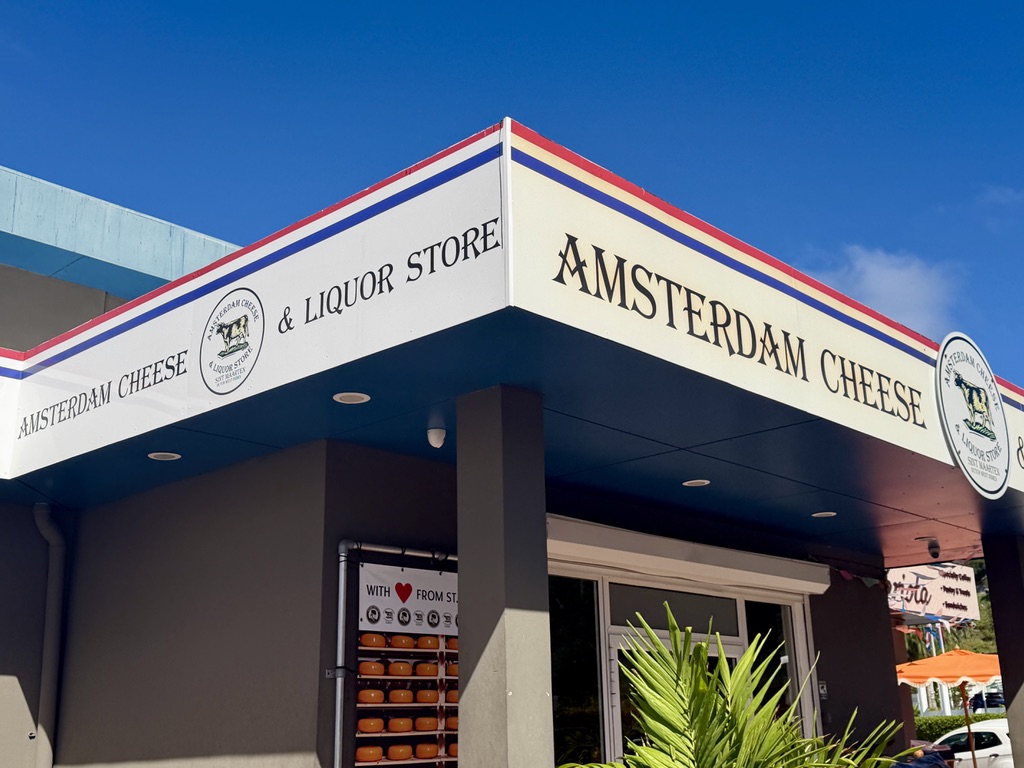
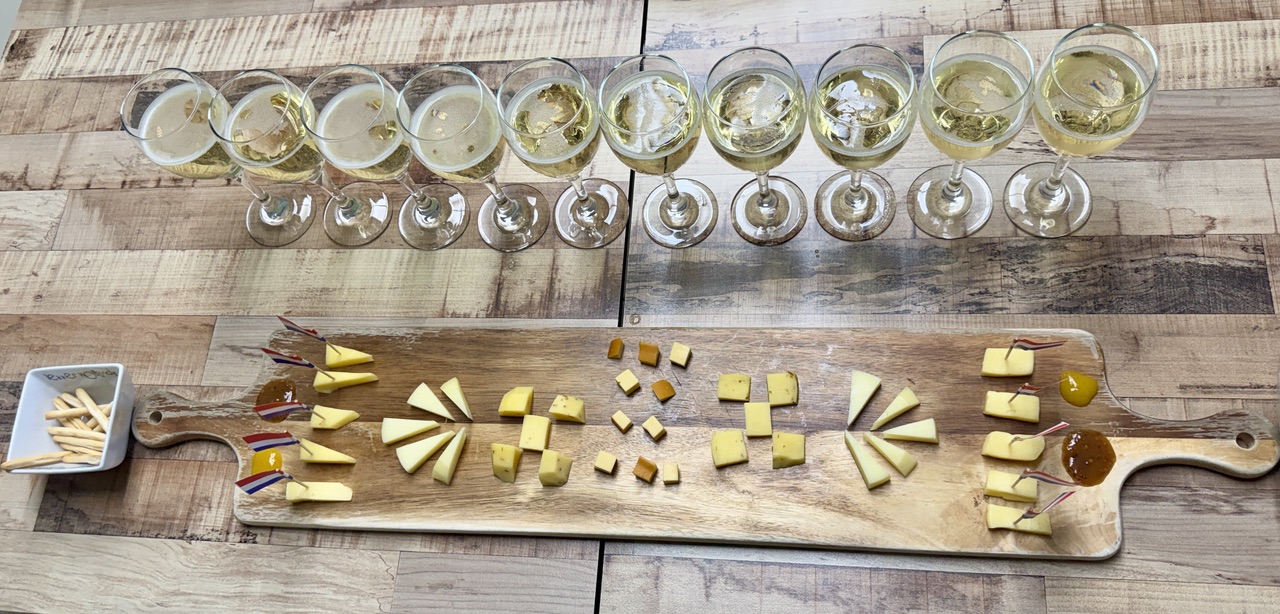
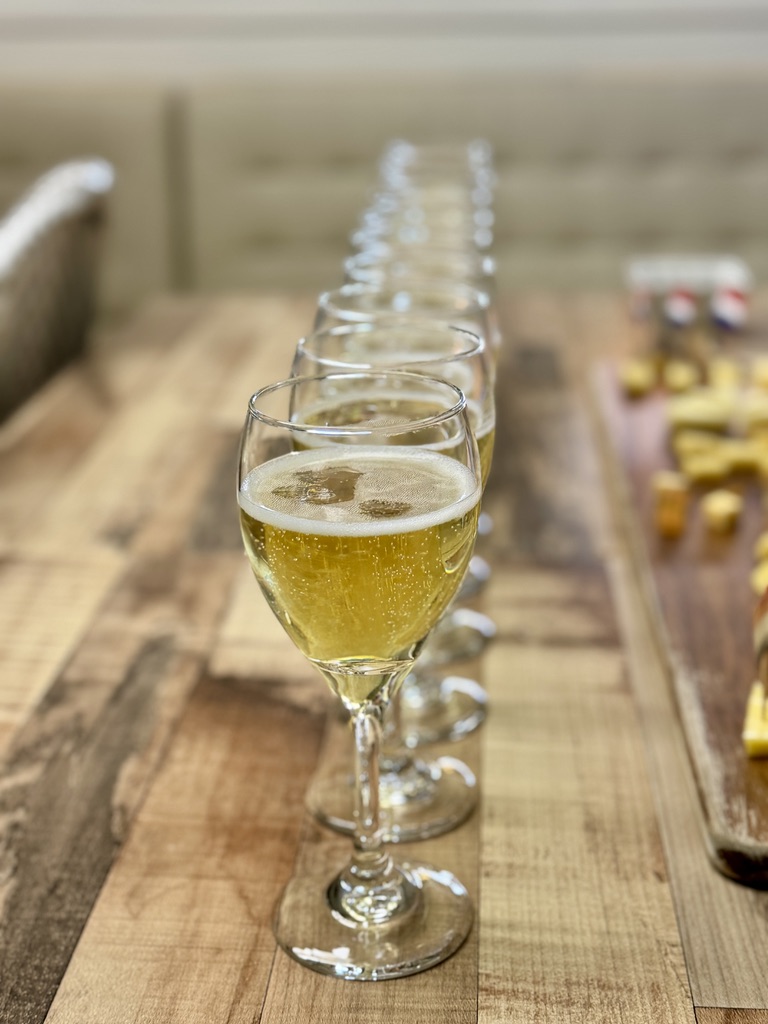
Our final stop, the Amsterdam Cheese & Liquor Store, was the venue for the promised wine and cheese. Led by an engaging and knowledgeable Surinamese ex-pat, whose name I unforgivably neglected to register, we sampled four different young goudas (cow’s milk, sheep’s milk, cow’s milk with cumin, and smoked cow’s milk) accompanied by a nice cava. All were delicious.
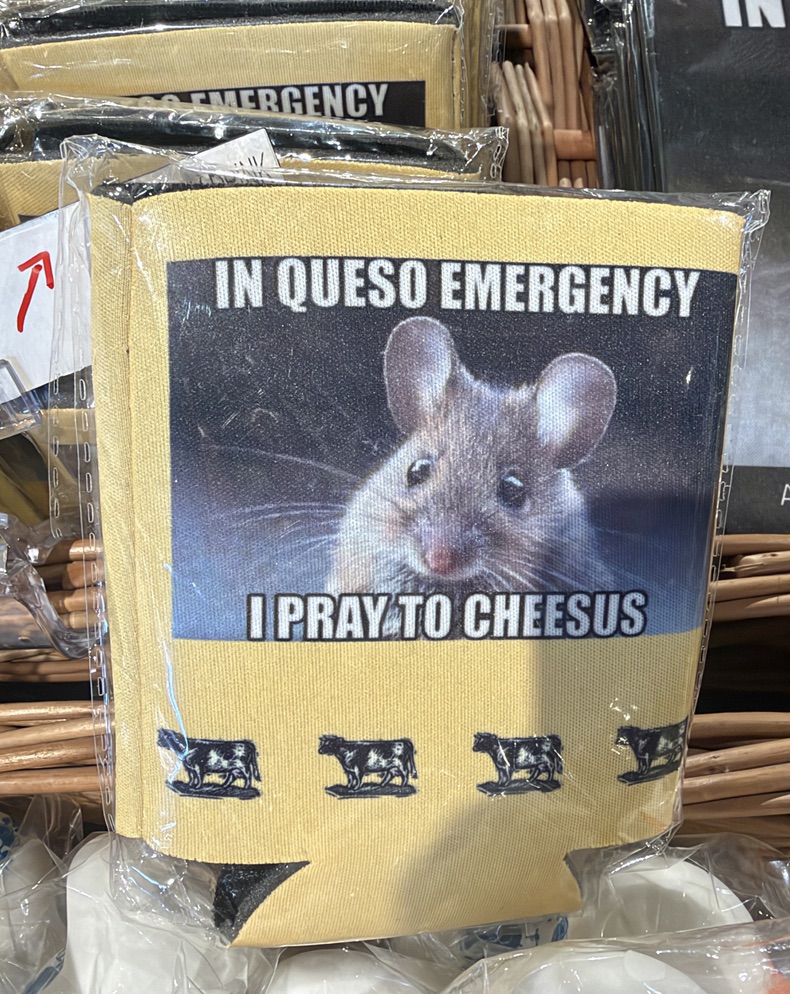
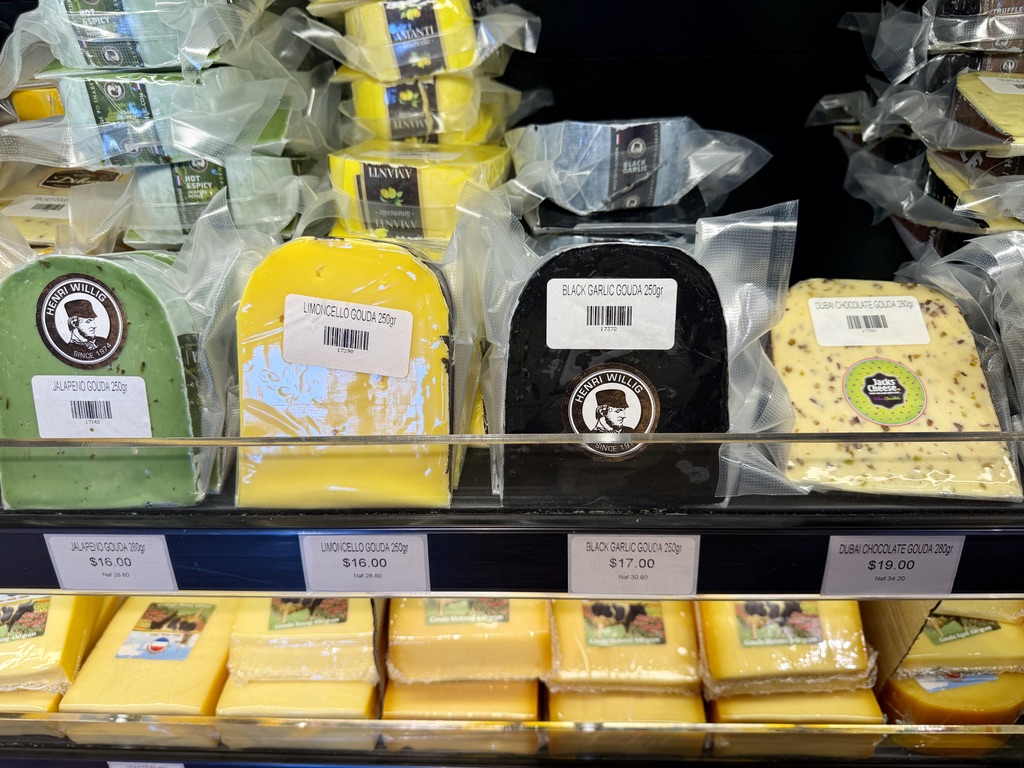
I did not try some of the more questionable varieties on the store’s shelves, including goudas flavored with limoncello, dark chocolate chips, asparagus, and pumpkin.
The store was in downtown Philipsburg, so I skipped the bus ride to the ship, wandered around the city a bit, and then walked the fifteen minutes back to the cruise port.
Tonight is another Azamazing Evening, featuring local singers, dancers, stilt-walkers, and other entertainers. If there’s something worth sharing, I’ll do so in tomorrow’s post from Tortola. For now, adieu/doei from Saint-Martin/Sint Maarten.


