I’m pleased to report that my negative Saint Kitts karma did not follow me across the Narrows to Nevis.
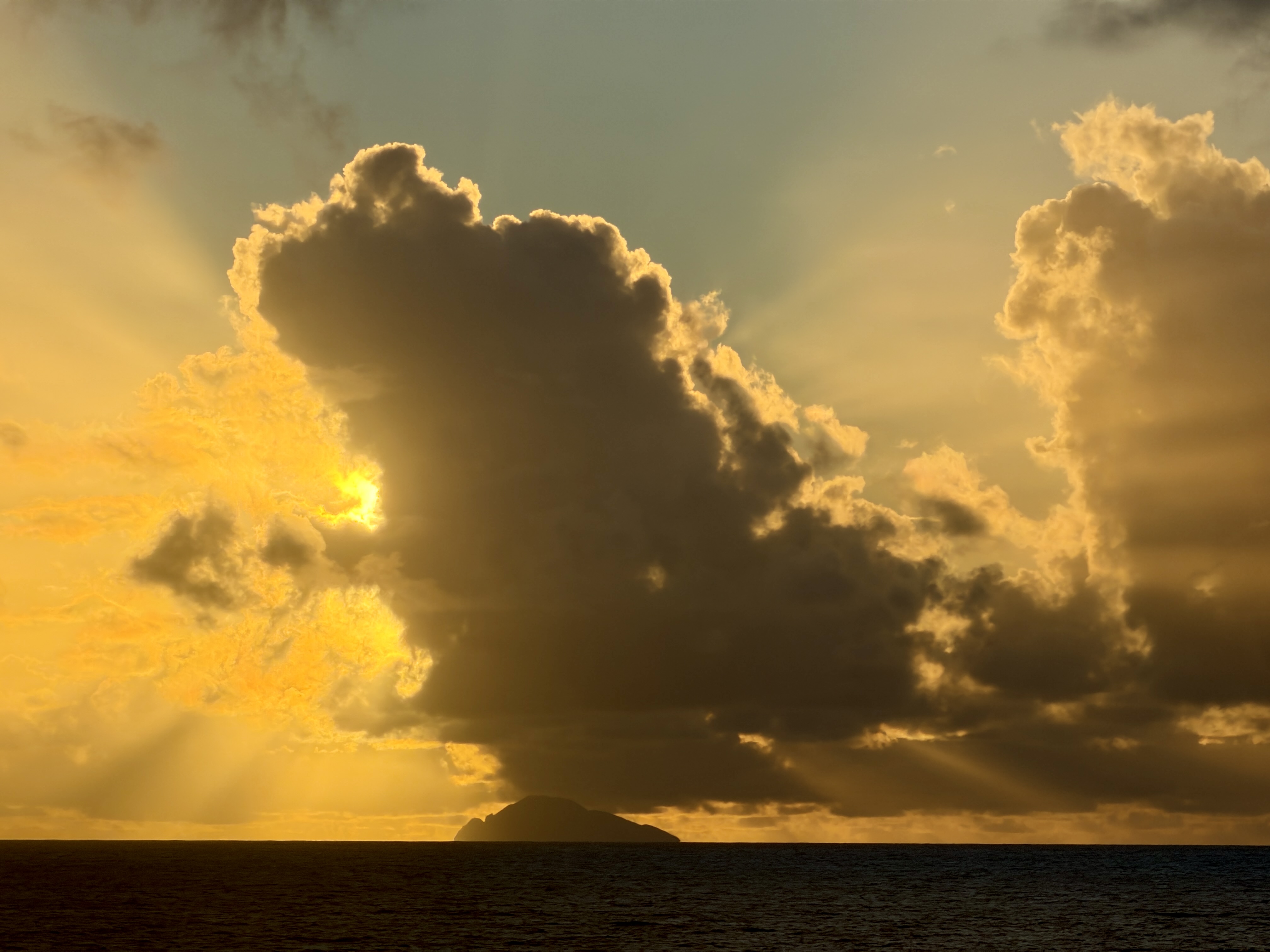
In fact, I enjoyed Nevis so much that I’ve decided to create a new measure, the CSK index, in its honor. The “C” stands for charm and is utterly subjective, comprising general vibe, friendliness, sights, and interesting history in whatever proportions I see fit. The “SK” is simply the location’s area in square kilometers. I’m happy to award Nevis a stellar CSK score – markedly higher than its larger neighbor and federation-mate.
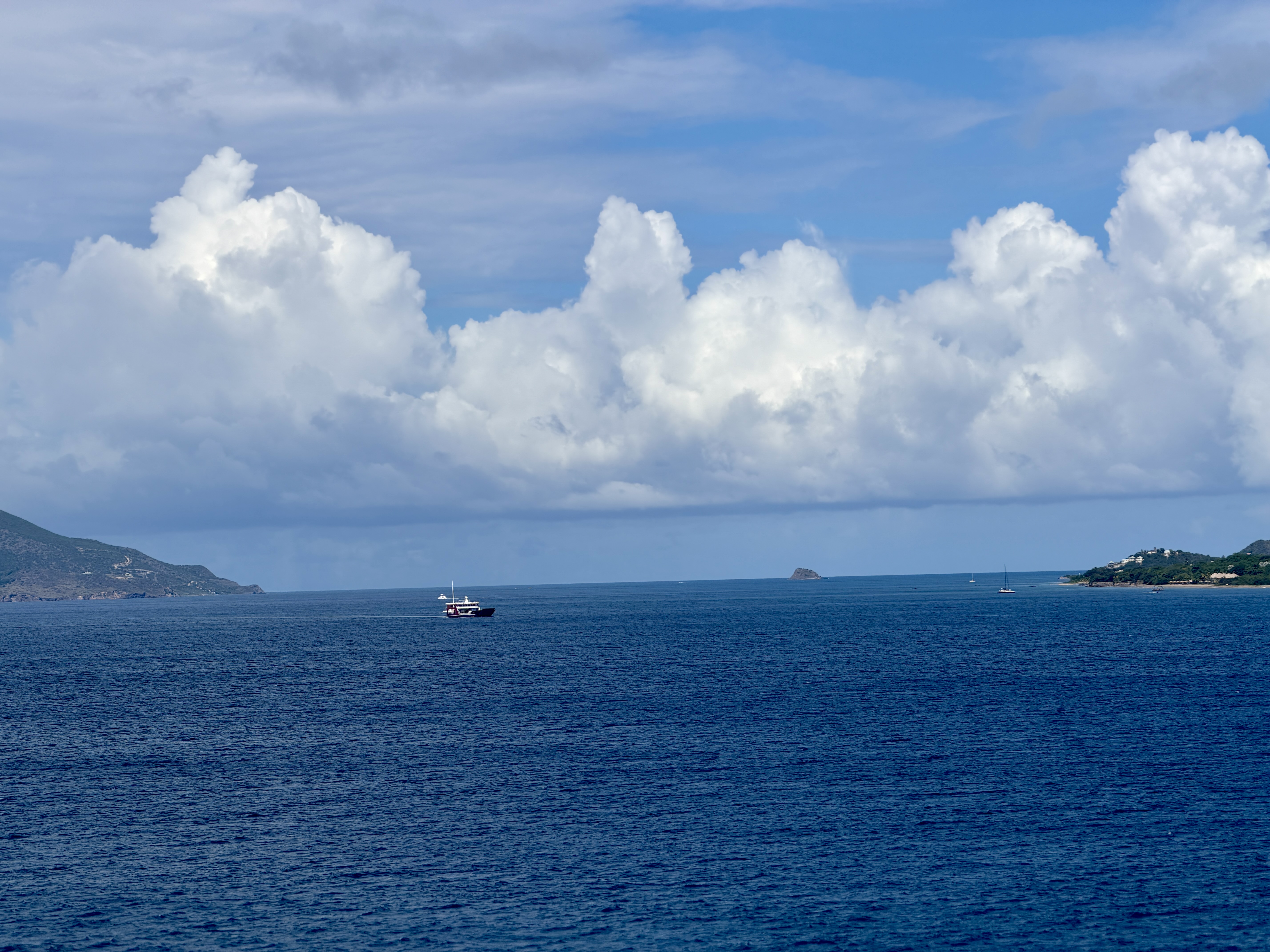
Both islands have beautiful views, rainforests, and mountains. In contrast to Saint Kitts, however, Nevis is laid-back, welcoming, uncrowded, and – with great pride – the birthplace of Alexander Hamilton. All of this charm is crammed into a mere 93 square kilometers, a bit over half of Saint Kitts’ size and with only one-third of its population.
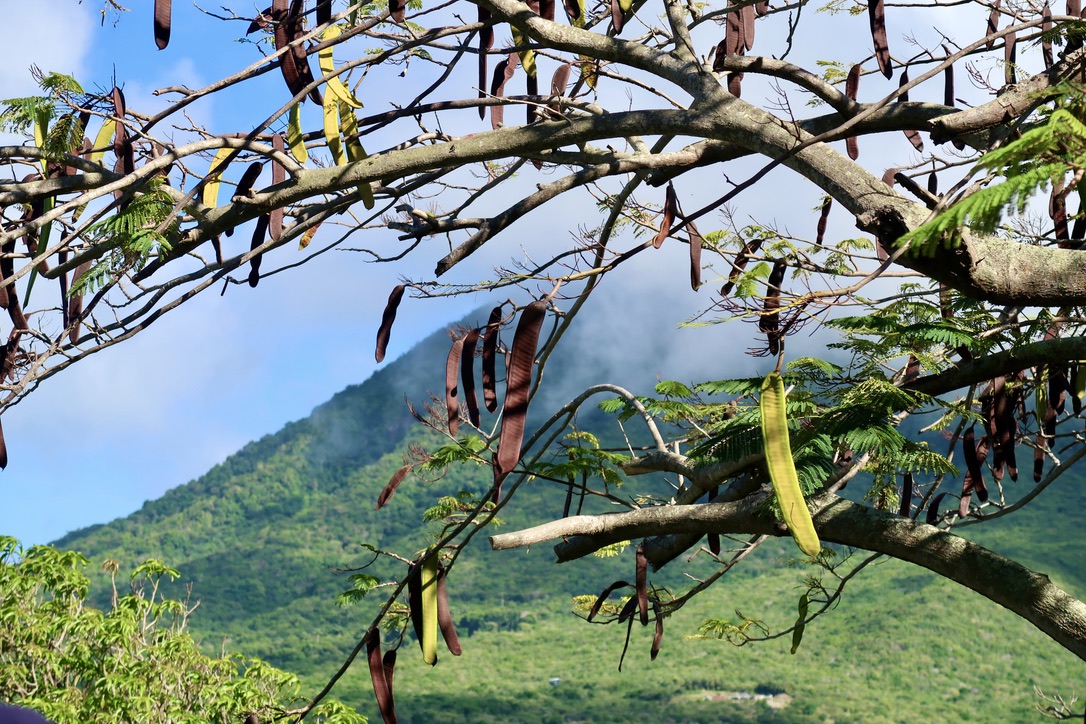
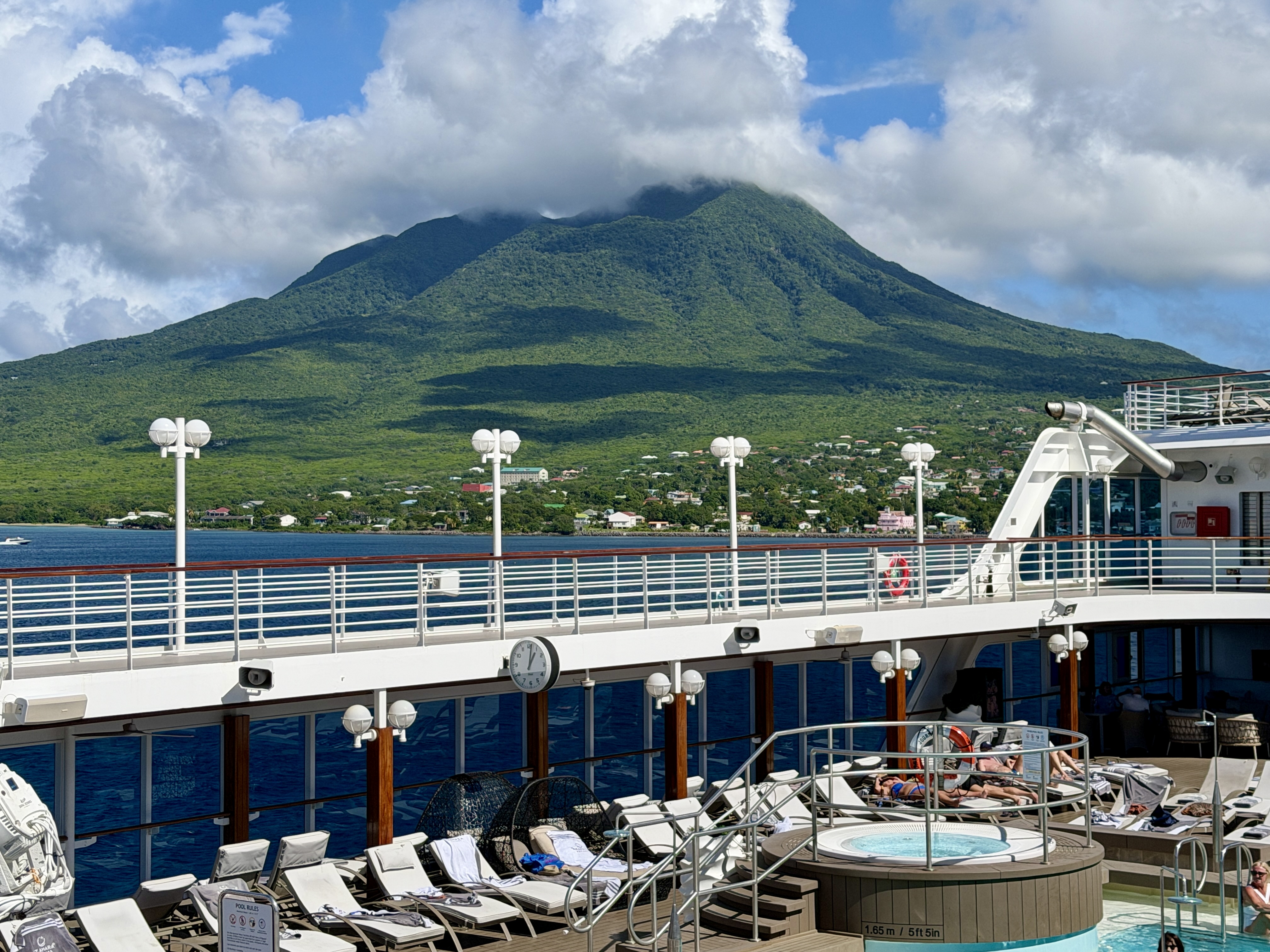
The highest spot on Nevis – creatively dubbed Nevis Peak – often is cloud-shrouded, which apparently reminded Christopher Columbus and his crew of snow, resulting in the name Nuestra Señora de las Nieves, “Our Lady of the Snows,” later shortened to Nevis. Both the indigenous name for the island, Oualie (“Land of Beautiful Waters”), and the name given by early English settlers, Dulcina (“Sweet Island”), are rather more appropriate, in my opinion.
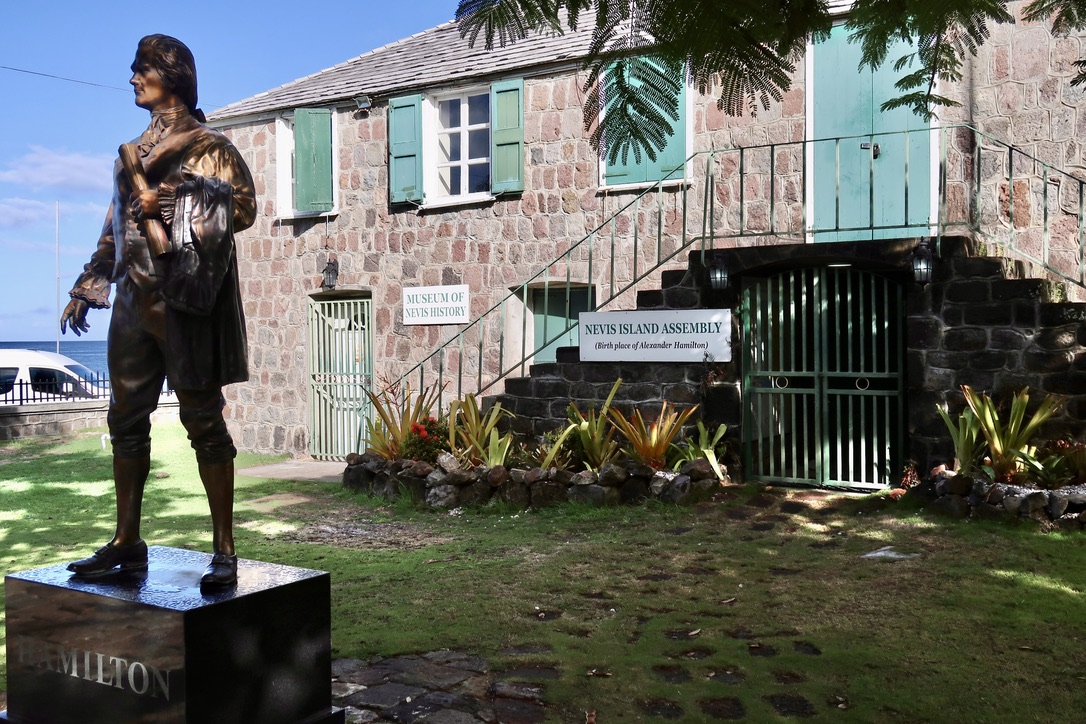
My tour today, “Nevis Island Tour” – the Azamara shore excursions folks are nothing if not creative – began in the capital (Charlestown) and circumnavigated the island. Charlestown is famous as the birthplace of Alexander Hamilton, without whom Lin-Manuel Miranda would not have become a god. (Oh yeah, he also played a fairly notable role in founding the United States.) Fittingly, Hamilton’s childhood home was the first stop on our tour; these days the house is a museum.
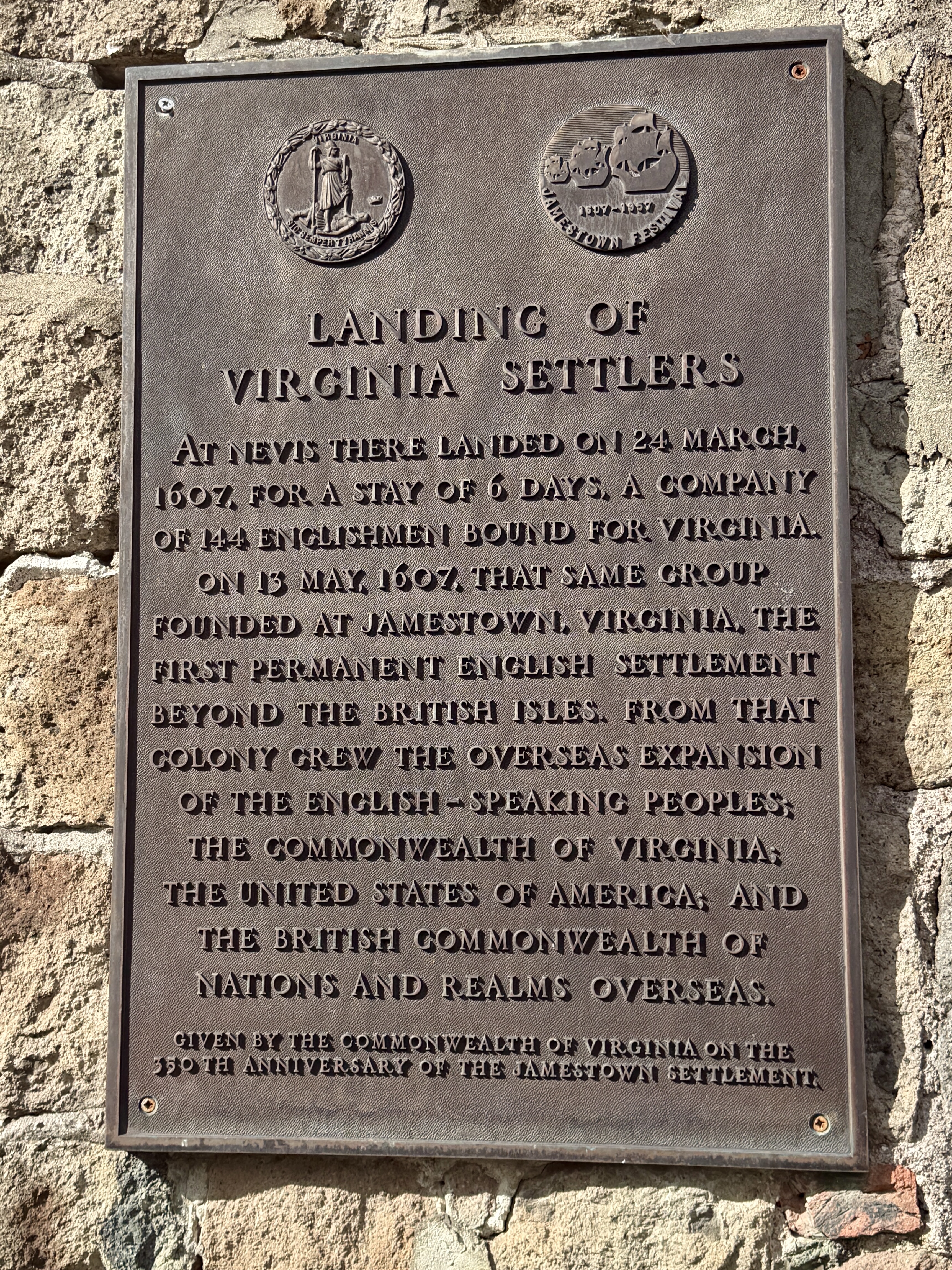
I also learned today that the settlers of Jamestown, the first permanent English settlement in North America, stopped here on their way to Virginia. History-wise, you can understand why I rate Nevis so highly.
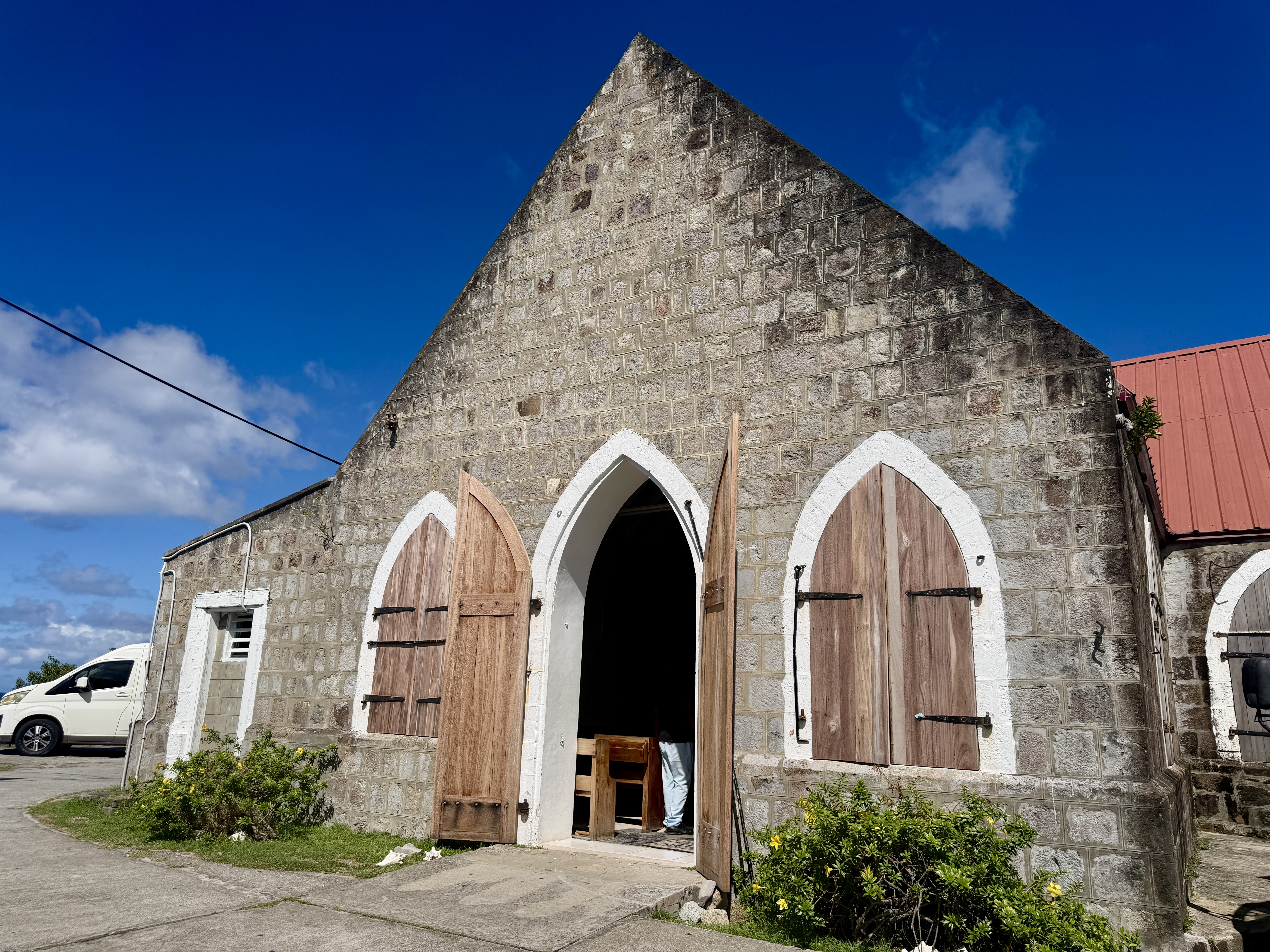
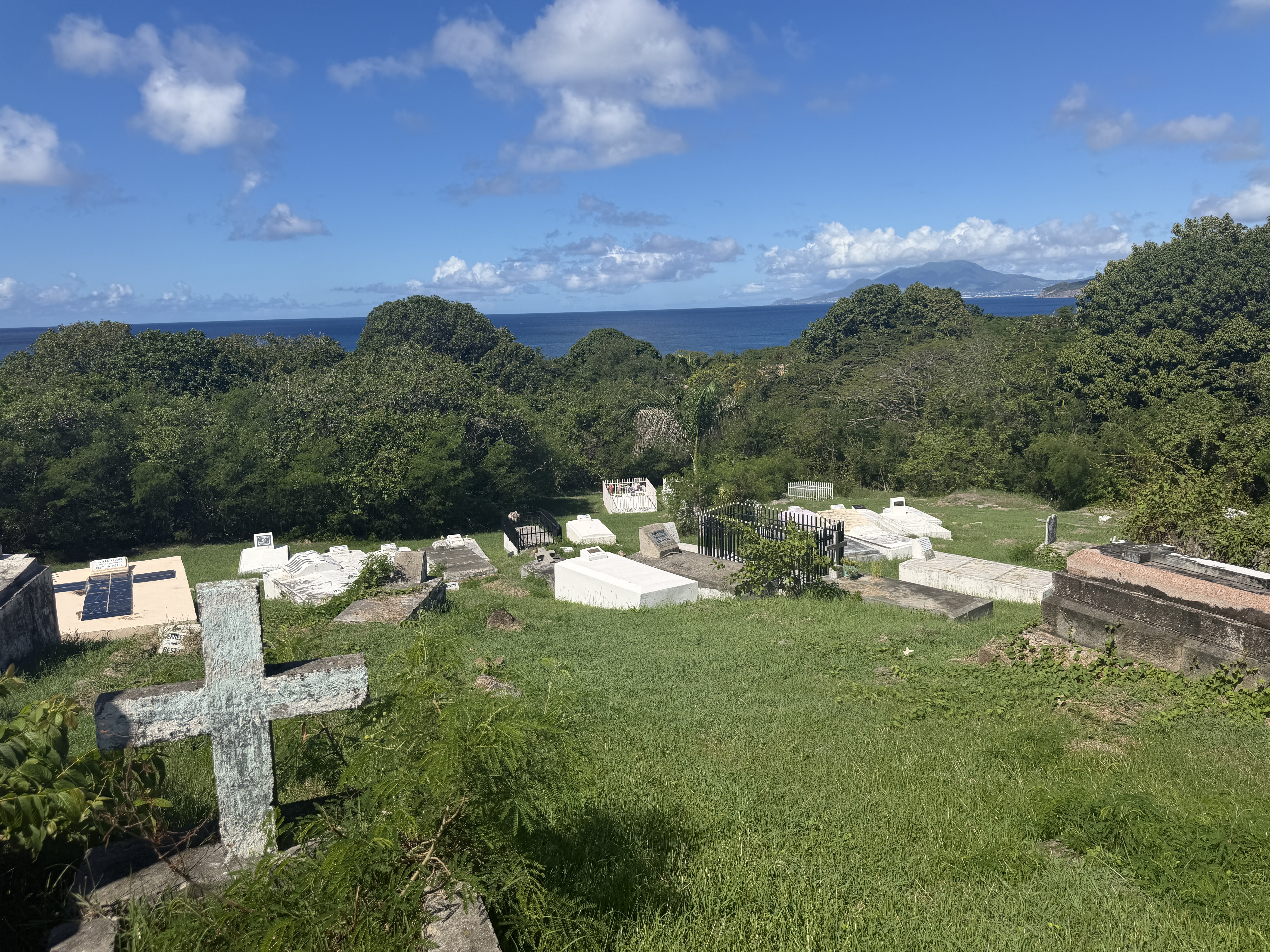
From Charlestown, we drove past 17th century Anglican churches and the ruins of some of Nevis’s fifty-five sugar plantations before stopping at Montpelier Nevis, a striking boutique hotel (18 rooms/villas) built on the site of one of those plantations. The Montpelier plantation is where Admiral Nelson got married in 1787; the Montpelier Nevis hotel is where Princess Diana and her sons stayed a bit over two centuries later. Plus ça change, or something like that.
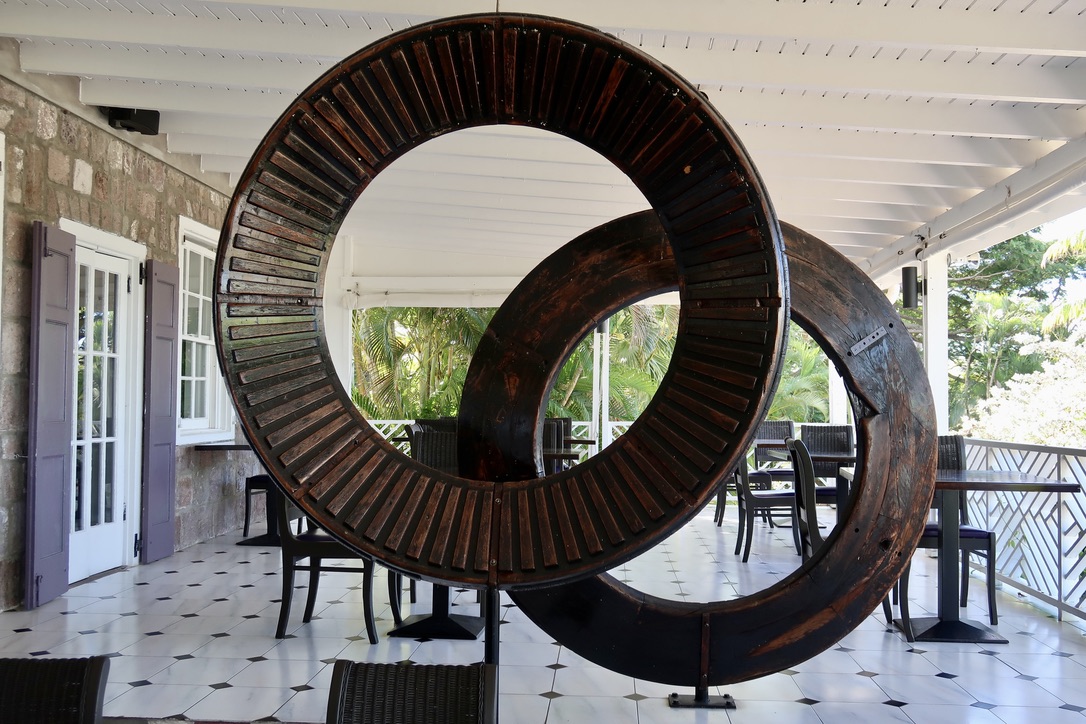
I was so impressed with the hotel that I researched what it costs to stay there. Offseason rates range from USD 335 to 1550 per night; peak rates are around USD 200 higher. I’m honestly surprised they aren’t even steeper – after all, they include a full English breakfast.
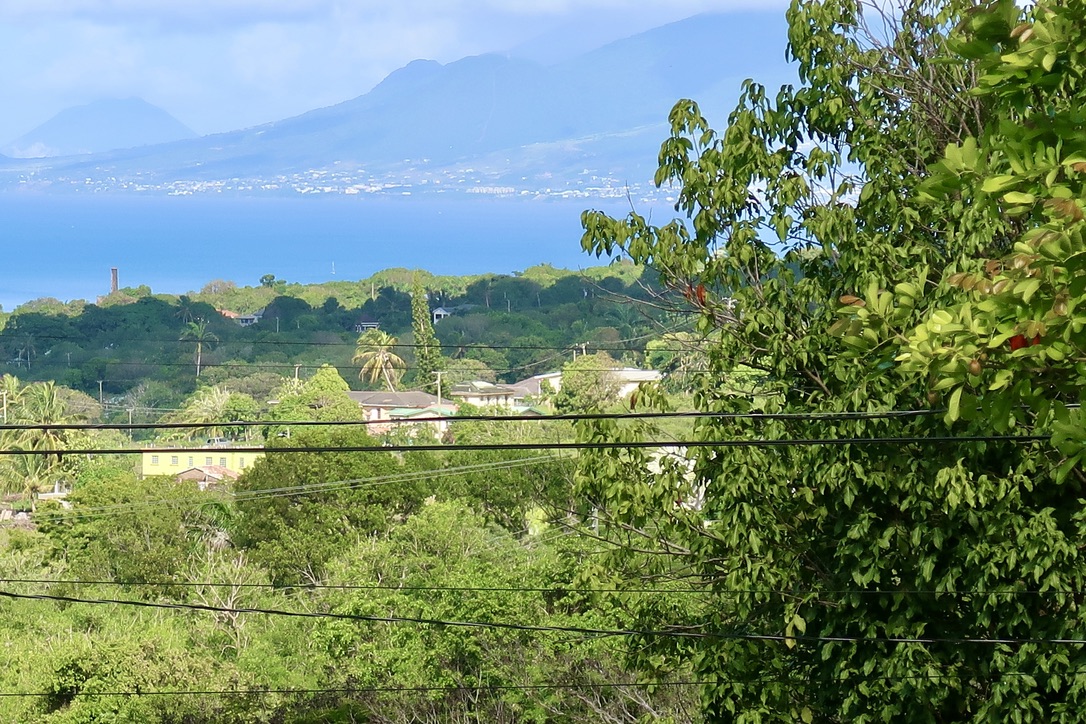
Our next stop was another luxury hotel built on the site of an old sugar plantation, the Golden Rock Inn. It’s a small (11 rooms/villas), elegant property offering spectacular views. I’d gladly stay at either place, especially if someone else were paying.
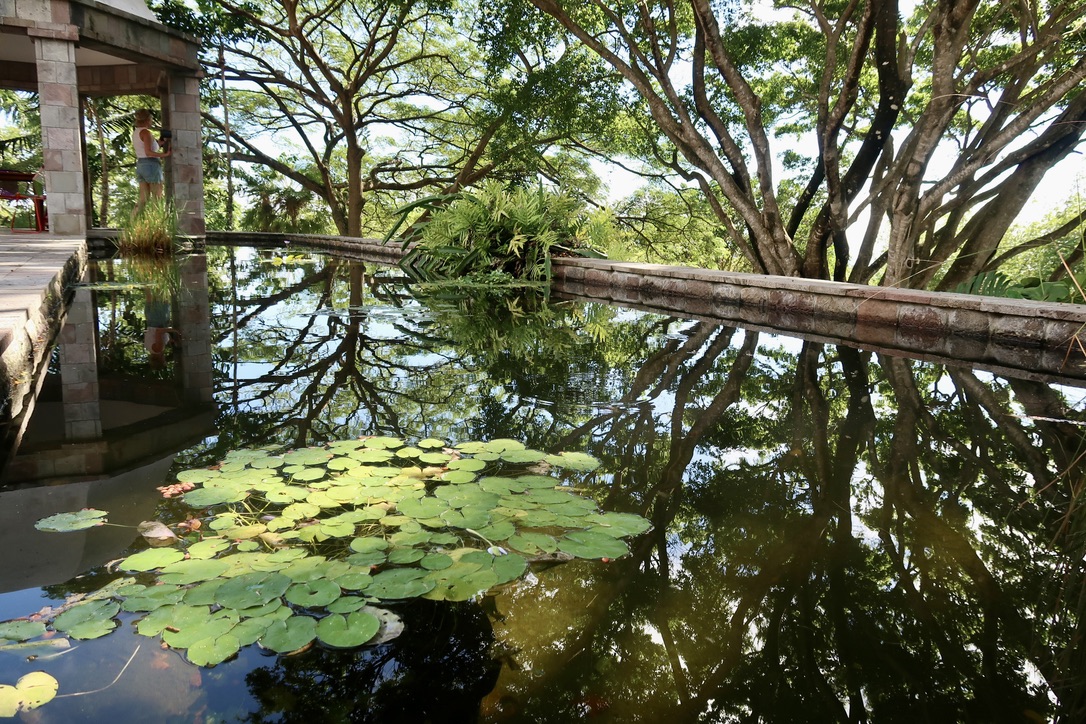
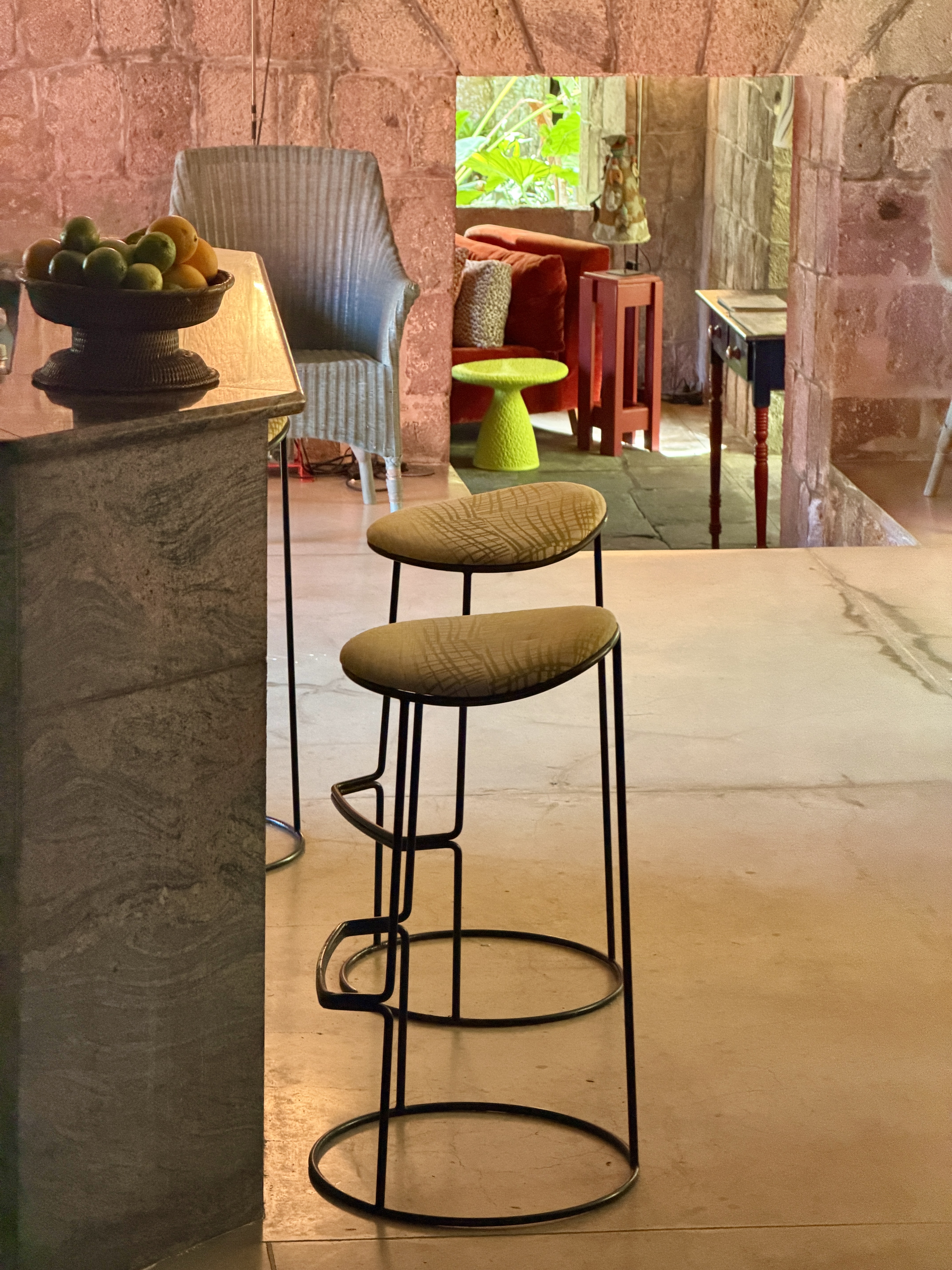
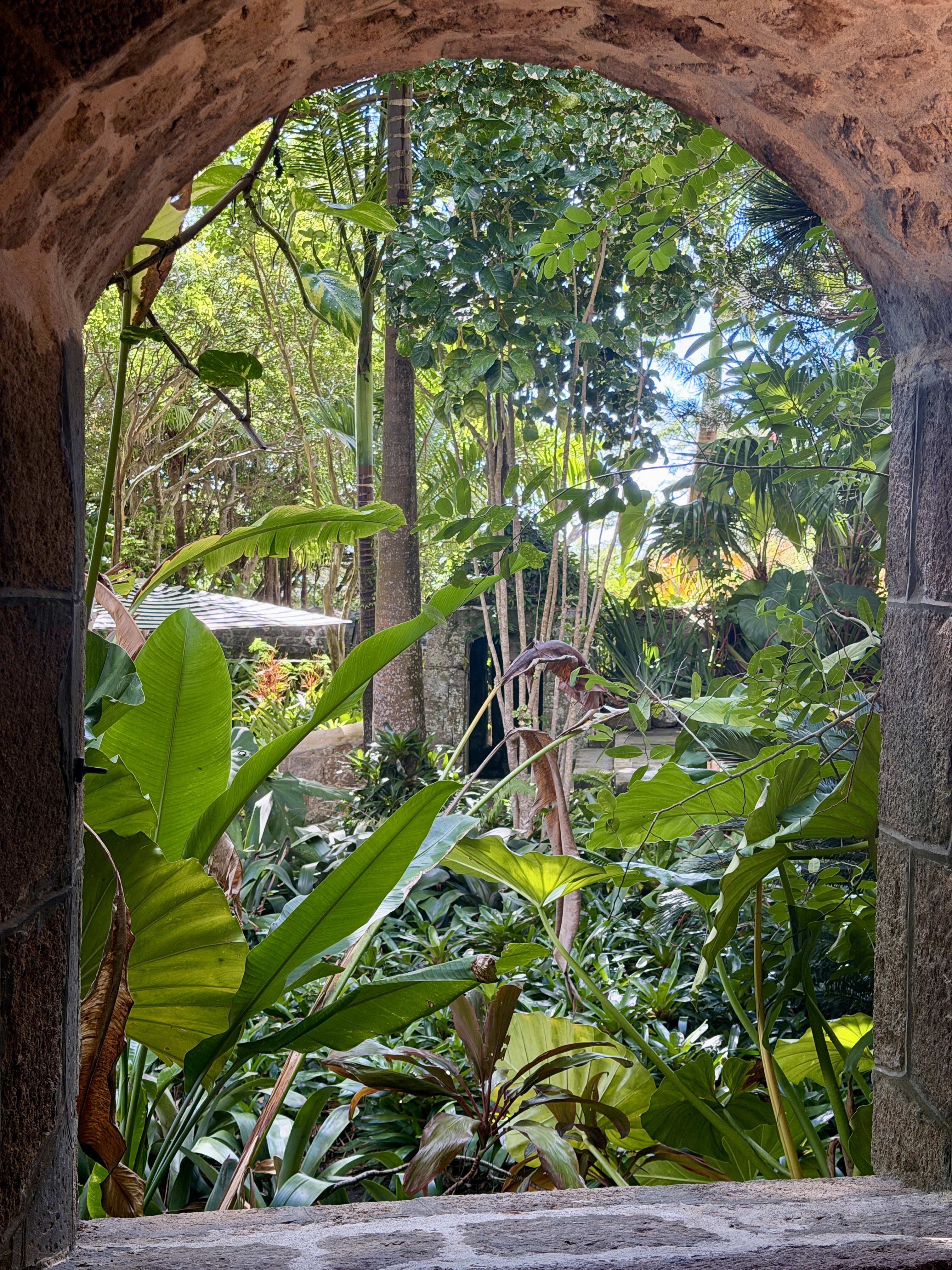
After these two beautifully restored sites, we headed to the unrestored (as in roofless) Cottle Church, built in 1824 by the slaves of one Thomas Cottle, a big-time lawyer who is now viewed as quite progressive.
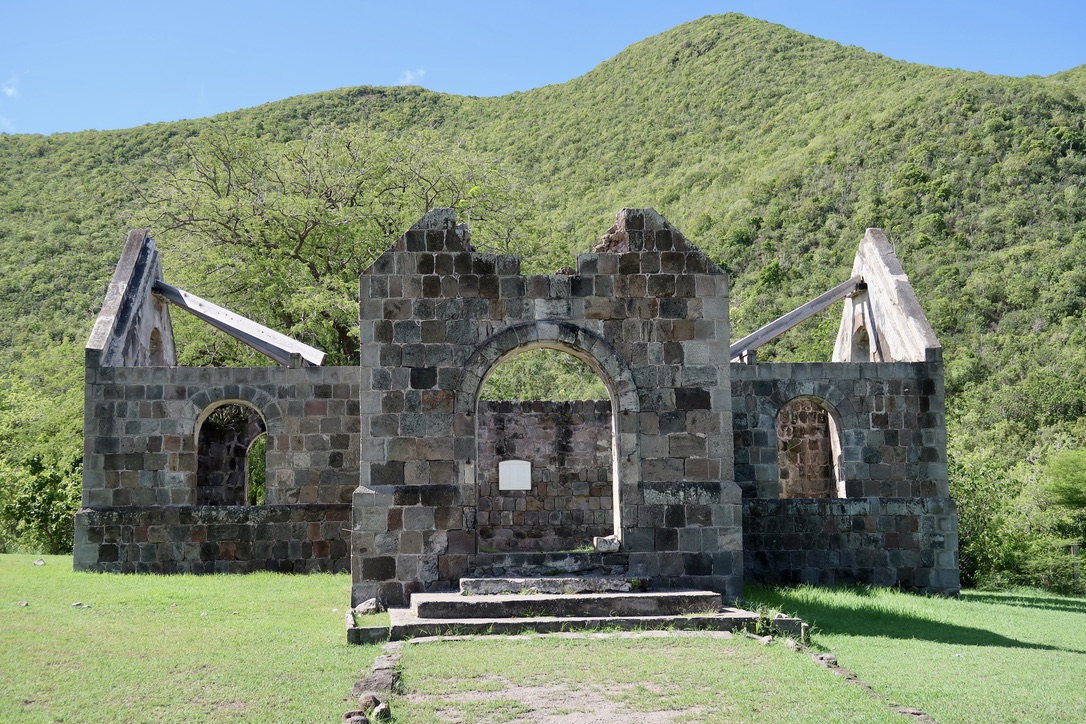
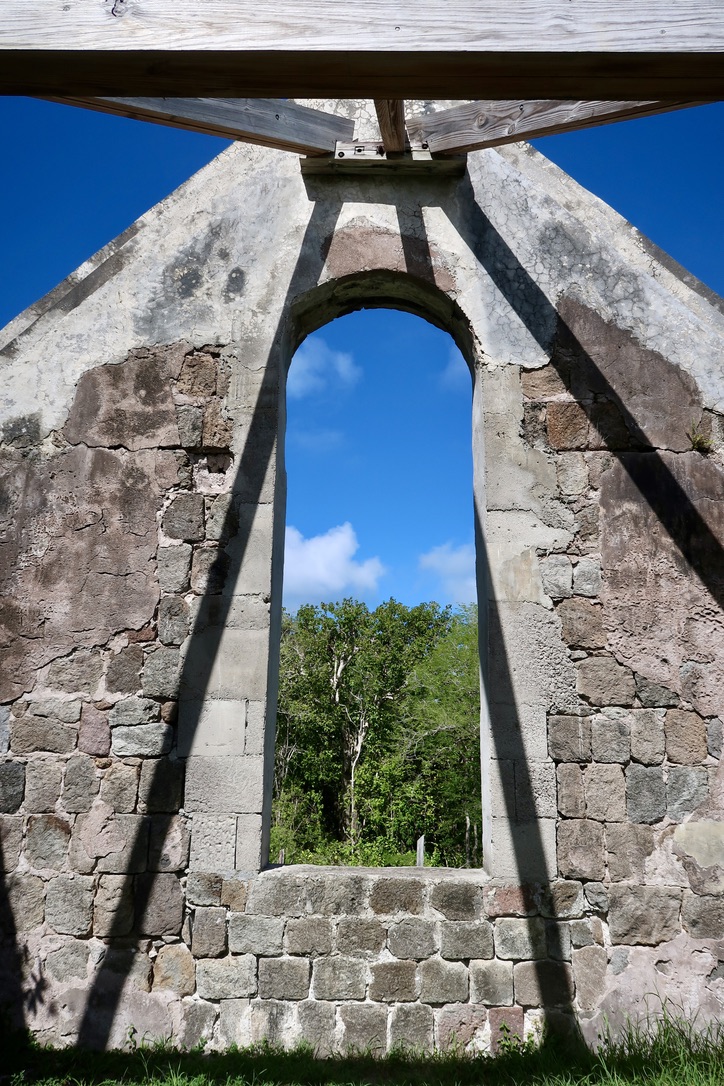
He earned that reputation by opening his church to everyone, regardless of race – mighty nice of him to do that, considering his own slaves built the place. The photo below is his memorial plaque; I’ll spare you the eyestrain by quoting a relevant part:
“To his Negroes a mild and humane master; ever anxious to promote their temporal benefit; and proving his regard to their eternal happiness by the erection of this chapel for his improvement. … He shewed how well could be united the gentleman and the Christian.”
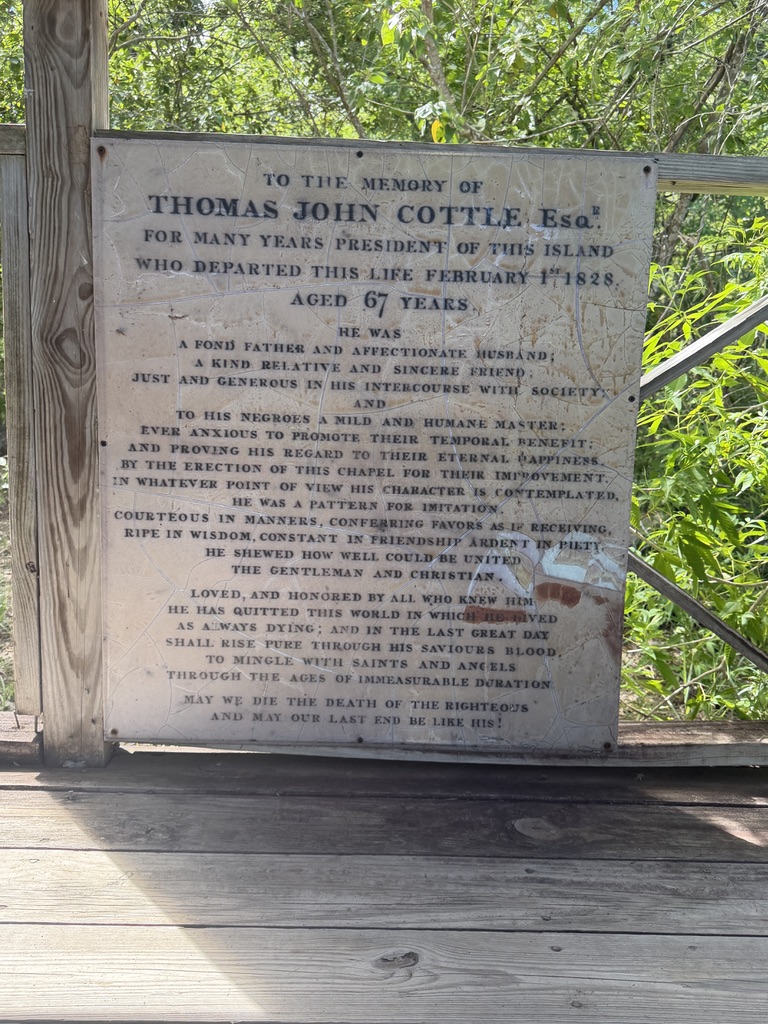
Did I mention he was a slave-owner?
Our tour ended with a scenic drive down the slope of Nevis Peak to the coast, past more 17th century churches and overgrown sugar mills and back into charming Charlestown. I leave here with true affection for Nevis: it and Bequia stand out as the hidden gems of this trip. To paraphrase Ahnold, “isle be back” – I hope!
Tomorrow I’ll drop in on another Saint (Martin). Hasta la vista, baby.


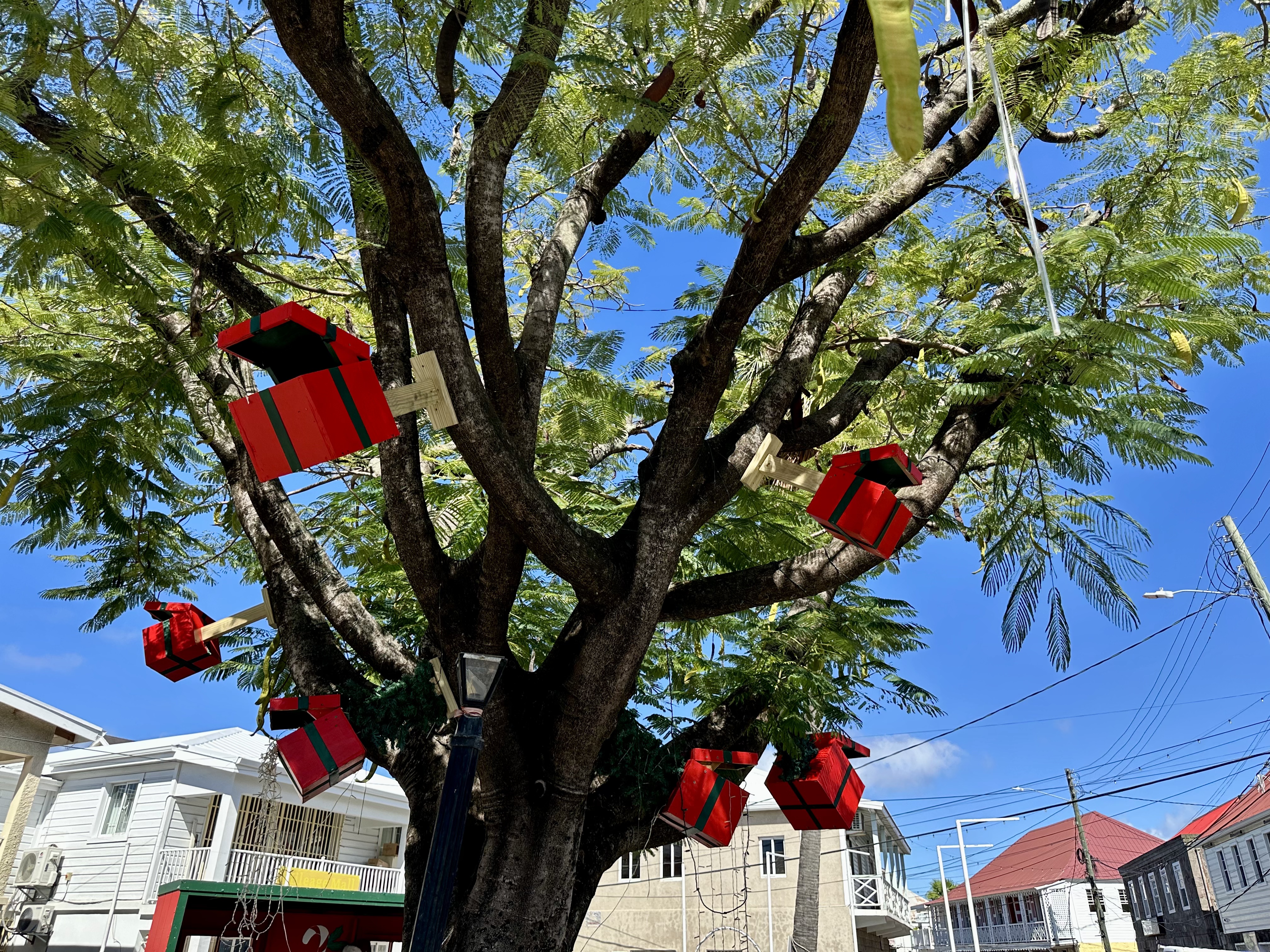
What are the red boxes in the one shot by Eric? Are they meant to be catching fruit or seed pods of some kind?
Christmas presents!