You can’t spell Grenada without “garden,” which is entirely appropriate. If I were cluing “Grenada” for a cryptic crossword, I might say something like “Island is a garden after a hurricane,” which would also be appropriate.
Grenada is nothing if not green, with all manner of trees, bushes, vines, and grasses ascending from every available surface. The remains of houses destroyed by Hurricane Beryl in 2024 now host exuberantly growing saplings and lianas. Cinnamon trees scatter seeds, and months later their offspring begin to crowd out their parents. Abandoned vehicles host entire ecosystems. Grenada is nature at its most boisterous.
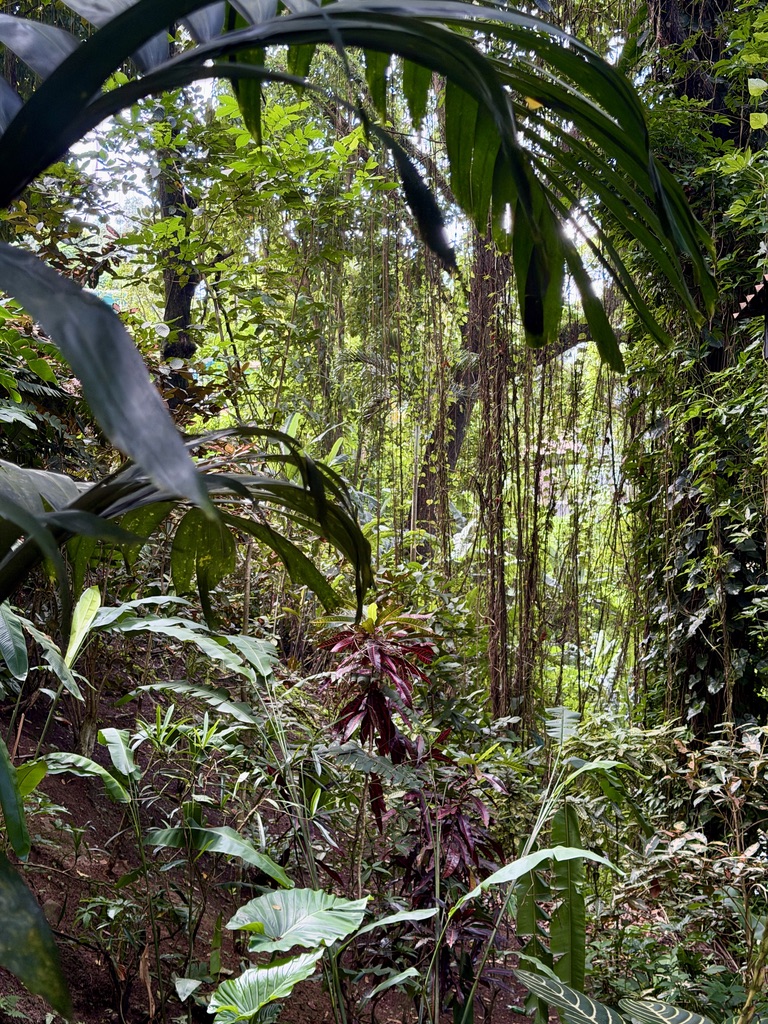
The island’s rich volcanic soil and abundant rainfall make all this possible – and also support an agricultural bounty giving Grenada its “Spice Island” nickname. (Grenada is the world’s second-largest supplier of nutmeg and also exports almost every other seasoning you might find in your kitchen.) My tour today ended at a spice and herb farm, which I’ll get to shortly, but let me take things in order.
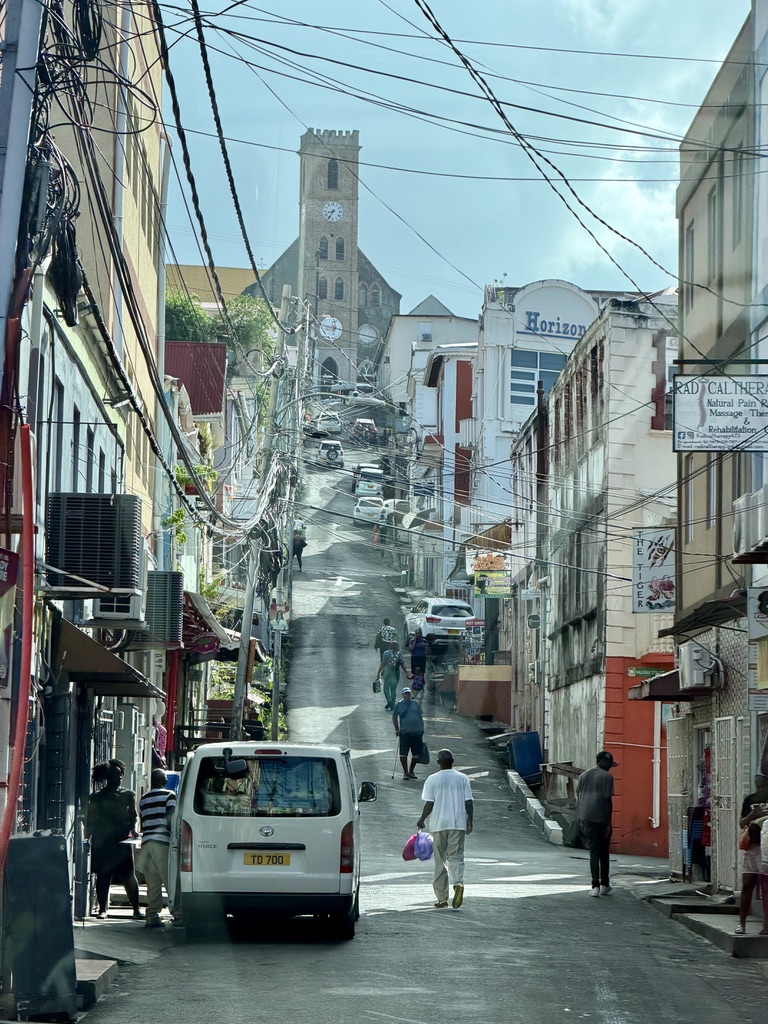
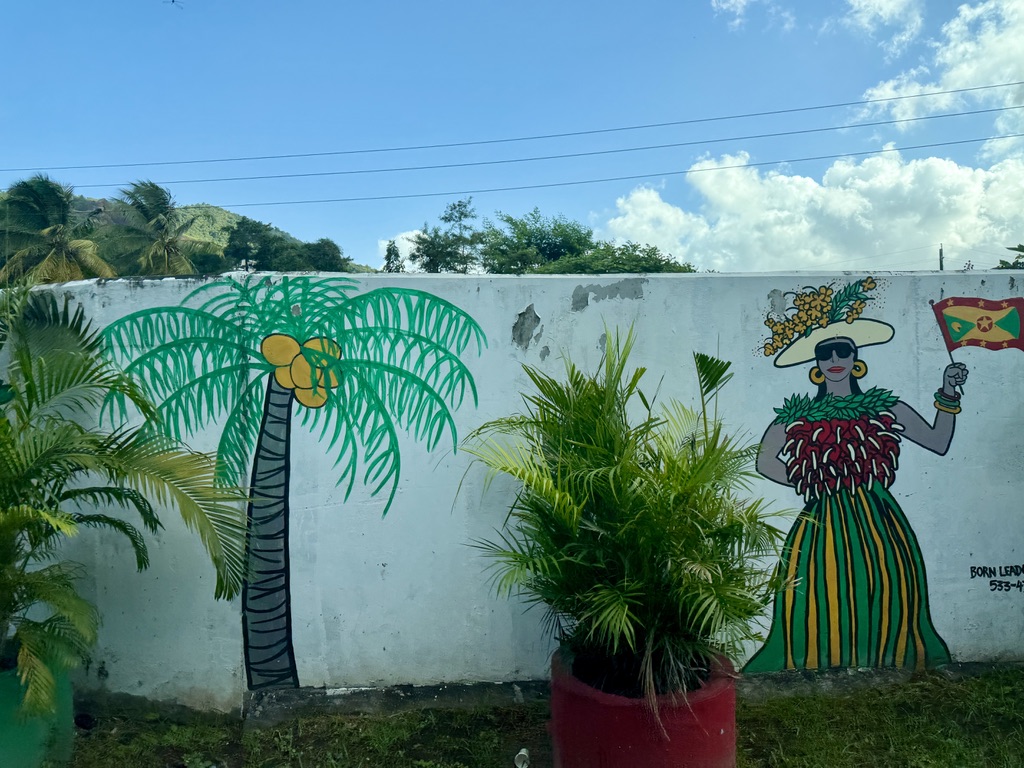
From the cruise port in St. George’s, the island’s bustling capital, we drove to Annandale Falls, a picturesque cascade in the rain forest. Roads in Grenada are literally works in progress: the government is putting in new water pipes and drainage systems, and there were frequent narrowings of already-constricted streets. Thankfully, our driver/guide, Terry, adeptly handled the hairpin turns and steep grades as we made our way into Grenada’s mountainous interior. (Other than the airport, I don’t believe there is any flat land on the island.)
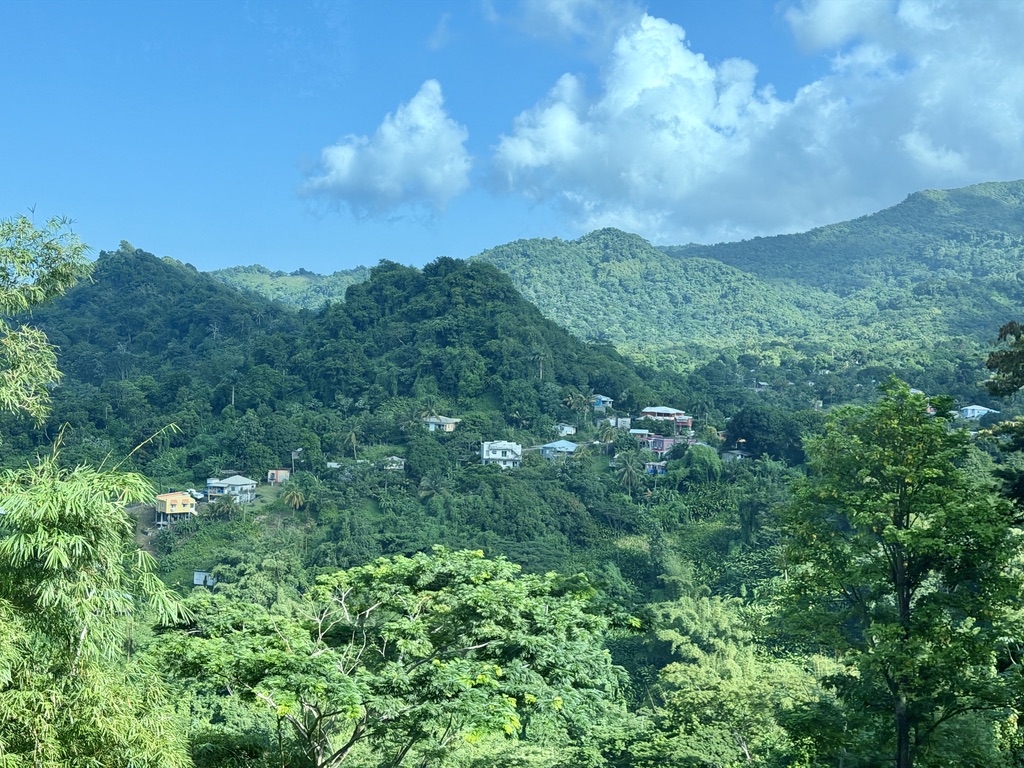
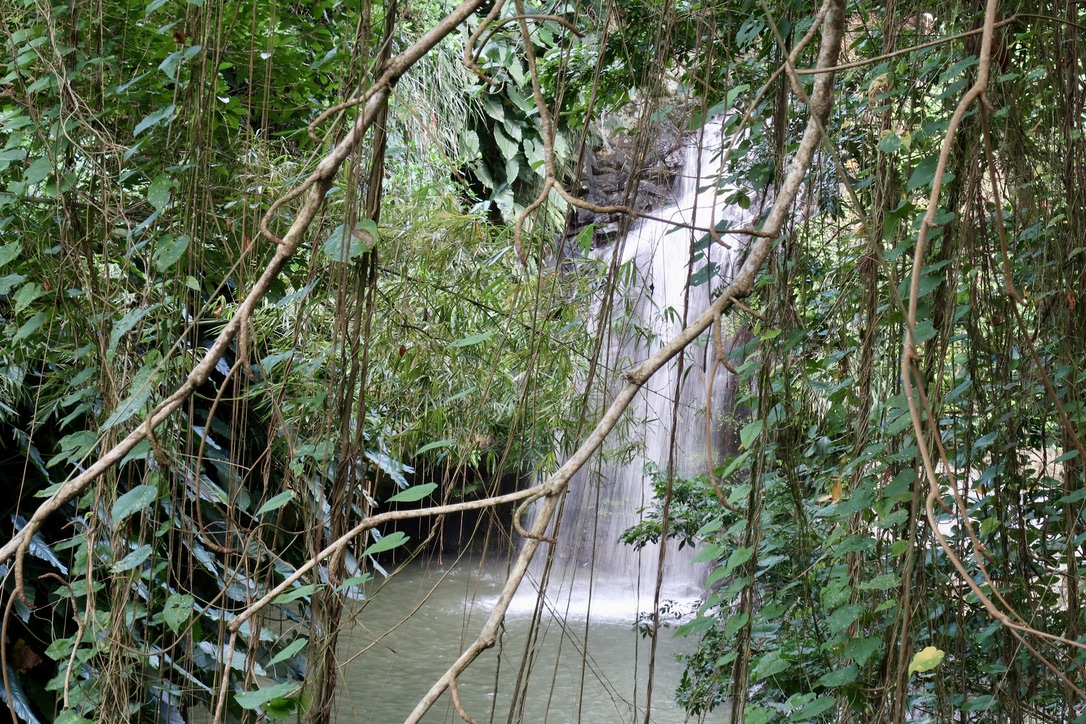
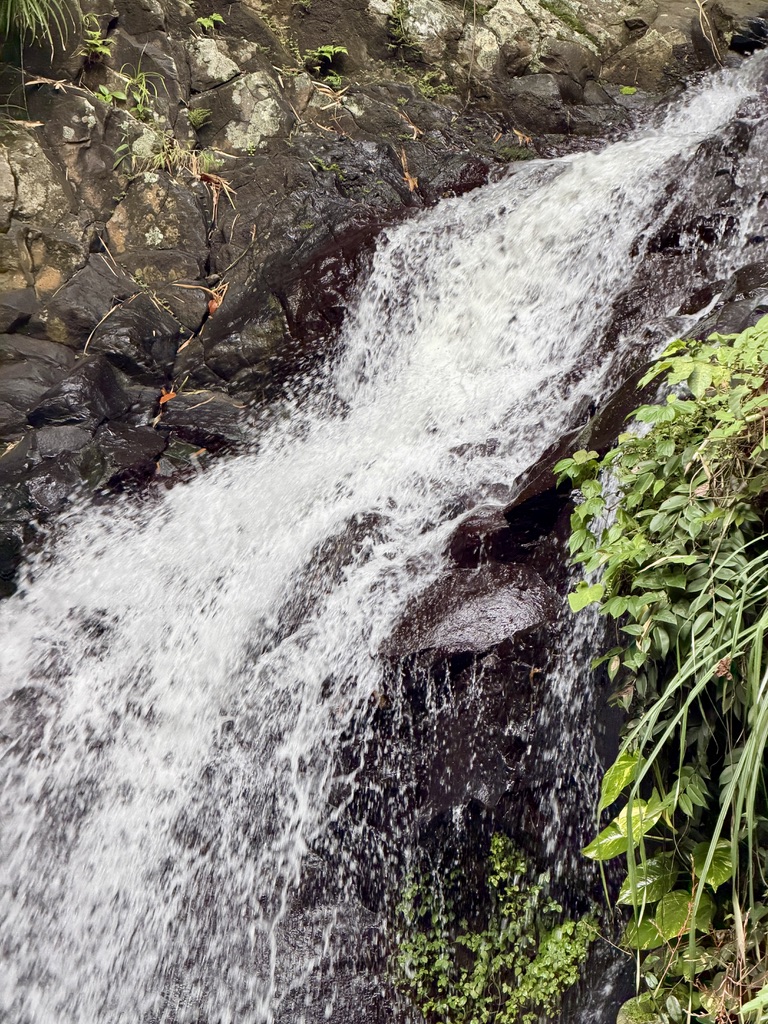
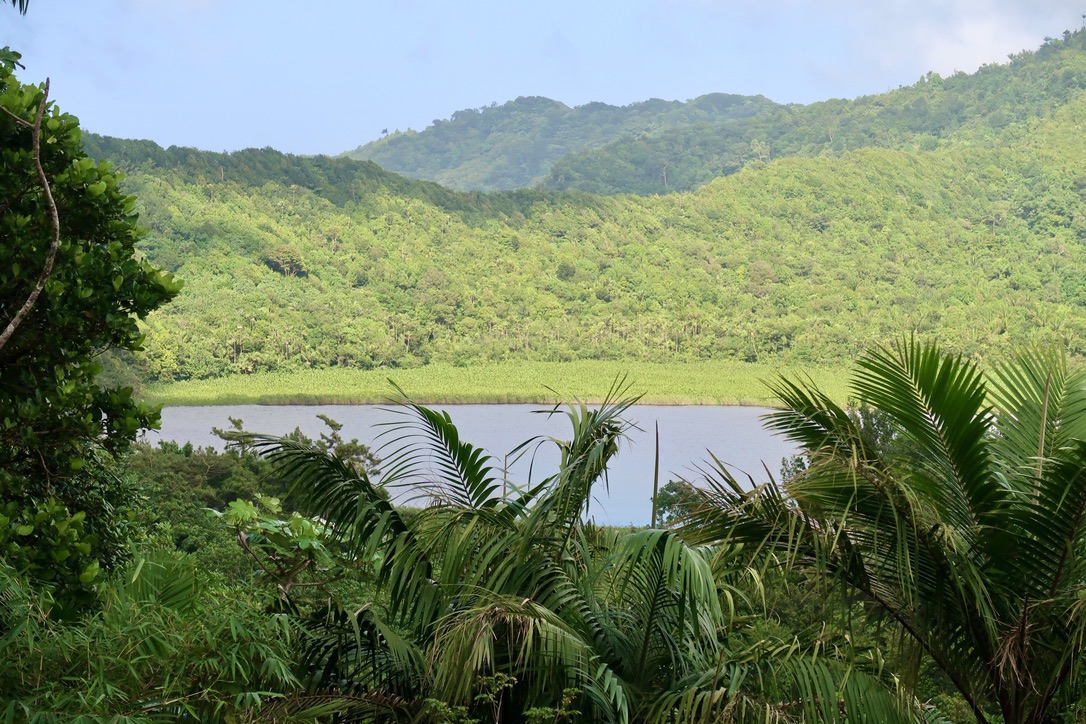
After admiring the falls – and marvelling at the bravery/insanity of a man who would jump 10 meters from the top of the fools into the pool below for tips – we headed to Grand Etang National Park. The Park is a rainforest reserve centered on Lake Etang, which fills a volcanic crater. Among other wildlife, the Park is home to Mona monkeys, which were brought over with slaves from West Africa.
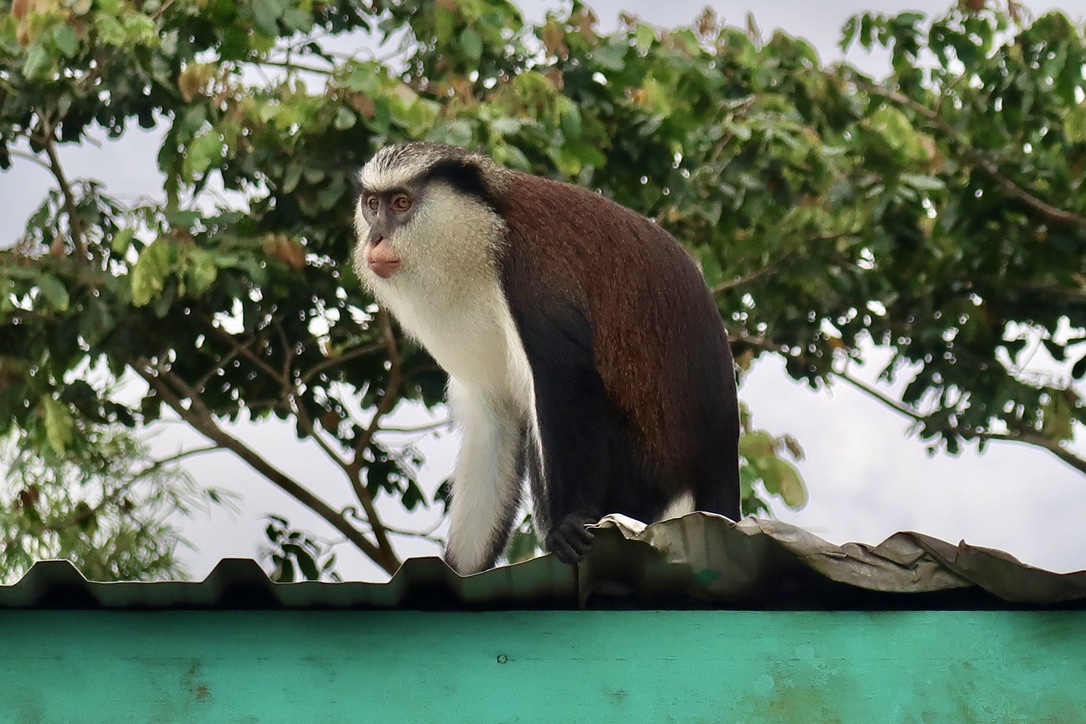
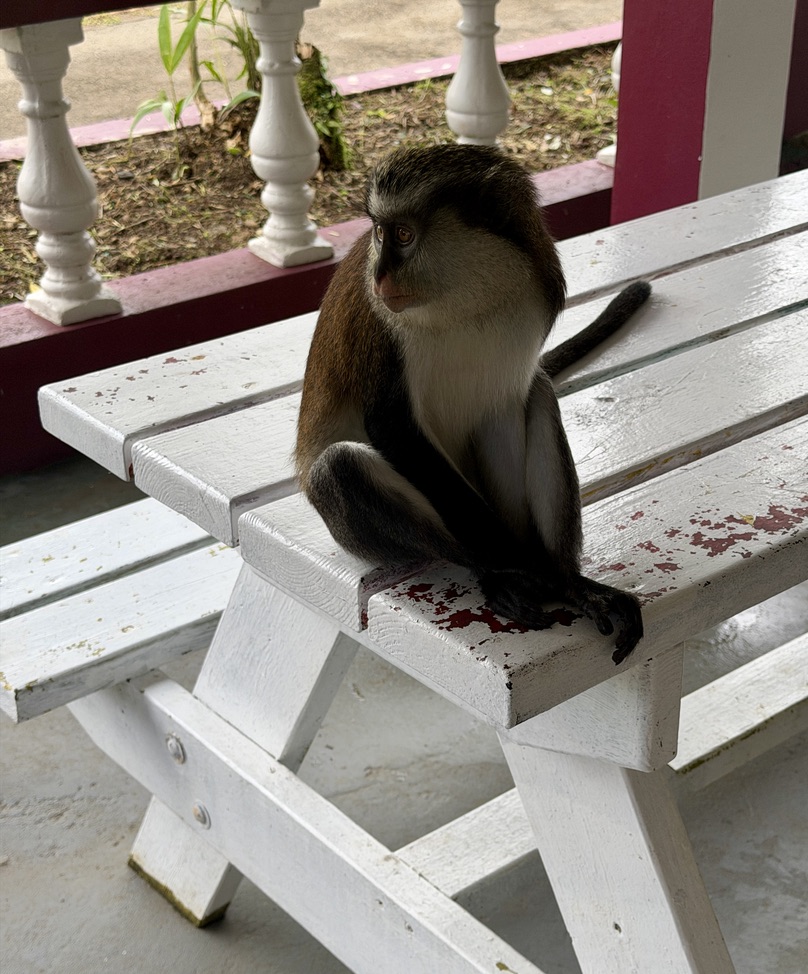
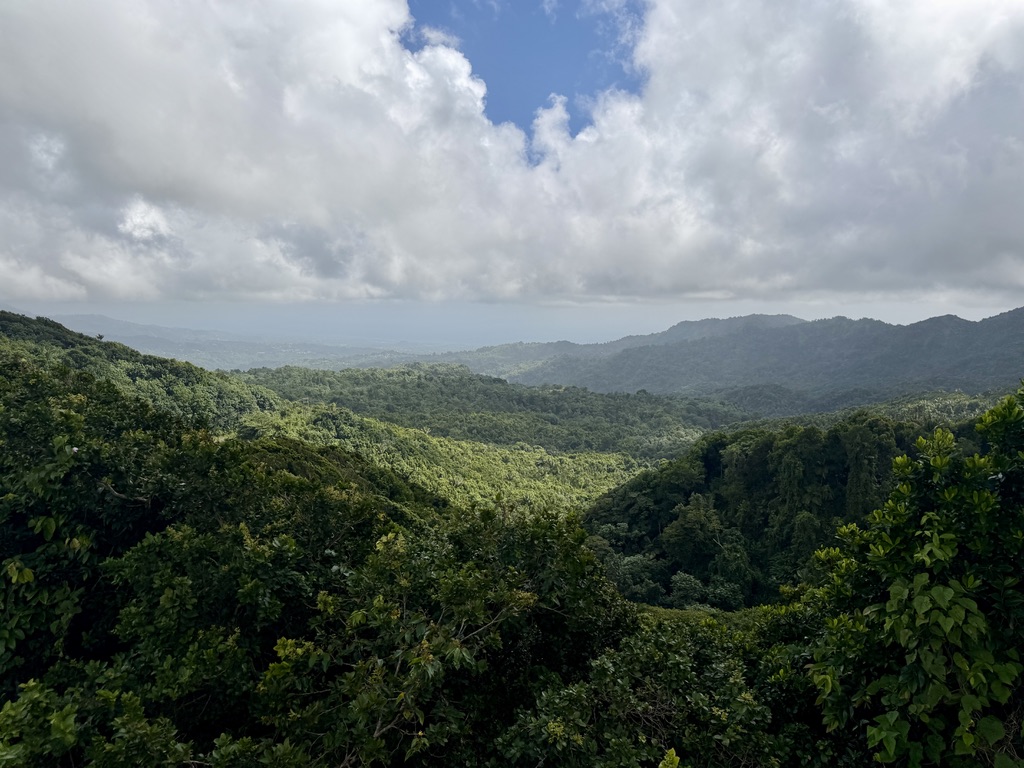
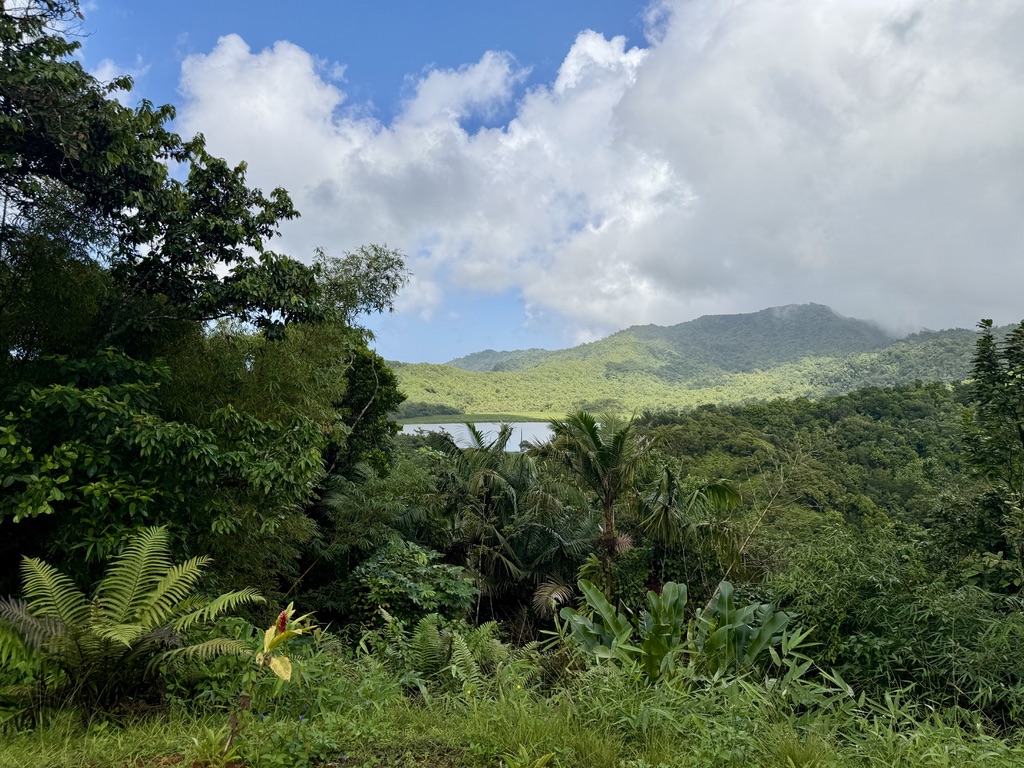
From the parking lot, there’s a trail that heads steeply uphill to a lookout point affording views all the way to the coast. It’s not a long hike – it took me around seven minutes – to reach the lookout, and I wouldn’t call the view spectacular, but it’s worth the exertion. In particular, turning to the left at the top, which I did after climbing down from the wooden lookout platform, gives a vantage that frames the lake beautifully.
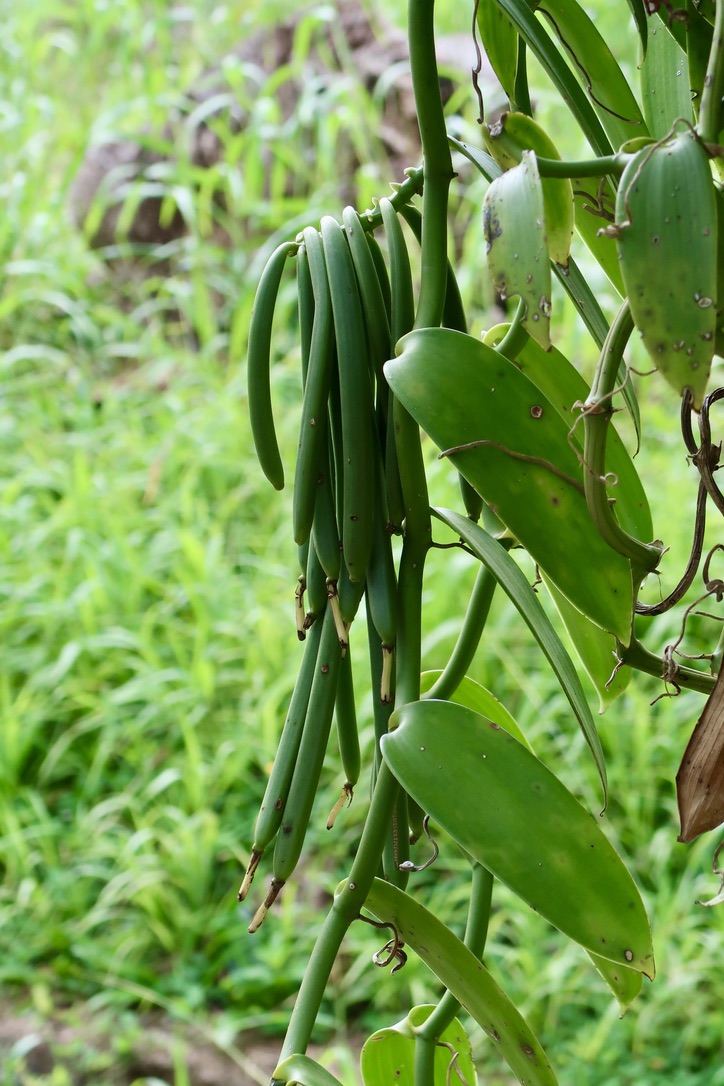
Our final stop was Laura’s Herb & Spice Garden, a lush and fragrant farm growing all kinds of its namesake products. The woman who guided us – I didn’t catch her name – was wonderful. She would tear off leaves from various plants and ask us to guess what they were, and then explain their medicinal and culinary uses. (According to her, virtually every herb she picked was good for diabetes and high blood pressure.)
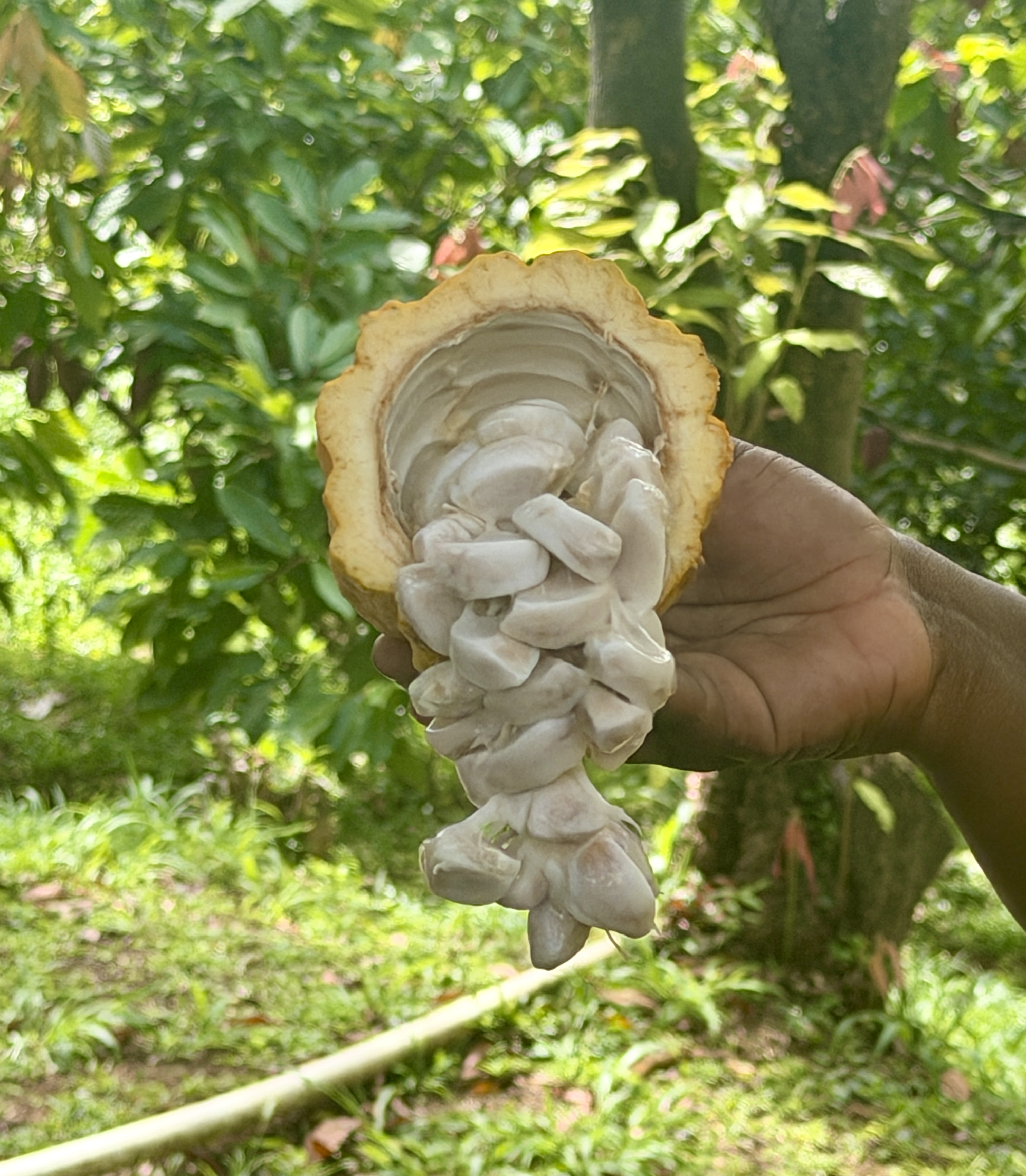
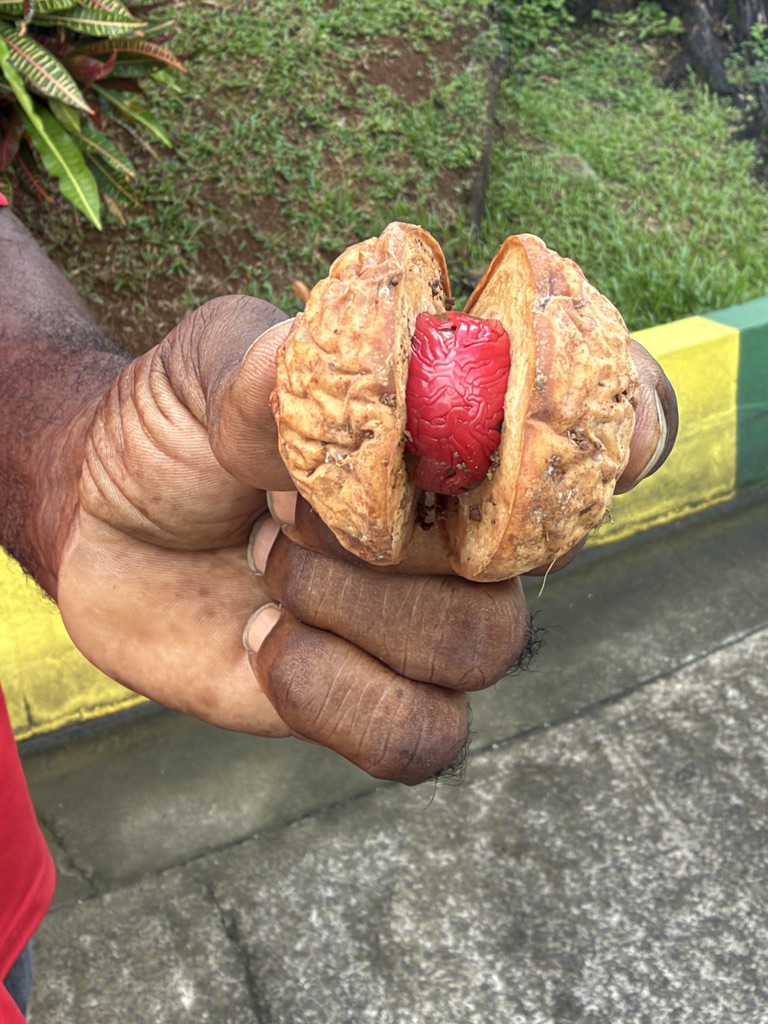
One leaf proved particularly difficult to identify: I thought it smelled like cloves, someone else said a bay leaf, and another perons smelled cinnamon. She smiled and said “that’s why it’s called allspice!” She also picked a weed called shado beni, which I thought smelled exactly like cilantro. Our guide said that, in fact, it’s used as a cilantro substitute. When I asked whether it provokes the same extreme reactions as cilantro does (with people either loving it or thinking it tastes like soap), she said that it does. Live and learn!
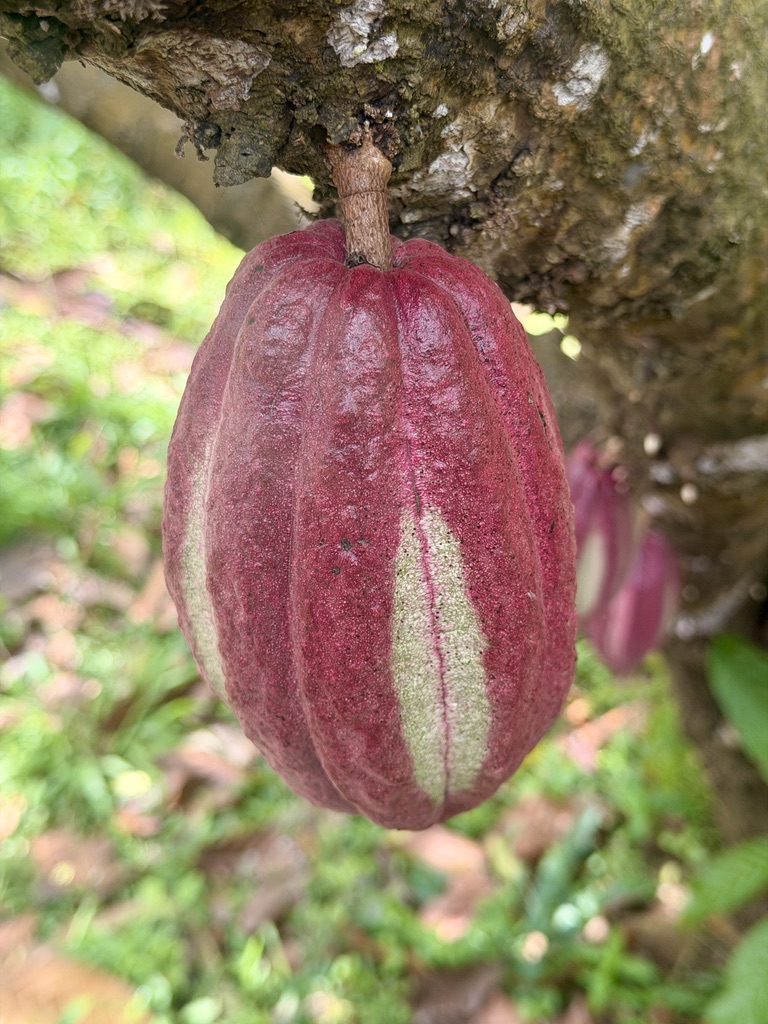
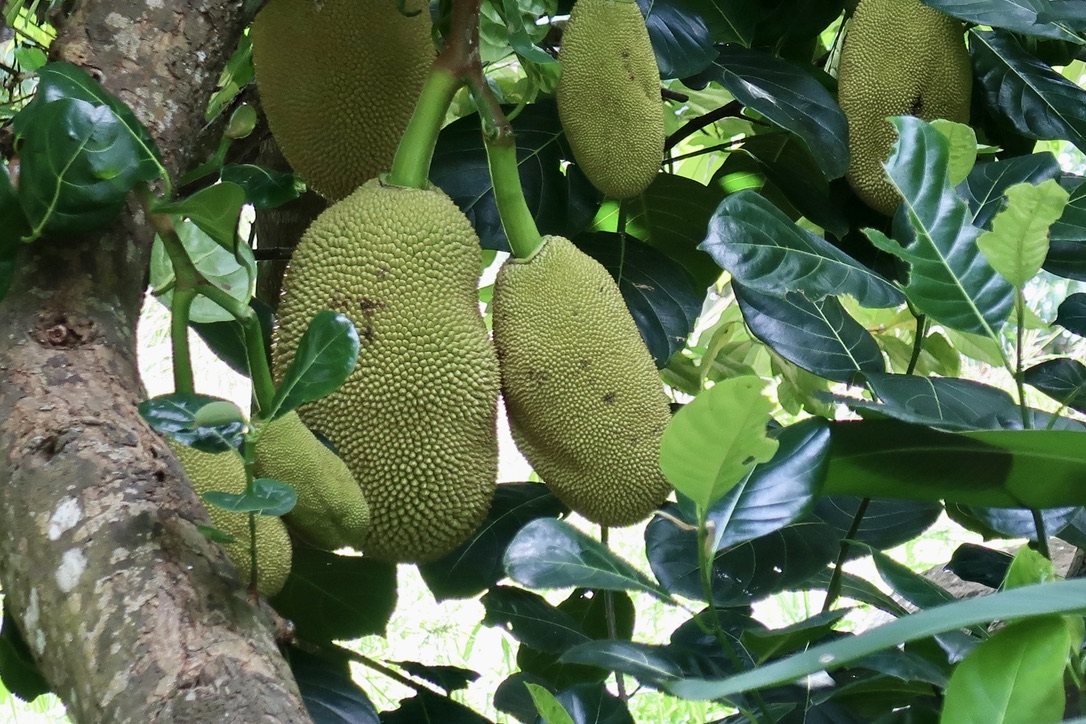
I very much enjoyed my visit to Laura’s. If you’re interested in cooking, or even just in eating, it’s a worthwhile place to stop. Here’s a link if you’re considering it.
I’ll be back tomorrow after touring Tobago on an off-road 4×4, assuming I’m not too sore to sit and write!


