Dominica – pronounced almost like the song by the Singing Nun, for those who remember the number one song on the U.S. Billboard Hot 100 in 1963, I kid you not – is a picturesque island living up to its sobriquet, “The Nature Island.” (By the way, don’t use Google Translate to get the English version of the lyrics, which begin “Dominique-nique-nique.”)
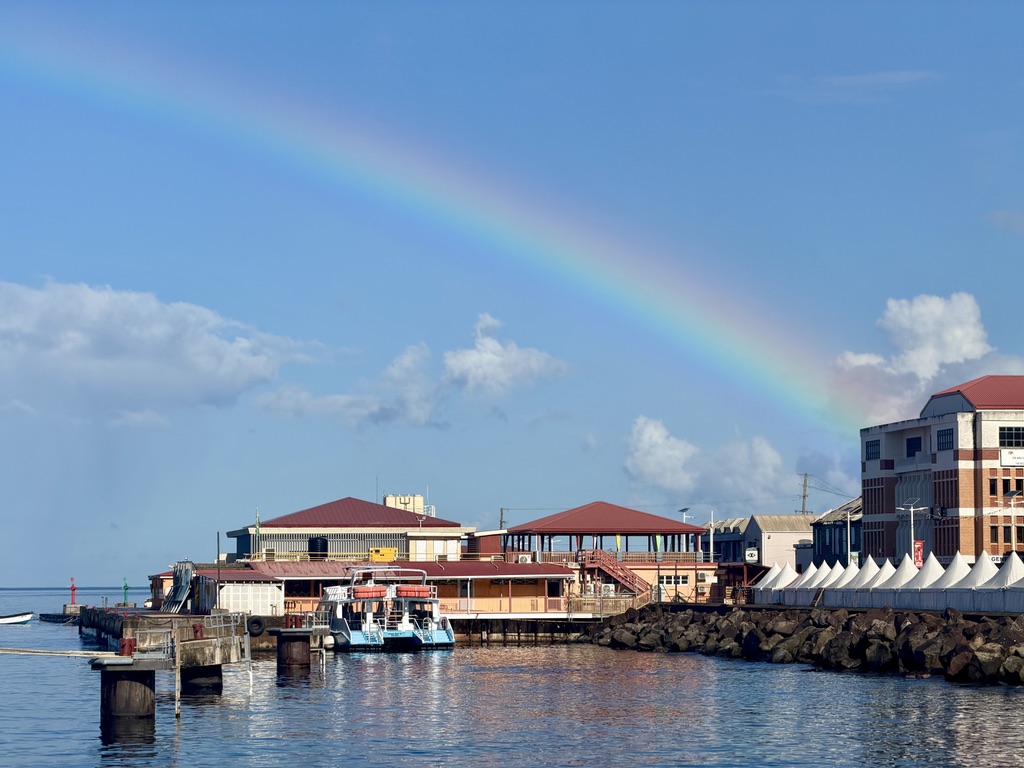
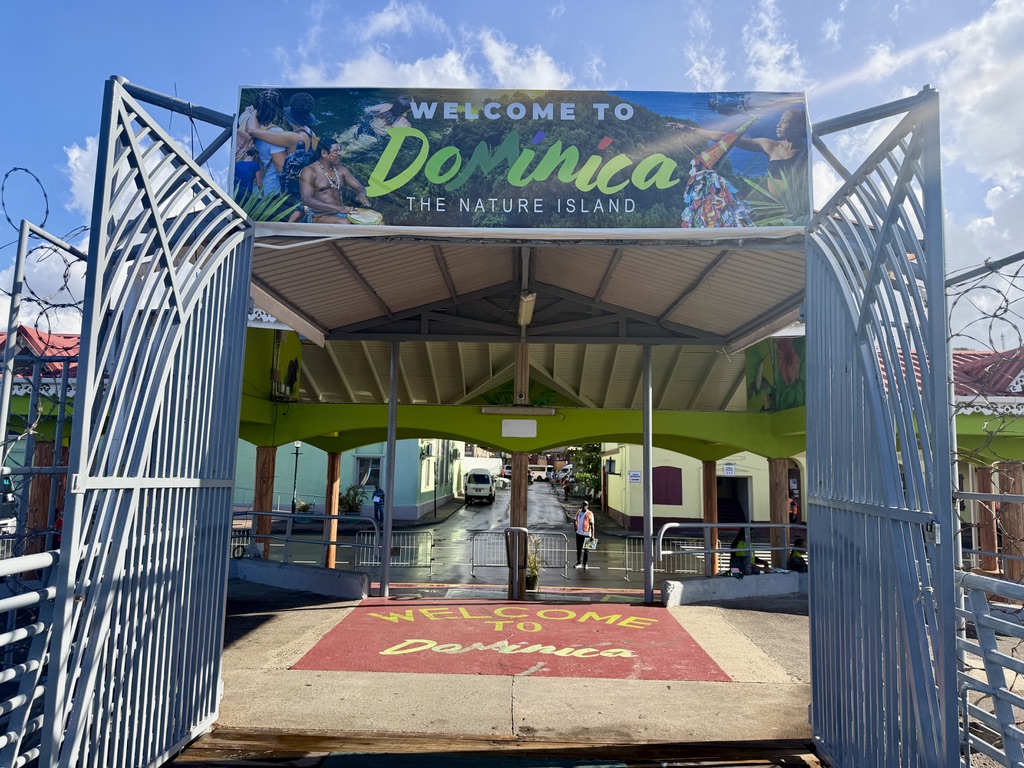
Dominica is off-the-beaten-track Caribbean, at least for now. There’s no glitzy cruise terminal, no big name resorts, no high-end shopping. There is, however, a new international airport being constructed, and as our tour guide said, Dominicans are both excited and apprehensive about the changes easier access might bring.
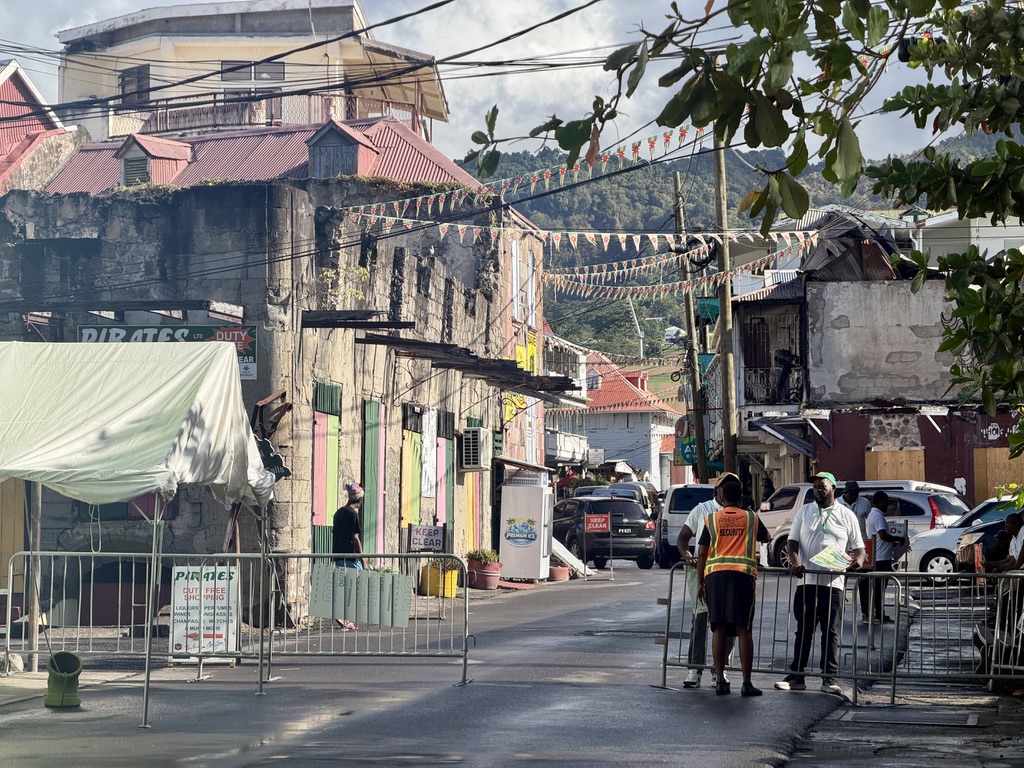
Dominica, by the way, was named by Columbus, who sighted the island on a Sunday. As people here are quick to point out, it is not the same as the Dominican Republic, an island Columbus also happened to “discover” on a Sunday.
The island’s native name, in the language of the indigenous Kalinago, is “Wa’itu kubuli, which means “tall is her body.” That’s also the name of the tour company that showed us many of Dominica’s highlights today – a company I highly recommend. You can find them on Viator or book directly at waitukubulitours.com.
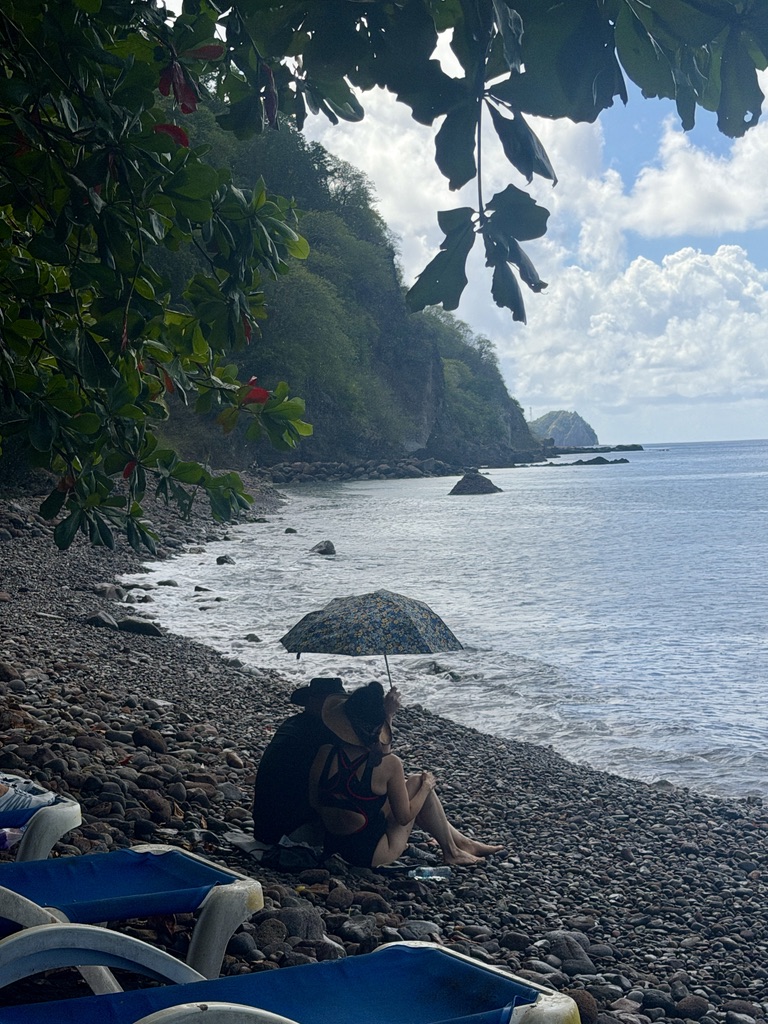
My brother and I took a tour called “Shoreside Fun Day with Titou Gorge, Hot Springs, Waterfalls & Champagne Reef,” and the name doesn’t do it justice. This was a terrific excursion, led by an engaging and knowledgeable guide and hitting many of Dominica’s highlights.
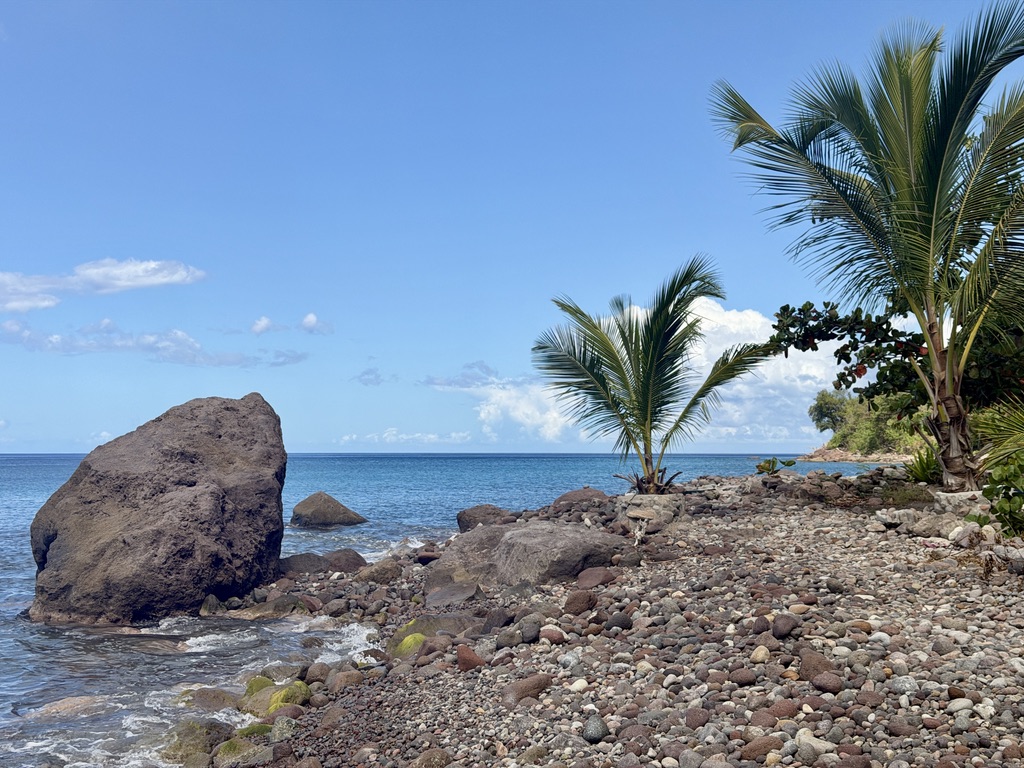
We began at Champagne Reef, a snorkeling spot where bubbles rise from an underwater volcanic vent; according to my brother, who is far more comfortable in the water than I, the reef is populated by all manner of colorful fish. I, true to my landlubbing nature, remained ashore and enjoyed the rocky, scenic beach.
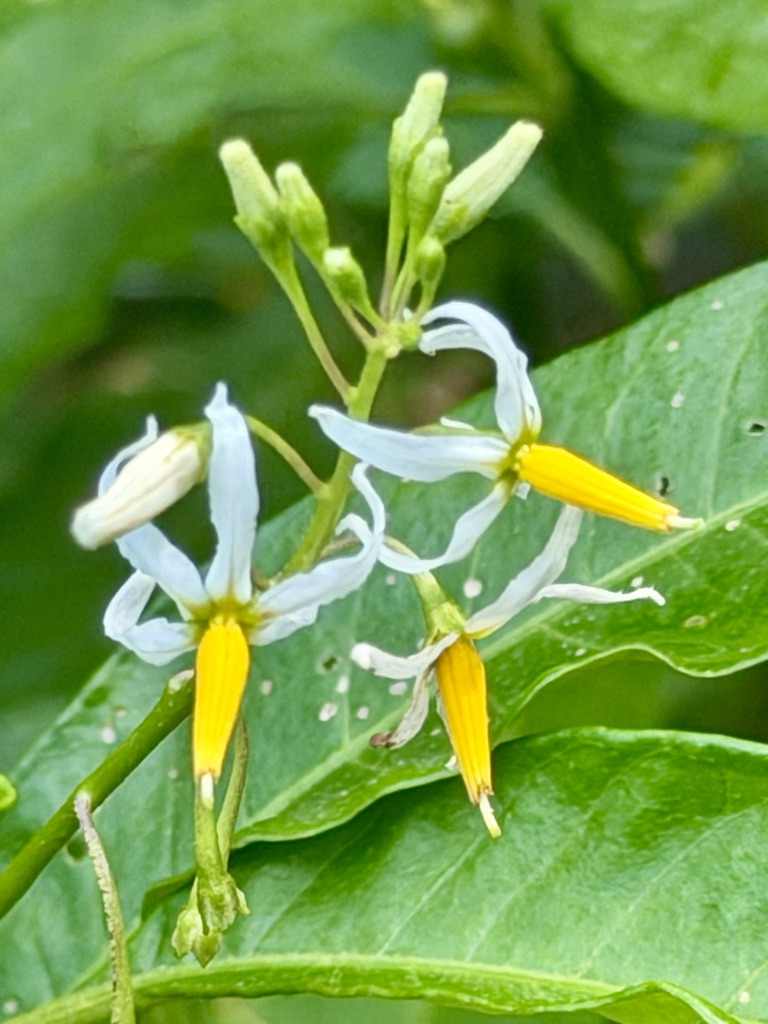
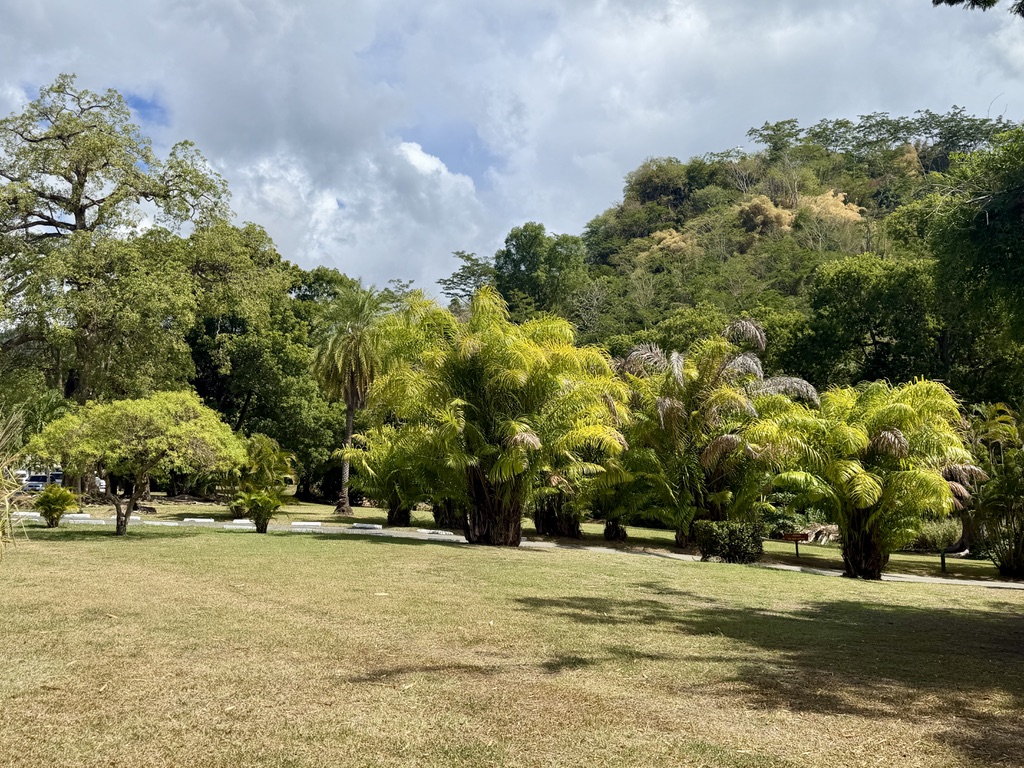
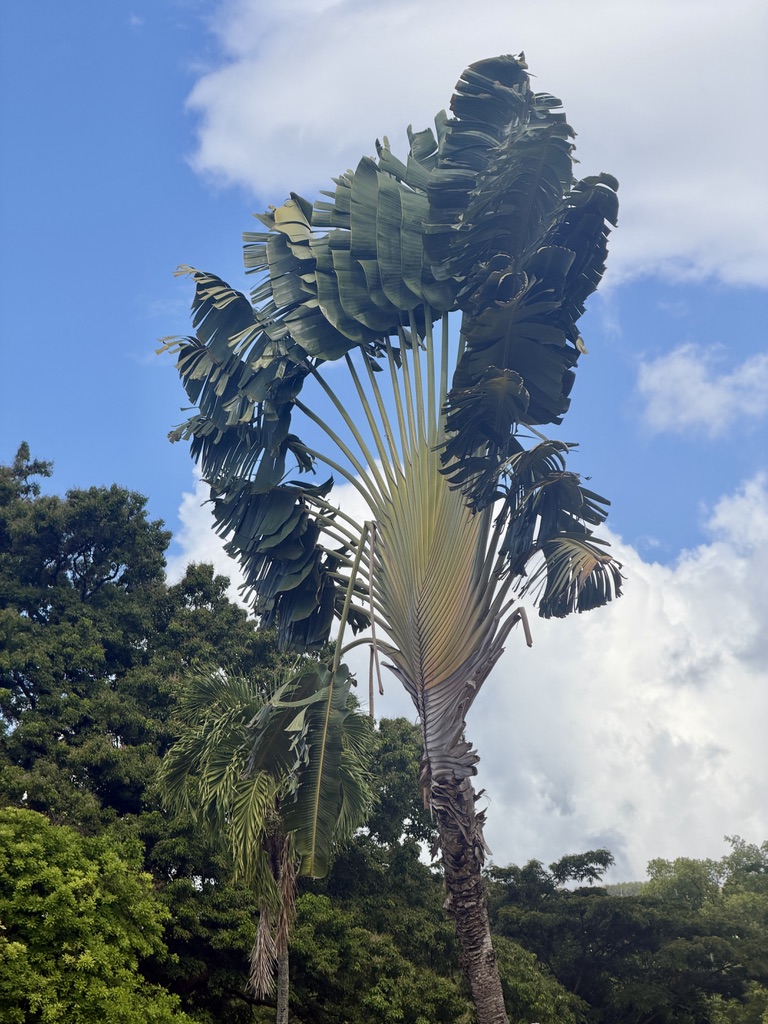
Our next stop was the Roseau Botanic Garden.
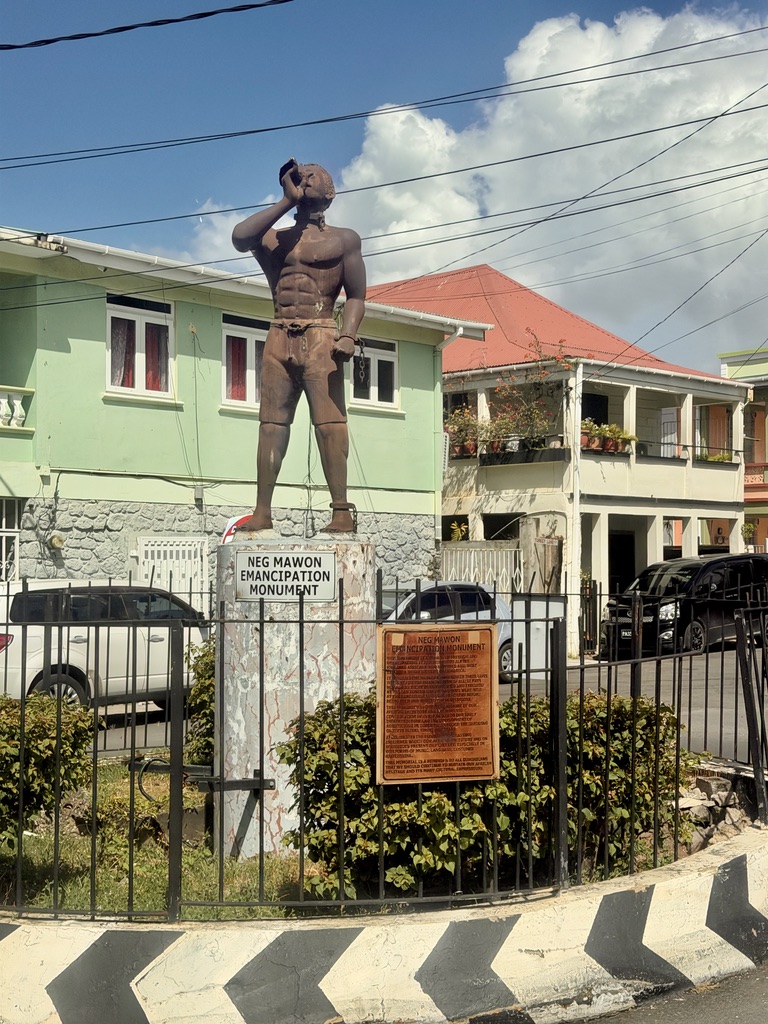
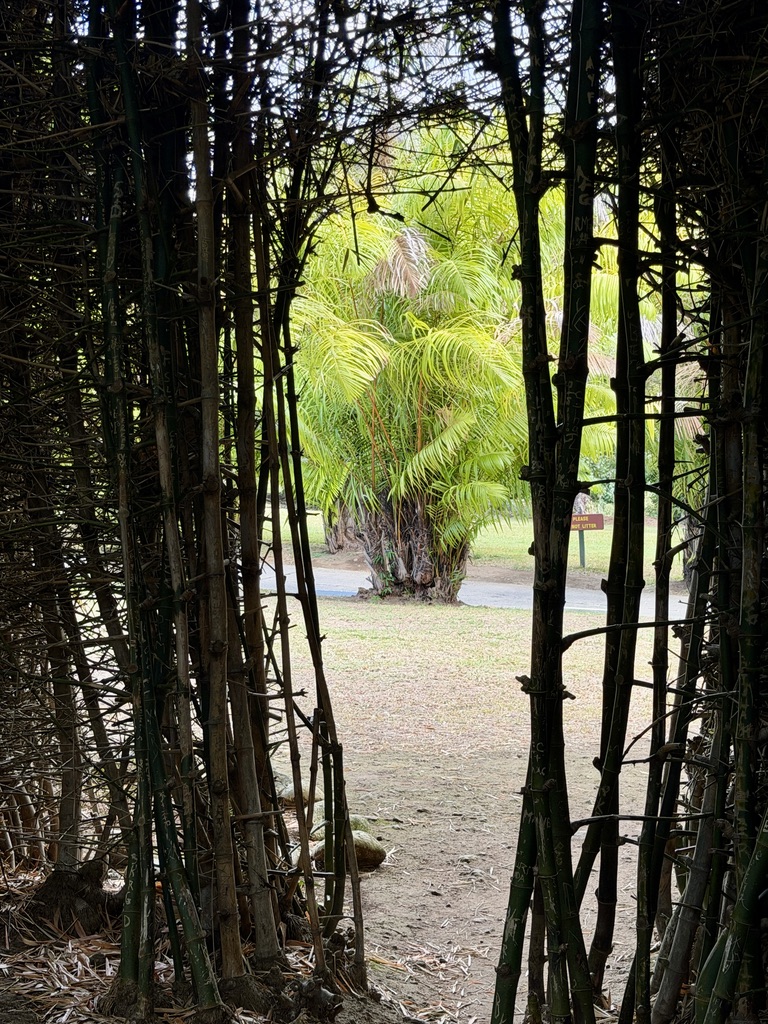
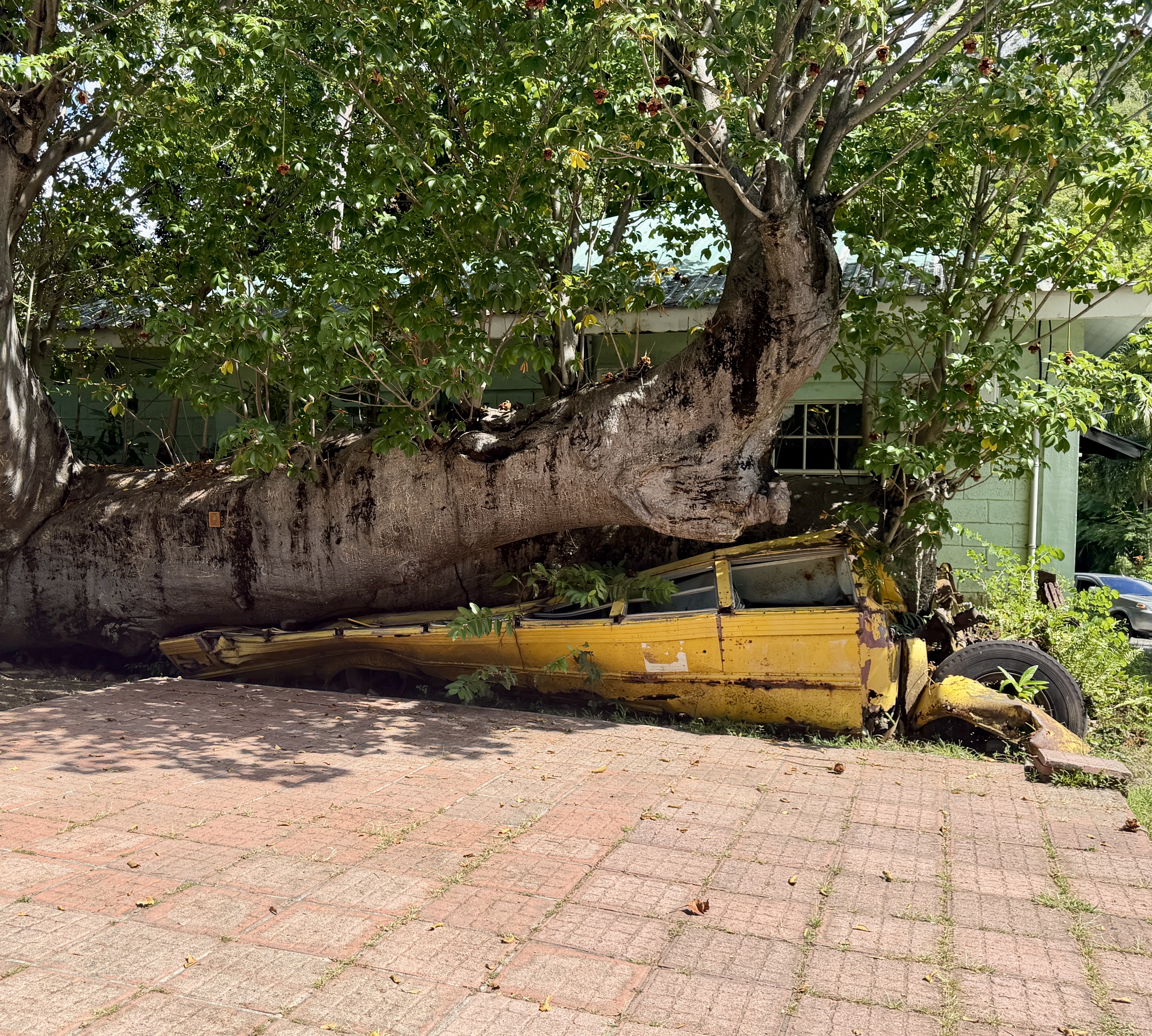
It’s a nicely manicured expanse filled with lovely plants, a bamboo grove, and the Hurricane Bus – a school bus that was crushed by the limb of a baobab tree in 1979, courtesy of Hurricane David, which for some reason is a tourist attraction. (Thankfully, no one was on the bus at the time.)
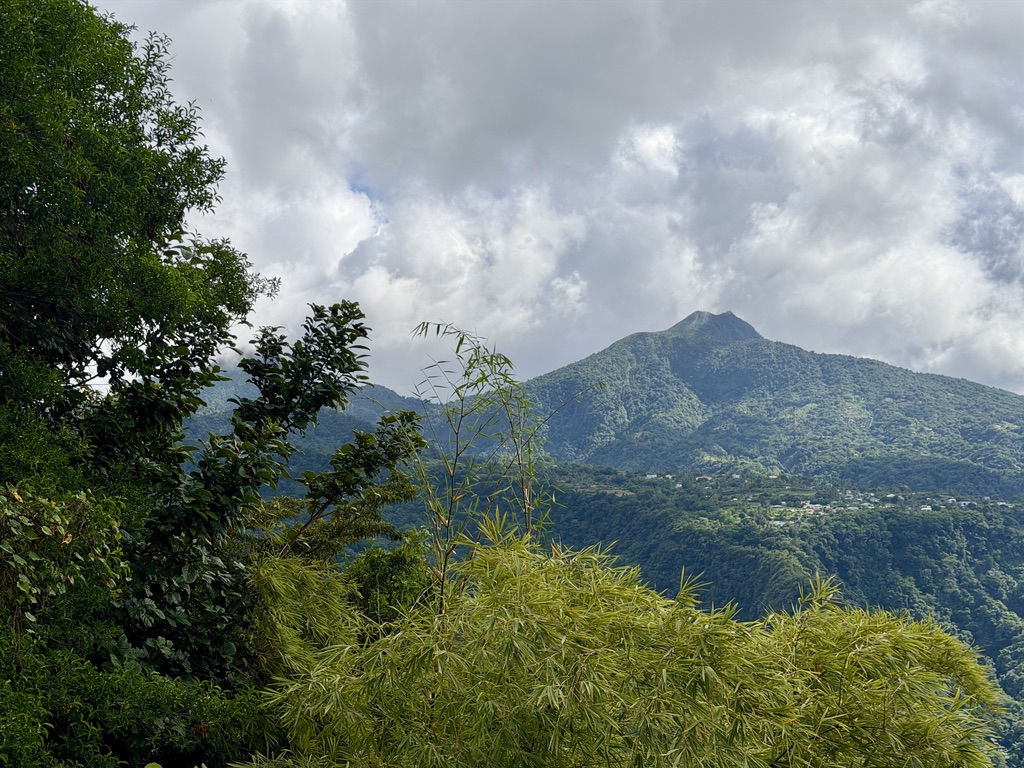
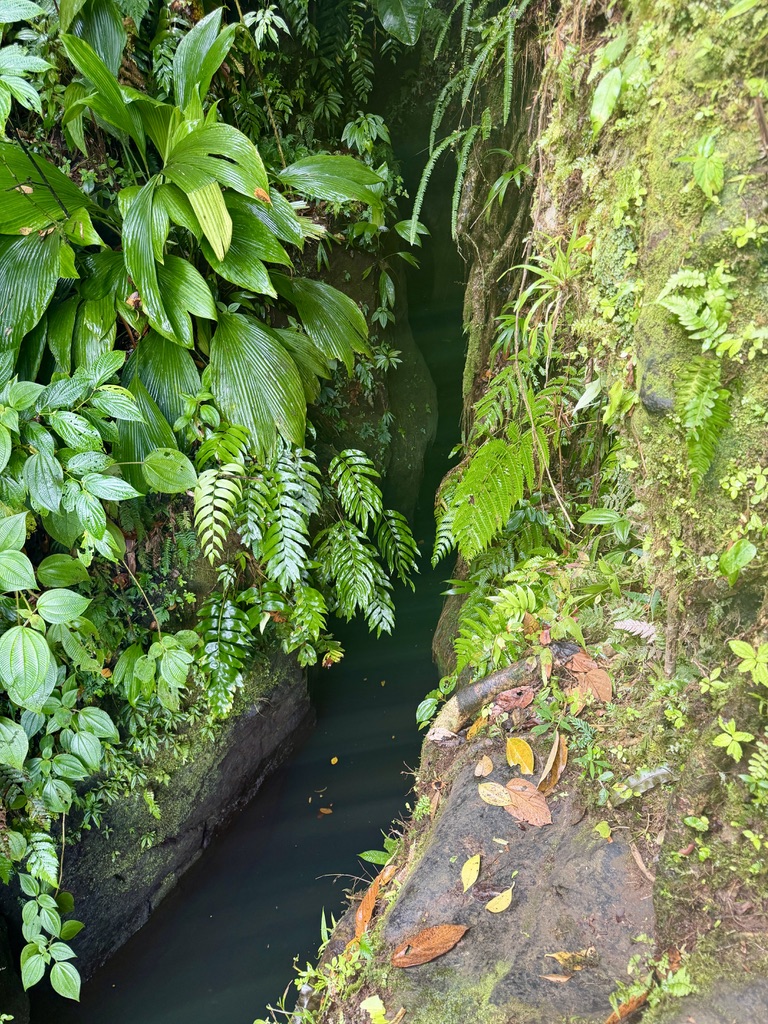
From the garden, our tour bus labored its way up Dominica’s mountains to Titou Gorge, where the more aquatic-minded of our group (my brother included) swam in a “refreshing” (i.e., uncomfortably cold) river through a high, narrow gorge to a waterfall.
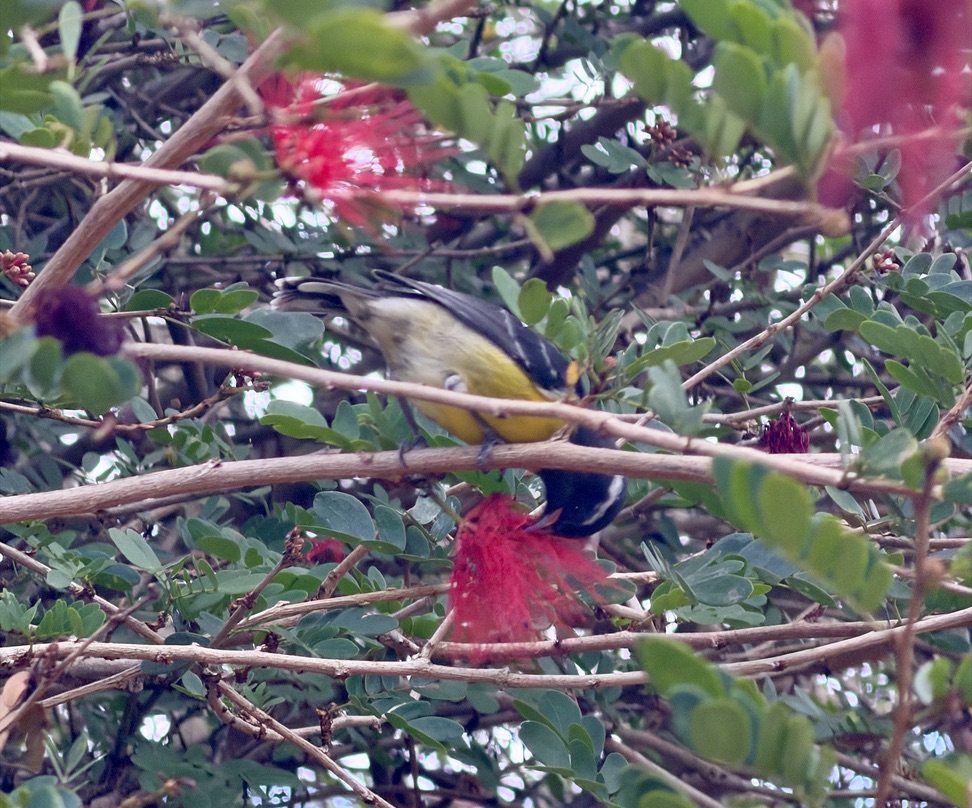
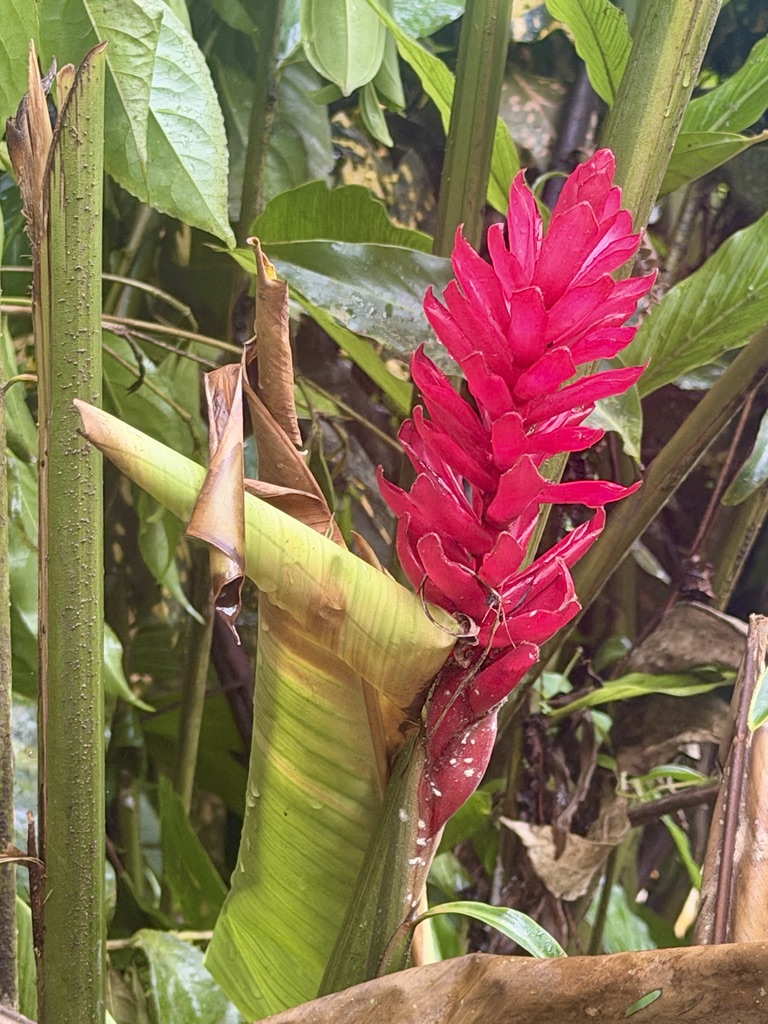
Eric thought it was a most worthwhile experience. I amused myself taking photos of lizards, crabs, and flowers.
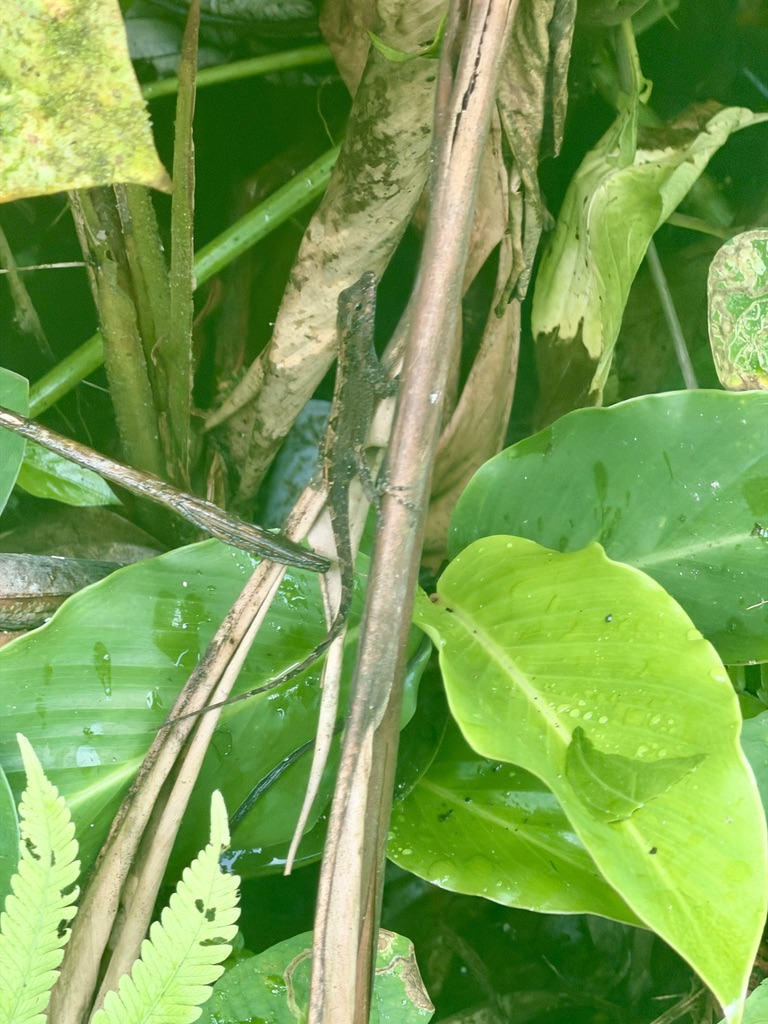
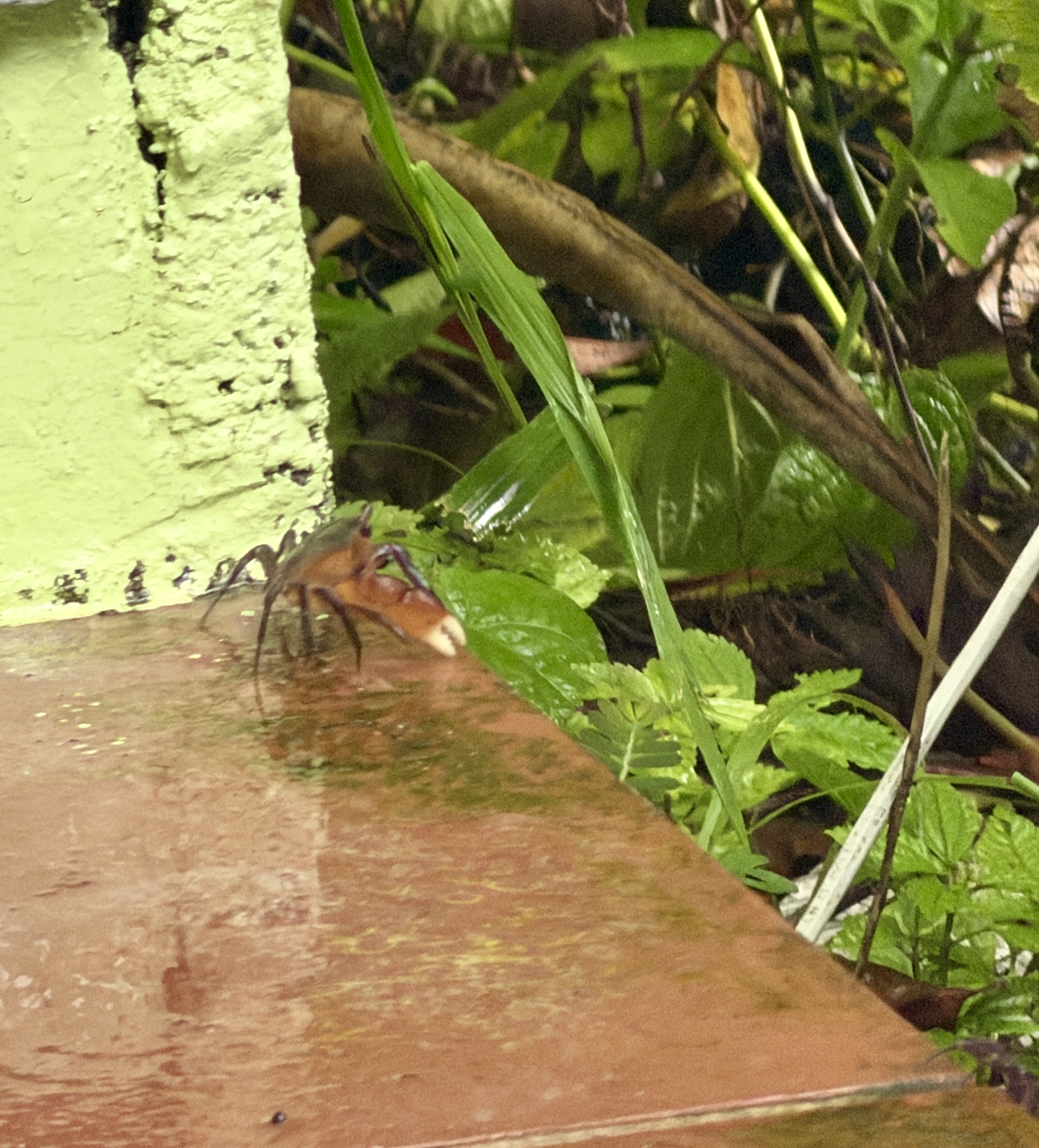
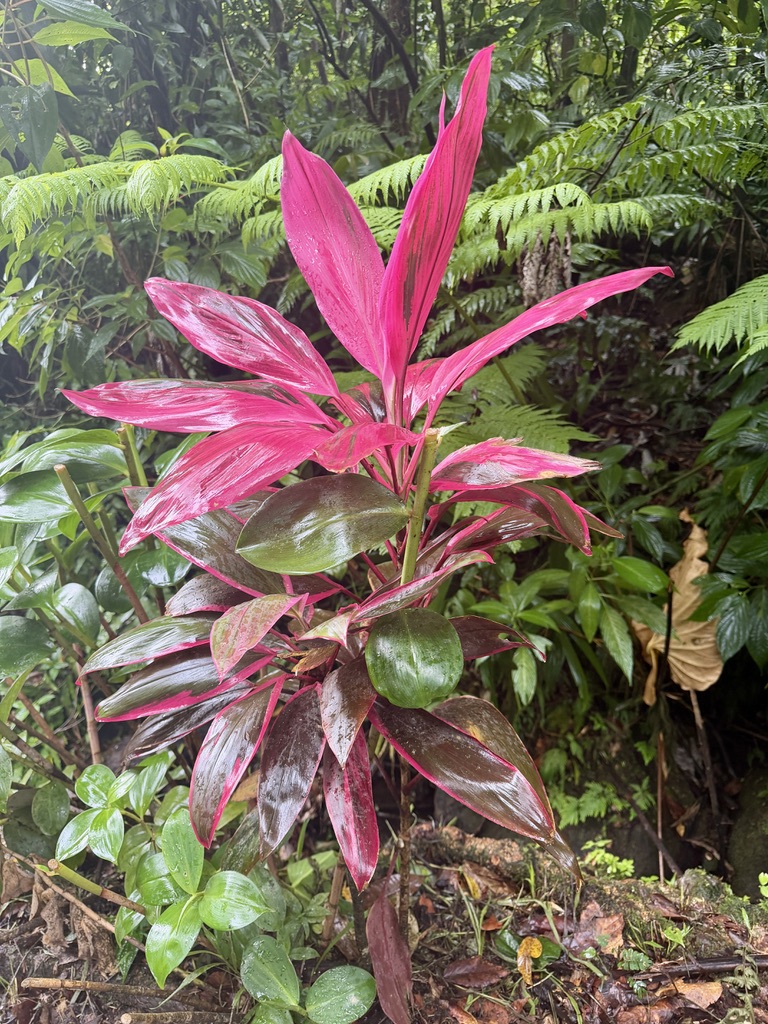
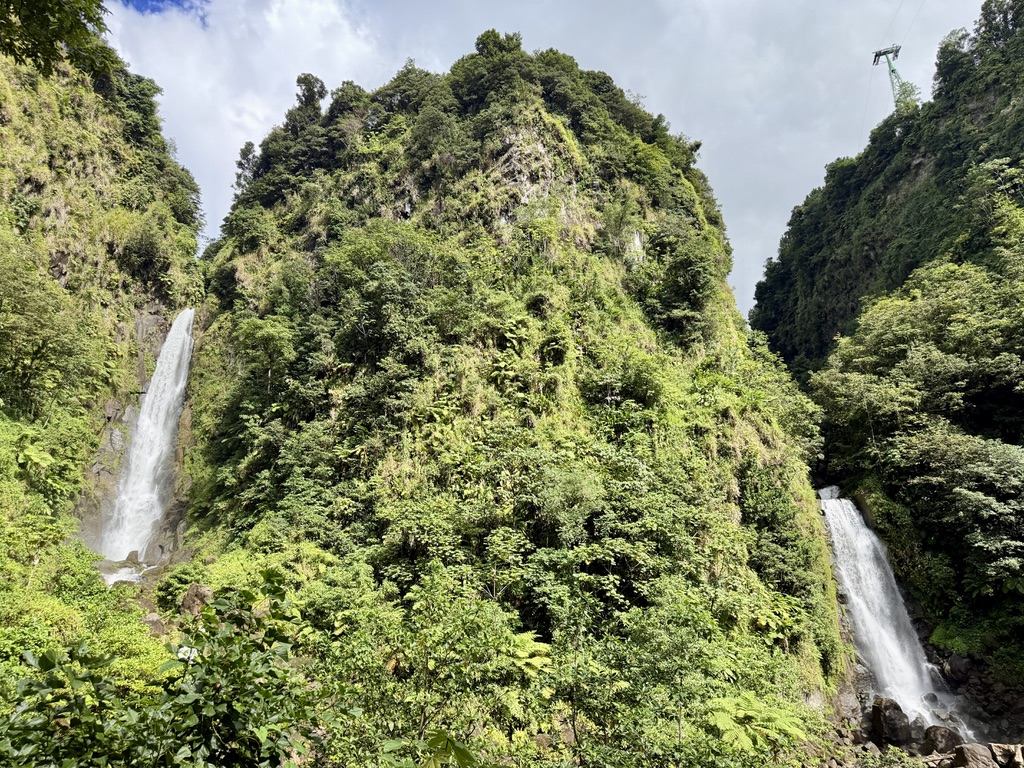
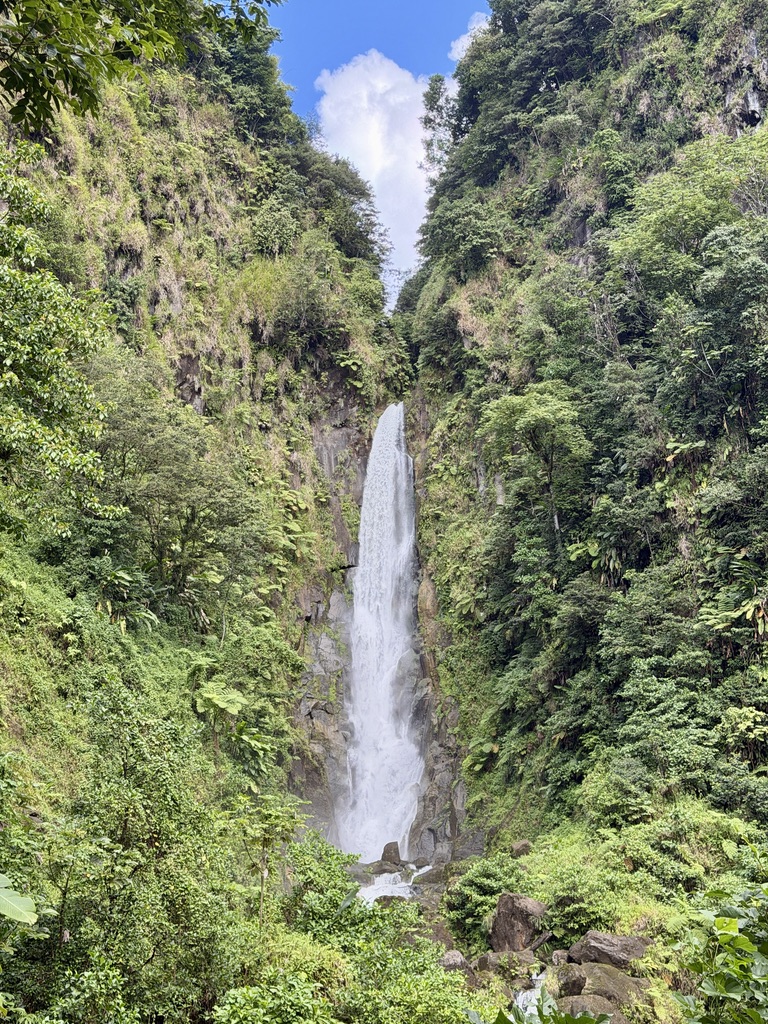
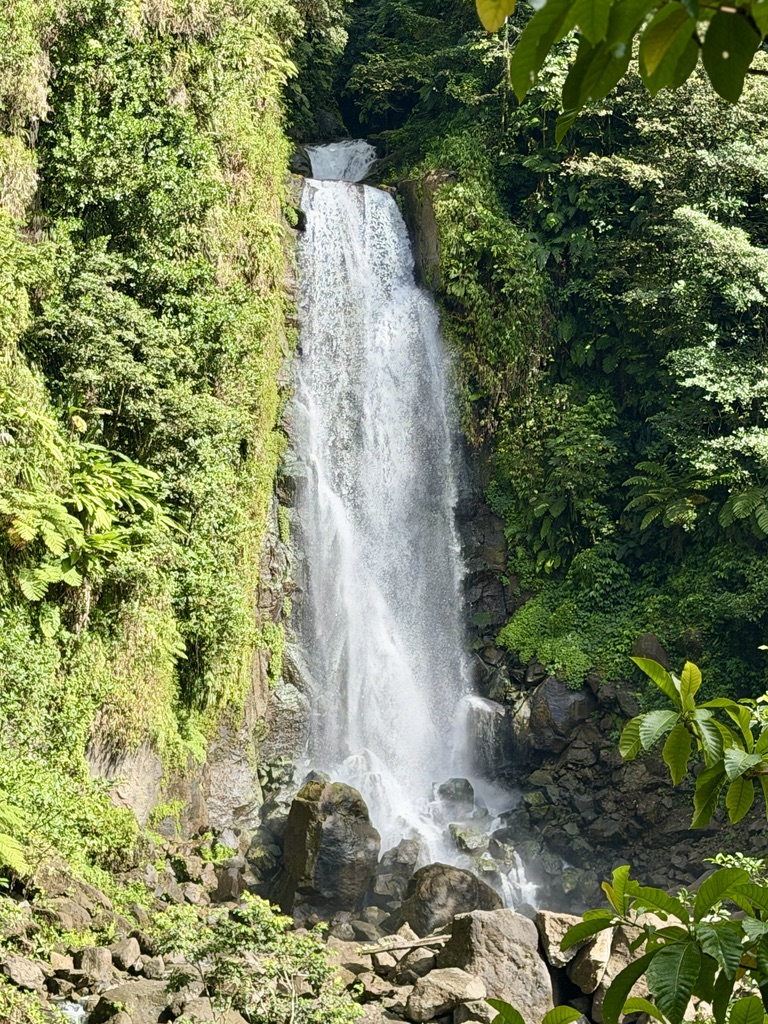
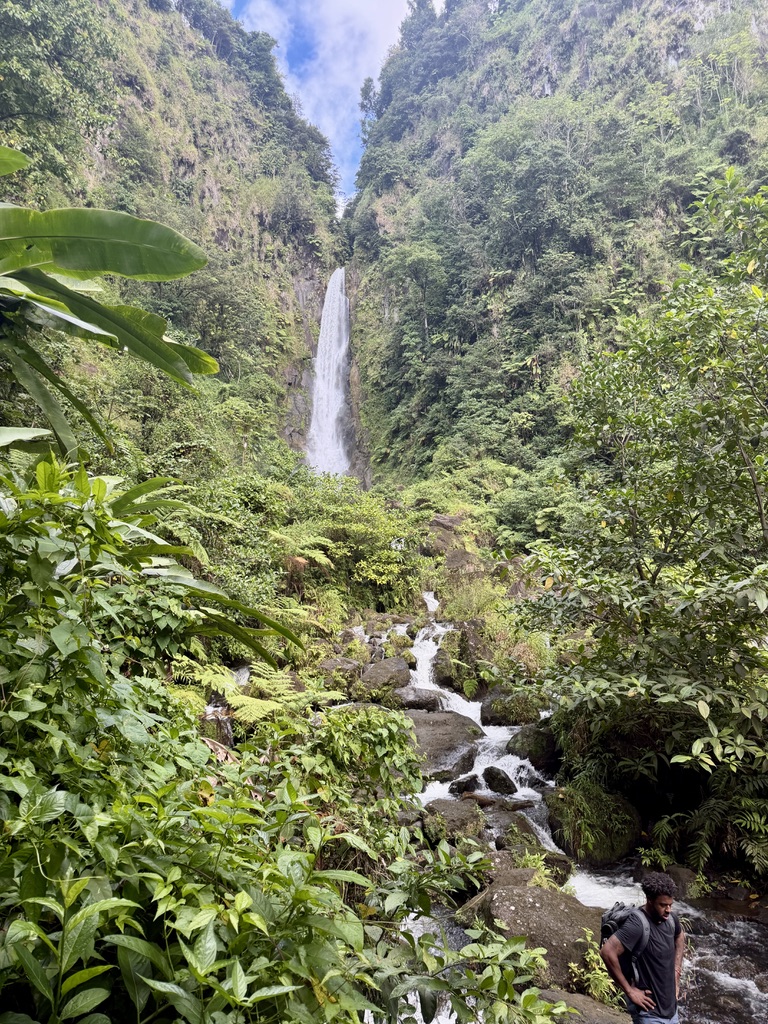
Then it was time to visit Trafalgar Falls, twin cascades reached via terrestrial means.
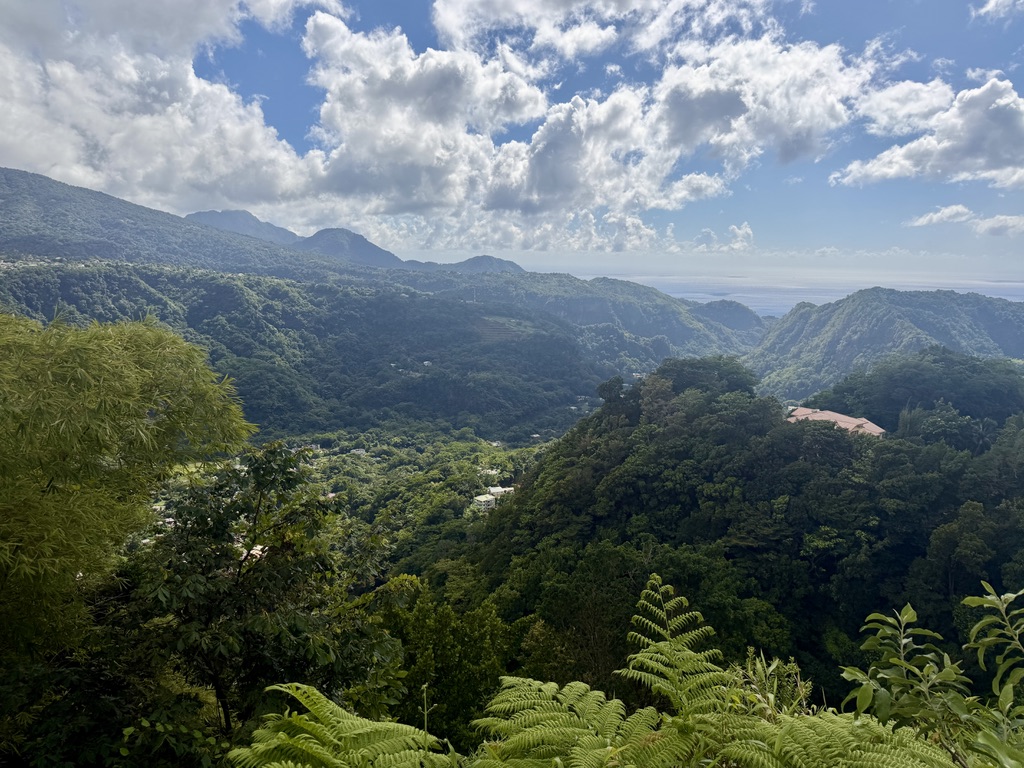
The falls on the left plunge around 40 meters, those on the right drop around 25 meters. Each is fed by a different lake. It’s an exquisite spot, well worth the short hike to the viewing platform.
Our final stop was in the charmingly named village of Wotten Waven, home to sulfur springs. Here I actually did immerse myself, first in a warm pool, then in a hot pool, and then (only below certain sensitive regions) in a cold pool. It was a relaxing end to an excellent tour, accompanied, of course, by the legally mandated rum punch.
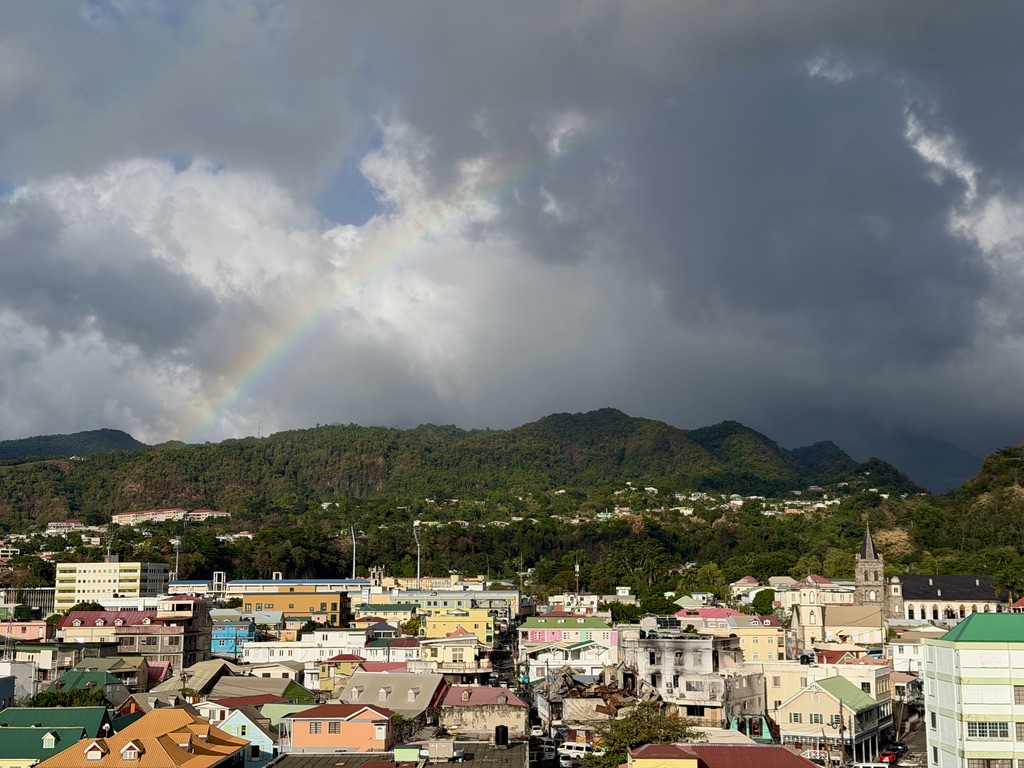
I hope Dominica retains its relatively undeveloped, old-Caribbean feel. Having said that, it’s a bit inconsistent of me to urge you to visit the island, but visit you should.


