“To Hell and Back.” That’s the title of an excellent book by the British historian, Ian Kershaw, about Europe from the beginning of World War I to mid-century. It’s part of the Penguin History of Europe series (Emperor penguins, I guess?), and it would be a perfect title for the ground covered by this trip.
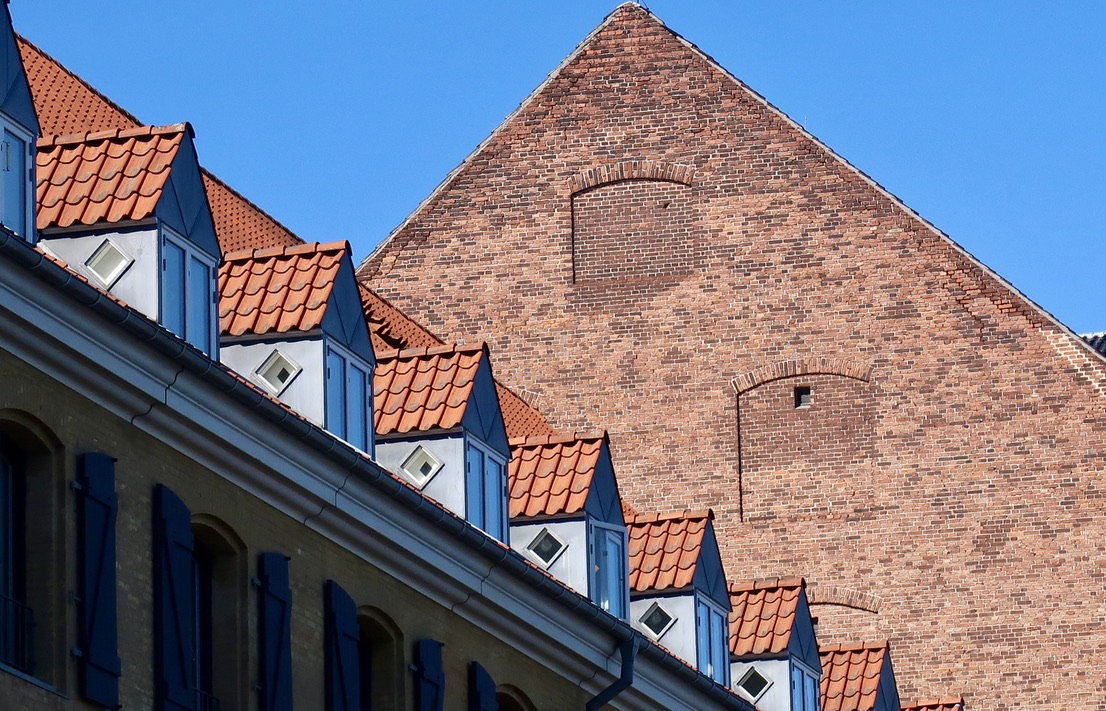
The last two weeks have shown me the worst and the best of humanity. In Poland, I saw both the horrors of the Holocaust and the spirit that rebuilt what the Nazis destroyed and turned a one-time Soviet satellite into a global economic power. In the Czech Republic, I found a bastion of free expression where Soviet tanks once crushed dissidents. And in Germany, I witnessed a nation that seeks to confront and atone for the evil in its past.
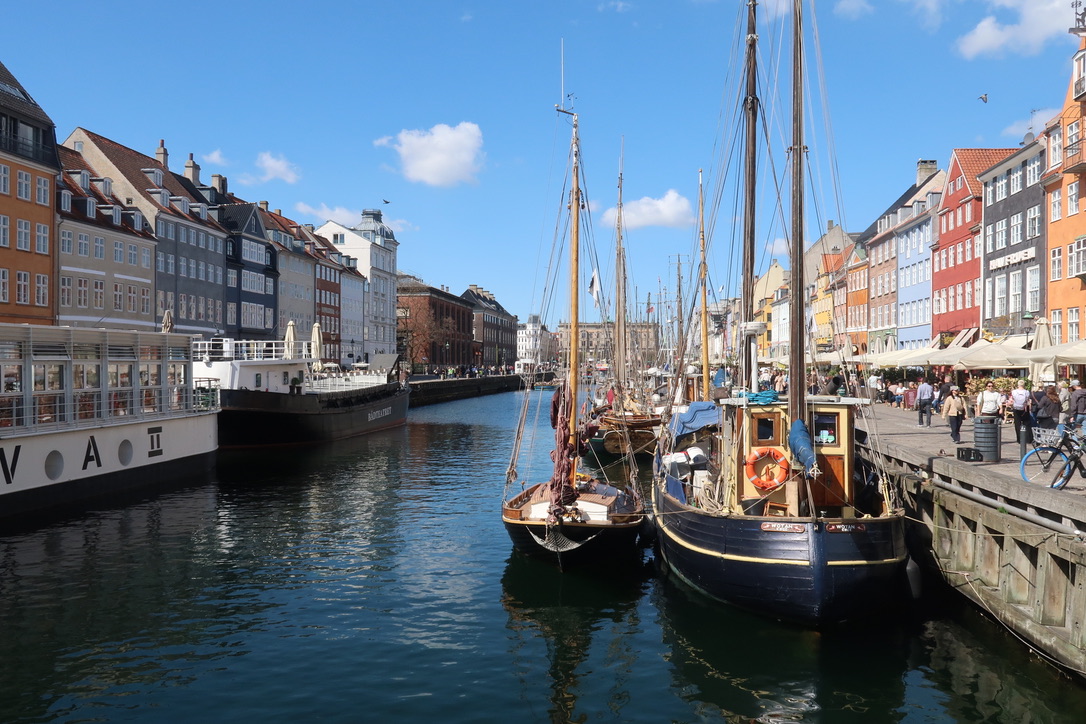
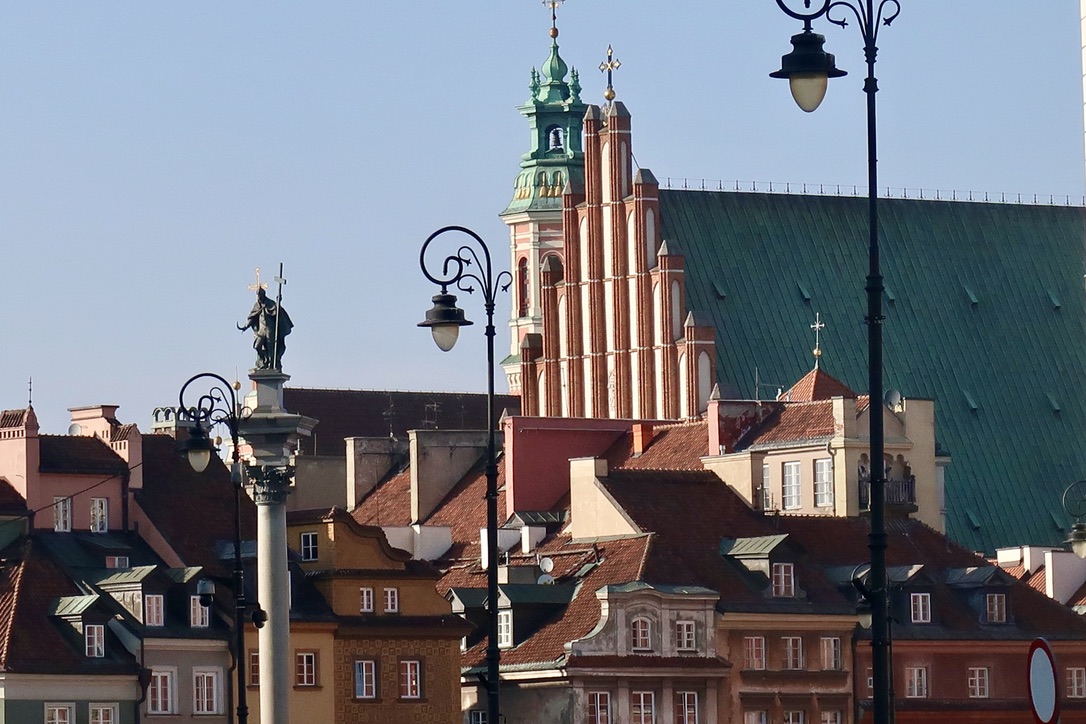
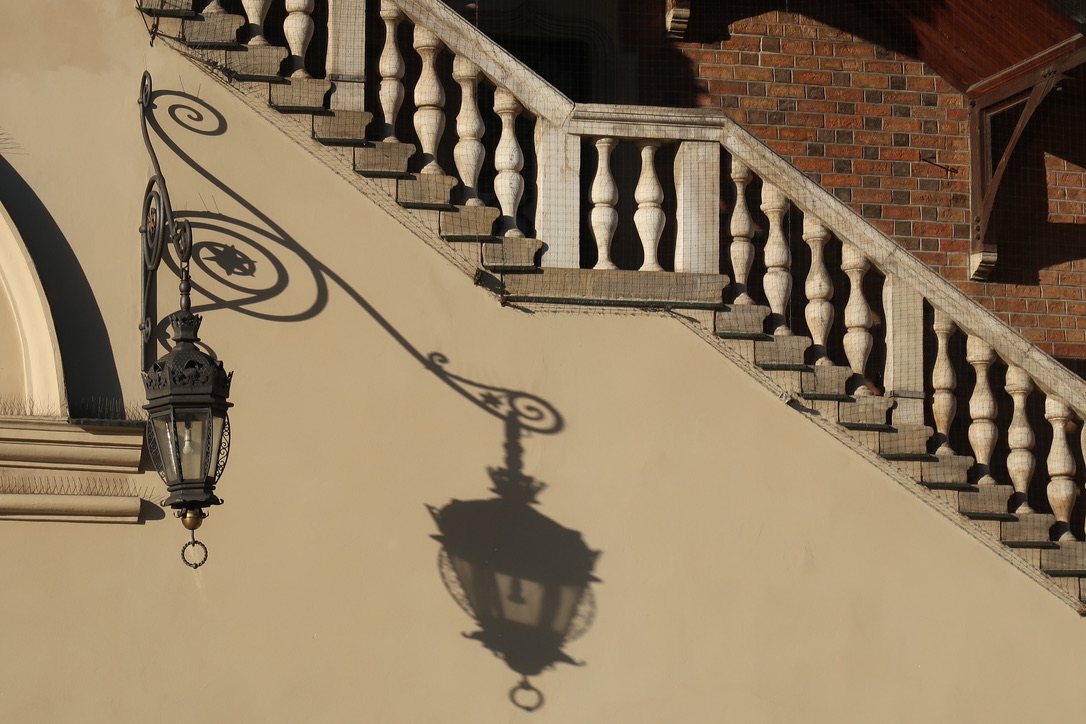
Given the places I visited, I’ve emphasized history in my posts about this trip. In the rest of this post, I’ll return to the present and talk about useful things I learned, review the Viking experience, and offer thanks to those who made this trip possible and special. (I’ve already included most of these photos in other posts about the trip, but I thought I’d give my favorite shots more exposure, so to speak.)
Lessons Learned
I found out several things on this trip that may be of interest to future travelers to these countries:
First, the new Entry and Exit System (EES) in the Schengen area is a work in progress. Although it was easy to maneuver through the system upon landing in Copenhagen, I stood in line for nearly 45 minutes to exit passport control on the way home. I also saw a much longer queue for entering passengers than I experienced two weeks ago. If you’re flying into or out of the EU, leave plenty of time for connections – at this point, I’d say anything less than two-and-a-half hours is pushing it.
Second, on a more pleasant note, I learned that local mass transit in Poland and the Czech Republic is free to those over 65. You just need to show your ID and you can ride the subways and buses to your heart’s content. Unfortunately, the same is not true in Denmark (where fares are high, though still much cheaper than an Uber) or Germany.
Third, in more rural parts of the former East Germany, you may not be able to use credit cards. Many people who grew up under the Communist surveillance state are reluctant to leave any record of their transactions, so cash is king. In the cities, this isn’t an issue.
Fourth, if you bank with Capital One, as I do, you probably won’t be able to use your debit card to withdraw money from European ATMs. Capital One has switched their debit card from Mastercard to Discover, which is not widely accepted.
The Viking Experience
This was my fourth river cruise with Viking. The Poland pre-extension was terrific: we had an excellent guide and everything ran like clockwork, as I’ve grown to expect from Viking.
The main event – the cruise up the Elbe – didn’t happen due to low water levels, as I mentioned in my post about Prague. Our tour director (CJ) and the crews of the Beyla (our original ship) and the Astrild (the ship we were bused to) did everything in their power to make our experience memorable, and they succeeded.
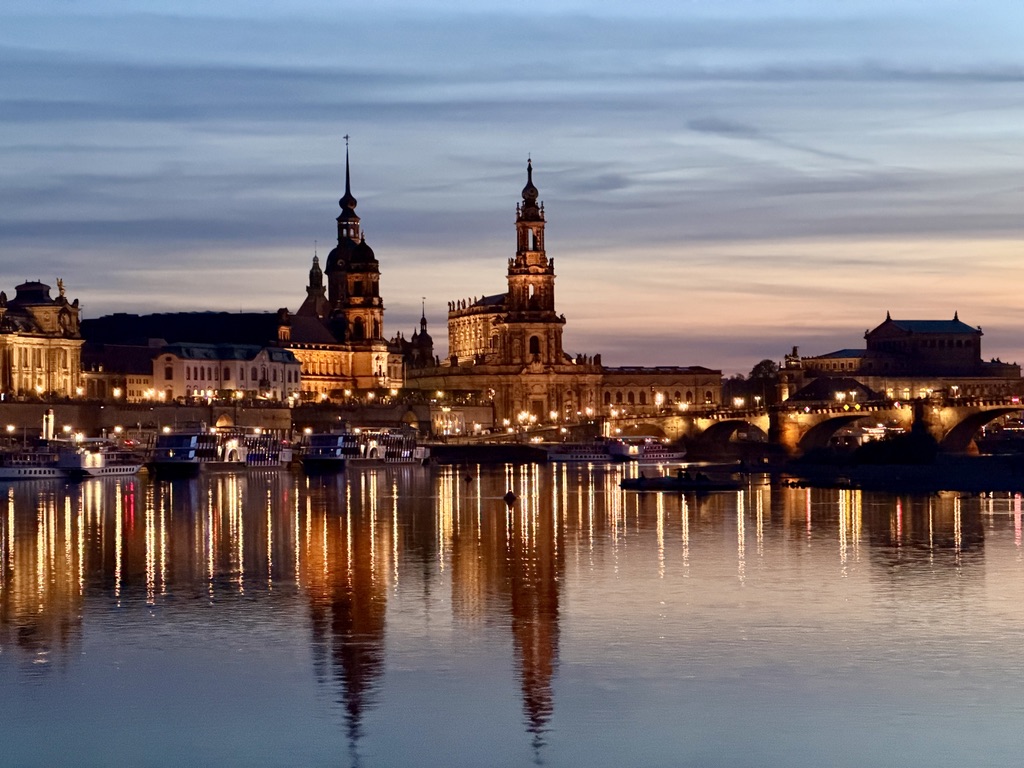
Guides and tours. Sandor, our guide in Poland, was fantastic, and the local tour guides in Germany were excellent. The guide in Prague fell short of expectations – he was a bit difficult to understand and more than a bit repetitive.
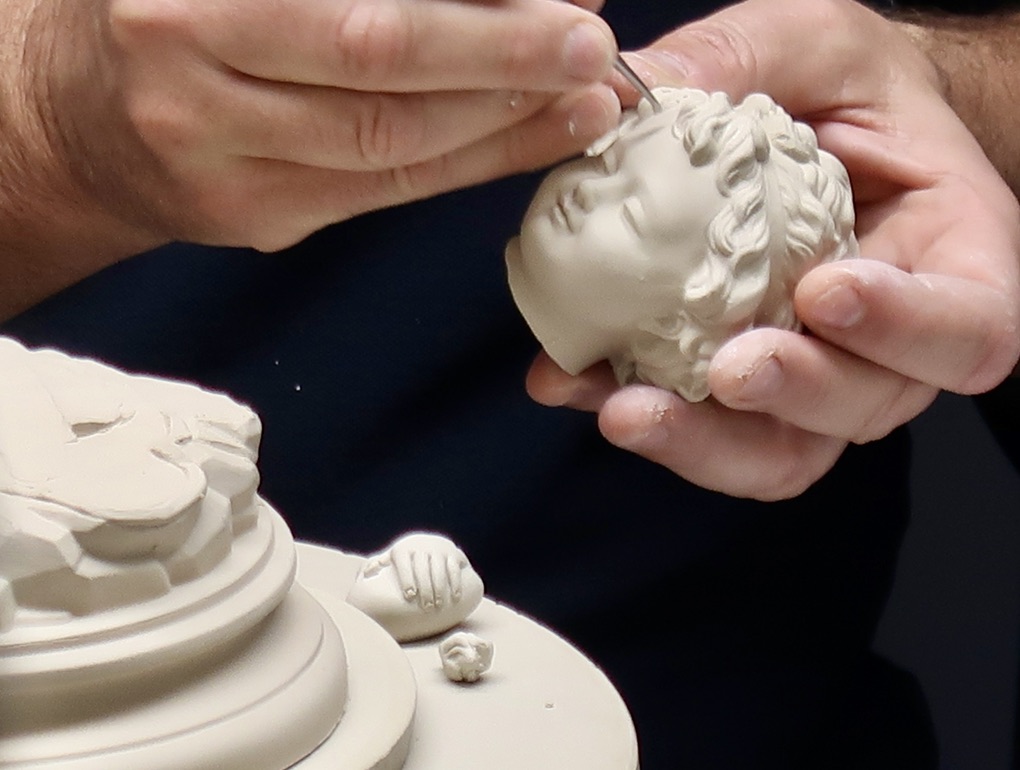
The tours offered by Viking hit the highlights. I only wish they offered an option for those of us geezers who are still pretty active and can walk at a quicker pace than the majority of the passengers.
Cabin. I was pleasantly surprised by my accommodations on the ship. My cabin was larger than I expected and had a good-sized picture window.
Food and service. The food on the Beyla was good and the service very good; on the Astrild, the food and service both were superb.

Although not obligated to do so, Viking has offered generous compensation for the last-minute decision not to sail. I probably won’t do another Viking river cruise, but only because I’ve already sailed (or not sailed, as the case may be) those itineraries that most interest me. I’ll certainly consider a Viking ocean cruise; the compensation from Viking should offset the company’s punitive single supplement, which otherwise would be a big disincentive.
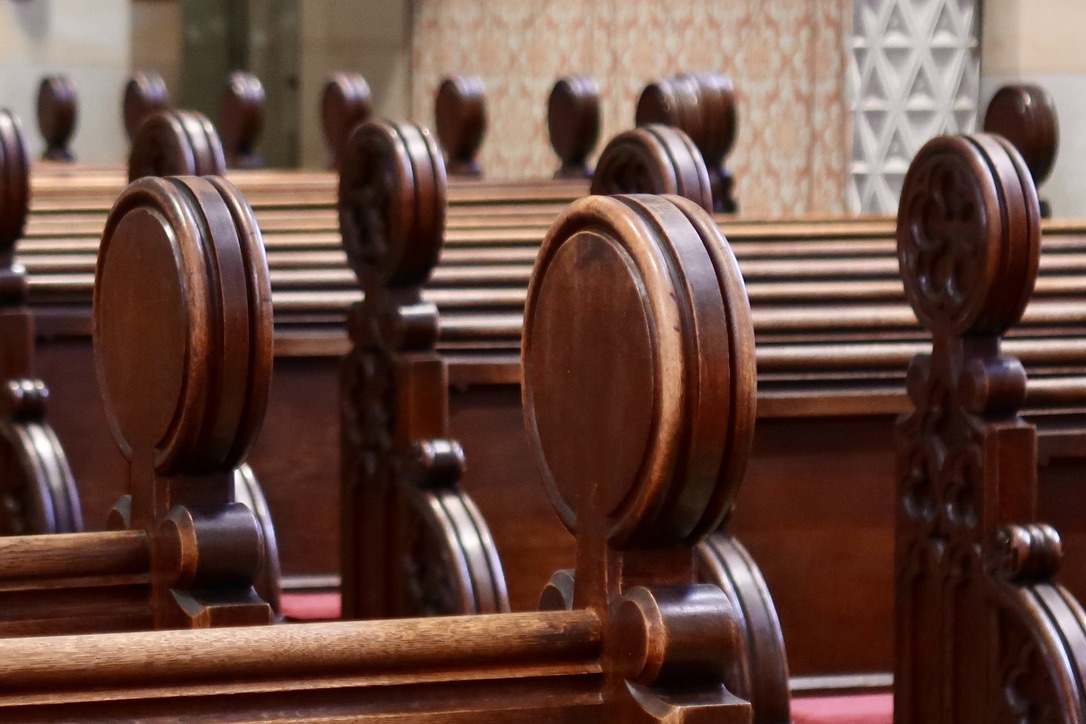
Thanks
I always close my final post about a trip with expressions of gratitude, so here goes:
Sandor, thanks for your expert guidance and droll wit in Poland. I truly enjoyed getting to know you.
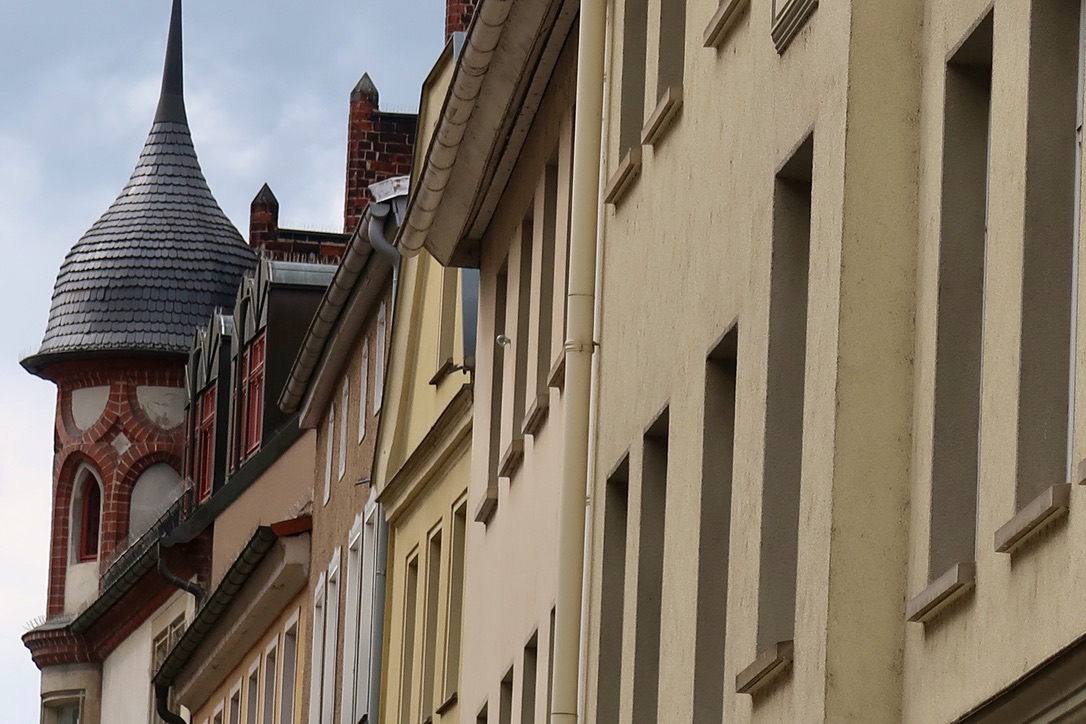
CJ, thanks for your Herculean efforts to show us a good time notwithstanding our inability to sail. You succeeded, with infinite patience, tremendous commitment, and unfailing humor.
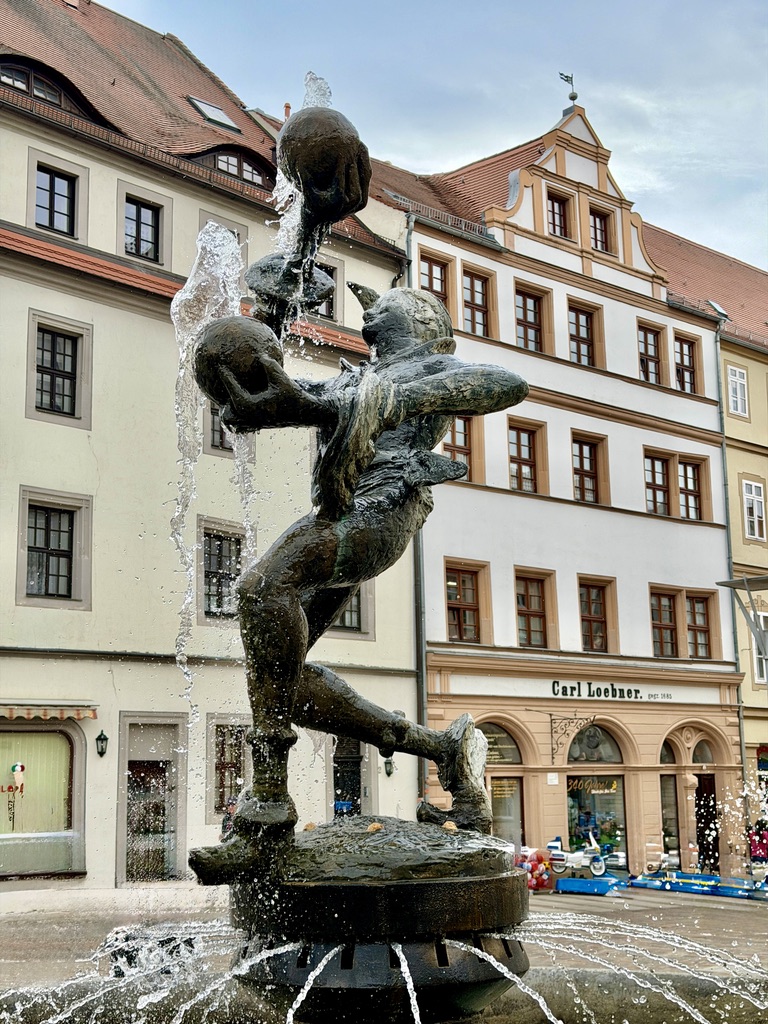
Lauren, thanks for your expert assistance putting this trip together. It’s always a pleasure working with you!
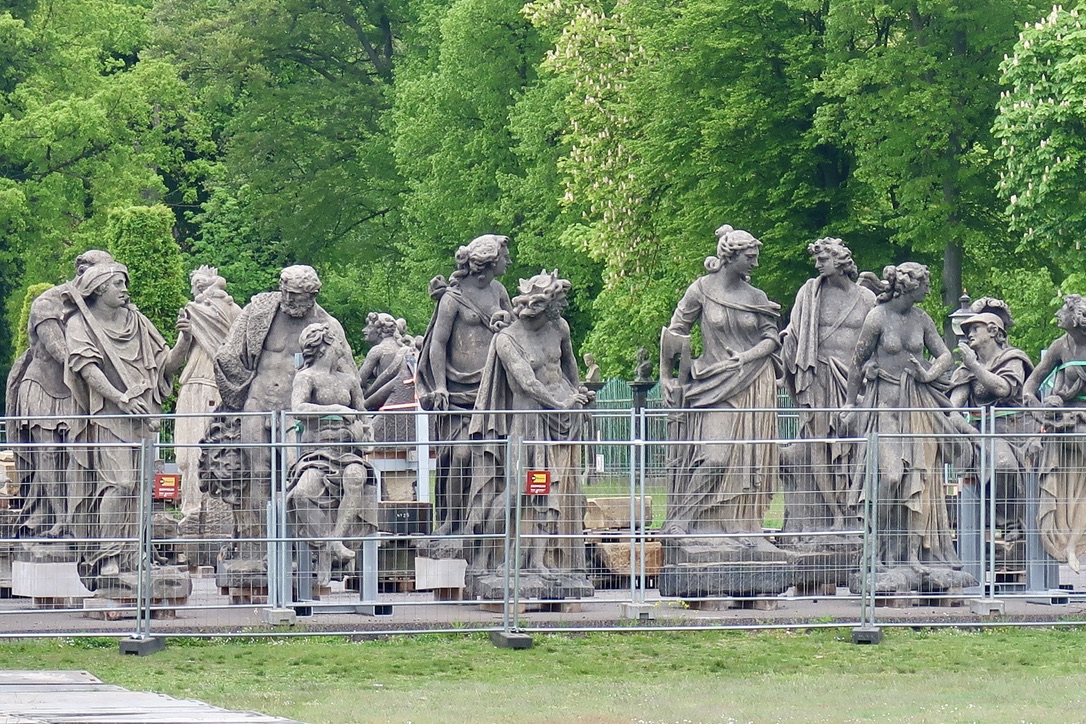
To the Rome crew and satellite branches in St. Louis and Dallas, what can I say, other than thanks for including me as an honorary member. Every conversation with y’all (see, I’m turning Southern) was a delight, a source of insight and laughs. Individually and collectively, you confirm my belief that people who are passionate about travel are inherently interesting and fun!
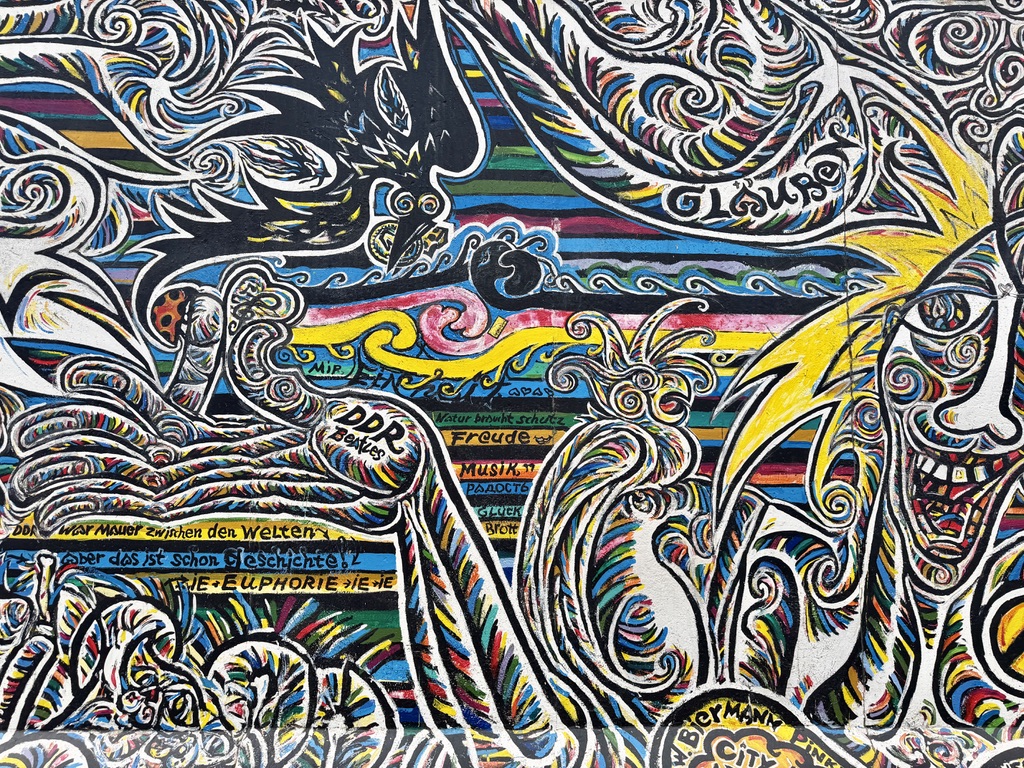
Andy and Char, traveling with you never gets old, even if we do. I cherish your humor, kindness, and companionship.
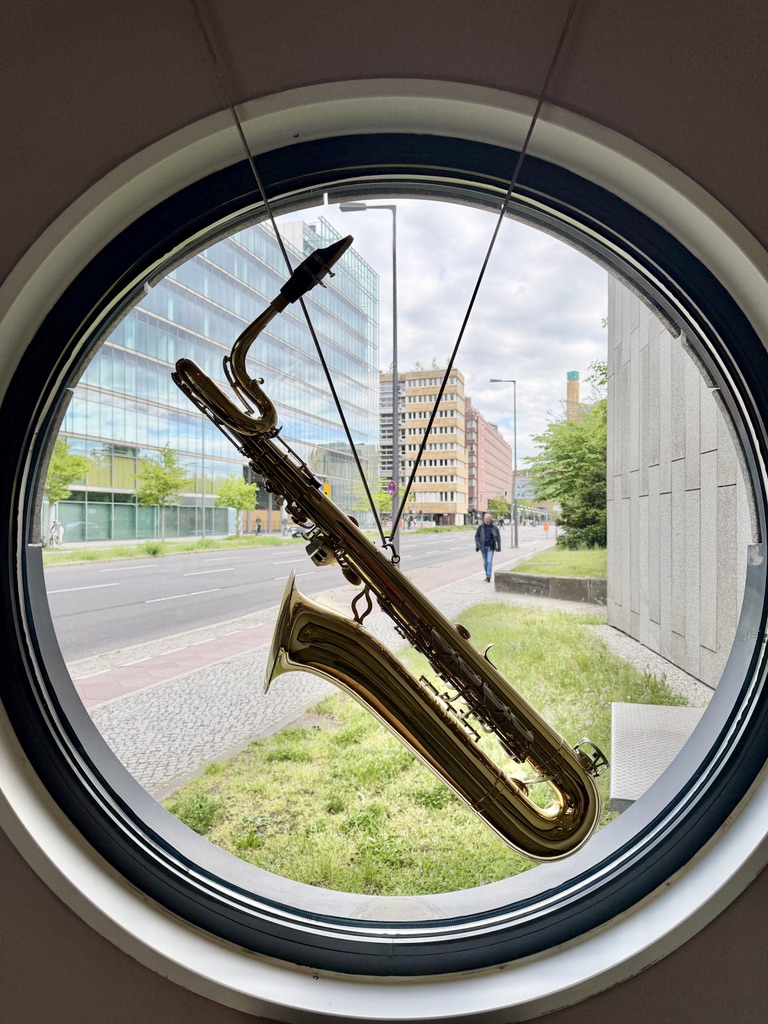
Sandy, as always, thank you for not just indulging, but encouraging my thirst for travel. Tanto quiero!


Bravo! Another fabulous experience. Where do ‘we’ go next? 😉