Going on safari is the inverse of visiting a zoo. In a zoo, the animals are caged and the humans roam freely (or not so freely, depending on the admission fee). On a safari, the animals are unconstrained but the humans must remain in their vehicles or risk injury, death, or even stepping in a mound of elephant dung.
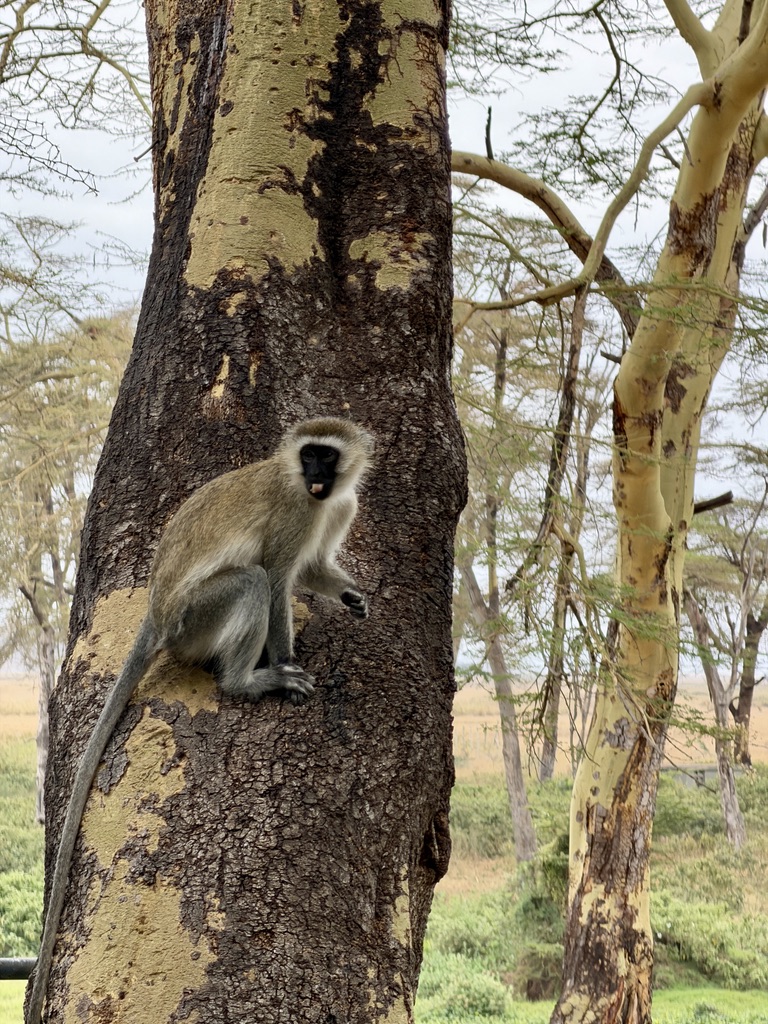
In a zoo, the animals behave unnaturally while humans act like their “normal” selves. On a safari, the animals conduct themselves as evolution and the environment dictate; humans – or at least this one – experience an atavistic thrill that no zoo can replicate.
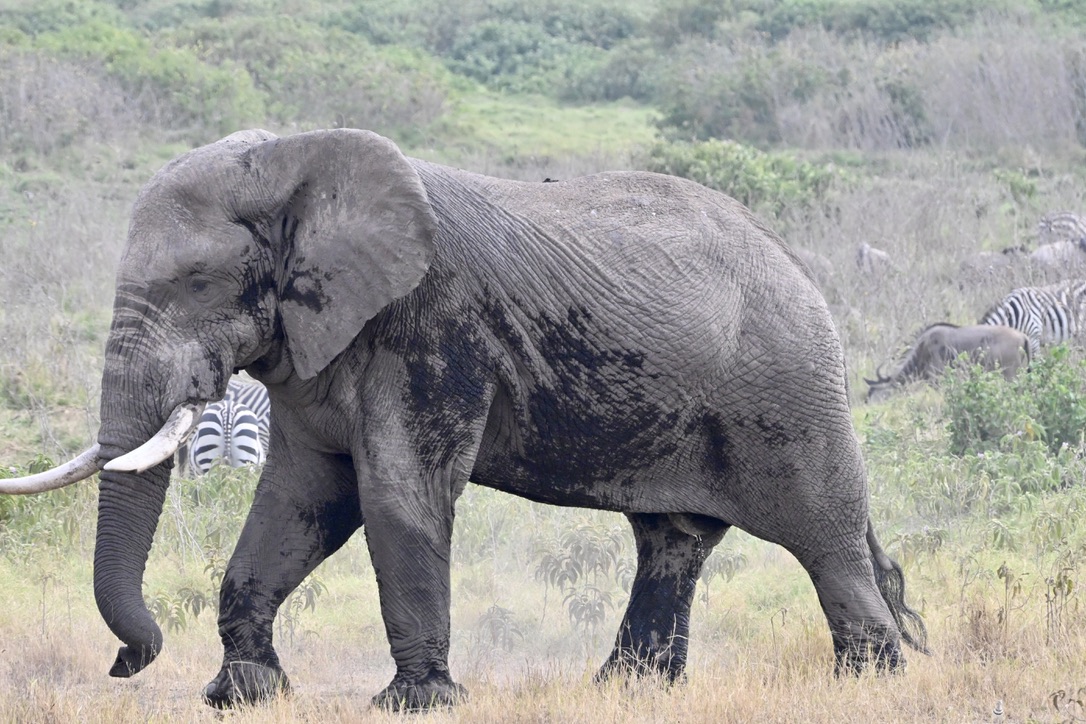
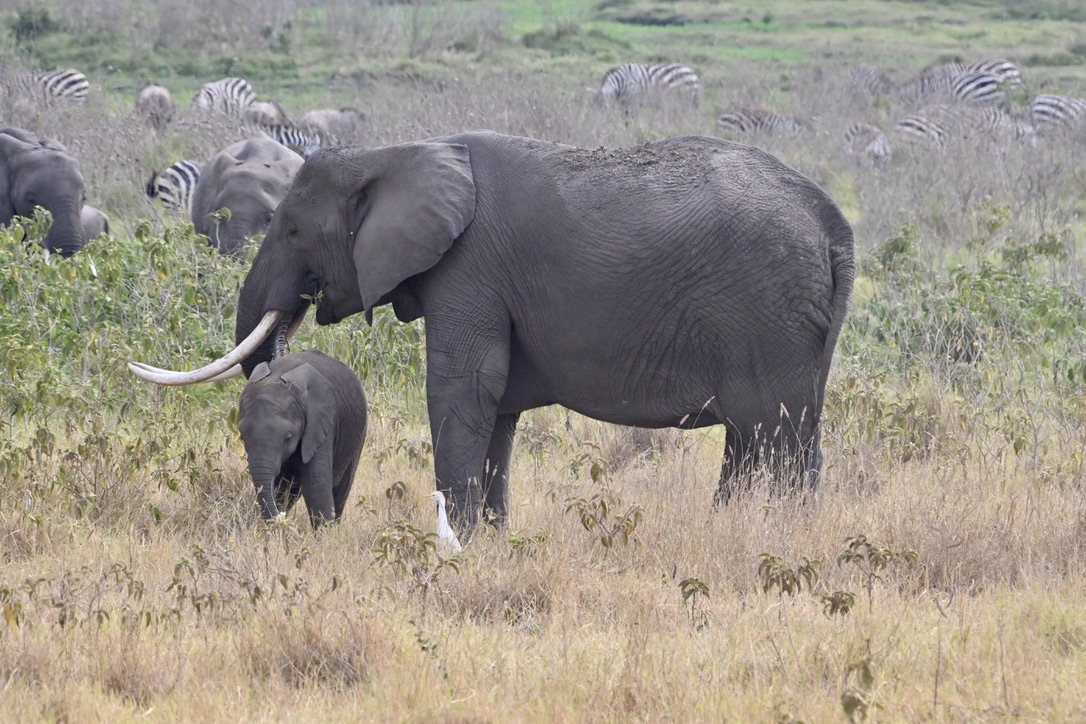
We had thrills aplenty yesterday afternoon. At the beginning, close to the lodge, we passed elephants (including an enormous male) and zebras along with impalas and gazelles.
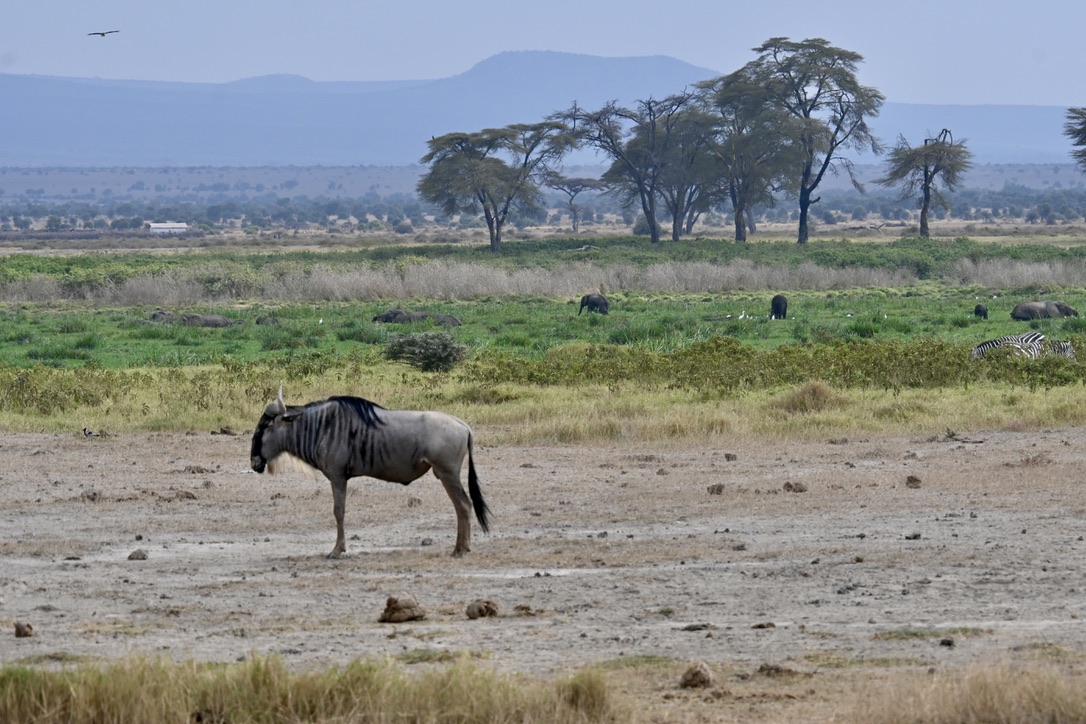
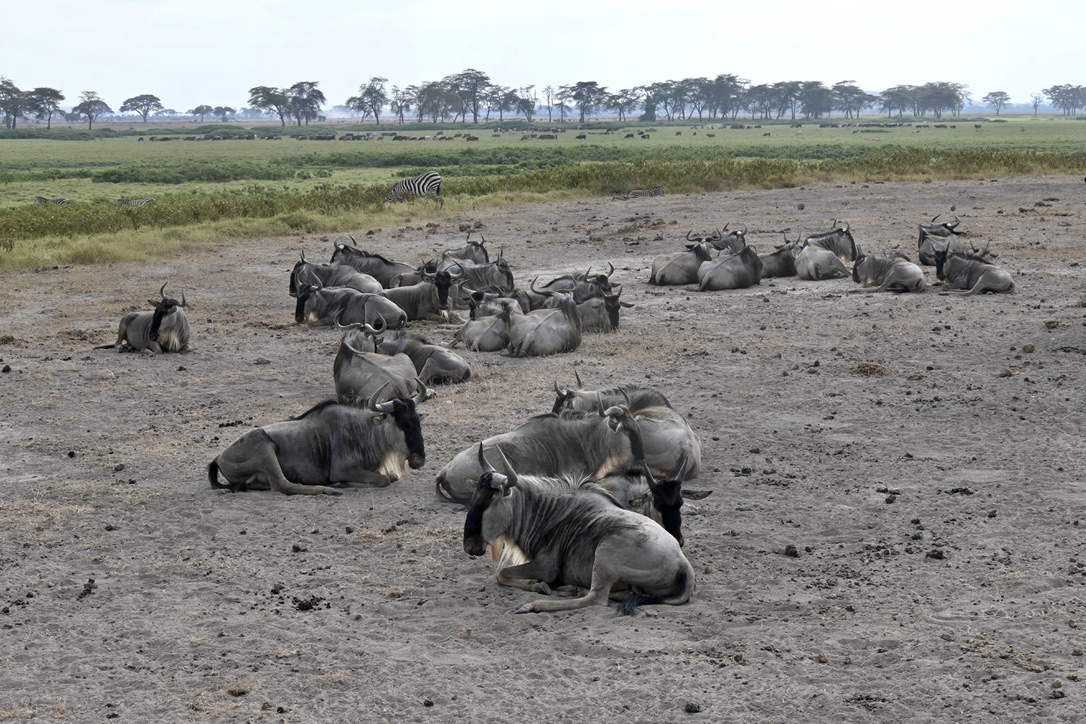
As we worked our way further into the park, herds of wildebeest joined the party. (The wildebeests of Amboseli stay put; they don’t become part of the Great Migration, which we’ll see in Tanzania in a few days.)
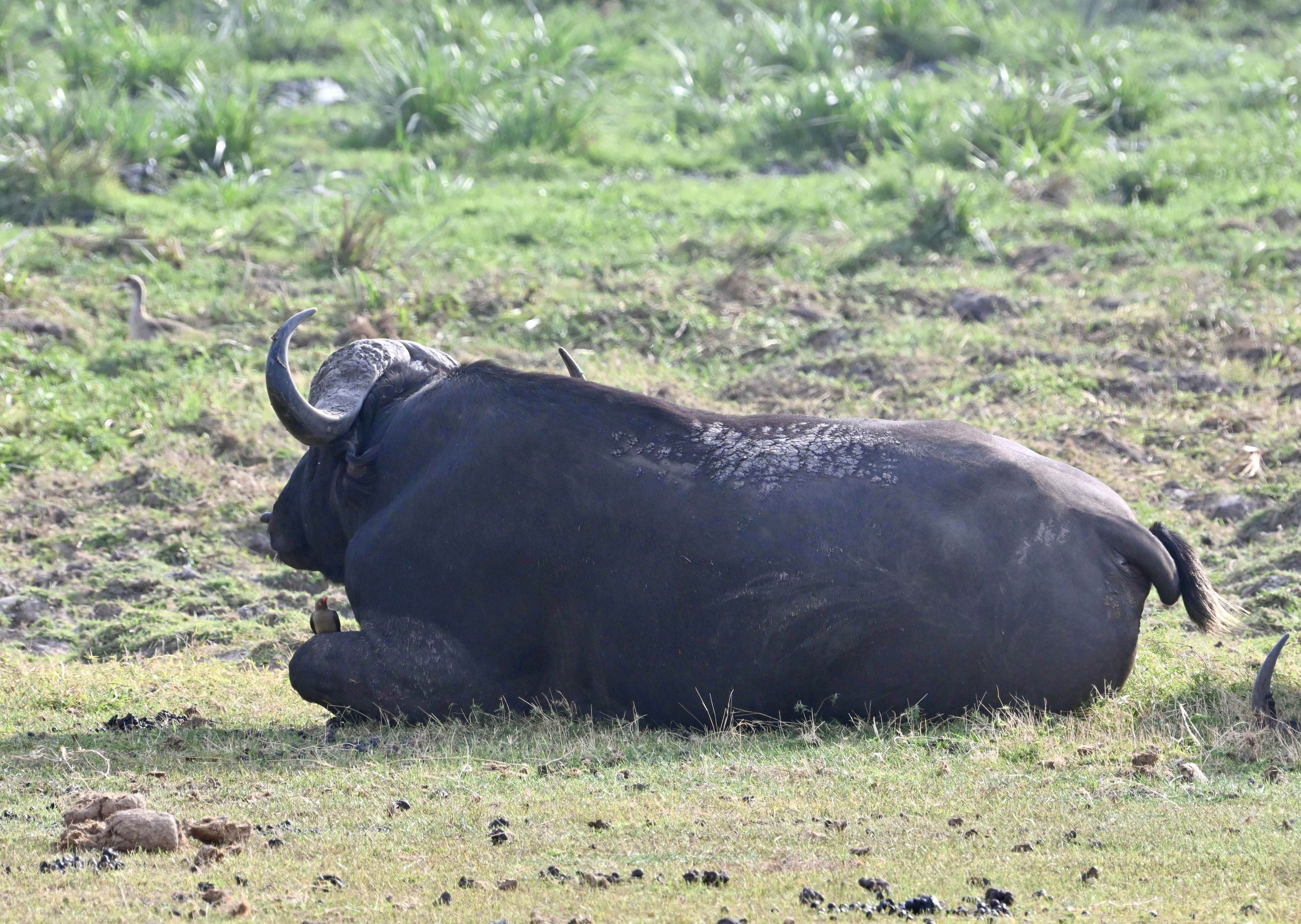
Mixed in with the wildebeest, a Cape Buffalo relaxed on the grass, supremely unconcerned with the goings-on around it. Our driver, Popo, called them the most feared animals in Amboseli, given their penchant for charging first and asking questions later.
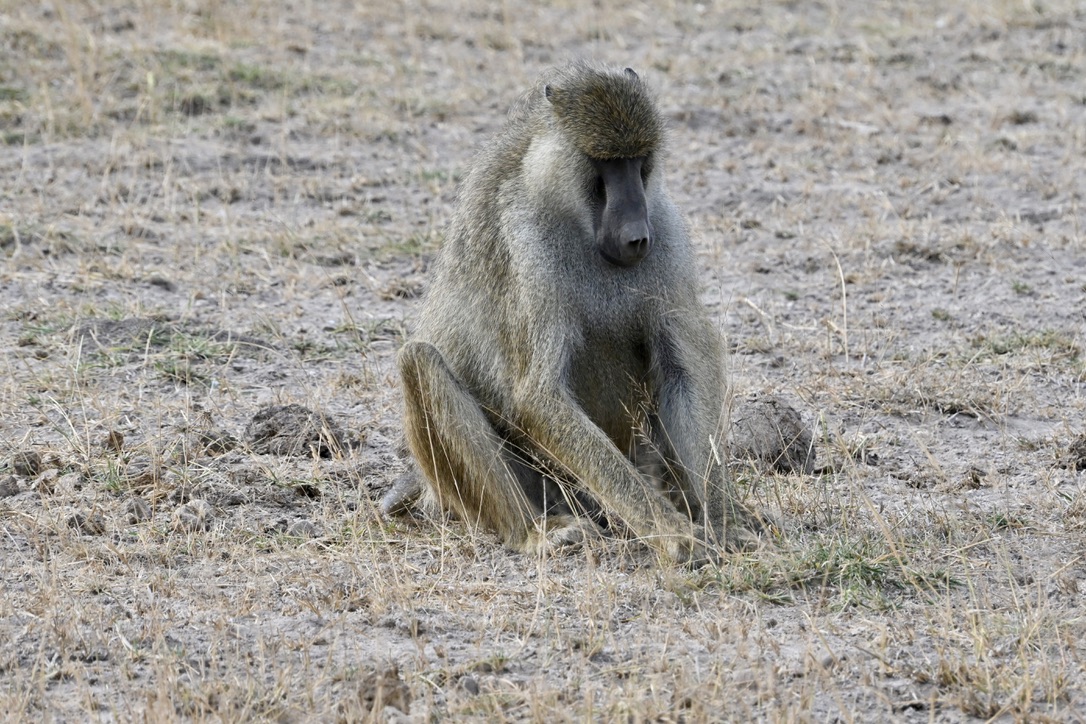
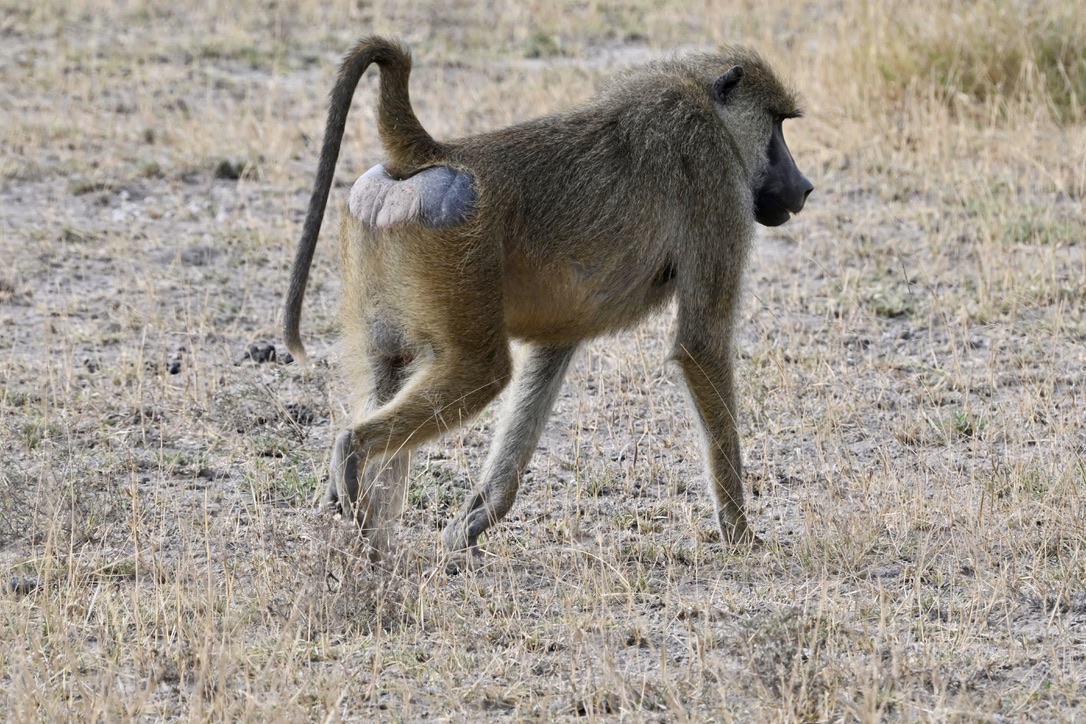
Soon we saw our first troops of baboons, some squatting in seeming contemplation and others scampering around in search of tasty roots and bugs.
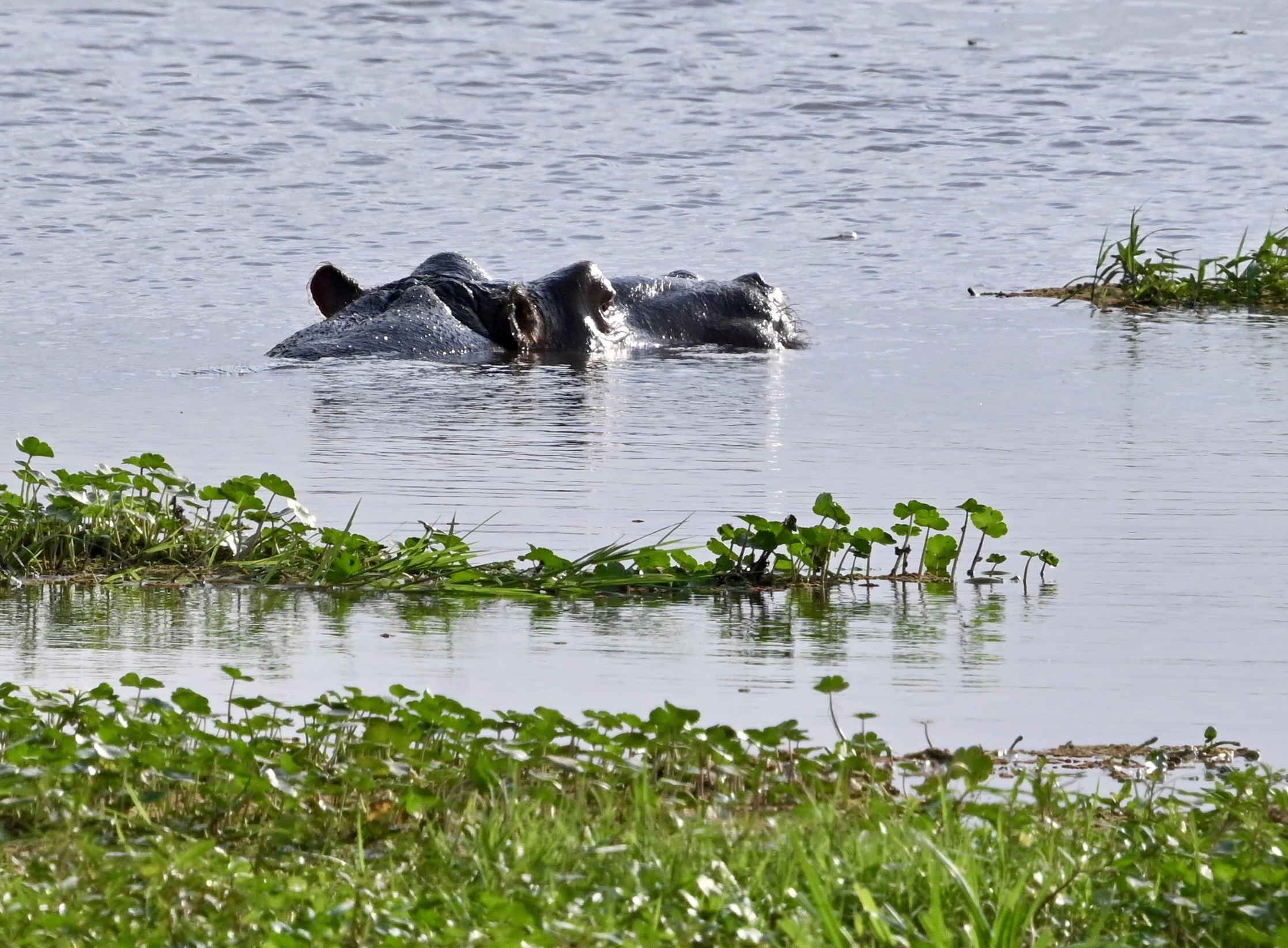
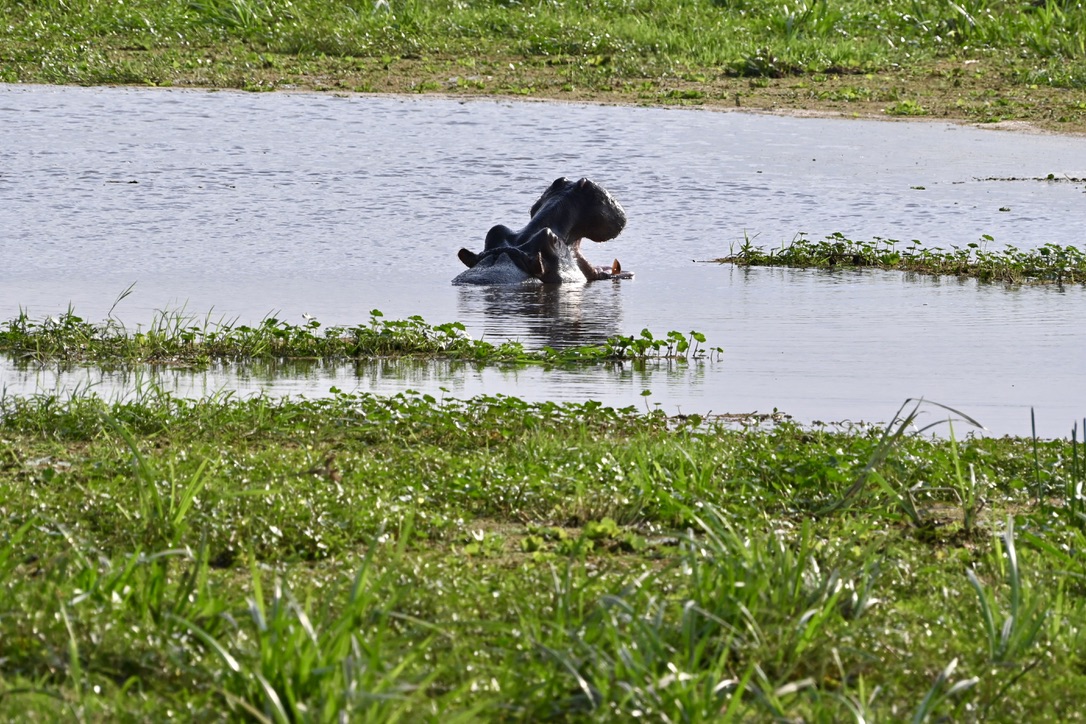
A few kilometers farther on, we reached a narrow, saltwater lake where our first hippos of the journey did their best log imitations, save for eyes and nostrils visible just above the water. One treated us to a yawn
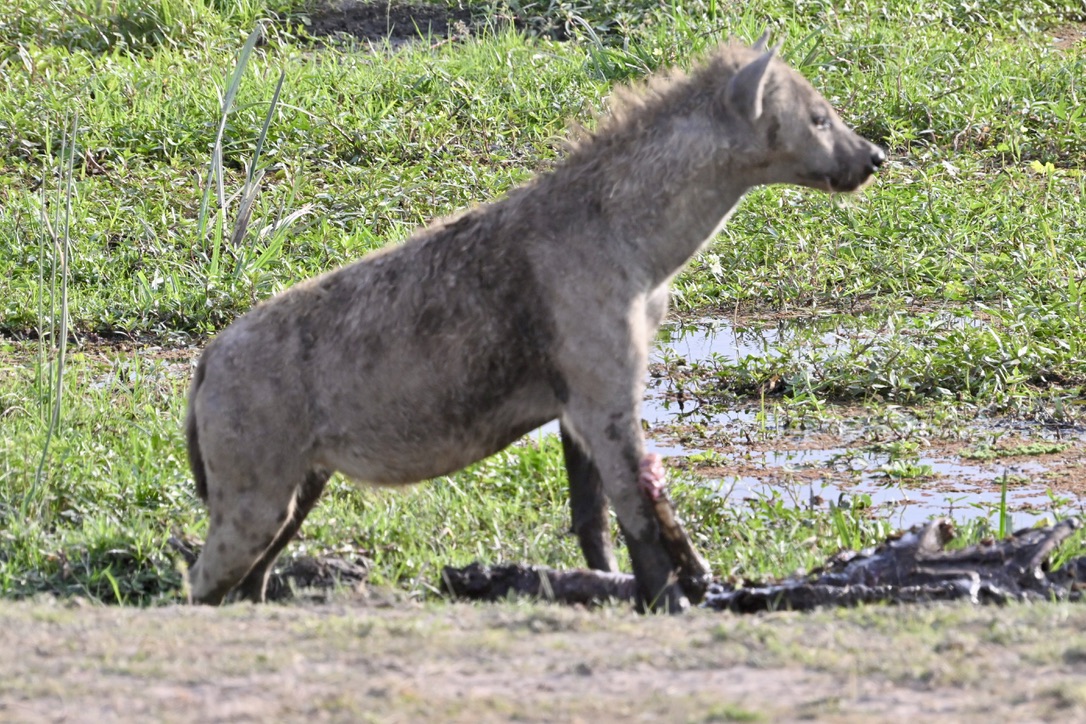
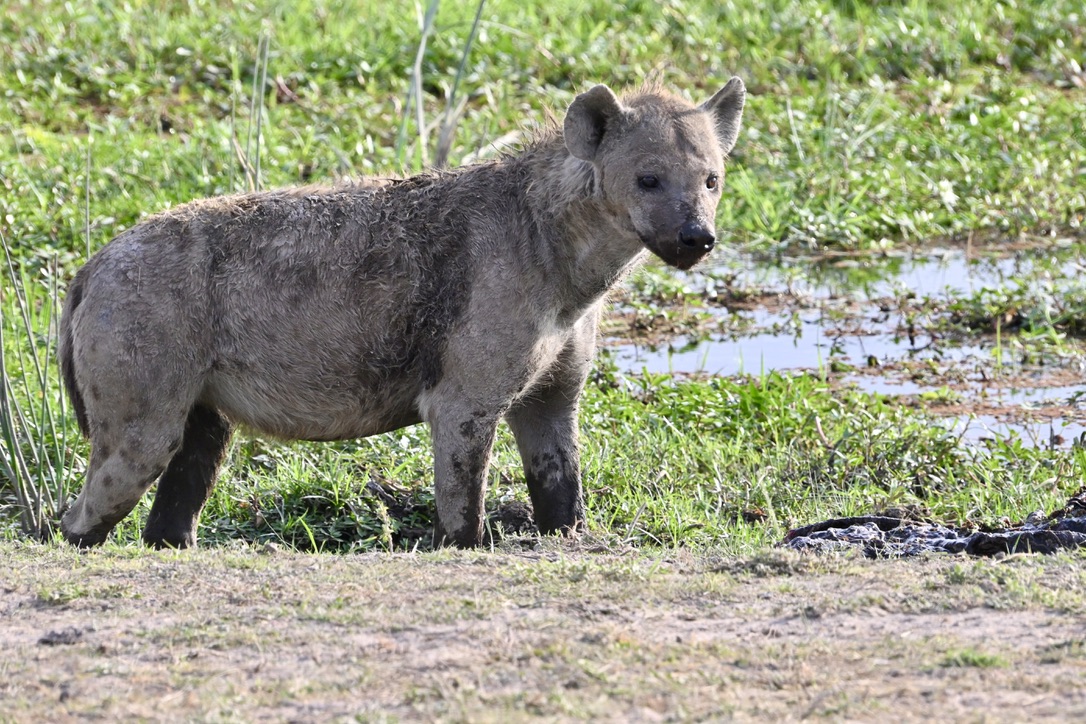
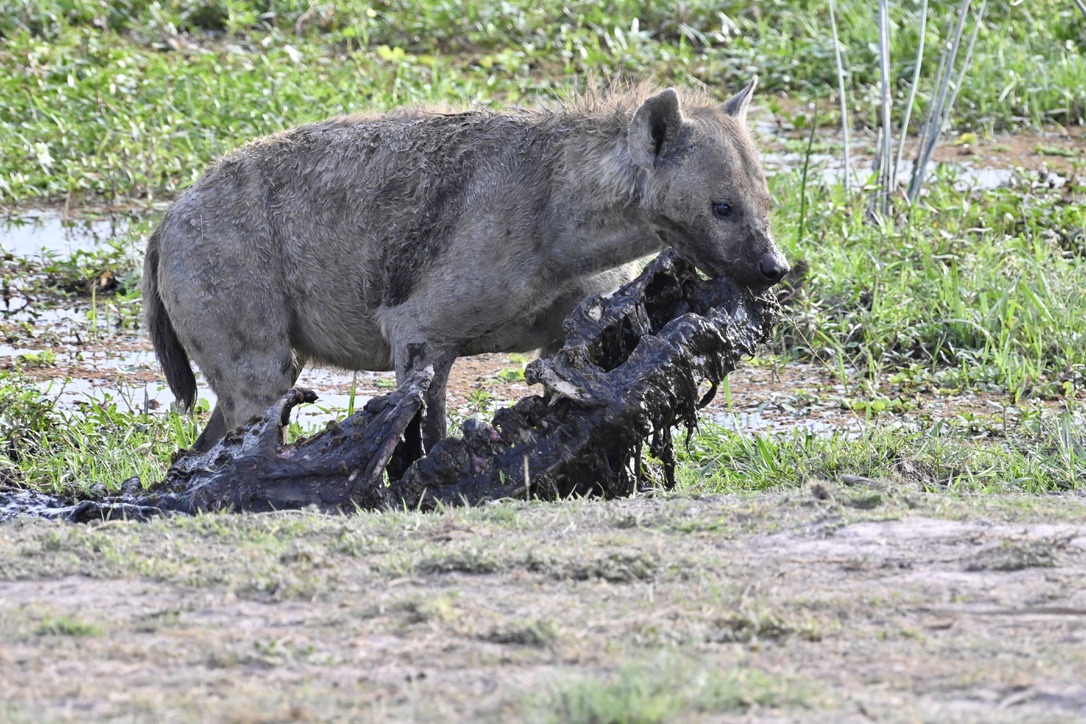
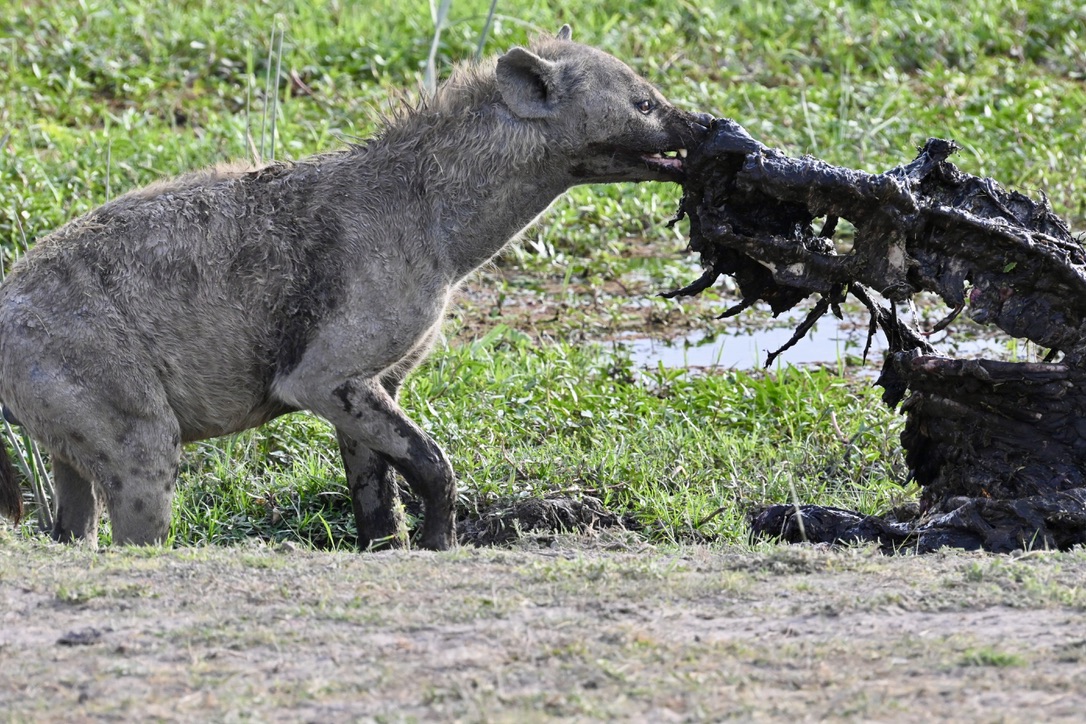
Meanwhile, on the bank, a lone hyena was tearing apart a largely meatless skeleton, occasionally taking a break, bones and shreds of flash hanging from its jaws, to survey its surroundings. My first thought was that hyenas must be single-headed relatives of Cerberus, but hyenas, it turns out, are closer to cats than to dogs (and closest of all to mongooses, of all things).
A bit farther on, we came to an expansive lake bisected by the road. Popo told us that the lake didn’t exist ten years ago, but the glacier atop Mount Kilimanjaro has begun to melt at an unprecedented pace. This is a deeply troubling development: life in Amboseli would be annihilated if the glacier-fed springs emanating from Kilimanjaro dry up.
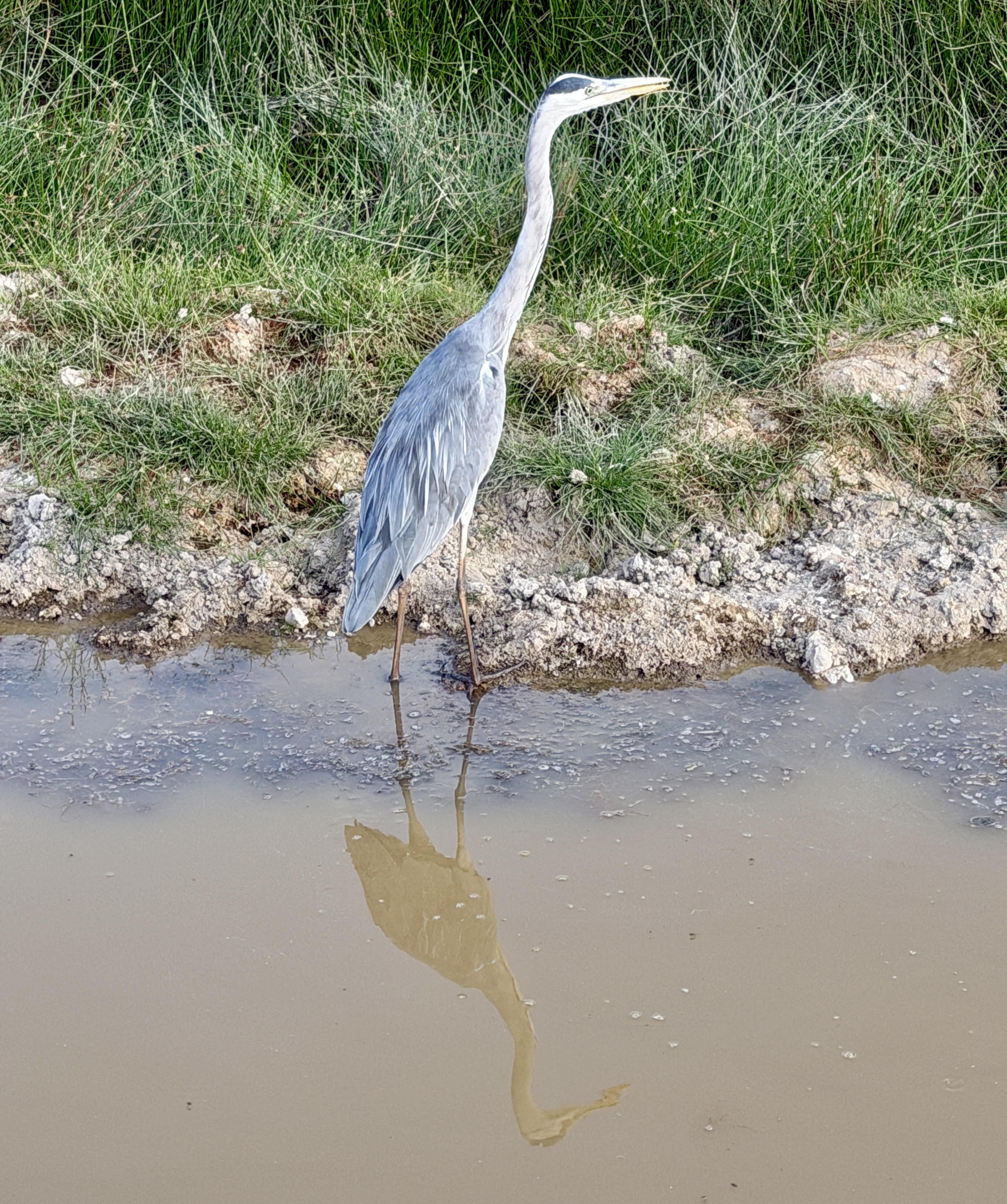
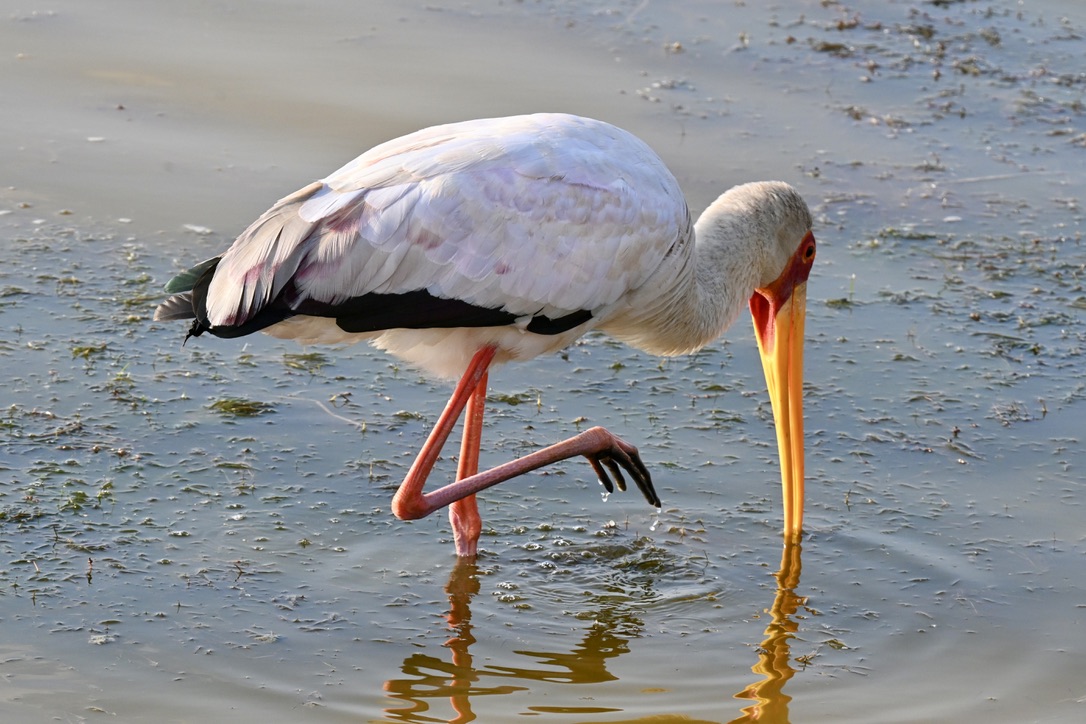
For now, at least, the lake supports a stunning array of birds, including several species of herons, egrets, kingfishers, storks, and ibis.
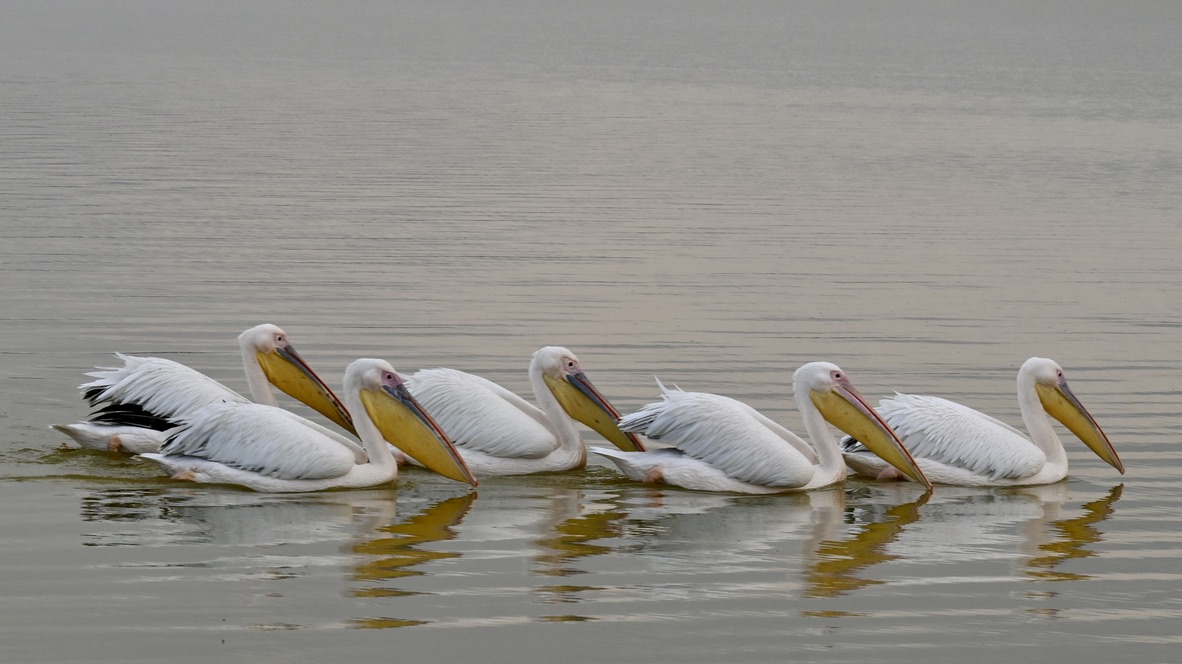
Heading back to the lodge, we squelched and squished our way down the muddy road, passing a group of pelicans engaged in synchronized swimming.
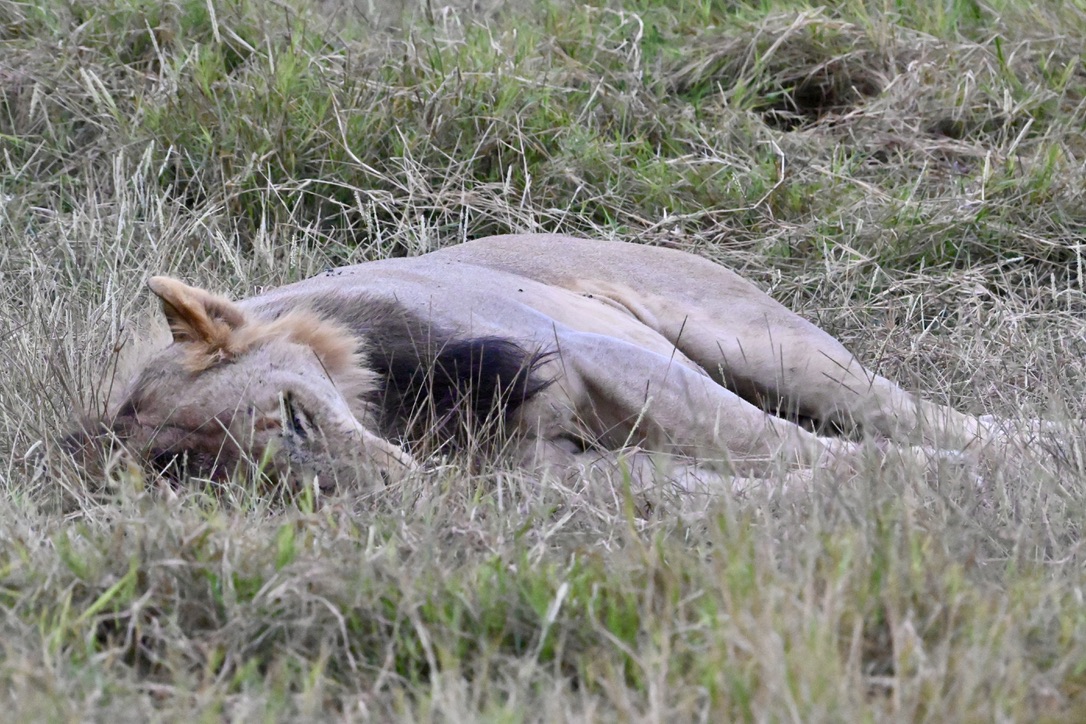
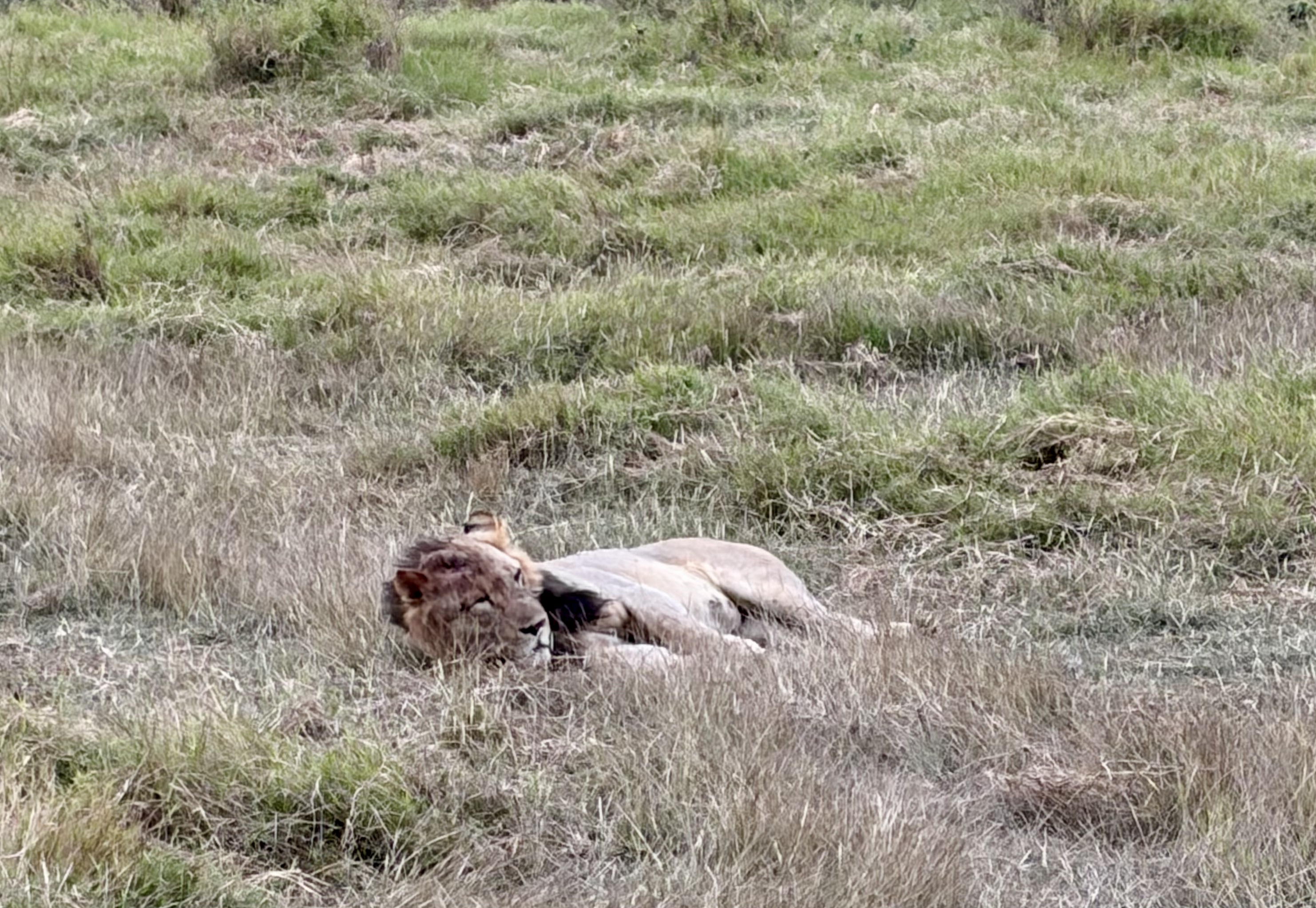
Our final sighting of the afternoon was a comatose lion – turns out the Eagles were wrong, you can in fact hide your lion eyes – sprawled in the grass, an occasional ear flick the only sign of life until it grudgingly raised its head and promptly plopped it down again.
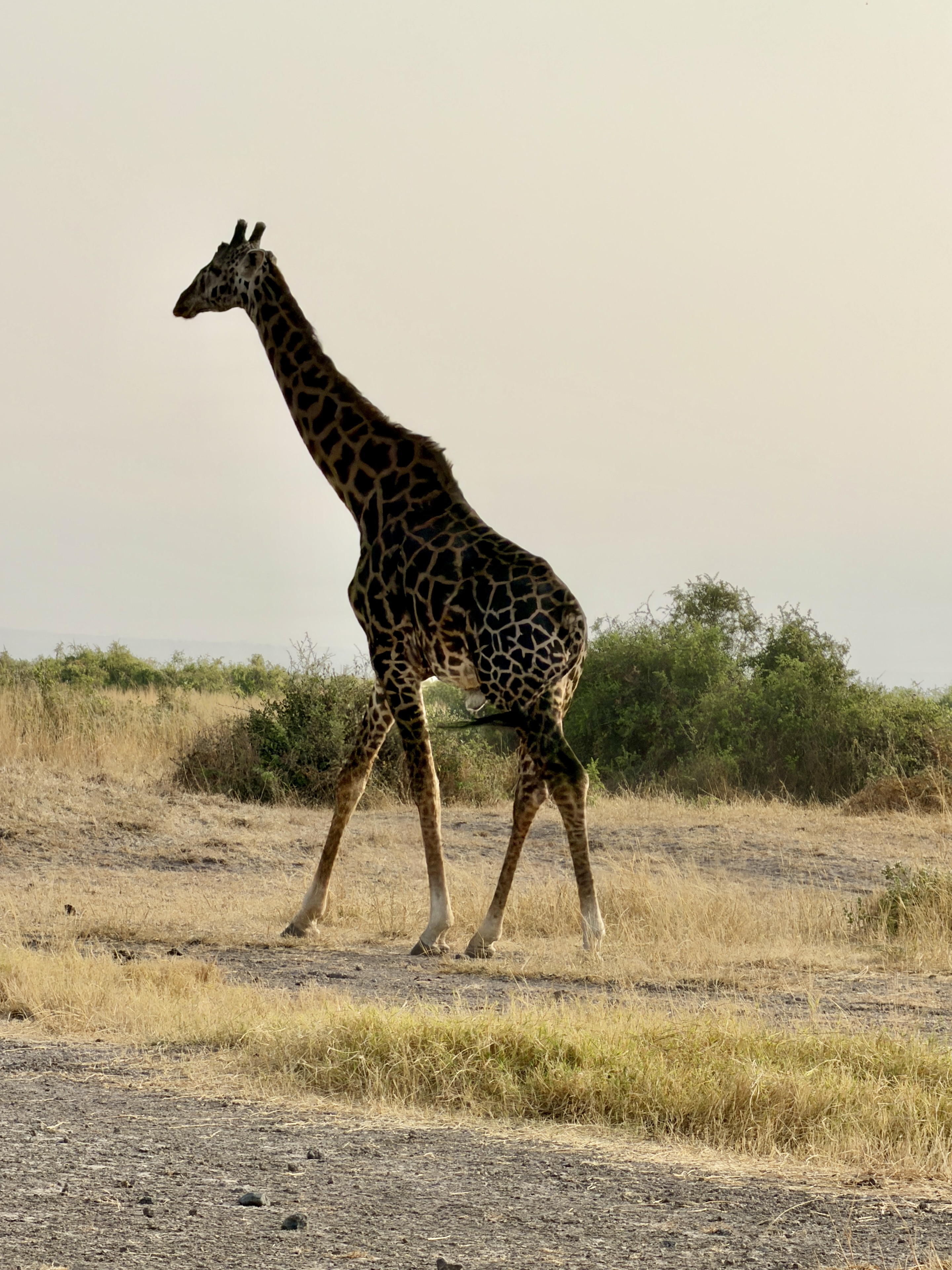
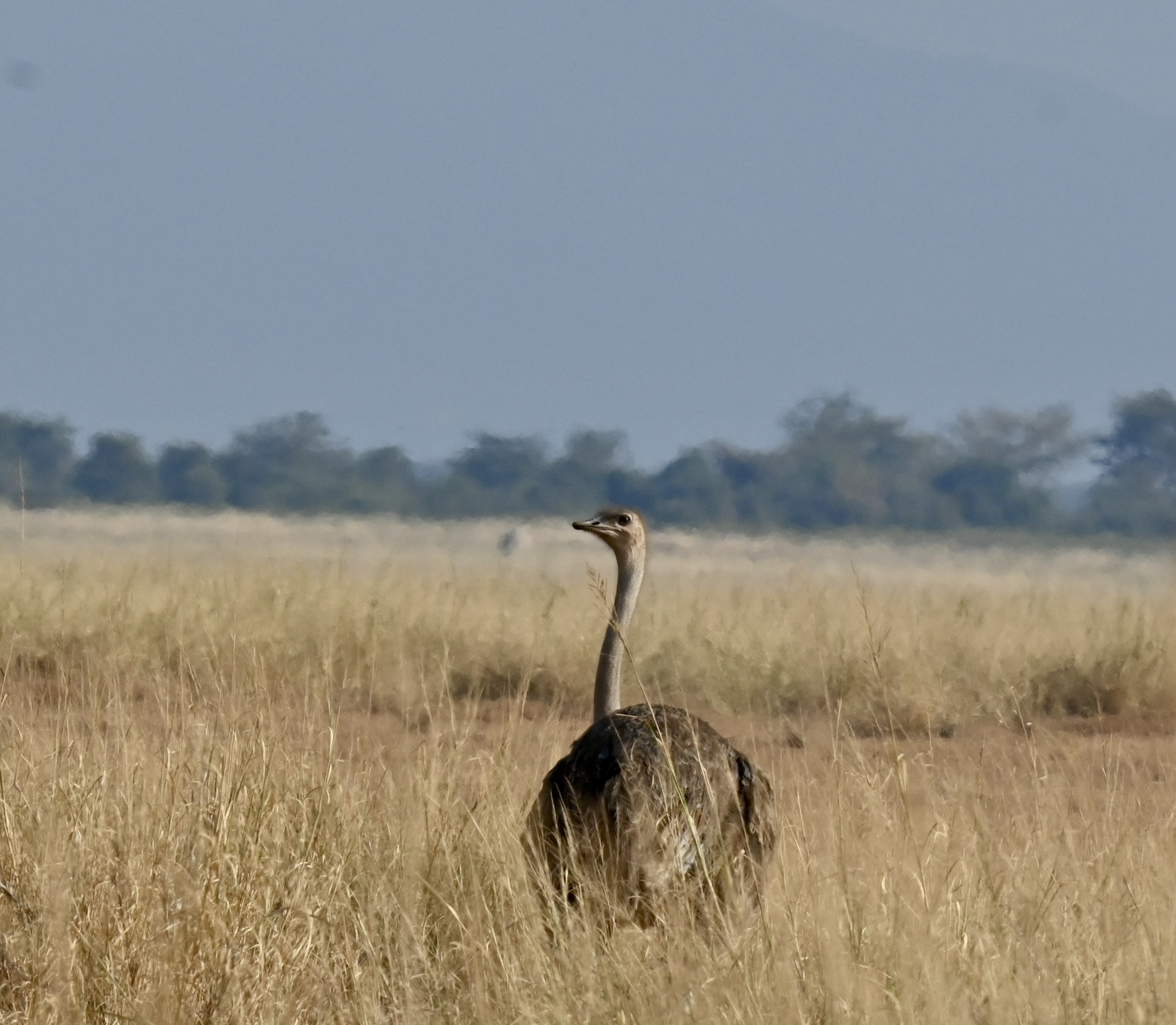
I’m writing this on the road to our next stop, Lake Manyara in Tanzania. We left Amboseli this morning around 7:30 and jounced our way for nearly two hours to the border crossing into Tanzania. (I believe the ride loosened some fillings I didn’t even have.) Along the way, we passed ostriches and a lone giraffe.
Crossing into Tanzania wasn’t bad. To get a visa on arrival, you must show your passport, yellow fever vaccine record, a completed immigration form, and most important, a crisp, unsoiled one hundred dollar (US) bill. There was a bit of a crowd inside the building, but Odysseys Unlimited had a representative who sped us through, causing me only a smidgen of guilt as we bypassed the main line.
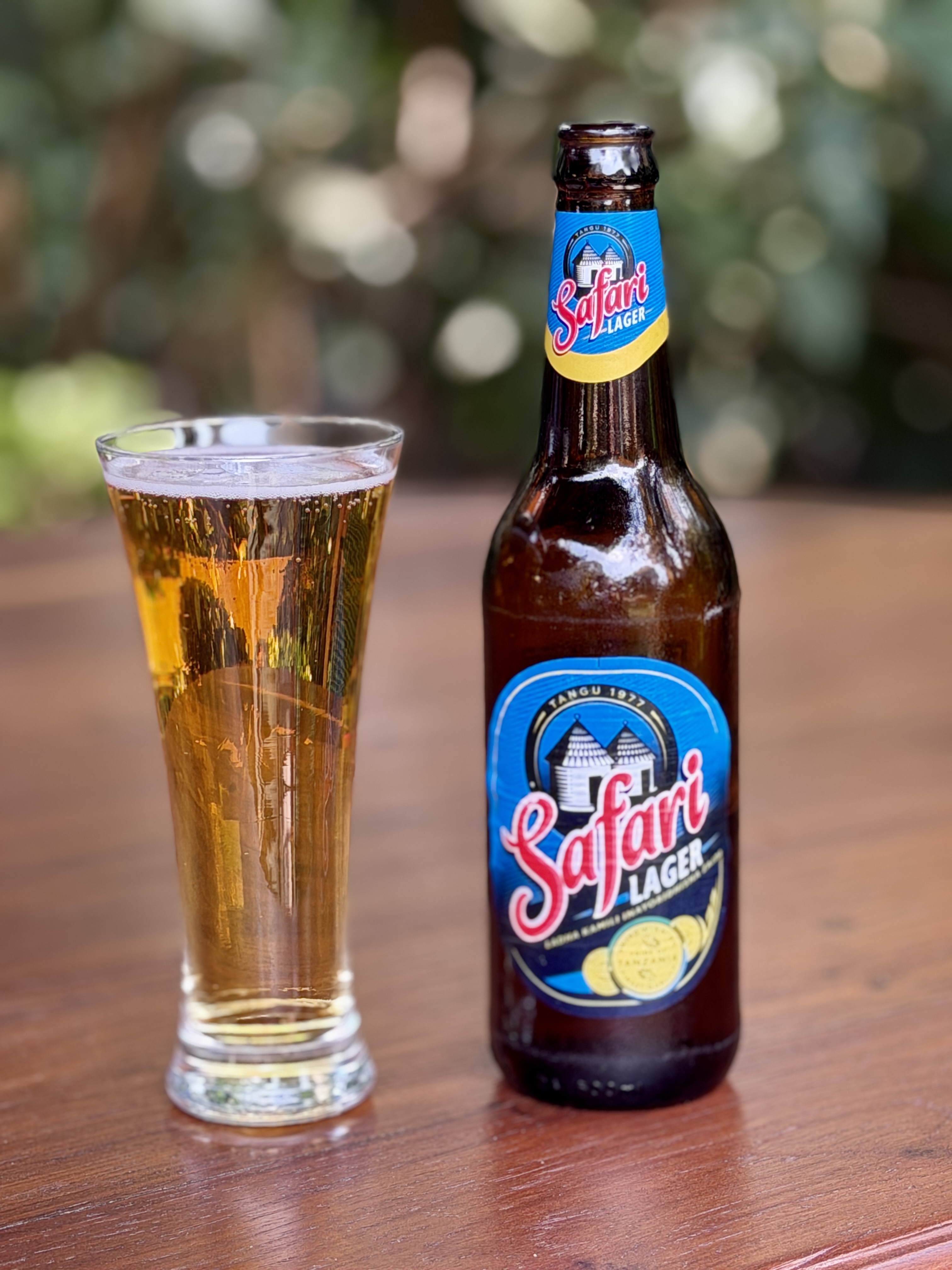
From the border, we drove another hour and a half or so to lunch at the Arusha Coffee Lodge, where I continued my research into East African beers with a Safari – a light lager that I found not as good as the Kenyan Tusker. (Fear not, Tanzania, you have at least two other opportunities to outshine your northern neighbor, brews from Serengeti and Kilimanjaro.)
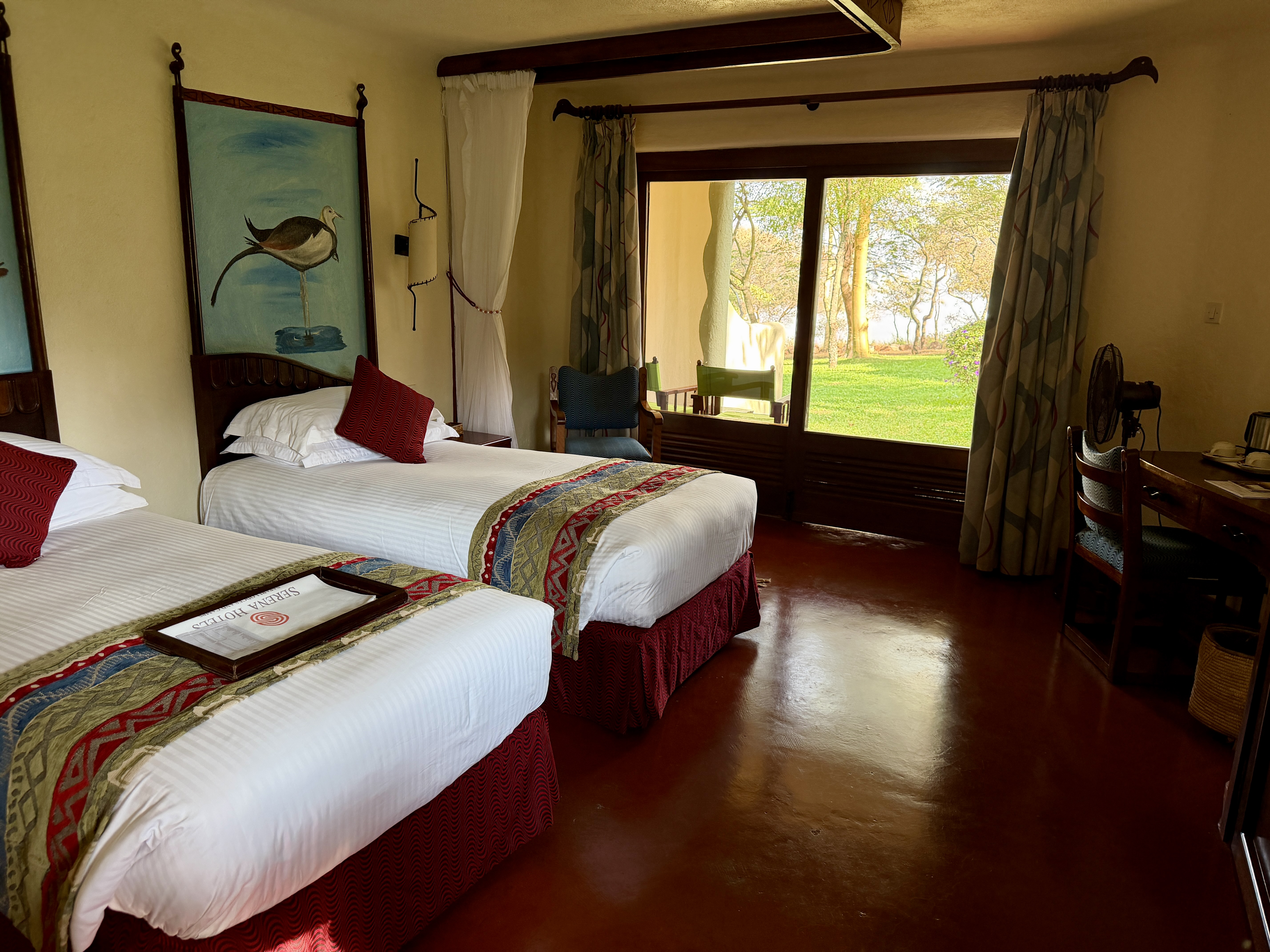
We arrived at our home for tonight, the Lake Manyara Serena Lodge, at 4. I’ll bid you kwaheri for now.

 PuffinlessTravel
Interesting to hear that the Cape buffalo is the most feared creature in Amboseli; I would have voted for the hyena. They’ve always struck me as being really vicious. Fun (useless) trivia: the German word for hippo is Nilpferd, ‘horse of the Nile’. There are several humorous captions waiting to be written for the contemplative baboon!
I agree with you about the viciousness of the hyenas but I think they’re a little fearful of humans.