One of my tour mates has an admirable penchant for cuing up songs on his iPhone to suit the wildlife we see. Many, as you can imagine, are from “The Lion King” or “The Jungle Book.”

My soundtrack for our trips through the Serengeti yesterday and today would have been “Dust in the Wind,” by Kansas, set to repeat over and over. Dust swirls and dances and sputters and spurts and soon coats every exposed surface: hair, skin, eyeglasses, camera lenses, clothing …. I could Carry On, but then you’d say “Jeff, methinks thou dust protest too much.” So I’ll turn to the main event – or the mane event, as the case may be – the remarkable fauna of the Serengeti.
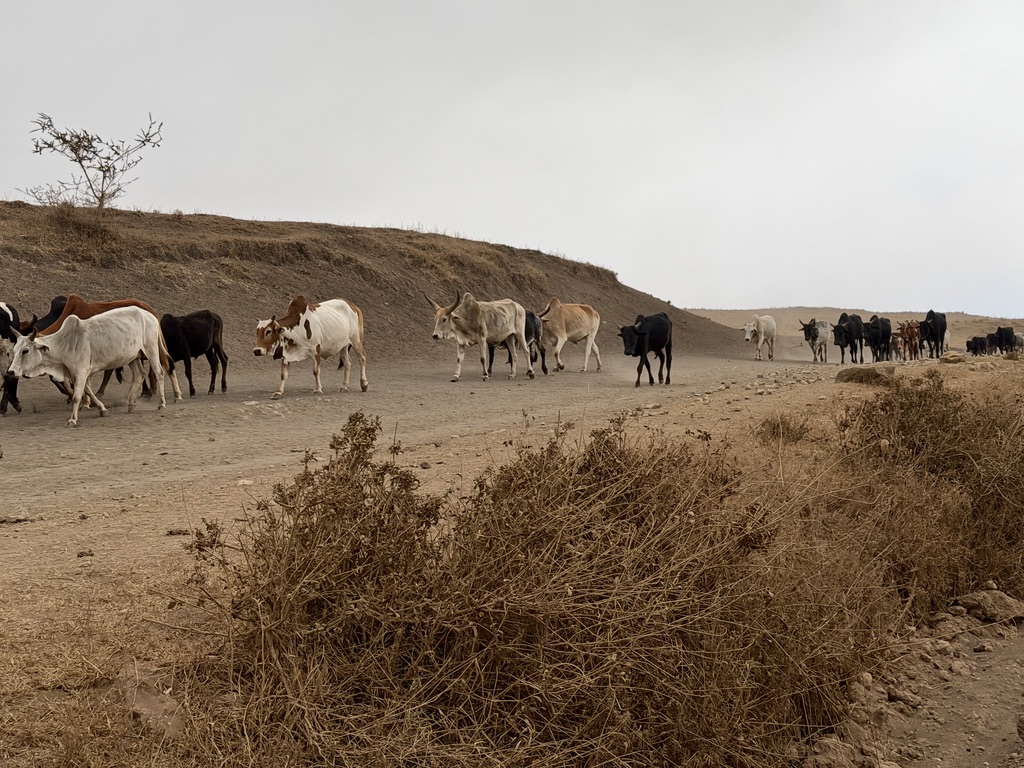
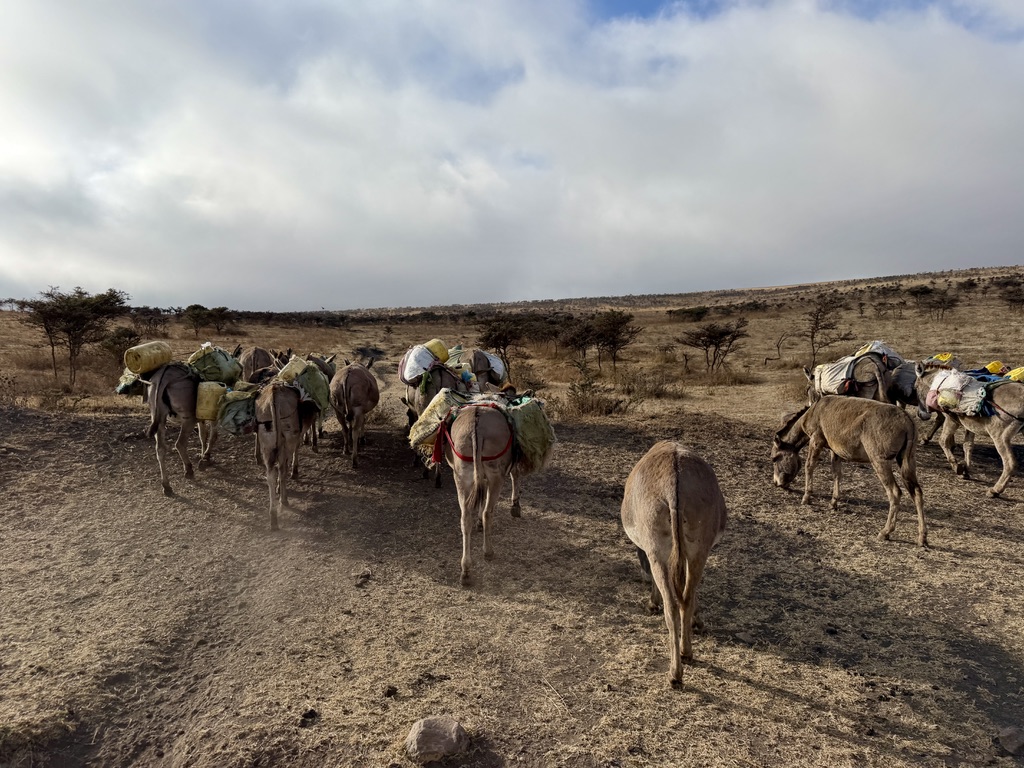
We left Ngorongoro yesterday morning in the usual mist and fog and drove past Maasai men leading their cattle to pasture and Maasai women loading their donkeys with water.
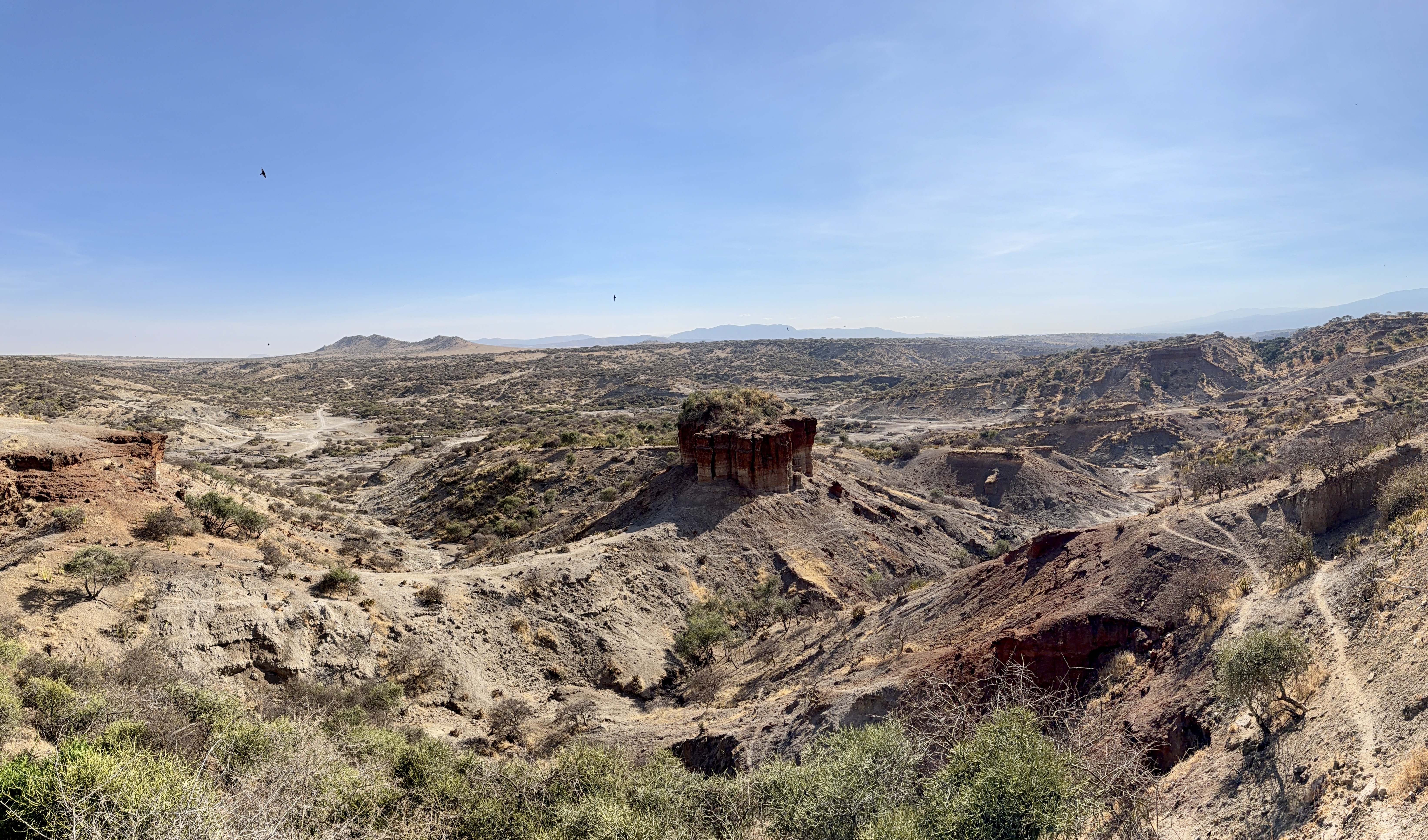
A bit over an hour later, we arrived at Olduvai Gorge. As I mentioned in my post about Addis Ababa, I was an anthropology major a few lifetimes ago. Just as I was thrilled to see the skeleton of Lucy in Ethiopia, visiting the place where Louis and Mary Leakey made so many groundbreaking discoveries about human origins left me awed.
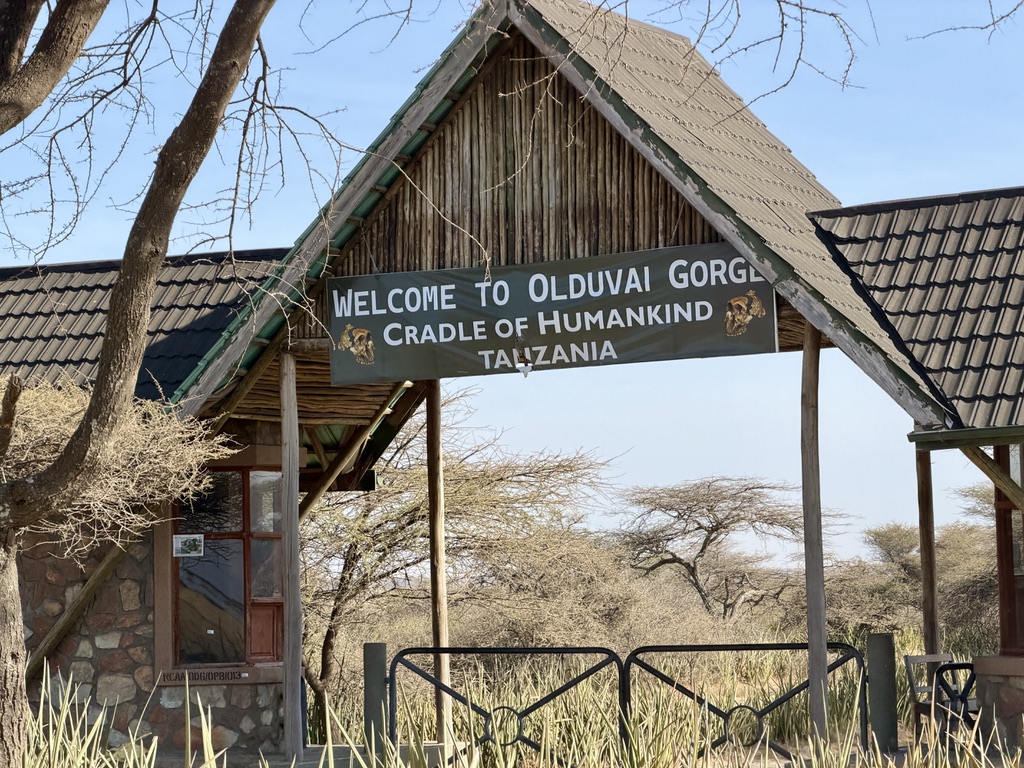
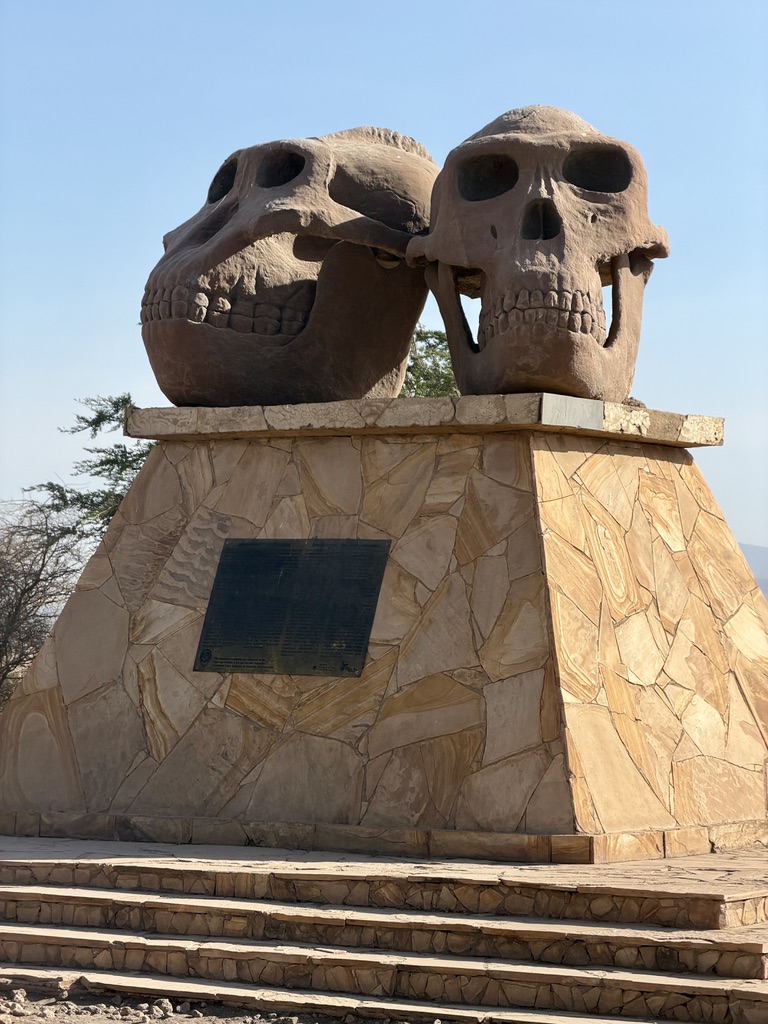
A small, modern museum on the site provides background on the Leakeys’ work and includes four rooms of fossils, some original and some replicas, from our long-ago ancestors and the surrounding fauna. The exhibits are well laid-out and informative; it’s a small gem of a museum. By the way, if you’re interested in archeology and physical anthropology, Exploratornews.wordpress.com is a free site that contains links to new articles in these fields, updated every Sunday.
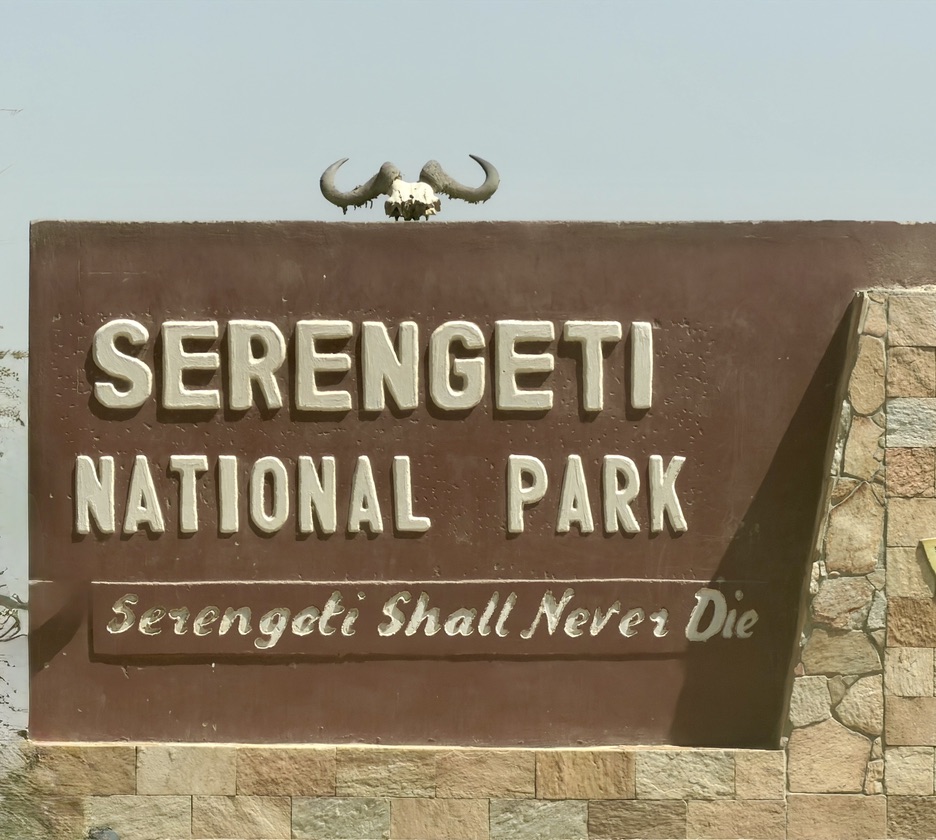
Within five minutes of entering Serengeti National Park, we stopped to admire a pride of lions lounging by the side of the road.
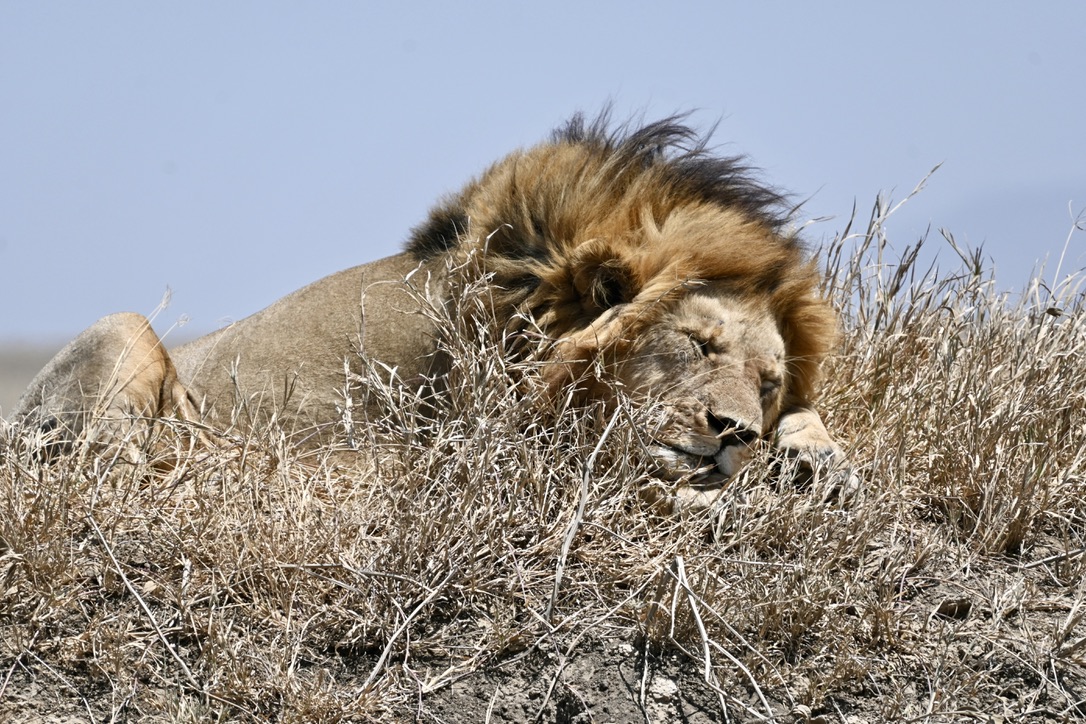
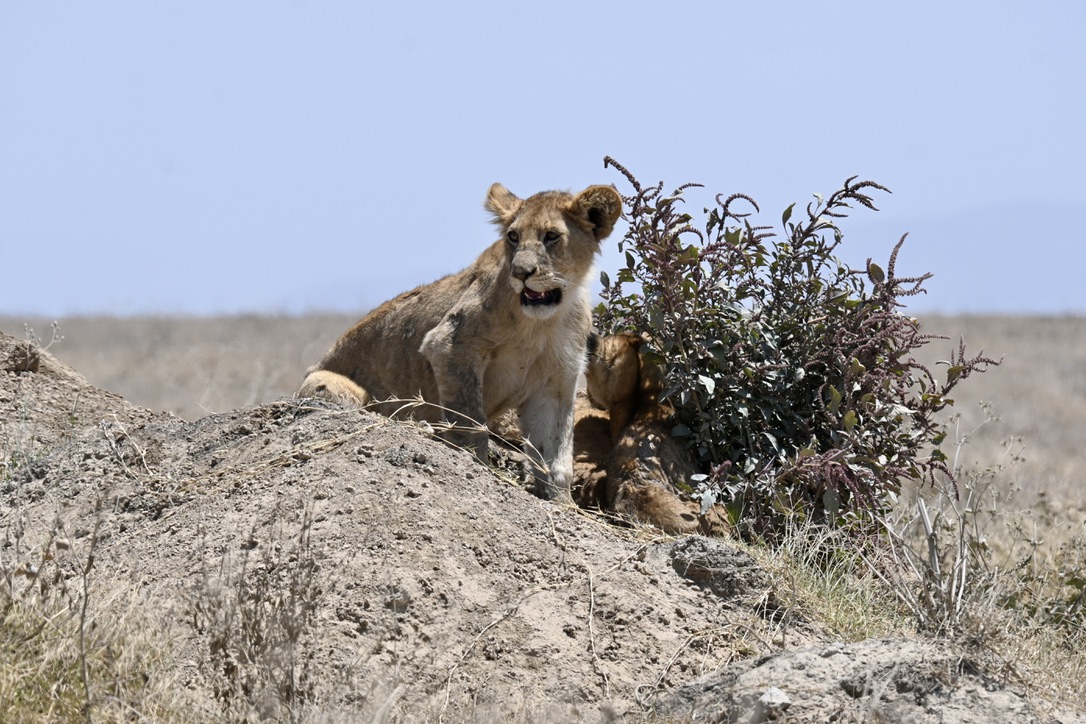
They were unfazed by our presence and went about their leonine business – which largely consisted of sleeping, yawning, and stretching, or perhaps getting up, walking a few steps, and then sleeping, yawning, and stretching – as if we weren’t there.


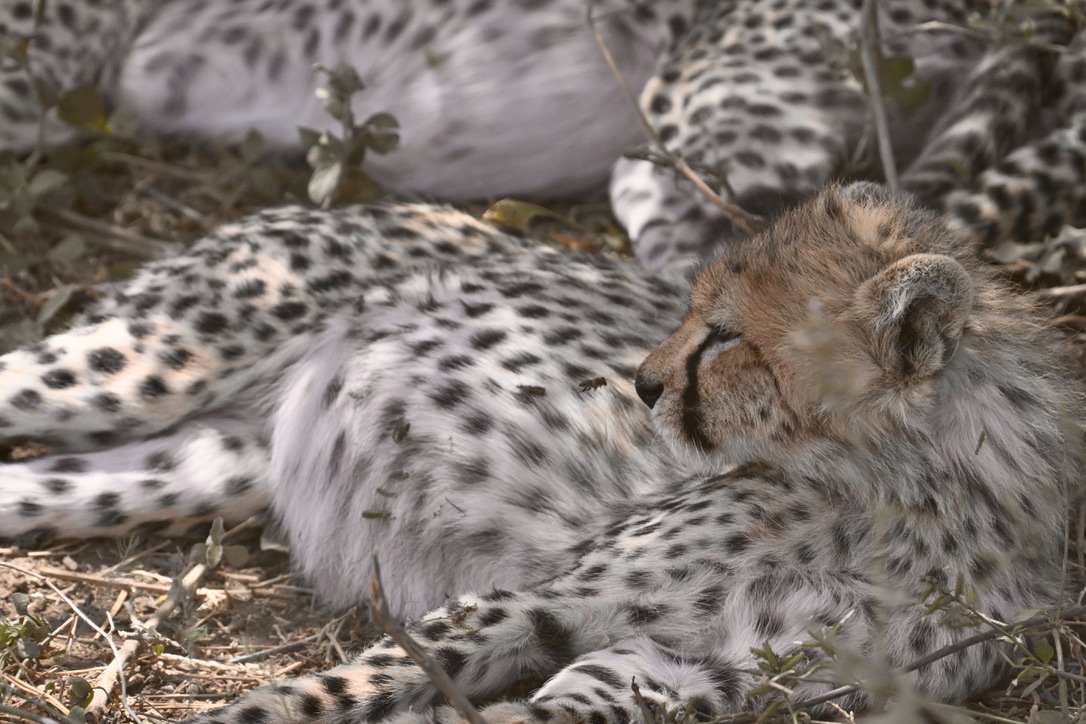
A bit farther on, we happened upon another big cat: a cheetah relaxing under a tree with several cubs.

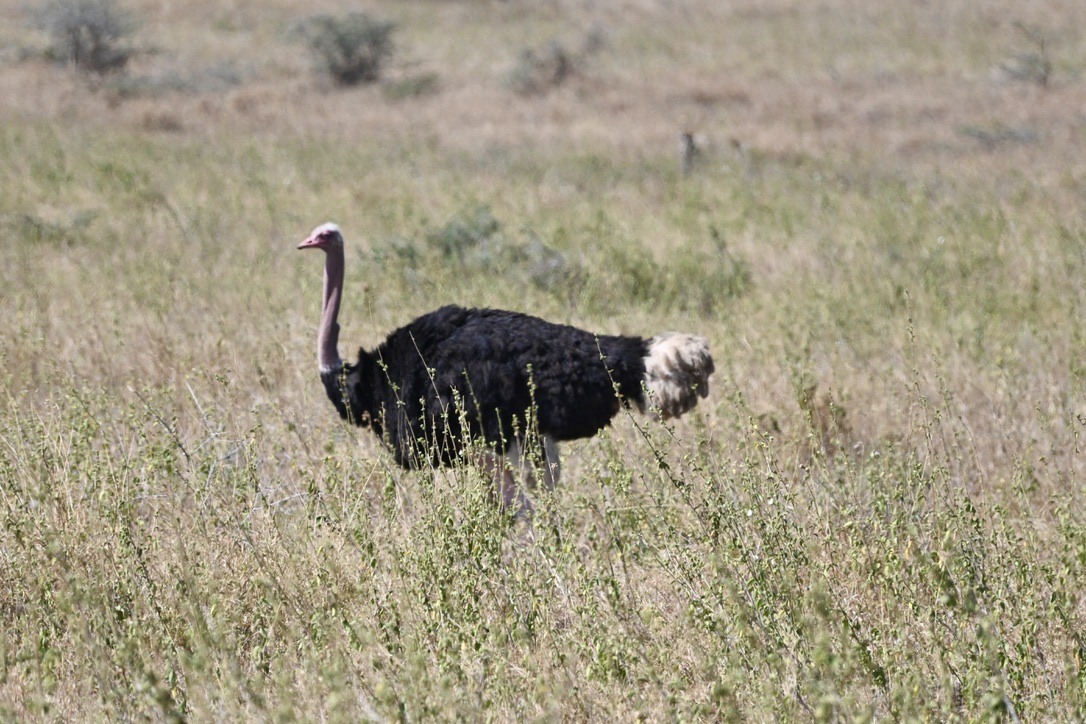
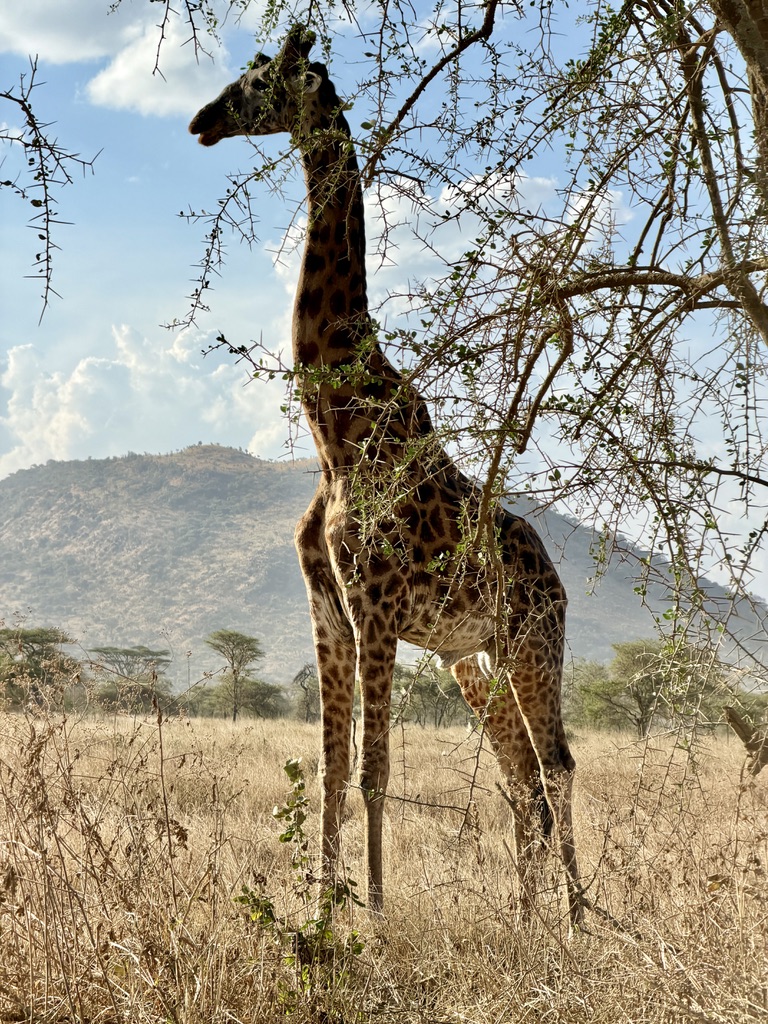
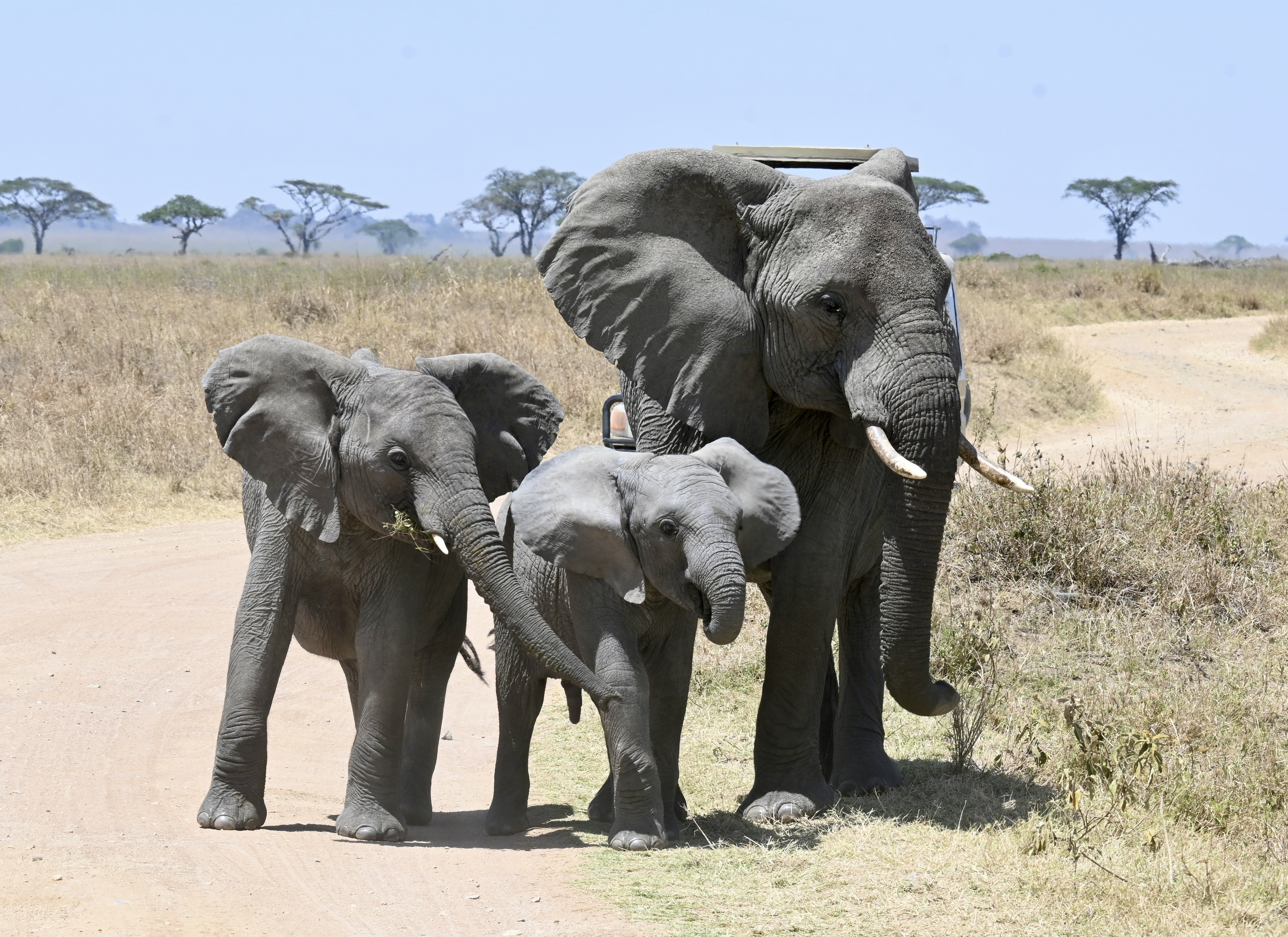
Of course, there was plenty of non-feline wildlife: thousands of gazelles, other kinds of antelopes, ostriches, giraffes, and elephants roam widely through Serengeti’s nearly 15,000 square kilometers. (“Serengeti” means “endless plains” or, more poetically, “the place where the land runs on forever.”)

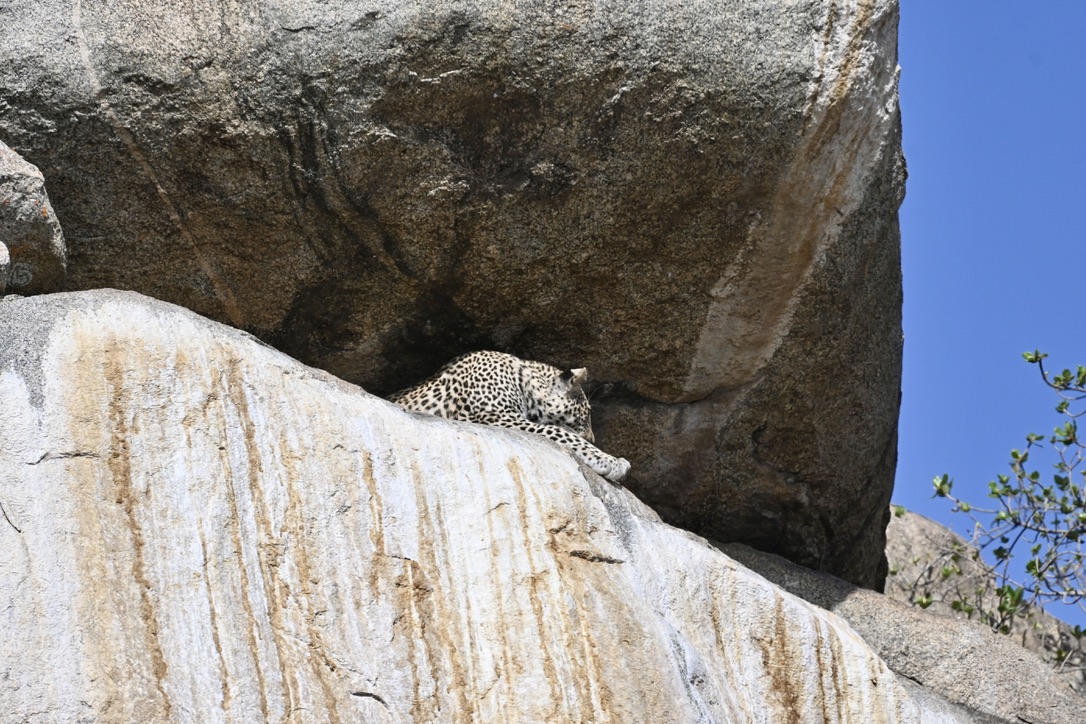
So far on our safari, we’d seen four of the “Big 5”: lions, elephants, rhinos, and Cape Buffalo. We completed the checklist a few hours later, admiring a leopard that was resting on rocks high above the ground. Leopards are reclusive animals, so we were fortunate to find one.
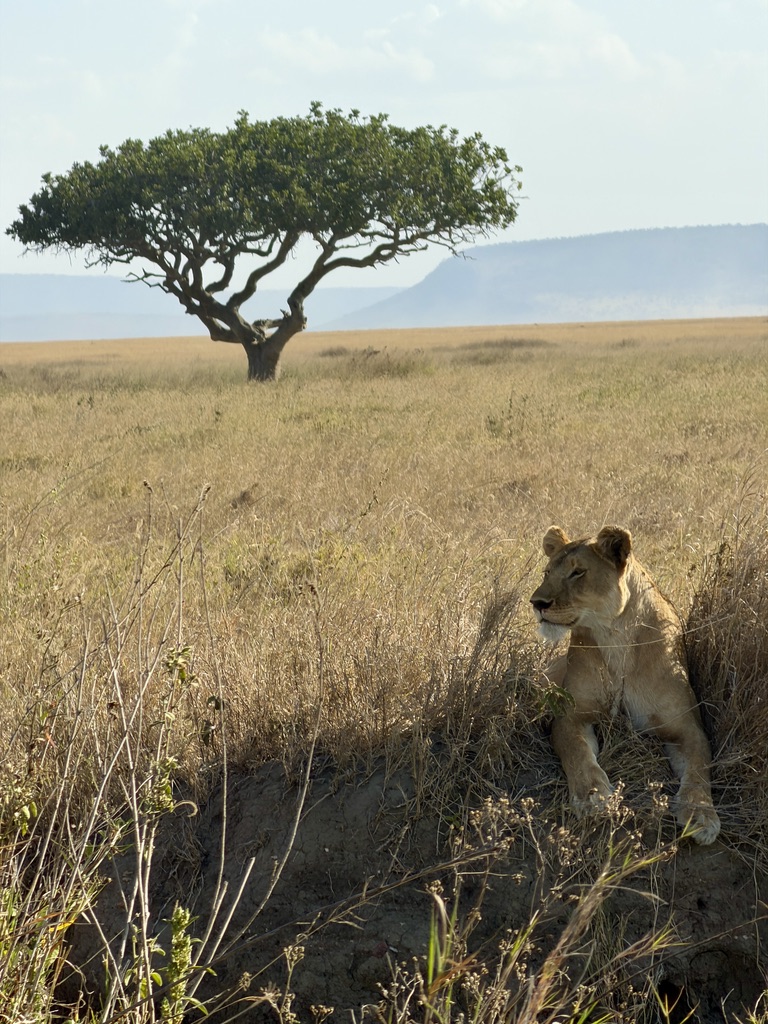
We ended our game drive as we began it, with another lion sighting. After a long, exhausting, dusty day, we reached our home here, The Serengeti Serena Lodge, at around 6 p.m.
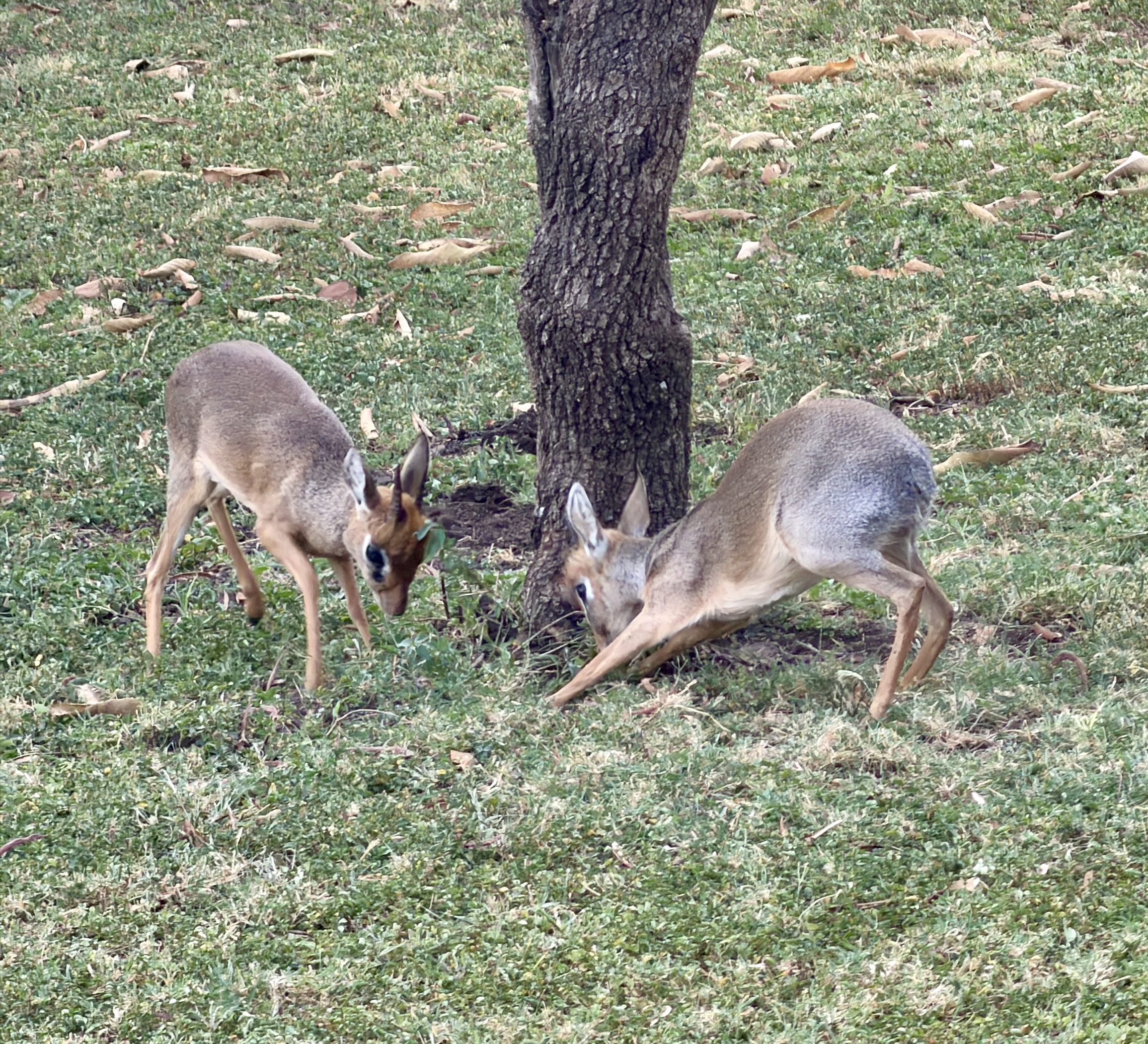
Like the other Serena lodges we’ve stayed at, this one showcases traditional East African architectural styles. Unlike the others, though, this one has no fences to keep out any wildlife that happens by. Dik diks (tiny antelopes) roam the grounds freely, bush babies come out at night, and elephants have been known to drink from the swimming pool.
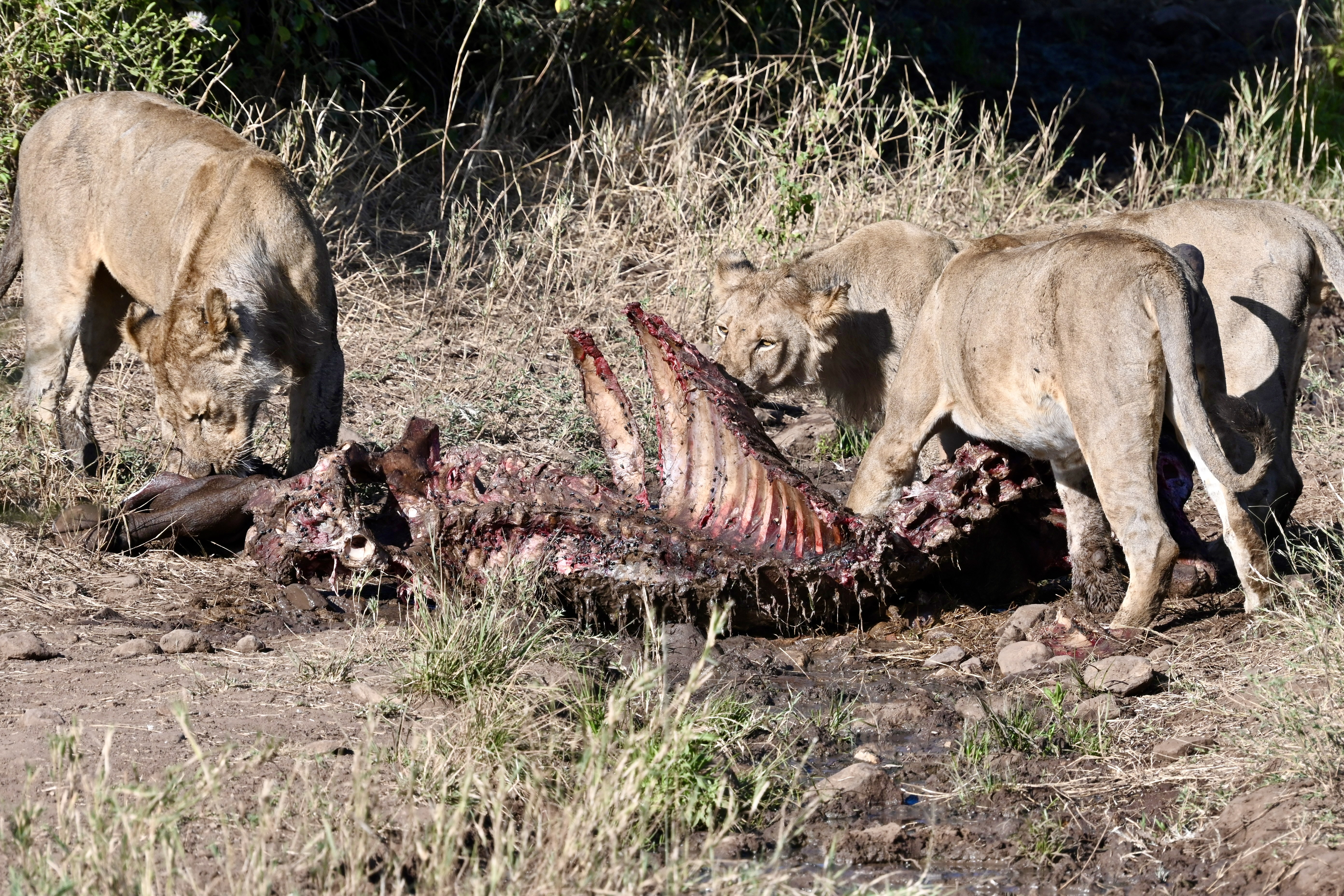
We set out on today’s game drive a bit before 8 a.m. By 8:30, we came across a pride of lions, two of whom were making short work of the carcass of a Cape Buffalo. This set the tone for today: “nature red in tooth and claw.”

The next teeth and claws we encountered belonged to a cheetah that, while we watched, sprinted perhaps 300 meters and took down a young gazelle. The entire chase and capture lasted fewer than 20 seconds.
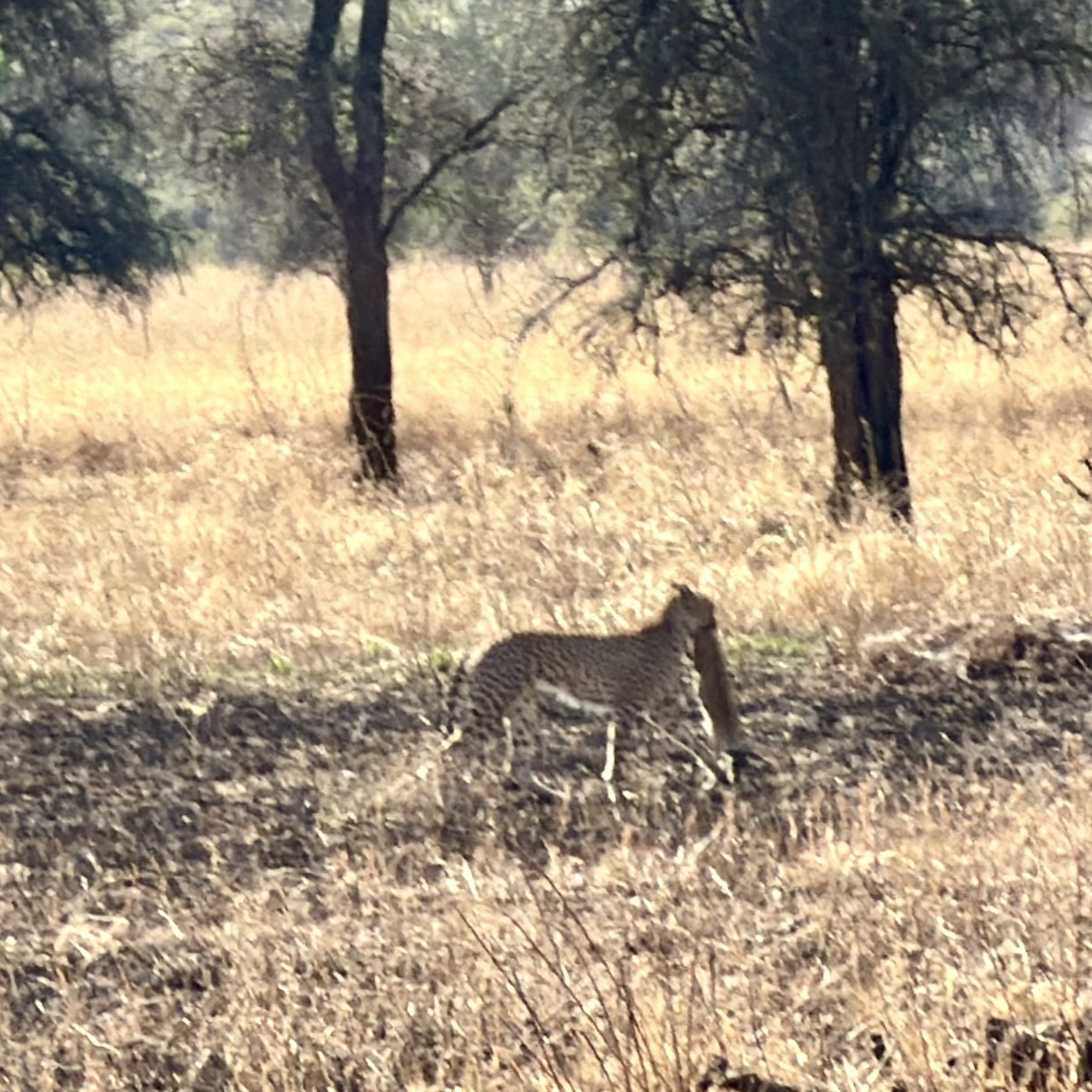
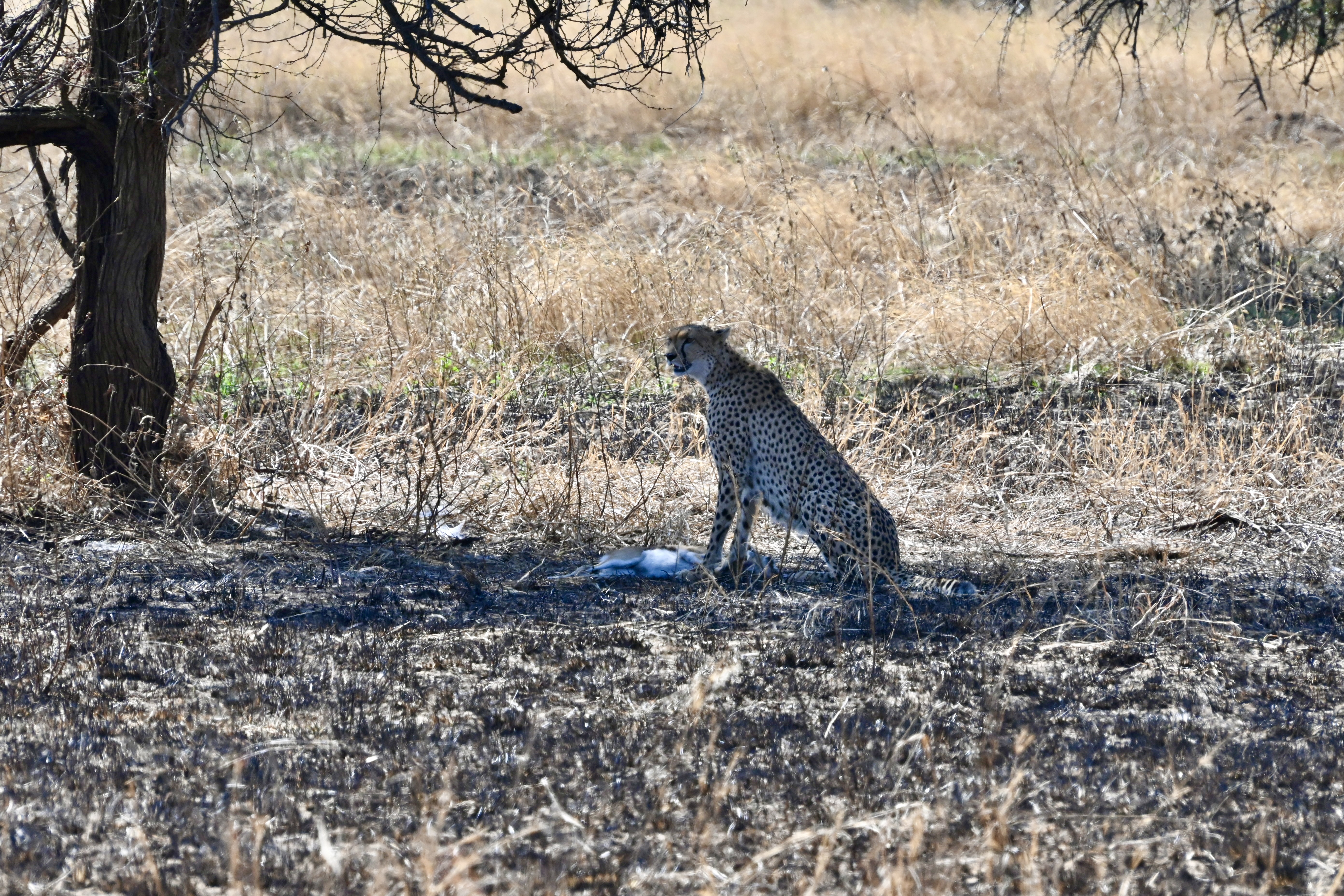
After eating her fill, the cheetah called for her cubs – before hunting, a mother cheetah will find a hiding place for her cubs to keep them safe from lions and leopards. We waited for the cubs to appear, but after half an hour of repeated calls, it became apparent that the cubs must have become some predator’s breakfast. The circle of life, indeed. (Sorry for the blurry photos – distance and light conditions made things challenging.)
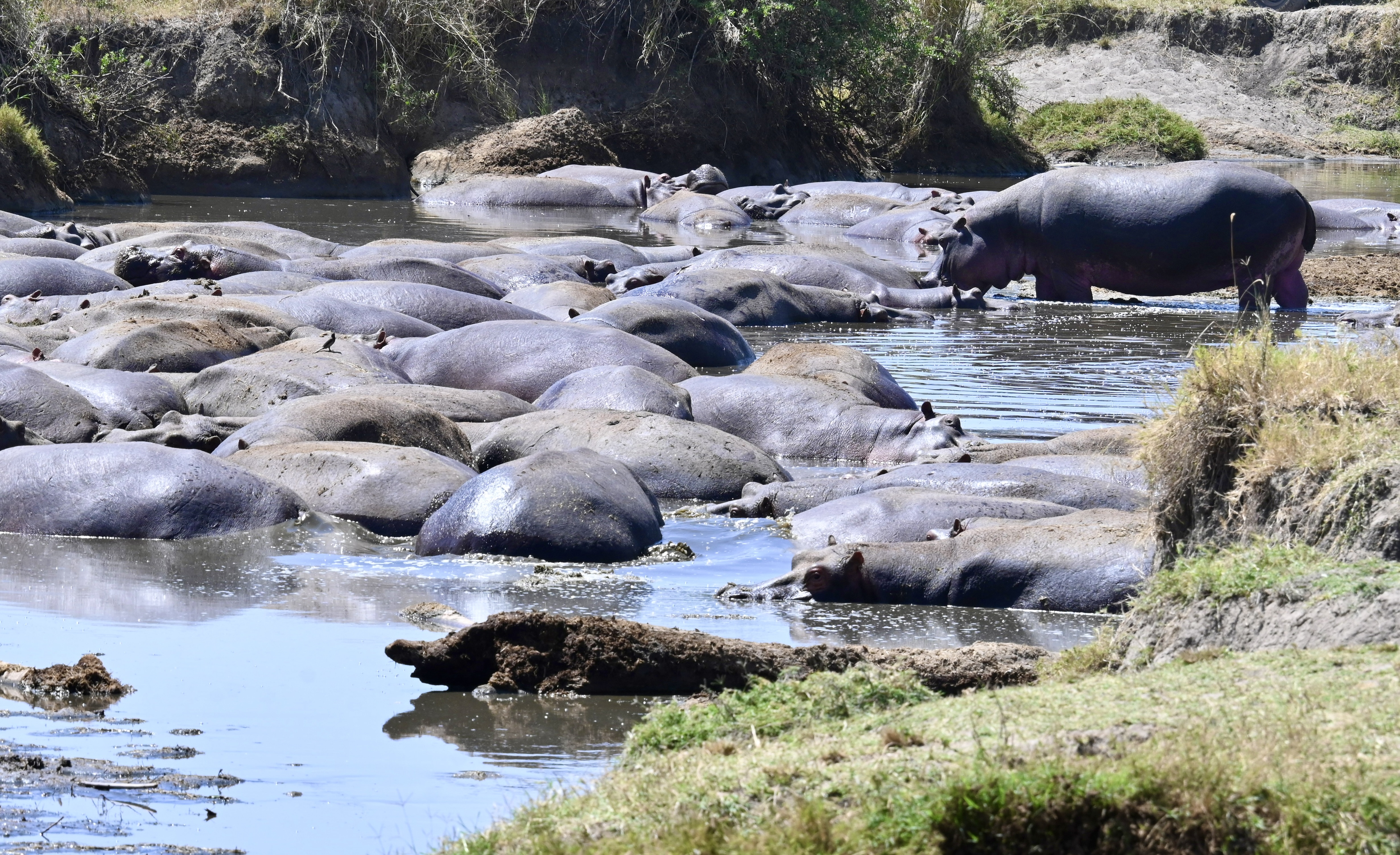

Our next stop was a lake filled with hippos doing their best sardine imitation. To me, these improbable giants are the most comical African megafauna. They certainly provided much-appreciated relief after the morning’s gore.
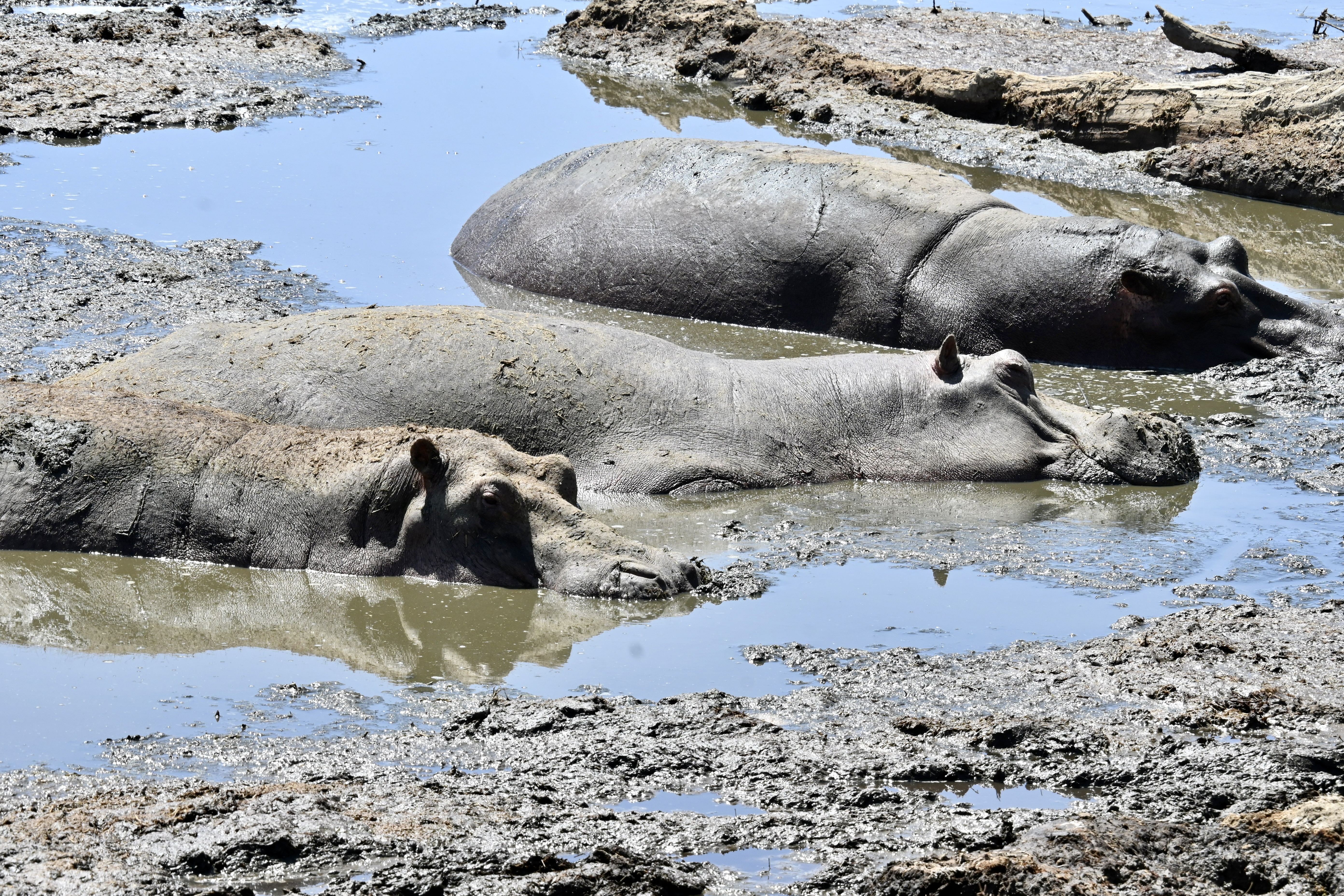
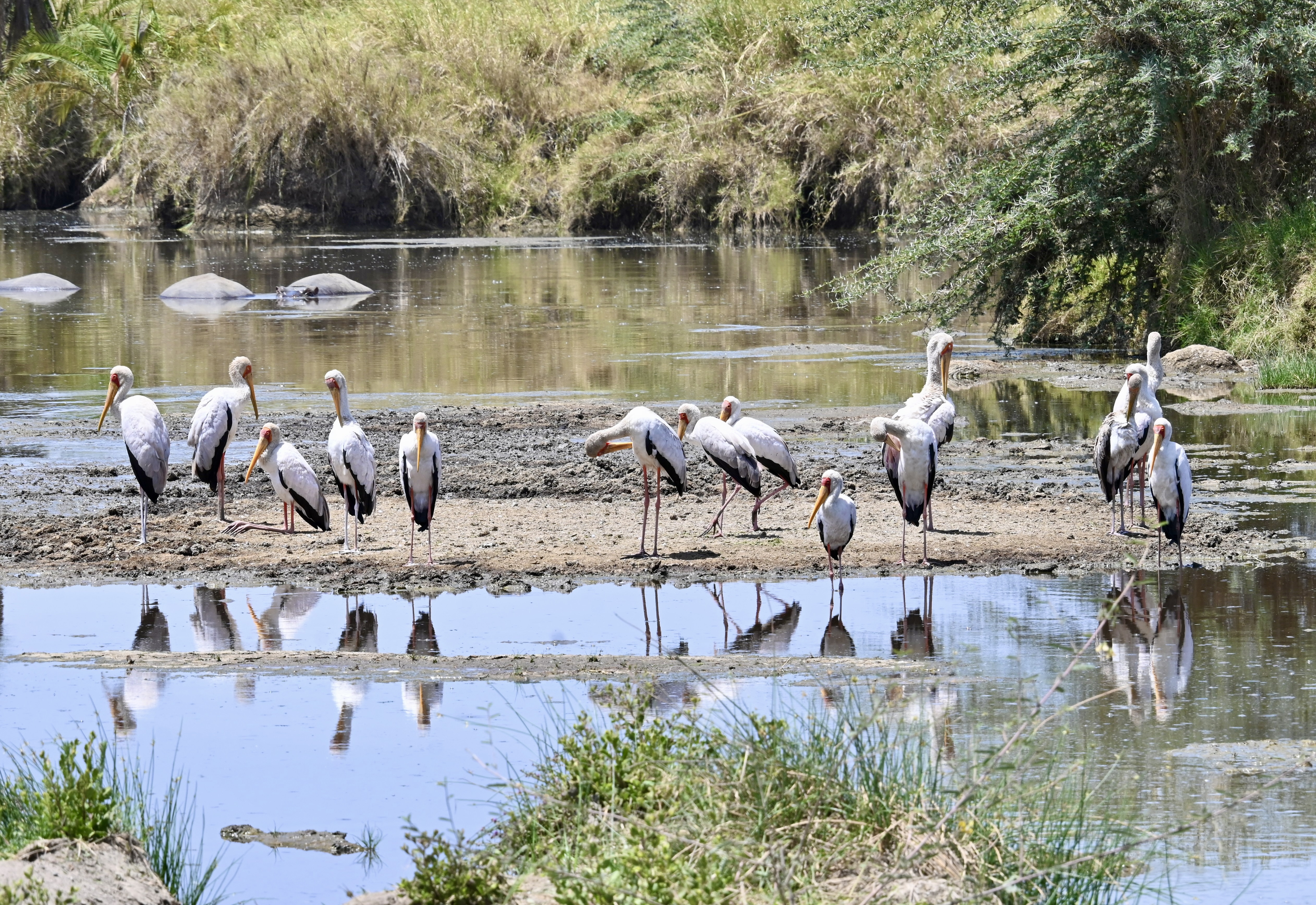
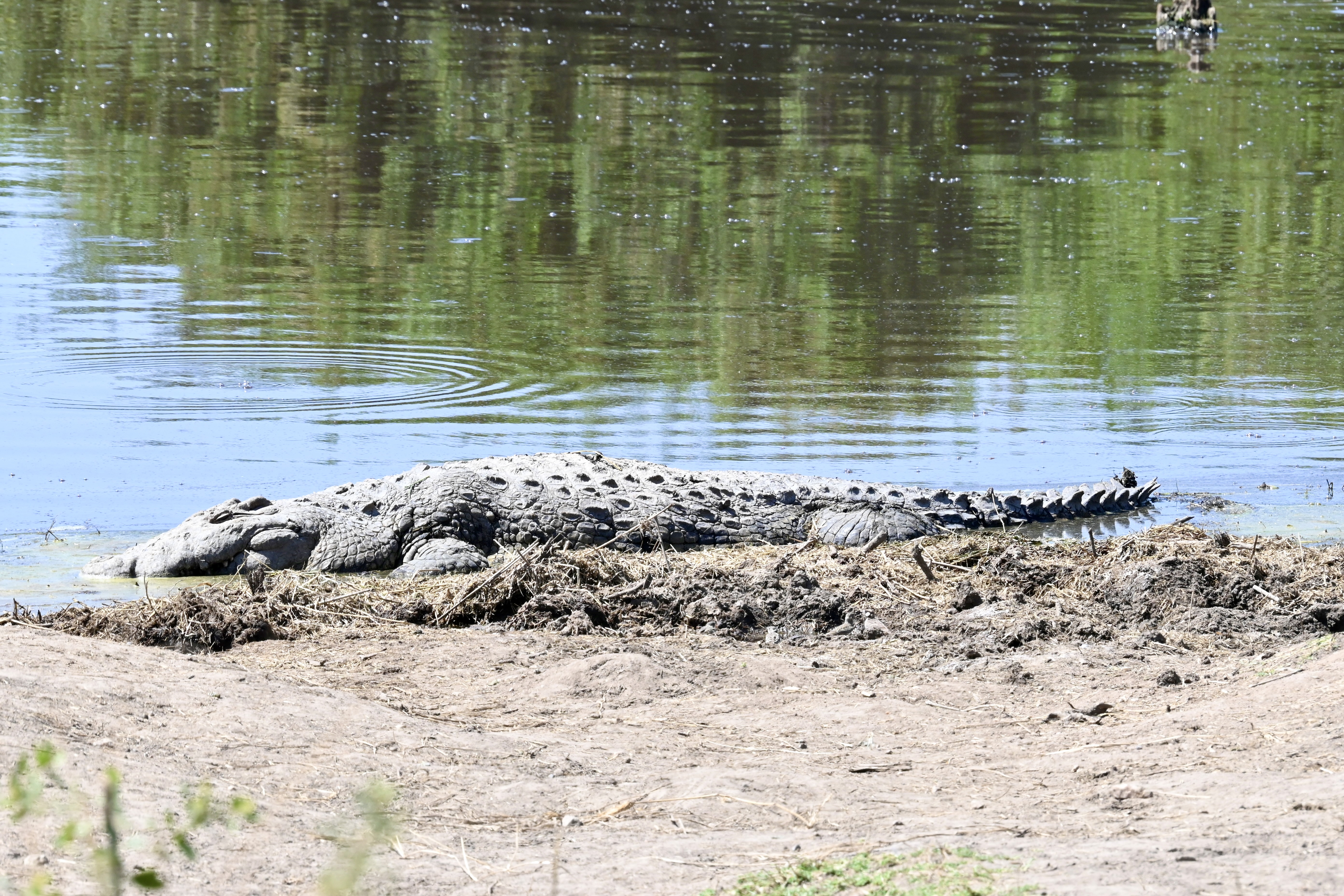
I’ll leave you with photos of some of the other animals we encountered.
Tomorrow morning, we’ll fly to Masai Mara park in Kenya, where we hope to see the great migration of wildebeest. Cheers!

 PuffinlessTravel
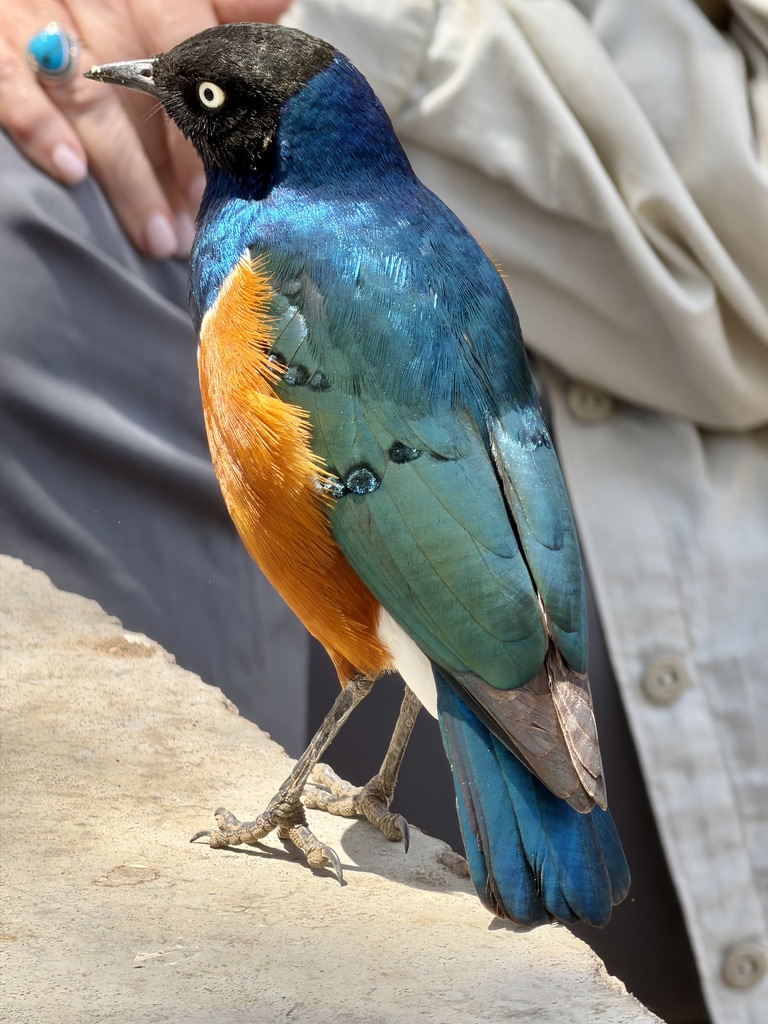
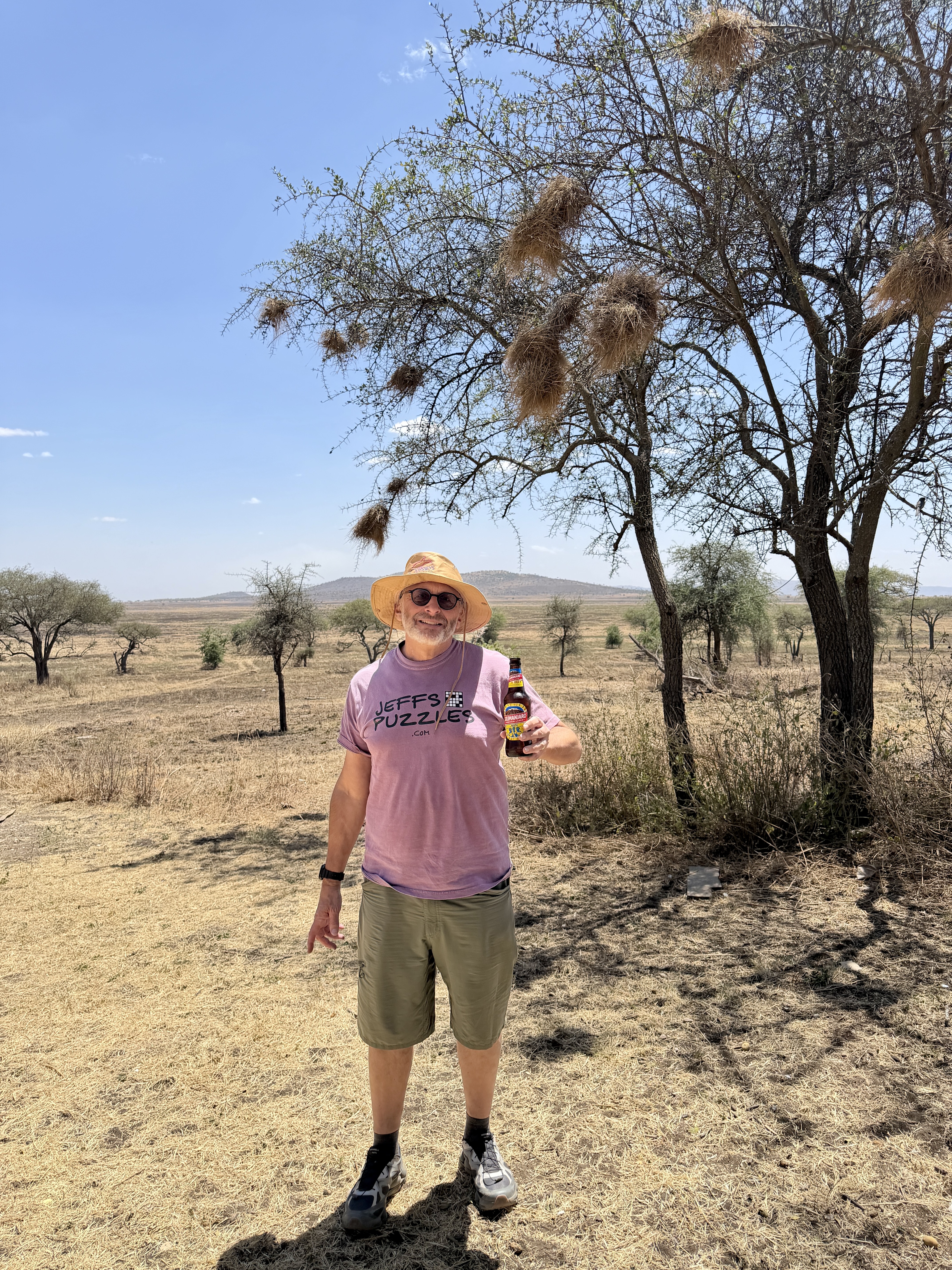
So many spectacular shots! That starling is stunning. Are those nests in the branches above you and your brew?
Yes. Weaver birds.