This safari has been the gift that keeps on giving. Every day I come back to the lodge after seeing things I’ve never seen before, and think to myself, how can tomorrow possibly bring something different? Unfailingly, it does. Sometimes we see new animals; sometimes we witness life and death struggles, and sometimes, like yesterday (Wednesday), we see lions copulating. I’ll say more about that in a bit.
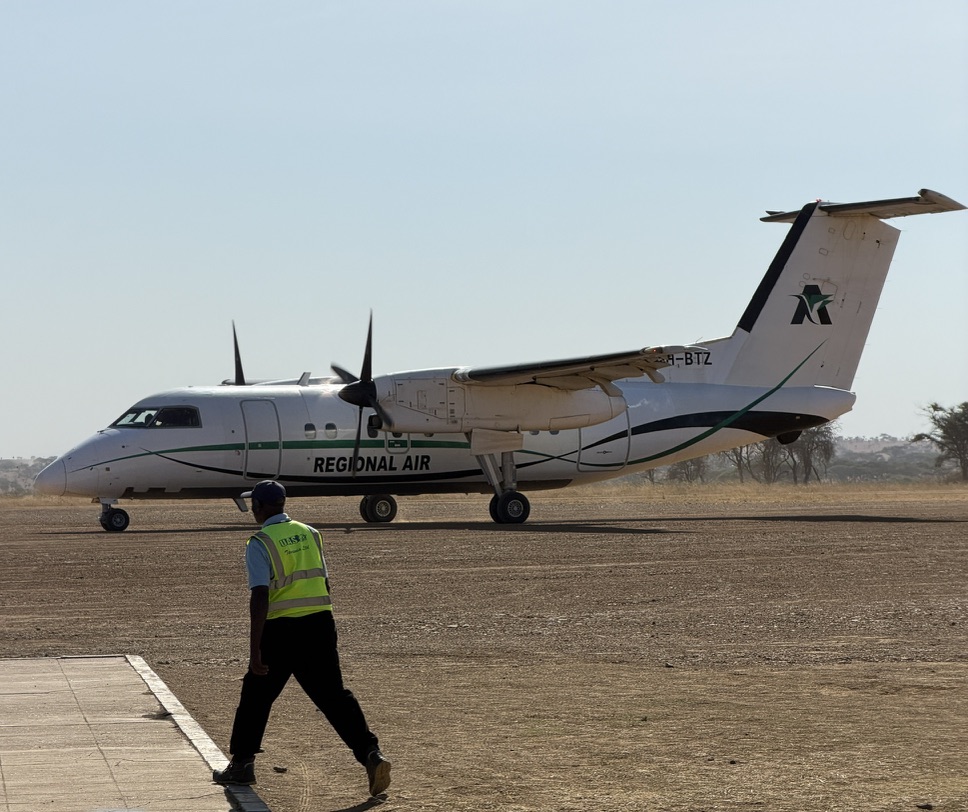
Wednesday was a multi-modal travel day. We left our lodge in Serengeti a bit before eight a.m. and got to the Seronera airstrip around forty-five minutes later. The airstrip is just that: a small building next to a packed earth runway. I’m happy to say the runway is much smoother than the washboard roads we’ve been bumping along for the past several days.
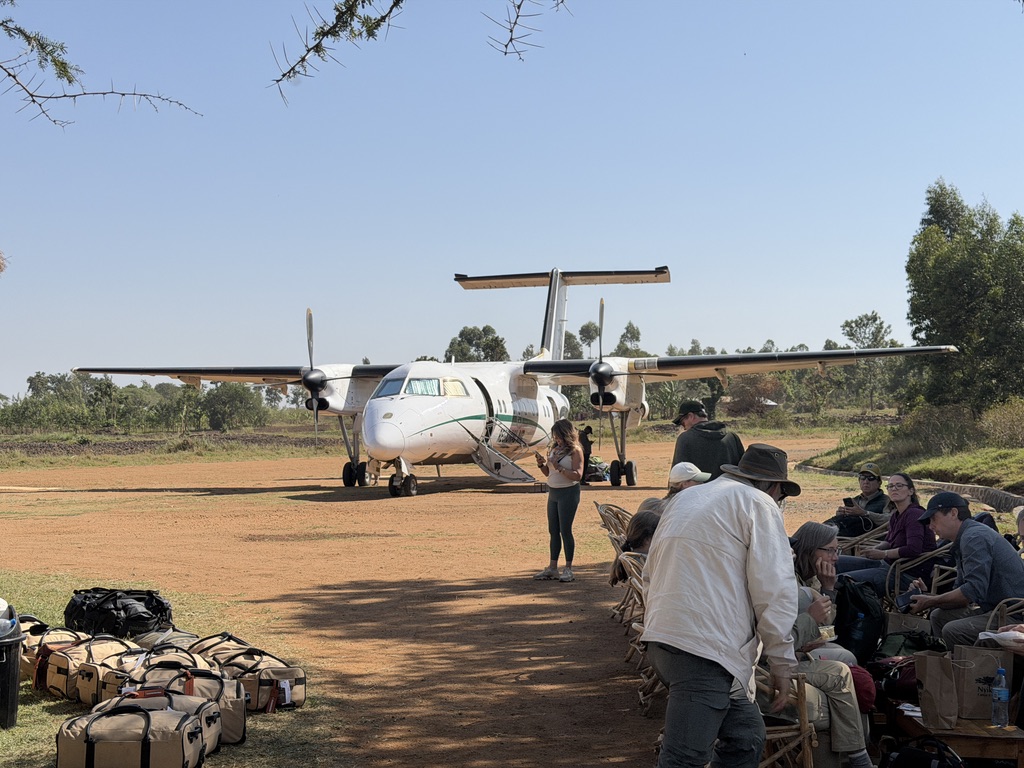
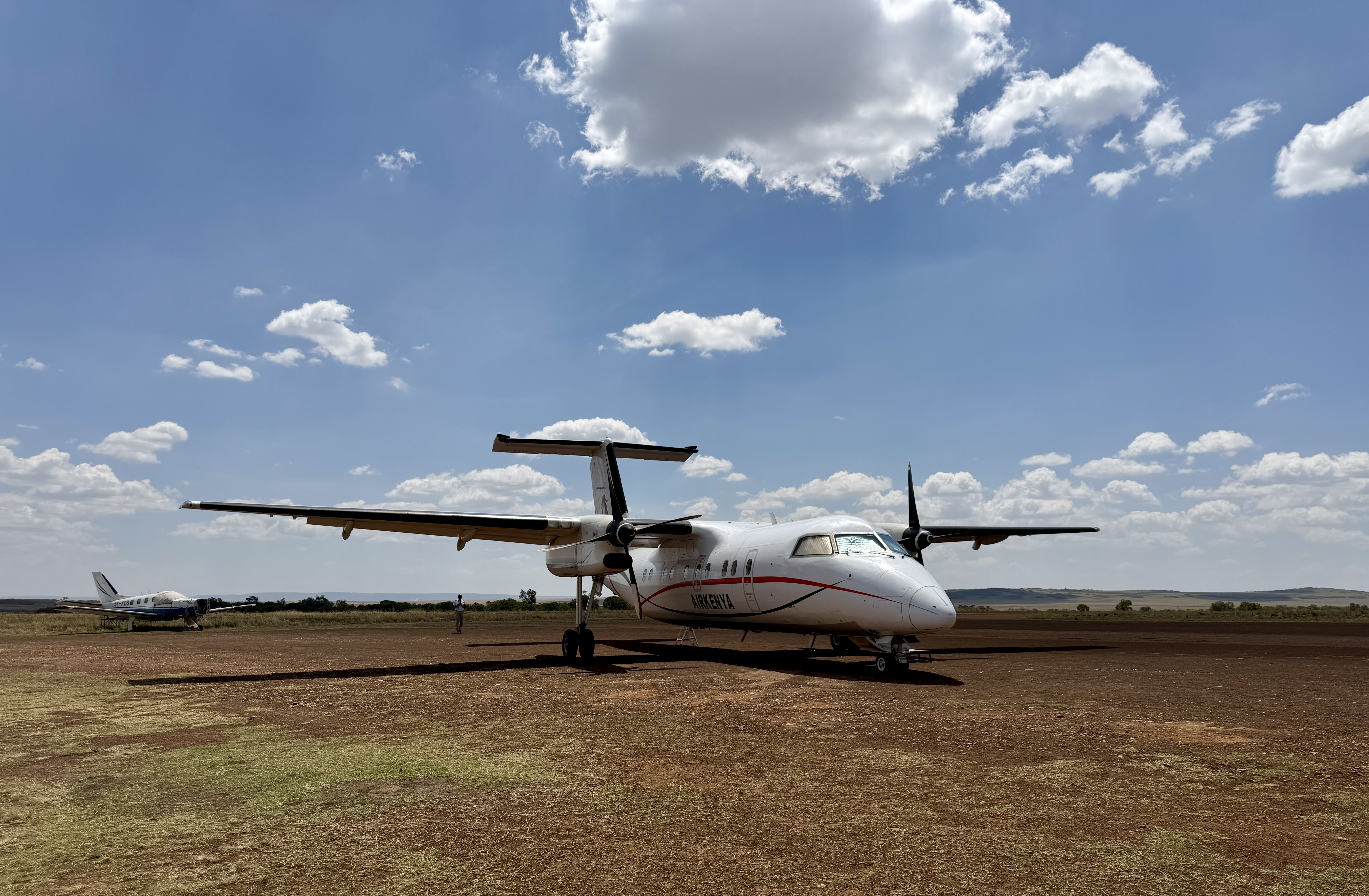
After a thirty-minute flight on a twin-prop plane, we landed at an even smaller airstrip near a town called Tarime. There we boarded a bus for the short ride – on paved roads! – to the Tanzania/Kenya border, where we went through immigration. (It took forty minutes for our entire group to go through the formalities.)
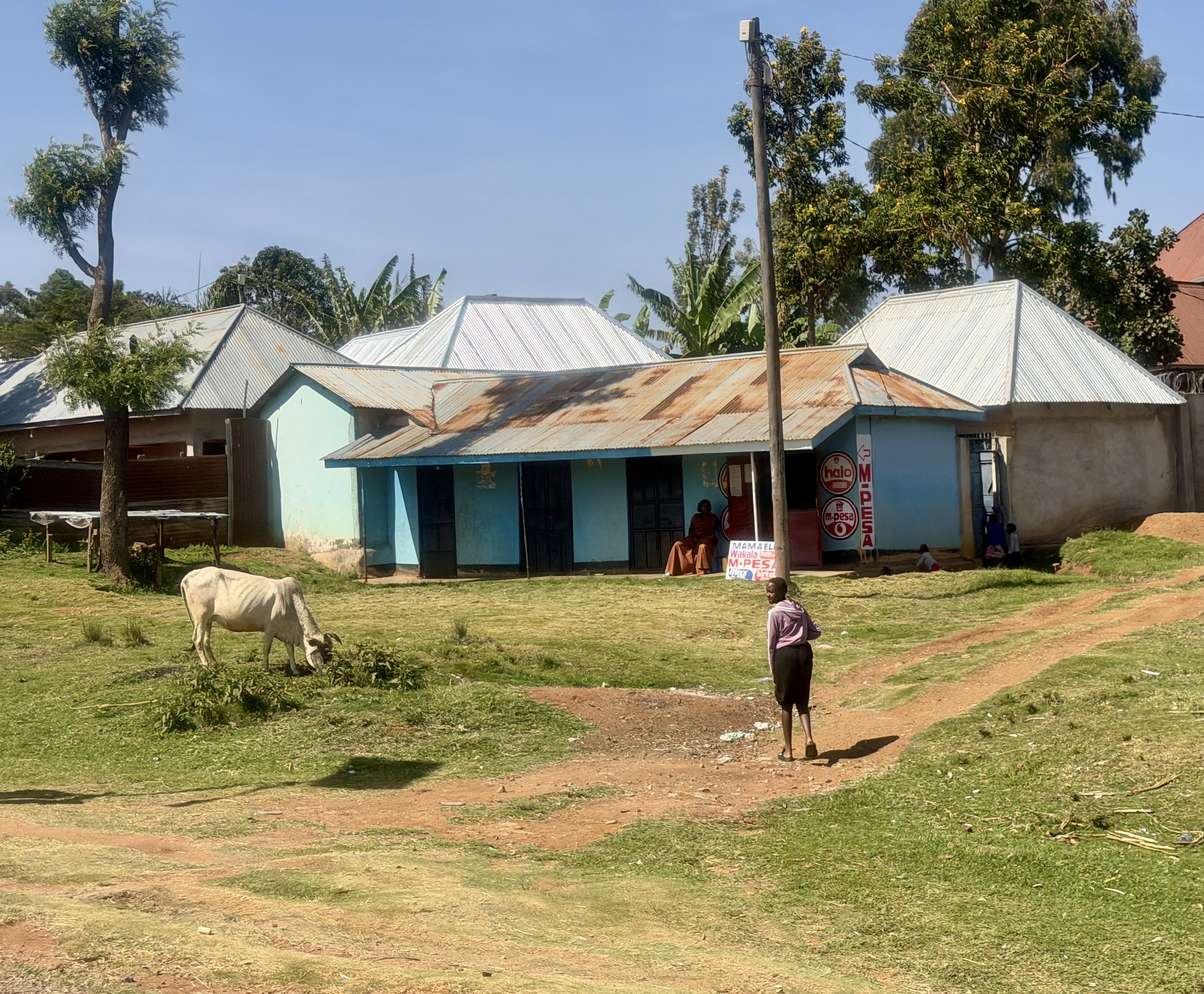
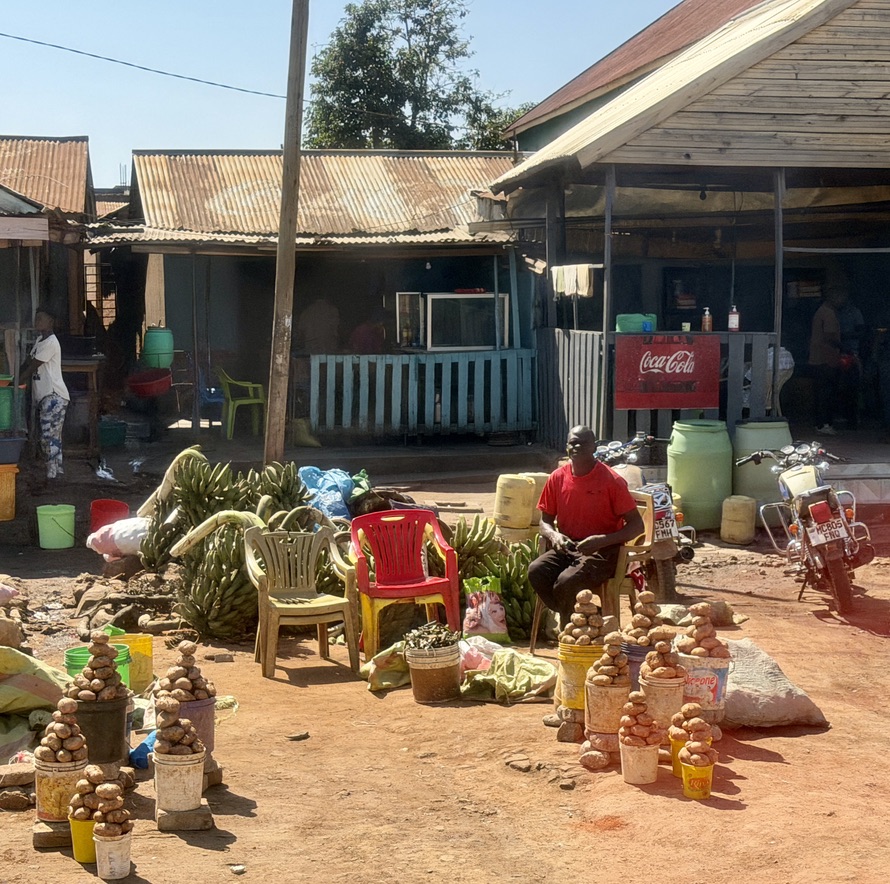
Back on the bus, we drove for another half hour to a third airstrip (Migori), passing bustling towns whose houses sported steeply pitched, corrugated metal roofs.
We boarded another twin-prop plane, and 17 minutes later we touched down at the first stop in Masai Mara, where four passengers deplaned and we took off once again, this time for all of 7 minutes, to reach our destination.
I’ll say this again in my final post about the trip, but our guide, Edwin, is a genius at shepherding us quickly and uneventfully from place to place. This has been true of every Odysseys Unlimited guide I’ve had; it must be something the company emphasizes in training. We’ve been paralleling a group from another travel company – a very high-end one – and we’ve always made it through immigration faster and reached our destination sooner.
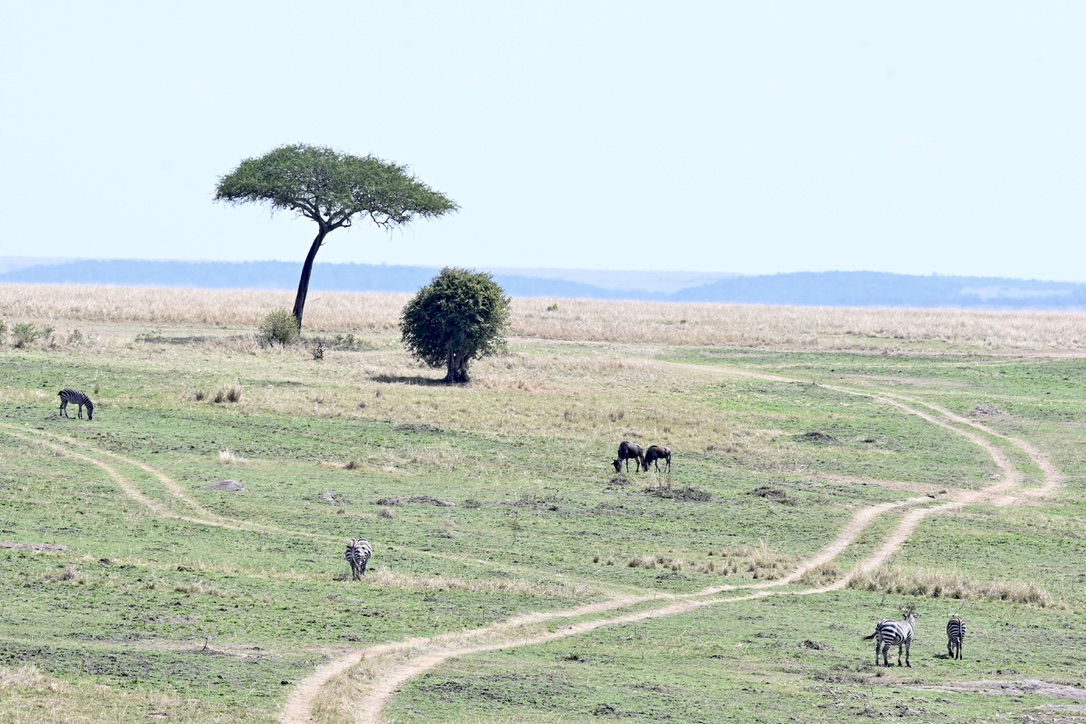
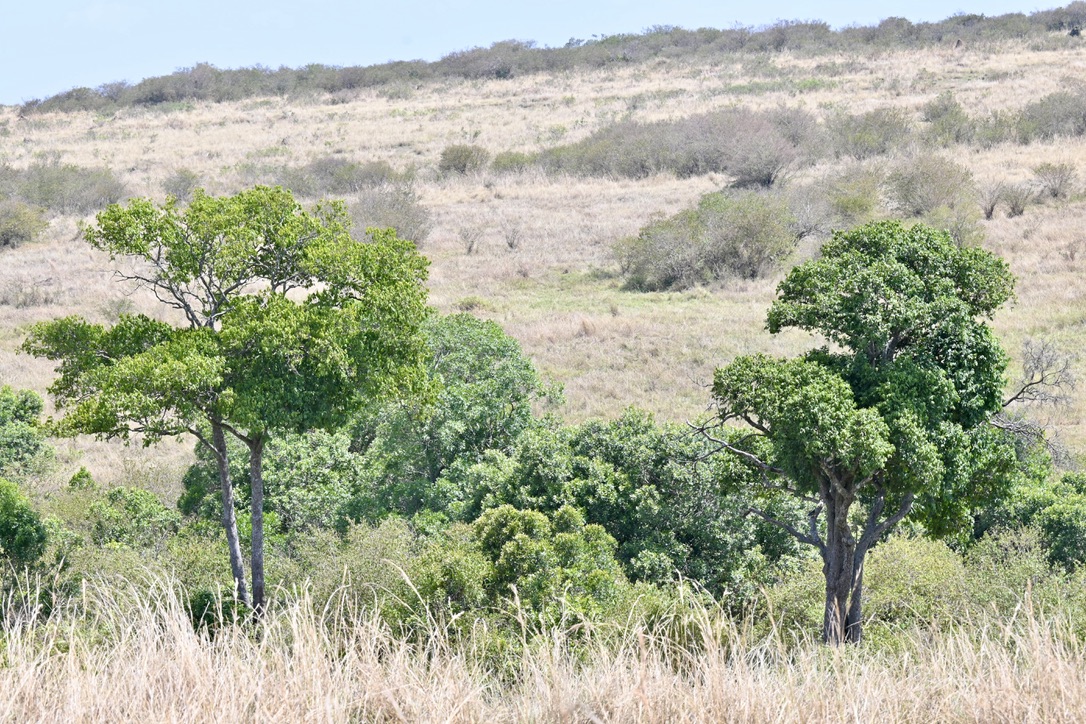
Masai Mara National Reserve – “mara” means “spotted,” an allusion to the bushy trees that dot the land – is a bit greener and less dusty than the Serengeti, with streams criss-crossing the reserve. Where the Serengeti is flat with rocky outcrops, Masai Mara’s terrain is gently undulating. It’s famed for the “Great Migration” of wildebeest and other ungulates, which we hope to see in a couple of days.
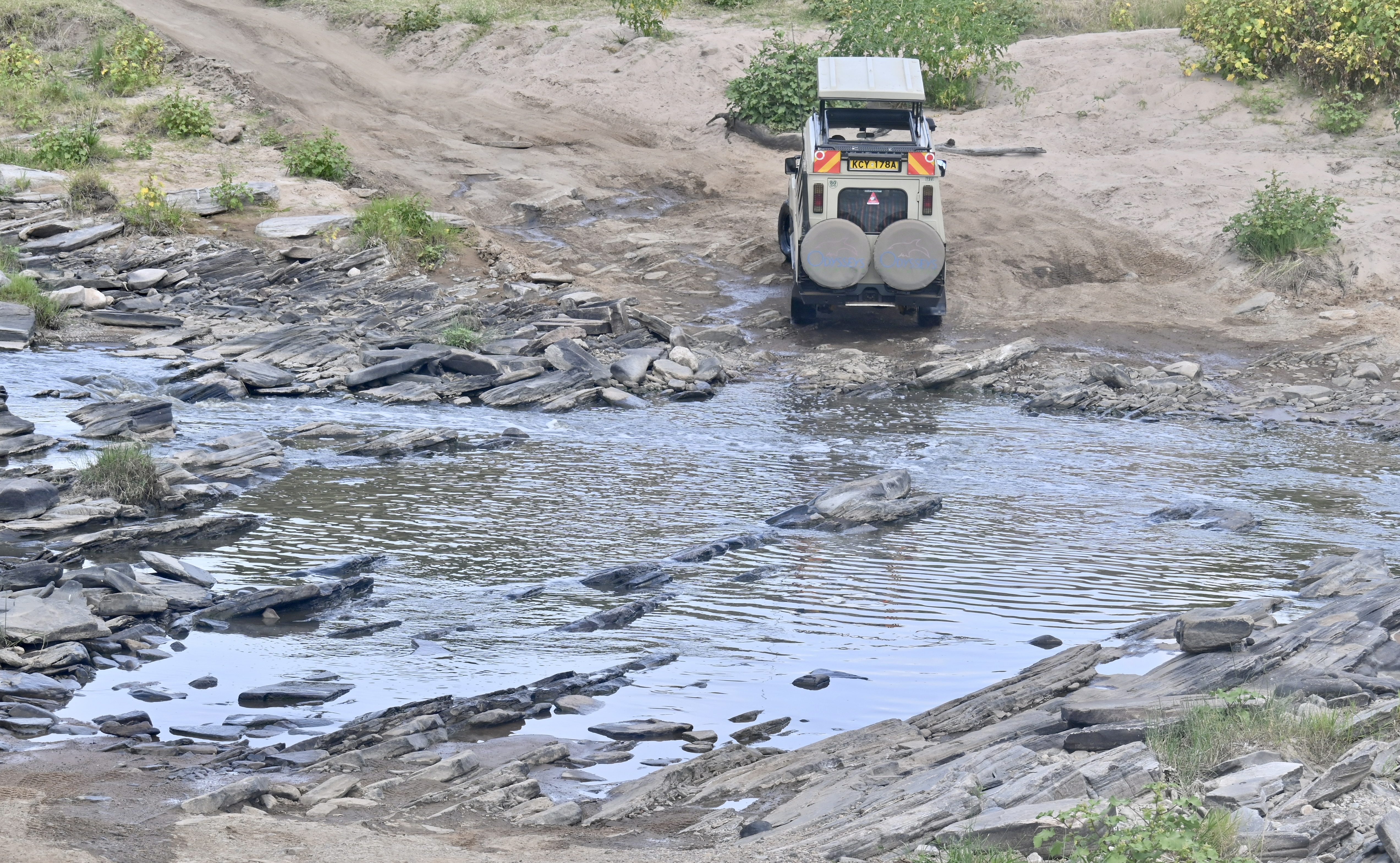
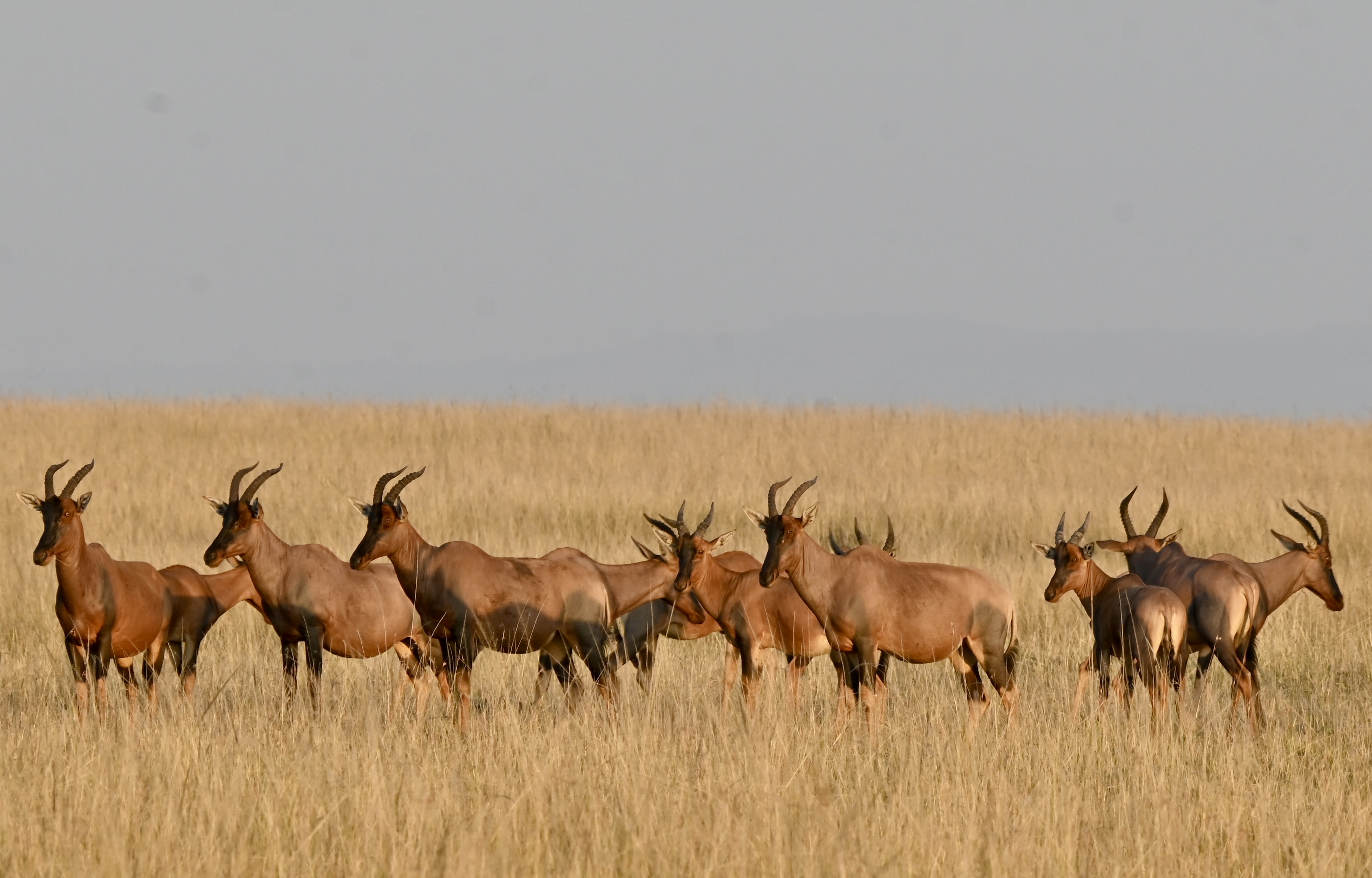
On the way to our lodge (the gorgeous and serene Serova Mara Game Camp, which I’ll talk more about in tomorrow’s post), we spent several hours driving through the reserve. The land swarms with zebras, wildebeest, hartebeest, and gazelles. Many of the zebras are heavily pregnant – they’ll give birth (“drop”) following the autumn rains.
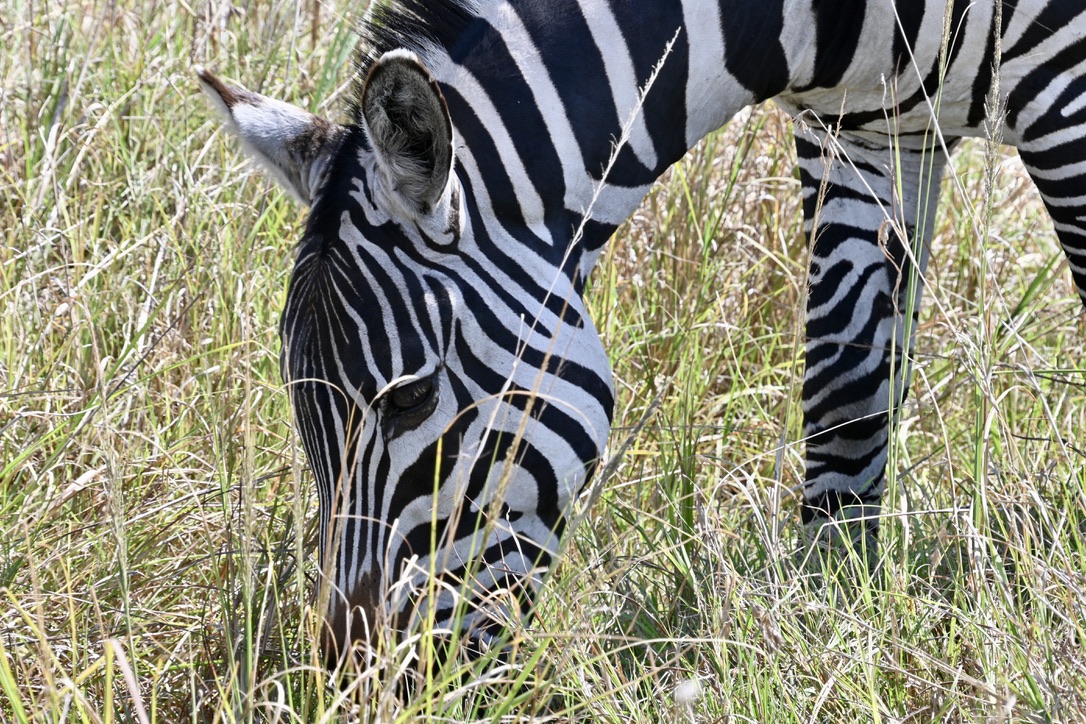
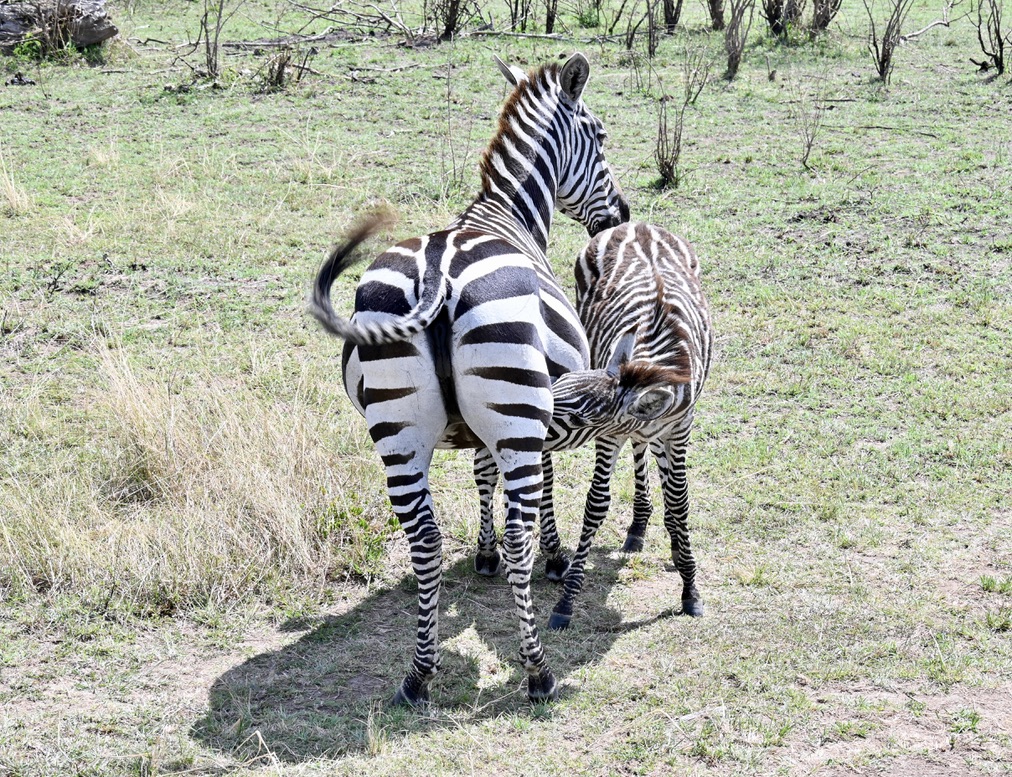
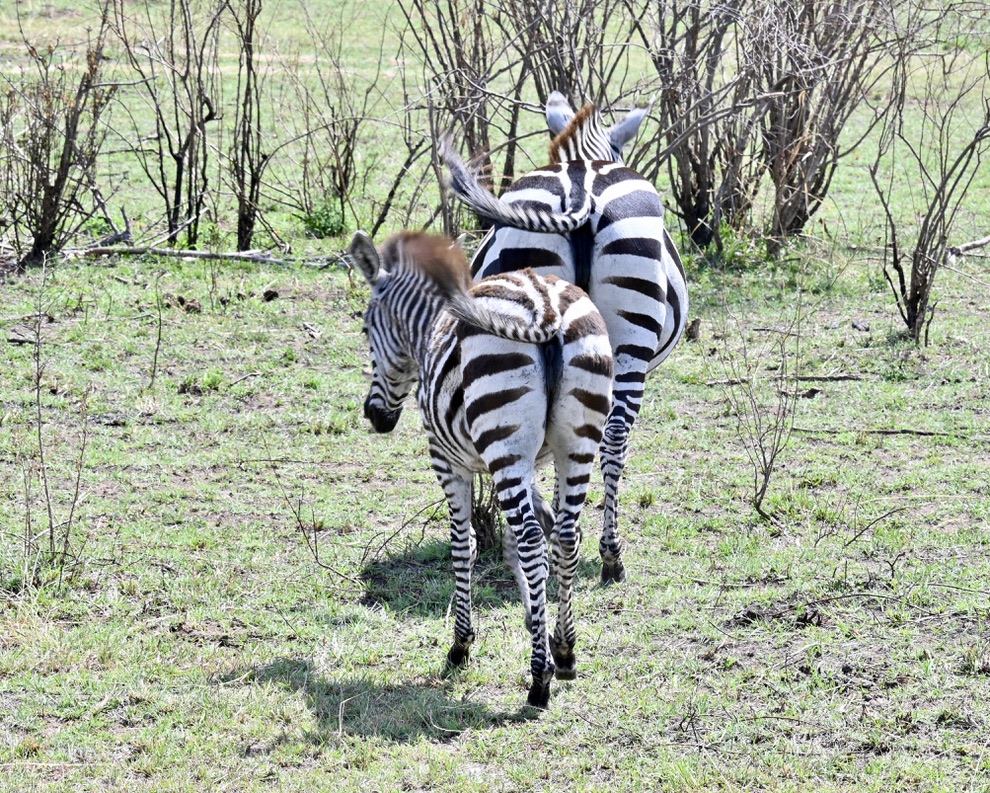
We saw one foal from last year’s cohort nursing, to the evident displeasure of our driver, who thought it should have been weaned by now. When it had drunk its fill, the foal and its mother walked away slowly, tails swishing in unison.
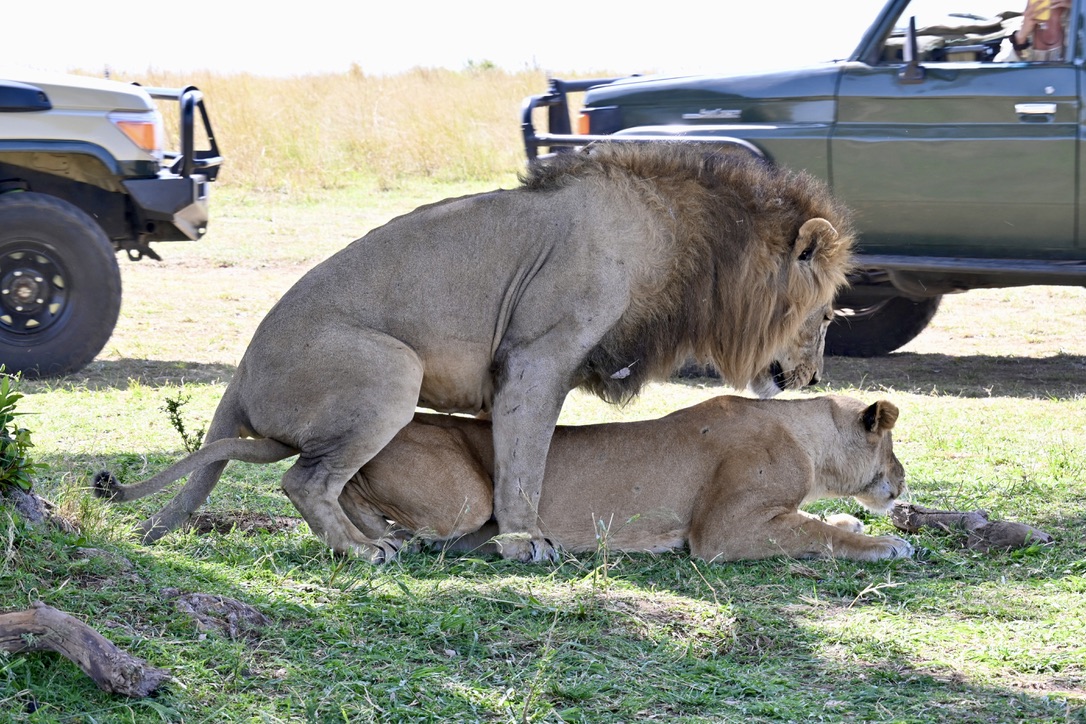
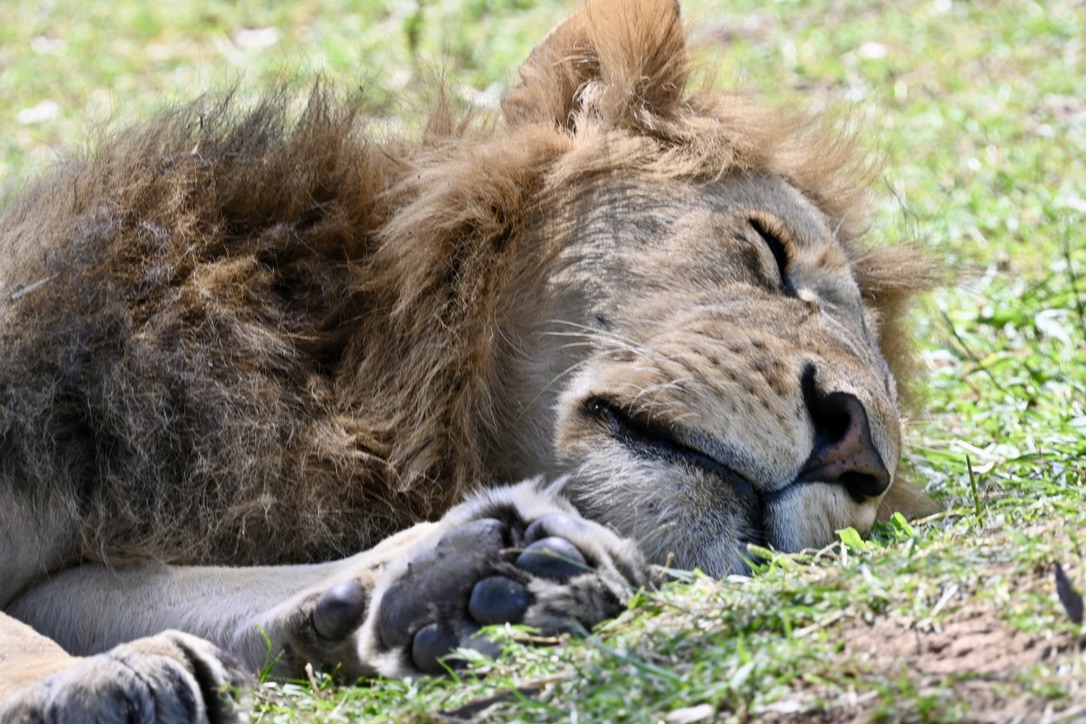
Where there is prey aplenty, predators can’t be far behind, and we encountered several lions, including, as mentioned in the first paragraph, a copulating pair. When a female lion is in estrus – a period of a week or less every few months – she will mate up to forty times a day with the male(s) of her choice.
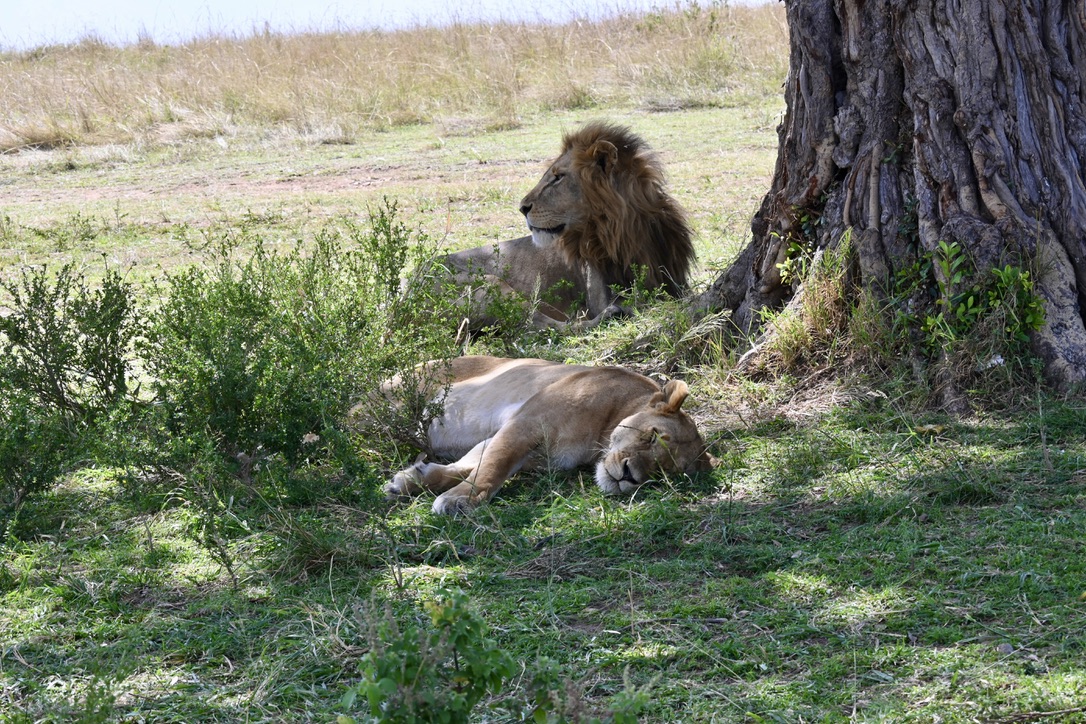

Each coupling lasts for fifteen to thirty seconds, after which both partners go back to sleep until the next round, perhaps as soon as fifteen minutes later. Romantic it ain’t.
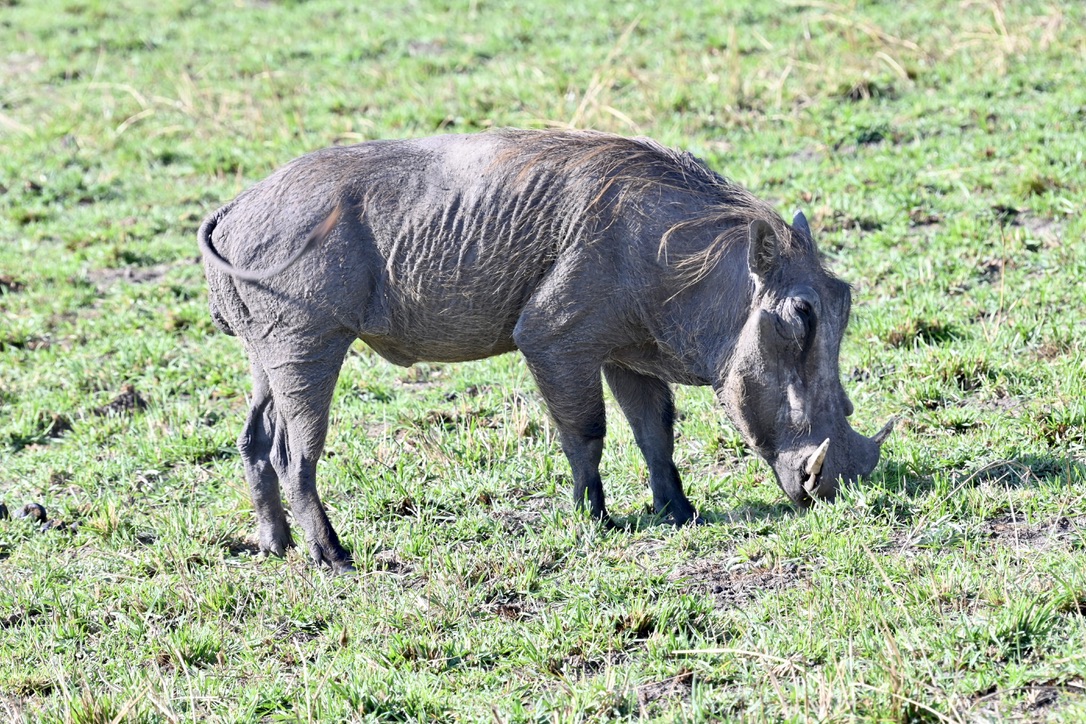
While winding our way to the lodge, we saw several warthogs, including one couple with two adorable piglets, but they scampered away – literally “high-tailing it” – before I could get a video.
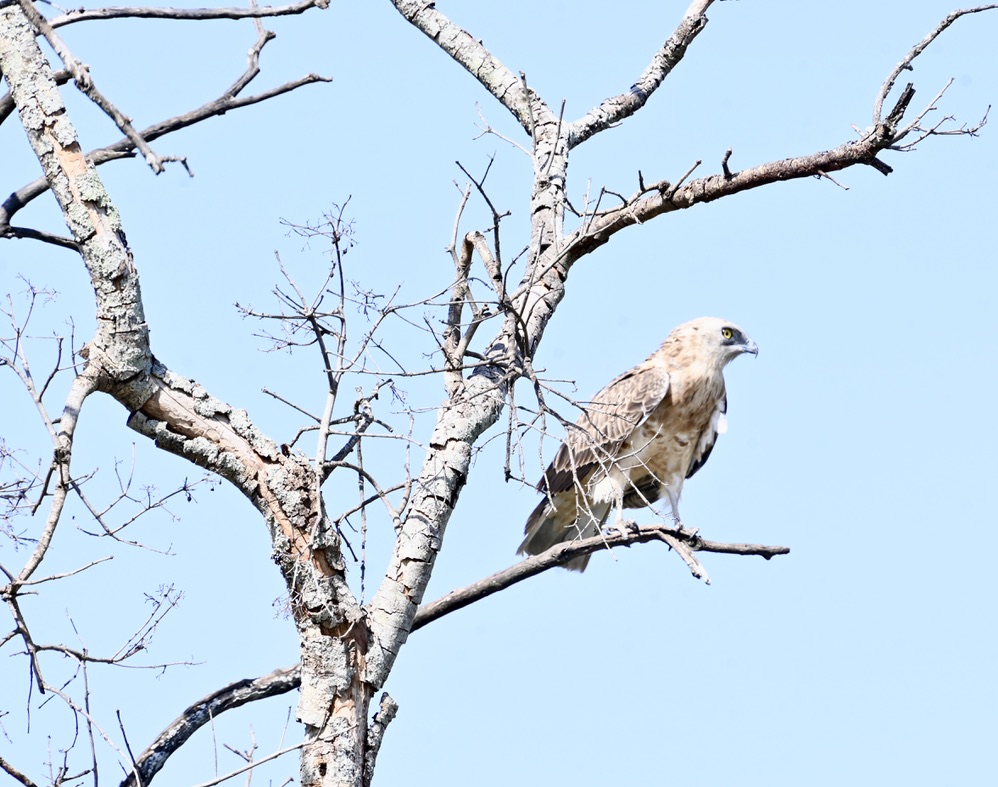
We also ran across a Short-toed Snake Eagle, which apparently isn’t often seen in the Masai Mara, normally being found around the Mediterranean basin, western Asia, and India.

After a long, tiring, marvelous day, we got to the lodge around six p.m. Once again, I got into bed last night and thought to myself, what new wonders will I see tomorrow? Check out my next post, and I’ll tell you.


One thought on “Serengeti/Masai Mara, Aug. 12”