This afternoon, I spent several hours sampling Berlin’s punk/anarchist/activist culture, courtesy of Alternative Berlin (alternativeberlin.com) tours and a phenomenal guide-musician-raconteur named Rhys. We visited three off-the-beaten-path neighborhoods known for street art, punk culture, graffiti, and community activism: Prenzlauer Berg, Hackescher Markt, and Kreuzberg. It was probably the most interesting, and certainly the least traditional, tour I’ve ever taken.
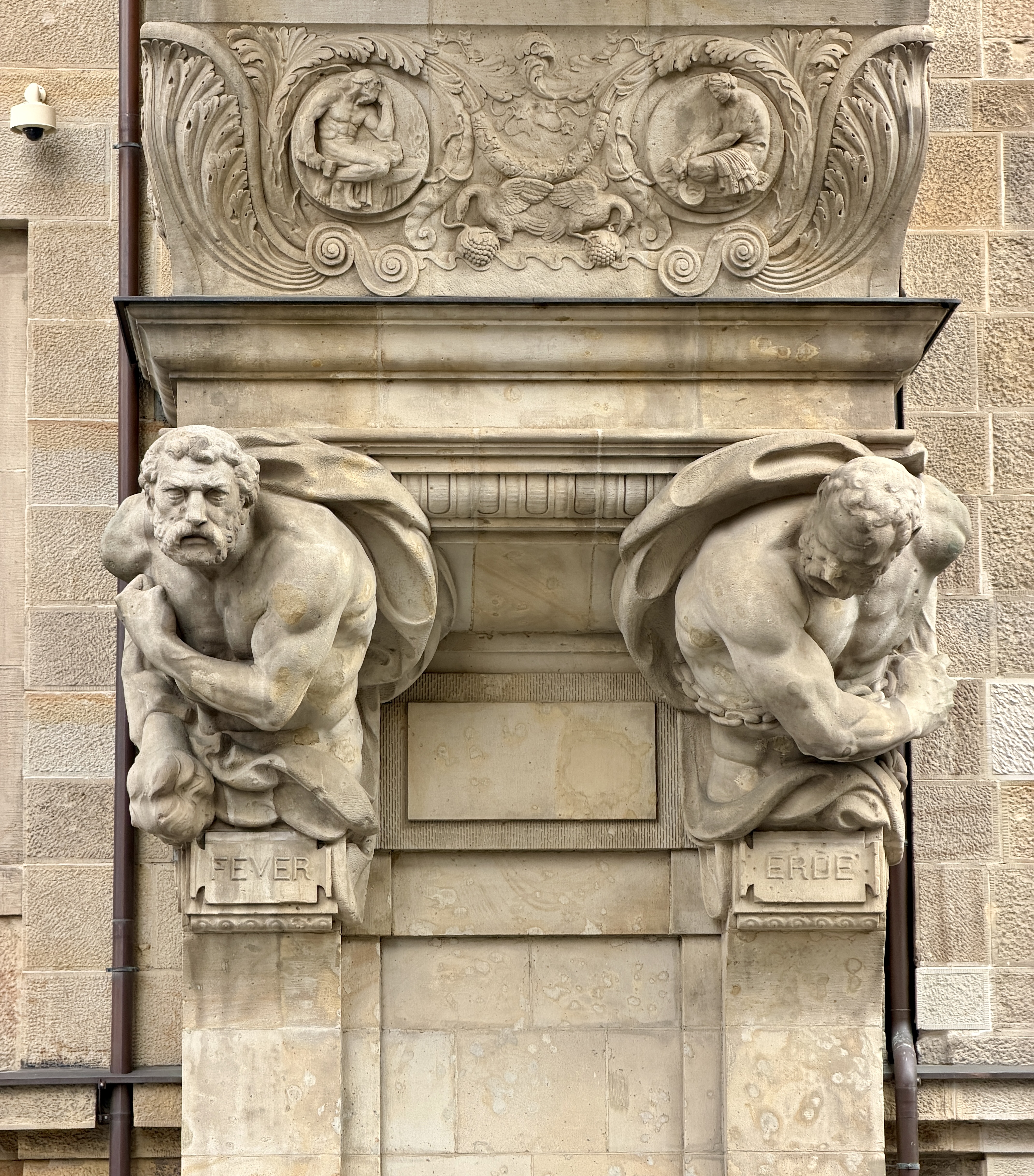
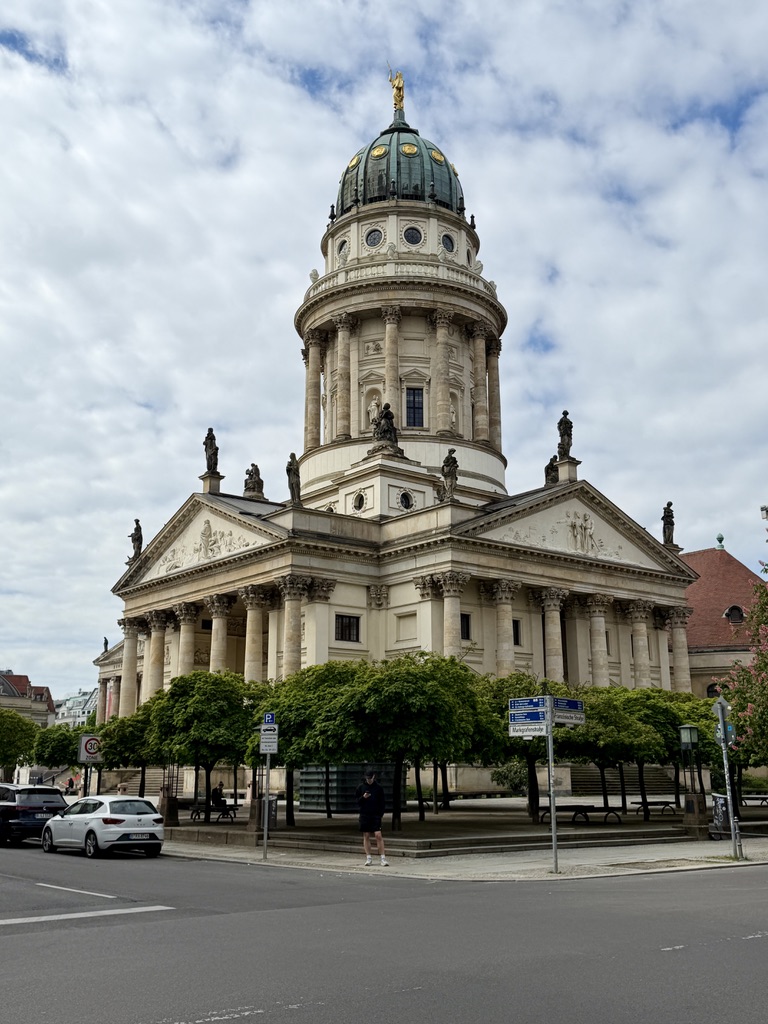
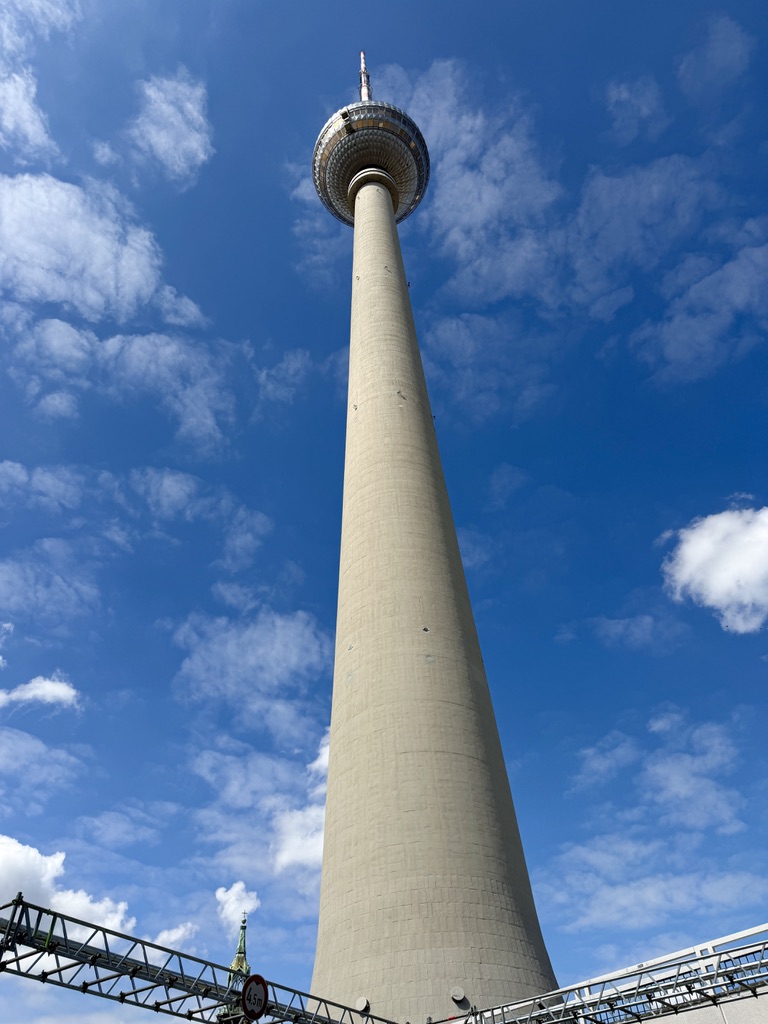
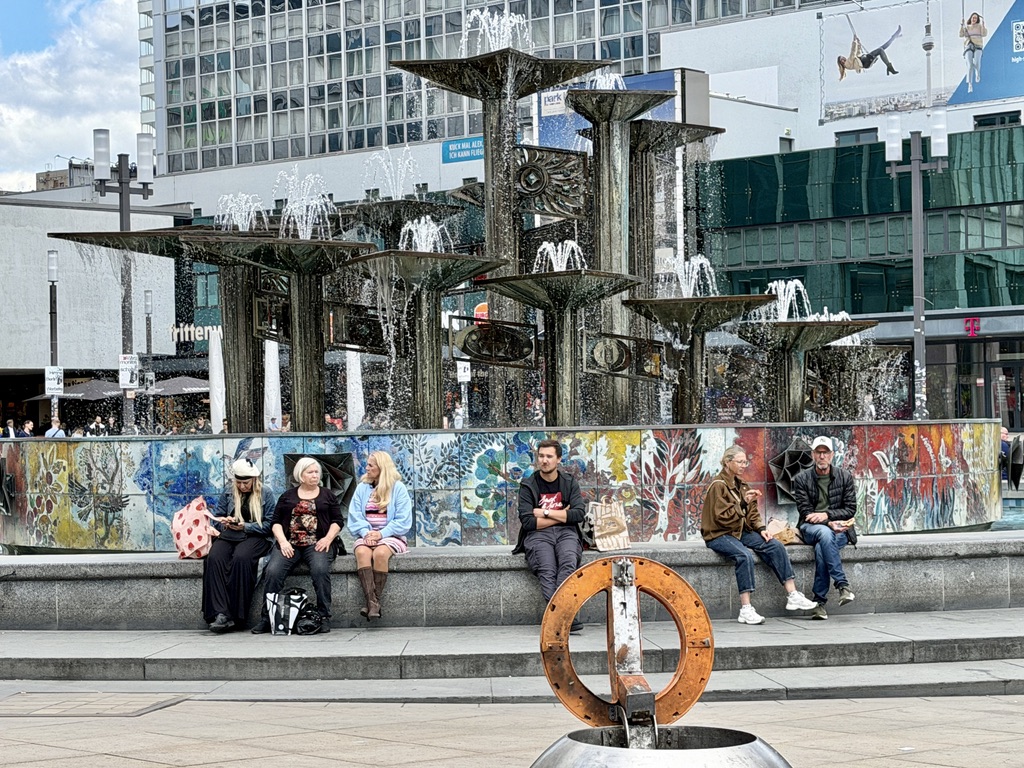
Our tour met on Alexanderplatz, home to the 1200-foot tall Berlin TV tower, which is visible from most of the city. Alexanderplatz itself is nothing special – coffee shops, restaurants, and a TK Maxx – but I saw several interesting sights on the walk from my hotel, and the tower and its surroundings are photogenic enough.
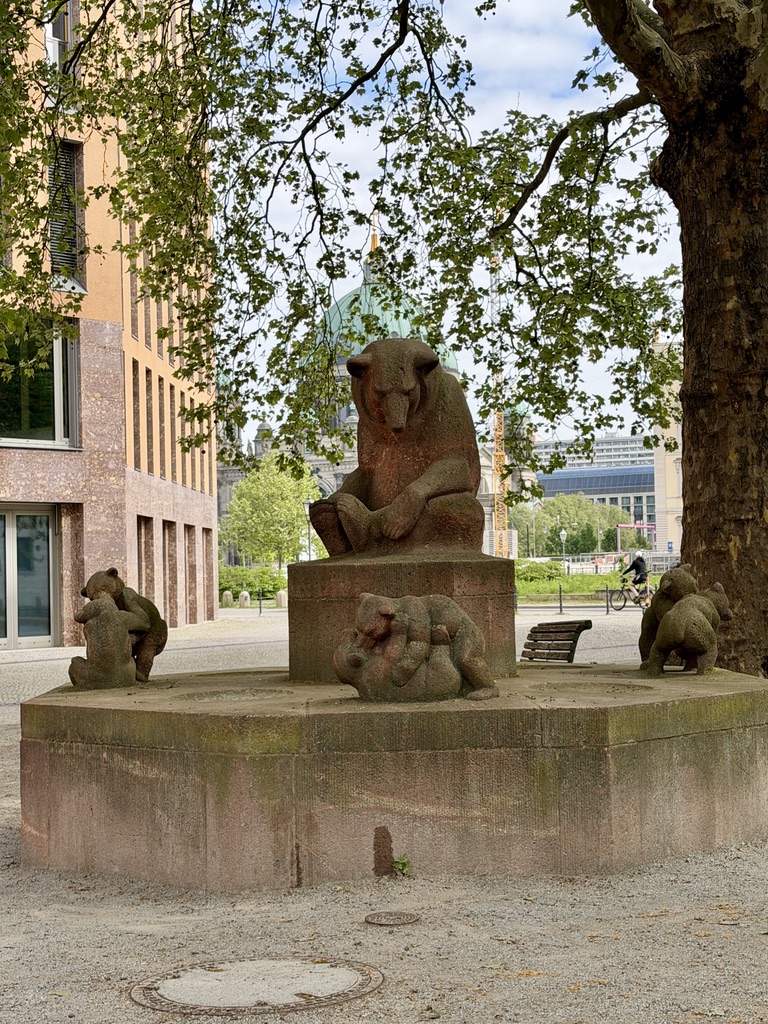
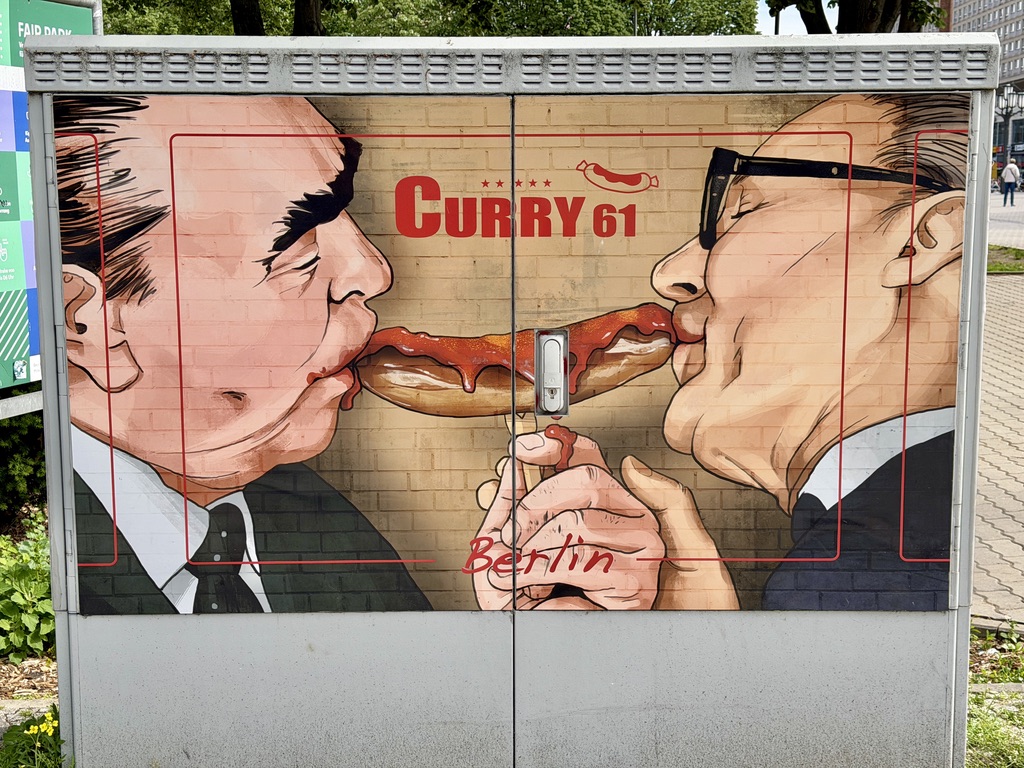
As we walked from our meeting point to the train that took us to our first stop, I chatted with Rhys about music, a subject we returned to several times over the next few hours.
Rhys is a bass player and singer in three different bands of disparate genres, and he’d just returned from a two-week tour playing gigs in the United States. He gave me links to two of his recent recordings; the first is psychedelic post-punk (I really enjoyed it) and the second is more techno (not my thing).
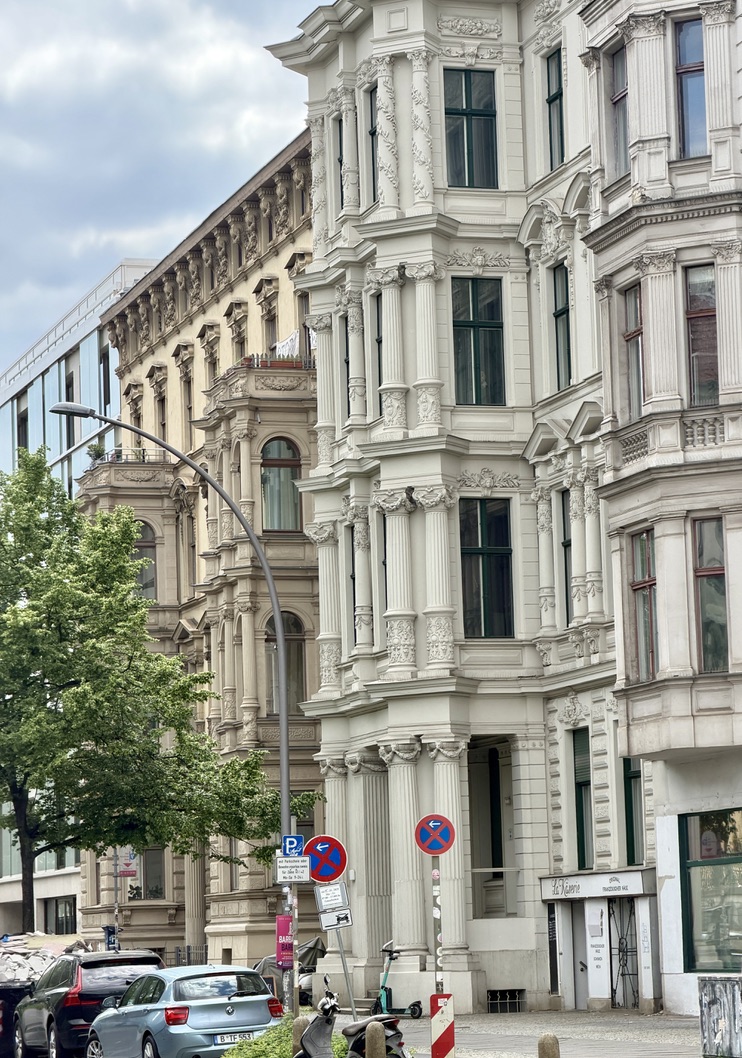
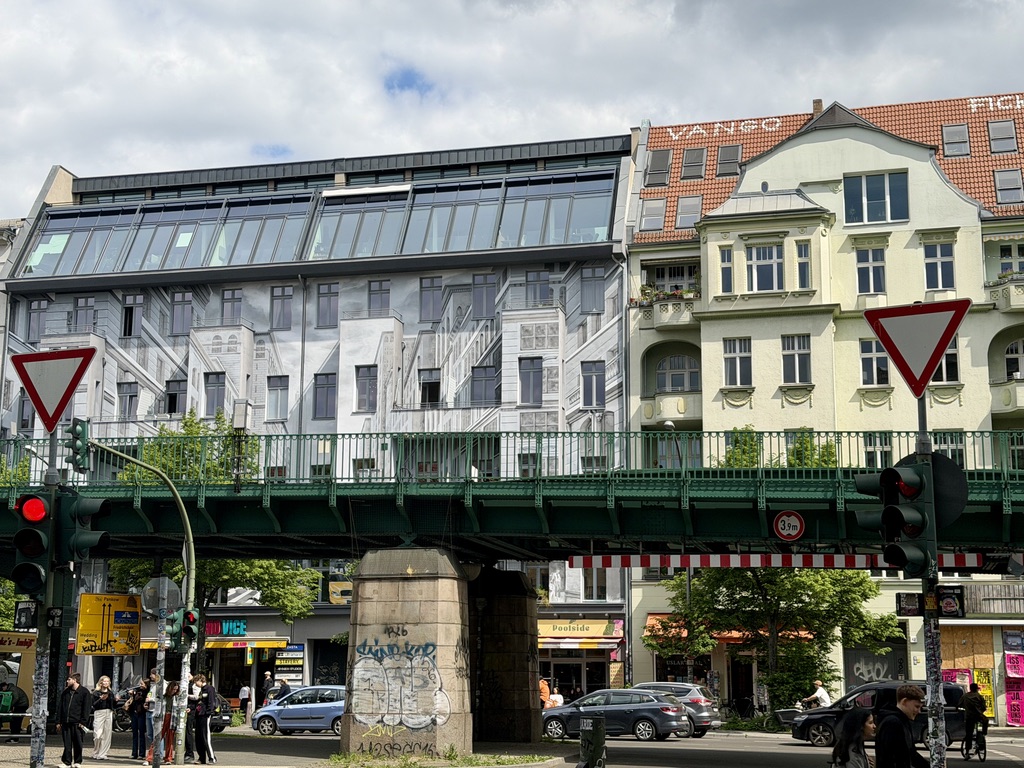
Prenzlauer Berg, the first stop on our tour, is an artistic hotbed filled with young families, with many establishments geared toward children. There’s even an adventure playground where children are taught construction (using real equipment) and graffiti skills.
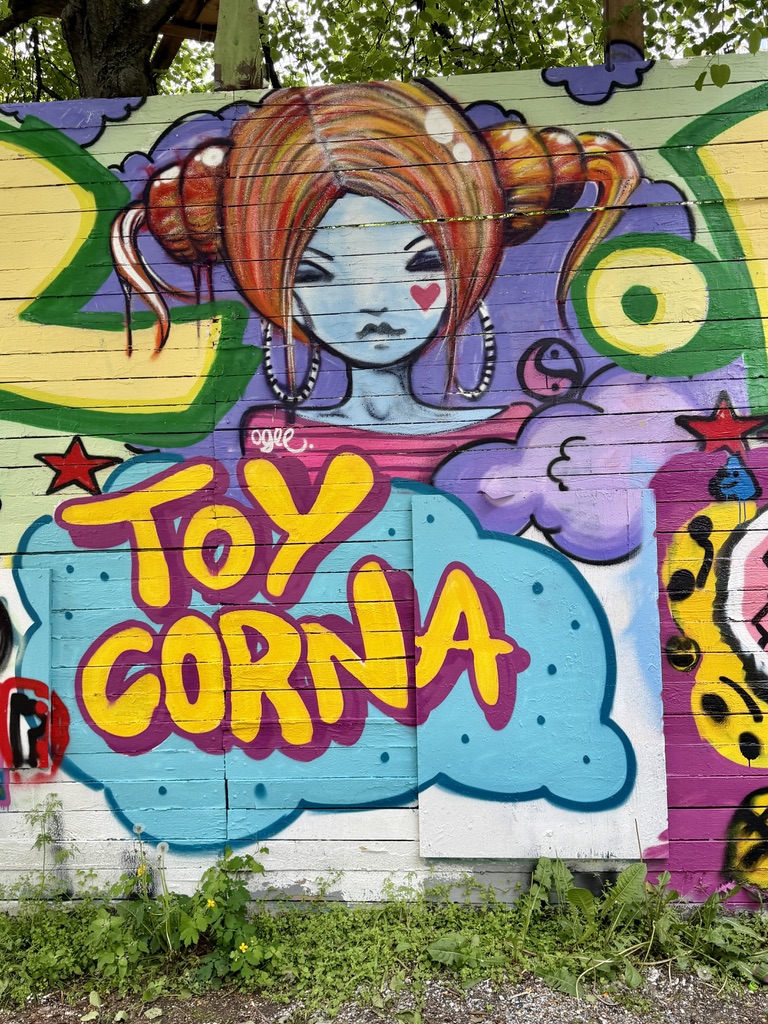
Although it’s been heavily gentrified over the past twenty years, Prenzlauer Berg retains a Bohemian aura.
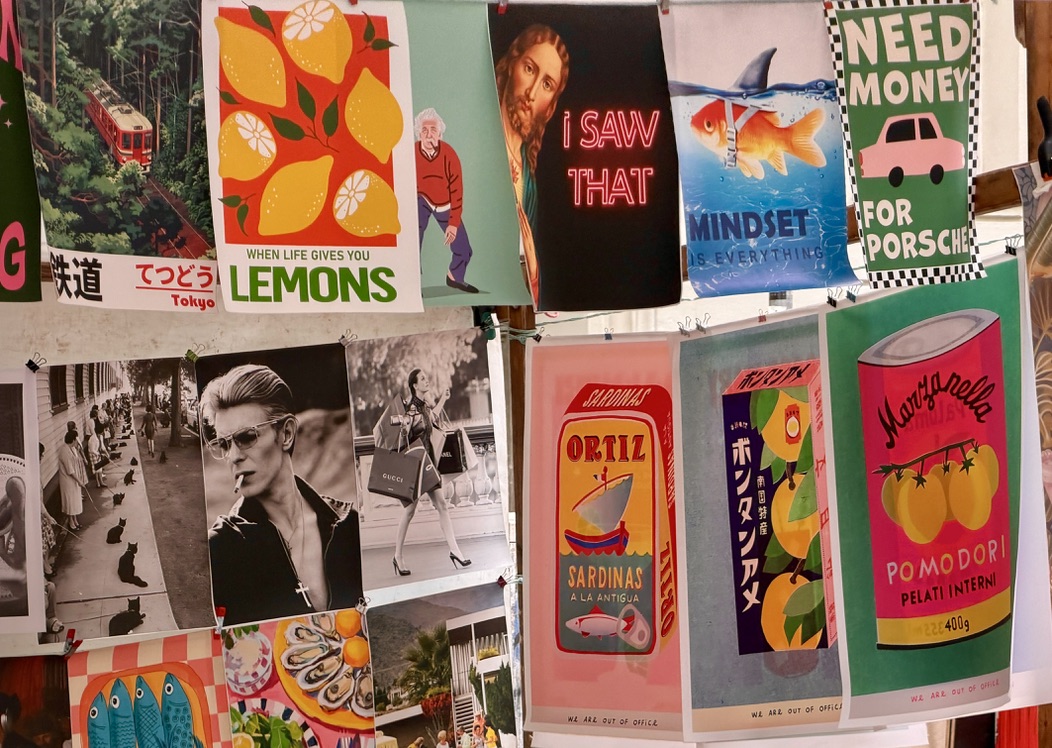
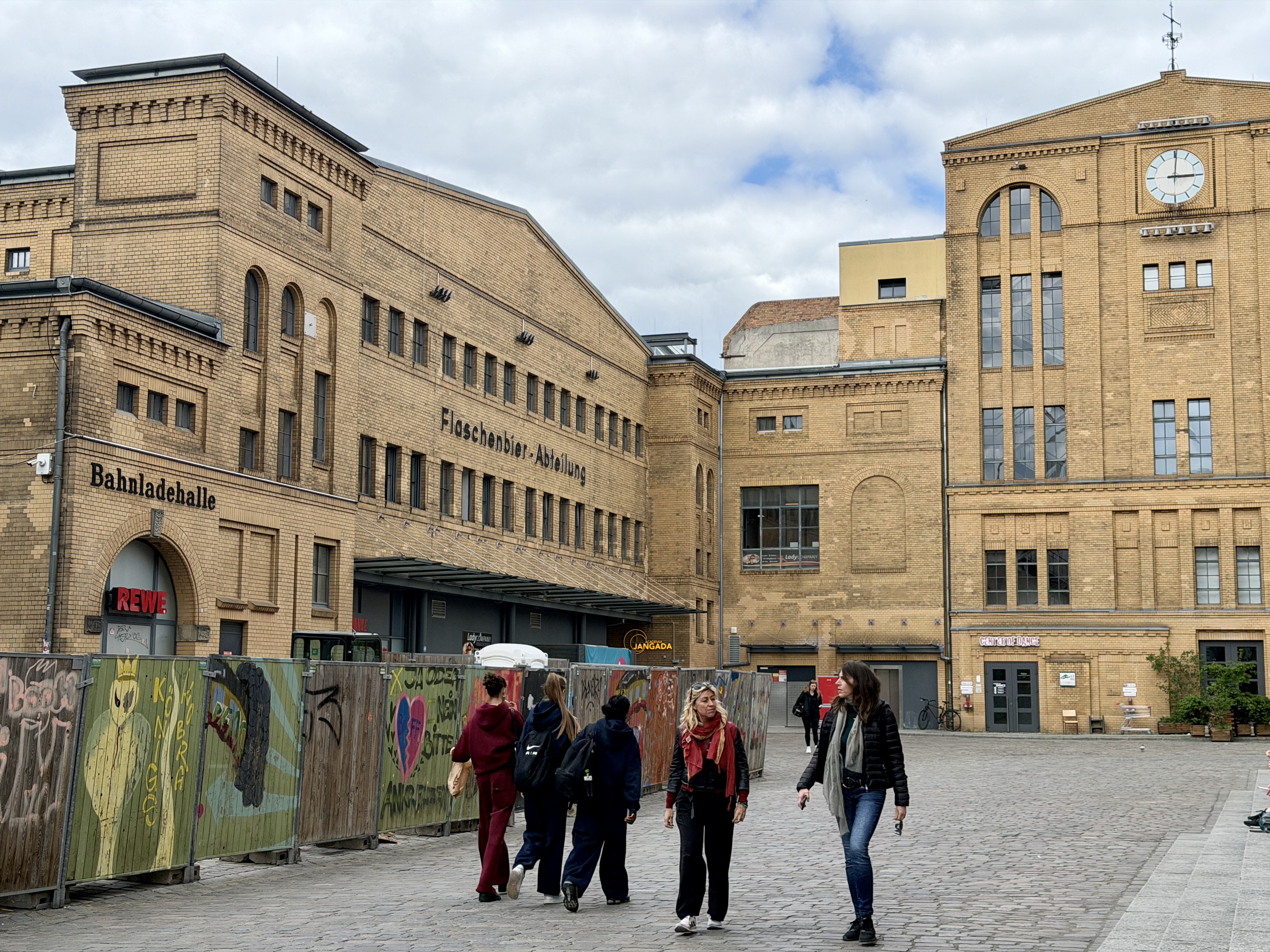
We walked through a street market, stopped in front of an old brewery that now houses Berlin’s largest dance academy, and learned from Rhys about the squatters who are resisting gentrification by forming housing cooperatives and taking other creative steps to preserve the area’s activist ethos.
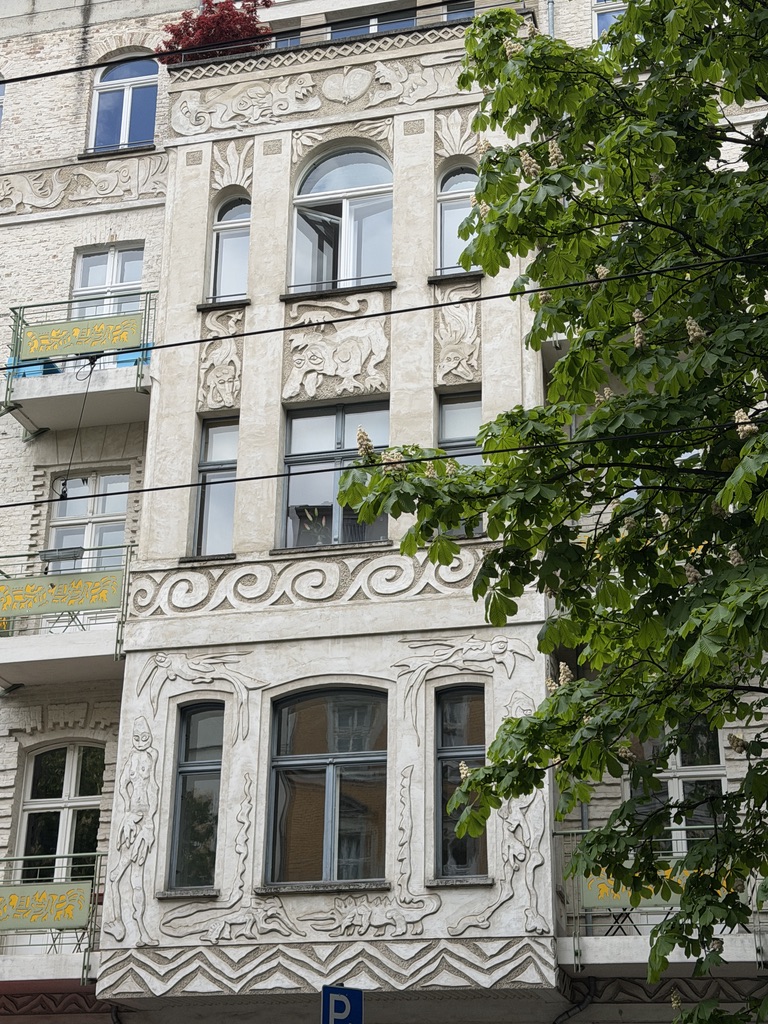
From Prenzlauer Berg, we took a tram to the Hackescher Markt area, home to a 30-year old squat named Haus Schwartzenberg. The squat is in an alley filled with fantastic street art.
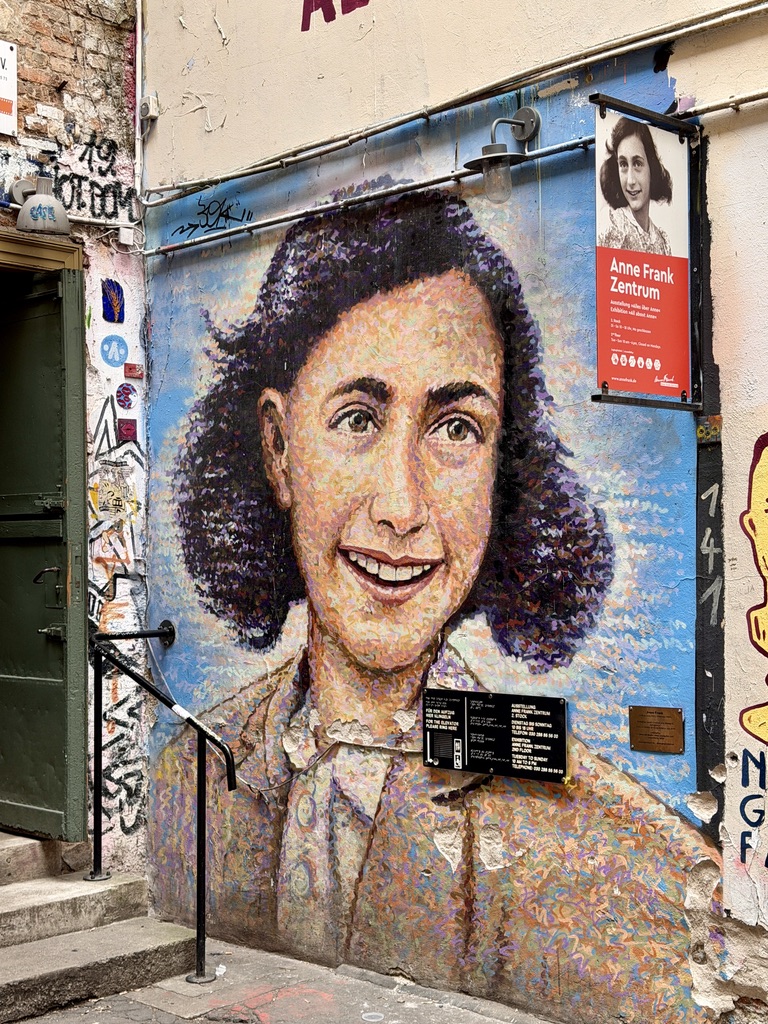
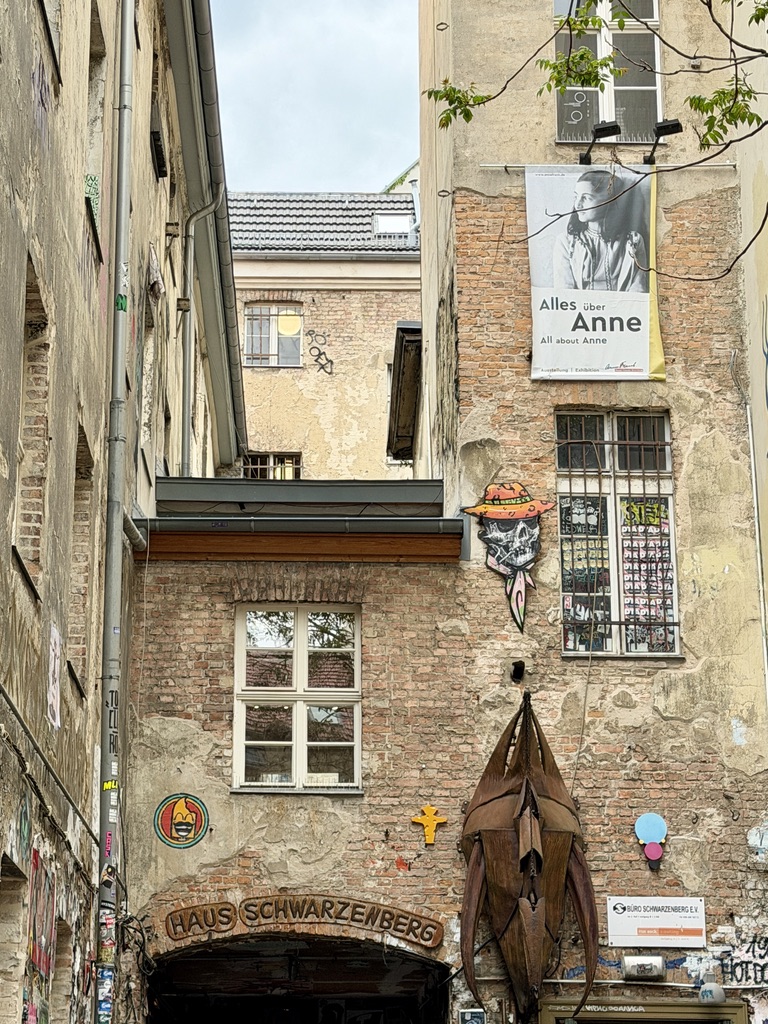
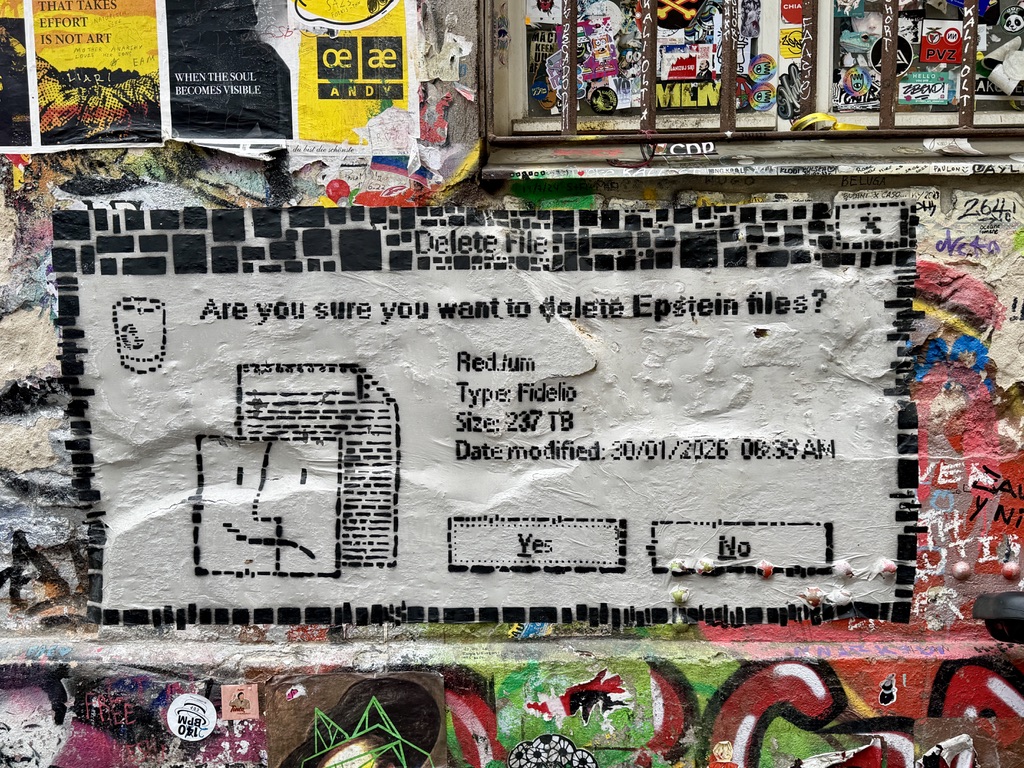
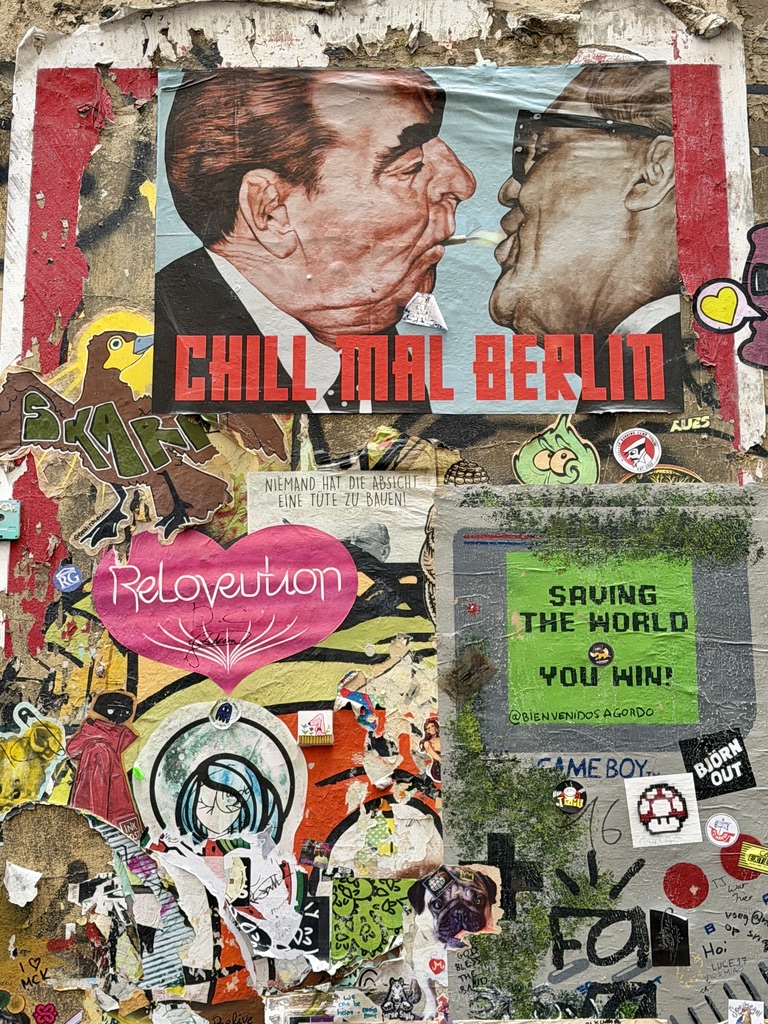
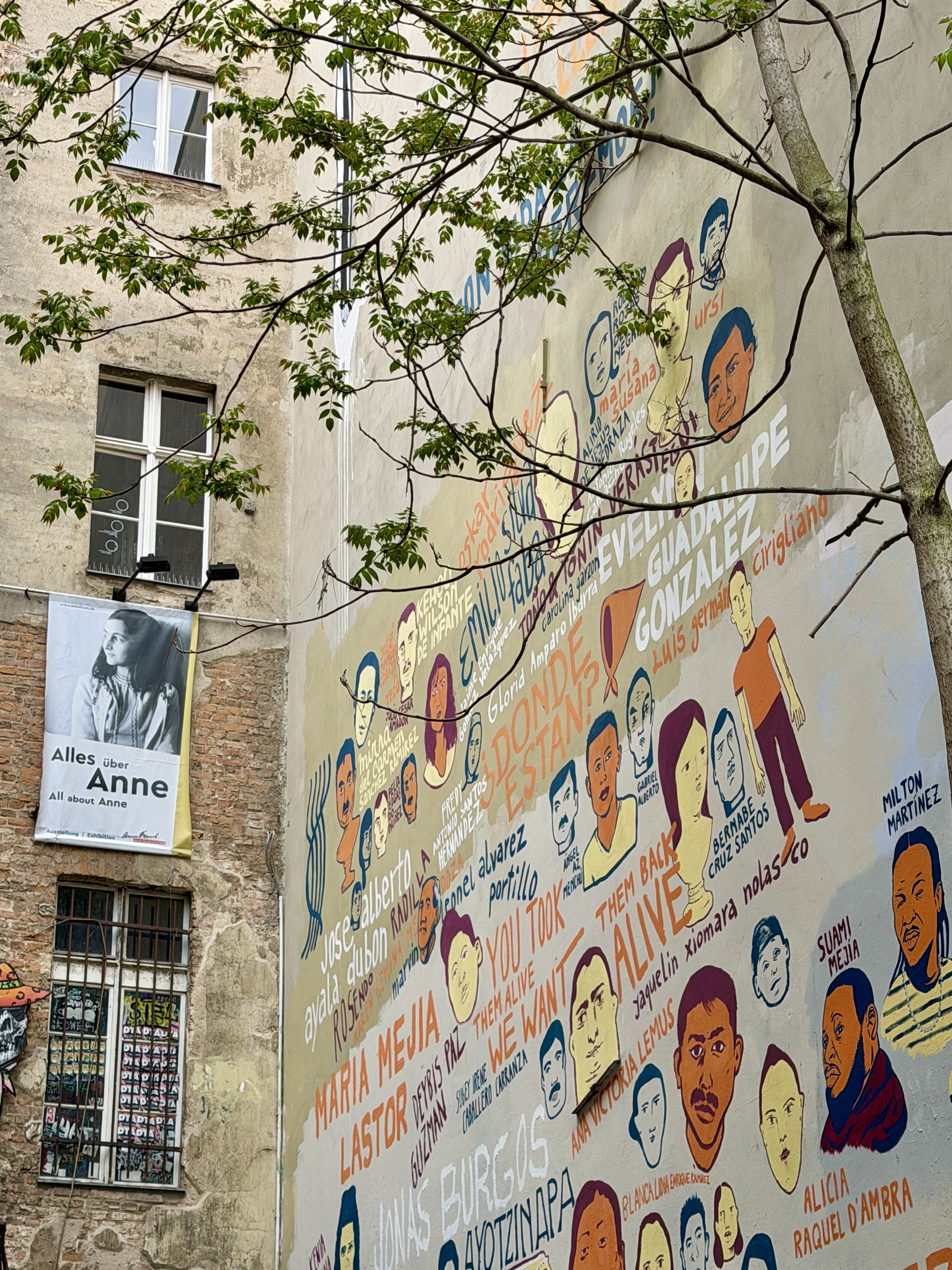
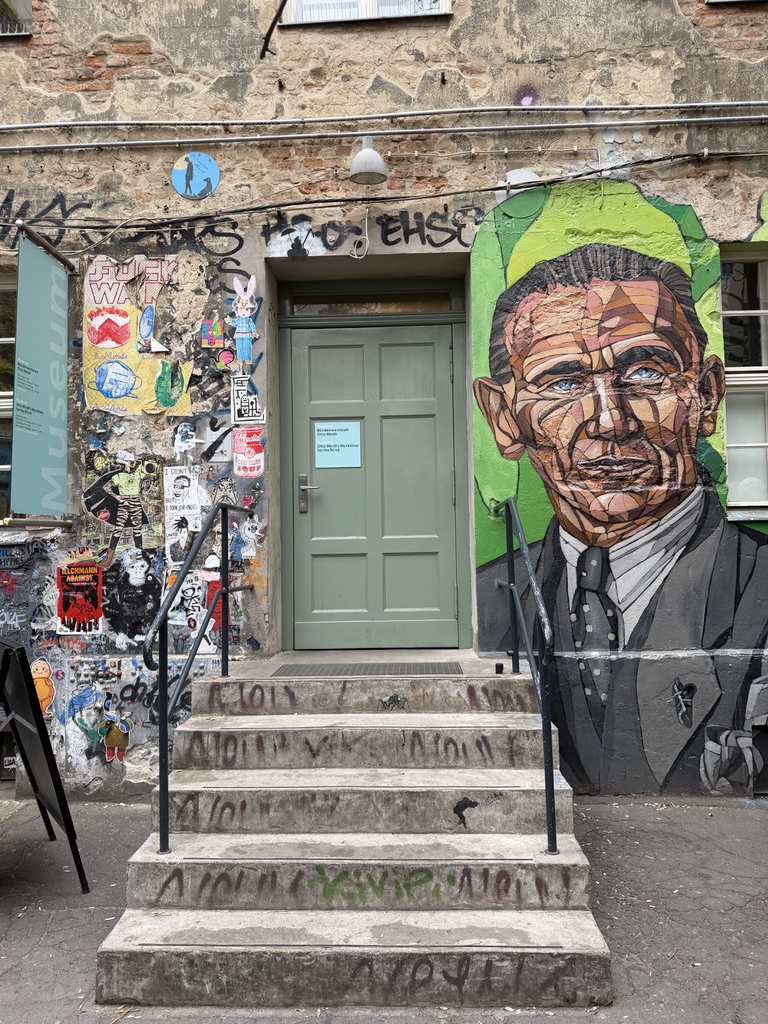
It’s also home to the Otto Weidt Museum. Weidt, an anarchist and upholsterer, was a little-known hero of World War II who later was honored by Yad Vashem as Righteous Among the Nations. During the war, he employed many blind and hearing-impaired Jews in his factory (which was considered a militarily essential business and thus not as carefully scrutinized as non-essential businesses), hid some of them from the Gestapo, and helped many escape.
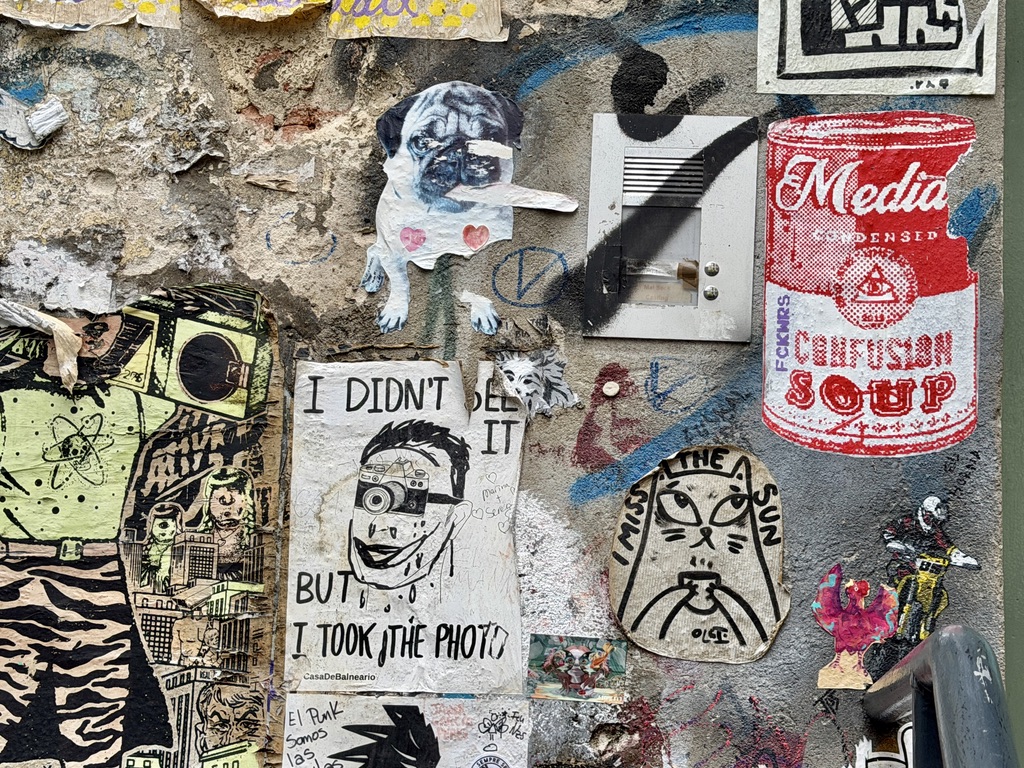
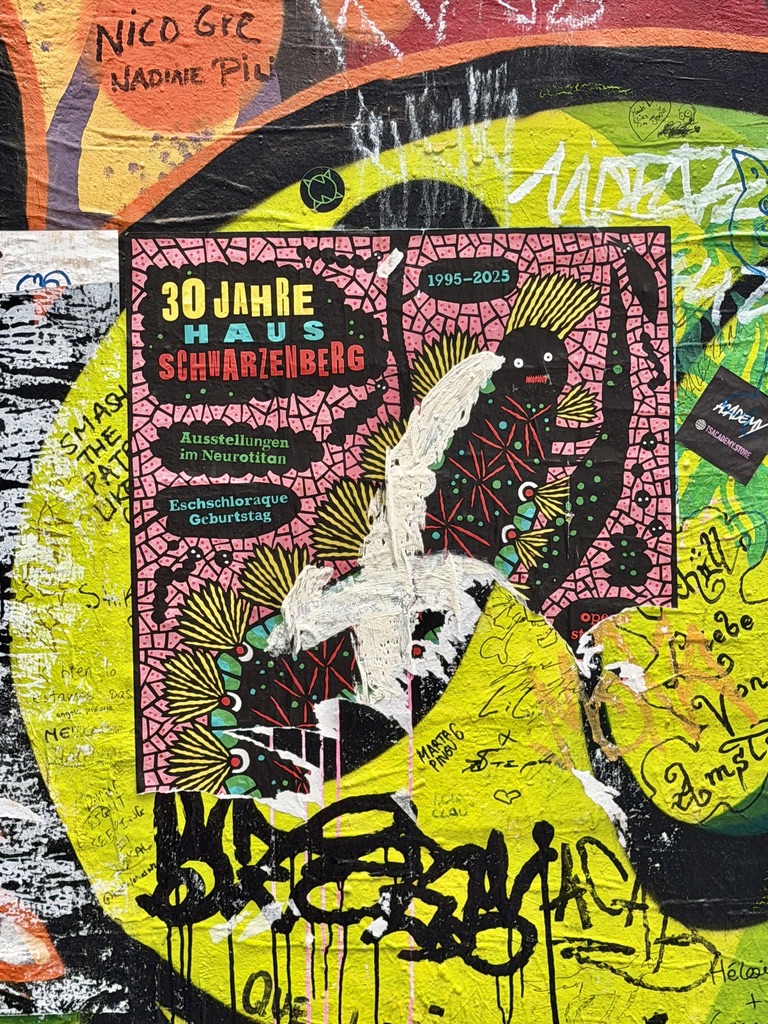
If you’re ever in Berlin, Haus Schwartzenberg is a must-see.
Our final stop, Kreuzberg, is a funky neighborhood in the old West Berlin that is home to many residents with Turkish heritage. (West Germany brought in many people from Turkey in the 1960s under a guest worker program, and now has the most residents of Turkish heritage of any nation outside Turkey.)
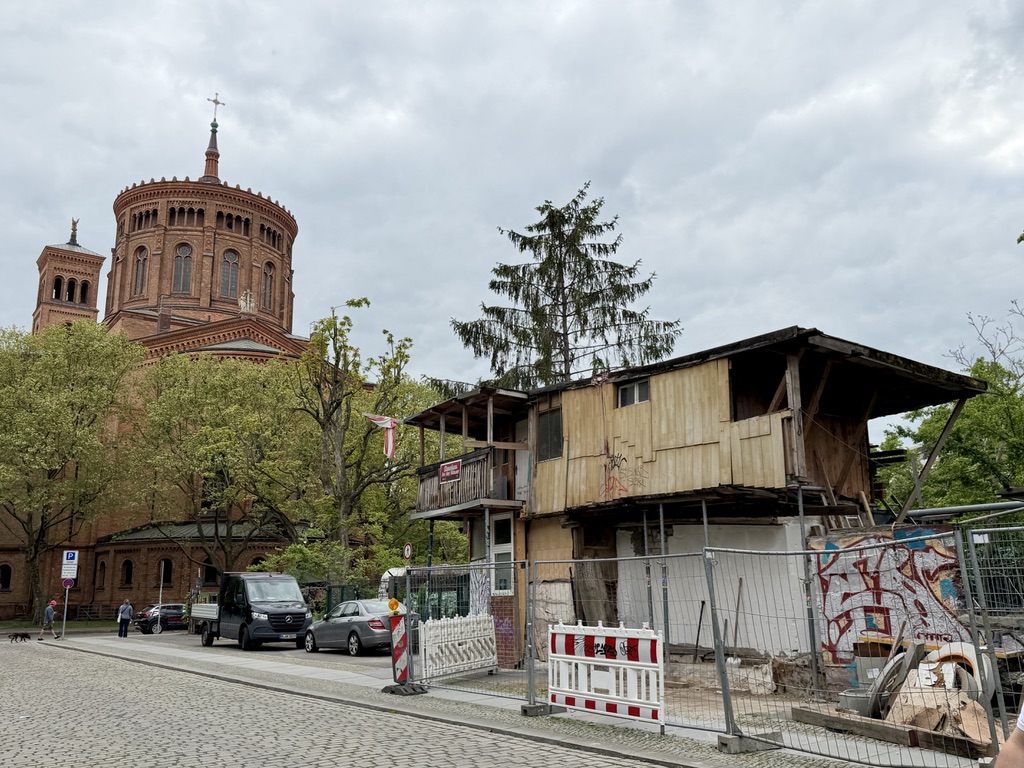
In 1983, one such resident, Osman Kalin, built a treehouse for his children on a triangular piece of land that was officially part of East Berlin, but through a mistake was located on the west side of the Wall. As Rhys tells the story, the East German guards were suspicious of the purpose of the structure, but Kalin convinced them it really was an innocent treehouse.
The West Germans ordered Kalin to remove the structure, but the East Germans pointed out that it was on their territory and, to annoy the West Germans, gave Kalin permission to remain.
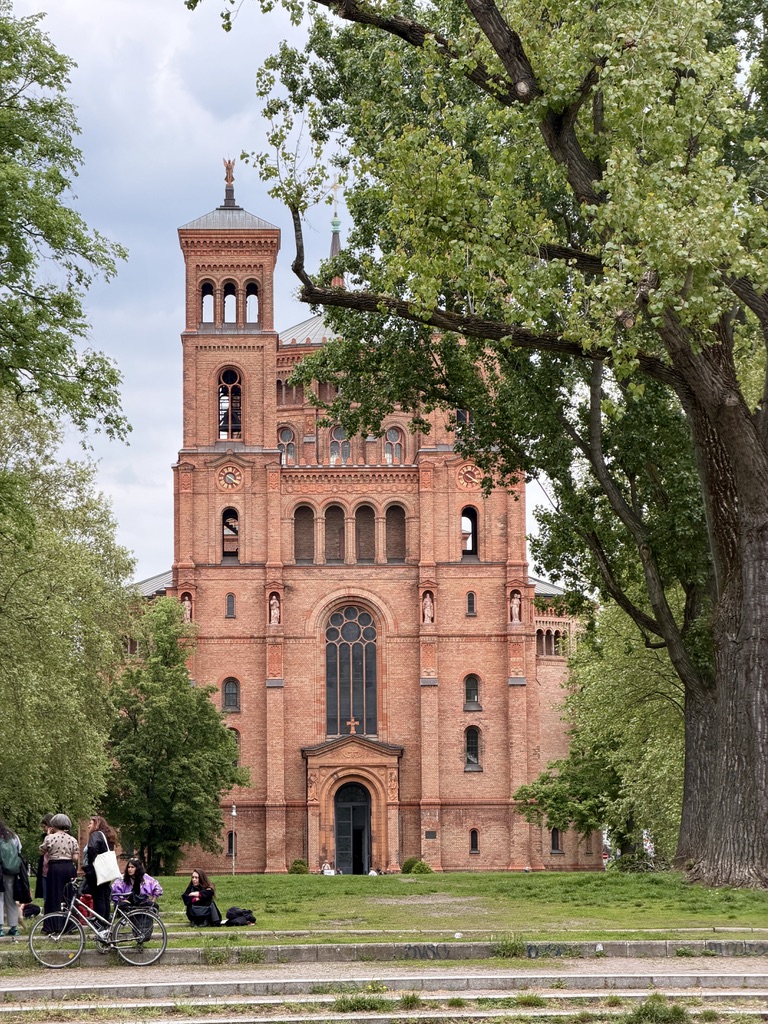
After reunification, the city once again ordered Kalin to vacate the premises, but the order was opposed by local residents and the pastor of nearby St. Thomas Church, who scoured old records and found that the land actually belonged to the church. The pastor gave Kalin permission to stay. Kalin died in 2018, but today his son, Mehmet, runs the house and intends to turn it into a museum.
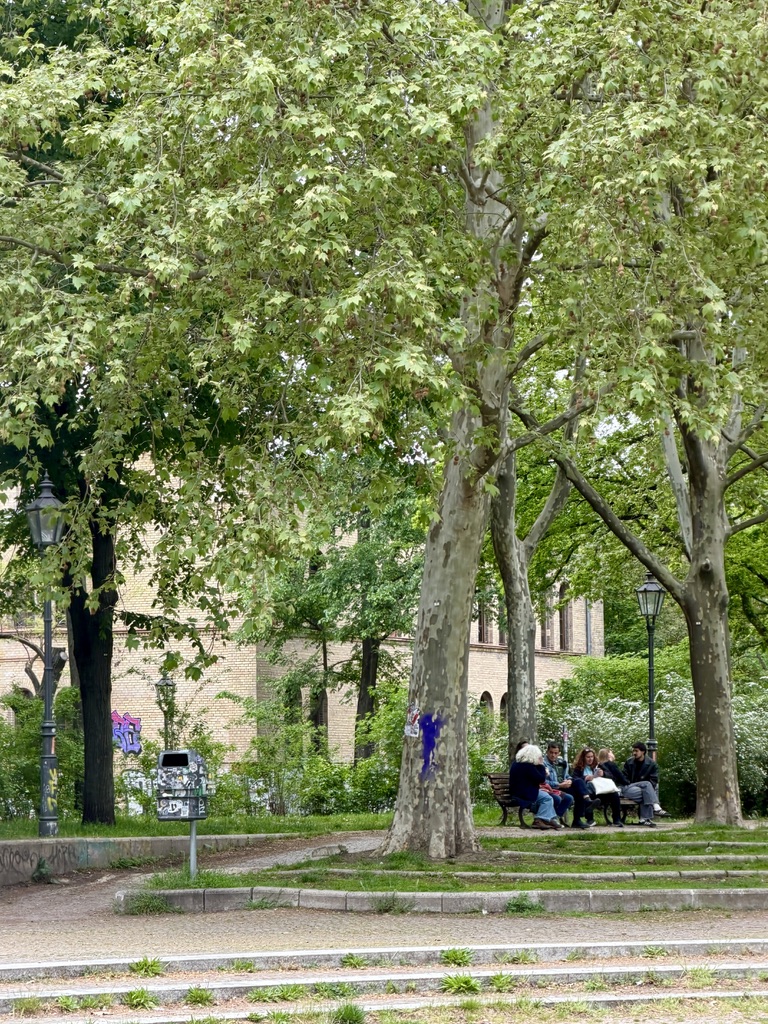
In this neighborhood of activists, St. Thomas Church (1820) is known for hosting techno raves and metal shows. Across from the church is a squat located in a former children’s hospital. Once again, Rhys provided the details: after a punk show featuring the band Ton Steine Sherben, the band and a group of teenagers broke into the vacant hospital and established a squat that is still there today; its members provide vital services to the area’s youth.
The band’s singer and lyricist, Rio Reiser established the “Mythos Kreuzberg”: that the neighborhood should be a “hub of multicultural diversity where injustice will not be tolerated.” His name now officially graces a square surrounded by restaurants of many nationalities as well as head shops, street art supply stores, and other countercultural establishments.
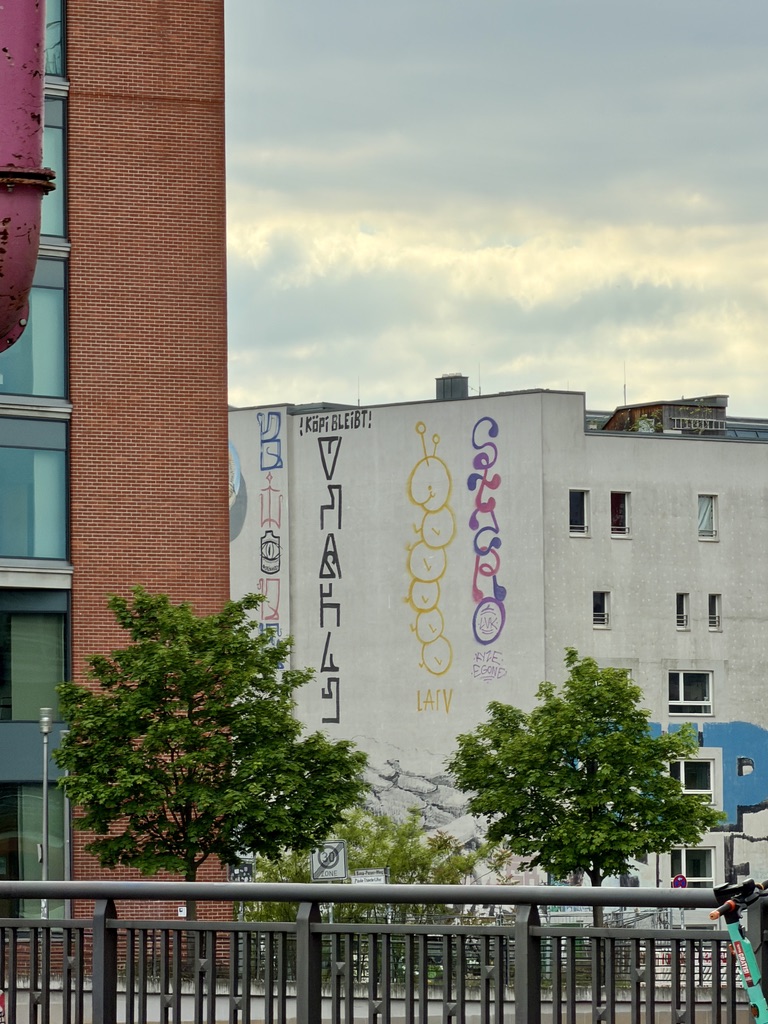
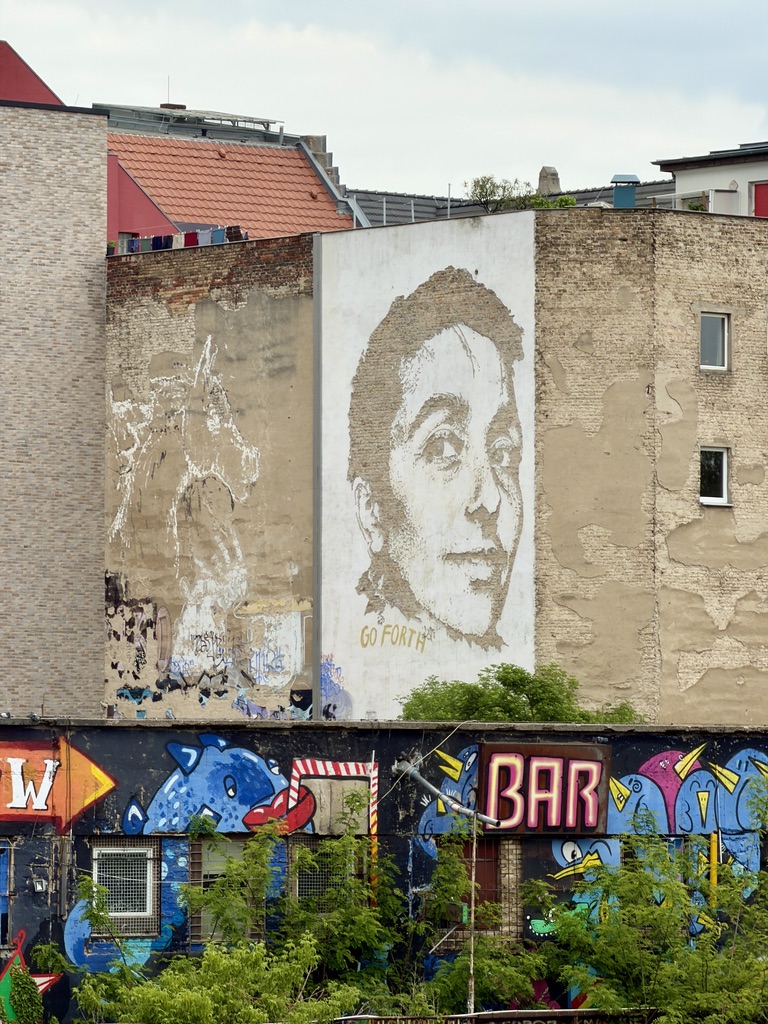
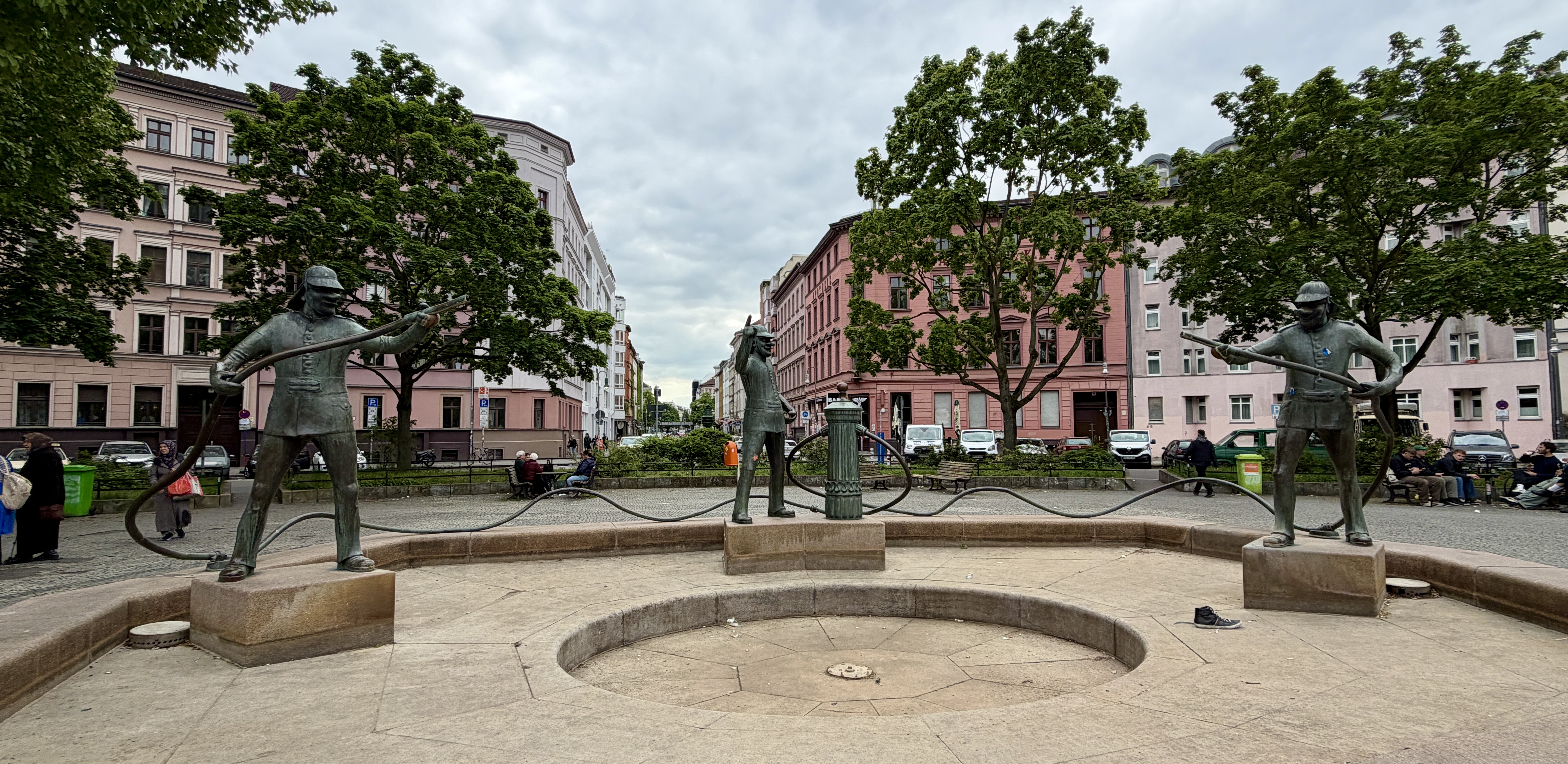
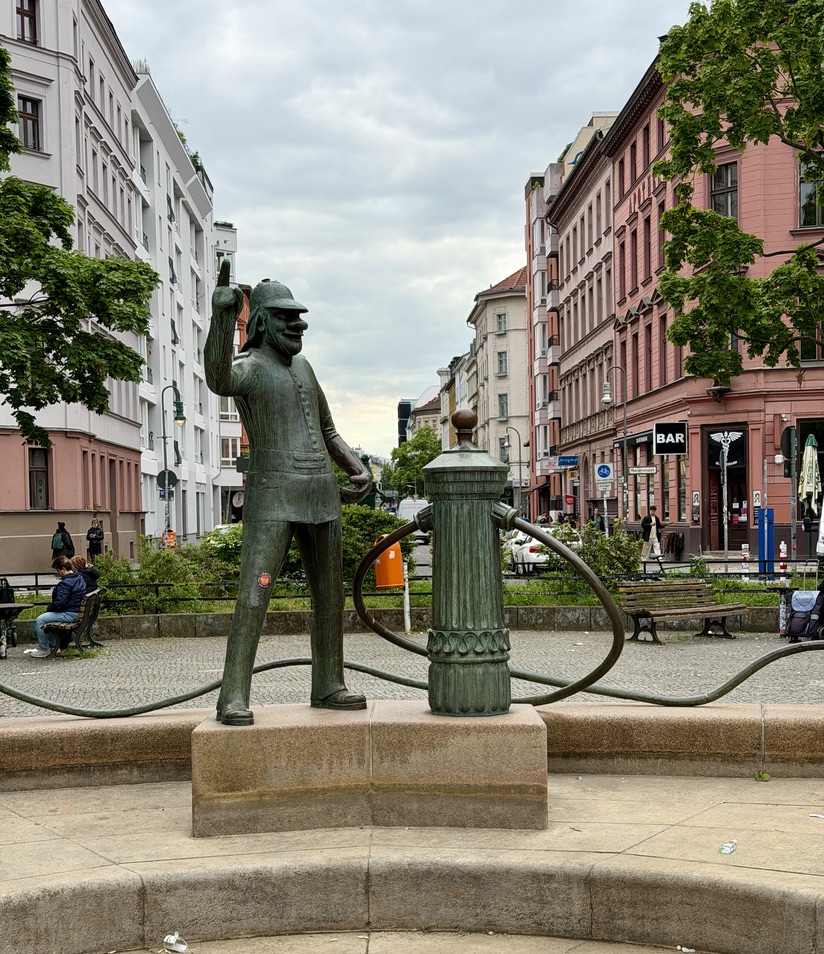
Two last notes about Kreuzberg: first, at one time it was home to a statue honoring firefighters, which was destroyed by bombing in World War II. In the 1980s, the city allocated the equivalent of nearly a million dollars to replace the statue. The residents of this poor sector of Berlin objected to spending so much money on a statue when they were in need of basic services. The city insisted on erecting a statue but permitted residents of the community to vote on designs. The one chosen shows clown-nosed firefighters engaging in a water fight with fire hoses.
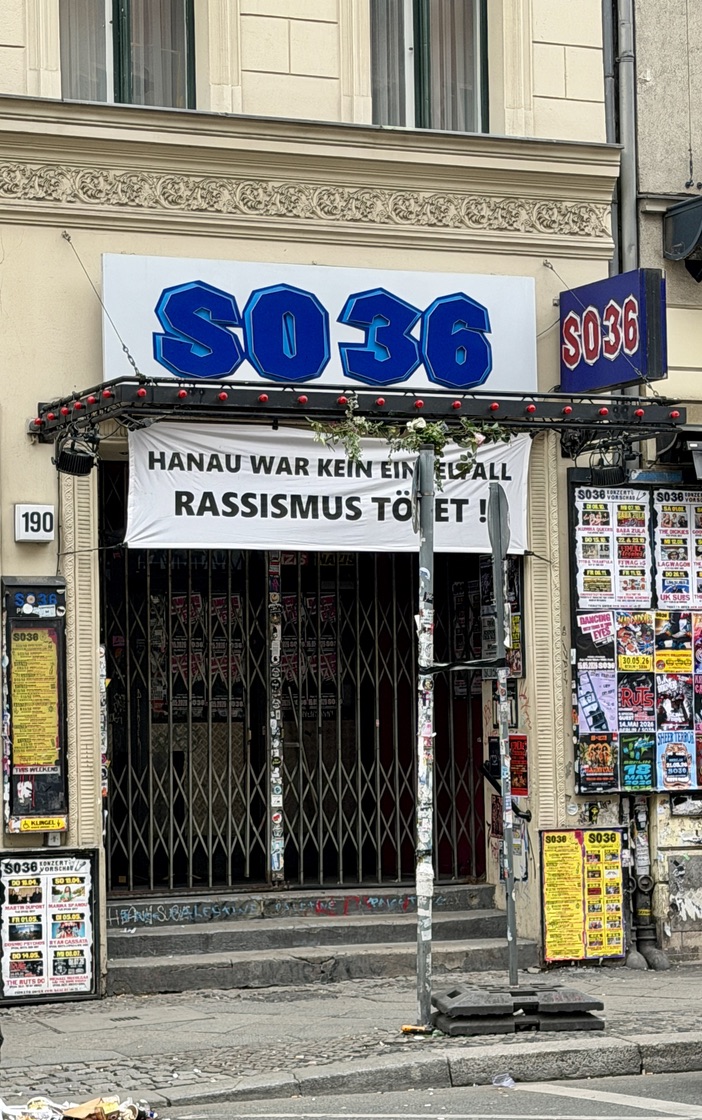
Second, Kreuzberg is where SO36, an influential punk music club, has been supporting activists, musicians, and the gay community since the late 1970s.
In the spirit of the day – including squatters who occupied abandoned buildings in the midst of a housing crisis and teenagers who provided social services unavailable from the city – I’ll close with an excerpt from a punk rock classic, “Rise Above” by Bad Brains:
Jealous cowards who try to control
Rise above, we’re gonna rise above
They distort what we say
Rise above, we’re gonna rise above
Try and stop what we do
Rise above, we’re gonna rise above
When they can’t do it themselves
Rise above, we’re gonna rise above
I’ll be back in a day or so with a final post about this trip, which ran the gamut from depravity to hope and from destruction to renascence.

 PuffinlessTravel
I’m sure this could apply to other cities as well, but I love the fact that a city with so many dark eras in its past has such a vibrant artist/activist present. (And your pics capture it so well!)
I think there’s definitely a correlation between the two. According to our guide, the East Berlin punk scene in the late 70s helped stimulate an increase in dissent.