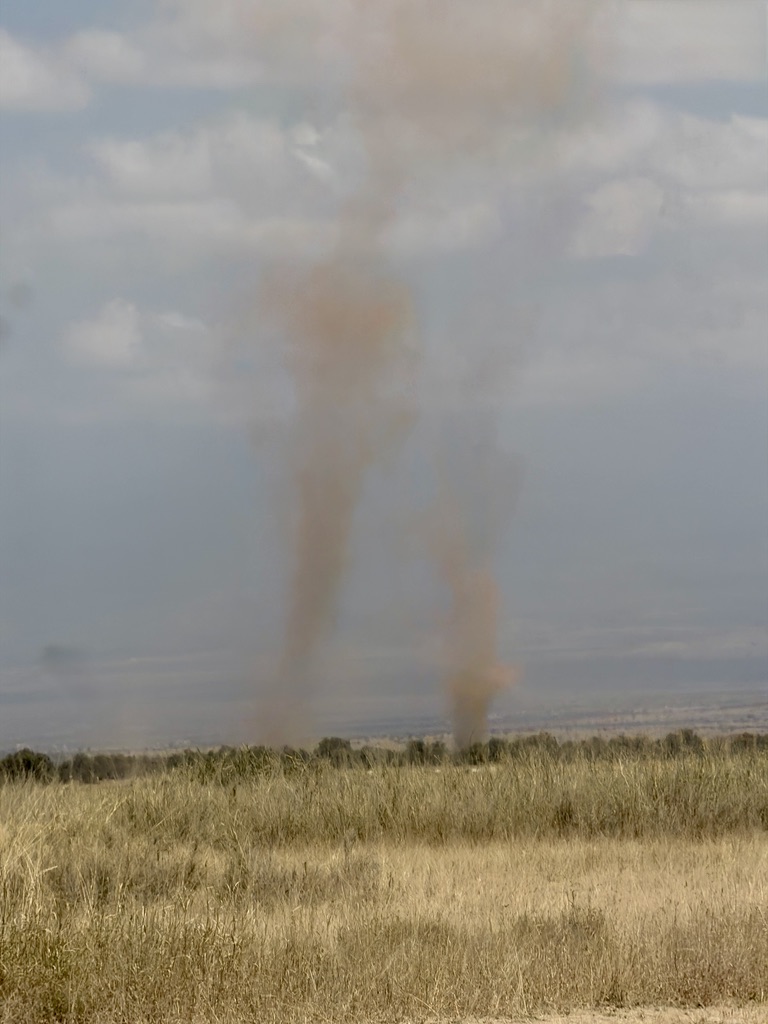
The name “Amboseli” comes from a word in the Maa language (the indigenous tongue of the Maasai people) that means “place of salty dust.” That’s certainly true as far as it goes. But come on, Kenyan PR folk, salty dust? Why not a word meaning “place of endless vistas and stirring wildlife overlooked by an iconic, snow-capped mountain?” For that is equally true, and perhaps a bit more enticing.
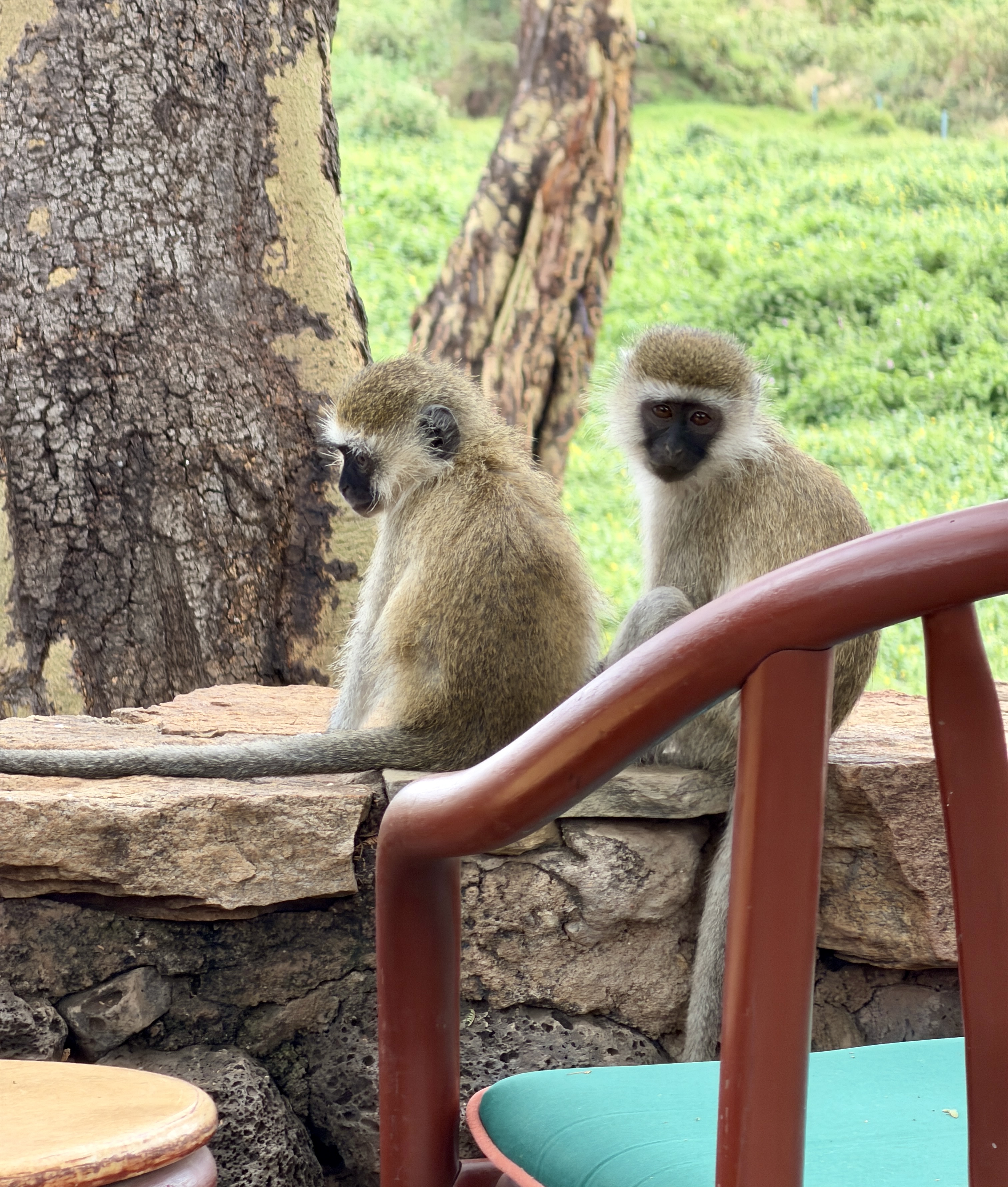
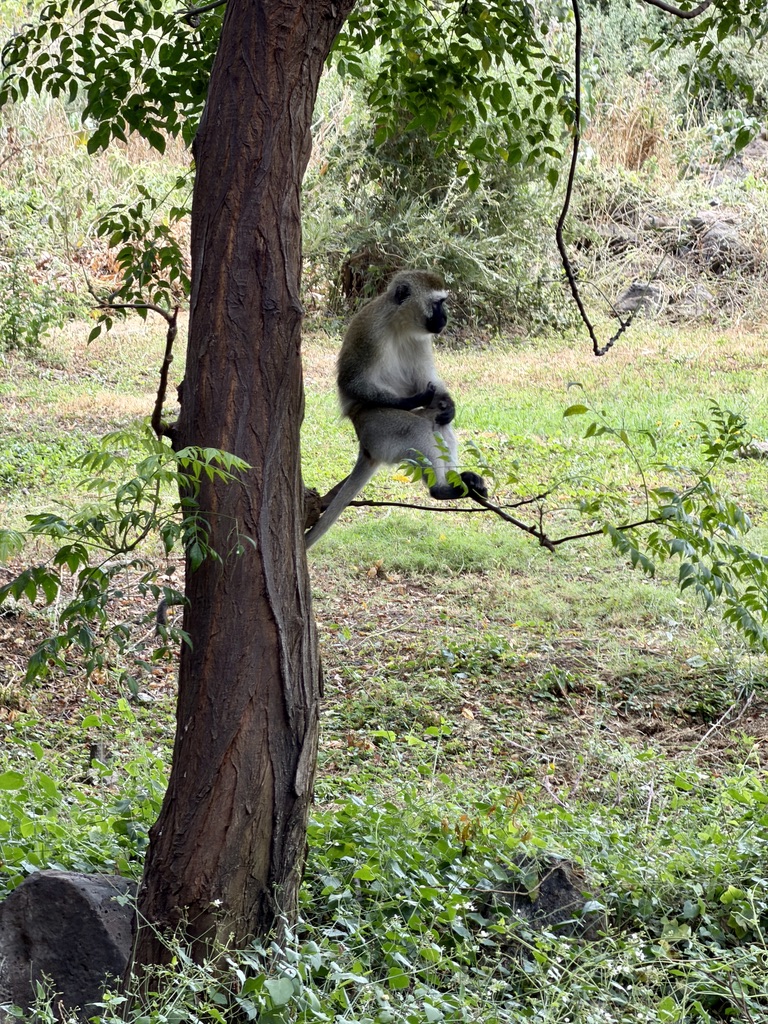
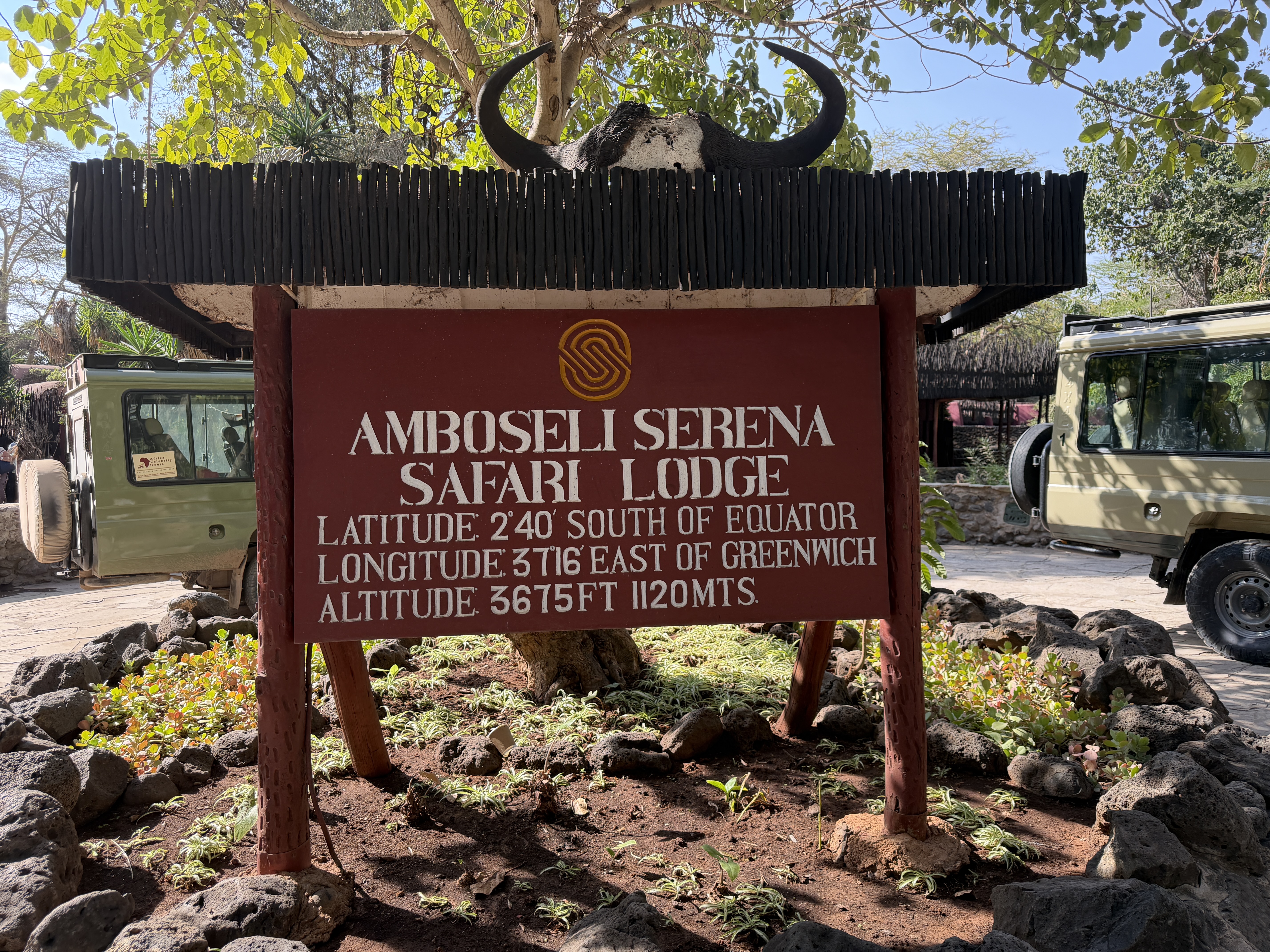
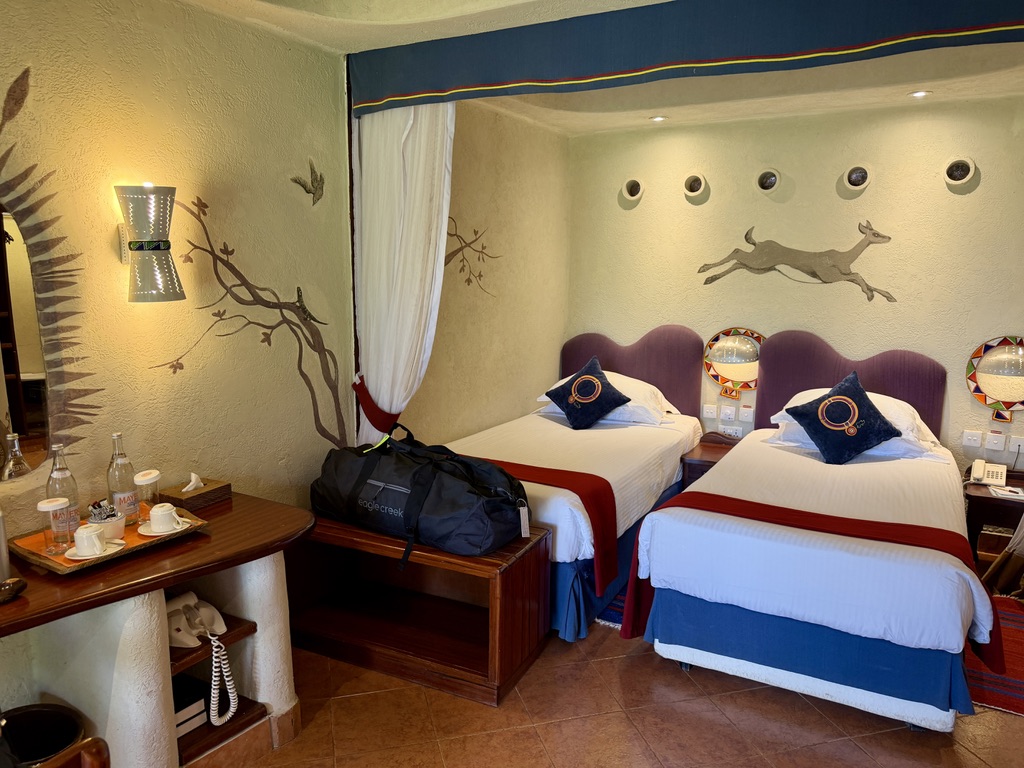
I’m writing this on the patio of the Amboseli Serena Lodge, where we checked in yesterday afternoon following a five-hour drive from Nairobi. I’m shaded by graceful trees (acacias, acacia were wondering) and watching frisky, curious Black-Faced vervet monkeys gambol along branches and race along the ground. Birds chirping in the trees and kids splashing in the pool provide a joyful soundscape. The lodge, perhaps unlike the national park, is ideally named.
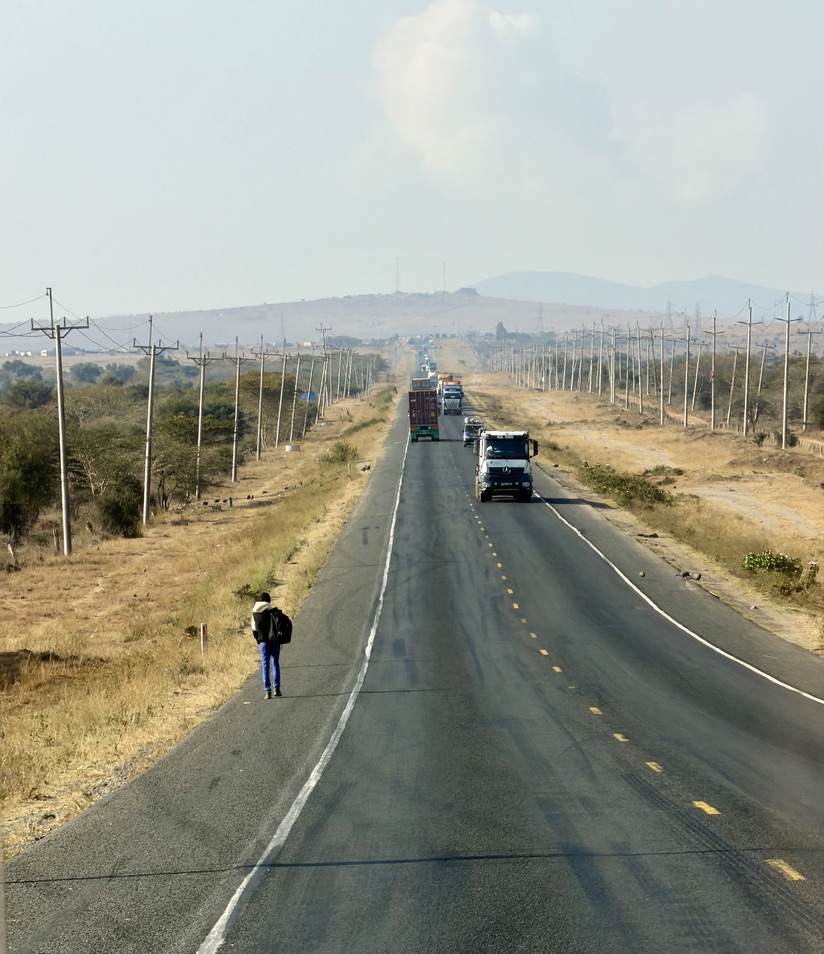
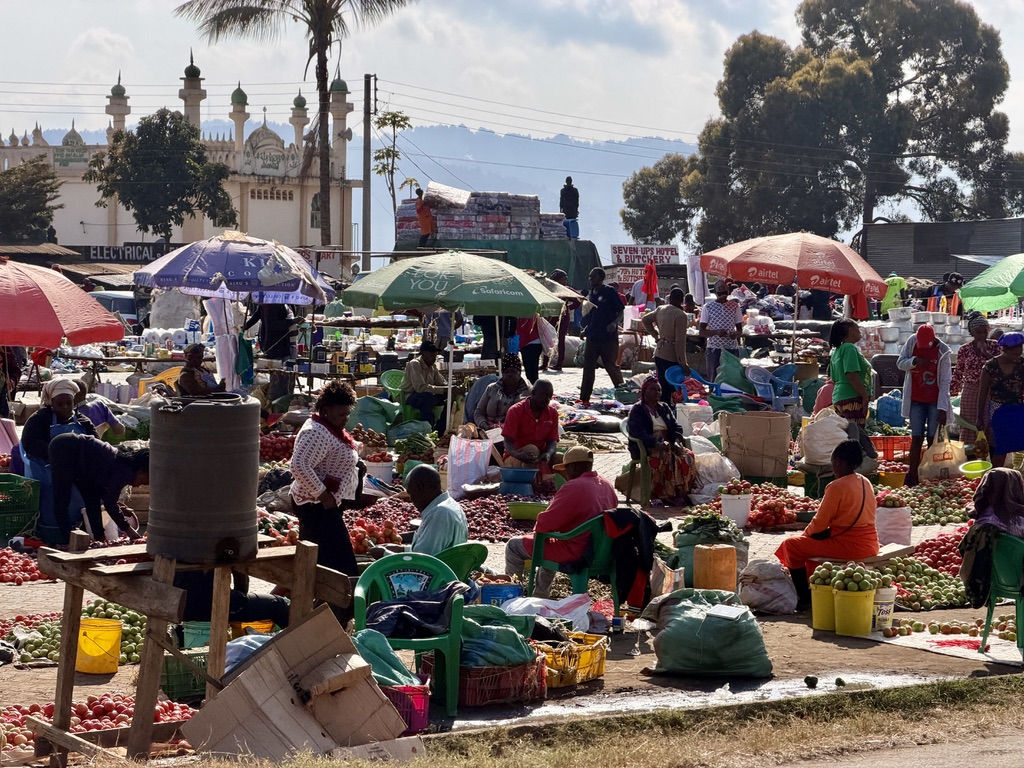
Coming down from Nairobi, the first half of the drive follows the main road from the capital city to Mombasa, Kenya’s major seaport. Scenery during this portion consisted largely of trucks, many bearing religious names, carrying goods to and from the port, with occasional roadside markets interspersing splashes of vibrant color.
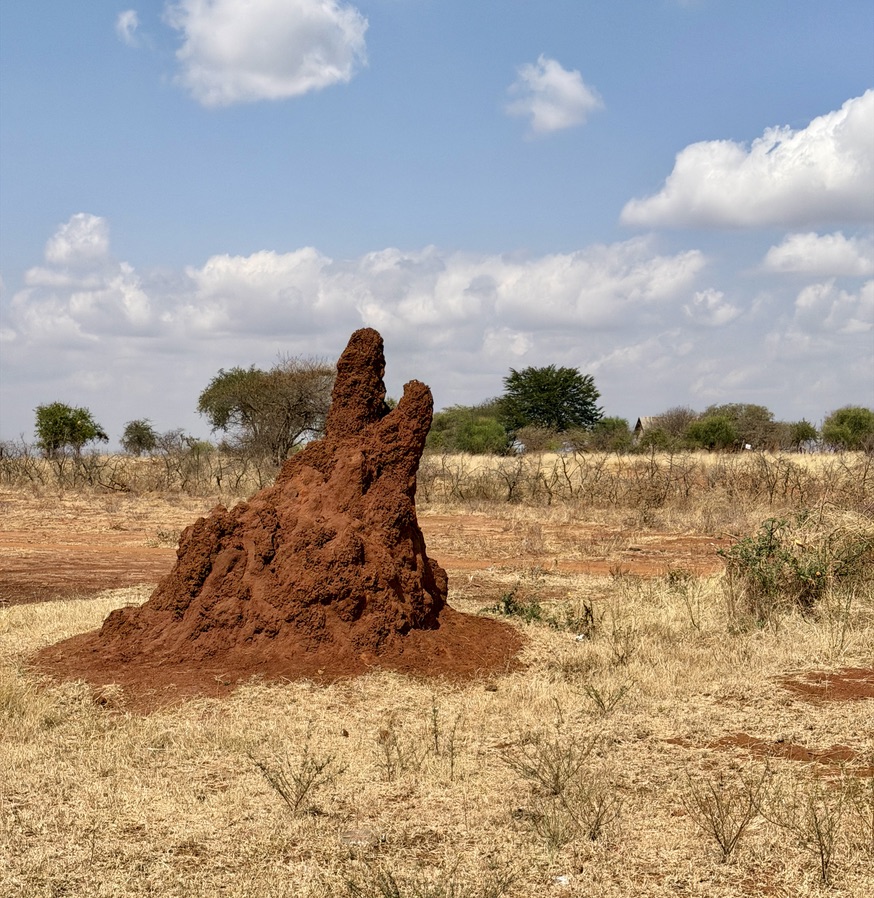
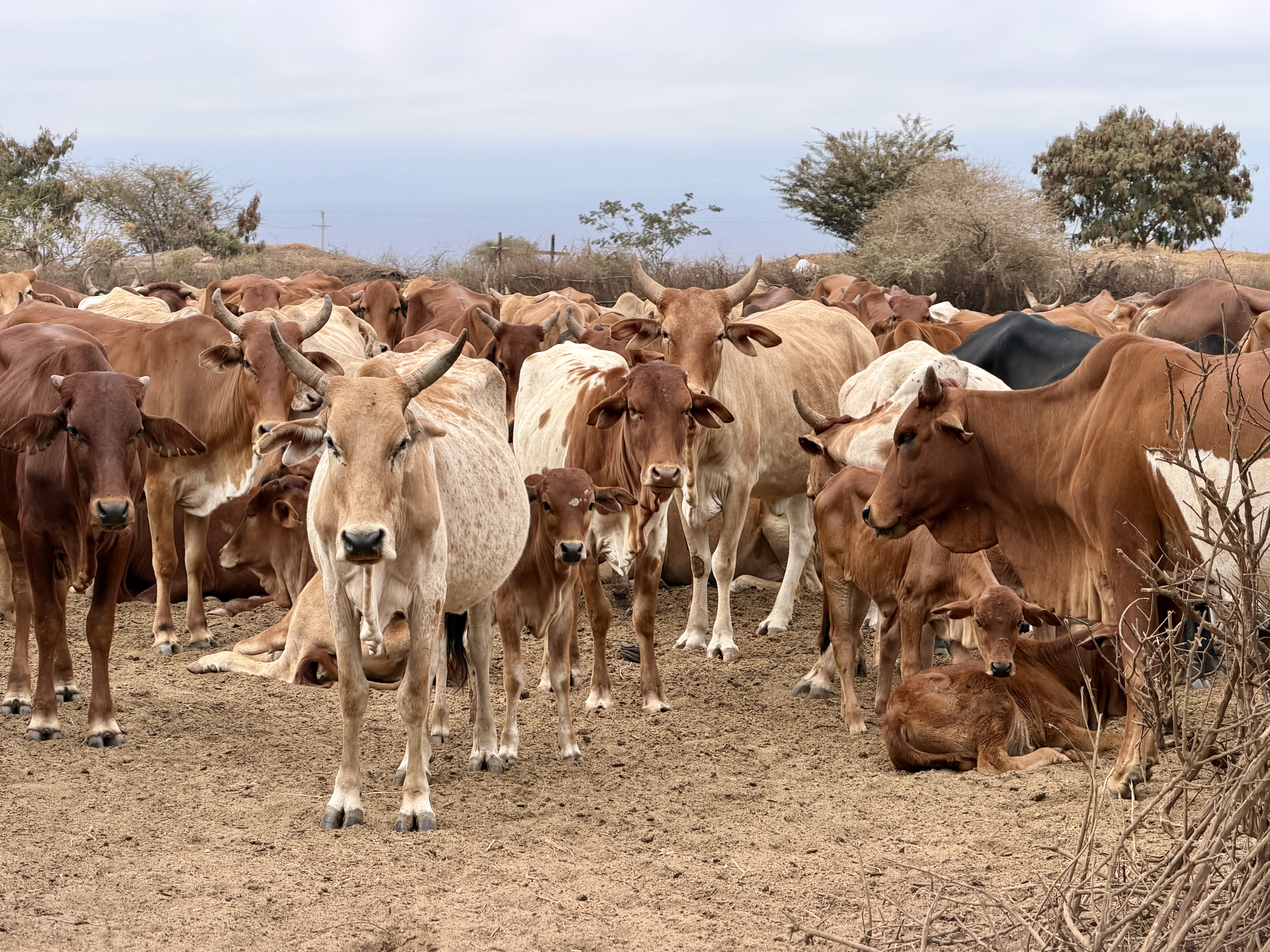
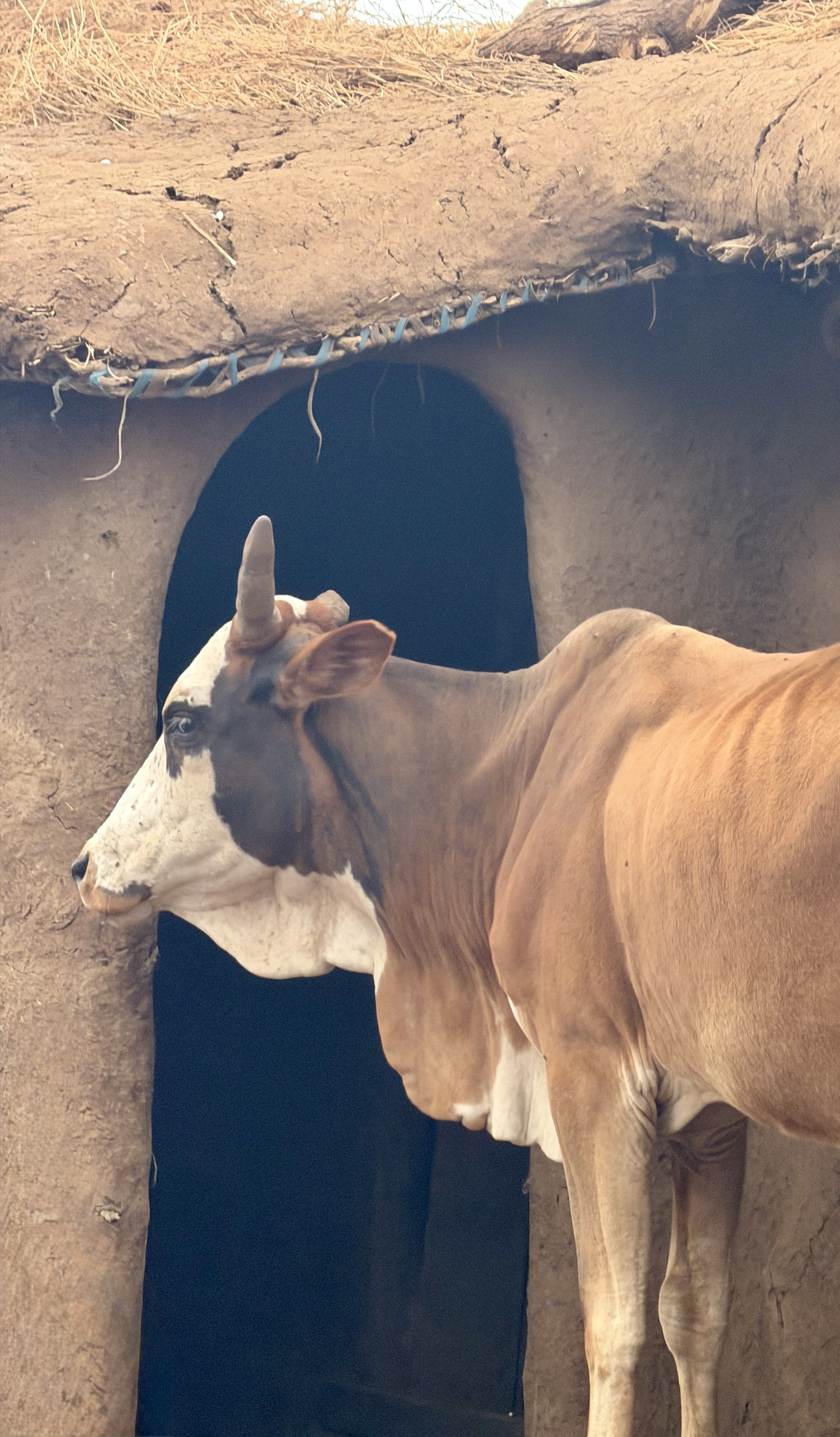
After turning off the main road, we headed through plains stretching to the horizon, with acacia trees dotting the fields, Maasai herders leading cows and goats along the shoulder of the road, and the occasional termite mound rising from the savanna like a moray eel reaching for the sky. Many of the acacias are of the flat-topped variety, with crowns resembling portobello mushrooms. The cattle are Zebu, with pronounced shoulder humps and long, upturned horns.
The final bit of our journey left pavement behind and took us down rutted, pitted, dusty paths to our lodge. (Irrelevant linguistic question: if putting something in a bottle is bottling, and putting something in a can is canning, why is having every one of your 206 bones shaken jarring?)
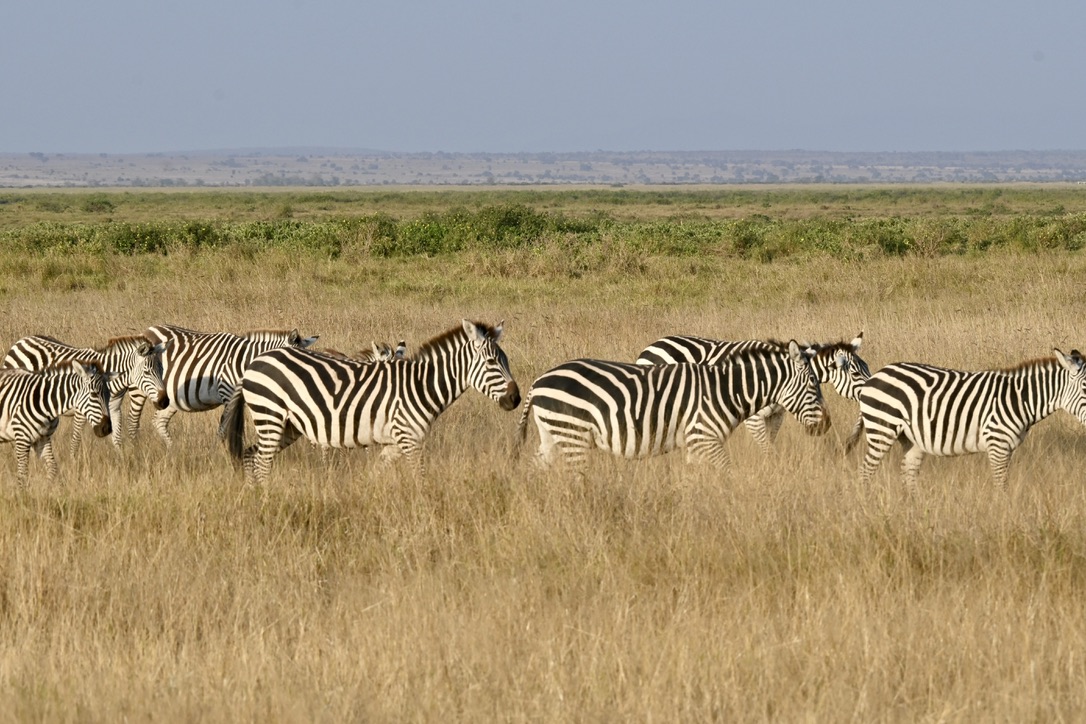
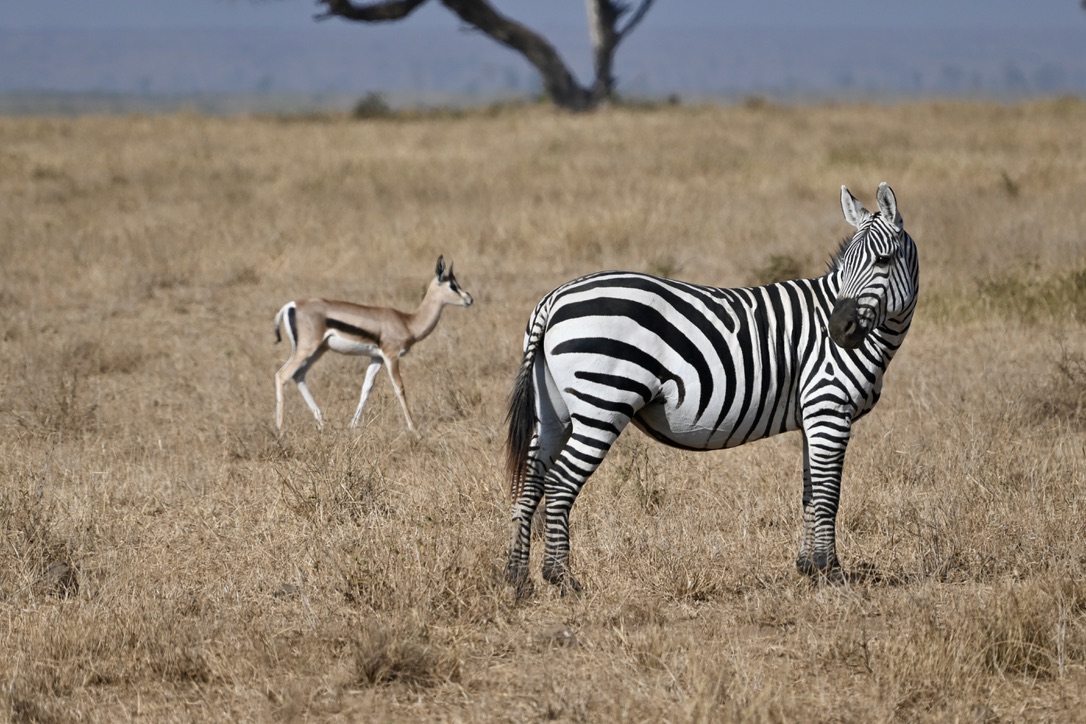
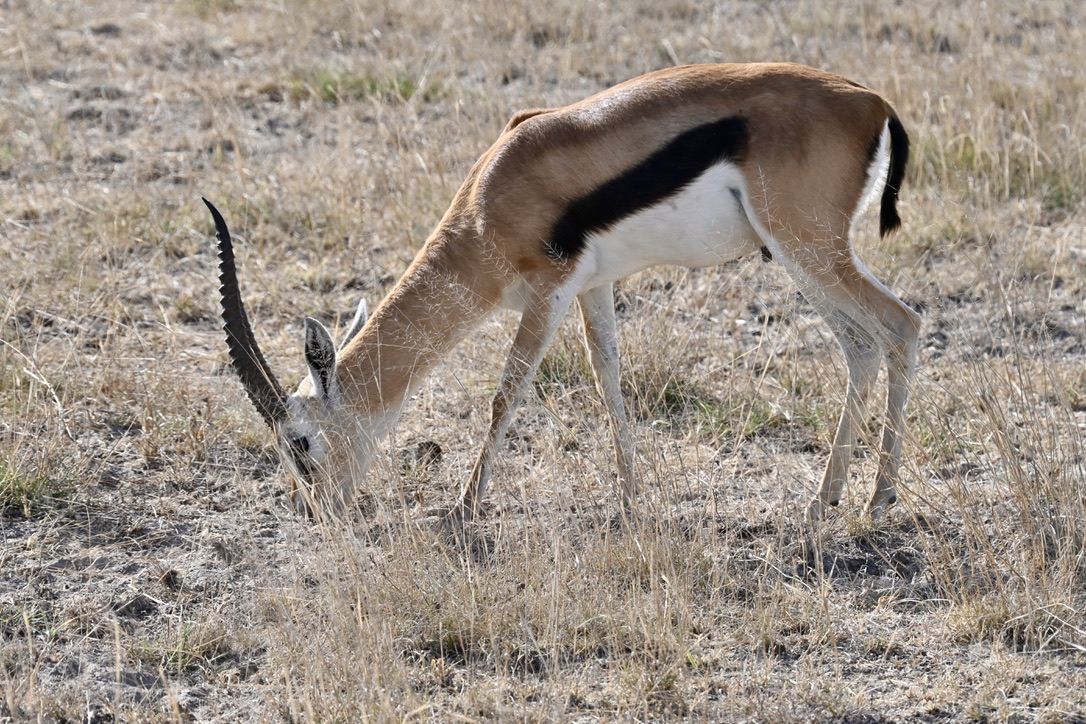
We checked in around two p.m. and headed out on our first game drive at four. Almost immediately, we pulled up along a large herd of stocky zebras grazing alongside lithe gazelles. Surprisingly, the zebras’ calls resemble the yips of a small dog; it’s an incongruous sound coming from such relatively large animals.
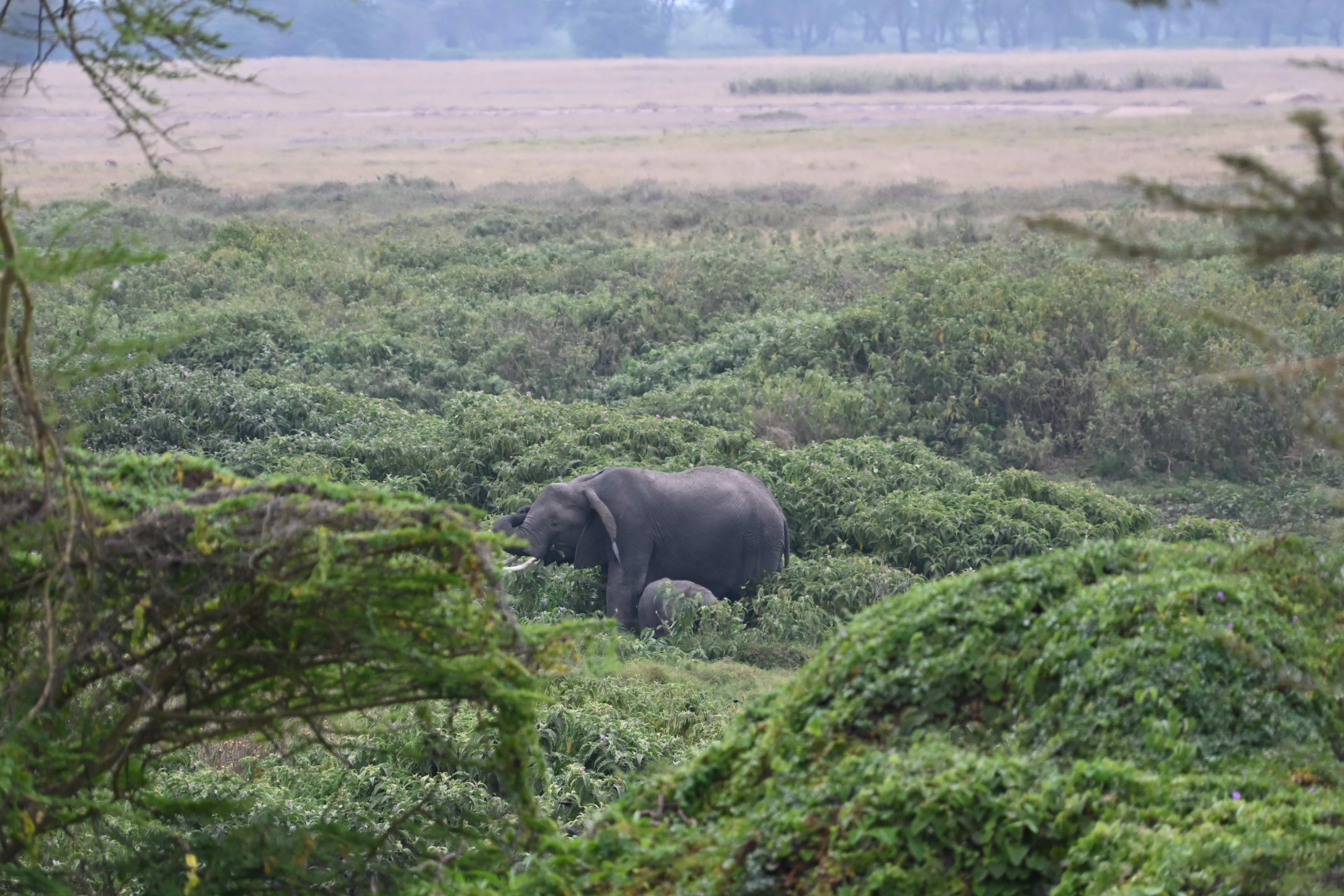
Amboseli is famed for its elephants, and just down the “road,” dozens of them were lumbering from the water hole to their nighttime resting places.
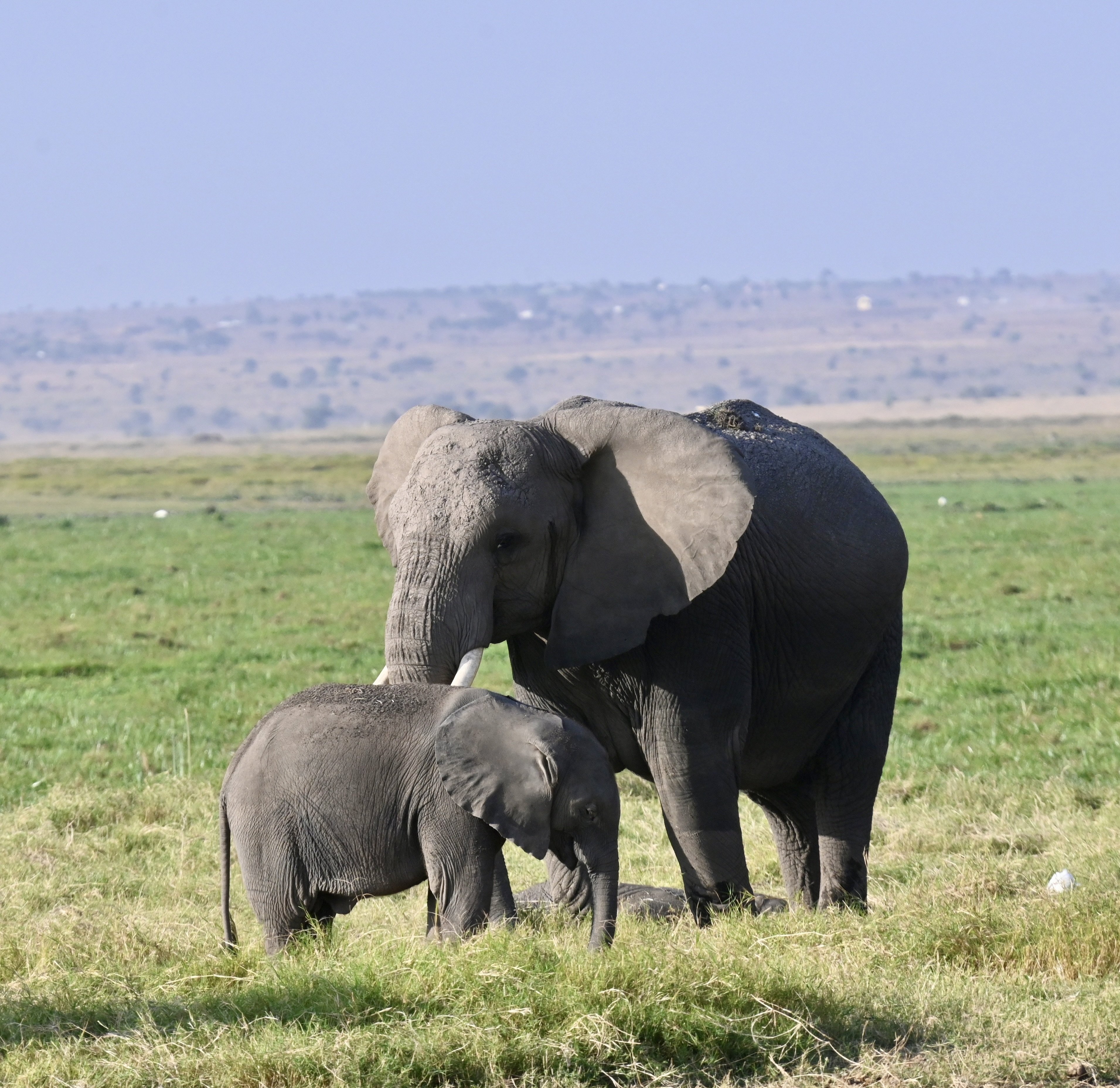
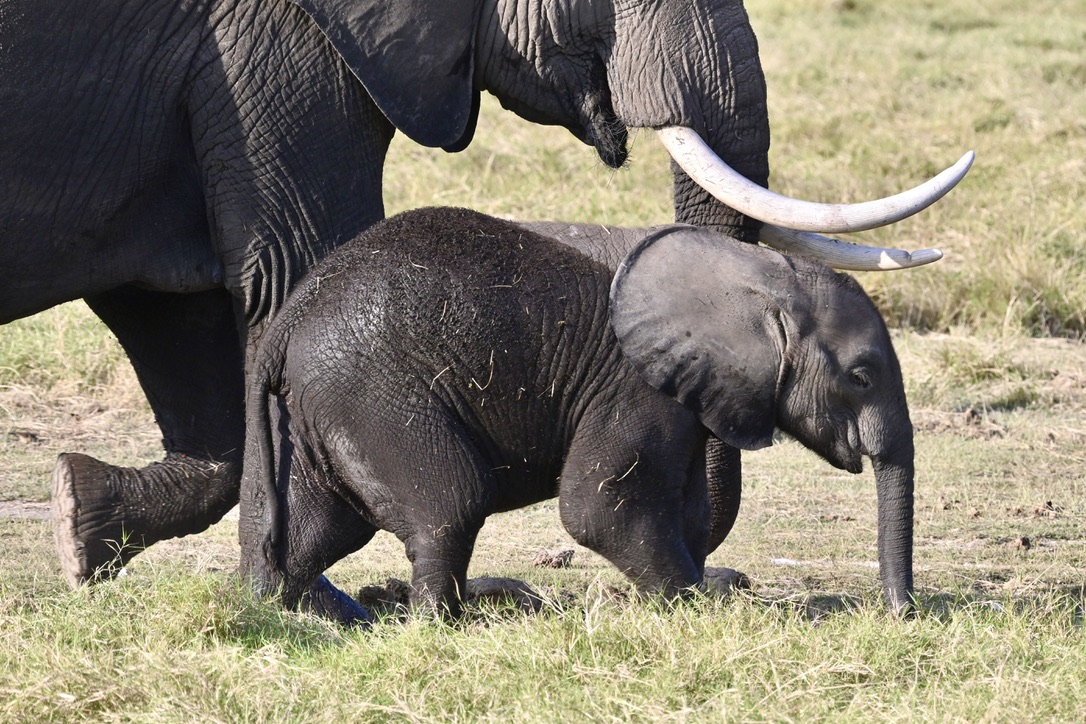
The elephants’ gait is like tai chi. They walk in slow motion, as if they have no need to get anywhere, anytime soon.
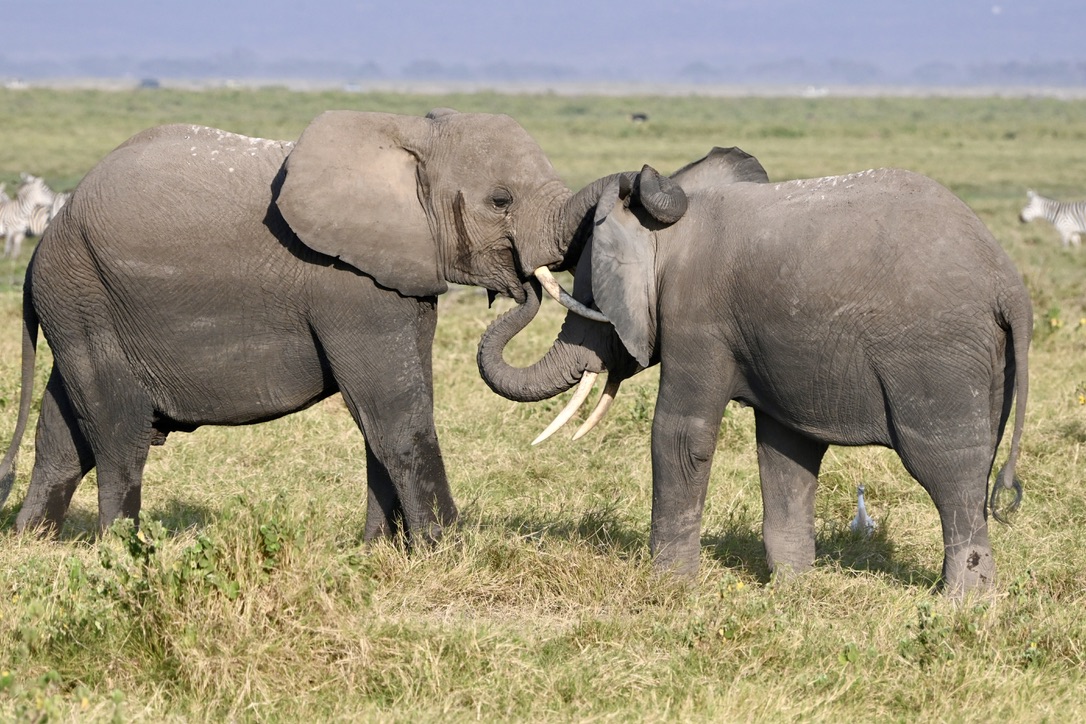
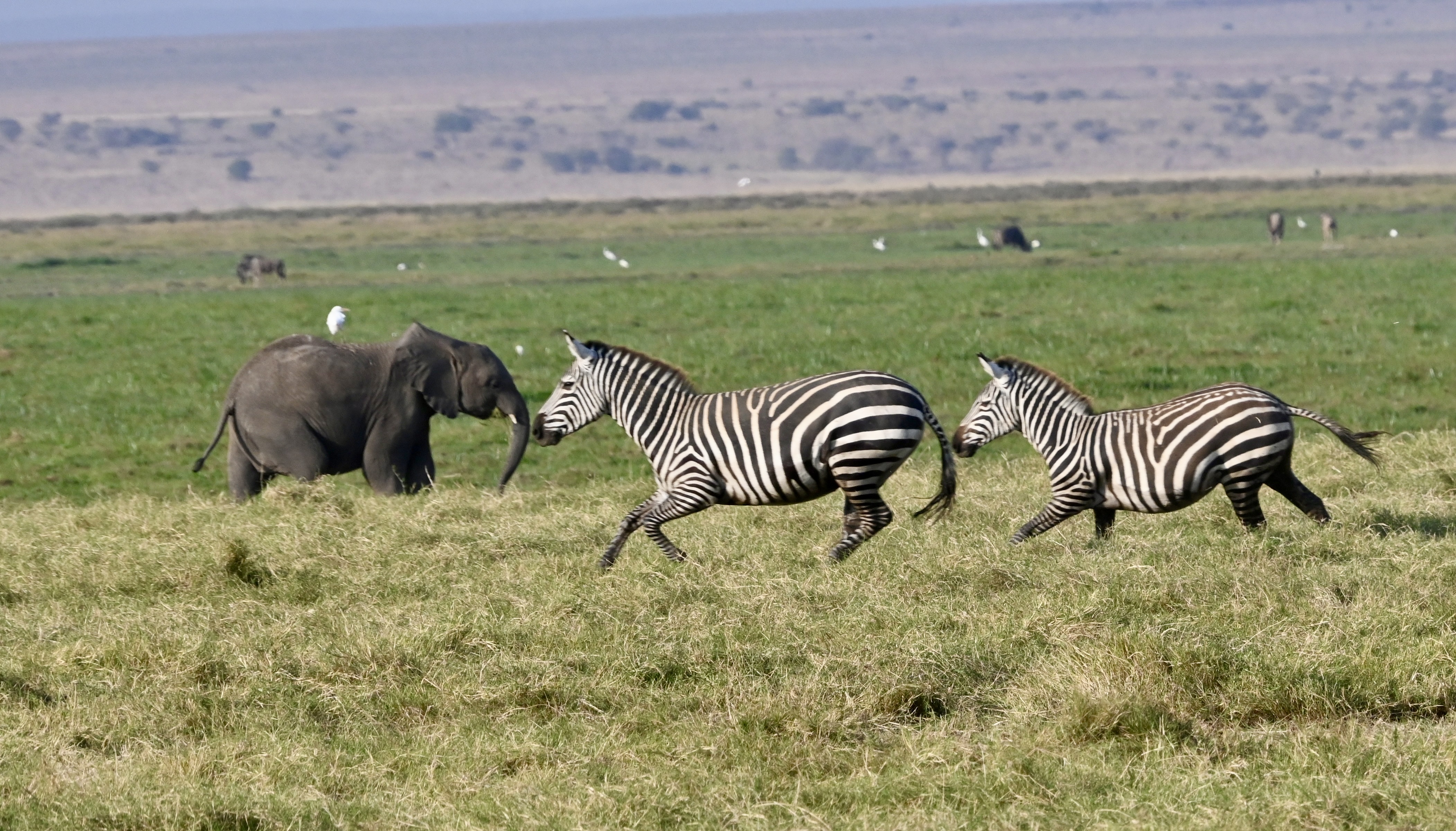
Of course, they don’t: while the zebras and gazelles literally have to get out of town before sundown or risk becoming a lion’s or cheetah’s dinner, the elephants have no significant enemies other than people.
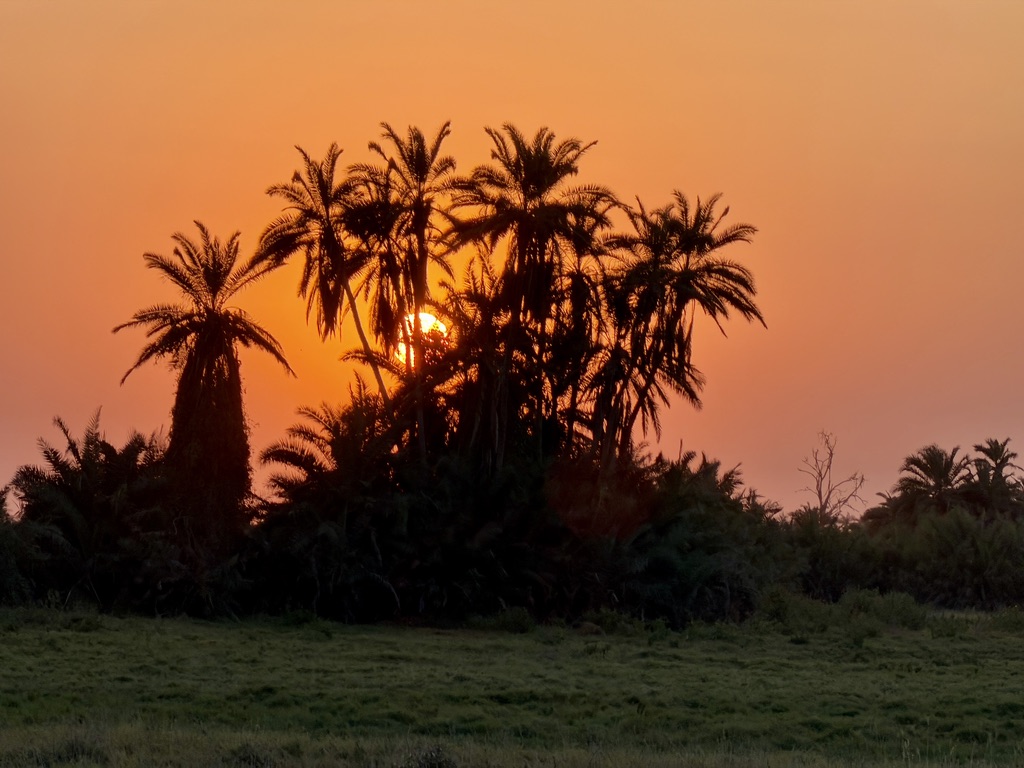
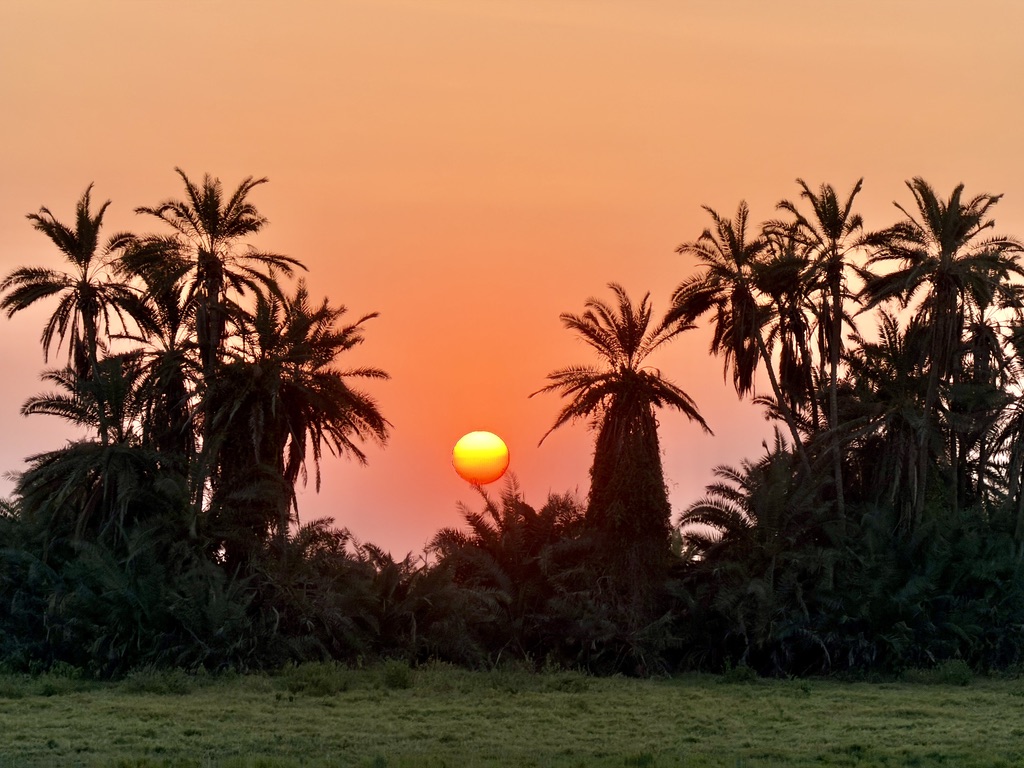
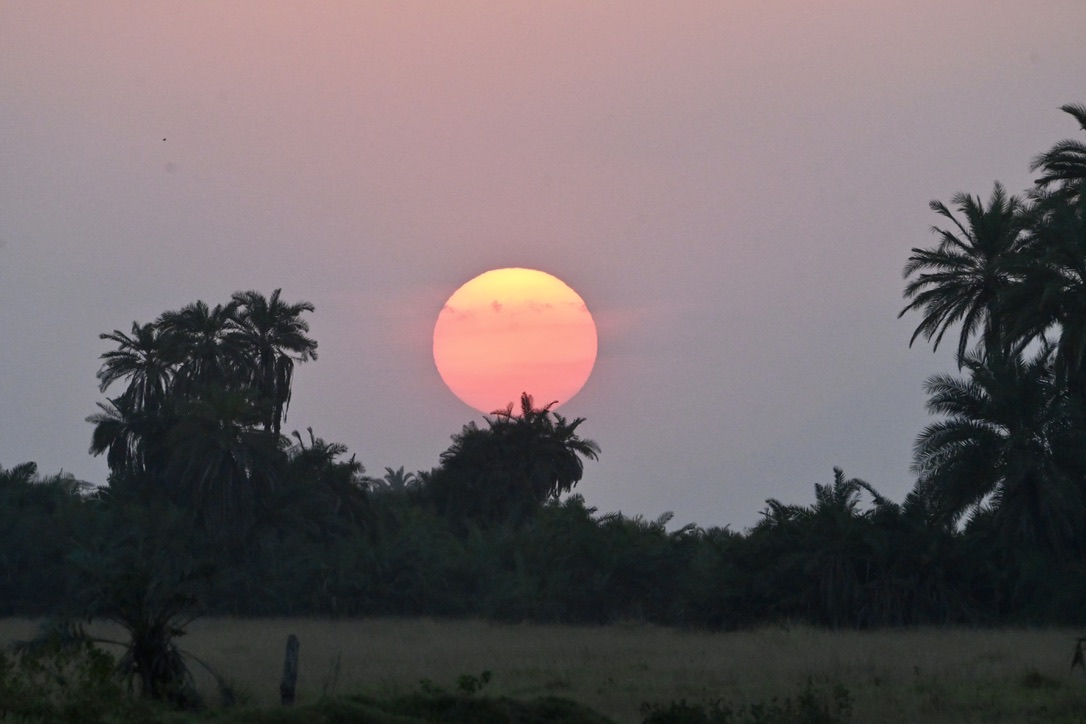
By this point, the sun was going down – being so close to the equator, the sun sets at roughly 6:30 year-round – and our guide (Edwin) and driver (Popo) took us to a spot where a clump of trees perfectly framed its descent.
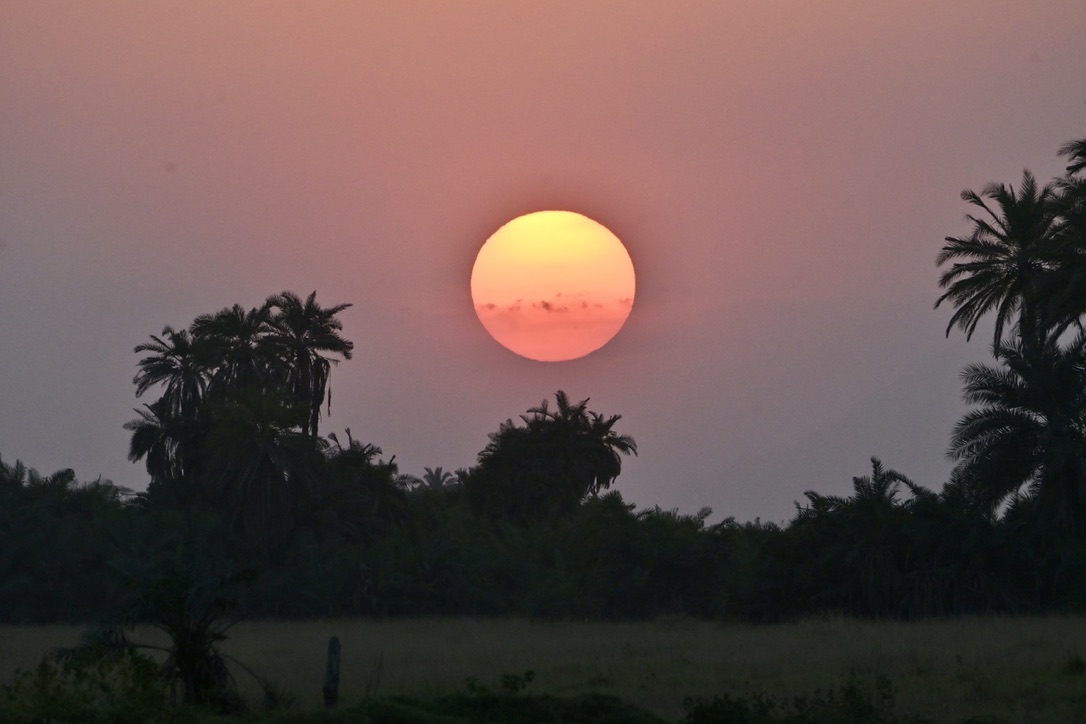
Every night when I get into bed, I think back on the day with gratitude for the small joys I experienced. Some days – very few, thankfully – finding these “glimmers” can be challenging. Last night, as I lay listening to the crickets’ metronomic chirping, the joys I recalled, both small and great, were innumerable.
Our second morning here began bright and early – or, more accurately, pitch dark and early – and we headed to a local Maasai village, where the chief’s son welcomed us and a group of men and woman performed a traditional dance accompanied by joyous chanting.
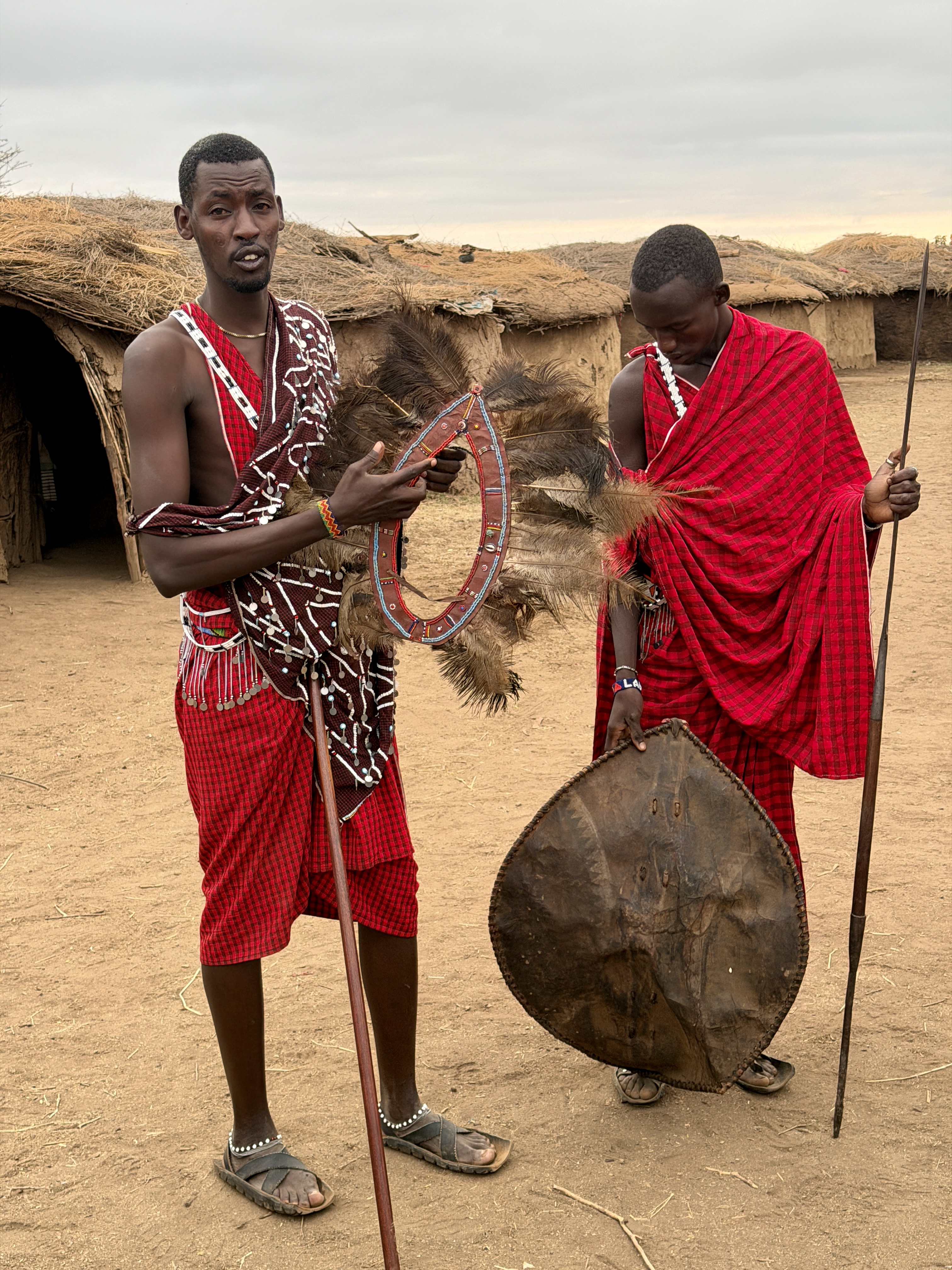
Taking over from the Chief’s son, the medicine man’s son explained how he uses tree roots, stems, and leaves to create medicines for everything from headaches to snake bites to erectile dysfunction. (Some Maasai men have as many as six wives, so demand for the latter tends to be robust, particularly as the men age.) He also demonstrated the traditional Maasai method of making fire.
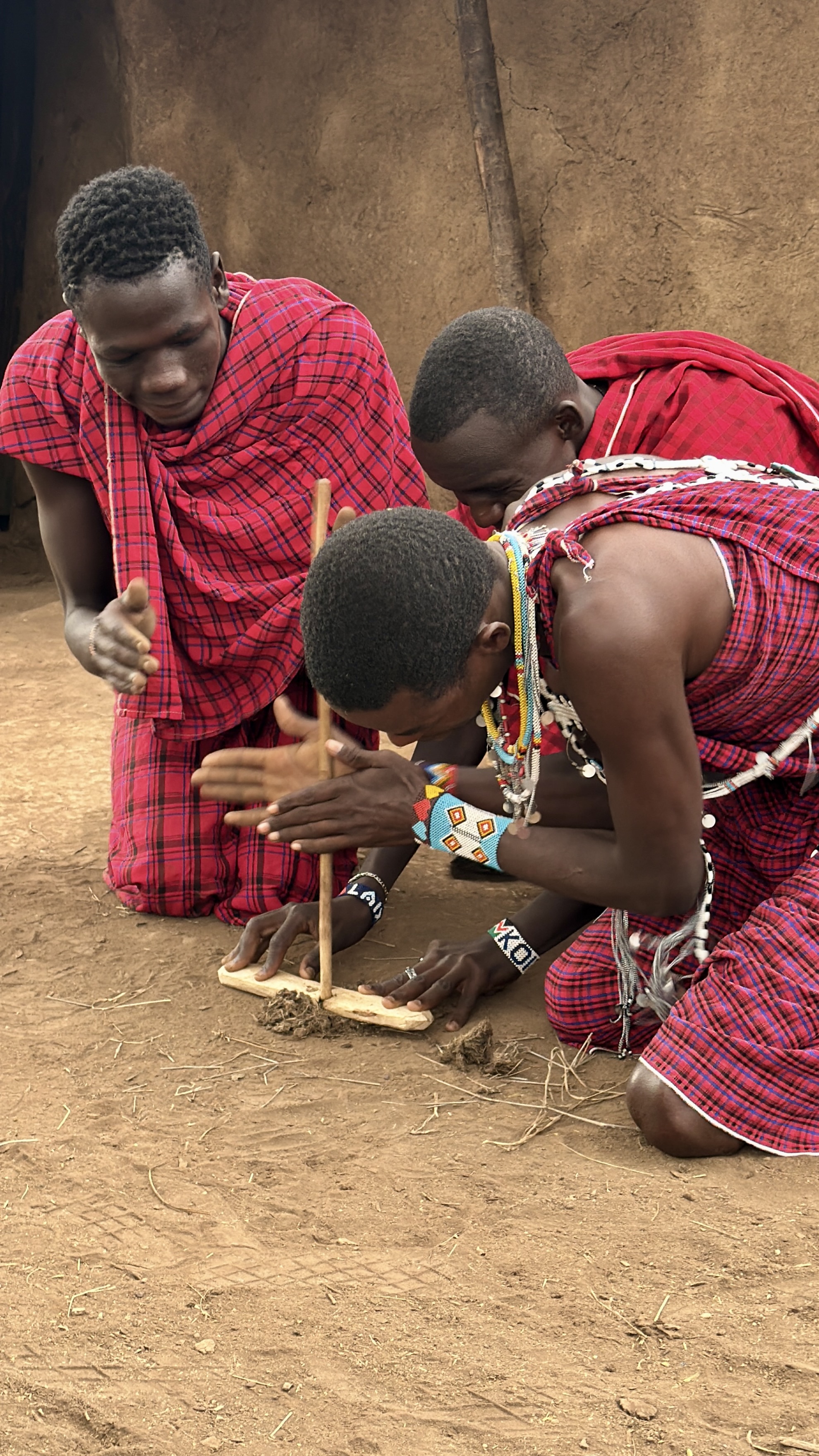
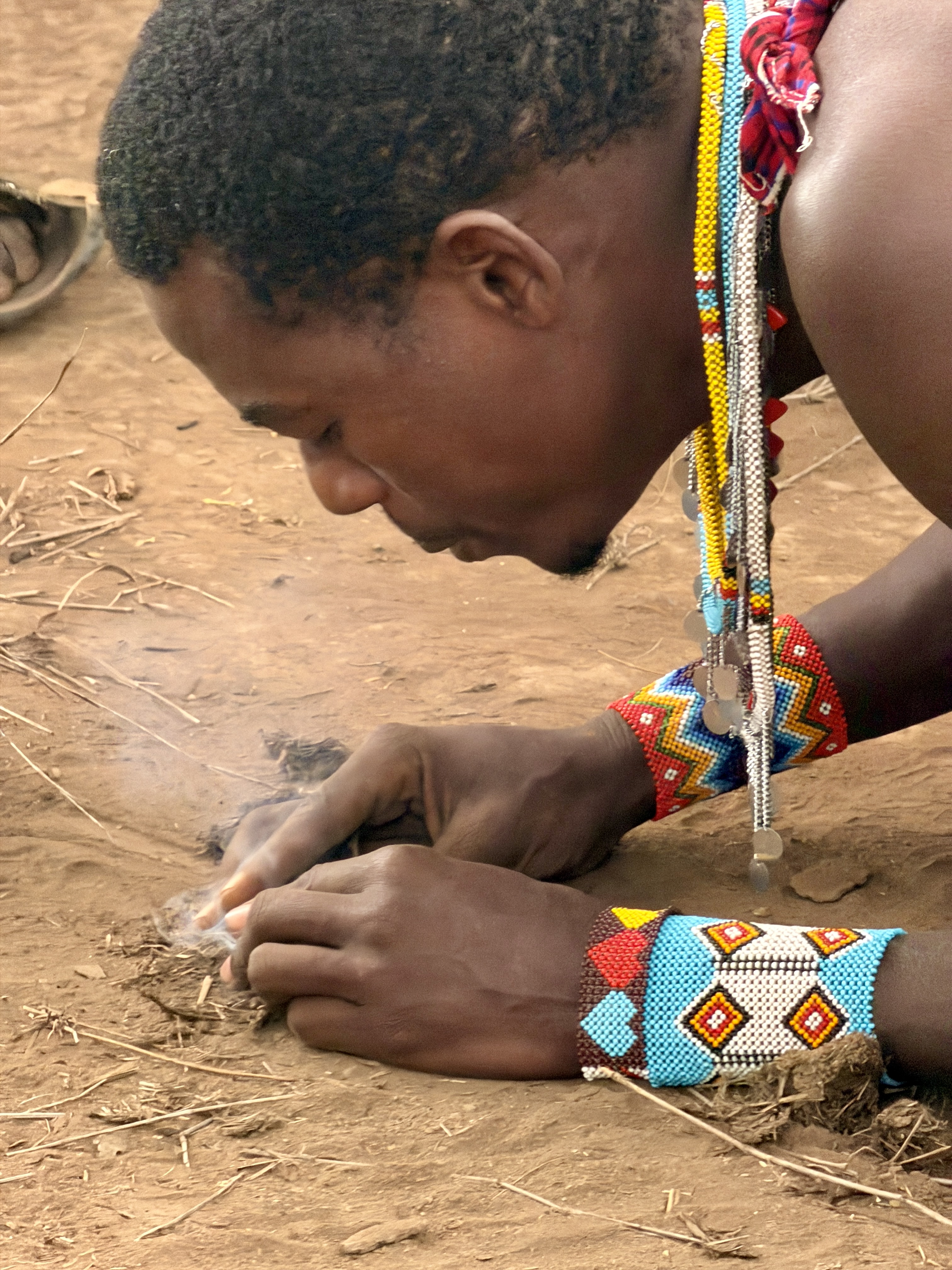
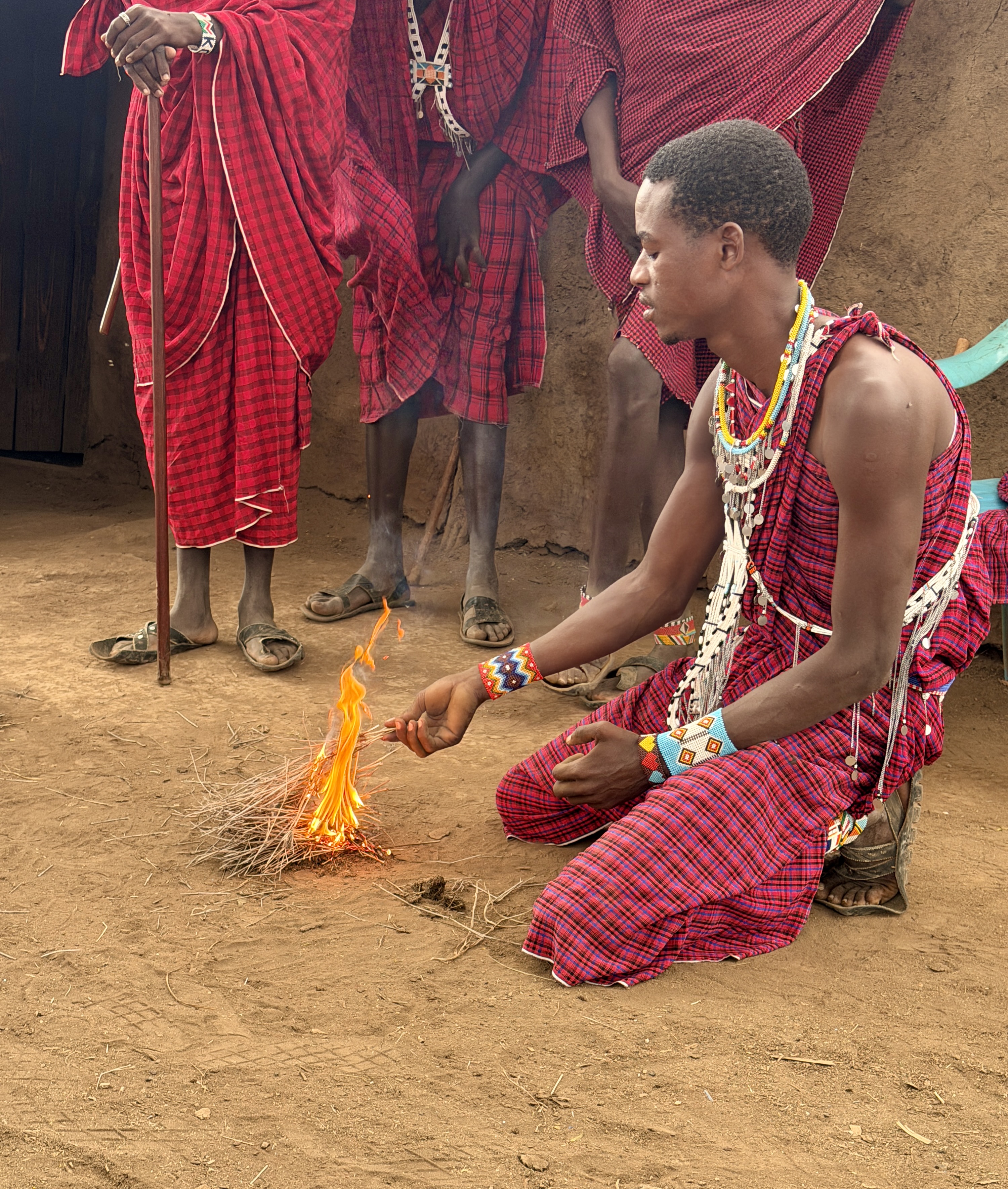
Near the end of our visit, we toured a typical house made of cattle dung, dried grass, and acacia branches, and met the grandmother of our host, who in her mid-80s could expect to live for another 15 years or so. The Maasai lifestyle is intensely active and their diet is entirely natural (though not all that appealing, at least to me, as it is built around milk mixed with cow’s blood).
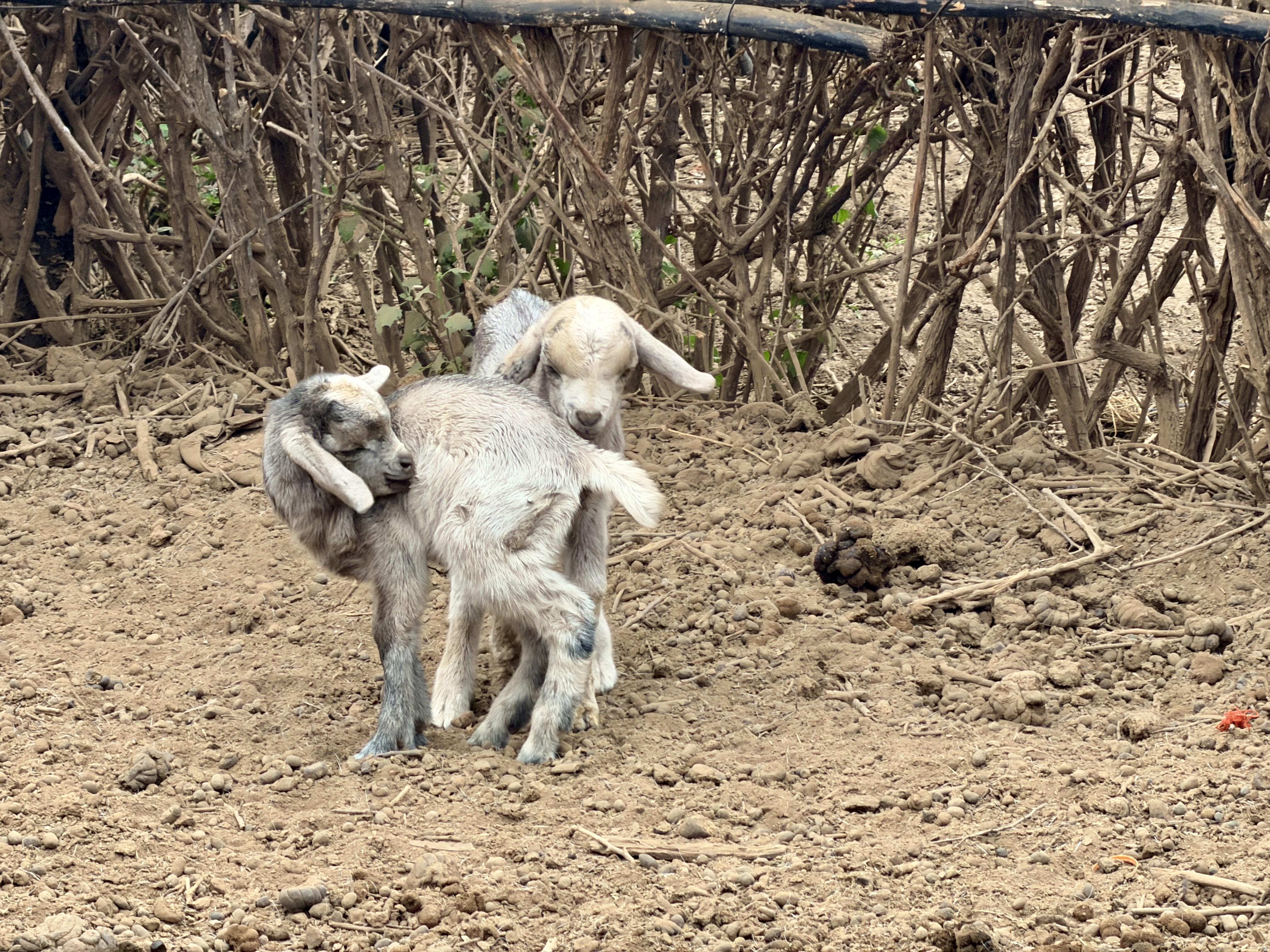
According to the Chief’s son, residents of the village frequently live past the century mark, They certainly look like, and exhibit the energy of, people far younger than they are. The chief, who is 75, could have passed for 55, and his son, who has to be in his mid-50s, could have been 35. Two elders, assertedly 105, sat in chairs observing the proceedings. Even if these numbers were exaggerated – and I have no particular reason to believe that they are – they confirm that a healthy diet and lifestyle, combined with a close-knit, supportive community, can markedly enhance both longevity and quality of life.
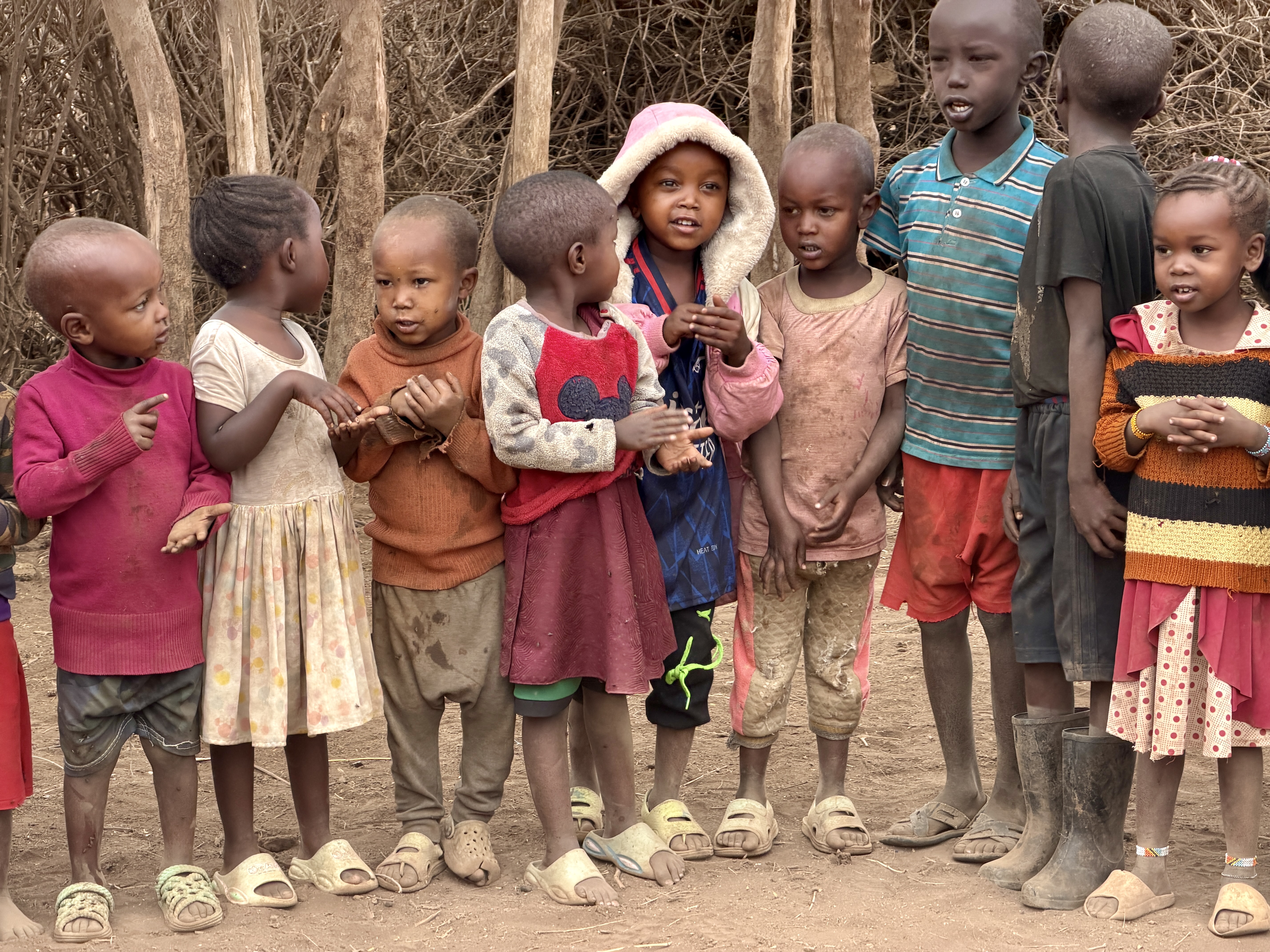
Before ending our visit, the impossibly cute children of the community sang for us and recited the alphabet and their numbers as their parents looked on, beaming with pride. It was a charming way to start yet another inspirational day.
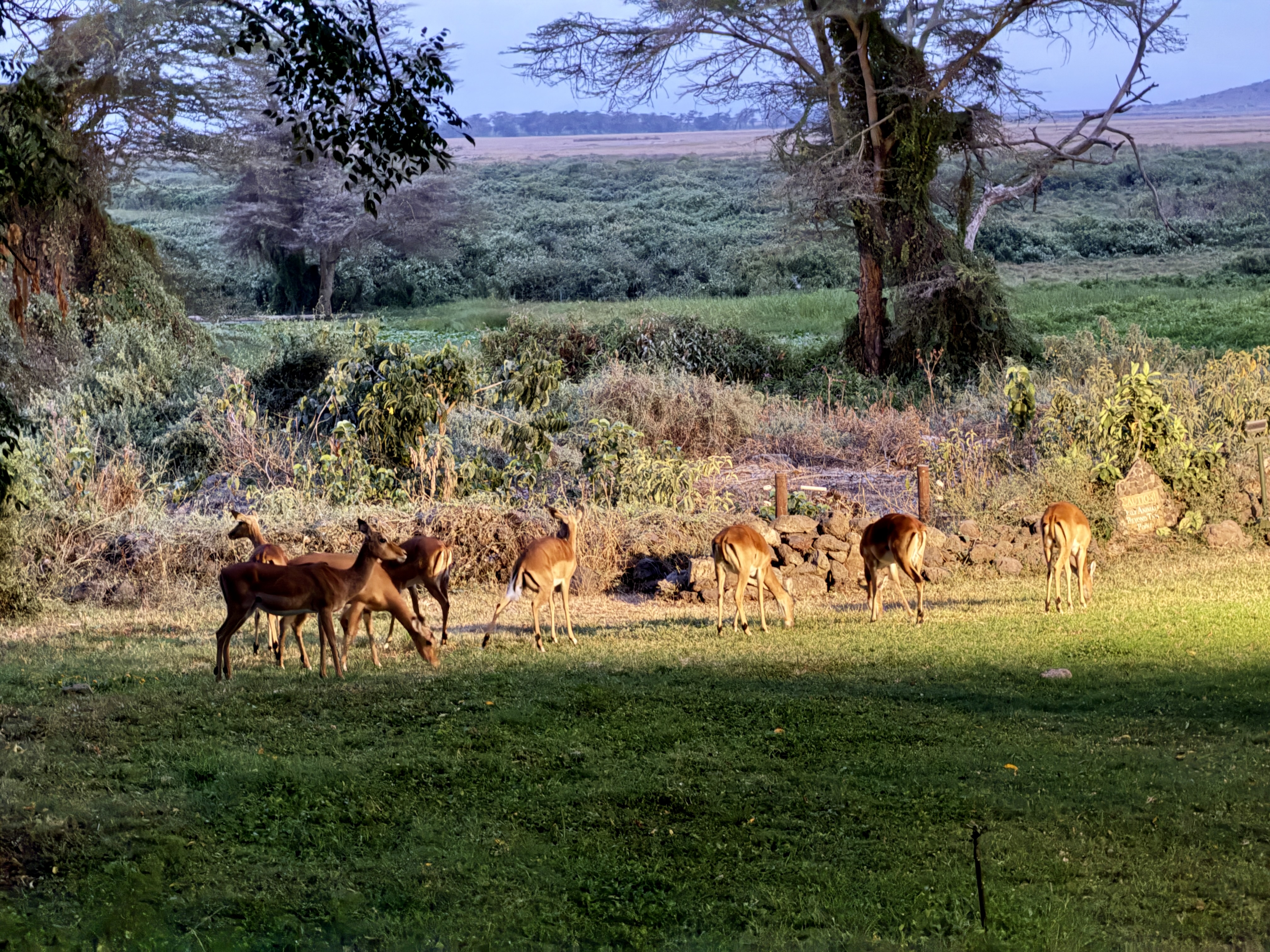
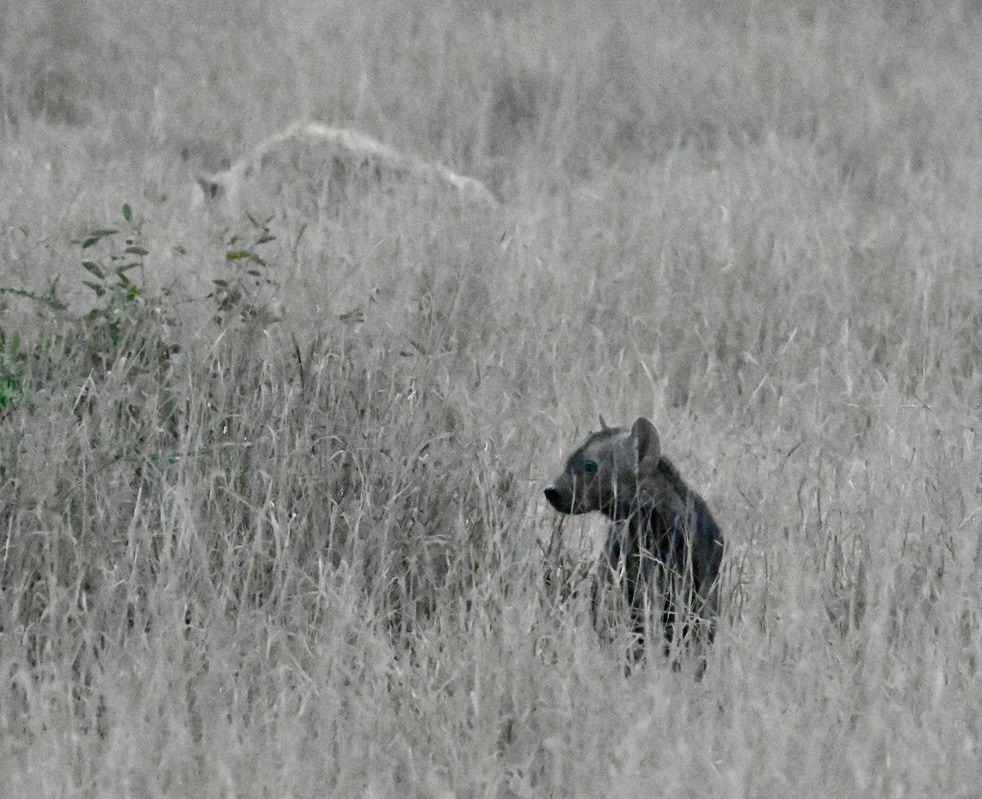
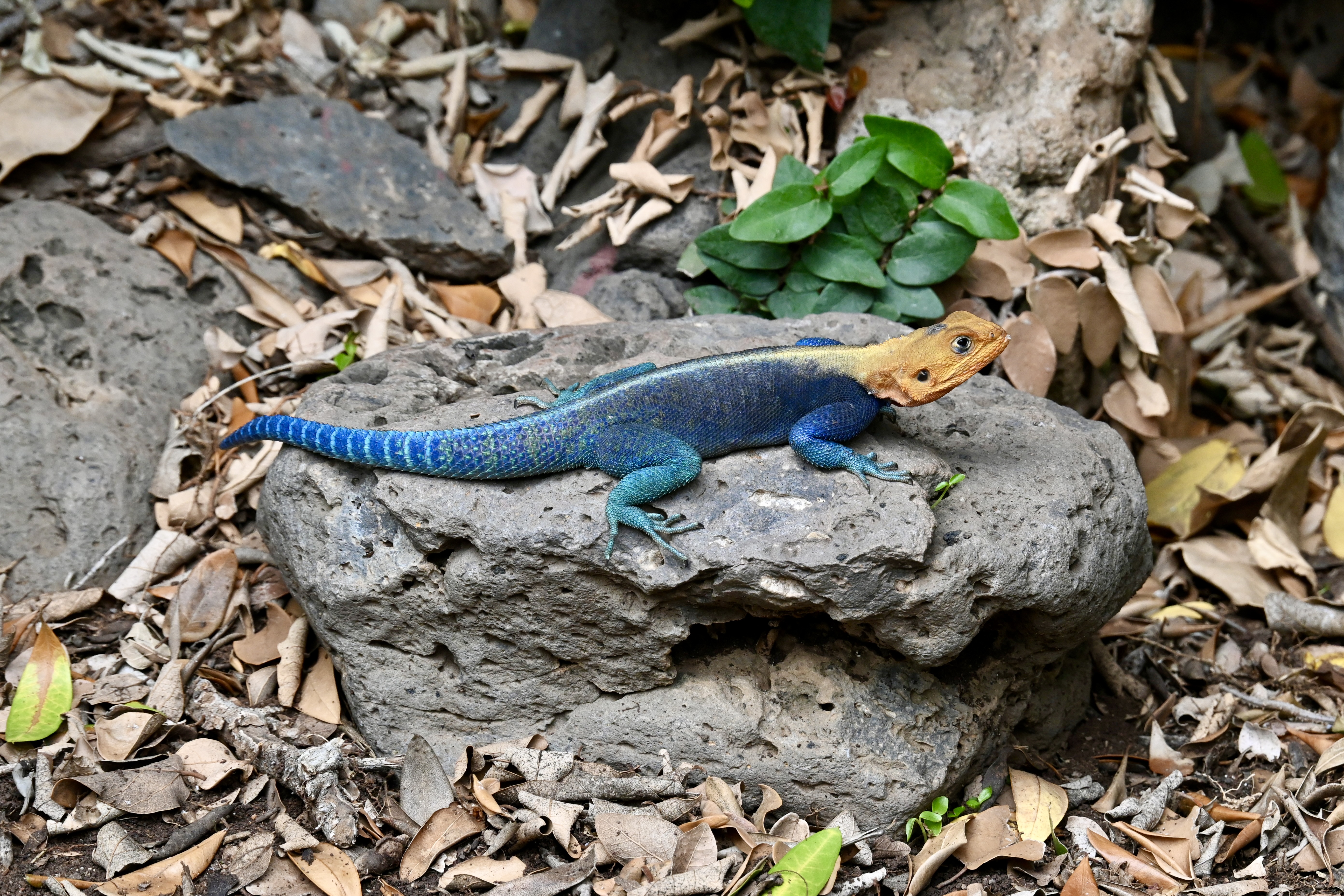
I had planned to include all of the Amboseli experience in a single post, but our game drive this afternoon yielded so many wonderful pictures and experiences that I decided to devote a separate post to it. I’ll leave you for now with a few more pictures of wildlife in and just outside the lodge.

 PuffinlessTravel
Spectacular! Random thoughts/comments: Some spectacular colors on tap: the red fabrics worn by the Masaai and the blue of that Agama lizard. The last time I saw the word Zebu, it was in a crossword puzzle! That termite mound really does look like a moray eel! I see you have curtains to pull around your bed at night. (What are you taking for malaria prophylaxis?)
It’s such an inspiring place – the animals, colors, people, scenery …. I’ll send you an email with the name of the malaria pills. It’s Atovaquone and something else starting with a P. They’re in my backpack, which is currently inaccessible.
OK, you’re taking Malarone (atovaquone/proguanil); that’s what I was hoping you’d say!