“Take My Breath Away.” So Berlin the band sang in 1986, and so Berlin the city did to me in 2013, the last time I was here, and did again today.
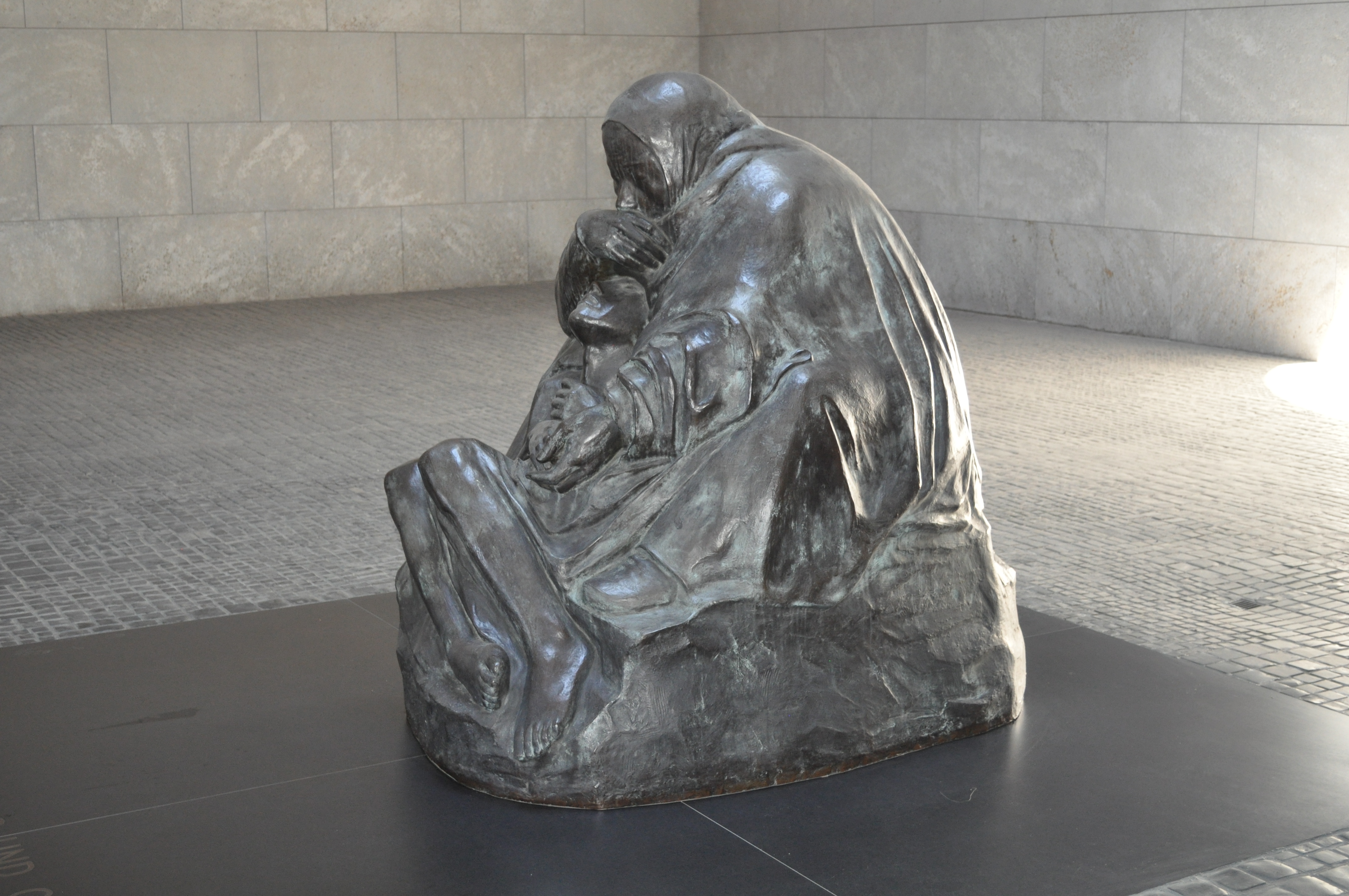
Of all days to visit Berlin, today is probably tied for the most meaningful with November 8, the day the Berlin Wall came down. On May 8, 1945, V-E Day, the Nazis surrendered. It’s celebrated here as “Liberation Day,” and as we toured the city this morning, people were gathering to mark the occasion. After a tour that began with the horrors of the Holocaust, being here to commemorate the demise of the Third Reich was a gratifying way to end my sojourn in Central Europe.
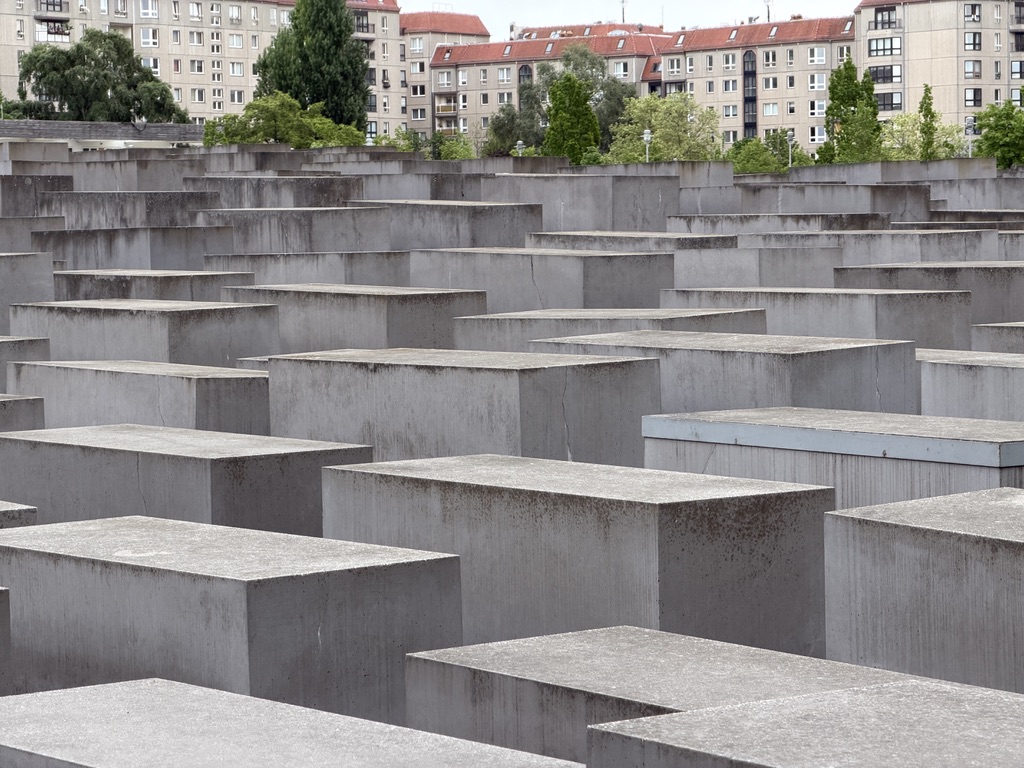
Last night, Andy, Char and I walked through the Holocaust Memorial (officially the “Memorial to the Murdered Jews of Europe”), a maze-like expanse of 1177 stone slabs of varying heights. I’ve heard two suggestions as to the significance of the Memorial’s design. First, if you go with someone, you can watch them disappear as they walk to the interior, as so many Jews watched their relatives leave and never return. Second, you can imagine you’re trying to flee from the Nazis, not knowing whether you will encounter the Gestapo around a blind corner.
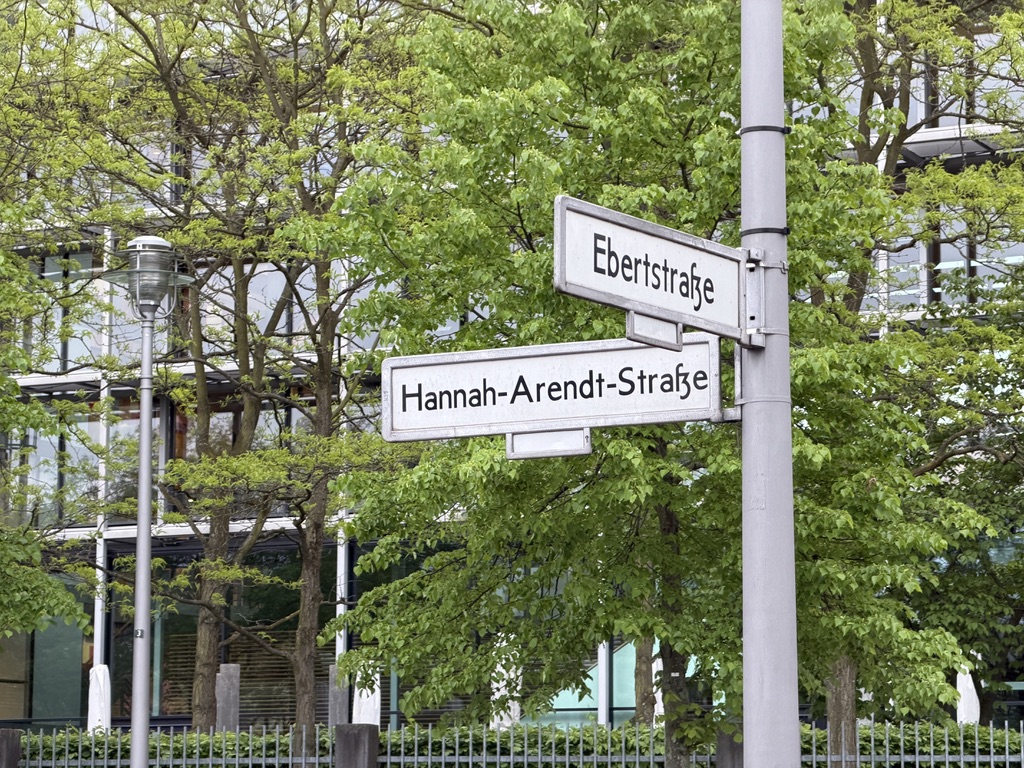
Fittingly, the Monument is bordered by Hannah Arendt Straße, named for the German-American philosopher who wrote of the “banality of evil” after watching the trial of Adolf Eichmann.
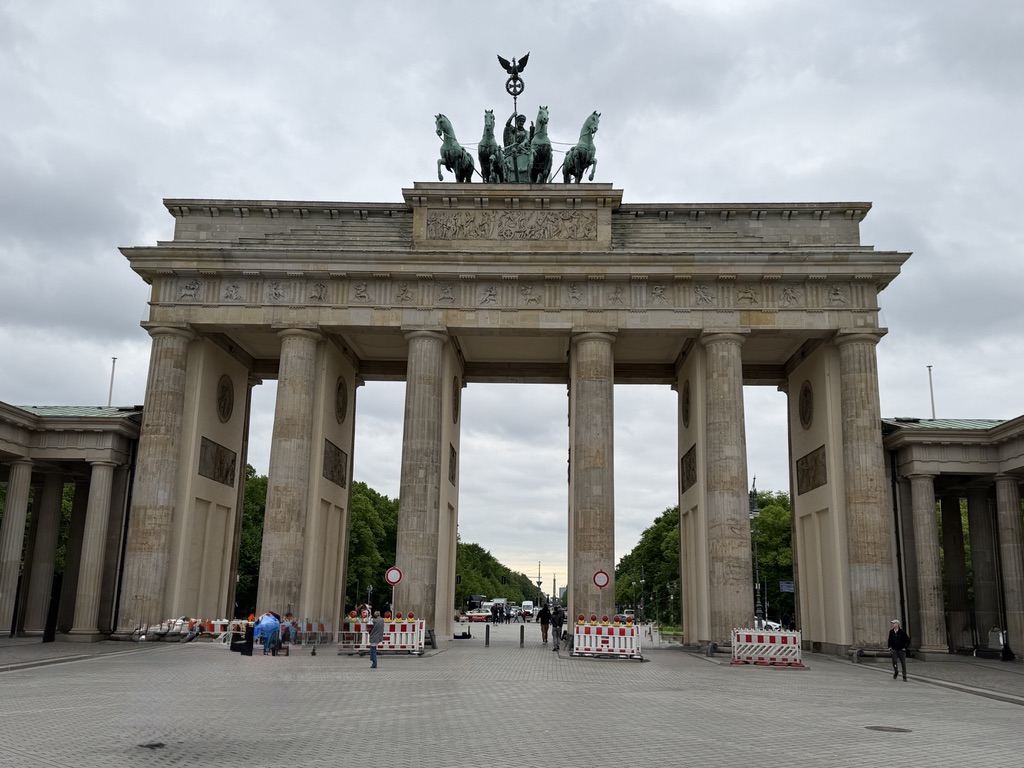
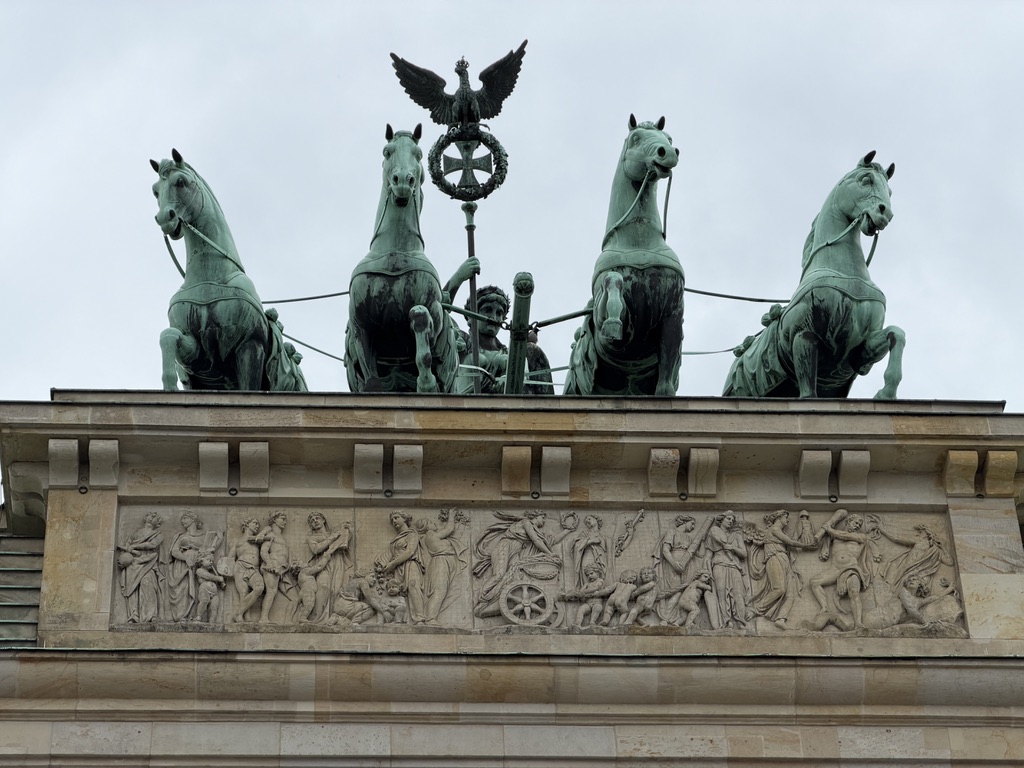
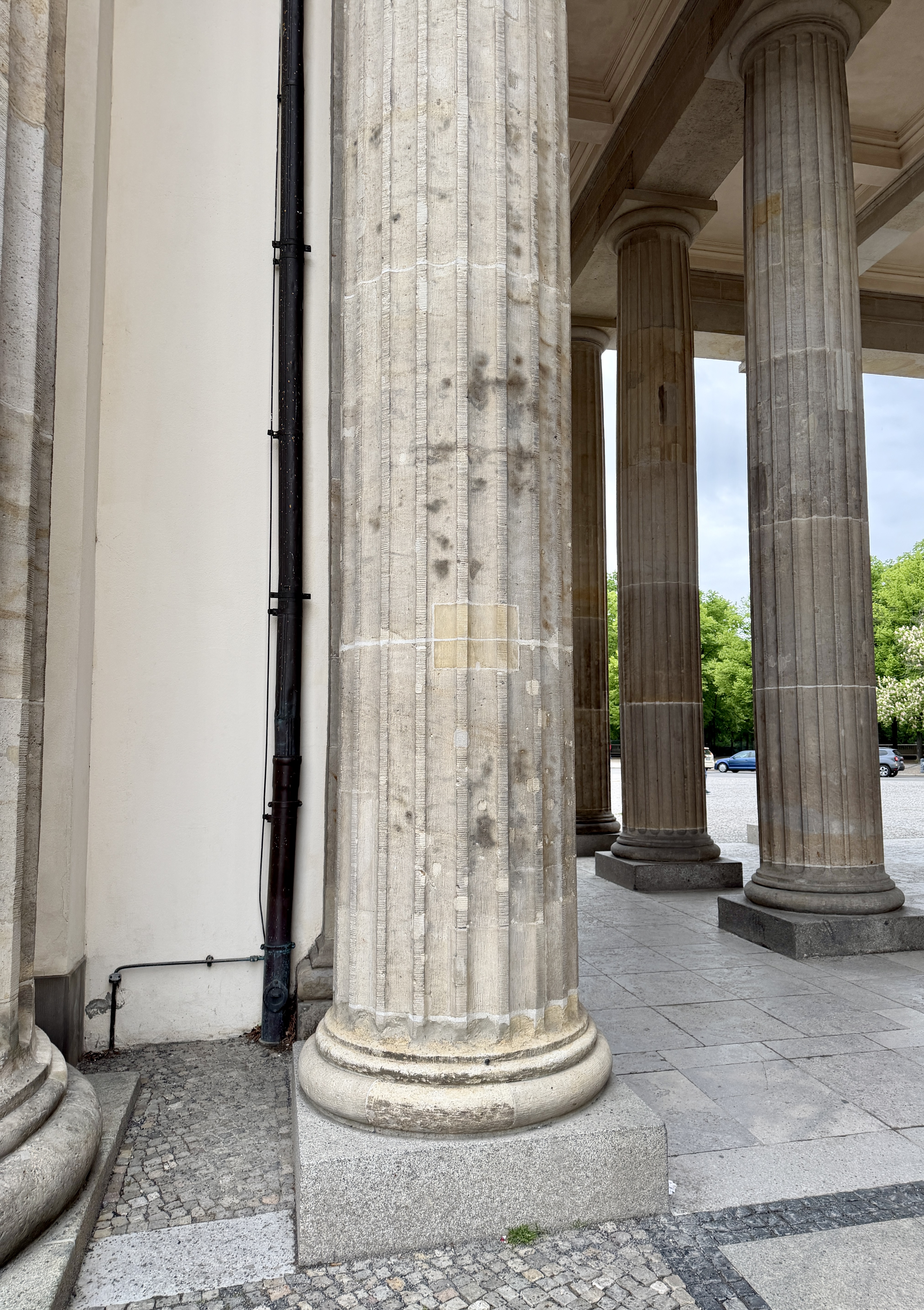
This morning, we took a “panorama of Berlin” tour that began at the Brandenburg Gate. The Gate sits just inside the one-time border of East Berlin, and it still bears the patched-over pockmarks left by bullets fired at East Germans seeking to flee to the west.
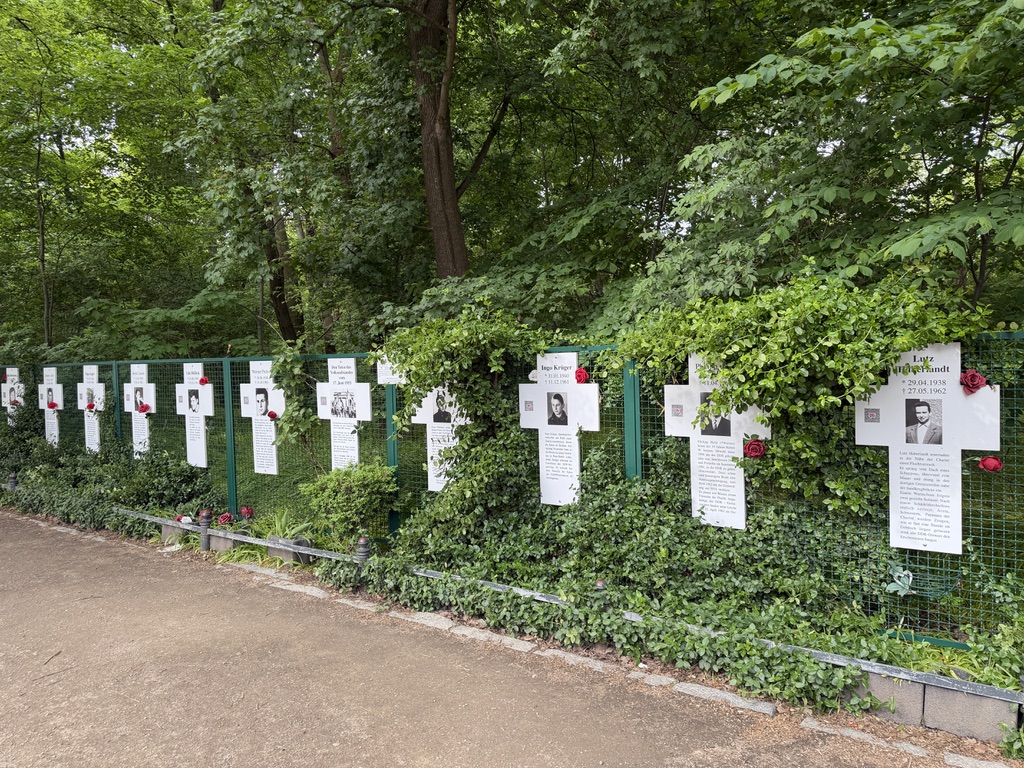
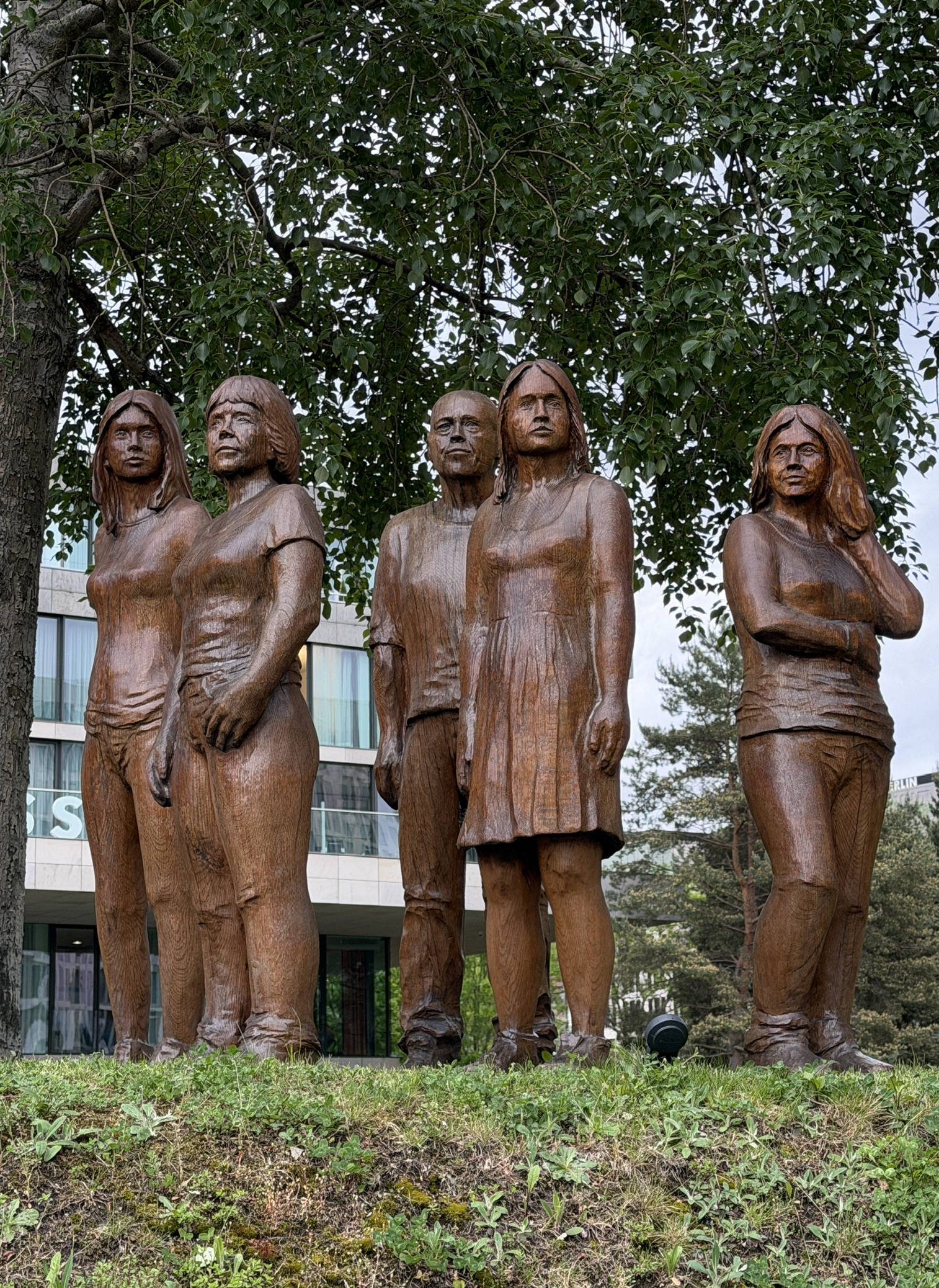
Across from the gate, a series of crosses memorialize East Germans who were killed while trying to cross the “death strip” between East Germany and the Wall. A bit further up the road, there’s a touching tableau of East Germans looking longingly to the west.
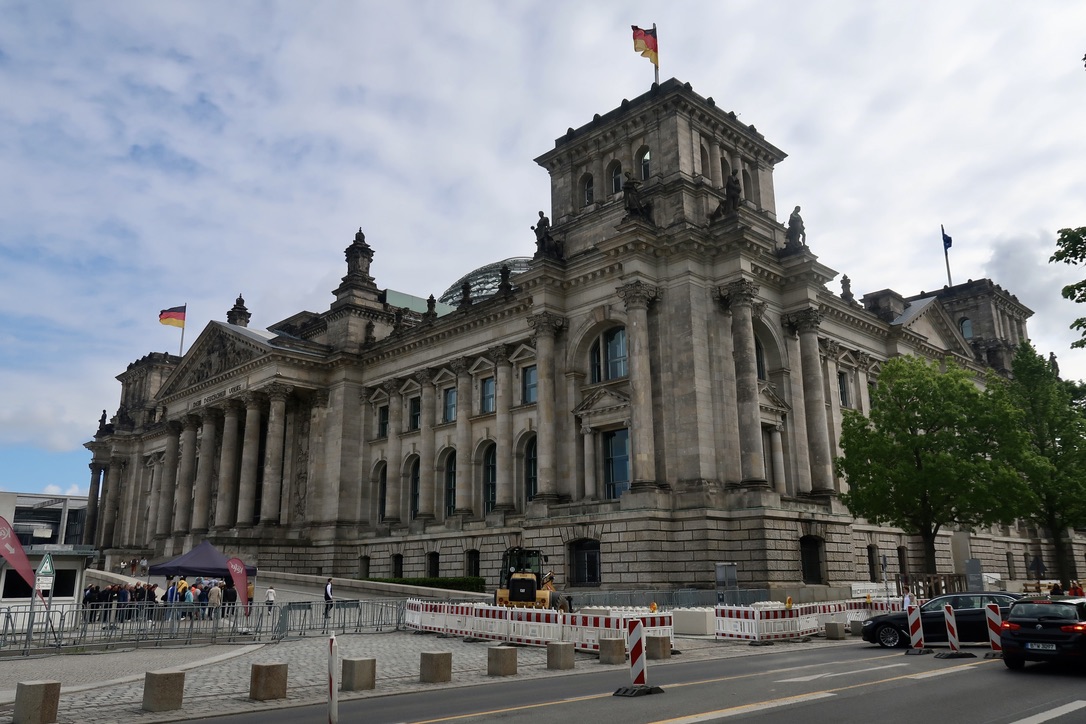
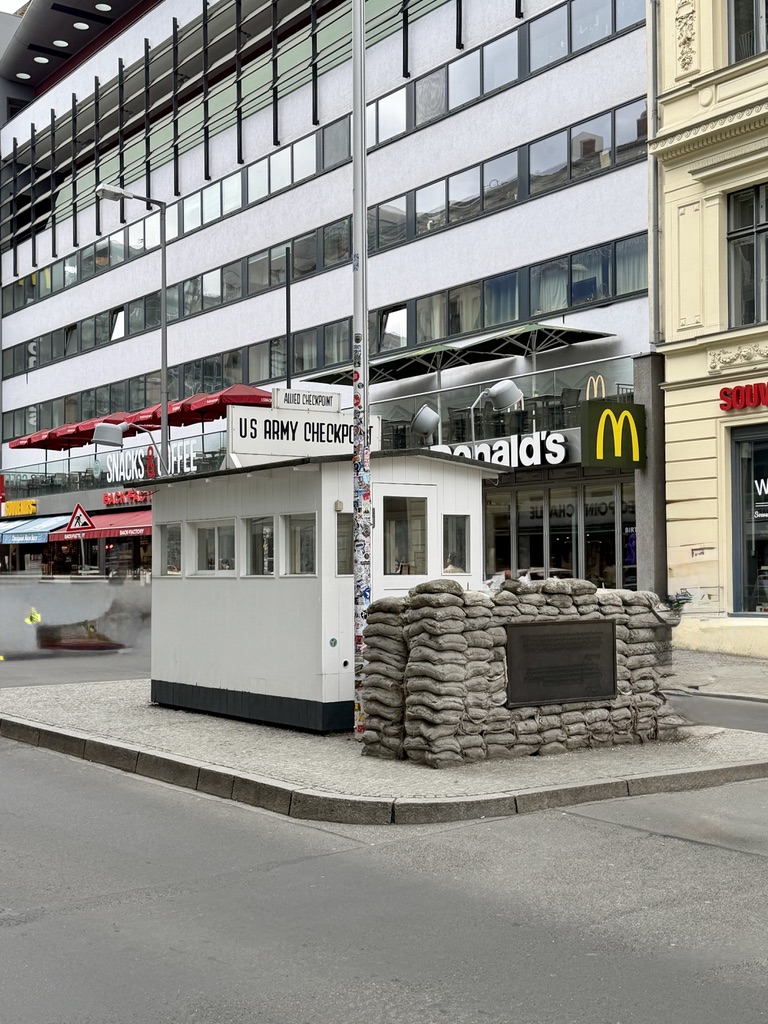
From the Gate, we drove past the Reichstag (the German Parliament building) and then rode through the city to the one-time site of Checkpoint Charlie, one of only a few passages between East and West Berlin. Today, the site bears a replica of the original Checkpoint Charlie; the original is at the open-air Allied Museum elsewhere in Berlin. Aptly enough, as soon as you enter the old American Sector, there’s a McDonalds to your right.
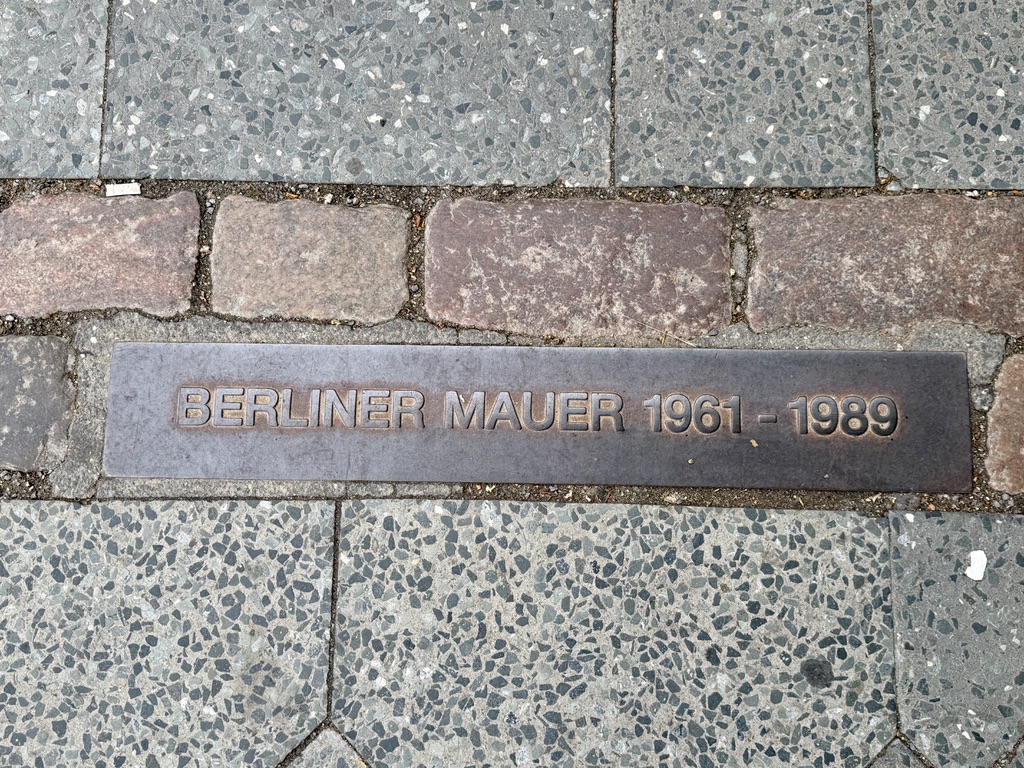
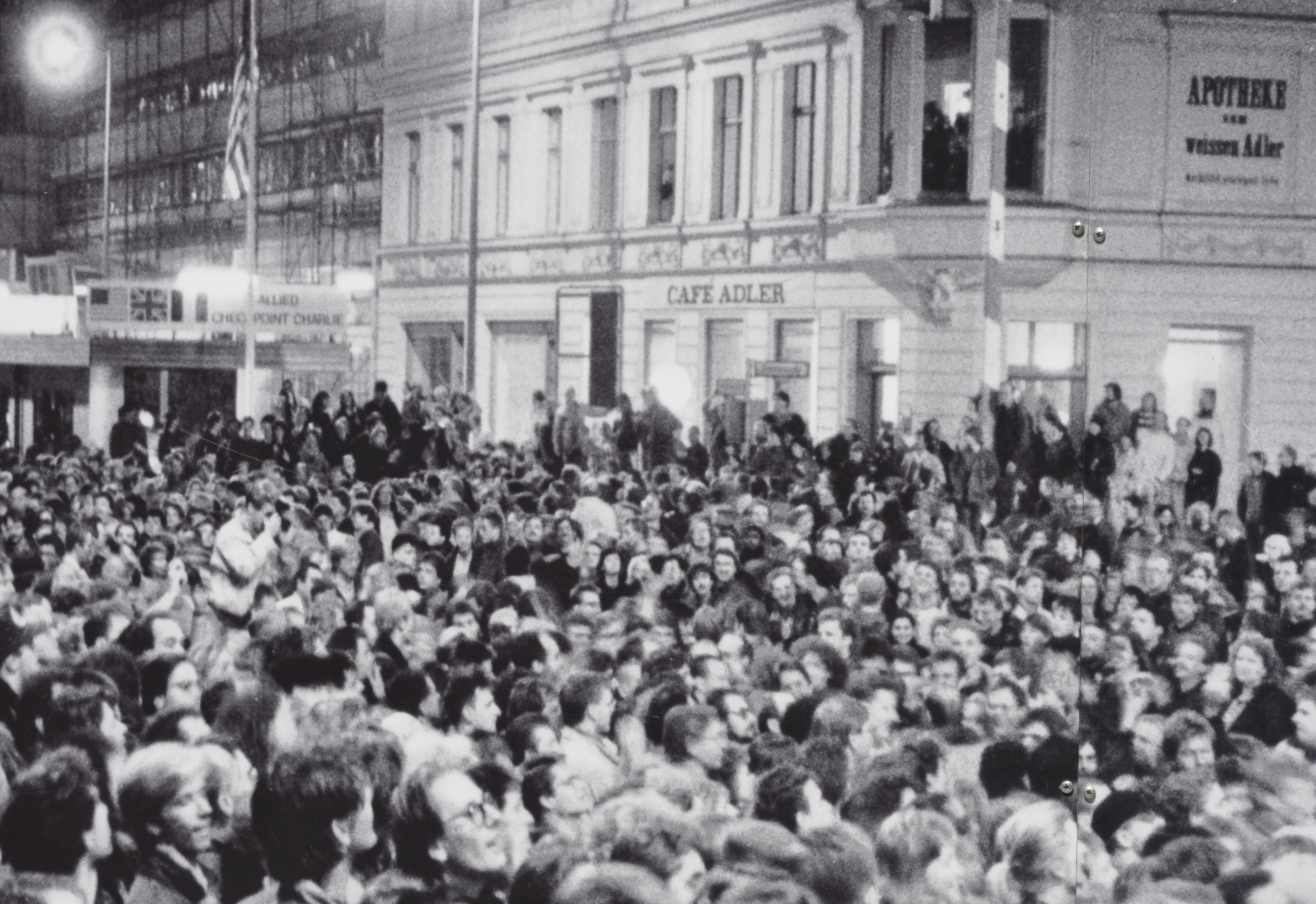
Throughout Berlin, a double row of bricks marks the one-time course of the Wall. Across from Checkpoint Charlie, there’s a photo of delirious East and West Berliners celebrating the city’s reunification on the night of November 8, 1989. Pink Floyd got it right in their song “A Great Day for Freedom”:
On the day the wall came down
They threw the locks onto the ground
And with glasses high we raised a cry
For freedom had arrived
On the day the wall came down
The Ship of Fools had finally run aground
Promises lit up the night like paper doves in flight
(Alas, this being Pink Floyd, the song turns sad and angry after that.)
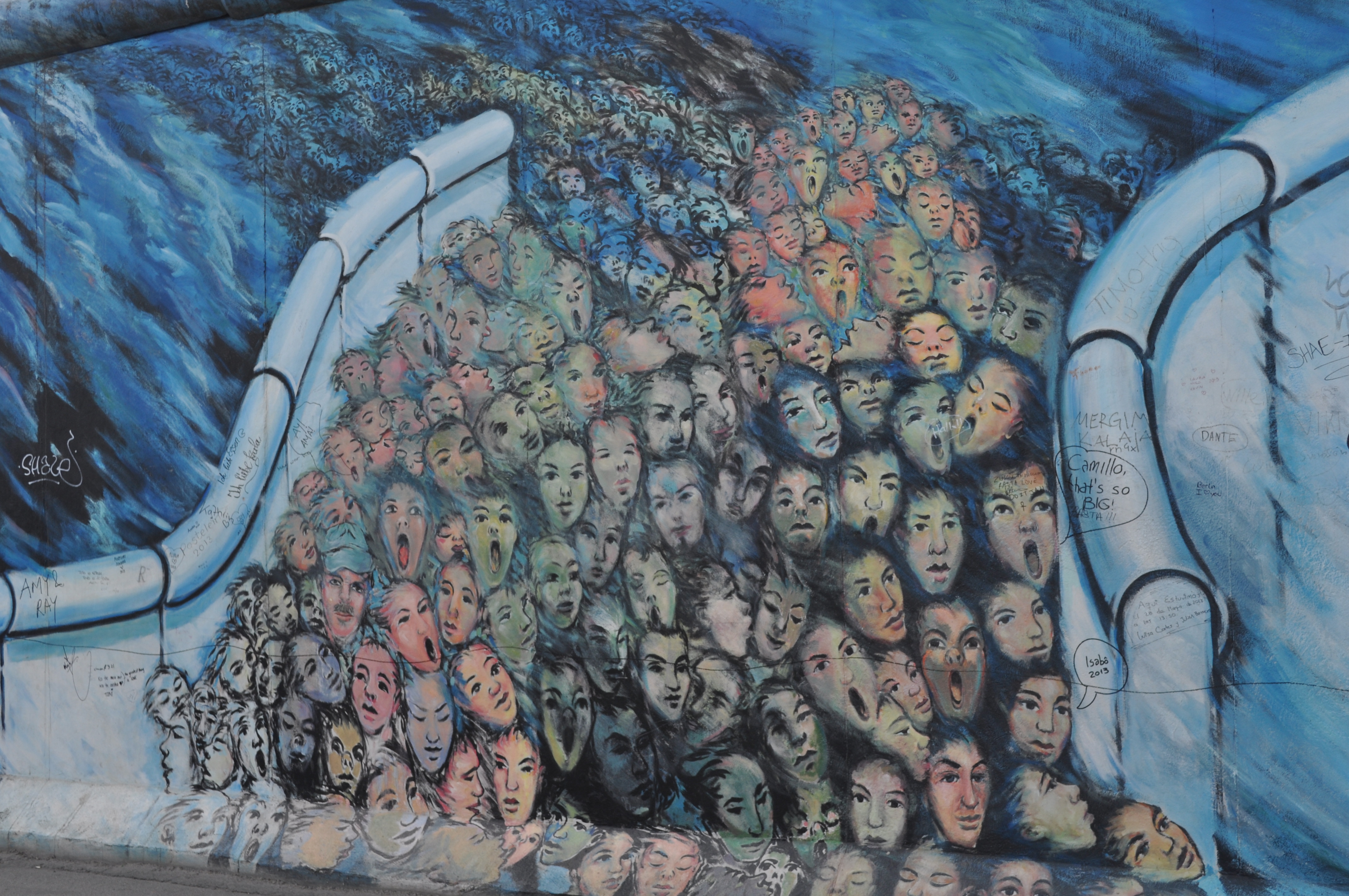
When I was here in 2013, I was particularly taken with the East Side Gallery, a mile-long remnant of the old Wall covered in murals celebrating freedom. This morning, we headed there straight from Checkpoint Charlie.
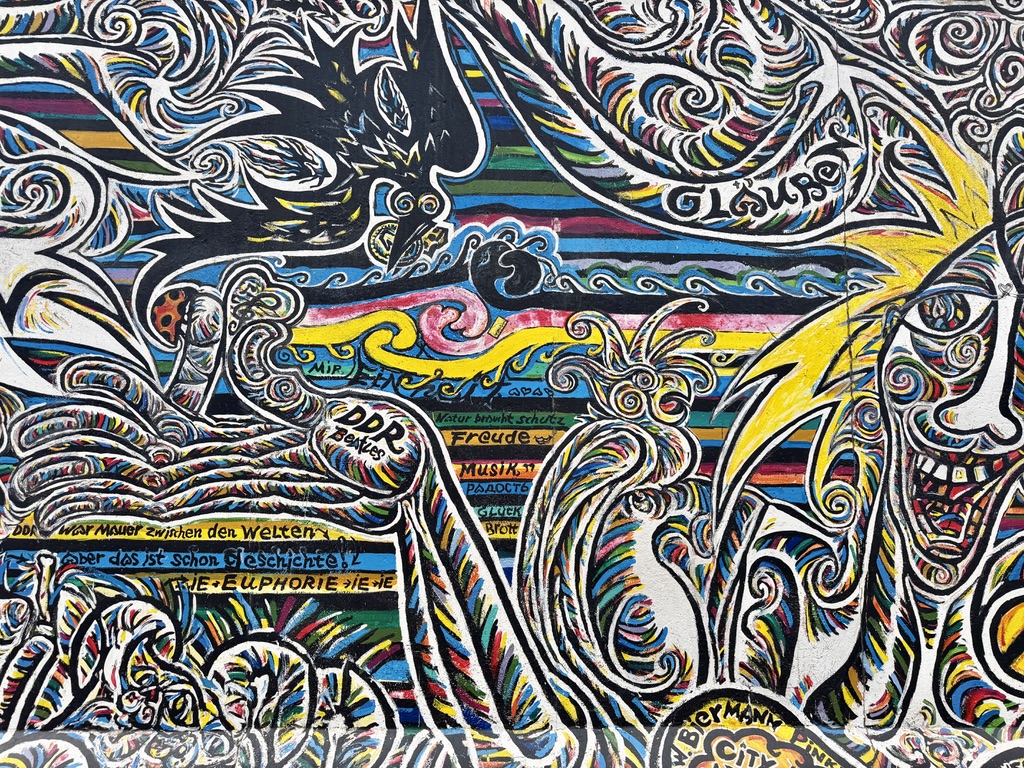
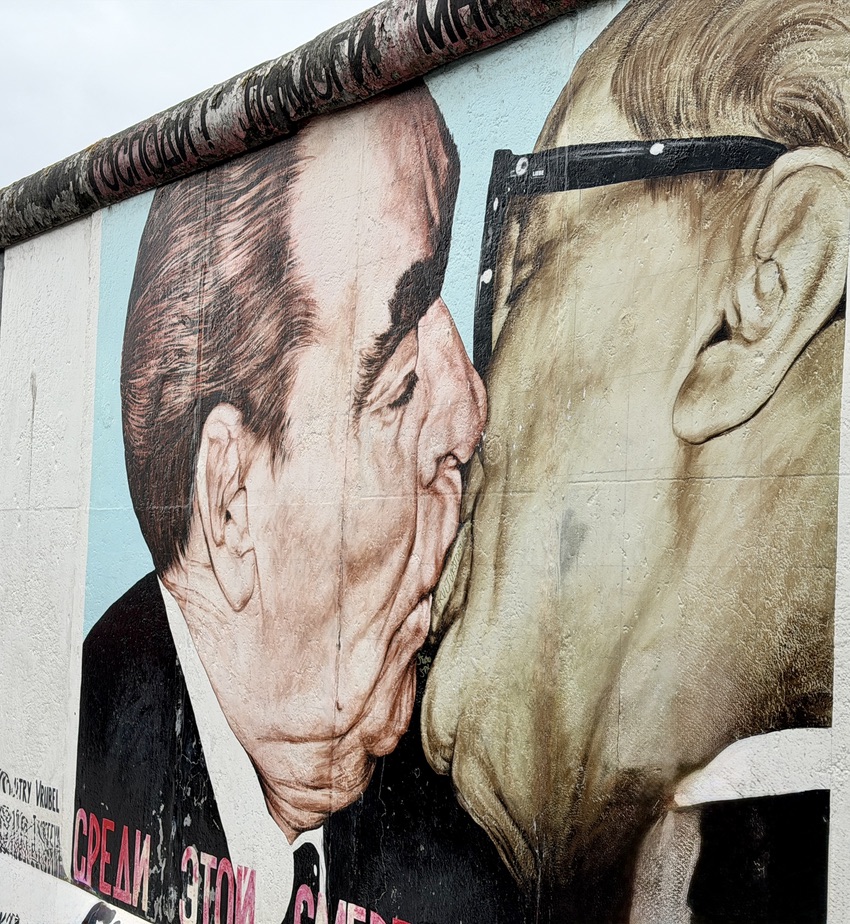
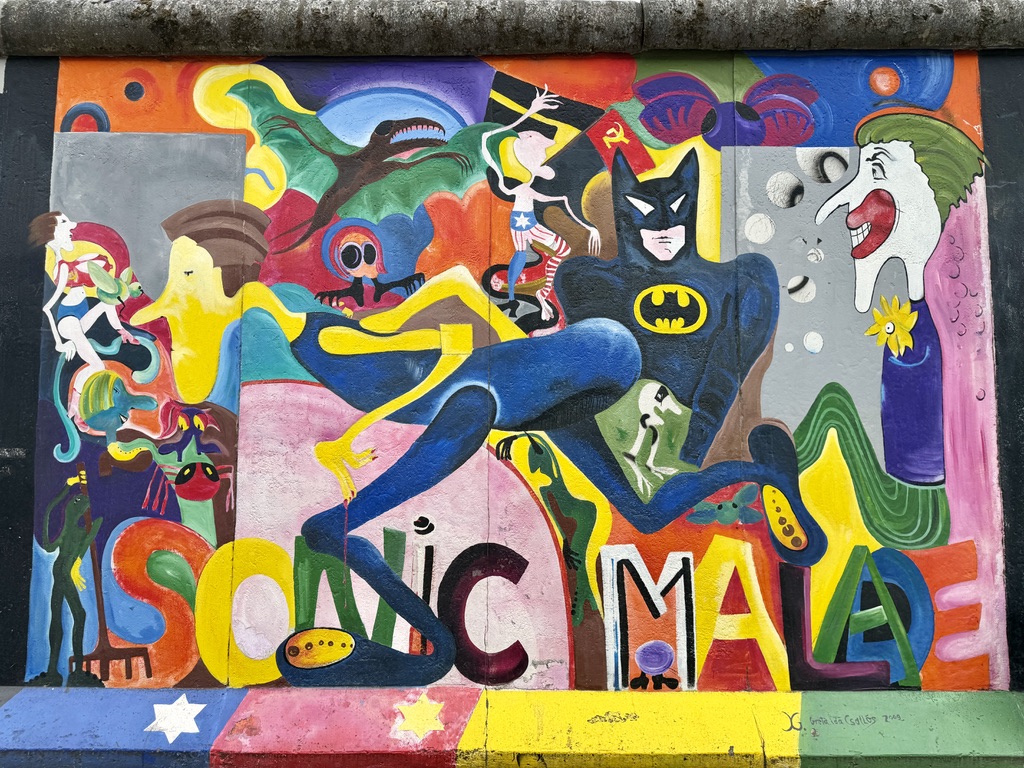
Nearly every panel of the Gallery is thought-provoking and evocative. Back in 2013, many of the murals were covered in graffiti. I’m pleased to say they are now graffiti-free and coated with a substance to which spray paint won’t adhere.
We wrapped up the tour around 1:00, and after feeding my body I decided to feed my soul. (I could have just rested back at the hotel, but it’s Berlin, and as Joel Grey sang, “what good is sitting alone in your room.”)
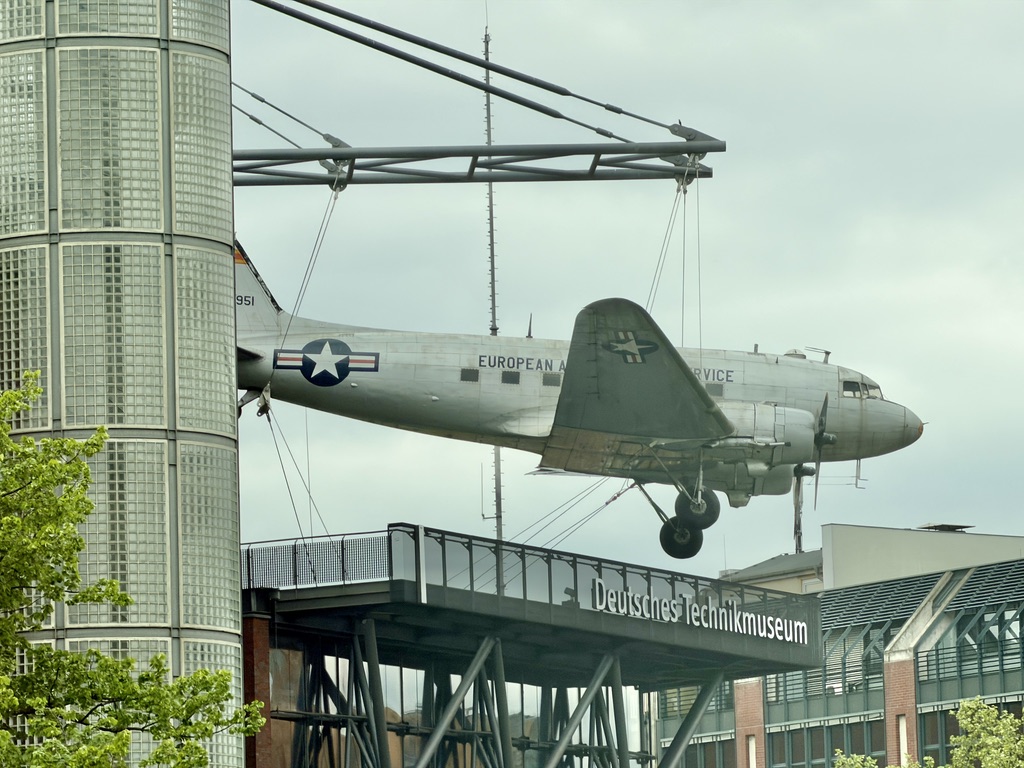
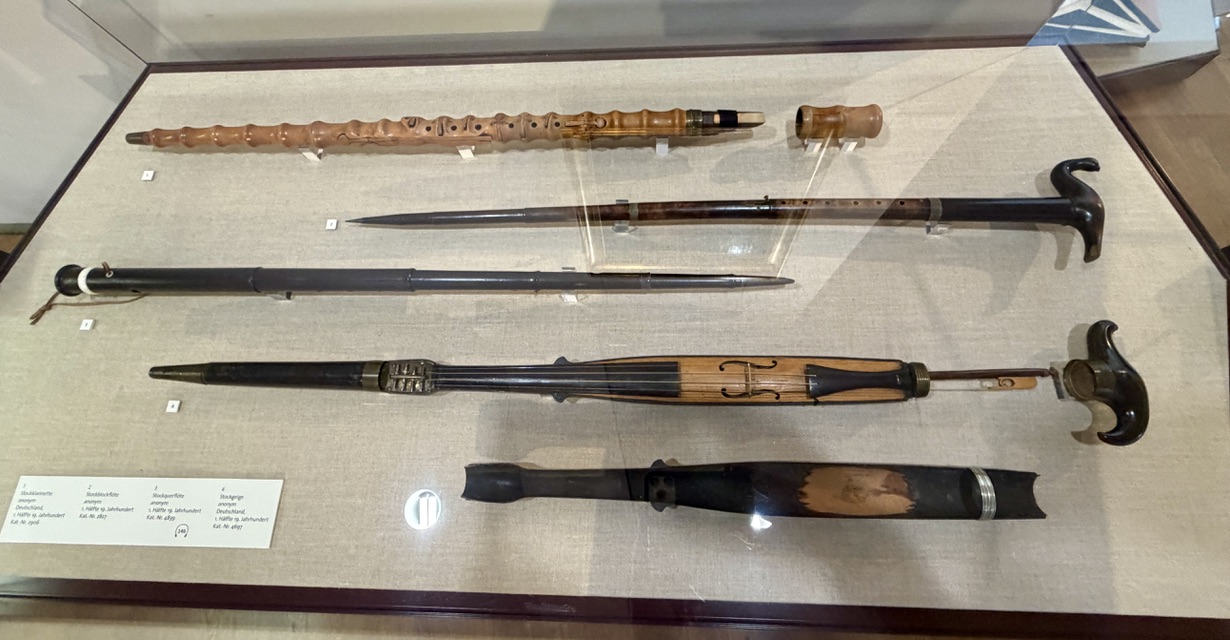
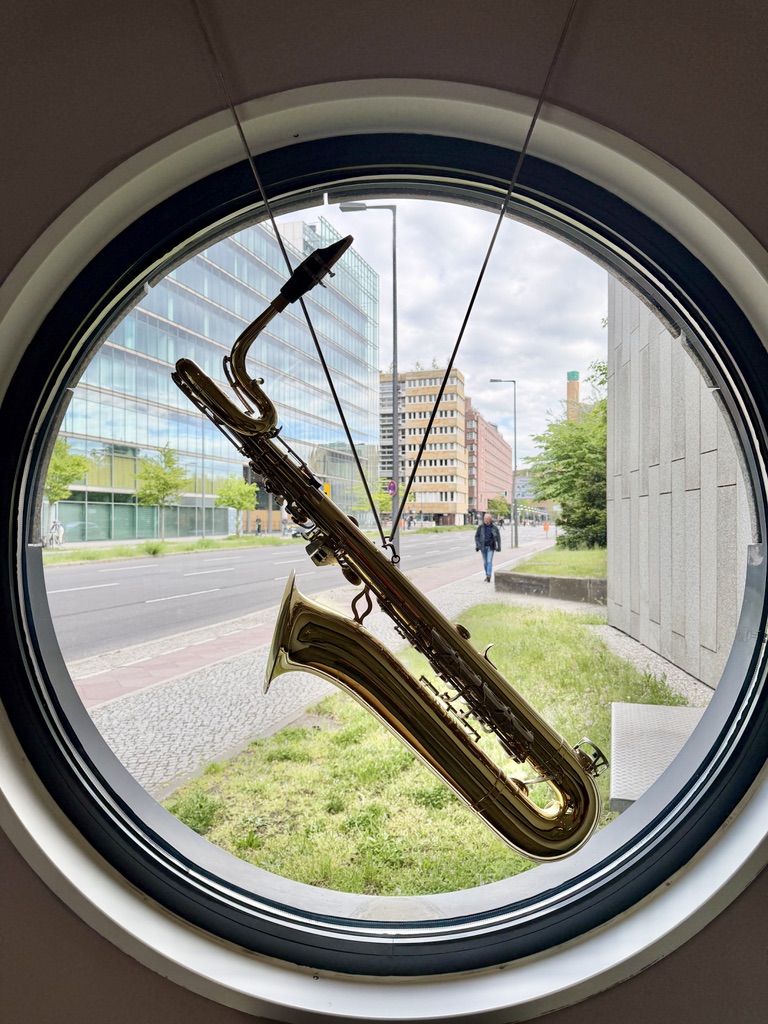
I didn’t go to the cabaret; rather, I visited the Museum of Musical Instruments (Ben-Gurion-Straße 1, admission 10 Euros). The Museum is part of the Kulturforum, near the New National Gallery, Berlin Philharmonic Concert Hall, Chamber Music Hall, and the Berlin State Library, among many other centers for music, literature, and art.
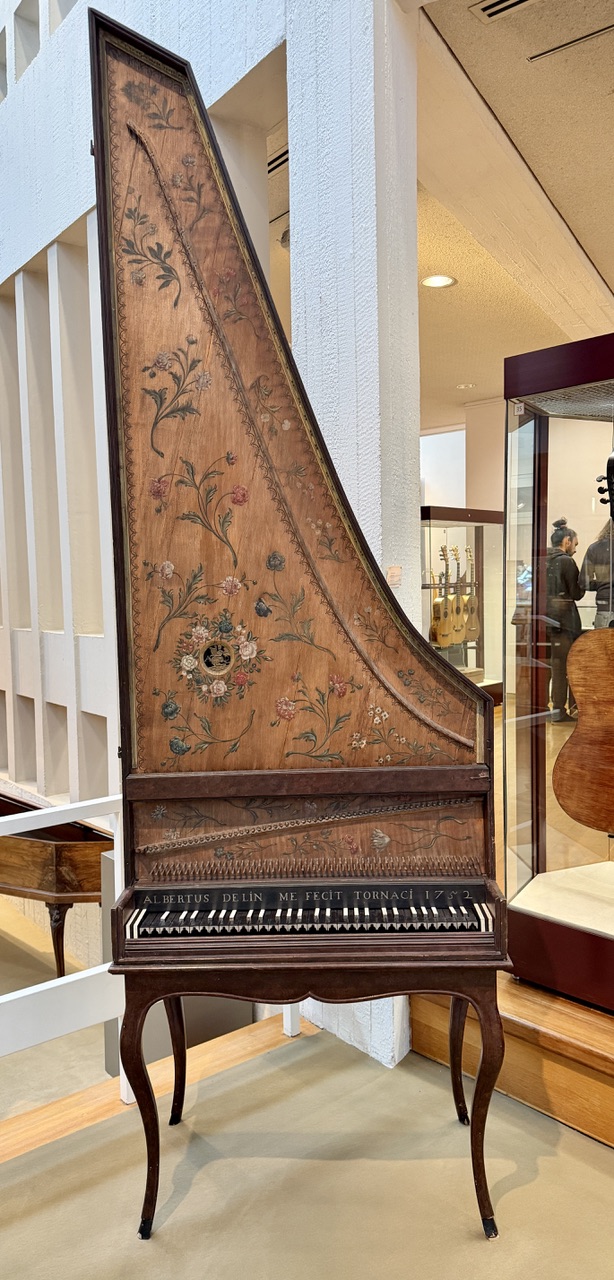
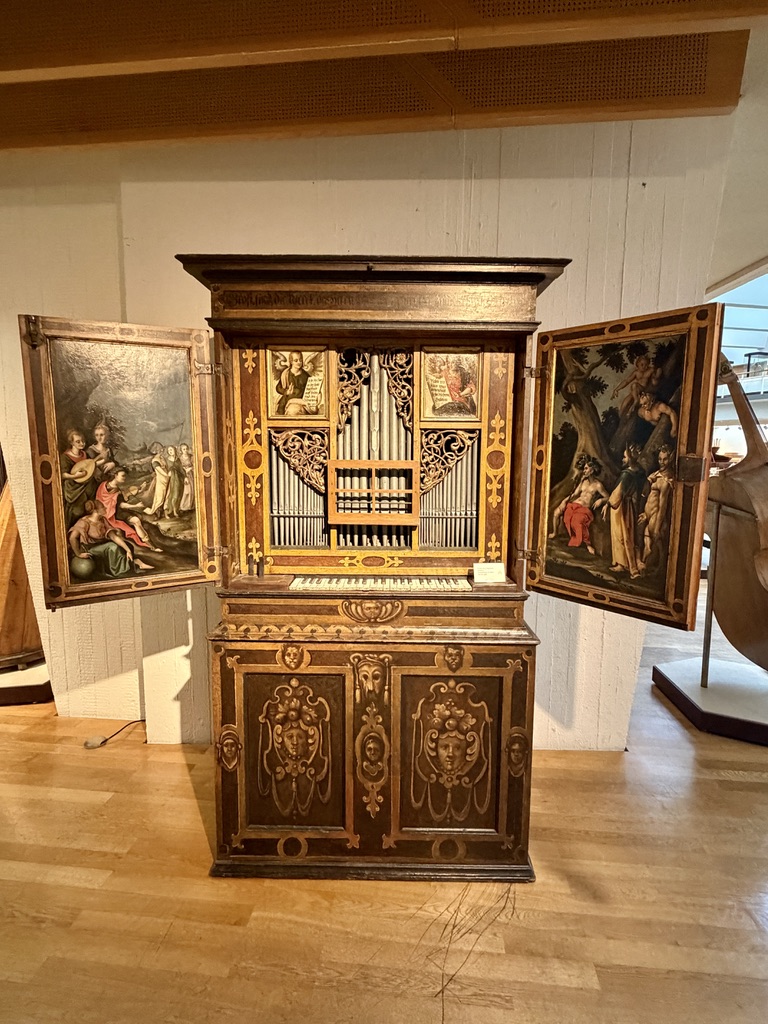
I thought the Museum of Musical Instruments was fabulous. It houses keyboard instruments, stringed instruments, and all manner of woodwinds and brass from the 16th century to modern times.
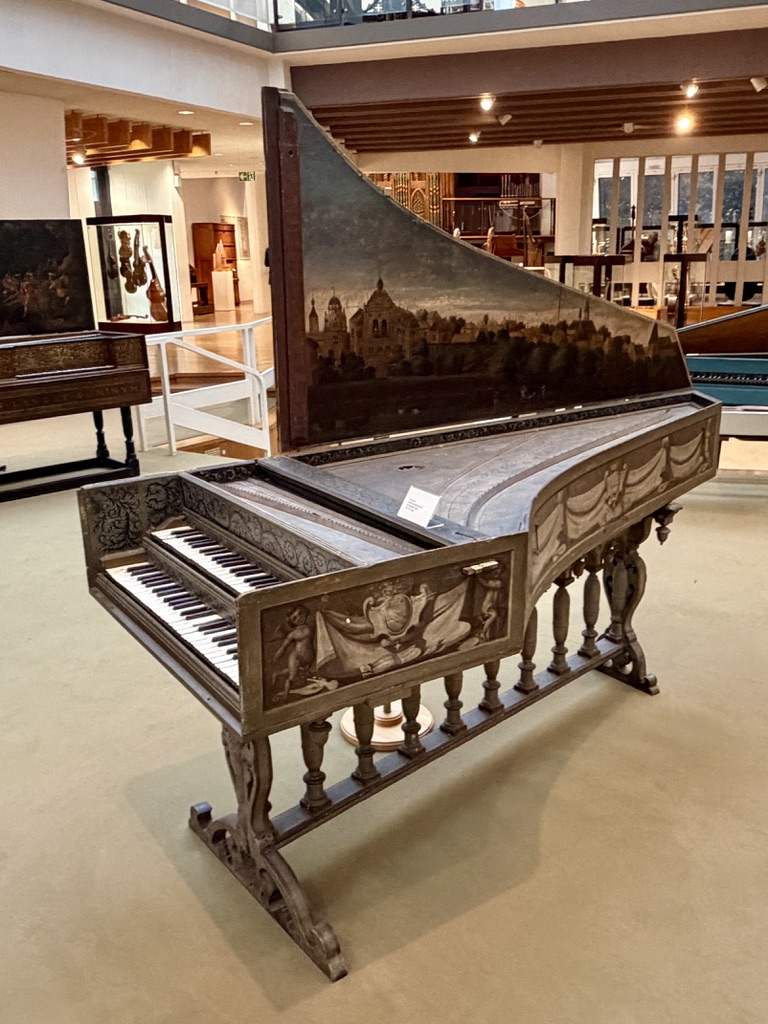
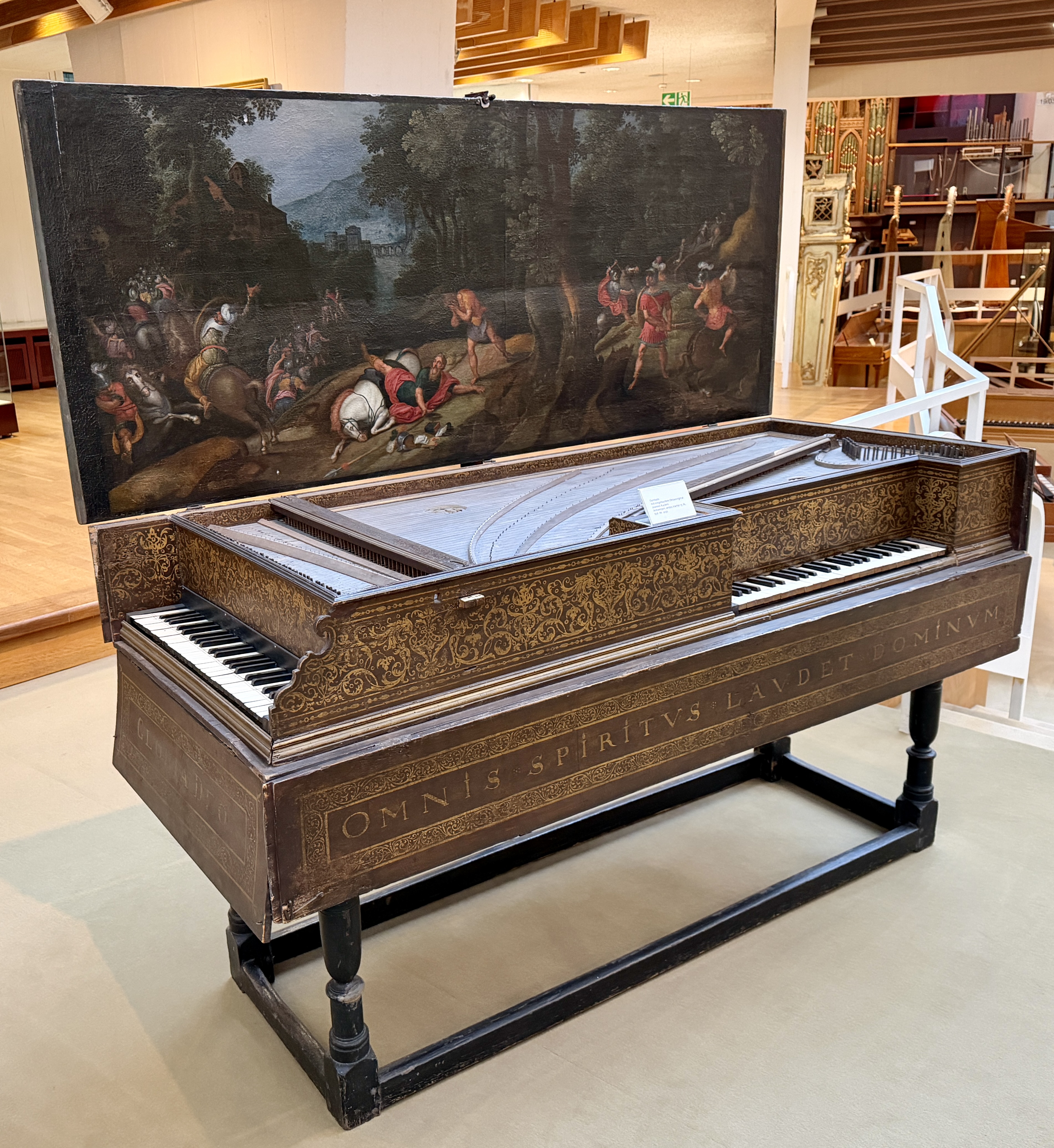
Many of the instruments are works of art in their own right. You can even get an audio guide that plays snippets of music featuring several of the specific instruments in the museum’s collection.
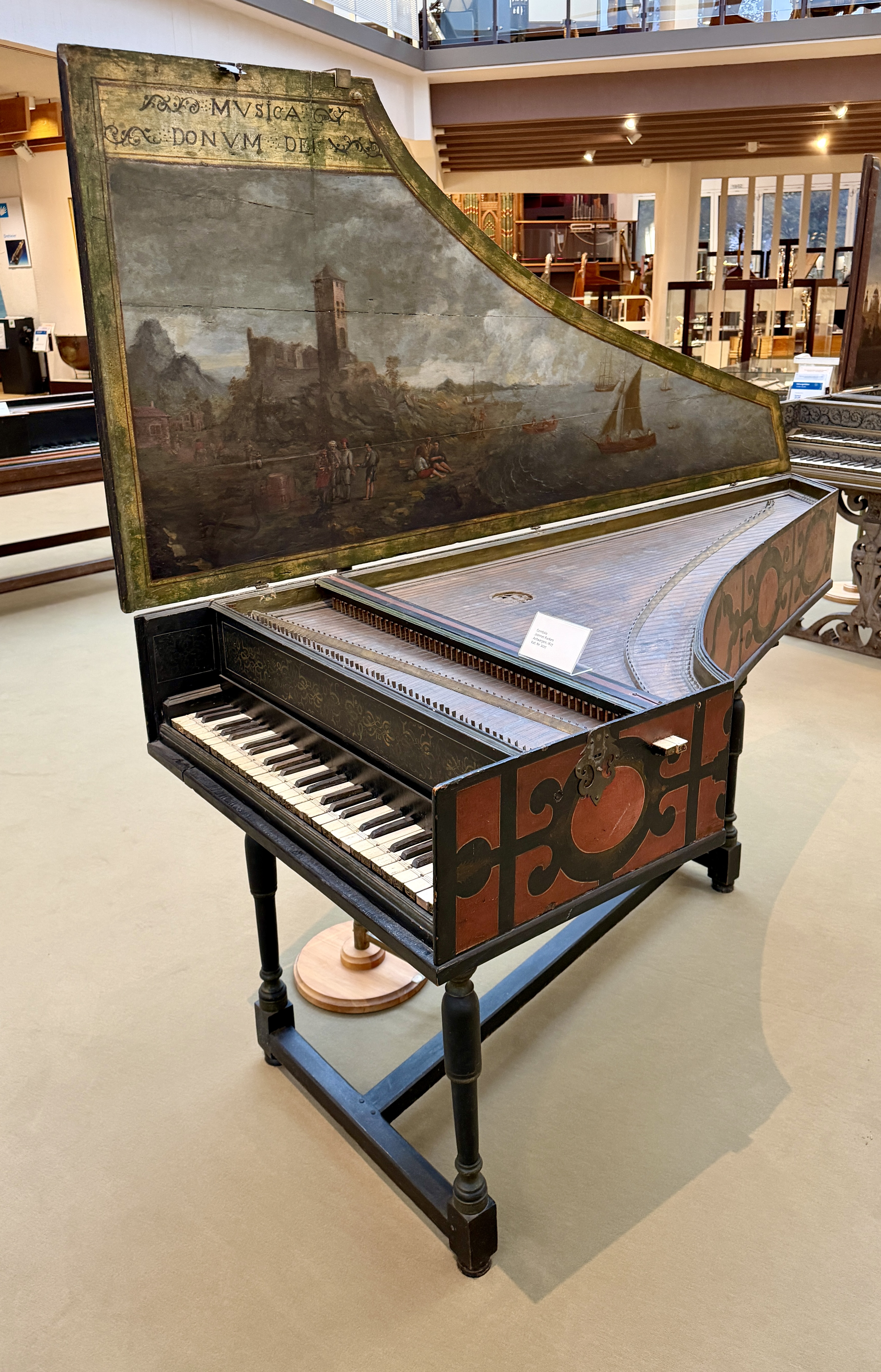
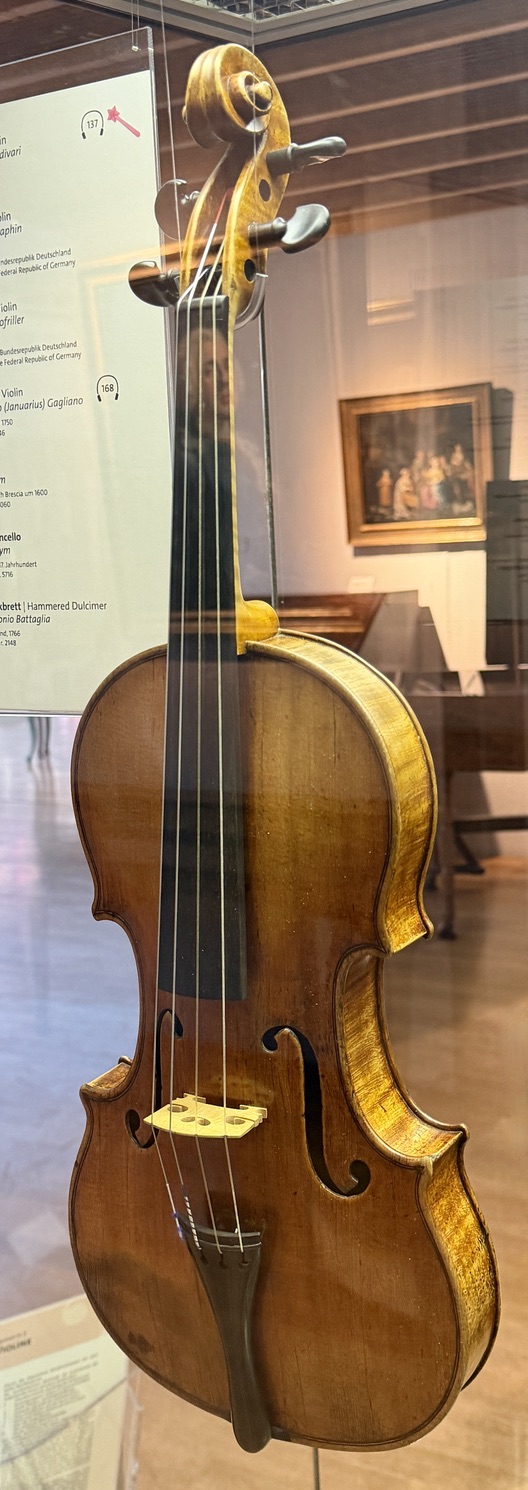
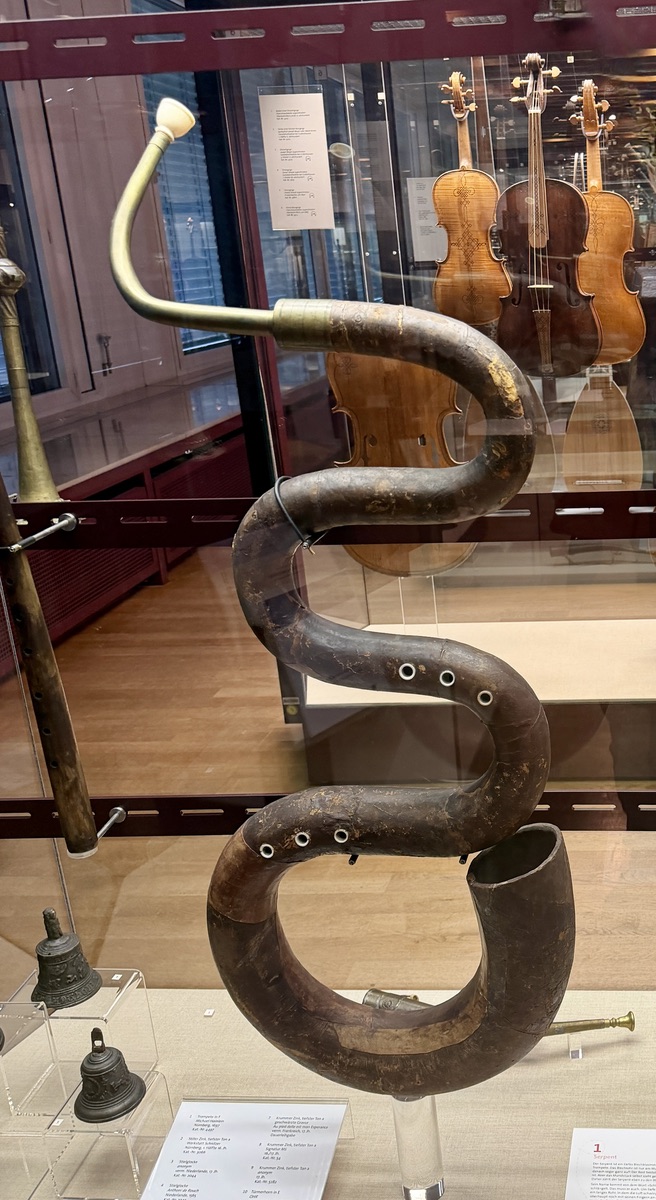
I was one of perhaps ten visitors during the ninety minutes I spent admiring the exhibits. If you’re at all interested in musical instruments, it’s a terrific place to pass the time.
I’ll end here because, per Berlin the band, I have “No More Words.”

 PuffinlessTravel