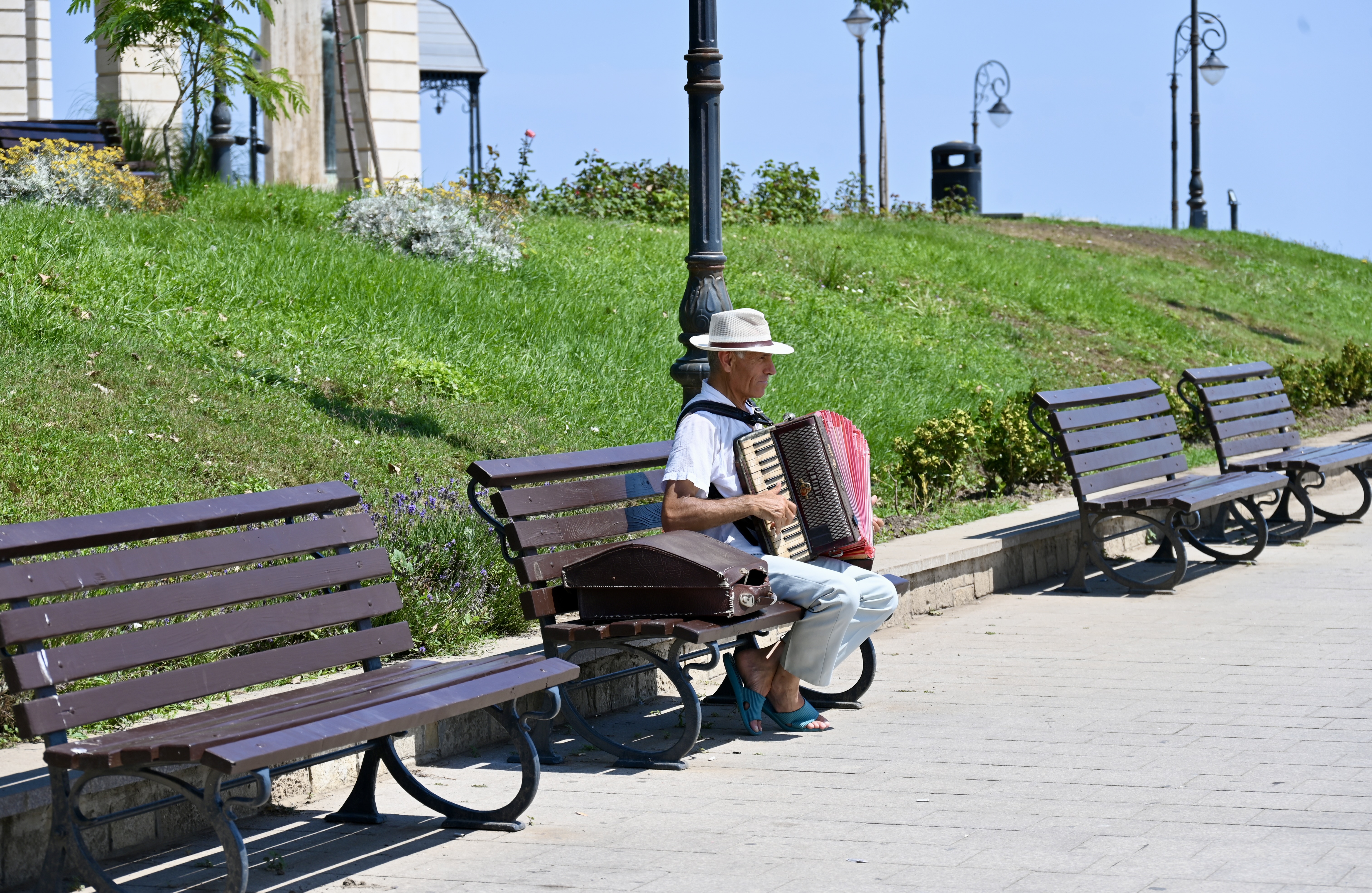
Three and a half hours from Bucharest (counting the hour it took to get out of the city) lies Constanta, a port on the Black Sea that might as well be a world away from the dour capital. It’s pronounced “Constanza” (the second “t” has a cedilla under it that Word does not include in its character set), which kept triggering Seinfeld memories; I was waiting for someone to say “Was that wrong? Should I not have done that?”
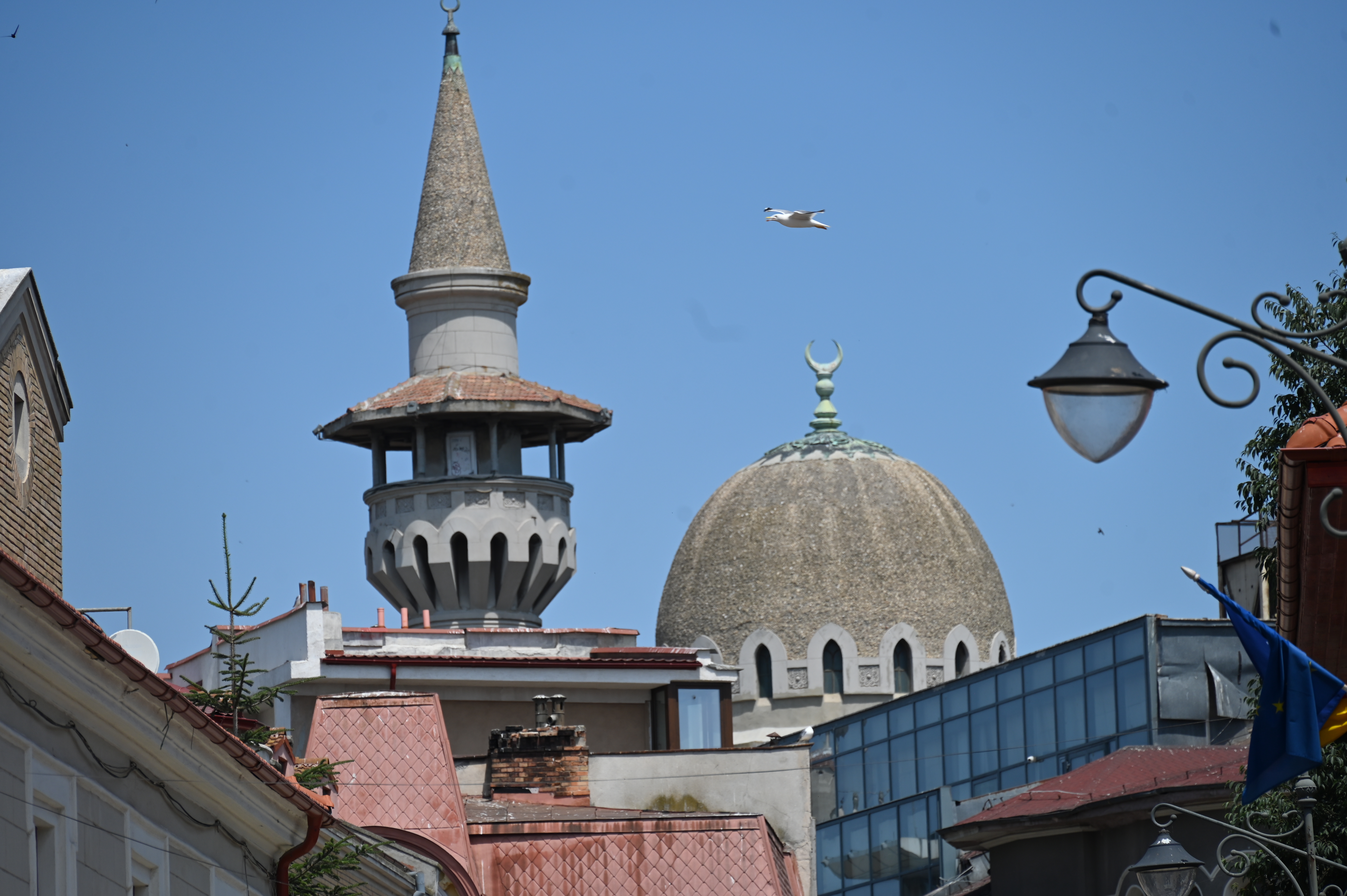
Whether because of the Seinfeld connection or not, I liked Constanta. It’s a bustling town with a strong Turkish influence. There’s a long seafront promenade and a bit of everything for inquisitive tourists:
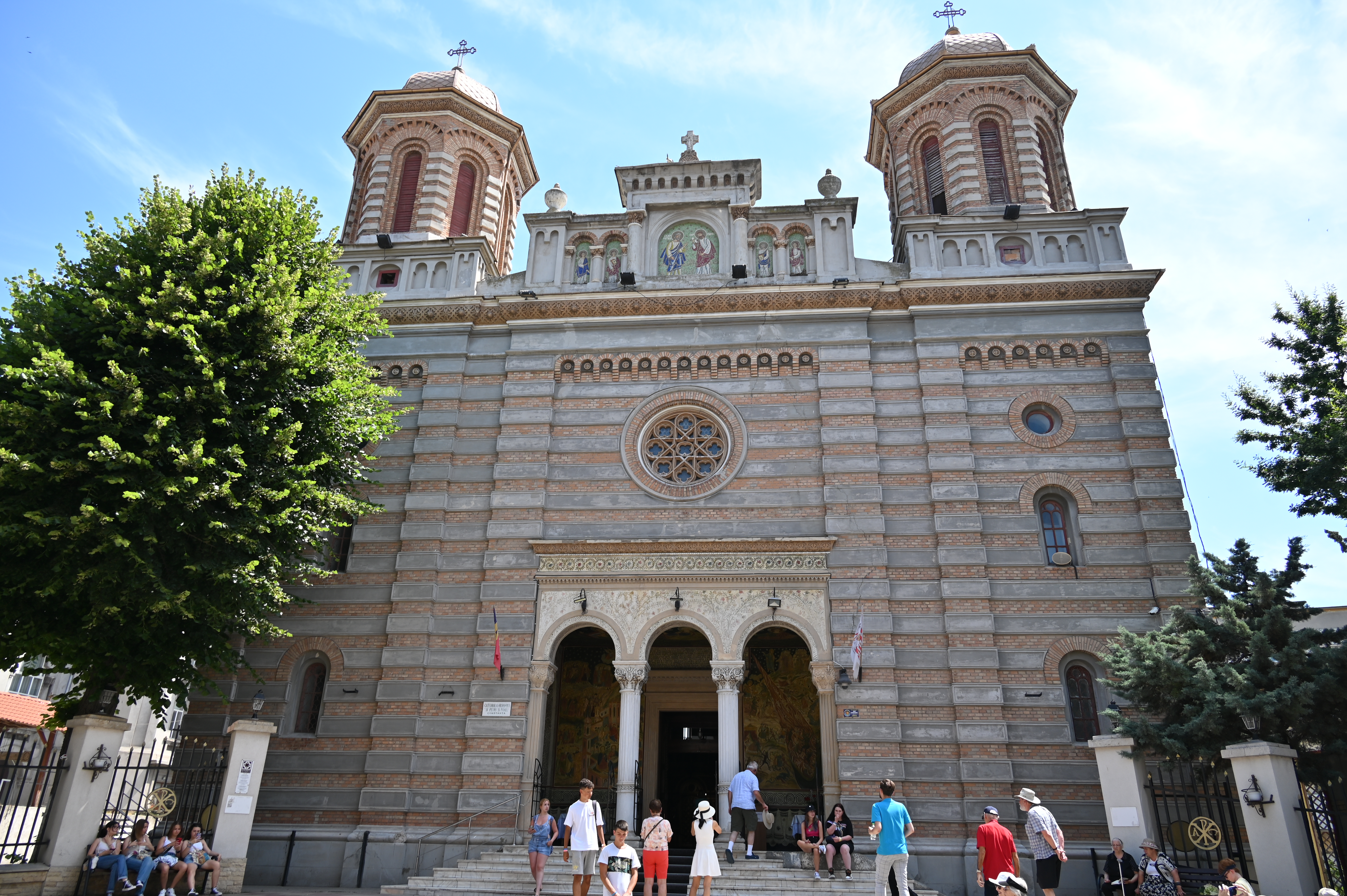
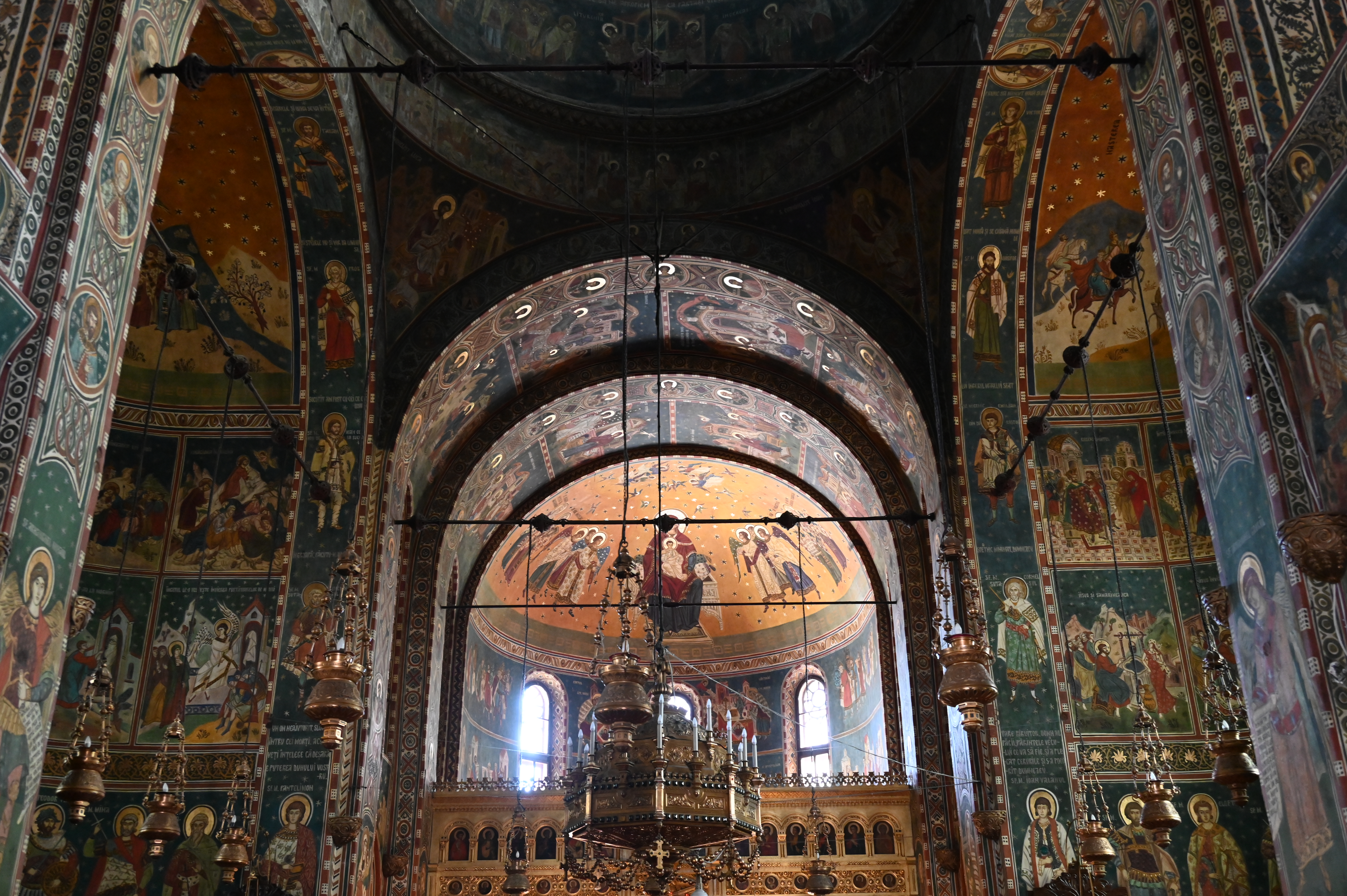
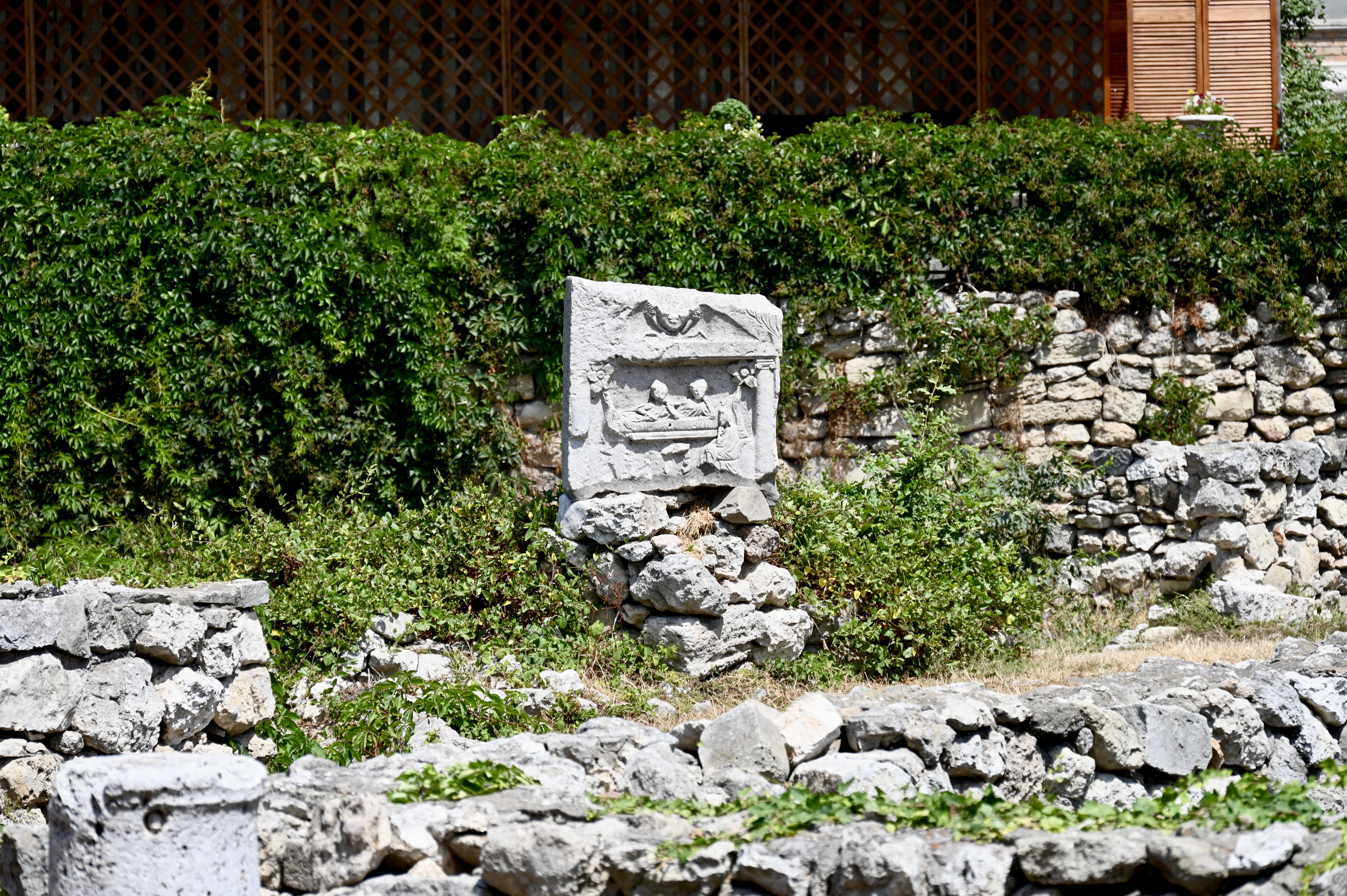
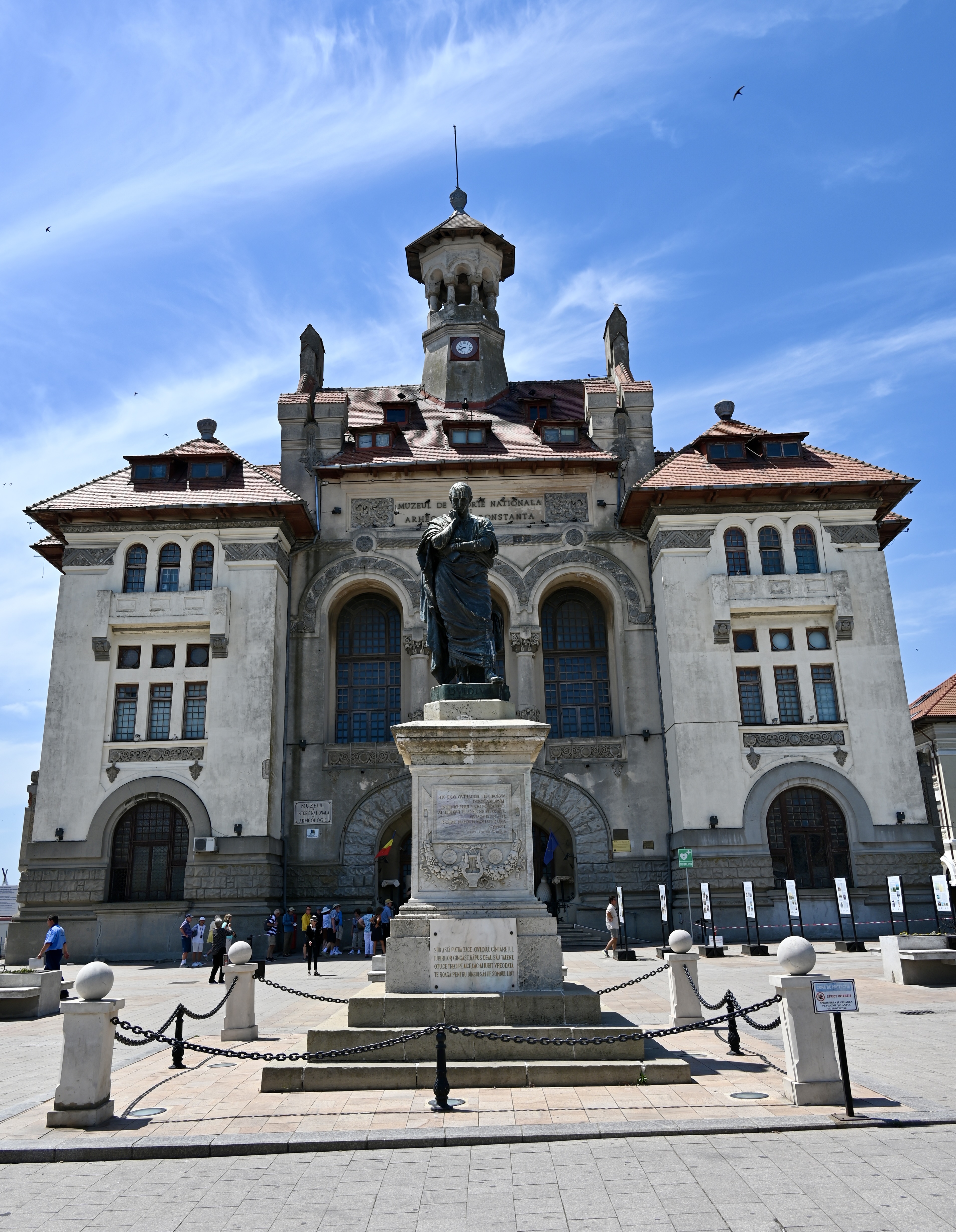
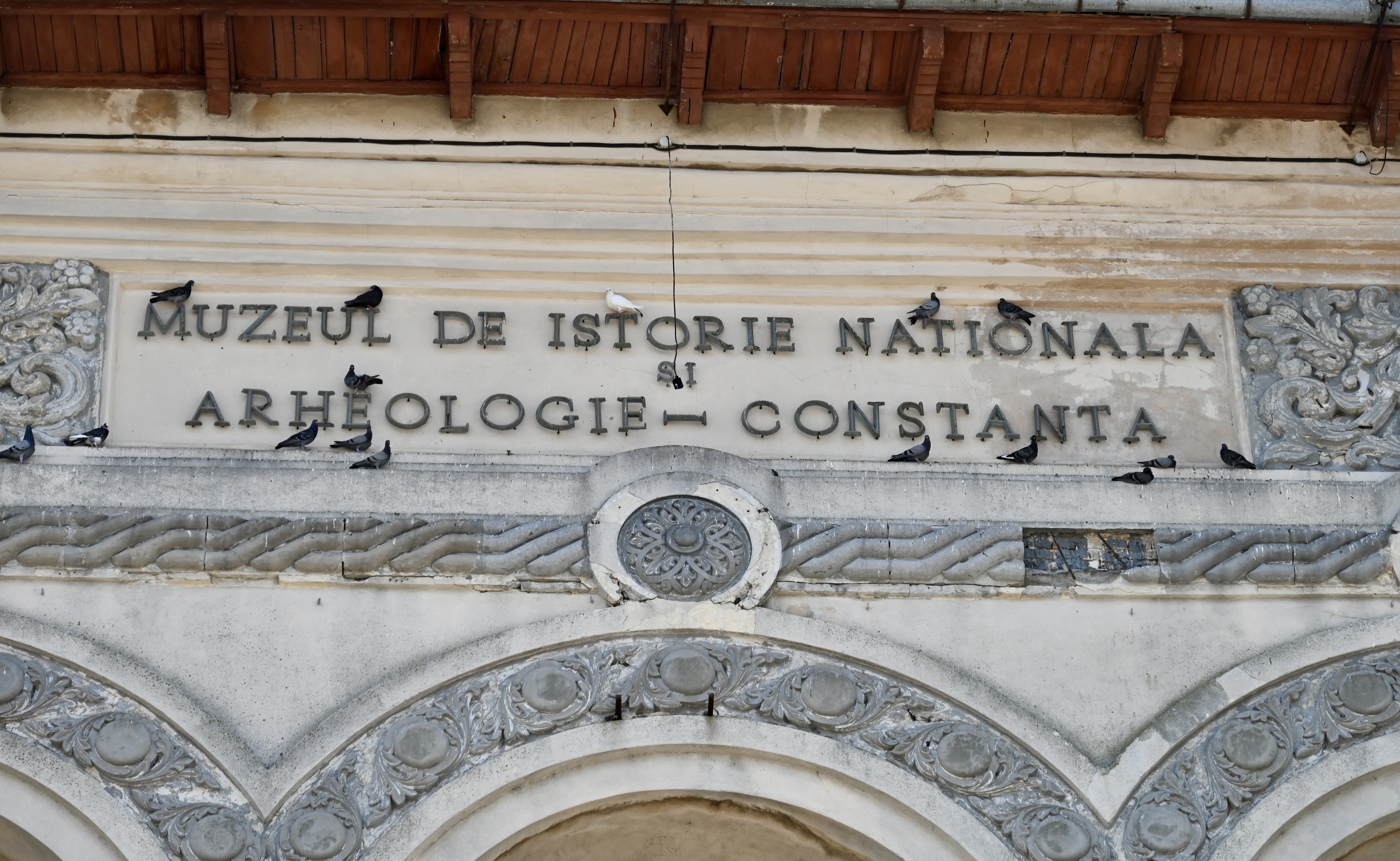
Greek ruins from the 6th century BCE, Roman ruins from a few centuries later, an impressive Orthodox Cathedral, a small but enjoyable archeological museum, and a statue of Ovid, who apparently was exiled there because his love poems were a bit too effective at seducing some of the noble Romans’ wives.
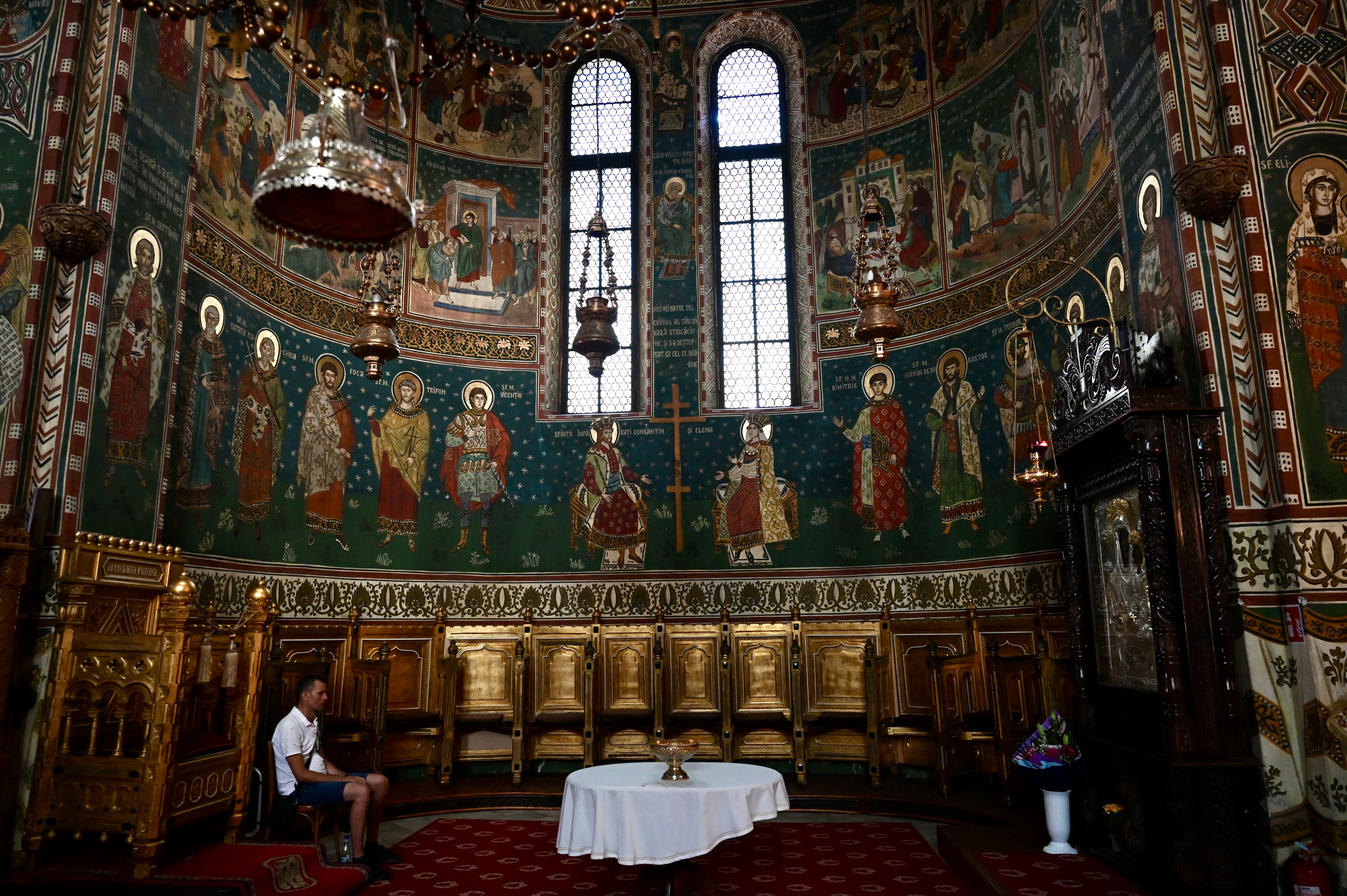
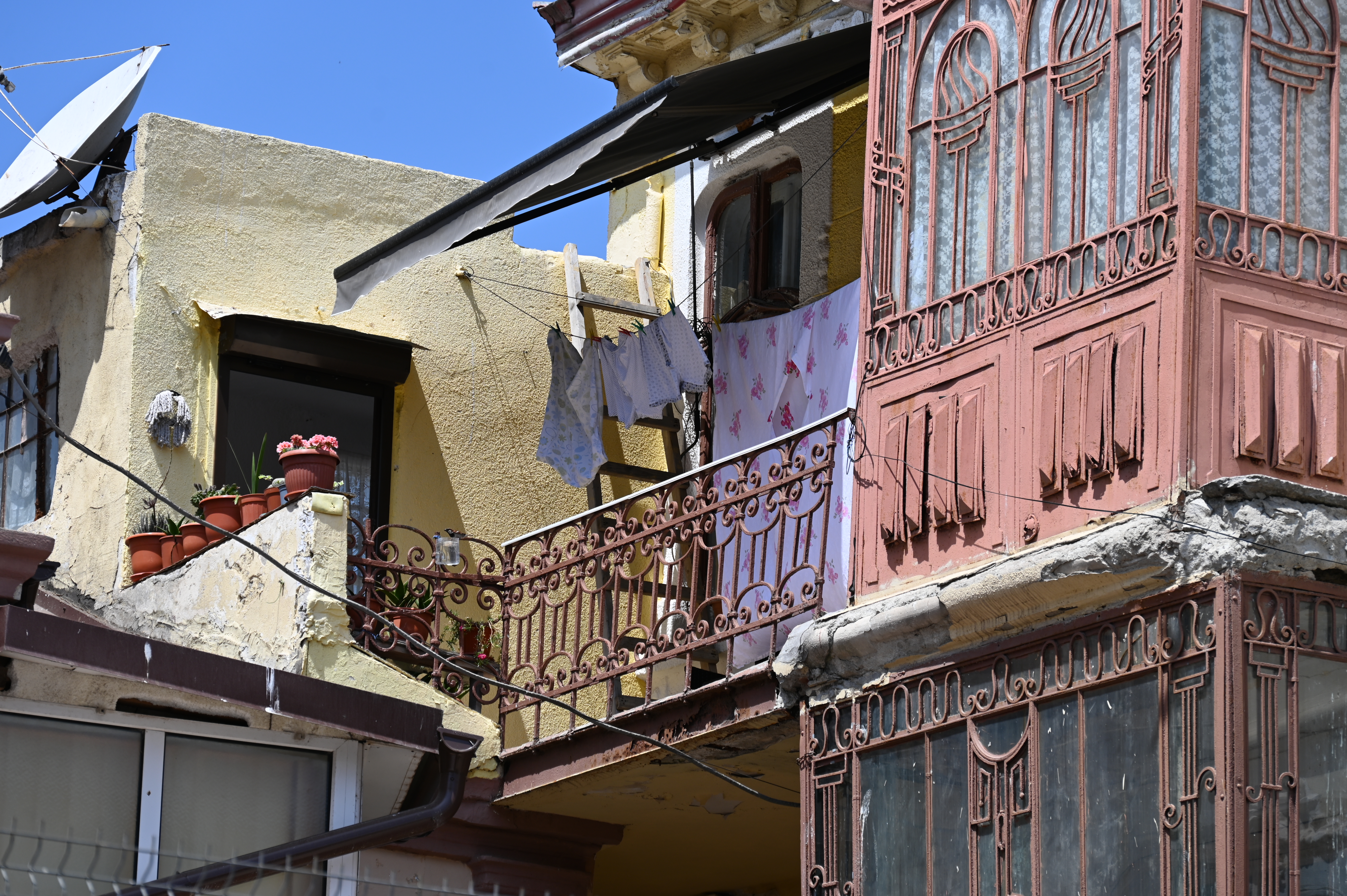
Toss in a better ratio of attractive buildings to communist dreck than in Bucharest, and I was favorably impressed. It’s not worth a trip on its own, but as a launching place for the river cruise portion of the vacation, Constanta was an enjoyable place to spend a few hours.
I’m writing this from my stateroom aboard the beautiful M.S. Treasures, which will take us from here to Budapest over the next week. I’ll have much more to say about the ship and the Tauck experience in future posts. For now, I’ll give a quick final impression of Romania, though doing so based on only four days’ exposure is undoubtedly foolish.
I really wanted to like Romania; I’ve always thought of it as a mysterious land, a crossroads between Habsburg, Ottoman, and Slavic cultures. It is that. Unfortunately, it’s also a bit depressing. When I traveled from Lisbon to Cape Town last year, the tour director on the ship was from Romania. He told me that Romanians and Bulgarians are like night and day: Romanians are serious and somber, and Bulgarians are carefree and happy. I’m sure that’s a gross generalization, but the first half rang true for me. (We head to Bulgaria tomorrow, so I’ll let you know how accurate the second half of his description is.)
Some people blame the Romanian psyche on the depredations of Ceausescu and the hangover from Communism, and I’m sure those factors play some part. But I’ve been to other countries that had been ruled by brutal dictators (communist and otherwise) yet seem to have handled the transition to a free market democracy far more successfully.
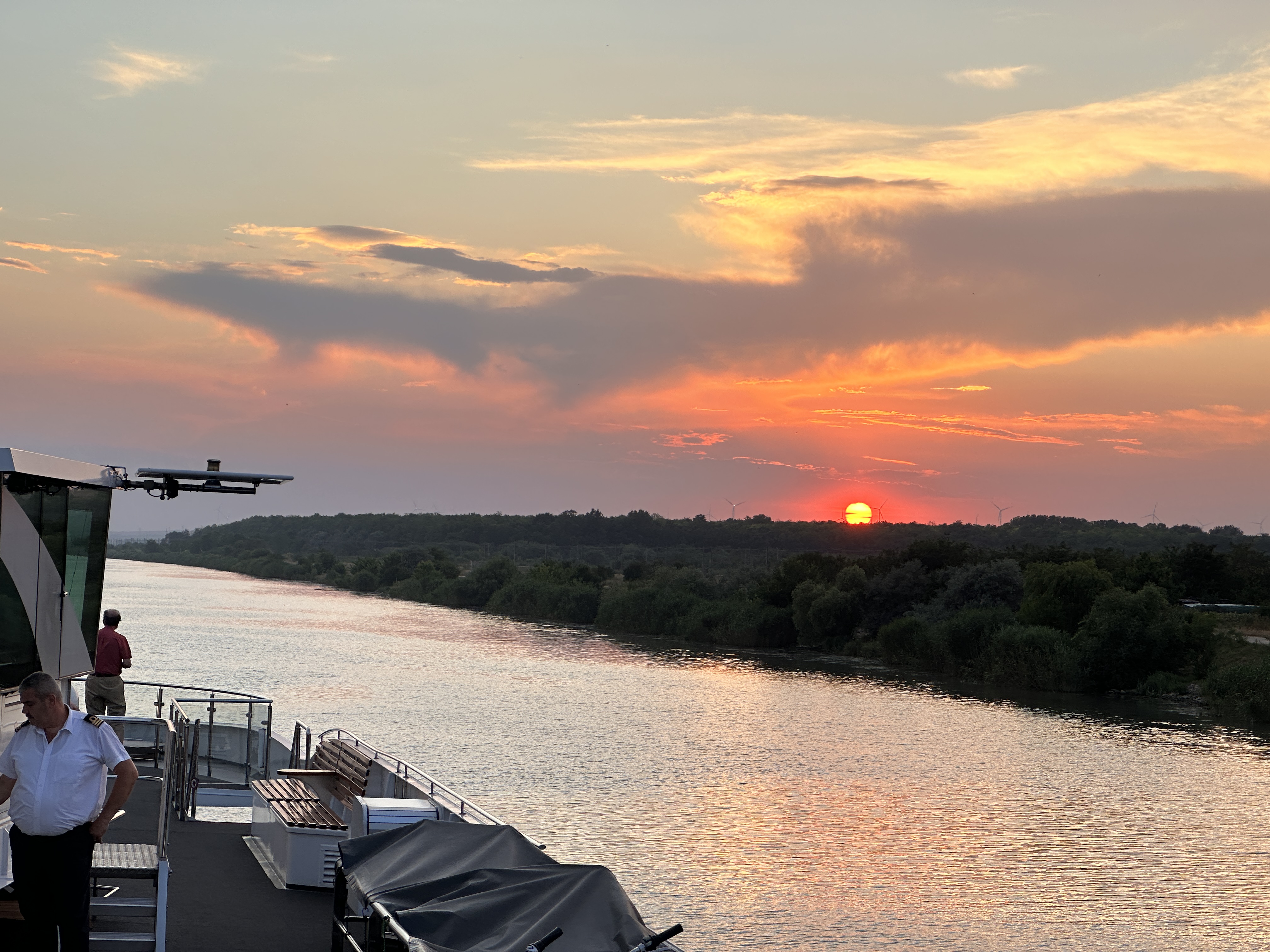
Another classic George Costanza quote sums Romania up for me: “I’m disturbed, I’m depressed, I’m inadequate – I’ve got it all!” I don’t think I’ll head back to Romania, but I fervently hope the country can find a source of light.

 PuffinlessTravel