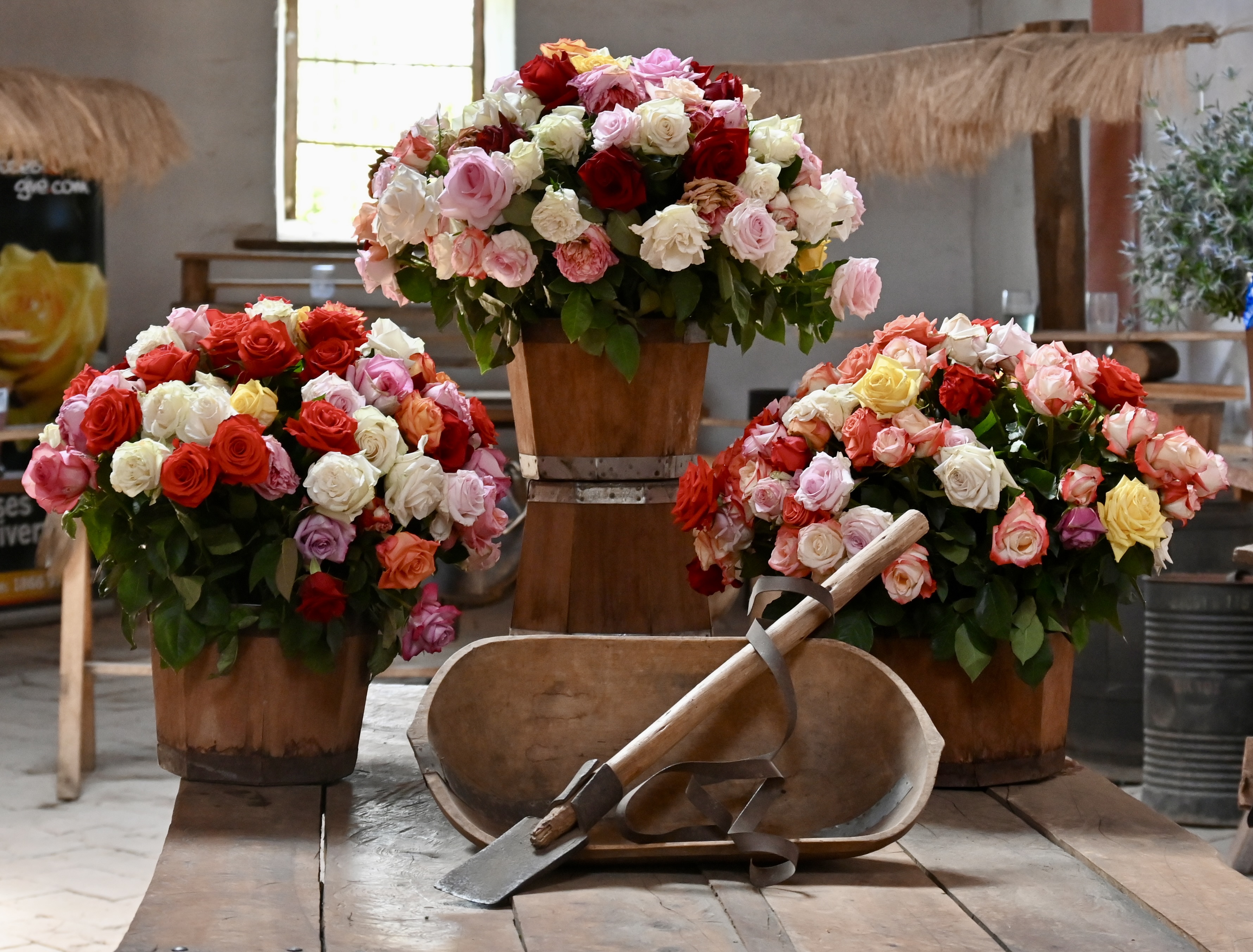
After the Galapagos, anything is bound to pale by comparison. Nonetheless, our tour leader, Ramon, literally “rose” to the occasion as best he could. Specifically, he brought us to Rosadex, a major rose grower and exporter, where we toured the premises and then enjoyed lunch at Hacienda La Compañia, a century-old manor house adjacent to a 500-year old chapel.
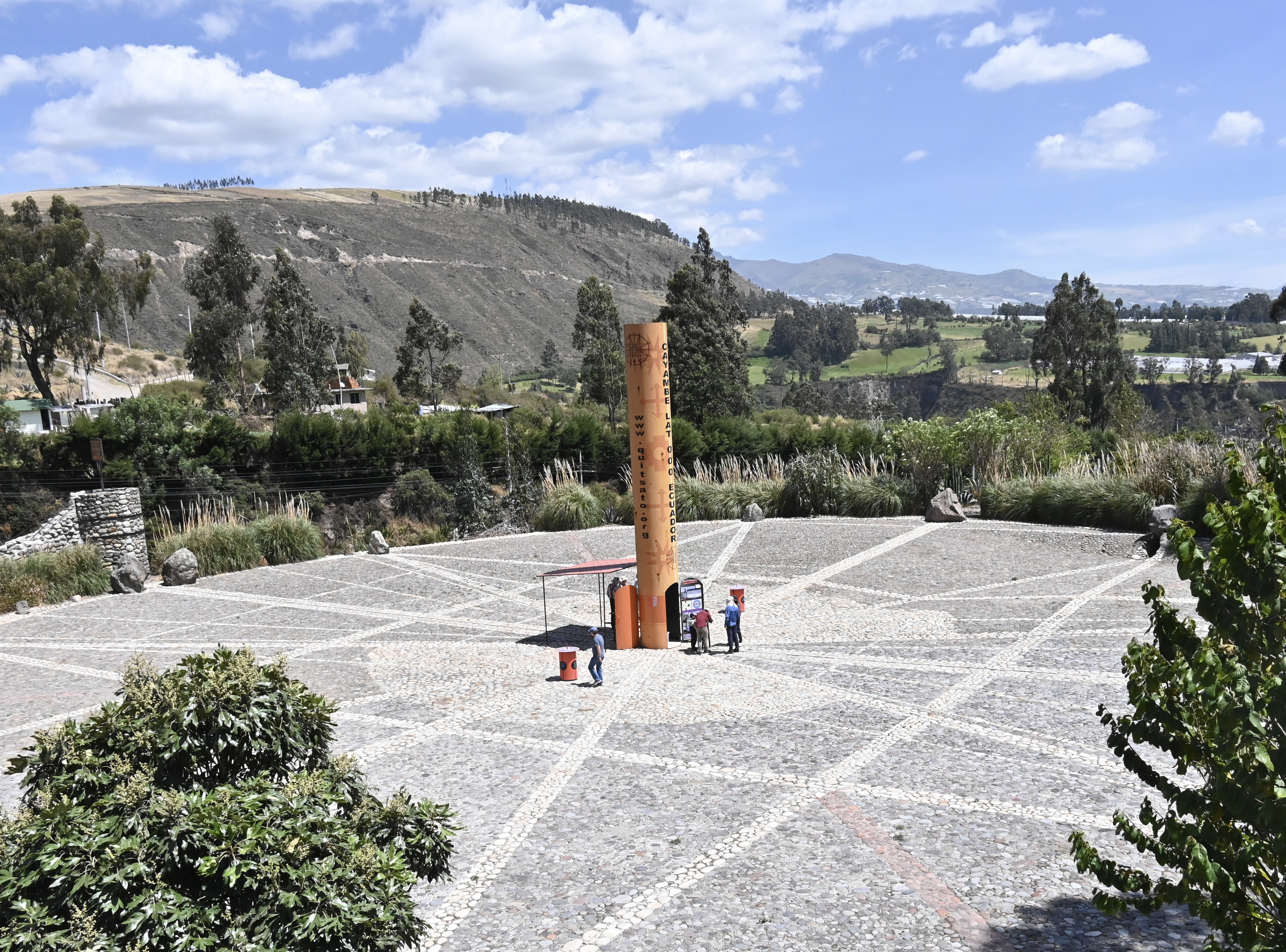
First, though, we stopped at Quitsato Solar Clock, situated on the equator around 30 miles north of Quito. There, in addition to standing with one foot in the northern hemisphere and one in the southern hemisphere, we were treated to a scientific explanation of how to determine the equinoxes, months, and time of day with a sun dial, as ancient people did all over the world.
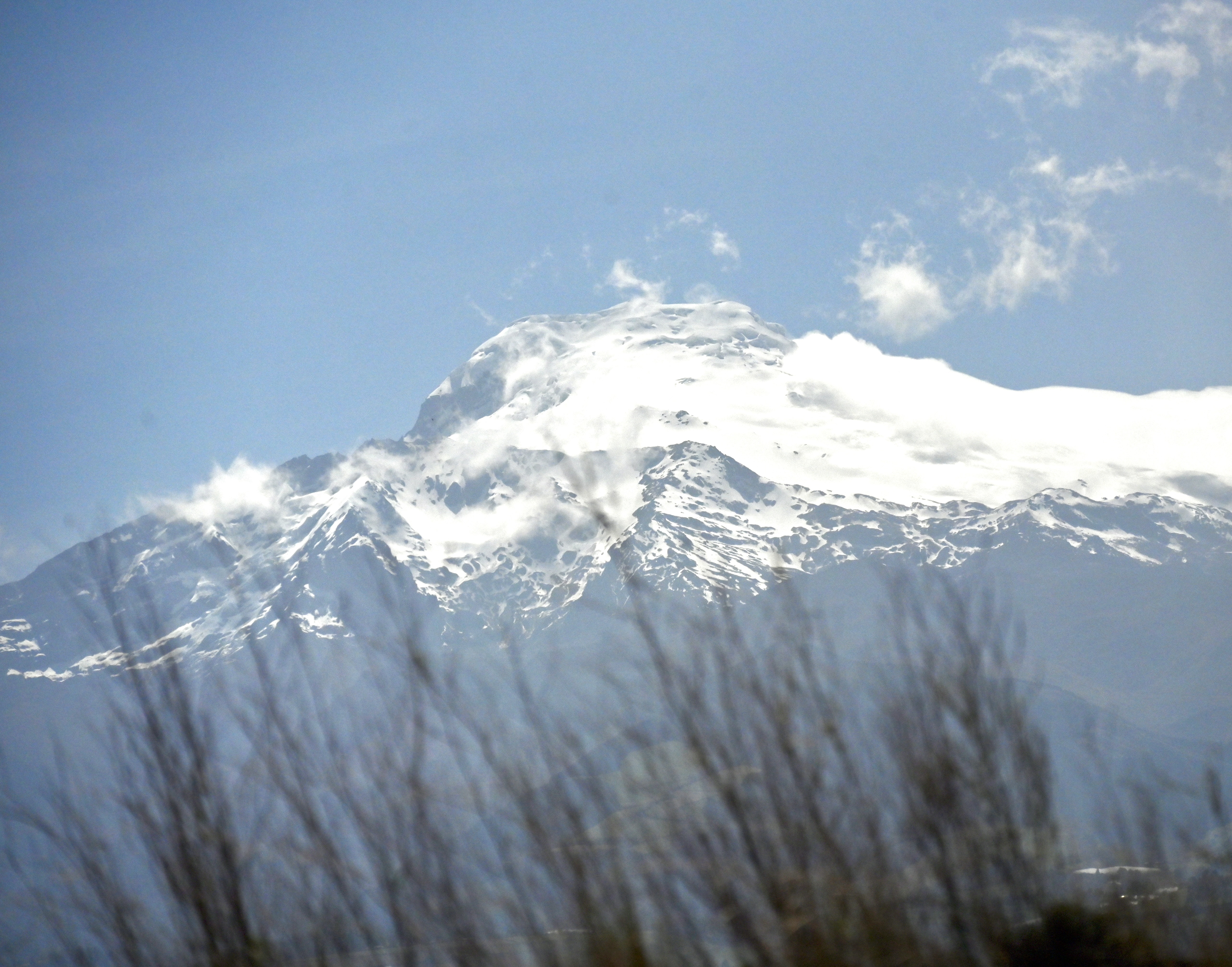
The Solar Clock stands near the base of Cayambe, an 18,000-foot volcano featuring the highest equatorial mountain pass on the planet. A nearby town named for the volcano boasts a seemingly insupportable concentration of “bizcocho” makers. How many Milano-shaped (for you Pepperidge Farm aficionados) wheat crackers can a town of fewer than 40,000 people eat?
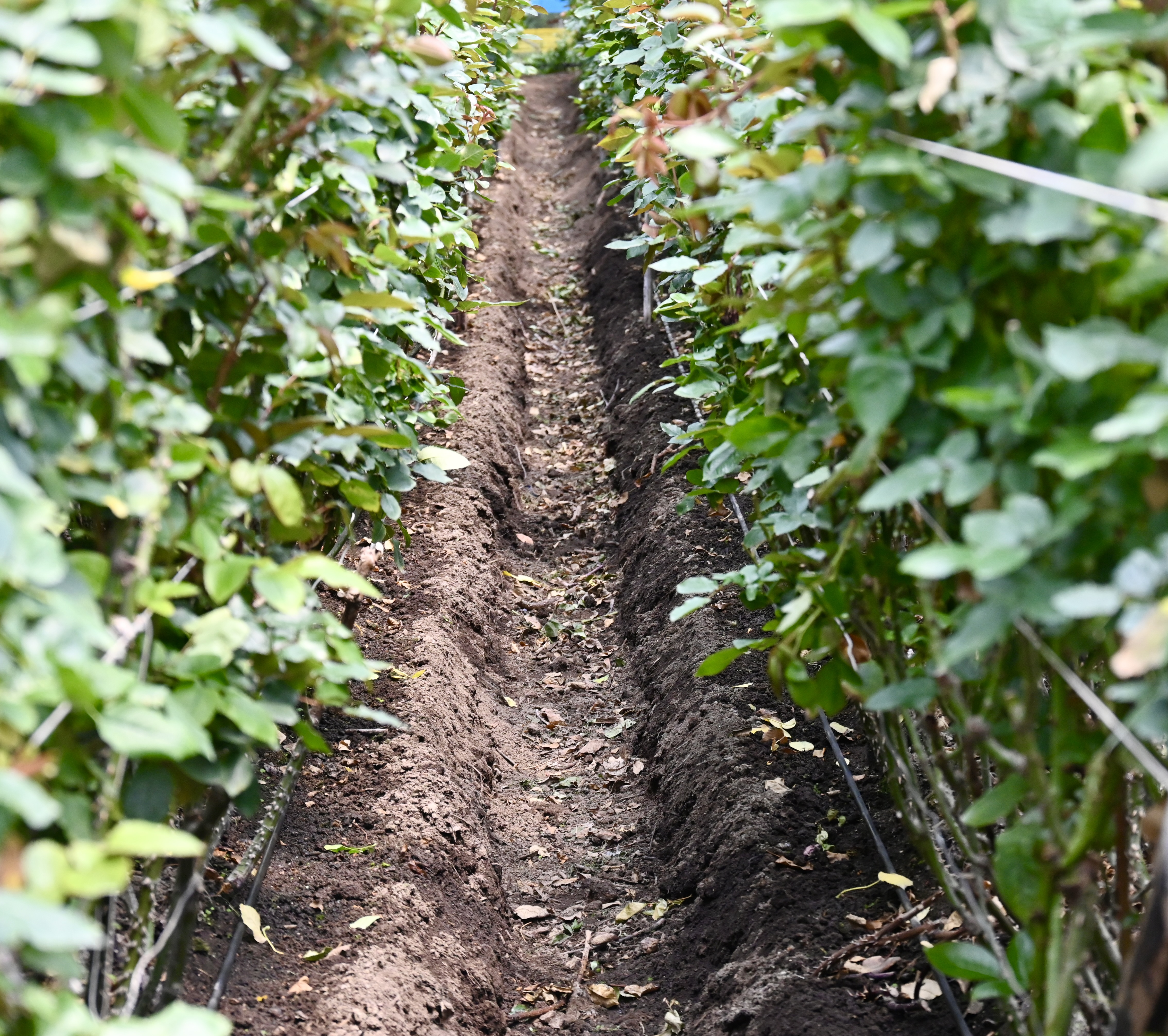
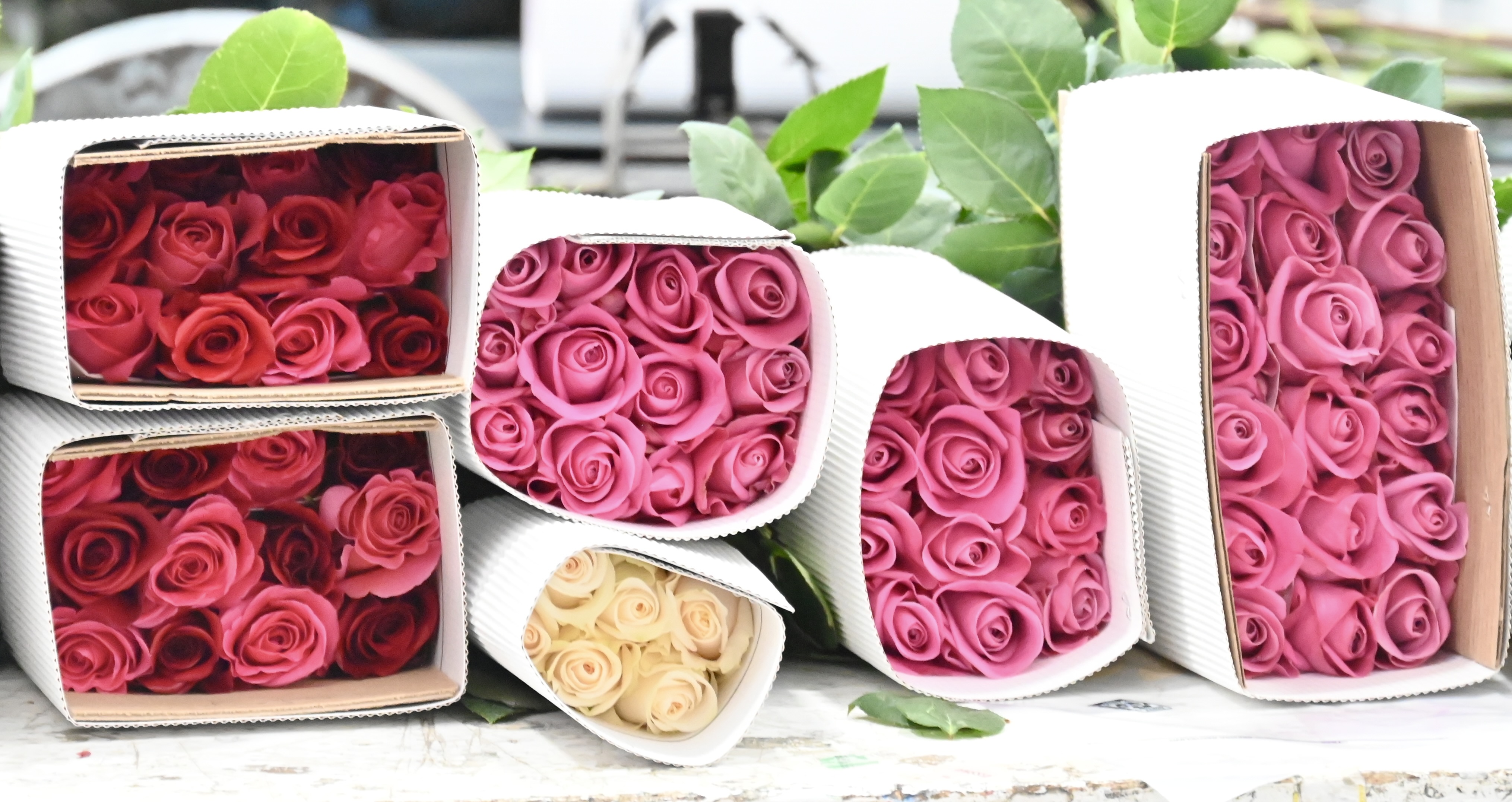
Rosadex is a labor-intensive operation. Rows and rows of rose bushes – each containing around 6000 plants – are hand-coddled. Once the roses are cut, they are transported by a manually operated trolleys to the on-premise sorting and packaging facility. The place is a festival of colors, both natural and man-made (dyed).
Rose production evidently is a lucrative business: the family that owns Rosadex also owns Hacienda La Compañia, which lies just up the road. There we got to sample bizcochos served with queso de hojas, an Edam-like cheese, washed down with fresh blackberry juice. At that point I began to understand the need for so many “fabricantes de bizcochos”; they’re pretty scrumptious.
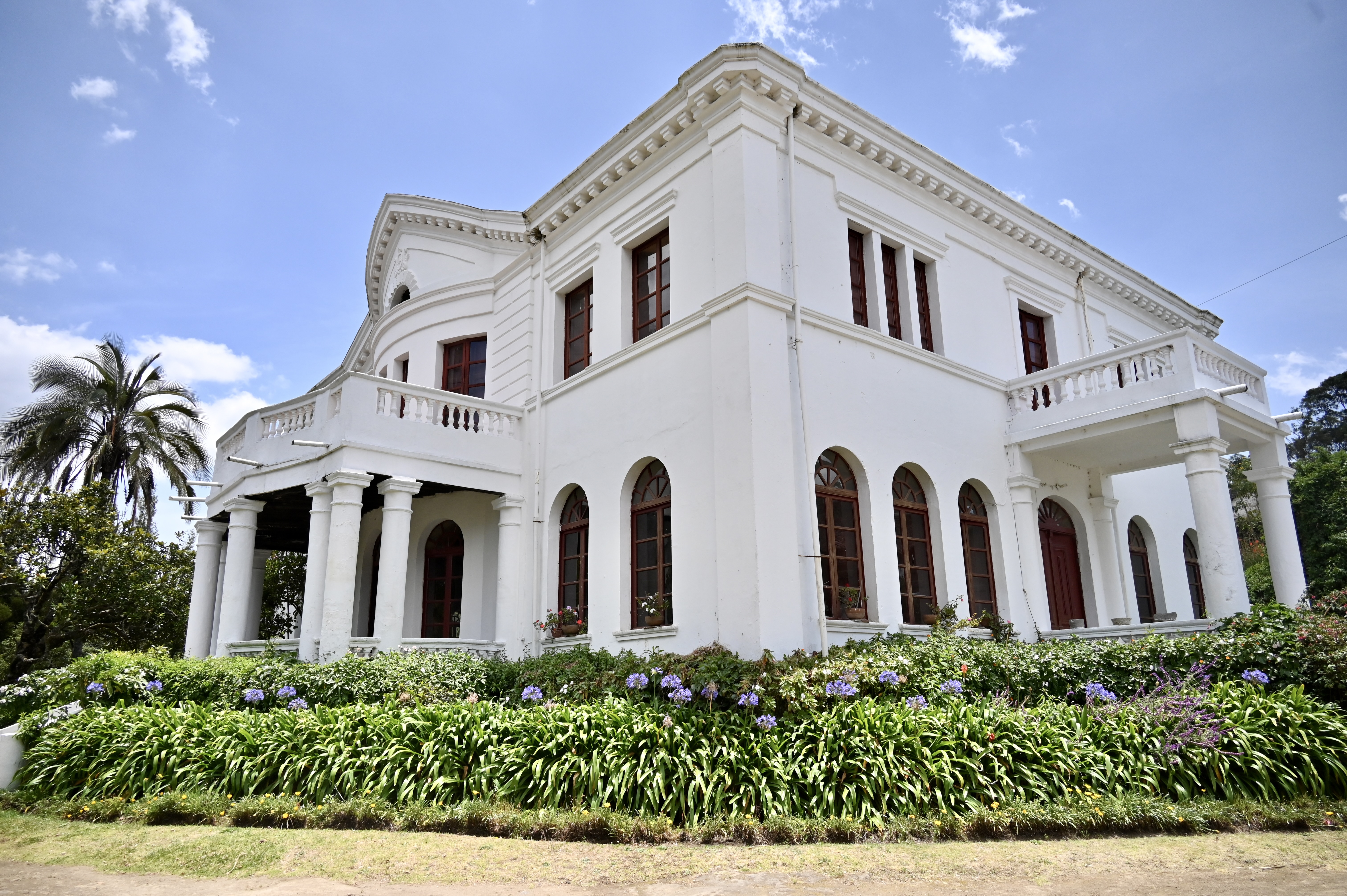
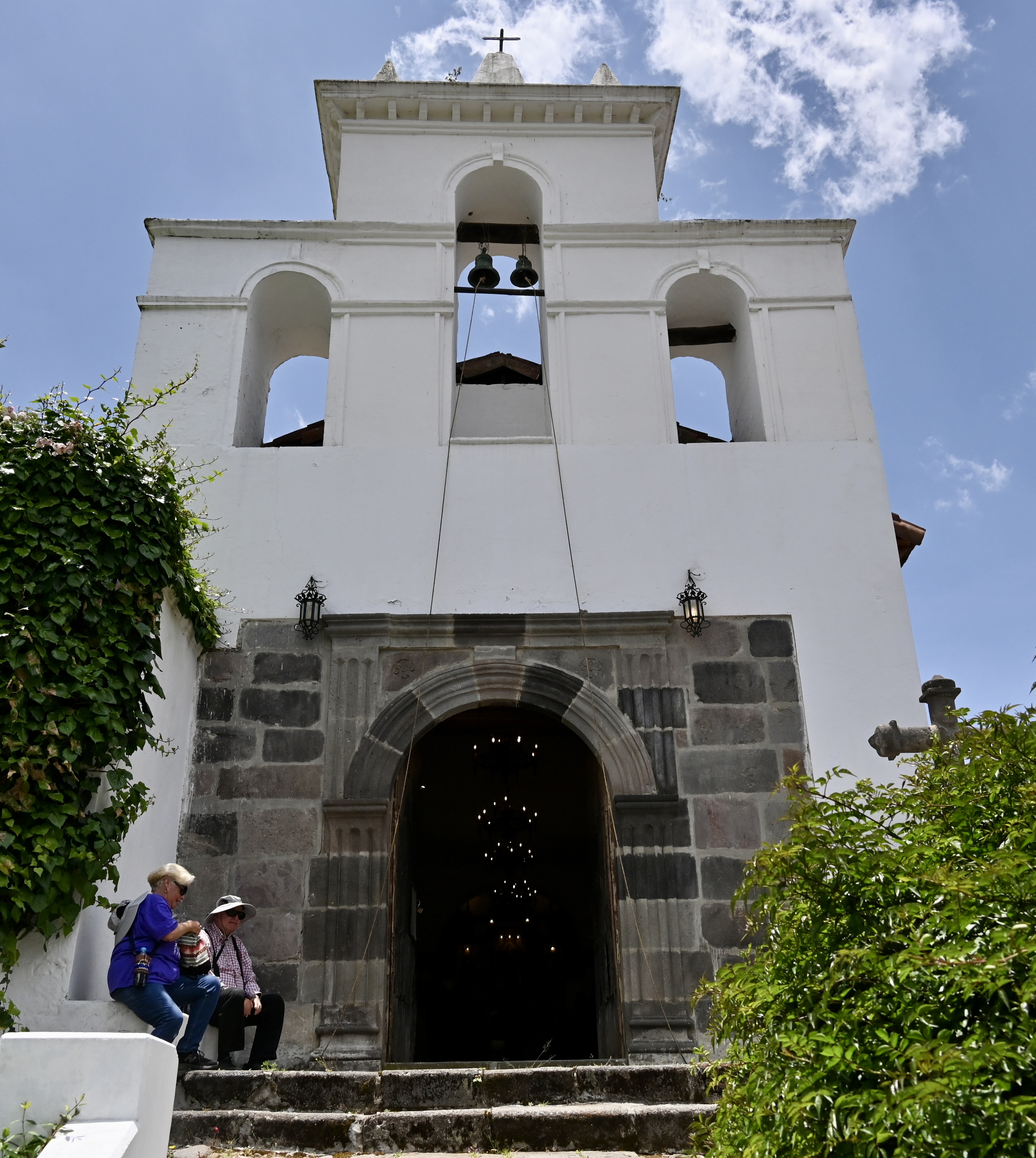
Lunch (potato cream soup with avocado, toasted beans, and cheese followed by tilapia or chicken) was served in the manor house. The décor is mainly dark wood, dark wallpaper, and dark, ornate ceilings. Not my taste, but impressive nonetheless, and any sombreness is relieved by, you guessed it, lots of roses.