Our tour today offered nourishment for both mind and body – and both mind and body were rested and ready, thanks to the first late morning of the tour.
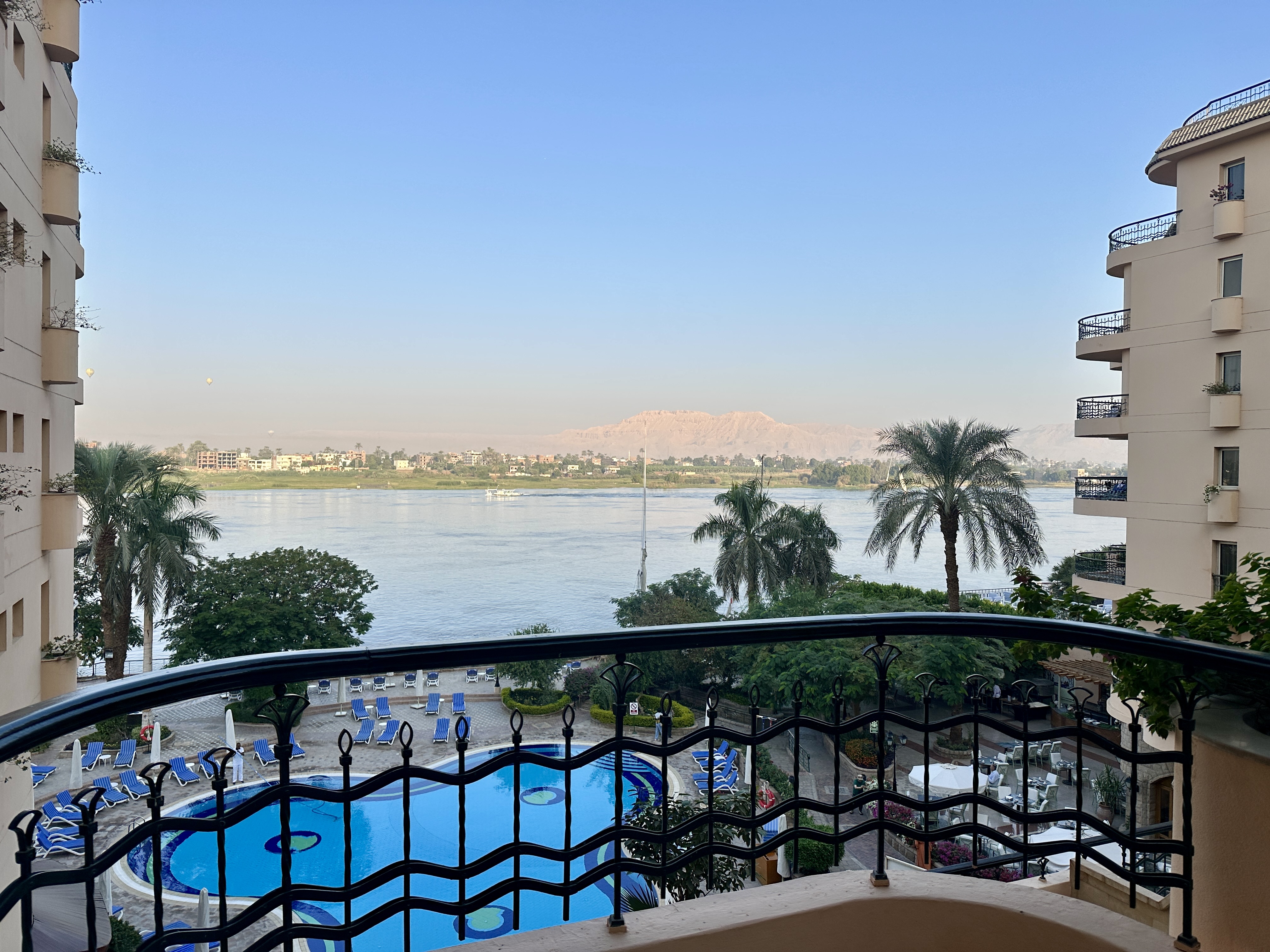
We began at the Luxor Museum, reached after a short boat ride up the Nile. The museum is an approachable, well-presented gem. Unlike the acres of exhibits and hordes of visitors at the massive museums in Cairo, at the Luxor Museum there’s space and time to contemplate the beautifully arranged collection of statues, mummies, and grave goods.

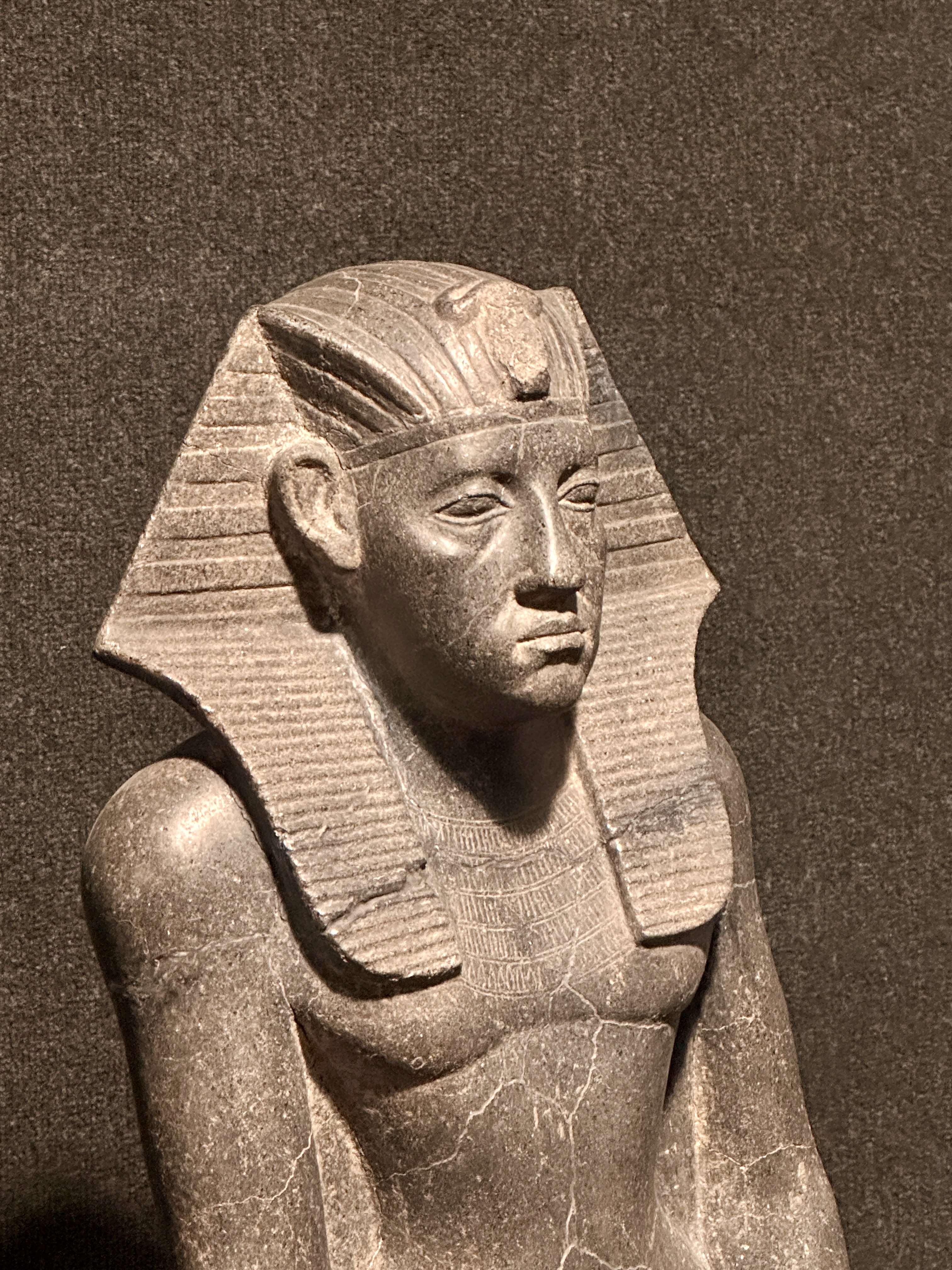
I’ll start with the statues, which are remarkable pieces of art.

Needless to say, Ramesses II had his share, including one that originally was created to honor Amenhotep III.
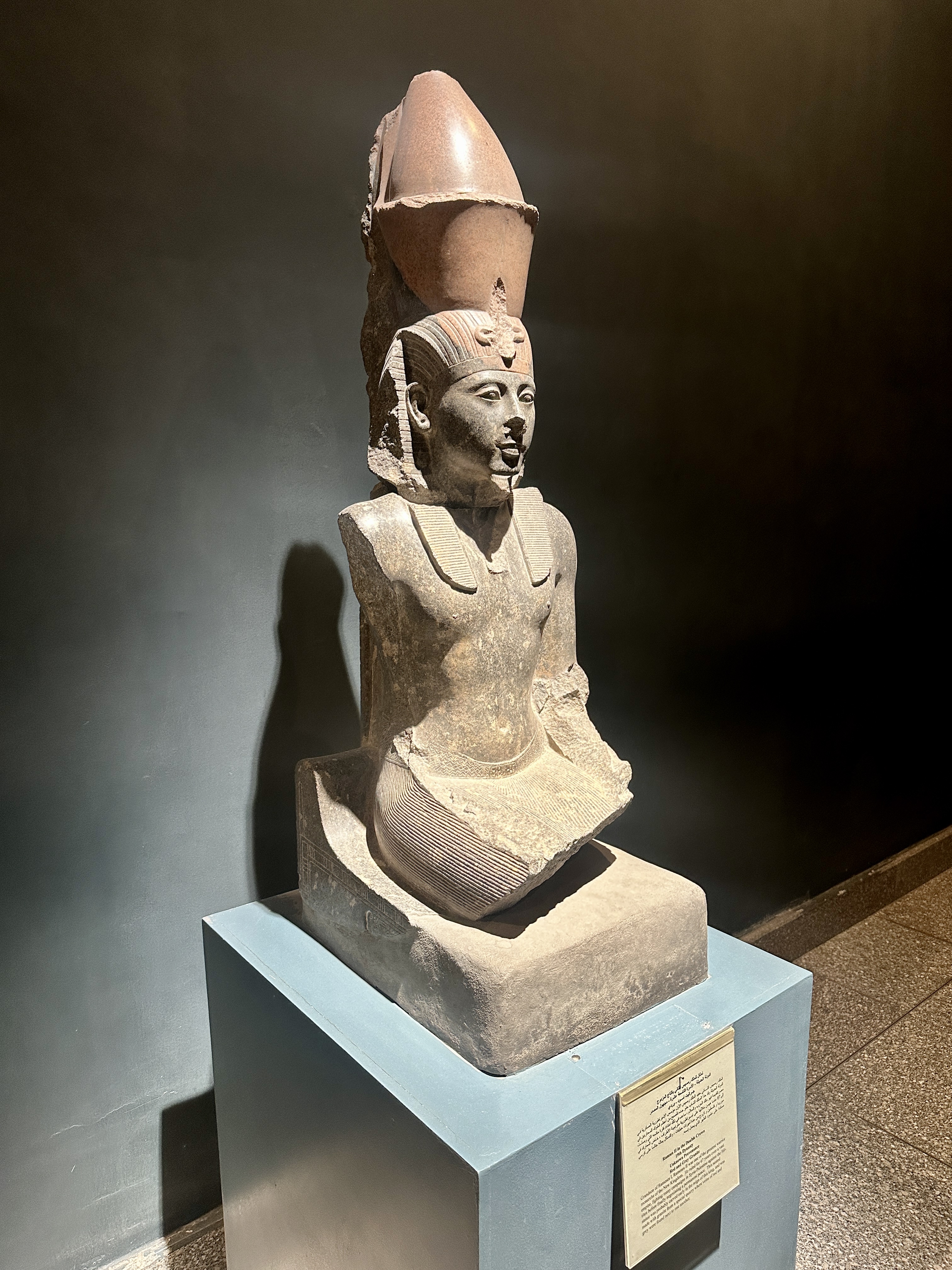

Amr shared his insights about several of the most significant, pointing out that statues from the Middle Kingdom period were more emotionally realistic than those from the Early and Late Kingdoms, which present idealized figures.

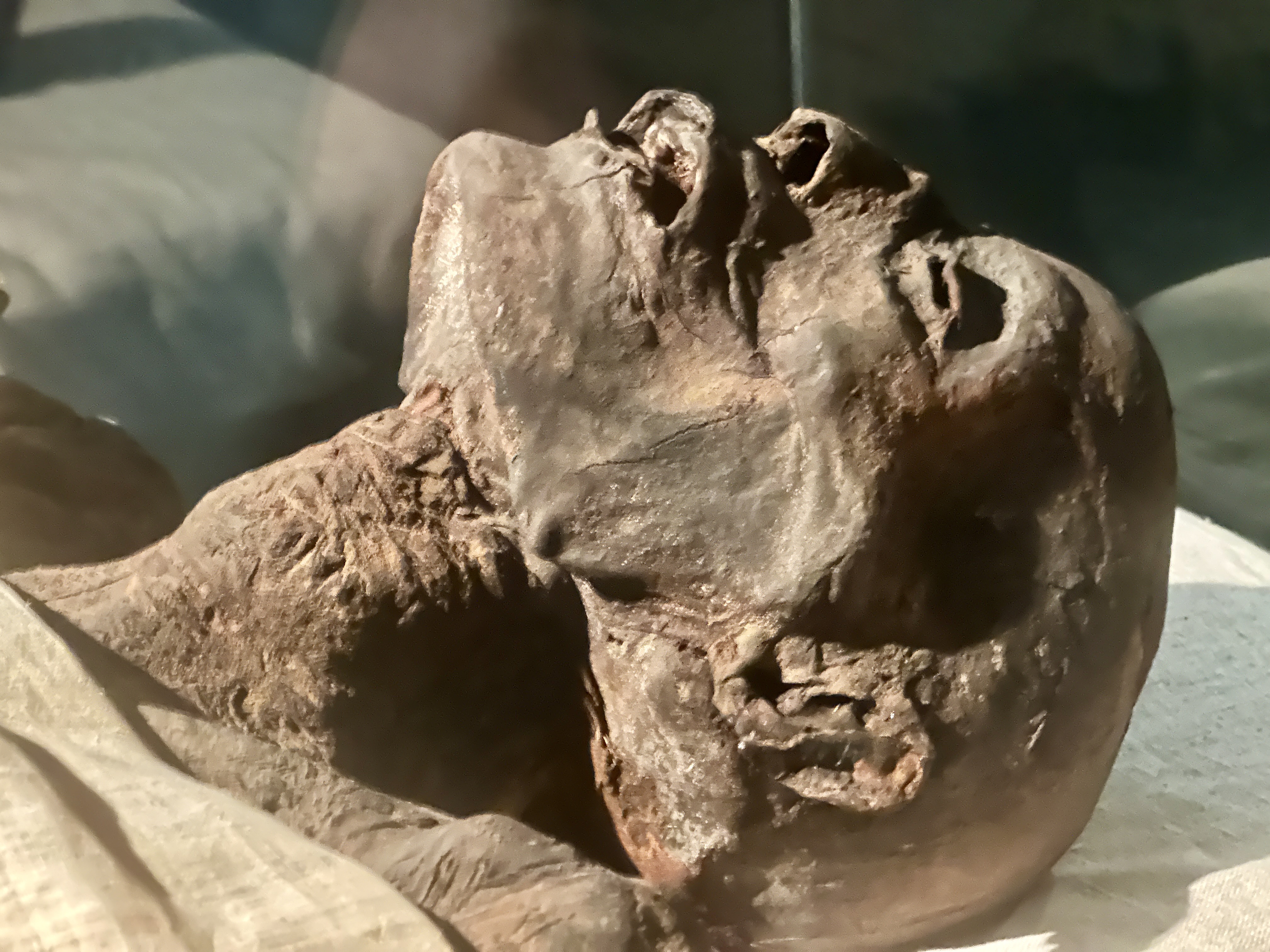
There are two mummies in small chambers on the first floor, including one of a royal personage who may have been Ramesses I.

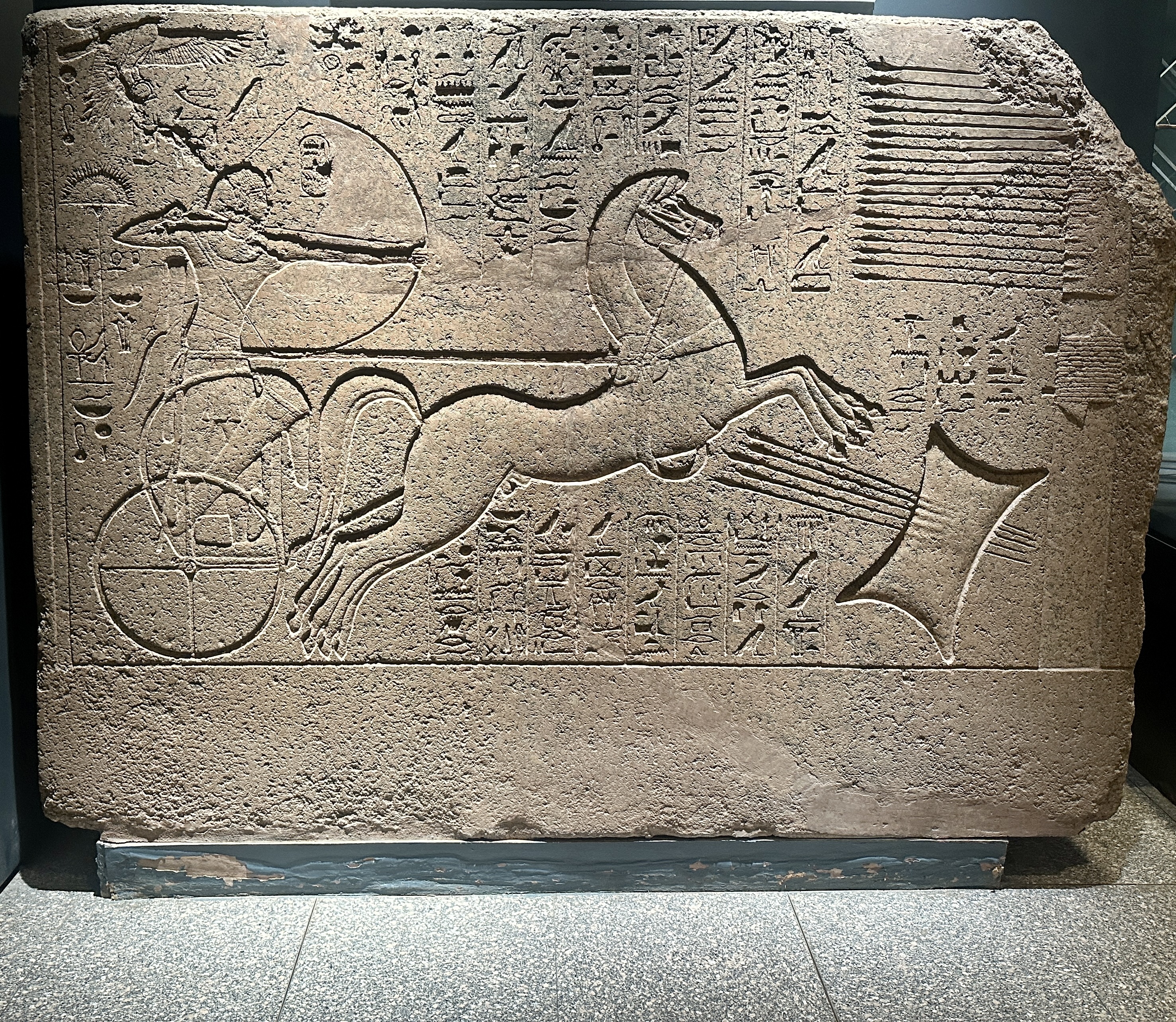
The museum also contains several interesting stelae and engravings.

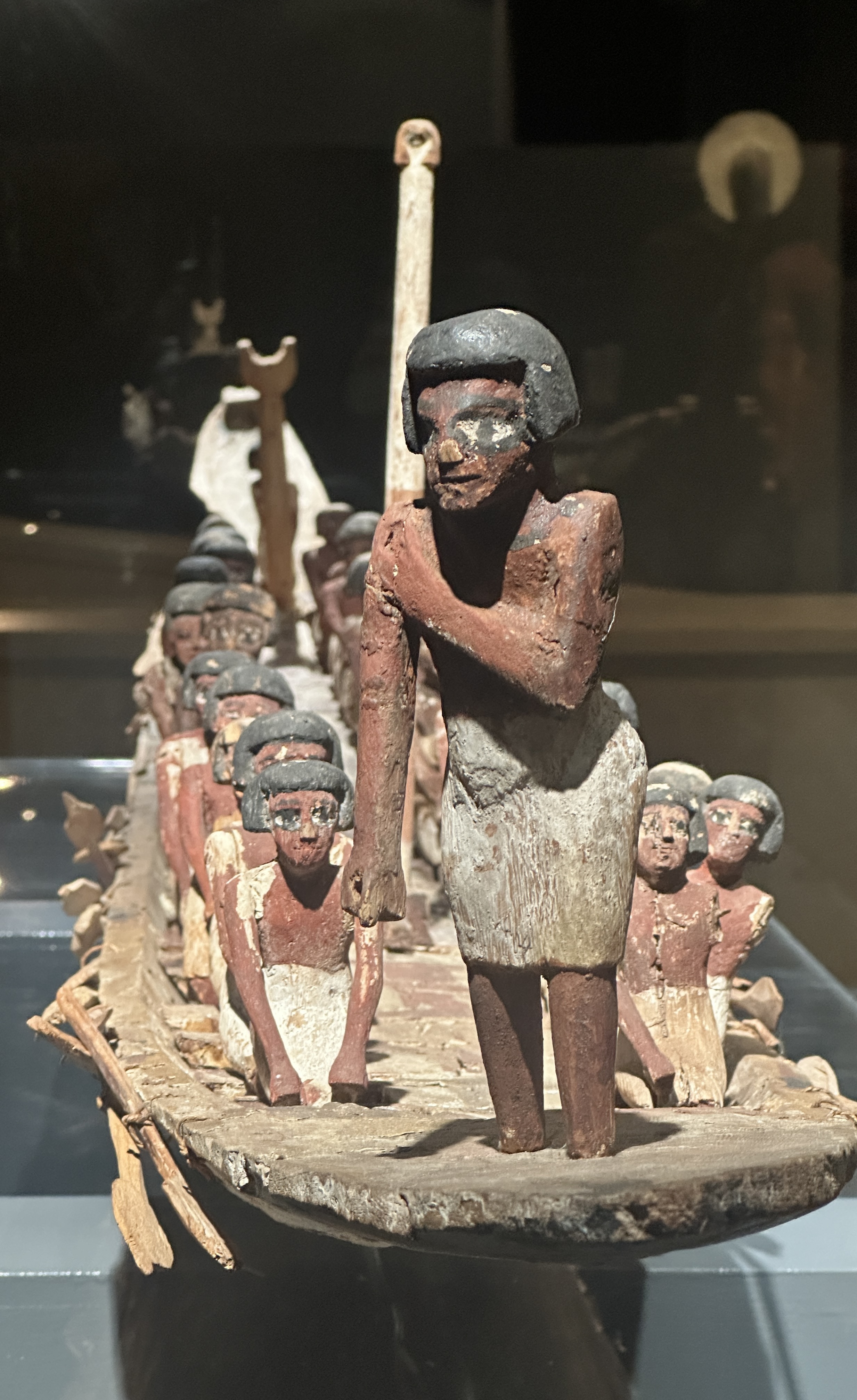
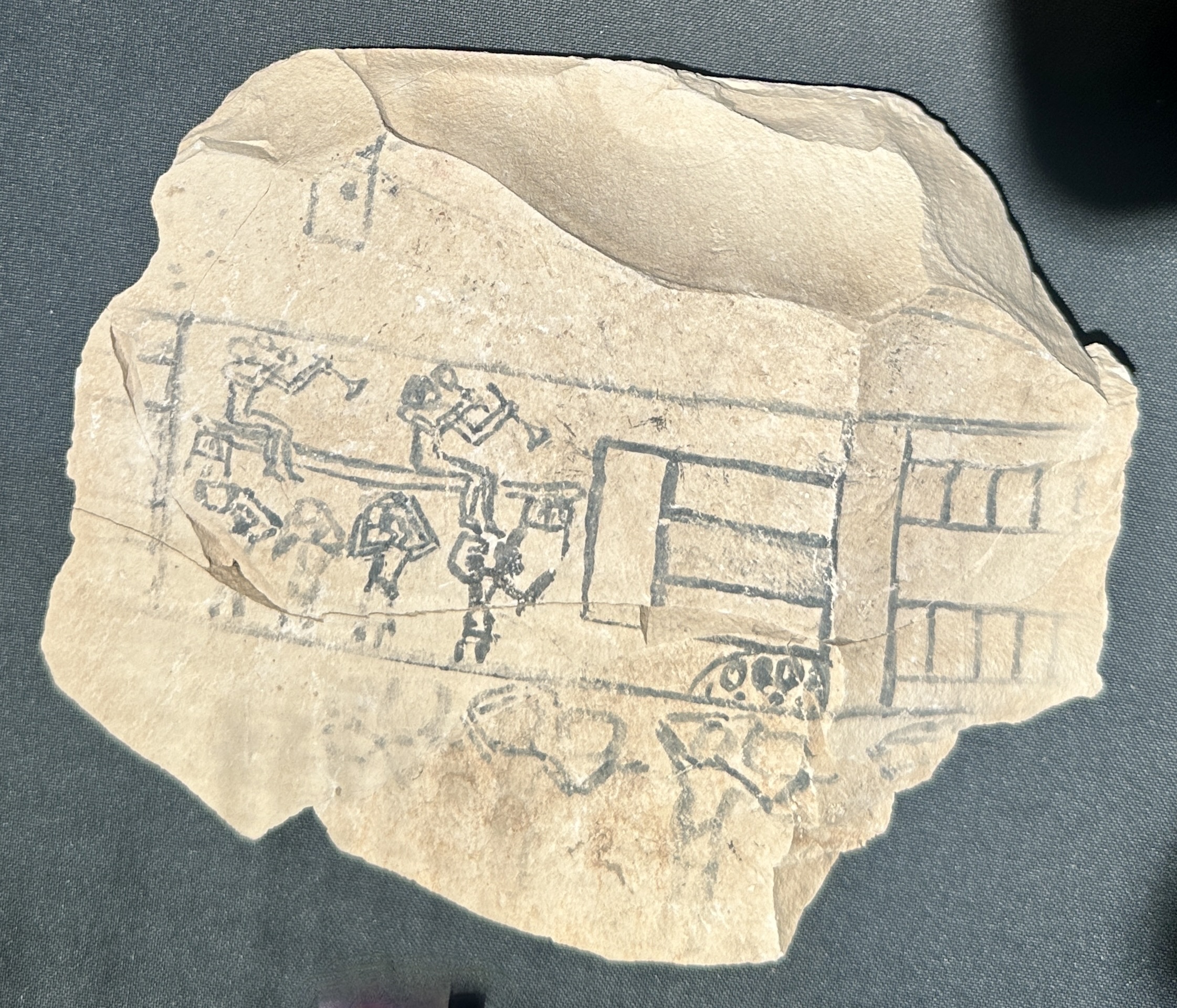
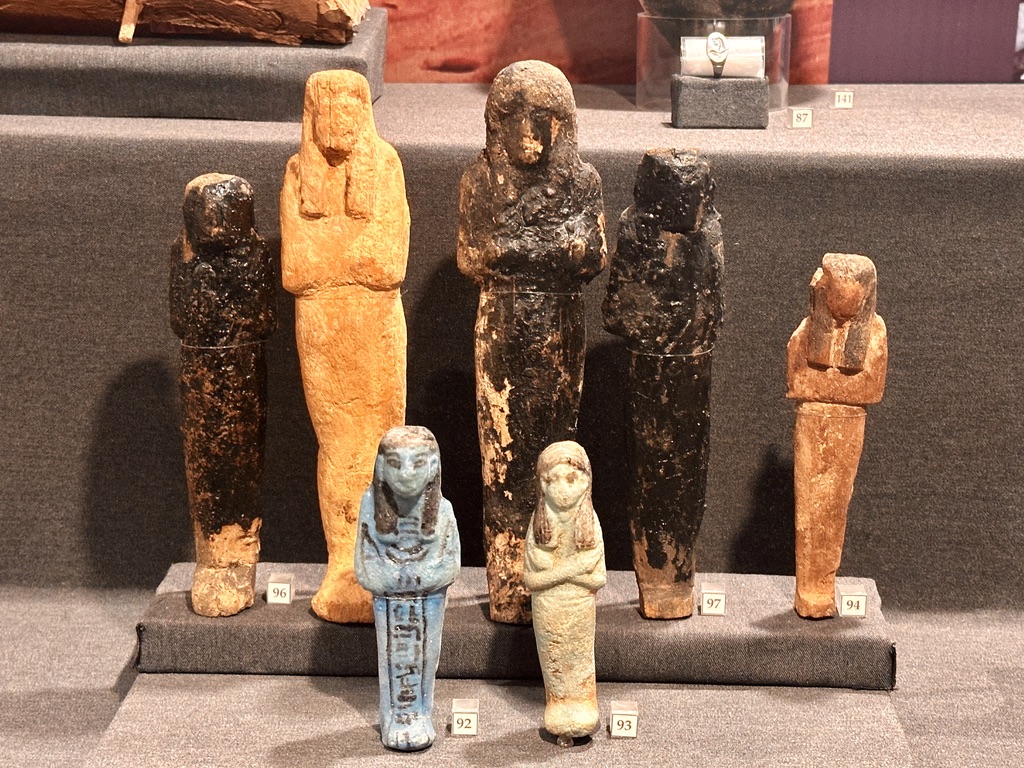
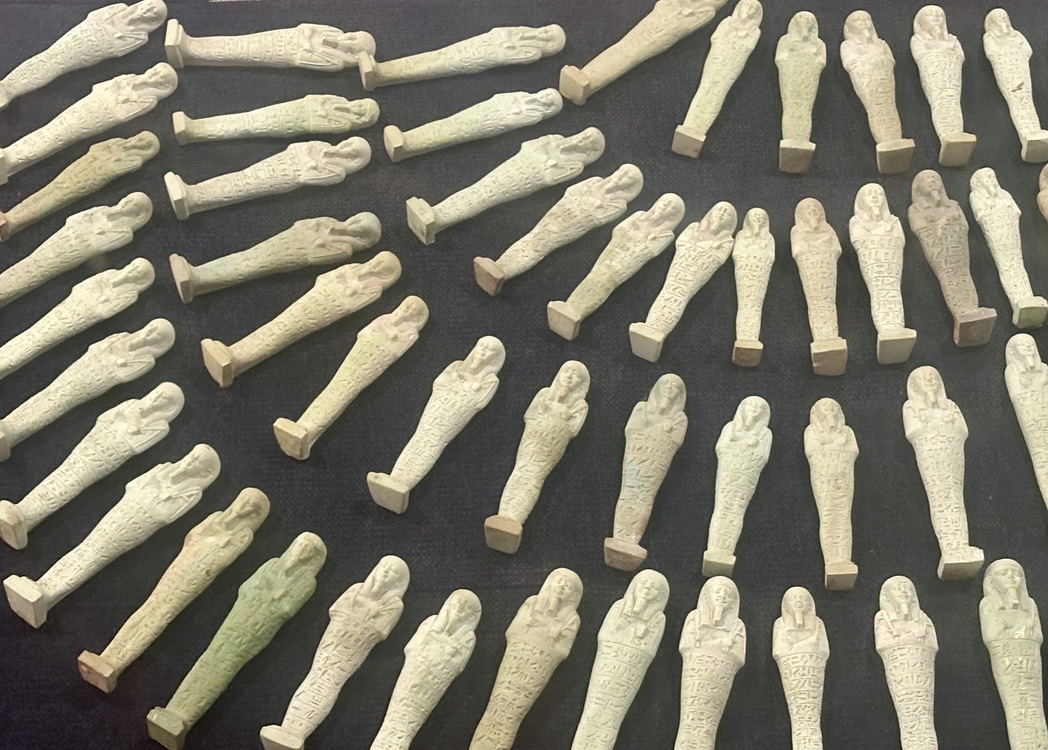
Other interesting parts of the collection include grave goods, some dating back over 4000 years. If you’re in Luxor, the museum is a can’t-miss destination.
In an hour or so, you can view the collection at leisure, free of the crowds that teem through the halls of the huge museums in Cairo. (Of course, you should see those museums as well – if archaeology is your thing, you will be in heaven, notwithstanding the multitudes.)
Following the museum, we took a boat across to the west bank of the Nile, where we enjoyed a delicious lunch at the home of a local farmer, Ahmed. Ahmed and his lovely, multigenerational family, anchored by his mother (age uncertain, but somewhere around 85) and extending down to a one-year-old, impossibly cute nephew, greeted us with genuine warmth and open arms.

Lunch with a local family is a feature offered by a few tour companies, and I thank Odysseys Unlimited for being one of them. The family receives compensation from the tour operator, and the tour group gets an appreciation of real-world life that’s unobtainable from mere sightseeing.
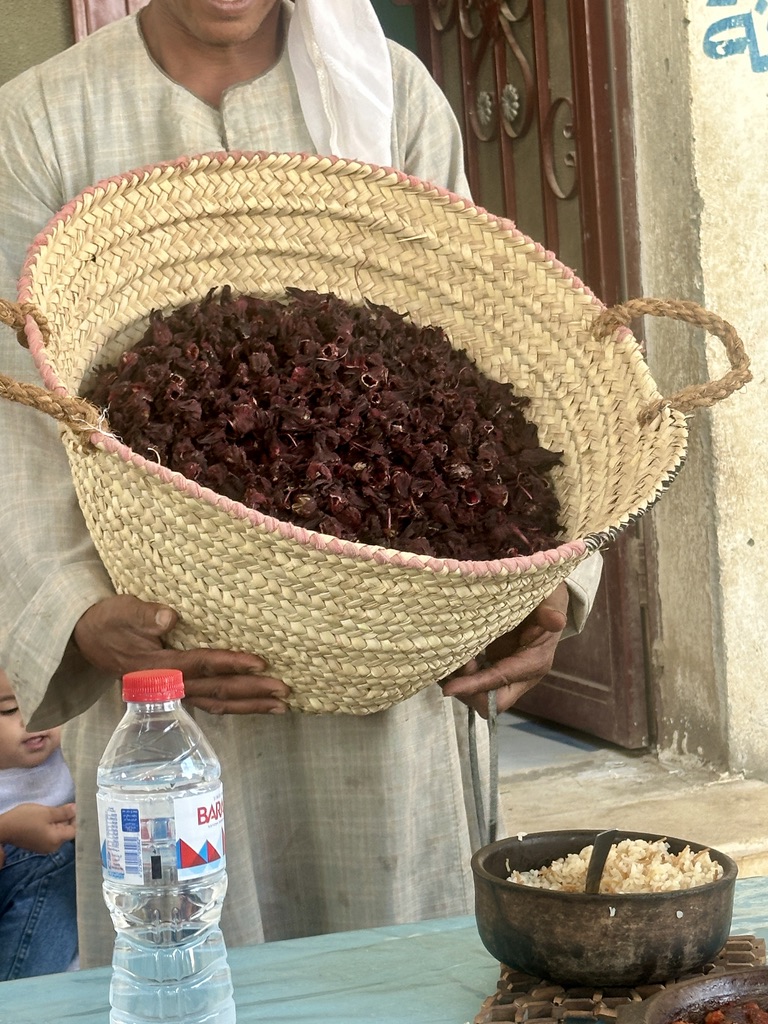
While we ate a lunch of home-grown and beautifully prepared vegetables (okra in dill sauce, eggplant, cabbage stuffed with savory rice, potatoes in a red sauce, “sun bread,” hibiscus tea, and for carnivores, chicken and beef), Ahmed told a wonderful story.

His mother’s greatest wish was to go to Mecca, and in 2007 he accompanied her – and around a dozen other women from their village – to the holiest of sites for Muslims. He told the tale, filled with unexpected turns, with the timing of a stand-up comedian. It was such an important event in the family’s life that his brother painted the house with images from the journey.
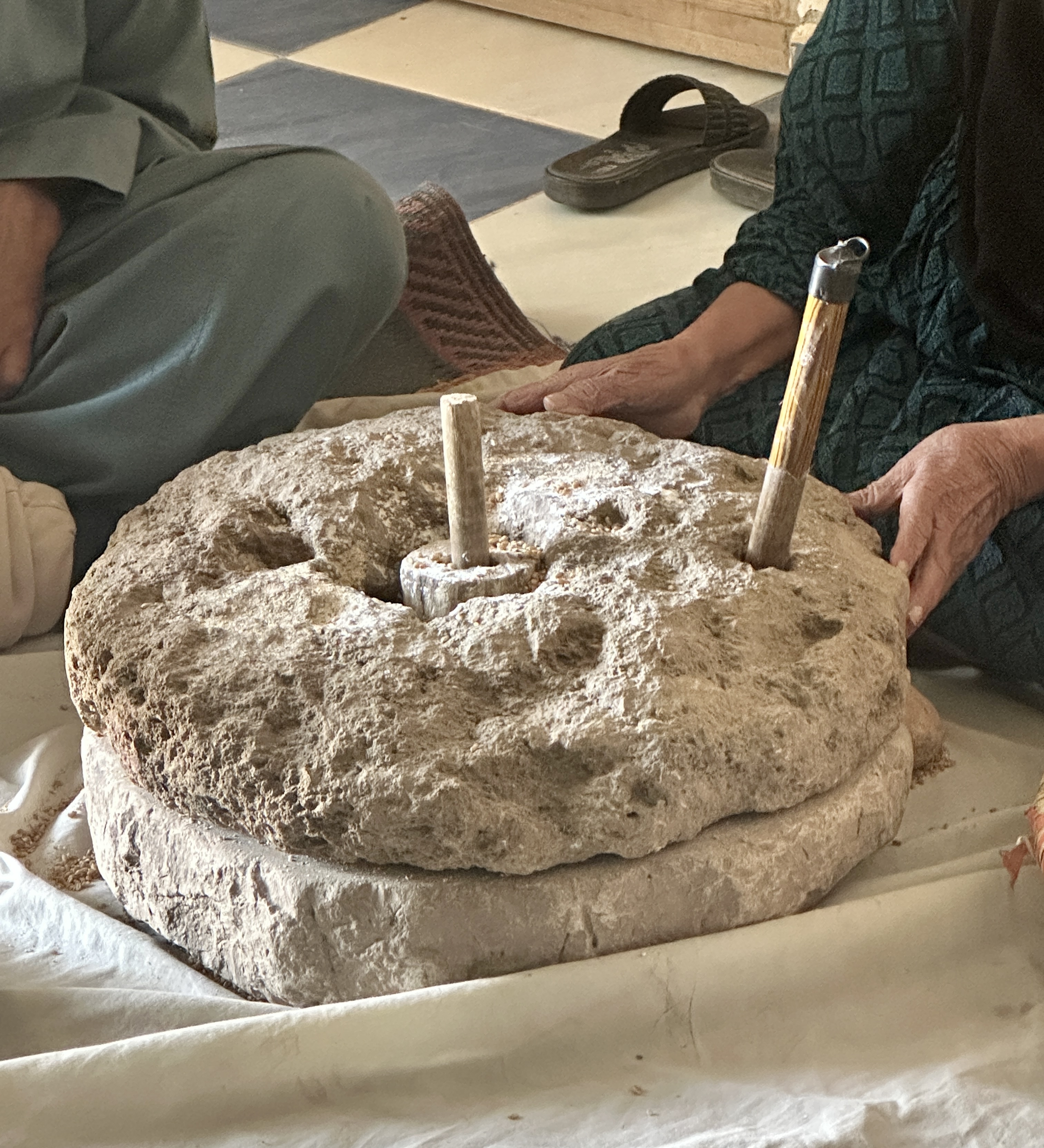
After eating on the patio behind the house, we were invited inside to meet the family matriarch, who was grinding wheat into flour using a 500-year-old, hand-cranked mill that’s been passed down through untold generations of the family. Ahmed explained how the flour is used to make the sun bread – it’s mixed with water and salt, left in the sun for two hours, then baked for fifteen minutes in the mud oven in back of the house.
I wish everyone could experience the hospitality we received from Ahmed and his family, which is such a central part of Egyptian culture. I left feeling as genuinely welcomed as I’ve ever been (on a par with Ireland, which is truly saying something), well-fed, and even more taken with Egypt than I already was.
I’ll be sorry to leave Luxor, but we have a 5 a.m. flight back to Cairo tomorrow. Salam.

 PuffinlessTravel