I wanted the title of today’s post to be something like “sitting in the lap of Luxory,” but there was very little sitting involved, other than a few minutes on the bus. We walked through rocks, we walked through sand, we walked through dirt that cloaked the land. (Pharaoh Seuss-Ra I.)

Luxor is famous for the Valley of the Kings and the Valley of the Queens, sites of the elaborate tombs of ancient Egypt’s rulers. (We didn’t visit the Valley of the Dolls, discovered by Jacqueline Susann in 1966.) Other highlights include the Mortuary Temple of Hatshepsut and Deir el-Medina, once the location of a workers’ village and home to two vibrantly colorful tombs of high-level artisans and a small but charming temple.
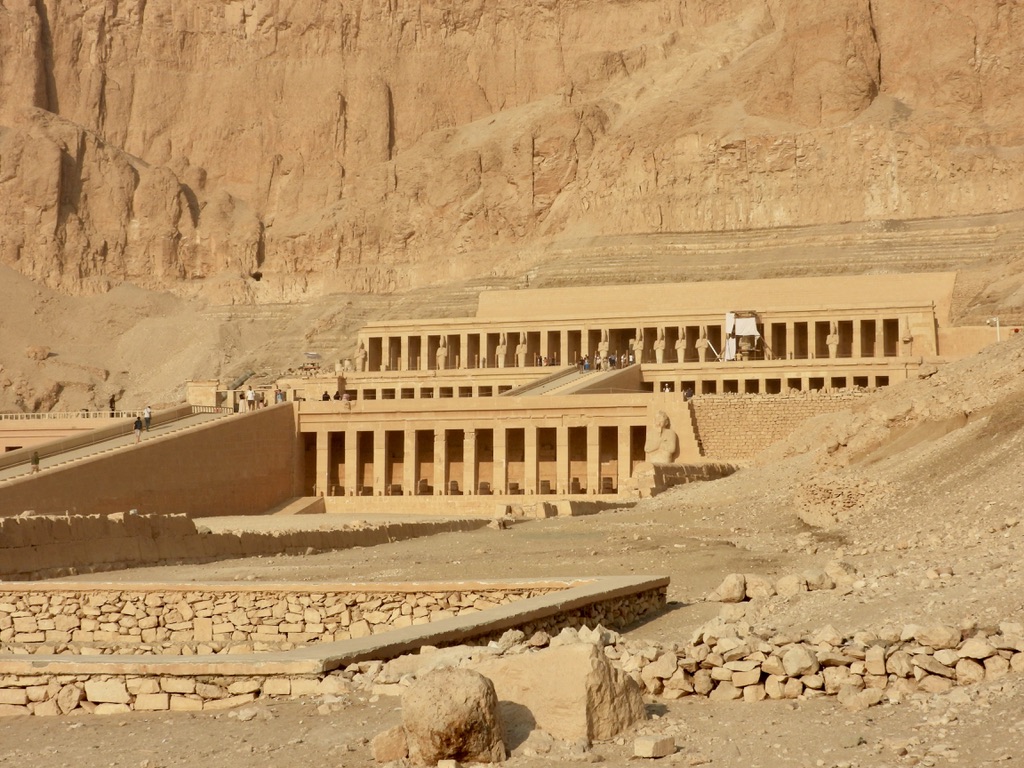

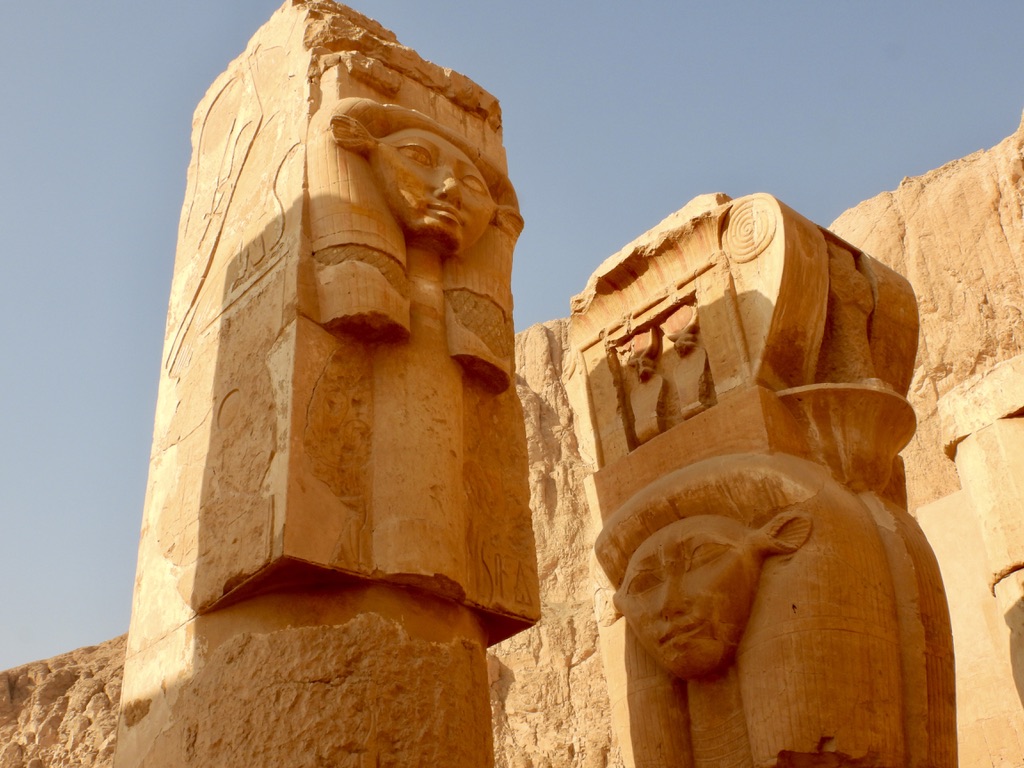
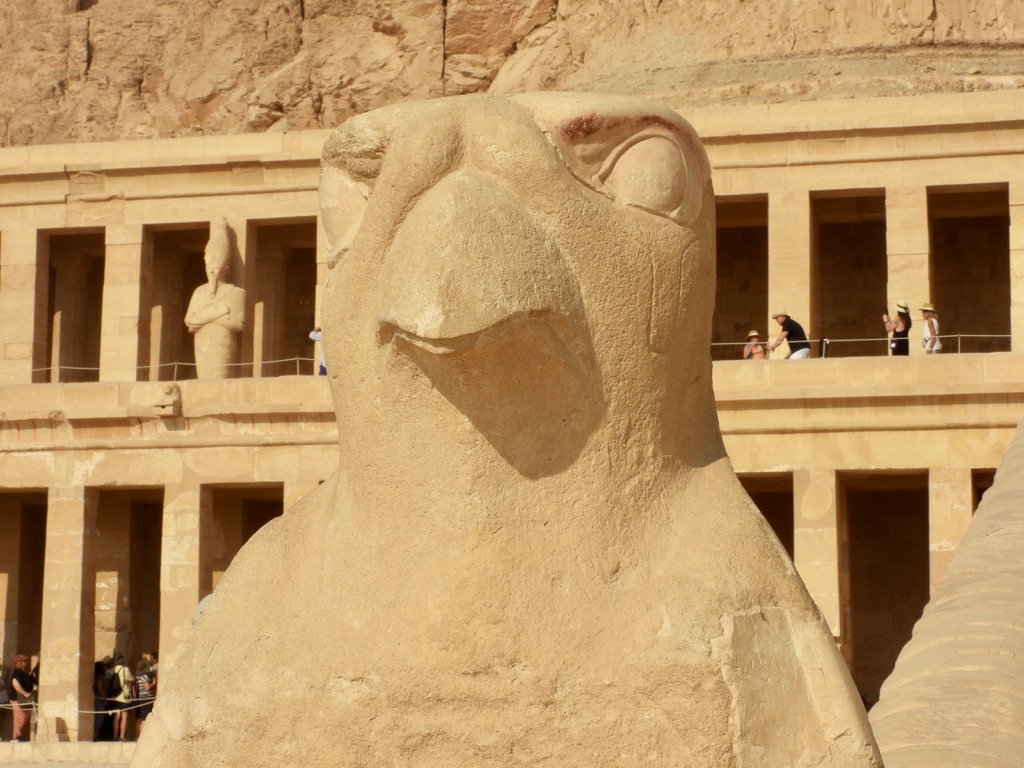
Amr, attuned as always to where the crowds would be, shuffled our schedule around in a way that gave us plenty of elbow room even though there were 78 (!) river boats in Luxor this morning. While everyone else headed to the Valley of the Kings, we started our tour at the Mortuary Temple of Hatshepsut, a sprawling, almost classical-looking edifice.
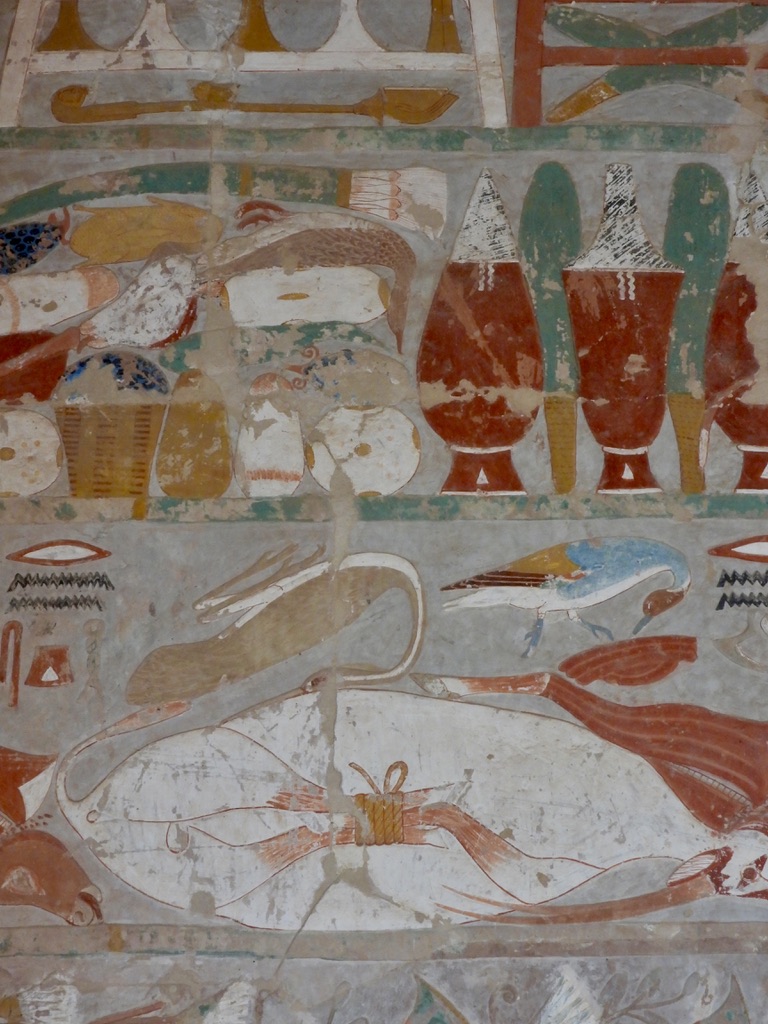
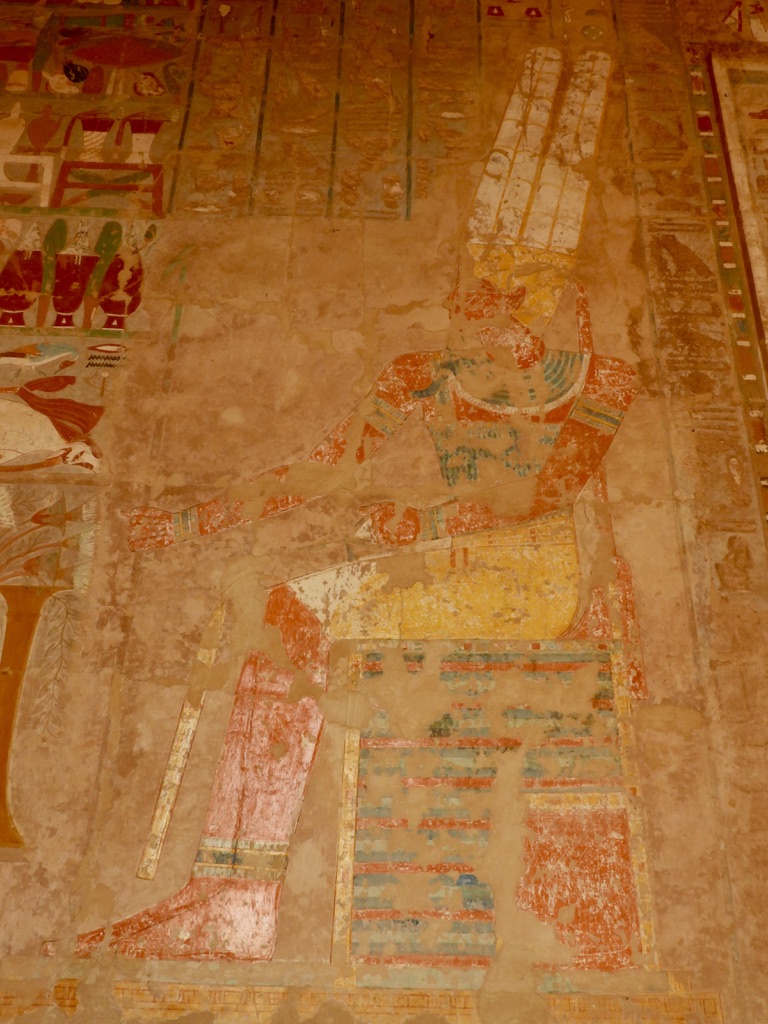
In addition to shrines to Anubis and Hathor, the temple includes a sanctuary of Amun-Re and reliefs showing key events in Hatshepsut’s life – her assertedly divine birth (a key part of her claim to Pharaoh-ship despite being female) and her trip to the Land of Punt (modern-day Eritrea and surroundings, not to be confused with the Land of Fake Punt, located behind the line of scrimmage).
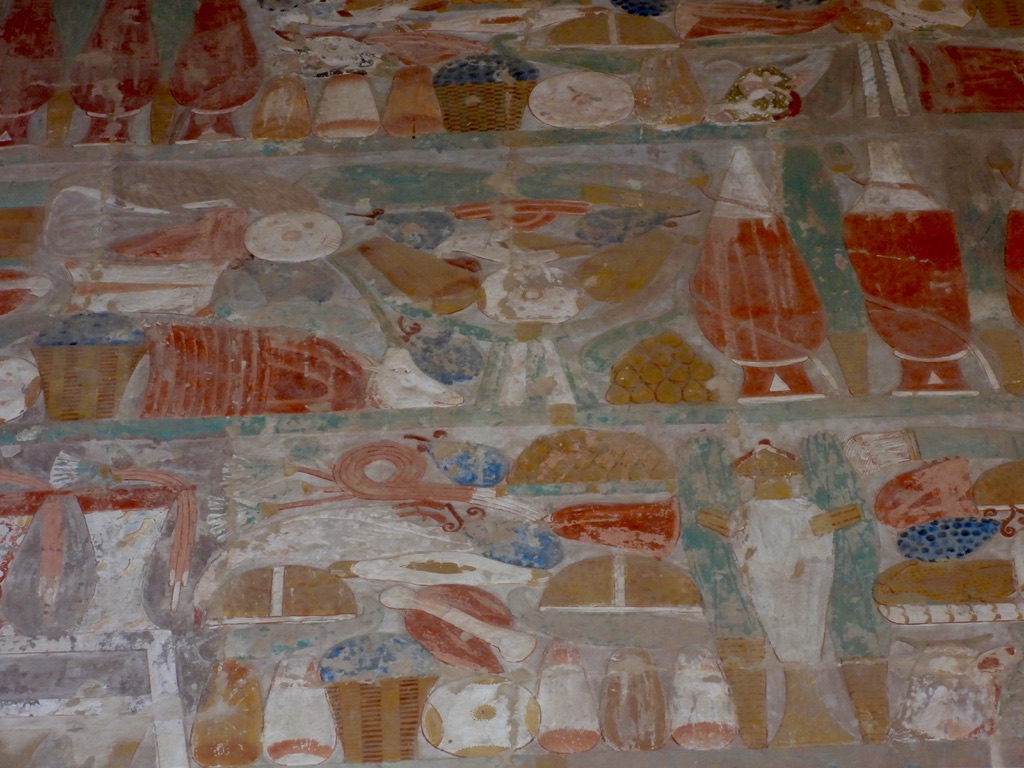
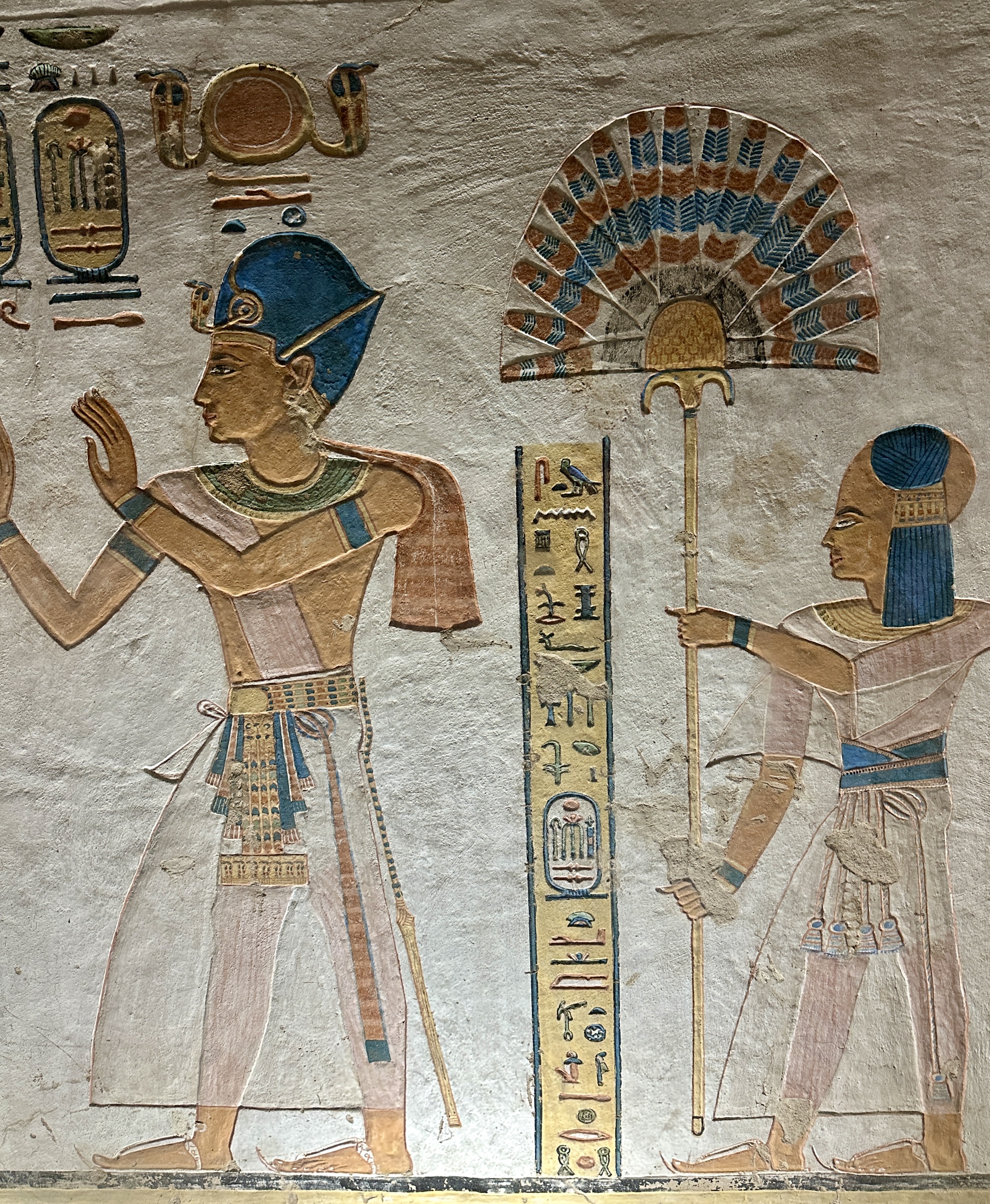
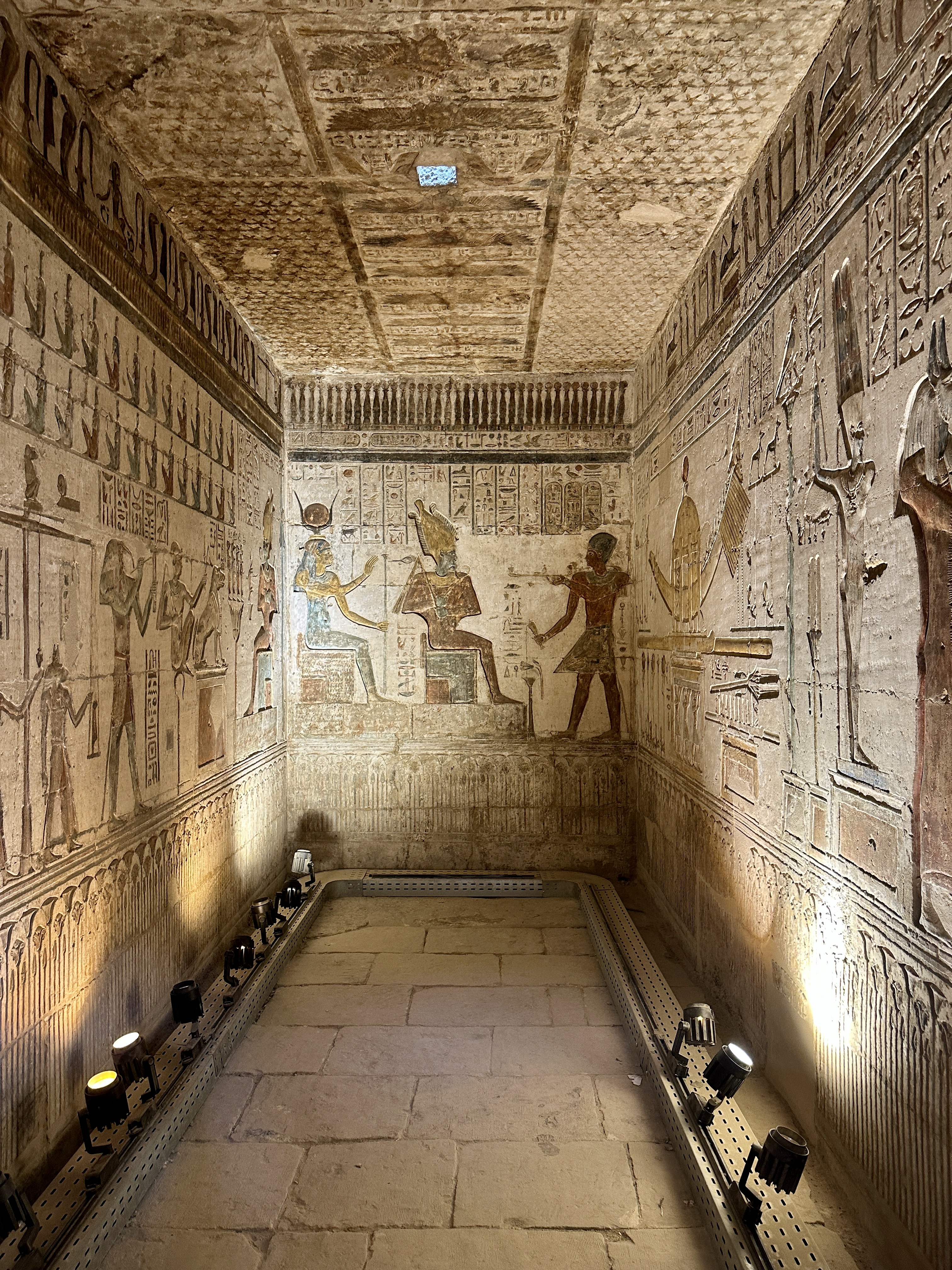
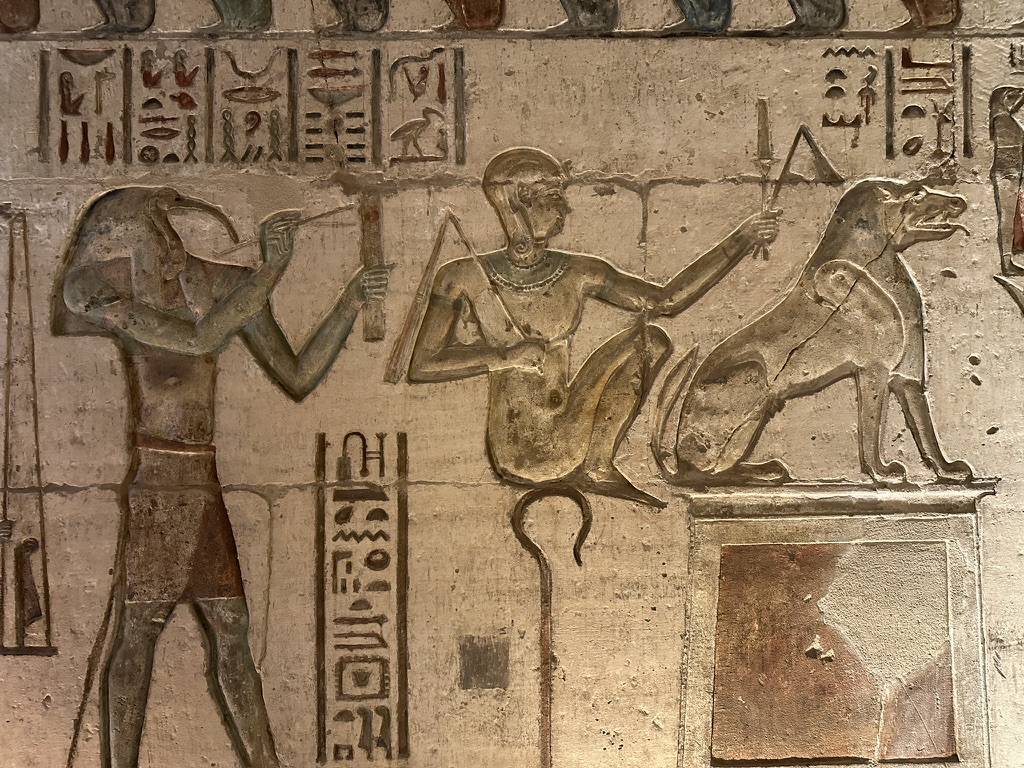
At our next stop, the Valley of the Queens, we visited the tombs of two young sons of Ramesses III. (The Valley of the Queens also was the burial place for princes, whether or not they were in drag.) The art inside these tombs remains vividly evocative, more than three thousand years after they were constructed.


These tombs, and those in the Valley of the Kings, were built and decorated by laborers and skilled artisans from Egypt and beyond. The workers lived in a settlement known at the time as the “Place of Truth.”


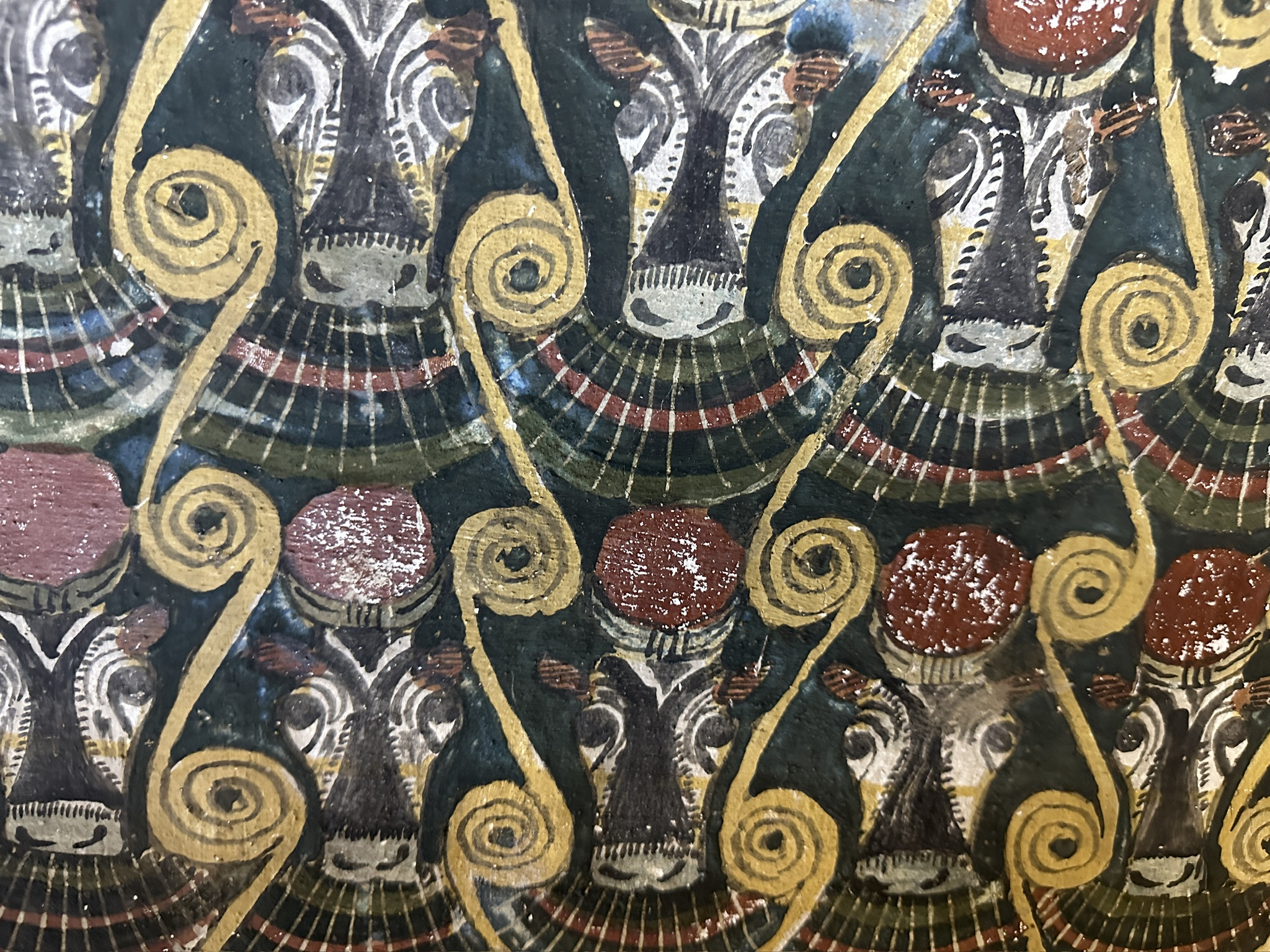
Today it’s known as Deir el-Medina (“Monastery of the City”) because the village’s Temple of Hathor had been converted into a monastery after the advent of Christianity.
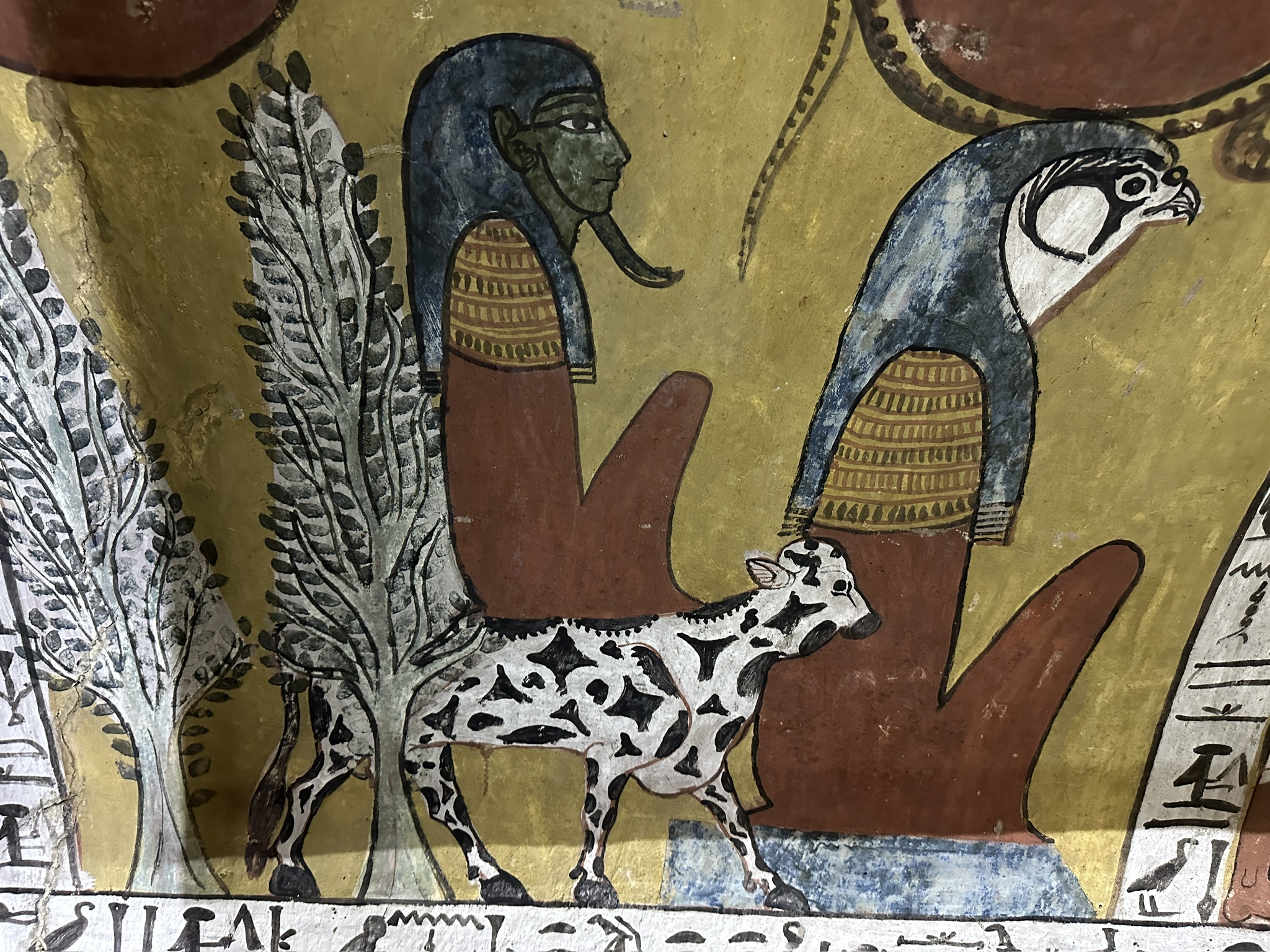
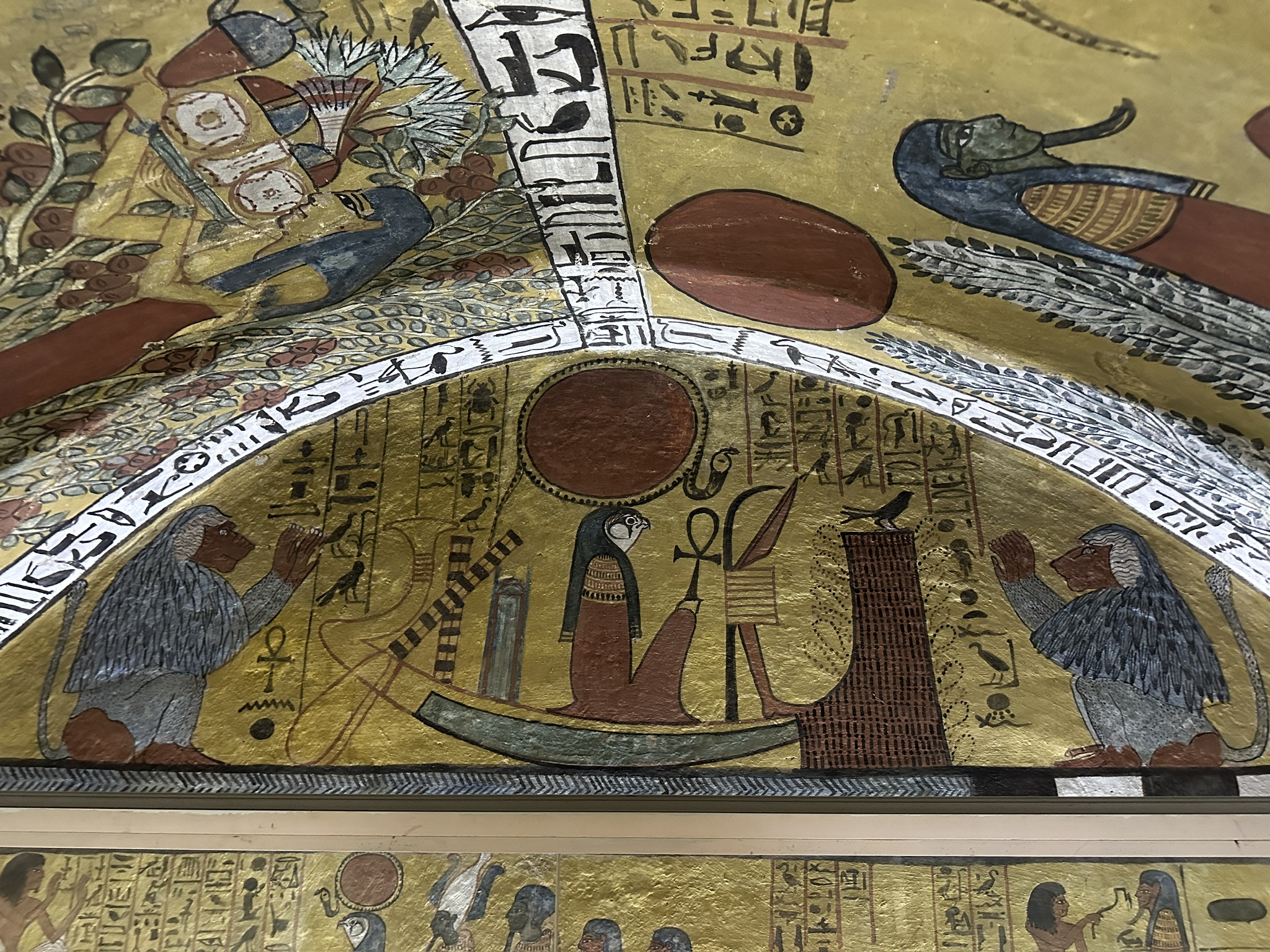
We saw two more gorgeously illustrated tombs here, belonging to senior artisans. While much smaller than the royal tombs, they are beautiful.
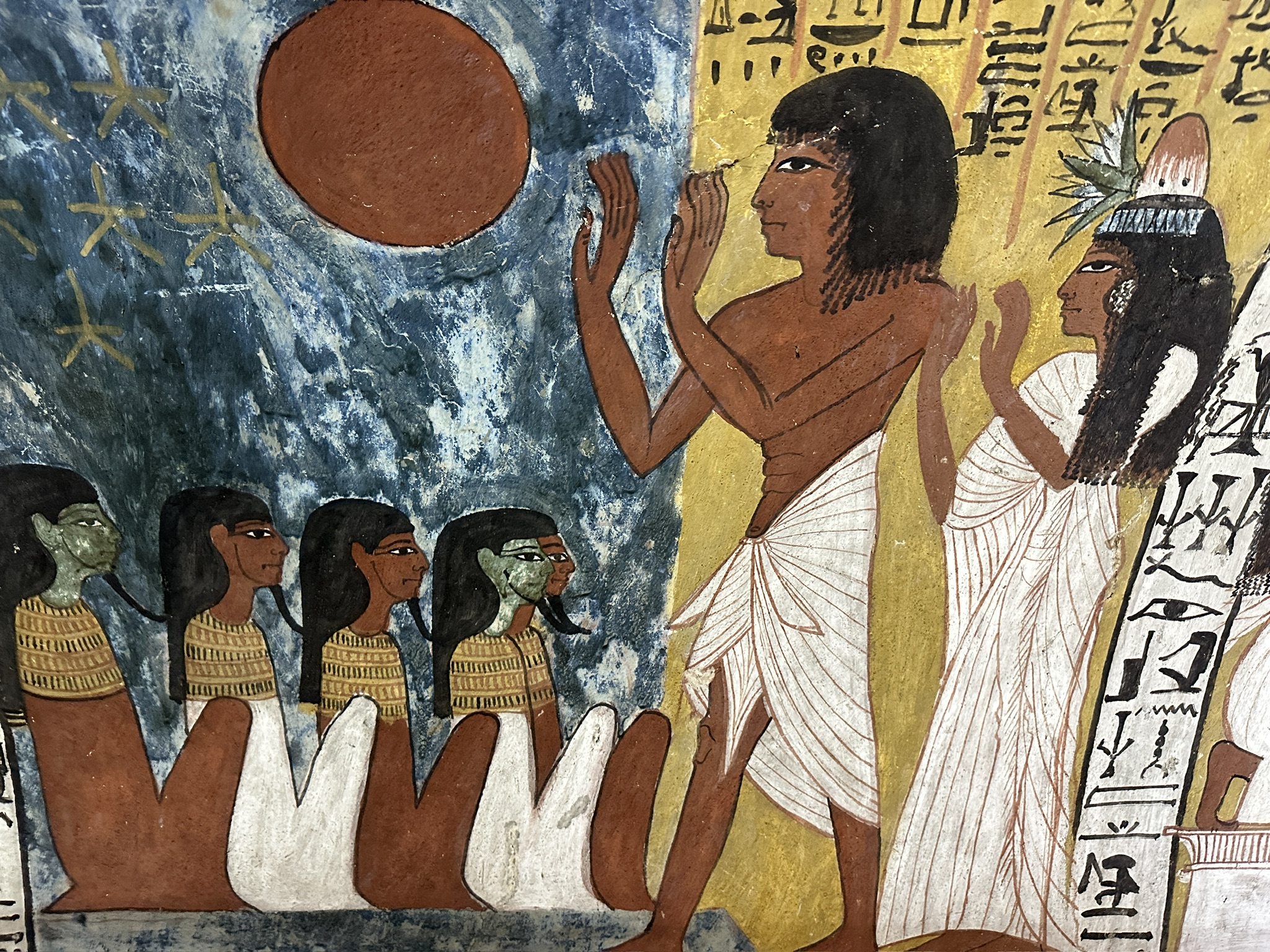
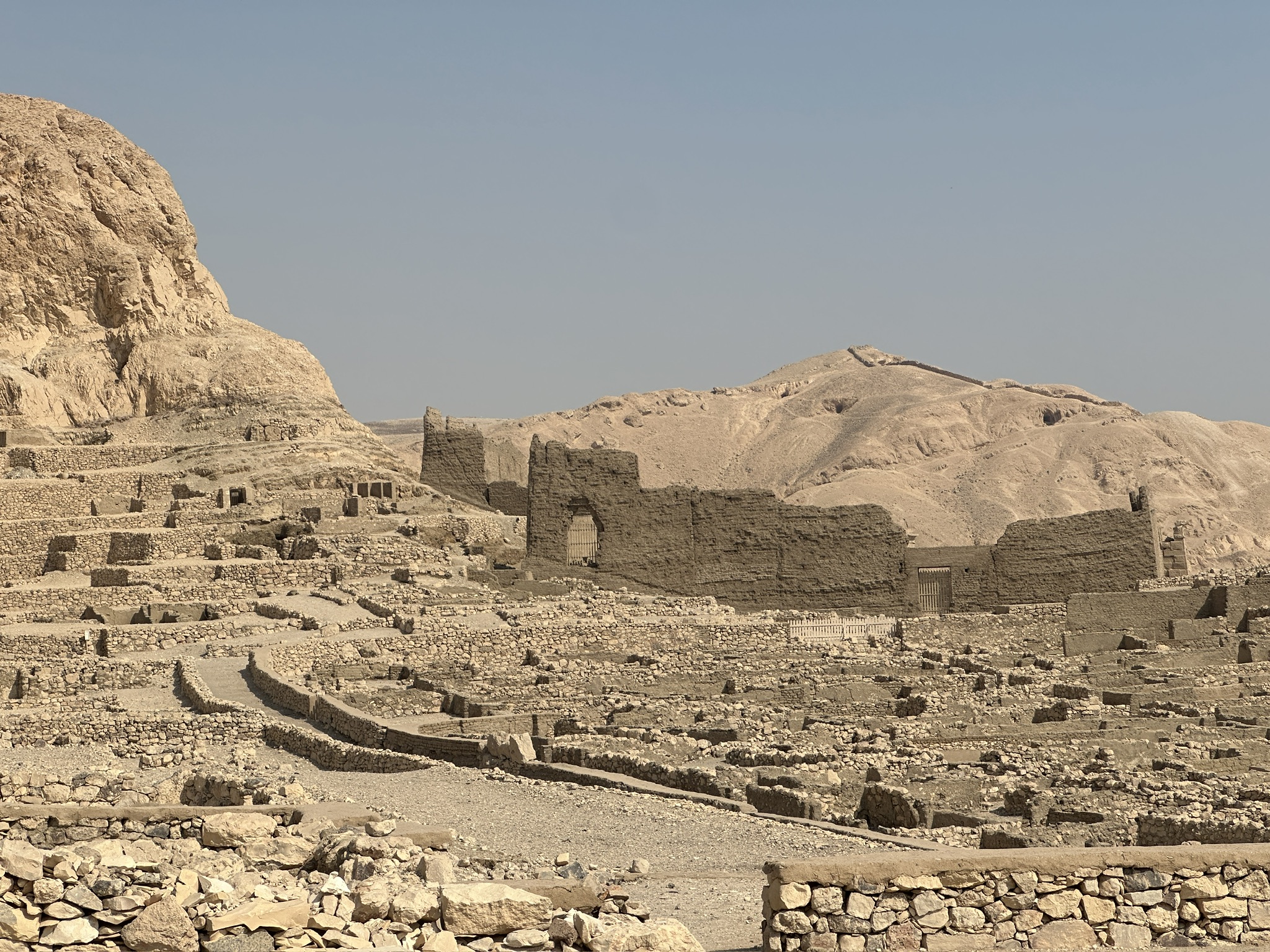
There’s another, physically important contrast between the tombs of the workers and those of the kings: to get to the workers’ tombs, you have to descend narrow, steep, low staircases offering ample opportunities for head-banging, in the hard rock but not the heavy metal sense. I inadvertently took advantage of three of these opportunities, thankfully with no significant damage. If you visit, please be careful! (The royal tombs, in contrast, are reached via wide, high-ceilinged ramps and are suitable even for the claustrophobic.)
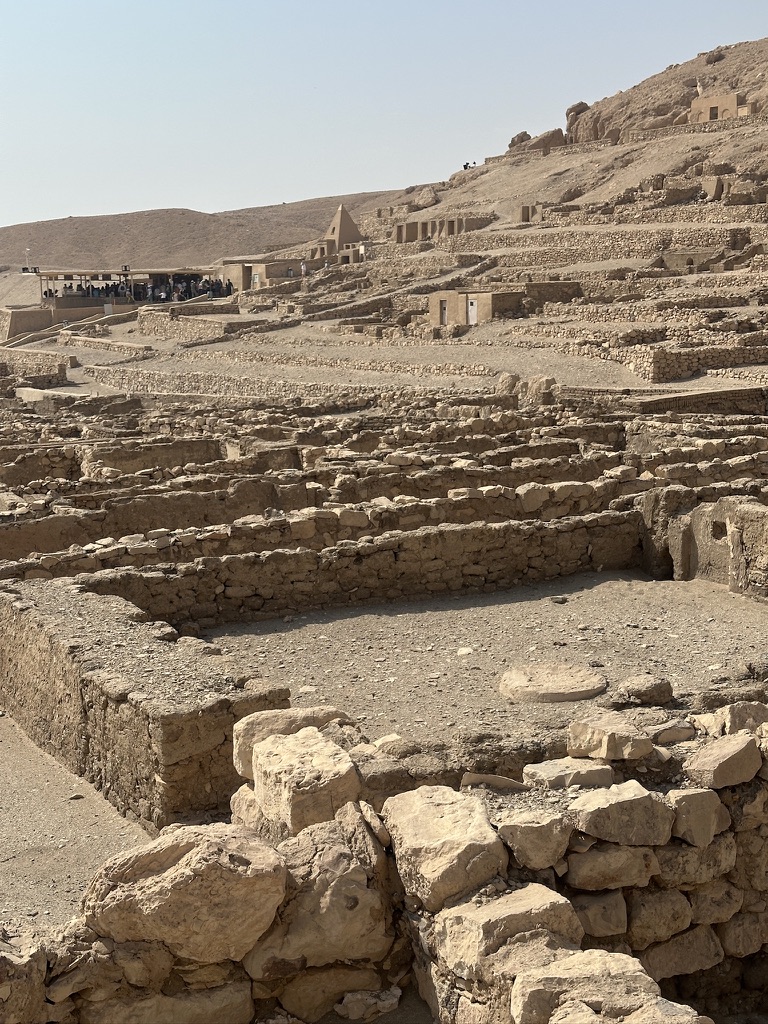
The small Temple of Hathor at Deir el-Medina is a “hidden gem,” as Amr called it. Its three rooms are exquisitely decorated, and there’s a view over the entire settlement from outside the building.

Our final stop for today was the Valley of the Kings, which was crowded with 3000 visitors in the morning but was much more sparsely populated when we arrived, as Amr predicted.

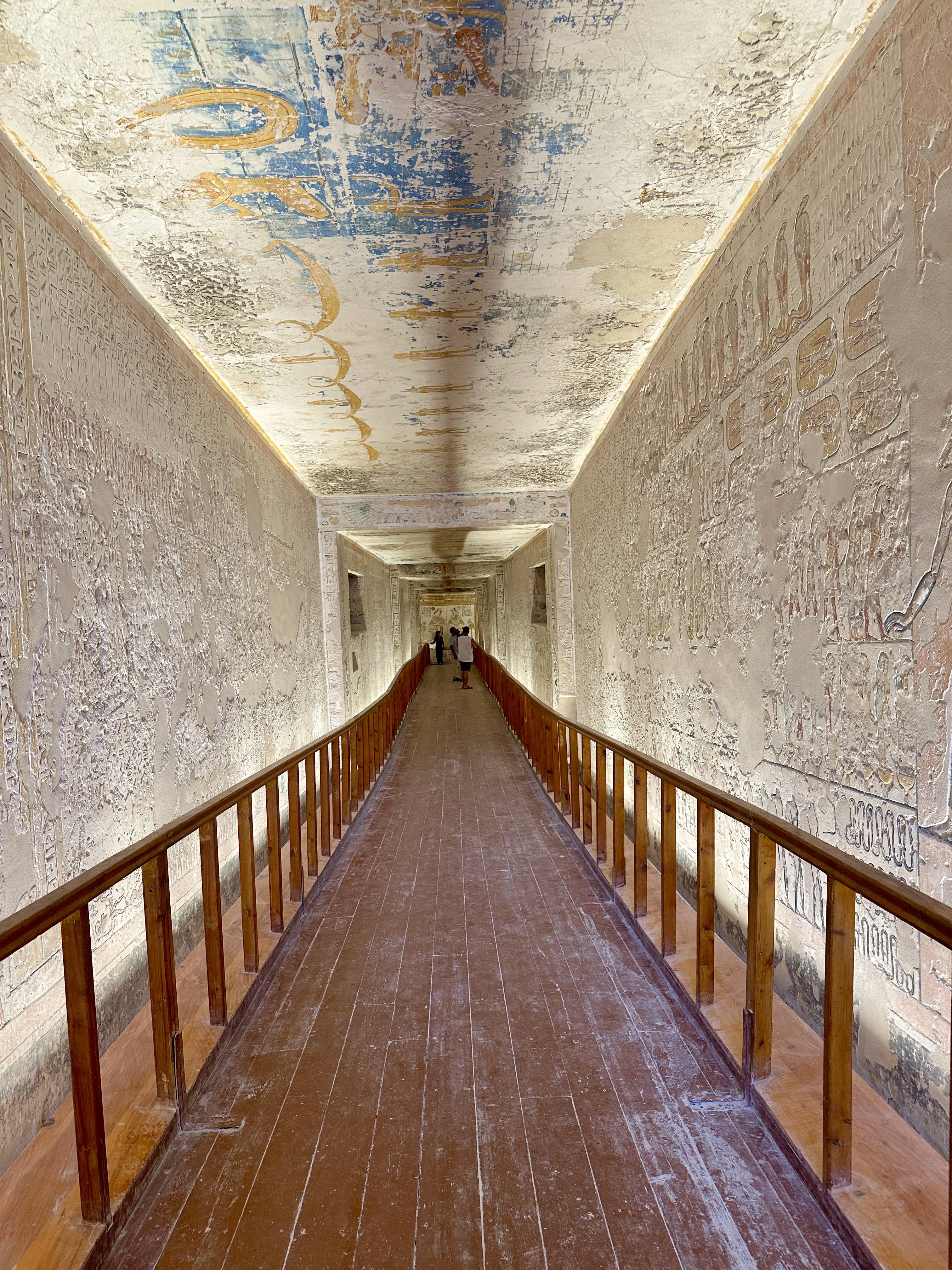
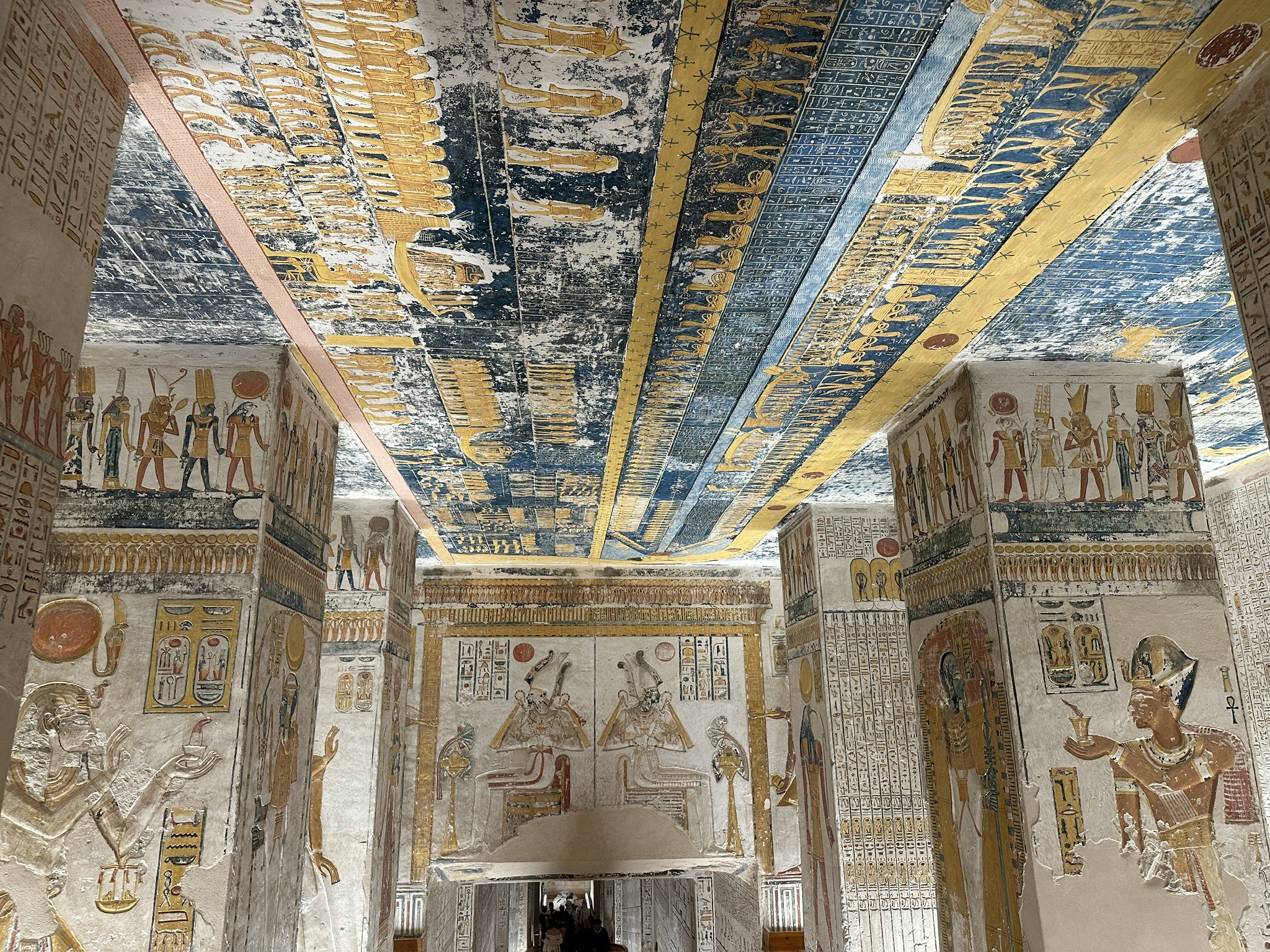

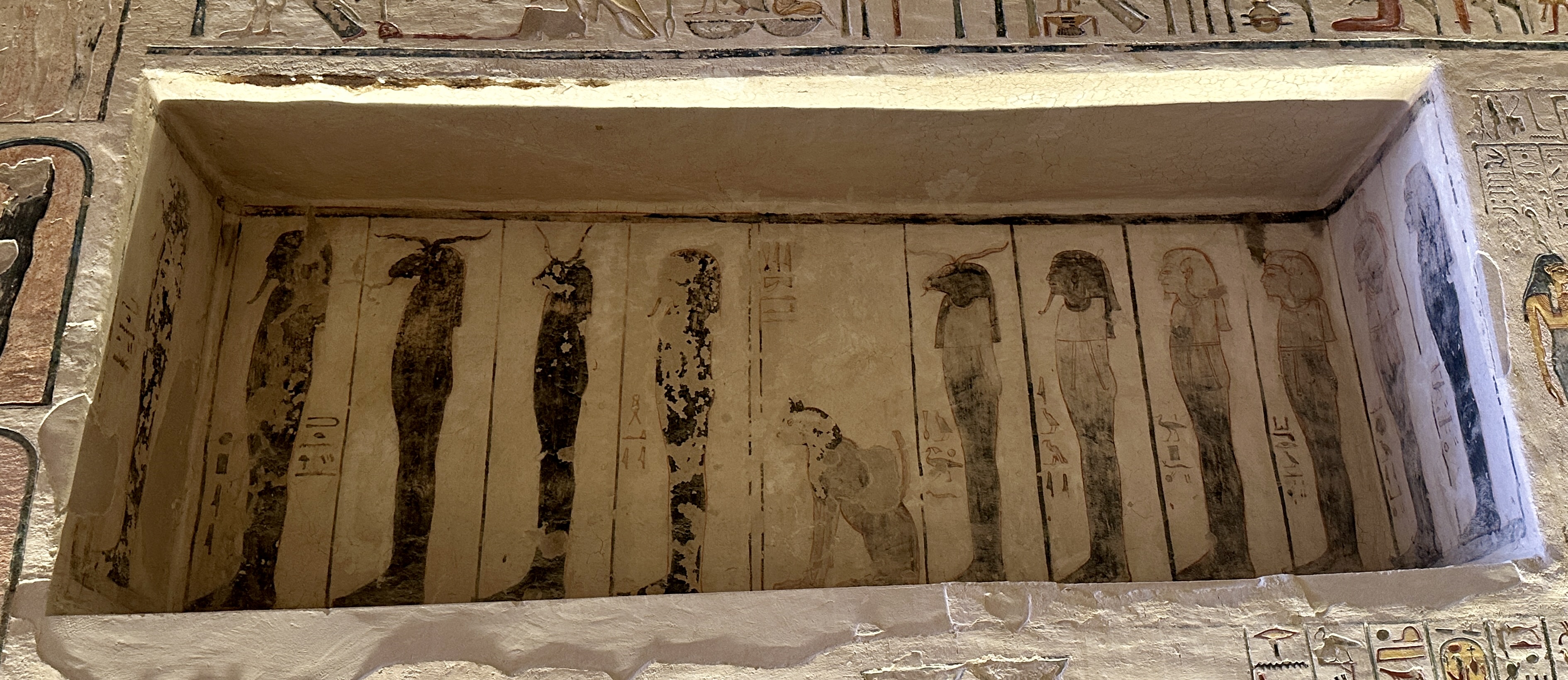
The main entrance ticket affords access to three suitably regal tombs (we saw those of Ramesses IV, VII, and IX). Through the Smithsonian, we also got a supplementary ticket to visit the combined tomb of Ramesses V and VI, which easily surpassed the other three. (King Tut’s tomb also is there and can be visited for an additional fee, but all it contains is his mummy.)
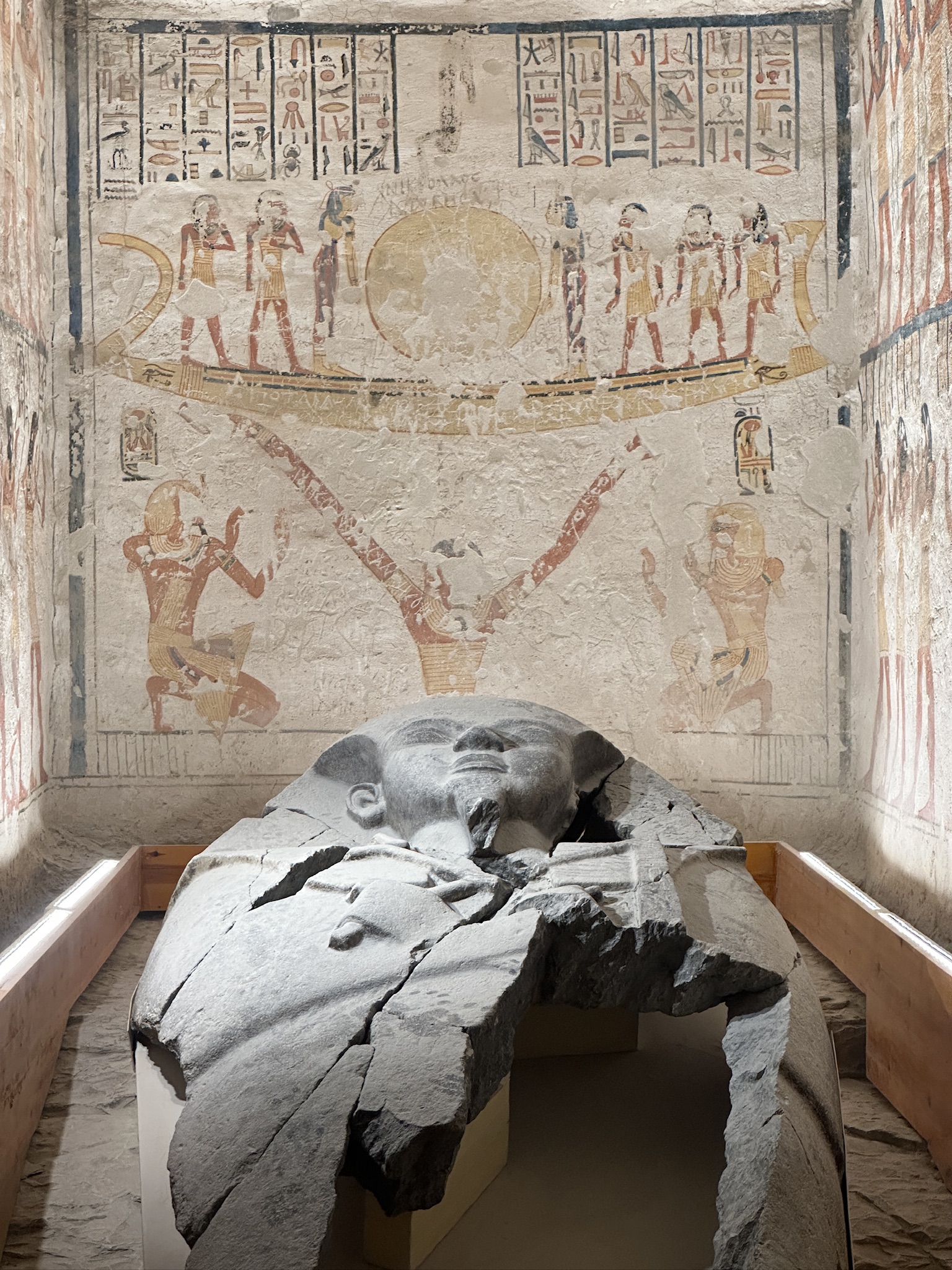
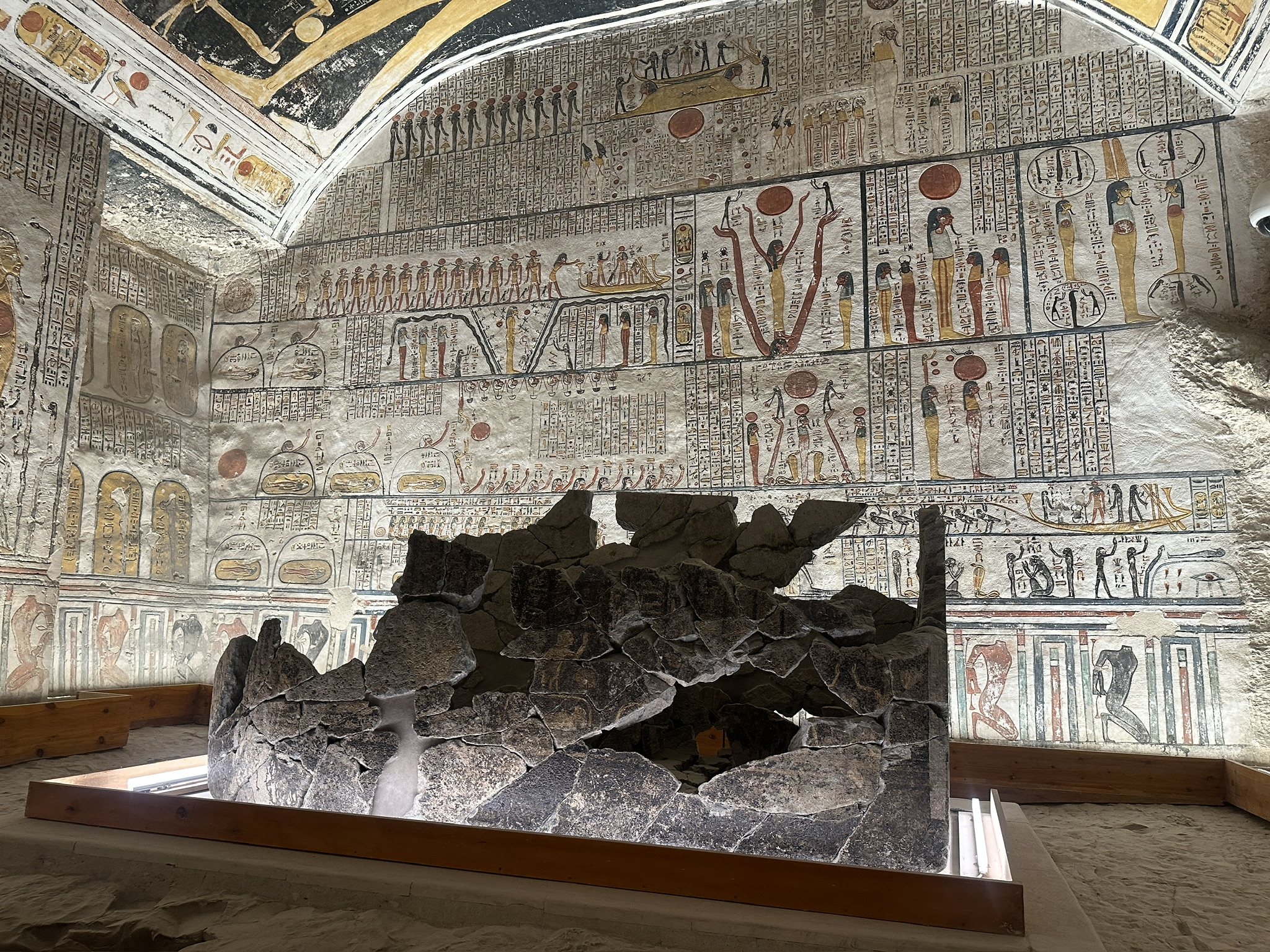

After a long, hot, dusty, but terrific day, we got back to the ship in time for a late lunch and a quick shower before being treated to two lectures.
First, Amr gave a candid, realistic, and ultimately optimistic talk about modern Egypt. He reviewed its history since the end of the Ottoman Empire, discussed education, health care, and religion, emphasized the nation’s commitment to peace, and explained how the government is seeking to meet the challenges facing the country.
Amr recounted several reasons to think that Egypt has turned a corner and that life here will continue to improve, including industrial and manufacturing development along the Suez Canal, new water sources enabling expanded agriculture, and creation of a more independent economy. I sincerely hope his vision of a better future comes true – the Egyptian people are wonderful, and they deserve to live in a nation that is as successful going forward as it was in ancient times.
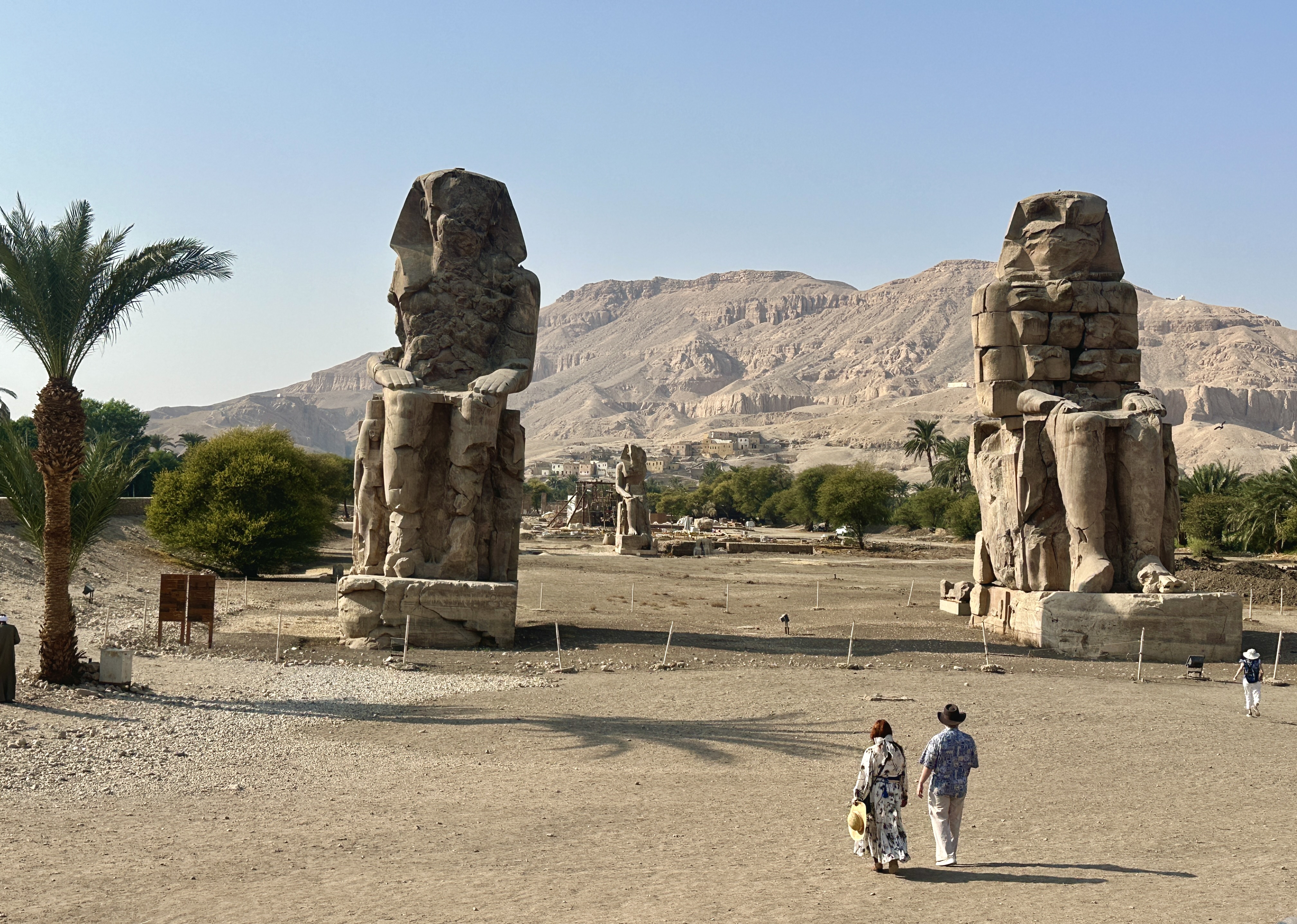
Dan, out Smithsonian expert, then talked about his fieldwork at a tomb near the Mortuary Temple of Hatshepsut. The tomb, built for a 19th Dynasty chanter and his chantress wife, has several unique and intriguing characteristics that Dan discussed with his usual clarity, keen eye for aesthetics, and quiet humor. If you’re interested in the amazing work being done at the tomb, check out Sphinx and Trowel’s online newsletter here.
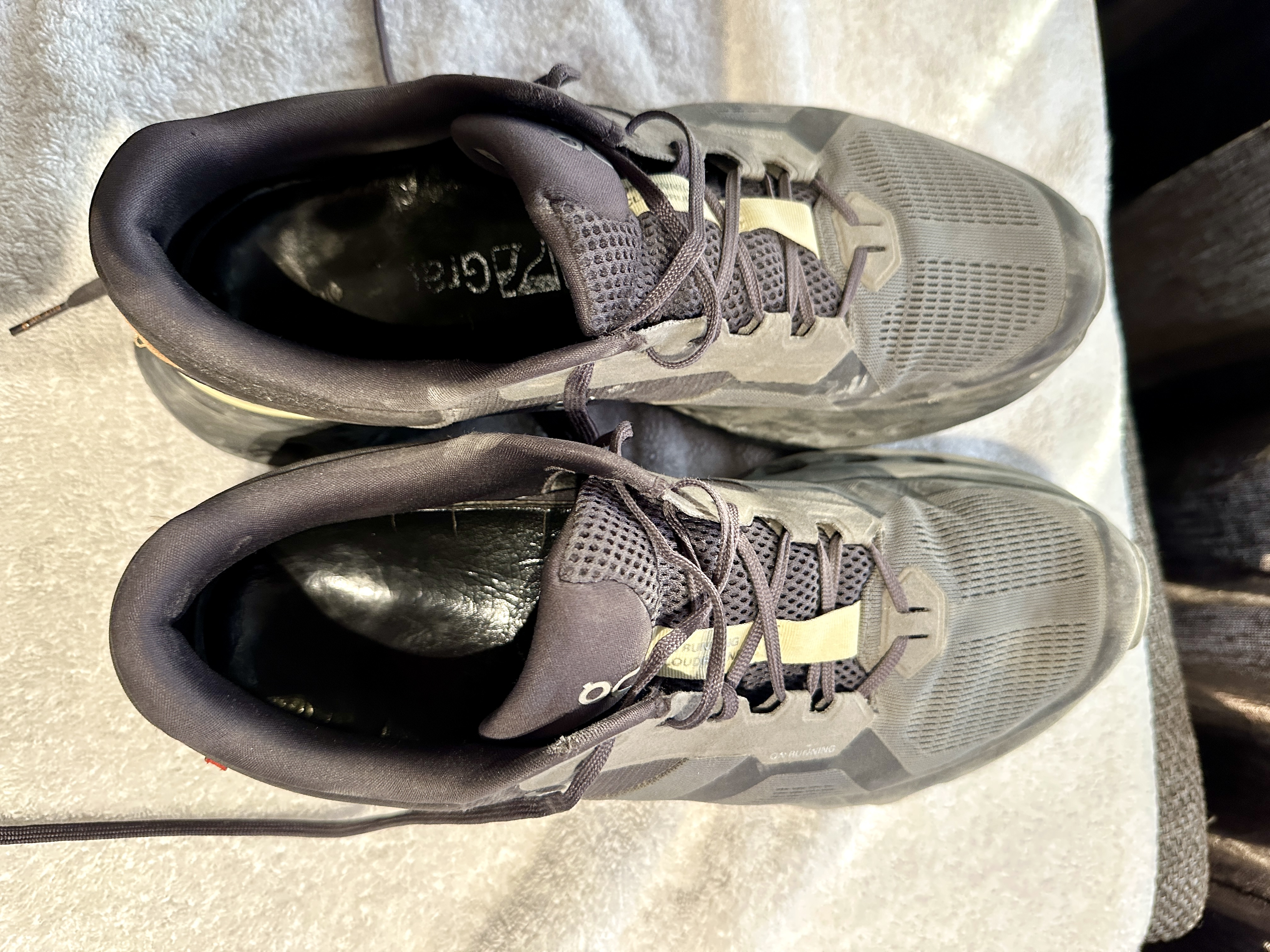
I’ll leave you with a photo of my shoes, which started the day black and ended looking like they’d seen a ghost – perhaps they did, after a day touring this ancient Necropolis.
Tomorrow morning, we’ll bid farewell to our ship after three days on the Nile and head to the famed Temple of Karnak. Stay tuned!
Postscript: just before waking the morning after touring the Necropolis (i.e., today), I had a vivid dream featuring two of my dogs, who died in 2018 and 2020, respectively, and my mother, who died in 2022 (alas, my mom had only a cameo role in the dream). Perhaps the spirit world really is closer here!

 PuffinlessTravel
You’ve inspired me to pull out my Egypt photo albums, which, as it happens, contain many similar shots! Also, it occurred to me as I was reading this post that you might enjoy this book.
Enjoy the Temple of Karnak!
Thanks, Jeanne! I actually read the book several years ago and had forgotten about it. I’ll have to look at it again.