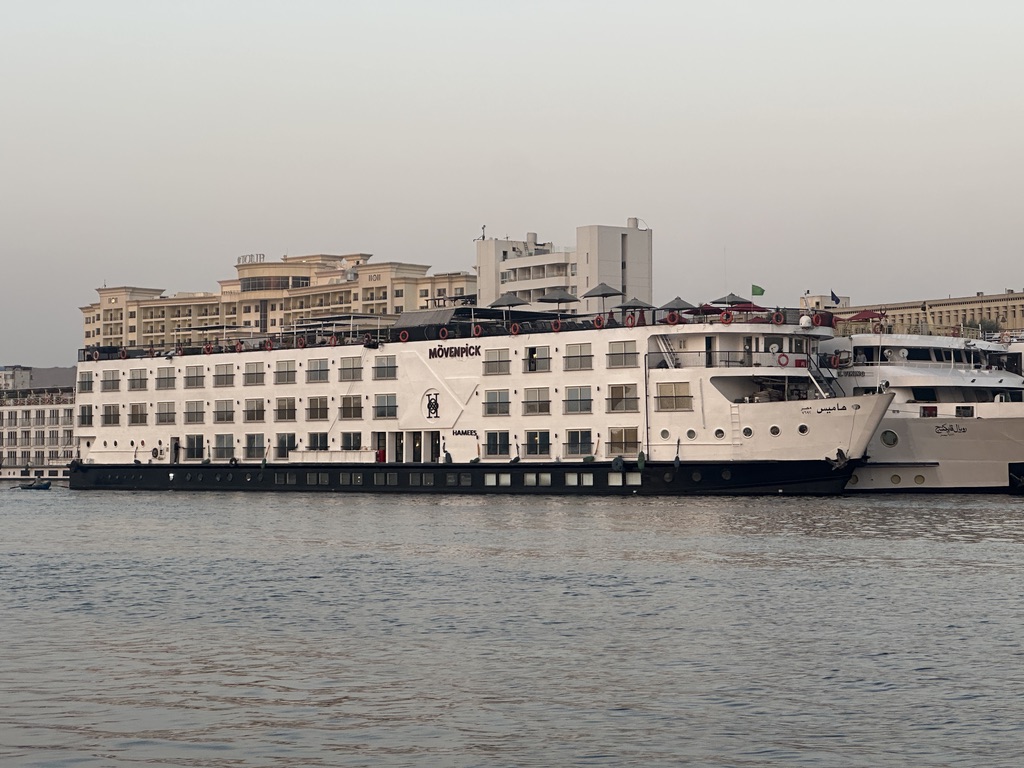
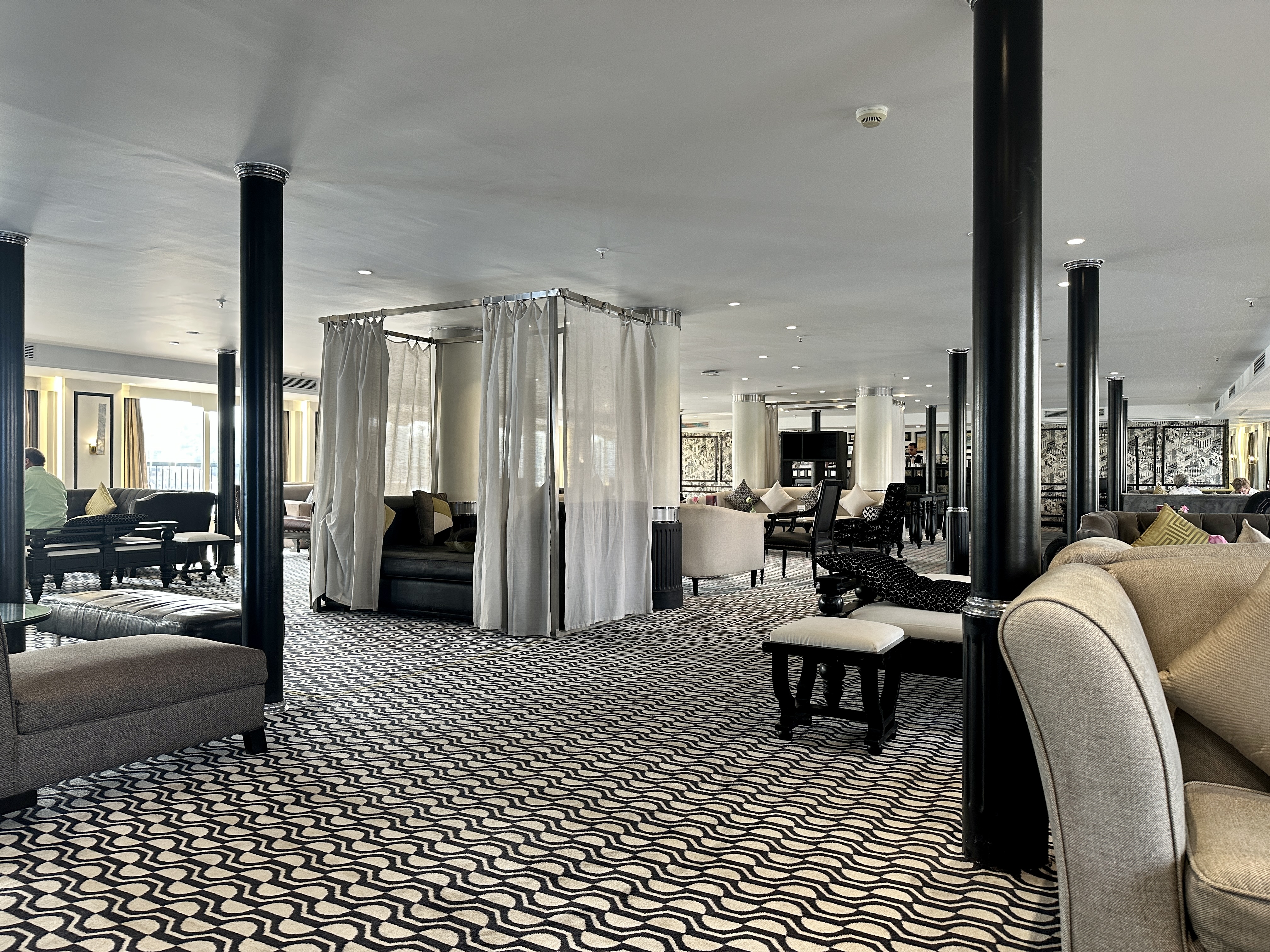
Friday the 7th literally marked a turning point in our Egyptian sojourn. Aswan is in far southern Egypt, not all that far from the border with Sudan. On Friday, we boarded the M/S Hamees, an elegant, Mövenpick-owned river boat, for a leisurely cruise back north to Luxor with stops in Kom Ombo and Edfu.
Before setting sail, we visited two more sites of interest in Aswan: an unfinished obelisk and the Nubian Museum.
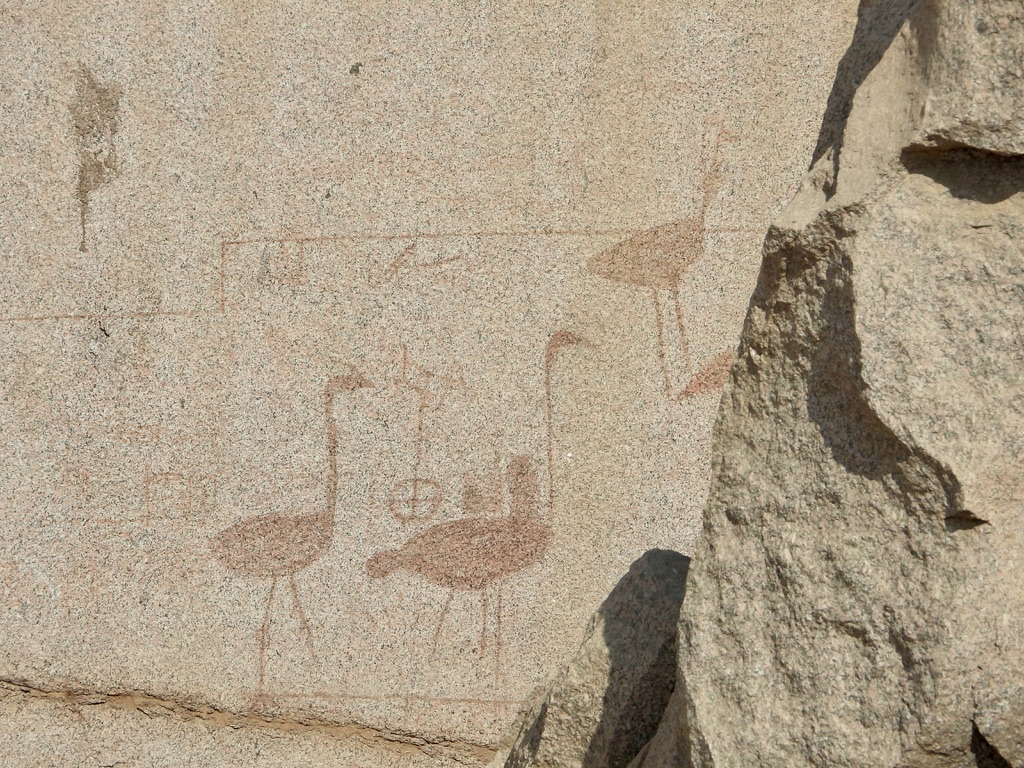
The obelisk, while not much to look at, offers insights into how the ancient Egyptians fashioned these spectacular stone pillars. It’s carved directly out of the underlying bedrock, with trenches surrounding the pillar-to-be.
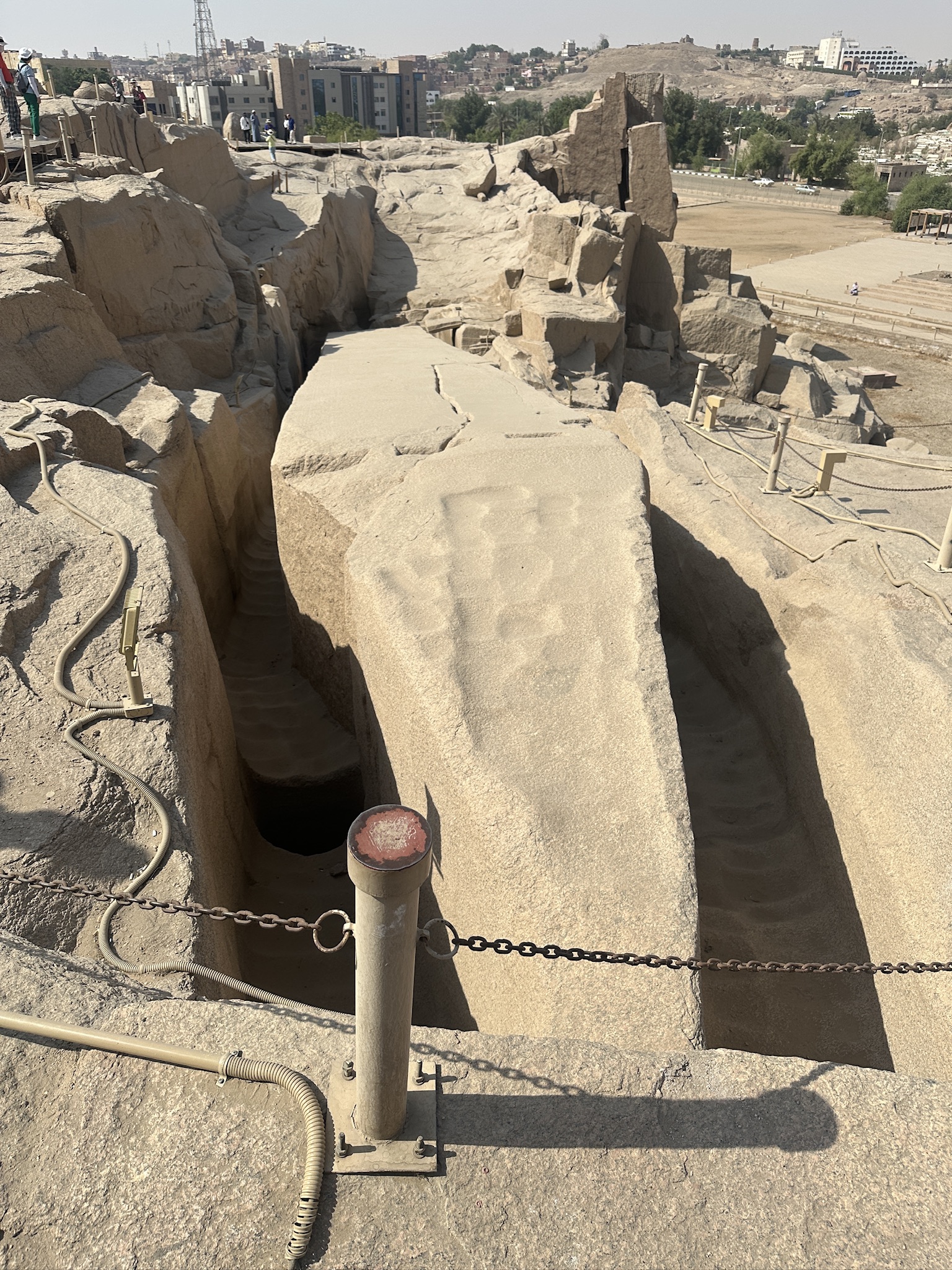
The backstory: Queen Hatshepsut, like rulers throughout history, apparently believed that size matters (no word what her husband/half-brother, Thutmose II, thought about that). She directed the manufacture of an obelisk roughly one-third larger than any that had come before, and all went swimmingly until the unfinished column developed cracks and was abandoned before it could achieve erection. (I mean, come on, if an obelisk isn’t a phallic symbol, what is?)
As an aside, Hatshepsut is a fascinating character. Following the death of Thutmose II, she was the second woman to rule as Pharaoh, governing along with her stepson Thutmose III, a noted warrior who frequently was away fighting somewhere. Hatshepsut is depicted as having both male and female characteristics, and she considered herself both the father and the mother of her subjects. Tool of the patriarchy that he was, Thutmose III tried to erase his step-mother from the historical record after her death, even though she oversaw a period of great prosperity.


After the unfinished obelisk, we toured the Nubian Museum, a modestly-sized institution with a marvelous collection of artifacts related to Nubian civilization and society.
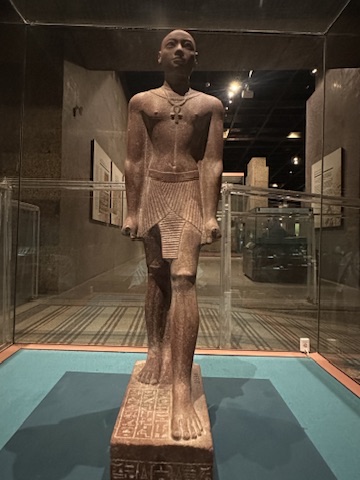

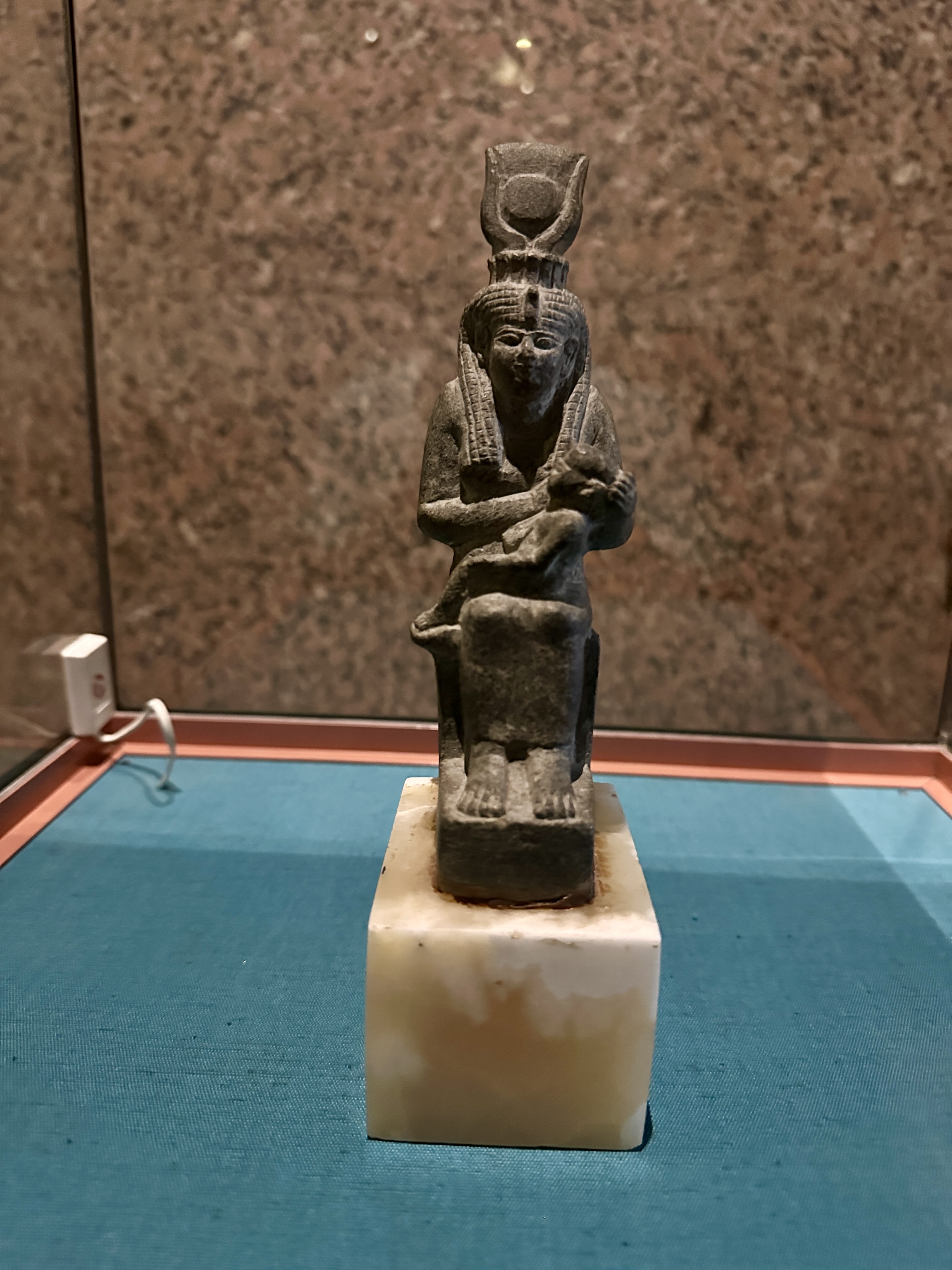
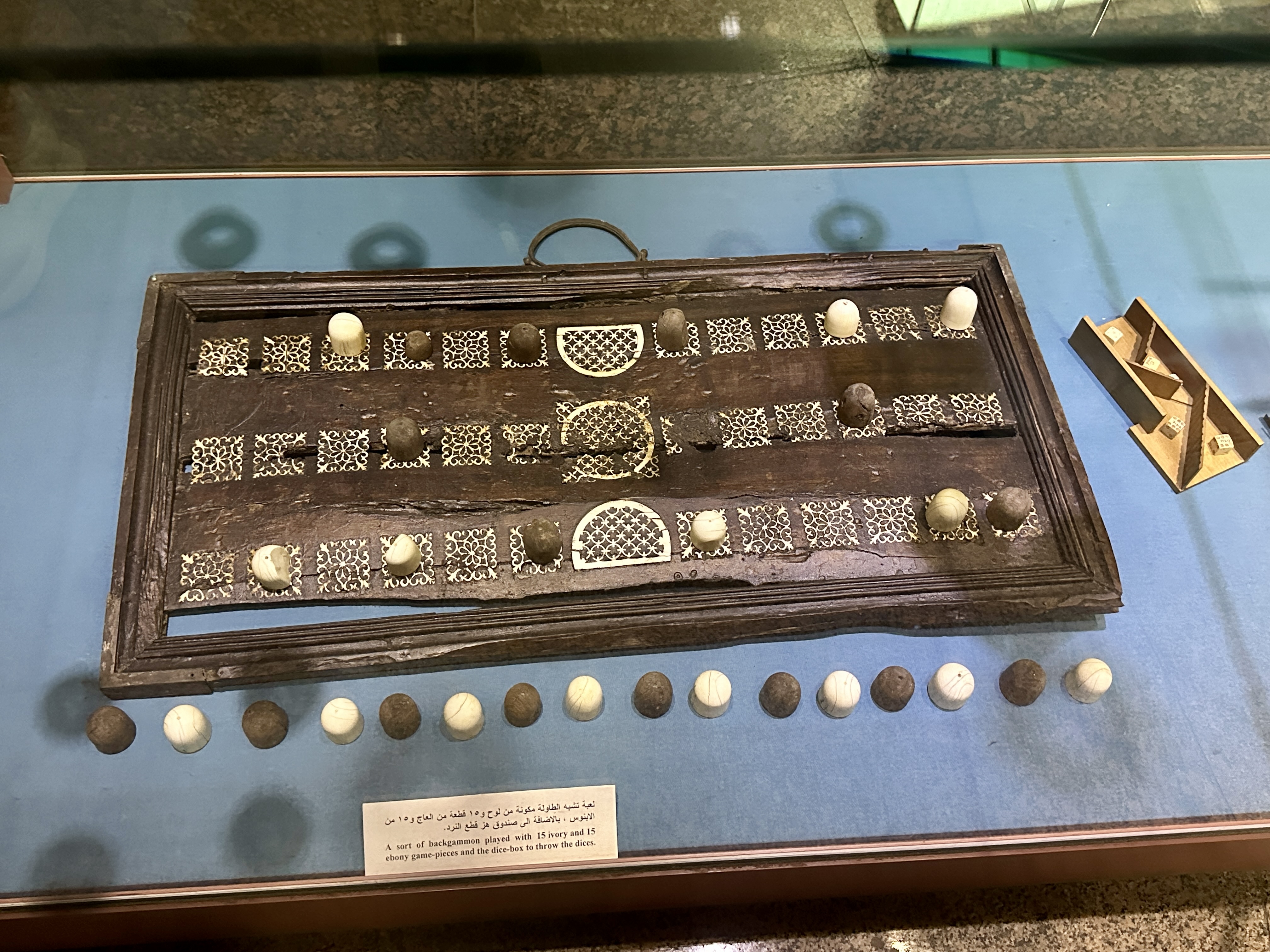
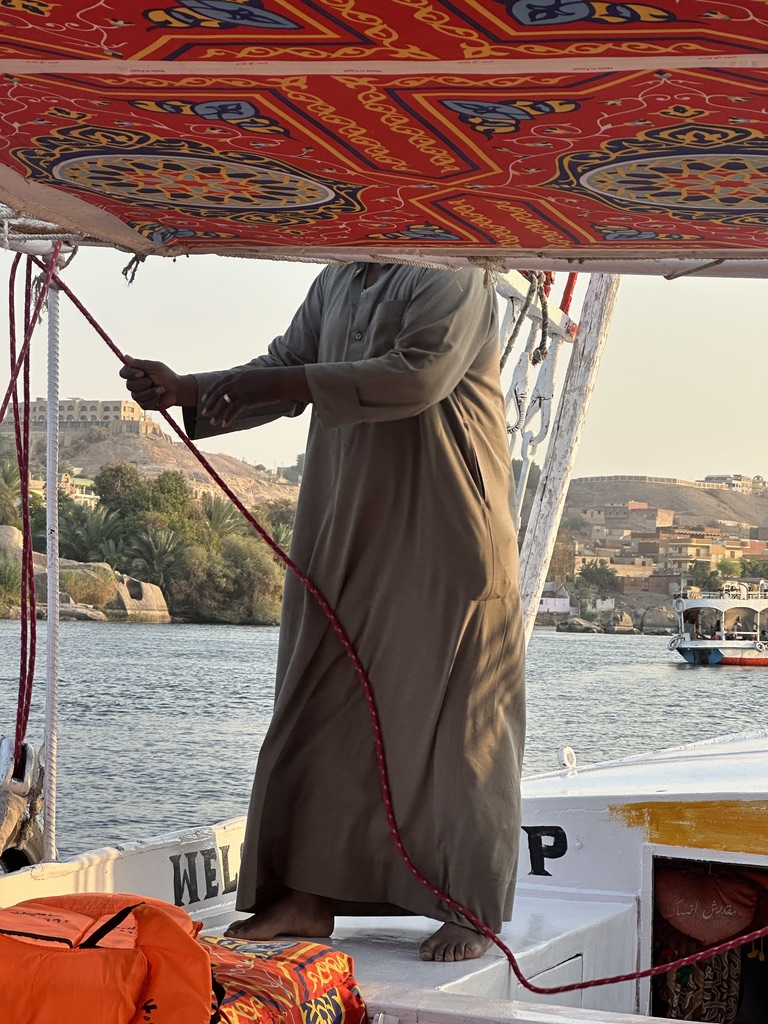
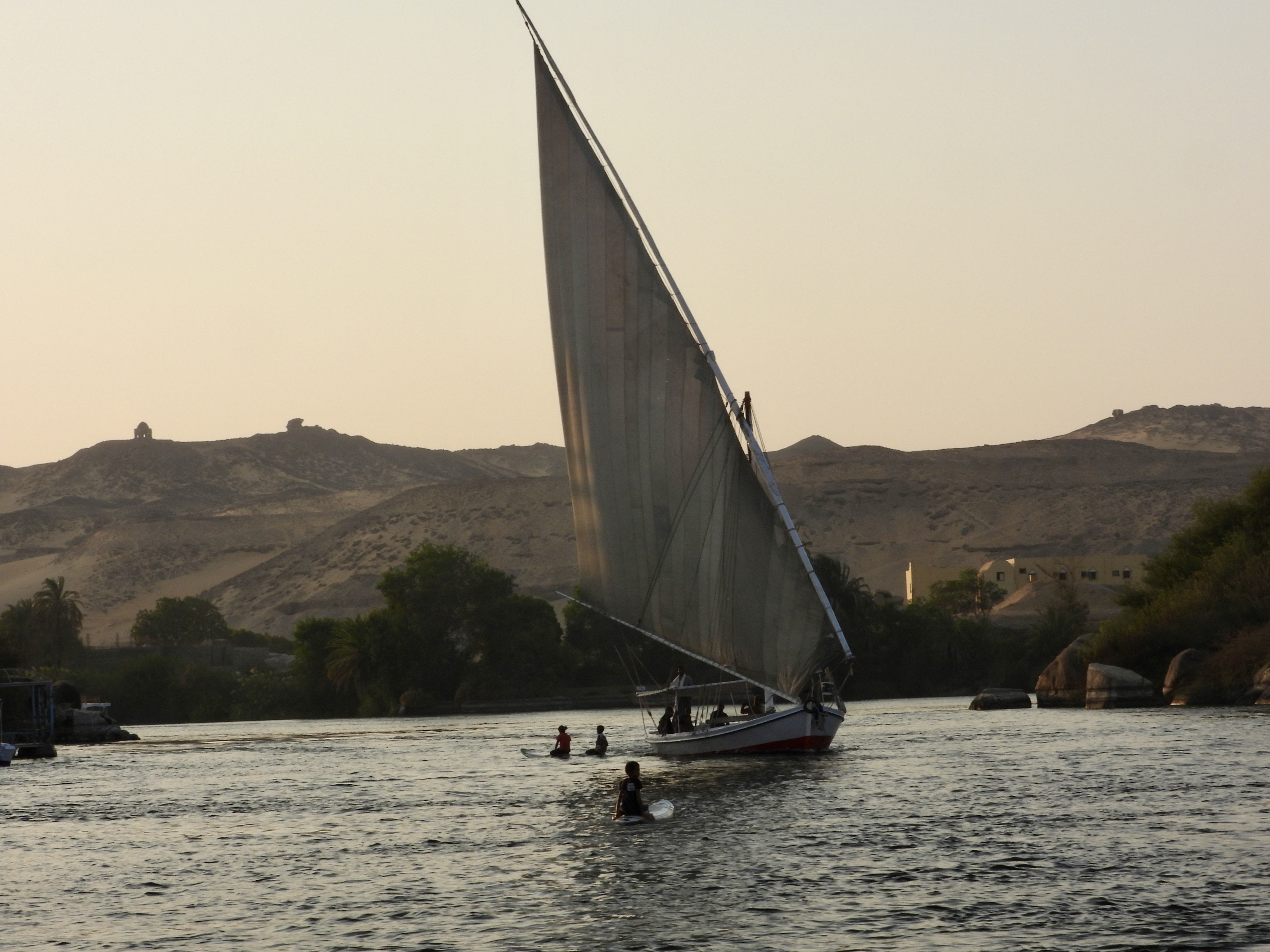
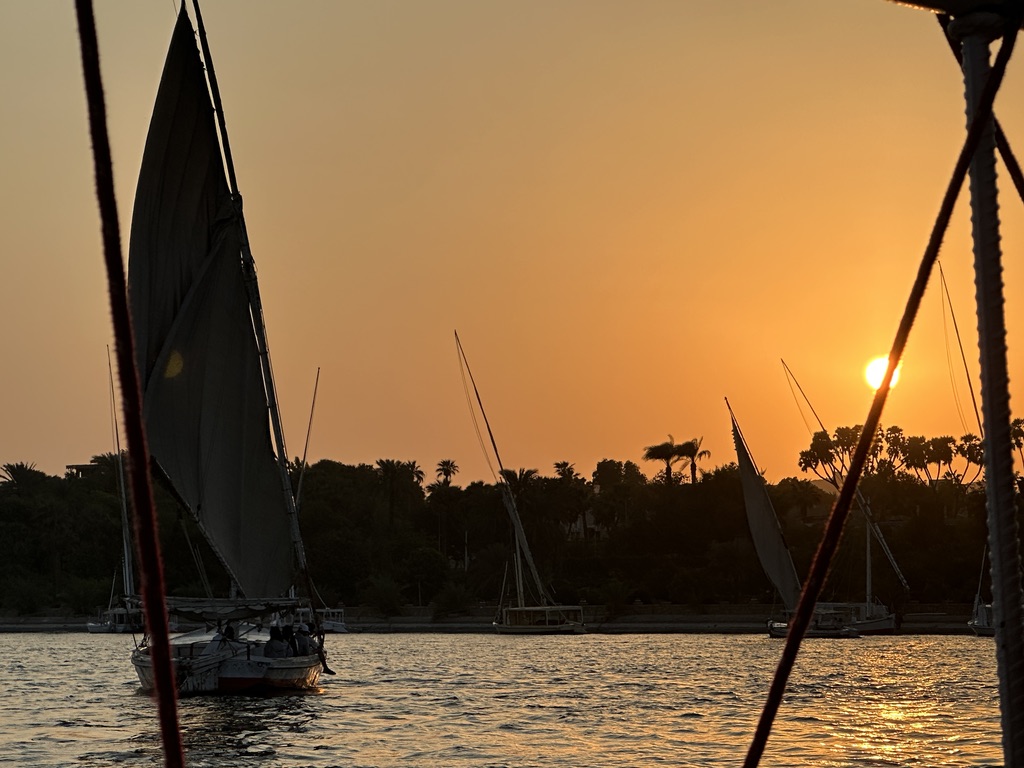
Following the museum, we boarded the riverboat before heading out again in the late afternoon for a serene sail on a felucca.
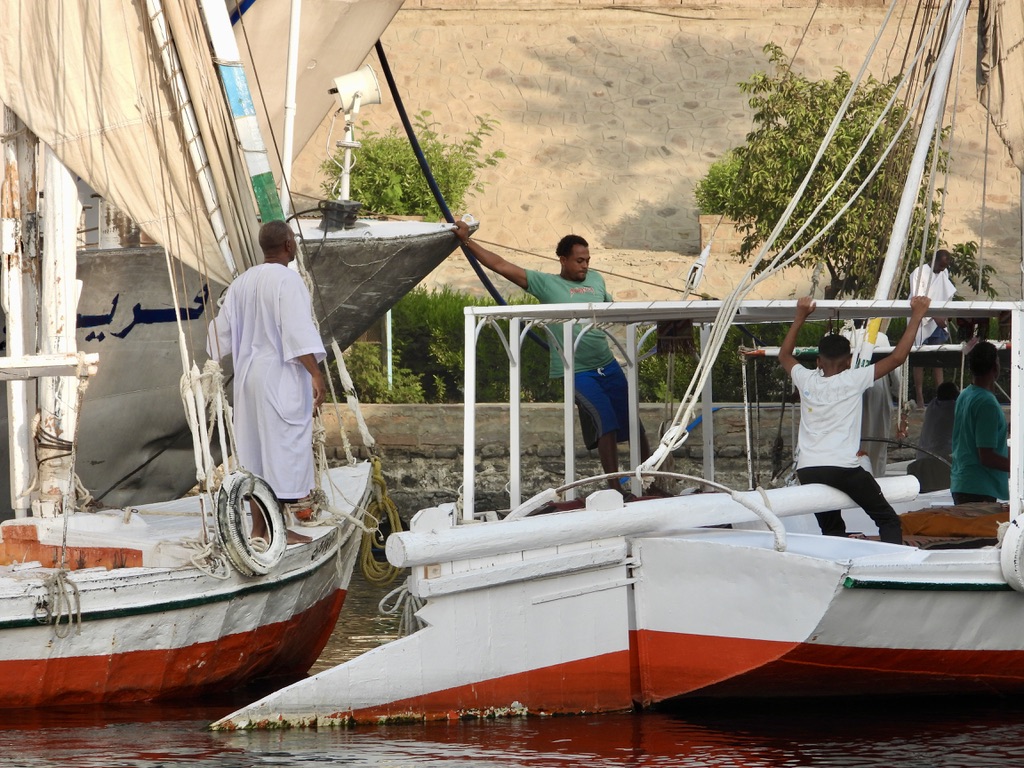
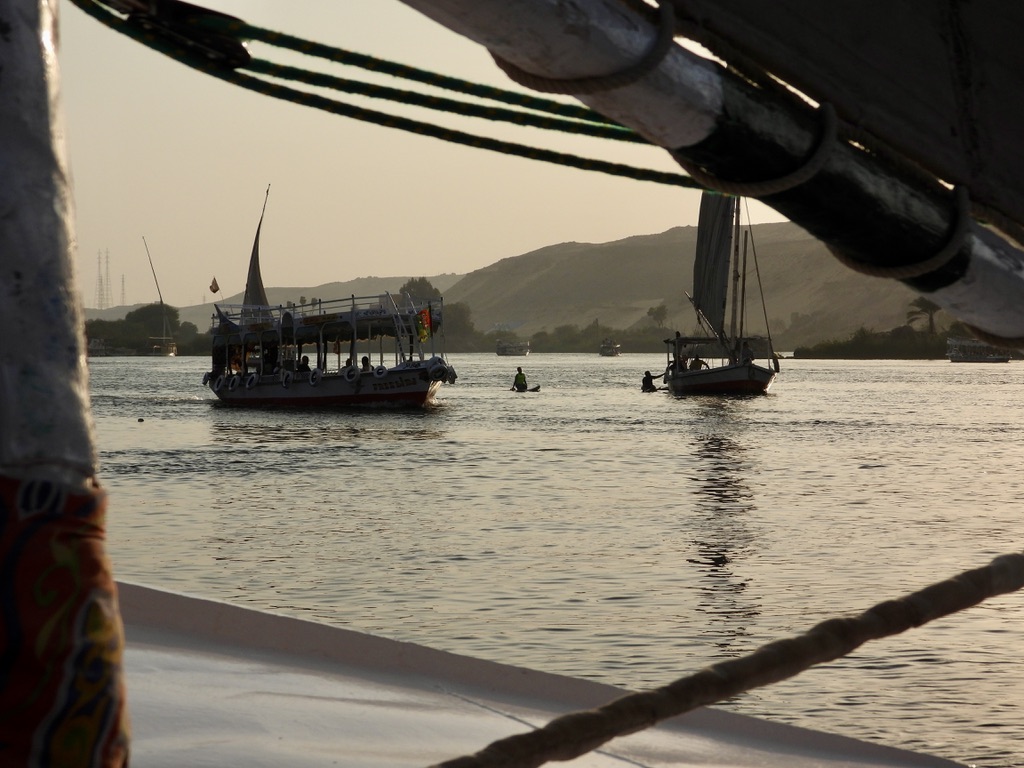
As on the motorboat cruise yesterday, we were besieged by young kids on paddleboards, who clung to the side of the boat singing “Frere Jacques” before being shooed away.
I have no idea why Frere Jacques is the song of choice. Of equal mystery, everywhere we’ve visited, vendors hoping to sell some kind of small Egyptian stringed instrument walk around playing the Chicken Dance, a song that generally makes me run in the other direction.
Back on board, our Smithsonian expert, Dan Warne, gave an excellent lecture about the techniques and beliefs surrounding mummification in ancient Egypt. Dan is a young Egyptologist with a great deal of archeological experience. He shares his knowledge with an easy enthusiasm, and he has a terrific eye for aesthetics.
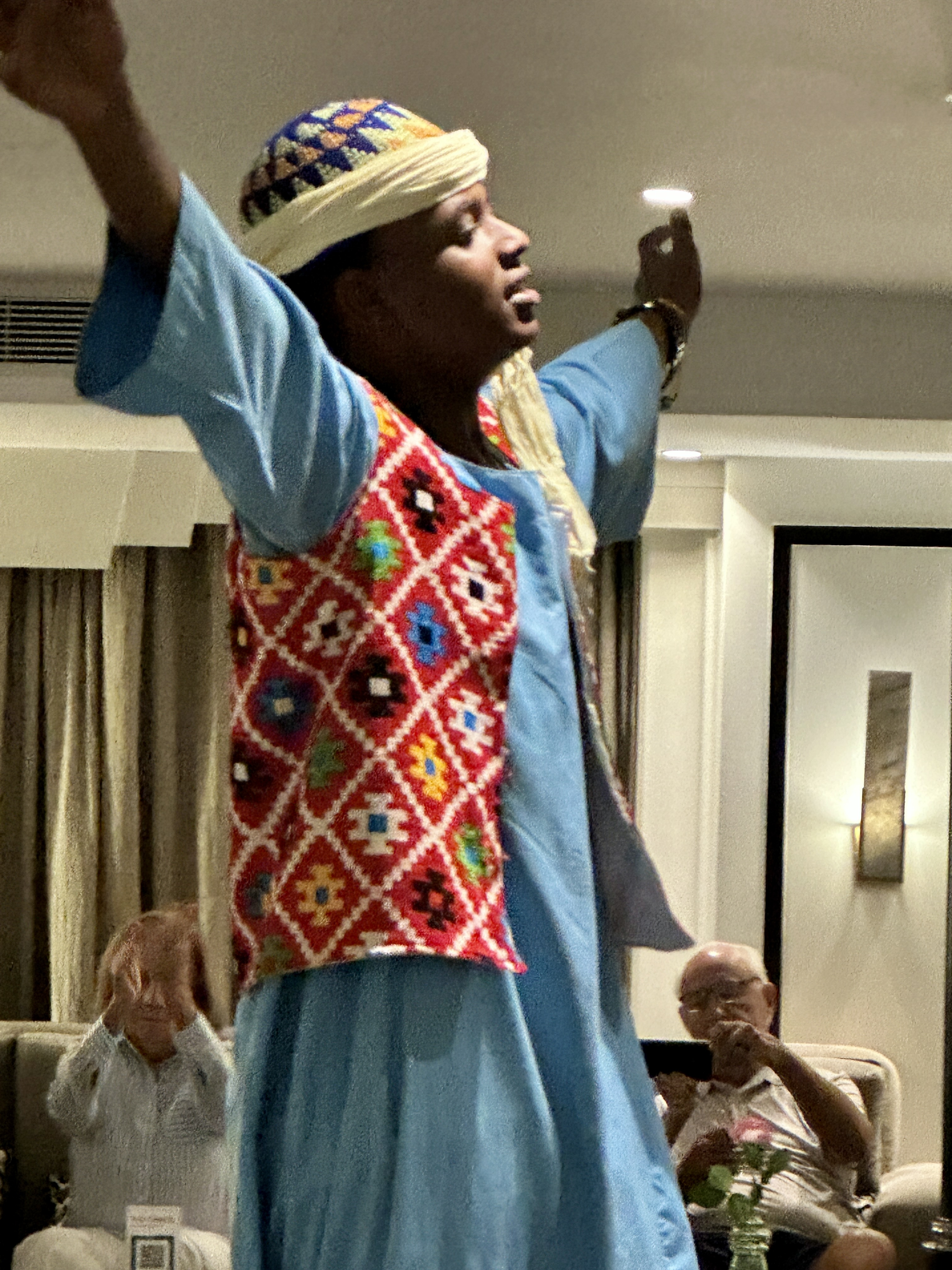
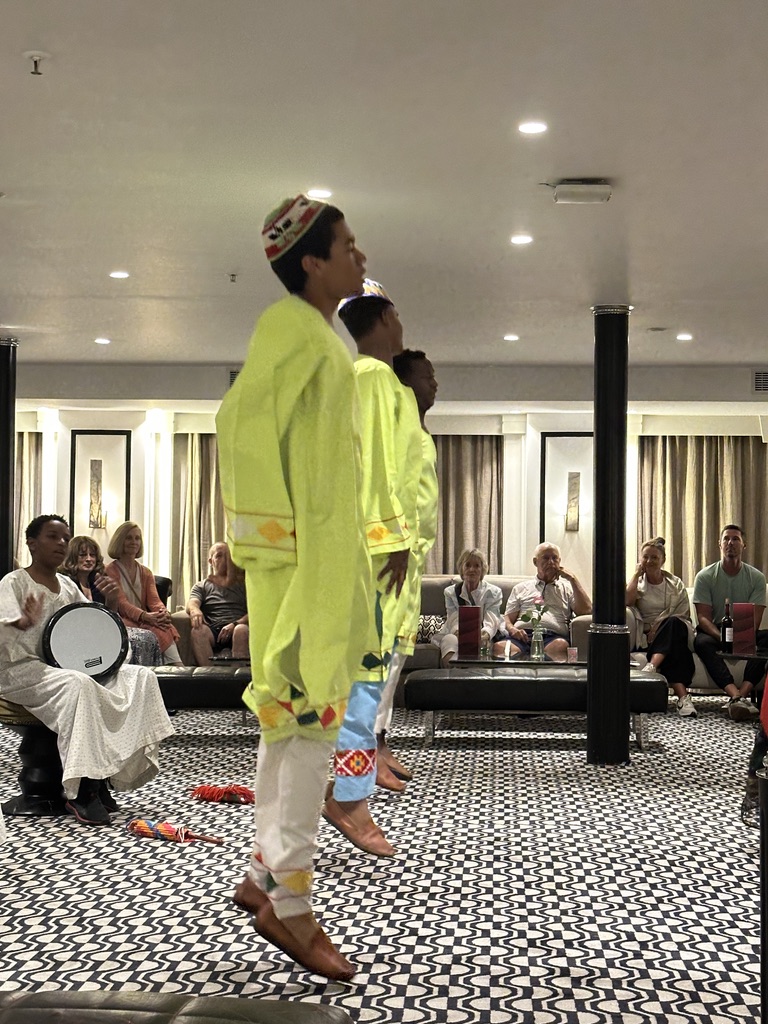
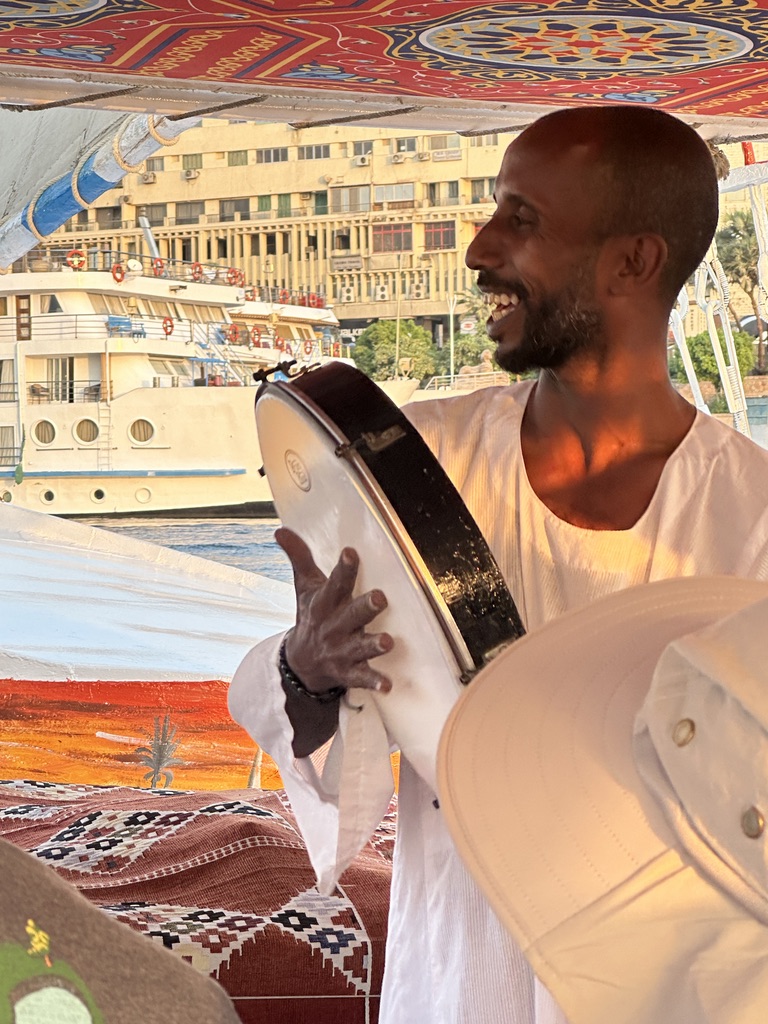
After Dan wrapped up his mummy talk (so to speak), we were treated to a percussion/singing/dance performance that included much enthusiastic audience participation. And so another magical day in Egypt drew to a close.

Our ship set sail during the wee hours of the 8th, and by 7 a.m. on Saturday we’d arrived at Kom Ombo, known for a rare “double temple” built during Ptolemaic times.
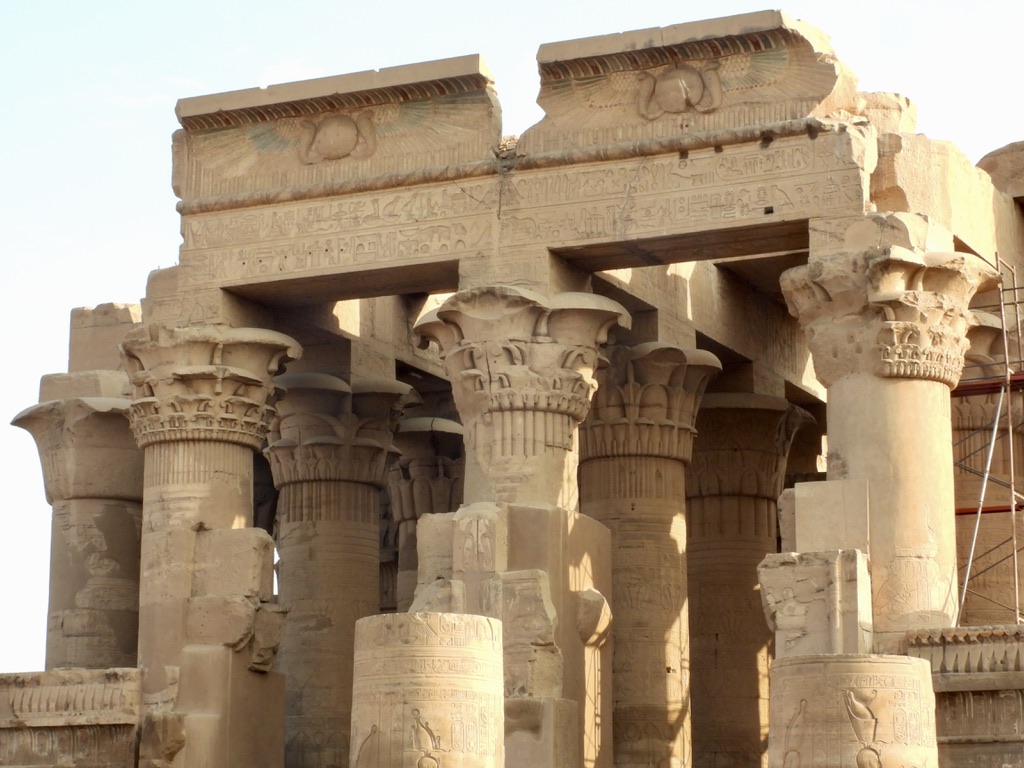
The temple is perfectly symmetrical, with half devoted to the falcon god Haroeris (“Horus the Elder”) and half to the crocodile god Sobek.
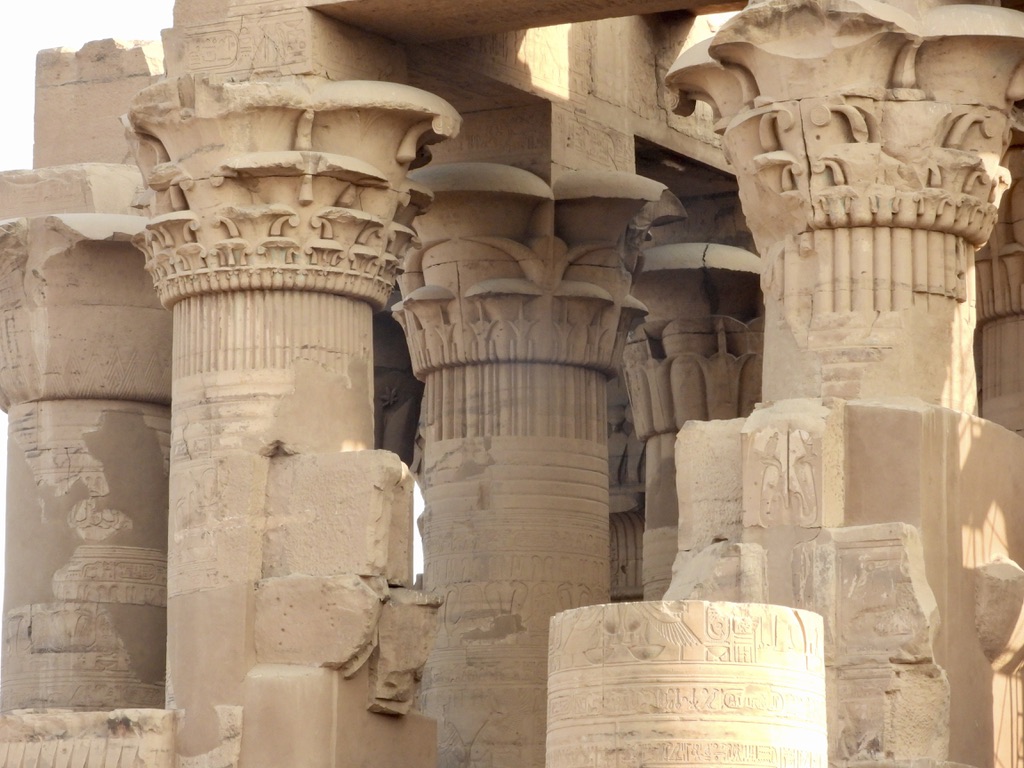
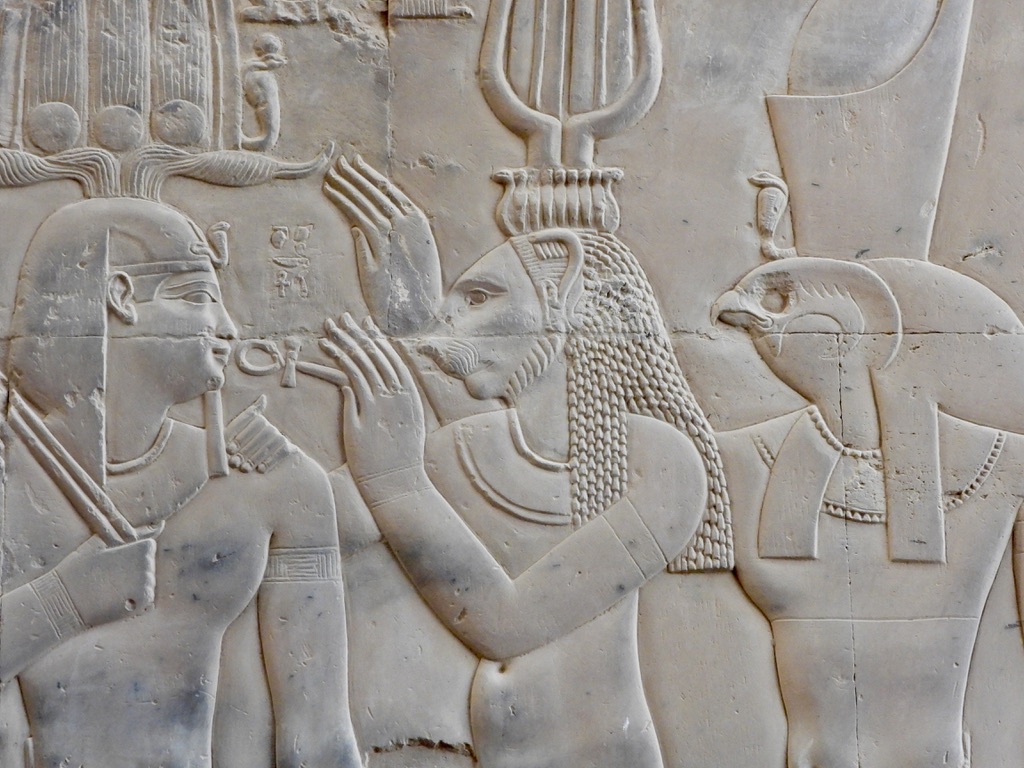

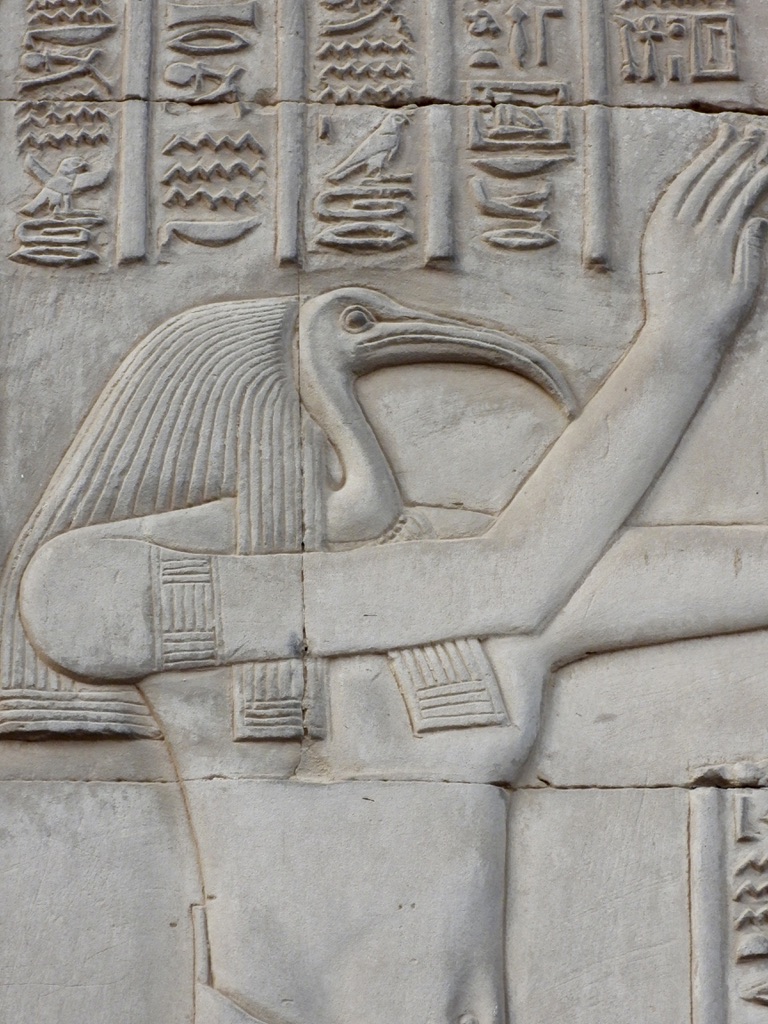
It’s filled with gorgeous carvings of gods and rulers, as well as illustrations of ancient Egyptian medical instruments similar to those used today.

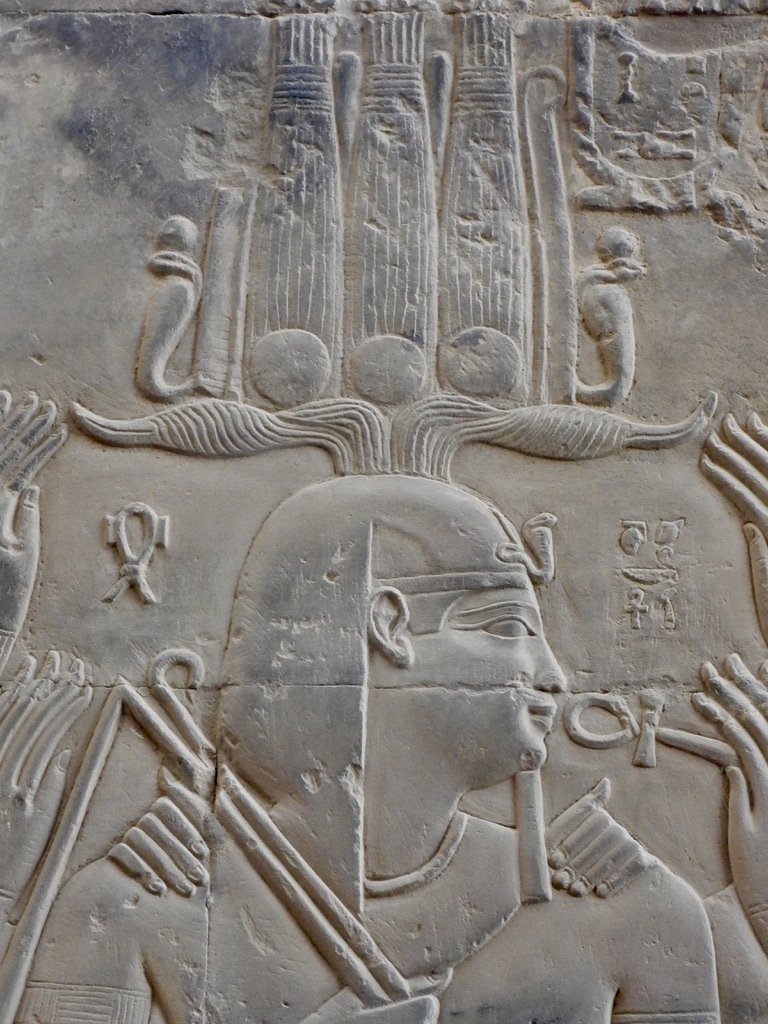
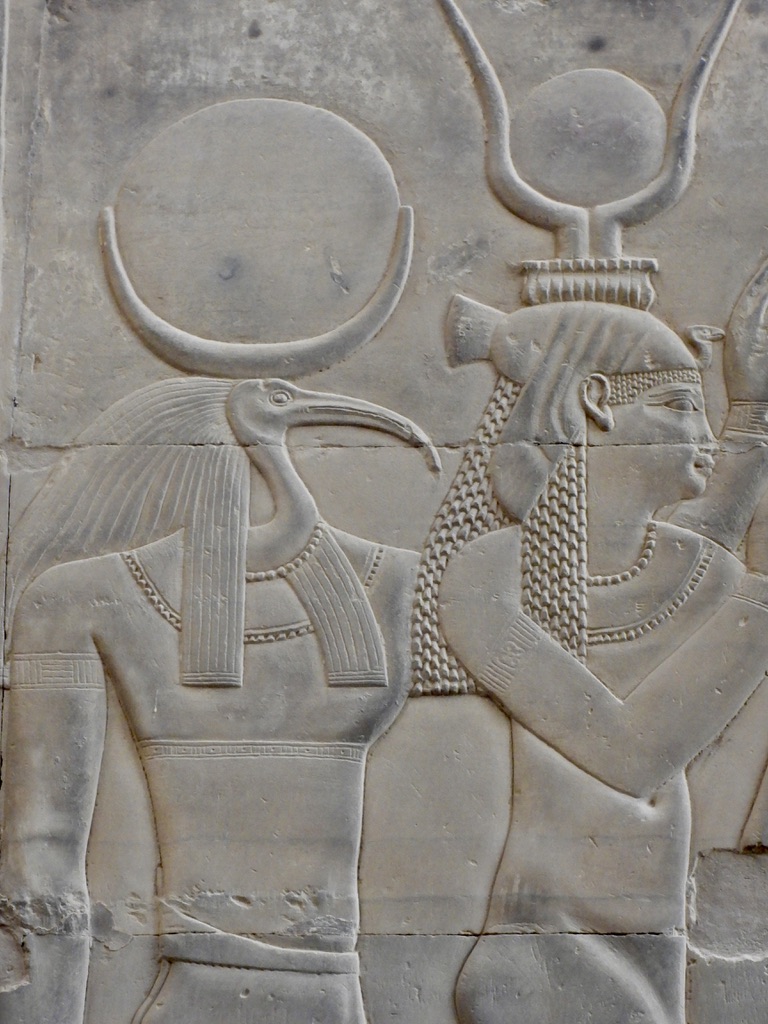
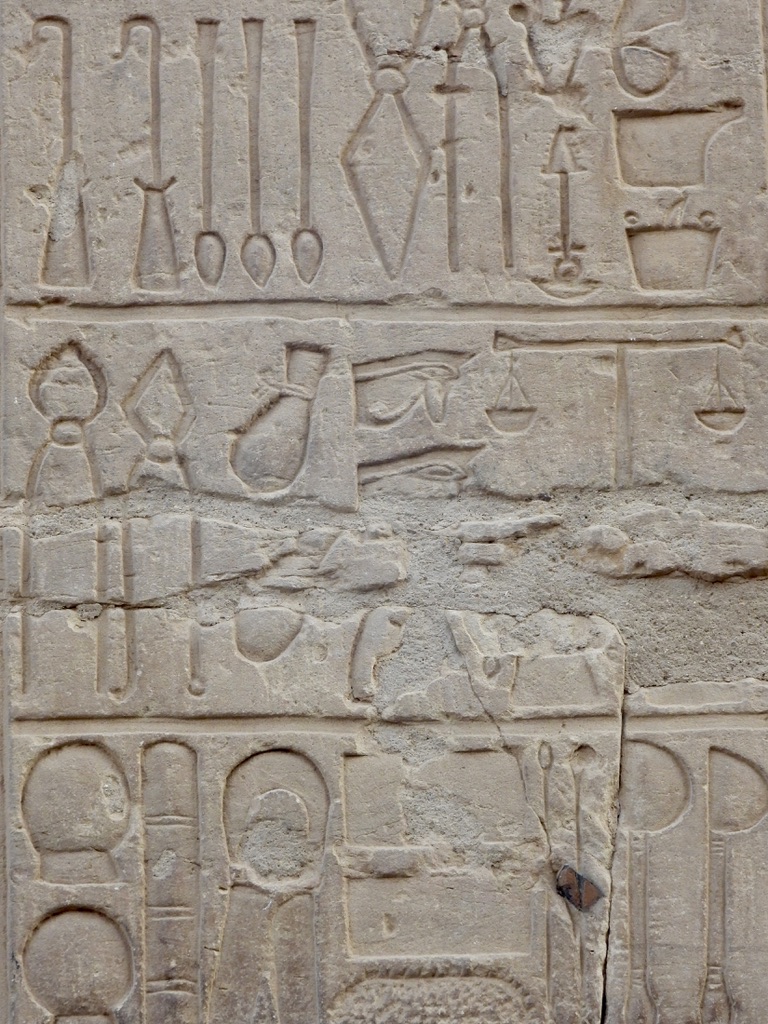
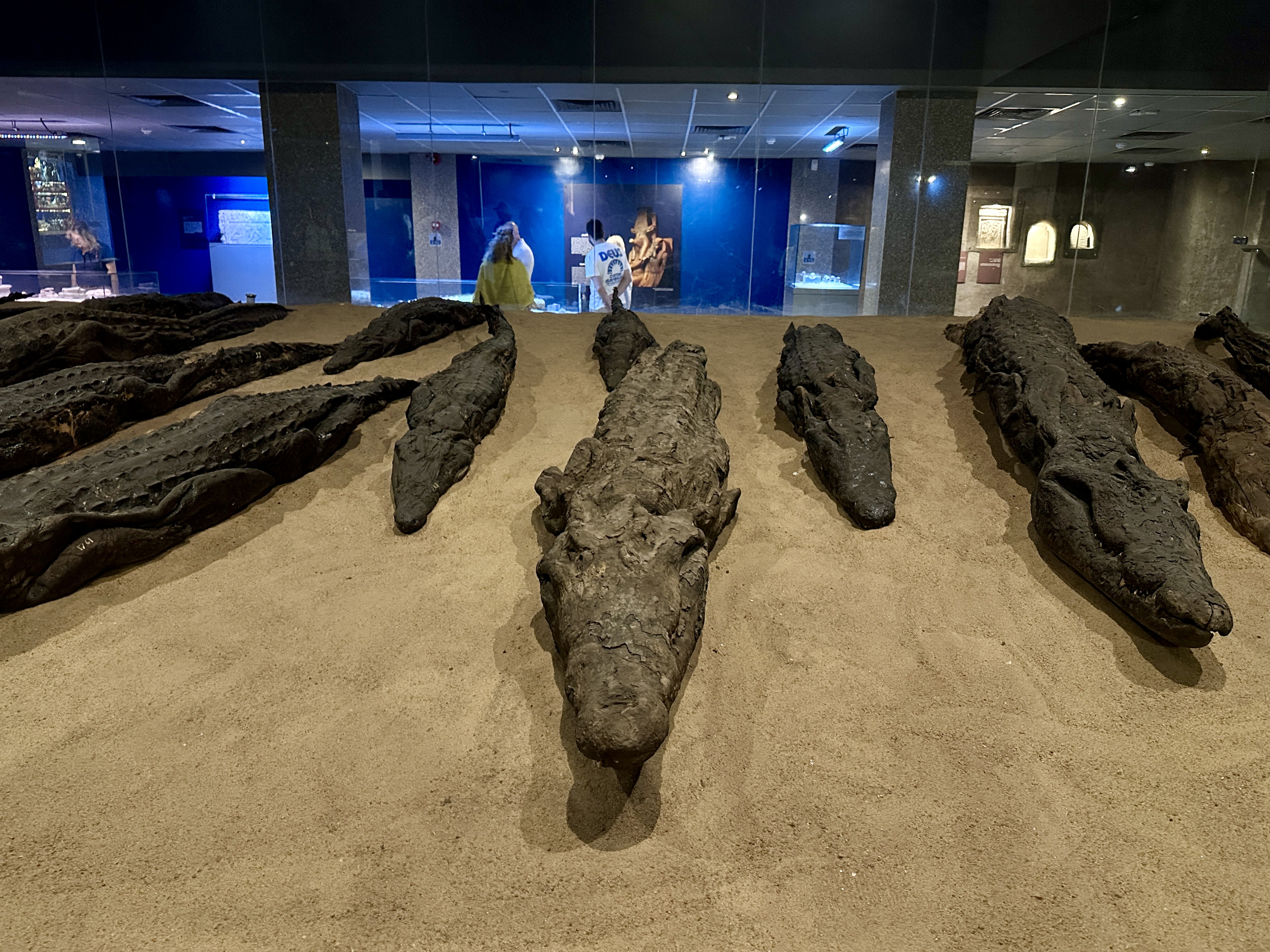
Adjacent to the temple site, there’s a Crocodile Museum displaying the creepily fascinating, mummified remains of dozens of these otherworldly reptiles.
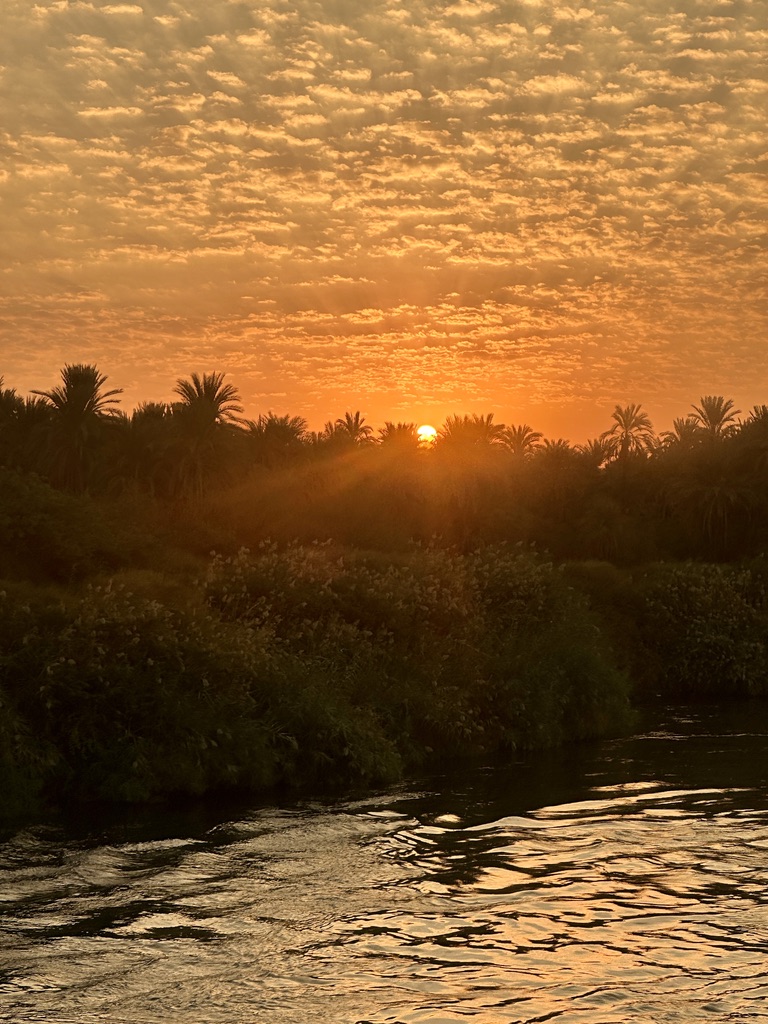
We returned to the ship for breakfast and a short cruise north, some of which I spent on the ship’s expansive sun deck.
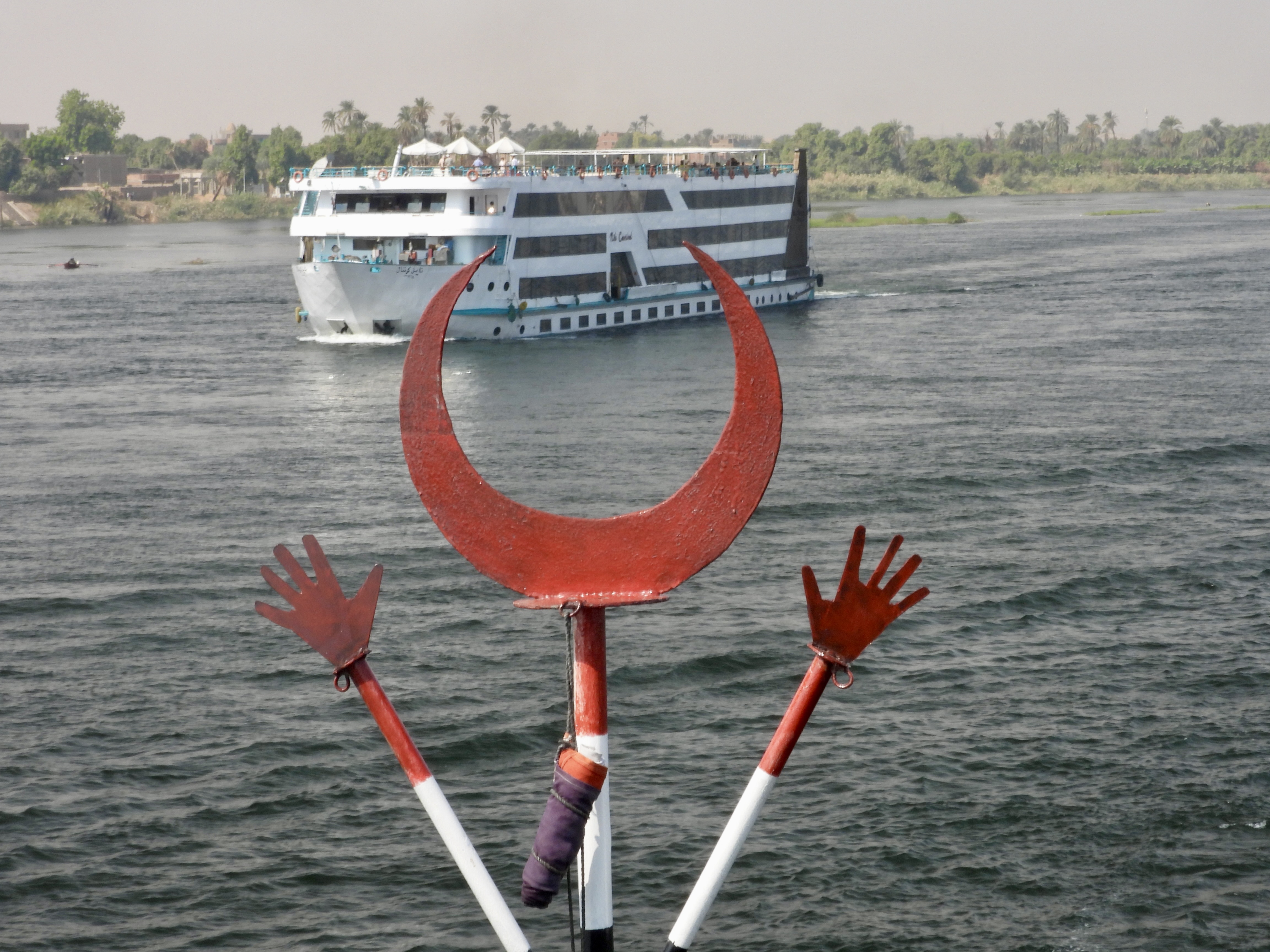
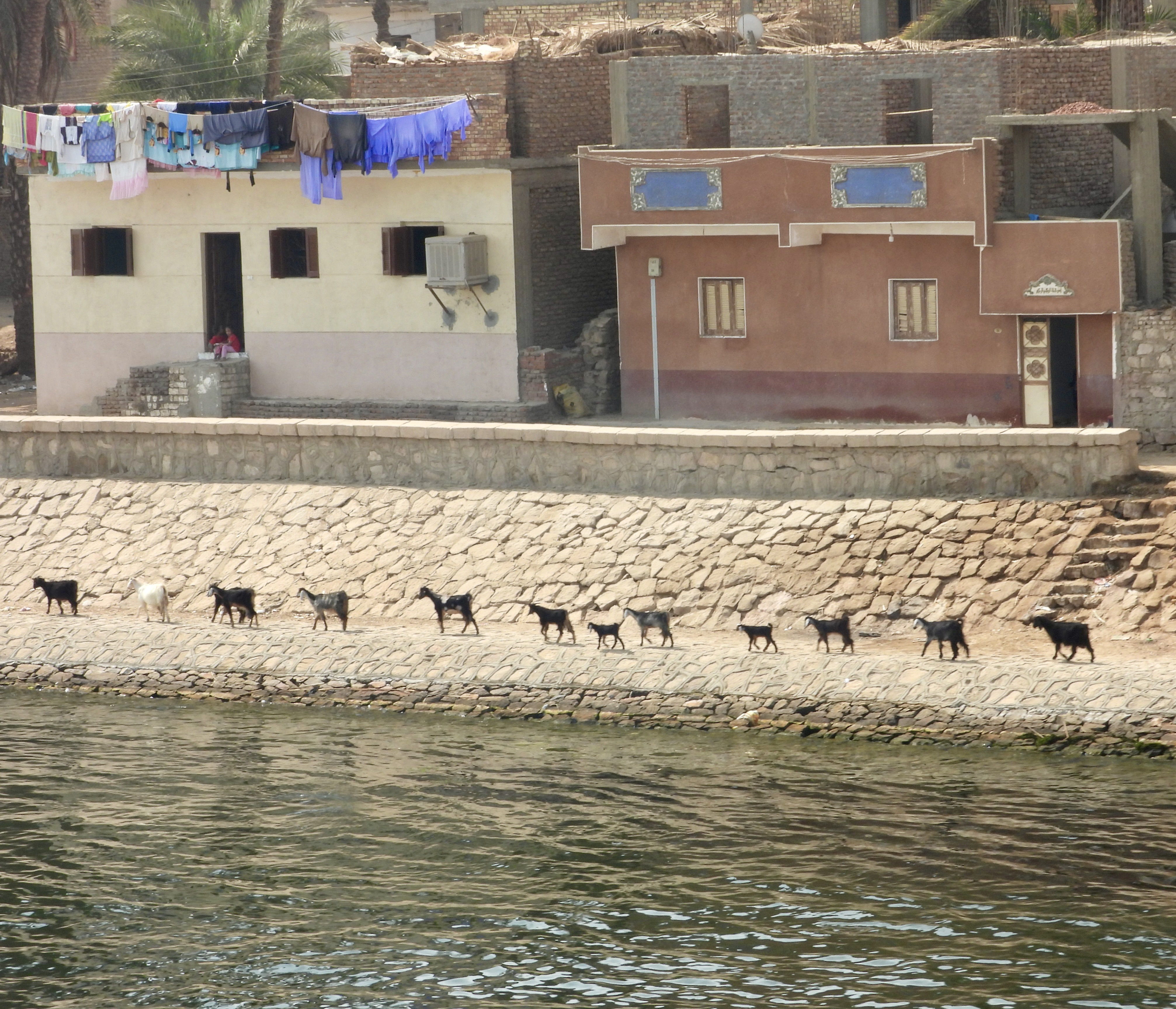
Shortly after noon, we docked in Edfu, home to a nearly intact Ptolemaic temple dedicated to Horus. (By the end of this trip, I think I’ll have been to temple more times than in my entire life leading up to this point.)
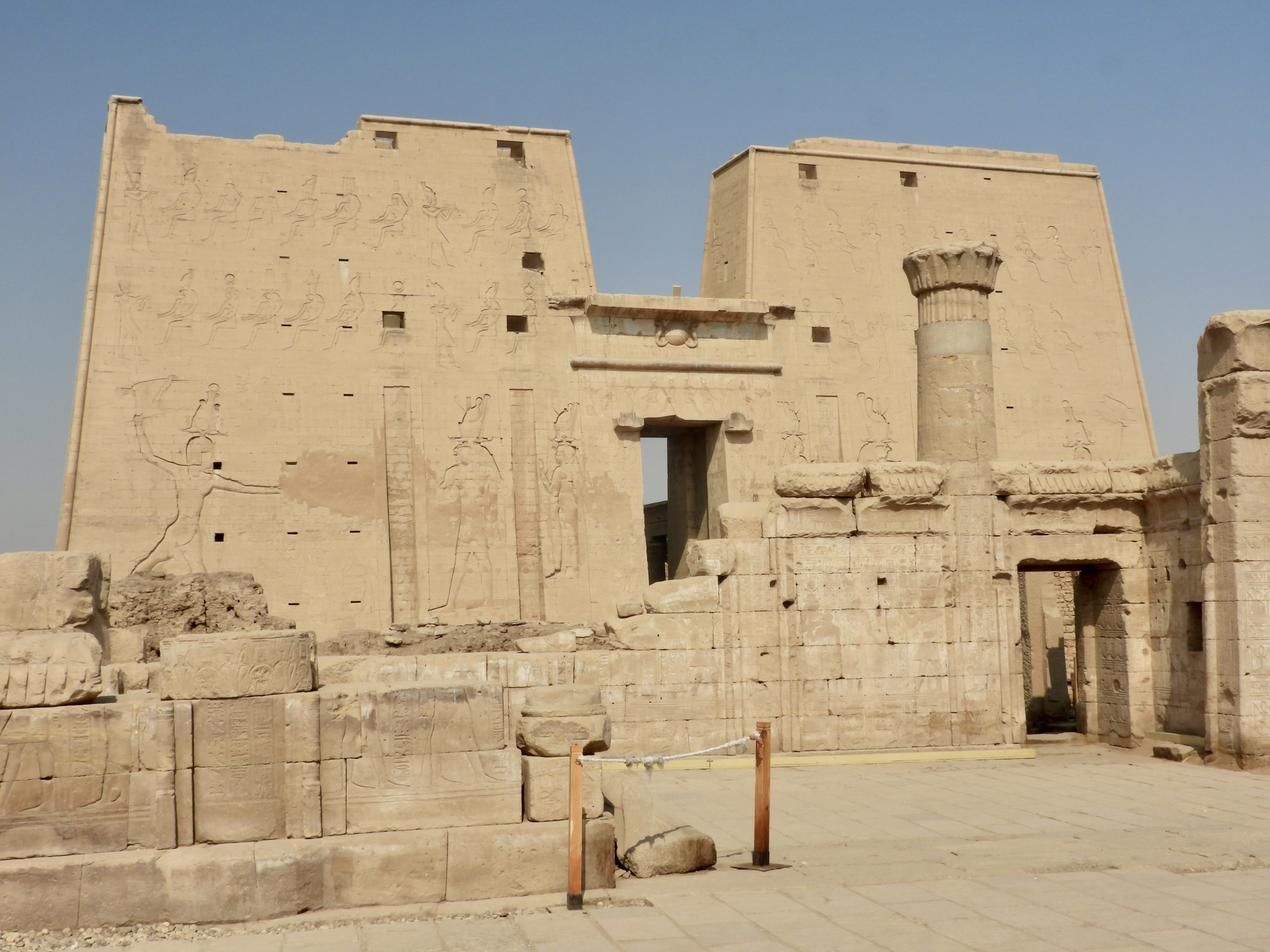
The Edfu temple is so well-preserved because it was buried in sand to a height of forty feet, to the point where local villagers built their houses above the temple site. It remained largely concealed until the mid-to-late 19th century.
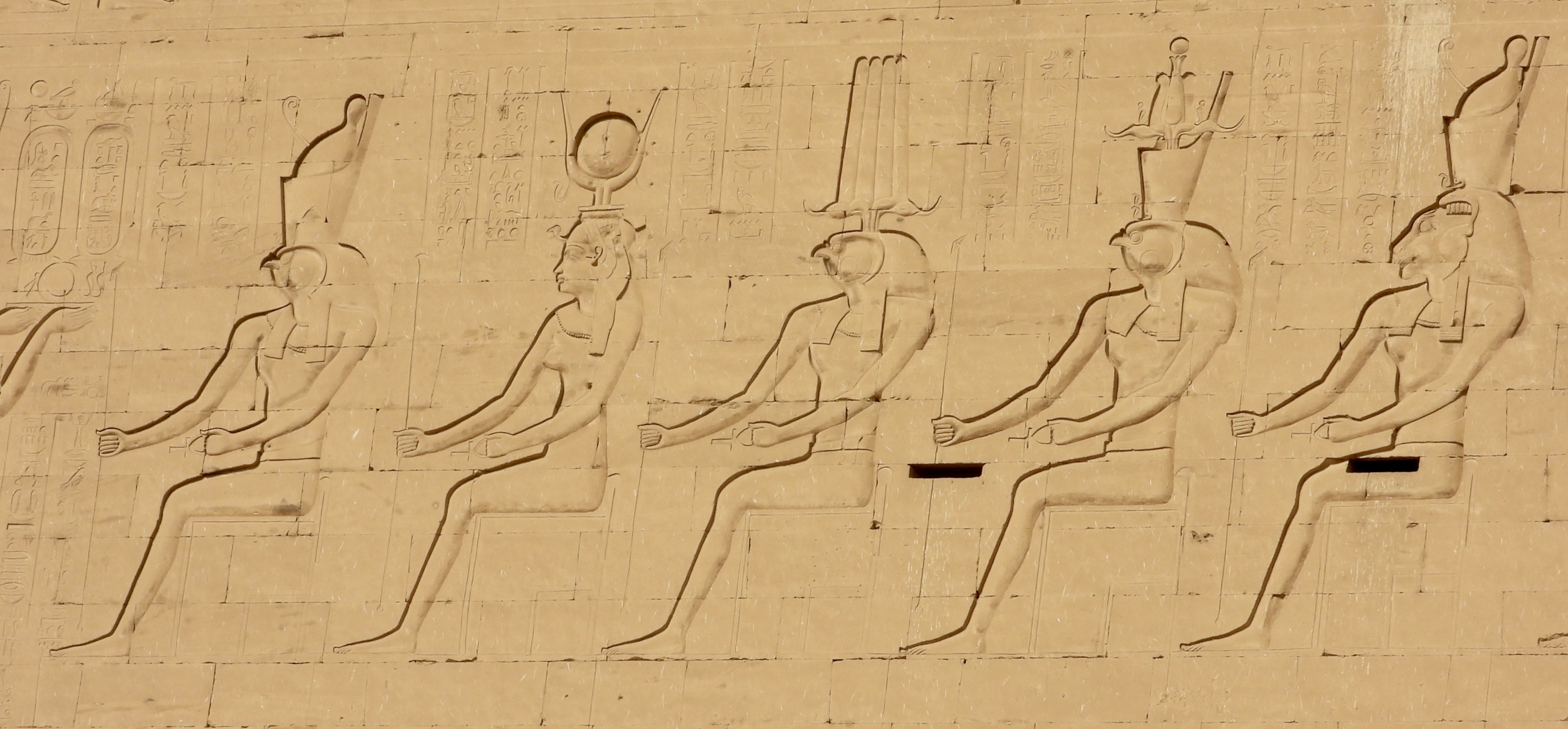
A massive front entrance is surrounded by symmetrical carvings. Inside, you enter a large courtyard with inscribed columns and more wall carvings. At the far end of the courtyard, a door leads to a hallway with several chambers; the hallway culminates in the sanctuary.
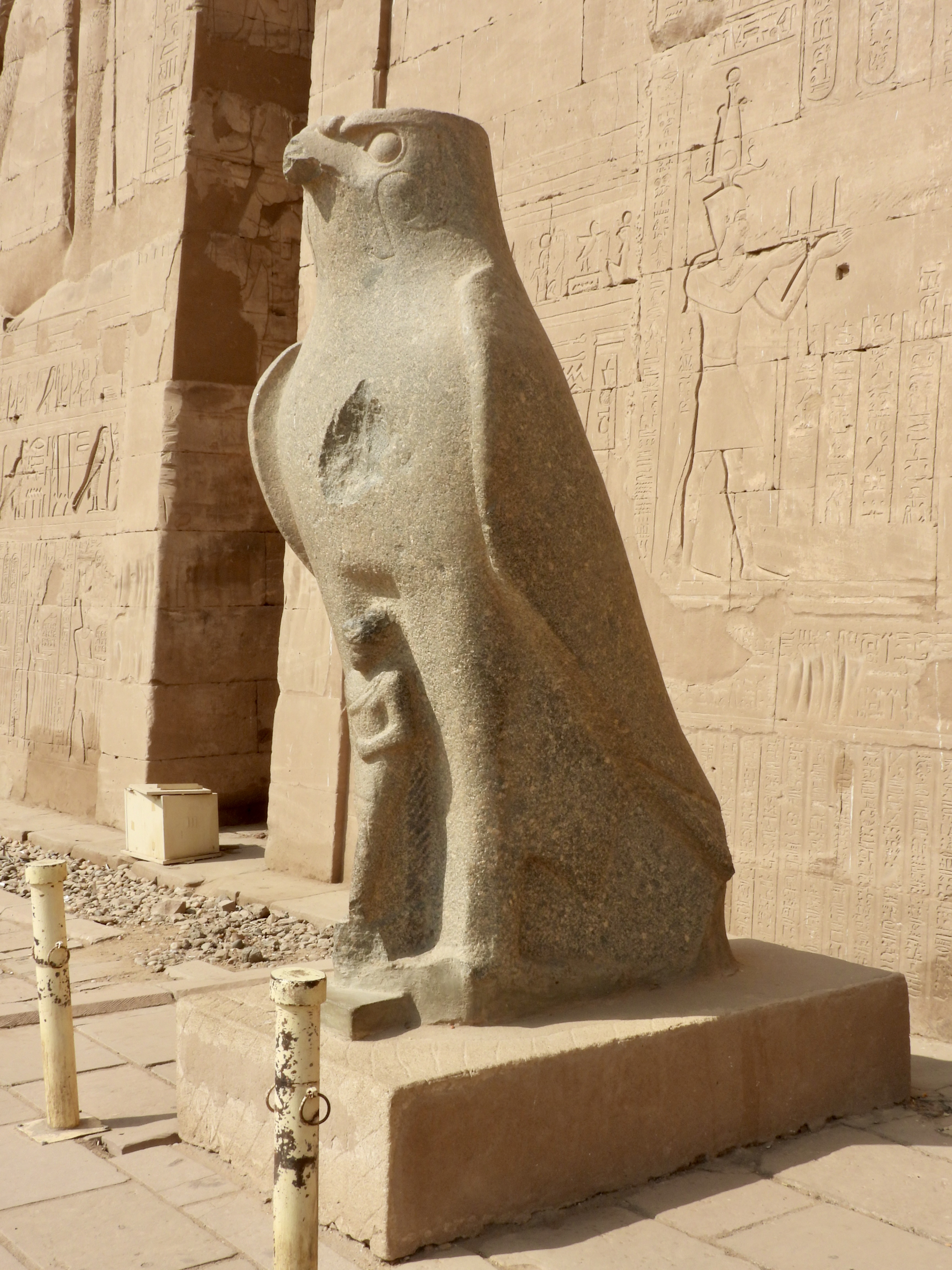
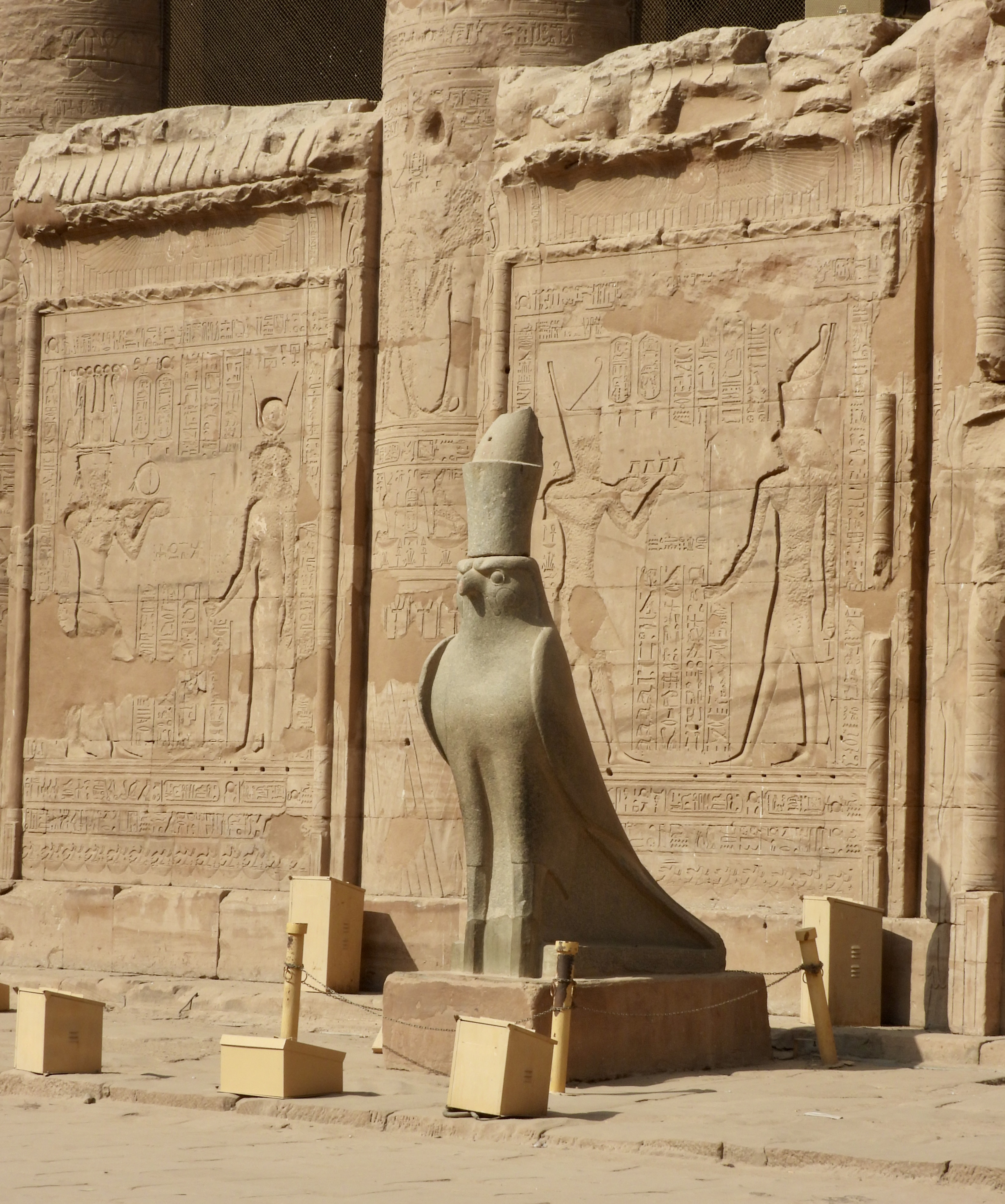

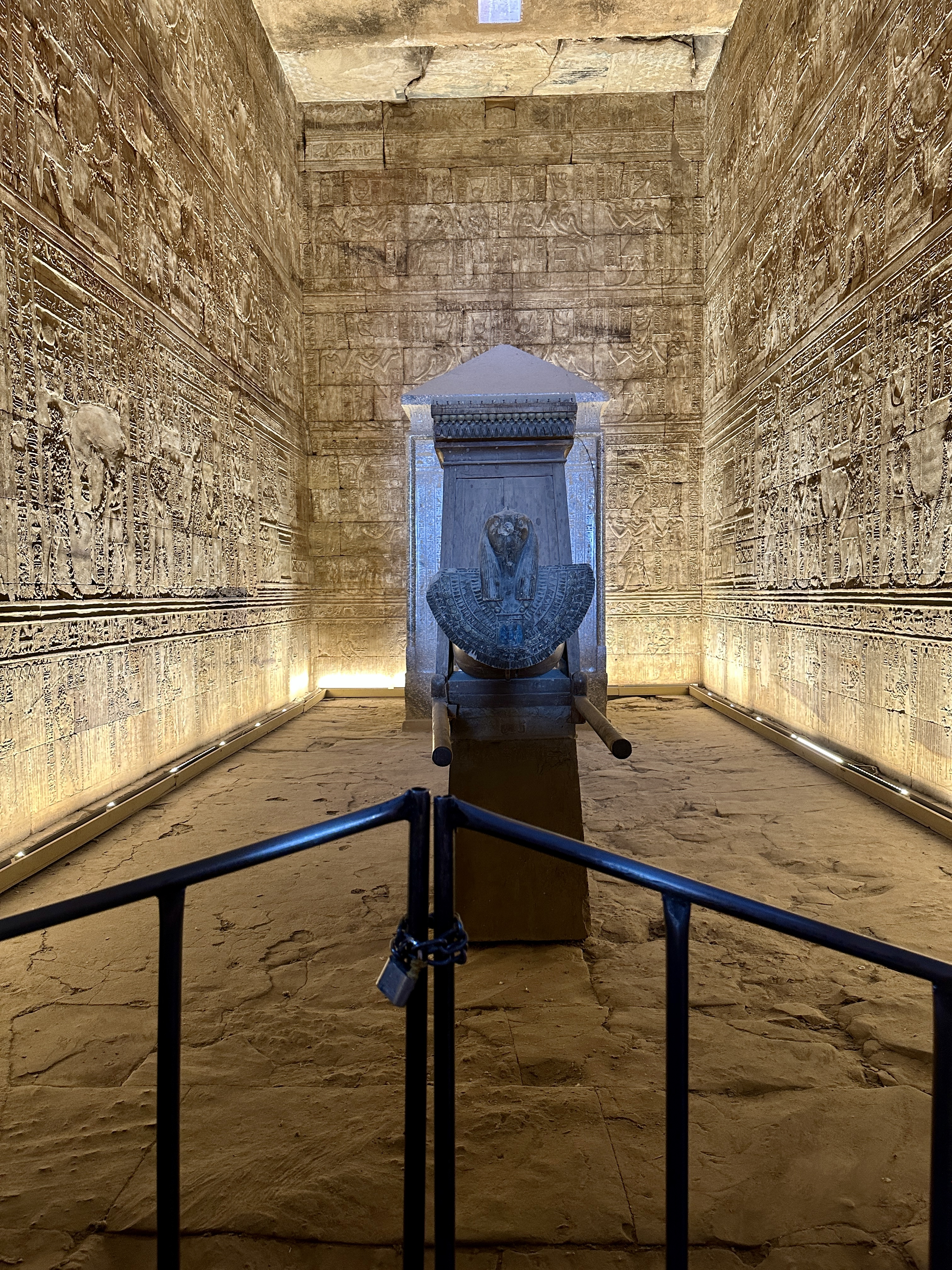
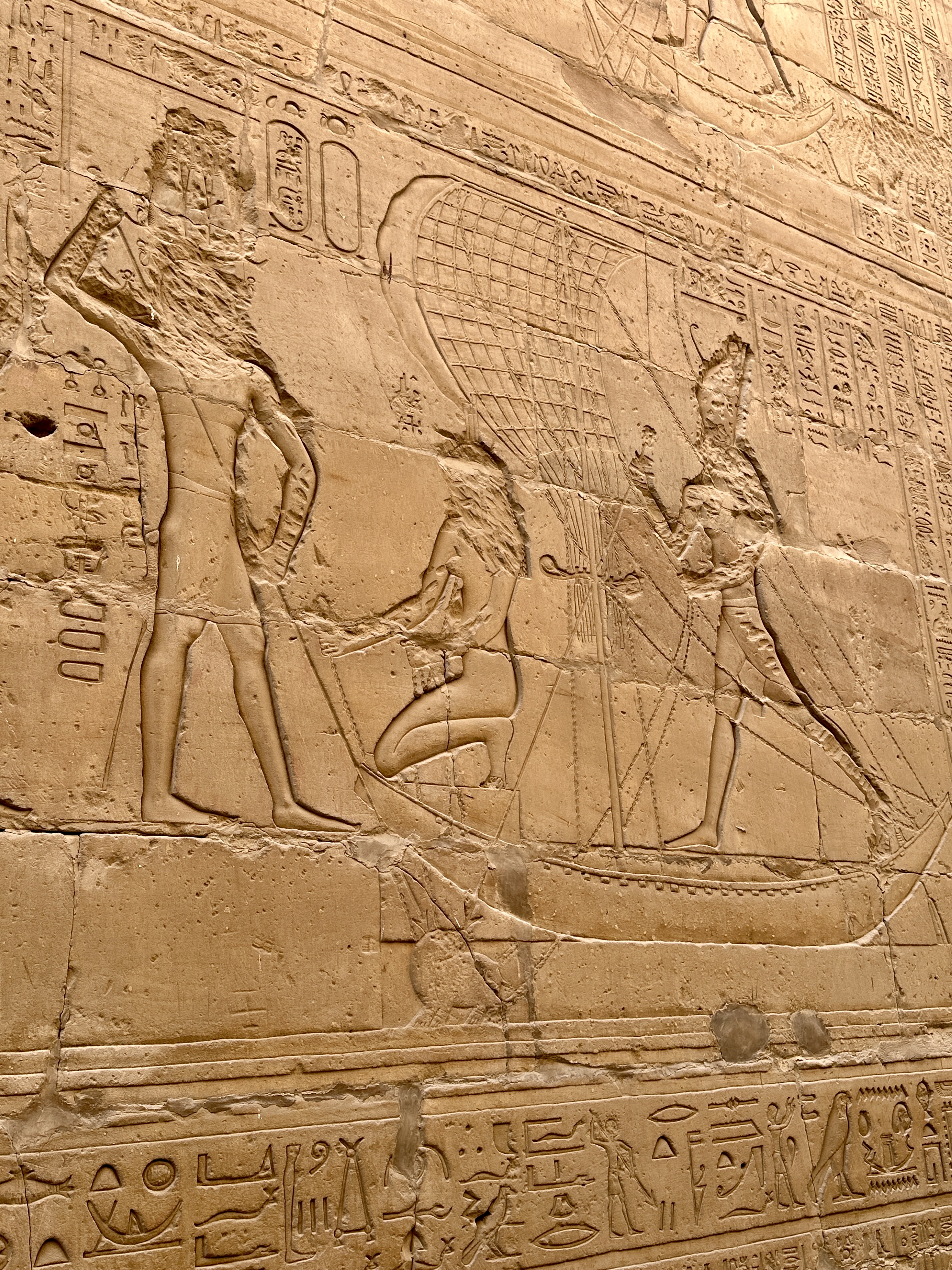
Carvings throughout the temple relate many stories, including the creation of the world, the marriage of Horus and Hathor, and Horus attacking a hippo from a boat (a series of eleven panels in which the hippo is in a different position each time).
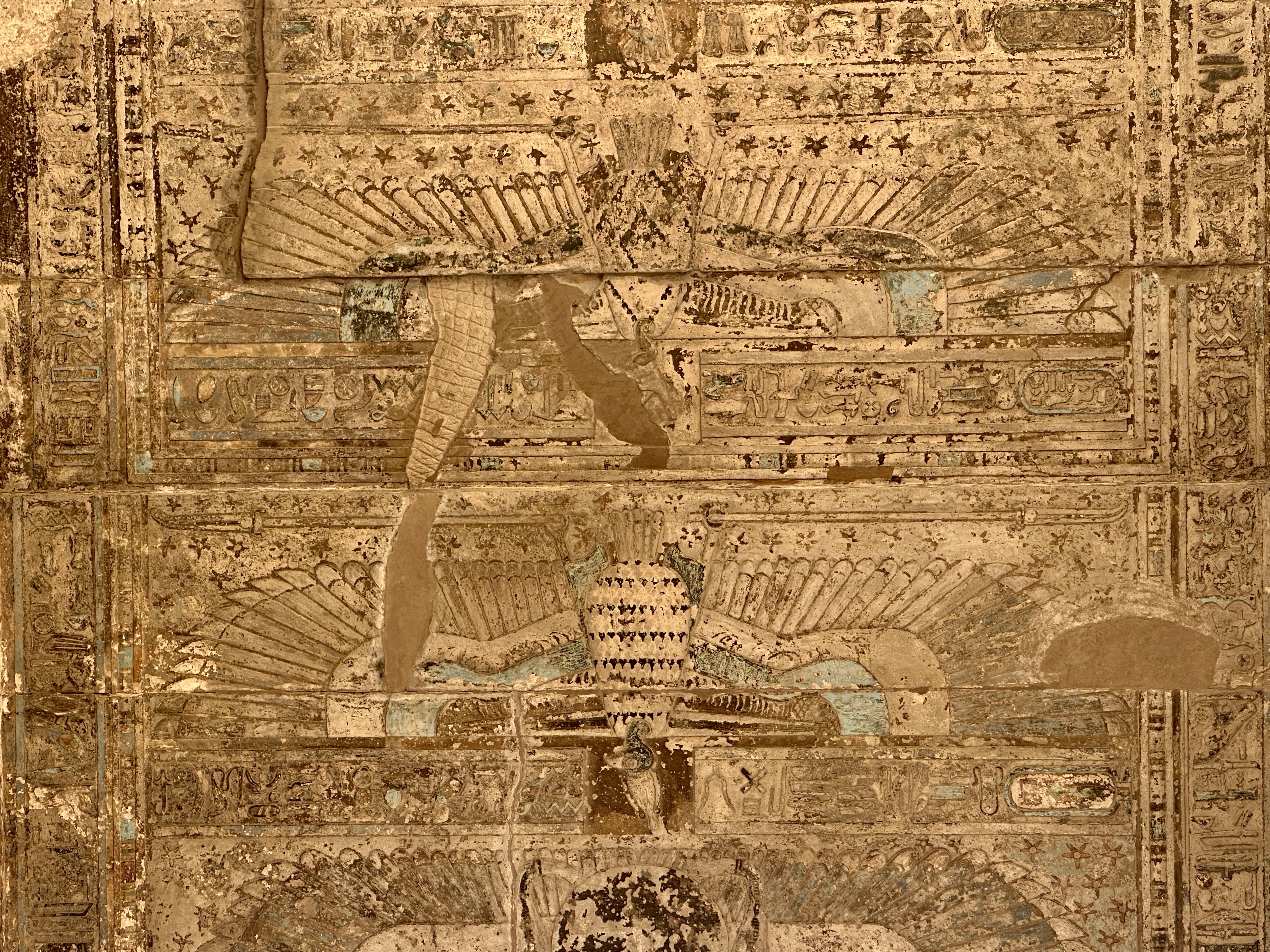
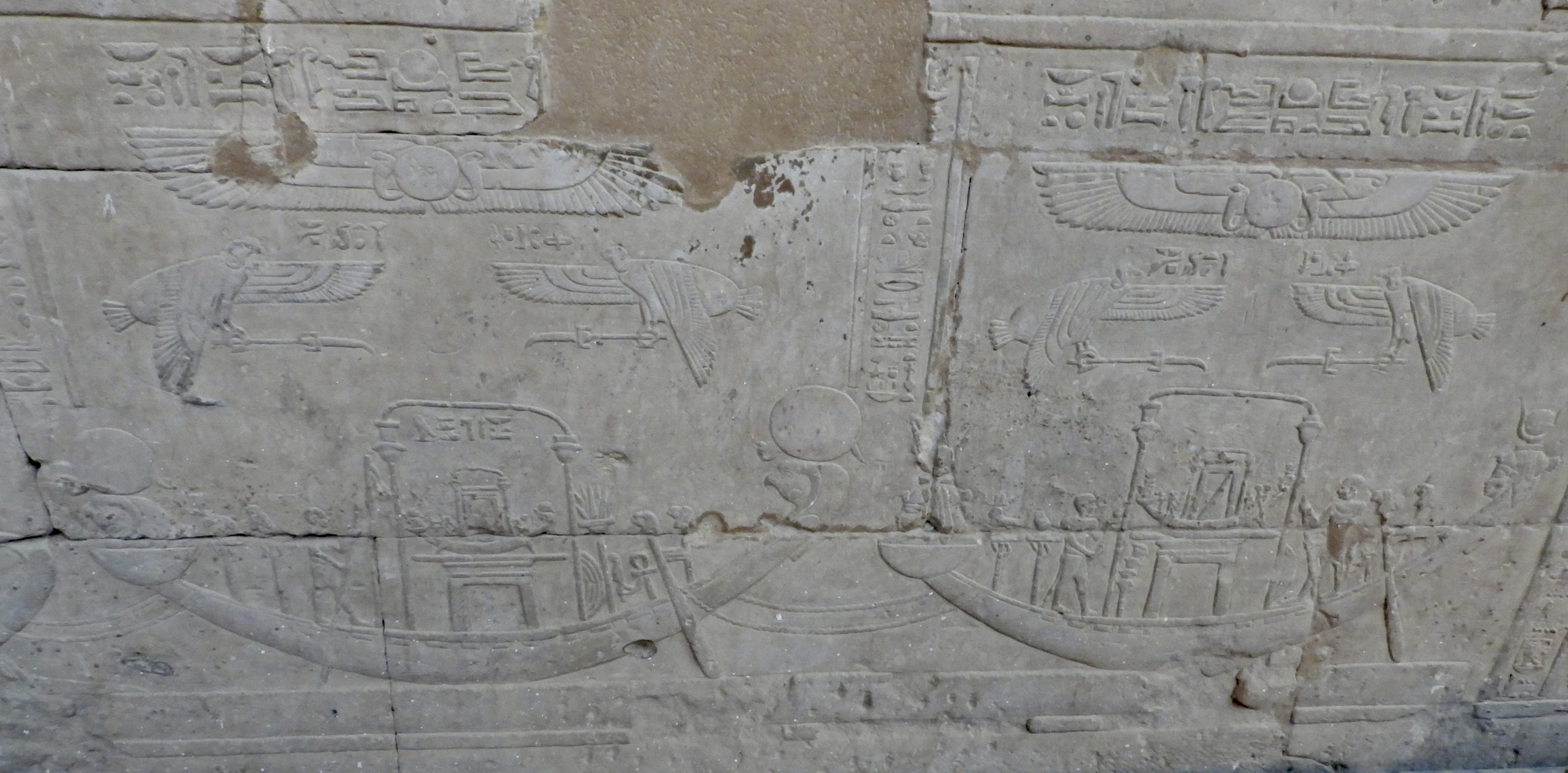
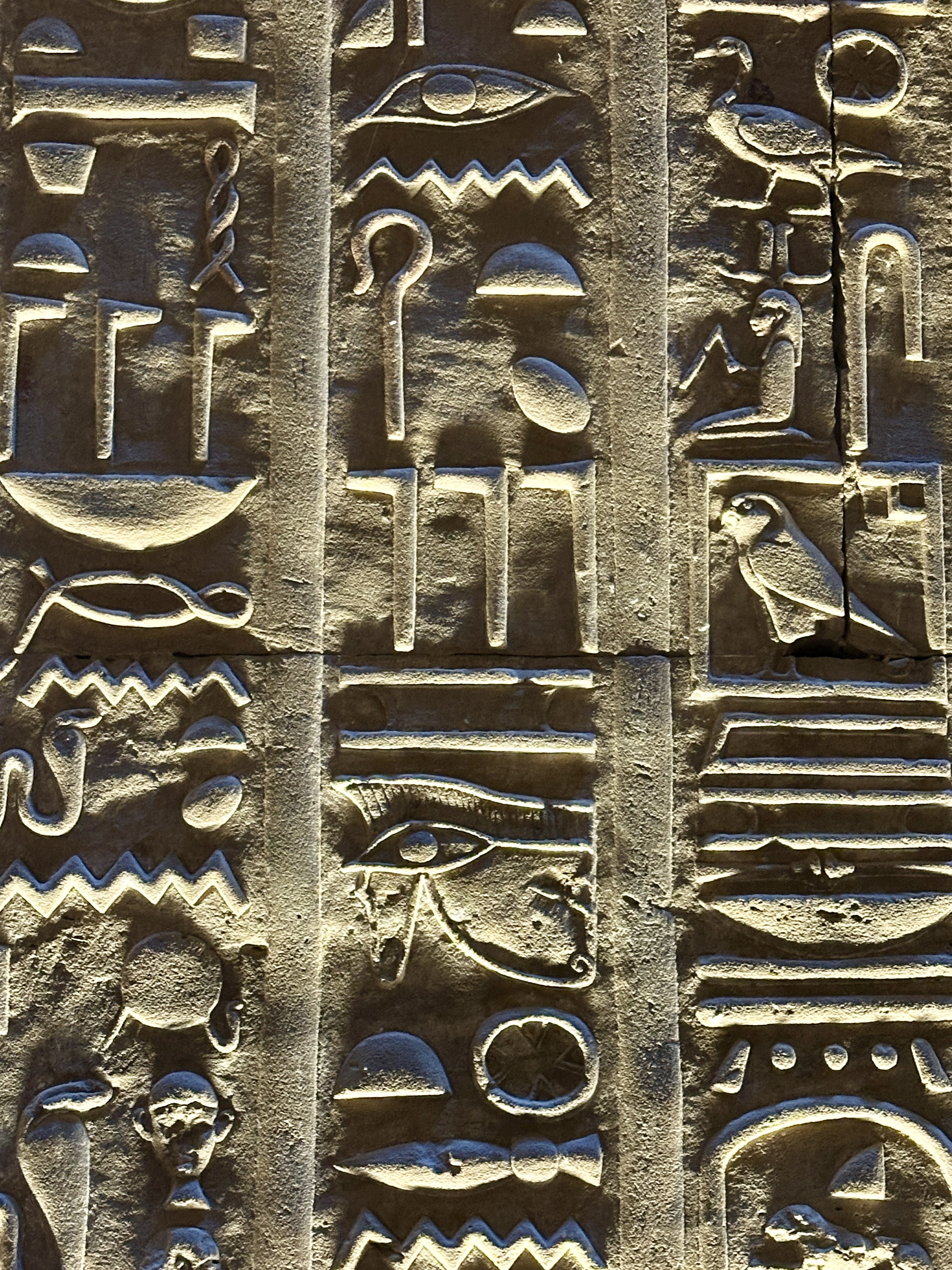
Adding to the sense of wonder, the lighting inside creates the perception that the inscriptions possess remarkable depth.
Literal defacement of many of the carvings resulted from subsequent religious intolerance. In the late 4th century CE, Roman Emperor Theodosius I issued an edict prohibiting worship of “pagan” images anywhere within the Empire. Early Christians settling in Egypt then vandalized many of the images, an act shared by fanatics from all monotheistic religions from well before Theodosius up to the present day.

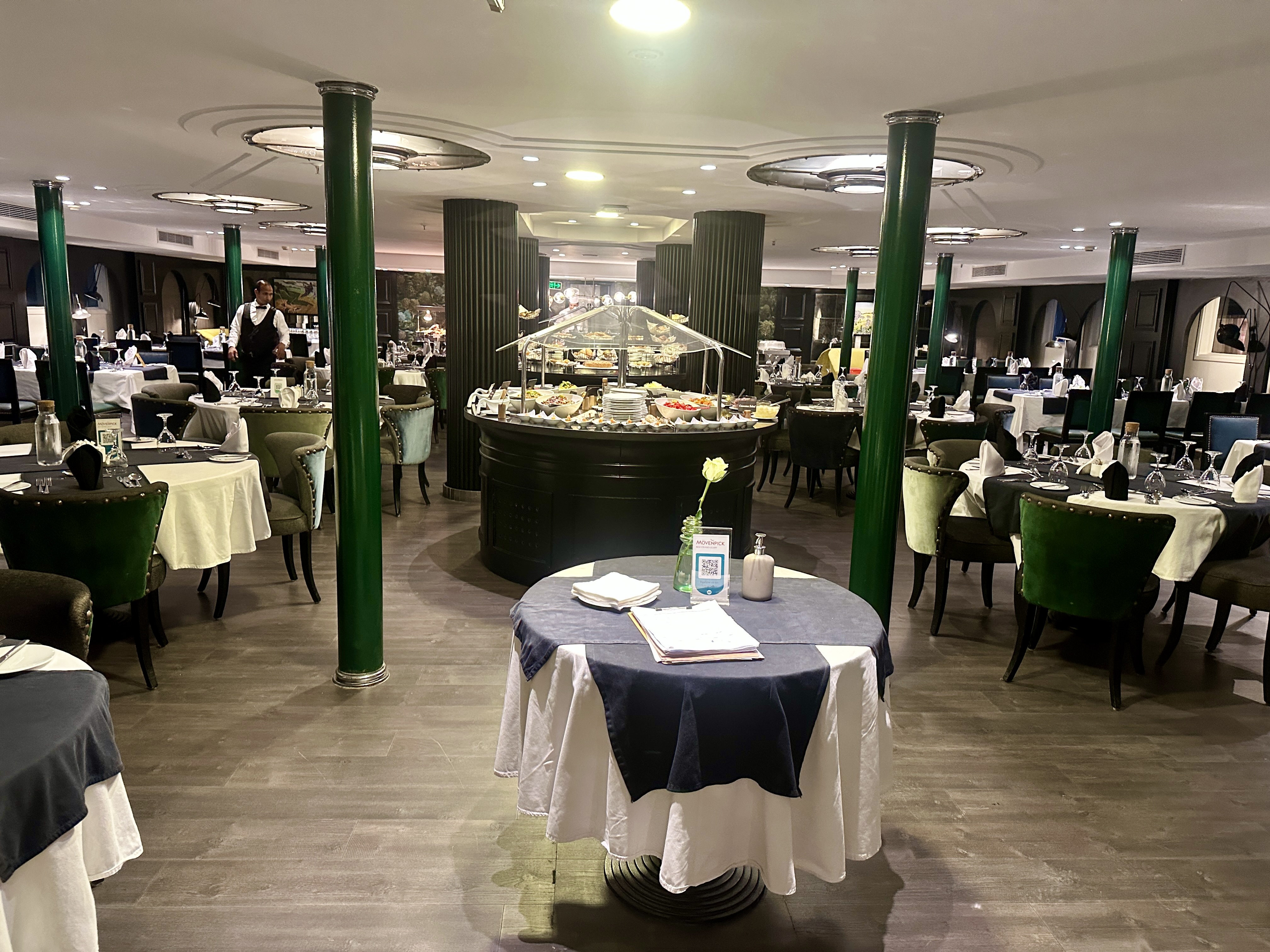
After returning to the ship for lunch – in an ideal world they would have served Edfu Young, but instead we had to settle for a delicious Moroccan buffet – we were “off duty” for the rest of the day before docking in Luxor tomorrow, where we’ll tour the Valley of the Kings and Valley of the Queens.

 PuffinlessTravel
So many spectacular shots! Whenever I look at the various carvings, like the ones in the temple at Edfu, I think “How long did all of that take?”
It really is amazing to think of the work involved. The Edfu temple took 400 years to complete, but the temples at Abu Simbel ony took 20!