Some people collect coins, some collect comics, some collect classic cars. I collect countries, and today I added number 102 to my portfolio.
Liechtenstein is unique. It was cobbled together by nobles in the Austrian House of Liechtenstein in the early 1700s, solely to qualify them to serve in the Imperial Diet (legislature) of the Holy Roman Empire. From the time Emperor Charles VI recognized Liechtenstein as a new principality in 1719, it took a century until anyone from the House of Liechtenstein bothered to visit the place, and another century after that until they finally took up residence.
Today, Liechtenstein is a weird semi-constitutional monarchy where the Prince is far more than a figurehead. There’s an elected legislature, but the Prince has veto power over its actions. In fact, the Prince’s authority was expanded in 2003: he developed a royal flush and threatened to move back to Austria if the people didn’t approve a referendum granting him additional sovereignty.
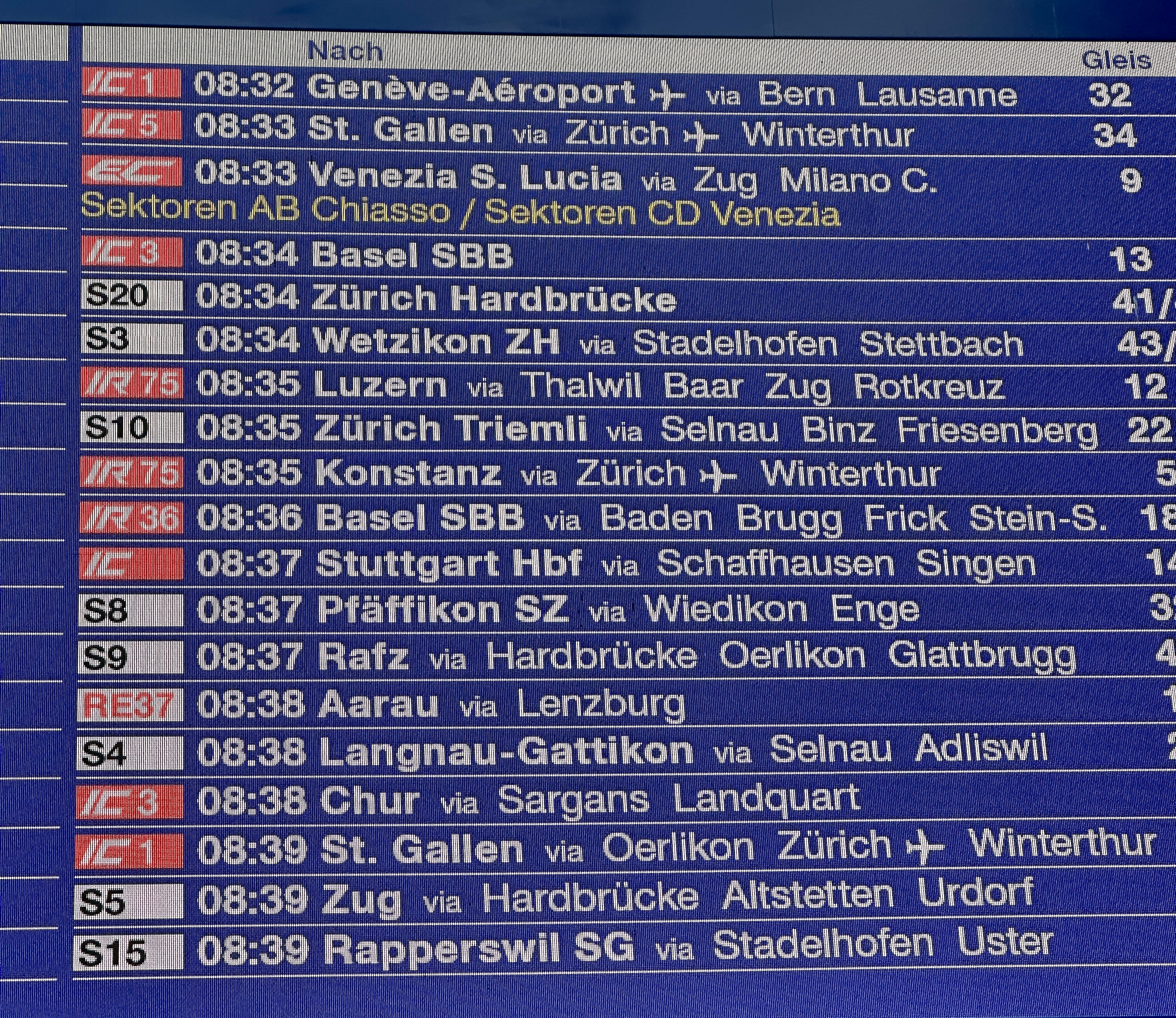
Vaduz (pronounced “Fa-doots”), the capital of this tiny nation (population 40,000), is 90 minutes from Zurich by a train/bus combination. Andy, Char and I caught a morning train from Zurich HB to Sargans, a Swiss town on the border of Liechtenstein, then continued by bus into Vaduz.
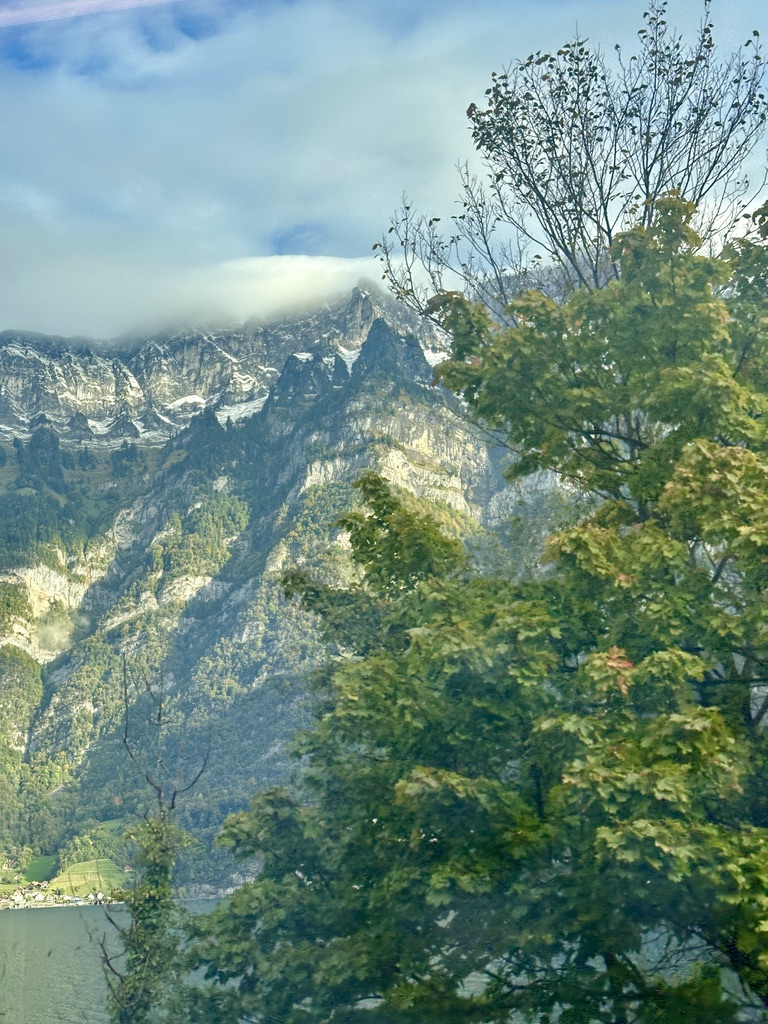
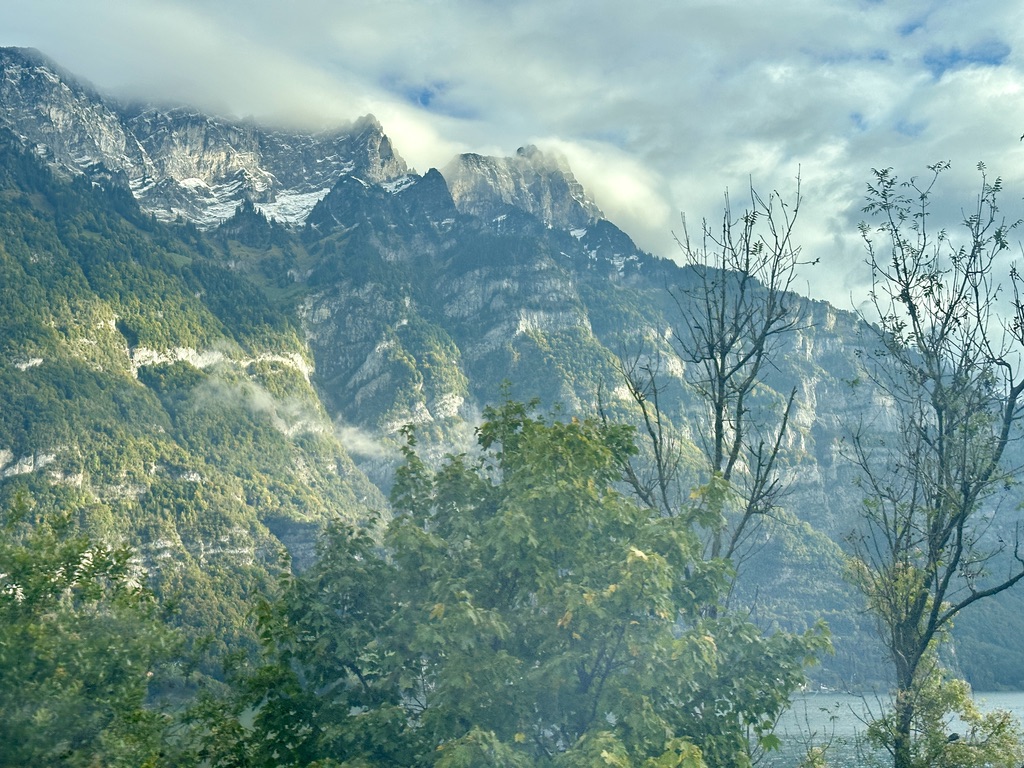
Once the train left Zurich’s suburbs, we were back among the velvety green fields, red chalets, and snow-capped mountains of rural Switzerland, with 40-kilometer long Zurich Lake keeping us company for much of the journey.
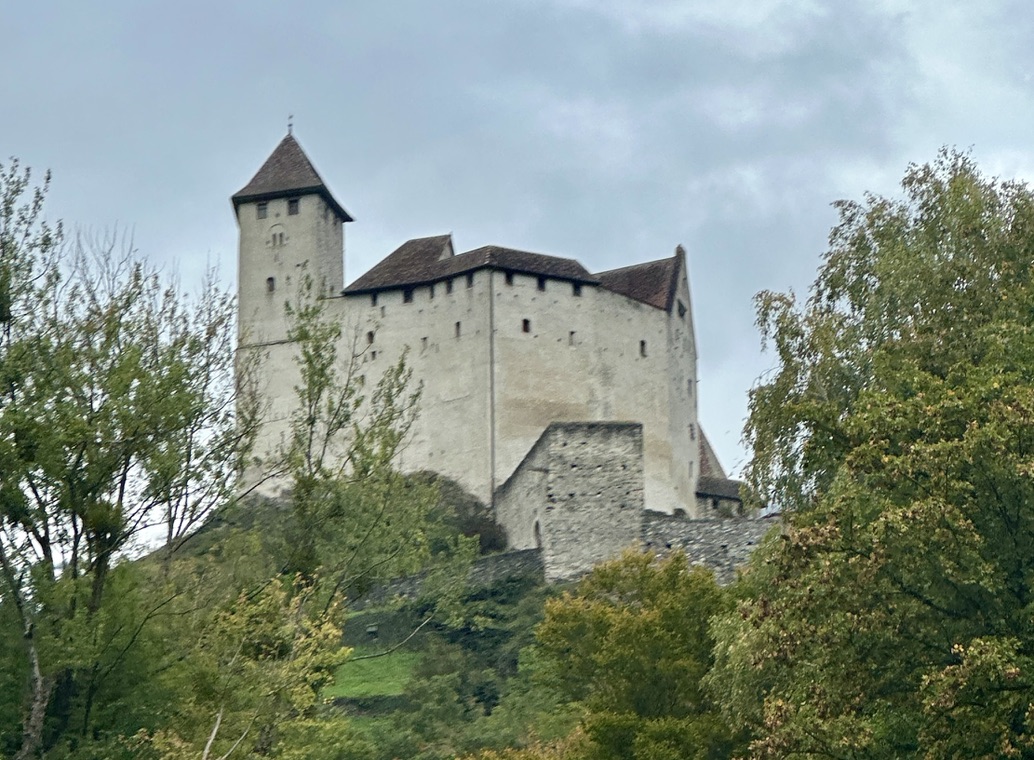
The bus ride wasn’t as scenic, but we did pass Gutenberg Castle, a 13th century fortress in Balzers, Liechtenstein. At various times, the Castle has been owned by Swiss lords, the Hapsburgs, an architect from Liechtenstein, and a Mexican actress. It now belongs to the government of Liechtenstein.
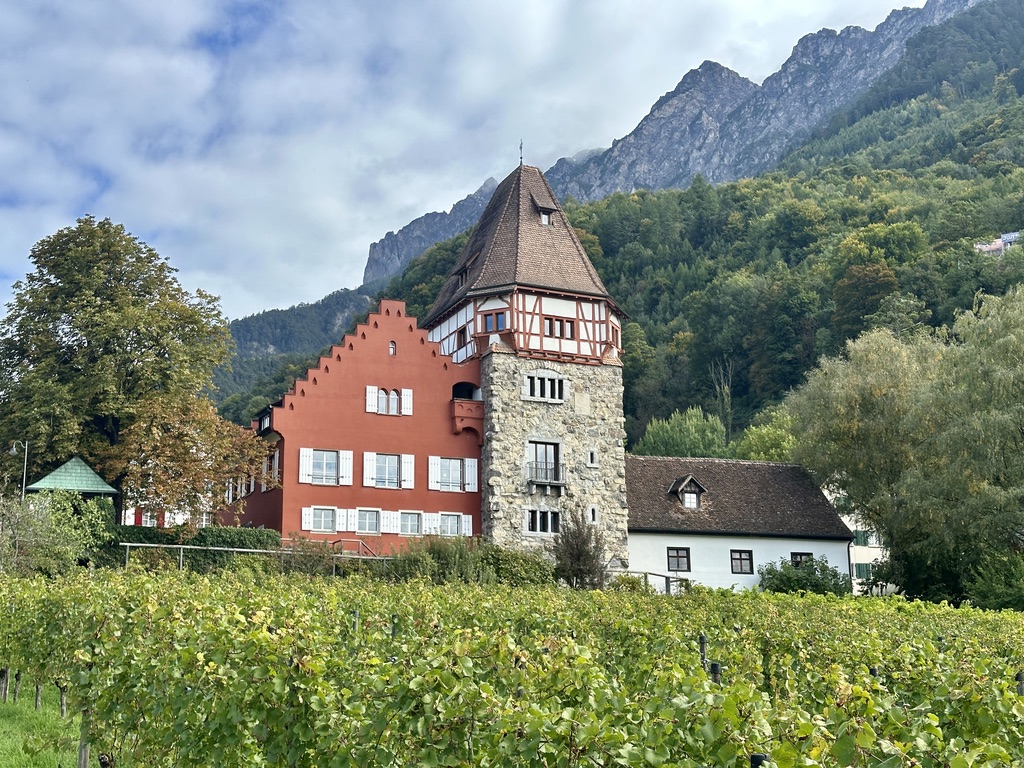
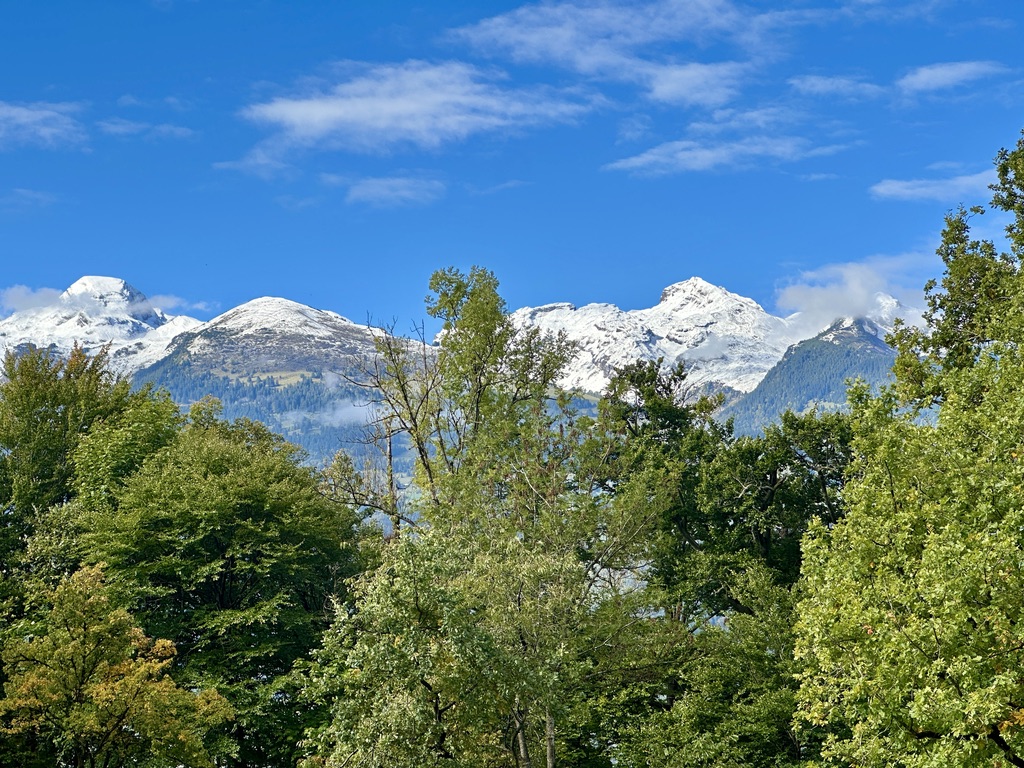
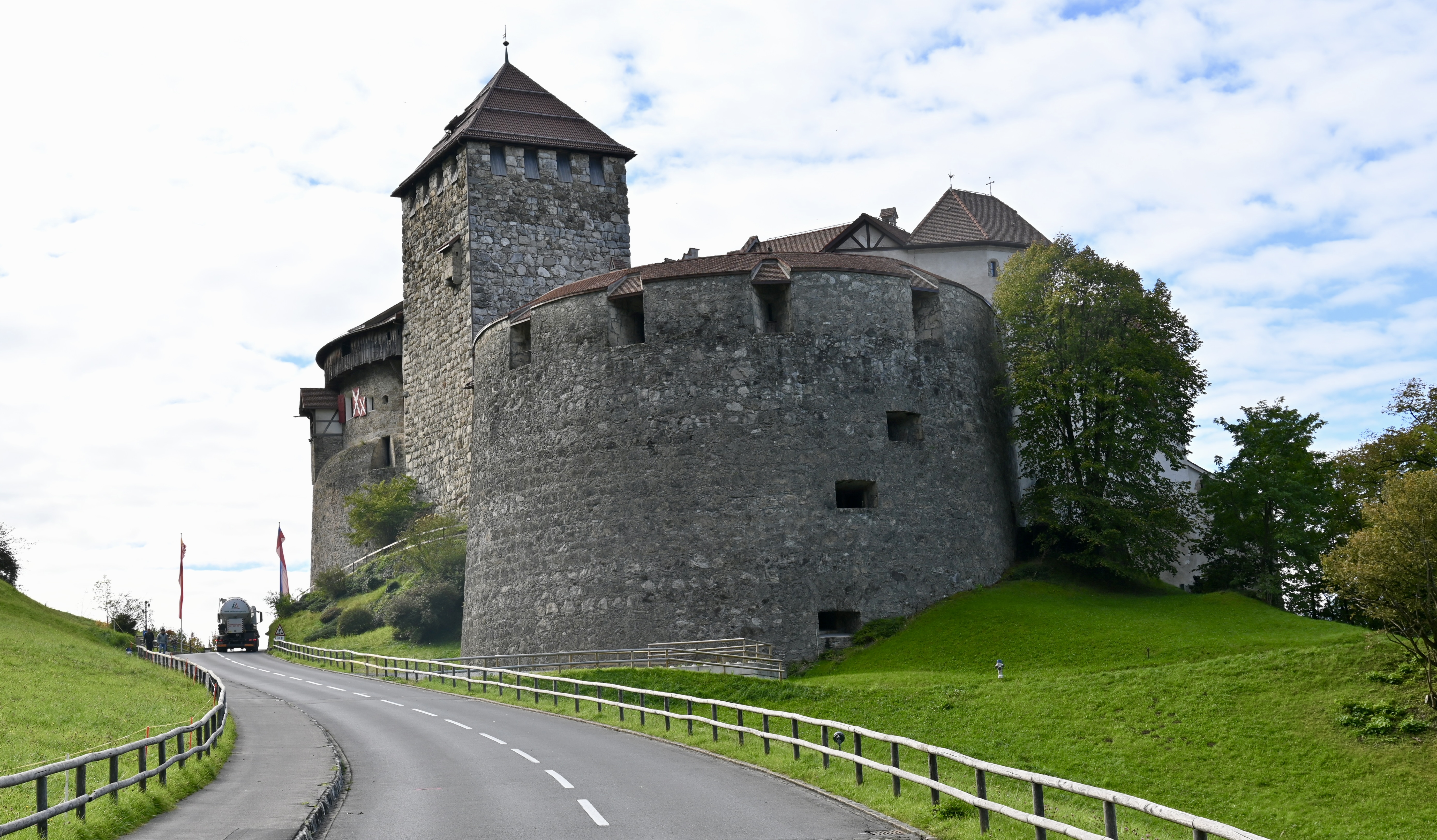
Once in Vaduz, we were met by our local guide, Alexandra. She led us up a steep, winding road to Vaduz Castle, which sits on a promontory 120 meters above the city. The Castle is closed to visitors, but the views from the top – including the Prince’s extensive vineyards – make the hike worthwhile.
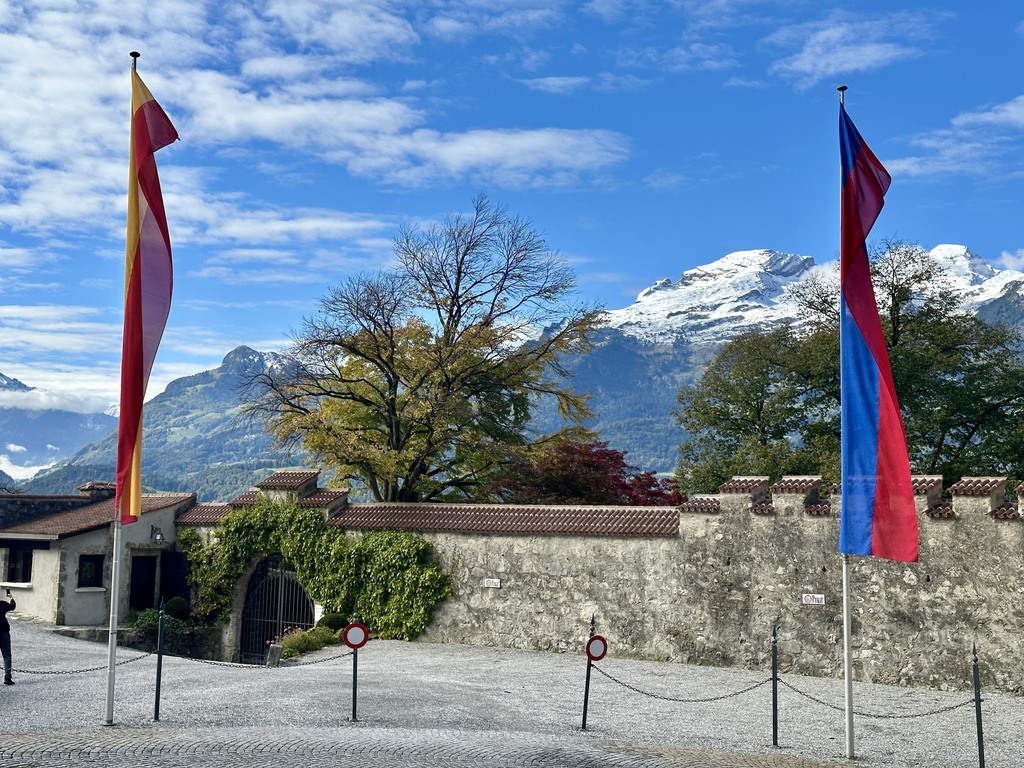
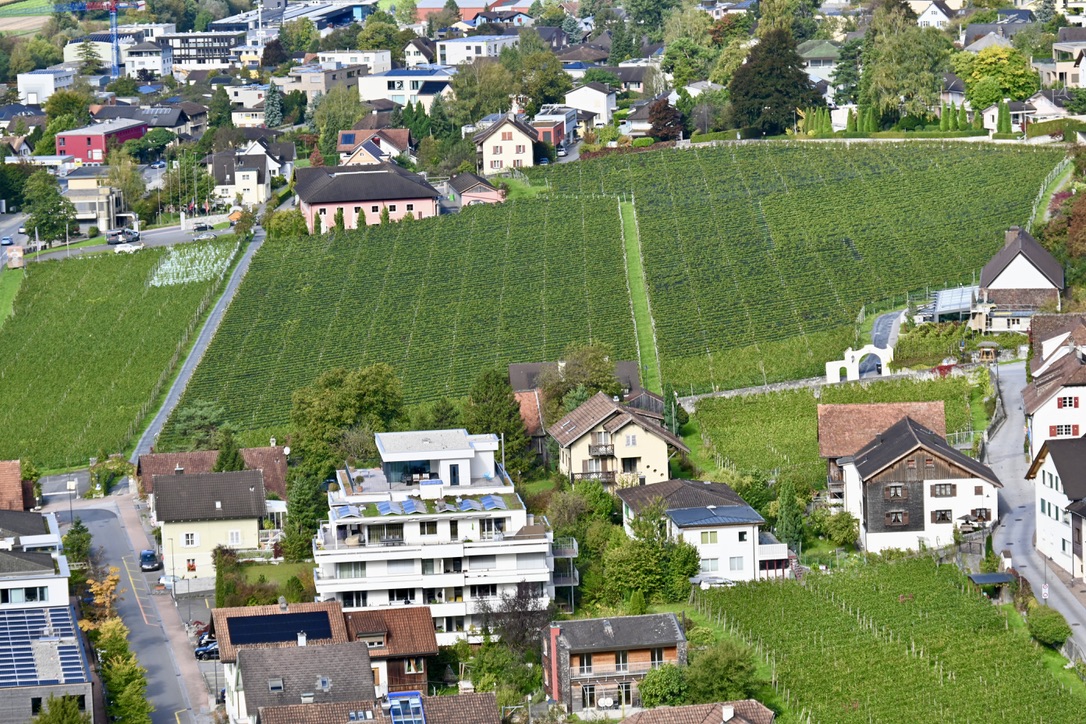
We took a different path back down to the city, where Alexandra showed us the main governmental buildings and other highlights, including a centuries-old yellow building where almost everyone from Liechtenstein gets married.
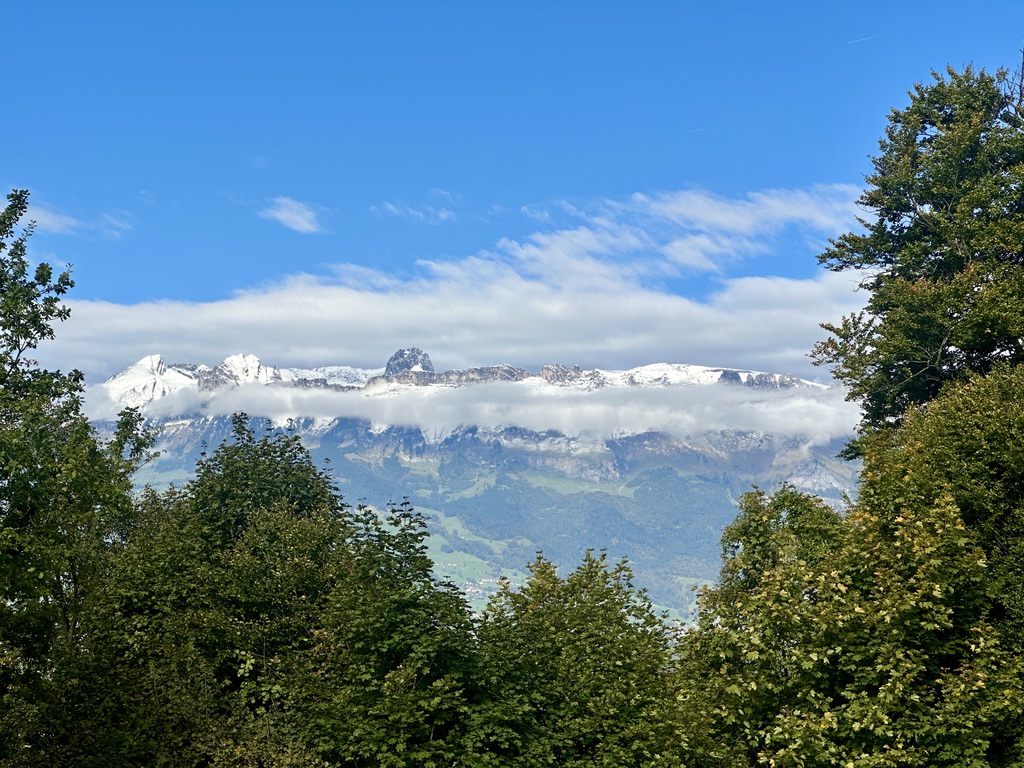
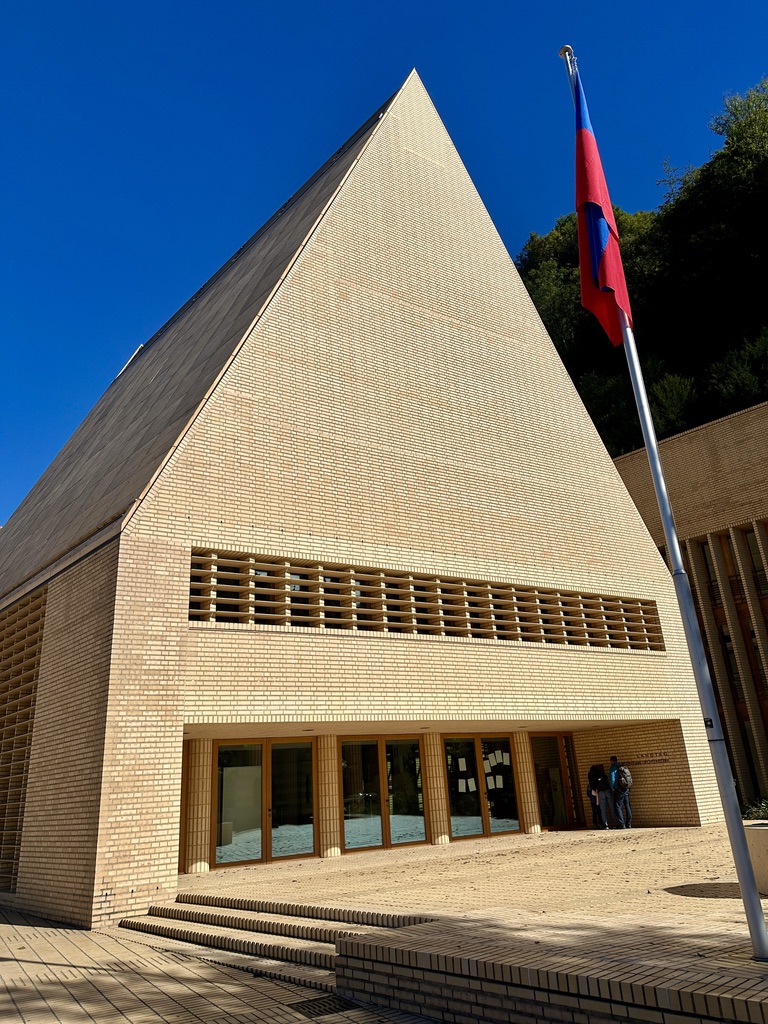
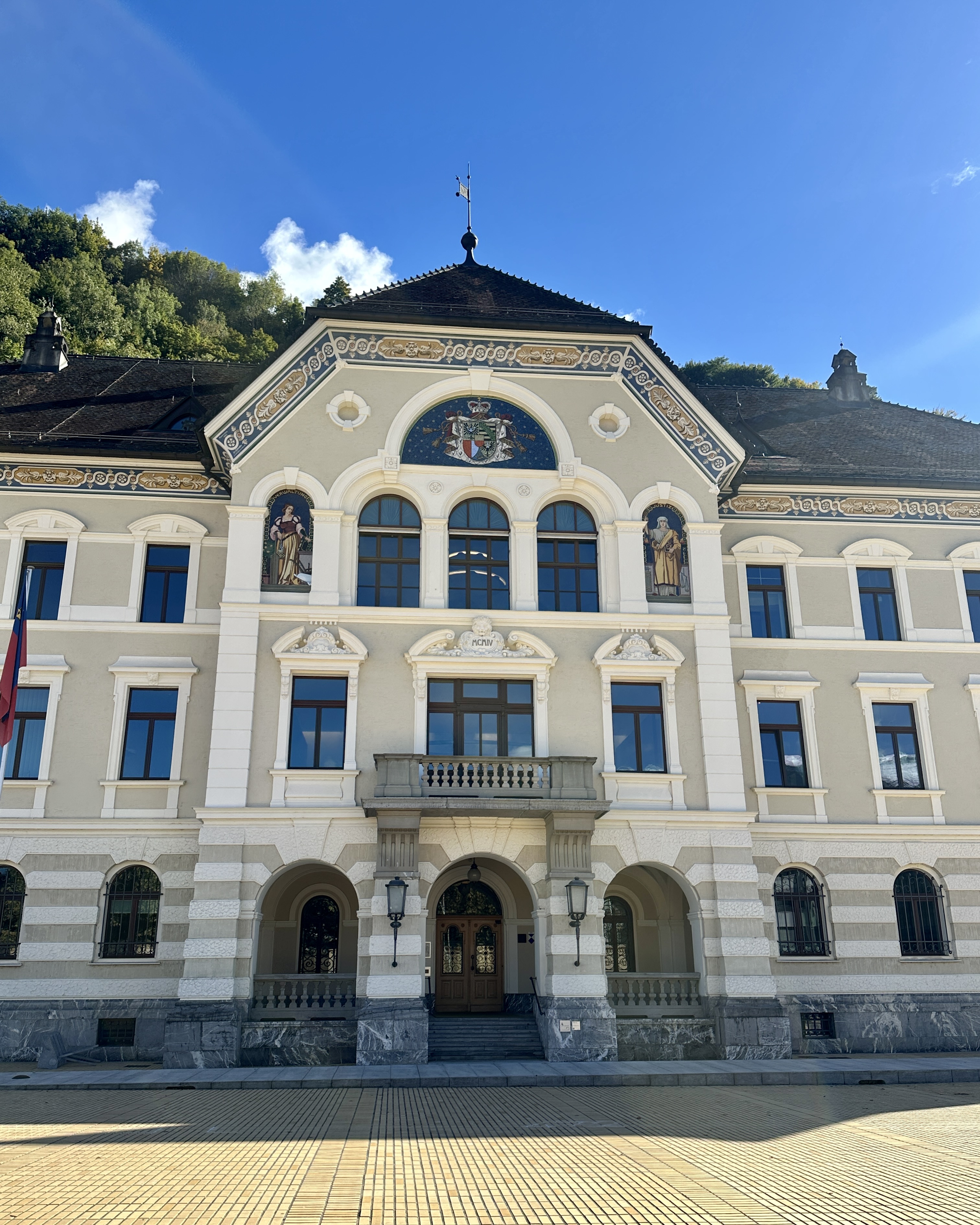
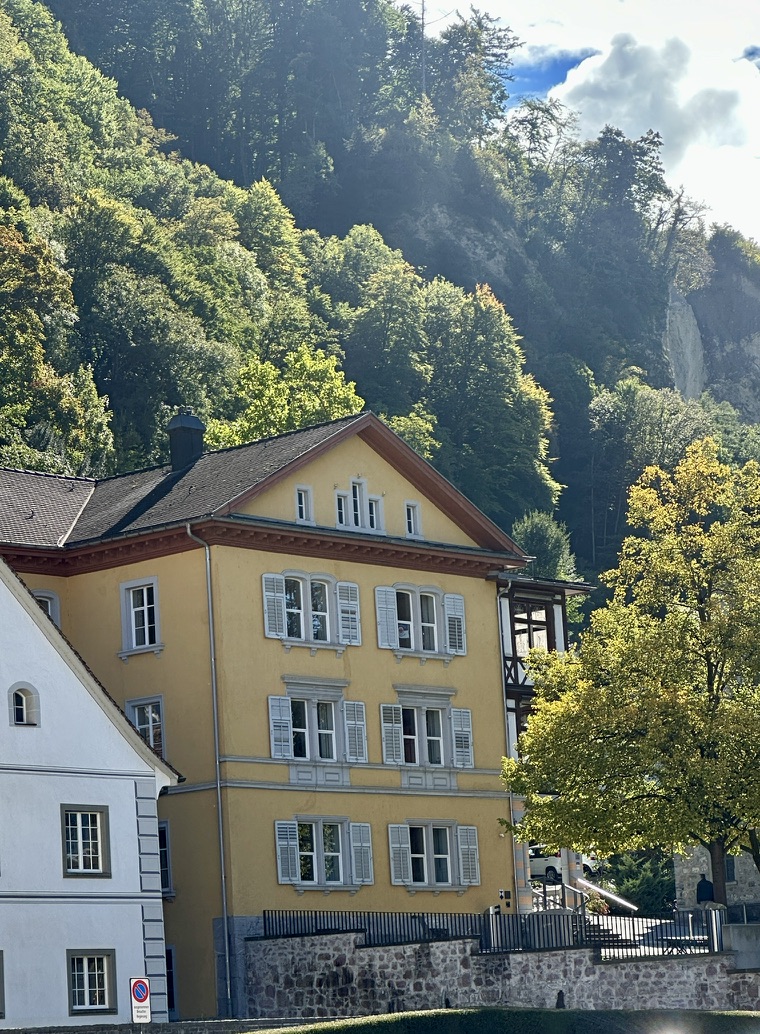
There’s more to see and do in Liechtenstein, including a well-regarded Art Museum, extensive networks of hiking trails, and 44 mountains – all of which Alexandra has climbed! – but it was time for us to return to Zurich.

Feeling a bit peckish after our excursion, we stopped at the Brasserie Federal in the Zurich train station for a restorative beer and pretzel (with mustard of course) before heading back to our hotel.
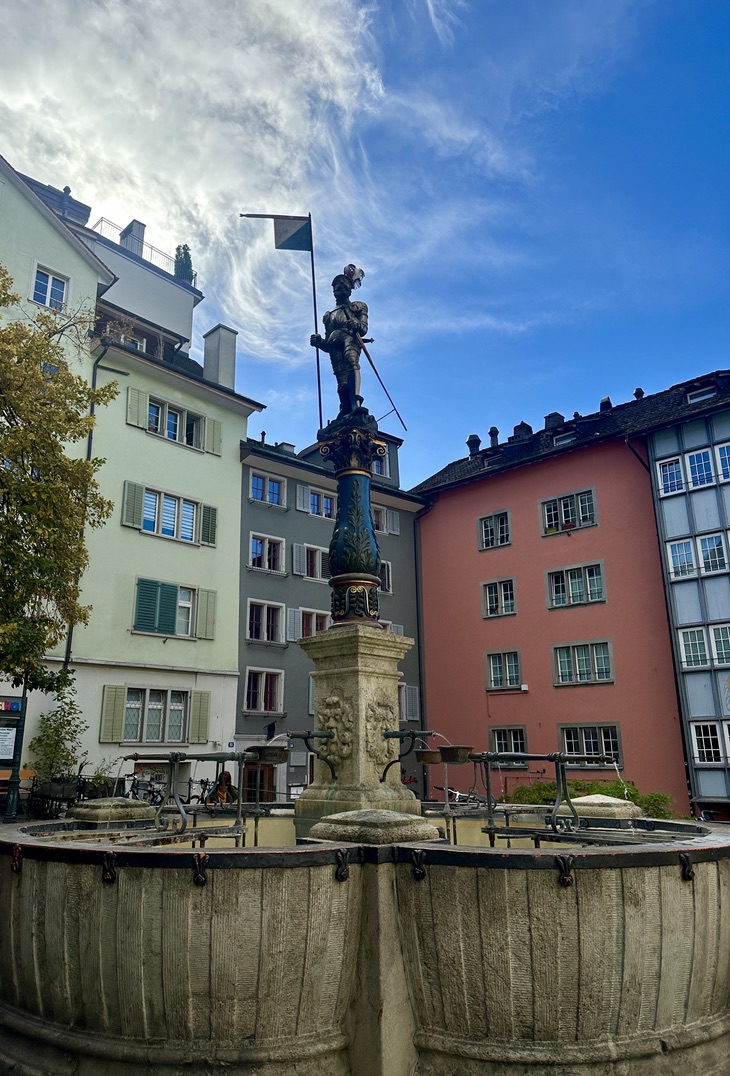

Instead of walking directly along the river, we headed one block inland to stroll the narrow streets that parallel the main riverfront thoroughfare. Those lanes are lined with small shops selling leather goods, art, crafts, designer shoes and clothes, and (yay!) books, along with restaurants and cafes of every stripe.


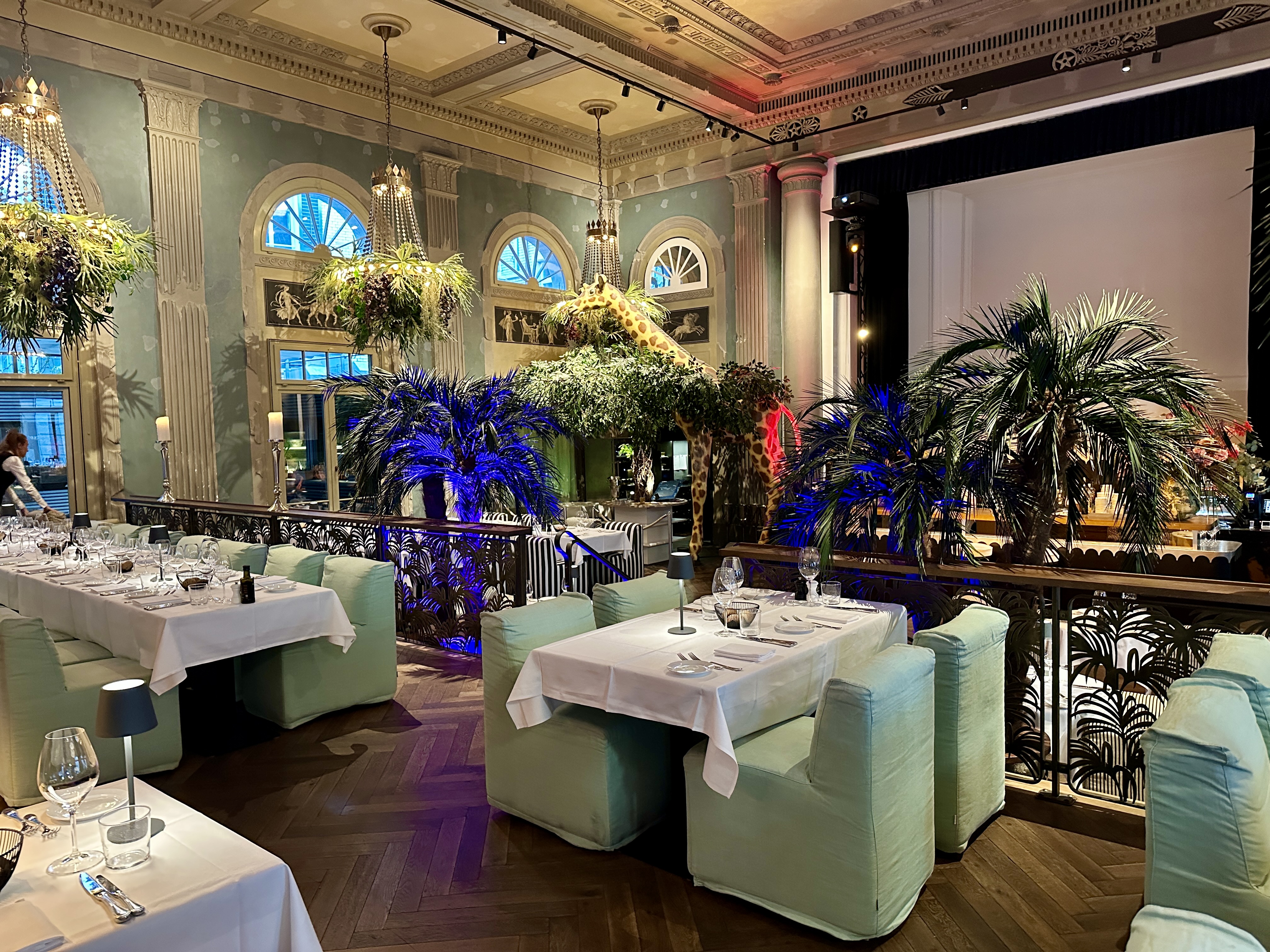
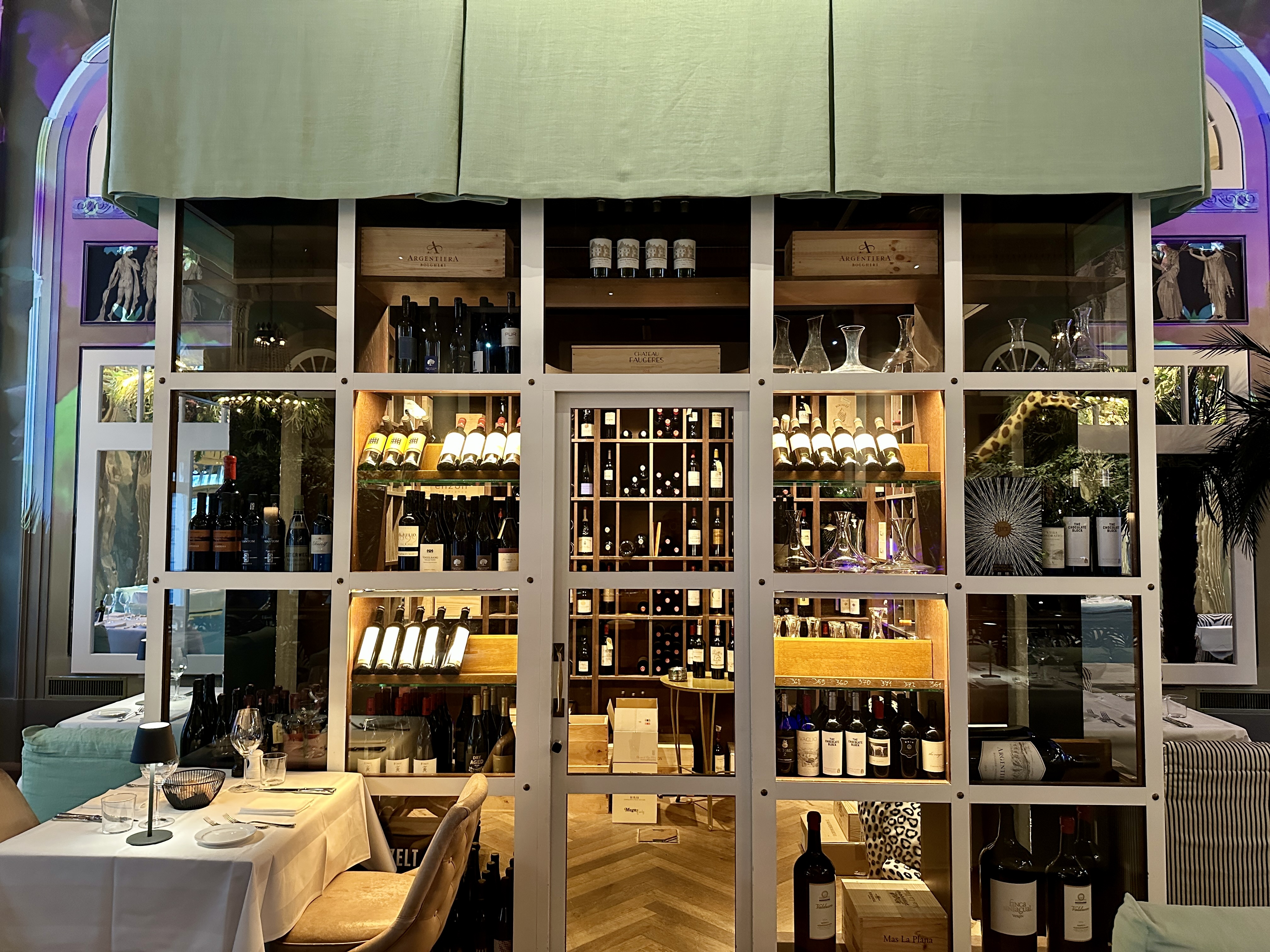
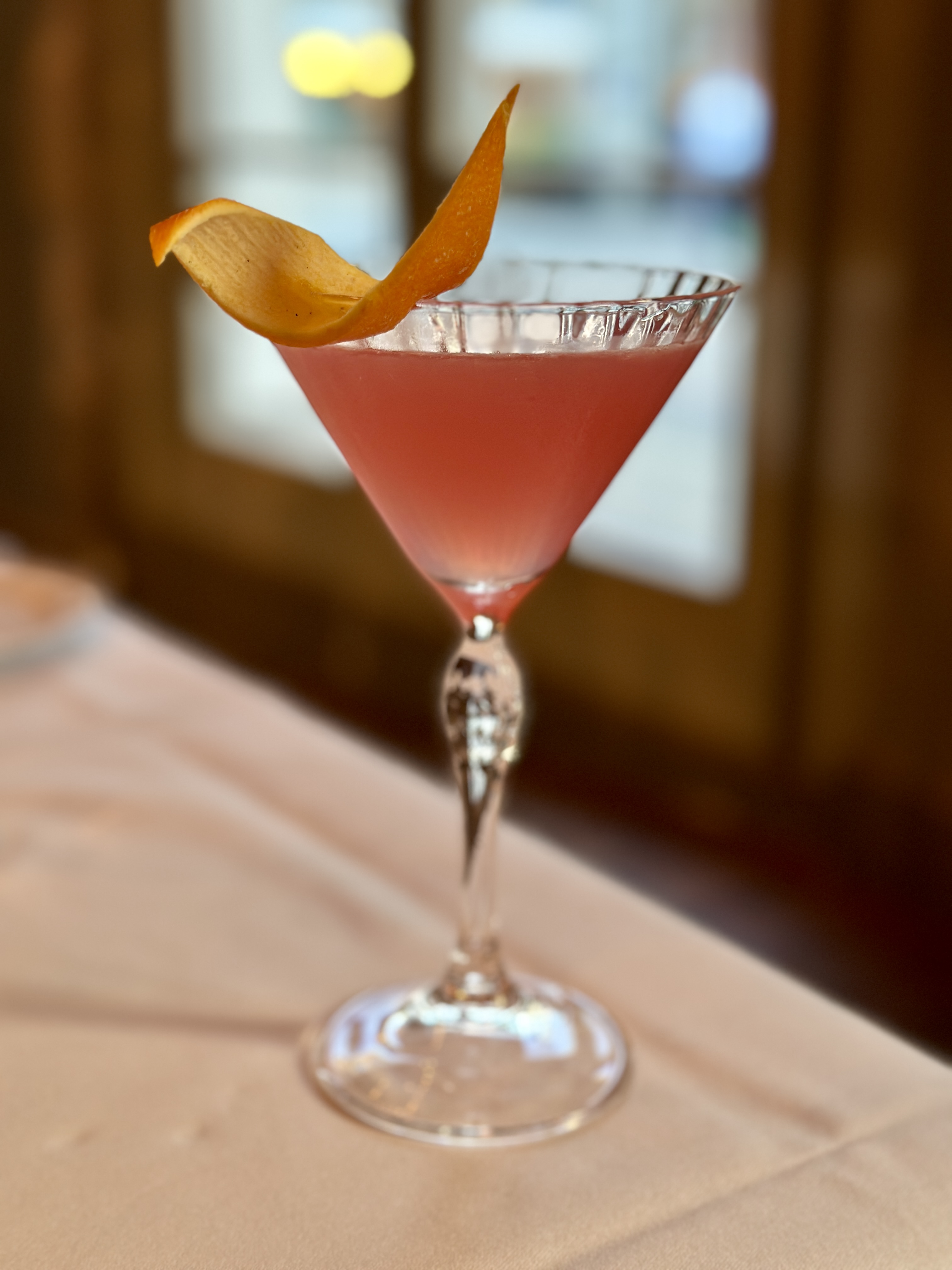
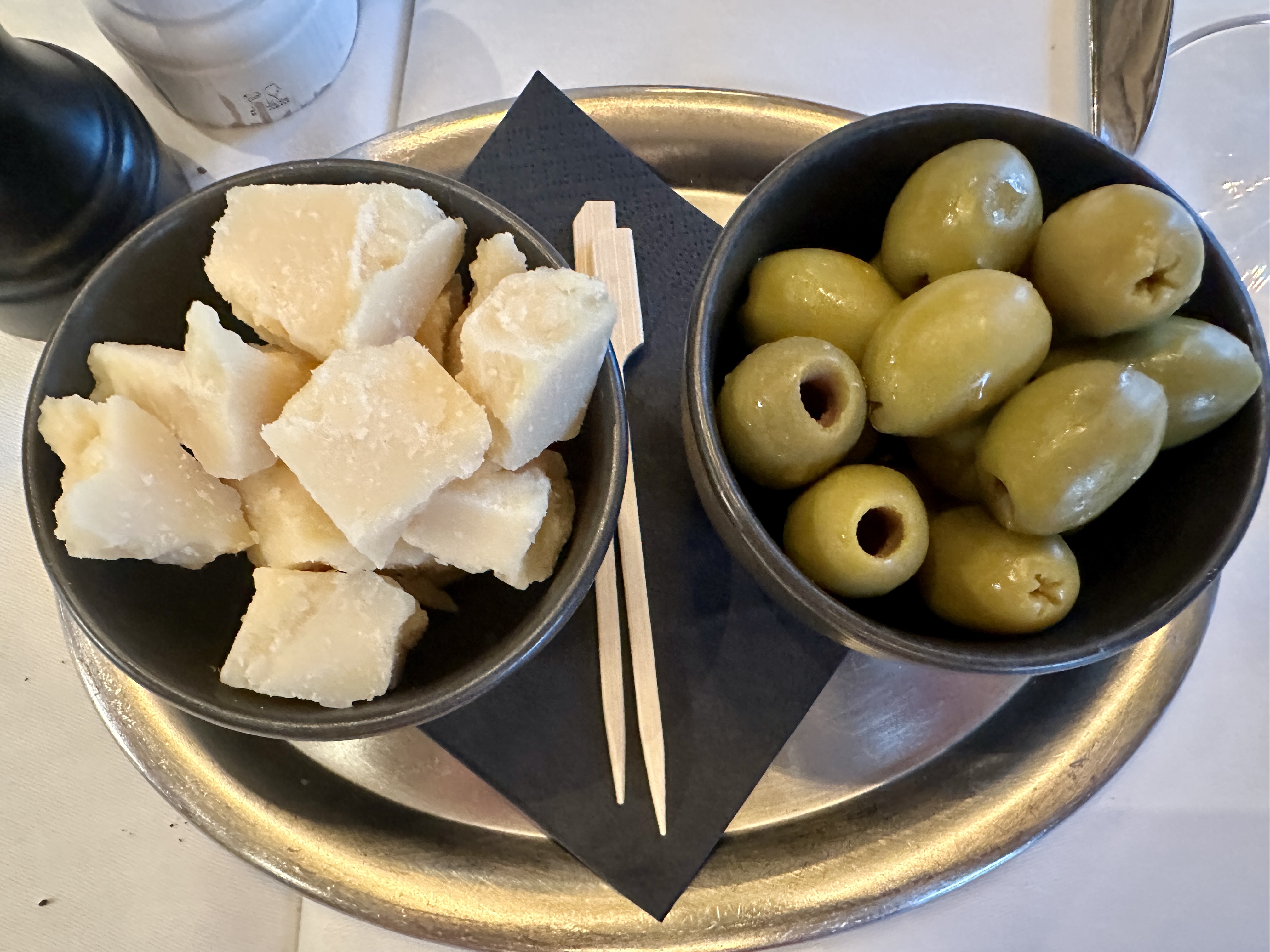
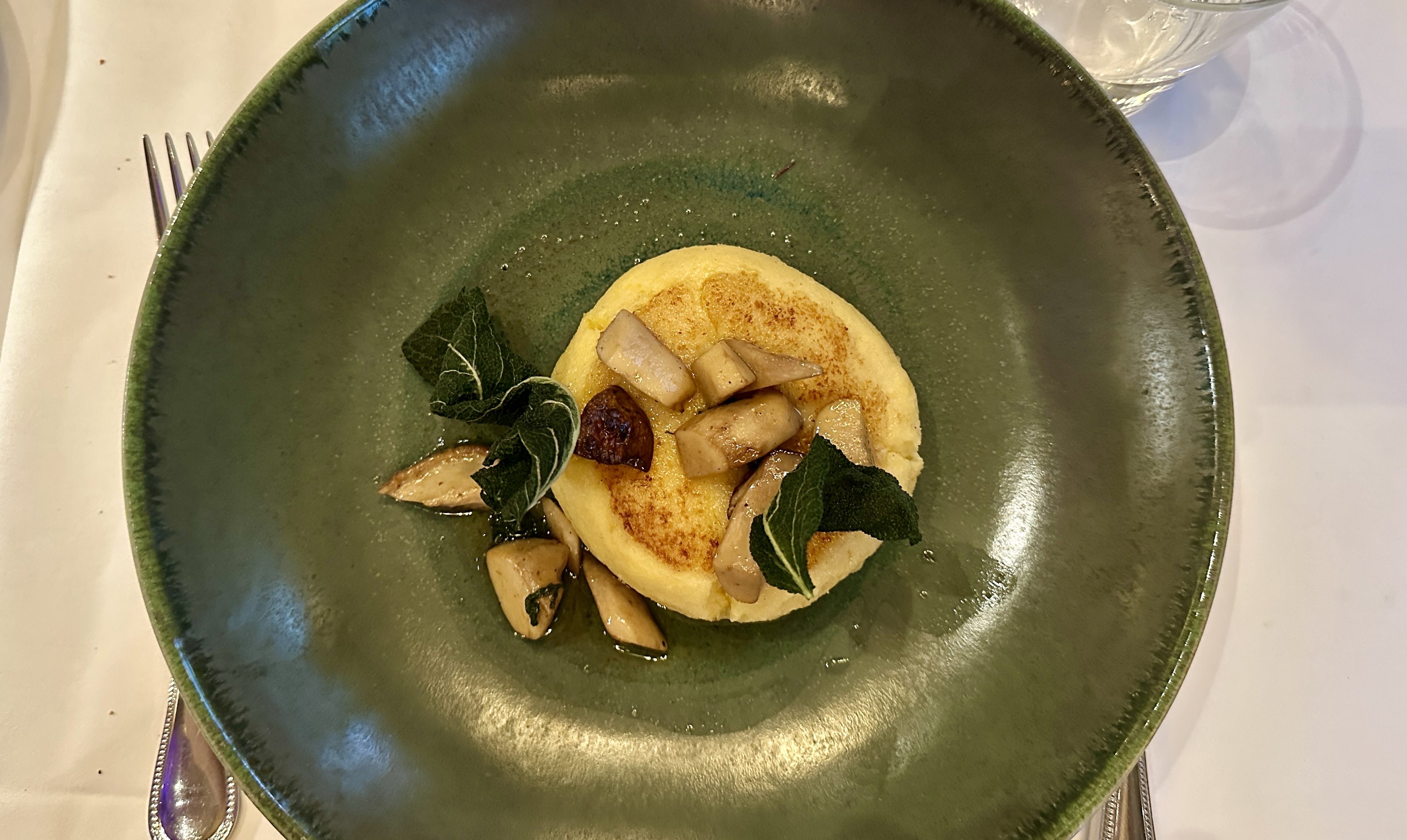
Speaking of restaurants – as I often do – Andy found another gem for us tonight: Razzia Restaurant and Bar, Seefeldstrasse 82, 044 296 70 70 (reservations required). Set in a converted theater, the restaurant has a beautifully funky dining room, complete with a life-sized statue of a giraffe, a glassed-in wine enclave, and very good food.
It’s been a phenomenal two weeks of travel in the company of two dear friends. I’ll make one more post in the next day or so wrapping up the trip and expressing my gratitude to all the people who made it so special. I hope you’ve enjoyed following along as much as I’ve enjoyed writing these posts!

 PuffinlessTravel
Love that shot of the departures board at Zurich HB. One could always set one’s watch by train departure times. If the board said it departed at 8:32, it departed at 8:32. Just like Amtrak…NOT! 🙂
Swiss trains are a marvel! I just landed at Dulkes. It’s good to be home!