OK, there’s no bay, but there are gulls, and in this post-truth era, who am I to let accuracy stand in the way of a pun? Schmearly second nature to me.


Enough of that (until the next time). The Panama Canal was every bit as impressive as I expected. It’s mind-boggling (at least to my boggle-prone mind) to imagine the effort and ingenuity that went into creating a 51-mile-long waterway through dense jungle and steep mountains using early 20th century technology – and I don’t just mean the fact that air-conditioning hadn’t been invented yet.
If anything, the politics that surrounded the Canal’s construction were even more mind-boggling than the engineering. Basically, President Teddy Roosevelt got tired of dealing with opponents in Congress who favored a route through Nicaragua, ginned up a Panamanian secession from Colombia after Colombia’s legislature failed to approve a treaty granting the US control of the area, and sent in US ships (hence “gunboat diplomacy”) and troops to keep Colombia from striking back. The wonderful historian David McCullough tells the story beautifully in “The Path Between the Seas.” Read it – and everything else by McCullough – if you’re at all interested.
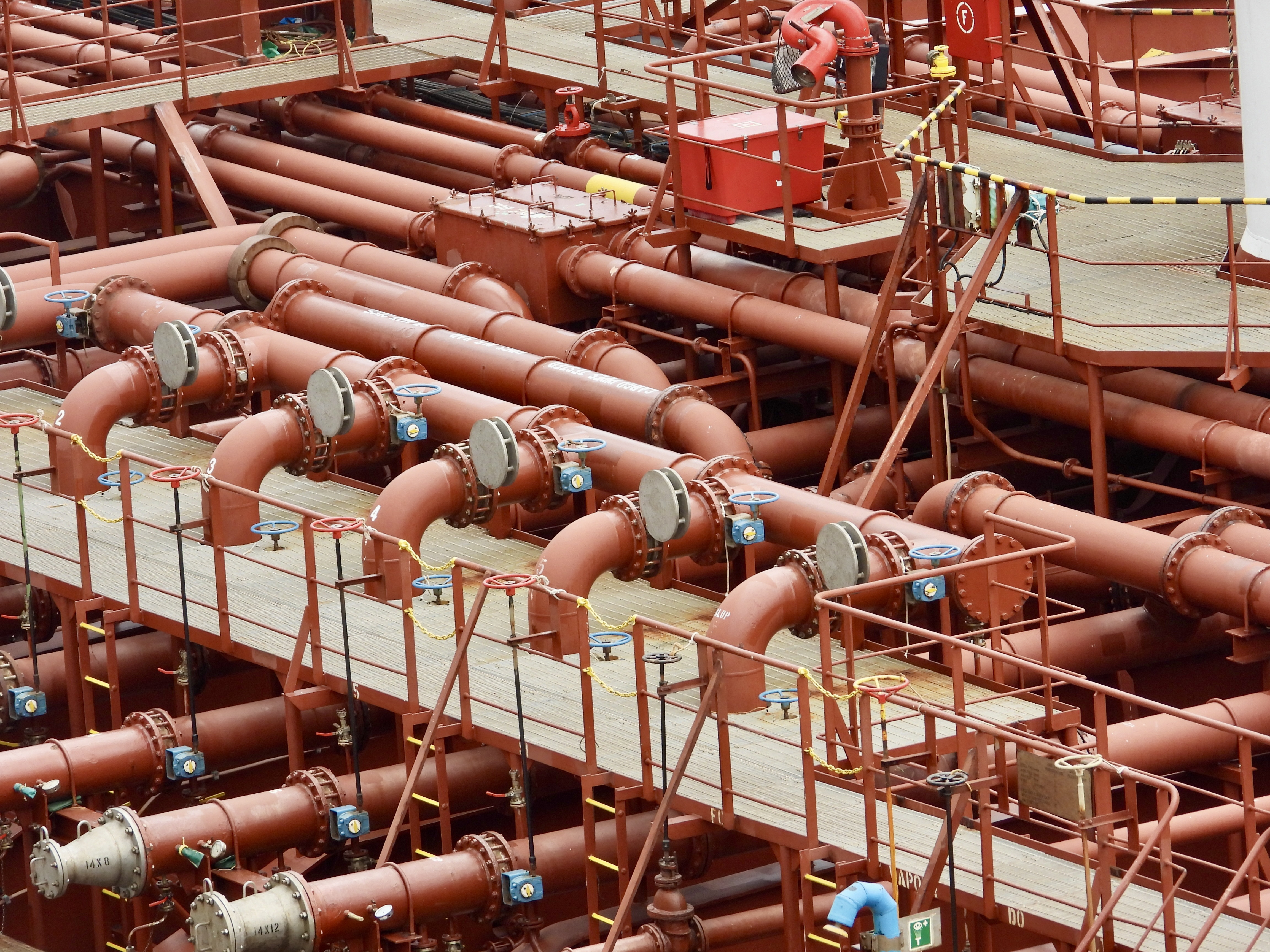
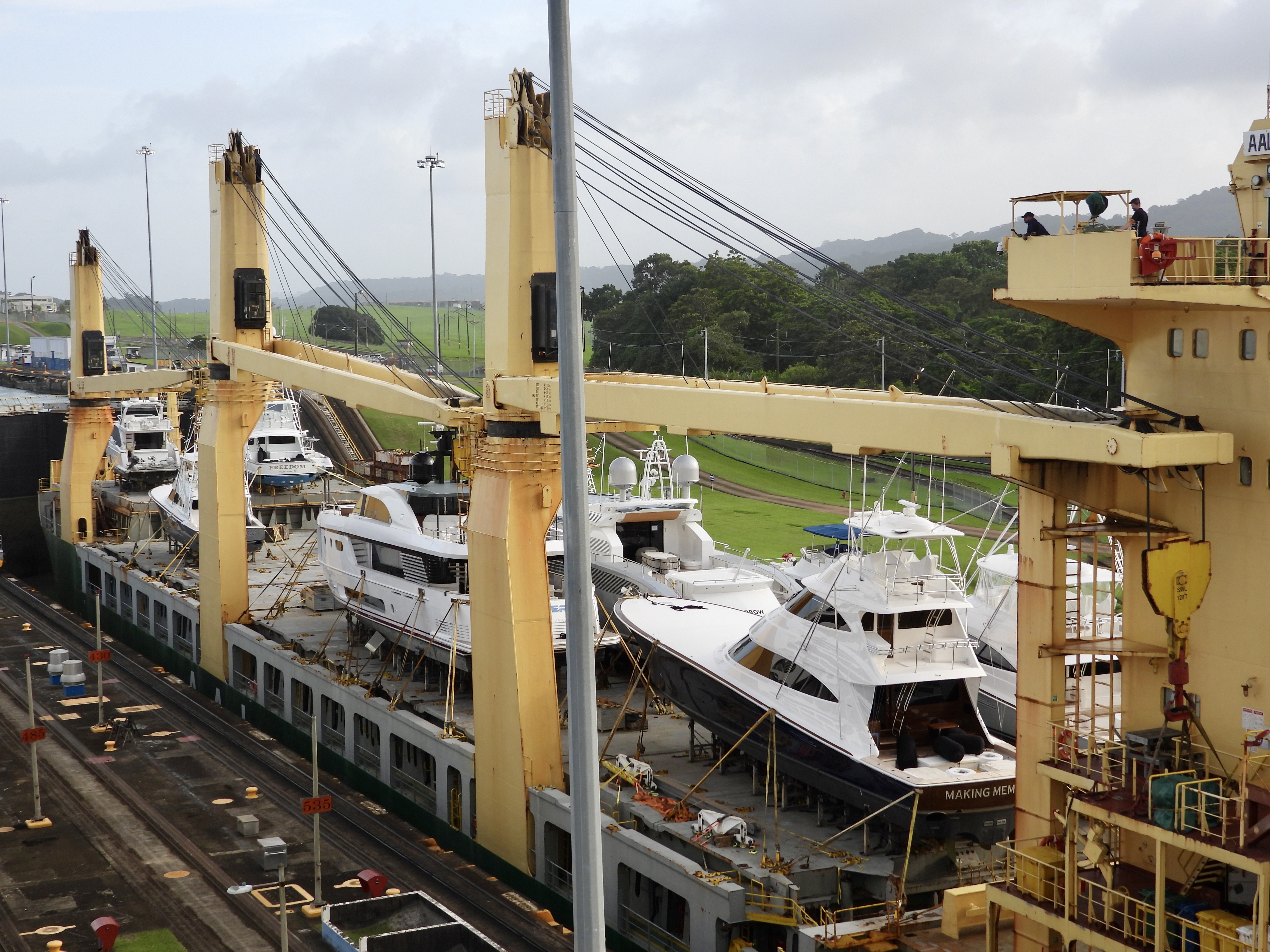
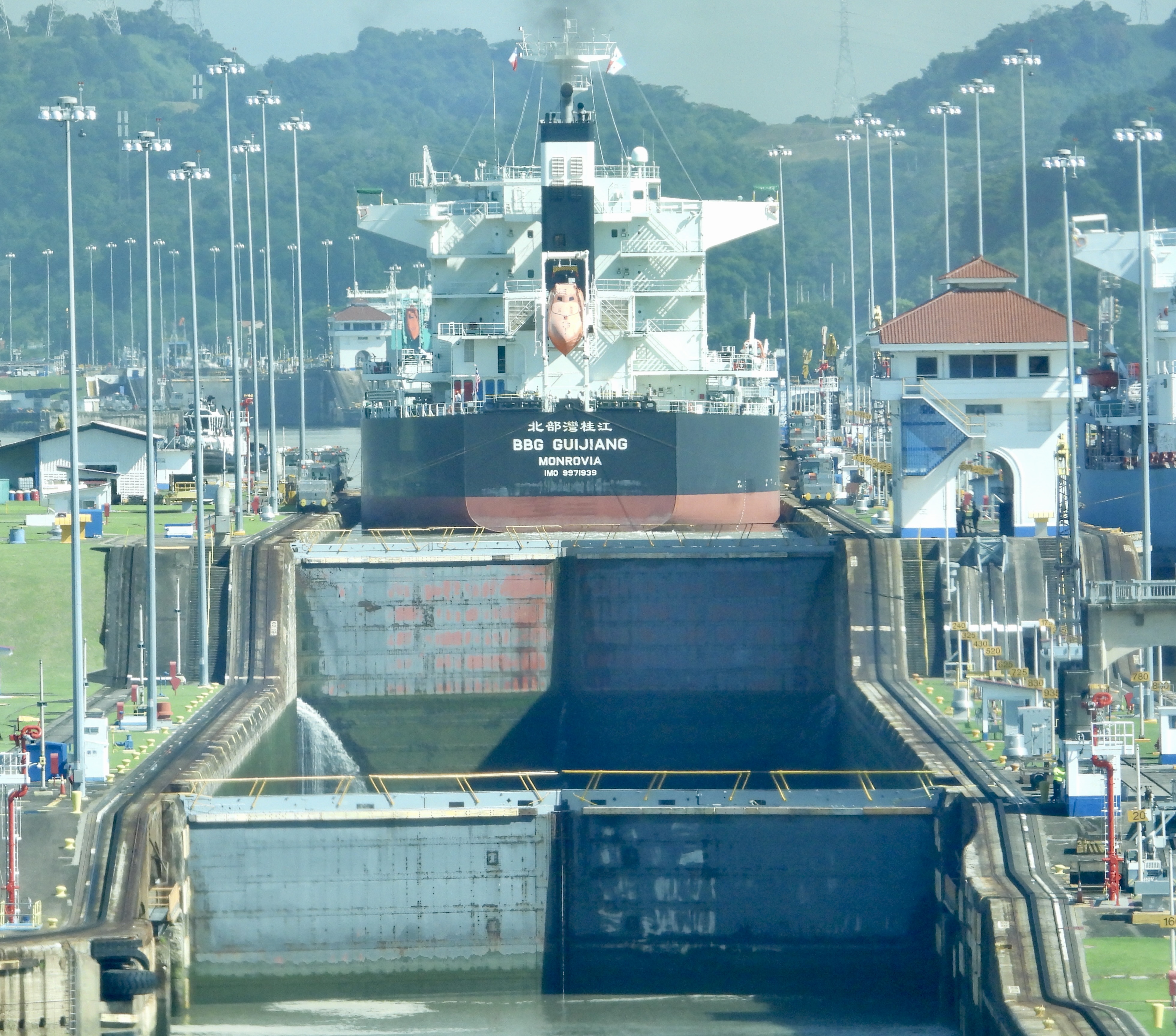
Transiting the canal is a leisurely (8 hours or so) but remarkable experience. During the course of the transit, we passed several container ships as well as vessels carrying chemicals, grain, and … yachts.


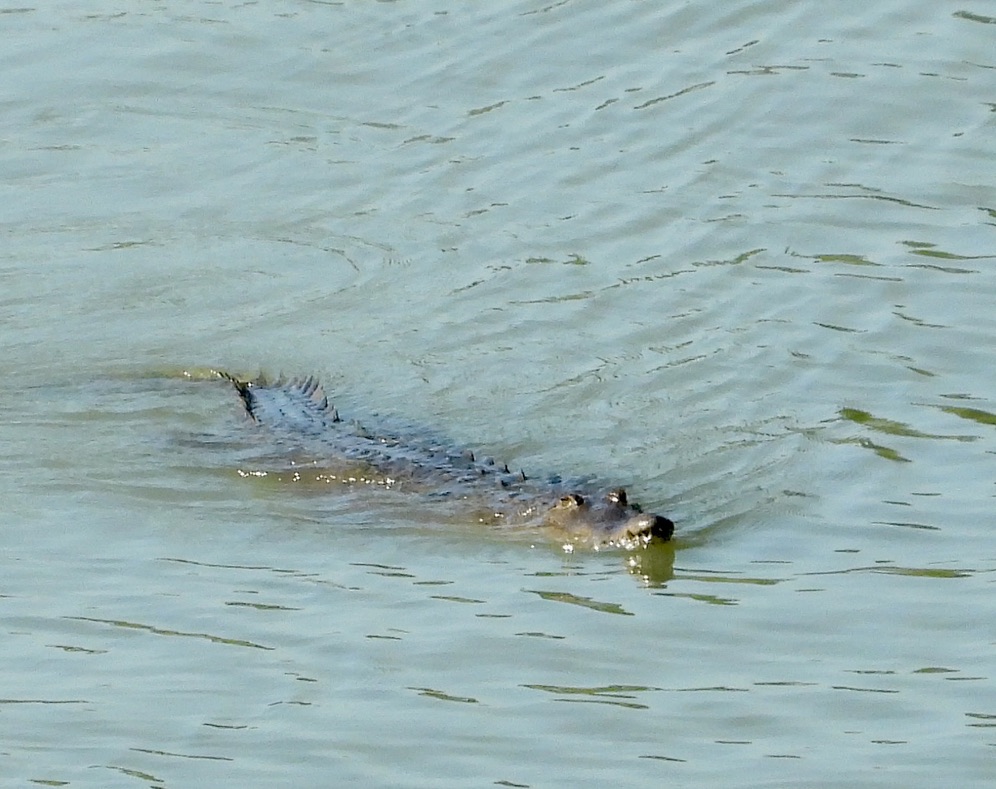
We even had a crocodile escorting us for a mile or so.
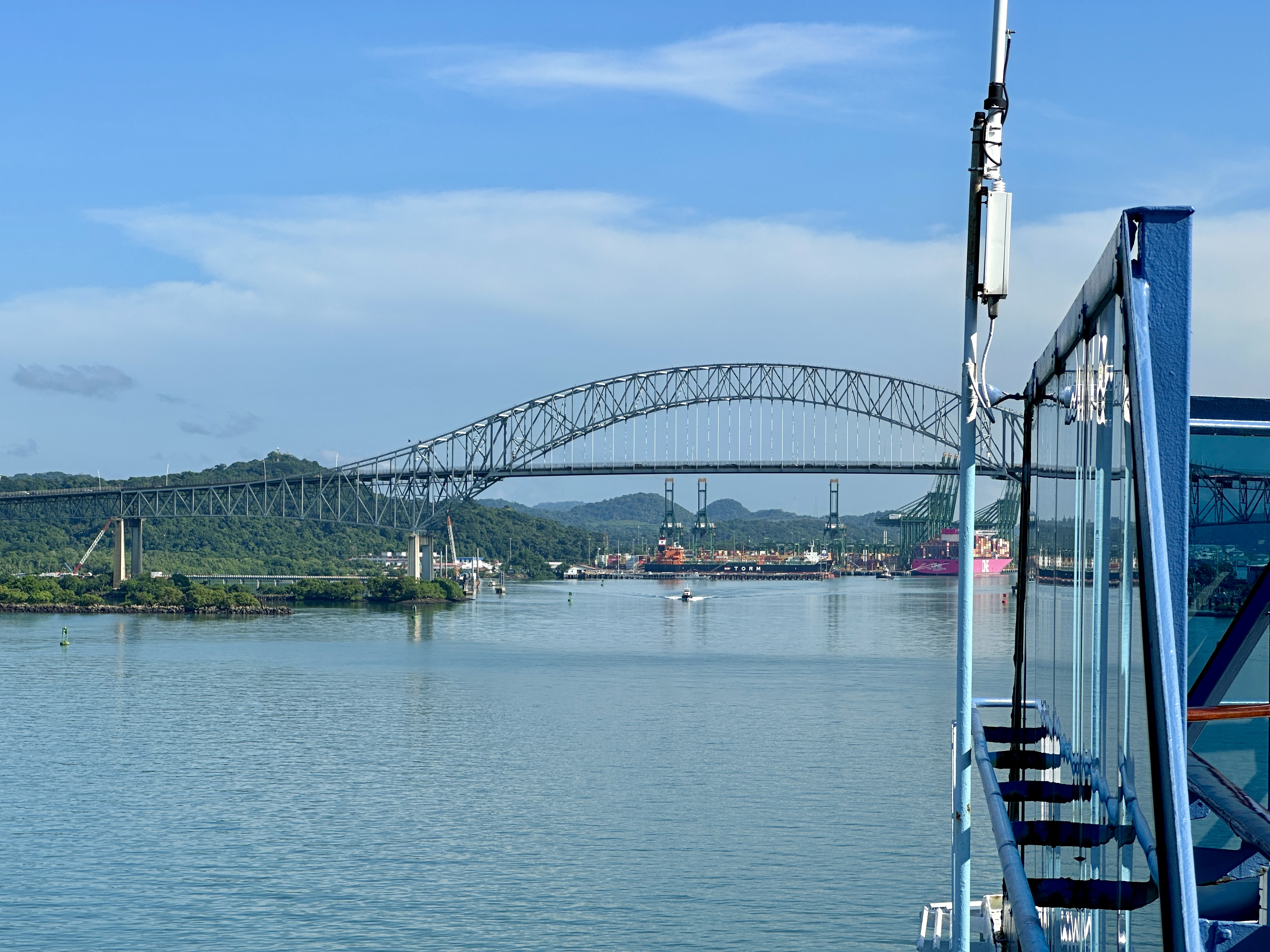
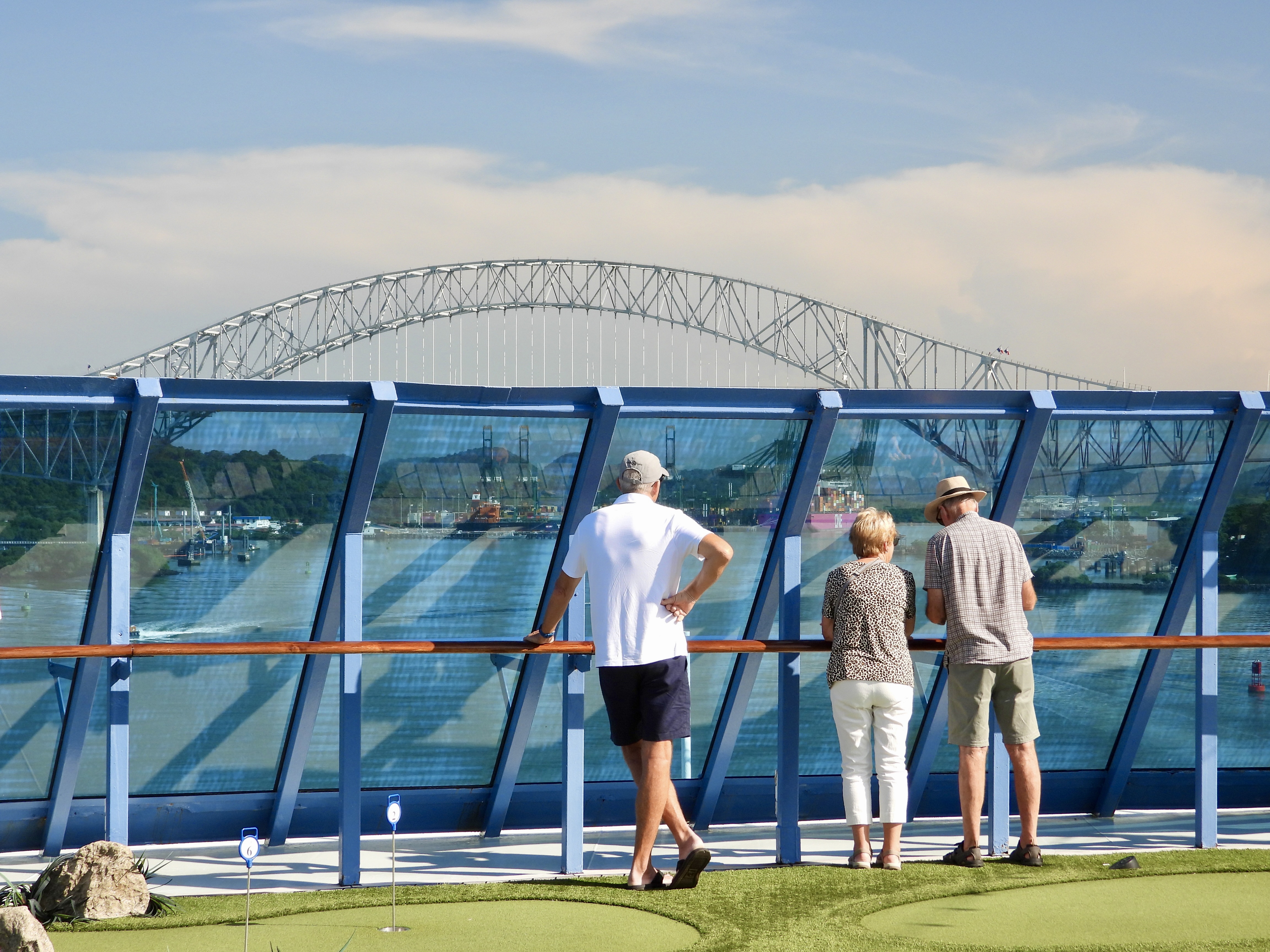
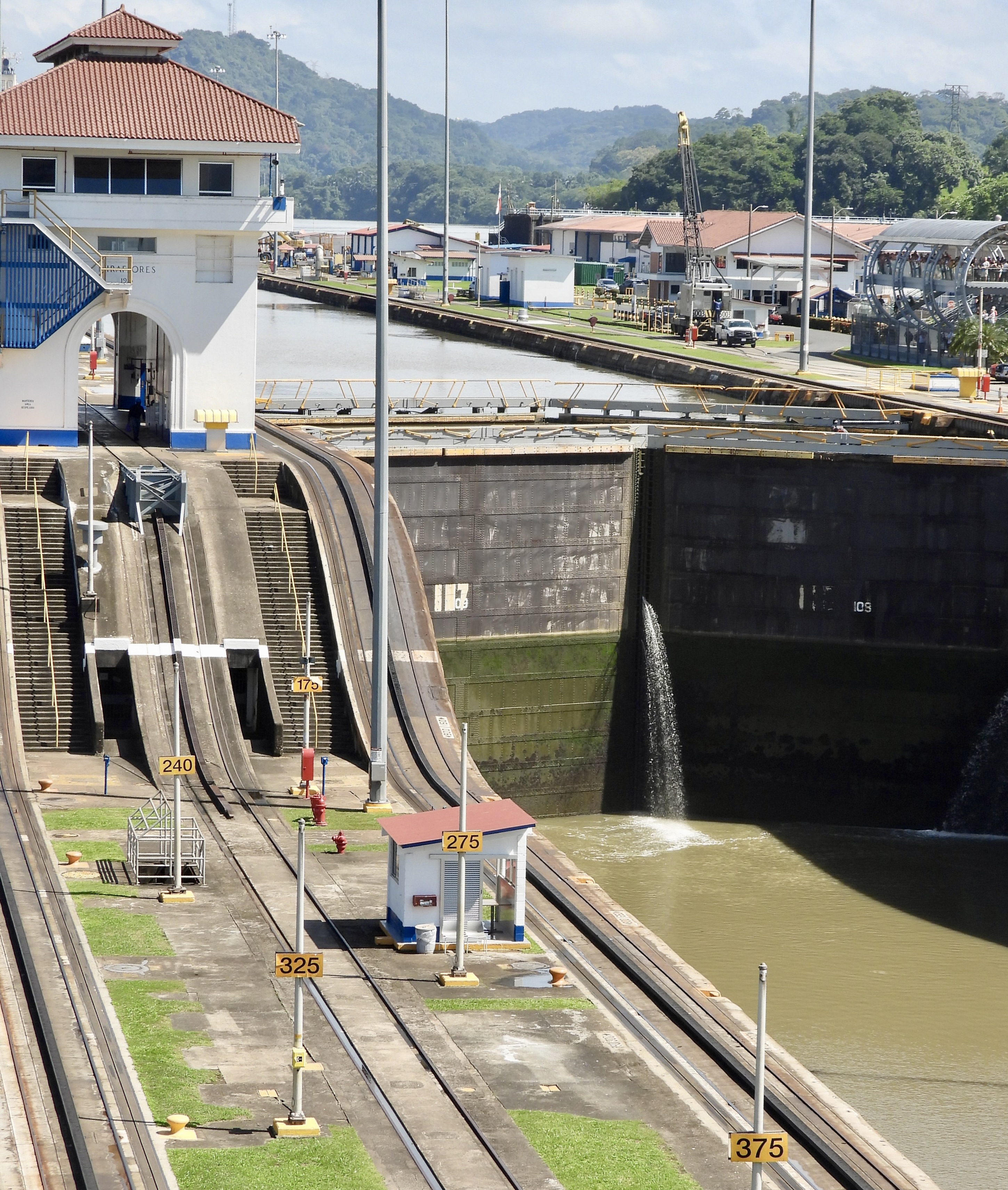
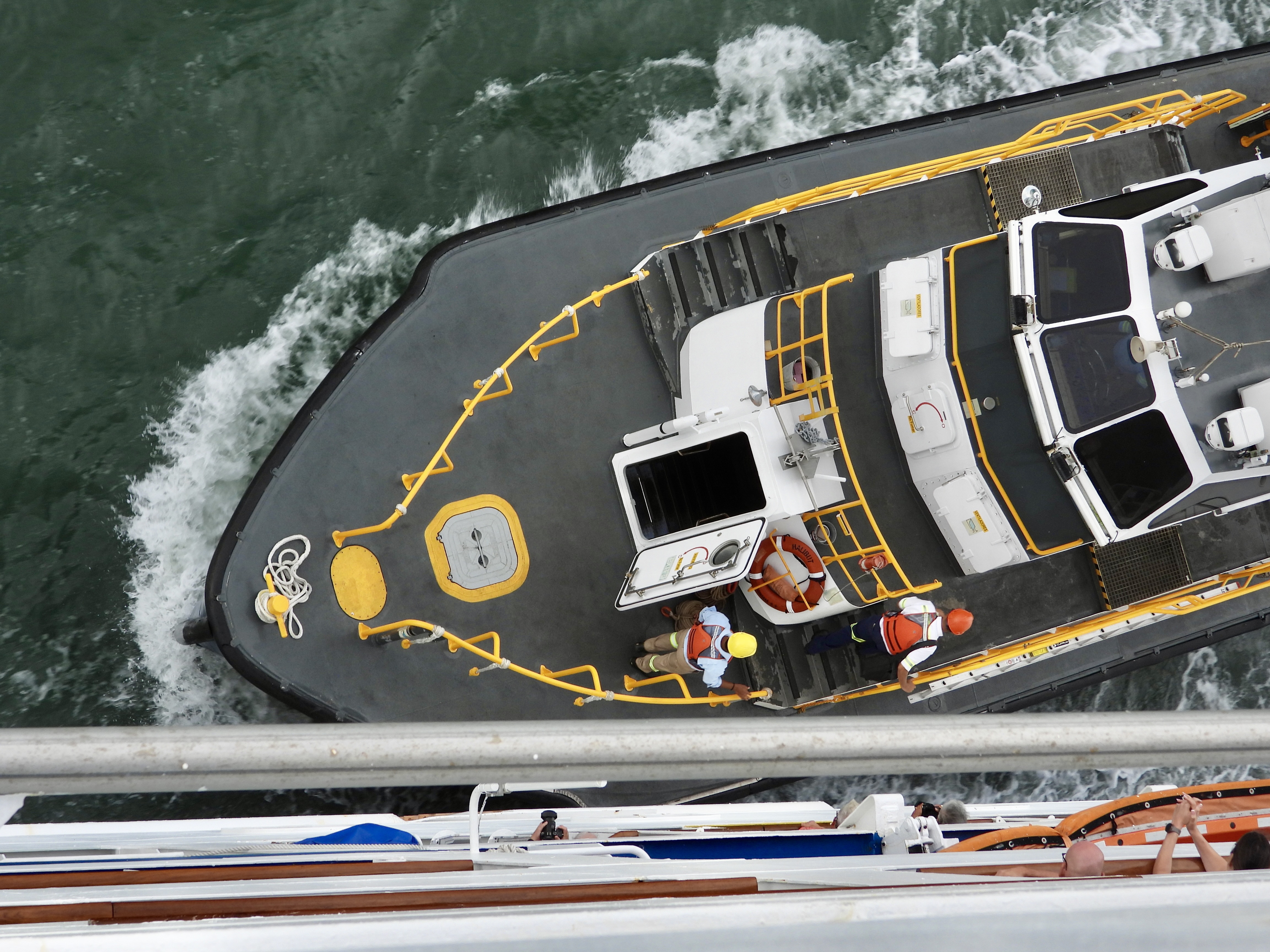
We arrived near Panama City a bit after seven this morning and, after taking on the first of several guide pilots, sailed under the Bridge of the Americas and entered the Miraflores Locks around 9:30.
The Miraflores Locks raise ships 54 feet above sea level, pumping in 26 million gallons of water from artificially created Lake Miraflores in order to do so. Lake Miraflores leads to another Lock (Pedro Miguel), which raises ships another 31 feet.
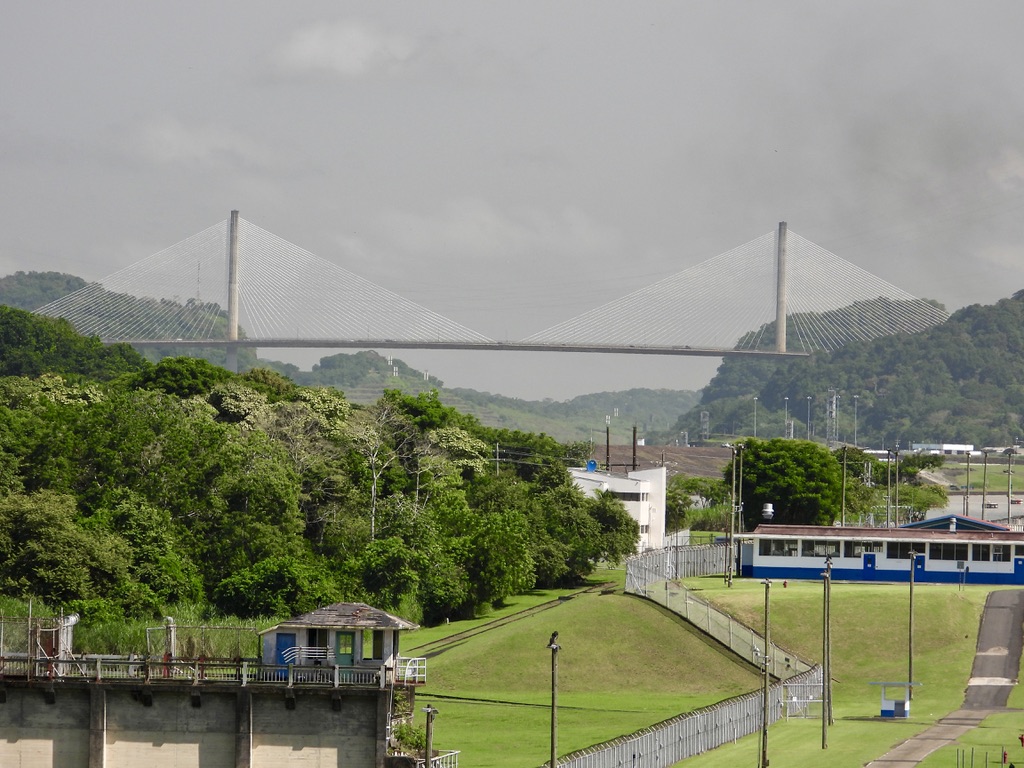
We then passed under the graceful Centennial Bridge, which carries the Pan-American Highway.
After the bridge comes the Culebra Cut, which bisects the Continental Divide and leads eventually to Gatun Lake, another artificial water body that was created (according to our guide) by damming more than twenty rivers.
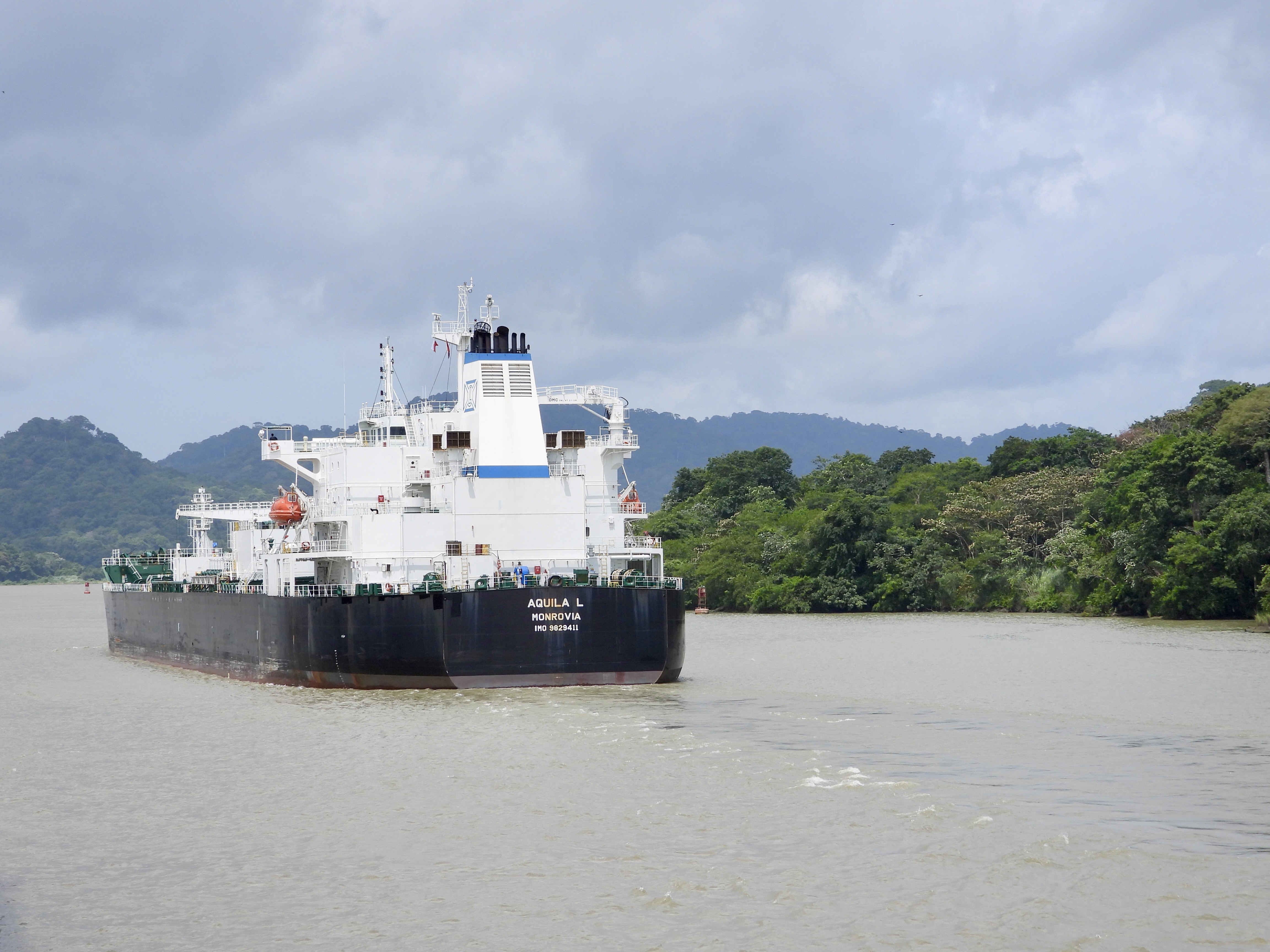
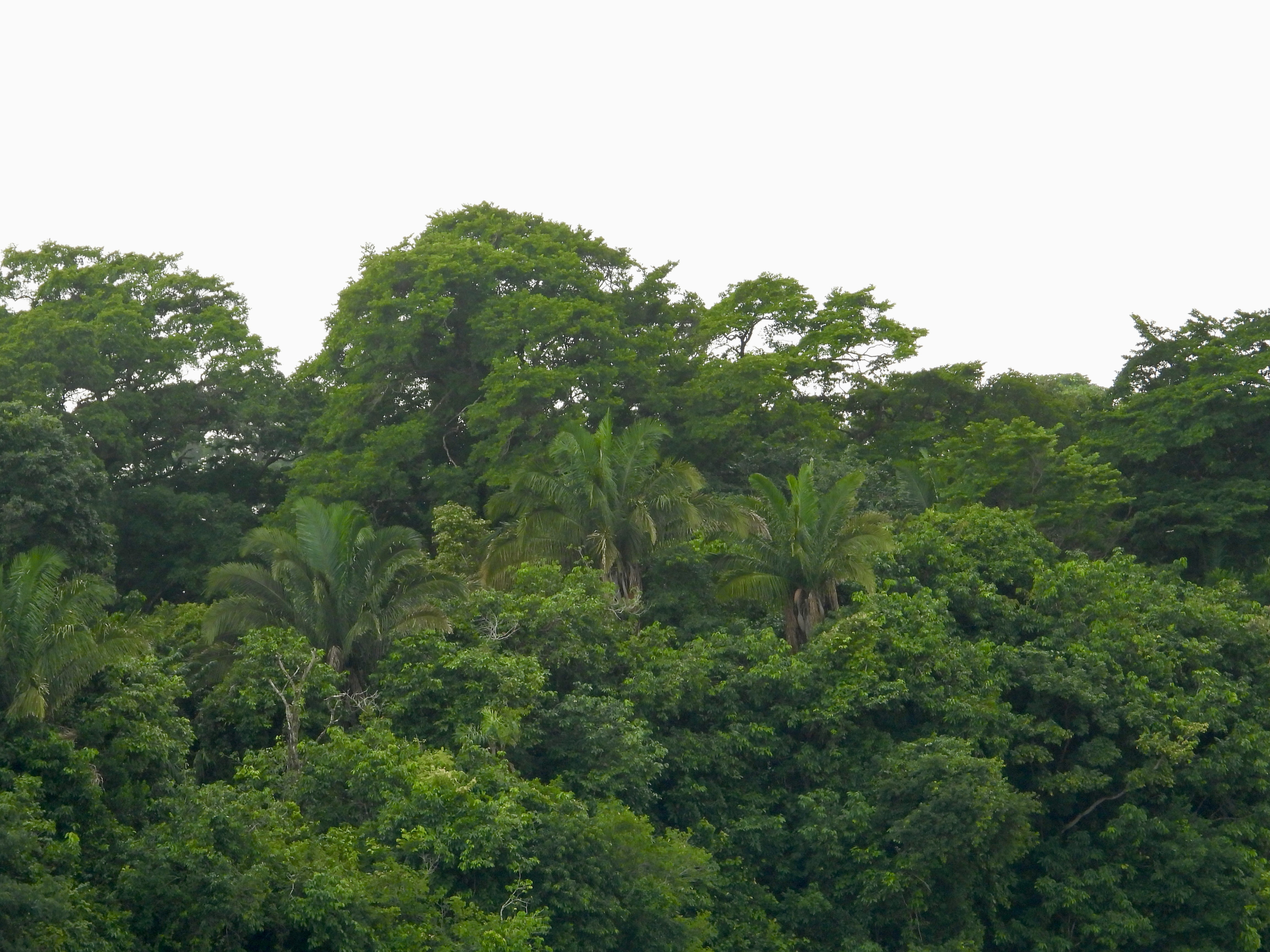
Gatun Lake is 15 miles long. It’s surrounded by lush jungle featuring countless shades of green punctuated by occasional purple-flowered trees.

At the end of Gatun Lake, the Gatun Locks return Atlantic-bound ships to sea level.

Just before reaching the Gatun Locks, we passed a baseball game, which I gazed at longingly after not seeing any baseball for the past two weeks. (Not that I’ve missed anything positive, at least as far as my Nats are concerned.)

After emerging from the Gatun Locks and gliding under the new Atlantic Bridge – twin to the Centennial Bridge – we entered the Caribbean Sea on our way to Cartagena, Colombia, where we dock tomorrow.
Hasta luego!

 PuffinlessTravel
Infectious disease nerd here. The canal’s construction was not only interesting from an engineering standpoint, but from a medical standpoint as well. The French had huge losses to yellow fever and malaria during their tenure on the project. By the time the Americans took over, there was a fresh understanding of how those infections were transmitted, and preventive measures could be implemented.
I don’t think I had an appreciation for how long it takes to pass through the canal!