Today, I fell in love with five million people and discovered paradise.
Costa Rica, where “pura vida” captures the national ethos, is gorgeous, friendly, peace-loving, safe, and committed to a happy, sustainable lifestyle. What is “pura vida”? The literal translation is “pure life,” but in practice it means maintaining a positive, optimistic outlook and appreciating the simple things in life. I’m in!
I’ll write about today’s activities shortly, but first let me explain why I find Costa Rica so enchanting. The basic reason: it has a generally public-spirited government that prioritizes what’s truly important. (Yes, this is me sneaking politics into a travel blog again, but I promise what follows isn’t nearly so impassioned as my last post.)
Education. Costa Rica spends 6.9% of its GDP on education, compared to the global average of 4.4%. Public education is free and compulsory, and the literacy rate is 97 percent. The comparable figure in the US: 79%, with fully 54% of adults reading below a 6th grade level.
Environmental Sustainability. Ninety-nine percent of Costa Rica’s energy comes from renewable resources (solar, geothermal, hydroelectric). The US, in contrast, satisfies only 8.8% of its energy needs from renewable sources. Costa Rica is on track have net zero carbon emissions by 2050. It’s reversed deforestation and set aside more than 25% of its land for conservation and national protection. One of Costa Rica’s greatest attractions, which it is doing everything possible to preserve, is biodiversity. With 0.03% of the world’s land area, it accounts for 5% of the world’s biodiversity.
High quality, universal health care. Costa Rica’s health care system ranks well above the US, health care is universally available, and life expectancy is high – the area we visited today is a “Blue Zone,” where many people live active lives past age 100.

Peace and freedom. Costa Rica abolished its army in 1949 (the slogan was “replace an army of soldiers with an army of teachers”) and is a leader in trying to broker peaceful solutions to conflicts in Latin America. It ranks 19 places higher than the US on press freedom.
Safety. Costa Rica’s violent crime rate has increased recently because of narco-trafficking and now stands at 11.41 per 100,000 population. (Our guide said she expects the recently elected government to reverse that trend.) The figure in the US, 363.8 per 100,000, is more than 30 times higher!

Happiness. Not surprisingly, Costa Rica ranks near the top in subjective happiness, which considers longevity, human development, and sustainable well-being. In the latest survey, it came in 6th in the world; the US was 24th.


I make these comparisons not to bash the US – a true patriot wants what’s best for their country and is willing to acknowledge and seek to fix its shortcomings – but to show what’s possible with enlightened governance and high aspirations. Perhaps Costa Rica’s approach to life, politics, and the environment should be part of the core curriculum in American public policy programs.
OK, on to the actual travelogue.
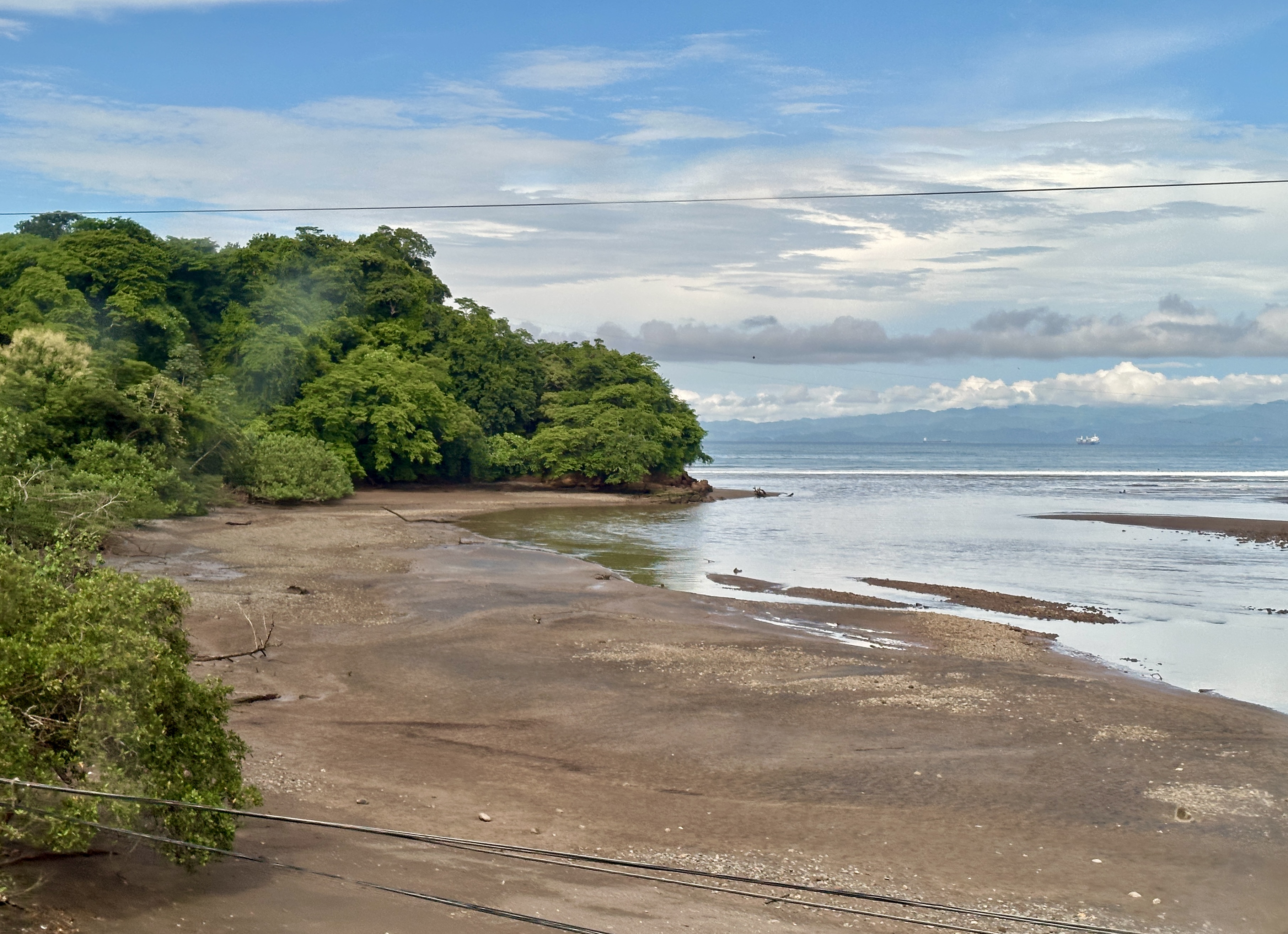
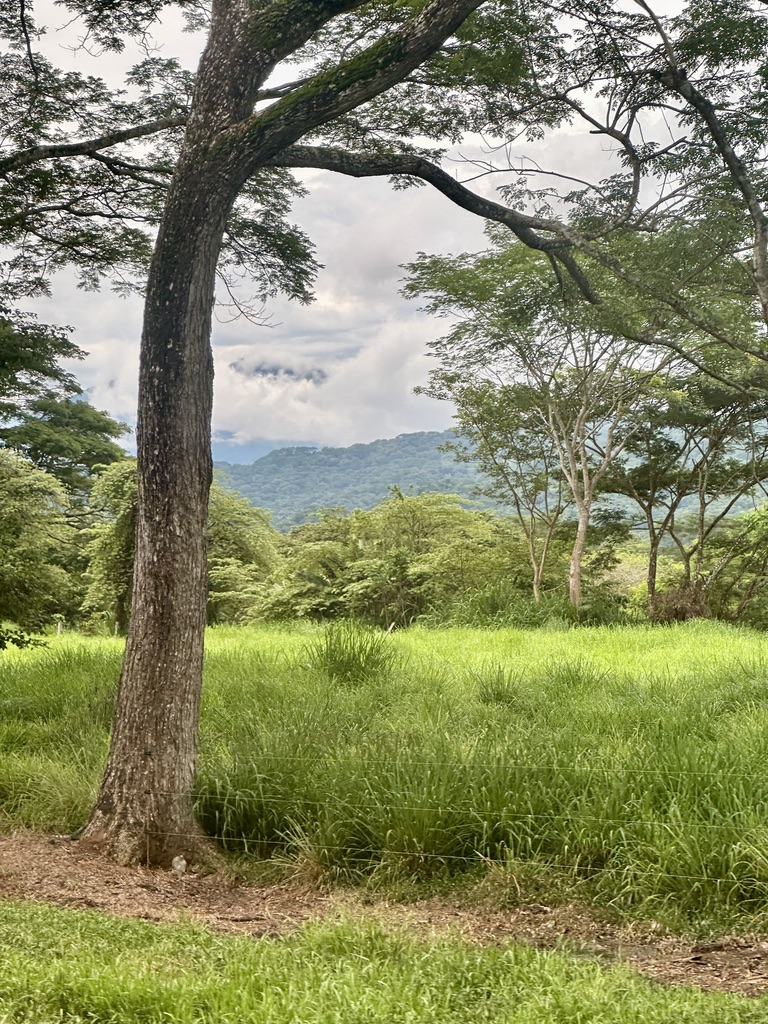
We docked in Puntarenas, a town on the Gulf of Nicoya on Costa Rica’s Pacific Coast. The gulf is ringed by volcanic sand beaches. Inland lie some of the country’s highest mountains, which were shrouded in ribbons of clouds.
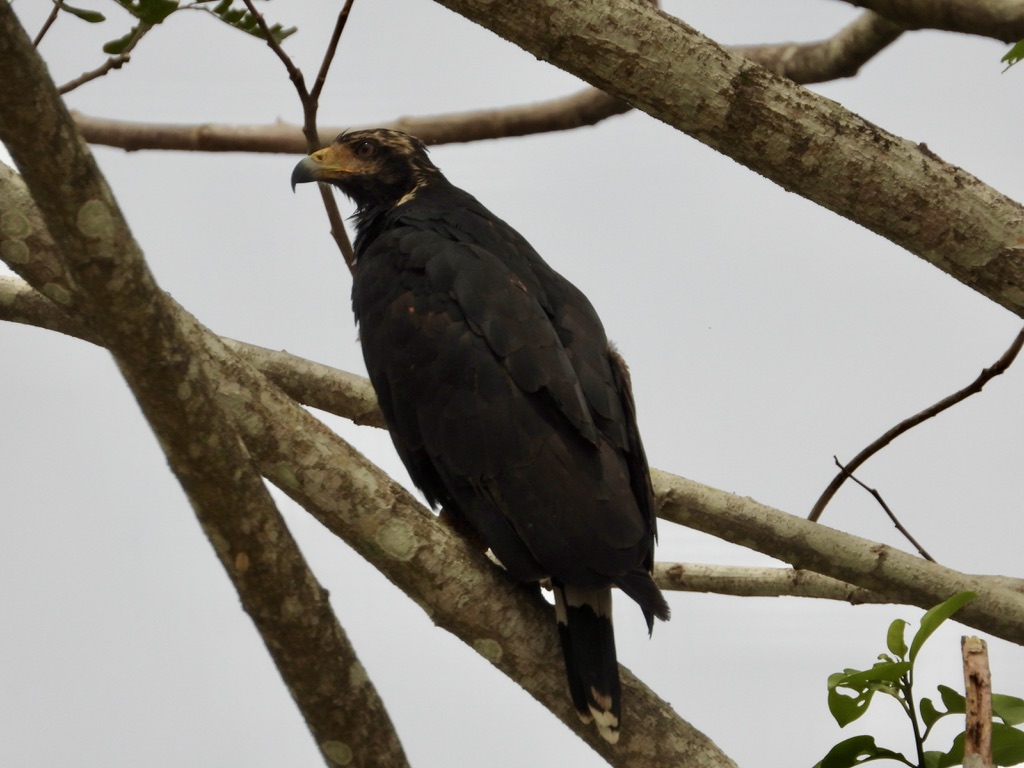

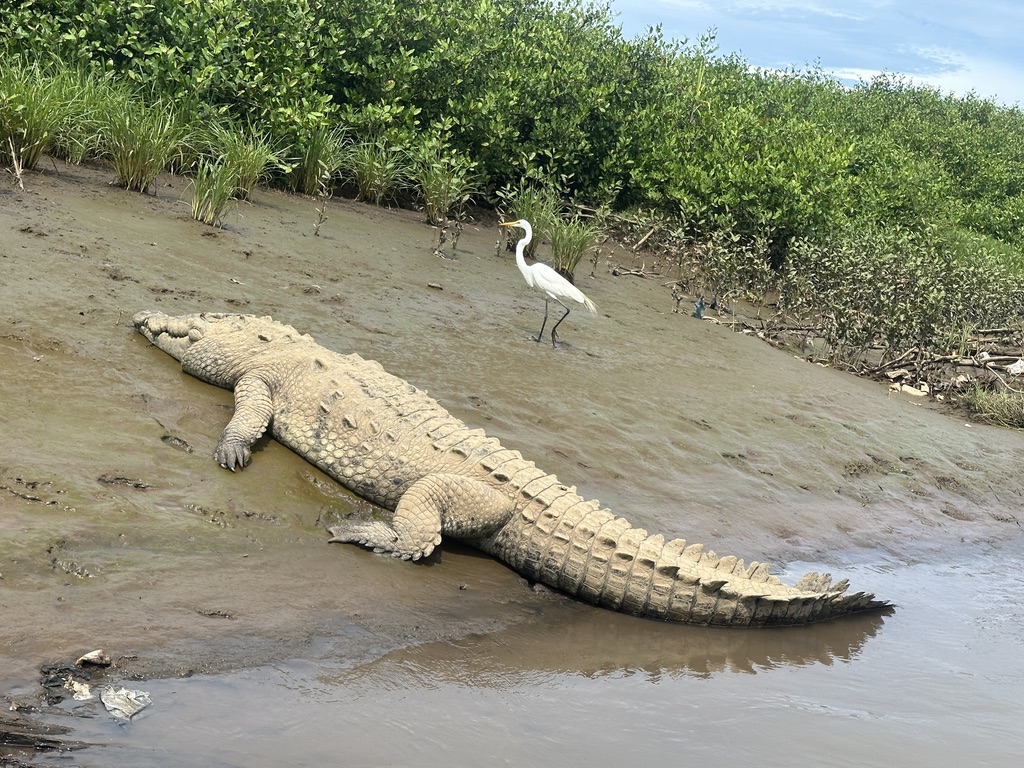
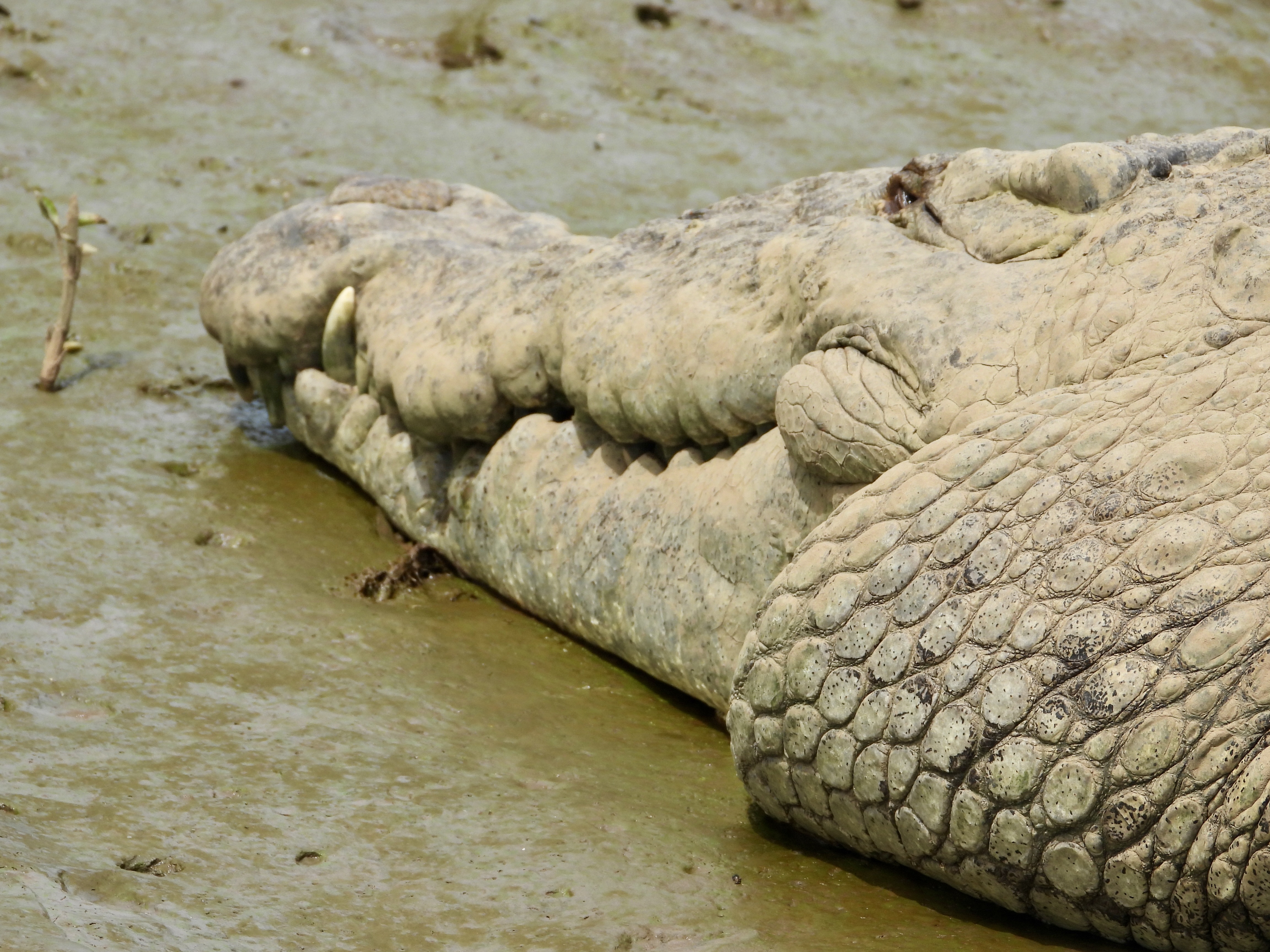
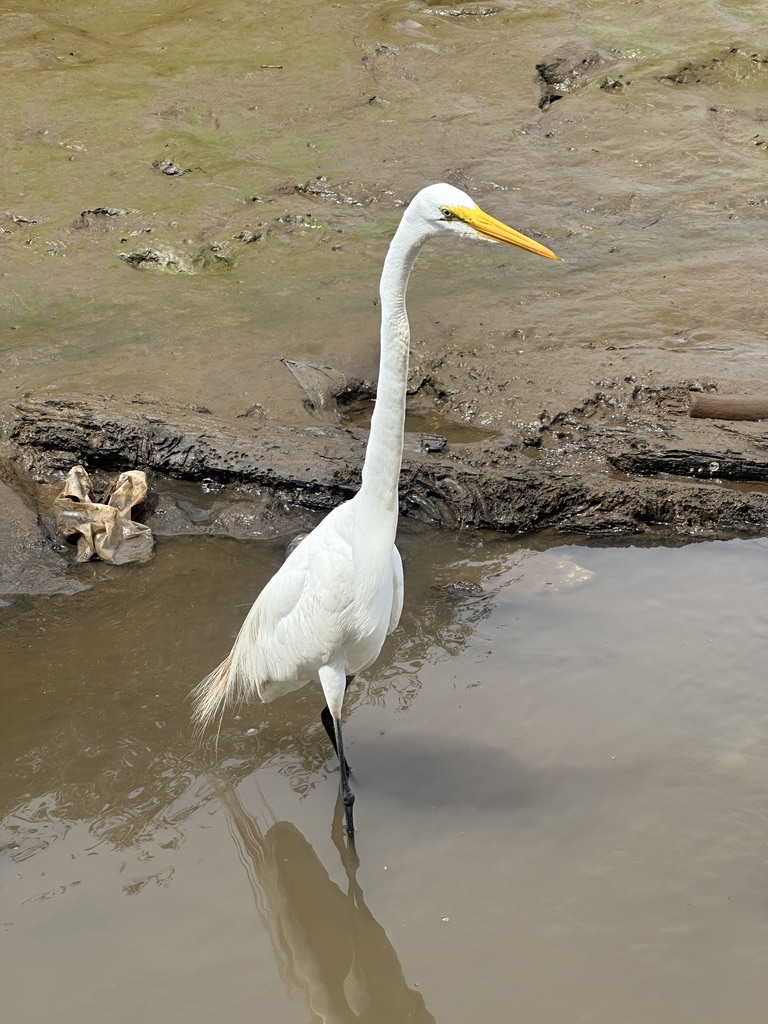
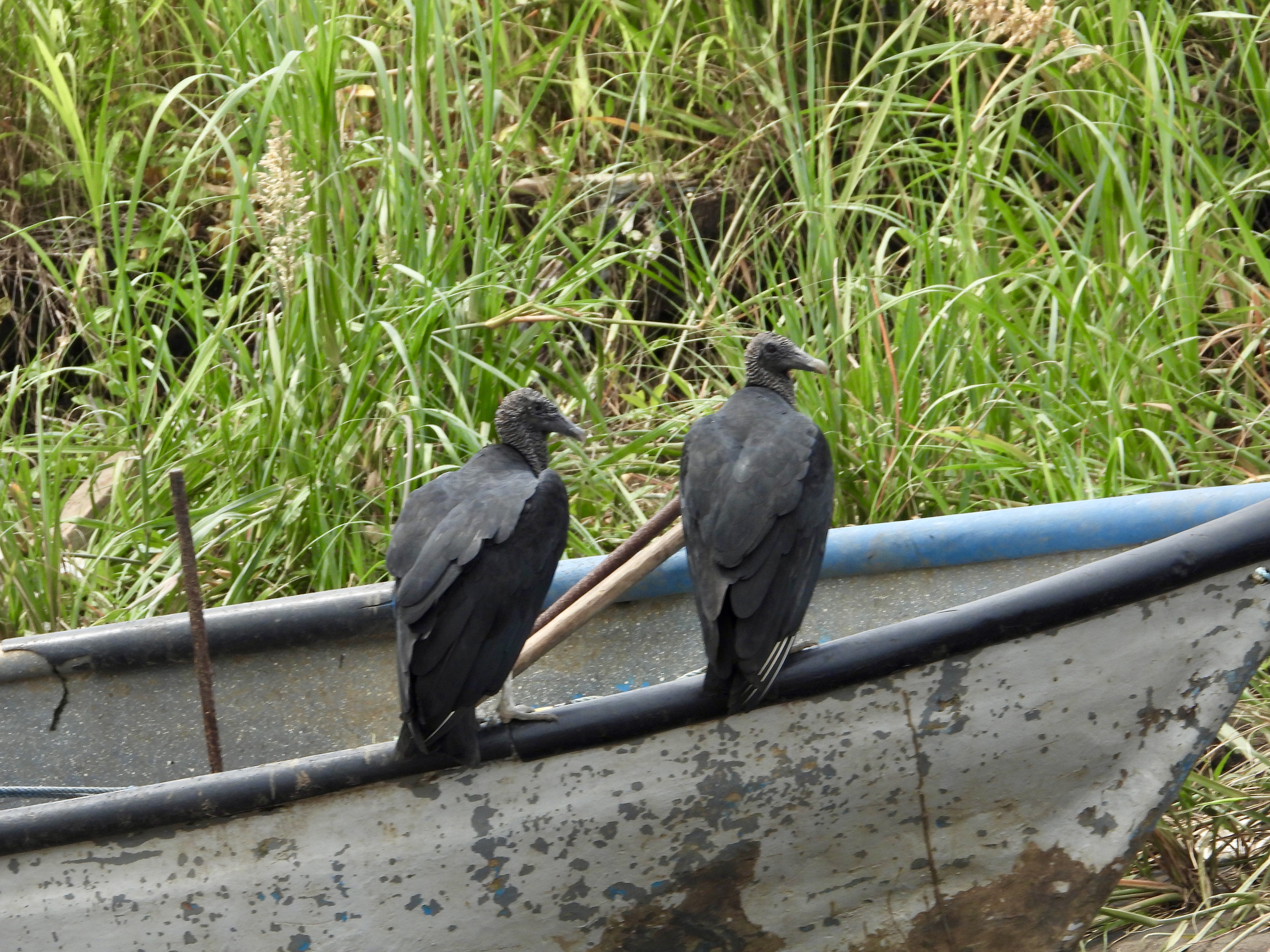
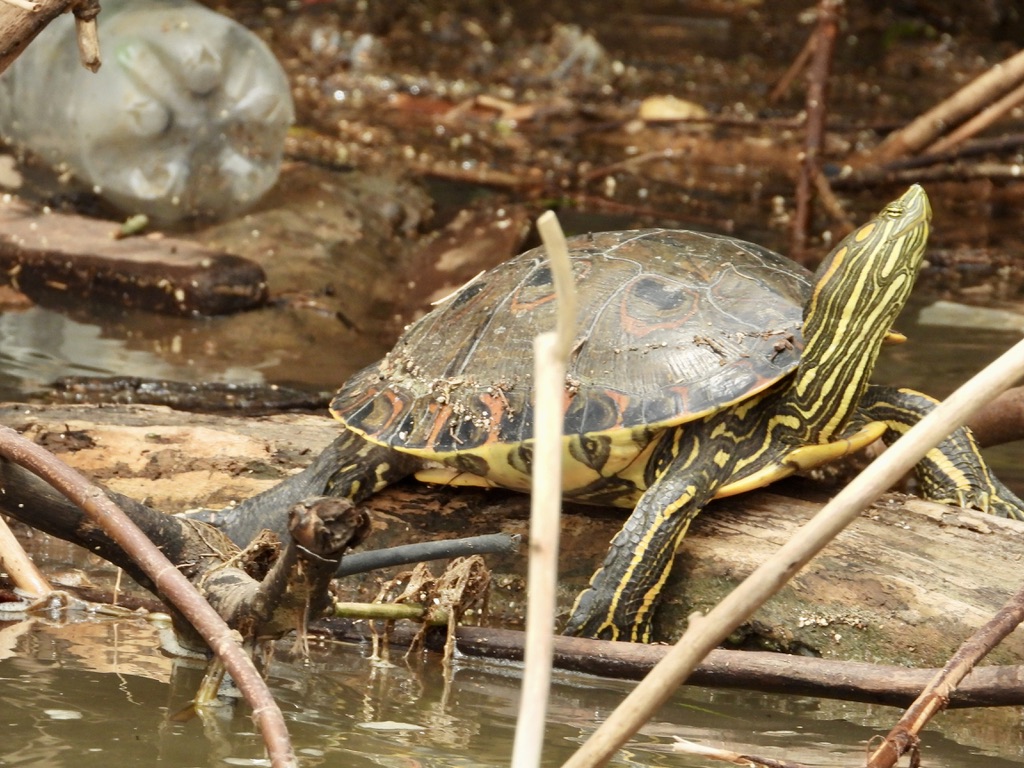
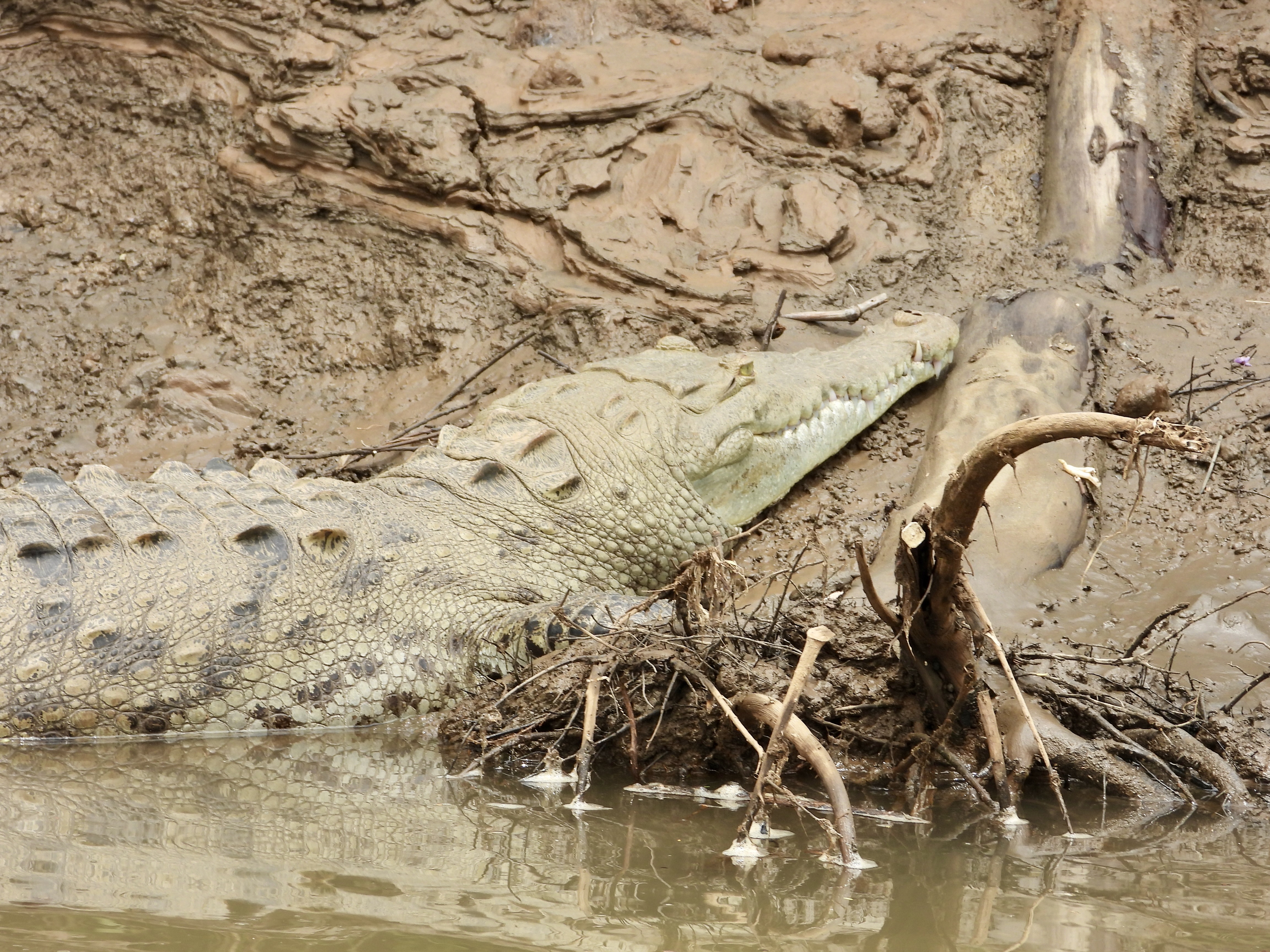
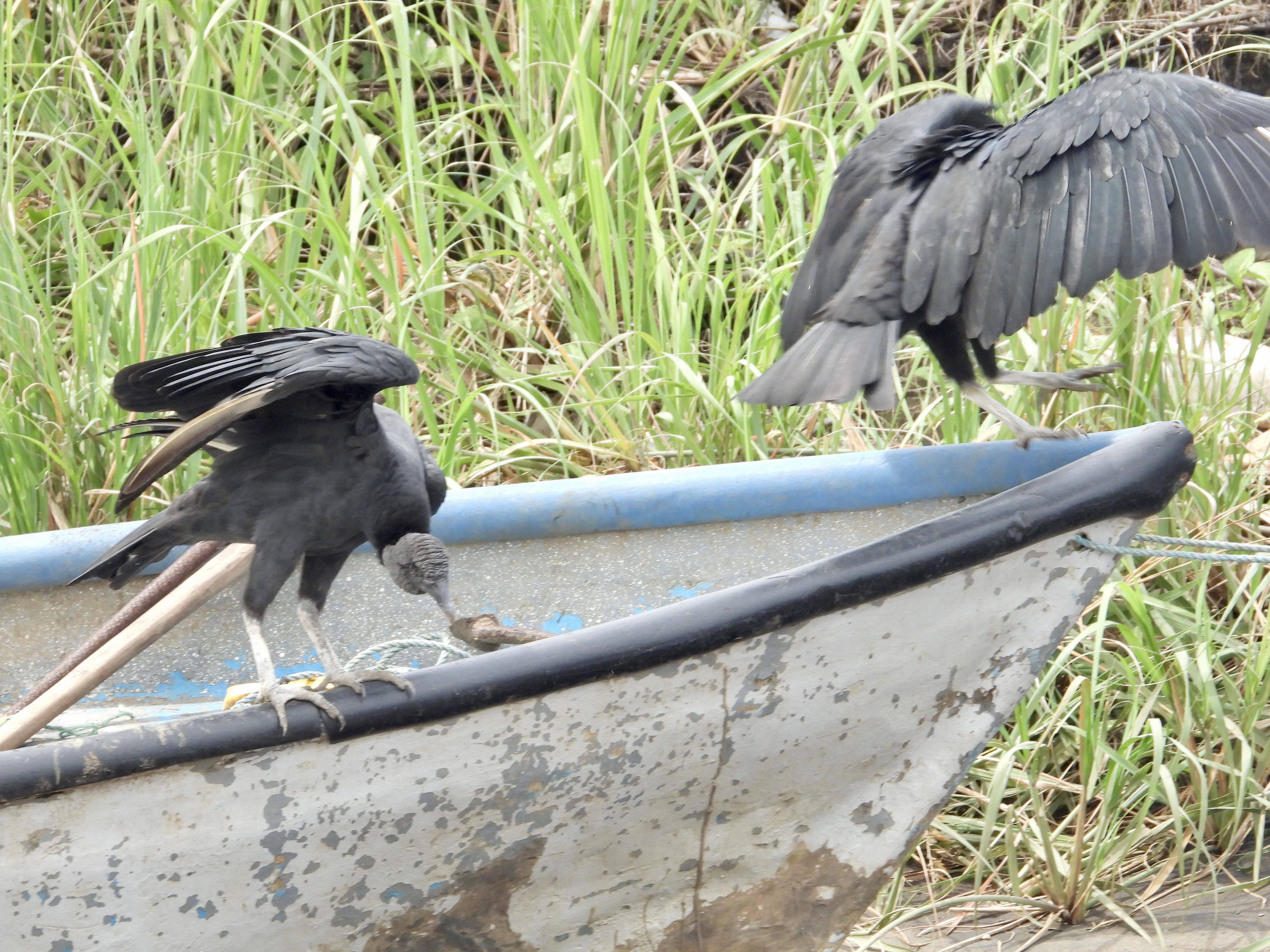
I signed up for a tour entitled “Eco Mangrove Cruise.” The focal point of the tour was a leisurely boat ride on the Tarcoles River, starting from a point roughly an hour by bus from the ship. As the pictures interspersed in this post show, the Tarcoles is home to some rather fearsome crocodiles as well as turtles, snowy egrets, vultures, hawks, iguanas, and howler monkeys.

There are also striking (in the attractiveness sense, not the Guatemala teachers union sense) black and white ducks, resplendent macaws, basilisks (also called “Jesus lizards” because they can run on top of the water for short distances), land crabs, and lots of other fauna that was either out of range of my camera or too fast to capture. Oh, and a poisonous but camera-shy centipede.

Other regions of Costa Rica are home to jaguars, sloths, other species of monkeys, and snakes (around 140 species, 20 or so of which are poisonous – not quite in Australia’s league, but still respectable).
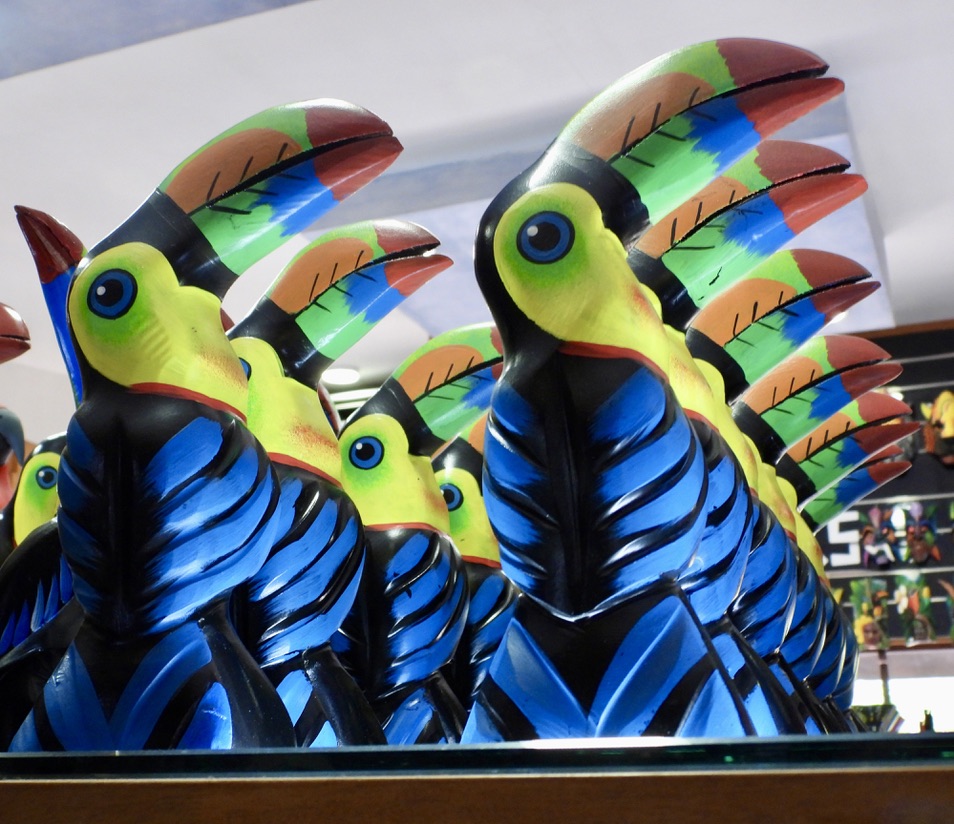
Following the river trip, we headed to a store selling indigenous and locally made souvenirs as well as highly touted Costa Rican coffees. I found the wares photogenic but not particularly tempting, and my evidently philistine palate for coffee was unimpressed. I’ll stick with Peet’s Major Dickason’s Blend, which has been my go-to caffeine delivery vehicle since time immemorial.

Tomorrow is another sea day, and then we’ll transit the Panama Canal on Monday. Until then, and always, pura vida!

 PuffinlessTravel
More wonderful shots. What camera are you using? Fearsome is a good descriptor for those crocodiles. Yikes! 🐊
Thanks! It’s a Nikon Coolpix 1100. I’m still learning its ins and outs, but I’ve been very happy with it. I got in in March before I went to Japan.