This essay stems from a discussion I had with a Mexican couple I met in the Hiroshima, Japan train station.
When I began traveling abroad half a century ago, the stereotype of the “Ugly American” was ascendant. American tourists, per Wikipedia, were perceived as “loud, arrogant, self-absorbed, demeaning, thoughtless, insensitive, and ethnocentric.” (The term comes from the title of a 1958 novel by Eugene Burdick and William Lederer criticizing American diplomatic failings in Southeast Asia.)
Although I’ve rarely witnessed such behavior during my own travels, I always try to counter the stereotype by respecting social mores and taking a genuine interest in the people I meet. Yes, there’s a lot that’s unfamiliar when you leave the US. Much of it, though, if you’re willing to bid adieu your comfort zone, is intriguing and even enlightening. (Just don’t get me started on the disgusting taste of non-American Diet Coke and the prevalence of single-ply toilet paper, both of which transgress the normally capacious bounds of my tolerance.)
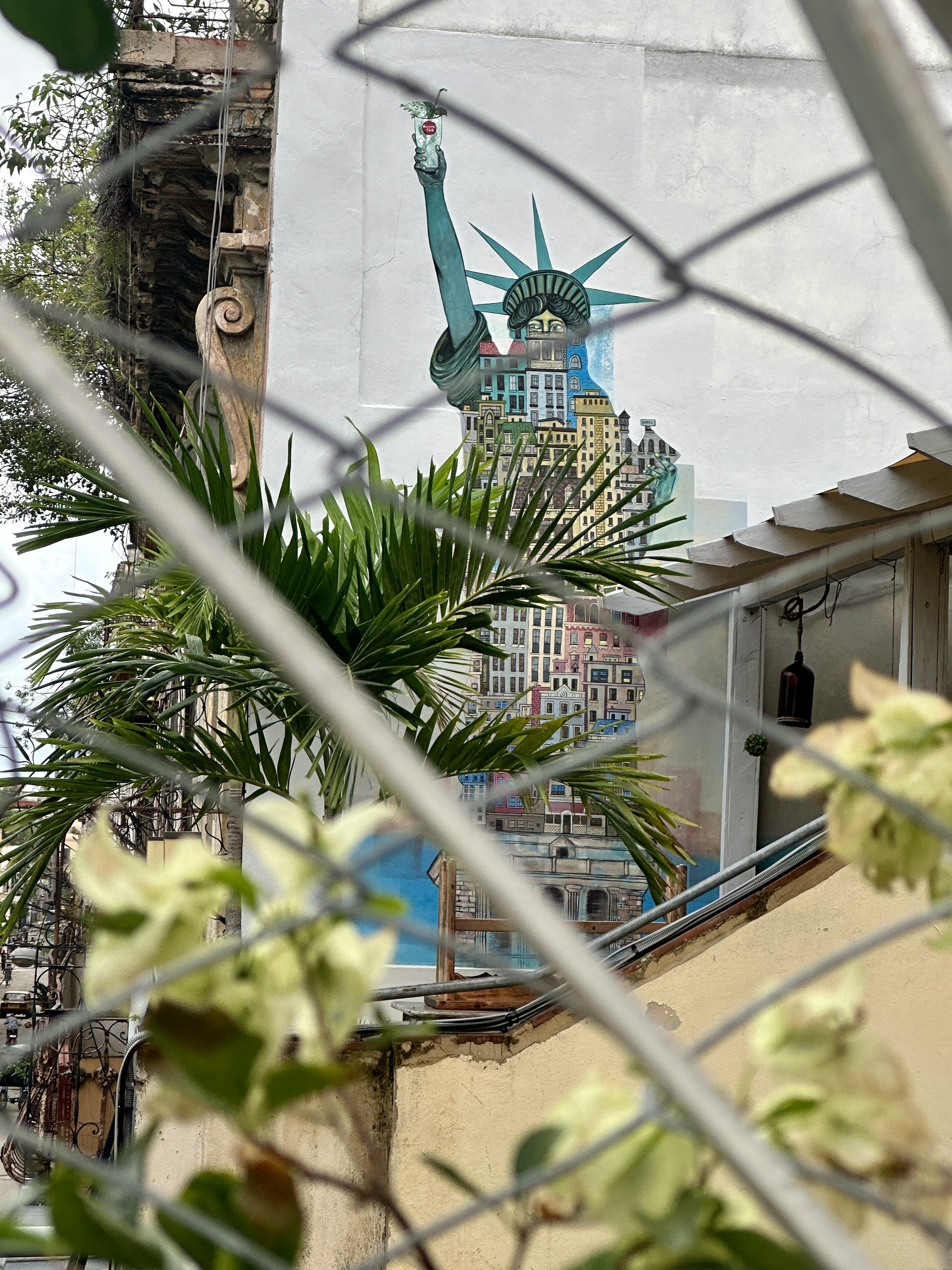
But what about now, when our President and his party check all the boxes in Wikipedia’s ignominious litany? As an American, Is it wise to travel abroad when our nation is alienating allies, spewing threats, coddling murderous regimes, and yanking life-saving aid? I think it’s not only wise, but more important than ever. Each American who visits another country can and should be a private ambassador, generating goodwill, seeking understanding, and offering a counterweight to our government’s depredations.

Given the nearly worldwide antipathy toward Trumpism, is it safe for Americans to travel abroad? Even now, I have no doubt that it’s much safer for Americans to travel overseas than for non-Americans to come to the US; for one thing, almost every other country has strict gun laws that curtail the risk of mass shootings.
What’s more, I have not personally experienced anti-American aggression during my travels. Plenty of people despise our government, but very few harbor ill-will toward individual Americans. No matter where I’ve gone – Africa, the Middle East, South America, Eastern Europe, Western Europe, South Asia, Southeast Asia – I’ve felt welcomed and safe.
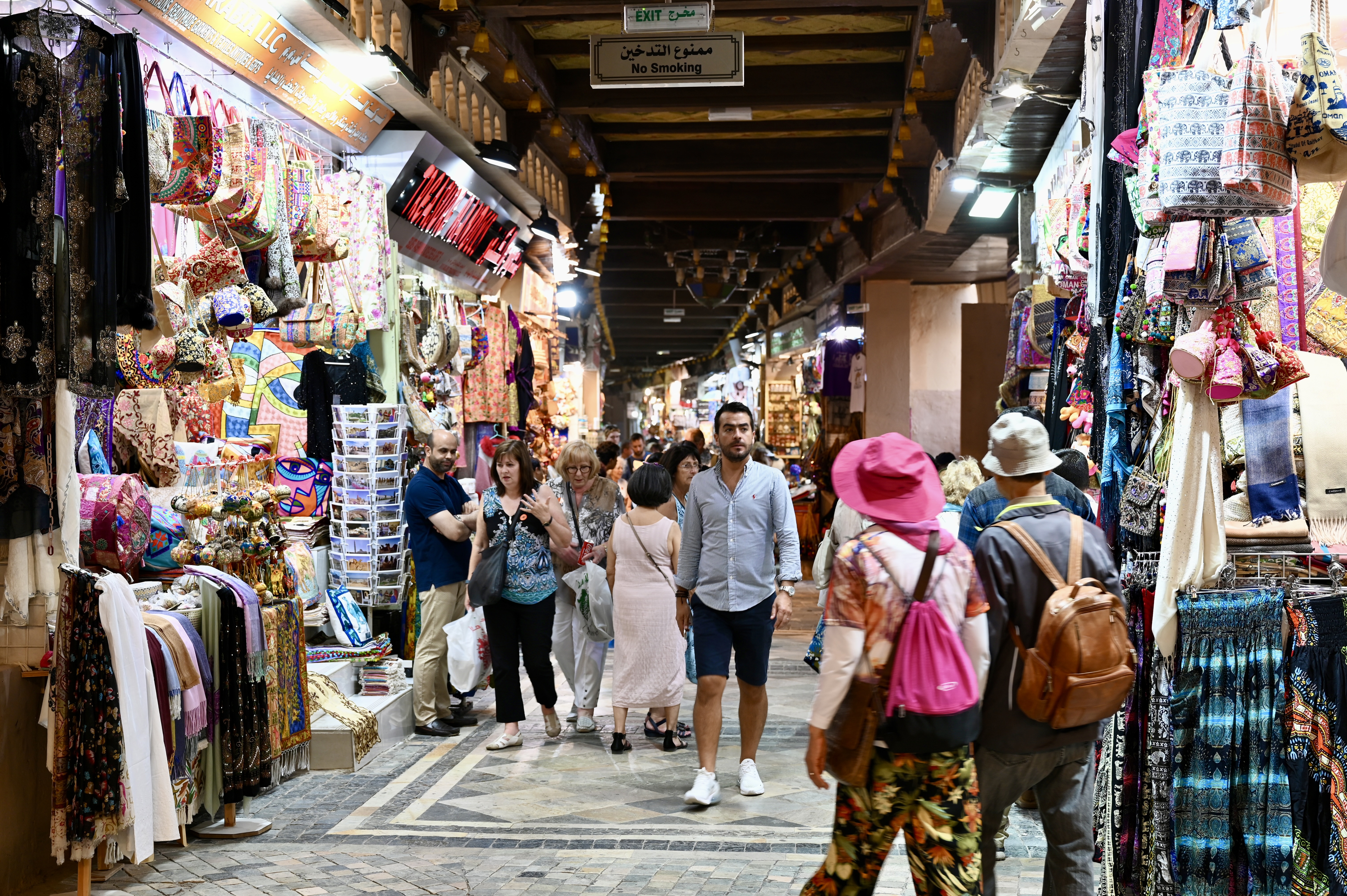
If you’re still concerned about anti-American sentiment, remember that identifying an American by the way they speak is pretty darn difficult. Most Americans can’t reliably distinguish English, Irish, Scottish, Australian, New Zealand, and South African accents, let alone hear someone speaking Arabic and differentiate between Saudi Arabian, Egyptian, Eritrean, and Palestinian accents. The same holds true for non-English speakers overseas, particularly outside Western Europe.
And in any event, the best way to counter anti-American sentiment is not to hide your US citizenship, but to act as a responsible and respectful global citizen. How?
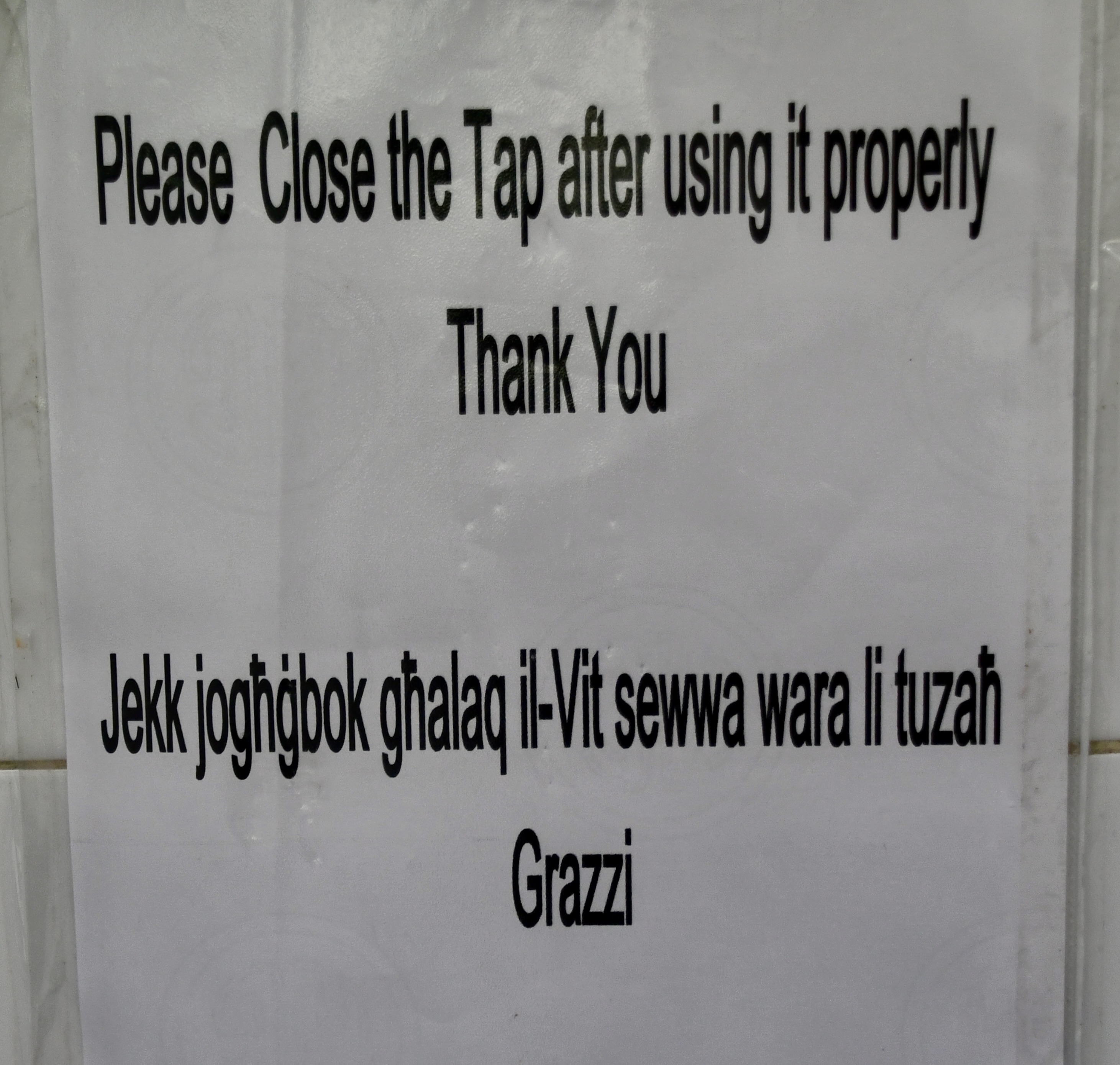
Pick up a few basic words of the language. Hello, good-bye, thank you, you’re welcome, please, good morning – a little effort to use the vernacular almost always garners outsized appreciation. (Note: if you’re like me, this may prove impossible in some places. No matter how hard I tried, Czech and Maltese eluded me.)
Pay attention to social mores. Look around when you’re out walking. Do people eat on the street? Talk on or look at their cellphones while walking? Jaywalk? Wait in a line or form a scrum? Make eye contact? Talk to each other in a loud or a quiet voice? How much personal space do they give and expect? Observing and internalizing locals’ behavior is not just a sign of respect; it’s a way of immersing myself in a place.
Look for opportunities to do a favor or strike up a conversation. Everywhere you go, you’ll see one member of a couple or family taking pictures of the other person/family members. I’ve found that the easiest way to start a conversation and leave a good impression is to offer to take the couple’s or group’s picture so no one is left out. At the least, you’ll get a smile and a heartfelt thank-you. And on a few occasions, a quick photo has turned into a more extended, and always interesting, chat.
Another icebreaker: after wandering around a city, you may notice an unusual (compared to American norms) concentration of some kinds of businesses – bookstores, florists, particular non-local ethnic restaurants, whatever. In Prague, for example, I saw even more bookstores than coffee shops. When I mentioned that to people who lived there, they spoke enthusiastically about their love of reading. (The only place this didn’t work was in St. Petersburg, where I asked our guide why there were so many sushi restaurants. In typically expansive Russian fashion, he said “ve like sushi.”)
Look for ways to be respectful. Many cultures have gestures of respect – a small bow, perhaps, or hands clasped in a prayer position with a nod of the head, or verbal flourishes like the Japanese -san. Use them and mean them. I’d love to see these sorts of gestures gain a foothold in the US.
Avoid being disrespectful. If you’re entering a place of worship, ask about head coverings and apparel. In general, bare shoulders and knees are considered improper. Hats usually are fine in synagogues and mosques, but not in many churches, temples, and shrines. While you’re at it, ask whether photography is permitted. Many places of worship have restrictions. And speaking of photography, always seek permission before taking someone’s picture, even in a public place.
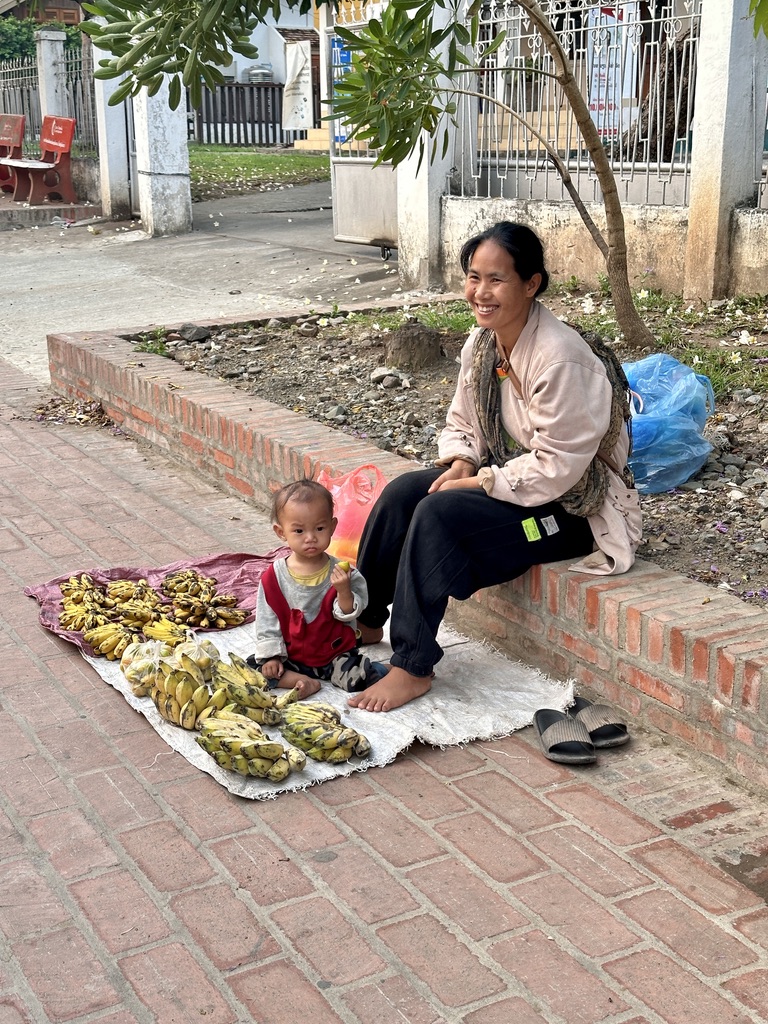
Be ready to answer questions about America and to ask questions about wherever you’re visiting. I don’t hesitate to share my opinions (thanks, Captain Obvious), but I usually try to make it a two-way conversation by inquiring how locals view the US and what they would most like Americans to know about their country. I also like to ask about how a country handles health care and education, what activities locals enjoy when they’re not working, and whether they’ve ever visited America.
* * *
Much of this is commonsense advice for tourists from any country, but these days, it’s particularly critical for American tourists. We’ve largely outgrown the “Ugly American” phase of tourism, even as we’ve entered an unprecedentedly Ugly American phase of government. We must be ambassadors for the best of our country when Traveling While American, lest TWA tourism goes the way of TWA the airline. So travel widely, travel wisely, and travel with warmth, civility, and an open mind.

 PuffinlessTravel
Good guidance. Being respectful, polite, kind and gracious go a long way towards dispelling any “ugly American” stereotype. Thanks for sharing.
Such good guidance. Being respectful, polite and kind indeed go a long way towards dispelling the “ugly American” stereotype!
Thanks, I appreciate that!
Nice sentiments, but I’d add another recommendation, since 47’s frequent comments about annexing various parts of the world have revived old complaints about the widespread misuse of the term “America.” To wit, asking people “whether they’ve ever visited America” (as you put it in your penultimate paragraph) is unlikely to earn a sincere smile in Canada or Mexico, not to mention Central- or South-American countries. Since “United States” is a perfectly valid name (though a bit of a misnomer these days), you might care to use it whenever it clarifies what you actually mean.
Excellent point, and one to which I was not duly sensitive.