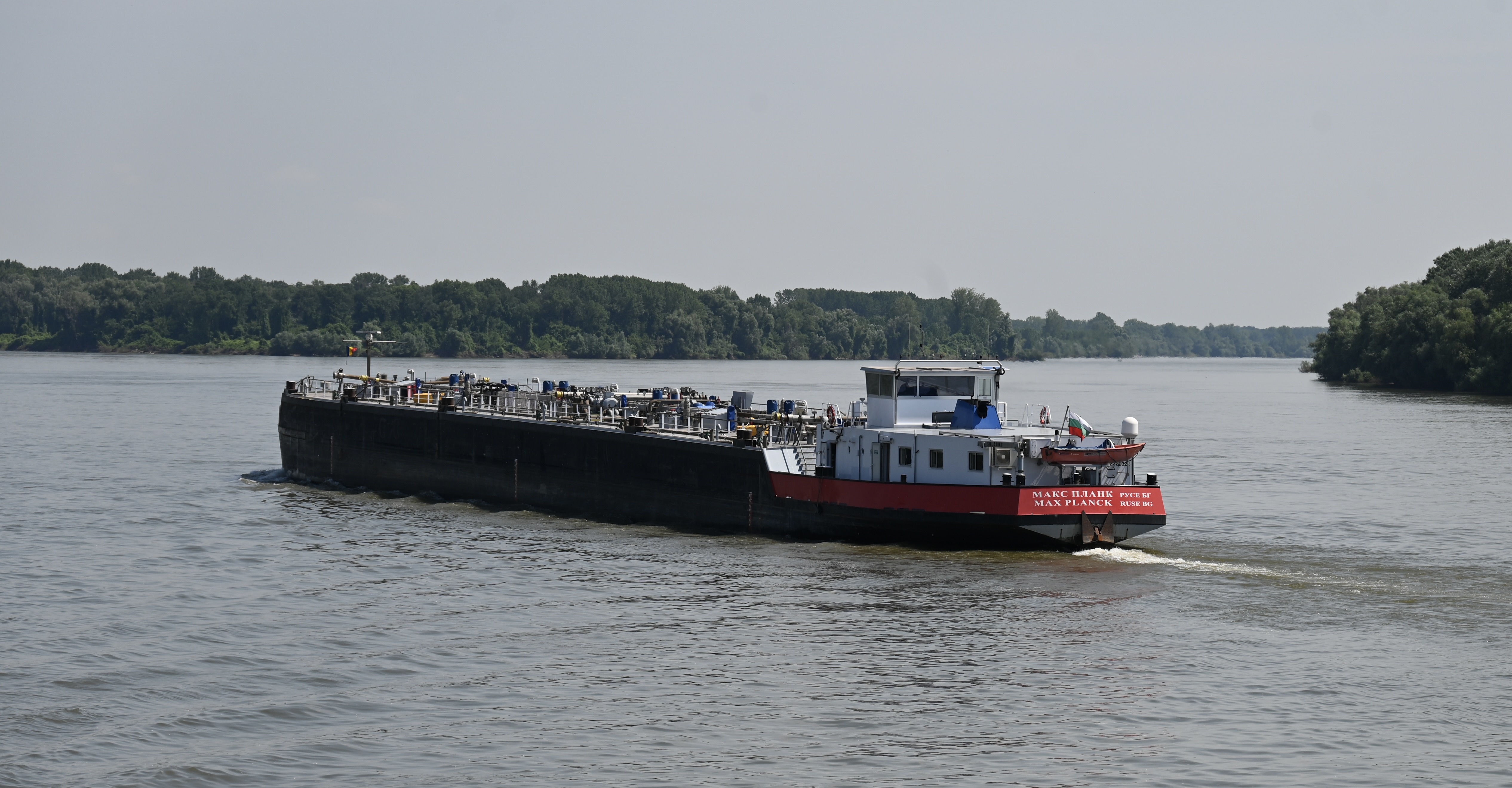
What a difference the lack of a bloodthirsty megalomaniacal dictator makes! Bulgaria, like Romania, spent nearly a half century under communism, but its head of state apparently lacked the astounding cruelty of Ceausescu, instead imposing only the average level of repression, killings, and disappearances. Today, some thirty years after the fall of communism, Bulgaria still faces intractable problems, including a rapidly declining population and a fragile political system. Nonetheless, based on visits to a decent-sized city (Ruse) and a small town (Vidin), I didn’t sense the continuing trauma that I felt in Romania.
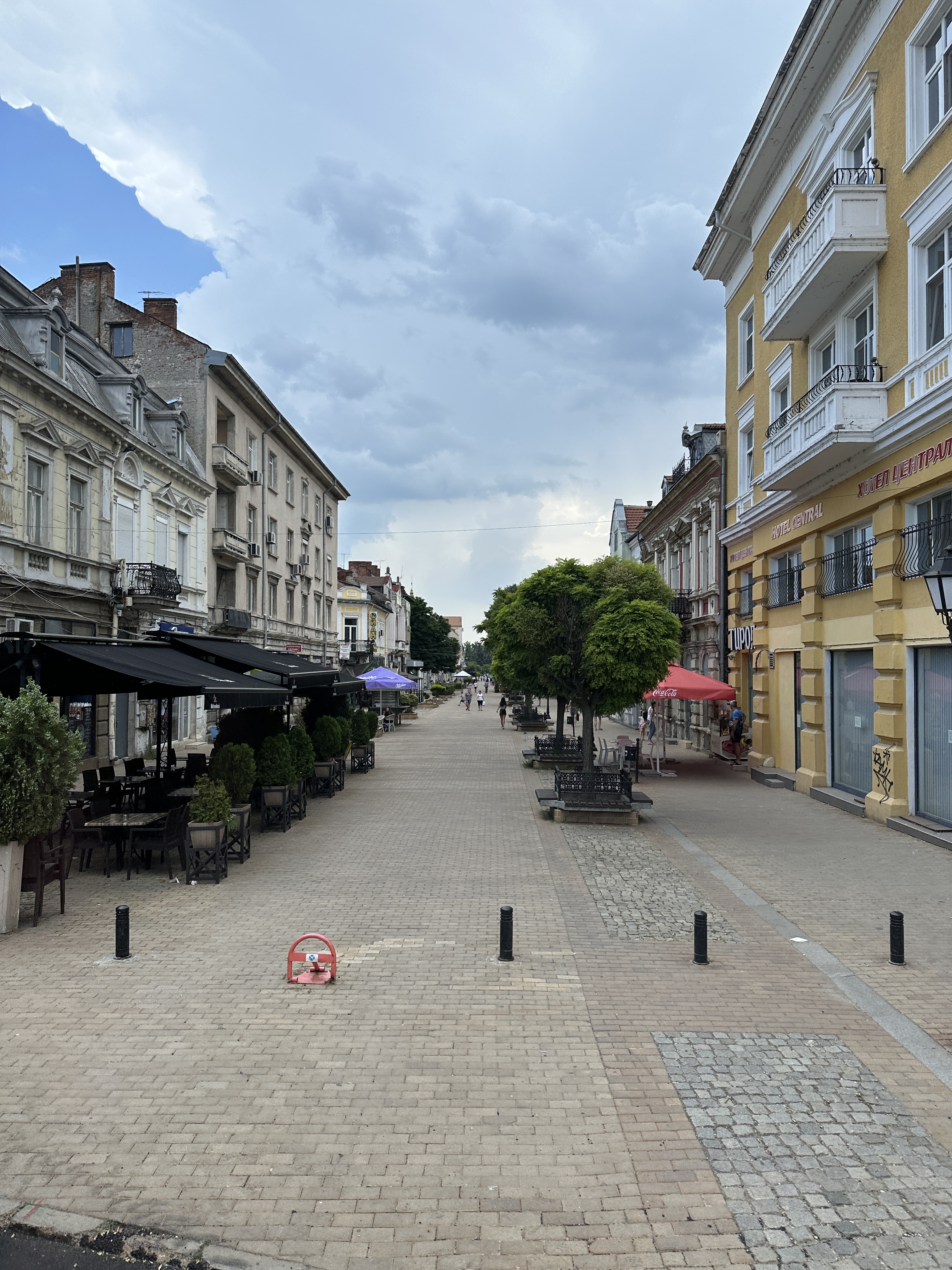
Ruse is a charming place. It feels more like central than eastern Europe: graceful buildings outnumber communist-era apartment blocks, and the part of town we visited featured tree-lined avenues and cafes. It’s as if someone imported bits of Vienna and sprinkled them with Slavic dust.
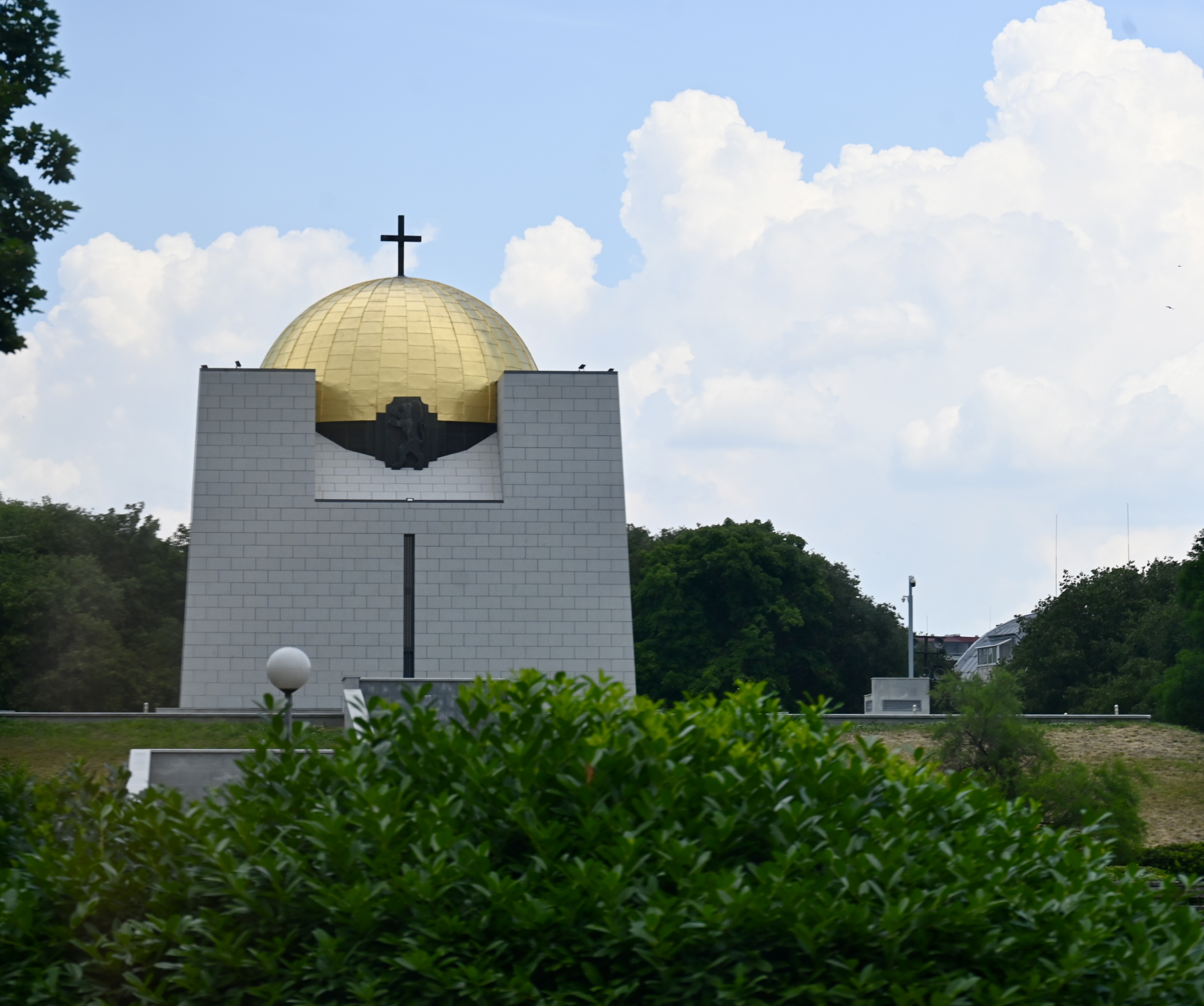
With thunder rumbling and skies spitting, we visited the Regional History Museum, a modest institution with a terrific collection stretching from neolithic times to the present.

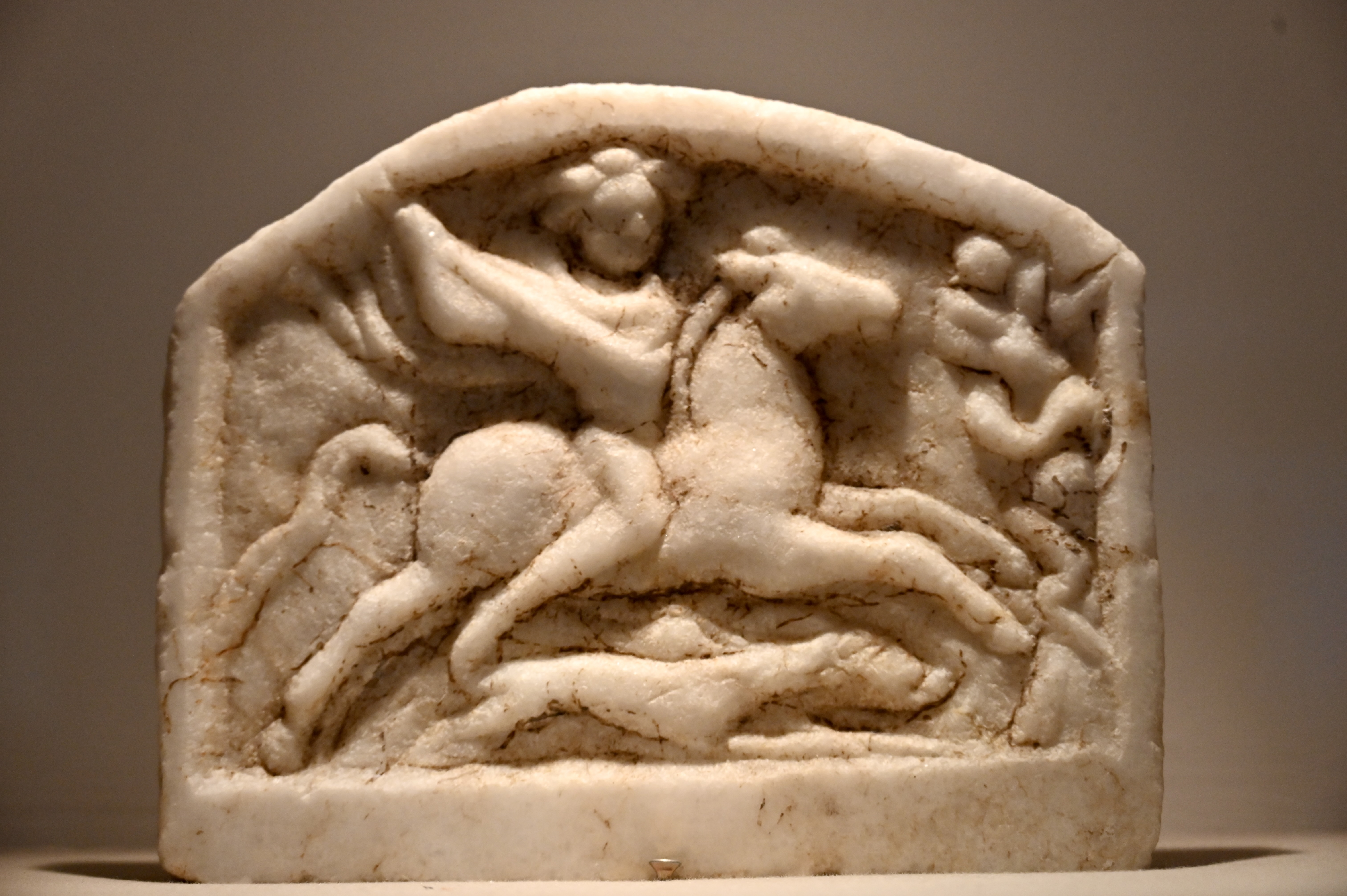
The only thing that concerned me was the lack of climate control. There was no central air conditioning and the air was stuffy, but at least the exhibits were under glass and, presumably, safely sealed.
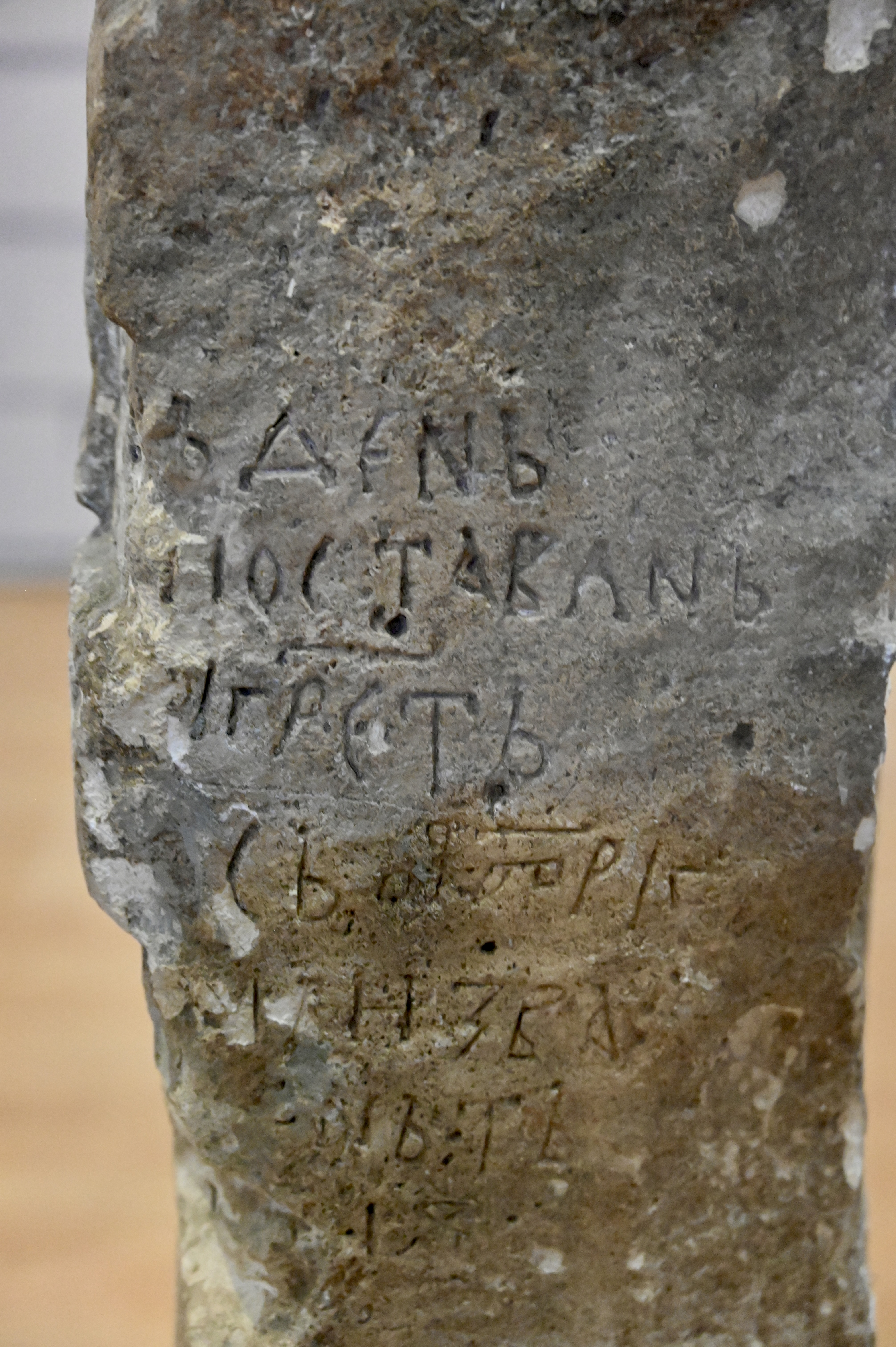
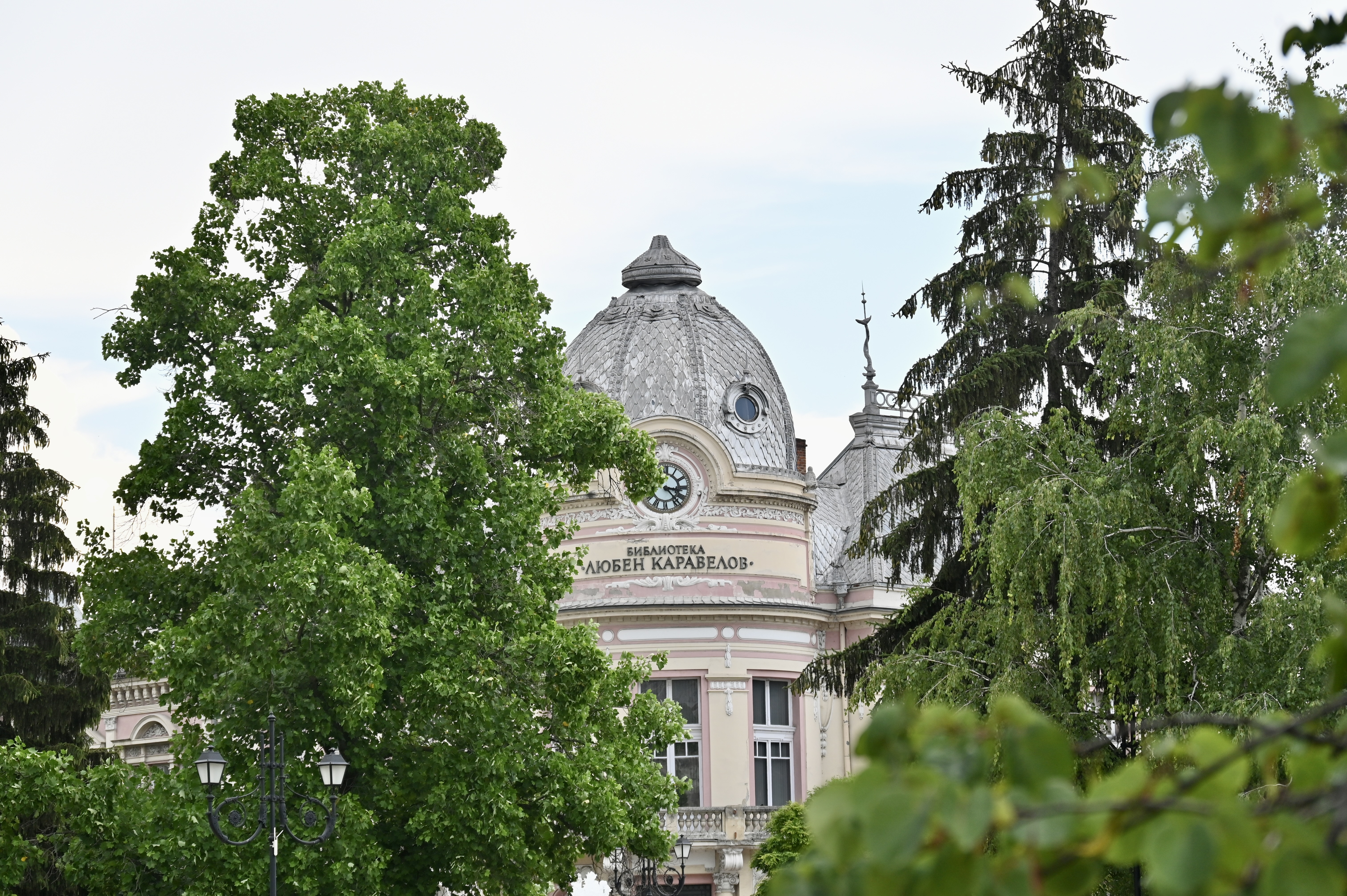
The Museum faces a pretty park with a fountain and statues, and it’s catty-corner to an impressive library.
Nearby is Freedom Plaza (named for the liberation of Bulgaria from the Ottoman Empire, not the fall of communism) and the Opera House (not as striking as many, but apparently the highest-priced ticket is only ten euros, thanks to a government subsidy).

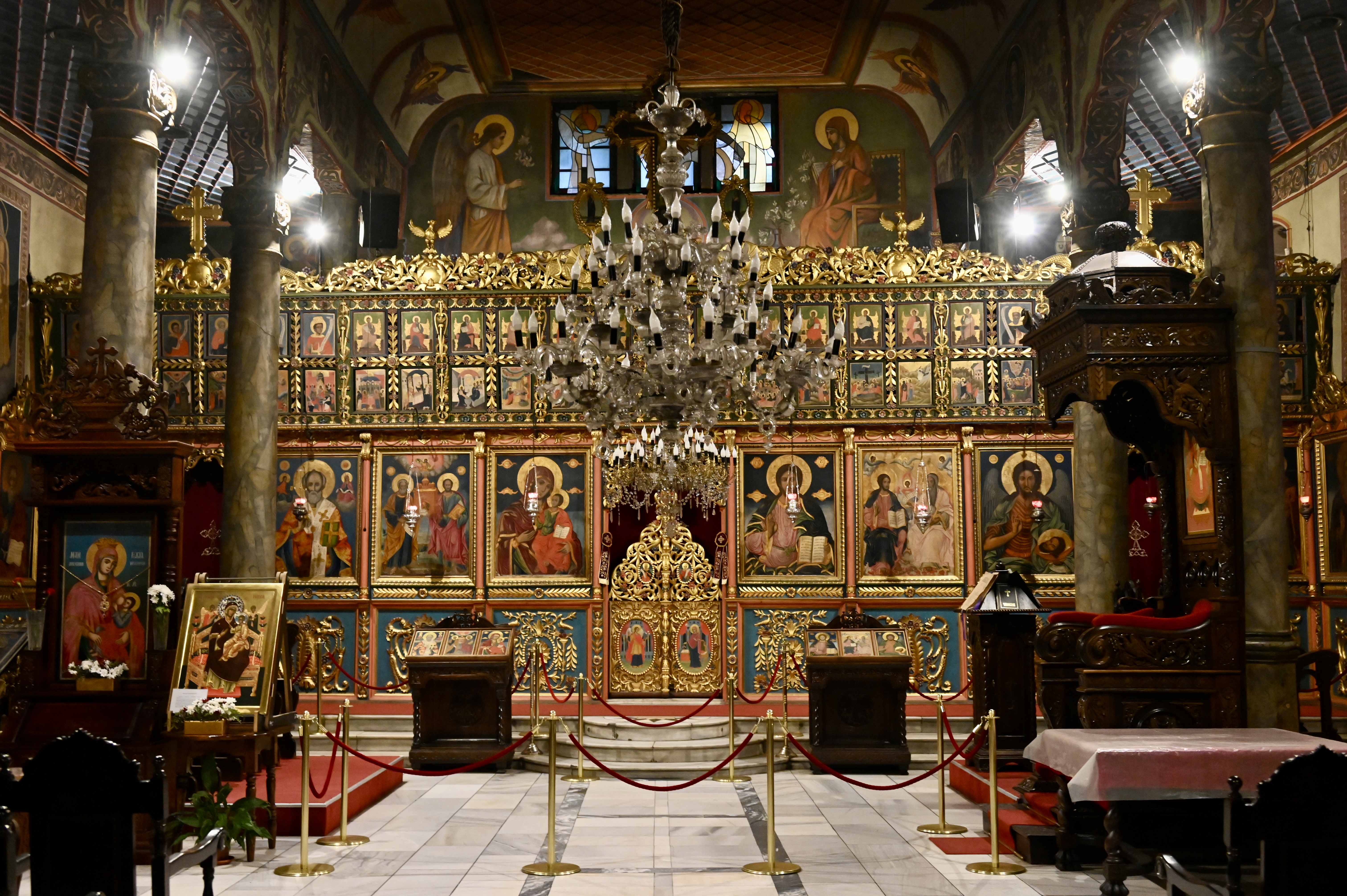
Also close-by is the Cathedral of the Holy Trinity, built in 1632 on the site of an old Roman chapel, part of which is incorporated into the cathedral’s interior.

Some of my shipmates hiked up to the Ivanovo Rock Churches, which (to borrow from Dave Barry) sounds like either a good name for an indie band or perhaps a morally upright football team. They said the hike was scenic and not difficult (a few, who perhaps shouldn’t have gone, found it strenuous), but the rock church (basically a cave) wasn’t that interesting.
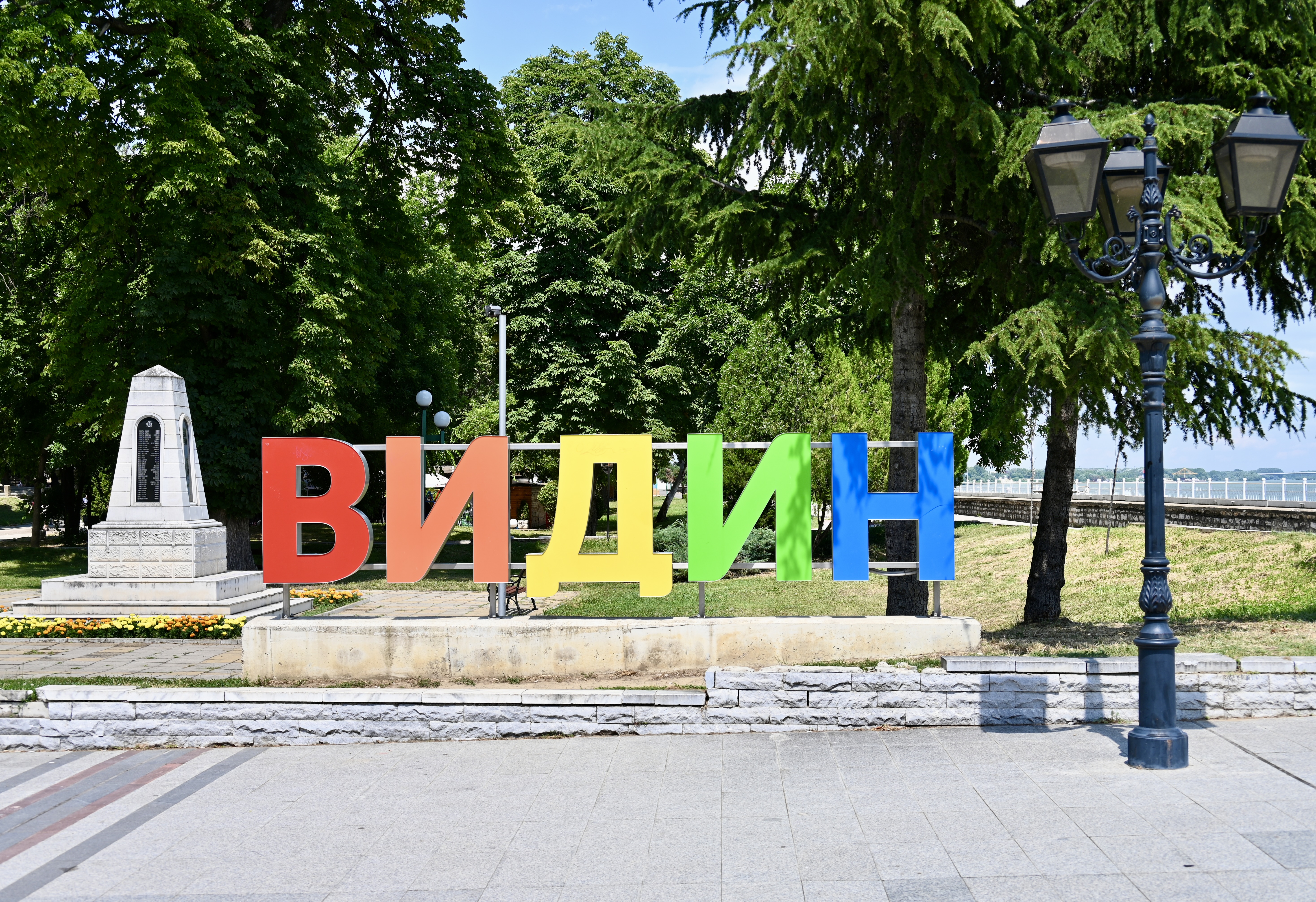
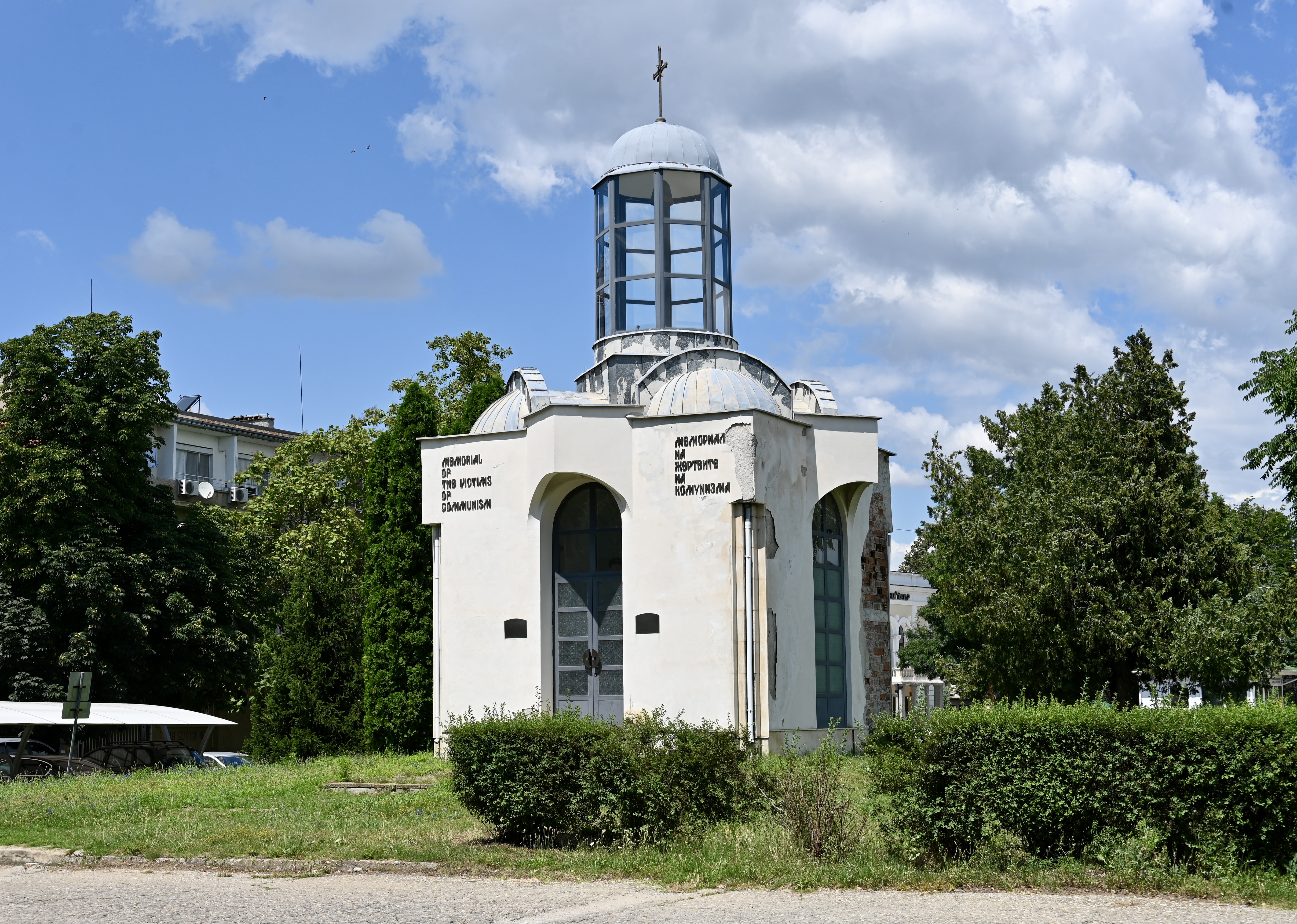
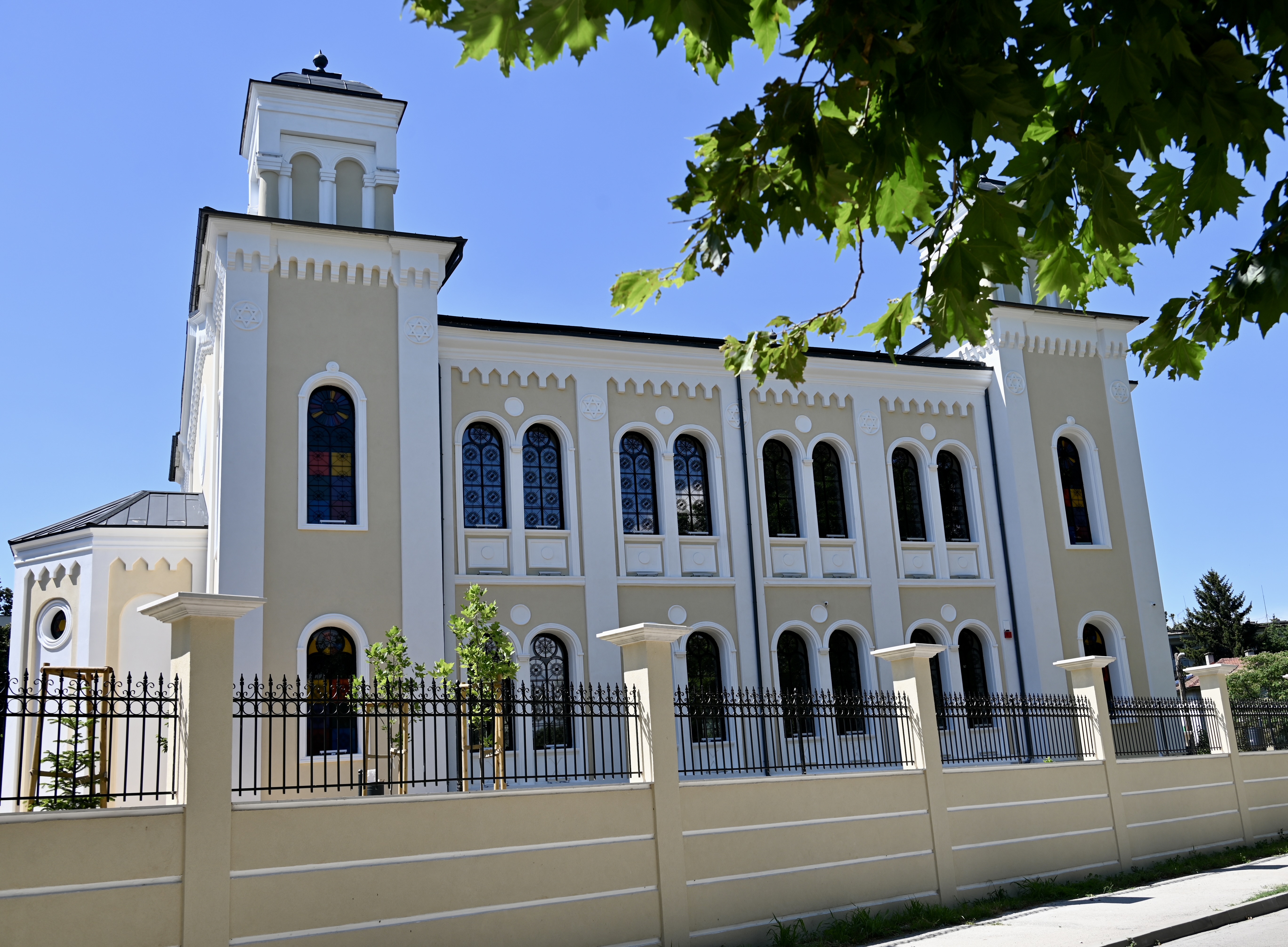
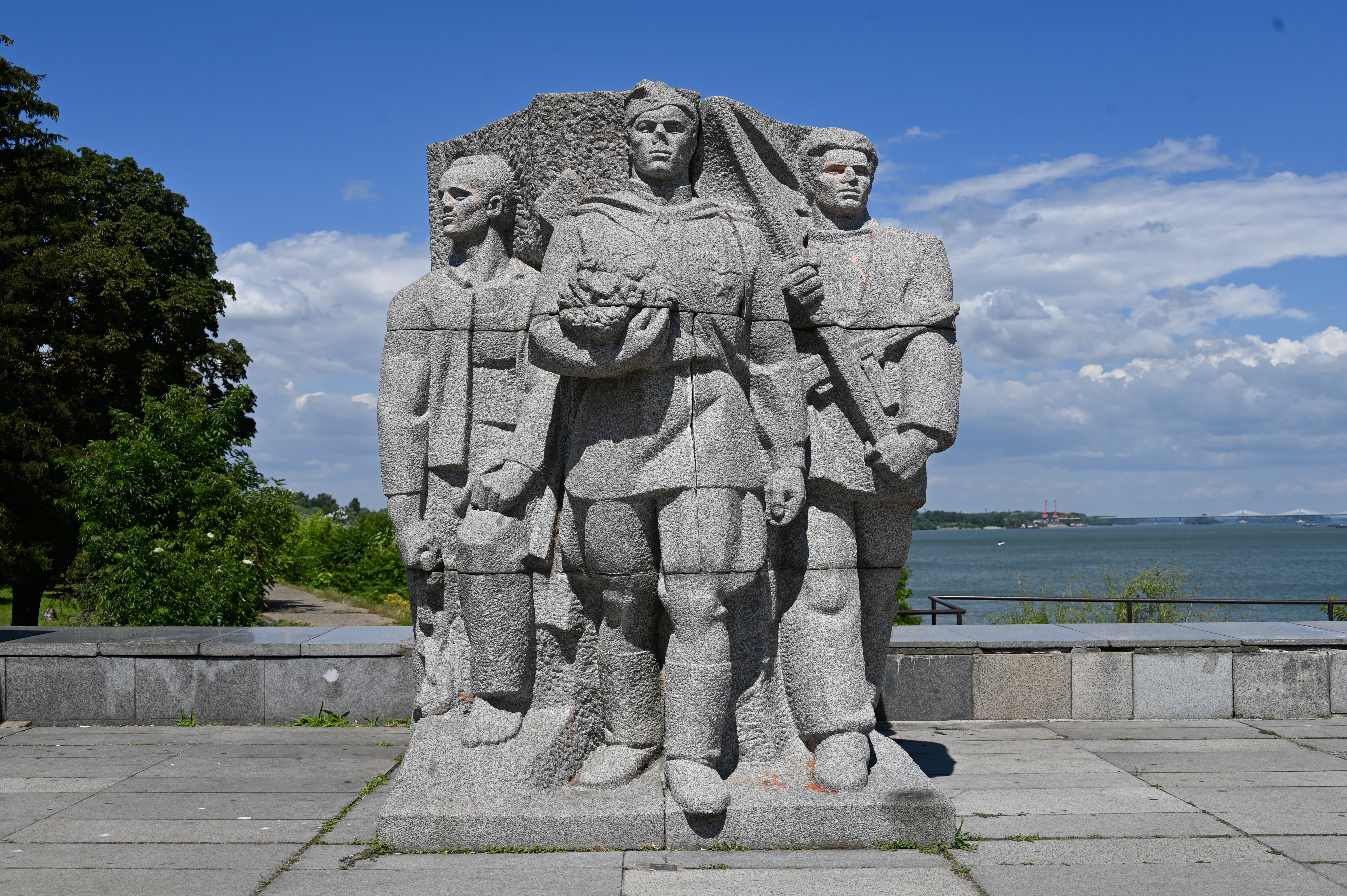
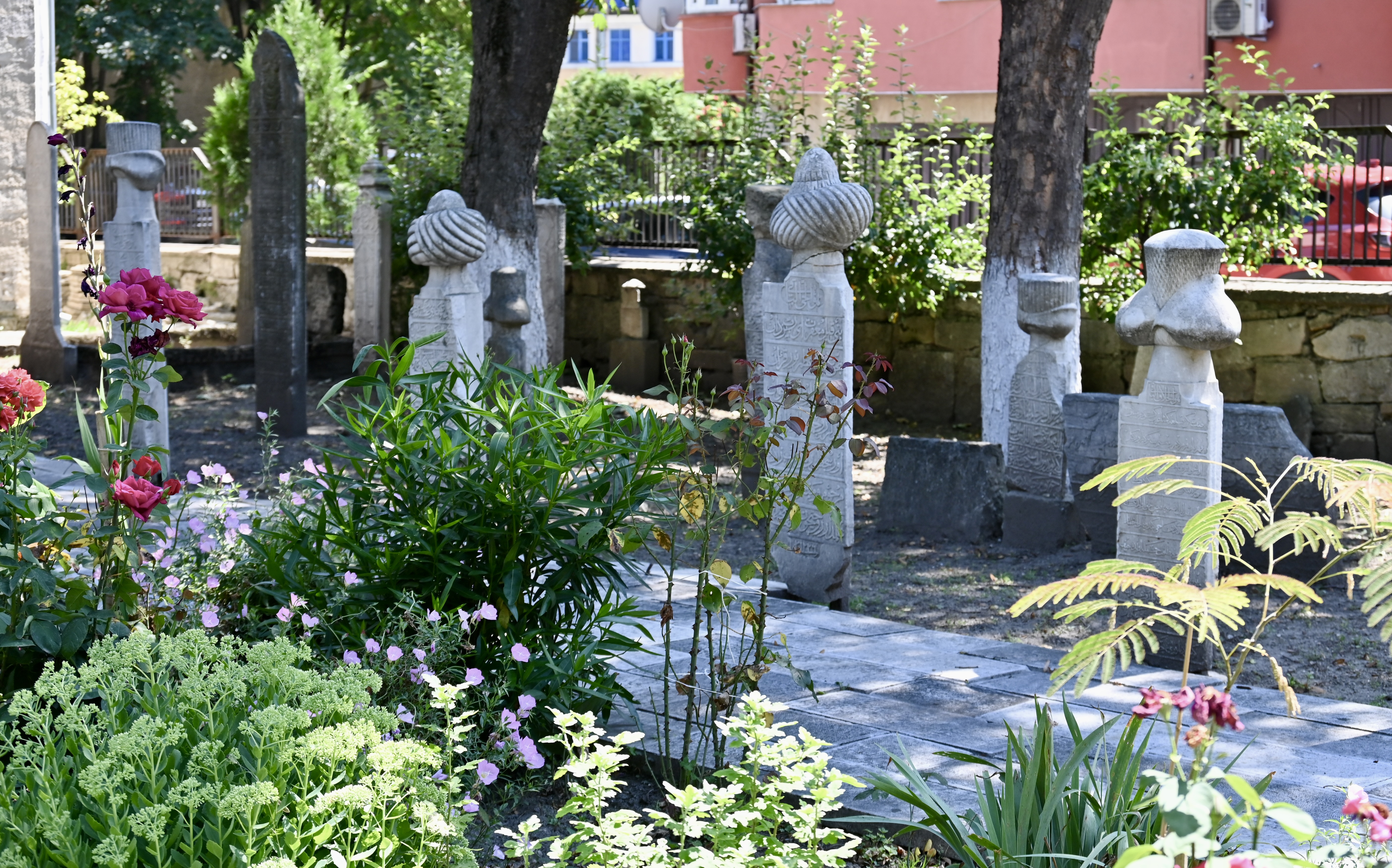
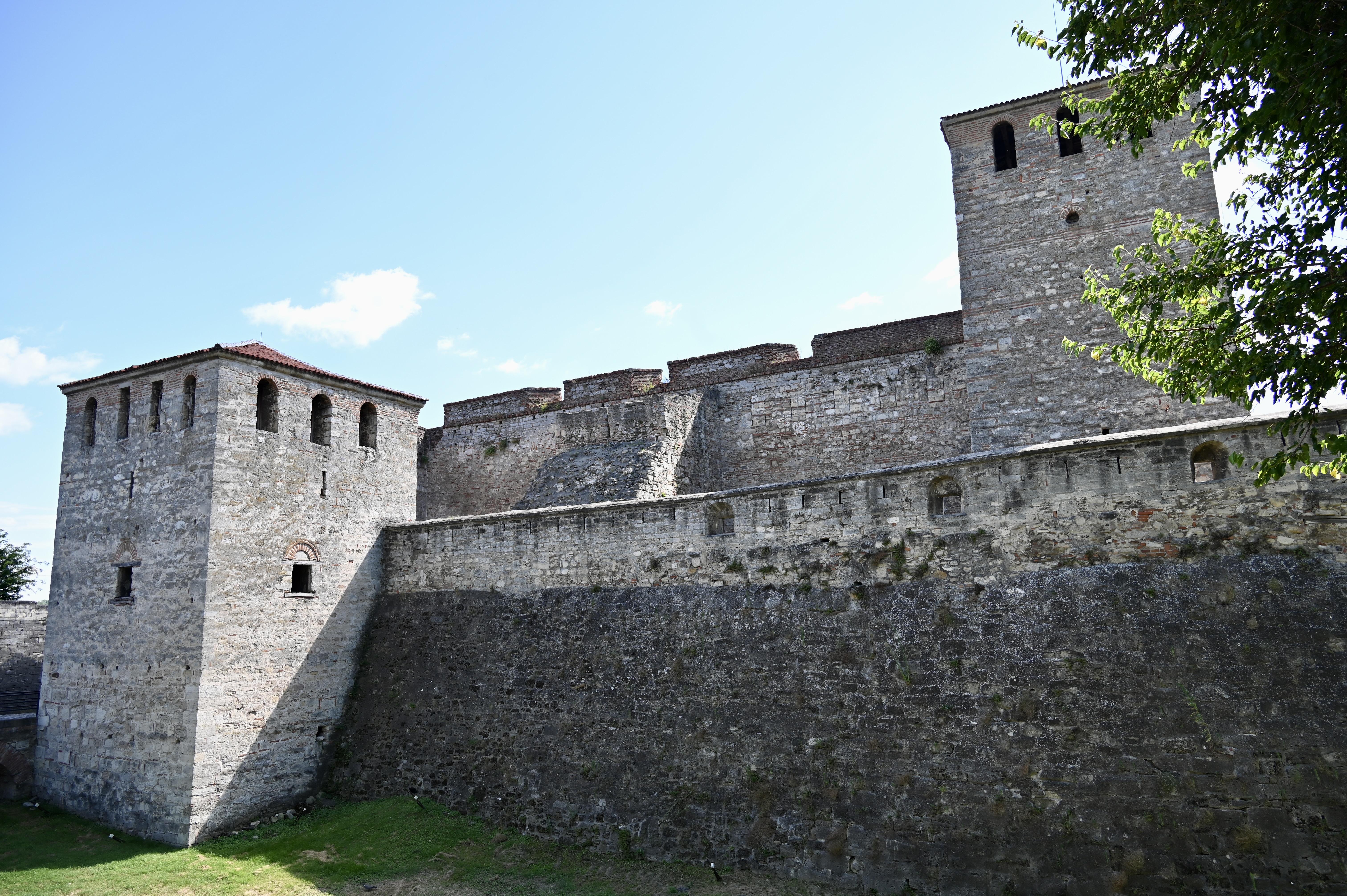
Our second day in Bulgaria featured a visit to the small town of Vidin. It’s a lovely spot with a park stretching for a mile along the riverfront, a 200-year old mosque, a synagogue built in 1894 that fell into disrepair but has been renovated thanks to a grant from the EU, some rather disturbing communist-era sculptures, and a castle dating to the 10th century.
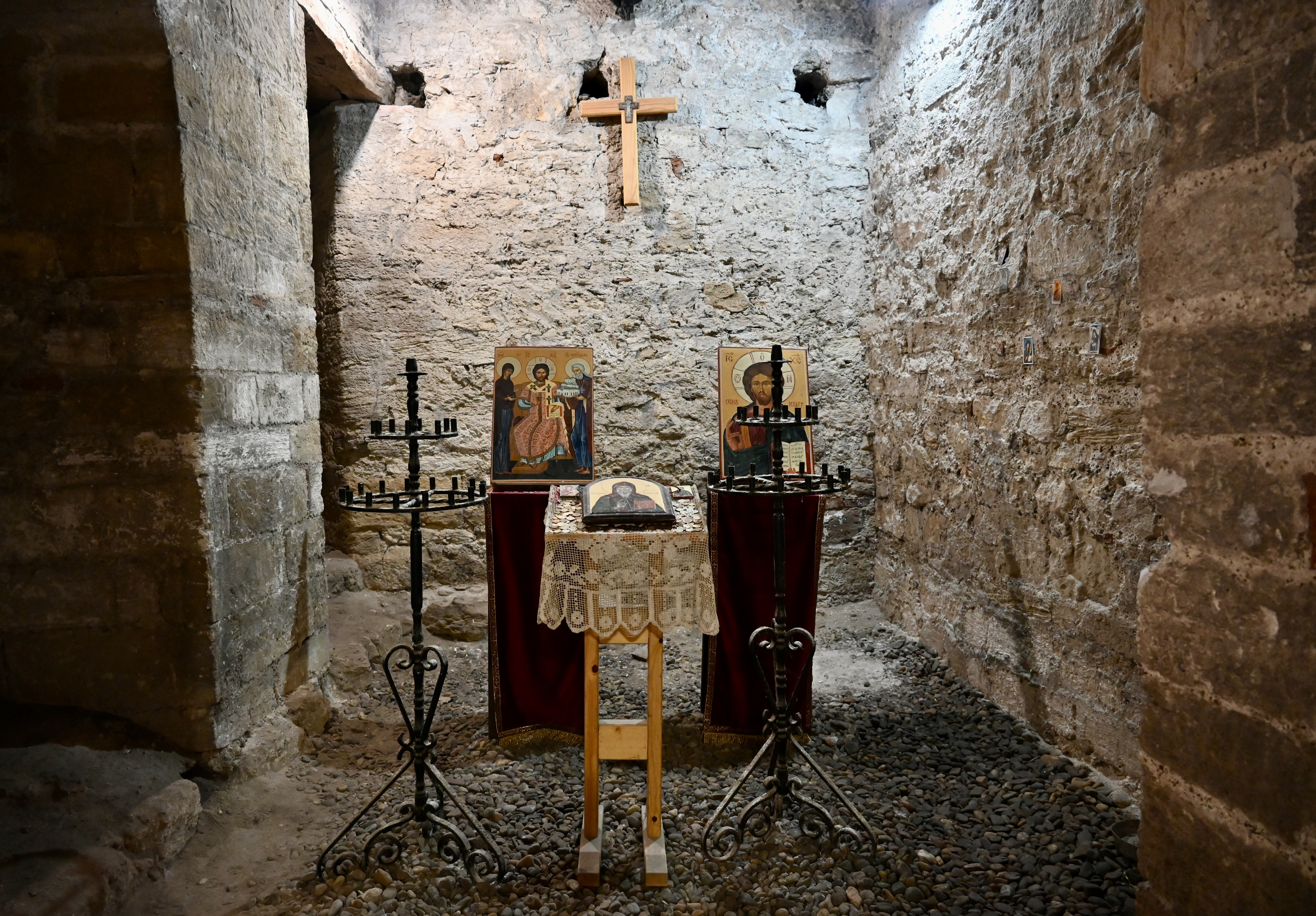
The castle, Baba Vida (not to be confused with Baba Ghannouj, Baba Wawa, or In-A-Gadda-Da-Vida), sits on the site of an old Roman fort and includes a small chapel, five towers, and the obligatory dungeon with torture implements (enhanced by a skeleton mounted against the wall).

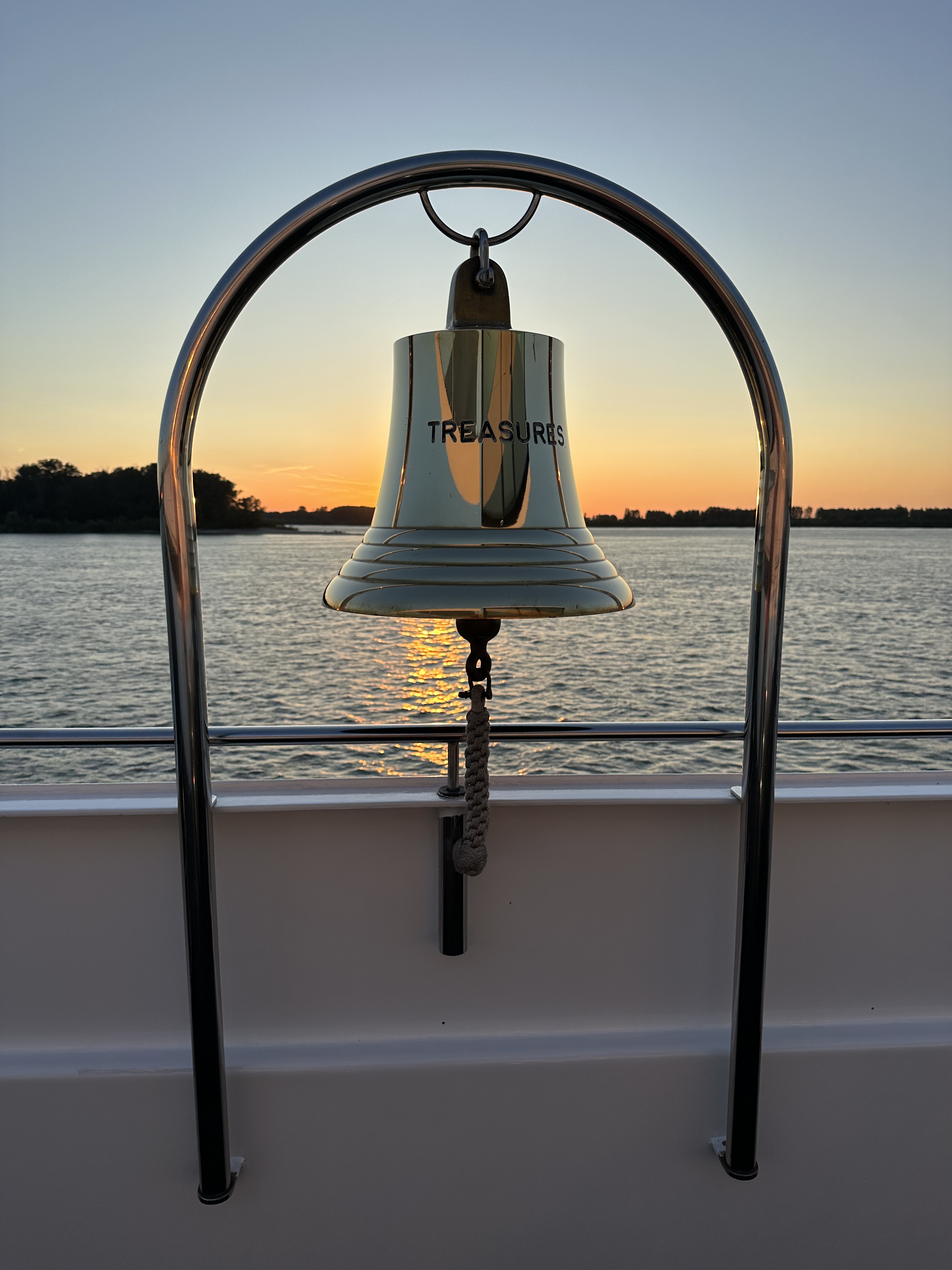
I’ll leave you for now with a picture of last night’s sunset shining around the ship’s bell.

 PuffinlessTravel