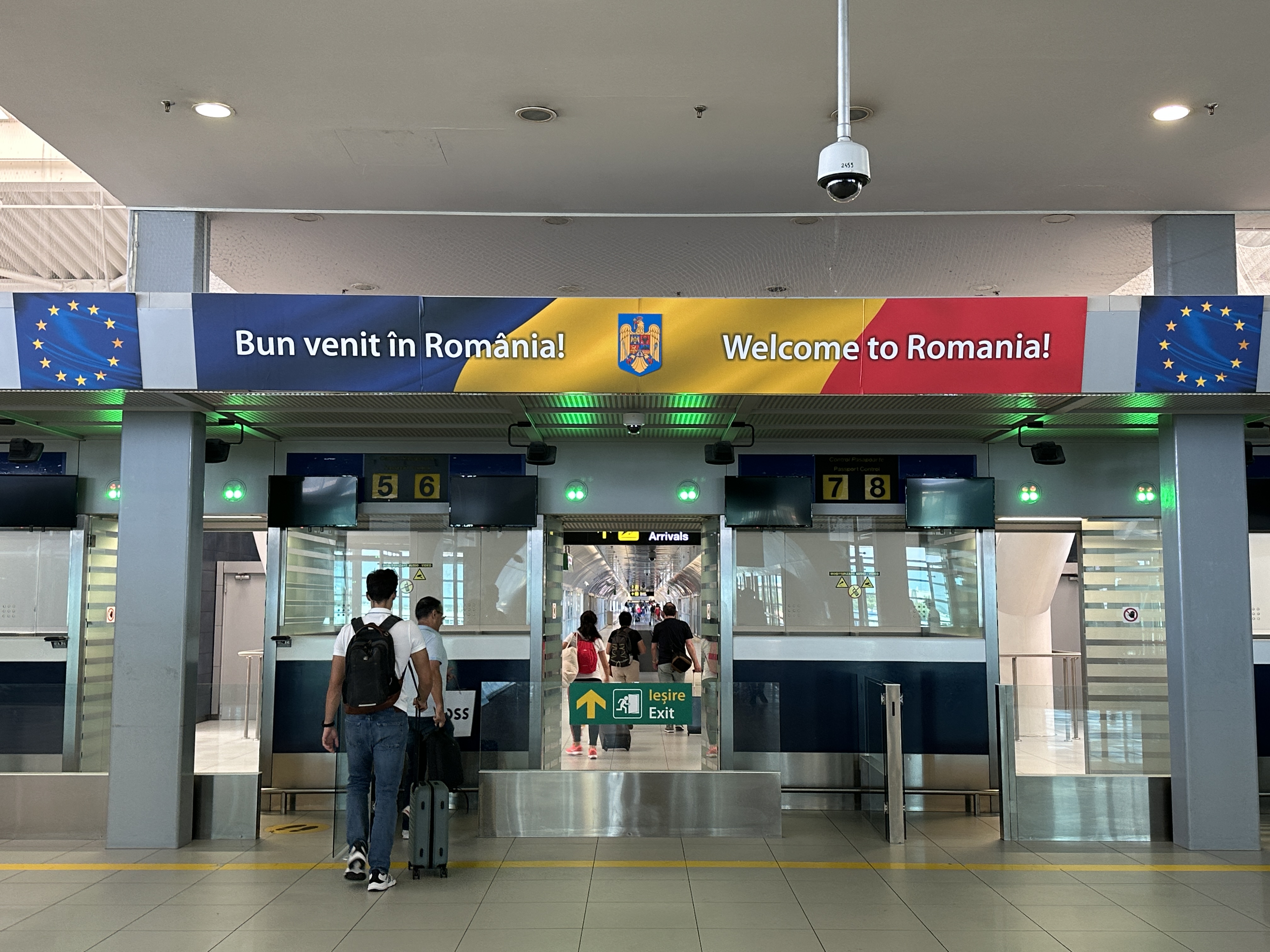
I’m in Bucharest for the beginning of a trip with Tauck down the Danube from Romania through Bulgaria, Serbia, Croatia, and Hungary, ending in Budapest. It’s my first river cruise with Tauck; I’ve done (and loved) three with Viking, but Tauck offers cabins for single travelers, so I thought I’d give them a try. Once the trip is over I’ll post a Viking vs. Tauck comparison.

Our trip began with three days in Bucharest, which may be a day or so too many. It’s a traffic-clogged, architecturally-challenged city, both of which problems are blamed on ex-dictator Ceausescu (as is virtually everything else that goes wrong here, not without reason even though he was executed 33 years ago).
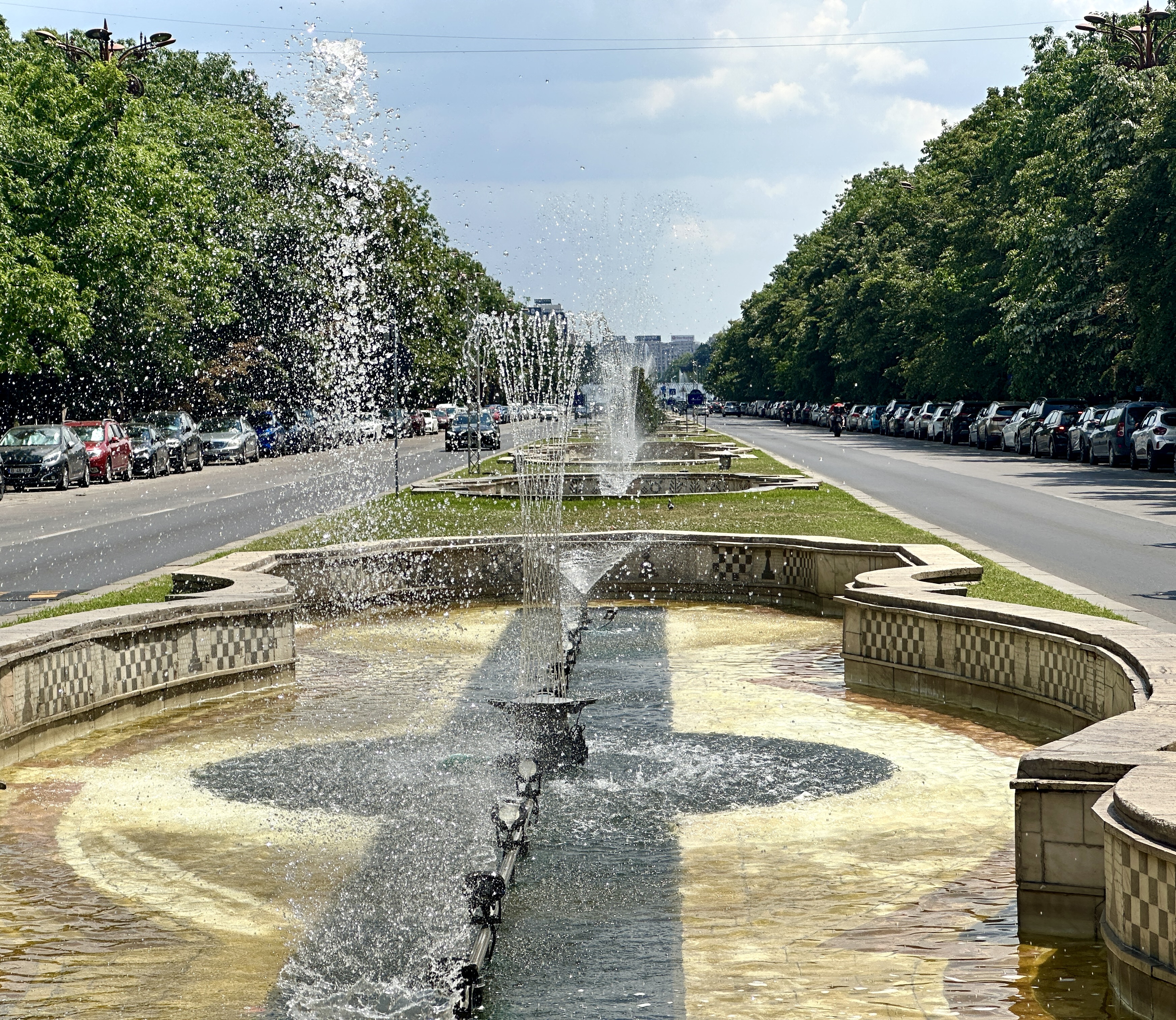
There are some bright spots, including broad, tree-lined boulevards with occasional graceful, French-inspired buildings, as well as an extensive park system. Unfortunately, for most of the day those broad boulevards are choked with cars (Ceausescu again, not wanting a far-reaching subway system), and they meet at roundabouts where the law of the Wild West prevails. (Several of our guides, with evident but perverse pride, noted that Bucharest is the most traffic-beset city in Eastern Europe.)

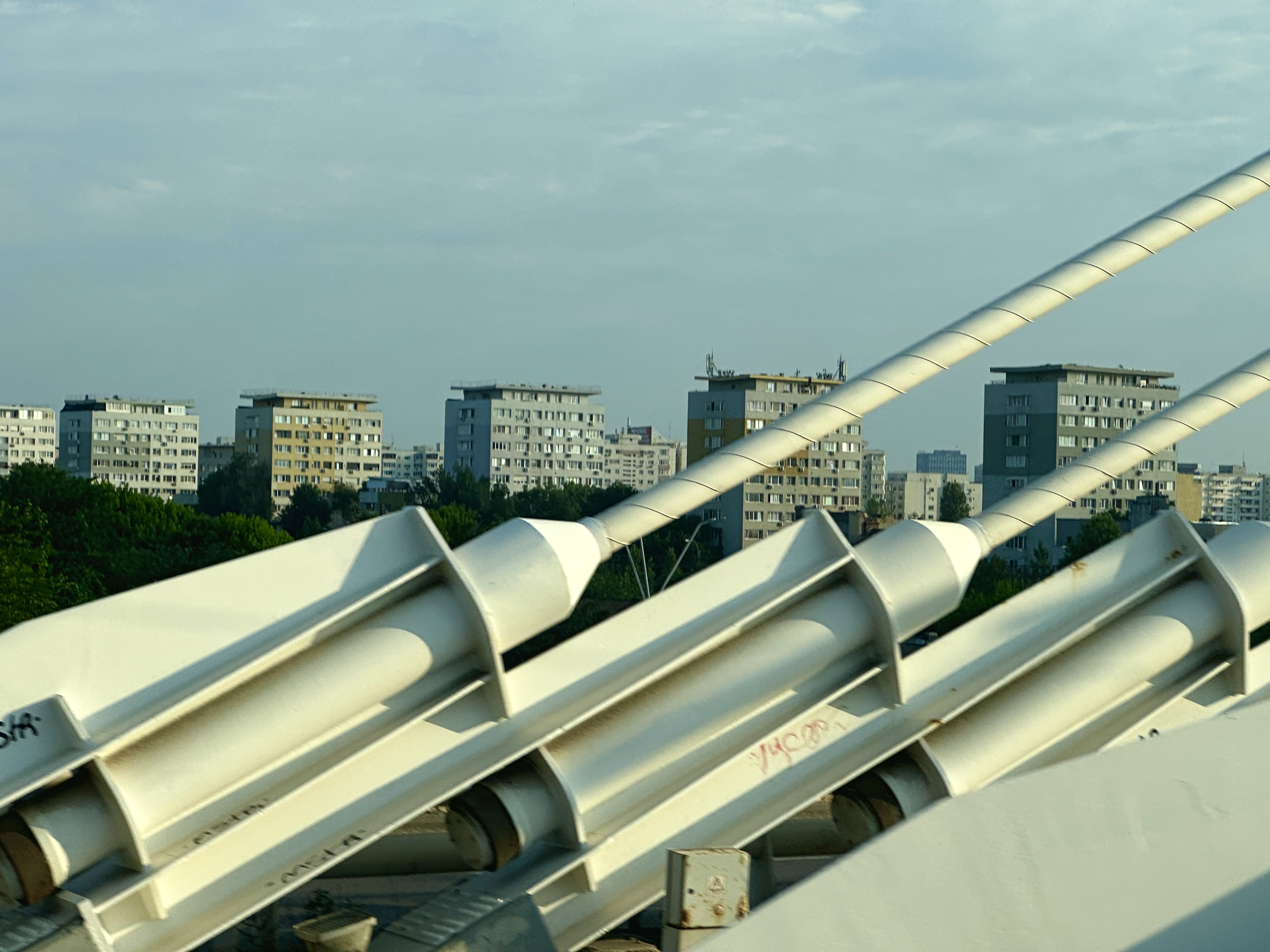
Between heavy bombing from both sides in WWII (Romania switched allegiance from the Nazis to the Allies part way through) and Ceausescu’s forced modernization, which razed much of old Bucharest in the name of progress, the majority of the architecture is in the brutalist, socialist realism style. Basically, Bucharest is 5% Paris, 5% war memorials (lots of wars to choose from), 10% gargantuan government monoliths with rusty air conditioners clinging to each window, 30% generic office buildings, and 50% East Berlin circa 1980.
Our base of operations is the J.W. Marriott Grand Bucharest hotel, a well-appointed place with an excellent staff. It isn’t centrally located but it’s only a 20 minute walk from many of the key sights. As an added plus, it has a fully functioning AC system, which cannot be said for most other places in town. (It seems that air-conditioning, like routine maintenance of many things, just isn’t de rigueur here.)
By the way, if you’d prefer to be driven around town, Tauck personnel and the Marriott staff strongly recommended taking an Uber instead of a cab. The cabs aren’t expensive on paper, but some of the drivers view tourists as unwitting ATMs. I took 2 cabs while here, between the Marriott and the airport (around 10 miles each way). On the way there, the driver charged the proper rate (around $13). Returning to the hotel, the second driver tried to charge me over $100. I laughed at him (I was too tired to curse creatively), gave him the same fare as I’d given the first driver, and left him at the curb comically spluttering.

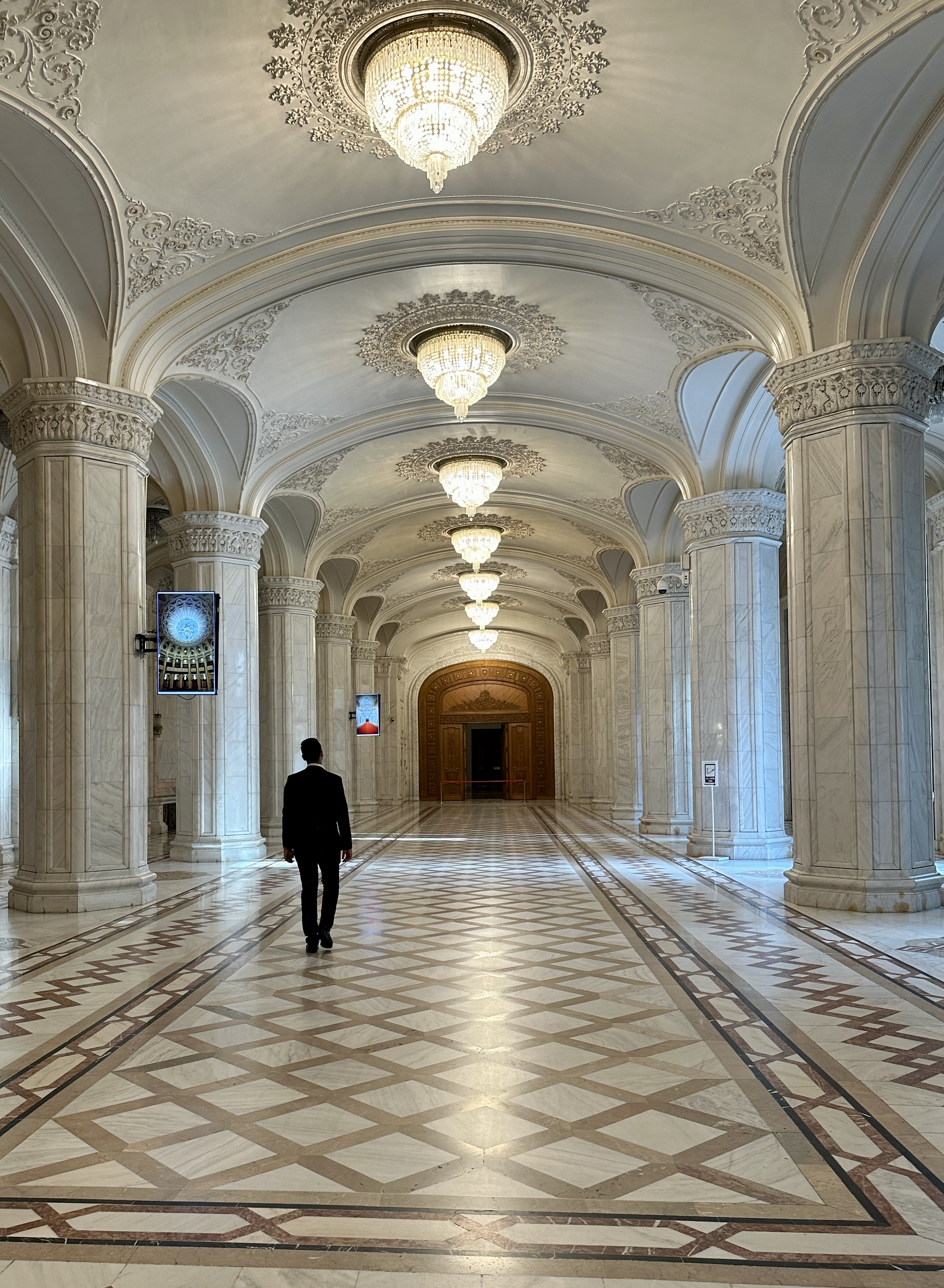
Our first evening, Tauck brought us to dinner at the Palace of Parliament, a megomaniacally massive building begun by Ceausescu and finished after his execution. Depending on whom you believe, it’s either the heaviest or second-heaviest building in the world, though I couldn’t tell you who makes those determinations. Inside, all is marble, carved wood, and luxurious carpets, 100 percent Romanian-sourced at Ceausescu’s demand. To comply with this requirement, the architects even imported silkworms from China and waited for them to produce raw material for the carpets and drapes in their new home.
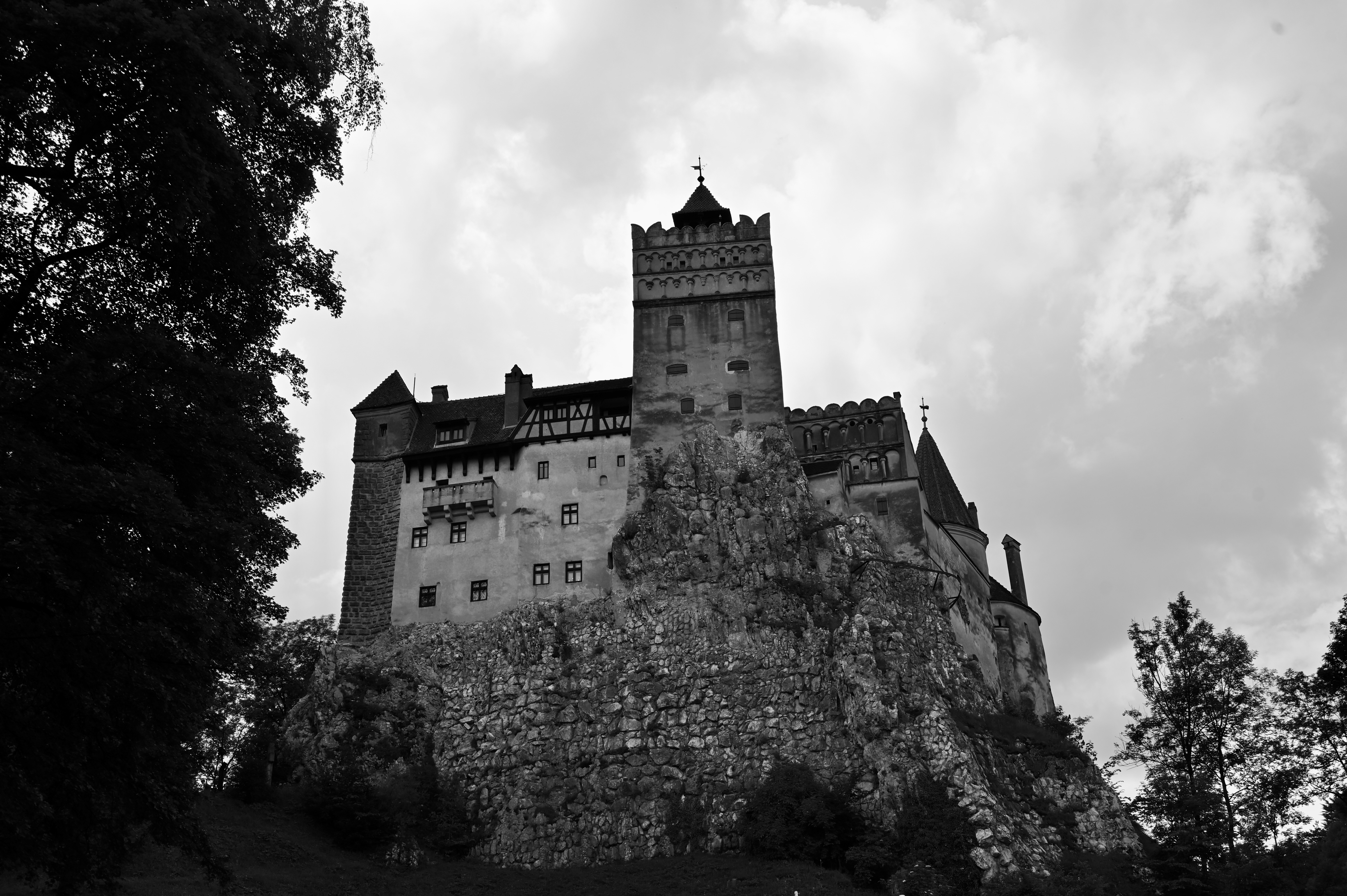
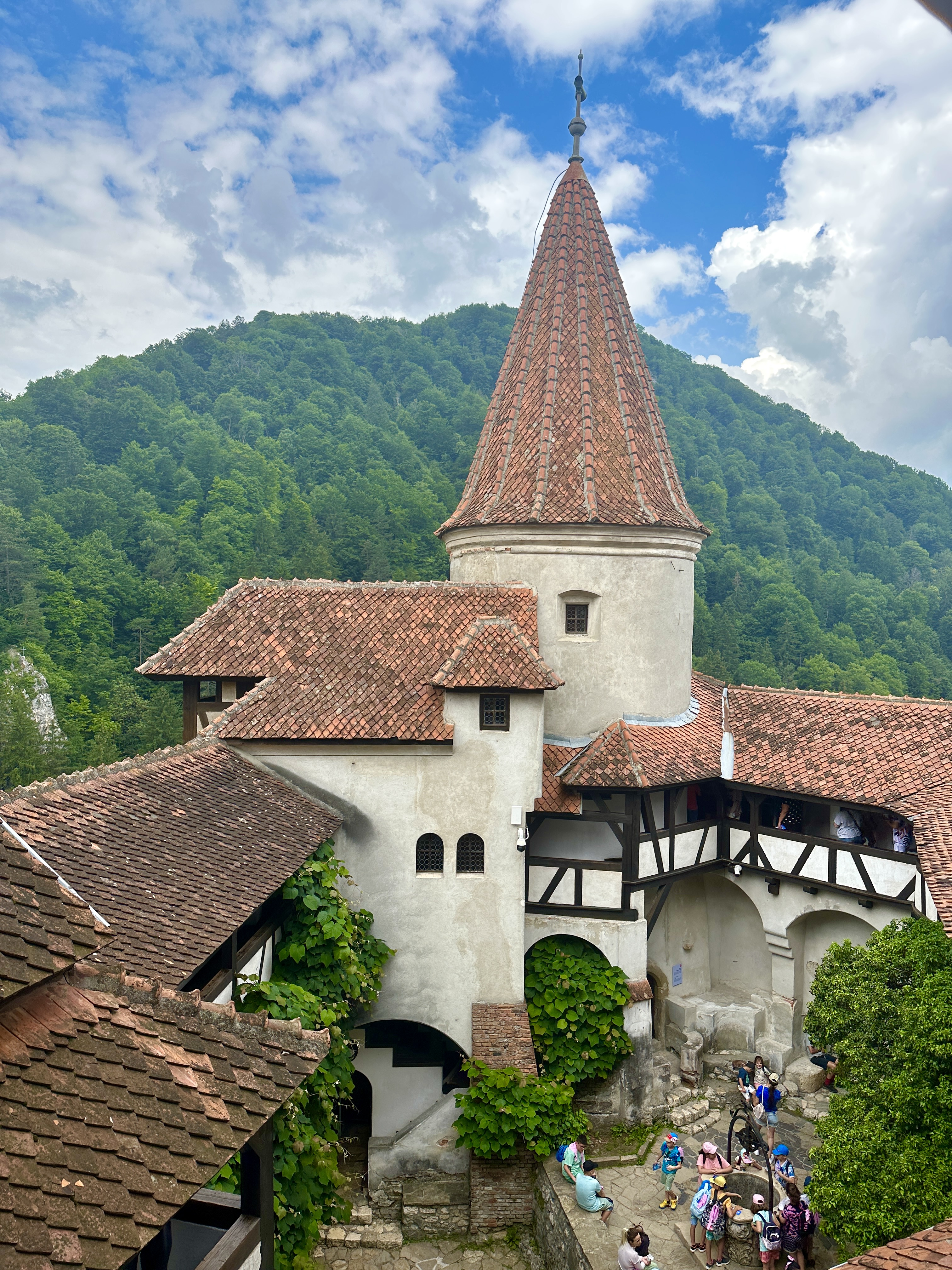
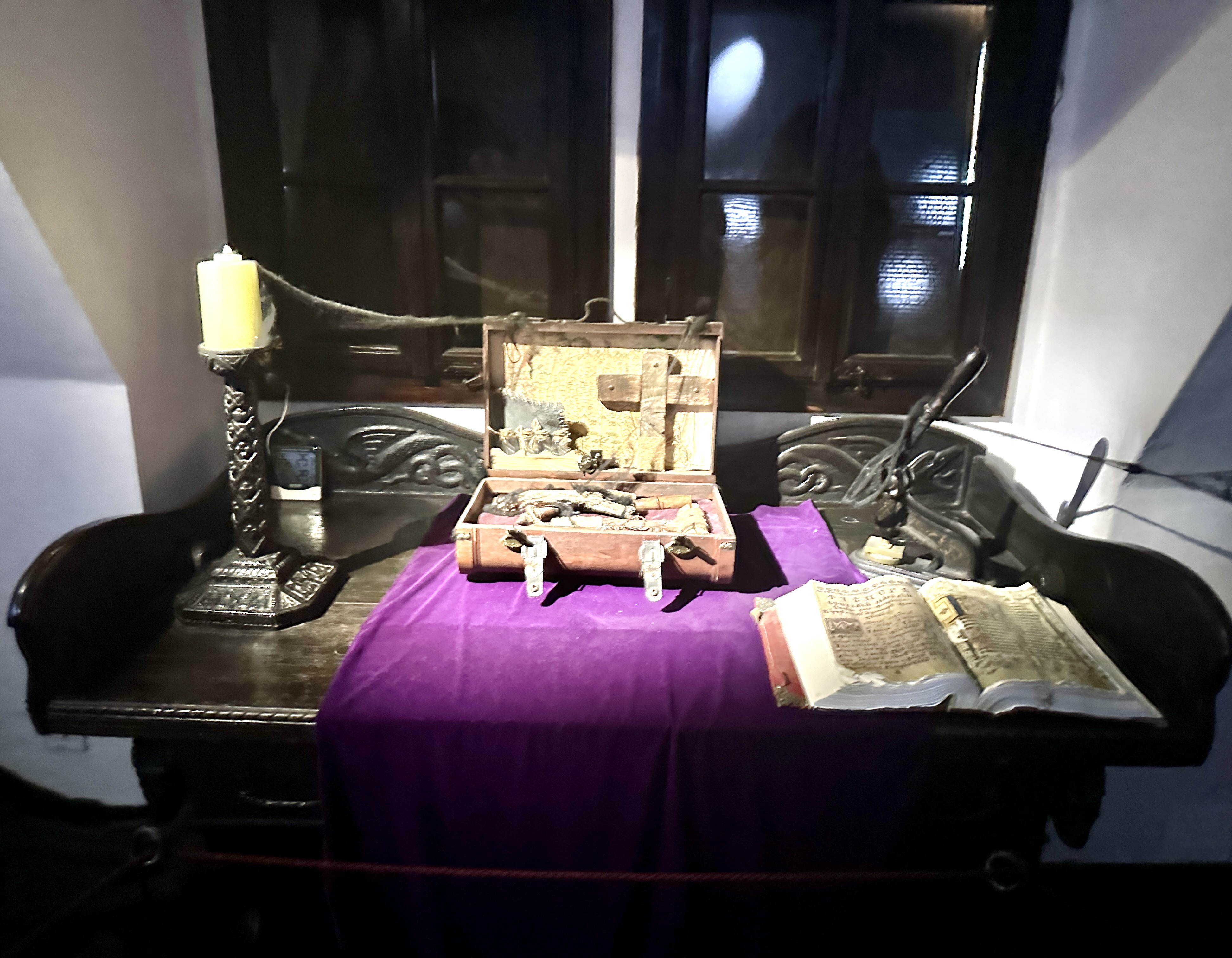
On our second day, I took a tour into Transylvania to Bran Castle, upon which Bram Stoker based part of the setting of Dracula. With traffic, it took 4 hours to get there and 3 to return, and the Castle (built in the late 1300s) is overrun with tourists and nothing special.
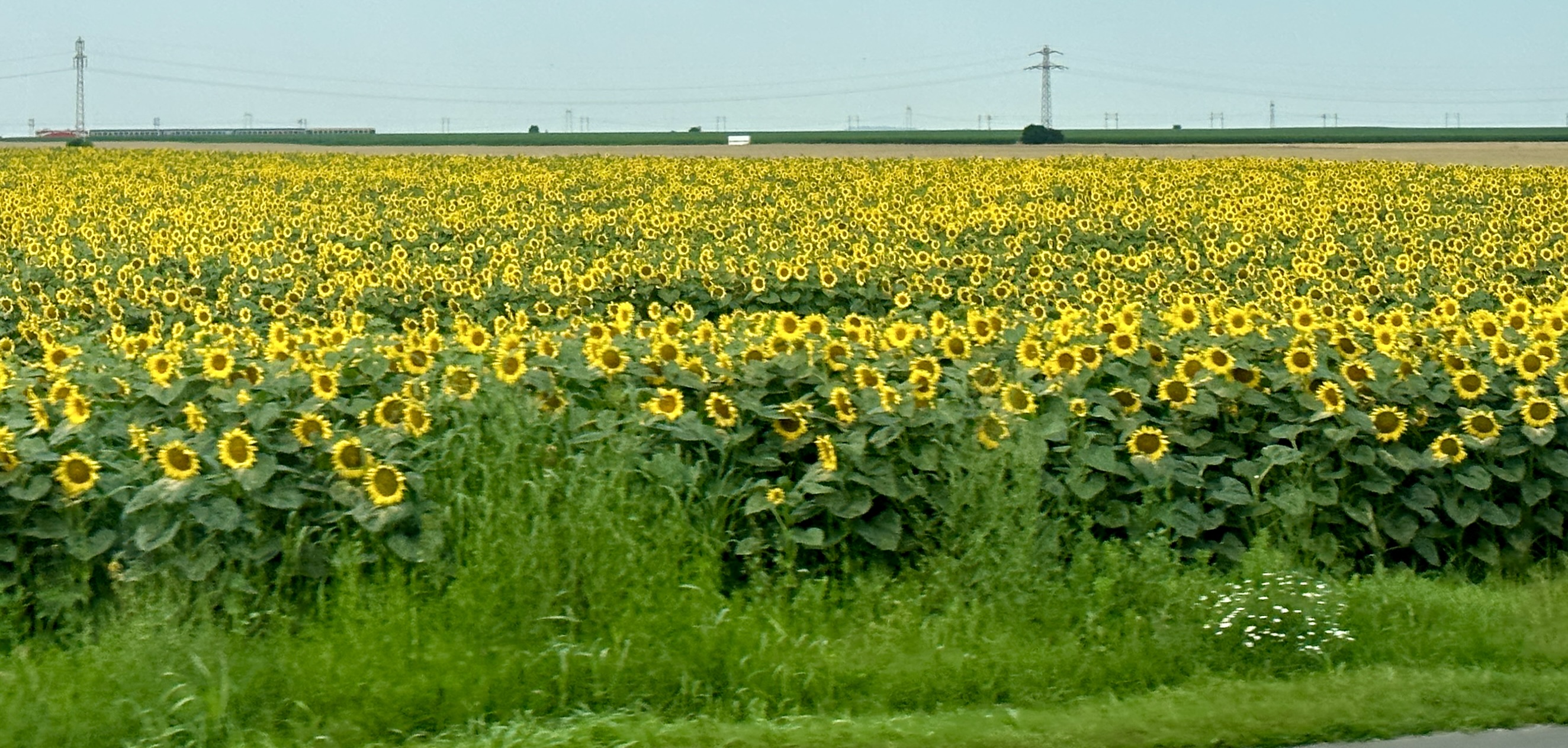
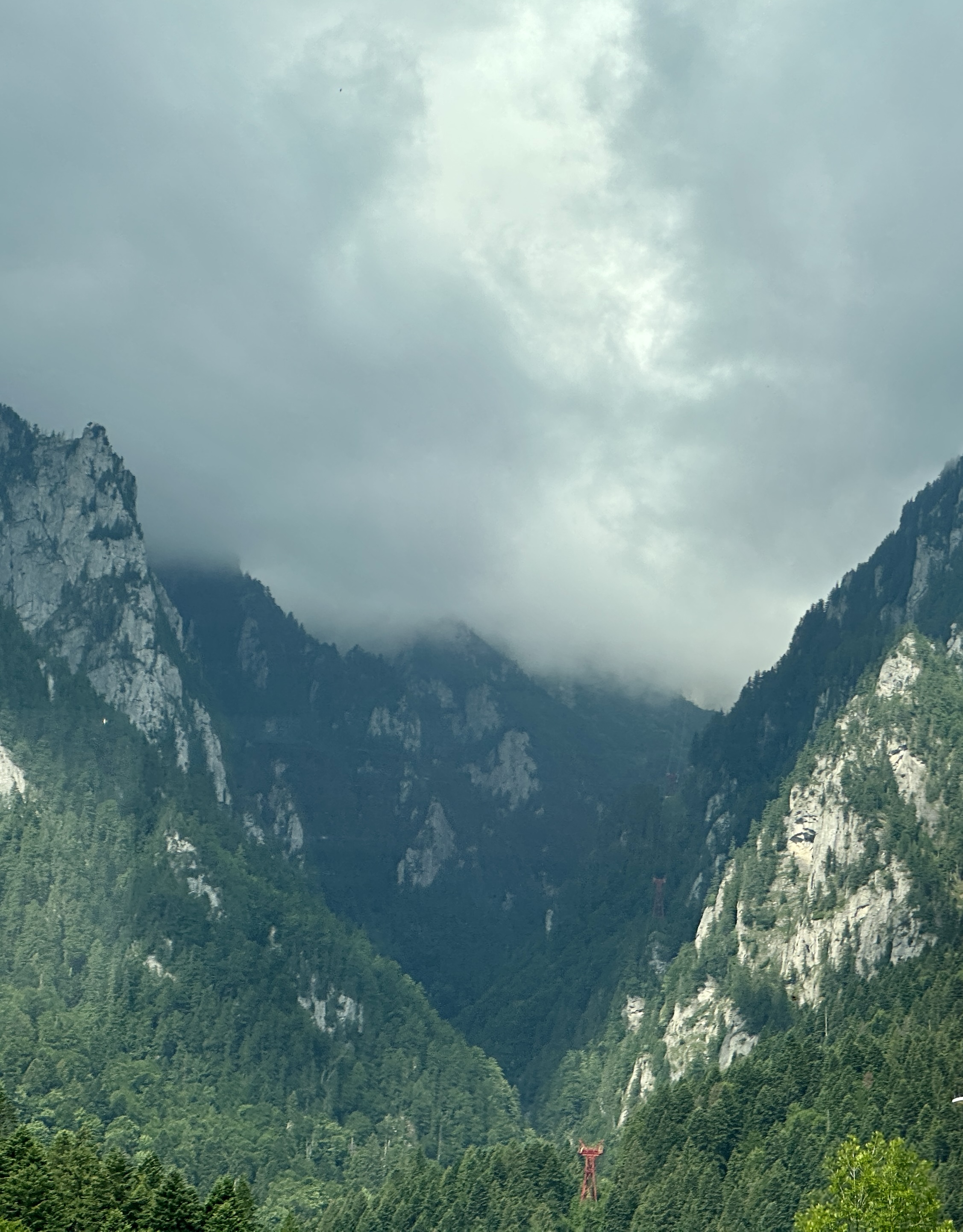
At least the scenery en route is pleasant. For the first 40 miles or so the route bisects fields of wheat, corn, and sunflowers, then it climbs into the foothills of the Carpathians before reaching the mountains themselves, where Bran is located.
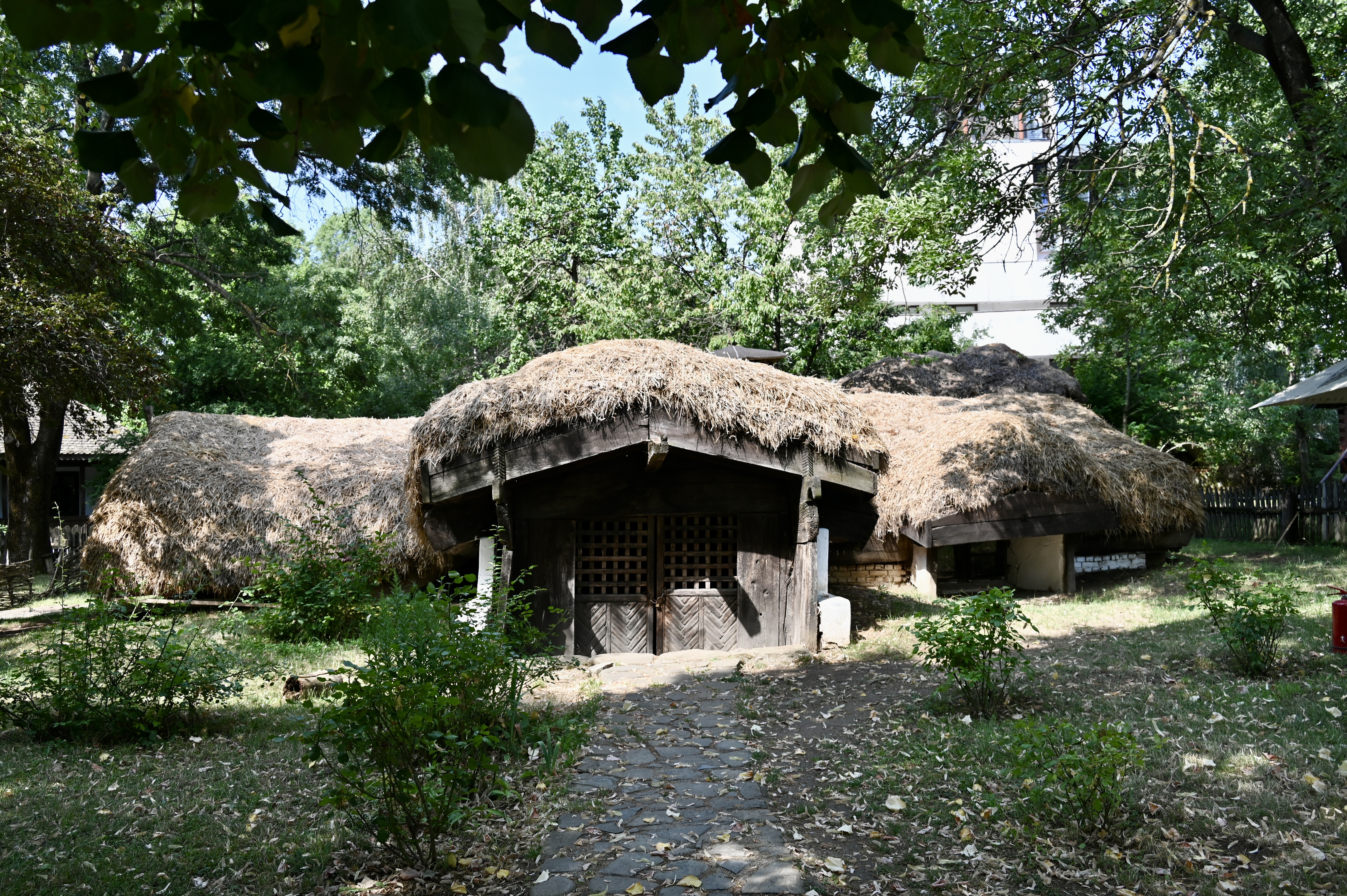
This morning (day 3) we toured the outdoor Village Museum. Following the unification of Wallachia, Moldavia, and Transylvania to form Romania, the museum was established to showcase and preserve traditional houses from each of Romania’s regions.
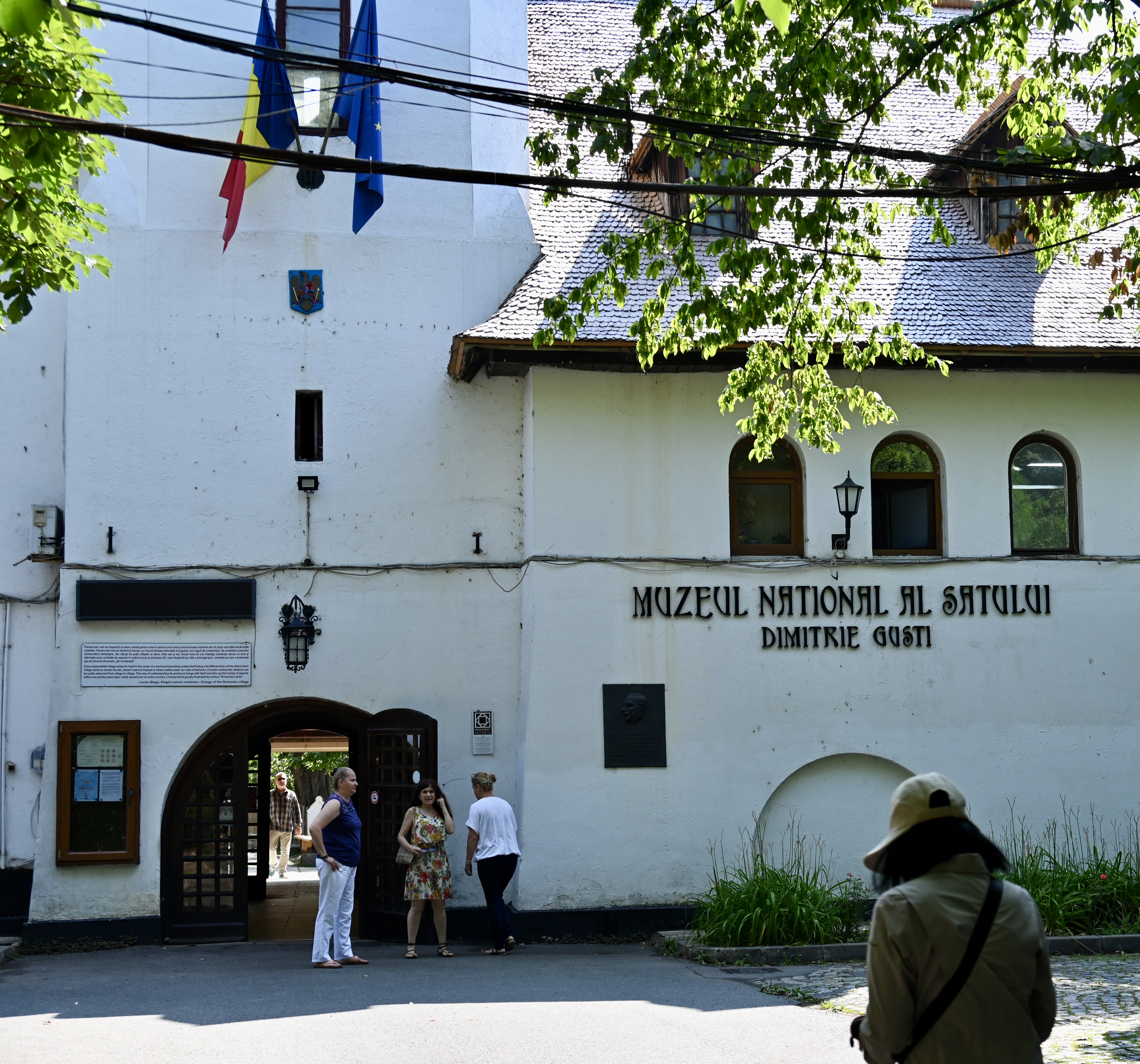
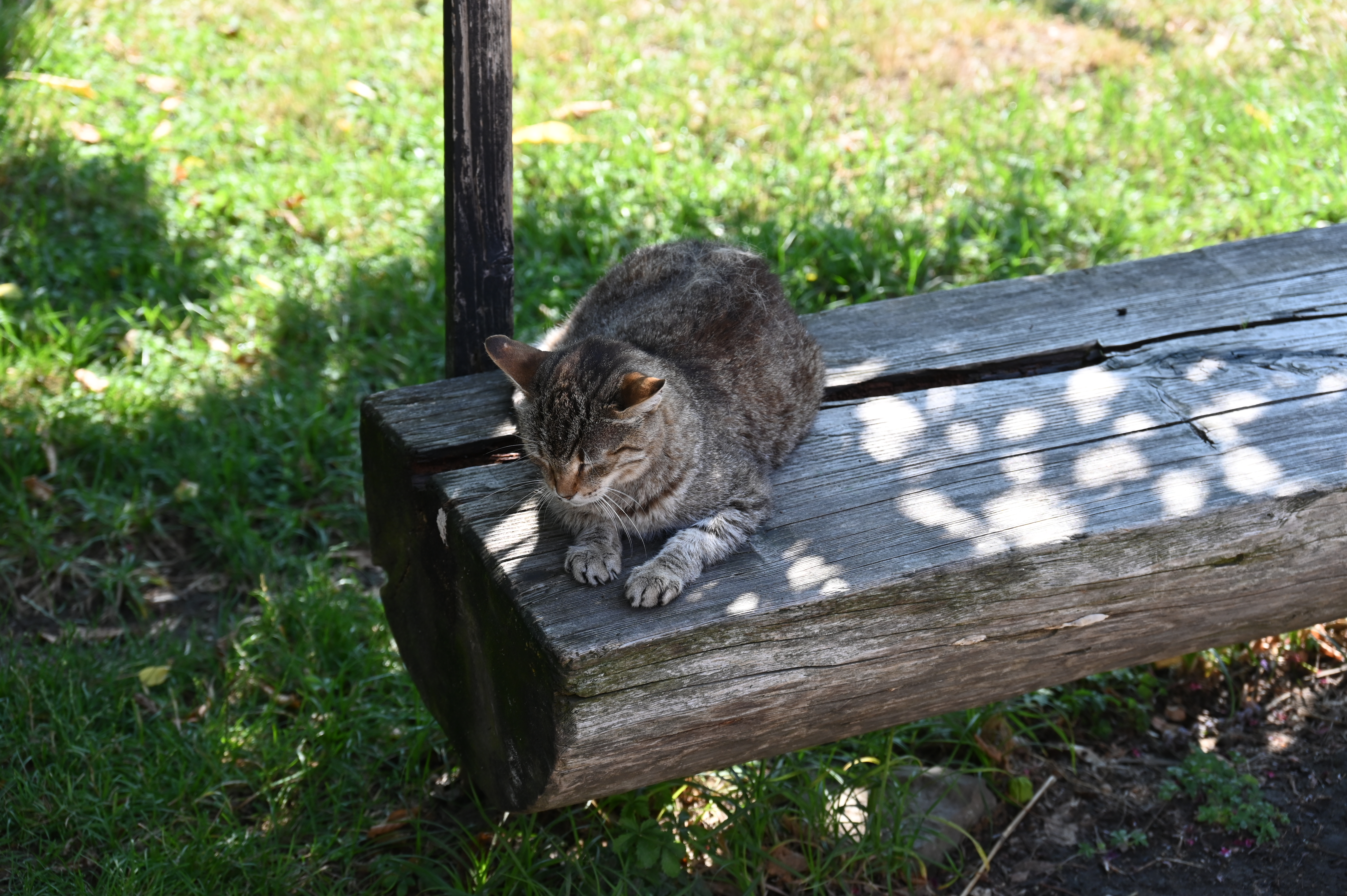
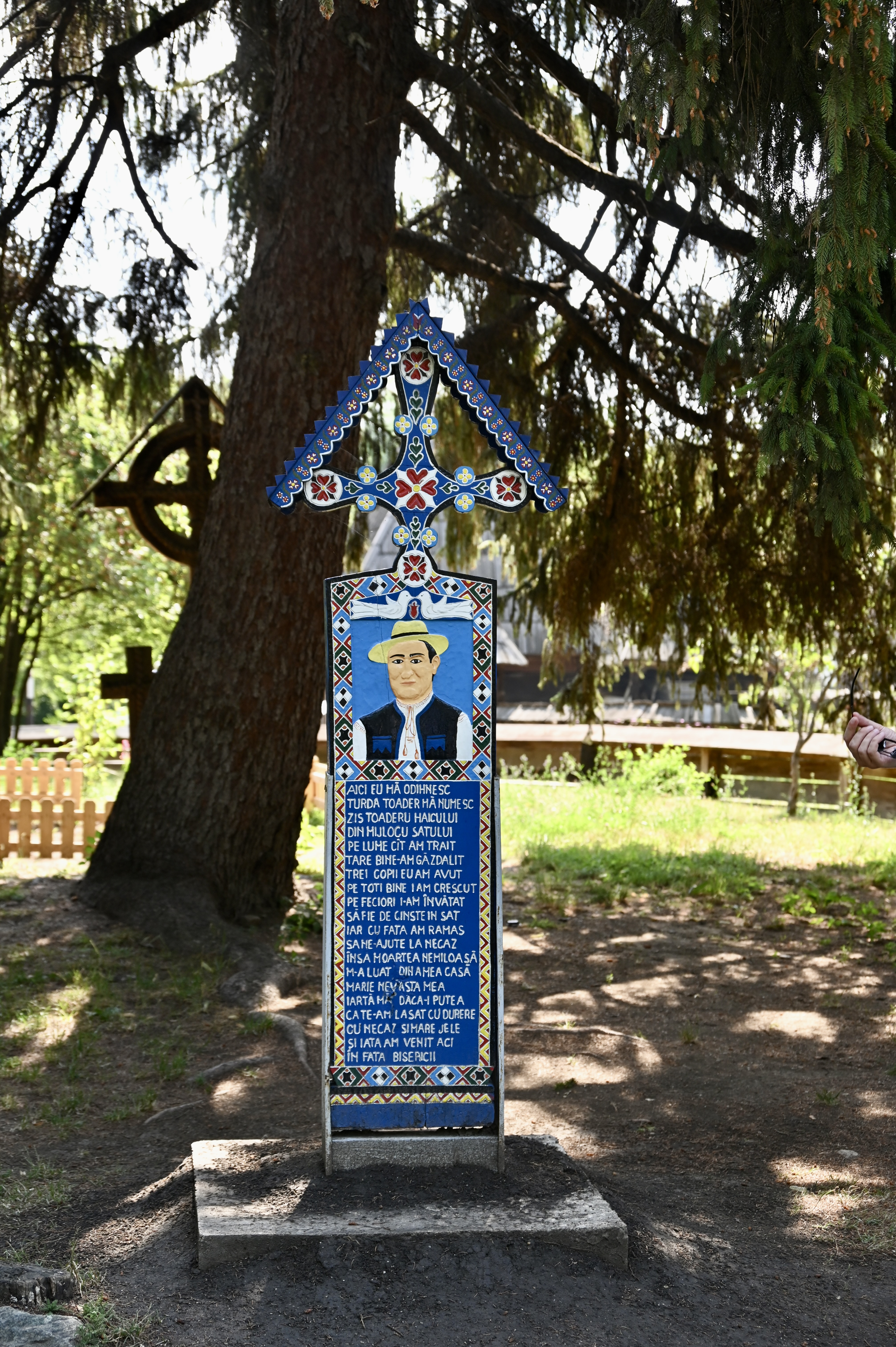
The houses were occupied from the museum’s founding in 1936 until Ceausescu took over, at which point he ordered the occupants out. I enjoyed the museum – beginning with an unofficial guard cat sunning itself on a bench just inside the entrance – considerably more than Bran Castle.
I realize this paints an overall negative picture of Bucharest and its surroundings, but I calls ‘em as I sees ‘em. Tomorrow we depart for the Black Sea and our ship, and I’m sure I’ll have much rosier posts in the days ahead.

 PuffinlessTravel
Great post thanks! We’ll be forewarned when we go in September. (and a nautical question – given that you are traveling from the Black Sea to Budapest, isn’t that “up” the Danube, not “down” the Danube?
Right you are!