Fittingly, the airport code for the Galapagos is GPS – after all, Darwin’s theory of evolution provides a road map from the deep past to today. Visiting the Galapagos is a pilgrimage to a scientific shrine on the order of Newton’s apocryphal apple tree (which, as long as it’s apocryphal, should have been a fig tree) and Mendel’s pea patch.
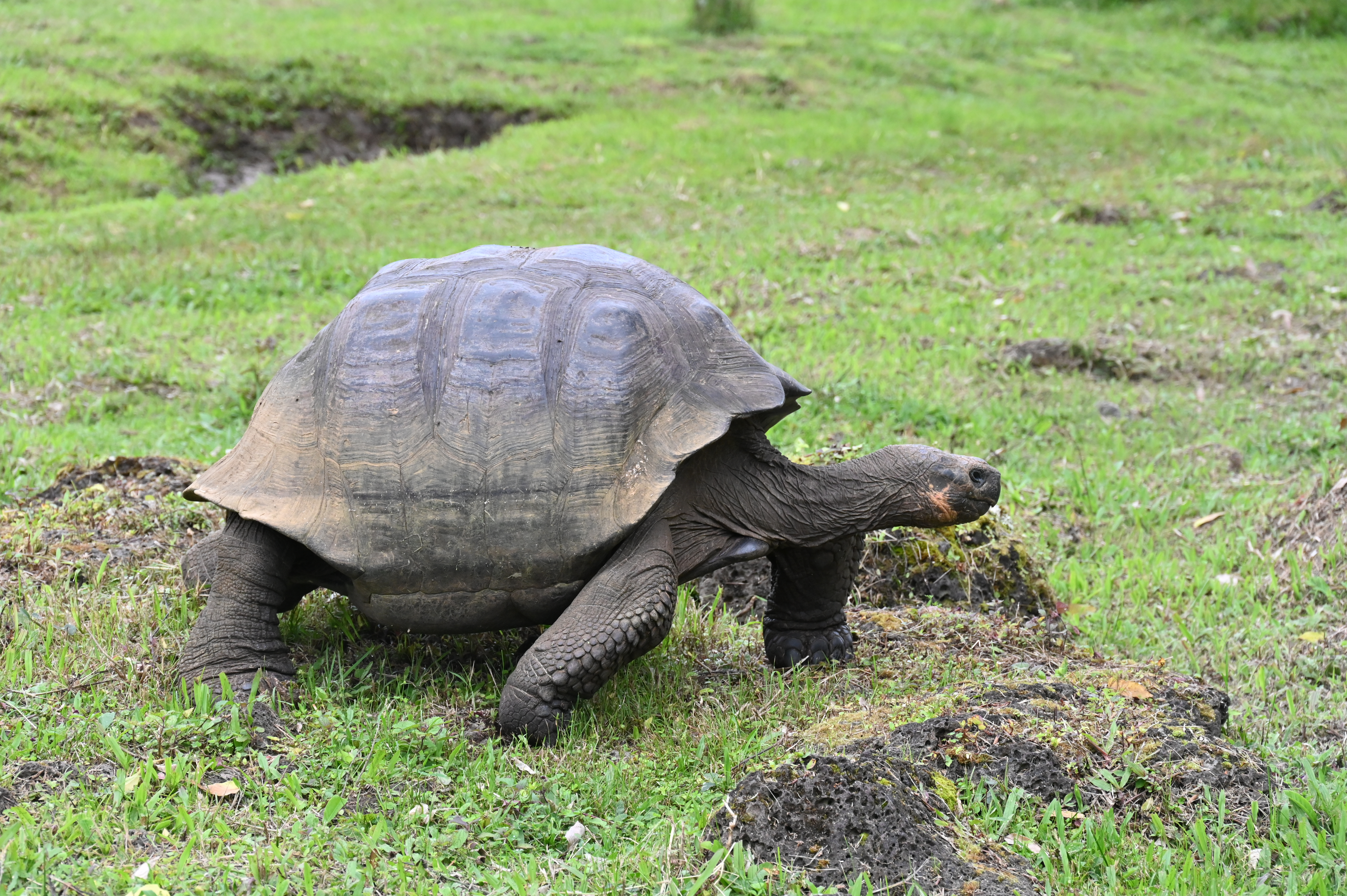
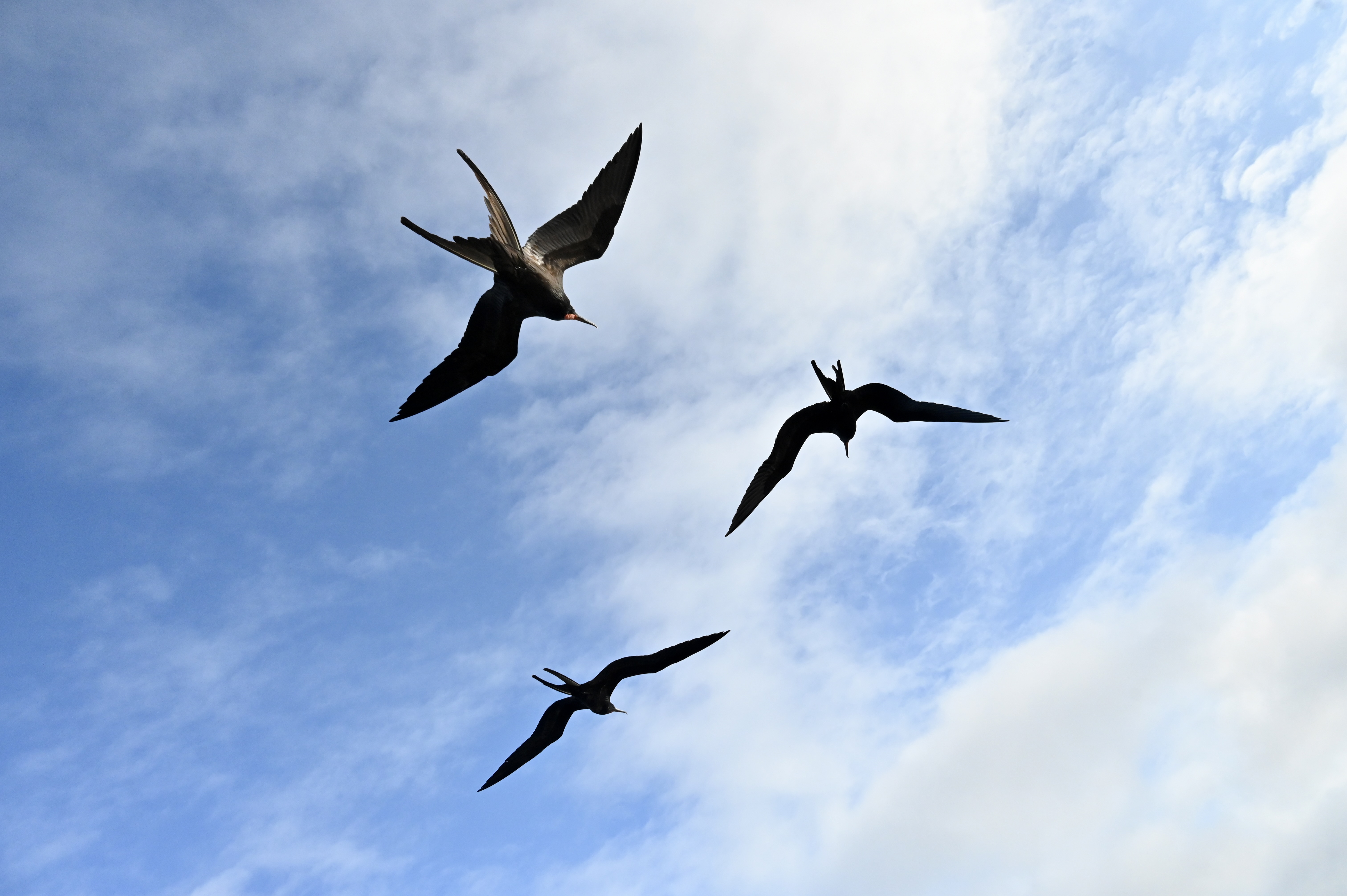
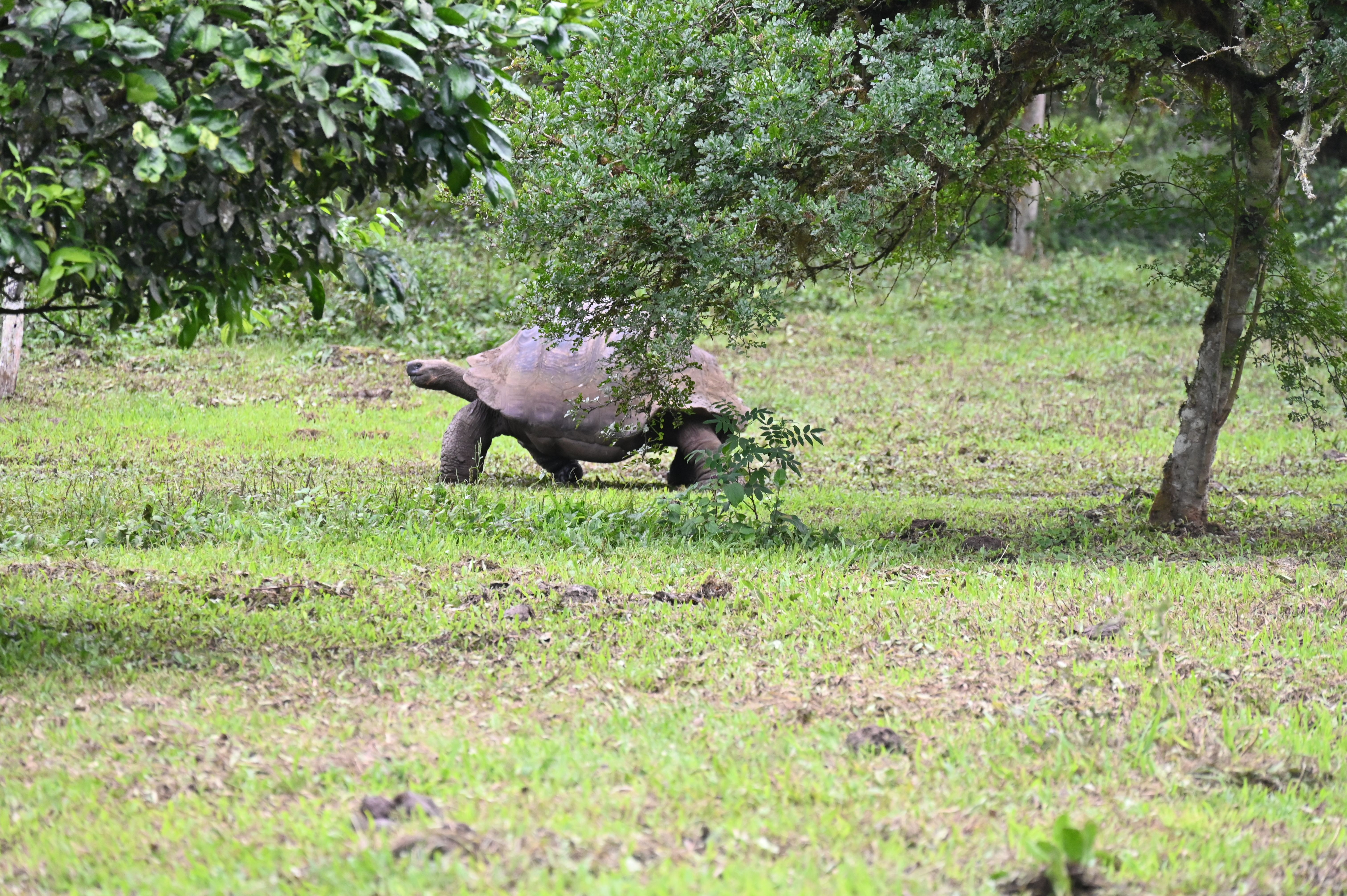
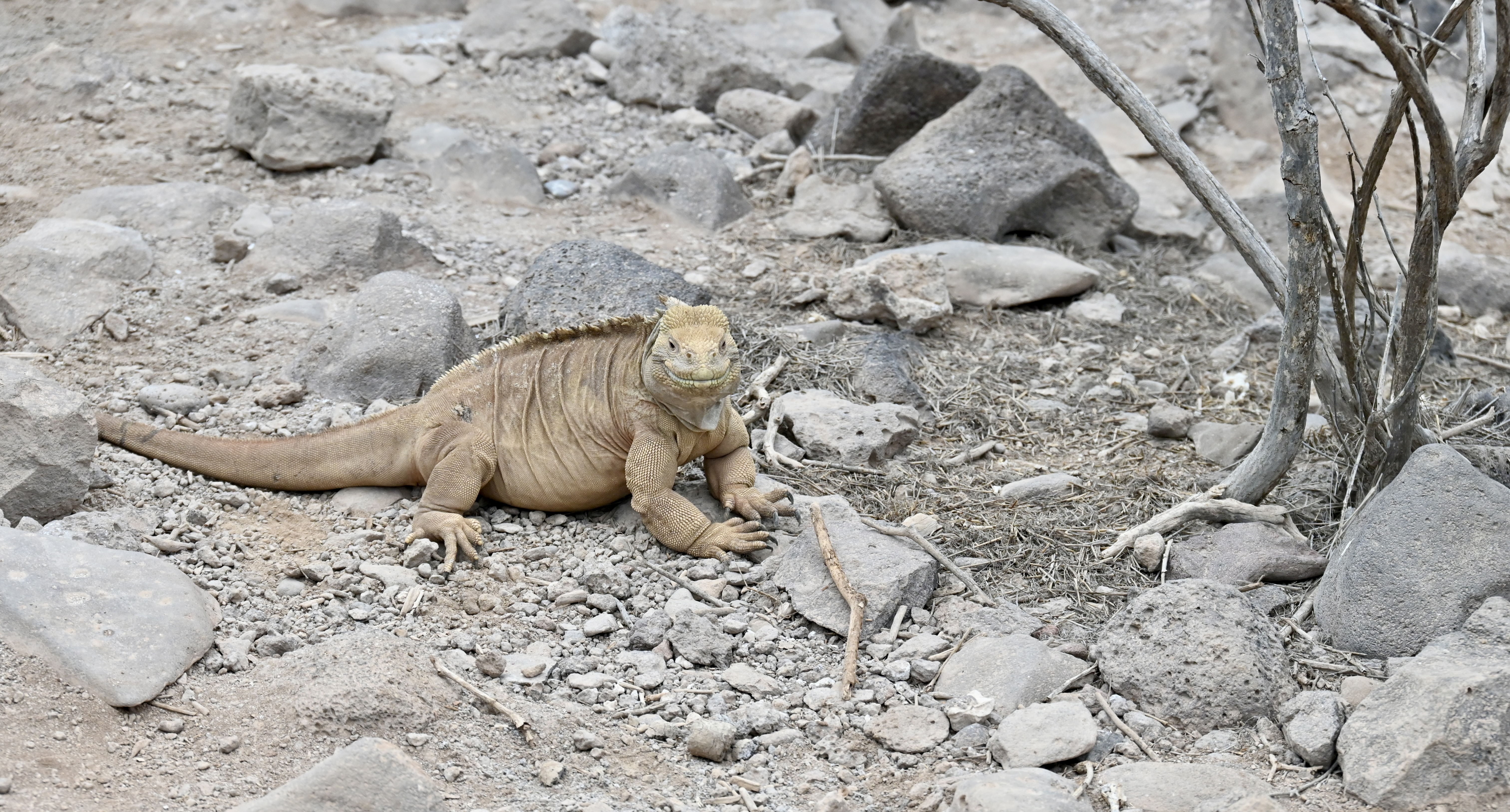
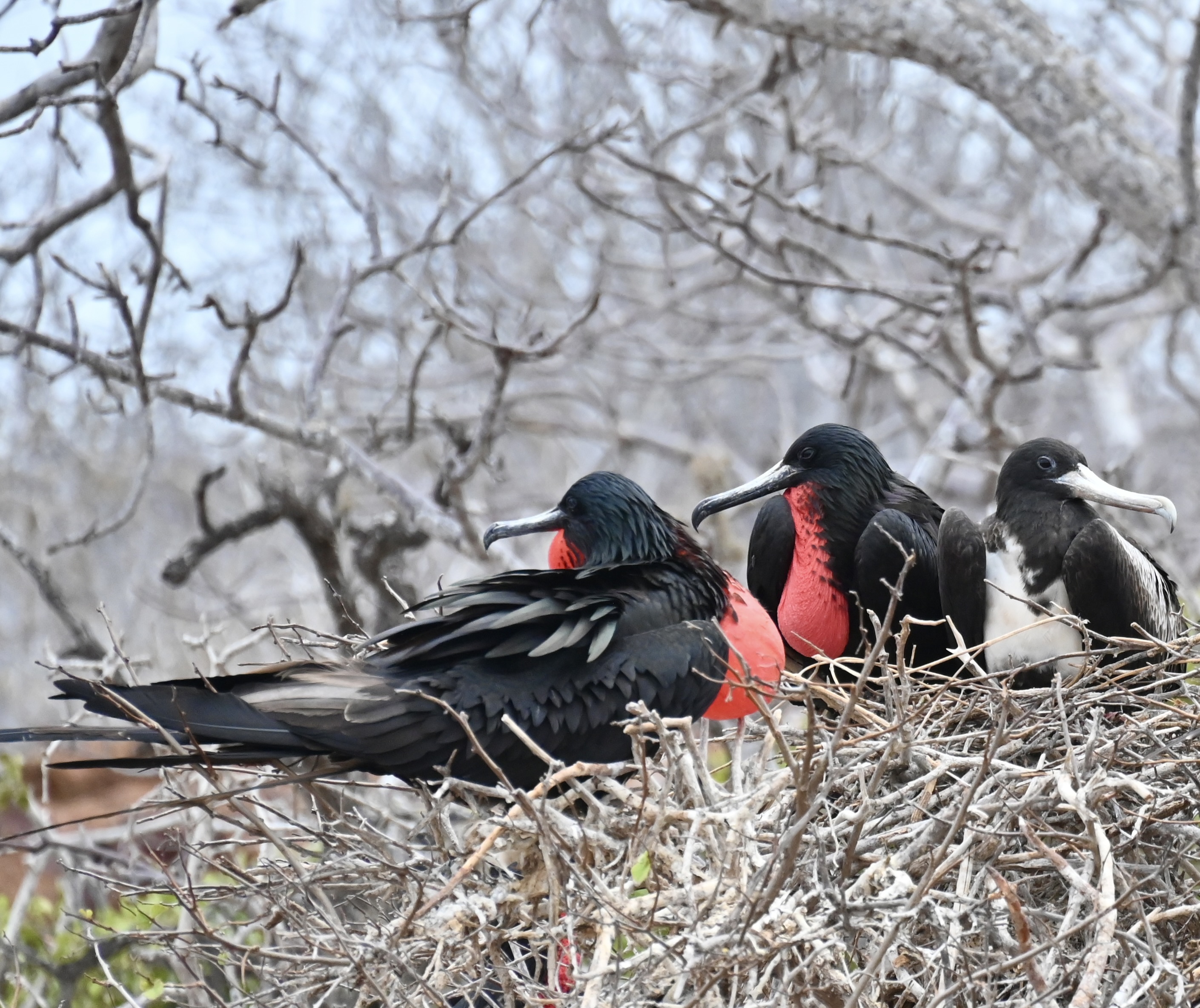
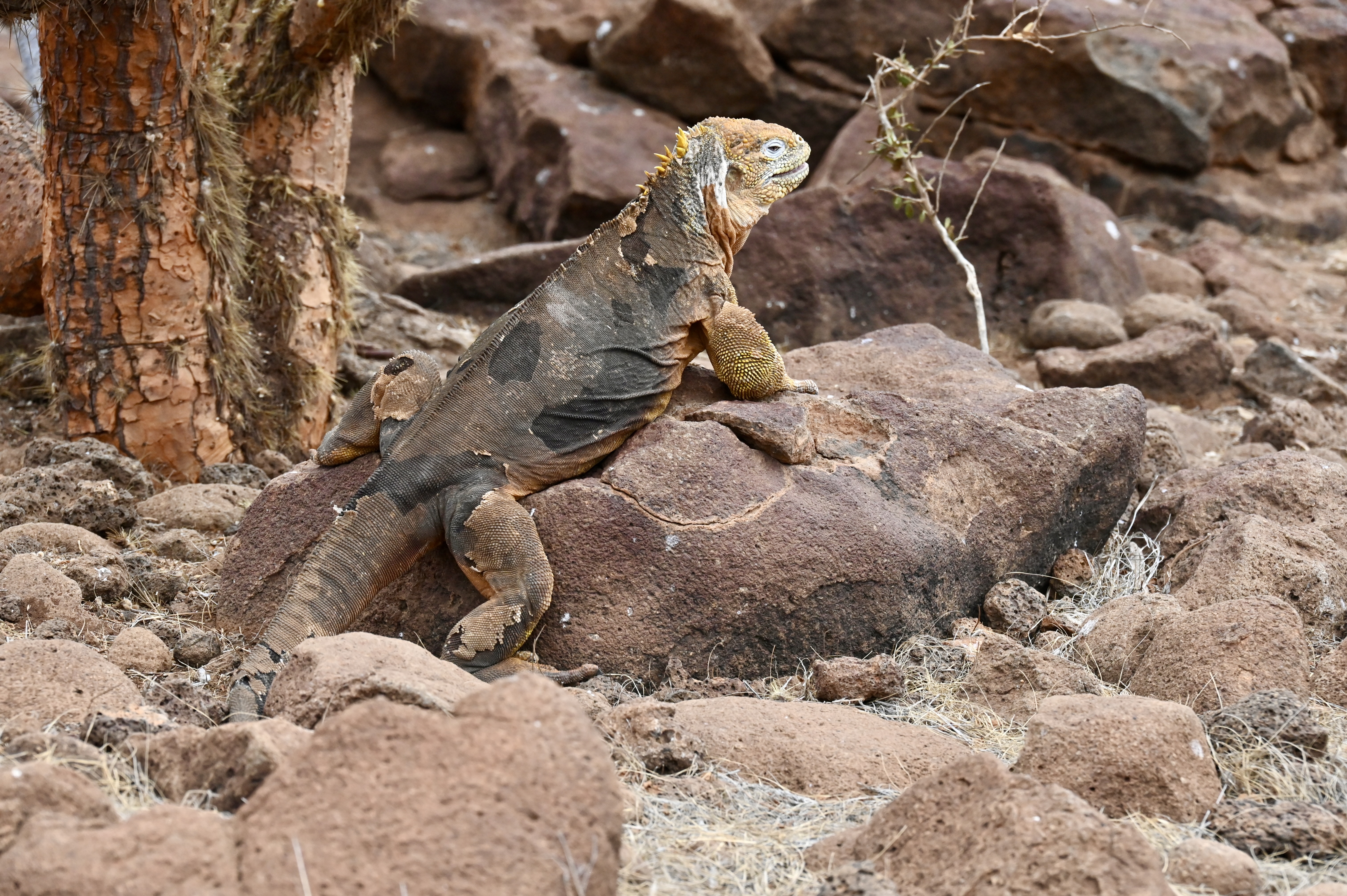
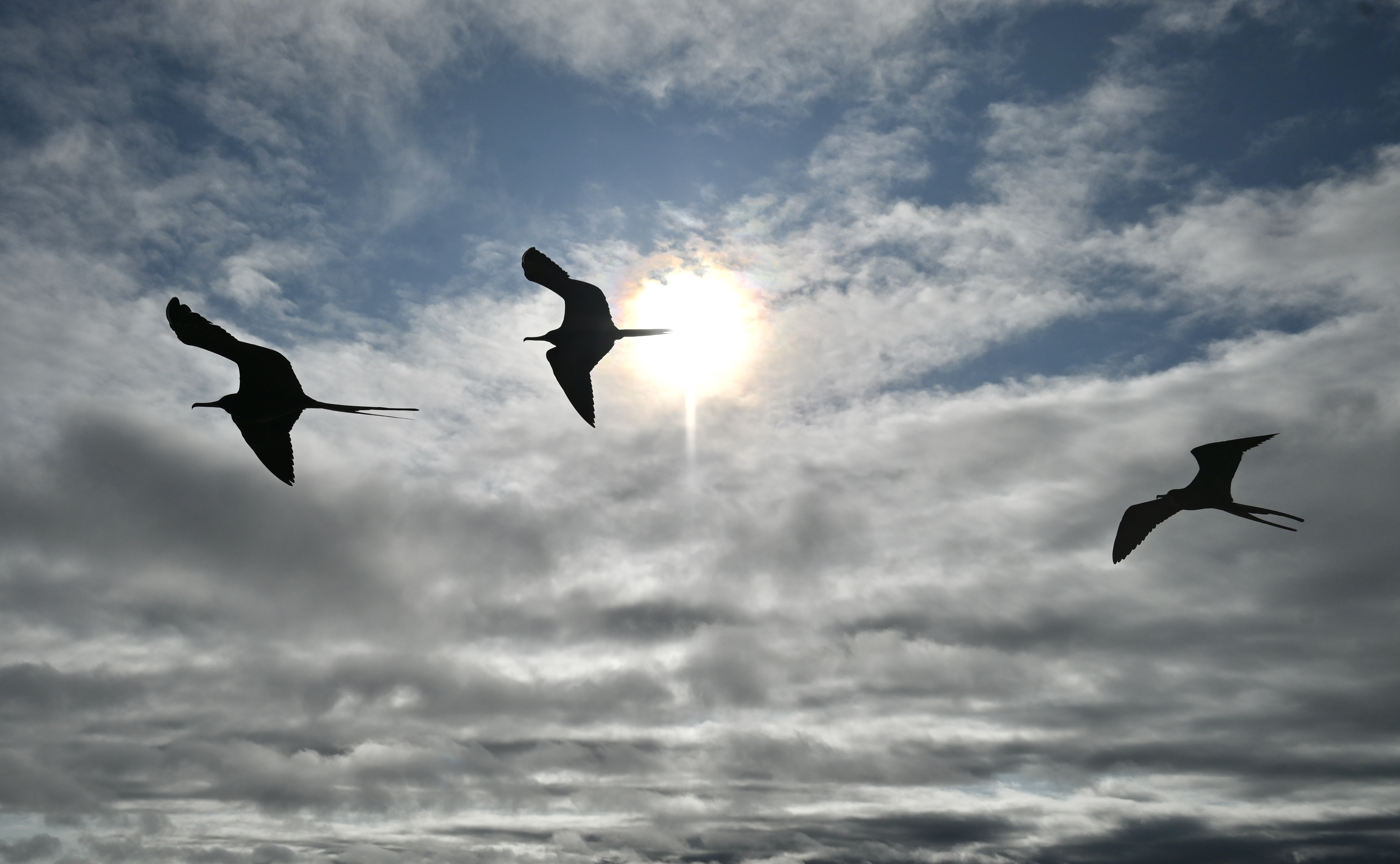
The islands speak of timelessness: 150-year old tortoises lumber tai-chi-like as their ancestors have done for eons; frigate birds hover and glide like latter-day pterodactyls; giant prickly pears evidence a millennia-old struggle against the depredations of iguanas.
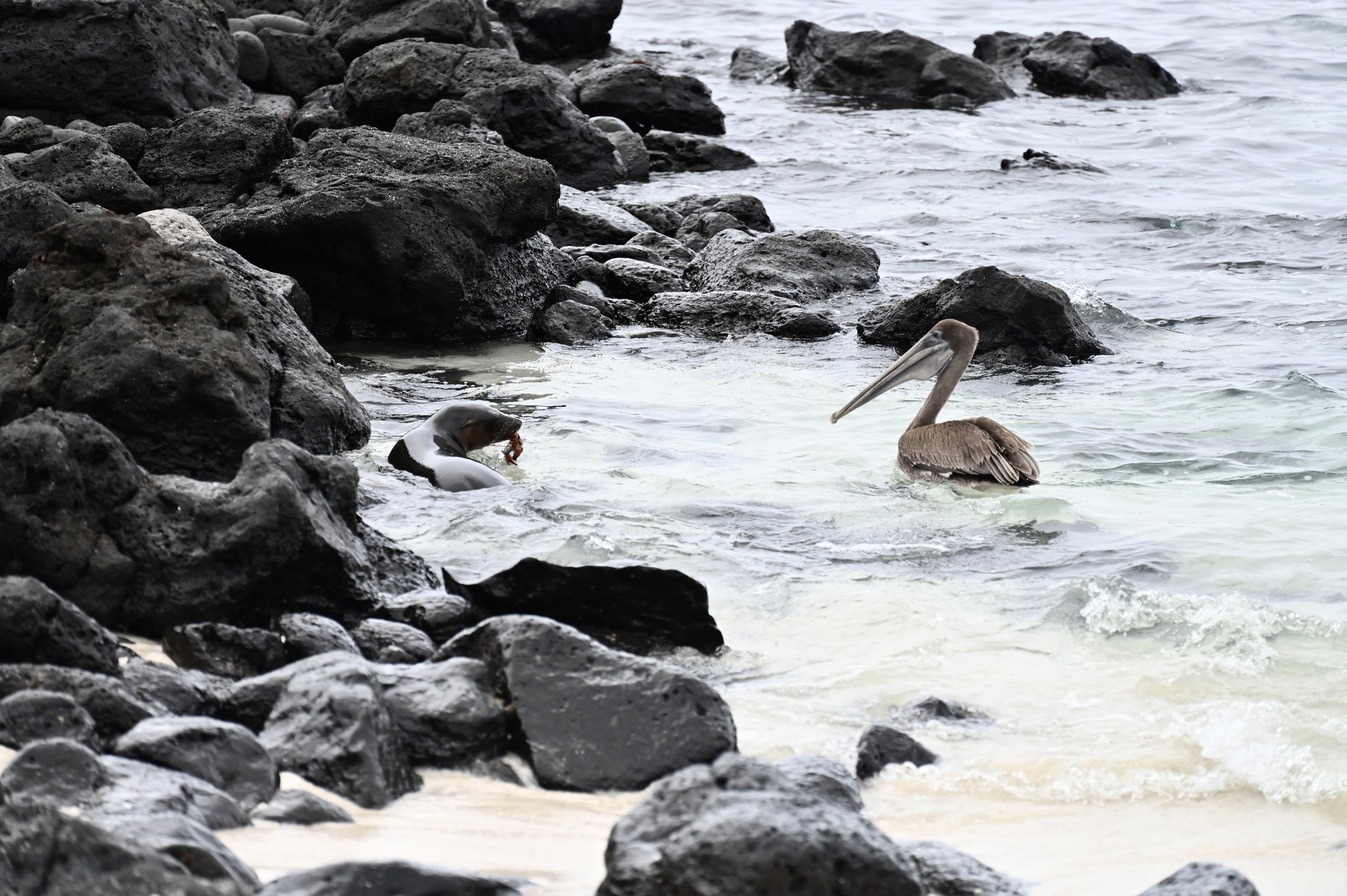
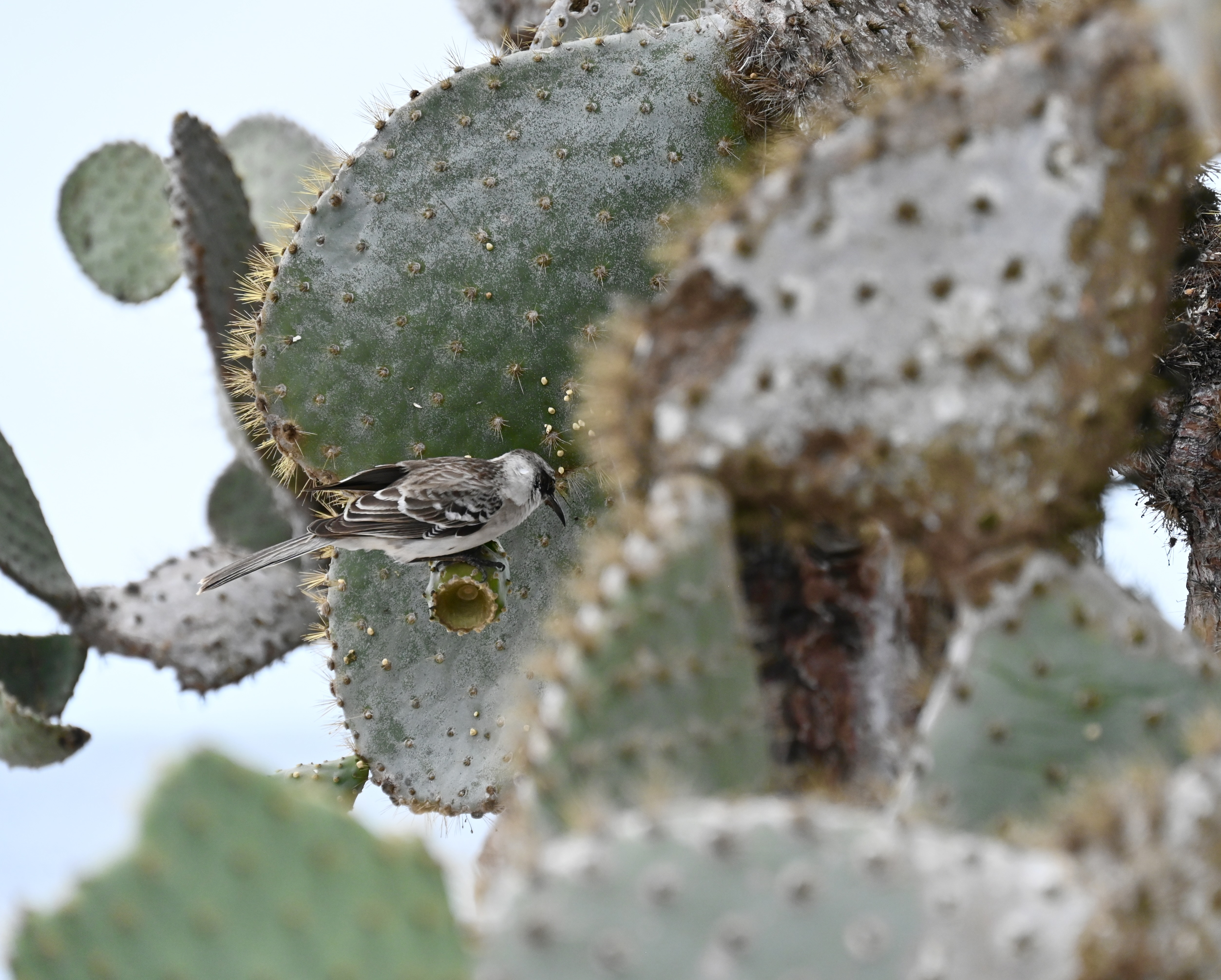
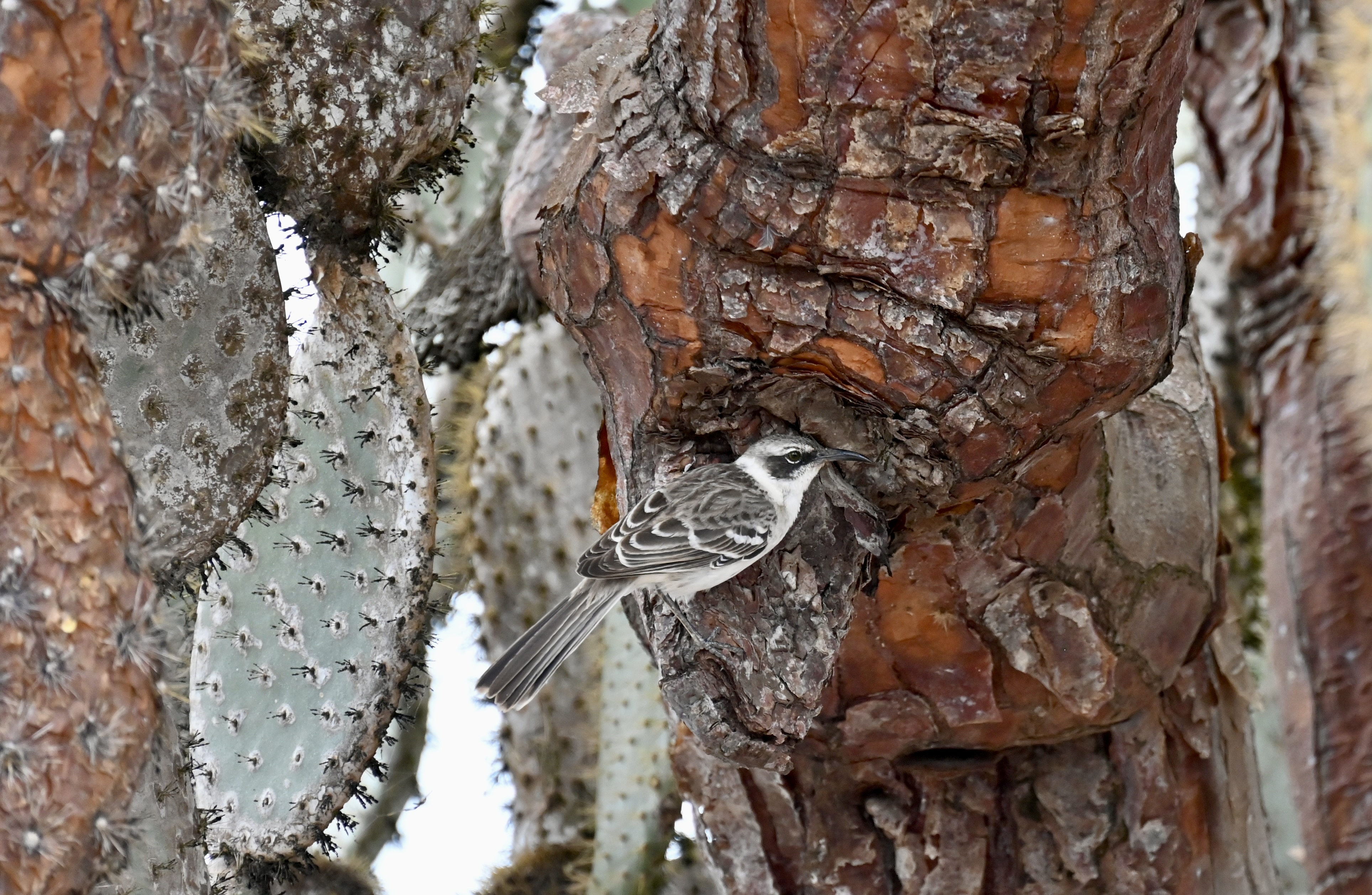
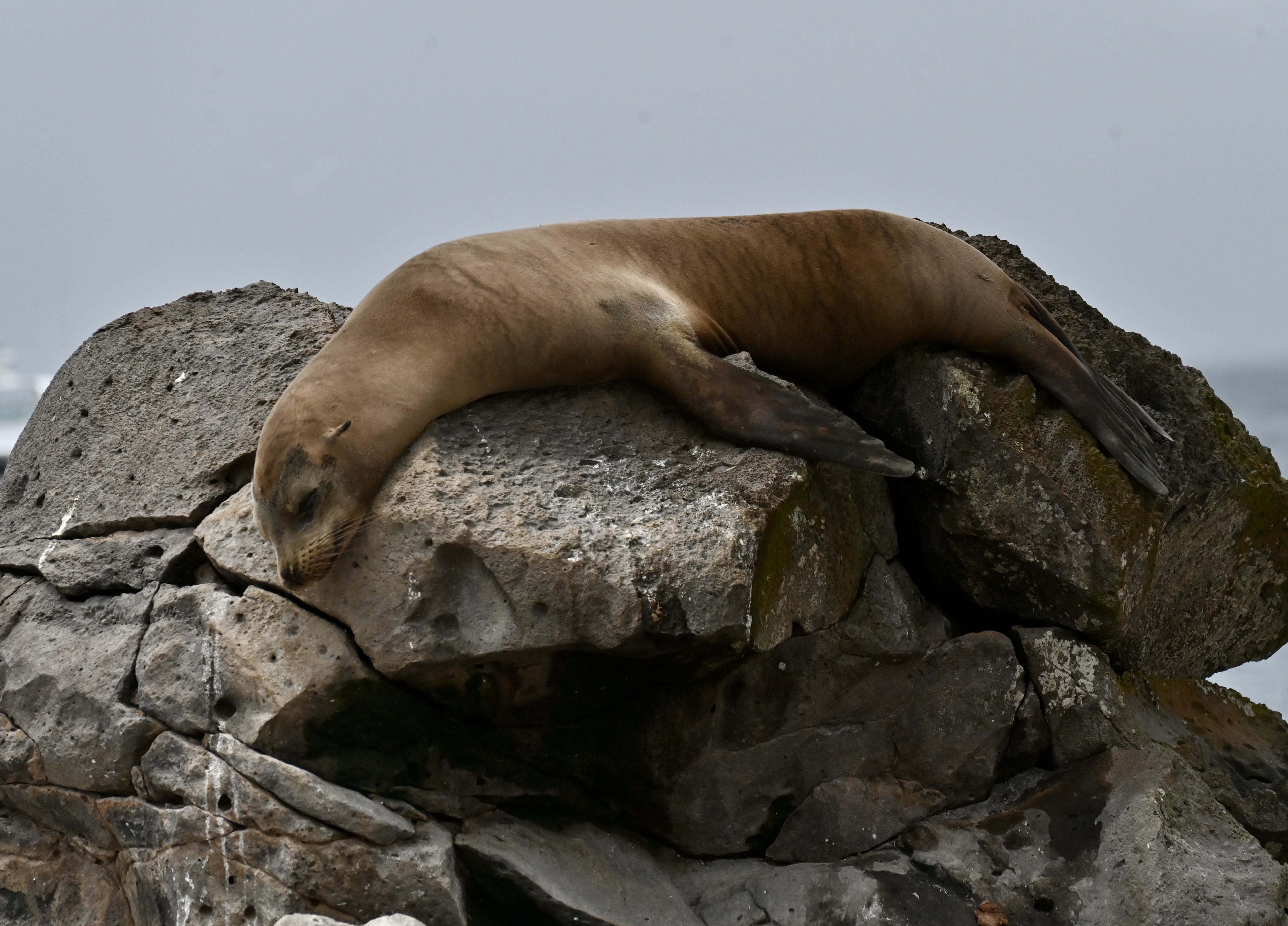
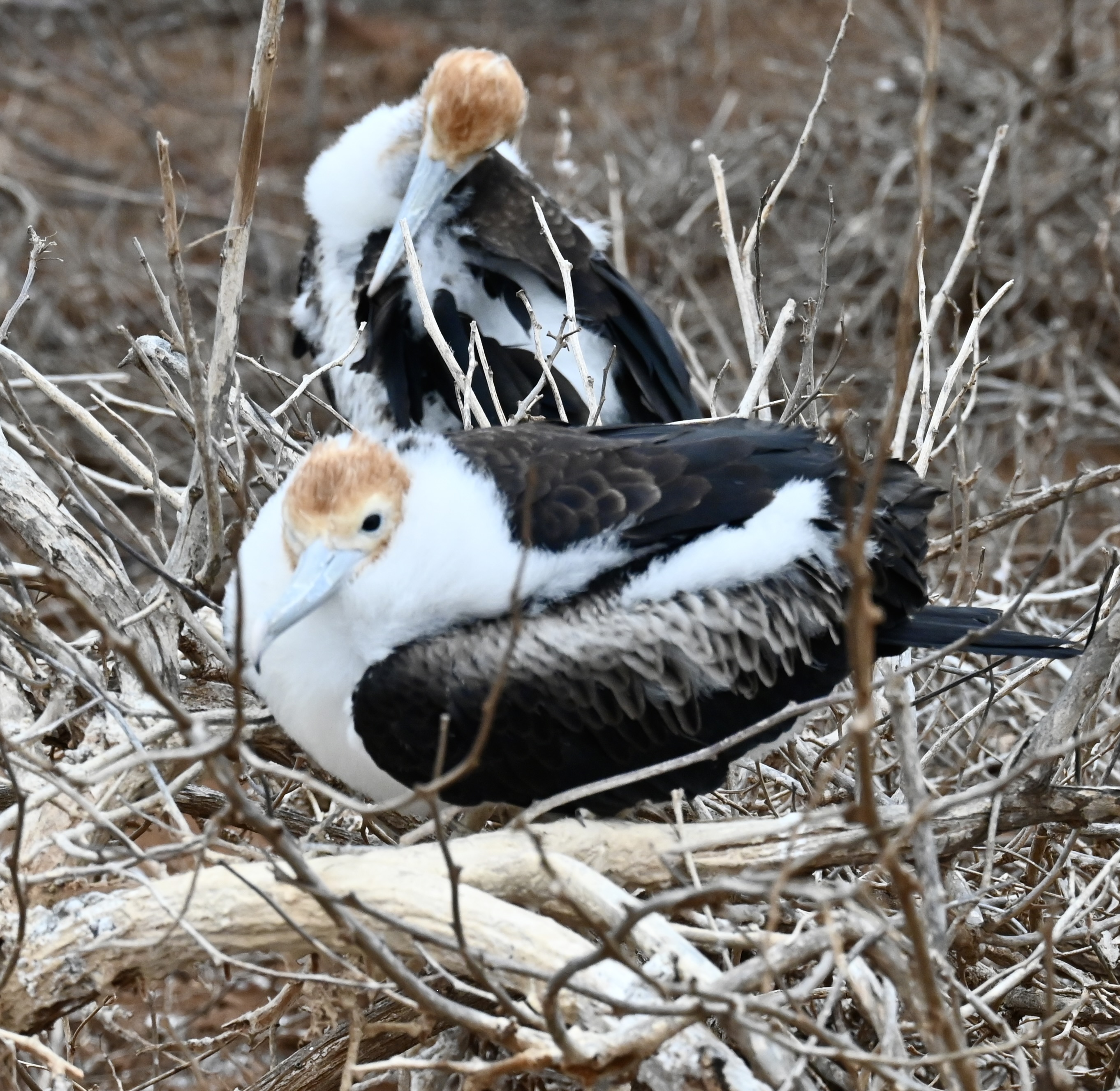
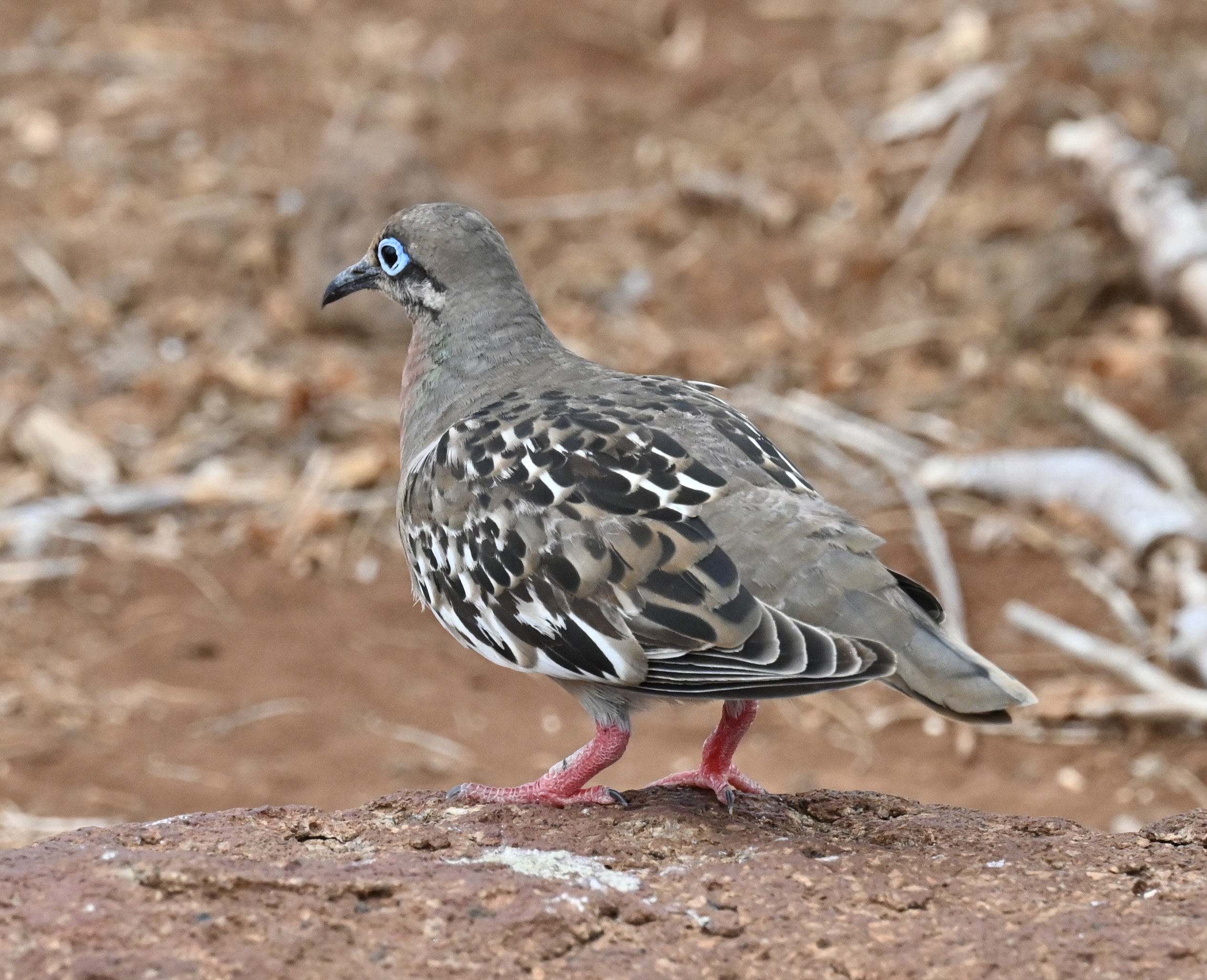
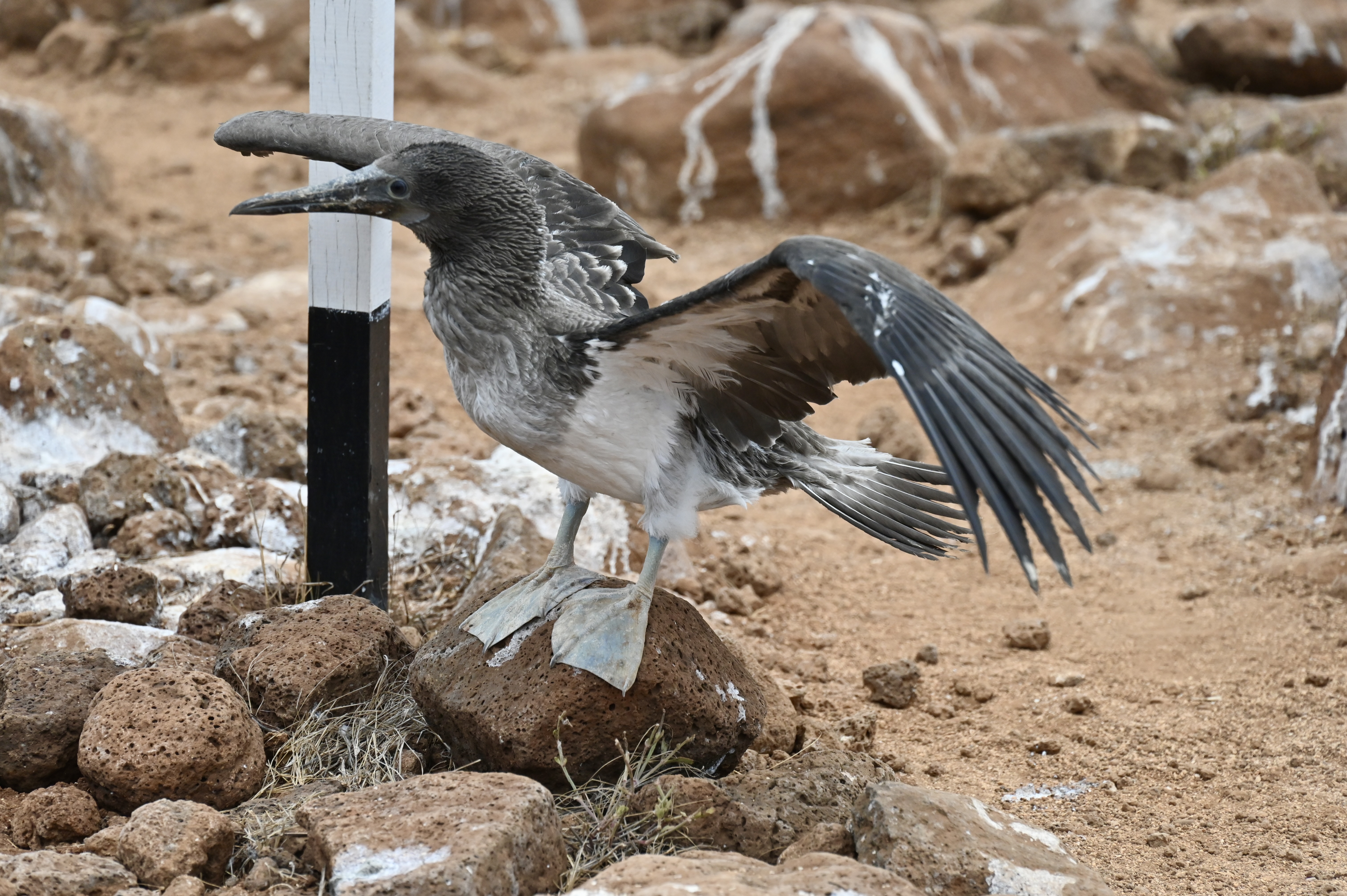
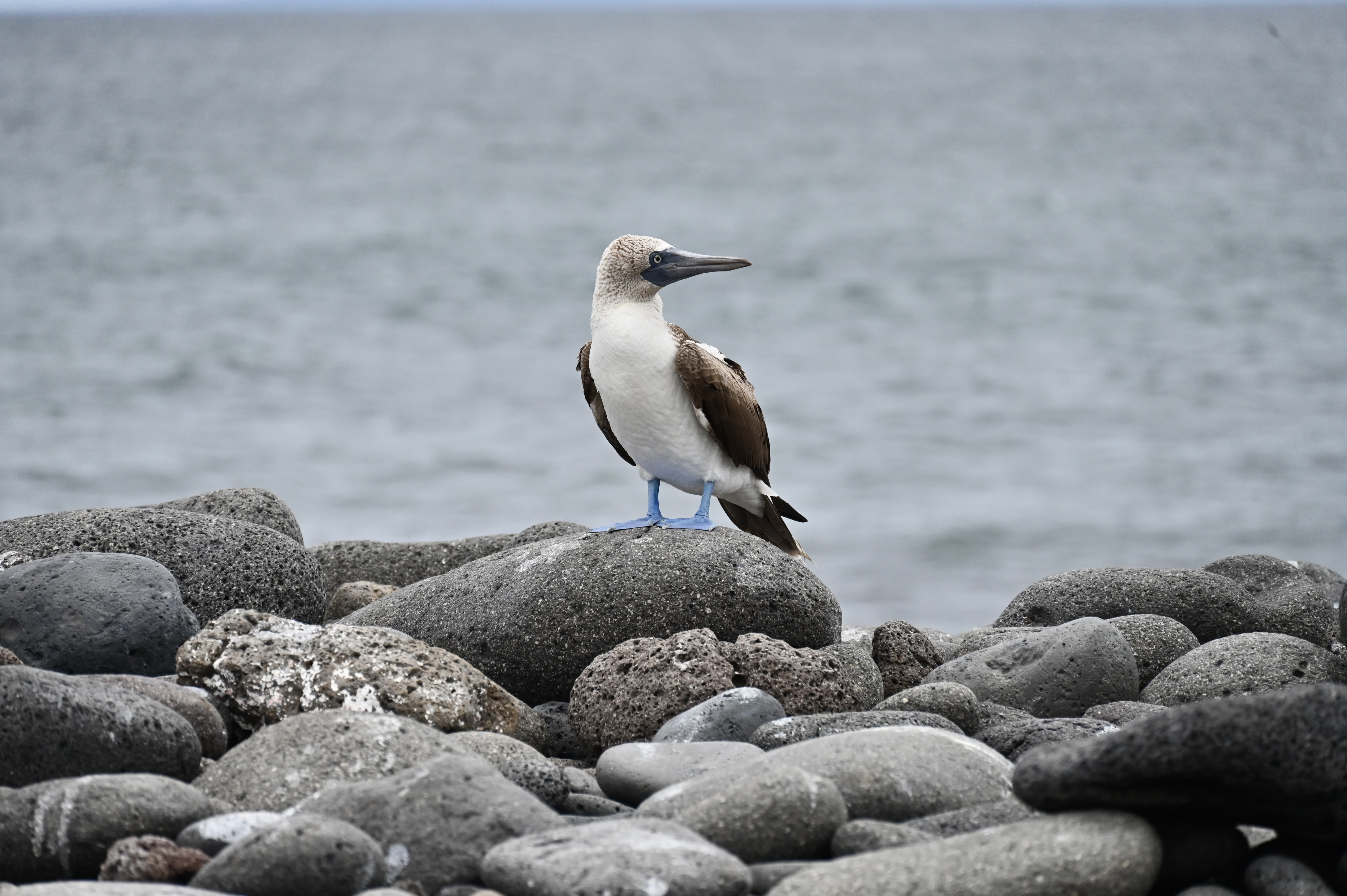
Darwin’s famous finches are ubiquitous, but they are overshadowed by much larger avian cousins, including the aforementioned frigates (which, a la Lake Woebegone, come in two varieties: great and magnificent), blue-footed boobies, swallowtail gulls, doves, ducks, herons, egrets, flamingos, and petrels. Lava lizards skitter over basalt boulders, manta rays pirouette above the waves, and sea lions huff, chuff, and bleat over rocks and through bushes before swimming off in search of dinner.
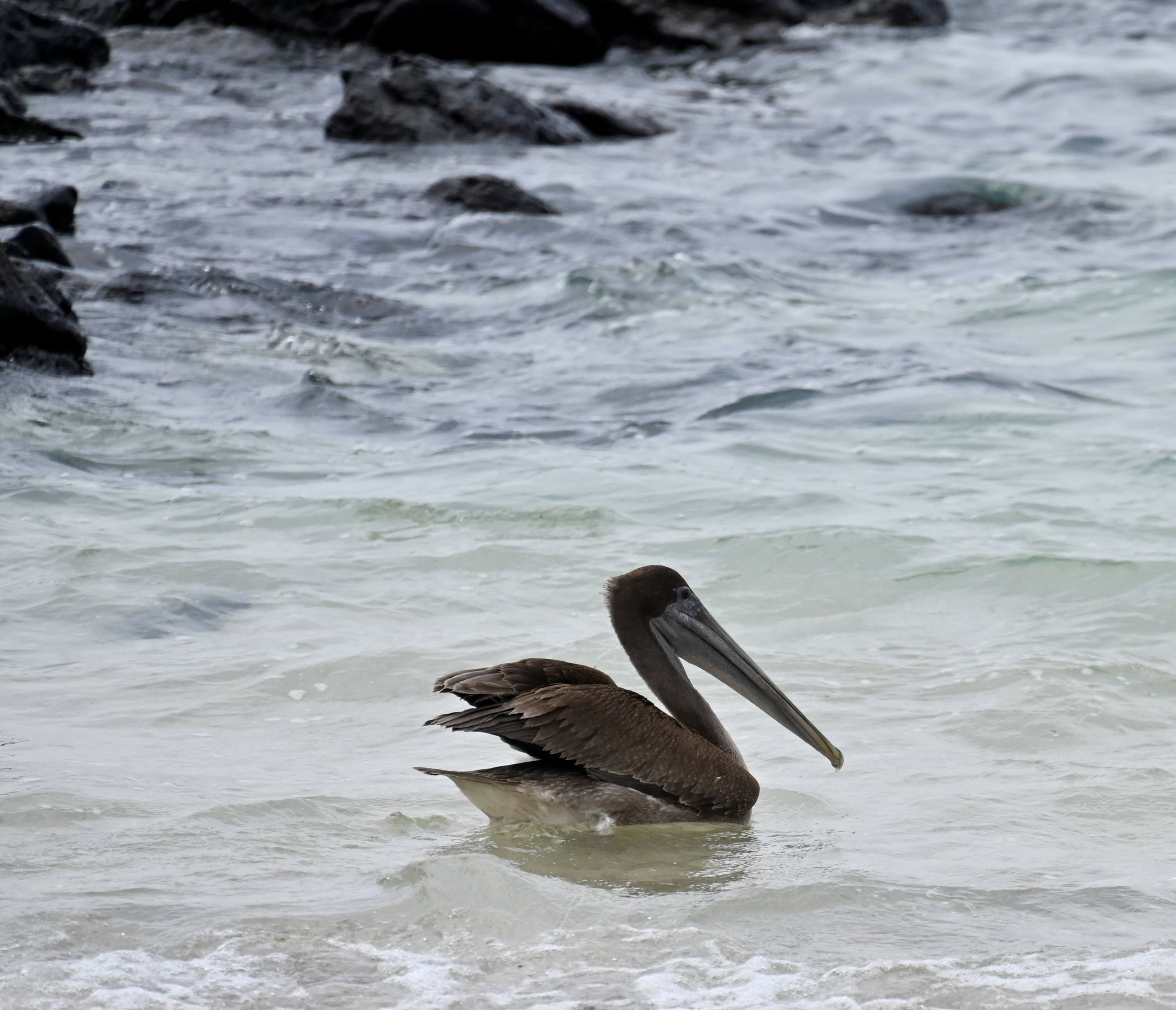
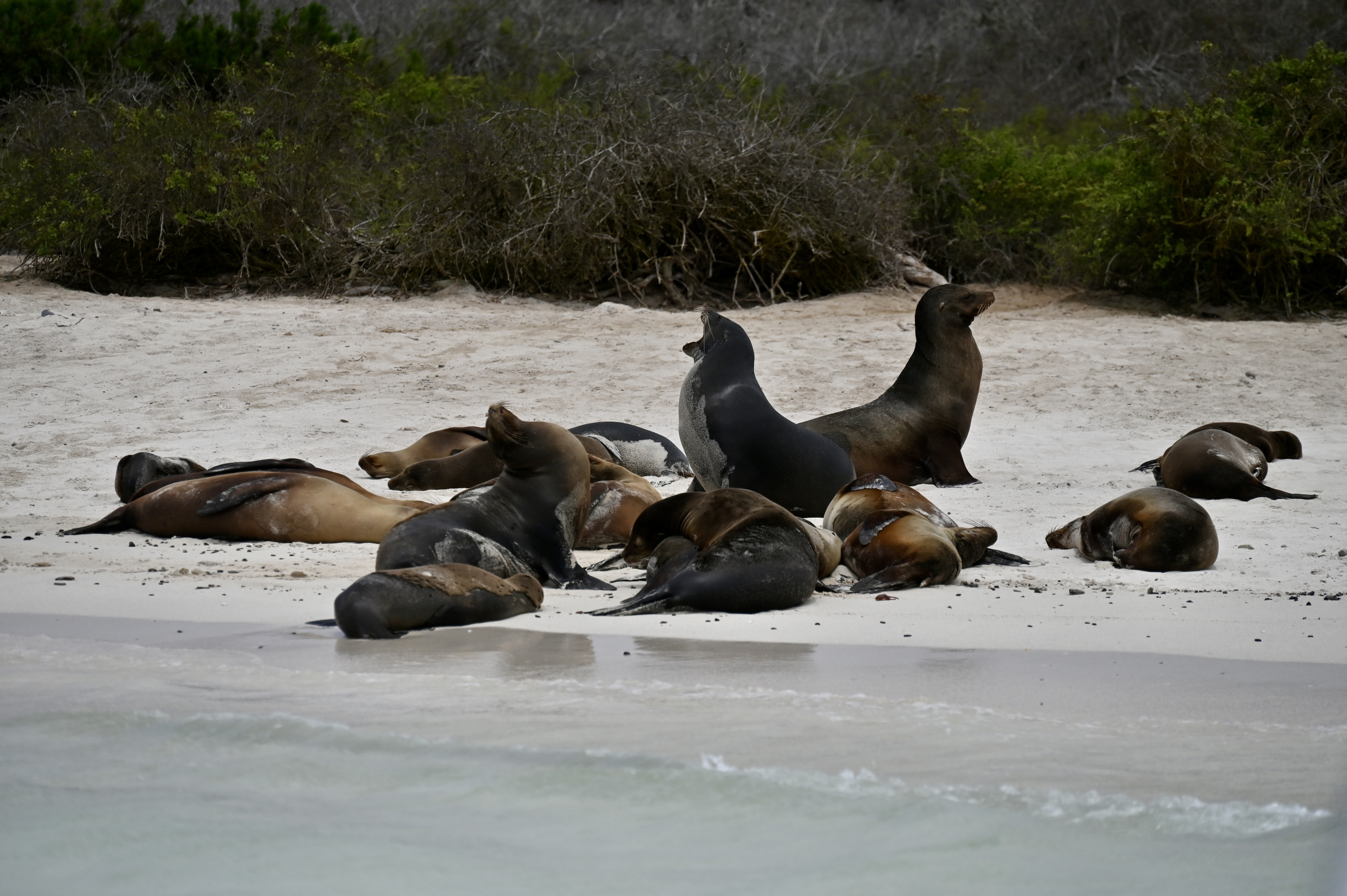
The vast majority of the Galapagos and surrounding waters is protected from human interference. The islands themselves – at least those we visited (Baltra, Santa Cruz, Santa Fe, and North Seymour) – are unprepossessing (or, putting a better light on it, starkly beautiful): predominantly low and scrub-filled, with guano-splashed, rocky shores punctuated by crescents of soft sand. Near the water, cacti with massive trunks, spindly palo santos (incense) trees, and mangroves comprise the majority of the plant life. Higher up, Scalesia “trees” (relatives of daisies), ferns, and invasive wild blackberries thrive in the misty heights of Santa Cruz Island, where we stayed in the attractive but sodden Royal Palm Hotel.
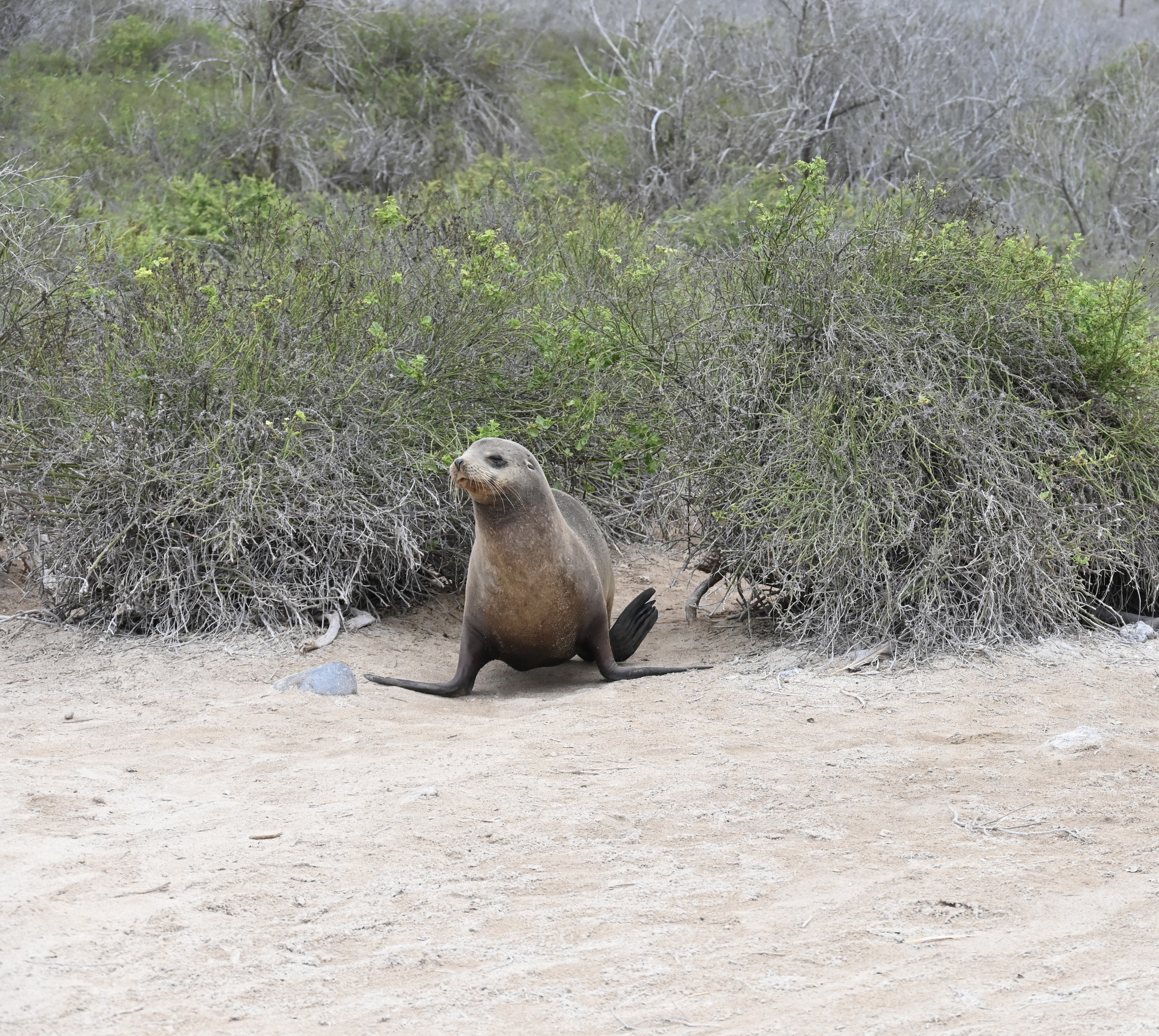
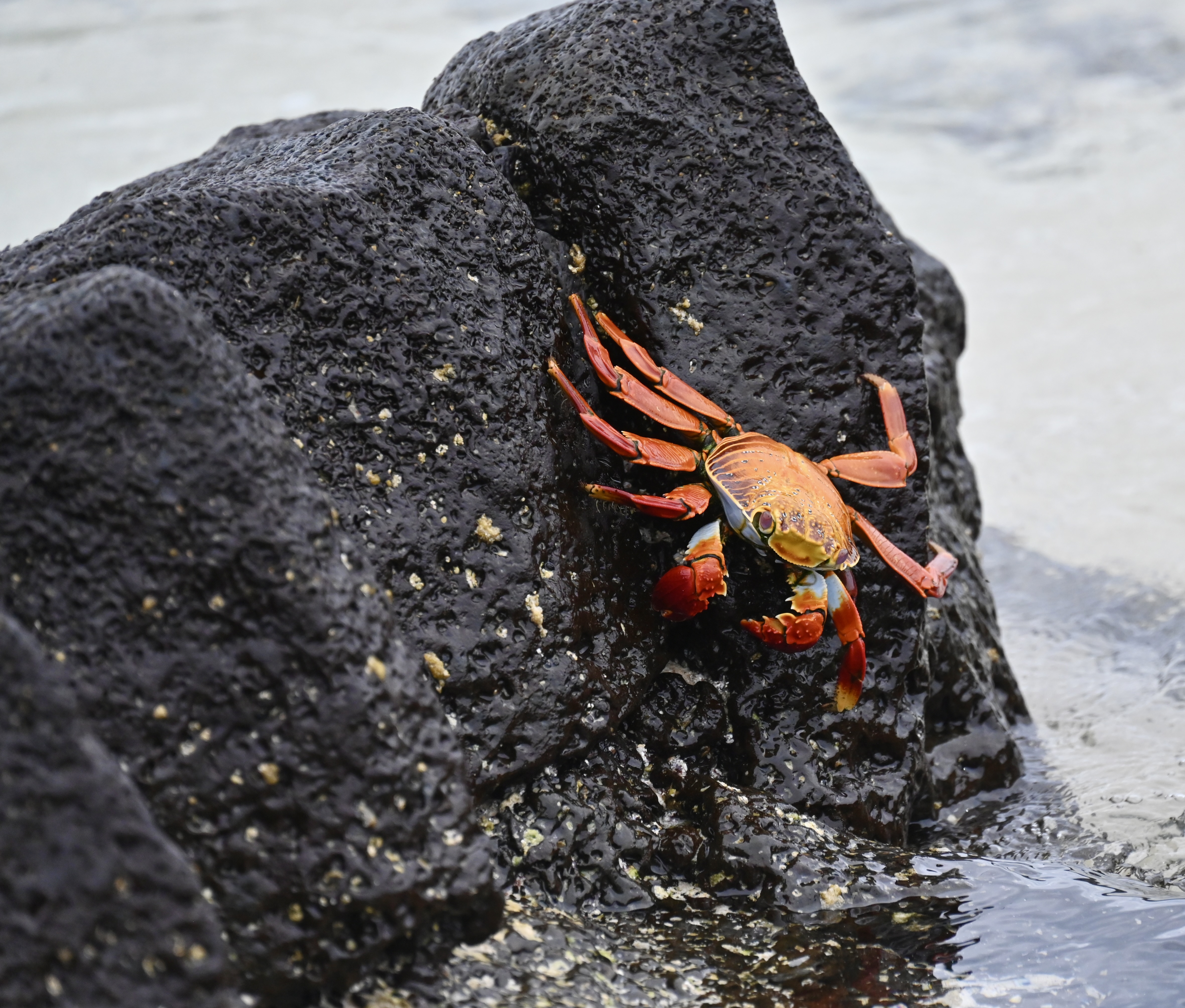
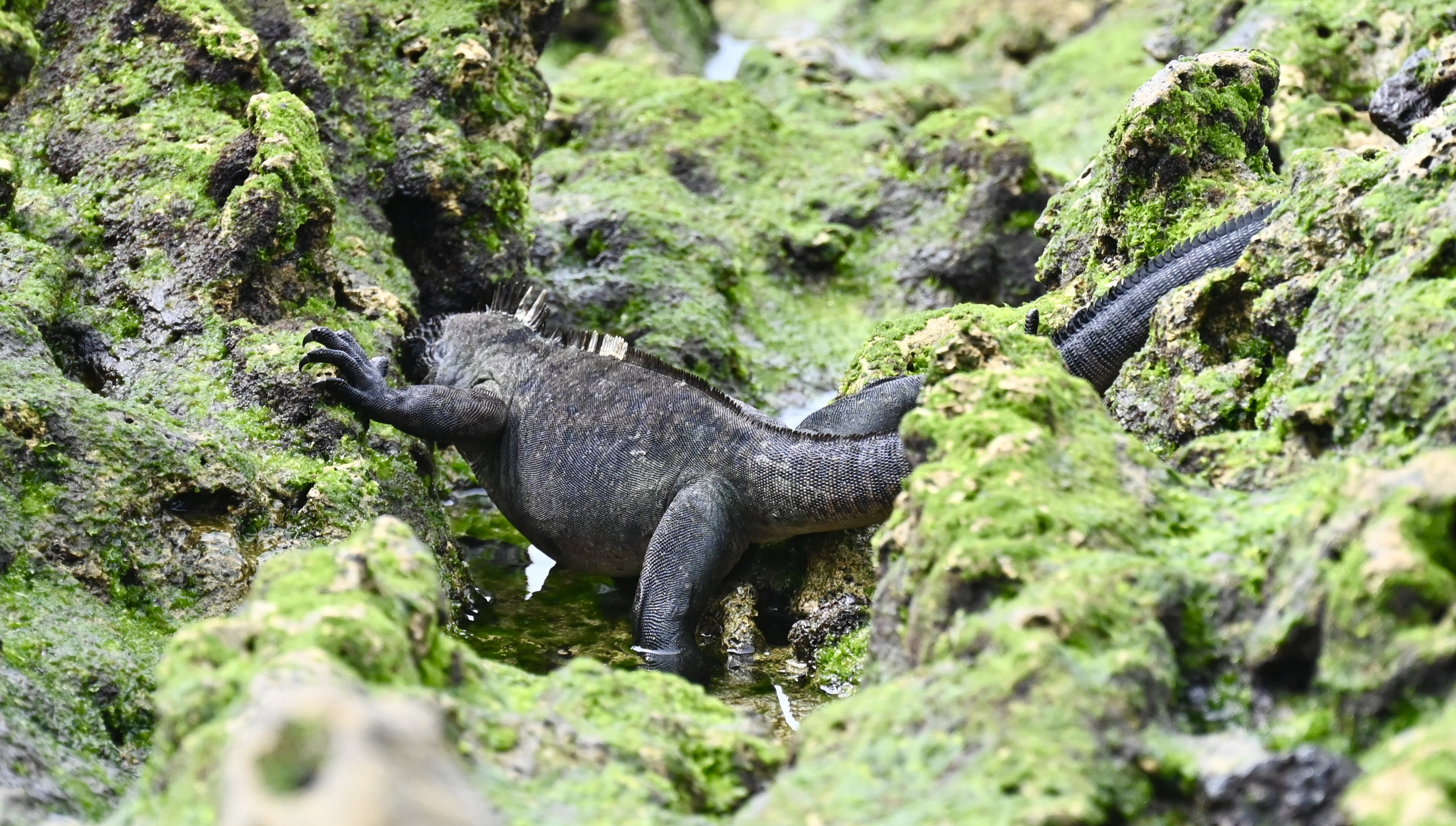
Enhancing our visit, two government naturalists, our tour leader (Ramon), and Bill (who gave an interesting talk about the intellectual environment in which Darwin developed his theory) provided insights and information. Much of that already has fled my overcrowded head, so forgive me any incorrect species and gender identifications in these pictures.





 PuffinlessTravel