This trip has been exhilarating, it’s been evocative, it’s been eye-opening … and it’s been downright exhausting. Our day started with a 2 a.m. wake-up call – the kind of eye-opening I’d rather avoid – to make our 5 a.m. flight from Luxor to Cairo. Once we landed, we hit the ground running, or at least walking, around Old Cairo.
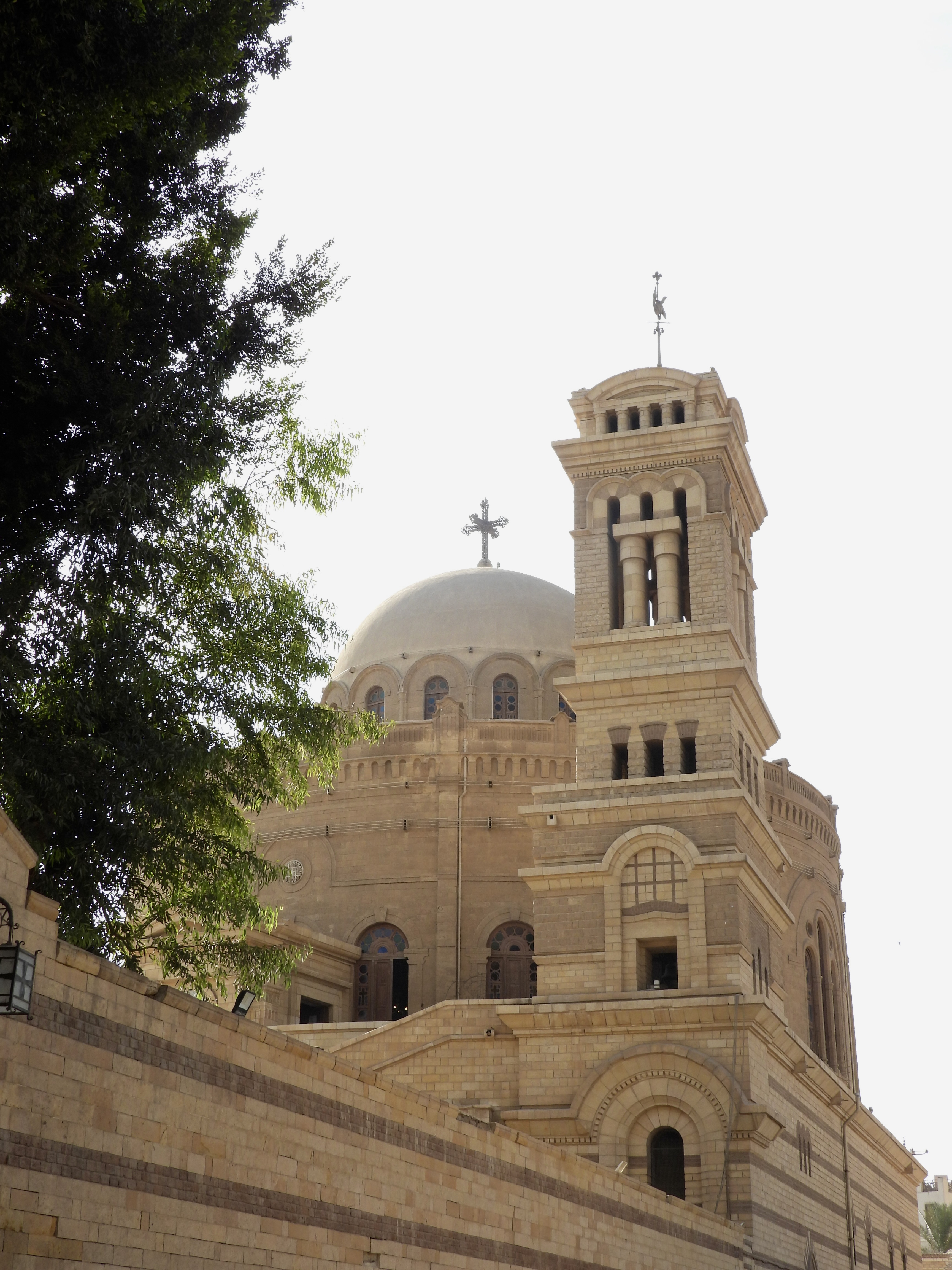
First up: three houses of worship dating back nearly two millennia. A couple of them play a role in essential stories of their respective religions, but we started with one that doesn’t: St. Virgin Mary’s Coptic Orthodox Church, a/k/a the “Hanging Church,” erected in the 3rd century CE and still an important site for Coptic Christians, who make up around ten percent of Egypt’s population.
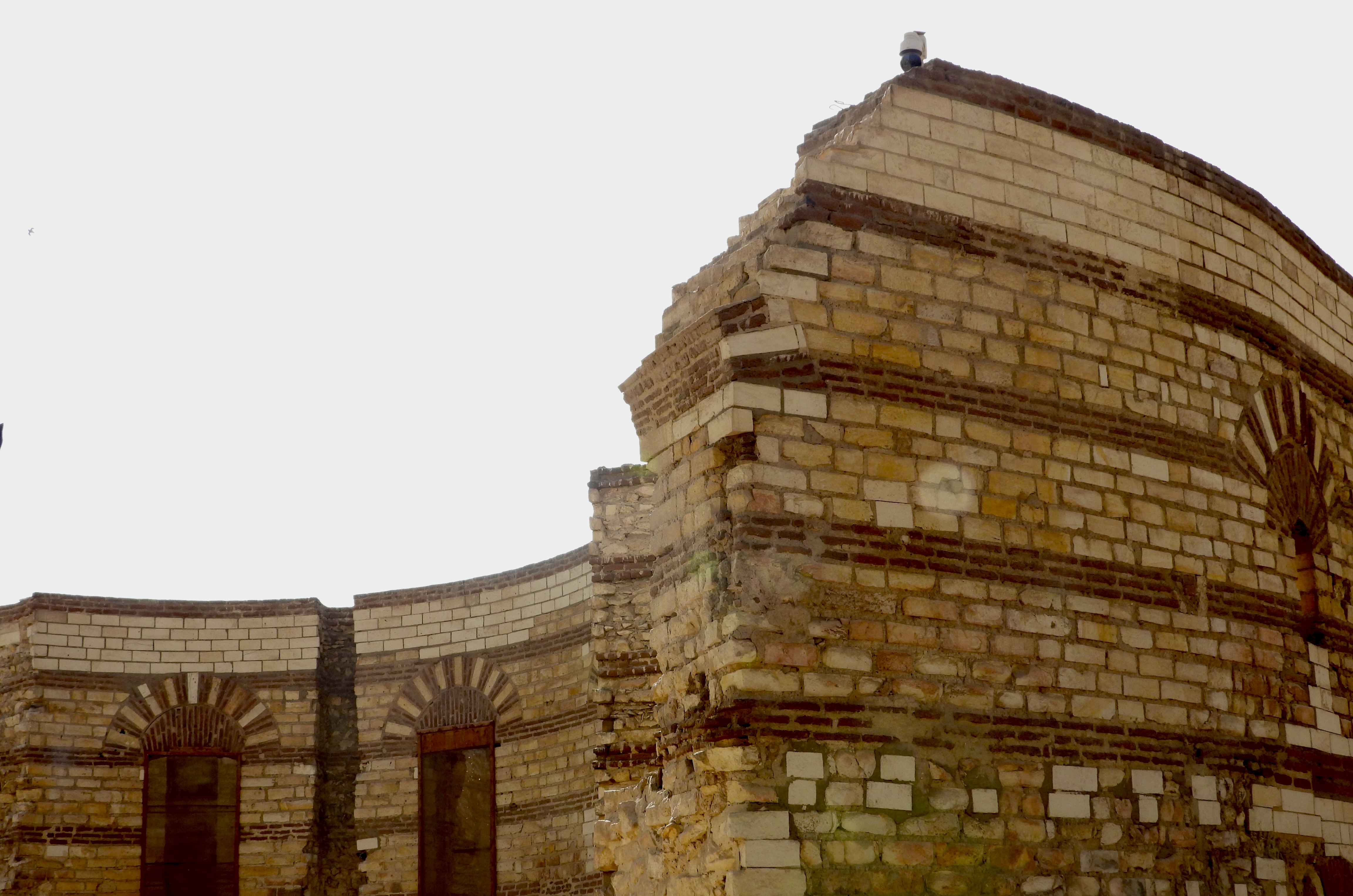
The building got its sobriquet because it was erected above the main gate of a Roman citadel called Fortress Babylon, and its nave actually hung over a passageway that has since filled in. (Some think the Fortress Babylon name dates back to Nebuchadnezzar’s conquering of Egypt in the 6th century BCE.)


It’s an attractive building with over one hundred icons, some dating back to the 8th century. The architecture incorporates key elements of Islamic architecture, such as geometric patterns and pointed arches.
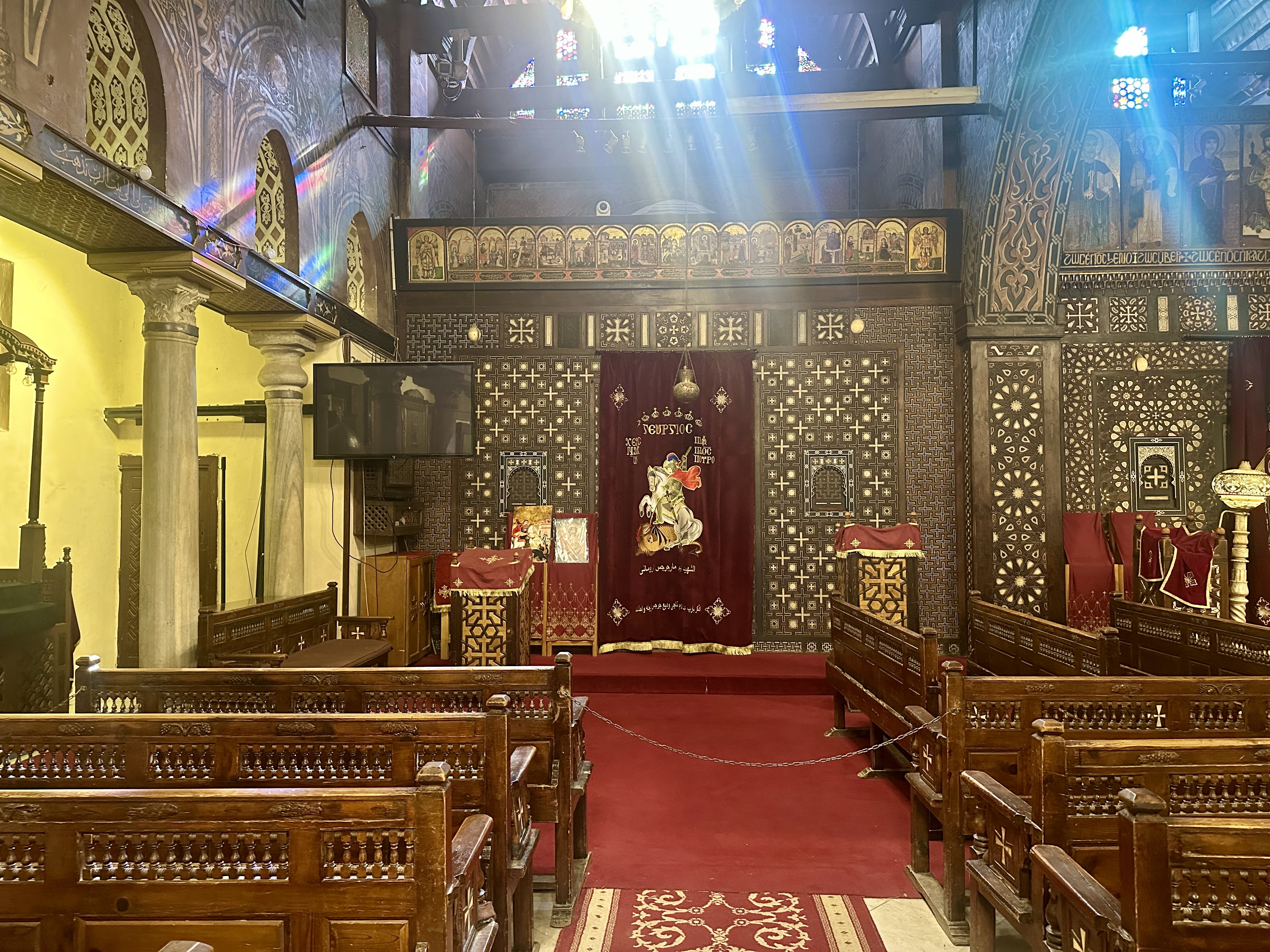
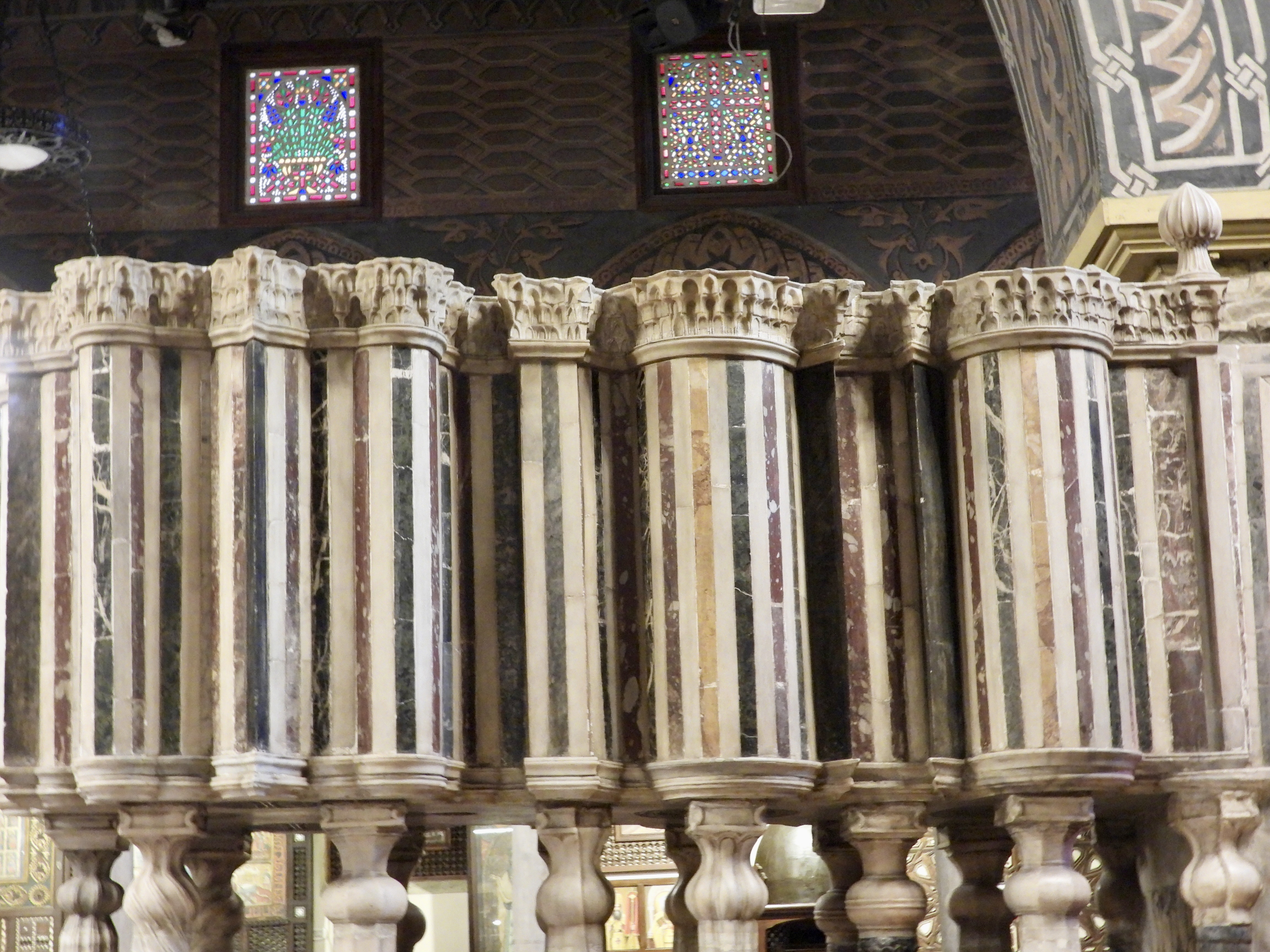
Our next stop, just down the street, was Ben Ezra Synagogue. Originally repurposed from a Christian church in the 9th century, the current building has been in existence since the late 19th century. Ben Ezra is significant to Judaism for two reasons.
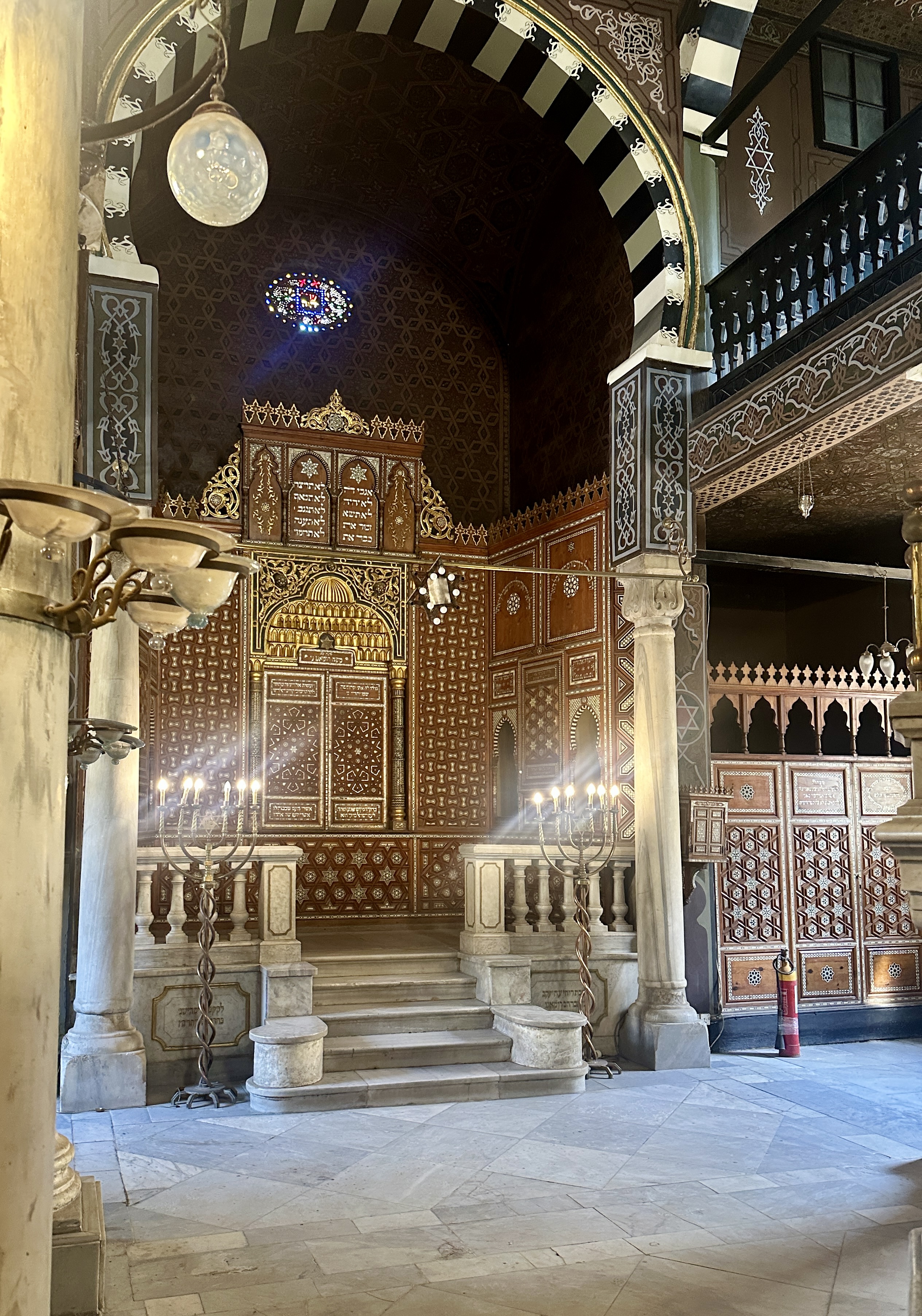
First, a courtyard behind the building contains the Well of Moses. According to lore, this is where Jocheved, the mother of the future hero of the Exodus story, hid the baby Moses until he was adopted by the Pharaoh’s daughter. The Well is important to Christianity as well, because Mary supposedly drew water from the well to bathe the infant Jesus.
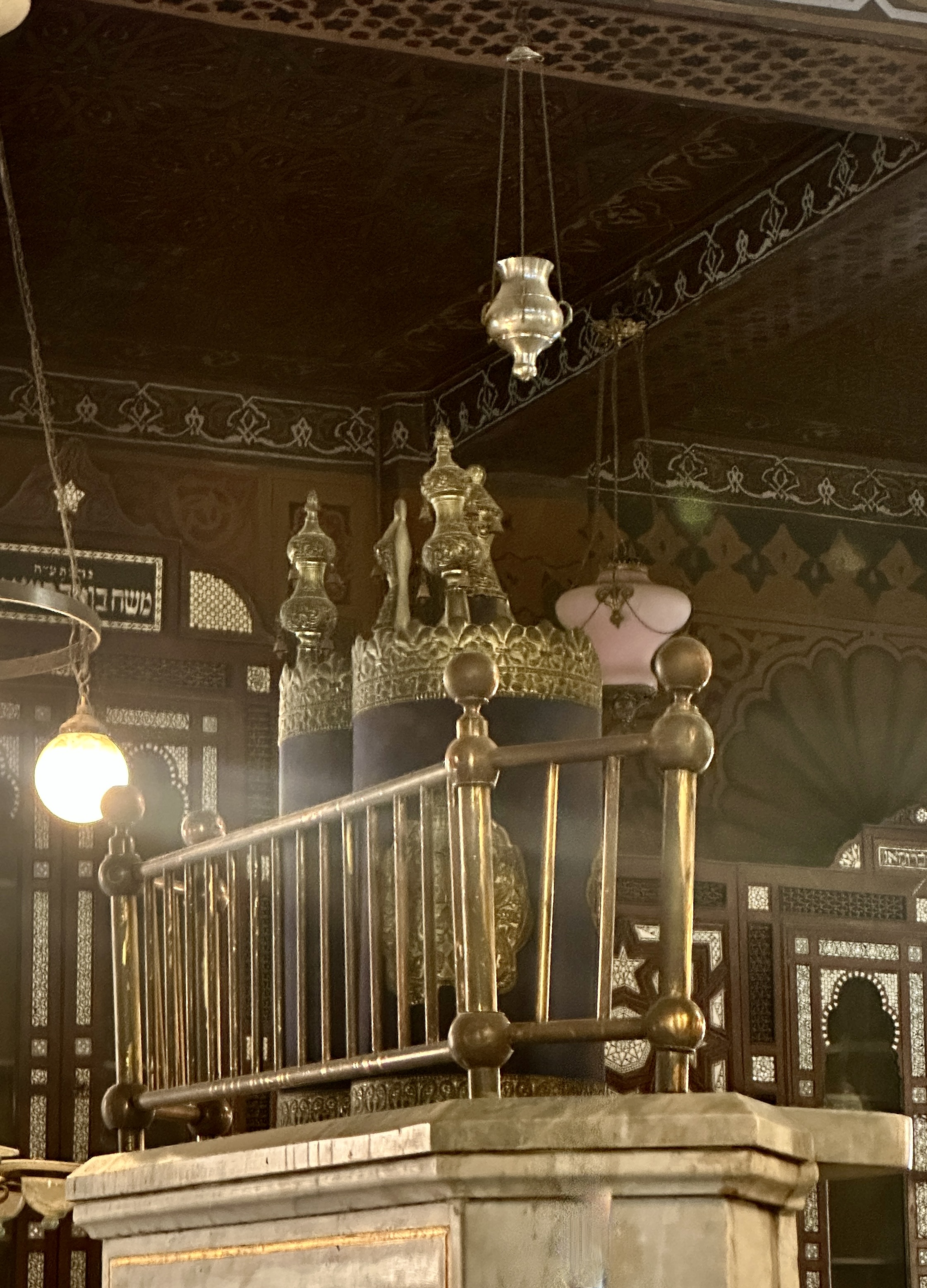
The second reason is verifiable: the invaluable Cairo Geniza was located in Ben Ezra synagogue. The Geniza was a collection of nearly half a million documents related to Jewish life in Cairo, including rabbinical, philosophical, mystical, and scientific texts as well as administrative “papers” (written on vellum, papyrus, and cloth). Those documents, which now are housed in libraries around the world, provide a remarkable look into Jewish life dating back to the 6th century CE.
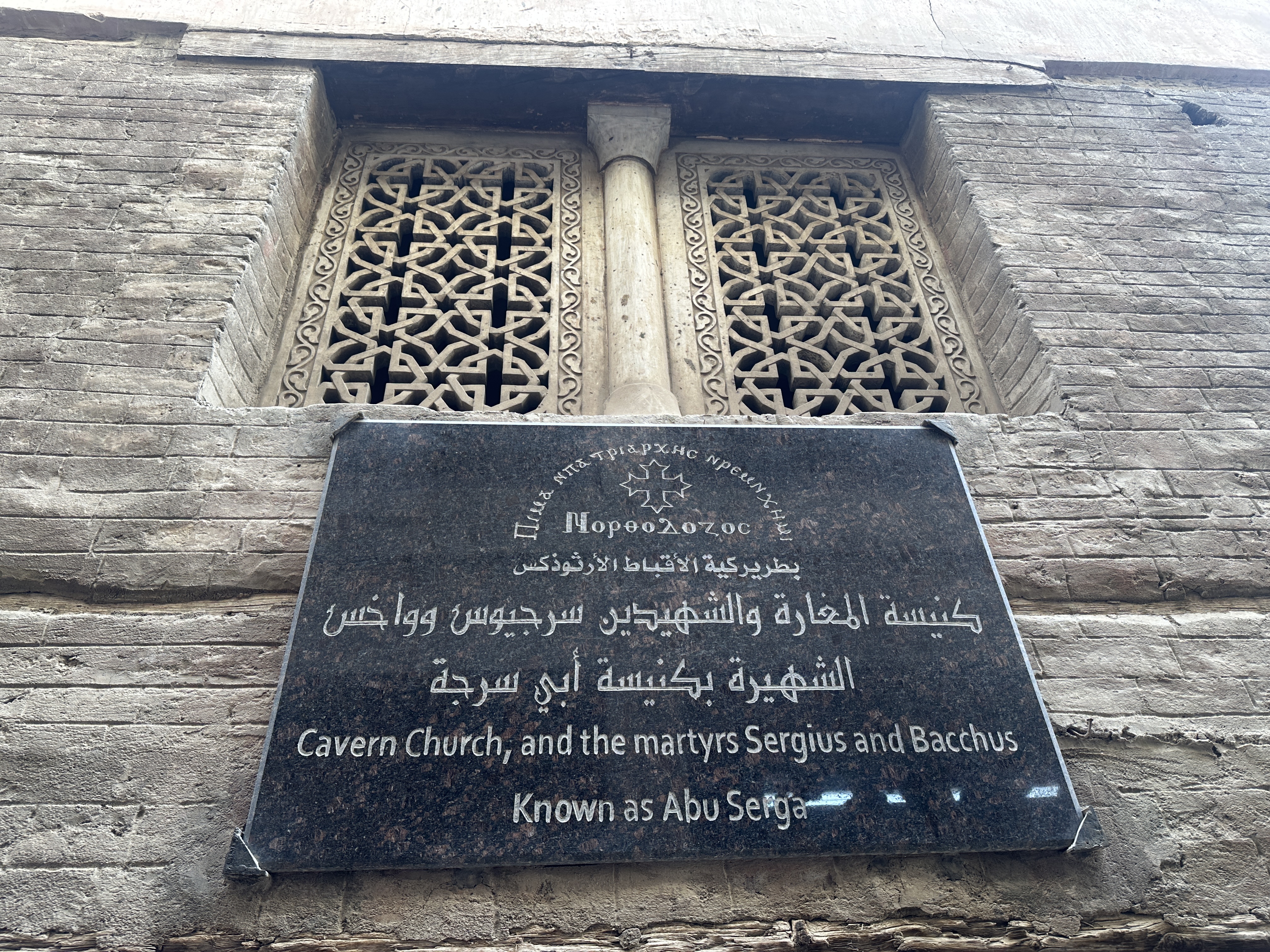
The third house of worship we visited was the Church of Saints Sergius and Bacchus. This church is vital to Coptic Christians because it’s where patriarchs of the church were elected in years gone by.


But its real fame stems from a cave that used to occupy the site where the church was subsequently built.

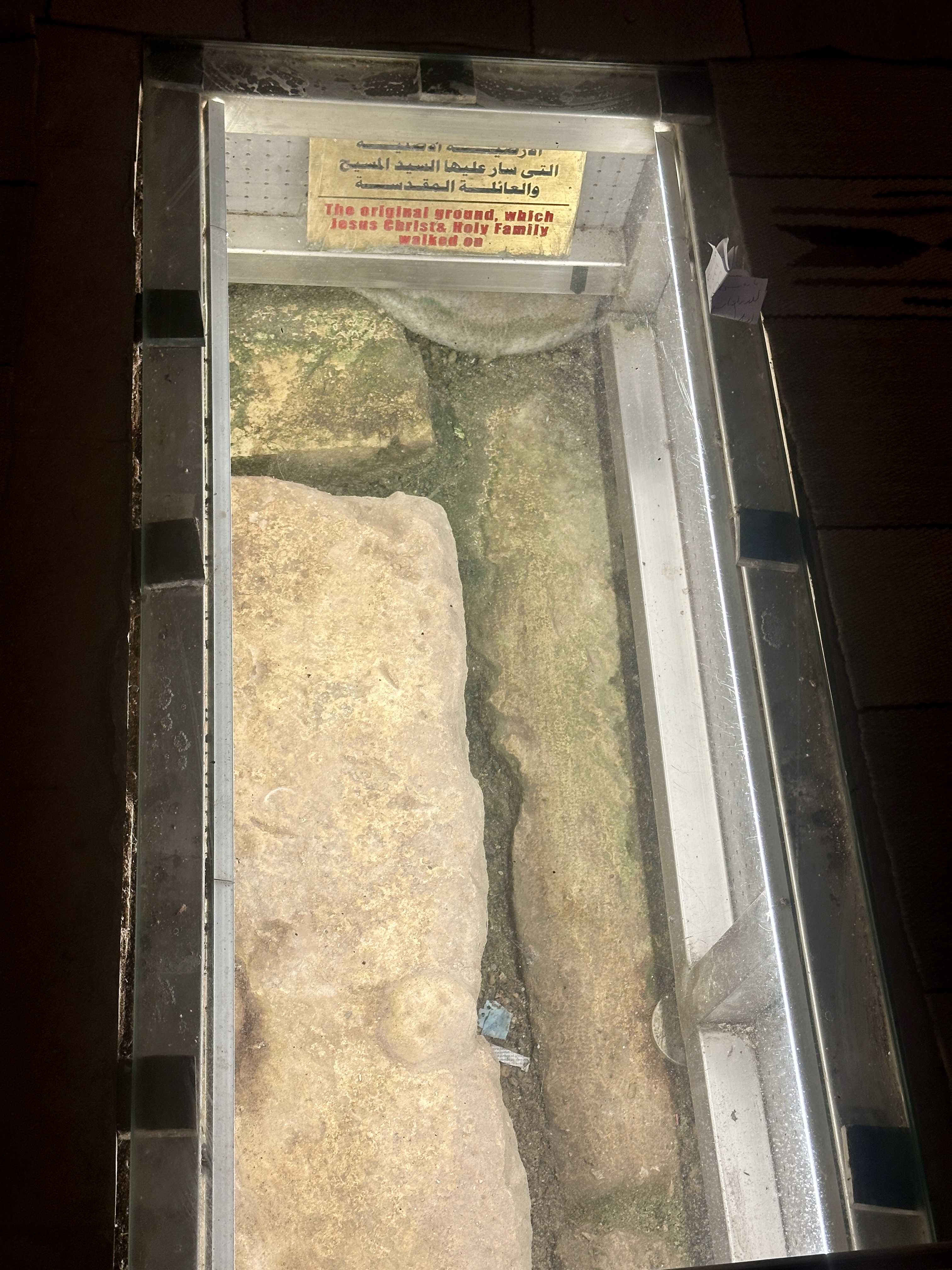
In particular, the Gospel of Matthew and various apocrypha assert that an angel appeared to Joseph and directed him to flee to Egypt with Mary and the baby Jesus because Herod wanted to kill the child. Supposedly, they hid in the grotto for a period of time before returning to the Holy Land. Visitors can walk through the grotto; there’s even a cut-out exposing the original floor where, if the story is true, Joseph, Mary, and Jesus trod.
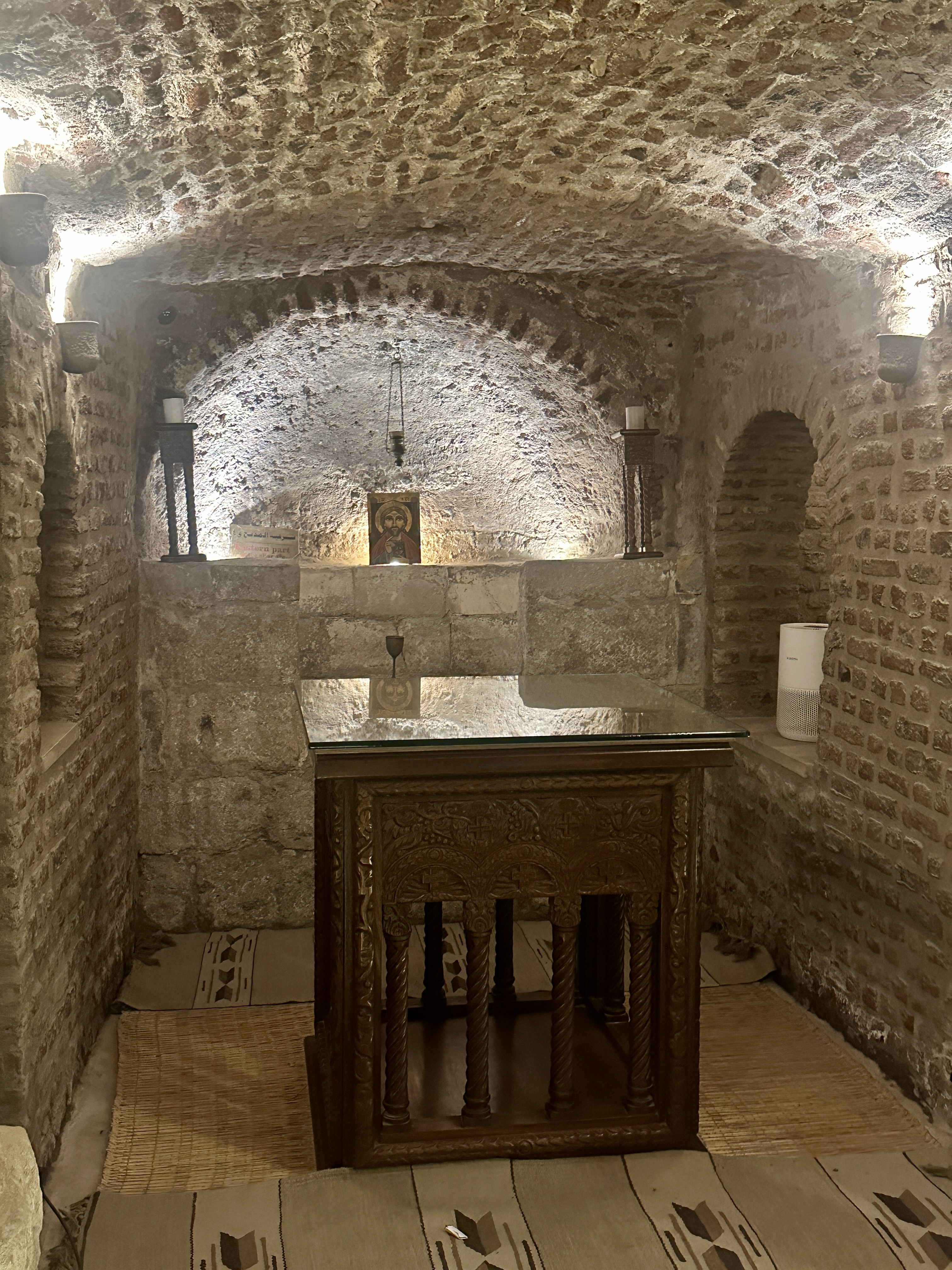
To me, the historicity of the Moses and Jesus claims is not important. (There is scant archaeological evidence for much of the Exodus and Sojourn in Egypt narratives.) These sorts of stories help nascent religions find coherence and meaning, and their repetition through time takes on layers of significance that strengthen believers’ ties.

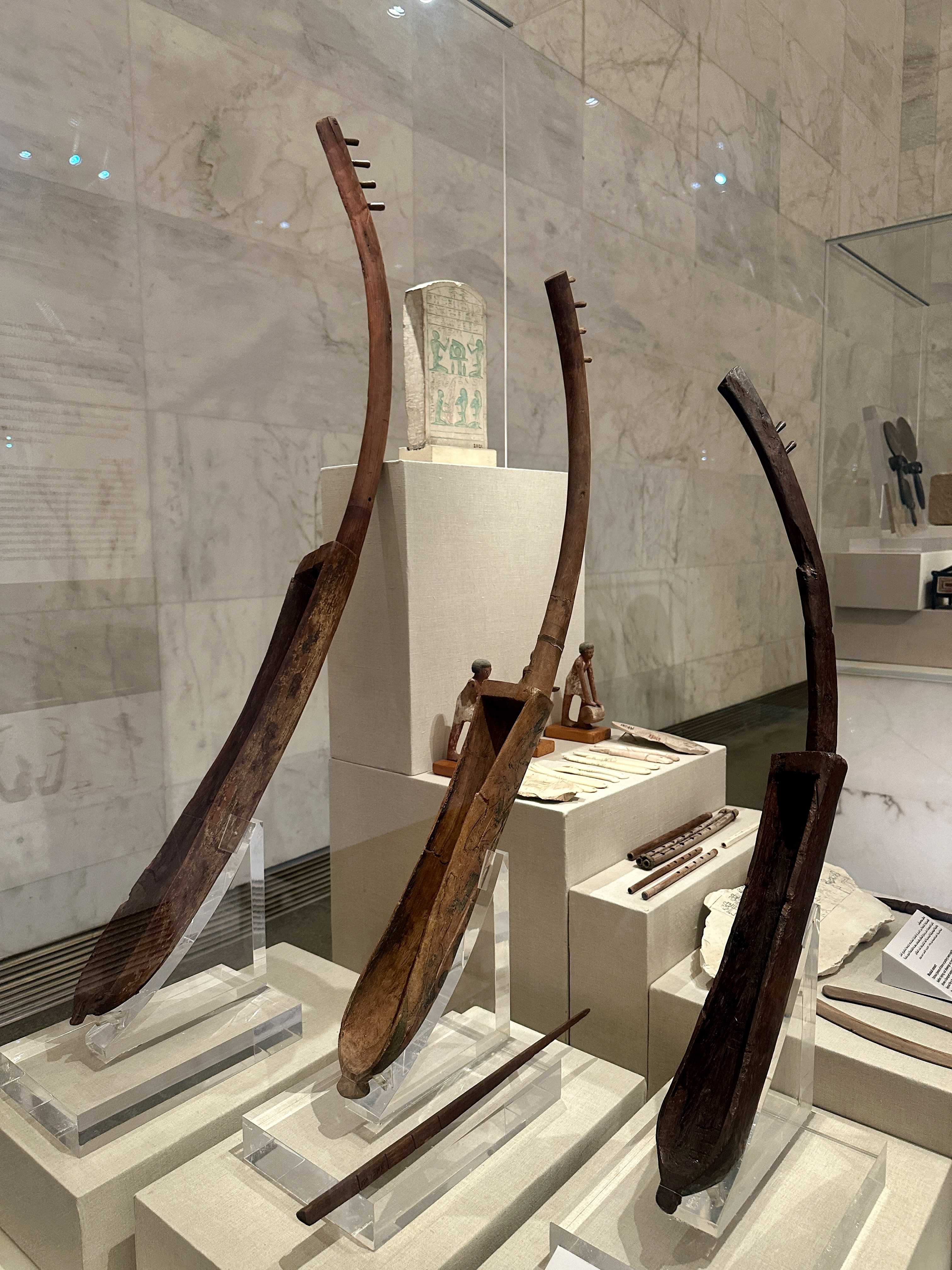
Old Cairo also is home to the National Museum of Egyptian Civilization (NMEC). NMEC’s chief claim to fame is the lower level, which displays the mummies of 18 kings and 4 queens. If you’ve got a thing for mummies, it’s an impressive array. I must admit it didn’t do anything for me. (Photography of the mummies isn’t permitted, you’ll be relieved to know.)


The main gallery of NMEC has a mix of chronological and thematic exhibits. In the former category, artifacts are arranged from paleolithic times to the present. The thematic exhibits look at discrete areas such as government, culture, writing, and material goods.


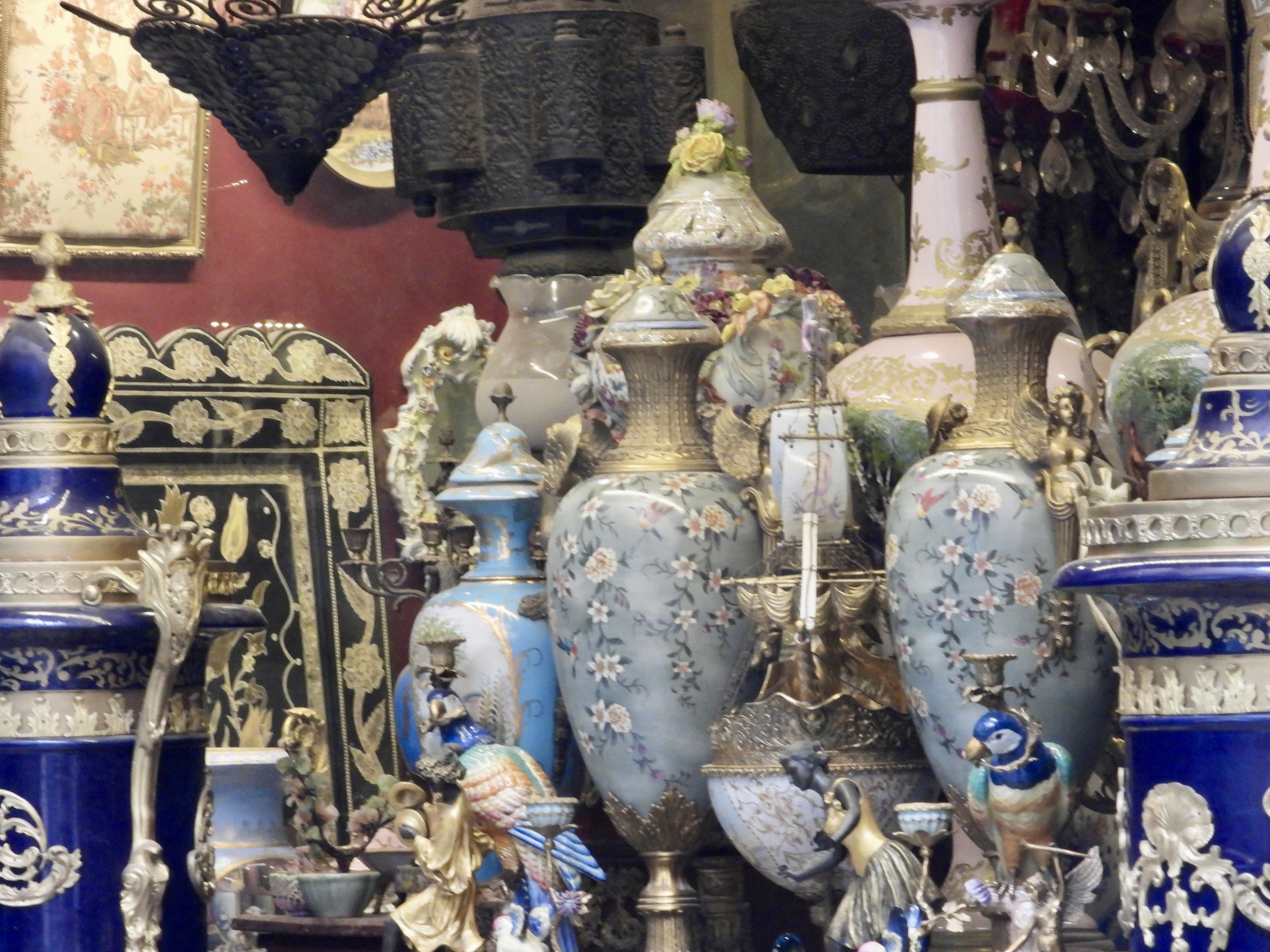
We wrapped up the day’s touring with an hour spent wandering around the frenetic Khan el-Khalili bazaar. I doubt it looks much different today than when it was founded in the 13th century.
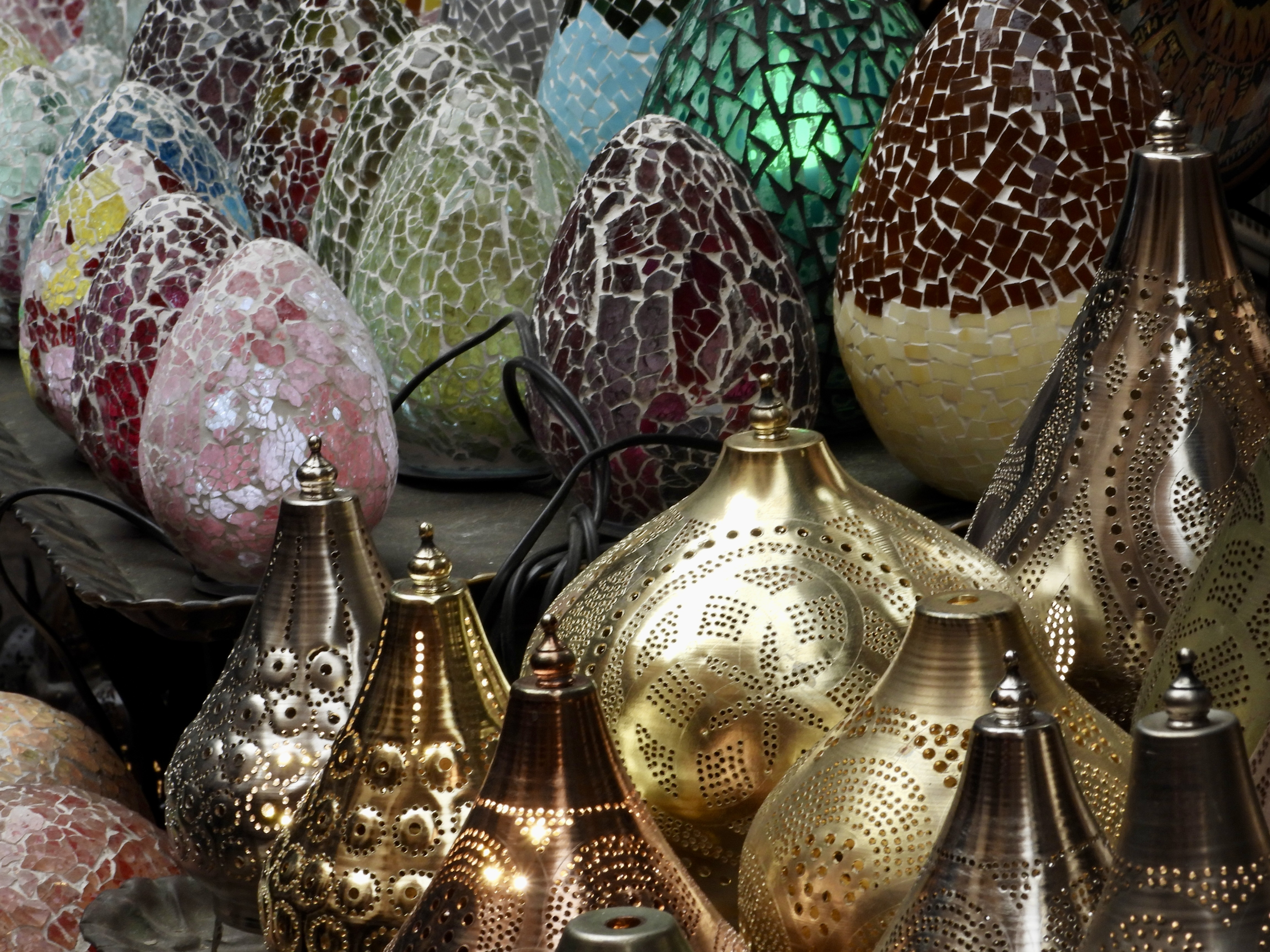
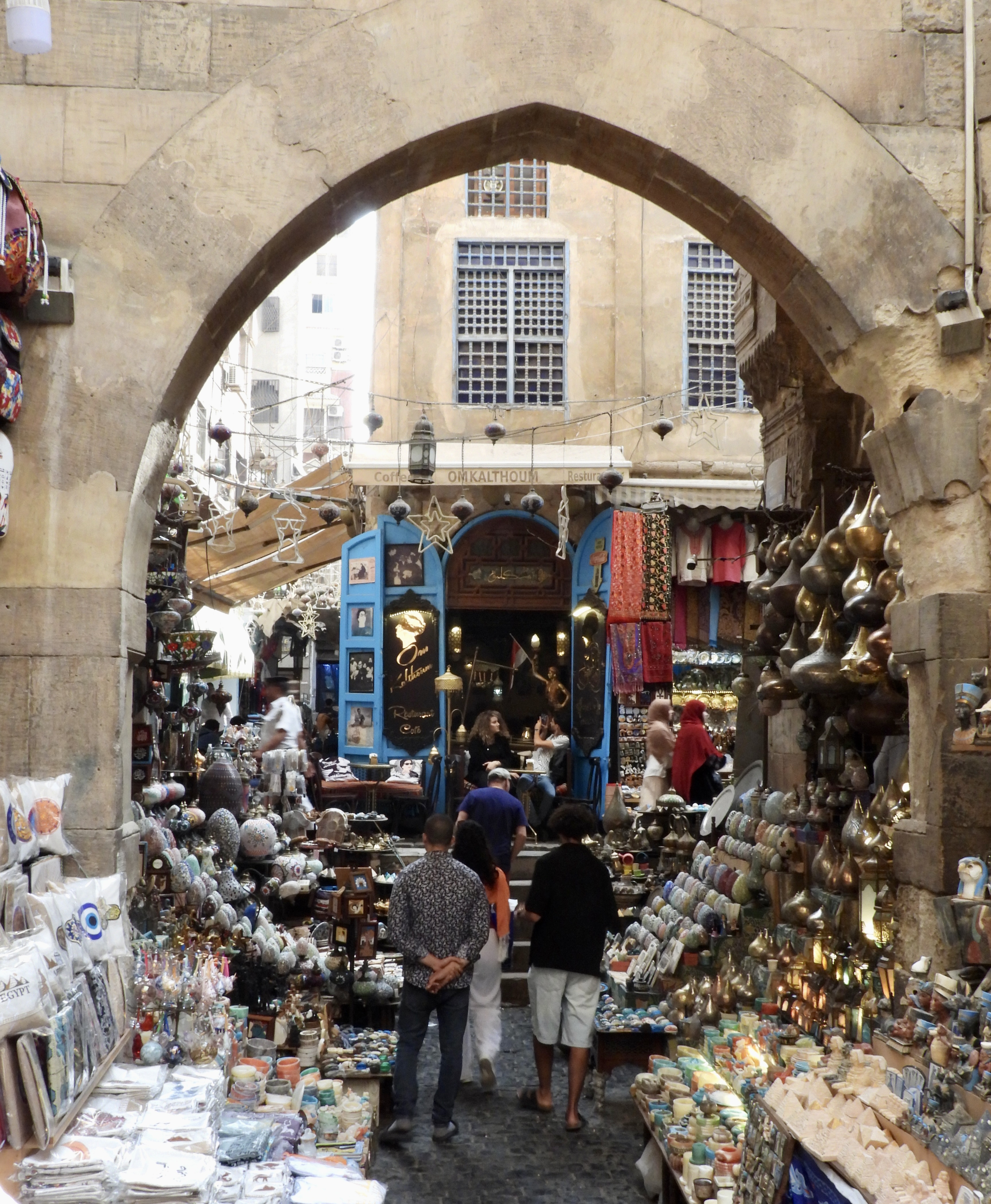
It’s a warren of alleys crammed with shops selling everything from t-shirts to fine art, against a backdrop of riotous colors and noise.

Some people might be put off by the chaos and the vendors’ antics, but I got a kick out of both the vibe and the surfeit of photo ops.
After a couple of hours’ rest, we reassembled for Dan’s final lecture of the trip, concerning the evolution of pyramid-building. It was a particularly timely talk: tomorrow we’re heading to see more pyramids at Saqqara and Dahshur, and we’ll also visit the ancient capital of Memphis.

 PuffinlessTravel
I hope there’s some sleep on the agenda for today! 🙂
I got eight solid hours last night!