I’ve always had high regard for ancient things – relics, fossils and ruins that hearken back to pre-modern times. As I approach relic/fossil/ruin status myself, my appreciation of past glories has only, well, appreciated.
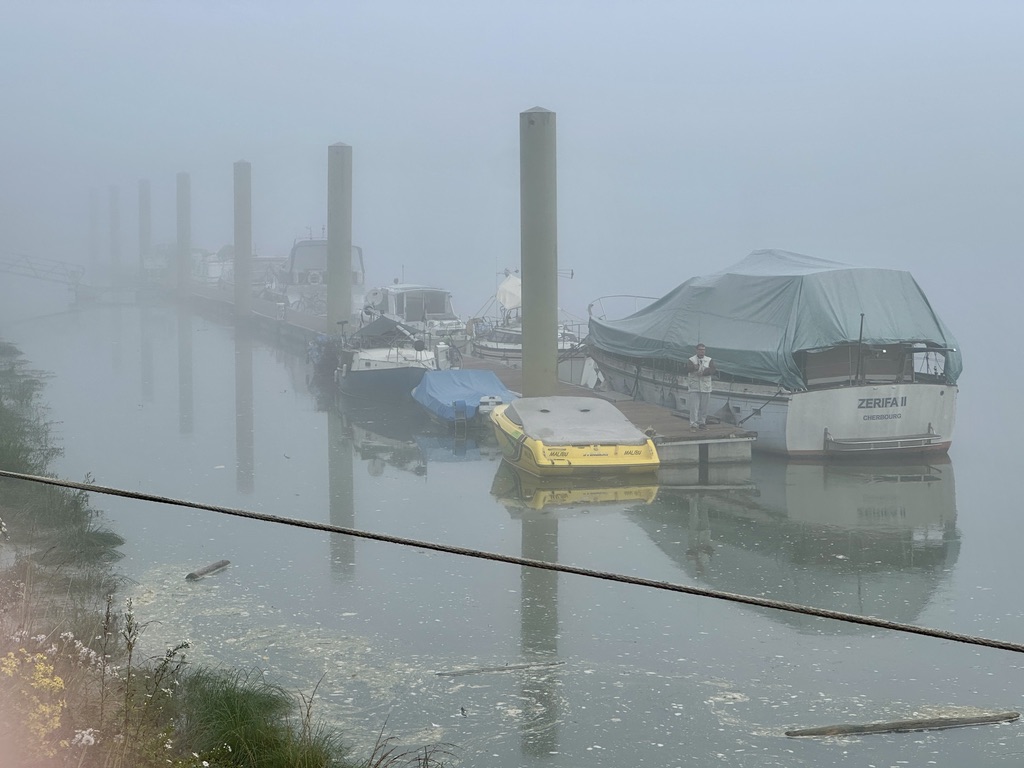
This philosophical reflection is brought to you by Tournus, where a group of us explored the marvels of this 2000-year-old town under the warm and enlightening guidance of Marion Adam. Marion is a superb guide who leads tours all over Burgundy. If you’re in this part of France, she’d be an ideal person to show you the sights. Her contact info is lesvisitesdemarion@gmail.com. She’s also on Instagram: @lesvisitesdemarion.
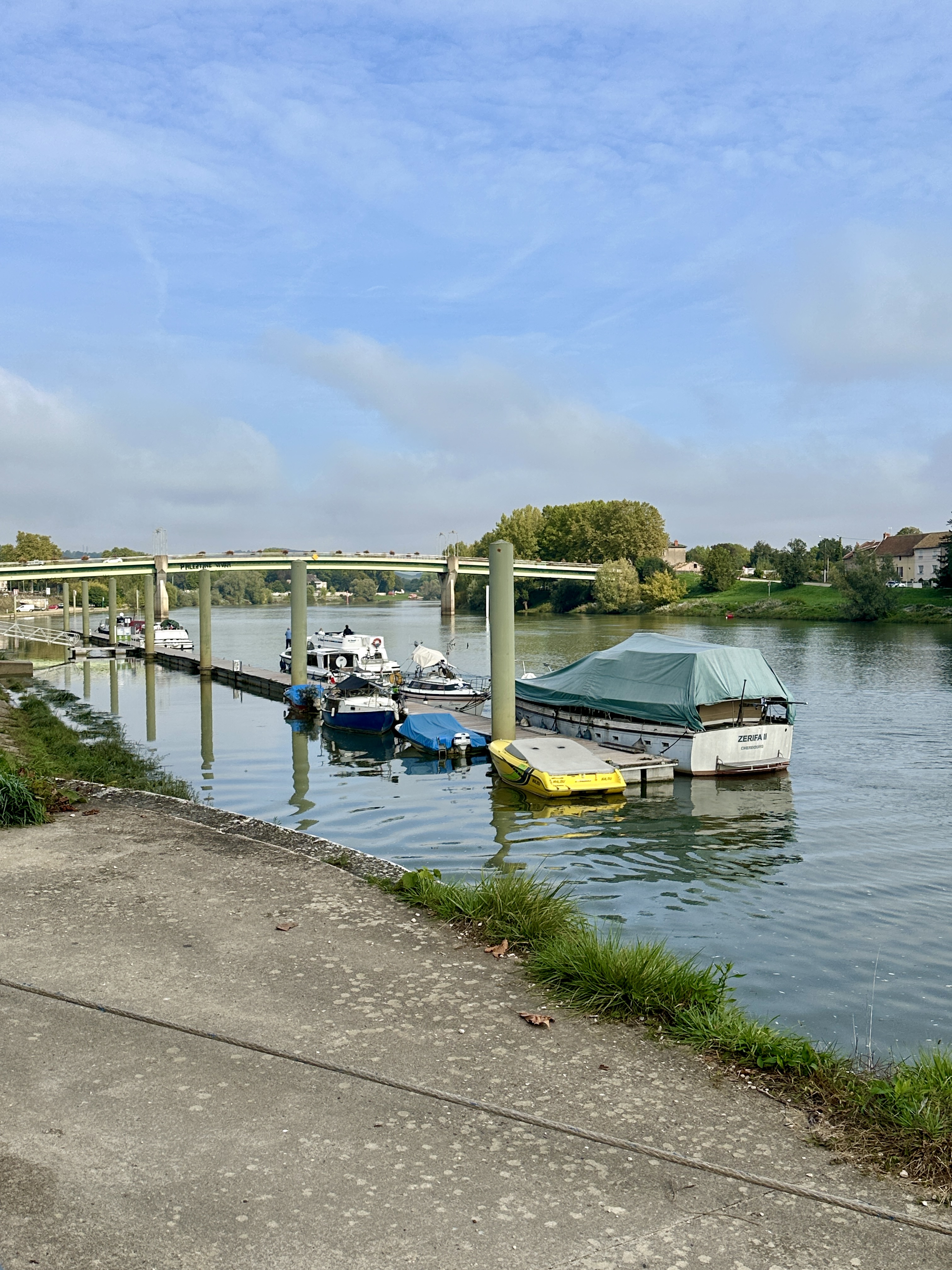
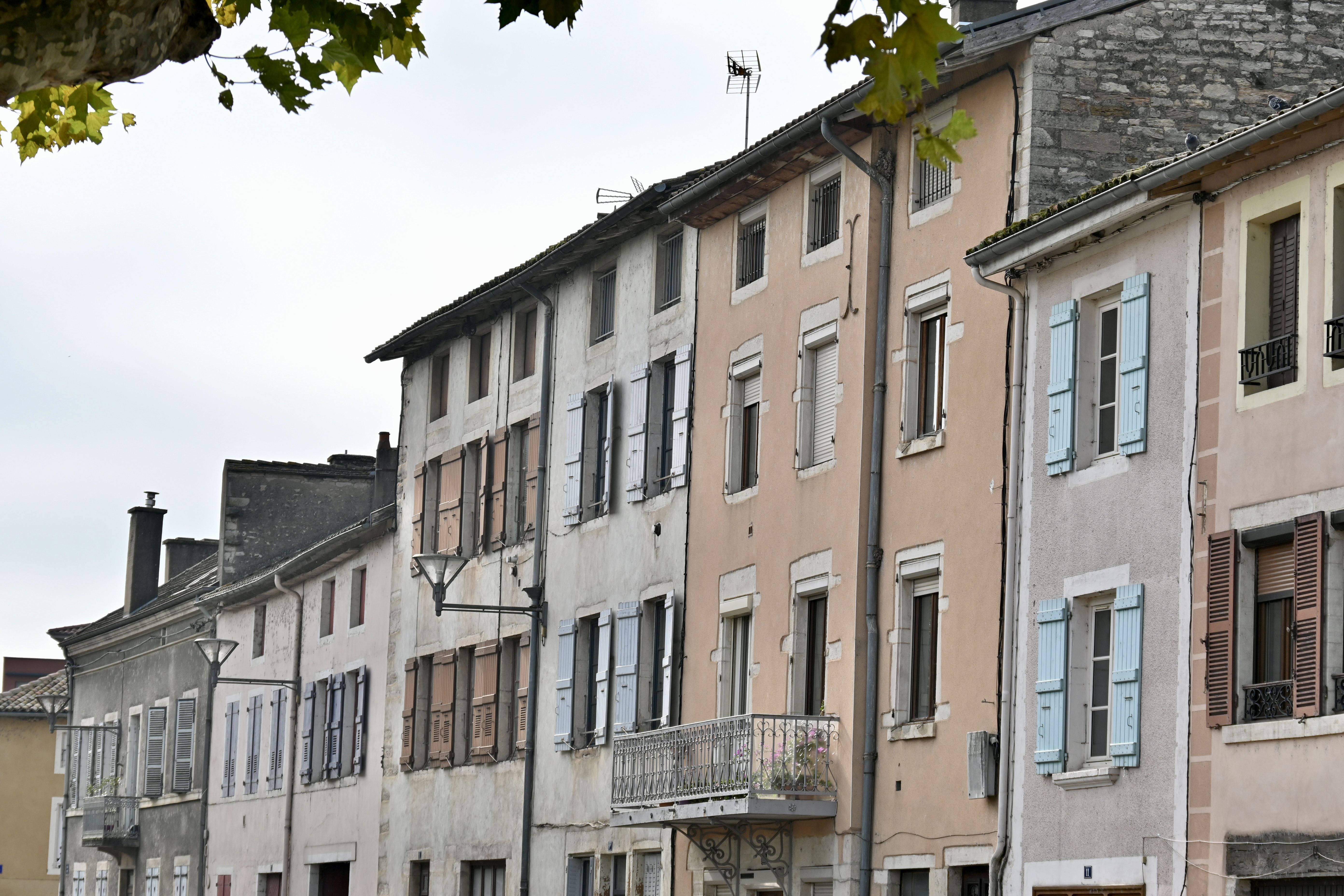
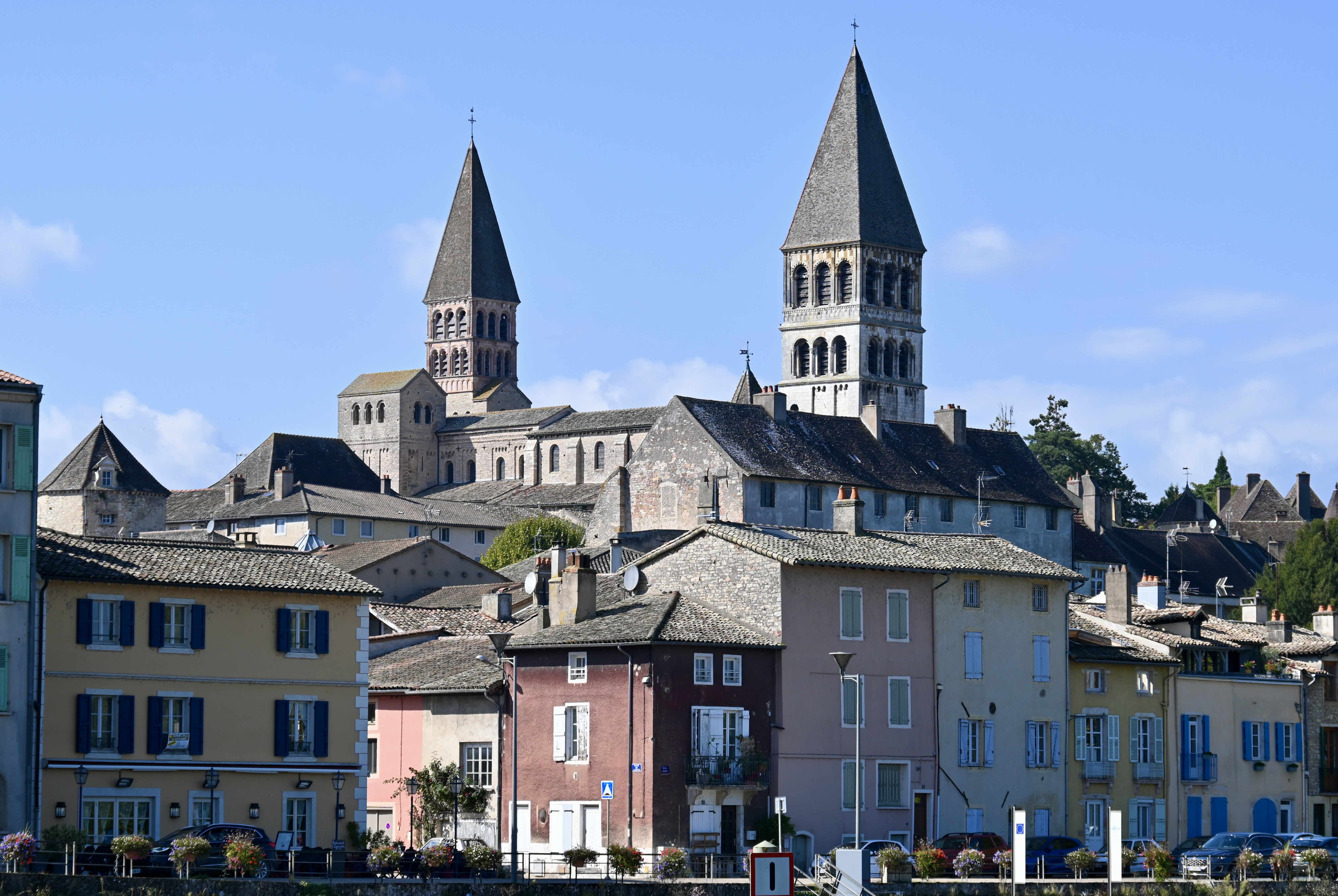
Our ship is docked in the “new” part of town – the houses lining the riverfront are mere babes, built in the 18th century. Much of Tournus predates not just the American Revolution, but the arrival of (non-Viking) Europeans on the North American continent. Indeed, some of the churches here had been in use for half a millennium when Jamestown was settled. Still not impressed? The street plan dates to Roman times.
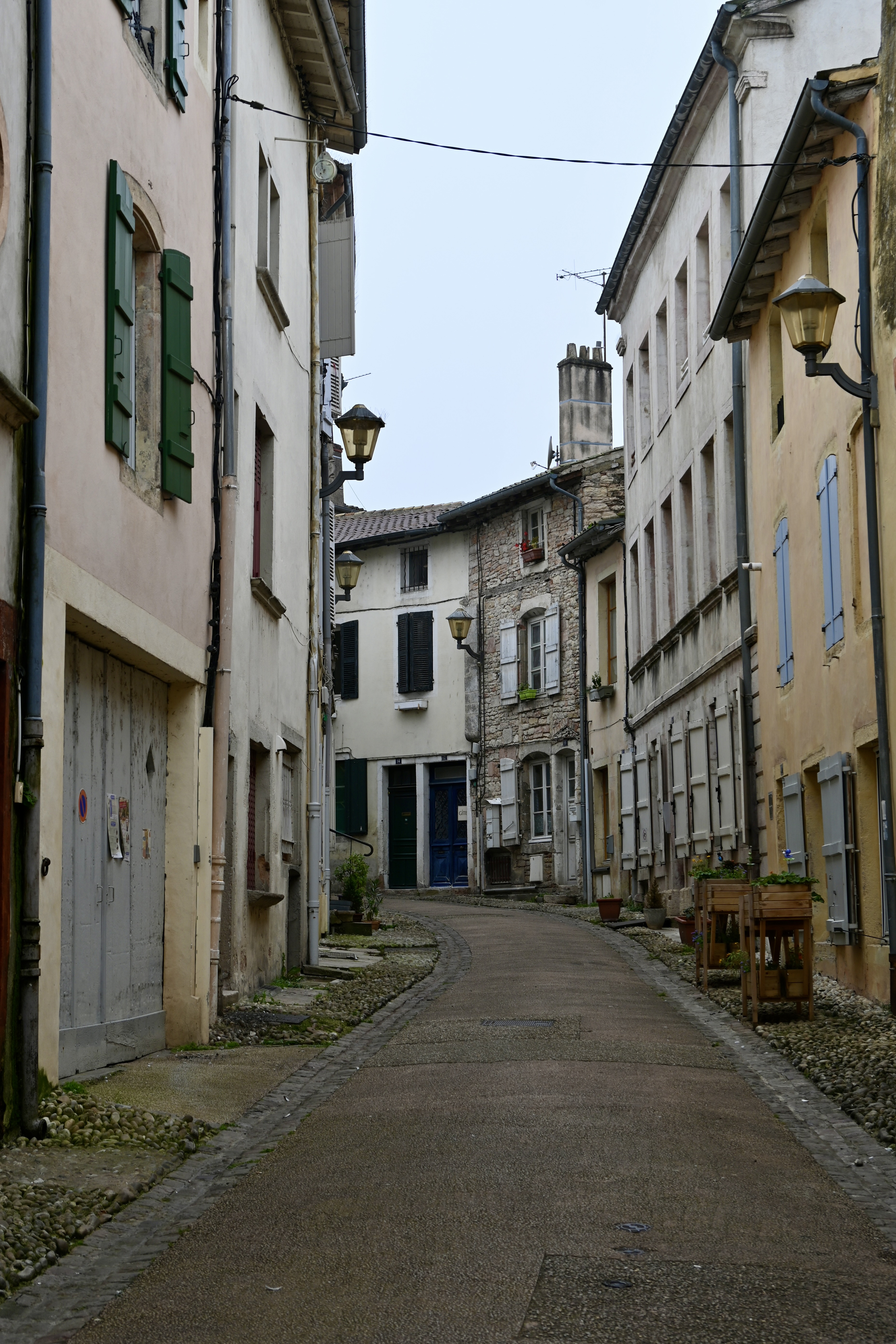
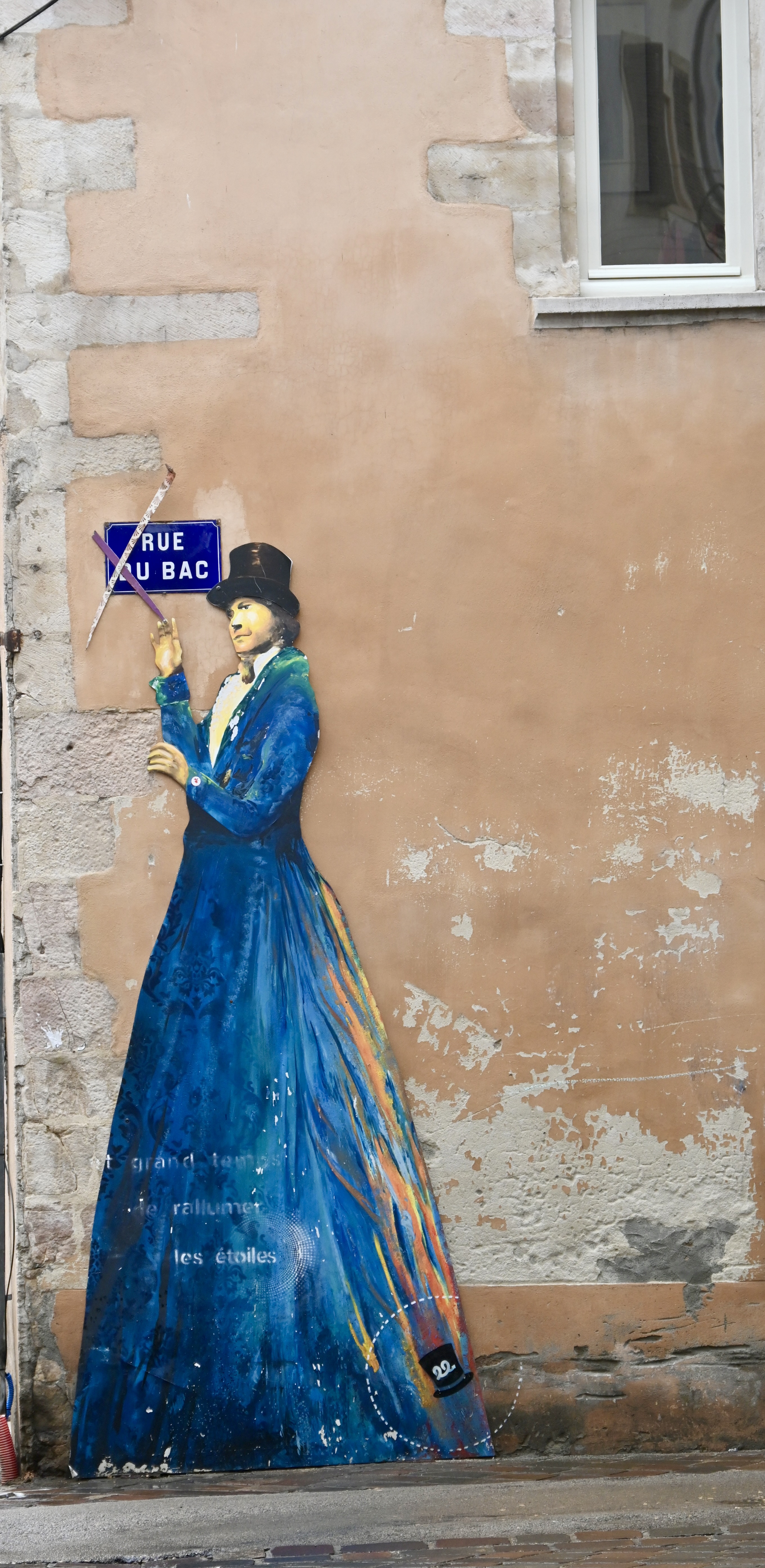
Our tour took us along the town’s charming lanes past several impressive churches, beginning with the 12th century Église de la Madeline (Church of Saint Mary Magdalene), whose door is framed by ornate stone columns.
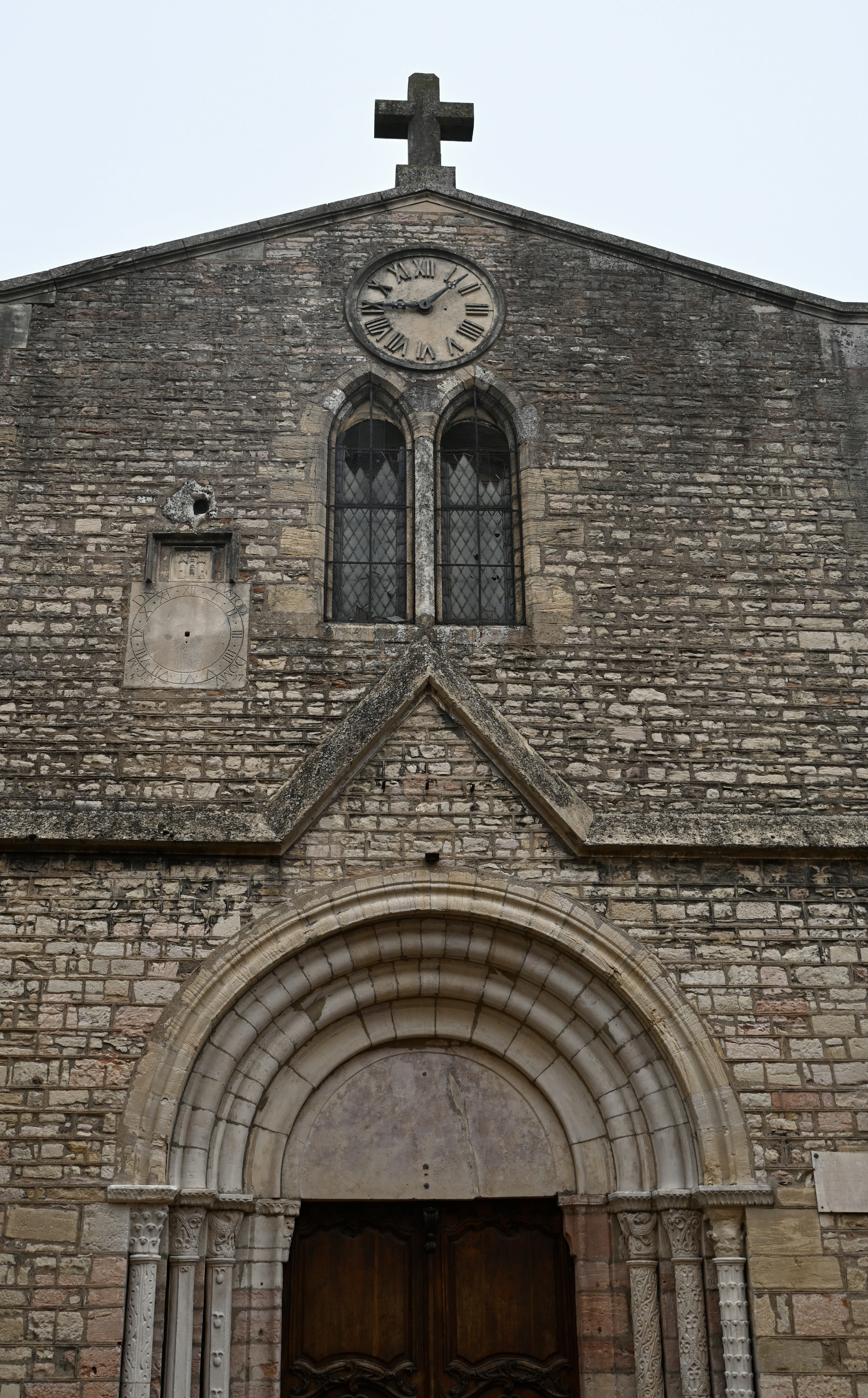

Next up was the 11th century Église de Saint Valerien (Church of Saint Valerian, who was a 2nd century martyr), which unfortunately has fallen into disrepair.
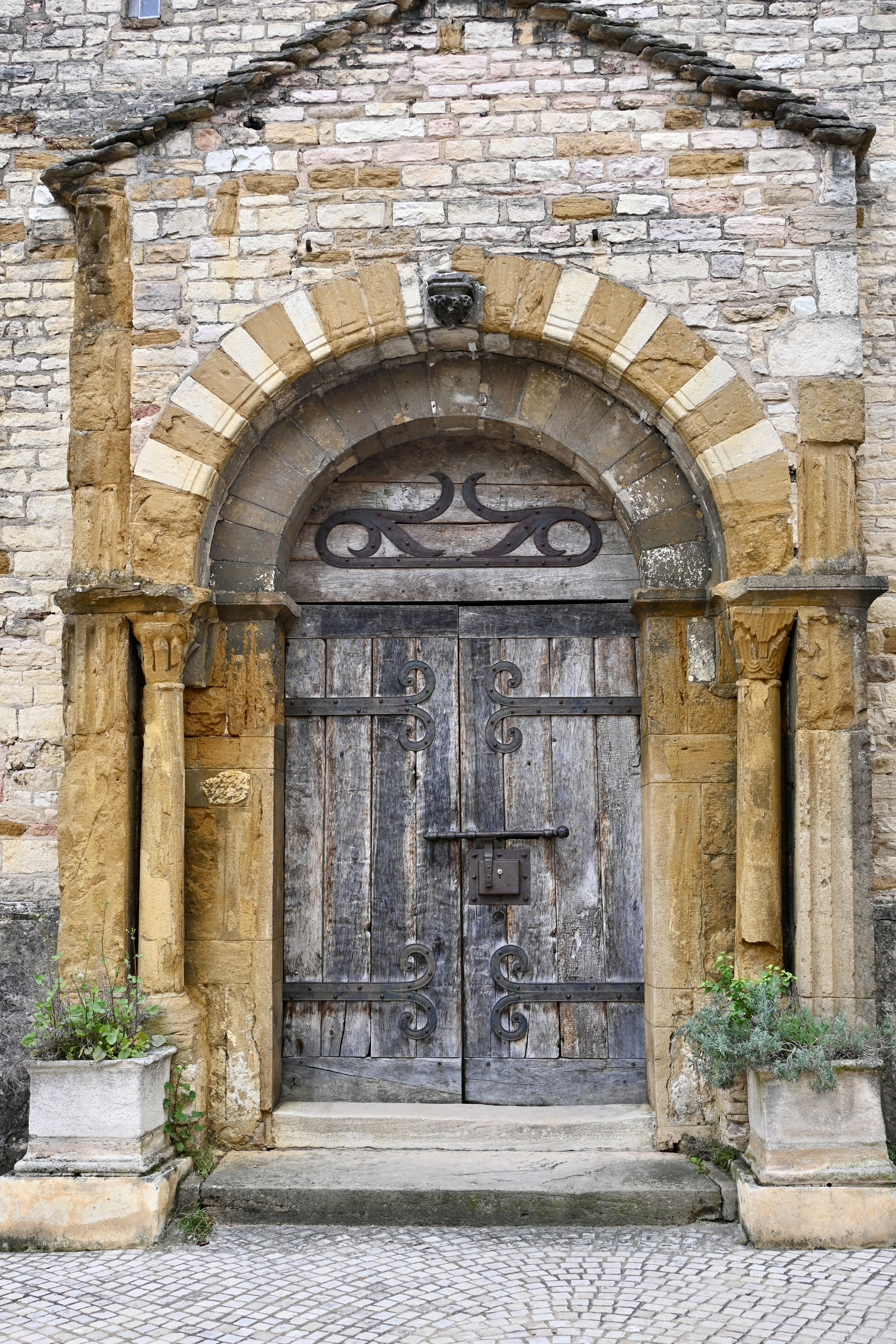
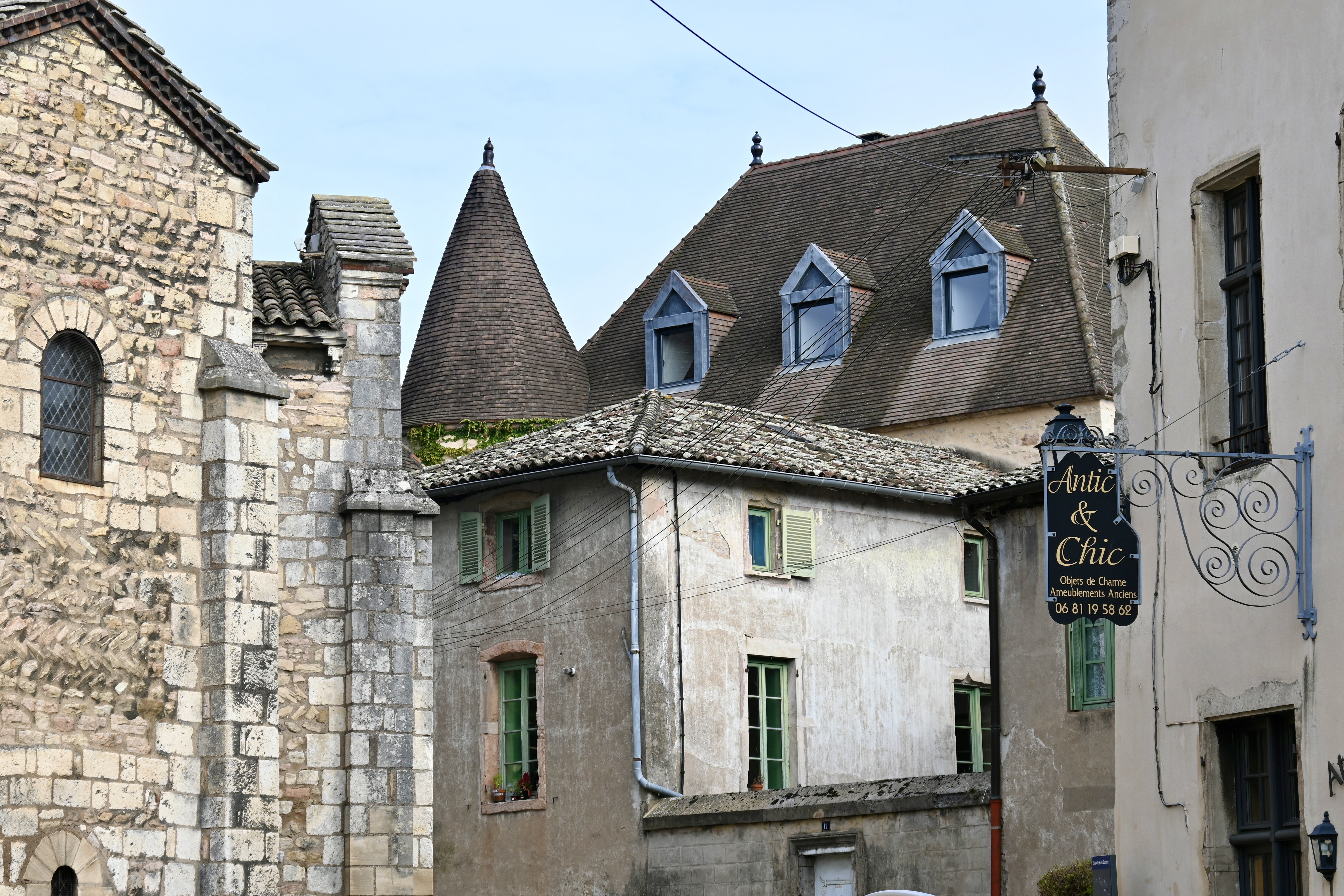
Finally, we arrived at the focal point of our tour, the massive 11th century Abbey Church of St. Philibert. Philibert was a 7th century Merovingian aristocrat who founded several abbeys. (In a perfect world, Valerian and Philibert would be the patron saints of sedatives and hazelnuts, respectively.)
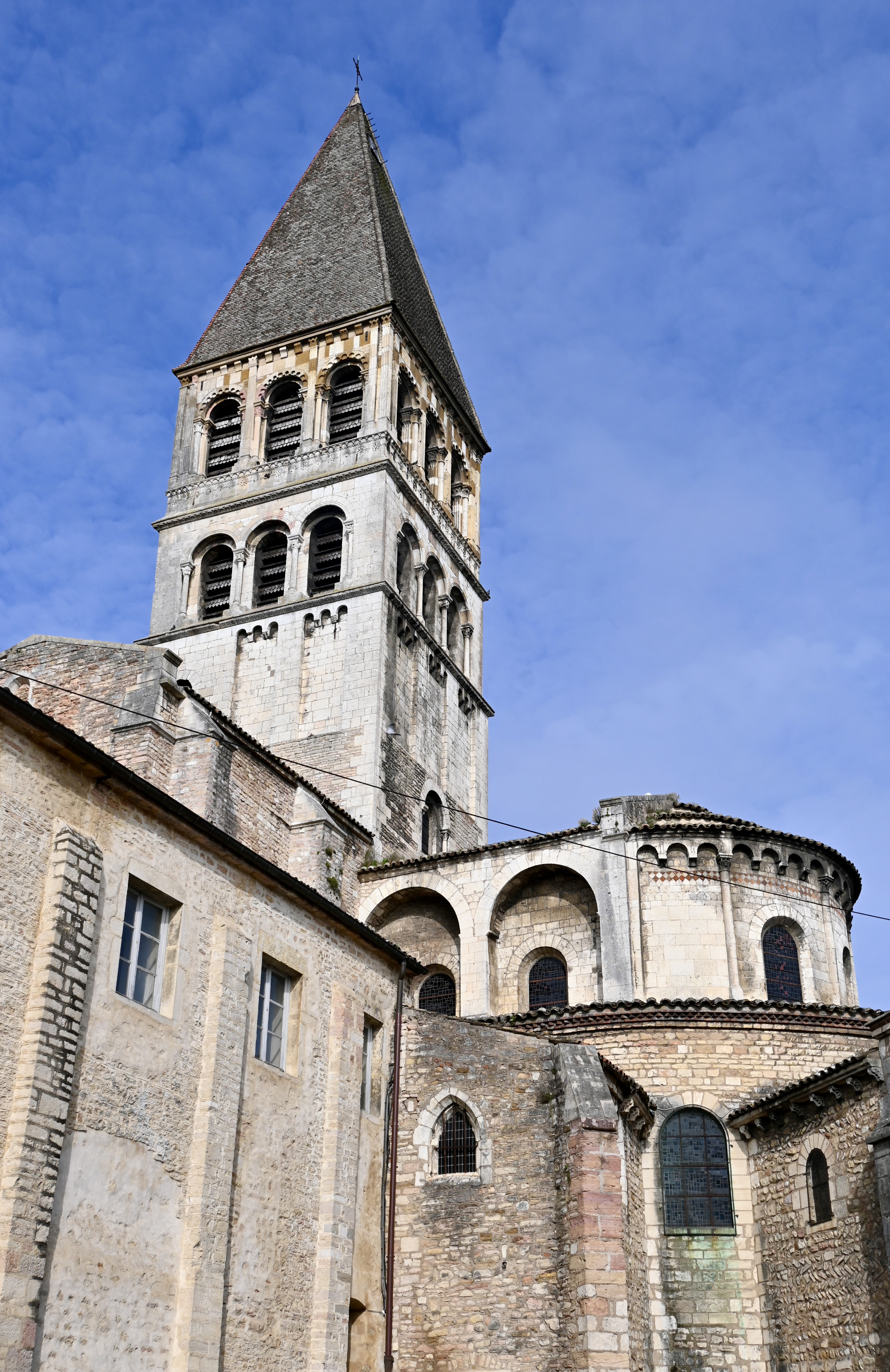
The Abbey Church of St. Philibert is breathtaking. I’ve seen dozens upon dozens of medieval and Renaissance churches over the years, but Marion gave one of the best tours of a church I’ve ever had.


She engagingly explained the significance of Philibert’s life and the structure and use of the church over the years, in a manner that really helped me envision the lives led by the monks and abbots in centuries past.
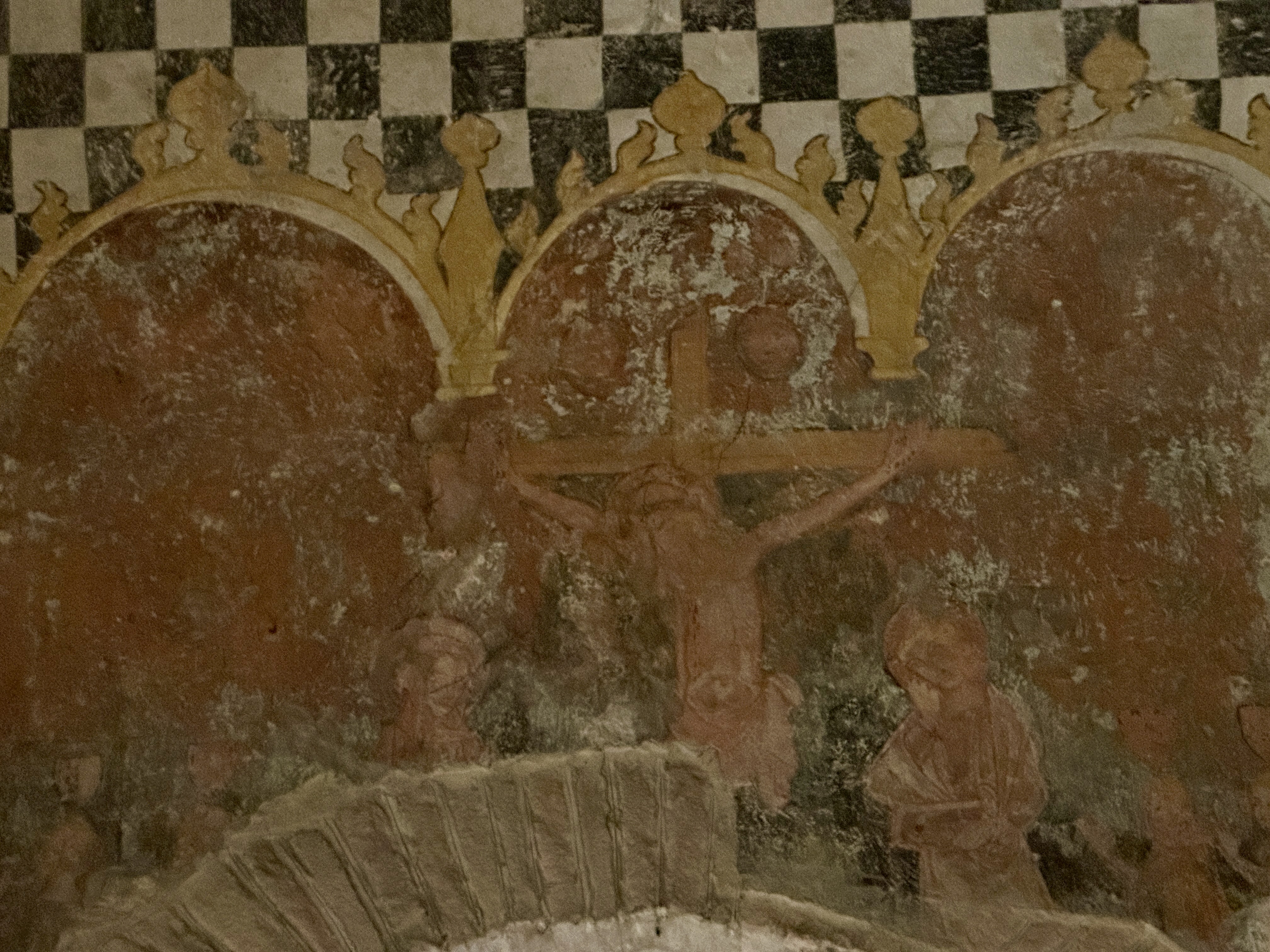
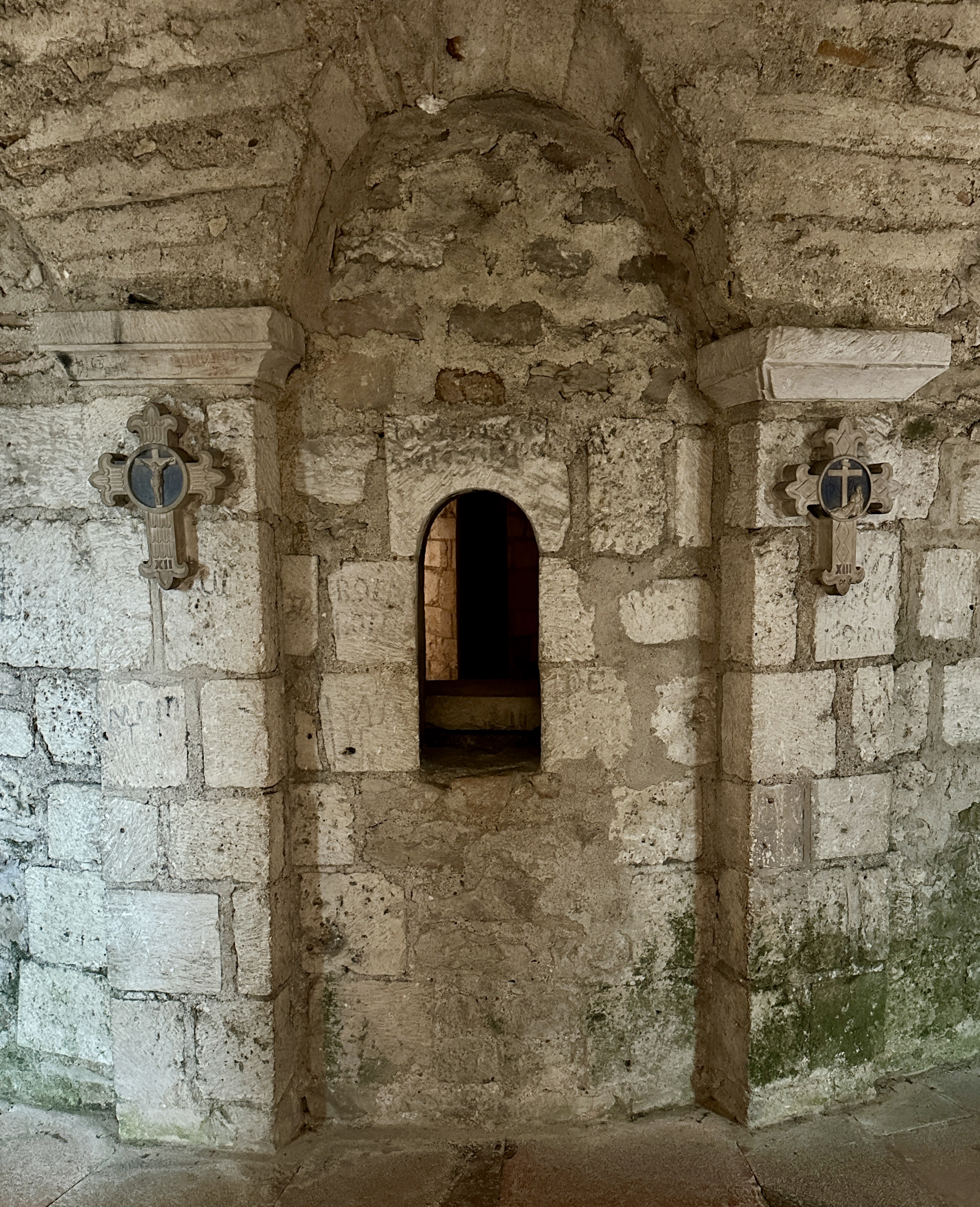
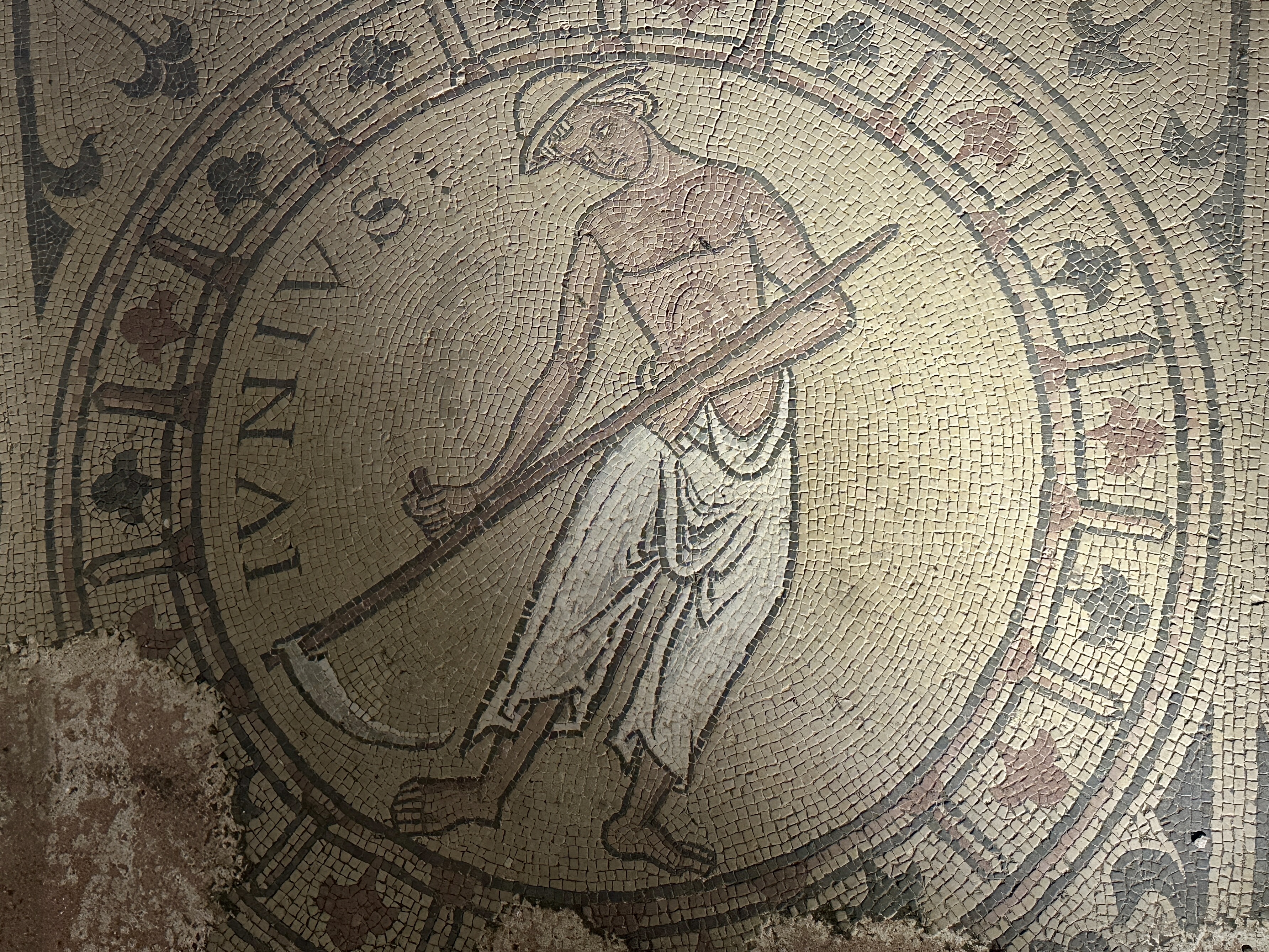
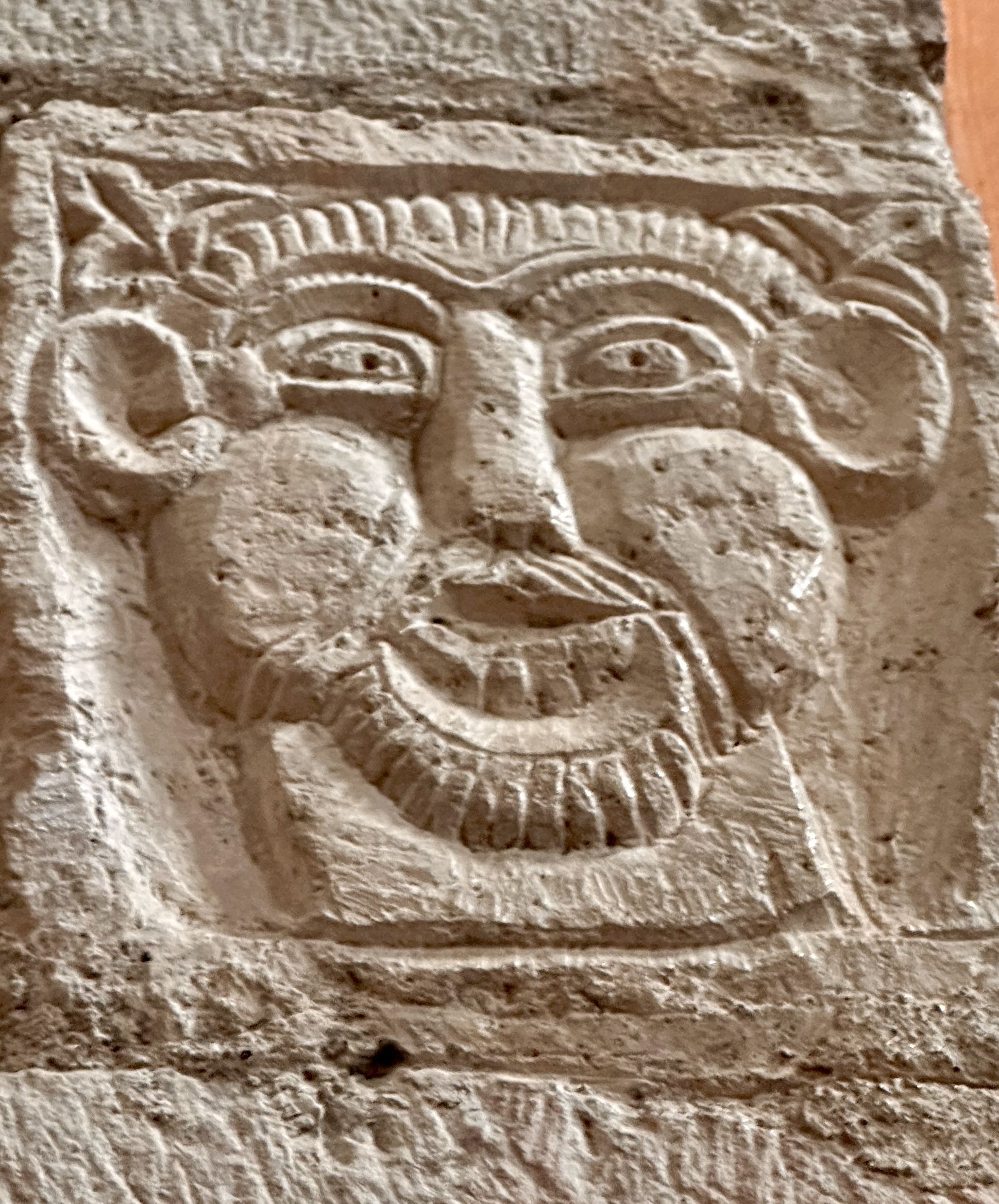

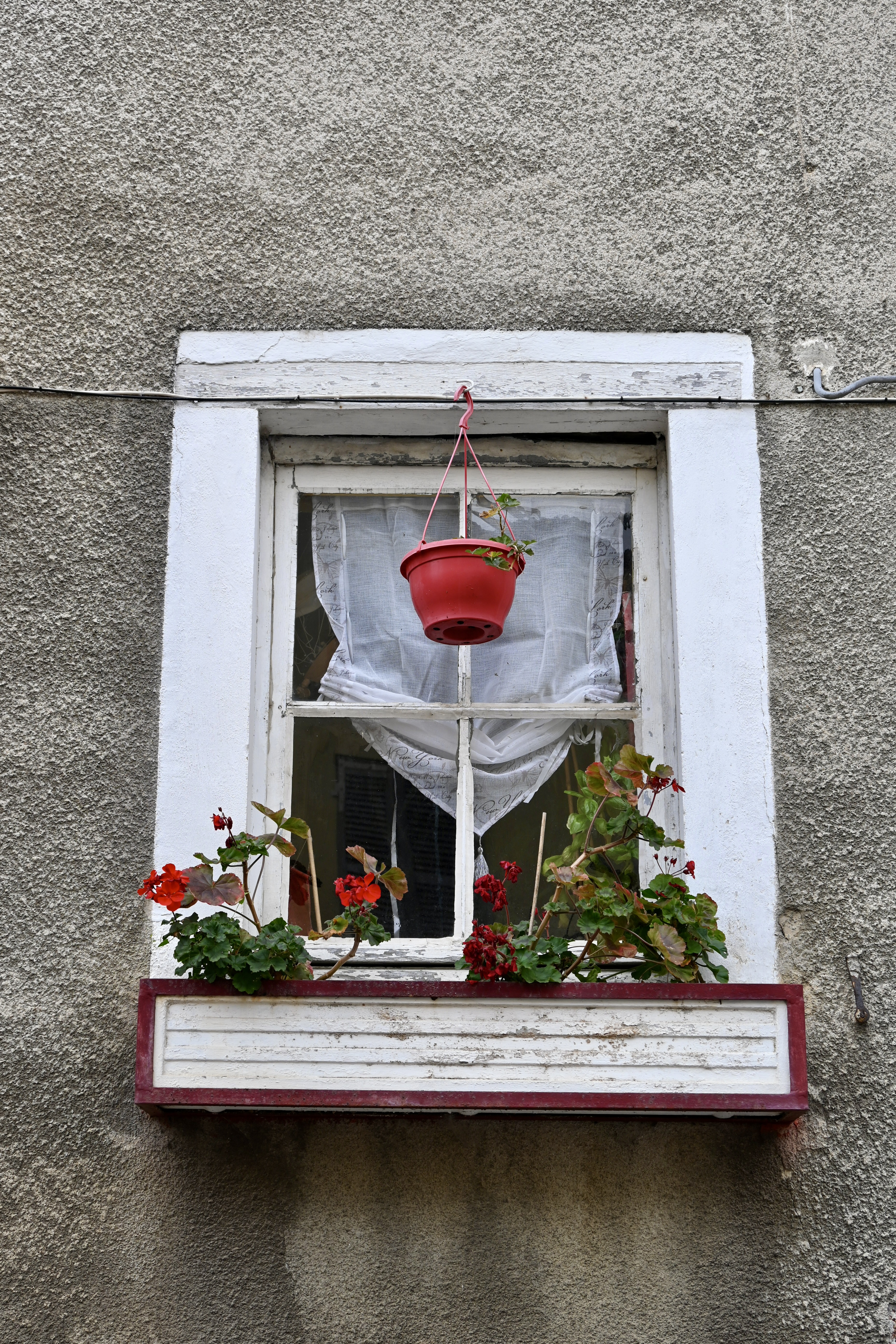
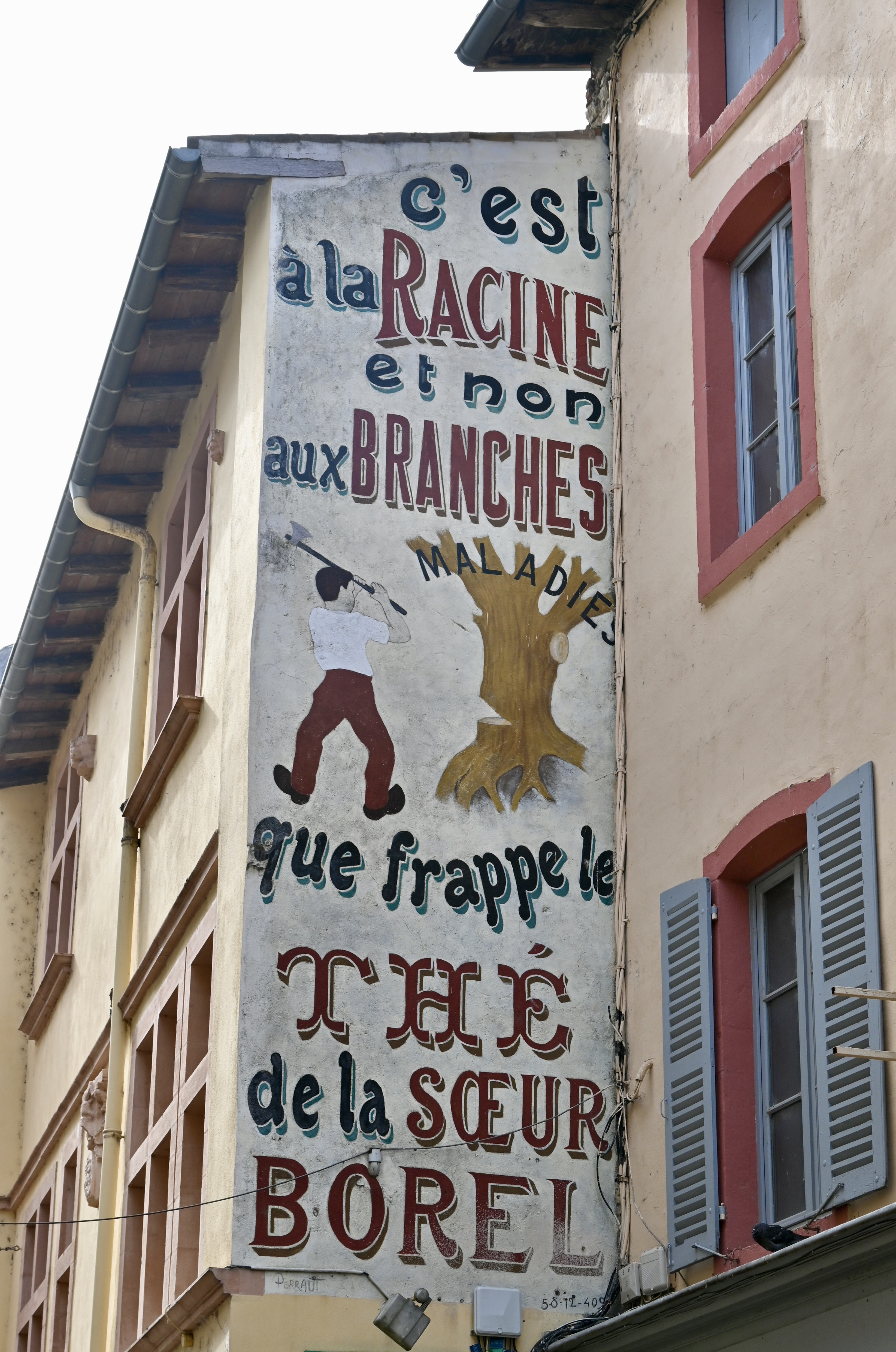
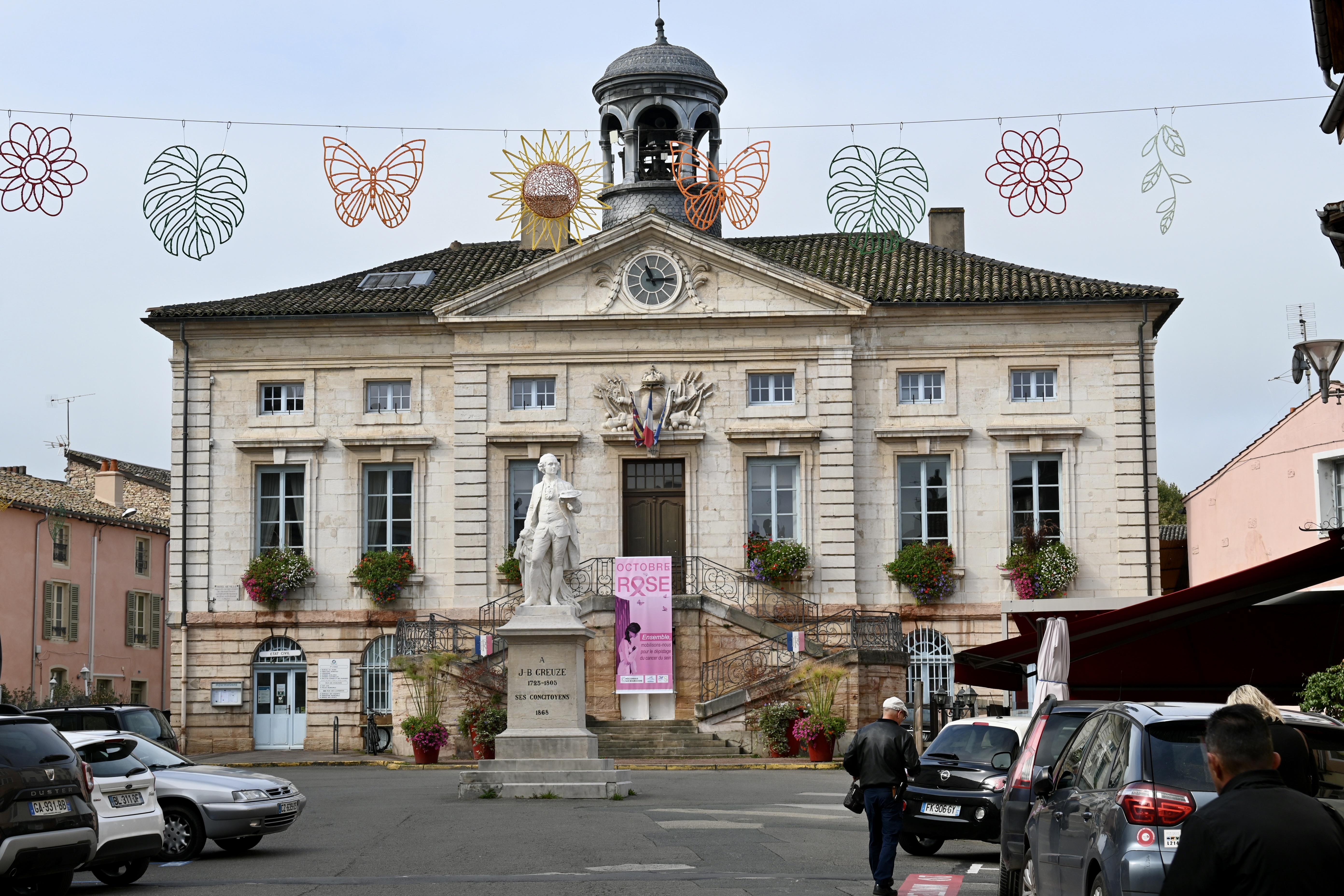
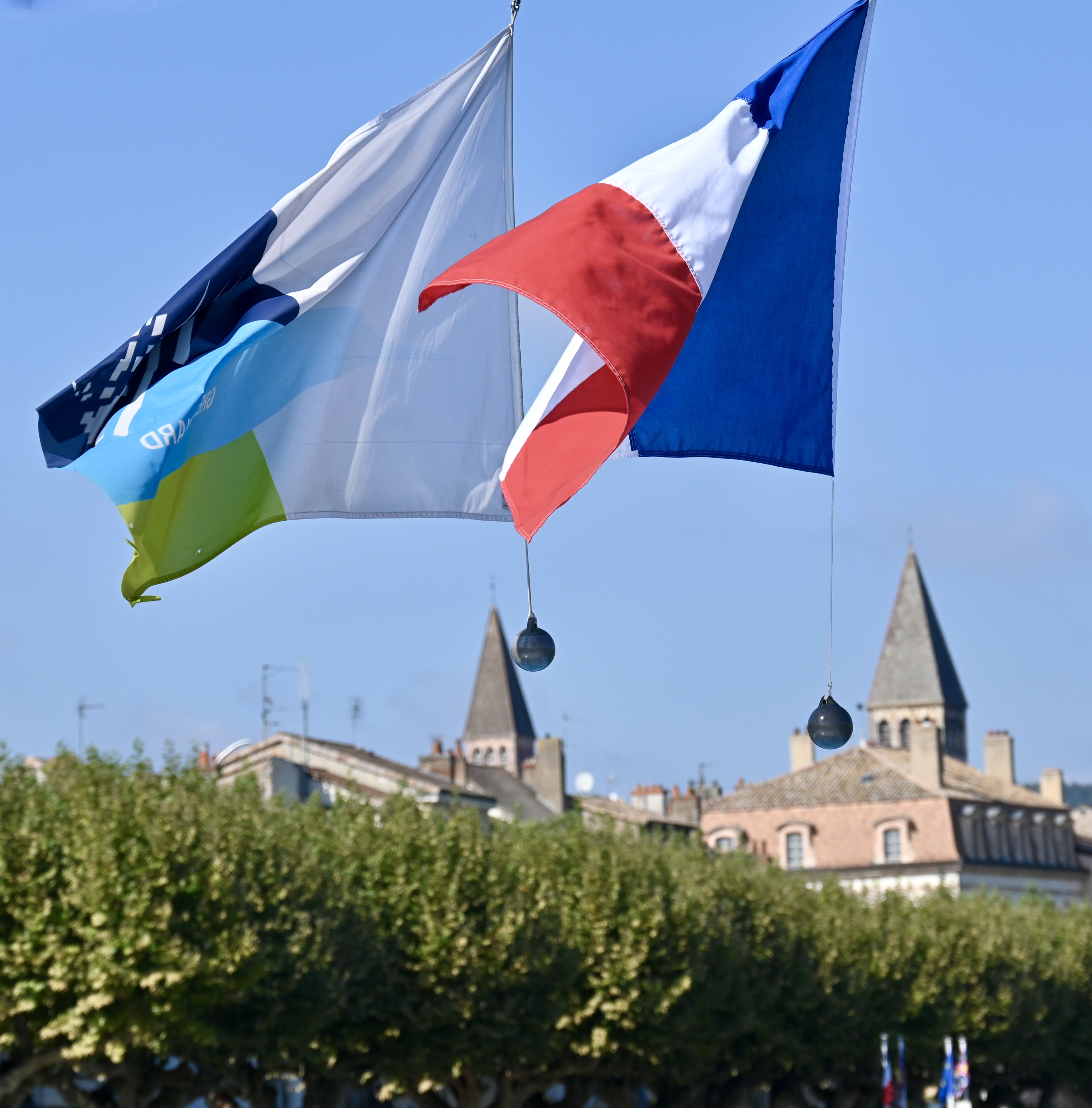
Of course, Tournus has much to see beyond its houses of worship. Rather than deluging you with eight thousand more words (at the accepted exchange rate of 1000 words per picture), I’ll let these photos speak for themselves.
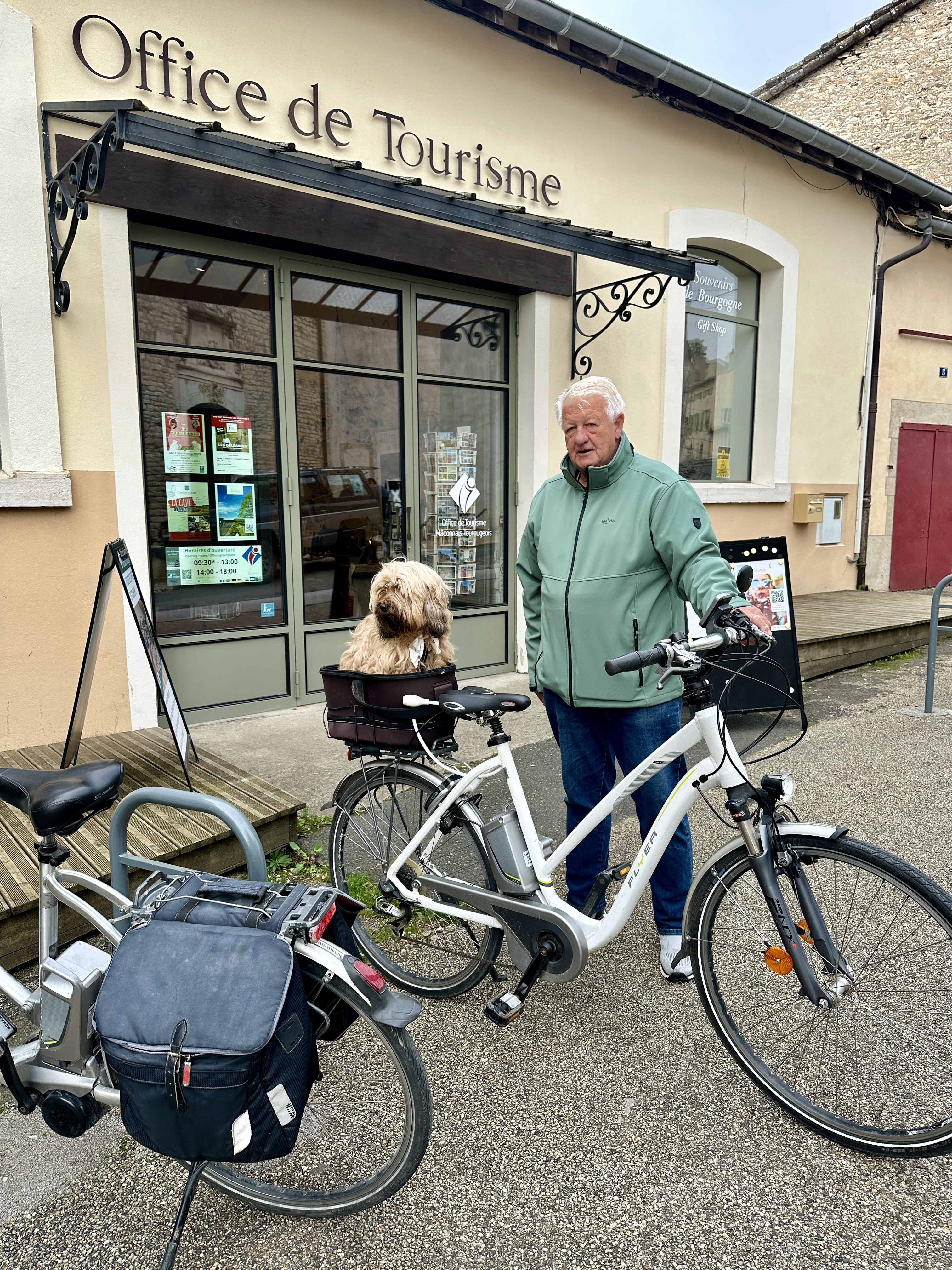
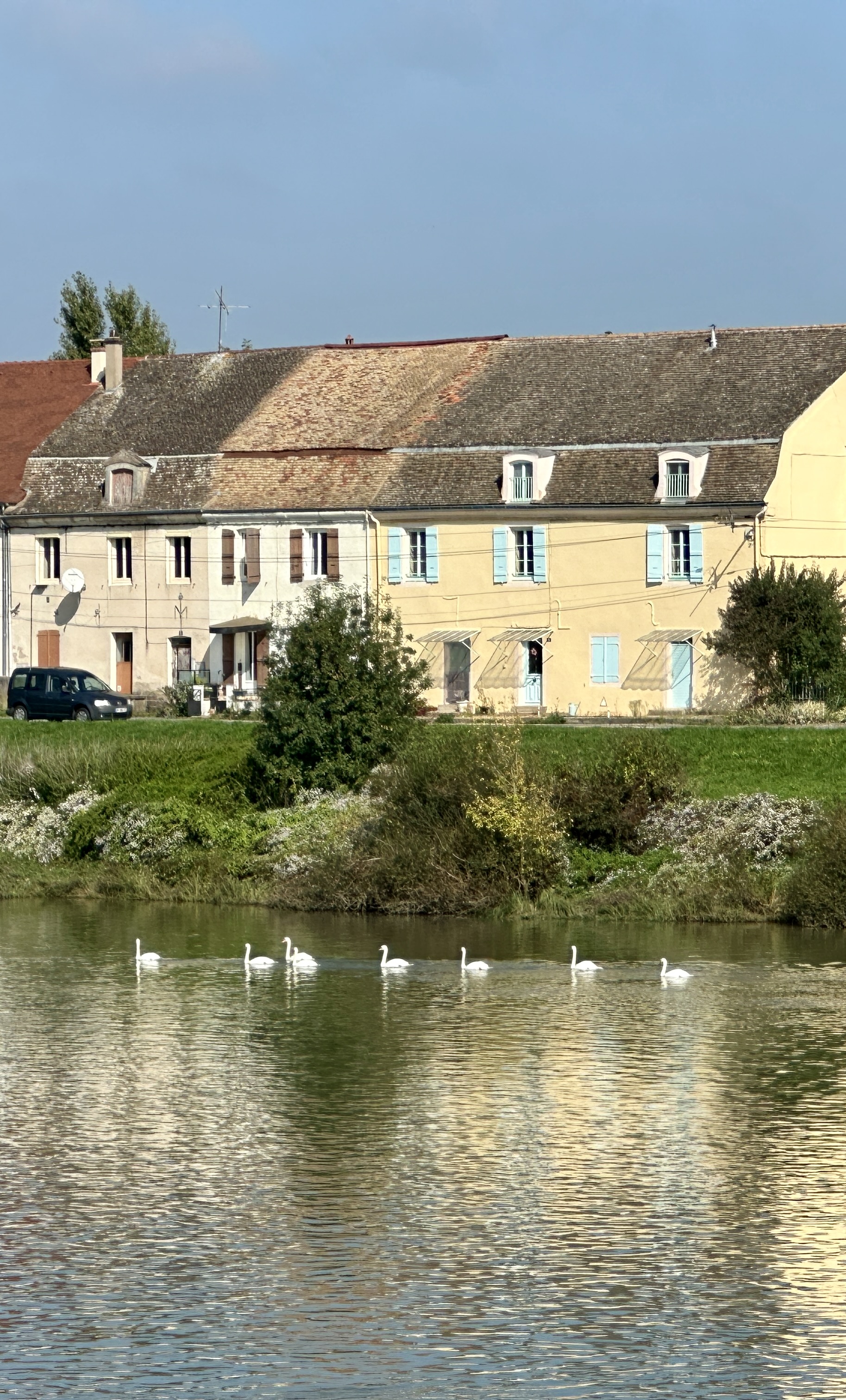
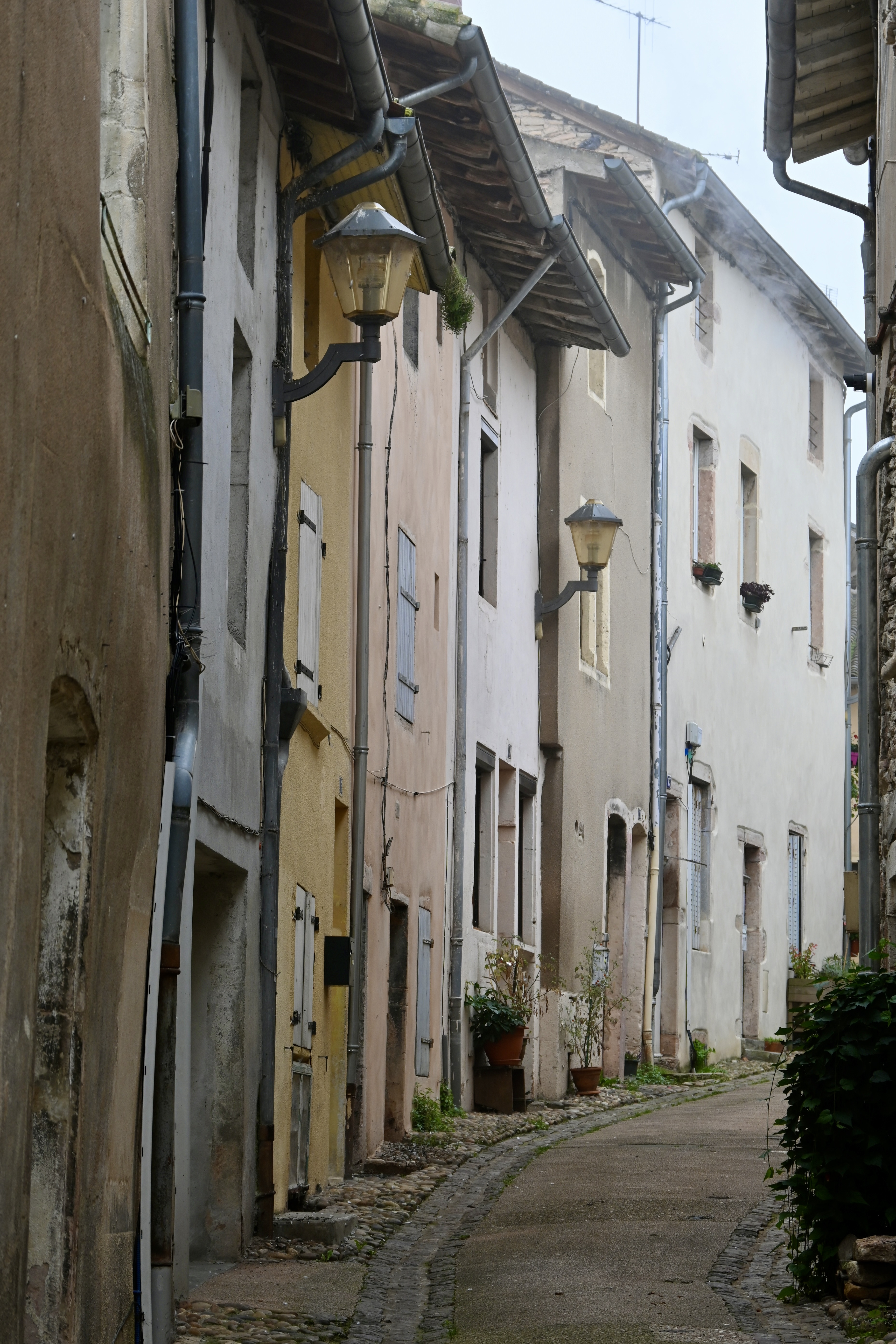
As I write this, we’re sailing to Chalon-sur-Saône, the final stop of what’s been a spectacular cruise. There, I’ll take a morning excursion to the medieval walled town of Beaune, followed by (surprise, surprise) a wine-tasting expedition in the afternoon. Until then, be well and enjoy!

 PuffinlessTravel
Until reading this, I’d never even heard the name Tournus! Such interesting history. I was intrigued by that spectacular wall ad for Thé de la Soeur Borel; my crackerjack research tells me it was a laxative/purgative for rooting out bad humors. I smiled when I looked at your photo that tops this post and saw a store sign advertising ‘ameublements’; I remember learning that word in middle/high school French class and thinking, “I would never have guessed that meant furniture!”