Am I frustrated? Of course. Disappointed? Quite. Angry? Yes, but not at whom you might expect.
Let me explain, though I’ll warn you that this post will be an economic and political diatribe rather than a travelogue. If my progressive/liberal/left wing (take your pick) analysis of the situation will upset you, stop reading now.
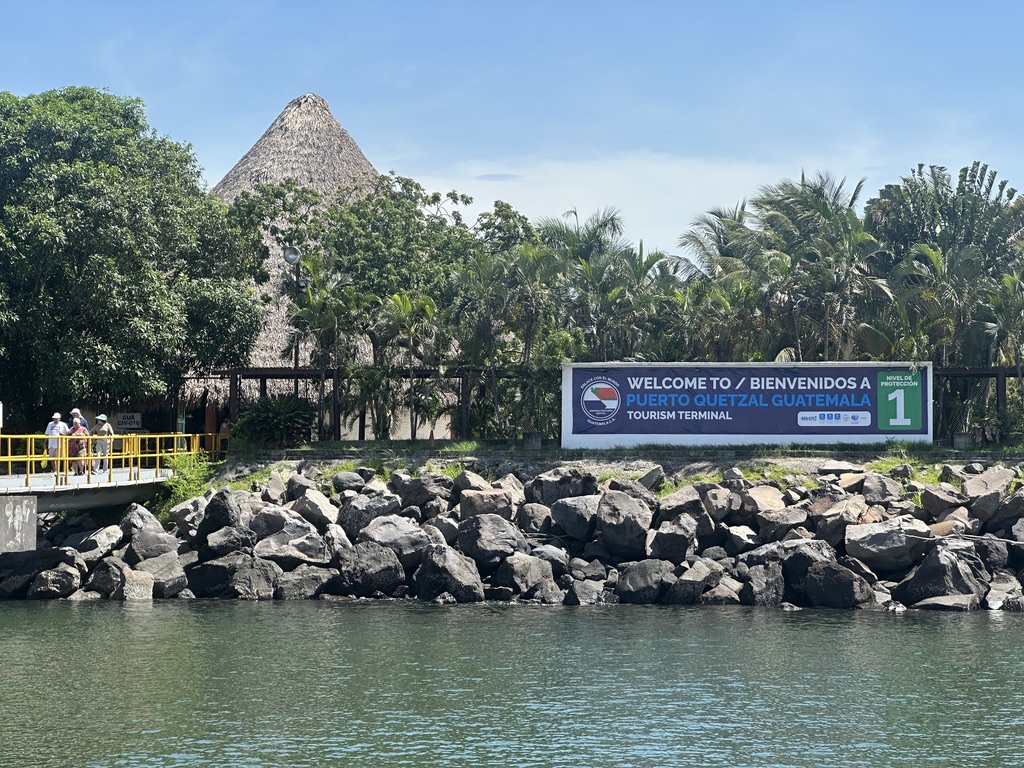
We docked this morning in Puerto Quetzal, Guatemala, a busy commercial and cruise ship harbor that, unfortunately, is at least 90 minutes by road from most things worth seeing, including my intended destination for today, Antigua. Founded half a millennium ago, Antigua is a UNESCO World Heritage Site considered “one of the most beautiful communities in Latin America.”
When I say the port is 90 minutes by road from Antigua, I’m referring to the only road heading in the correct direction. If that road is unavailable, then “you can’t get theya from heya,” as some New Englanders supposedly say.

Well, today the road was unavailable – not because of the earthquakes that struck the area earlier in the week, but due to a protest by the teachers’ union in the form of a blockade of the highway.
Not surprisingly, the teachers in Guatemala are woefully underpaid, as is so often true around the world. Guatemala spends a puny three percent of its GDP on education, placing it in the bottom 20 percent of all countries. Teachers earn, on average, $6000 per year in a country where the average per capita income is slightly under $11,000. (All the statistics cited in this post come from the CIA World Factbook, various World Bank publications, and other impartial sources.)
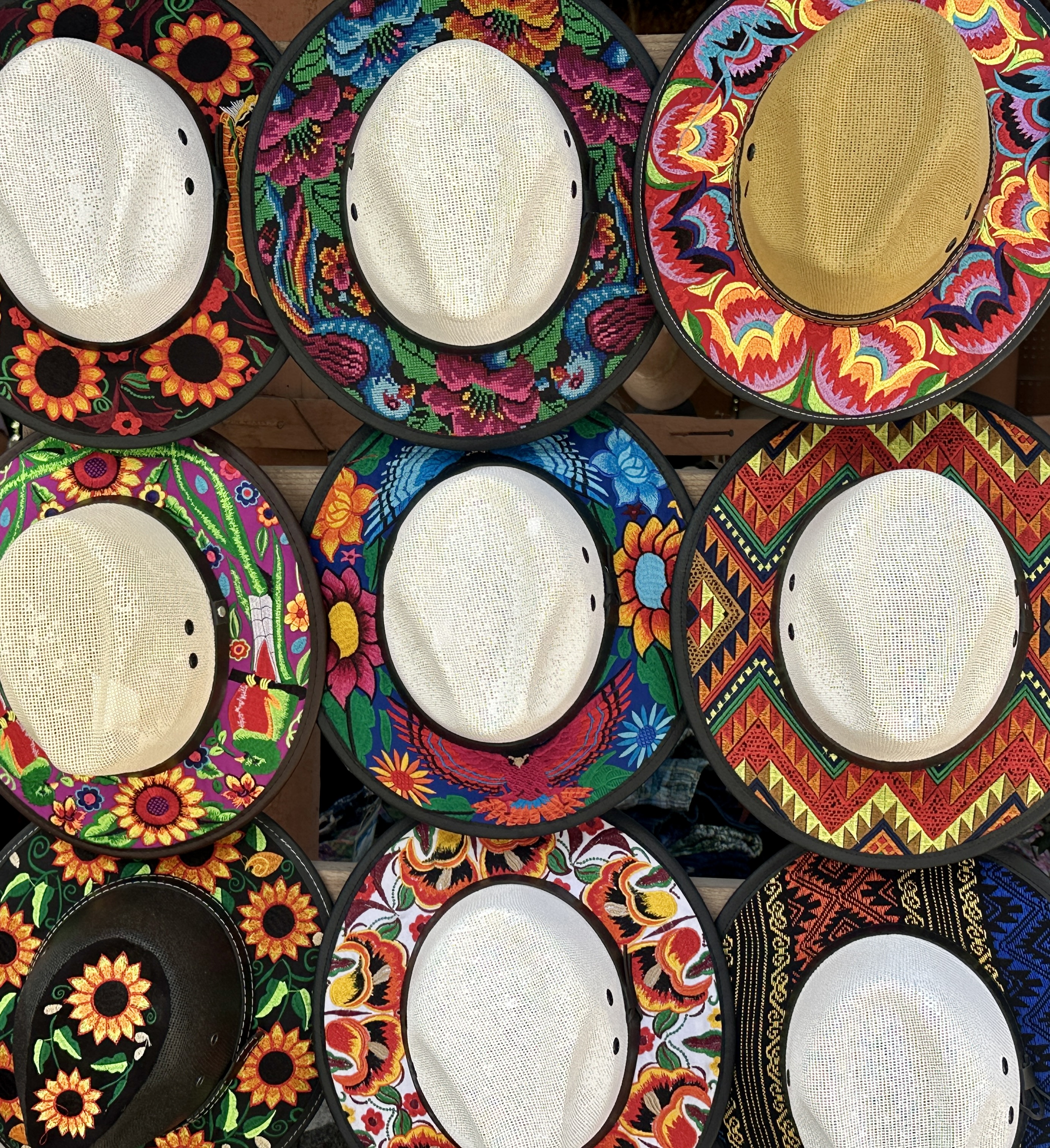
Making matters worse, Guatemala’s income inequality is extreme, though Guatemala is a rank amateur in this regard compared to the situation in the U.S. The top one percent control 20 percent of the nation’s wealth (it’s 30 percent in the U.S.), and the top 10 percent control over half of the wealth (it’s 70 percent in the U.S.).
Given all this, I don’t blame the teachers one bit. Education is the only way to lift large amounts of people out of poverty and enable them to participate more effectively in society and government, which is precisely the reason so many right-wing regimes seek to suppress it. (For much of the 20th century, Guatemala, with American support, was controlled by right-wing dictators. It’s been a democracy for the past few decades and now has a center-left government, but the wealth amassed in the past by the few remains where it’s always been.)

Will things improve? Possibly, but there are also serious danger signs. Ten percent of Guatemala’s GDP comes from Guatemalans who have emigrated to the U.S. I’m not surprised by that number. I know three Guatemalan families in my town – all of whom are long-time U.S. citizens – who have worked their way up from poverty to become solidly middle class, have children attending college for the first time in the family’s history, and have made the lives of their relatives back in Guatemala more tolerable.
What will happen as more and more emigres, both legal and undocumented, are deported under our current benighted leaership? Ironically, as the contribution from emigres decreases, the pressure to leave Guatemala in search of better opportunities will only intensify. And I have no doubt that, with a smaller GDP, education spending in Guatemala will be slashed even further.
In other words, our current (anti-)immigration policies, which I believe are unadulterated racism white-washed (literally) in a veneer of specious economic and public safety concerns, will create further hardships in Guatemala (and elsewhere) and exacerbate pressures on American borders.
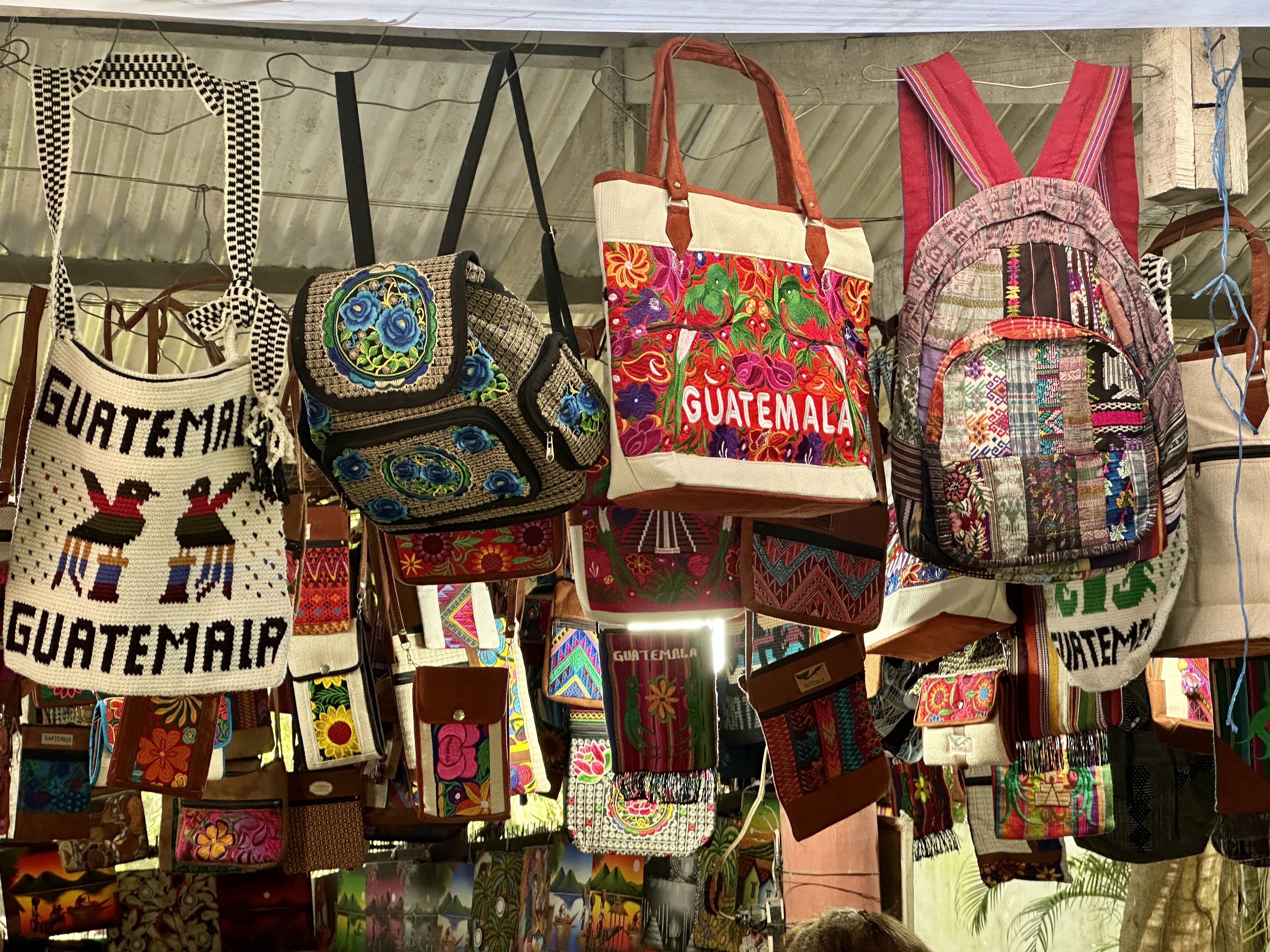
Our tour guide, I should note, had a different take on the teachers’ protest. He used to be a teacher himself, and his response to the desperately low salaries was to leave the profession because he could earn much more money in the tourism sector. He believes that anyone who chooses to remain in the profession simply lacks initiative.
I don’t want to belittle his evidently successful efforts to better his circumstances; he and his family just returned from a three-week trip to eight countries in Europe. But any nation that effectively compels its teachers to abandon the profession is diving into a death spiral.
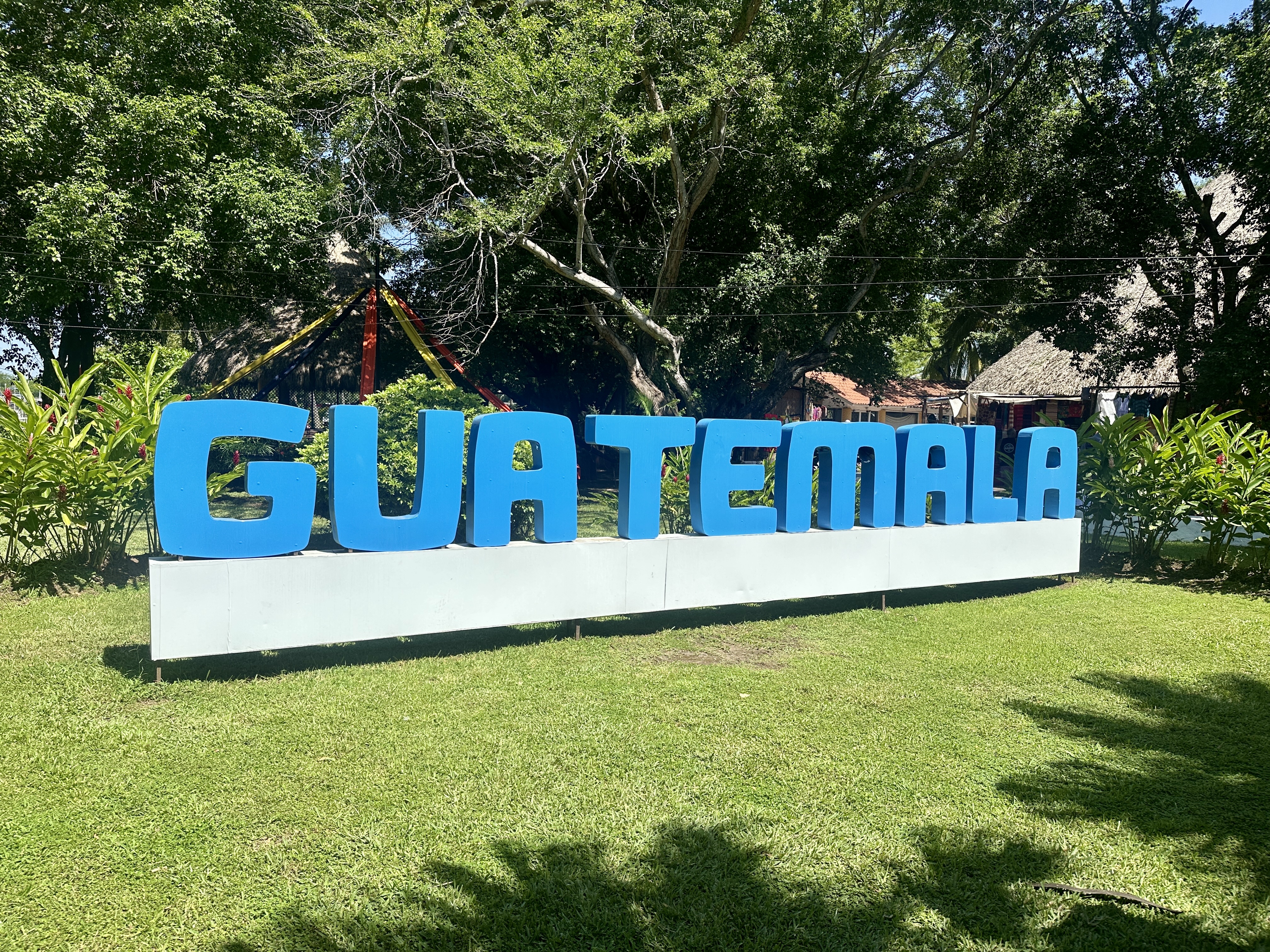
So teachers of Guatemala, my heart is with you. I may not have gotten to see your lovely country, but I don’t blame you in the least.
If you’ve managed to read this far, thank you for indulging me. Please come back in a couple of days for what I hope will be a post about the natural beauty of Costa Rica. I’m going to rest up now and give my blood a chance to stop boiling.

 PuffinlessTravel
Amen!
Gorgeous pics; such vibrant color.
Beautiful wares in those pictures. Appreciated the economic stats comparing Guatemala with the US.