Charlottesville is a terrific place to visit, with diverse and delicious restaurants, an effervescent music scene, great galleries and museums, a delightful pedestrian mall, and of course, the elegant and storied University of Virginia. This post won’t discuss any of those attractions.
In fact, this isn’t a travel post, except in the sense that I left home and drove two-and-a half hours. But I wanted to share my experience at the “No Kings” rally/protest today in Charlottesville, and this seemed as good a place as any to do so.
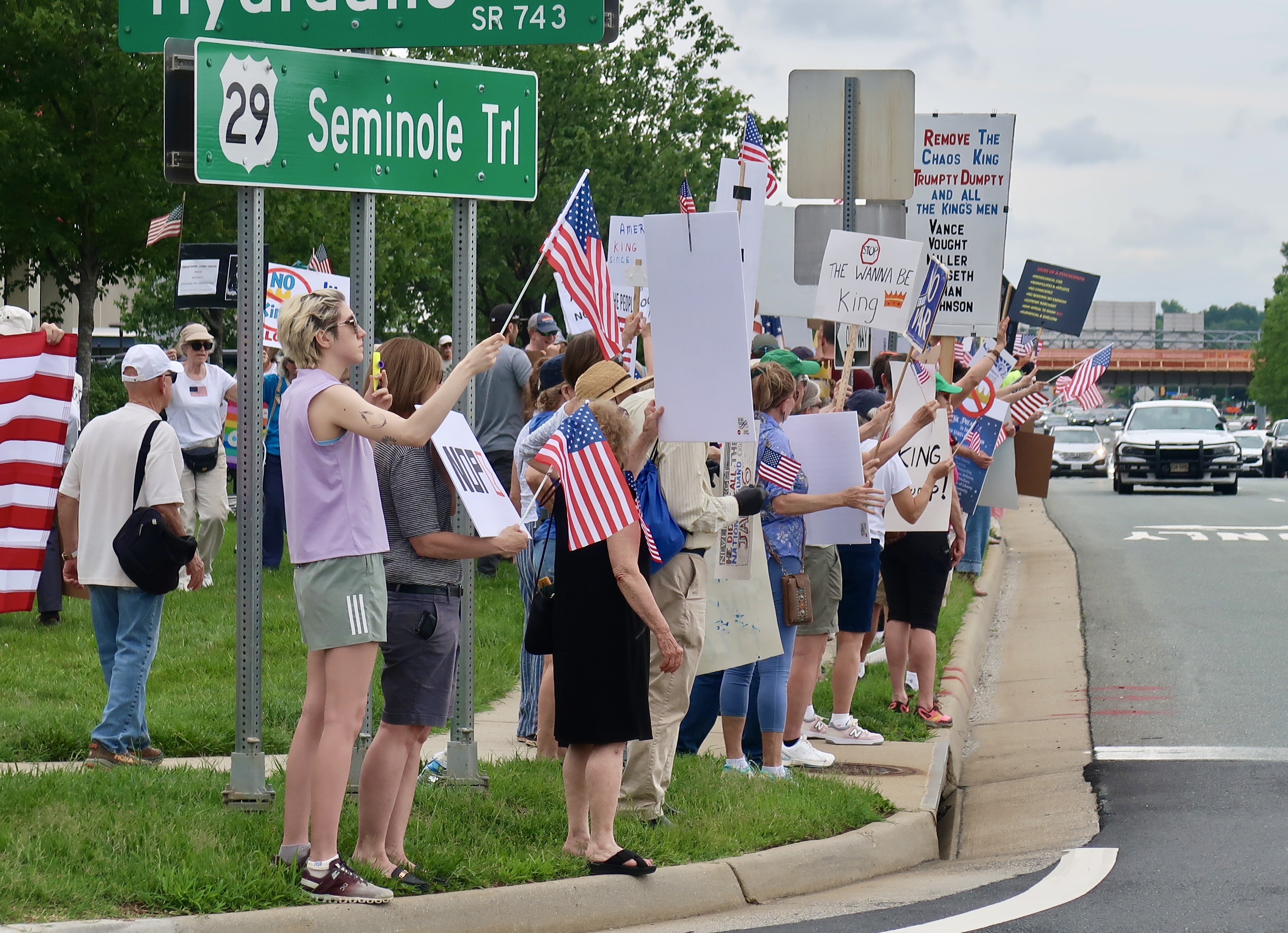
The rally in Charlottesville was organized in part by my college roommate. So, instead of going to a protest closer to home, I got in the car, got stoned on I-66 – literally; a gravel-carrying dump track pelted its load over surrounding vehicles – undulated down scenic US 29, and arrived at the home of that arch anti-monarchist, Thomas Jefferson. (I’m actually not much of a TJ fan, but that’s an essay for another day.)
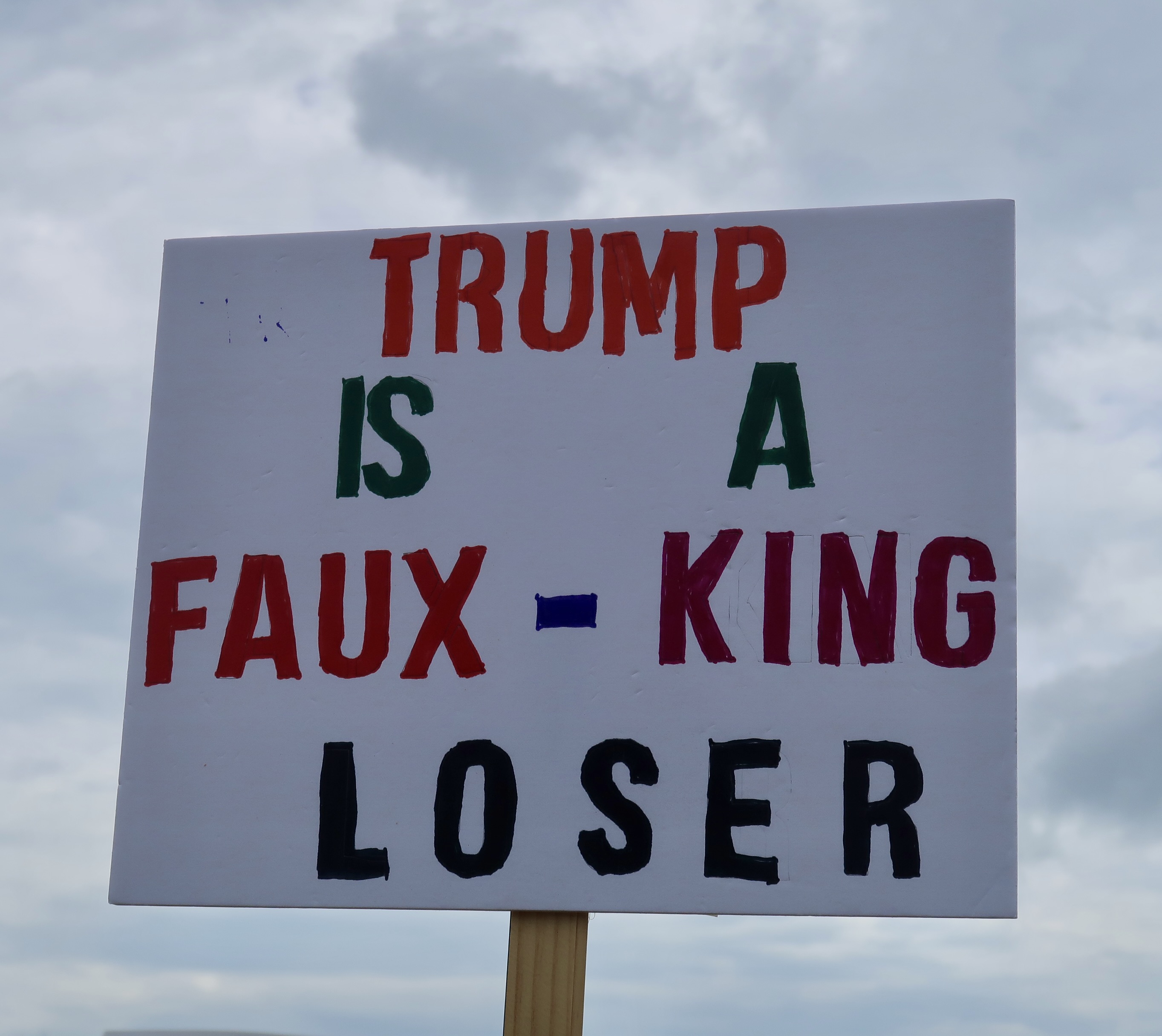
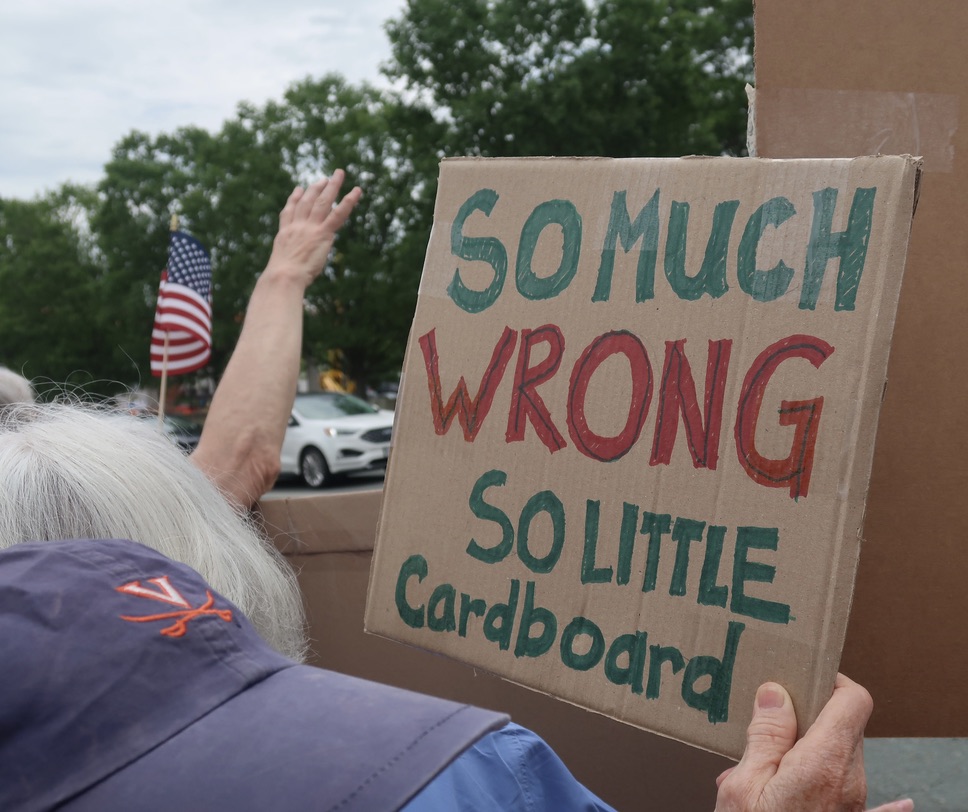
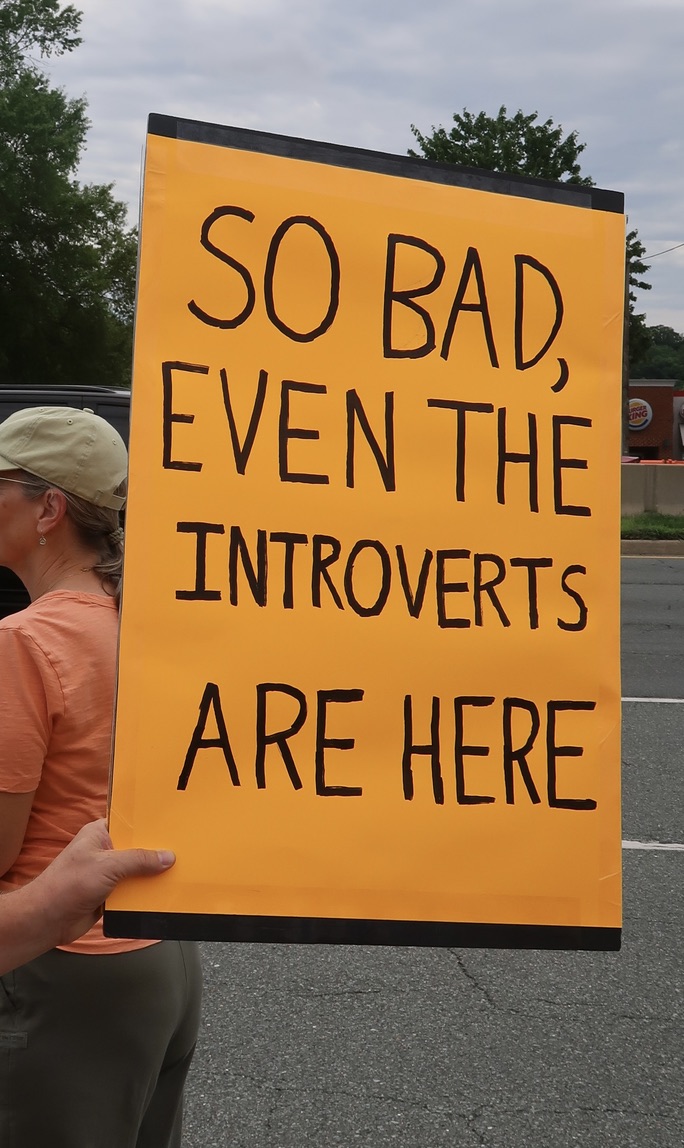
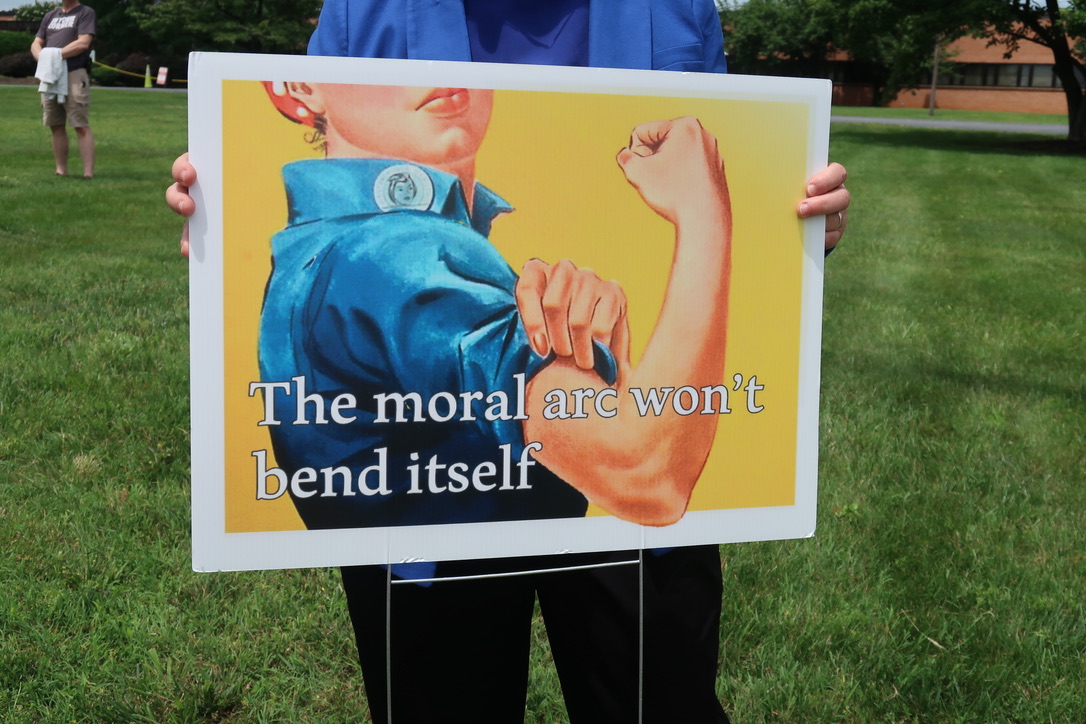
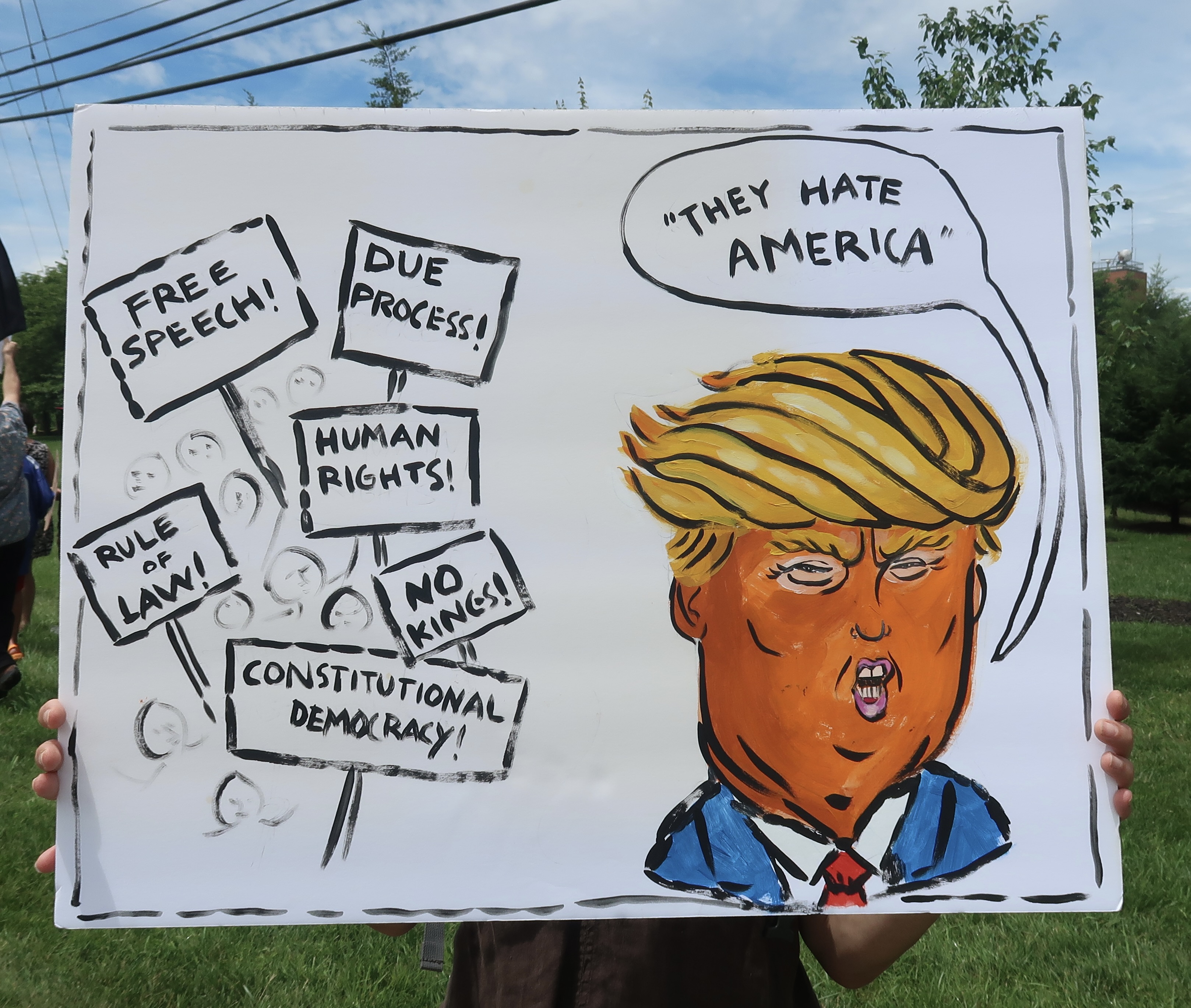
On April 5, Charlottesville held an anti-Trump rally that drew 4000 people. Today’s crowd, according to several people I spoke with, was in the 6-7000 range. It was gratifying to see so many committed and creative people, including military vets and the children and grandchildren of Holocaust survivors. Yet I can’t help being troubled by several questions:

What will happen if Trump and his state-level lackeys crack down on dissent in earnest? How many of those 7000 – and the millions more nationwide who took part in today’s rallies – will risk injury or worse to struggle against a violent autocracy?
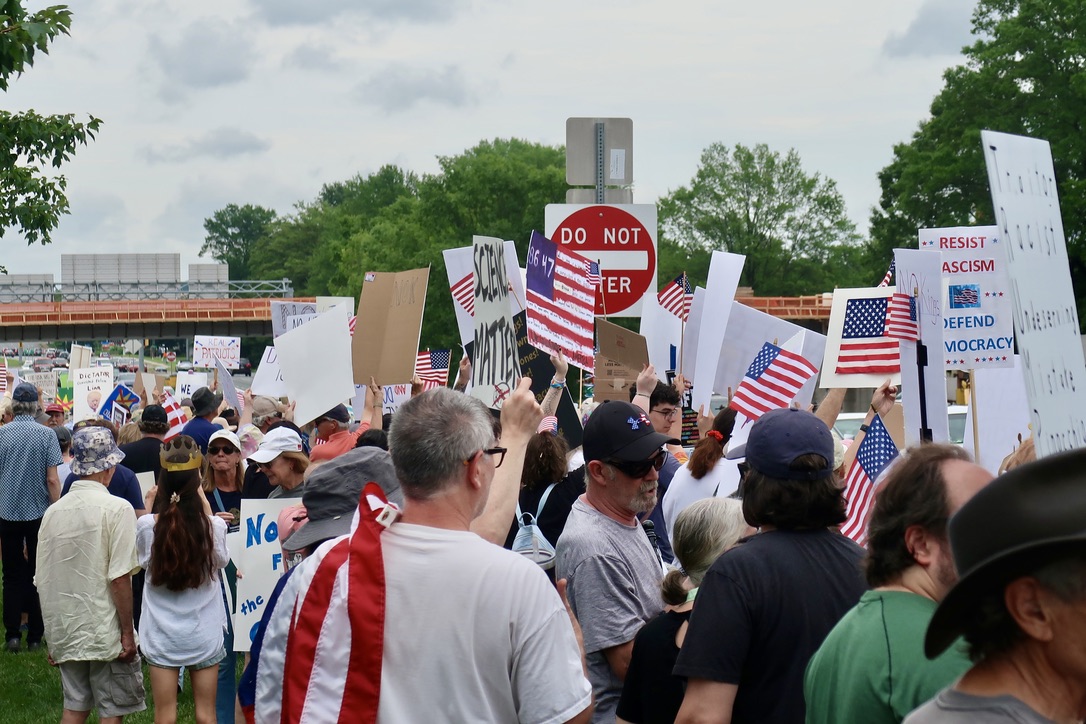
Why was the crowd almost exclusively White? This concerns me for many reasons – perhaps most importantly, I’d guess there’s a strong correlation between showing up at a protest and showing up at the polls. Are non-Whites understandably fearful that any violence from counter-protestors will be directed primarily at them? Are there better ways to reach out to these communities? Is there a disabling sense of powerlessness? More broadly, does the same situation occur in comparable cities, or is there something unique to Charlottesville (which seems unlikely)?


Regarding safety, today’s rally in Charlottesville was orderly and secure, with hundreds of motorists honking in support and fewer than a handful bellowing curses out the window or enjoying the breeze on their middle fingers. I saw no police and no National Guard troops, despite Virginia Governor Youngkin’s manifest desire to establish that he’s just as “tough” (and cynical, and confrontational, and misguided) as Greg Abbott.
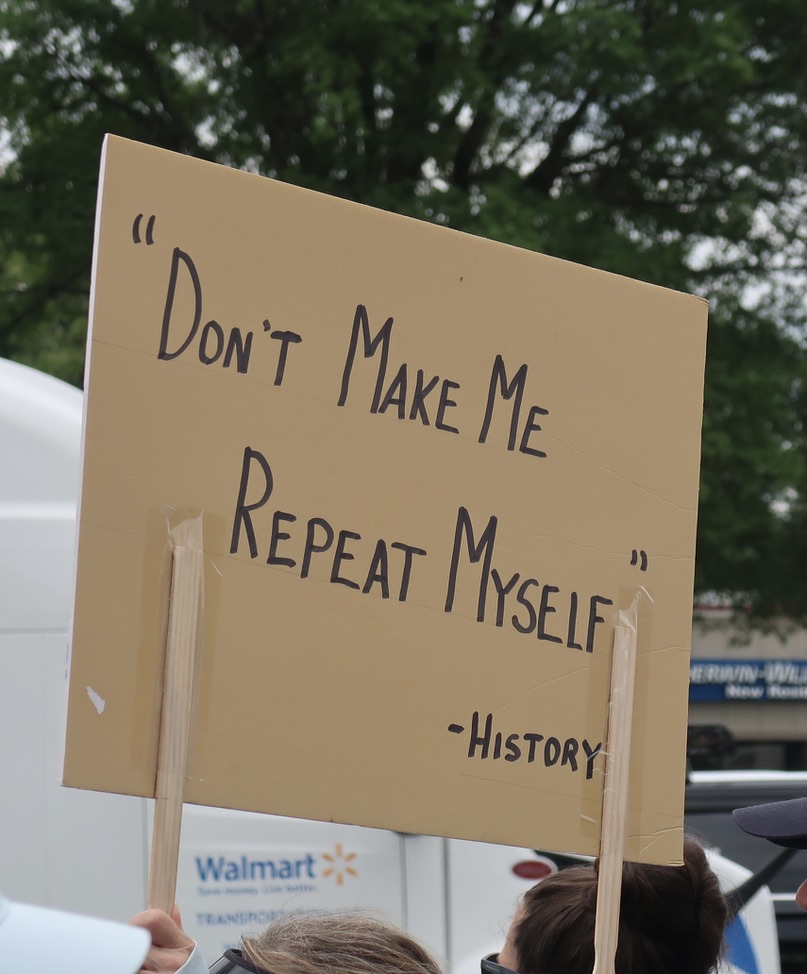
Which leads to my final question: What is the best way to respond to those who curse at or denigrate anti-Trump protestors? Ignoring them would be my first choice under ordinary circumstances, but I think things have deteriorated so much that more is required. Reason is powerless against the closed-minded, and silence suggests a fear of engagement.
One stentorian protestor shouted “TRAITORS” at the few people who flipped the bird or cursed. That may not be legally accurate, but these people unquestionably (and unquestioningly) are traitors to our nation’s best interests and treasured principles. Trump and his MAGA followers splatter opponents with outrageous insults and epithets. Maybe a national move to brand them TRAITORS would go viral and counter the Right’s putrid prattle.

I promise to get back to actual travel writing soon; in a couple of weeks I’m heading on a cruise from San Diego to New York City, hitting Mexico, Guatemala, Costa Rica, the Panama Canal, Cartagena, Grand Cayman, Miami, and Port Canaveral.

I’ll leave you with a picture from the ride home: several antique cars were toodling down US 29, and one fortuitously stopped ahead of me at a red light so I could capture it through the windshield.


 PuffinlessTravel
One thought on “The “No Kings” Rally in Charlottesville, Virginia: Creativity and Concerns”