I love Japan. I knew I would even before I visited this ancient, amazing land, but I couldn’t have guessed just how much. The shrines and temples, the snow-capped mountains, the markets, the excitement of Tokyo, the culture of Kyoto, the delicate beauty of Japanese art – all of these were as marvelous as I expected. What made Japan so special for me, though, is its Civility, with the capital “C” intentional.
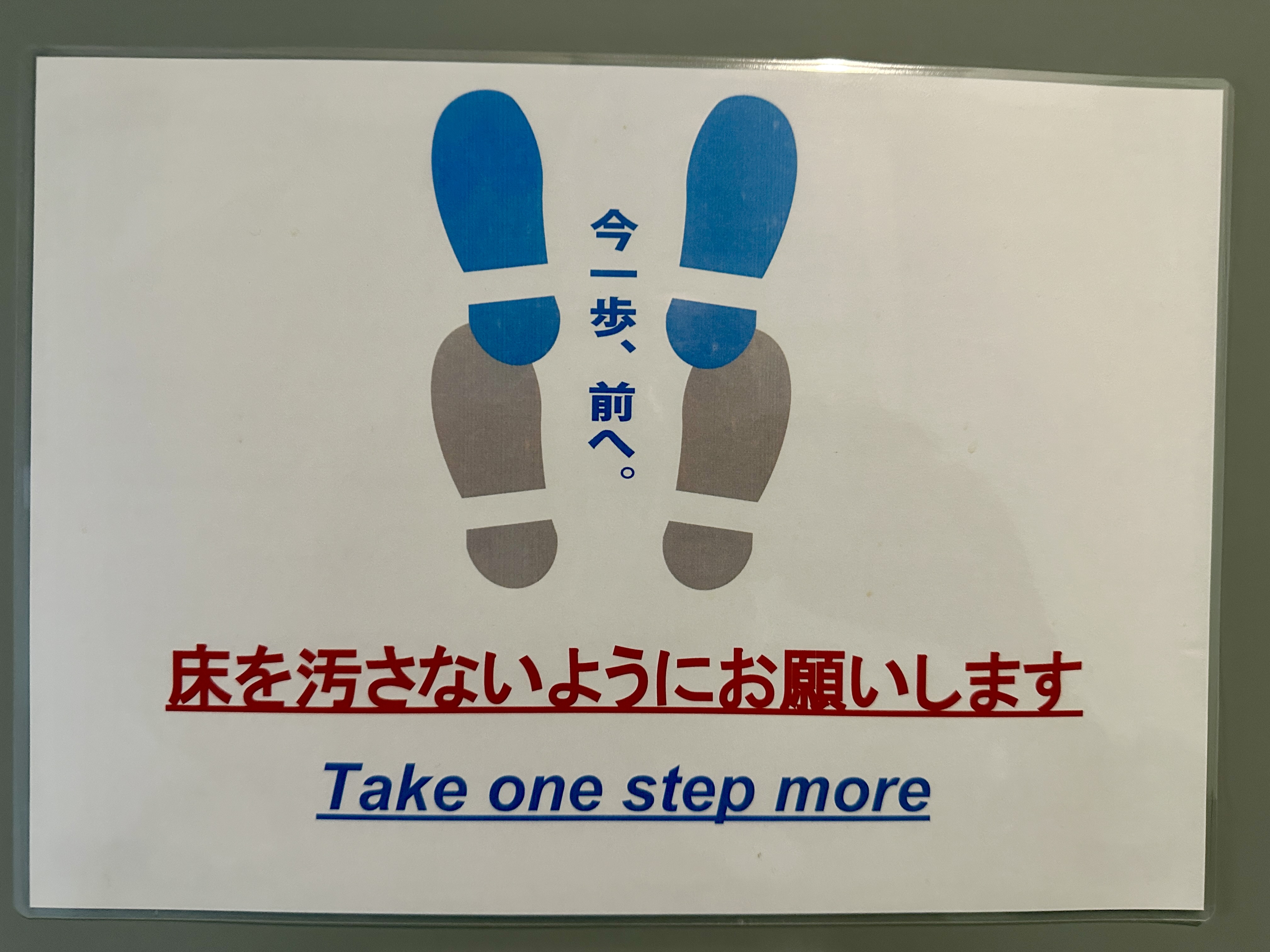
As anyone with a pulse knows, my own country is devolving into a crass, insensitive, intolerant, emotionally and intellectually impoverished mess. In America, individual freedom has become divorced from individual responsibility; the guiding ethos is “me first.” For a disturbingly large minority of Americans (including our current President), there is no sense of duty to the community; indeed, too many people (including our President) define “community” to include only those who look like them and think (to use the term loosely) like them.
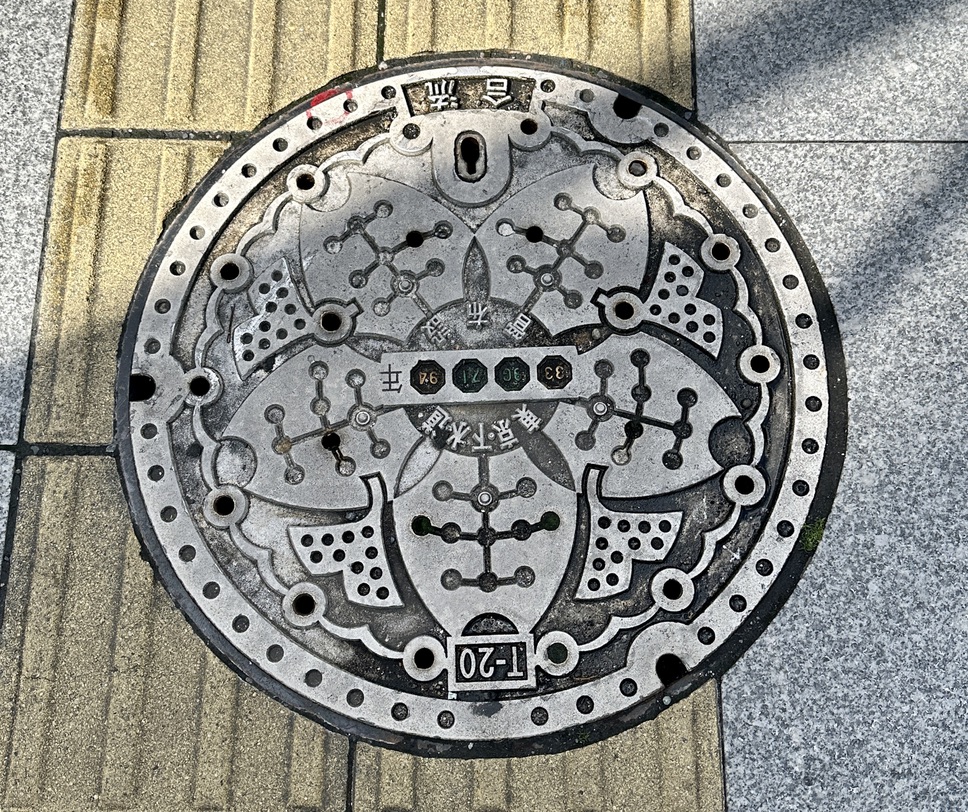
Japan is the light to America’s darkness. Politeness and gentility rule. Some Americans make fun of the Japanese for bowing, for acting deferential, for seeking peaceful coexistence. Guess what – it works, and it makes for a kinder, gentler, and more humane life than the new norm in America.

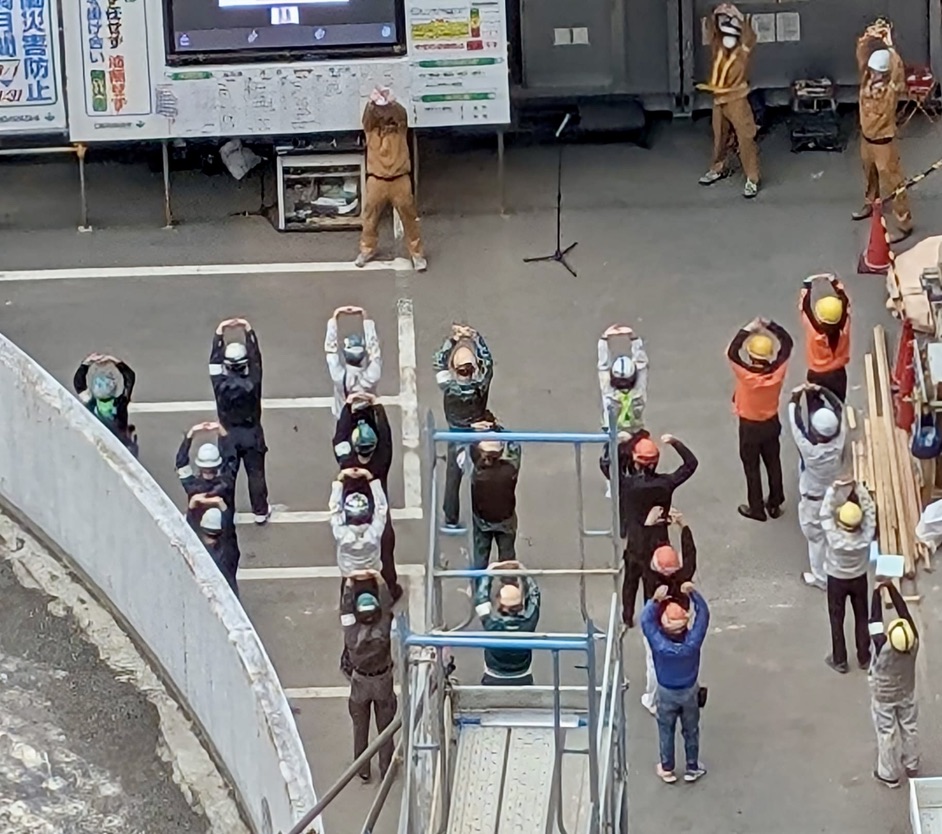
To experience this, all you need to do is walk around Tokyo, Kyoto, or Hiroshima. There is no trash on the street. No graffiti. No homeless people. Nobody yelling into cellphones. No car horns. Virtually no crime. And of course, no guns.
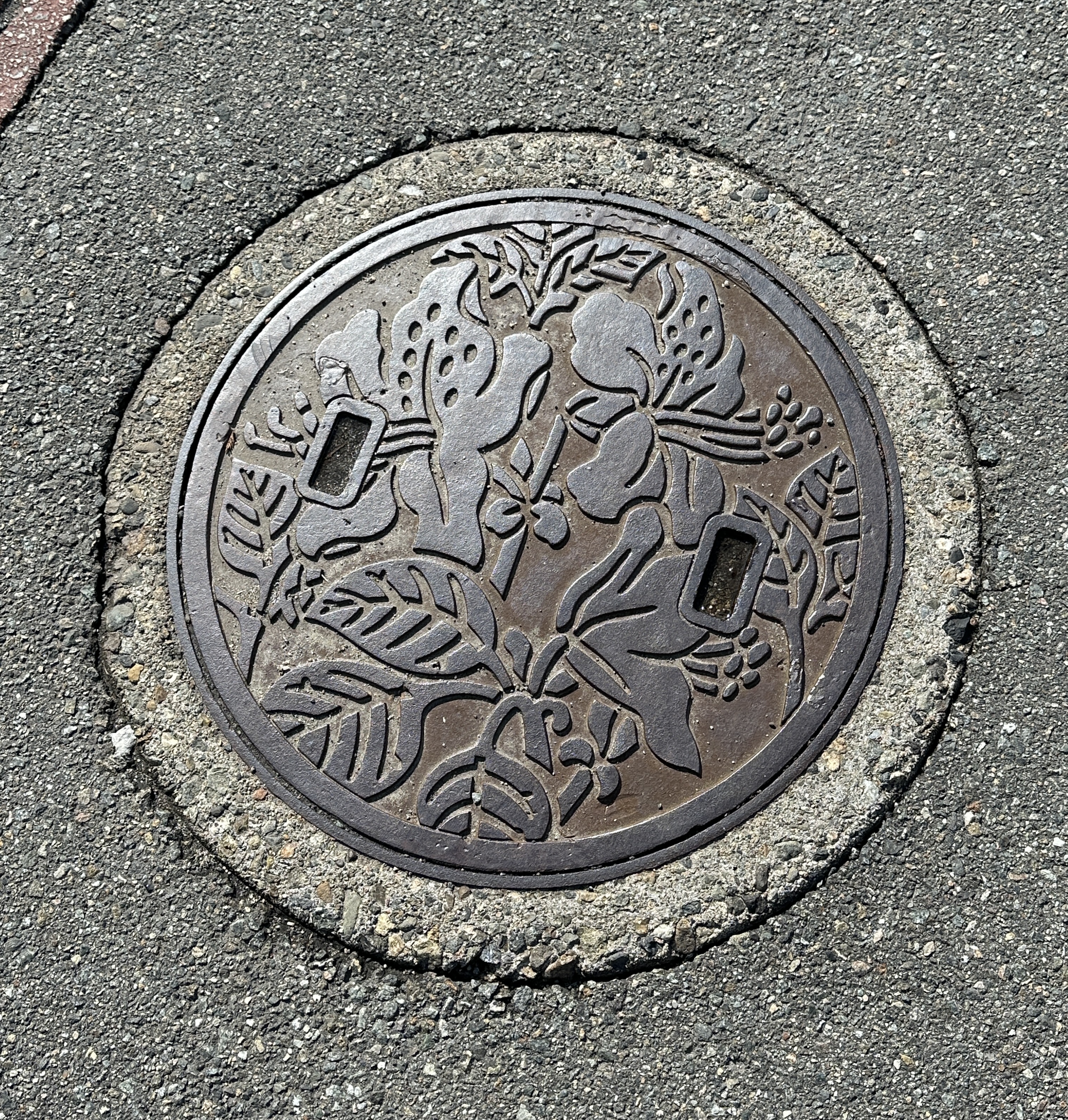
People wait patiently in line to cross the street, board a train, catch a cab. There are no scrums, no elbows, no pushing to the front. The Japanese “make haste slowly” – and quietly.
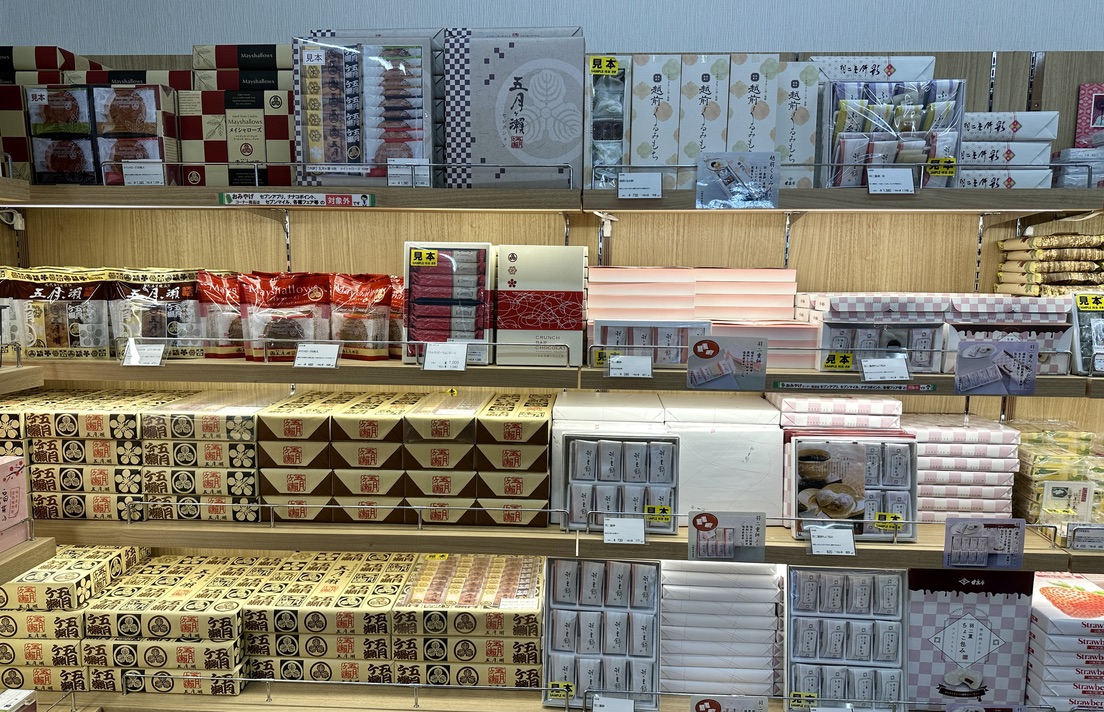
Step into one of the 7-Elevens in a train station and you’ll find gift-wrapped boxes of sweets or local specialties. If a Japanese person has traveled on vacation, it’s customary to bring something back to his or her co-workers as a thank-you for taking care of things in their absence. Being considerate of others is a cardinal virtue.
I don’t deny that Japan, like every nation, has some intractable problems and cultural blind spots. It’s not a utopia. But compared to the aggression and malice that define “American exceptionalism” today, Japan is light years closer to utopia than we are. To quote Jackson Browne, “it’s so far the other way my country’s gone” (“Our Lady of the Well”).

I also don’t deny that it’s easier to build a sense of mutual respect in Japan than in the US, for the simple reason that it’s much more culturally homogeneous. I don’t like such homogeneity; I believe maximum diversity maximizes benefits for society as a whole. Unlike Japan’s reputation for many decades, however, I don’t believe the Japanese are culturally chauvinistic or possess a “not invented here” attitude.
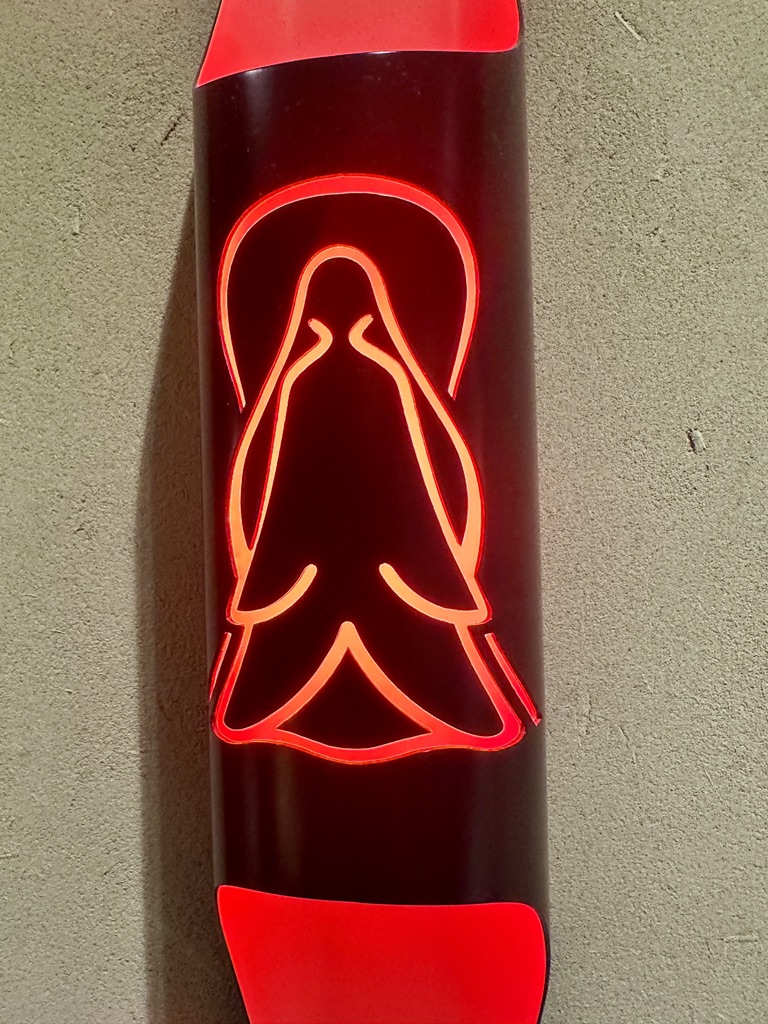
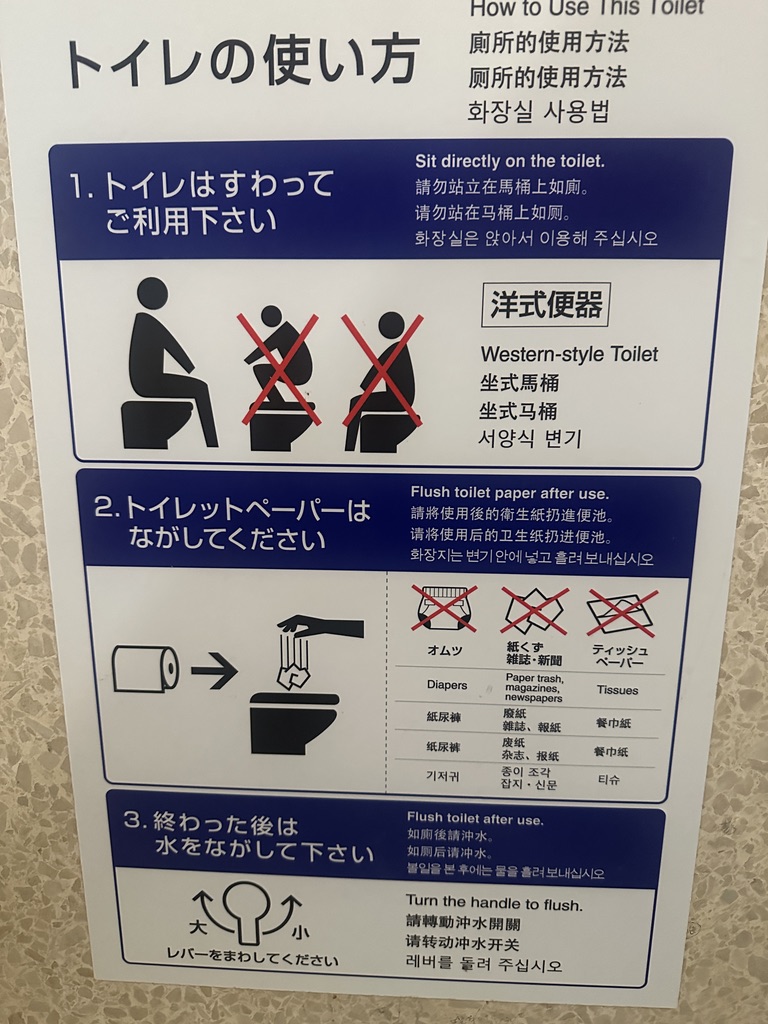
I’m tempted to say that it would be impossible for the Japanese to have a “not invented here” attitude because they seem to have invented, or at least improved on, everything. Virtually all aspects of everyday life, from toilets to transportation to telecommunications, are more advanced and innovative than in America.
Yet at the same time, every effort is made to preserve and respect tradition, to make even the smallest details beautiful, to both honor and learn from the past.
I’ll close this section noting a few things that surprised me about Japan.
First, it’s more affordable than I expected. Meals and drinks cost less than they do at home. Admission fees, even for the most visited sites, are usually the equivalent of two or three dollars, and many are free.

Second, English is not that widely spoken. Although it’s taught in schools, many people with whom you’ll interact (cab drivers, restaurant servers, railroad station attendants) have very limited English. Of course, people in the tourist industry generally are competent English speakers.
I used Google Translate quite often. One tip: If you’re going to take a cab, ask someone from your hotel to write down your destination and the hotel’s name/address in Japanese. Or sidestep the problem by ordering an Uber.
Third, even though most people don’t speak much English, all road signs, subway and train station signs, and announcements on rail transportation are in both Japanese and English. Accordingly, you should have no hesitation driving (albeit on the left) or taking a subway or long-distance train. Based on the experience of two of my fellow travelers, I believe that buses are a different matter, lacking English signage and announcements.
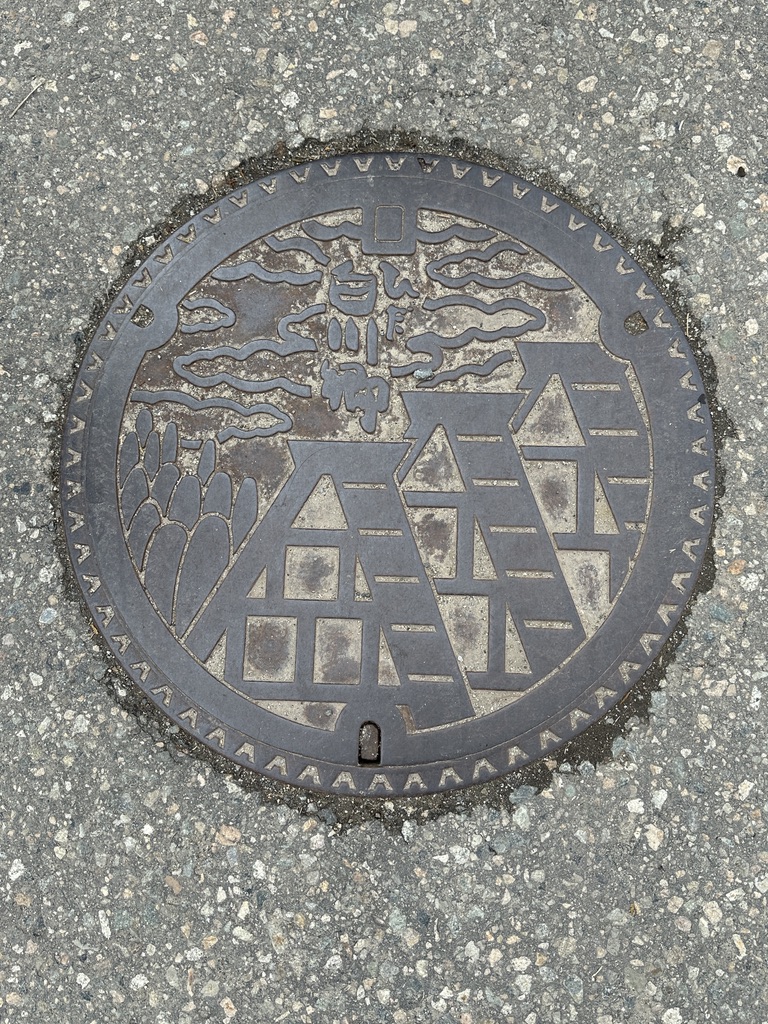
Fourth, many public washrooms do not have towels or air dryers. Japanese people often carry a small towel with them; tourists should do the same.
Touring Japan with Odysseys Unlimited
I’ve taken several terrific trips with Odysseys Unlimited. It’s an excellent travel company, offering compelling itineraries, unique experiences, stays in top-notch, often eclectic hotels, and superlative guides.
This trip showcased all of these attributes. Our itinerary encompassed two major cities (Tokyo and Kyoto), two mid-sized cities of cultural and historical importance (Hiroshima and Kanazawa), and two smaller towns surrounded by great natural beauty (Hakone and Takayama).
In addition to seeing the important sites, Odysseys provided the opportunity to watch artisans at work and even try our hands at their crafts. We learned about calligraphy, gold leaf, traditional washi paper and ceramics, and cooking miso soup and other customary Japanese foods. And we attended a magnificent tea ceremony.

Every hotel was spacious, clean, comfortable, well-located, and well-equipped. We even got to stay at a ryokan, a Japanese inn with tatami mat floors, platform beds, and onsen (baths fed by hot springs).
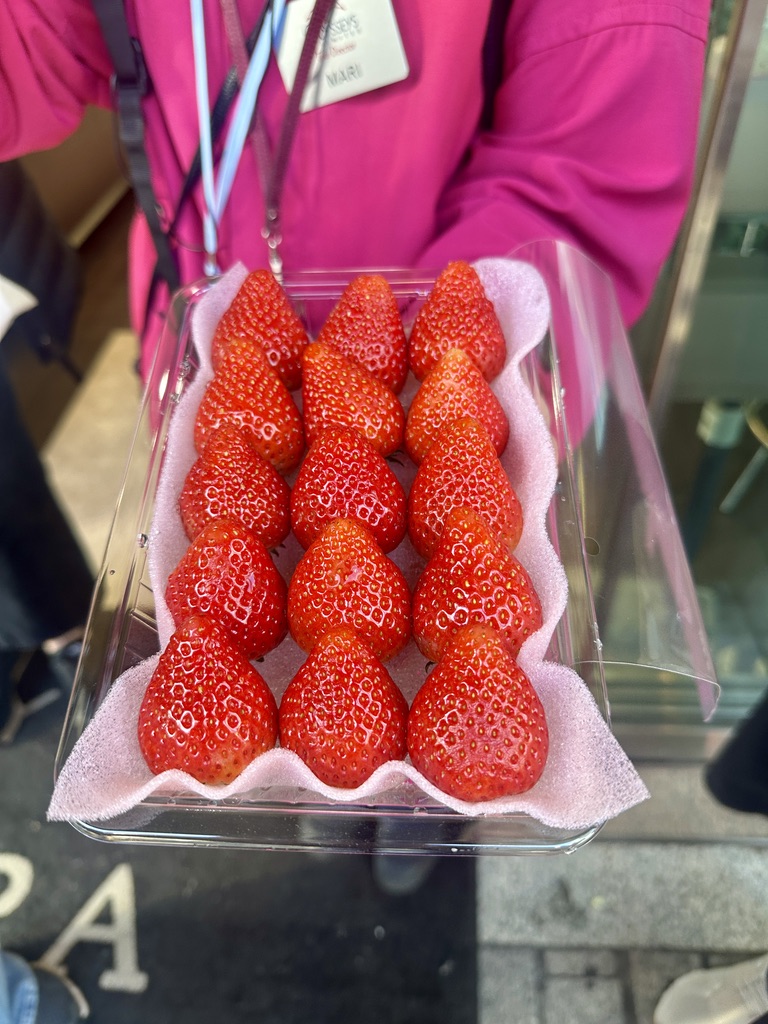
Which brings me to our superlative guide, Mariko. Like all Odysseys guides I’ve had, Mari was organized, informative, solicitous, and unflappable. But Mari brought much more to the table: gentle kindness, humor, stories, laser focus on our comfort and well-being, and genuine curiosity about our reactions to food, sights, experiences, and Japan in general.
Time and again, Mari went above and beyond. Often, when our scheduled tours were done for the day, she’d offer to walk us around the neighborhood, go in search of cherry blossoms, or take us an optional visit to an off-itinerary attraction.
Mari was superlativer than superlative!
Thank Yous
I always close my travels with words of gratitude.
Thanks to Mari for being a wonderful guide and terrific ambassador for her country.
Thanks to my sister and brother-in-law for good times and kindnesses too numerous to mention, and to their dear friends Howard and Lala for all the laughs and interesting conversations (and free food – you’d better come to Maryland so I can reciprocate!).
Thanks to the rest of our group for being so welcoming, interesting, entertaining, and easy to get along with.

As always, thanks to my wife for encouraging me to take these trips even though she views travel as something akin to torture. You weren’t here in person, but you’re always with me in my head and in my heart.

Thanks to life, the universe, and everything for treating me so munificently and enabling me to take these trips.
And thanks to everyone who reads this blog. (That means you!)
Matane

 PuffinlessTravel