Three times during my travels, I have visited places that reduced me to tears. The first time: August 2018 in Budapest; shoes of Holocaust victims in a line along the Danube.

The second: Normandy, June 2019, two weeks after the 75th anniversary of D-Day, visiting the American Military Cemetery.

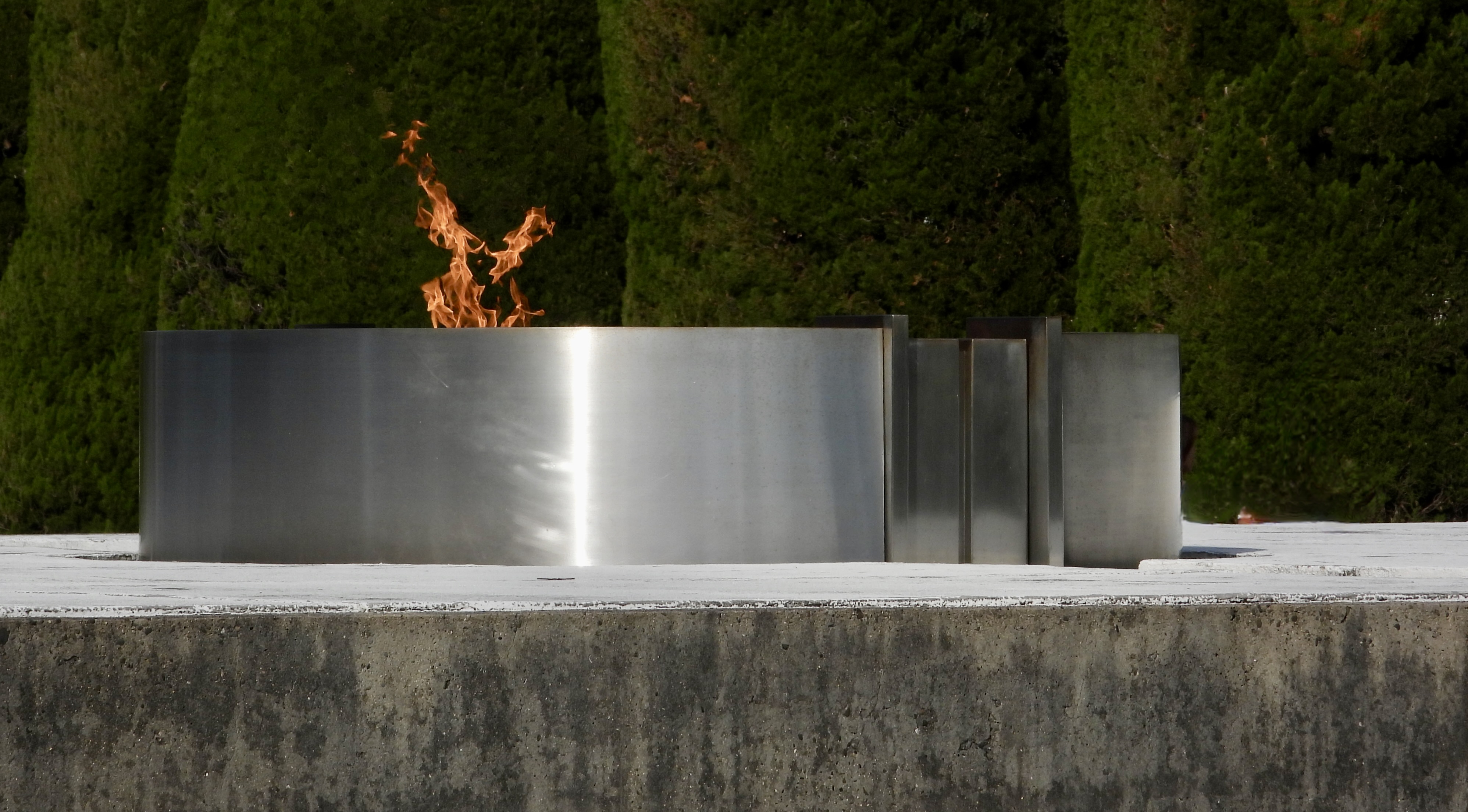
The third: today, at the Hiroshima Peace Memorial Park and Museum.
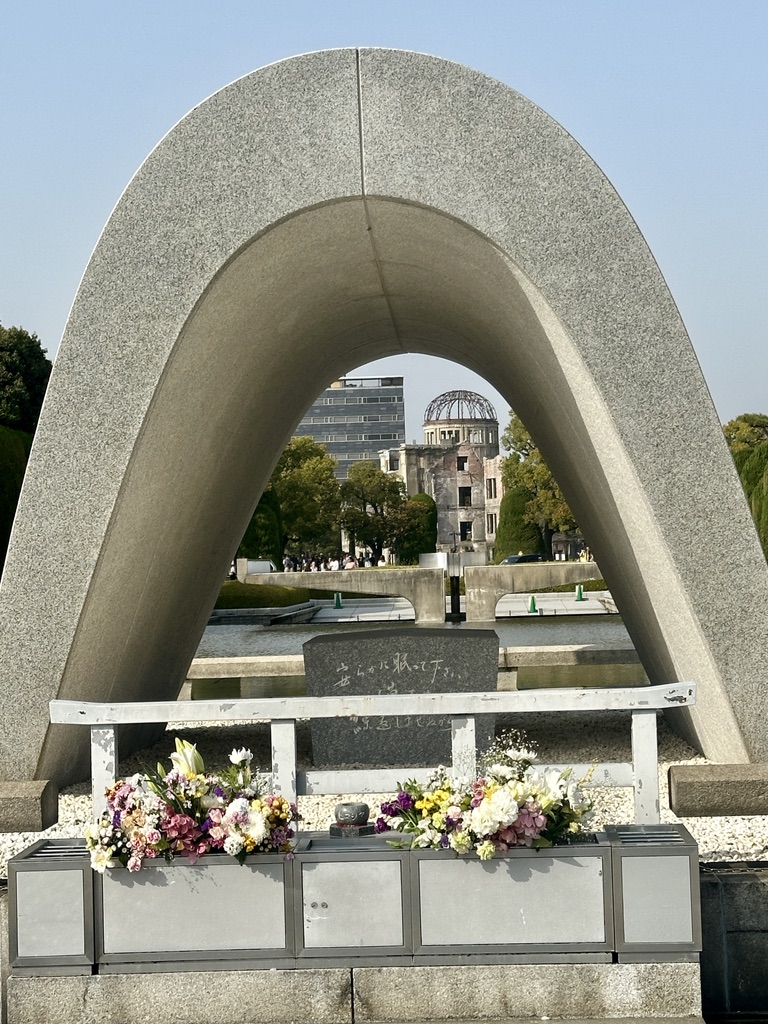
In the museum, burnt and tattered clothes of children in the blast zone. Watches stopped at 8:15 a.m. Melted tricycles. Photos of people with skin hanging in blackened strips. I couldn’t look, and couldn’t not look. I emerged from the Museum in shock and in tears.
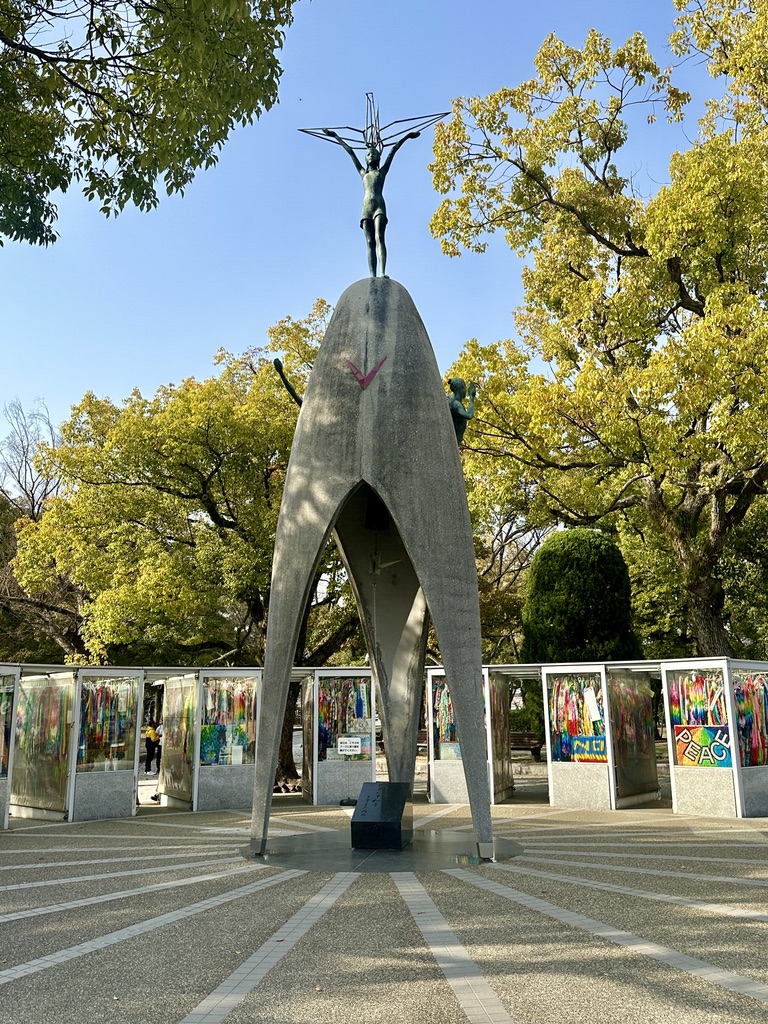
Would more people have died if we hadn’t dropped the bombs? If instead we had invaded Japan? Who knows, but that’s not the point. We, as a species, are capable of great compassion and of great cruelty. Of love and of hatred. Of beauty and of barbarity. How do we consecrate the sublime and condemn the hellish? That is the focus of the Museum and the Park.
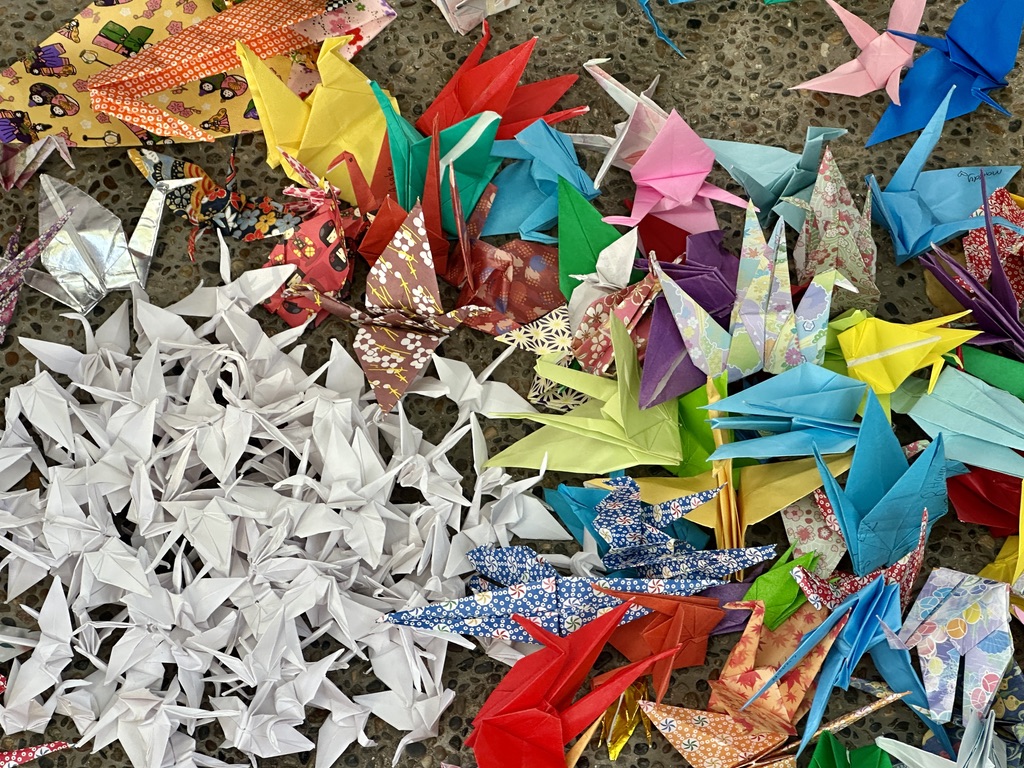
Japan was an aggressor, its soldiers often cruel and inhumane. Or were they all too human? In times of war, the reasonable and benevolent become reprehensible and beastly. That’s been true of all nations, in all wars, at all times.

I left the Museum and Park devastated and bereft. If only Trump, and Putin, and the leaders of Hamas, and Netanyahu, and every other hate-spewing, megalomaniacal leader could be locked in the Museum and forced to meditate on the horrific. Would it matter? I would like to think yes, but I have my doubts.
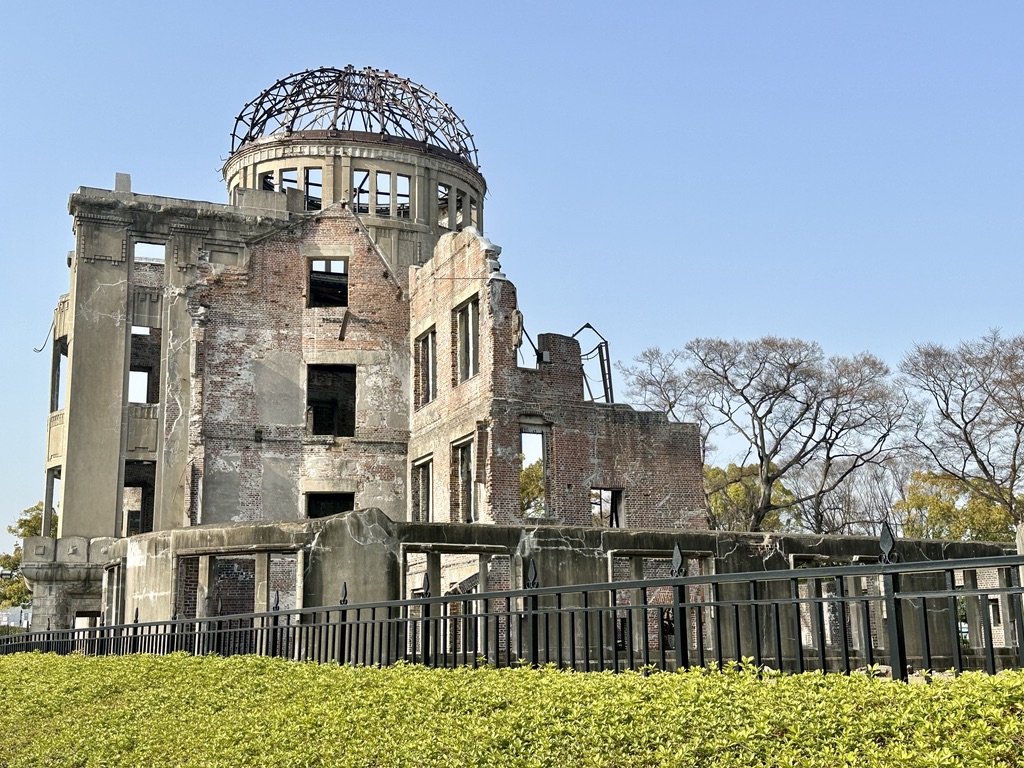
At the Museum, we listened to a storyteller, Akio Kusumoto, recount the testimony of a 95-year-old survivor of the bombing, Chieko Kuriake. His closing words: “let’s make peace together.” Amen.
I promise I’ll get back to my usual breezy, Dad-joking self tomorrow. For today, though, I’m sad, shaken, and sick.


 PuffinlessTravel