Kanazawa – its name means “marsh of gold” – is a cultural powerhouse packed into a medium-sized city bordering the Sea of Japan. Our tour today hit four of Kanazawa’s most famous attractions, beginning with the showroom of Hakuichi Hakukokan, a renowned manufacturer of gold leaf and designer of gold leaf-coated products, including everything from plates to statues to … ice cream and cosmetics.
We had an Au-some visit! (Ba-dum-pum.)
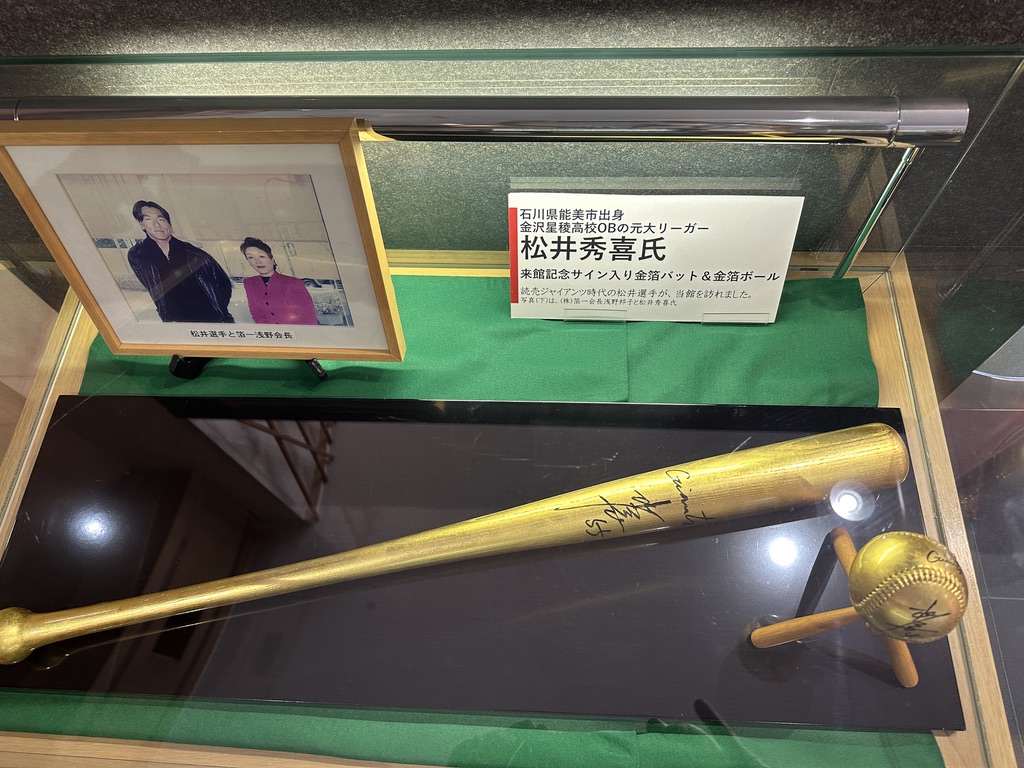
Upon entering Hakuichi’s showroom, the first thing I saw was a gold-plated bat and baseball signed by Hideki Matsui. I’m no Yankees fan, but this was an Au-spicious beginning, to be sure. (No more periodic table puns, I promise – I’m out of my element.)
To set the stage, our host positioned us beside a replica of a gold-leaf covered suit of armor used by Maeda Toshiie, a 16th century warlord who ruled the local area and was considered second in power only to Tokugawa, one of the “Great Unifiers” of Japan and the model for the “Shogun” mini-series.

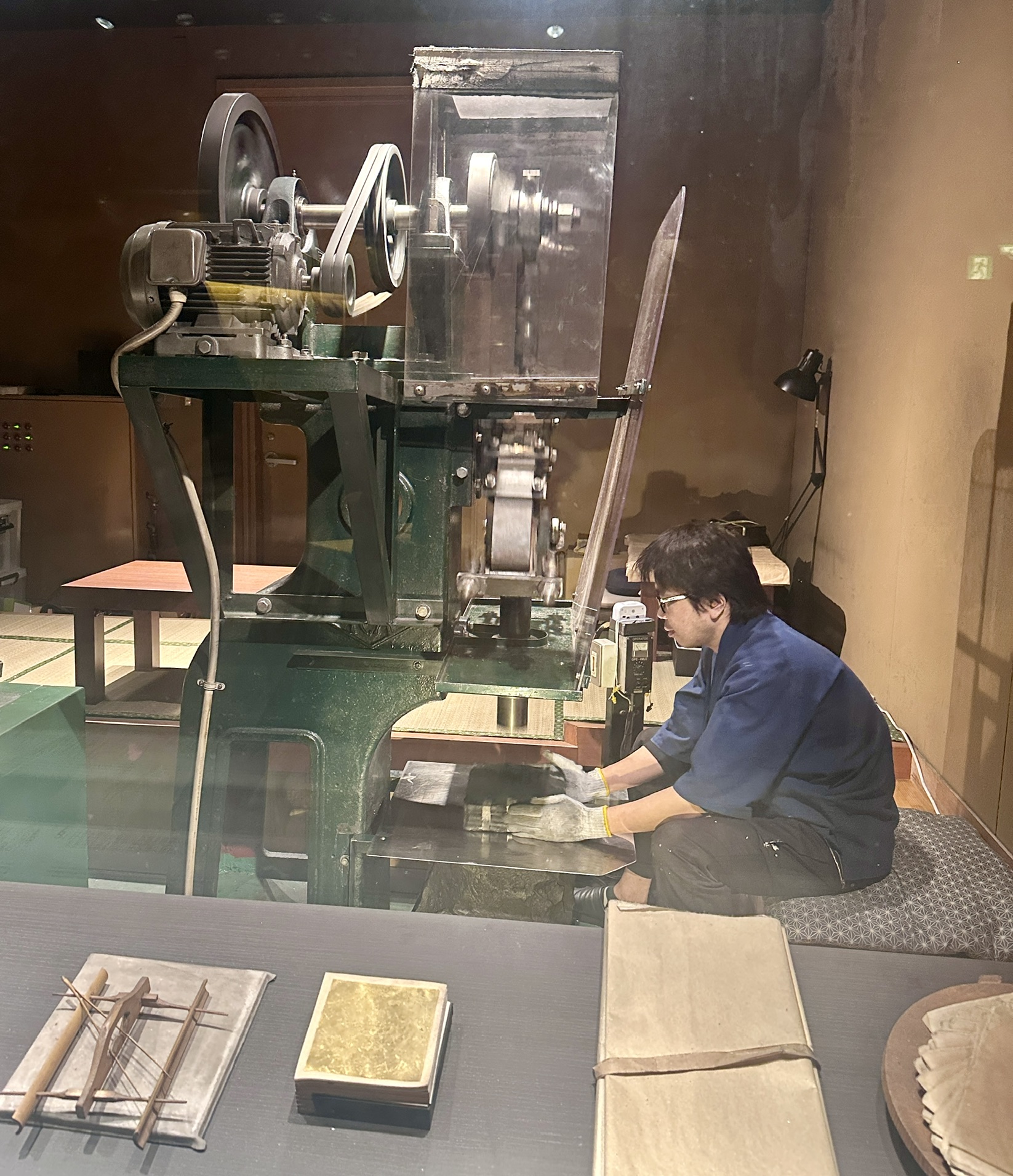
In an adjacent room, a worker operated a press that smashed gold leaf to a thickness of 1/100 of a millimeter. The room is surrounded by three layers of thick glass – which accounts for the low-fi photo – because the press creates an ear-shattering racket.
Then we had an opportunity to try our hands at designing a plate with a gold leaf design. First, we chose a stencil (mine is a plum tree supported by poles) and applied it to the plate. Then one of our host’s associates applied glue. Once the glue was partially dry, we pressed gold leaf onto the stencil. The associate then applied some kind of sealer, and once that dried, we removed the stencil to produce the final product. (If you like what I made, all I can say is “Au, shucks.” (So much for my promise.)
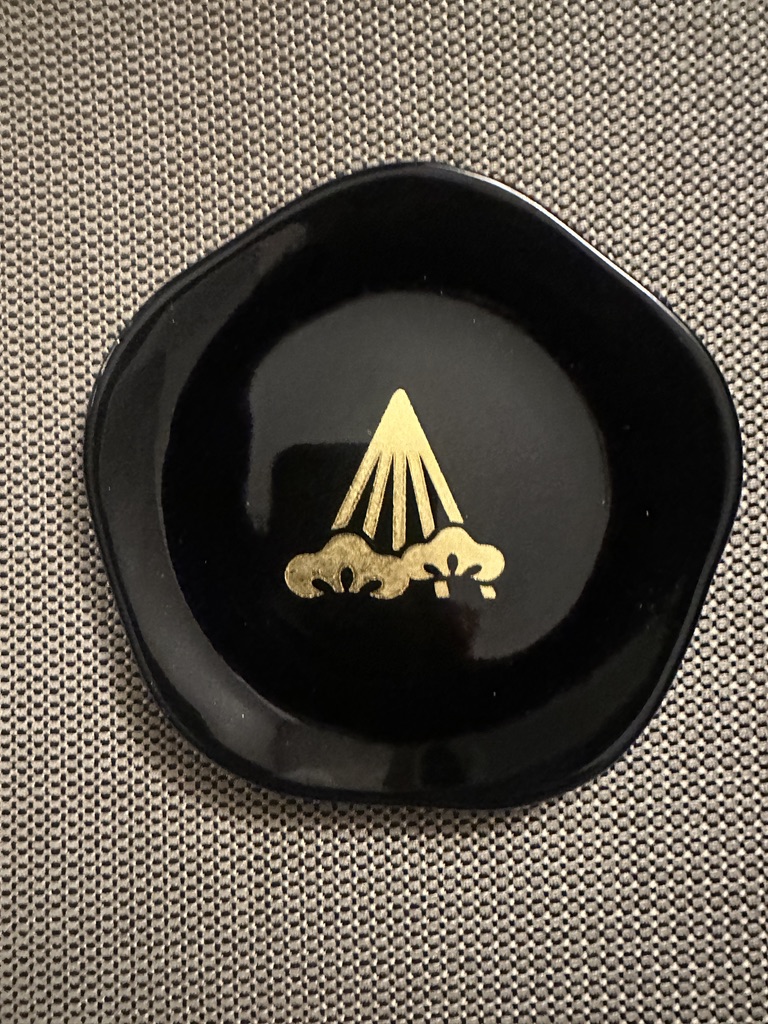
Thank you Odysseys Unlimited, once again, for providing an immersive experience resulting in a keepsake that will forever hold warm memories of our travels in Japan.
Oh – about the ice cream and cosmetics: gold leaf traditionally was used to decorate statues of the Buddha, but demand for those statues has been declining. The owner’s wife saw a need to diversify, and the company developed gold leaf-containing cosmetics as well as an edible form of gold leaf used to coat soft-serve ice cream.
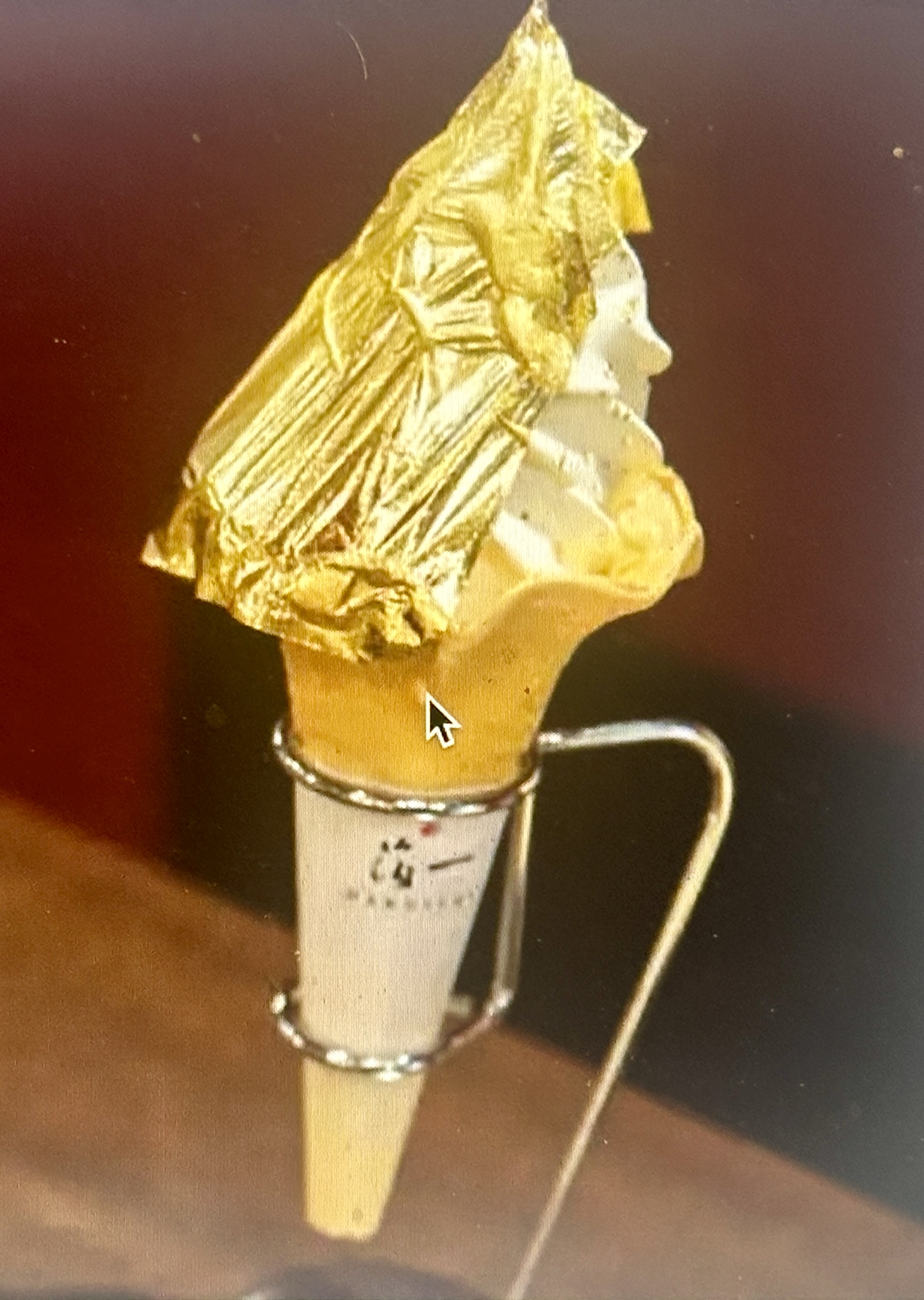
I neglected to take a picture of the ice cream, so here’s a fuzzy photo of a picture on Hakuichi’s web site.

Our second stop was the Kutani Kosen ceramics and porcelain factory. (Kutani ceramic pieces are world-famous; Kanazawa has been known for these crafts for over 300 years.)
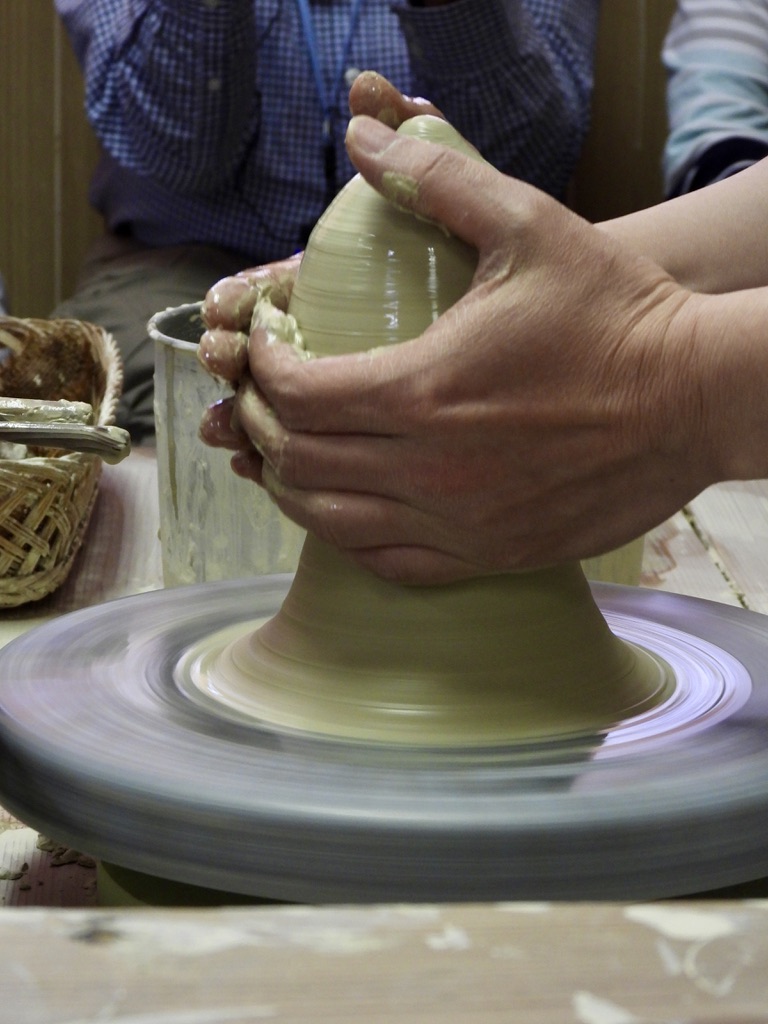
The owner – the fifth generation of his family to work in the business, a recurring theme in visits to Japanese artisans – talked about the ceramic-making process and quickly produced two gorgeous pieces on the potter’s wheel.
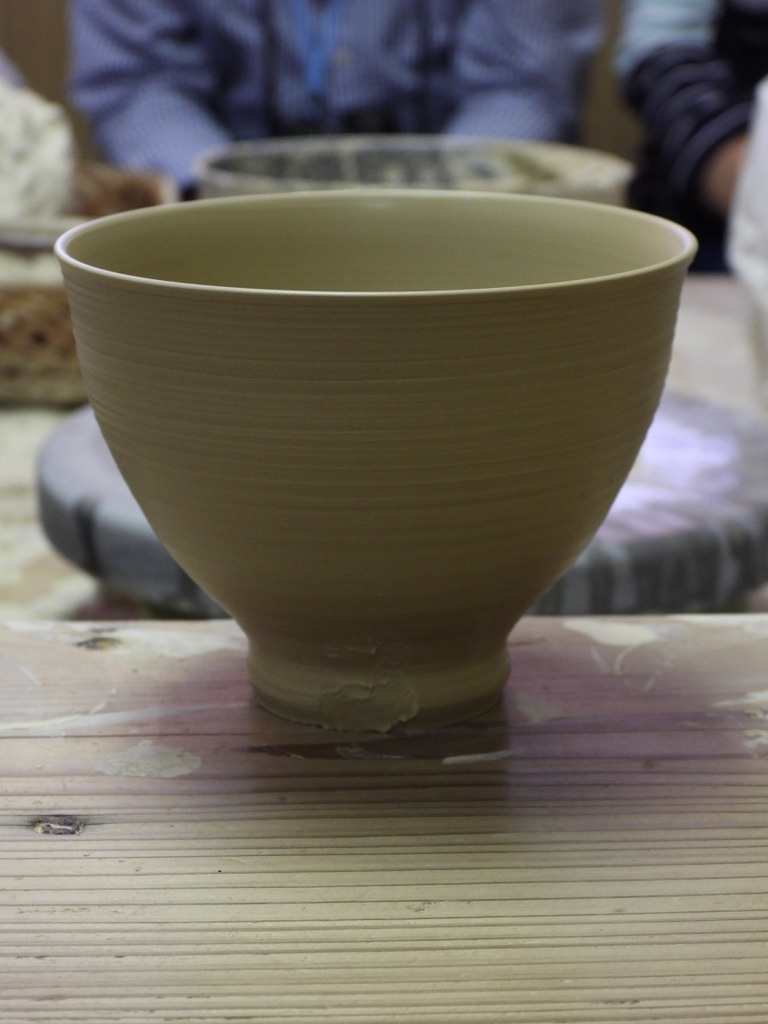
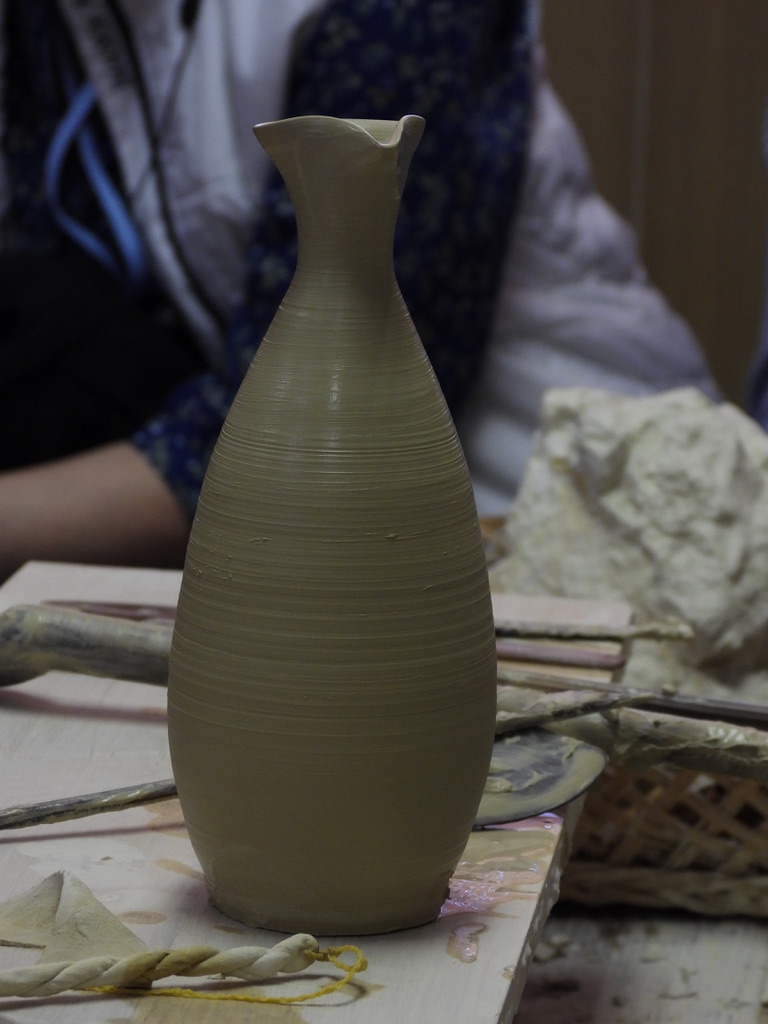
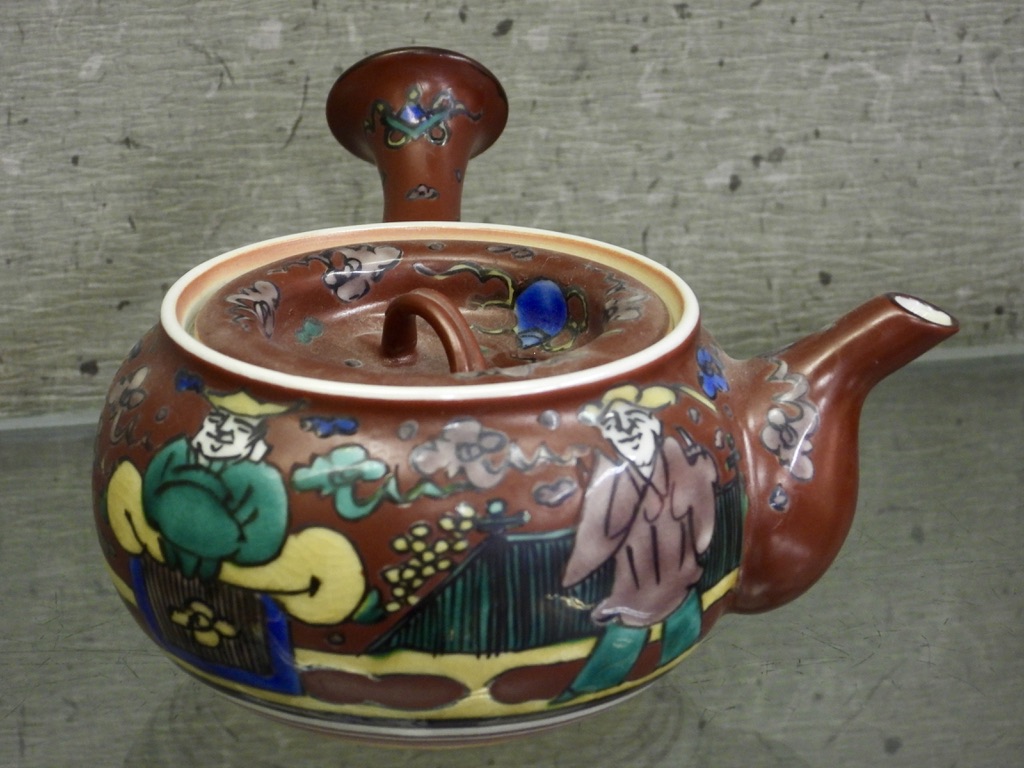
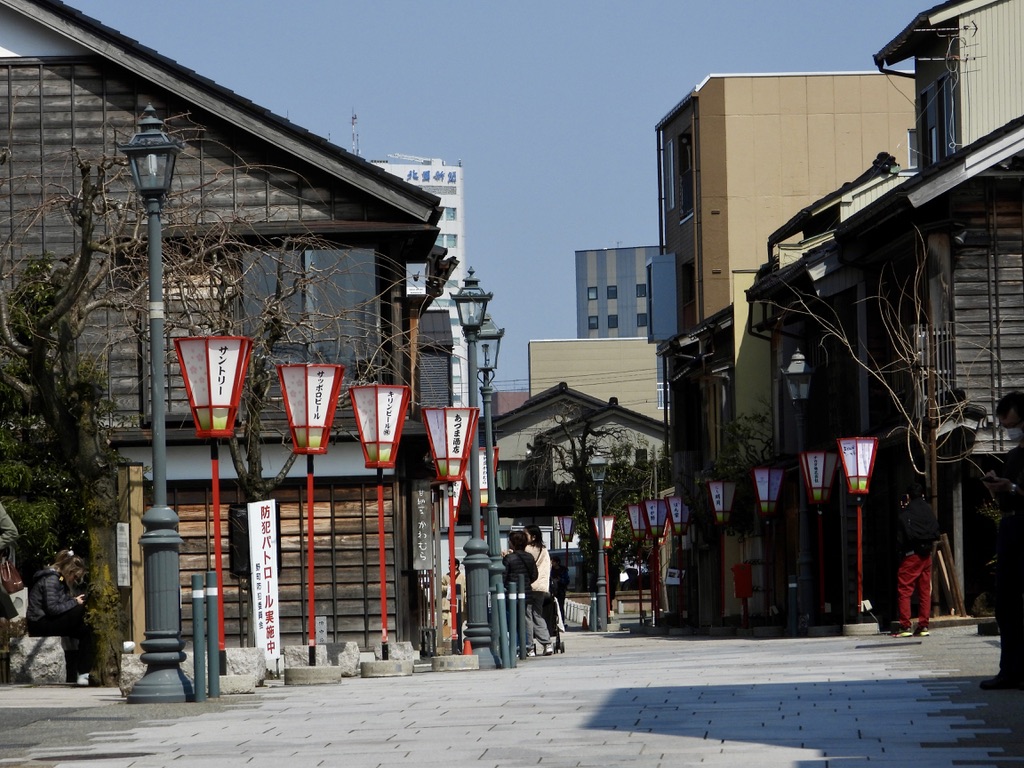
Kutani Kosen is located in the Nishi Chaya district of Kanazawa, an area filled with traditional Japanese houses.
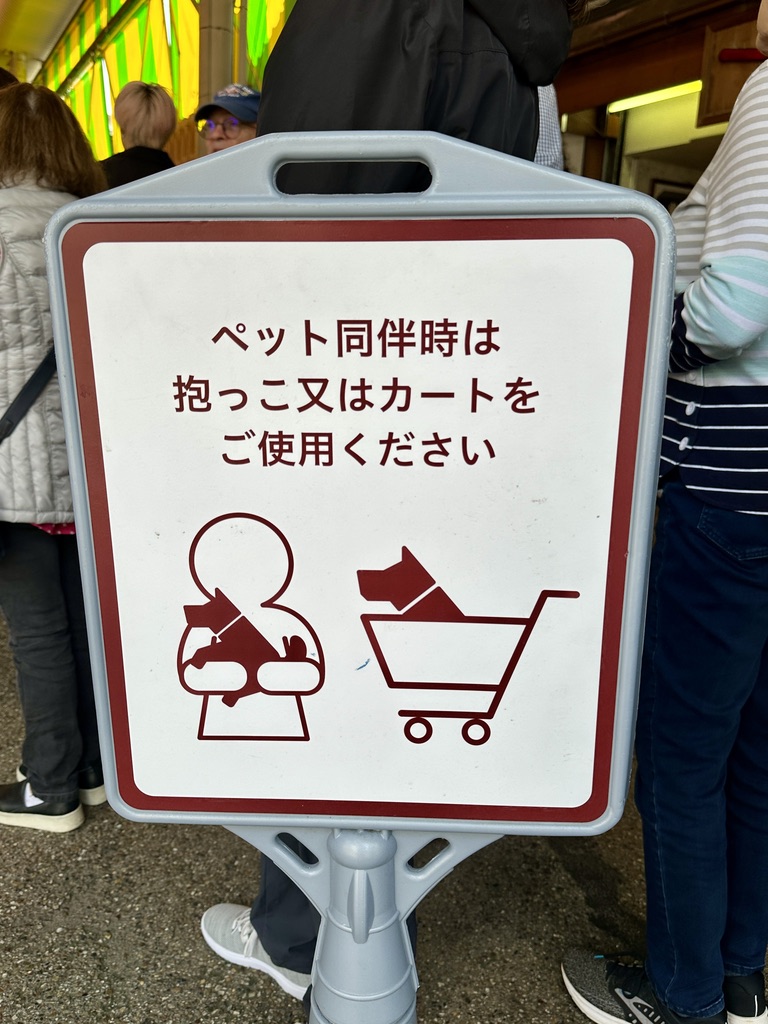
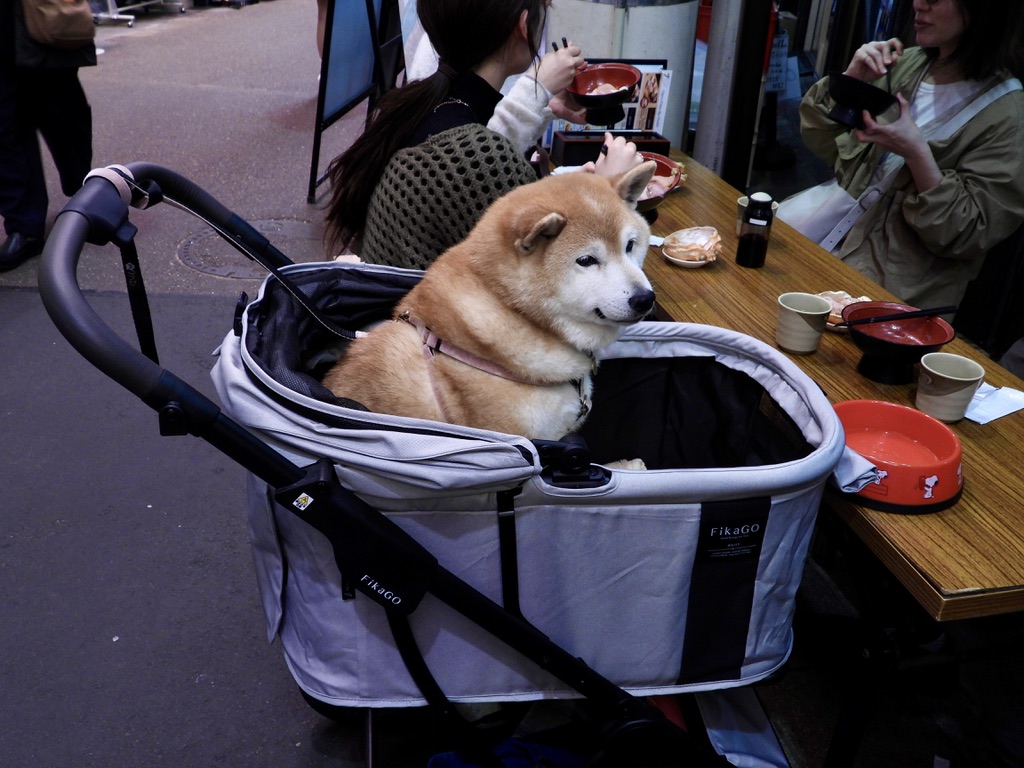
Next up: Omichi Market, a bustling spot filled with scuttling crowds (and no-longer-scuttling crabs) in search of fresh seafood, gleaming produce, and luscious, freshly prepared takeaway. Despite the throngs of people (some with dogs in strollers), this is Japan, so there’s no pushing, elbowing, or even loud noise.
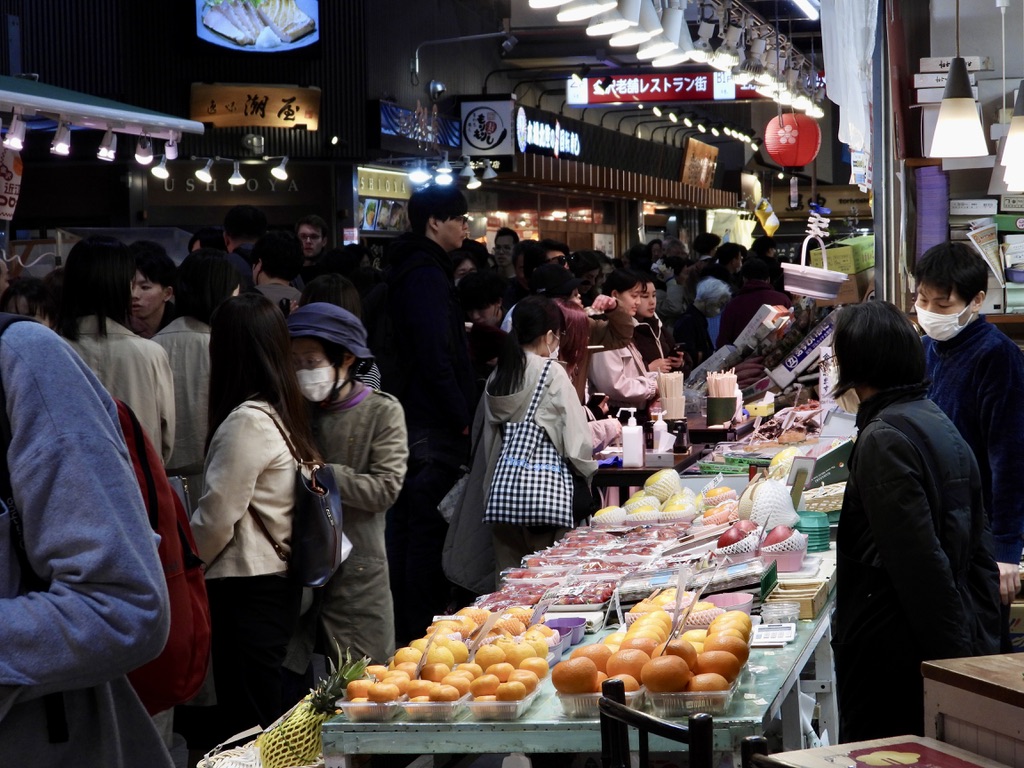
I love local markets: I’ve strolled through souqs in Oman, braved the din and craziness of Mumbai’s bazaars, and edged through the jam-packed markets of Ho Chi Minh City. Omichi did not disappoint!


Omichi comprises a large indoor space focusing on seafood – especially crabs, for which the area is famous – and produce (ditto for apples).
Several shops also sell prepared foods, particularly sushi and sashimi.


There’s even a sushi vending machine outside one of the entrances!

We finished today’s tour at the magnificent Kenrokuen Garden – regarded as the most beautiful Japanese garden in the entire country, which is saying a lot. The Garden was designed and laid out between the 1620s and 1840s at the direction of the Maeda clan. (Maeda Toshiie claimed to be more interested in beauty and culture than in fighting.)
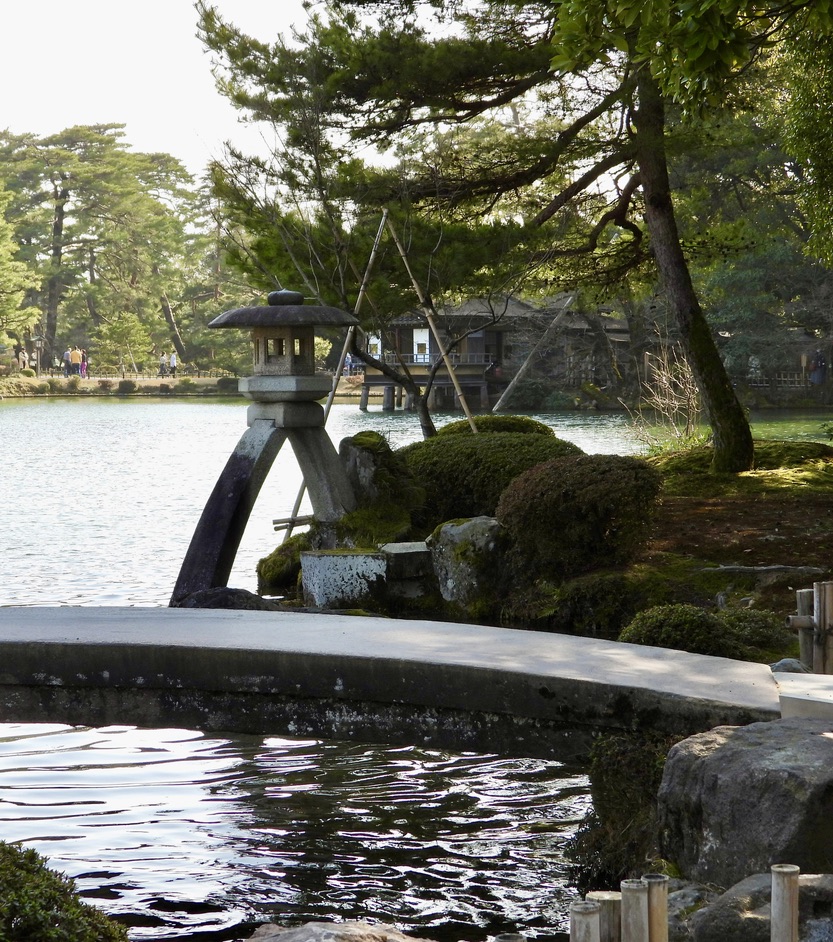
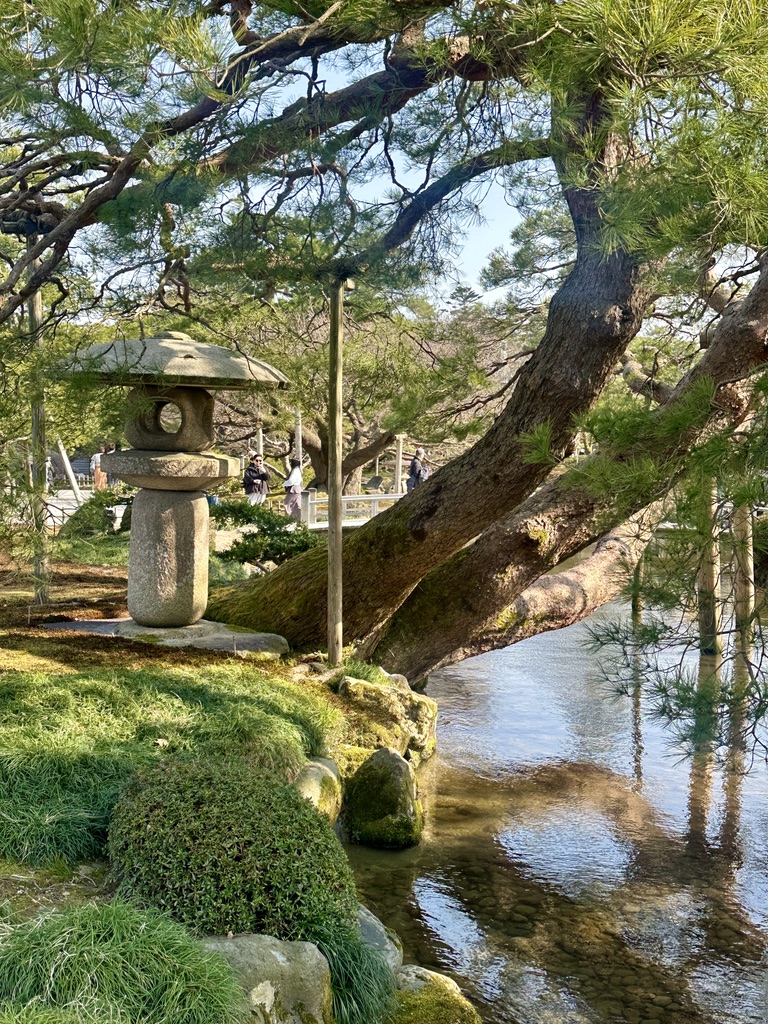
It’s a glorious spot, designed in accordance with the “Six Sublimities,” three contrasting pairs of attributes (spaciousness and seclusion; artifice (human intervention) and antiquity; and water features and broad views.
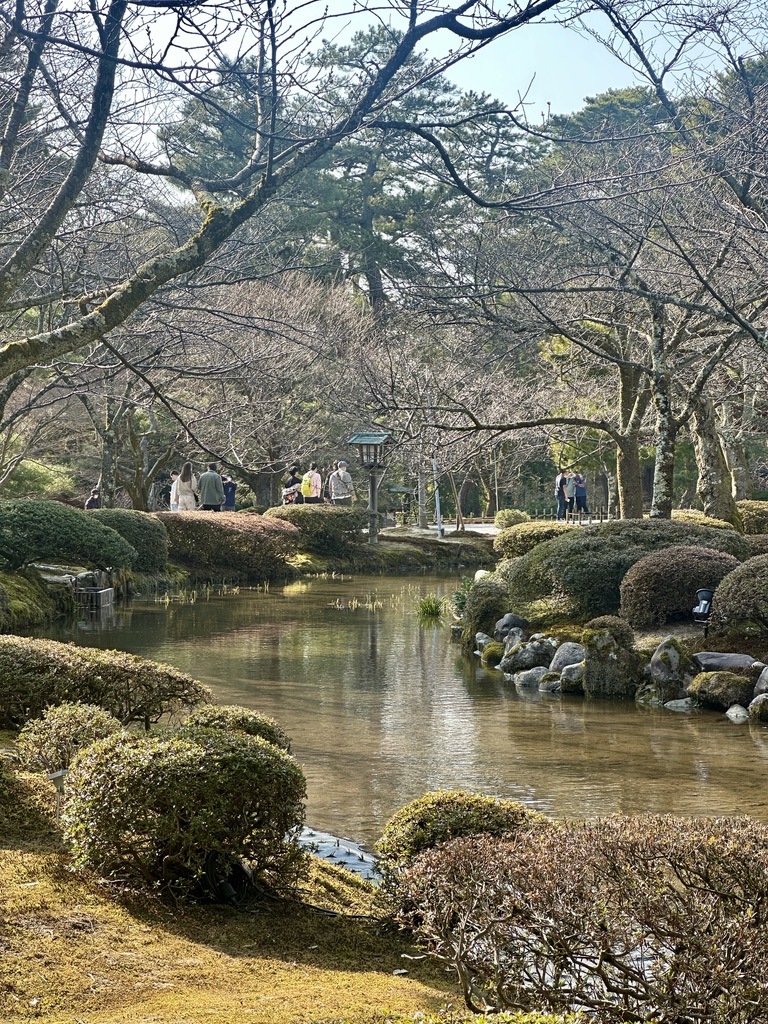
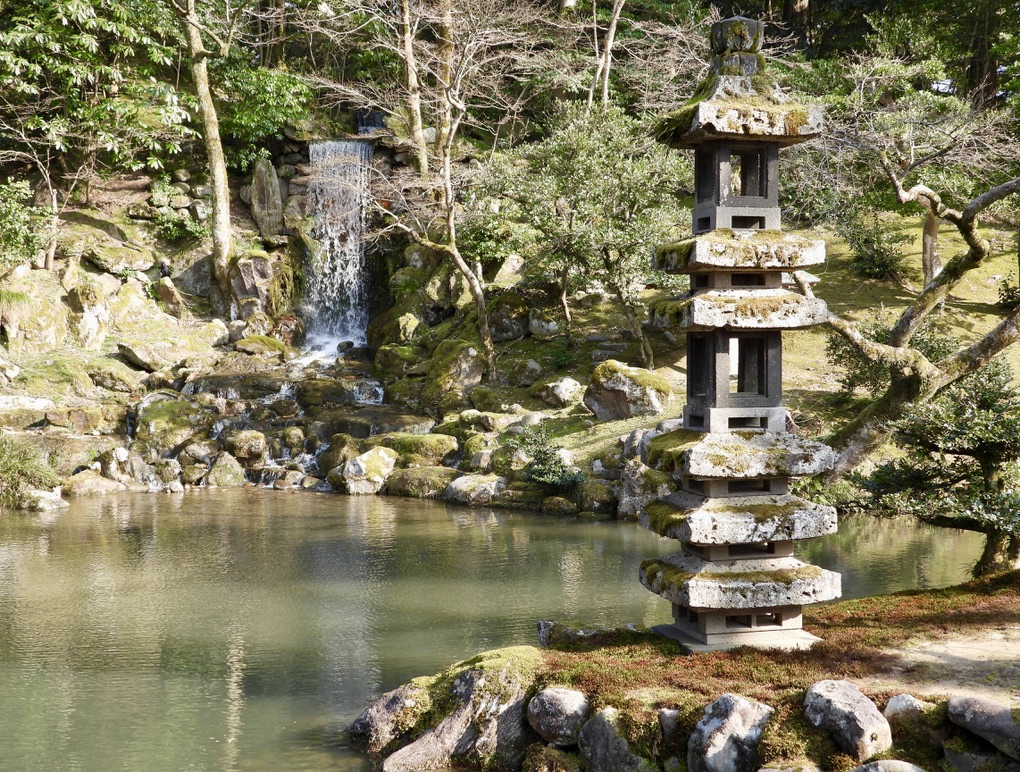

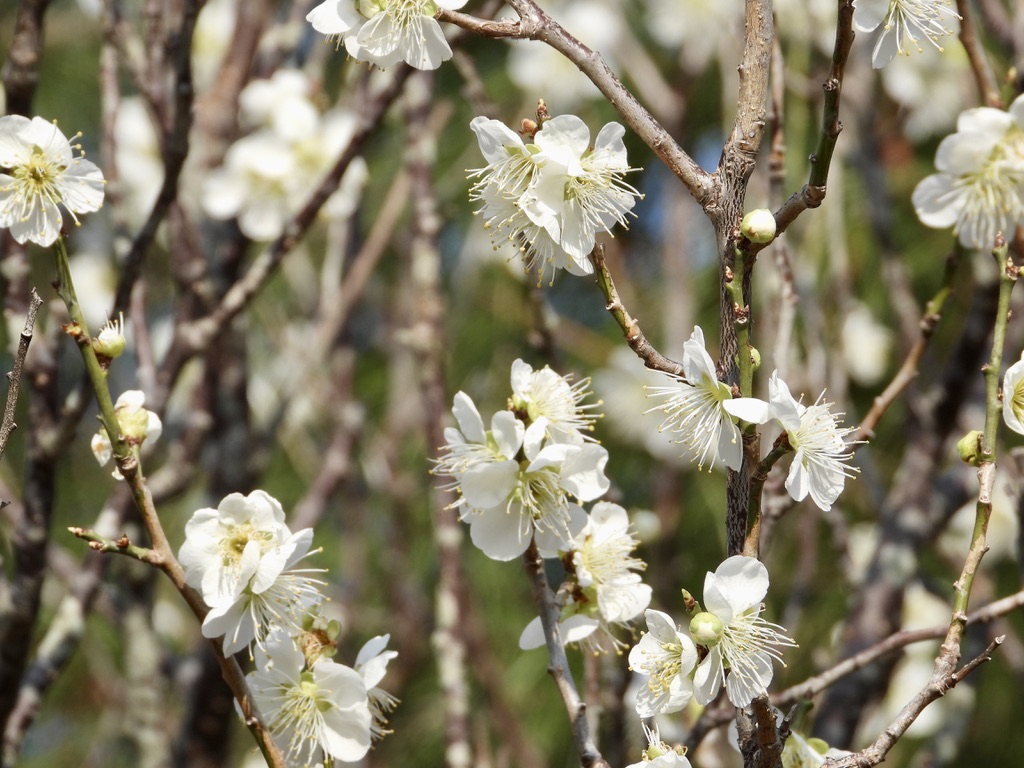
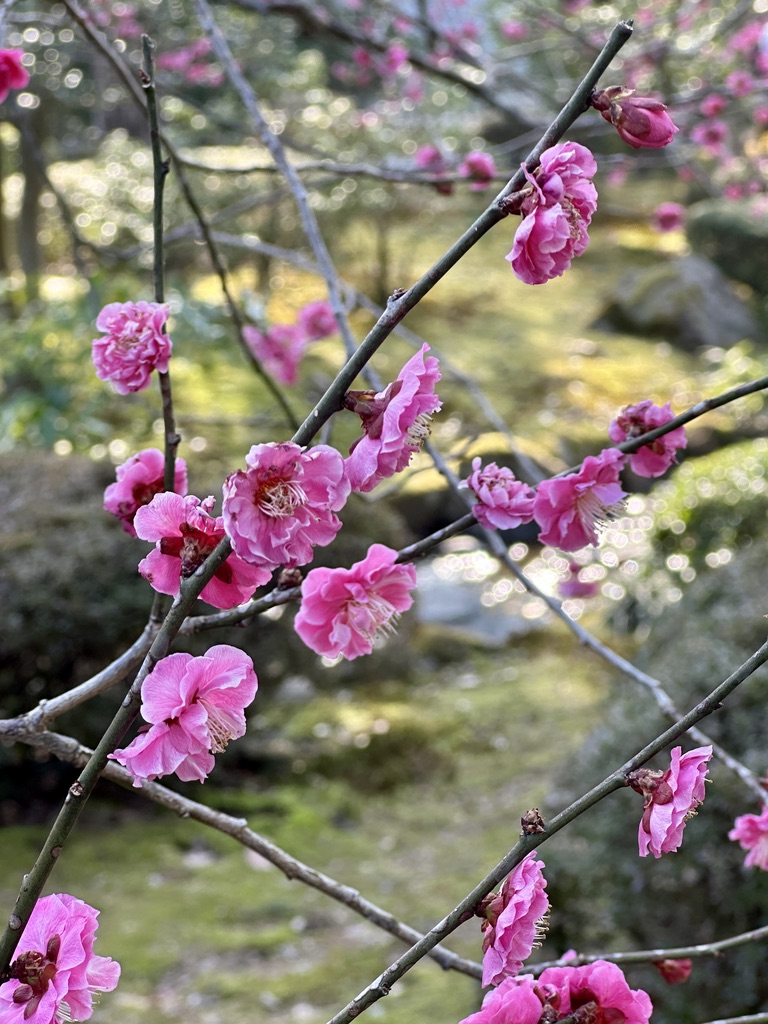
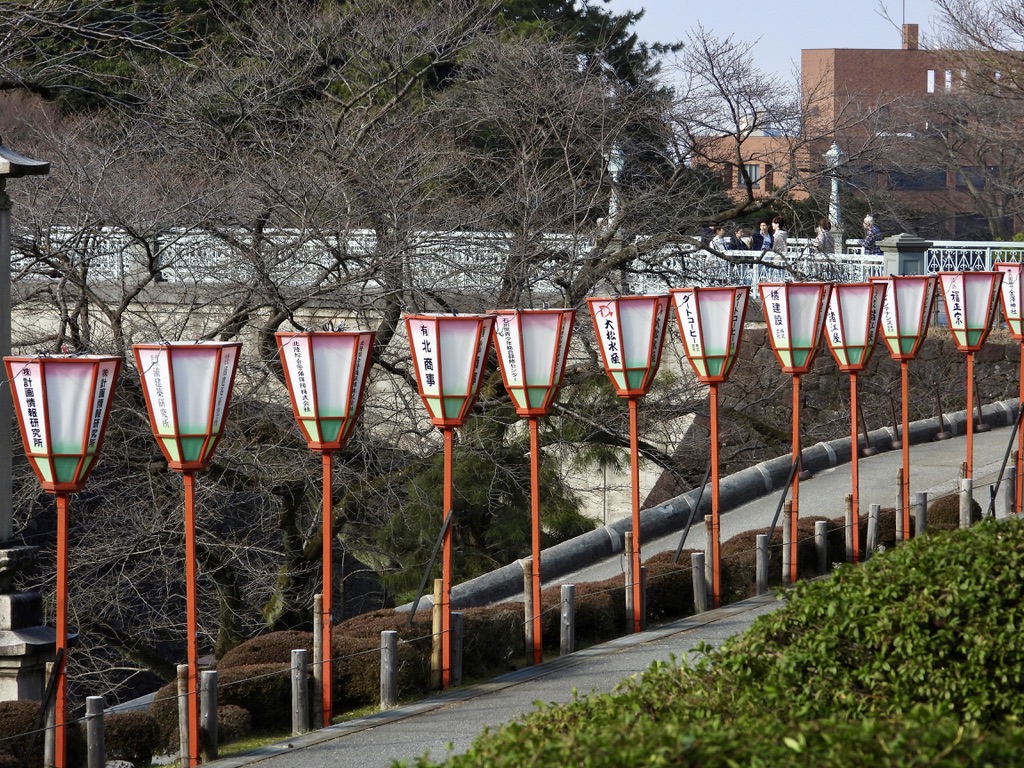
The Garden contains delicate bridges, centuries-old pines, lanterns, waterfalls, streams, newly flowering plum trees (the cherries were still dormant), and, of course, a statue of the beauty-loving warlord himself.

If you’re ever in Kanazawa – and I’d urge you to come – Kenrokuen is an essential place to visit.

Tomorrow we head to Kyoto, where we’ll spend the next three days. Until the next time, Au Revoir. (I had to, sorry!)

 PuffinlessTravel