Kon nichiwa from Japan, my ninety-ninth country/territory. I’m writing this two days into a two-week trip through this fascinating nation, starting in Tokyo and ending in Hiroshima.
I’m joined on this trip by my sister, brother-in-law, and two of their good friends. I love solo travel, but nothing beats a trip with close friends and family!
We’re on a tour operated by Odysseys Unlimited, a company that began by organizing trips for college alumni associations and has since expanded to the general travel market. I’ve traveled with Odysseys a couple of times before and have been consistently impressed. Our guide for this trip is Mari, a Tokyo native with a contagious love and enthusiasm for her city and homeland. We’re in wonderful hands for the next two weeks!
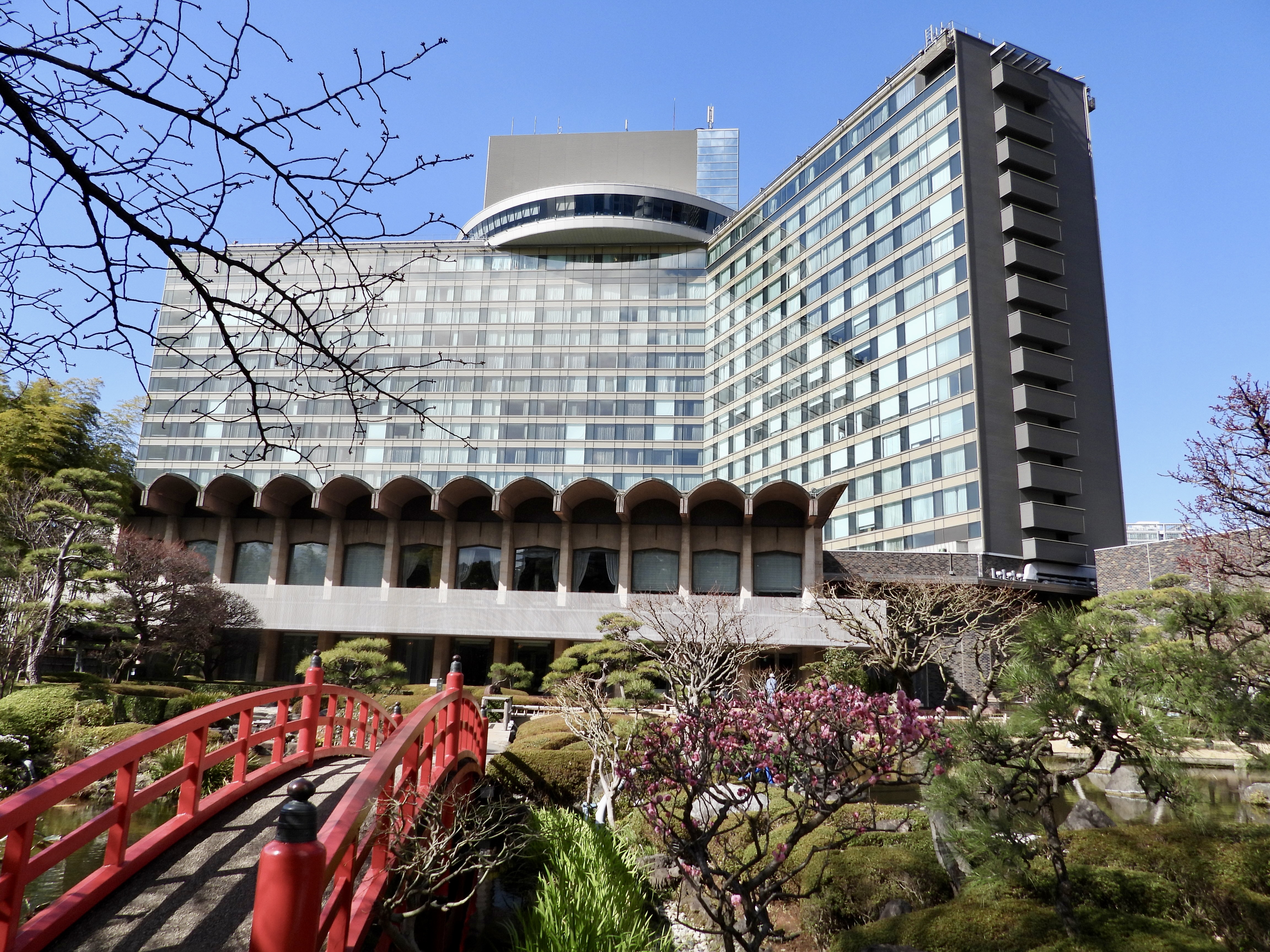
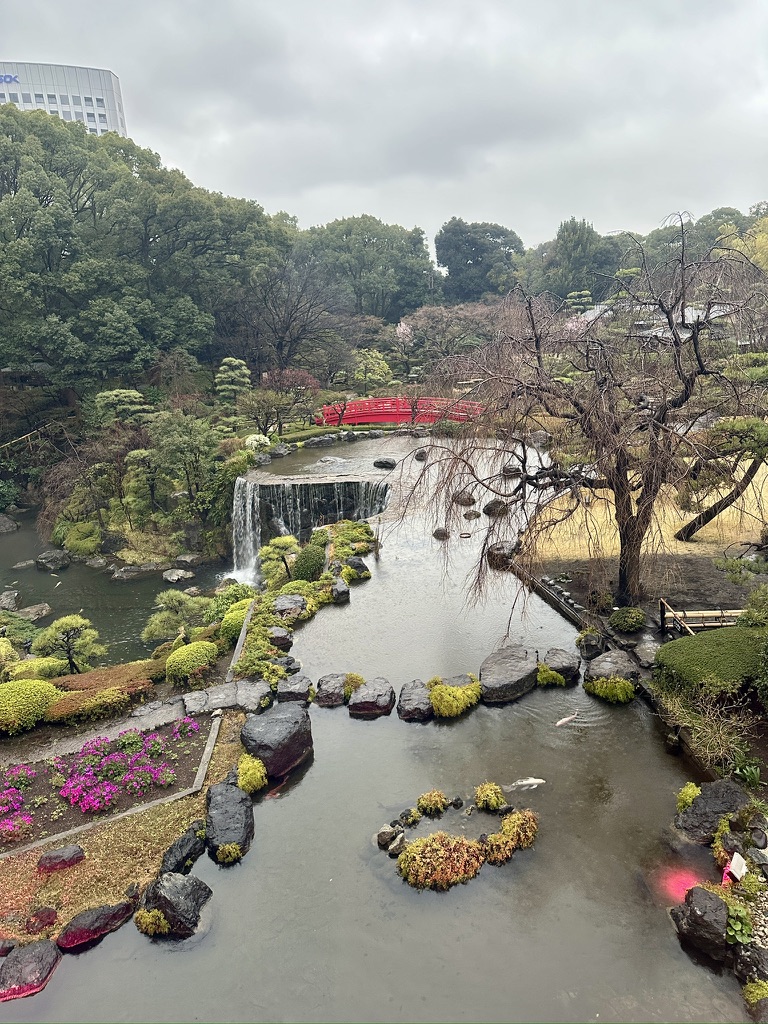
In Tokyo, we’re staying at the Hotel New Otani, a large, elegant property in central Tokyo that backs to a gorgeous, extensive zen garden.
On to the tour!
Tokyo, Day 1 (March 16)
Japan may be known as the “Land of the Rising Sun,” but for the first day of our tour it was the “Land of the Falling Rain.” The occasionally torrential, blasted-sideways-by-the-wind rain, to be precise. Mari noted that Japan is a pretty rainy place, leading me to believe that the “Rising Sun” label is a marketing ploy along the lines of Norse settlers coming up with the name “Greenland” for an island that, truth be told, is rather lacking in that hue.

Enough about the weather, other than to suggest that you bring appropriate gear to withstand the elements and, unlike me, actually wear it instead of leaving it warm and dry in your suitcase while you wander around wet and shivering.
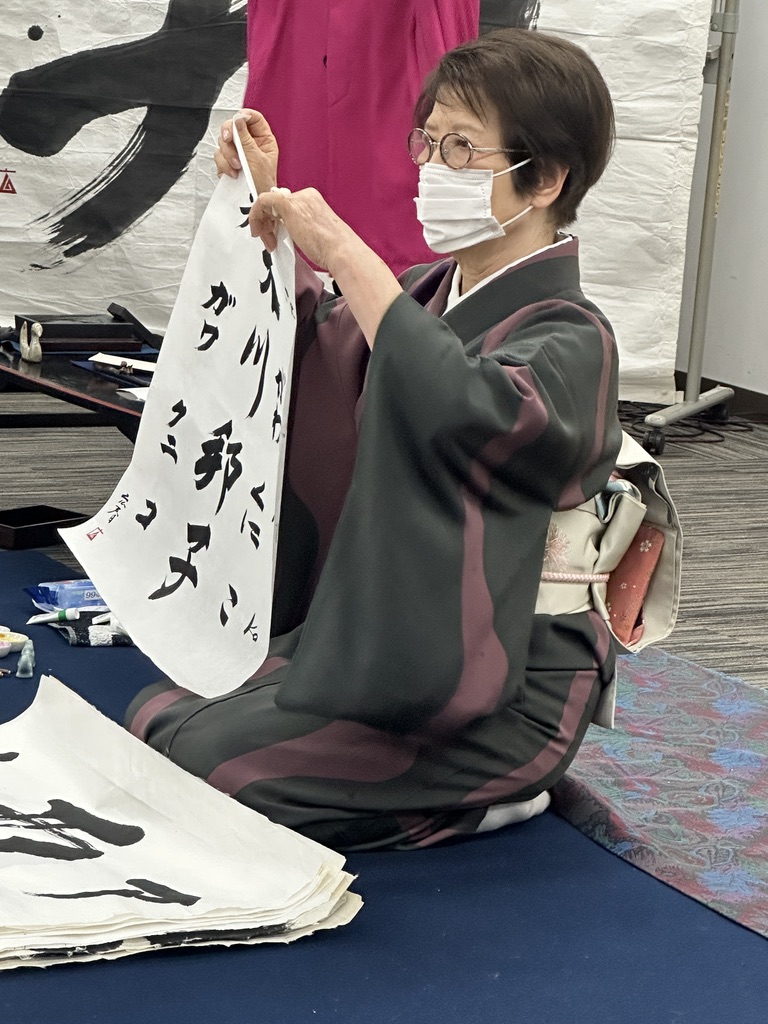
The first stop on our tour was the gallery of a master calligrapher, a remarkable woman named Koshun Masunaga. Koshun sensei (the term given to a master or teacher) practices an art form called Souboku, which combines traditional calligraphy with bright colors and representations of whatever subjects suit the artist’s fancy.

Watching Koshun-san work was magical. Each quick, decisive brush stroke was imbued with thousands of hours of practice and innate spirituality. Before our eyes, she created a dozen or so gorgeous drawings, including traditional sutras (Buddhist scriptures), pictures of cats, fish, and flowers, and kinetically charged depictions of athletes riding bikes or playing baseball.
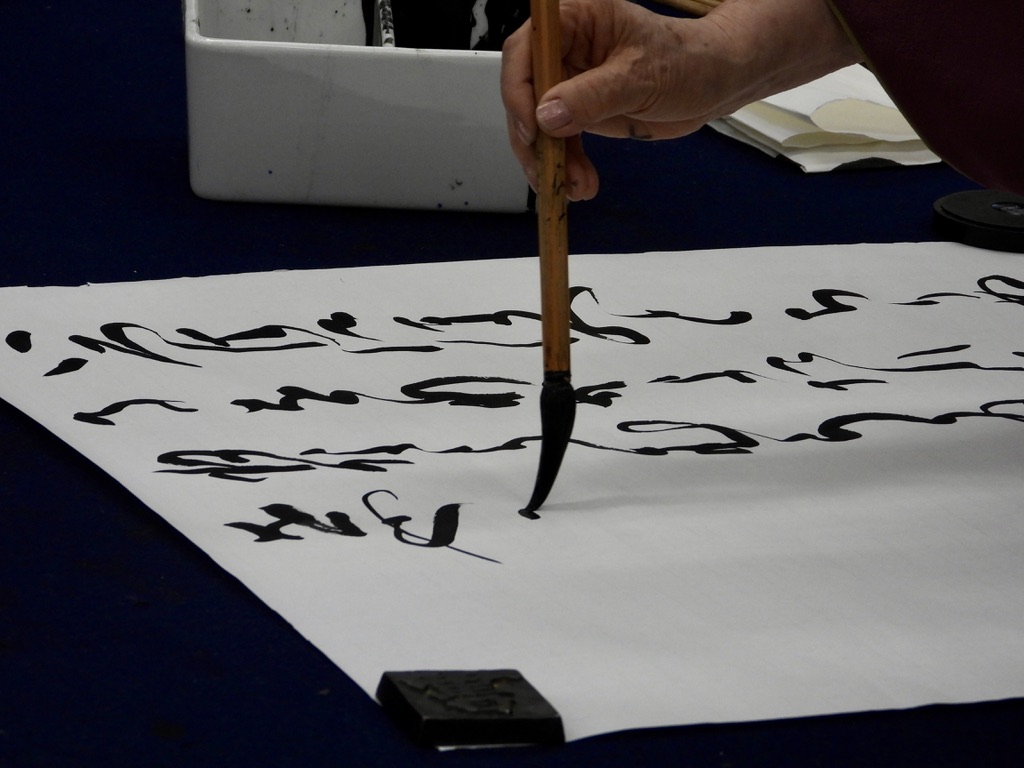
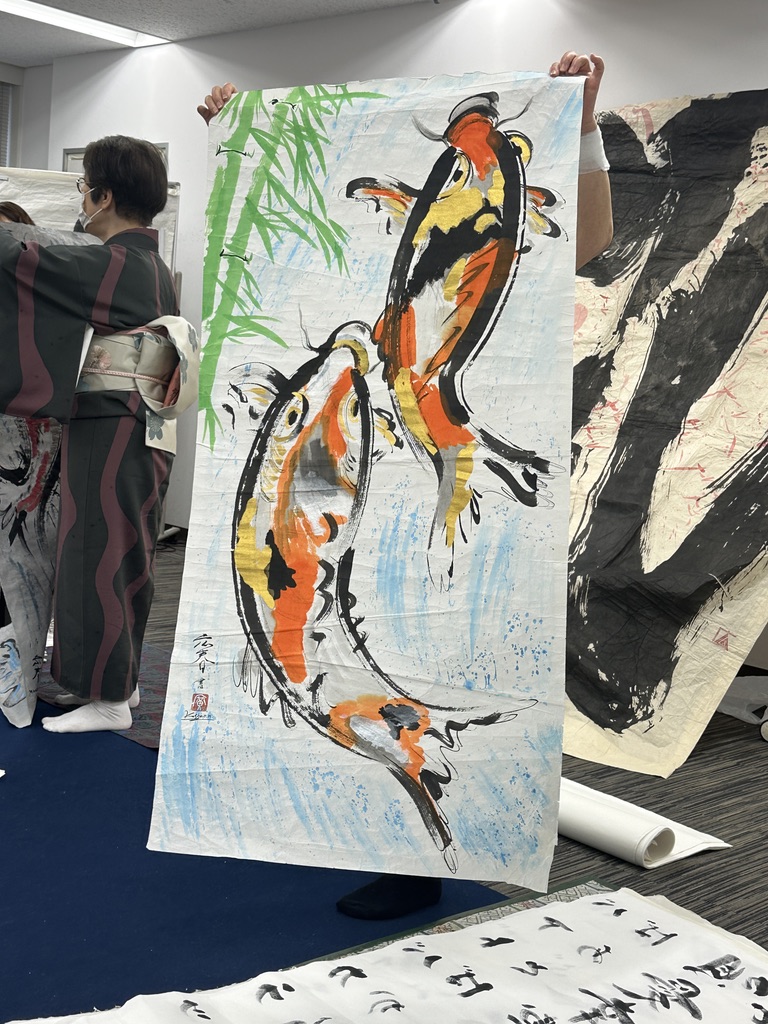
To cap off our visit, she presented each of us with a personalized painting riffing on our names. What a terrific start to the tour!

Our next stop was Tokyo’s famed Ginza district, home to every high-end retail establishment at which you might want to spend your children’s inheritance.

Being at the stage of life where I get more joy from thinning rather than expanding my material possessions, I bought nothing save a bento box for lunch, purchased at the food hall (“depachika”) of the massive Matsuya department store.

Along with the many stalls peddling prepared foods, there are several confectionary stands selling candies and cakes of exquisite beauty. It’s a feast for the eyes as well as the stomach, and well worth a visit.

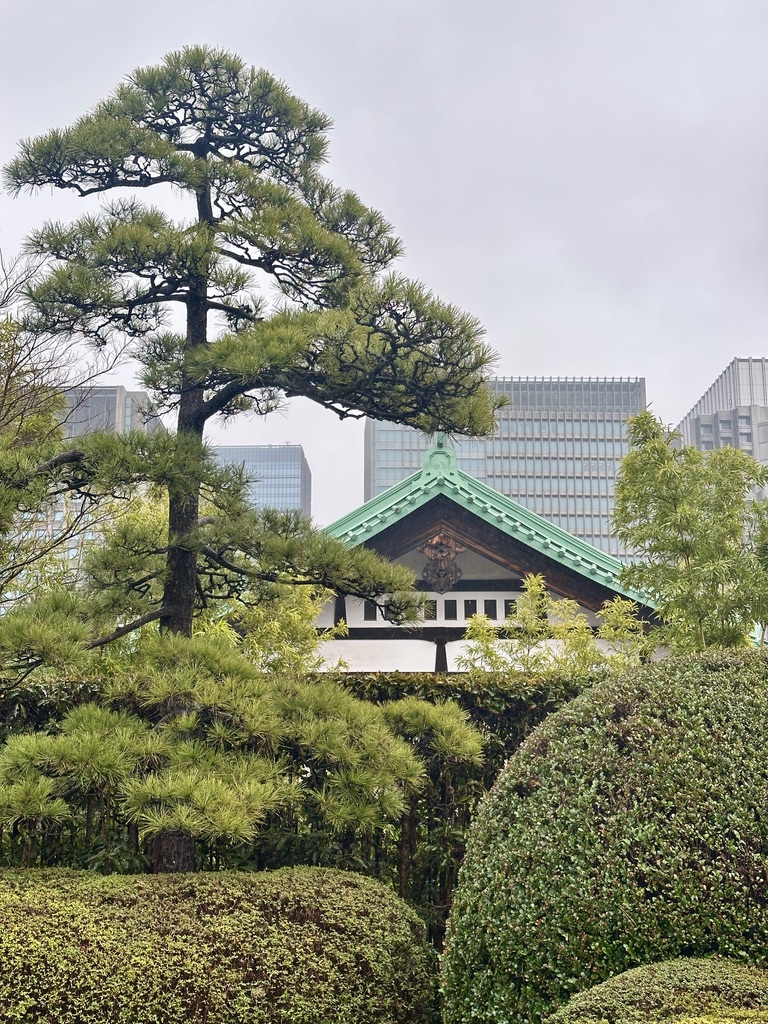
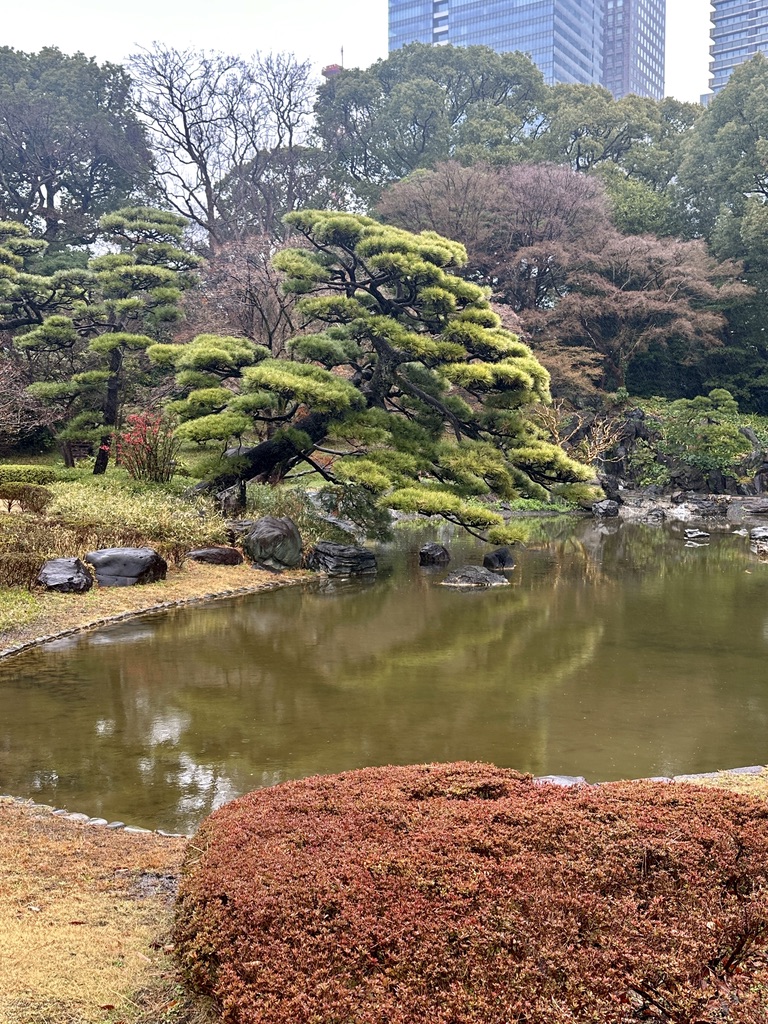
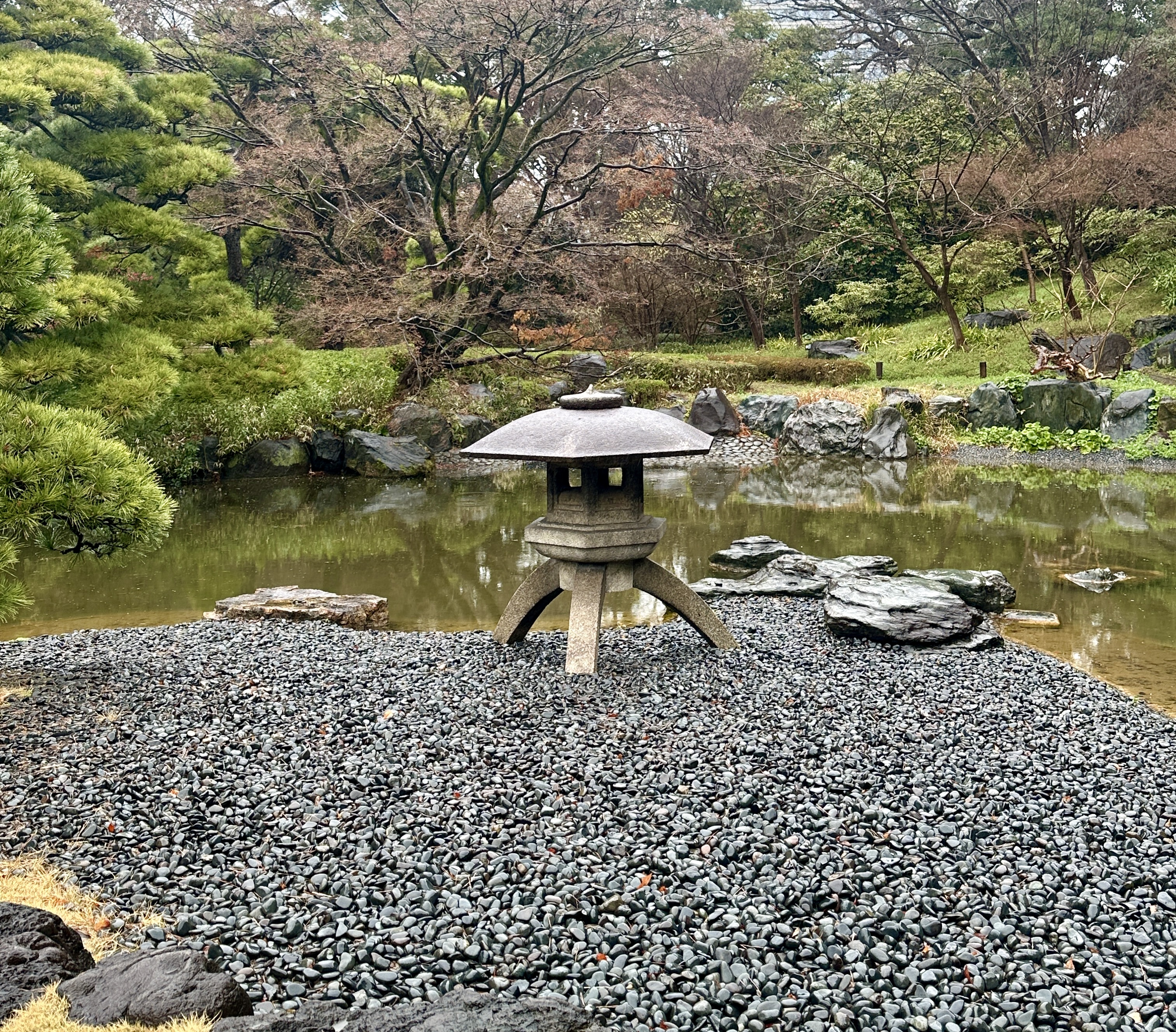
After lunch, we headed to the beautiful East Gardens of the Imperial Palace. (For the most part, the Palace itself is off limits to visitors.) The Gardens, as intended, exude a sense of stillness and harmony, with meticulously pruned trees and koi ponds stocked with languidly swimming fish.
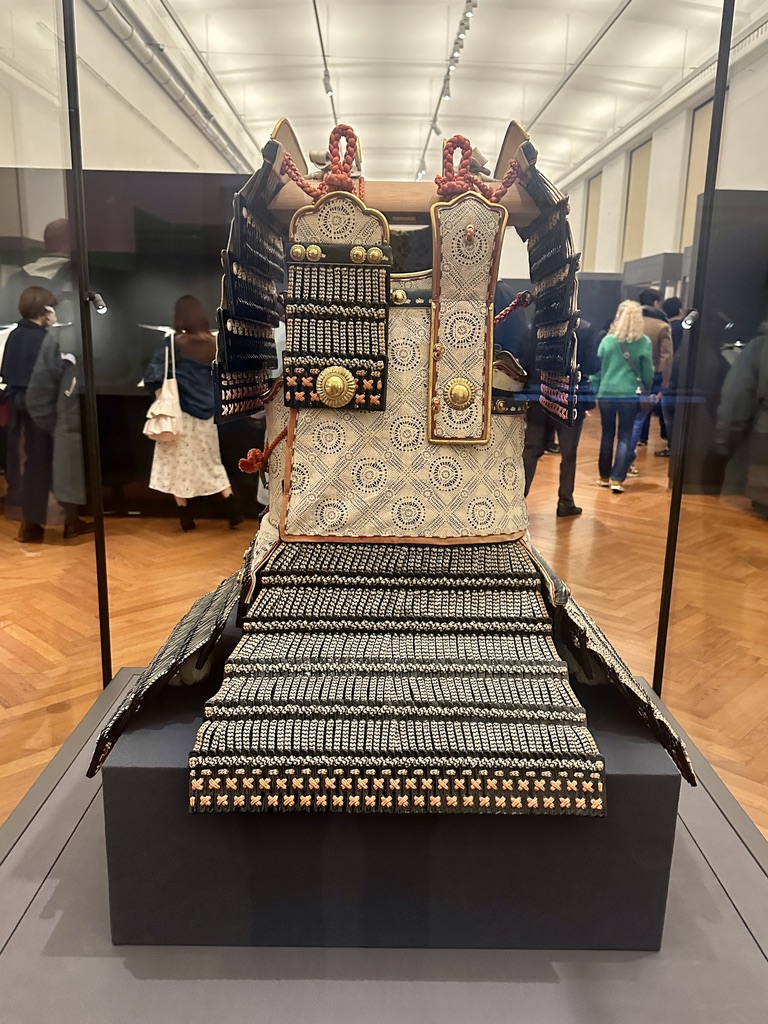
Our final stop of the day was the Tokyo National Museum, a two-story collection of art and artifacts from 8000 BCE to the present. It’s an impressive, well-curated assortment of everything from pottery and Bronze and Iron Age vessels to Buddhist art, samurai armor and swords, and kimonos.


We capped off the day with a welcome dinner at one of the hotel’s restaurants, Kato. (Alas, there was no sign of Peter Sellers.) The food was decent, the presentation exquisite.
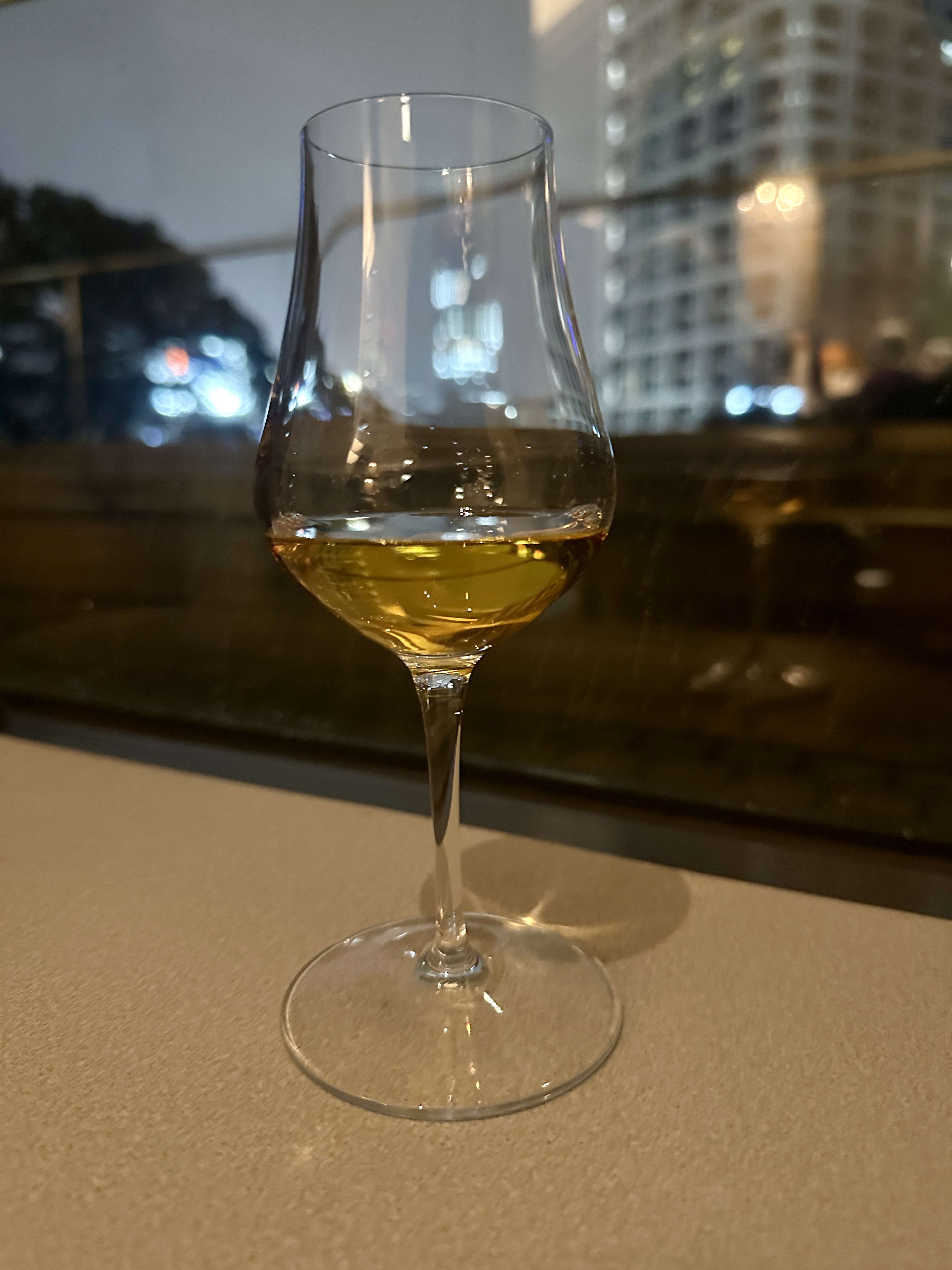
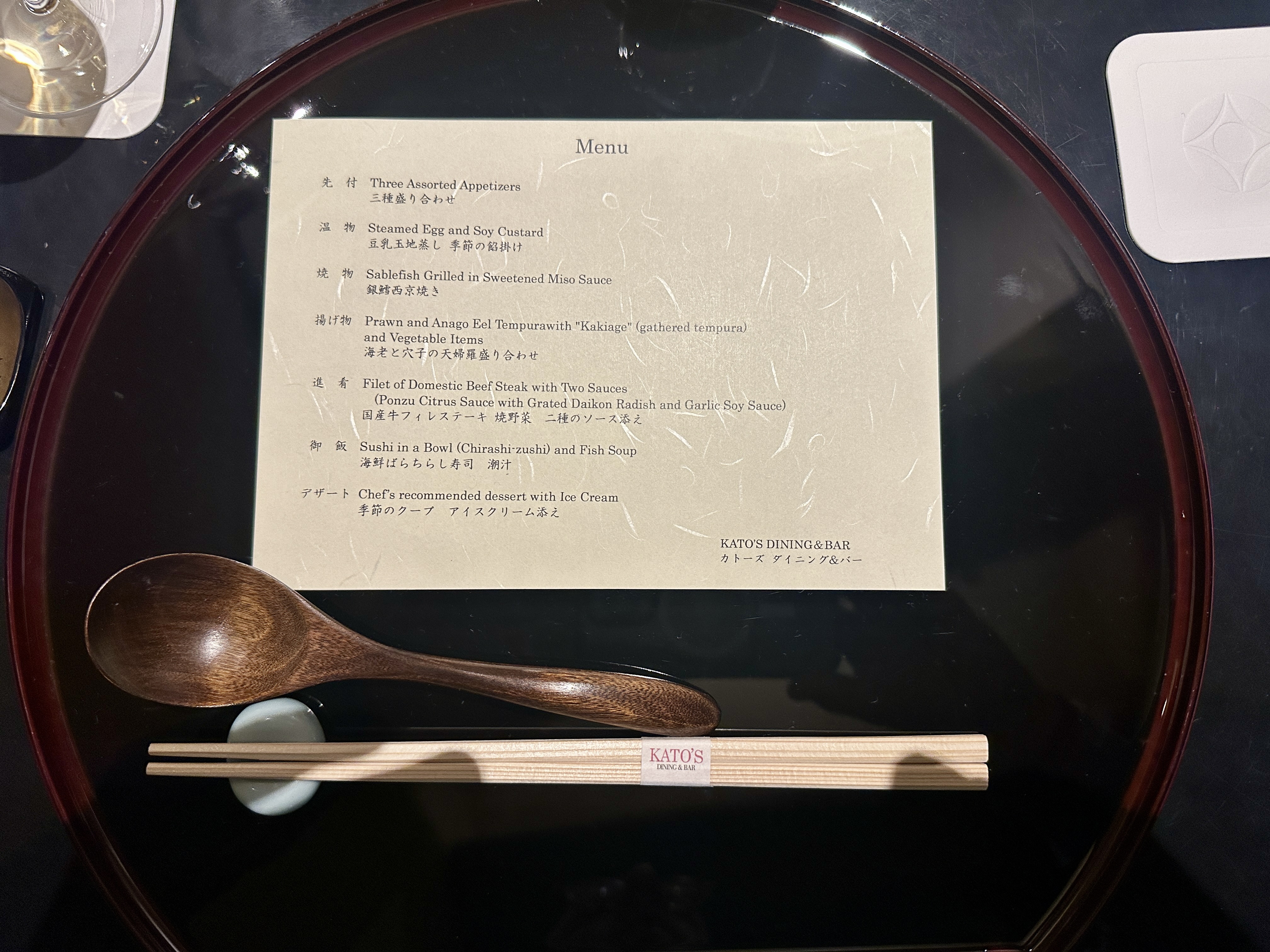
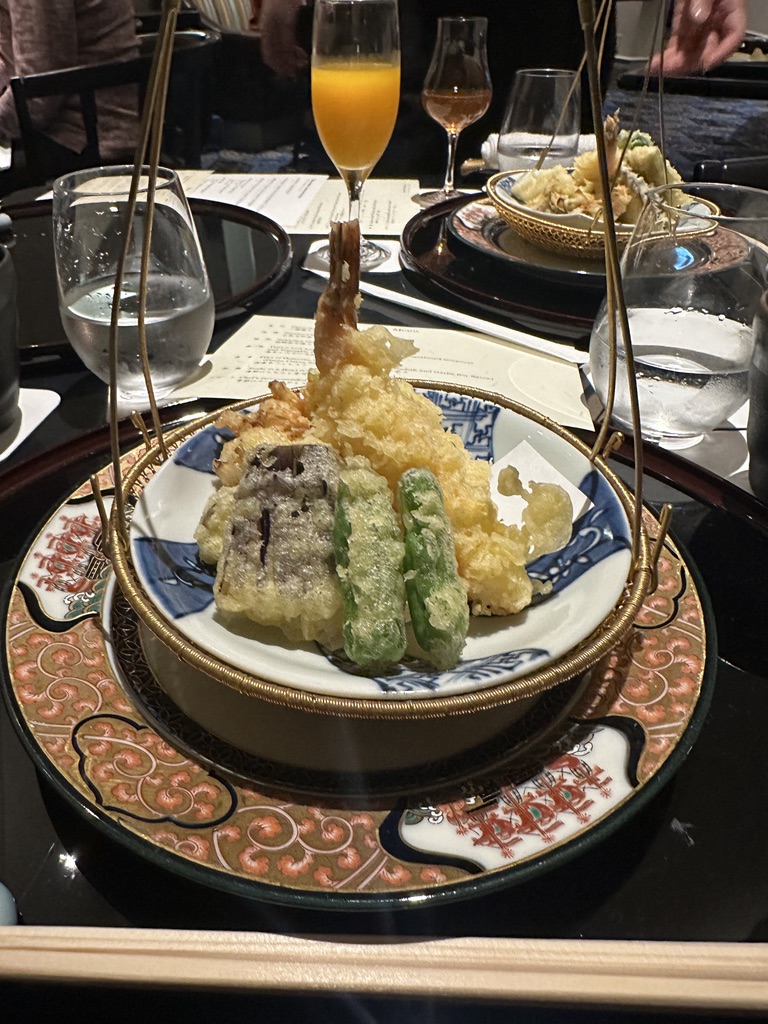
I ended my first day in Tokyo with a full stomach, a warm heart, dry clothes, and a growing appreciation for the role that simplicity, beauty, and tradition play in Japanese culture.
Tokyo, Day 2 (March 17)
The sun indeed rose this morning, presenting us with a crisp blue sky just a shade or two lighter than the ubiquitous Dodger blue sported by the thousands of LA fans in Tokyo for the upcoming games against the Cubs.

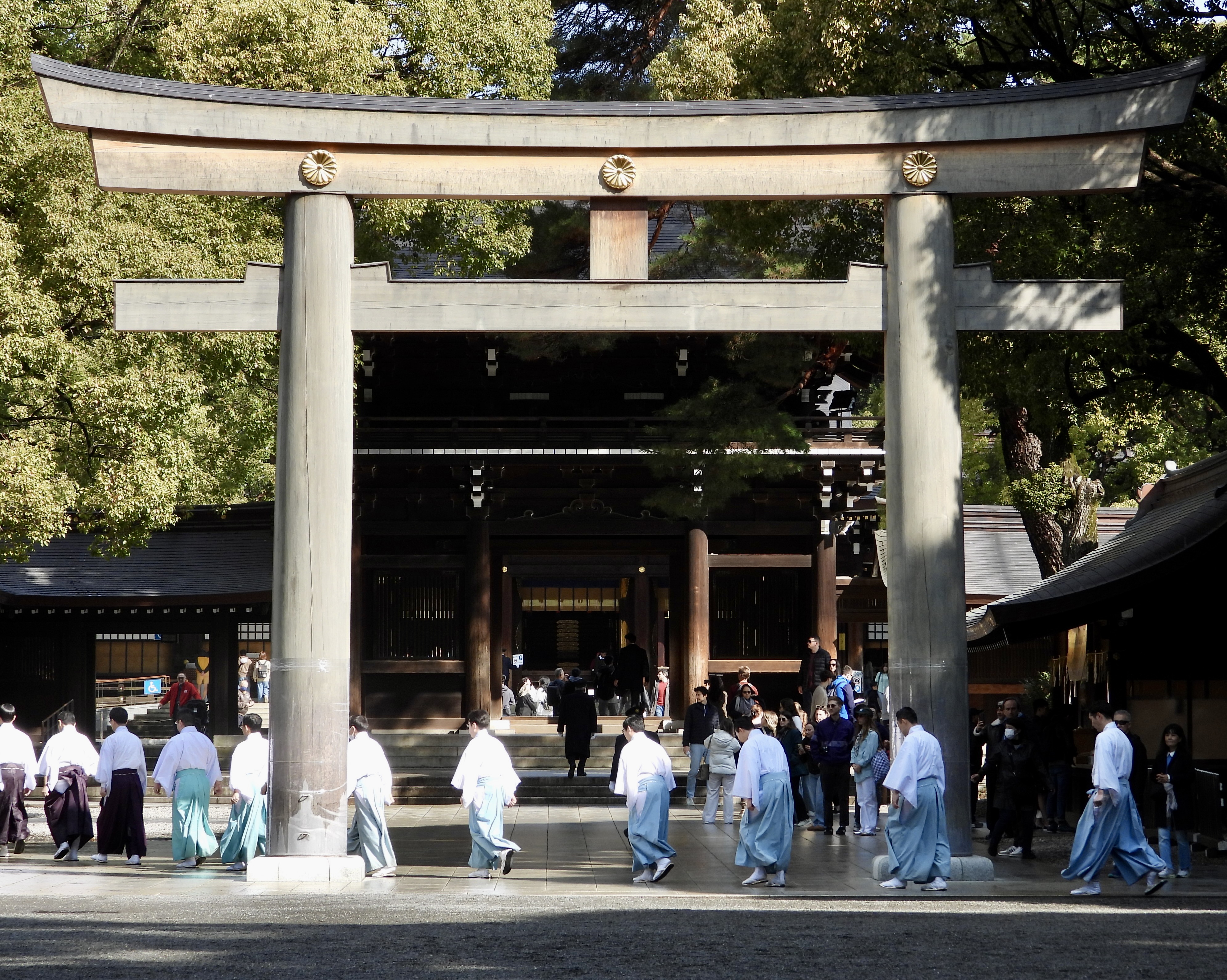
Although I follow baseball with near-religious fervor (go Nats!), today was devoted to spiritual pursuits of a different sort. Our first stop was the Meiji Jingu Shrine, built in 1912 to honor the recently deceased Emperor Meiji.
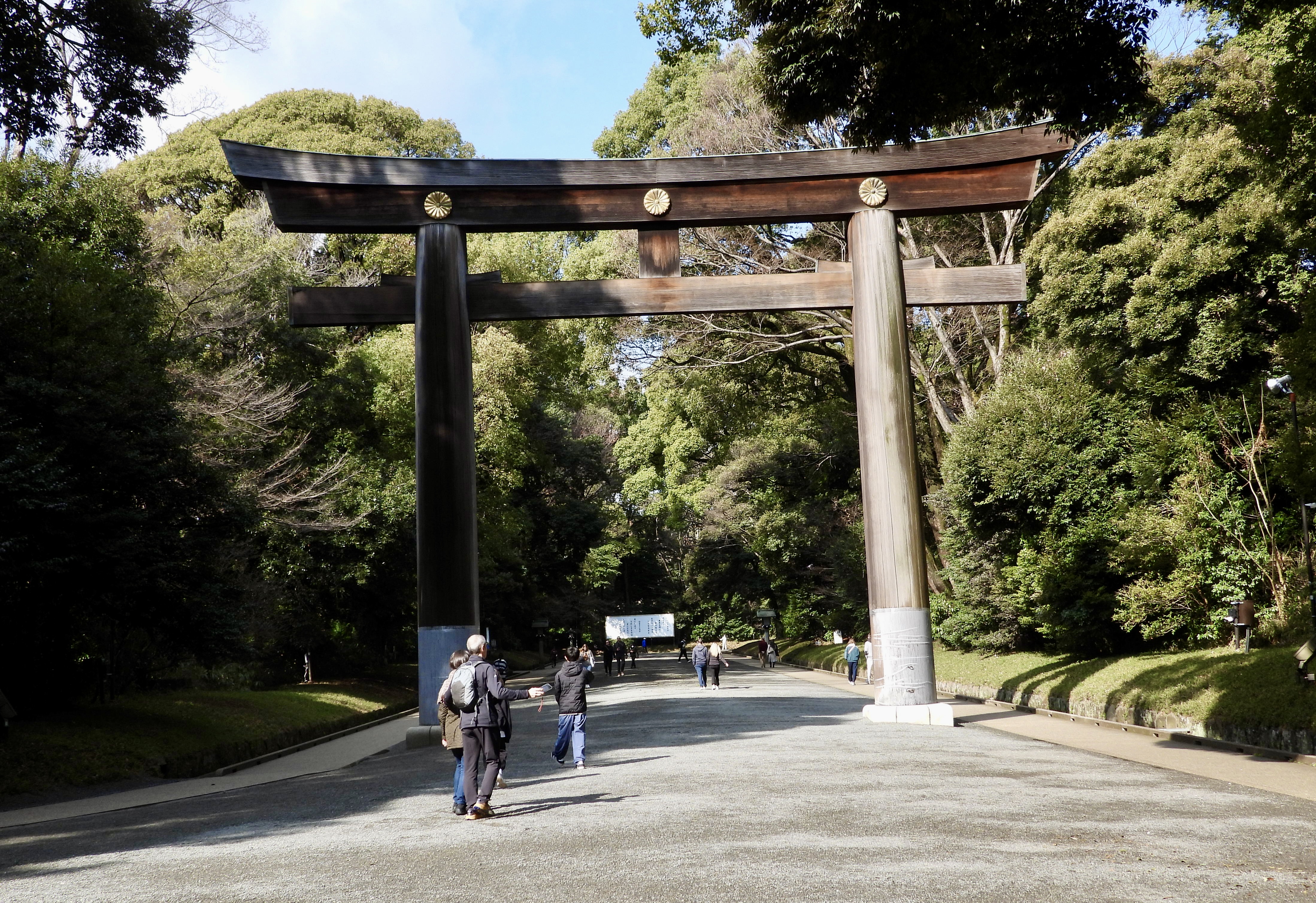
Emperor Meiji is revered as a modernizer, known for transforming Japan from a feudal, isolationist society into an industrialized, international power. At the same time, though, the Shrine’s architecture and purpose fit squarely within the Shinto tradition.
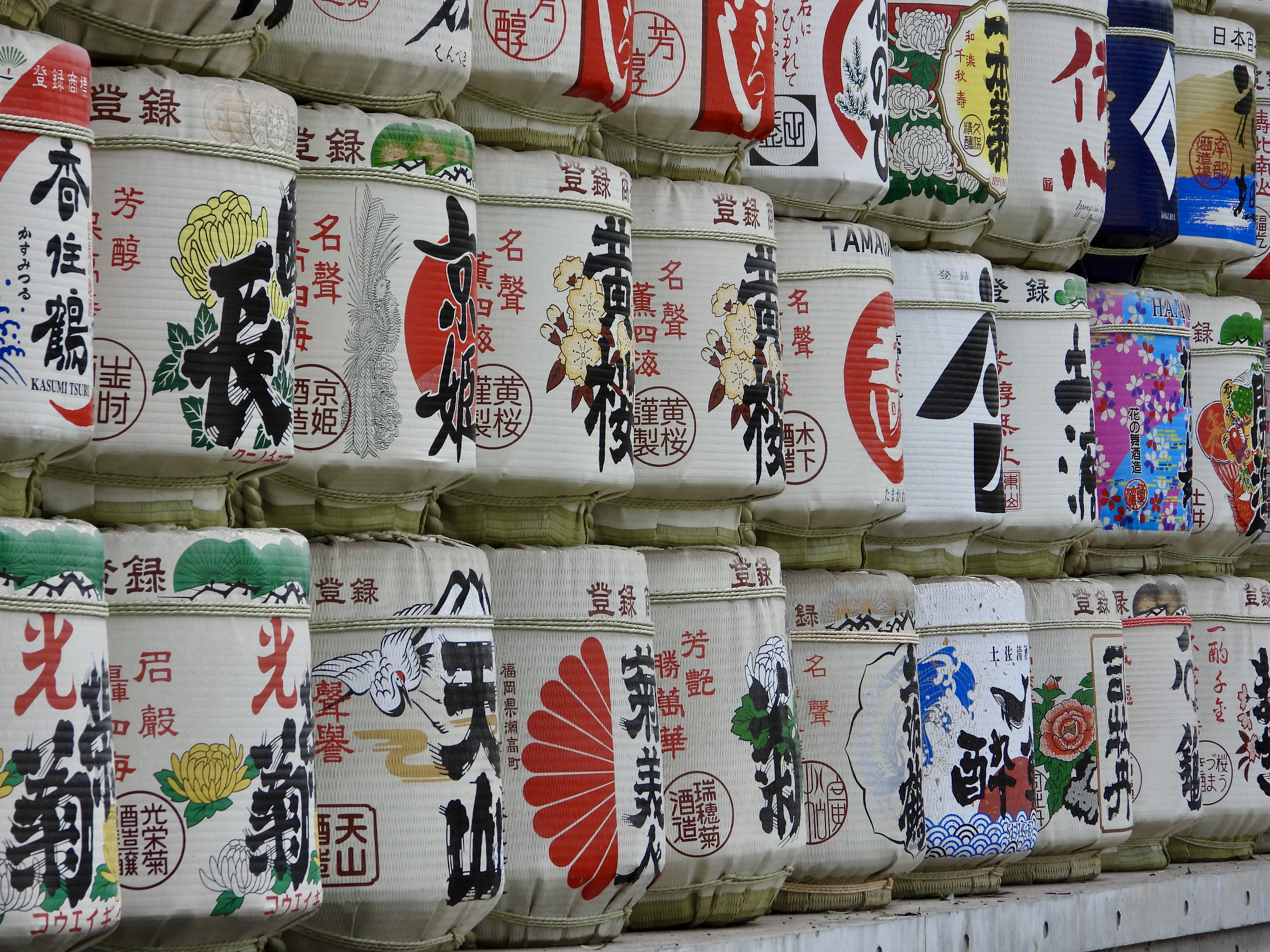
The Shinto religion stresses harmony with nature and has a strong animist component. Fittingly, the Meiji Shrine is set in a beautiful, wooded park with lantern-lined paths and traditional torii gates. As with so much in Japanese culture, the design of the Shrine and its environment creates a palpable sense of peace.
Shinto is the largest religion in Japan, with Buddhism following close behind. (Mari said many people in Japan practice both religions.) Appropriately then, we headed next to a major Buddhist temple complex, Asakusa Kannon, which dates to the 7th century.
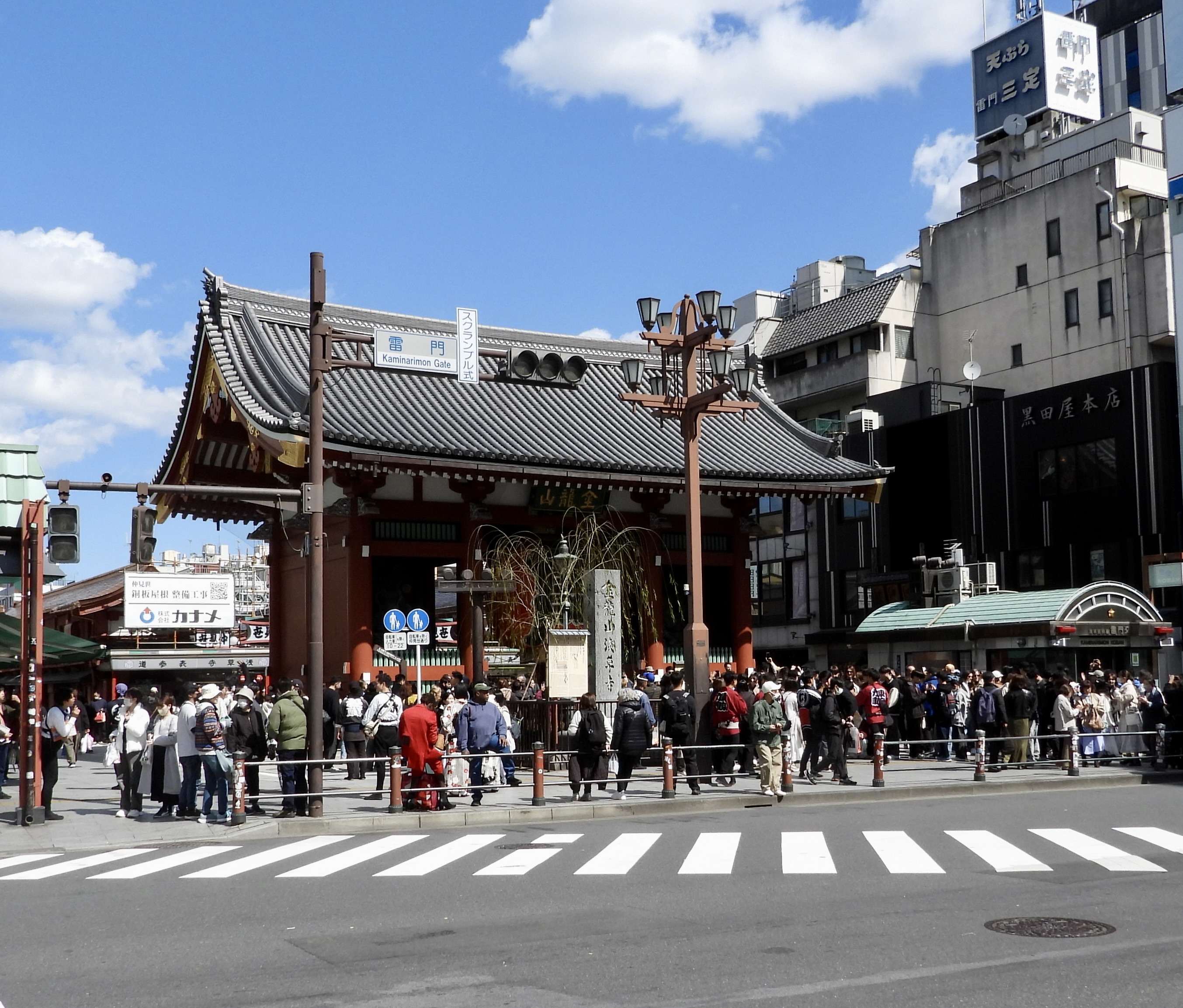
The complex includes the Sensoji Temple, Five Story Pagoda, and Asakusa Shrine. Somewhat jarringly, it sits at the end of a busy shopping street (Nakamise) lined with souvenir stores and restaurants.


Crowds of tourists and locals swarm the complex. Many of the young Japanese people strolled around in traditional kimonos, and despite the serious spirituality of the place, there was something of a party atmosphere.

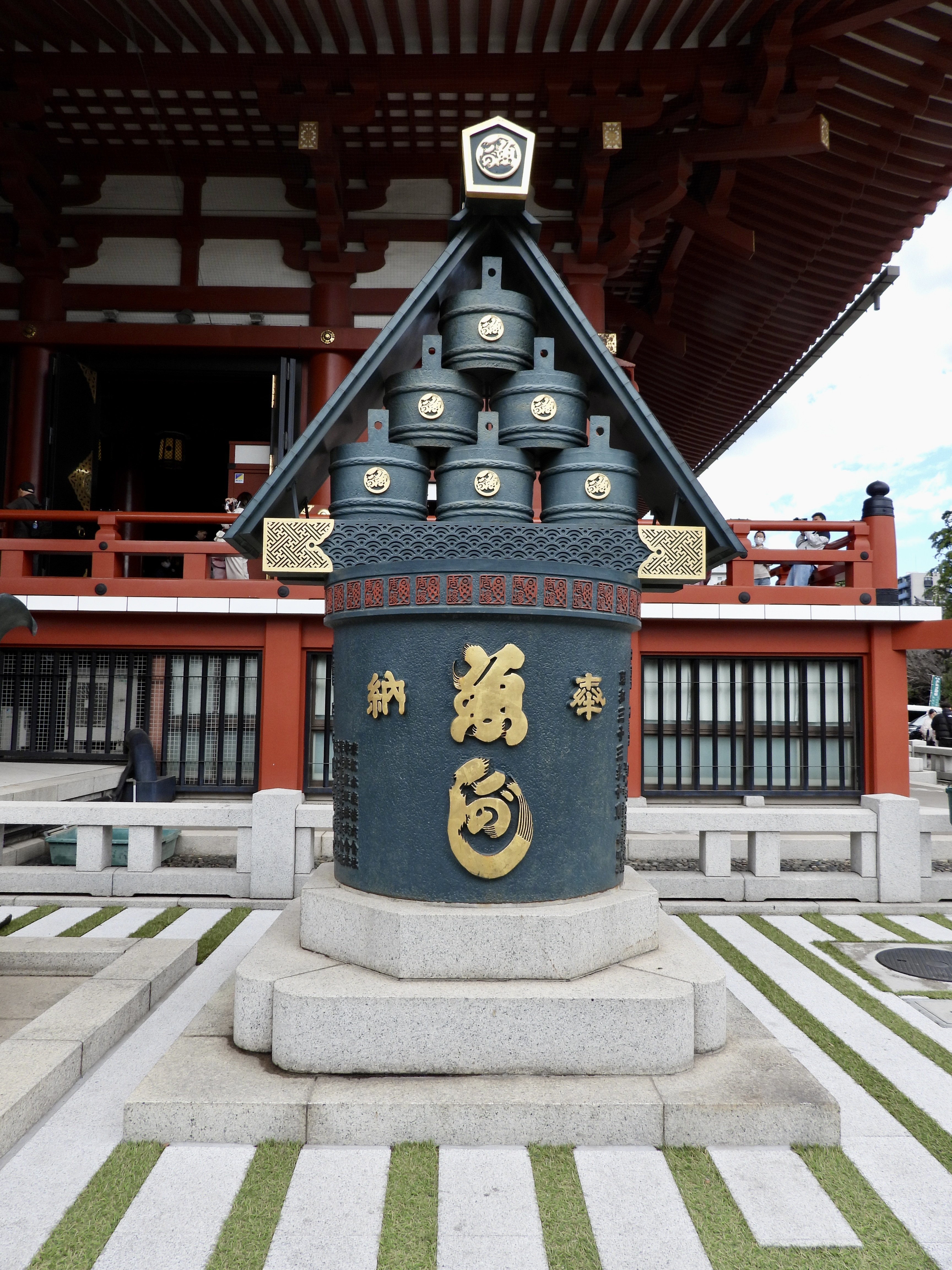

Speaking of crowds, Mari took several of us on an optional excursion to the busy Shibuya district this afternoon. Shibuya is a hotbed for young people and ground zero for many fashion and cultural trends. Anime signs and posters are everywhere, and street musicians perform in the shadows of modern skyscrapers. (Unlike Shibuya’s skyscrapers, most Tokyo buildings are under twelve stories, and very few date to before World War II, when the city was largely leveled by Allied bombing.)
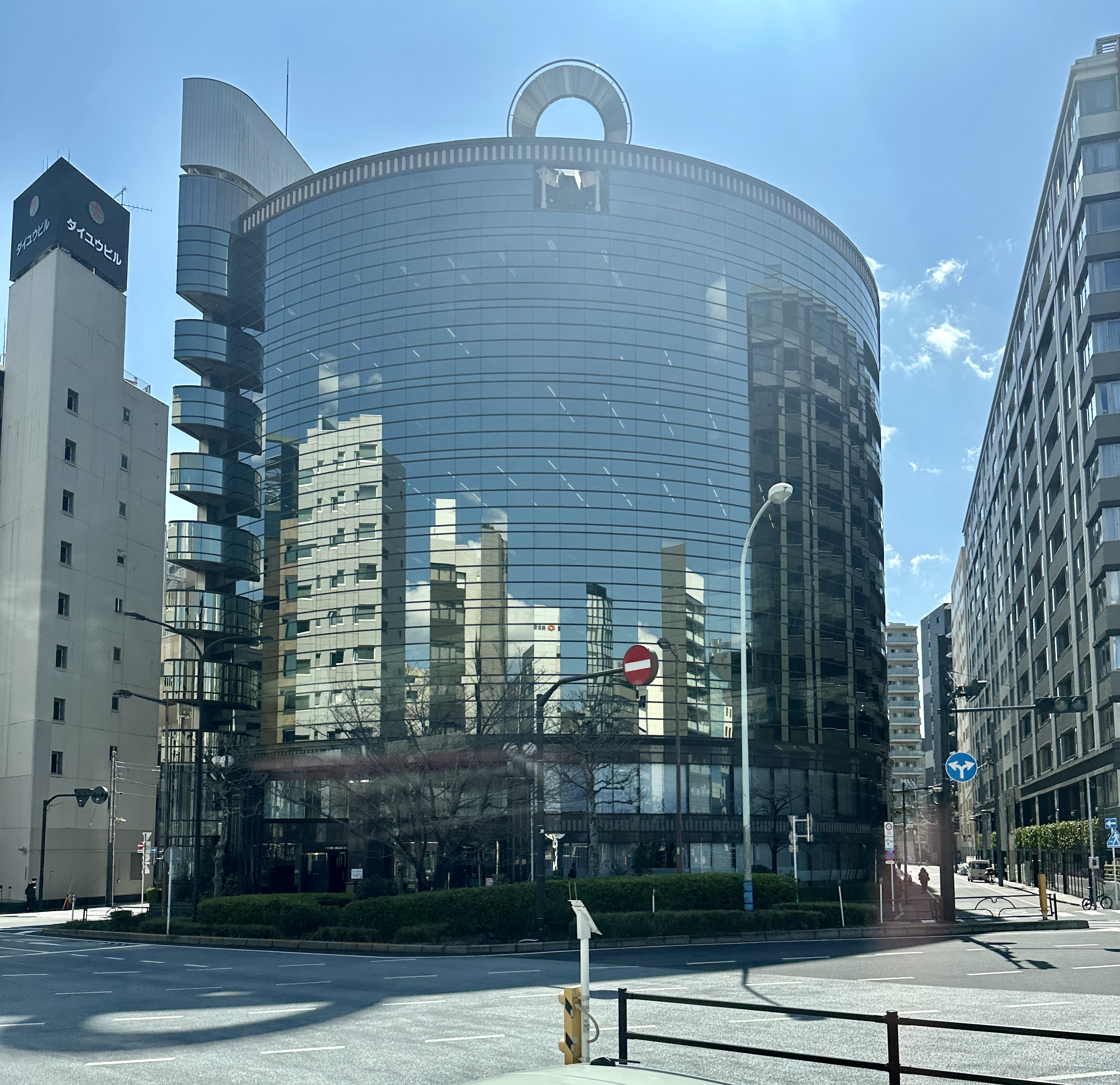
To get to Shibuya, we traveled by subway, which was not nearly so daunting as I’d expected. All signs and announcements are in Japanese and English; this is true for Tokyo road signs as well.

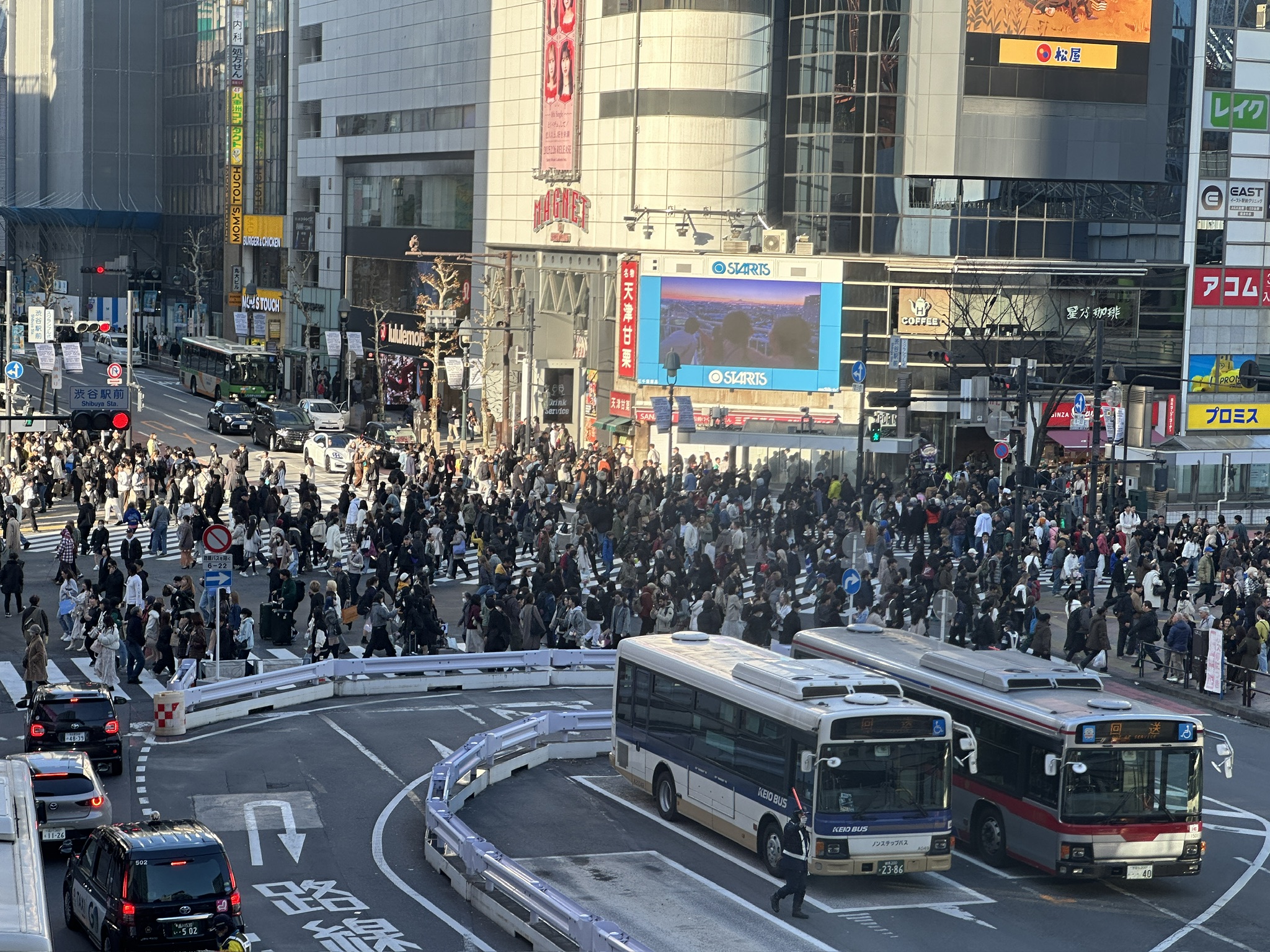
Being neither young nor a fashion trend-setter, the highlight of Shibuya for me was getting to experience the (in)famous Shabuya Crossing. The Crossing is an intersection of several major roads where, when the walk signal shines, hundreds of people weave past each other en route to their respective corners.
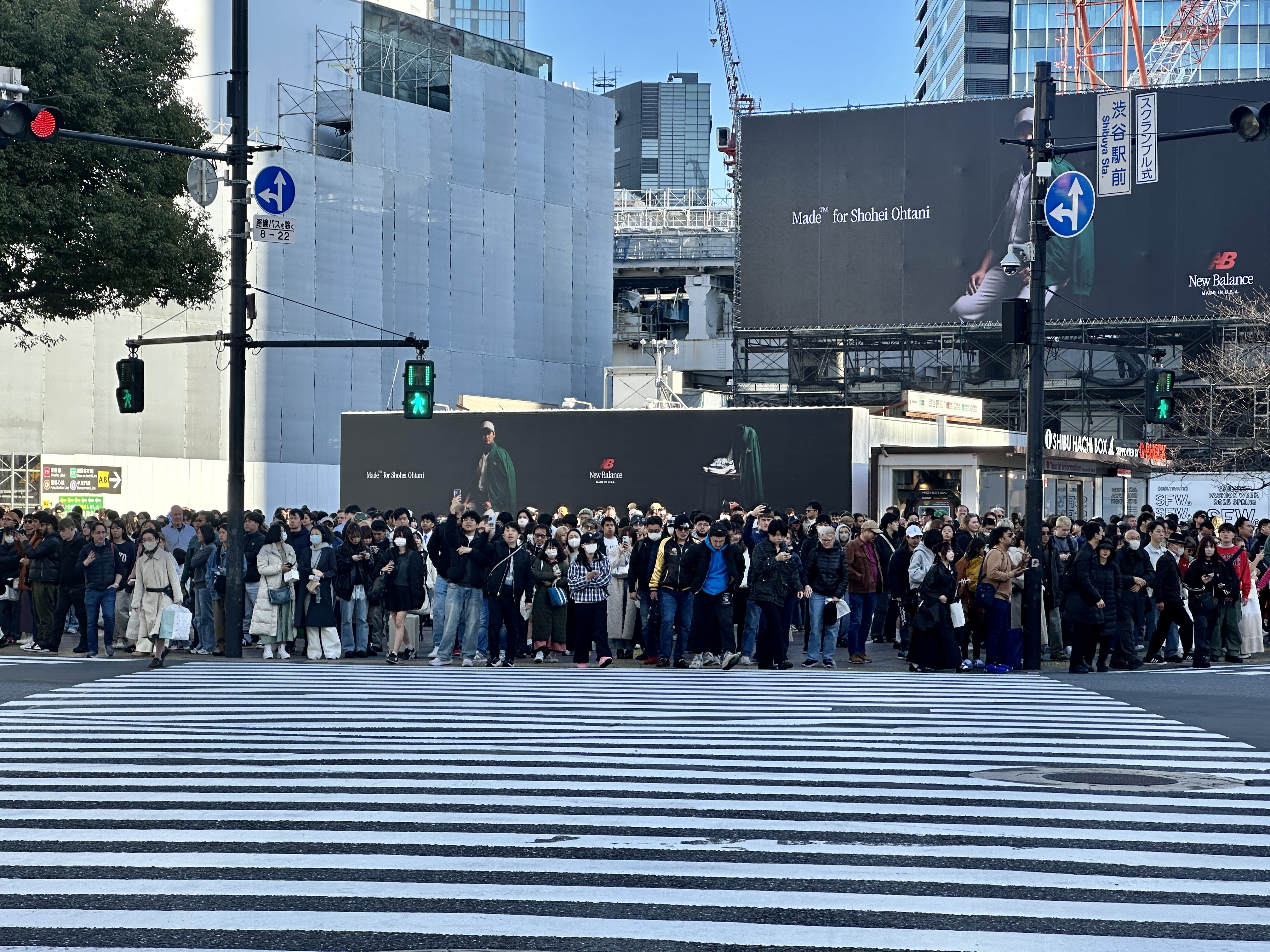
Participating at ground level is a good start, but to get a full sense of the complexity of the crossing you have to view it from above.
Tomorrow we leave Tokyo behind and head to Mt. Fuji and the rural town of Hakone. I bid you matane – Japanese for “bye for now.”

 PuffinlessTravel
Amazing post, and those photos! 😍
Thanks, Jane!