In early January, 2020 – just before the Covid-19 pandemic – I took a family cruise from Dubai to Singapore. The other day, I promised to send my write-up of that cruise to my wonderful travel agent – contact me if you’re looking for one – and I realized I’d never posted anything on this blog about it. So, four years late, here is that write-up, pieced together from contemporaneous Facebook posts.
Please come back in three weeks for my first post from Japan, where I’ll be heading in mid-March.
Dubai: The other day [in a Facebook post], when I called Dubai (Dubai, Doo) the Frank Sinatra of the Persian Gulf, I didn’t realize I was being prescient. Dubai could be New York, New York, replete with skyscrapers, pollution, traffic, and crowds.
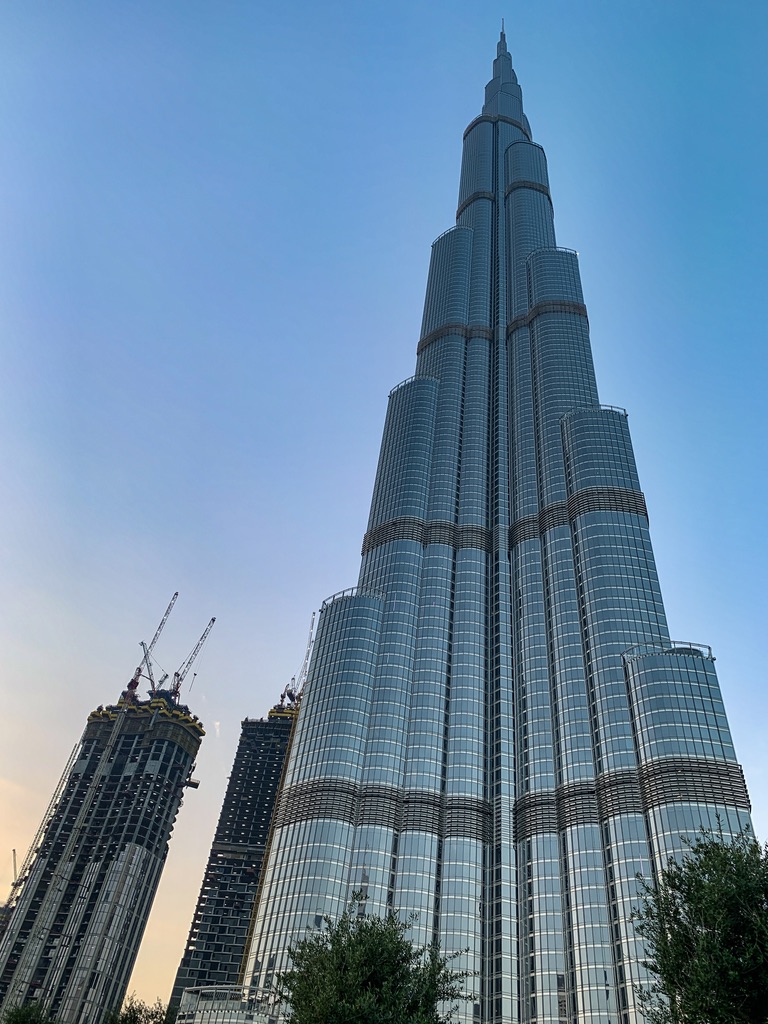
High Hopes: Dubai is home to the Burj Khalifa, a 160-story rocket ship of a building seen as a symbol of the region’s affluence and aspirations. It’s surrounded by dozens of slender, graceful, occasionally fanciful towers; the city is an architectural joy to behold. Unfortunately, capturing that joy on film is difficult, largely because …
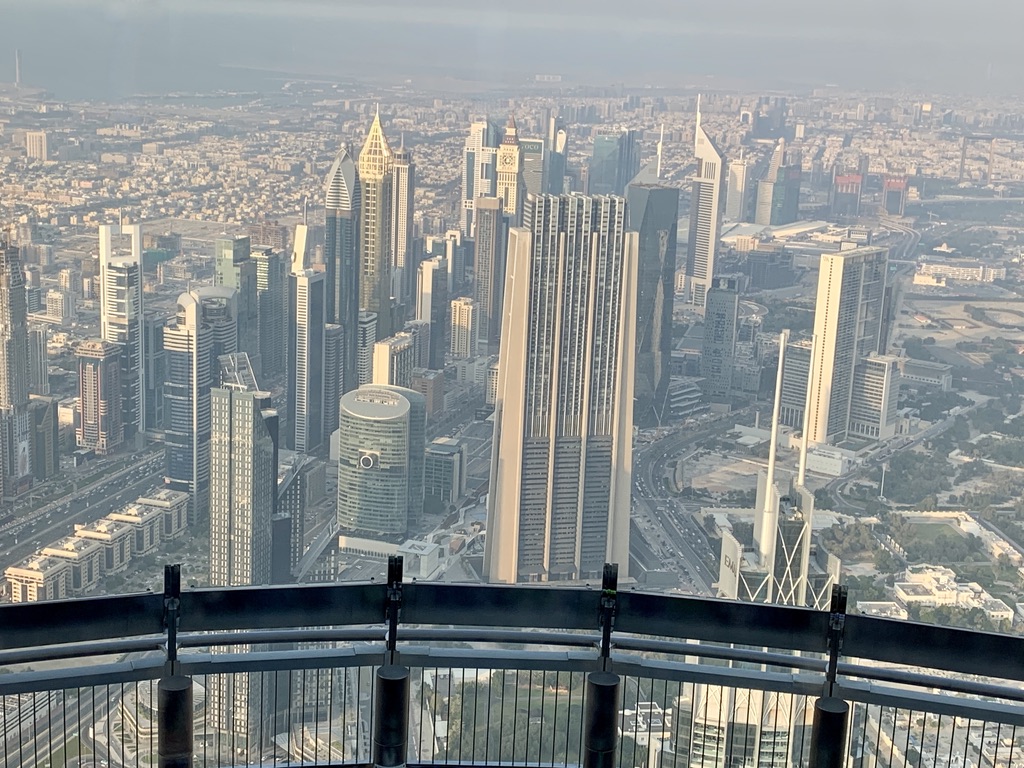
A Foggy Day: Well, to be accurate, A Smoggy Day. Dubai bears a pall of exhaust from the sea of cars inundating what used to be desert. Traffic is abominable, and I have to believe the pollution is exacerbated by cars idling at the ridiculously extended red lights, some of which last up to 3 minutes. Supposedly, On a Clear Day (You Can See Forever), but visibility in Dubai is decidedly short of Forever. I nonetheless thought I could photograph the buildings clearly from atop the Burj Khalifa, but …
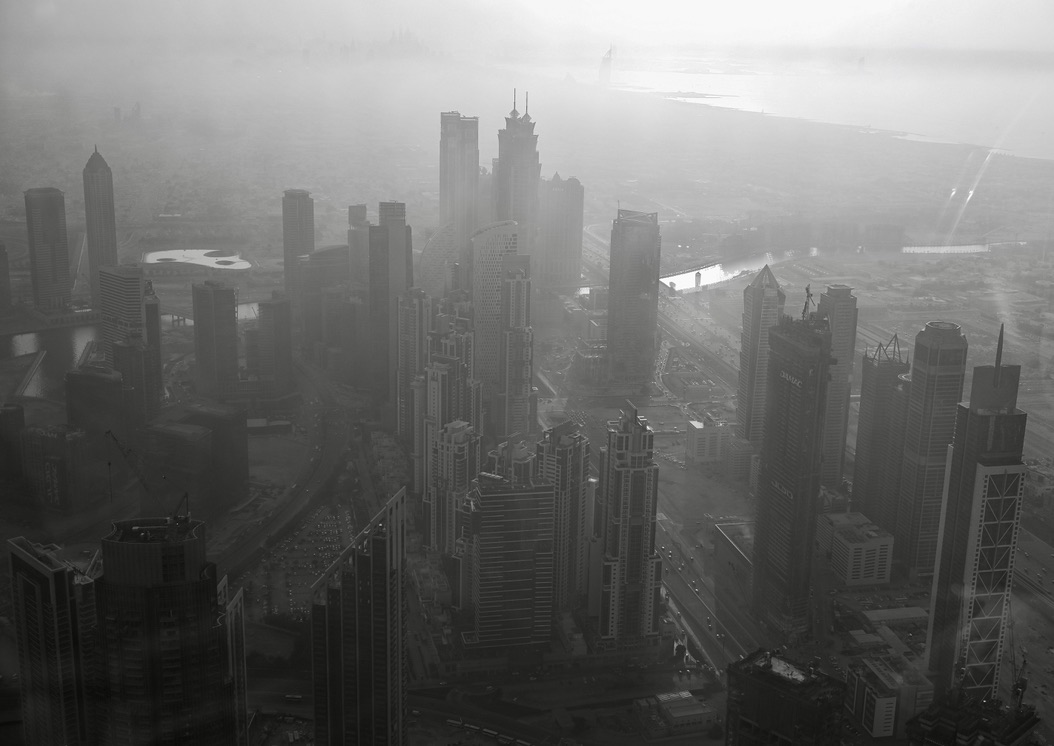
You’ll Never Walk Alone/The Nearness of You. Vehicular traffic on the streets is as nothing compared to the human traffic slogging its way to the elevators in the Burj Khalifa. We got into line at 3:20 and finally got to the observation deck at nearly 5 o’clock. Up top I believe I completed my metamorphosis from human to sardine. Approaching the windows was nearly impossible because of people posing for selfies. And alas, once at the windows, reflections spoiled any chance of getting a clear shot.
Dubai does have its souks (traditional markets) and other charms, but the walking tour of said charms that I had scheduled for today was abruptly (and curiously) canceled for “operational reasons.” Call Me Irresponsible, but I elected to spend a relaxing day on the ship.
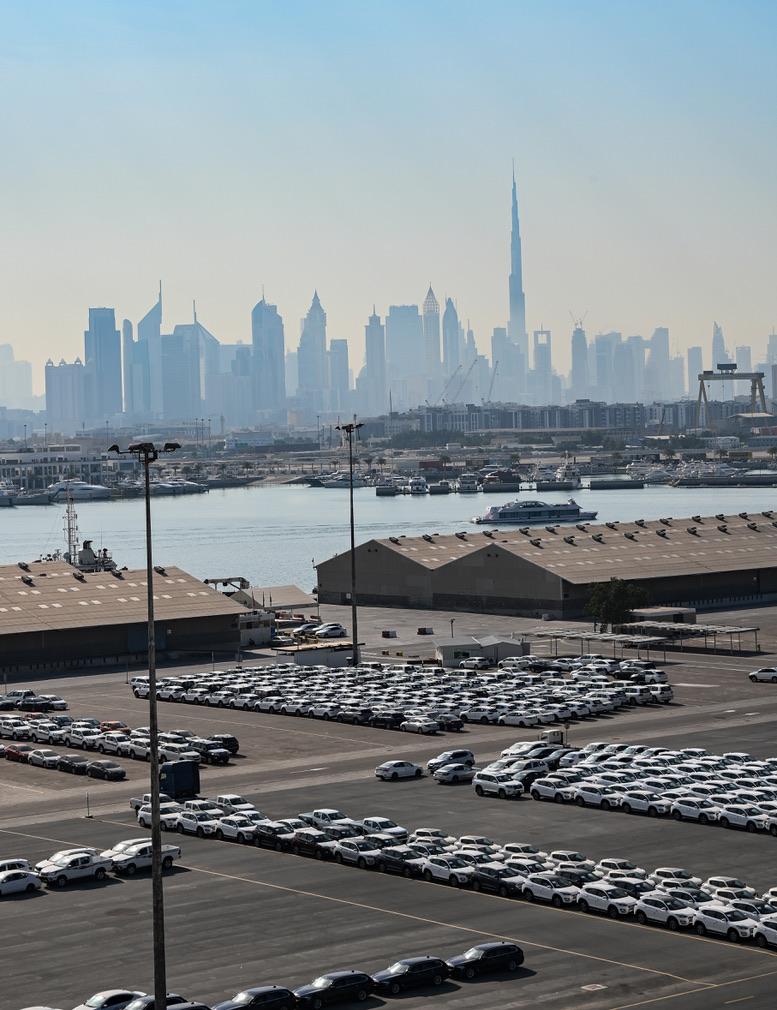
And now, the end (of the afternoon) is near, and it is My Way to mark the hour with a wee dram or two. More tomorrow from Oman.
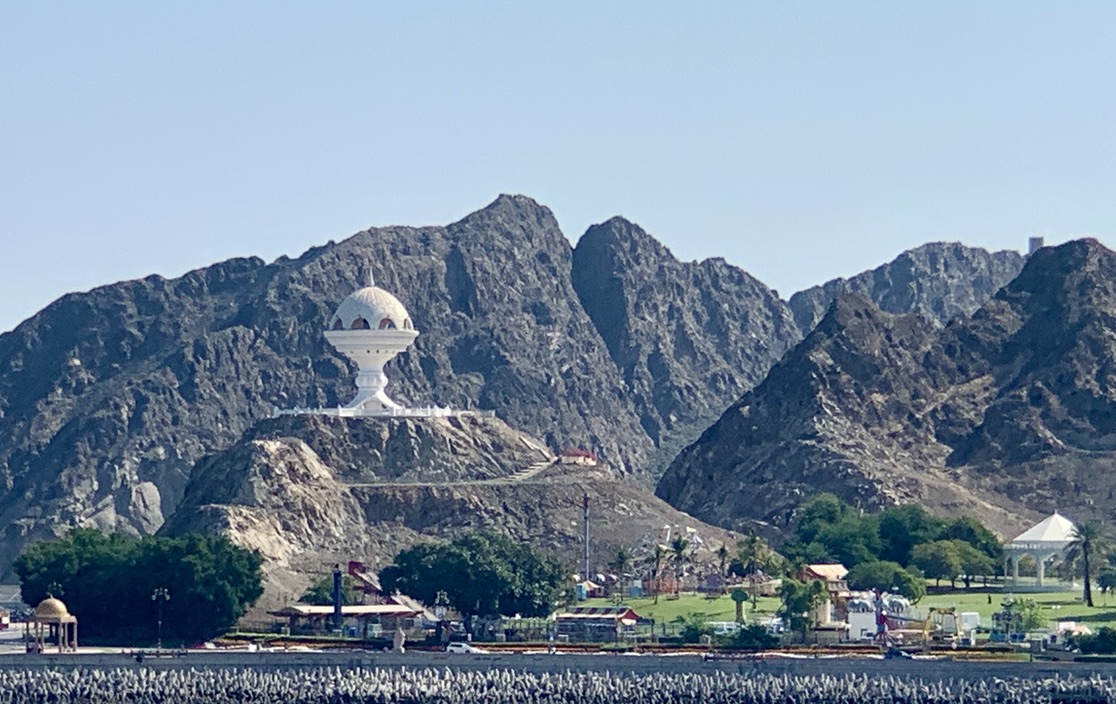
Oman: Docking at Port Sultan Qaboos in Muscat, Oman, one could be forgiven for assuming the ship had made landfall on Tatooine. The port is surrounded by harsh, rocky hills and broiled by a (single, alas) fierce sun, and many of the city’s inhabitants wear robes. OK, no more Star Wars references, I promise, other than to note that one of the early tribes inhabiting what is now Oman actually were called Jedis.
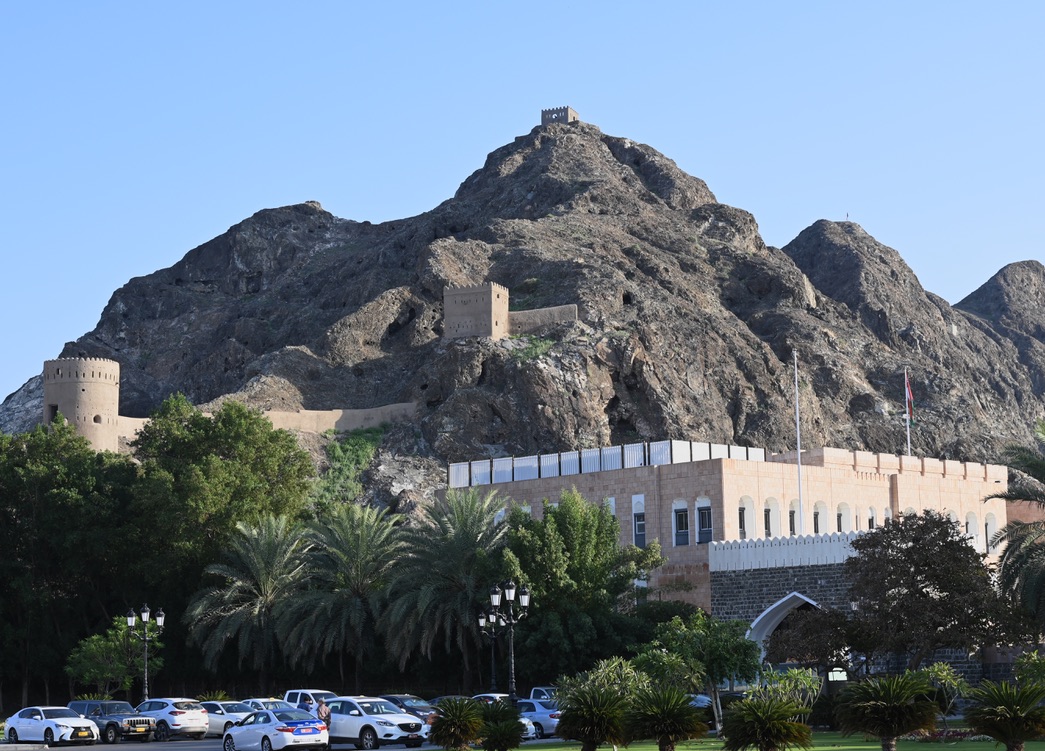
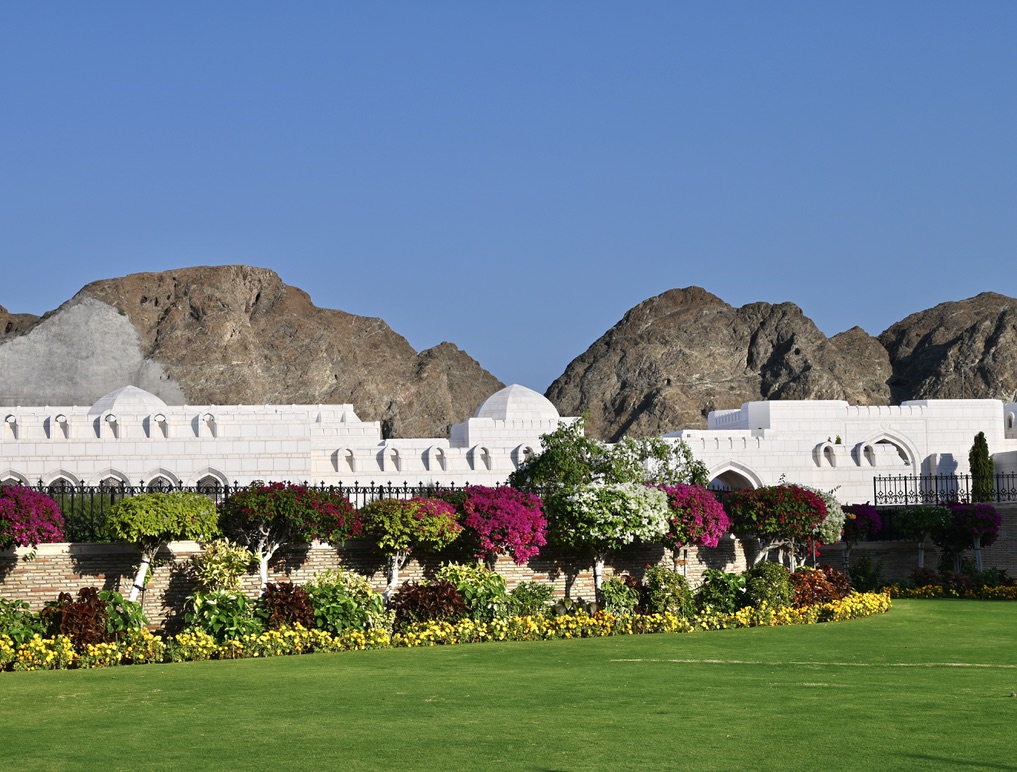
Oman is a conservative Islamic sultanate, but it is far from forbidding. The people are warm and helpful, and the city of Muscat is attractive and welcoming. If Dubai was aggressively modern, Muscat is modernly traditional: many structures appear brand new, but they incorporate centuries-old Islamic design elements such as pointed arches and colorful, intricately geometric inlays. And where Dubai’s buildings soar above the desert, Muscat enforces a strict height limit, so the gleaming white houses and immaculate beige public buildings contrast strikingly with the barren landscape. Adding to the sense of place, many men sport flowing white dishdashas and colorful kufis (skull caps), and most women wear graceful abayas.
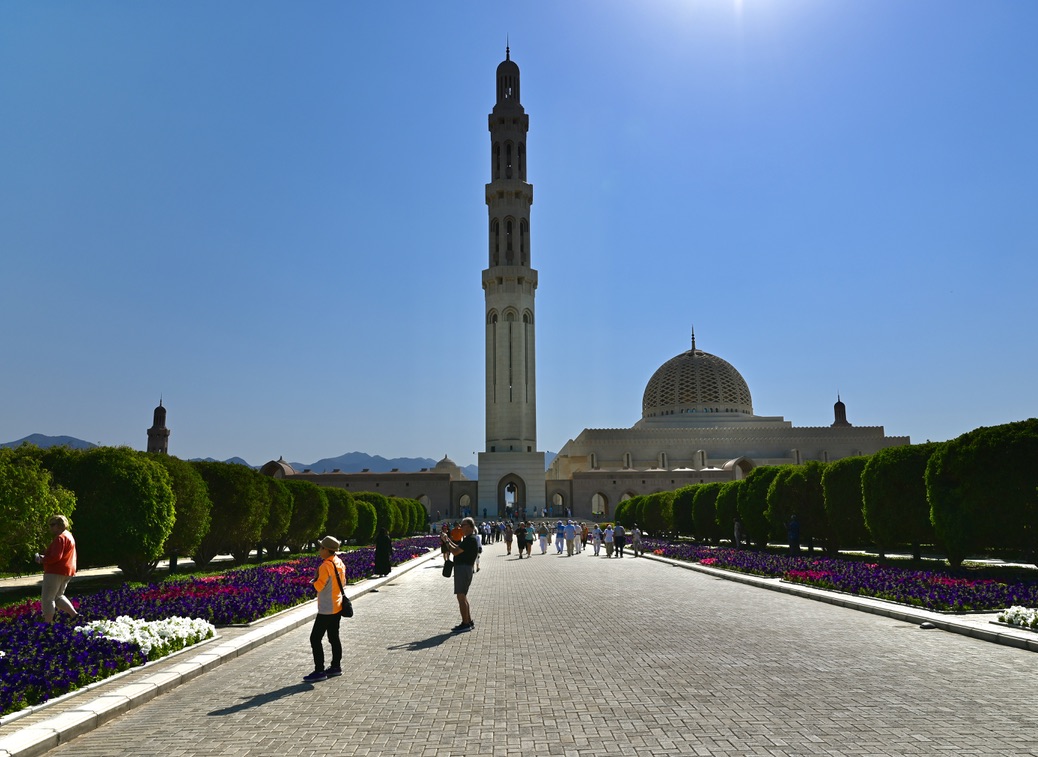
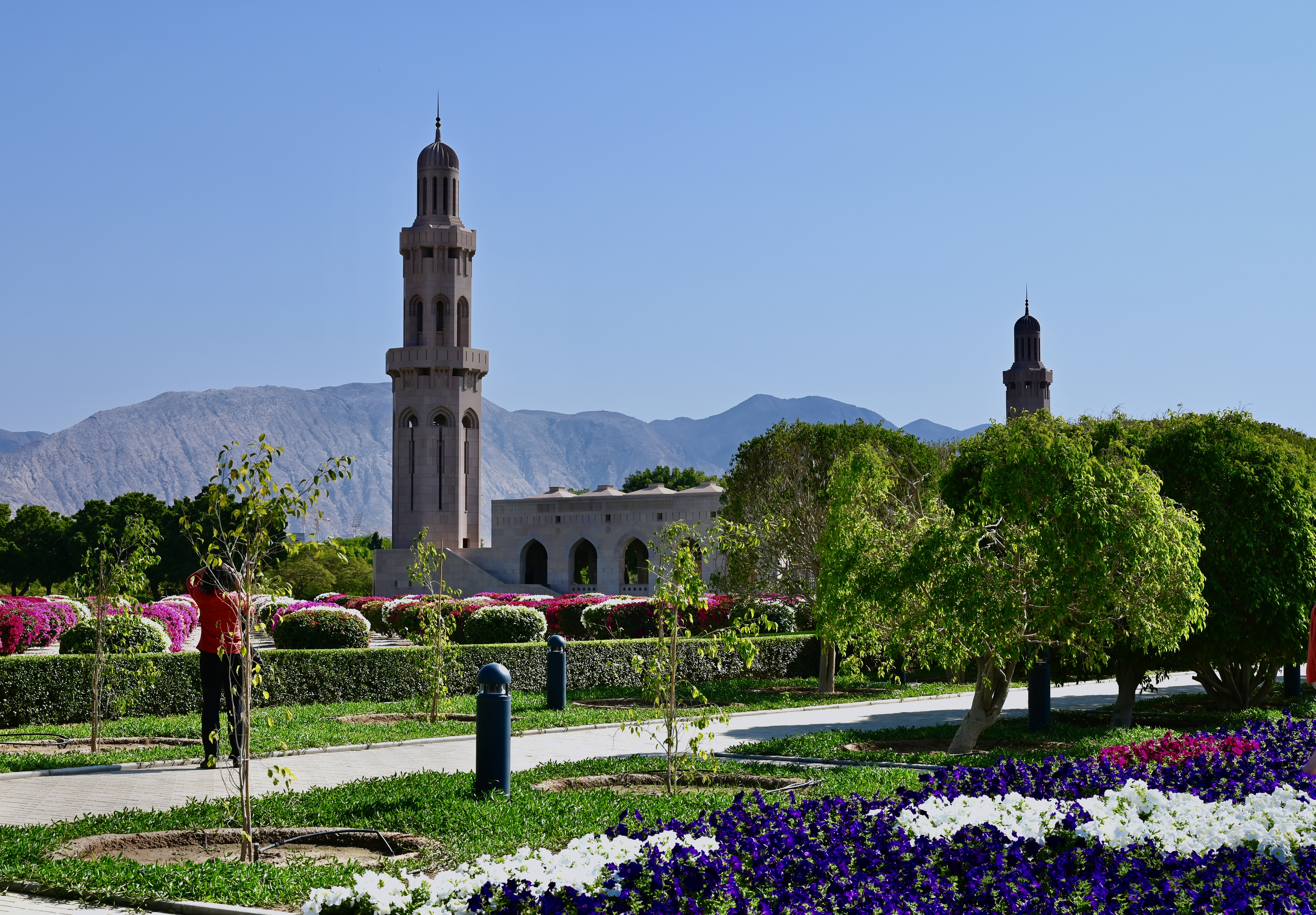
Our tour covered four highlights. First, we explored the exterior of the Grand Mosque, a sprawling, sparkling temple set in a sea of riotously flowering azaleas and petunias. (Tourists may enter the mosque’s interior in the morning, but we didn’t arrive until early afternoon.)
Next we walked through the Mutrah Suq, a market perfumed with frankincense and crammed with tiny shops overflowing with clothing, spices, and souvenirs. I had an interesting conversation with a store clerk who was born in Iran; he lamented the escalating tensions between Iran and the US and insisted that most Iranians have warm feelings toward America. I’d like to believe him, but then again, he was trying to make a sale.

Our third stop was a compact, well-designed museum showcasing Oman’s history, culture, and traditions. Finally, we saw one of the Sultan’s several palaces, an expansive complex flanked by government ministries in the shadow of a mountainside, centuries-old Portuguese fort.
Aside from the lack of pod races (OK, one last Star Wars allusion), visiting Oman was an enjoyable, enlightening experience.
Mumbai: As Nigel Tufnel* might have said about the sights and sounds of Mumbai, “they go to 11.” This city of 20 million dials up sensory overload beyond the max, exuding a frenetic and exhilarating energy. Battle-scarred black and yellow cabs swarm like angry bumblebees, beeping their displeasure with pedestrians, other drivers, and perhaps what they ate for breakfast.
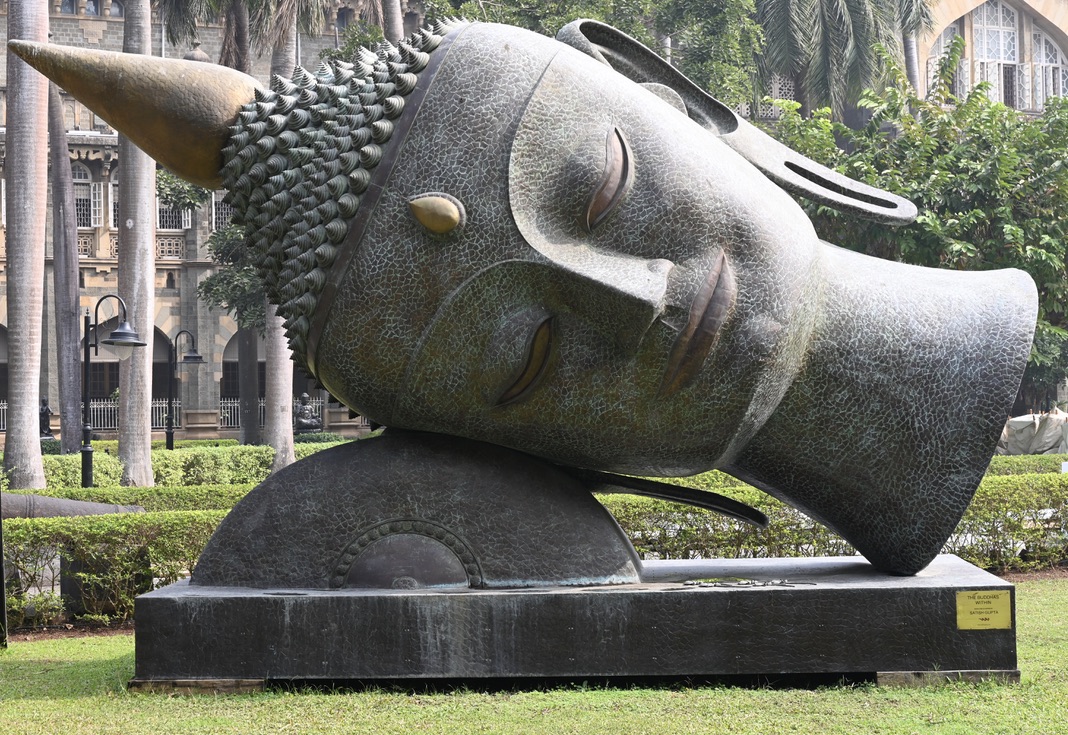
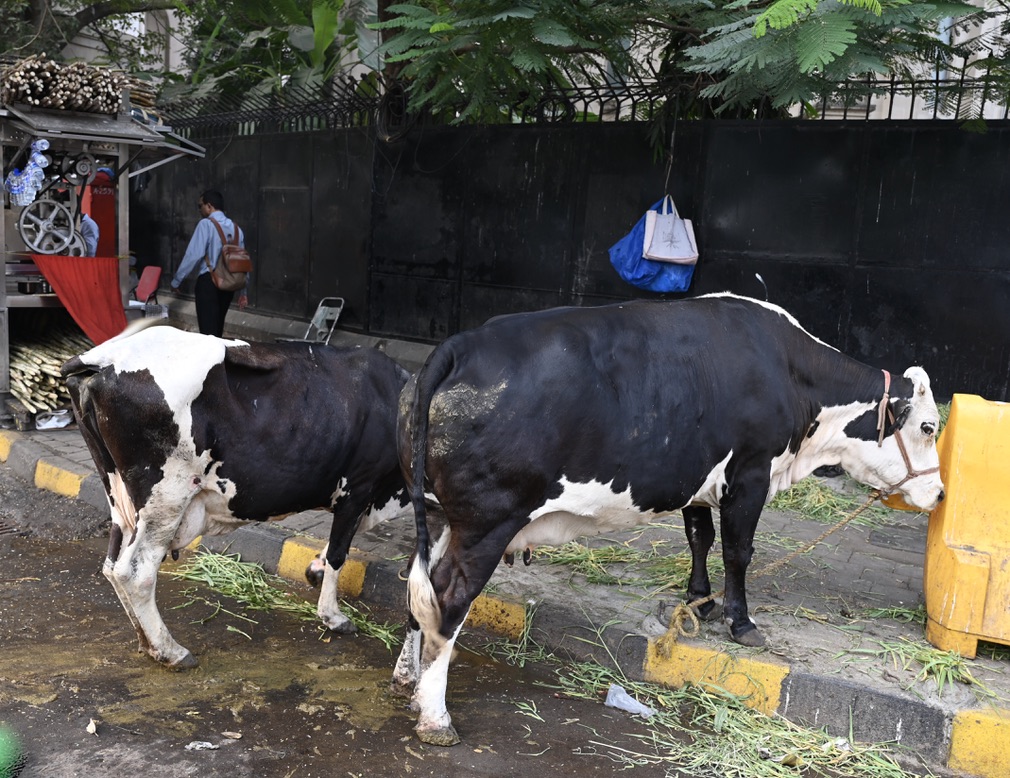
Cows (temples on the hoof; see the commentary accompanying the pictures) share the streets and sidewalks with surprisingly well-fed dogs, vociferous crows, women in vibrant saris, and vendors currying favor (sorry) with tourists to buy their postcards, mirrored bags, bracelets, and peacock feather fans.
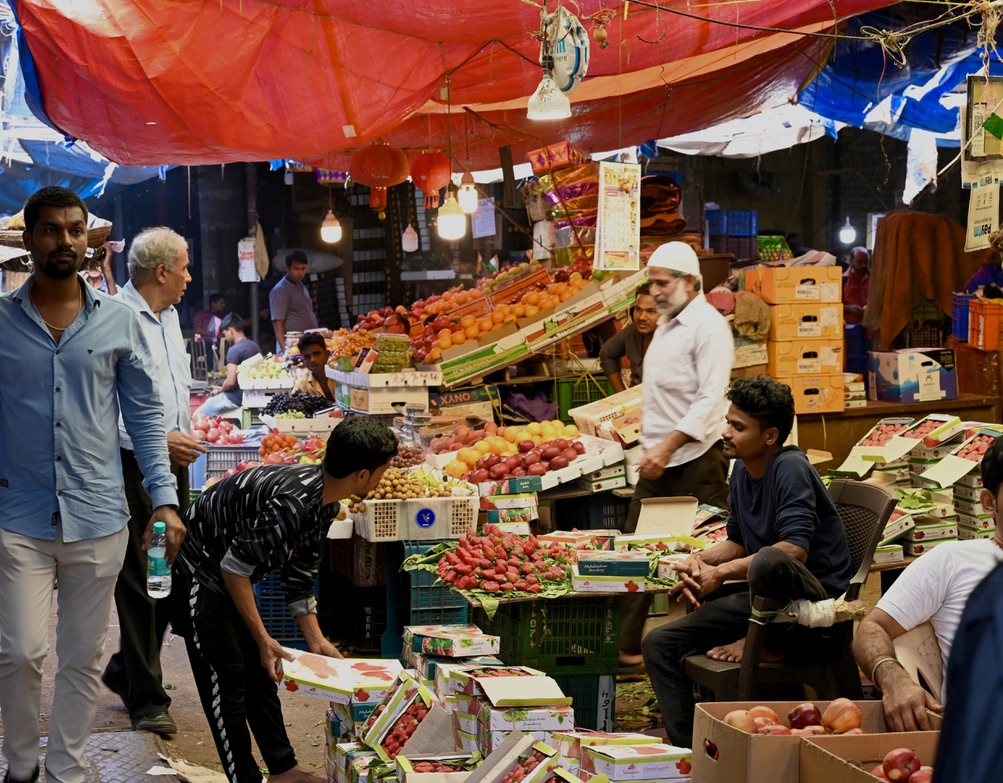
Aromas of curries, masalas, spring garlic, and incense spiral from markets crammed with fruits, vegetables, nuts, and spices.
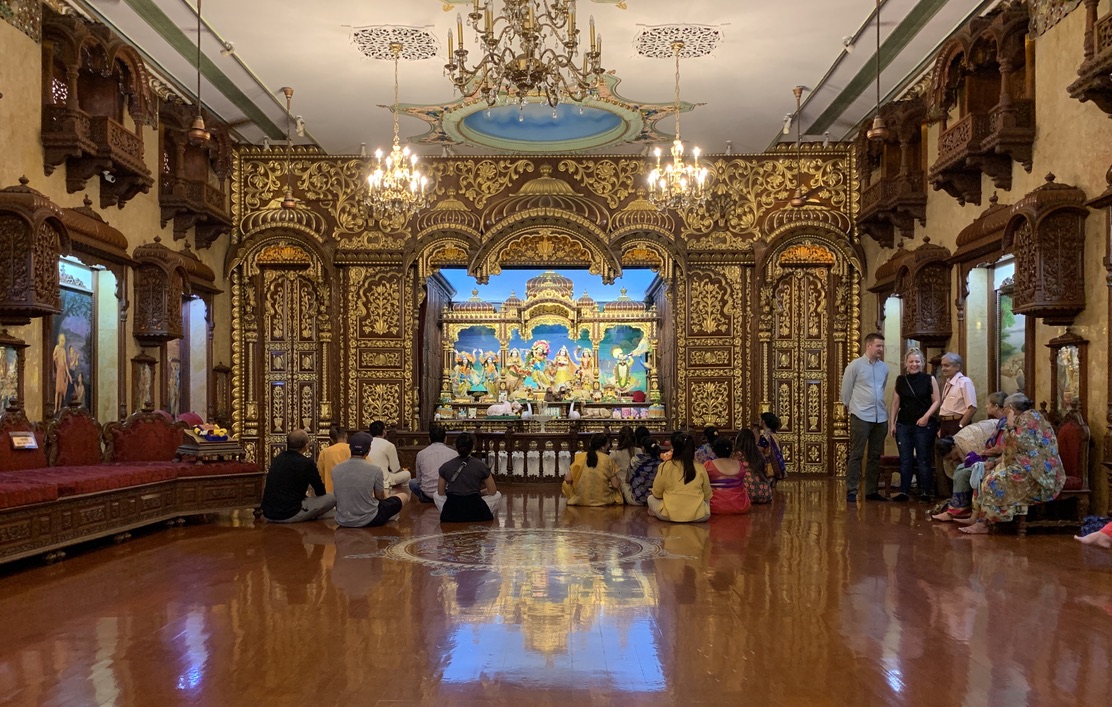
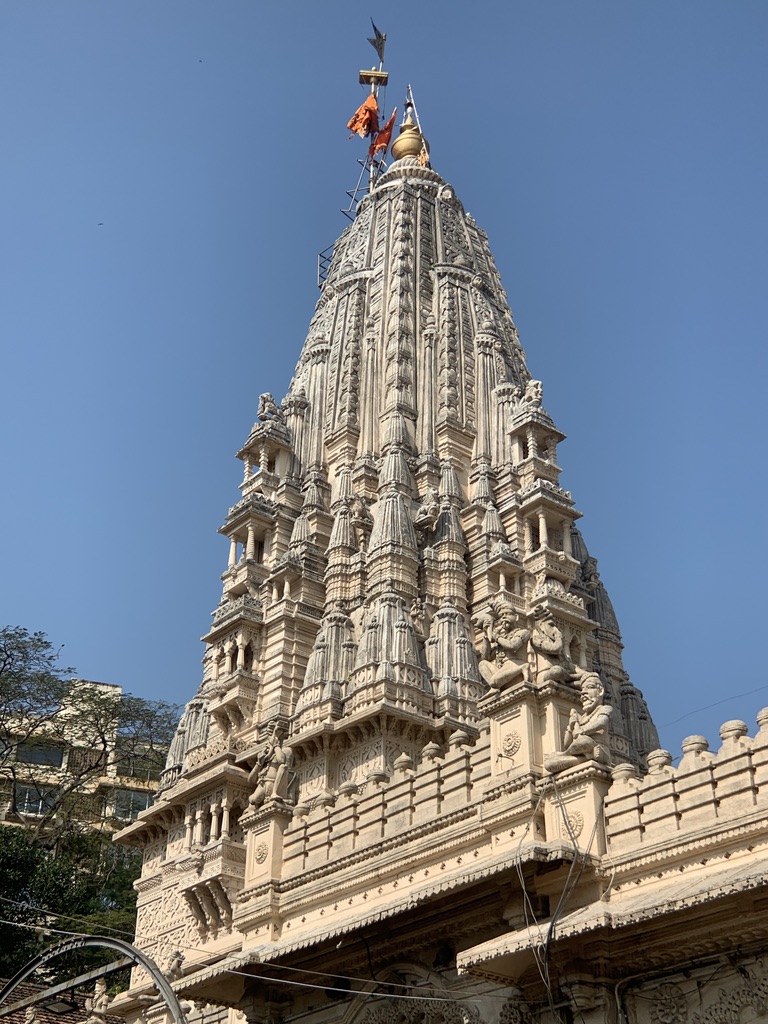
Hindu temples abound, ranging from ornate worship centers for Shiva lingam (the generative power of Shiva) and Krishna (8th avatar of Vishnu and god of love and compassion) to modest alcoves housing shrines to Ganesh (the elephant-headed god of wisdom and success).

Anglican churches share blocks with Zoroastrian fire temples, mosques, and synagogues. Massive Victorian temples to commerce abut decrepit “tenant buildings” where four or five men share a 10 square meter room.
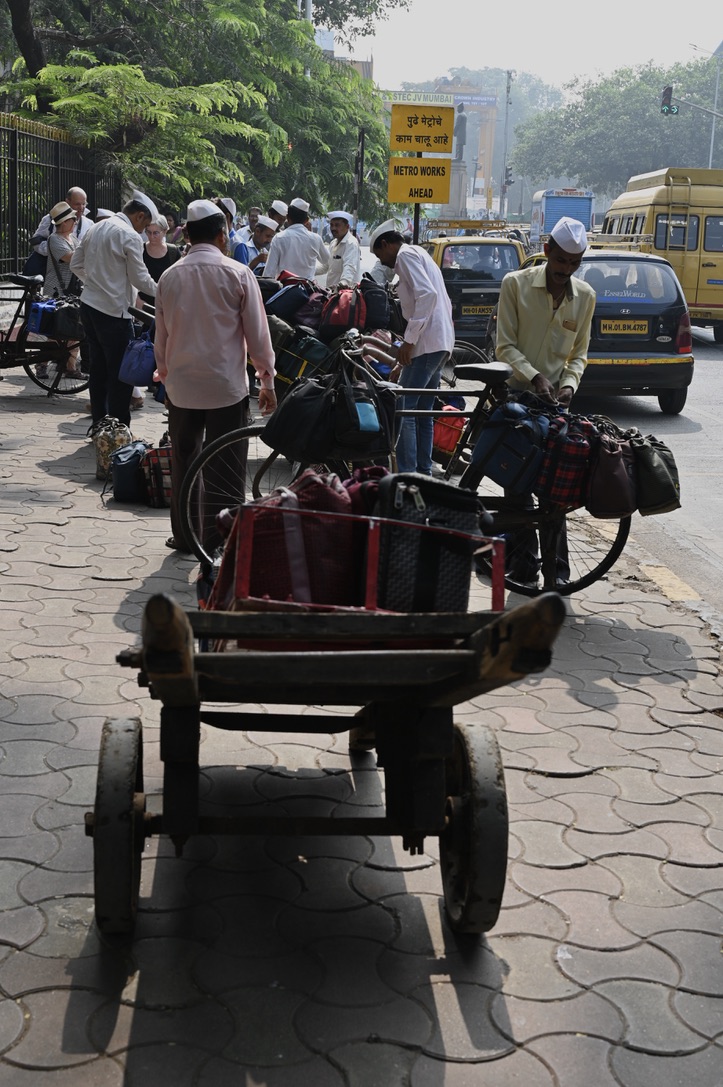
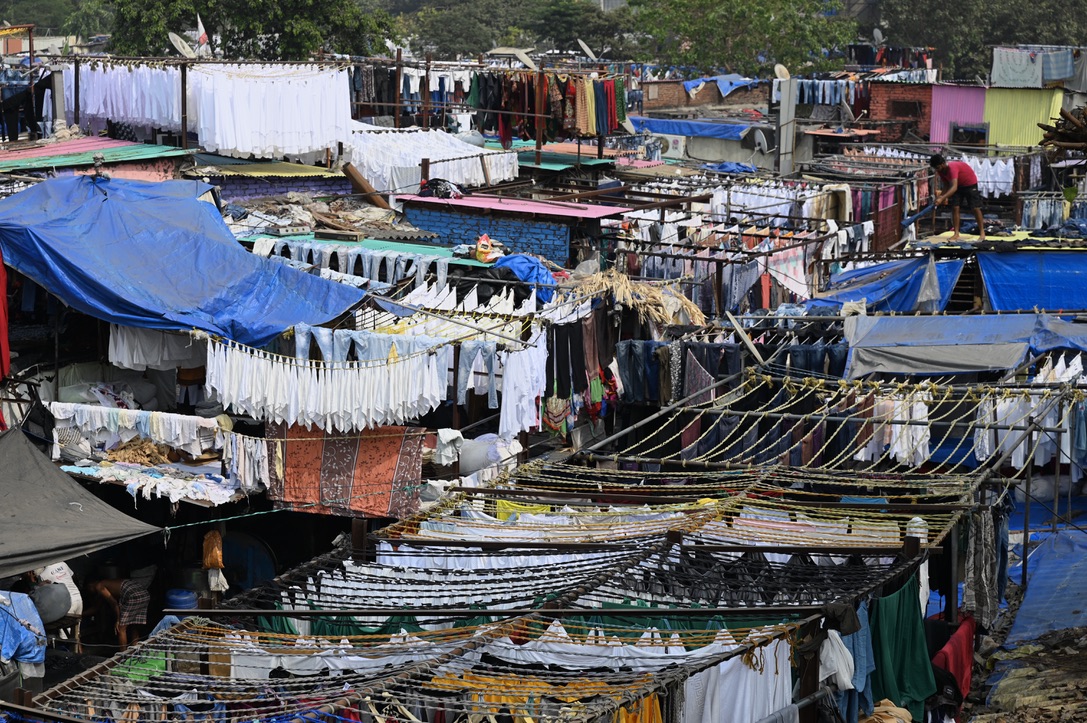
An outdoor hand laundry founded in the 19th century (the Dhobi Ghat) sprawls in front of 21st century glass and steel high rises. Dabbawalas (lunchbox deliverymen) bring home-cooked meals to office workers. And enormous banyan trees with roots like stalactites provide welcome shade from the stifling sun.
*If you don’t get the reference, look it up. It’s from a classic, absolutely hilarious Rob Reiner movie.

Goa: Goa is famed for its beaches and cuisine. Alas, we chose to go on a tour to the old city of Panjim, which consisted of admiring the exteriors of centuries-old Catholic churches – impressive to be sure, but no sand, waves, or delicious food was involved.
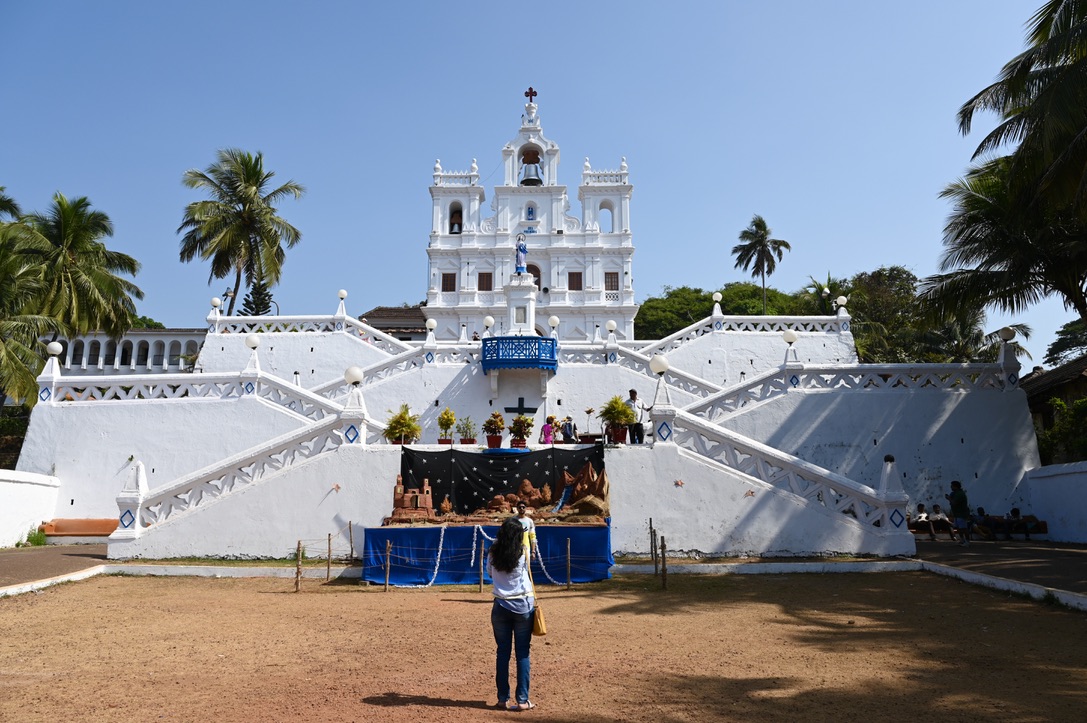
Goa was a Portuguese colony from the early 1500s all the way to 1961, so Catholicism eclipses Hinduism as the dominant influence. From what I saw through our bus’s rattling window – you could prepare a martini (shaken not stirred) quite readily on a short ride, Goan roads are so bad – Goa is a land of contrasts. Lush vegetation (and even a monkey clambering through the trees) abuts coal and ore piles from the region’s mines. Abandoned houses sit next to immaculate homes brightly painted yellow, blue, white, or orange, some with stripes or other designs and all with neat trim around gracefully arched windows. And centuries-old churches overlook newly constructed housing developments, vacation homes for Indians from other parts.
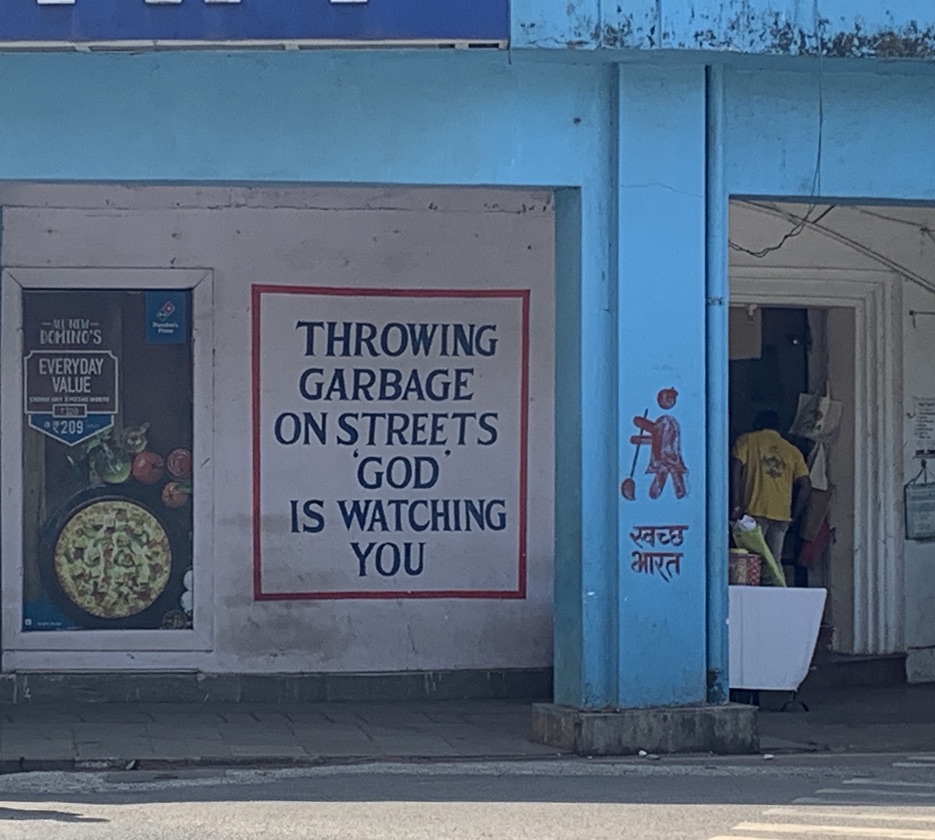
Back on the ship, I spoke with a woman who said the beaches were fabulous. Live and learn.
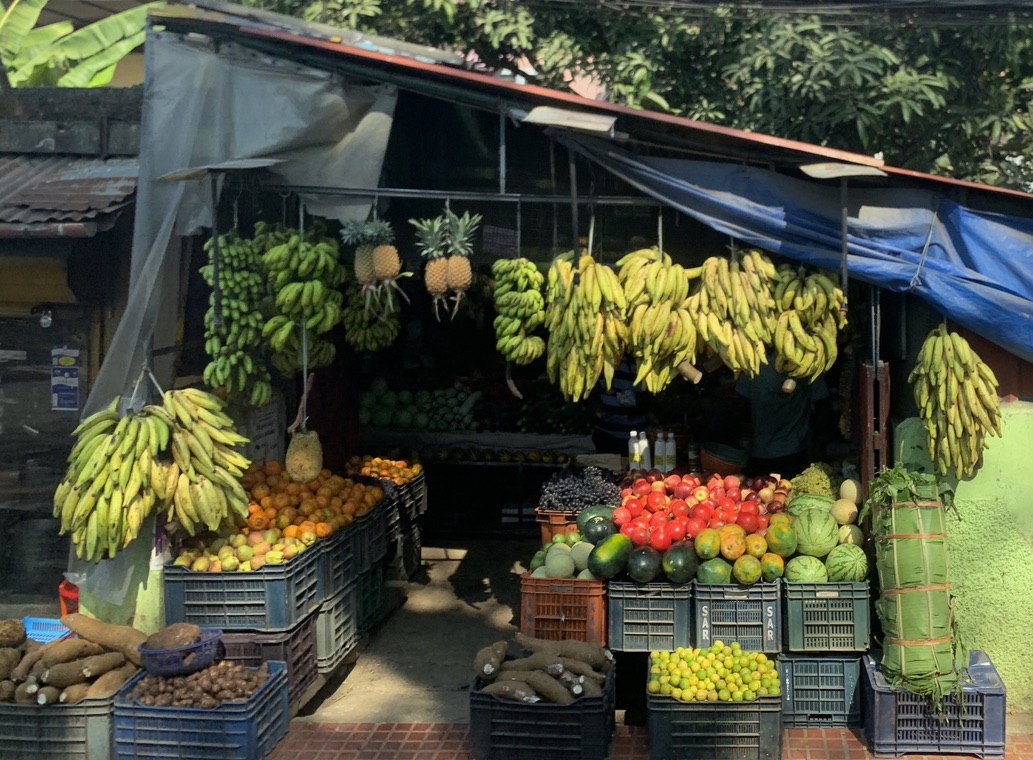
Cochin: Today was our final port in India: Cochin (Kochi in the local language, Malayalam, perhaps the world’s only symmetrical tongue). We rode a bus for a couple of hours past a fascinating slice of a very different life: kids playing volleyball, cricket, and soccer (not simultaneously) on dirt fields; dilapidated stands selling fruits and vegetables, spices, and seafood; battalions of scooters and tuk tuks (motorized rickshaws); temples honoring Shiva, graceful mosques, and gleaming white churches; and an inordinate number of bakeries, medical supply stores, and hospitals (I’m sure there’s some relation there, but I prefer not to think too hard about it, being fond of baked good myself).
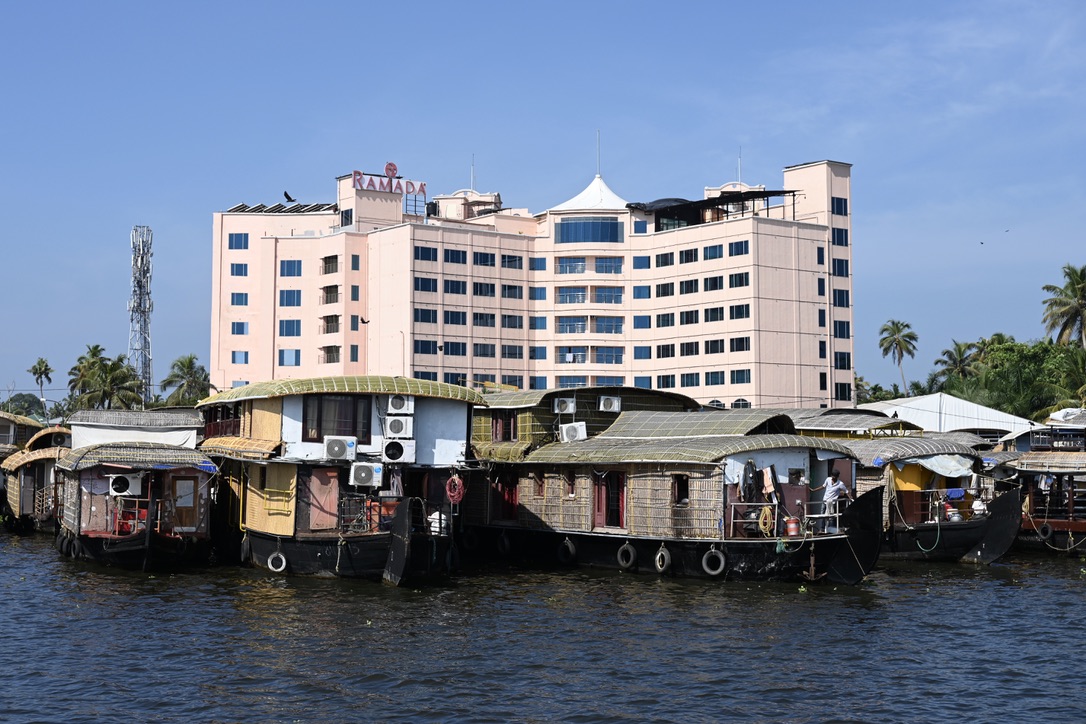
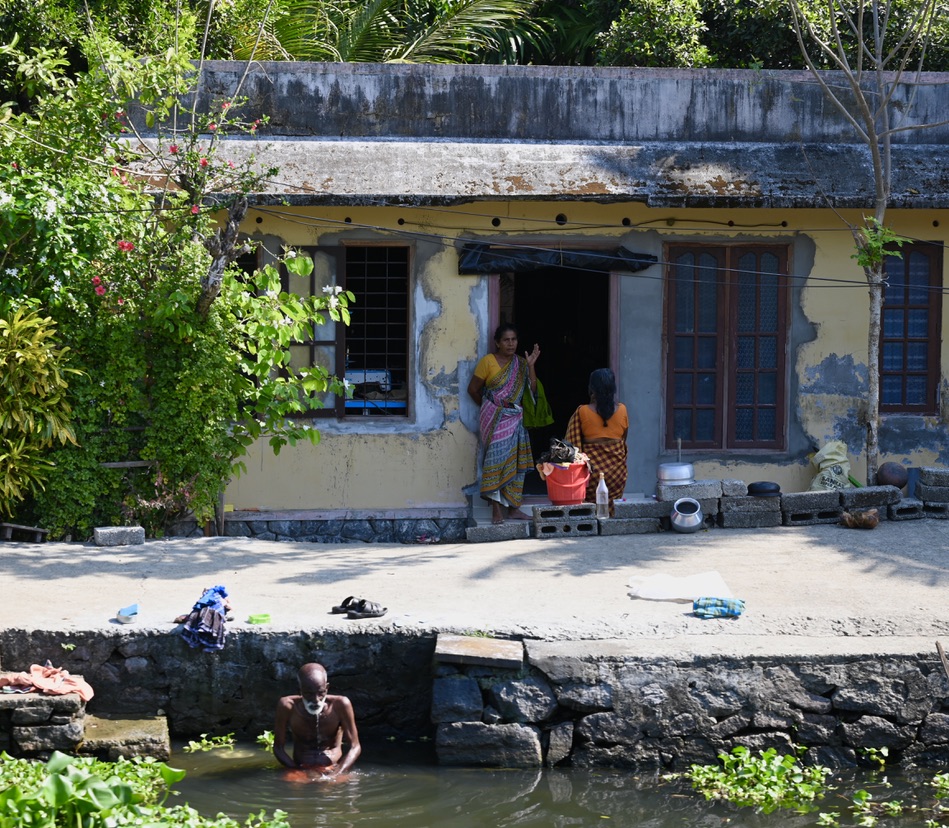
Our bus delivered us to an open-air sightseeing boat, which meandered along the waterways of Alappuzha.
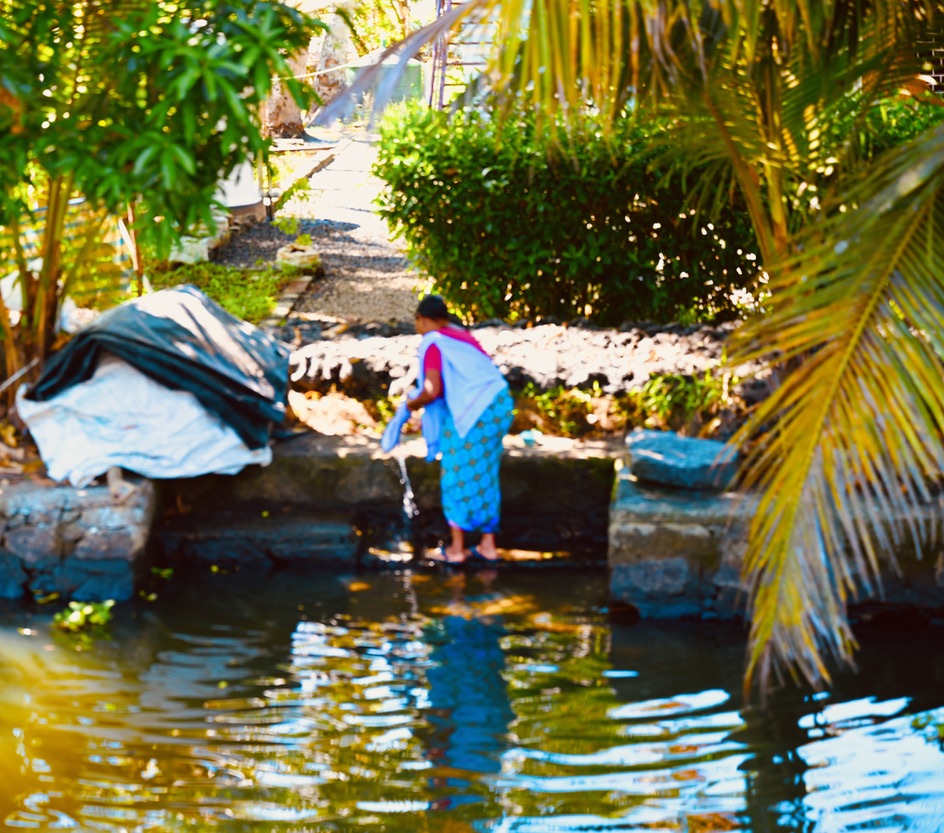
Located along the coast, this area is home to elegant houseboats (rentable for $250 a night!), waterside dwellings ranging from one room hovels to three story villas, women washing clothes in the waterway as their great-great-grandmothers must have done (I saw no enlightened men pitching in), and numerous signs and markers promoting the Indian Communist Party – apparently the state of Kerala, where Cochin and Alappuzha are located, is the last stronghold of the party in India.
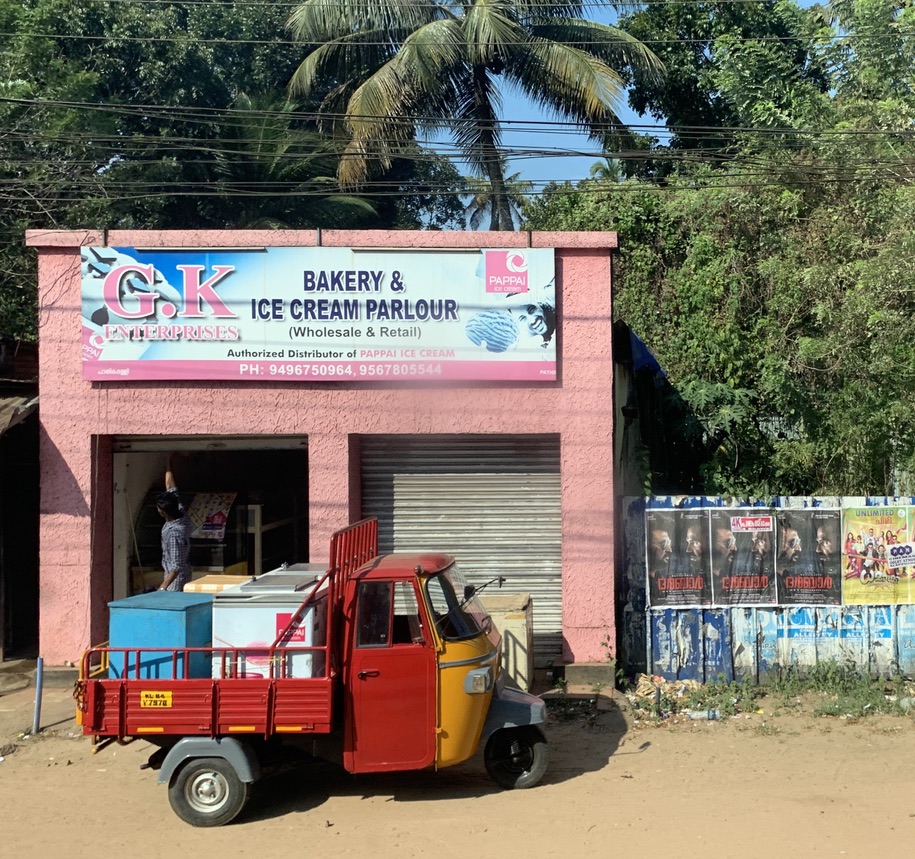
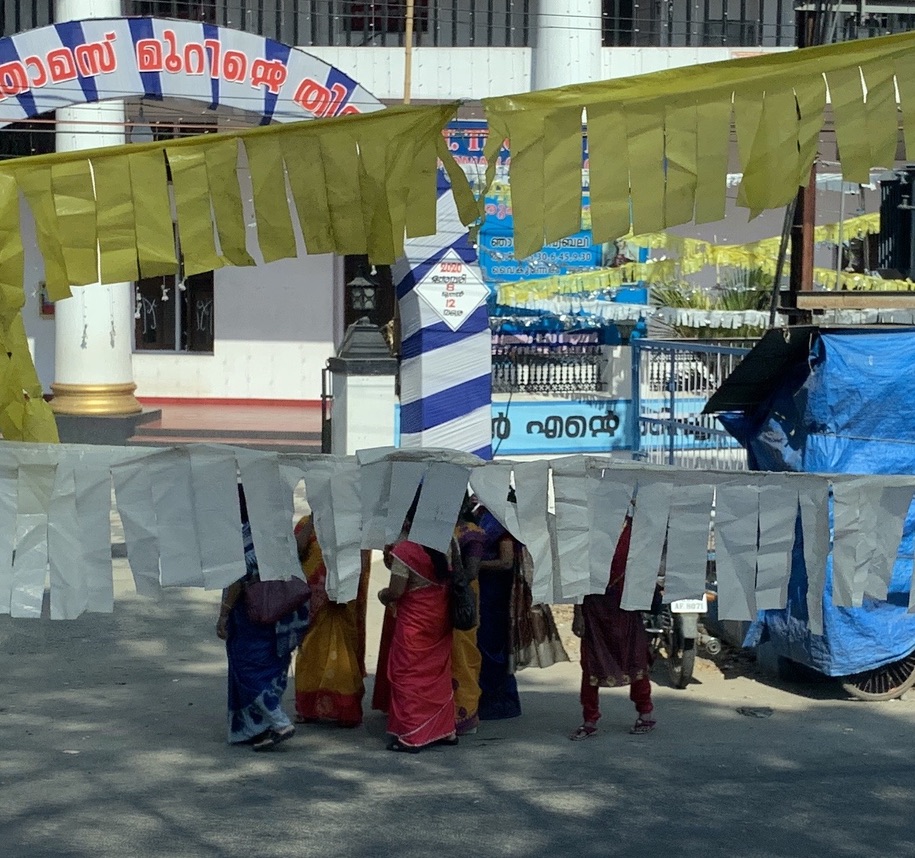
I loved India – everything from the frenetic, polyglot bustle of Mumbai to the lost-in-time charm of Kerala. The people are unfailingly friendly (except for the scooter that nearly ran me over today), the food is delicious, and despite the Raj, the beer is ice cold. On to Sri Lanka!
Colombo: “Just one more thing ….” Oh, wait, that’s Columbo, not Colombo. (And yet another obscure reference making sense only to us well-seasoned types.) Colombo, the city, is in transition. Once a thriving commercial center, much of it was destroyed during the Sri Lankan civil war, which lasted for nearly 26 years and ended only in 2009.
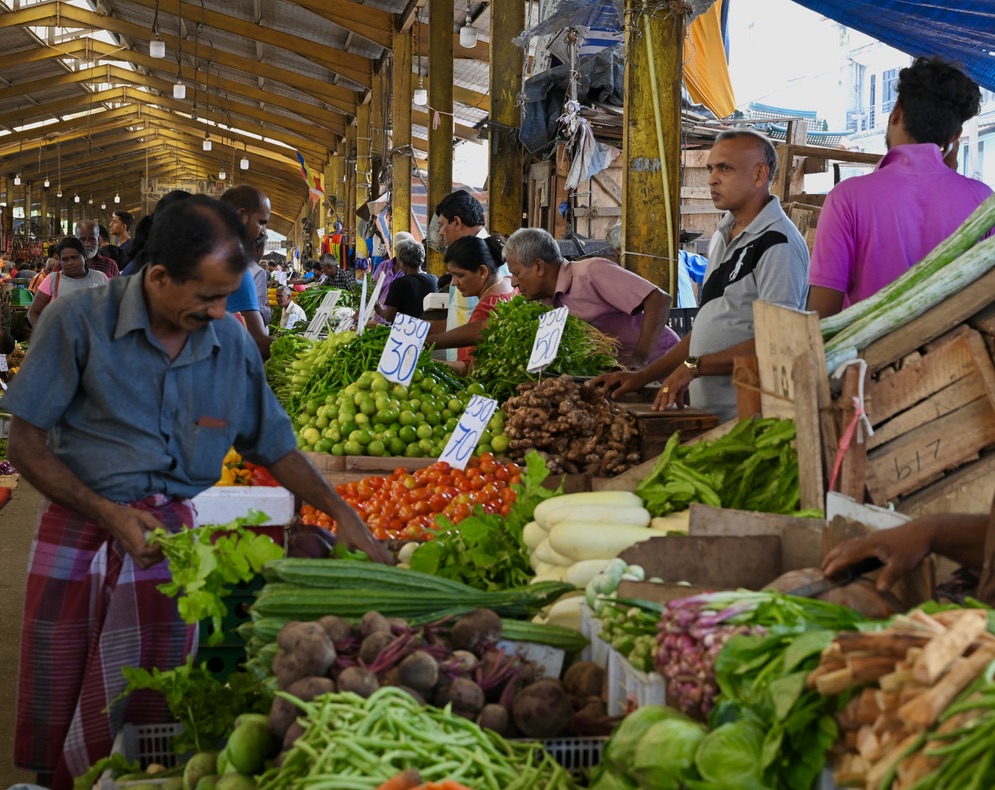
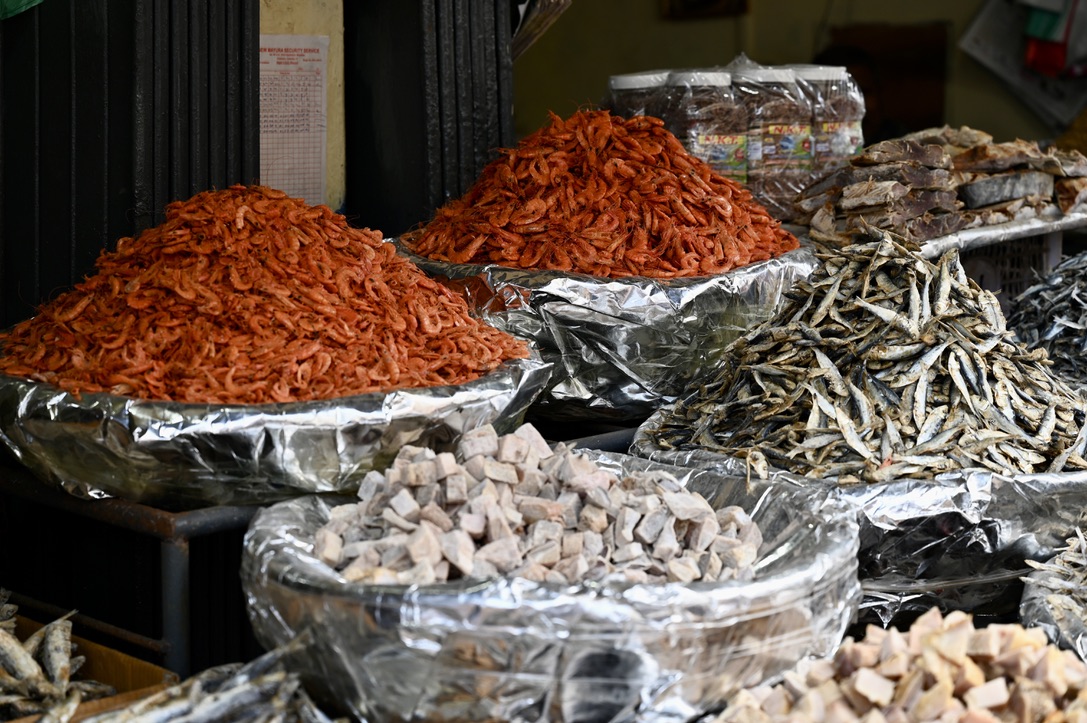
Today, the city’s old buildings, dating to the early 19th century, are a mix of windowless shells in which urban forests have taken root, and beautifully restored architectural gems – and the restoration effort is due in large part to the cajoling of our tour guide.

Mark Forbes, the son of Dutch and Scottish parents, was raised on the island, became a professional photographer, and through his activism, saved several classic buildings from destruction and persuaded the government that these relics from Sri Lanka’s past must be preserved.
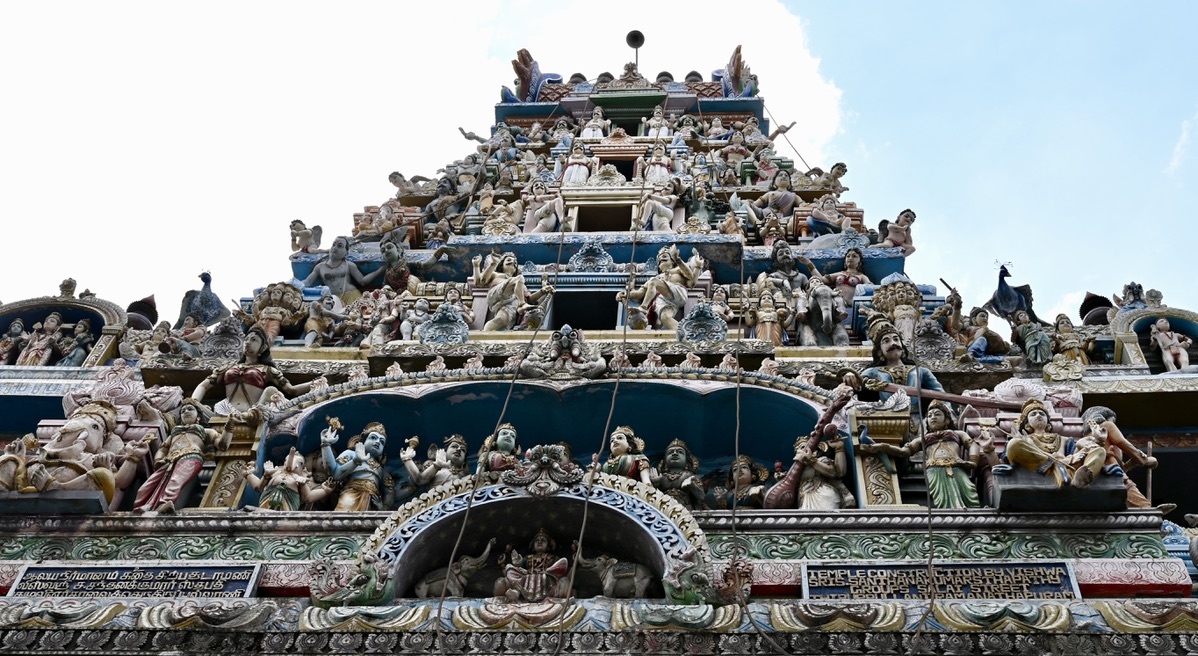
Now he leads walking tours of Colombo’s old buildings, interspersing their history with tales of the civil war, the island’s emergence as a growing economic and tourism force in South Asia (tragically interrupted but not derailed by the Easter 2019 terrorist bombing), and fun facts, such as: (1) every full moon is a holiday in Sri Lanka, (2) Duran Duran shot the music video for Hungry Like the Wolf on Chatham Street in Colombo, and my favorite, (3) after the civil war ended, army and navy forces were retrained to restore the old buildings, clearing debris, removing caked-on paint that masked stately marble and glowing teak, installing period-appropriate windows, and repairing fixtures.

Finally, now that the Civil War is over, there is virtually no crime in Colombo. Columbo would be out of a job.

Phuket: I’m writing this after visiting Phuket (no puns today, for obvious reasons), a large island at the southern end of Thailand. It’s a tourist mecca, jam-packed with high end resorts, beautiful beaches, 7-11s (don’t ask me why), signs in Russian (ditto), and all manner of vehicular conveyance. In a perfect world, Phuket would be the Thai word for “traffic,” but in reality, it just means mountain or hill. And it’s pronounced in a manner suitable for tender ears: p-hoo-kit.
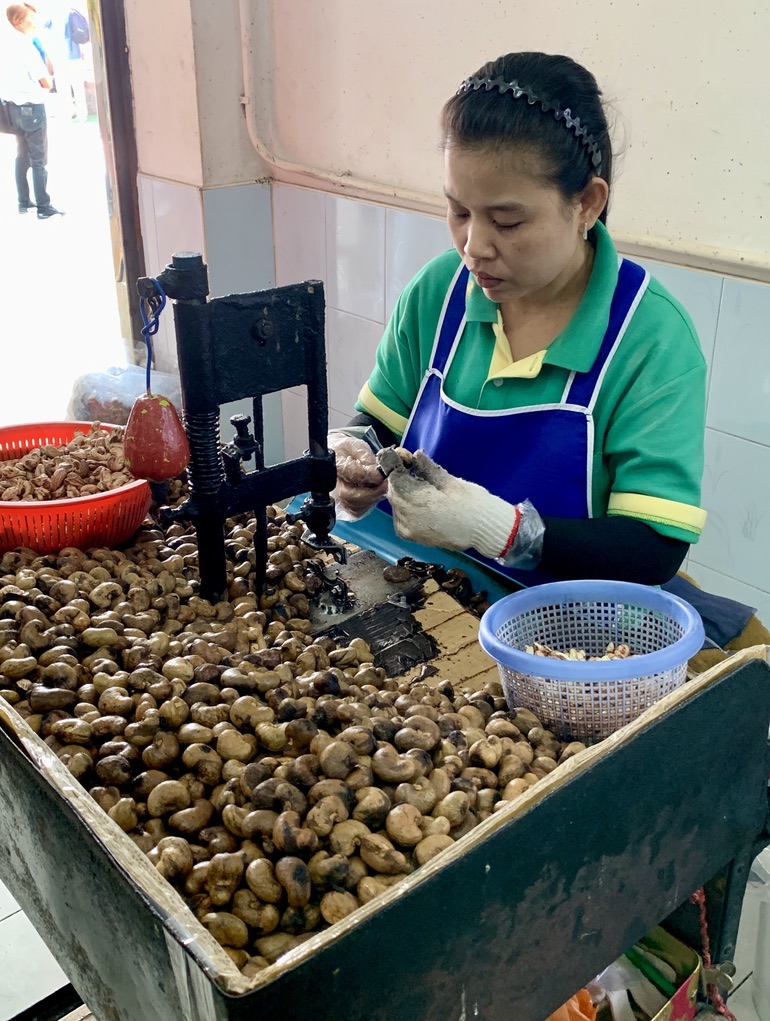
Our tour hit four highlights: First stop was a cashew processing factory, where I sampled cashews with salt, with butter, with sesame, with wasabi, with honey, with chili, etc., etc. Yes, I tried them all, and I’d do it again!
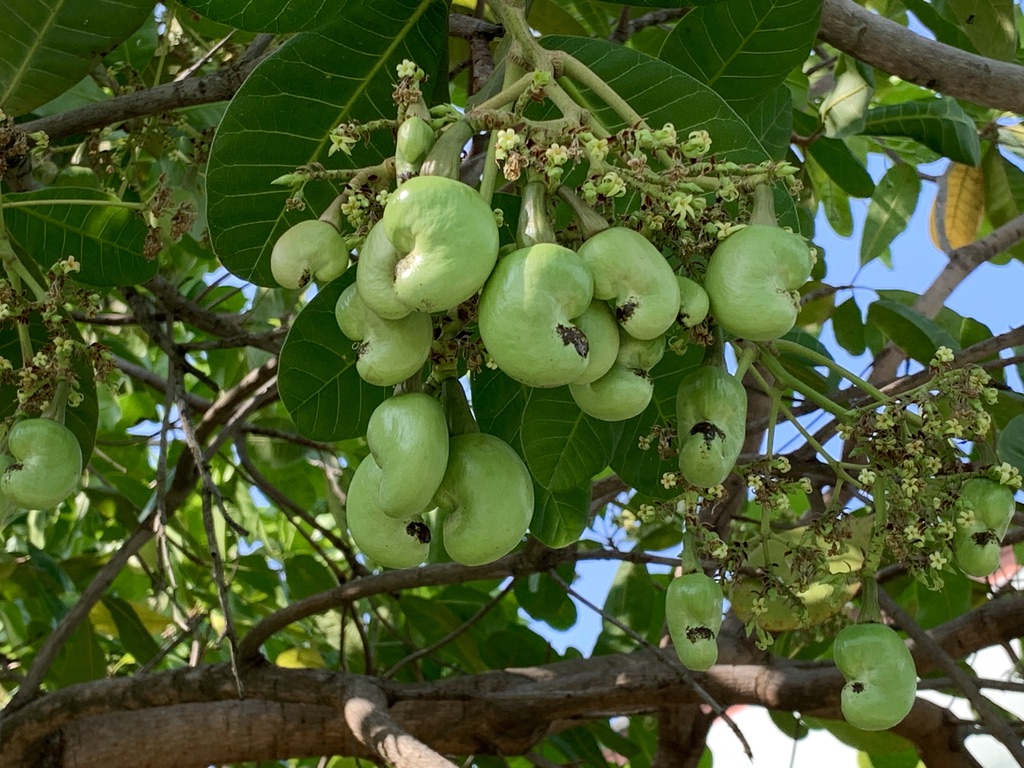
Second, we admired Big Buddha, an aptly named statue (45 meters tall and 25 meters wide) atop a mountain overlooking a boat-dotted harbor far below. For Buddhists, it’s a site of great veneration.

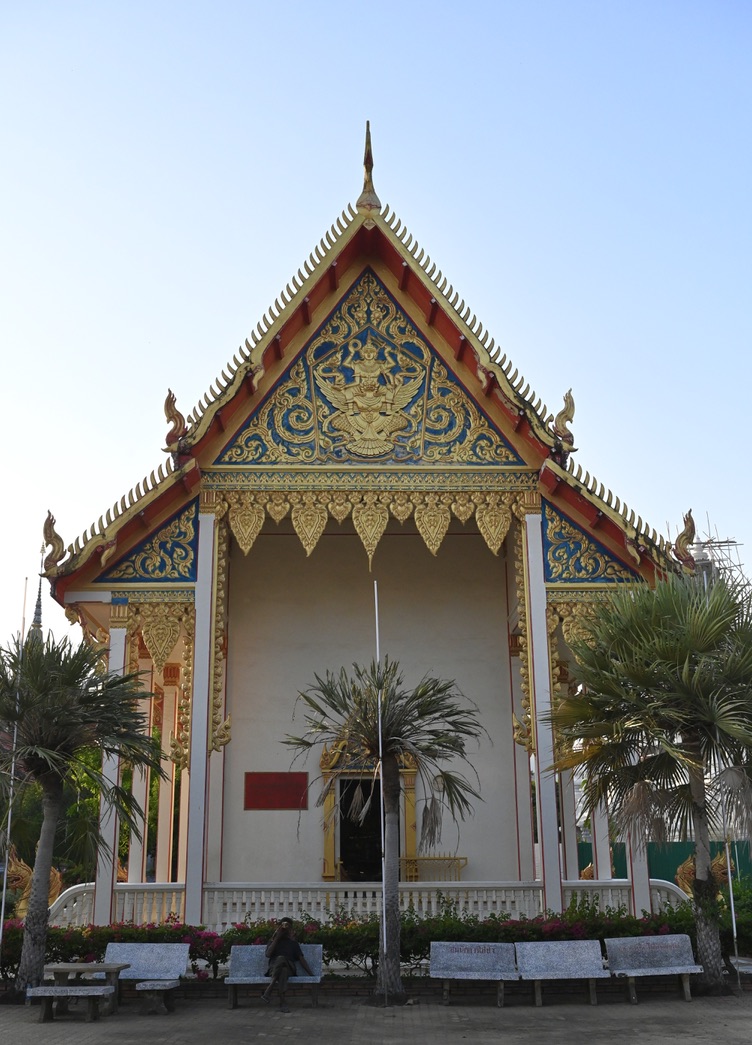
We next walked through Wat Chalong, a sprawling Buddhist temple complex with several impressively ornate, gilded buildings.
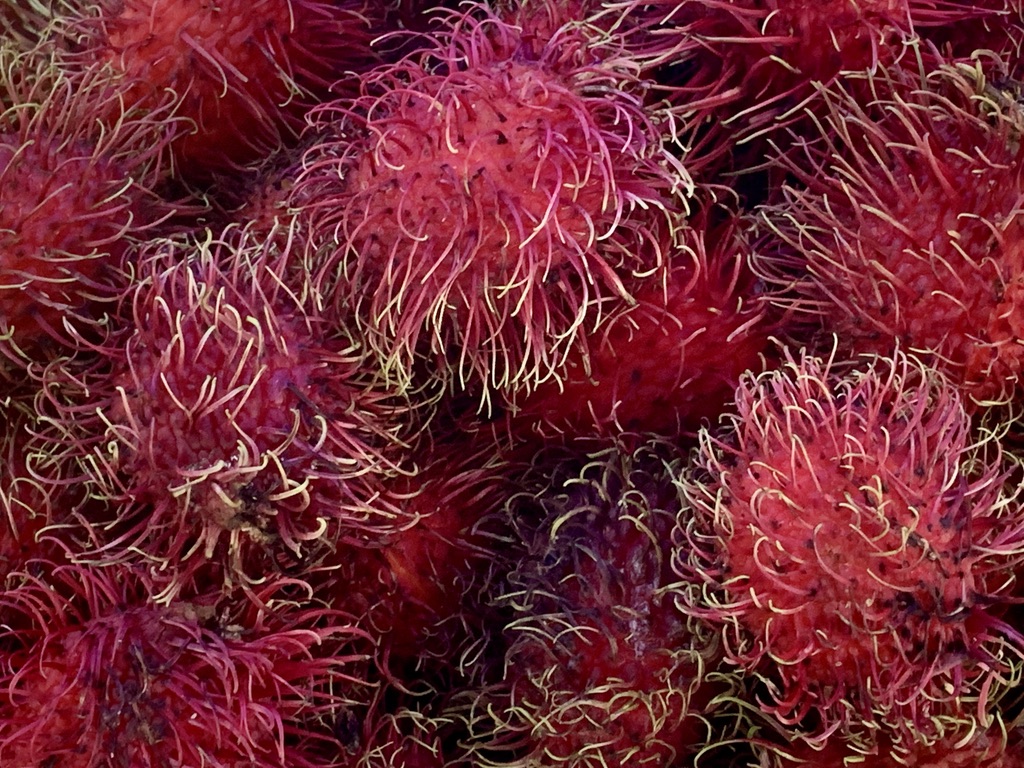
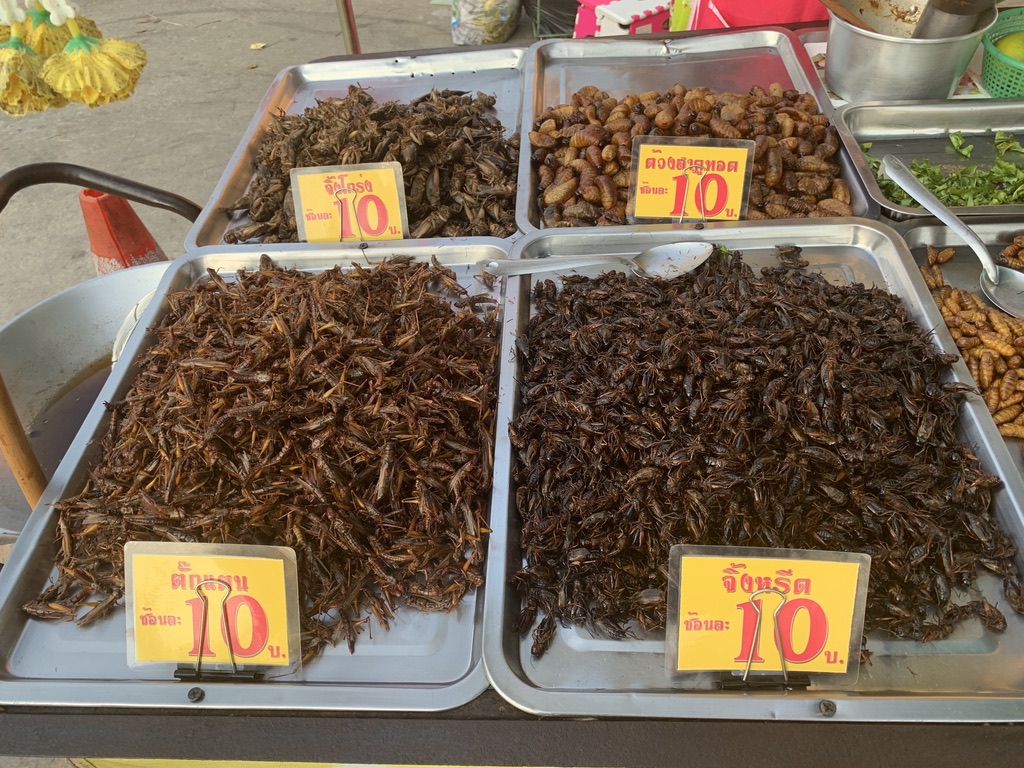
The main street connecting the temples is lined with stalls selling crafts, clothing, and delicacies such as rambutan (a hairy but deliciously creamy and sweet fruit similar to a litchi), and grubs and crickets (which I did not sample; being almost entirely vegetarian has its benefits from the excuse standpoint).
Our final stop was the southernmost point on Phuket, Promthep Cape. Our guide assured us it’s an ideal spot to view spectacular sunsets, but I wouldn’t know. Thanks to the aforementioned traffic, we arrived around 20 minutes too late.
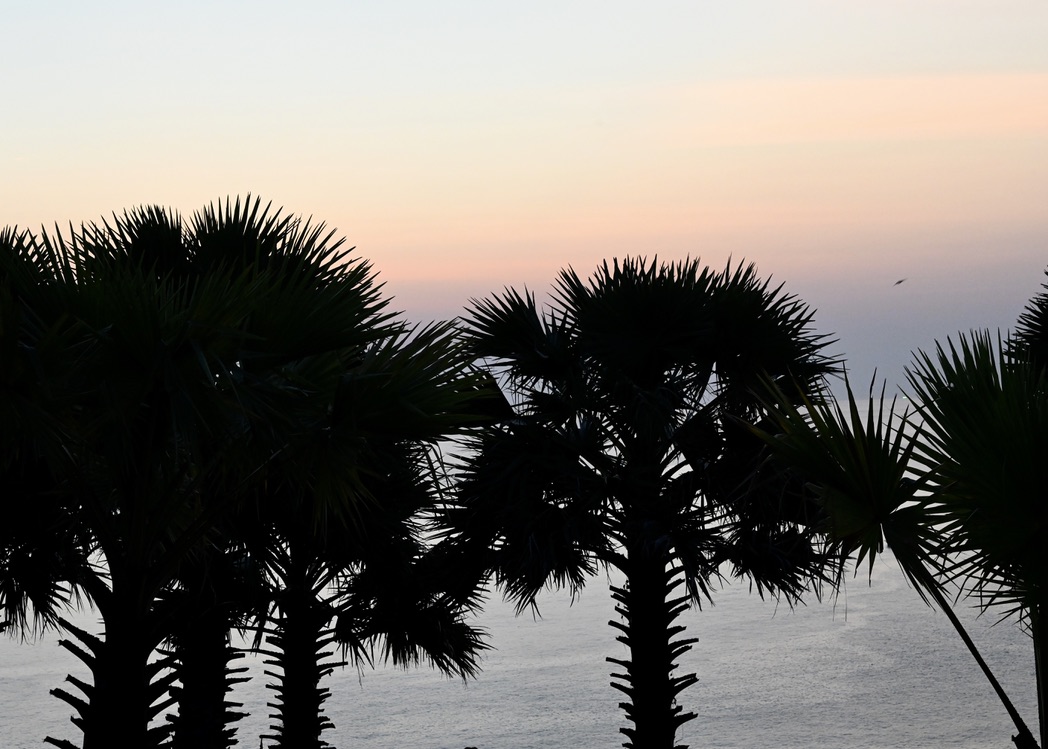
Tomorrow we dock in Singapore, the final port on this wonderful journey.
Singapore: My first impression of Singapore was shocking: the immigration agent who stamped my passport was chewing gum! It turns out that gum-chewing is not illegal but buying and selling gum is. Singaporeans craving some Wrigley’s must travel to Malaysia to score a pack.

This tidbit came courtesy of our excellent tour guide, who knew not just the law – she’s a retired corporate lawyer, which immediately endeared her to me – but where she could surreptitiously bring us for spectacular views of the city (the rooftop terrace of the Hyatt Andaz, which wasn’t exactly open at the time); which is the most spectacular bar in Singapore (Atlas, ranked as the best bar in Asia and 7th best in the world); and what is the hippest street (Haji Lane in the Arab Quarter).


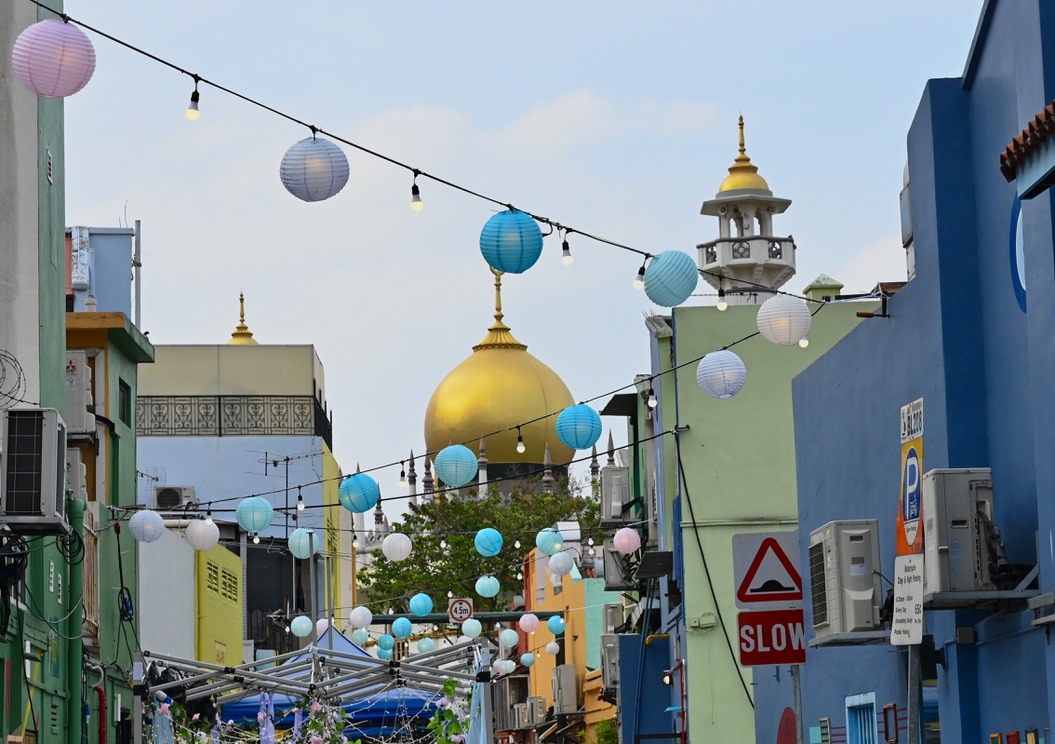
In eight action-packed hours, our guide showed us her version of Singapore’s greatest hits, with frequent references to Crazy Rich Asians (evidently her favorite film of all time). We started in the spectacular Marina Bay area, home to exciting architecture and super-chic stores.
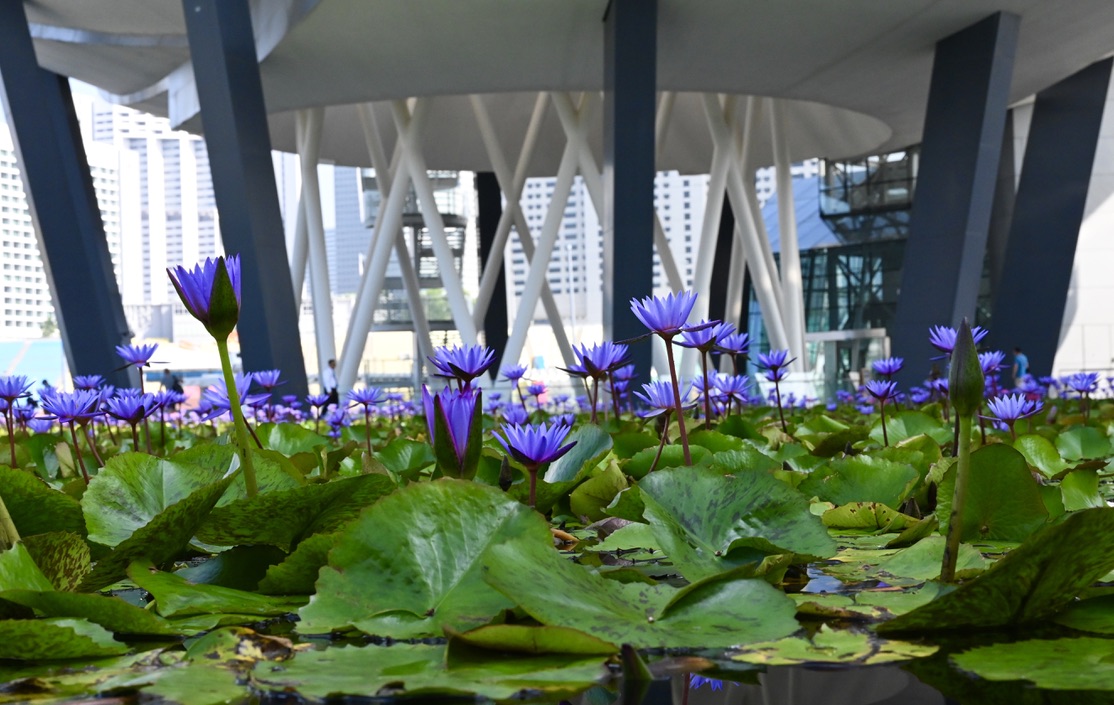
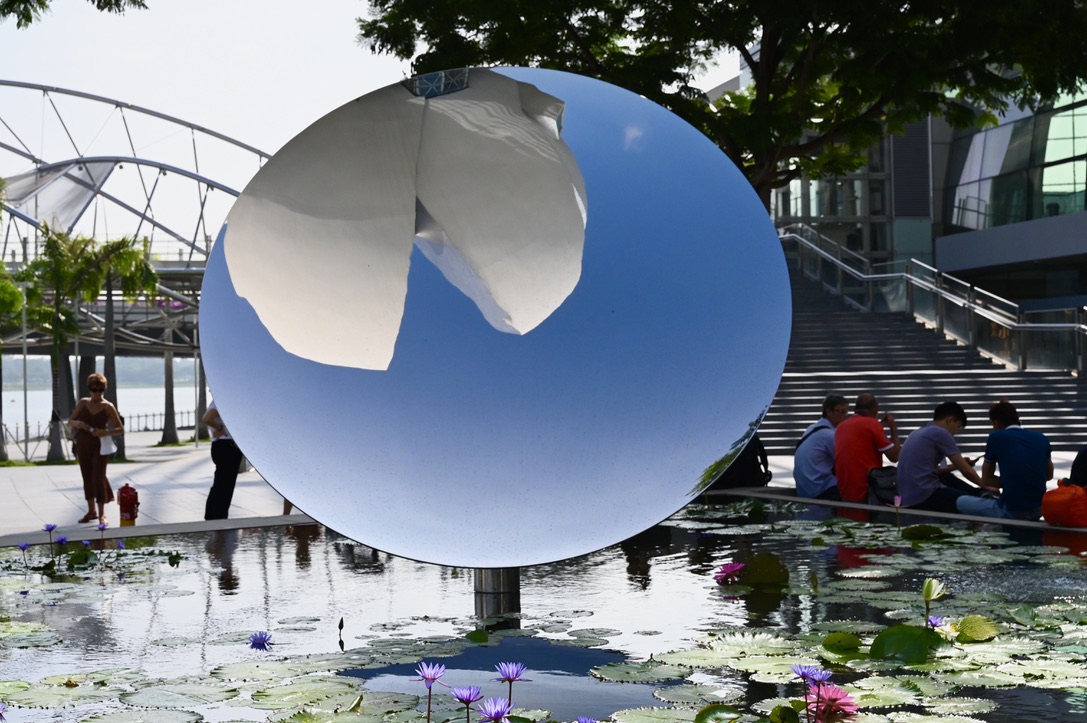
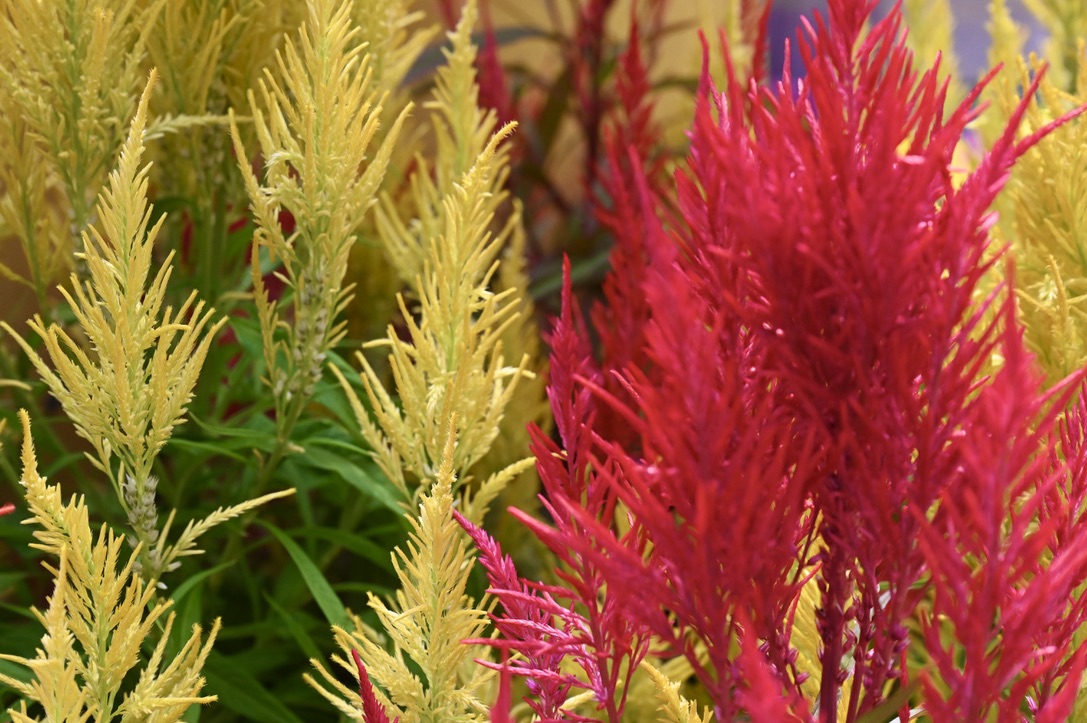
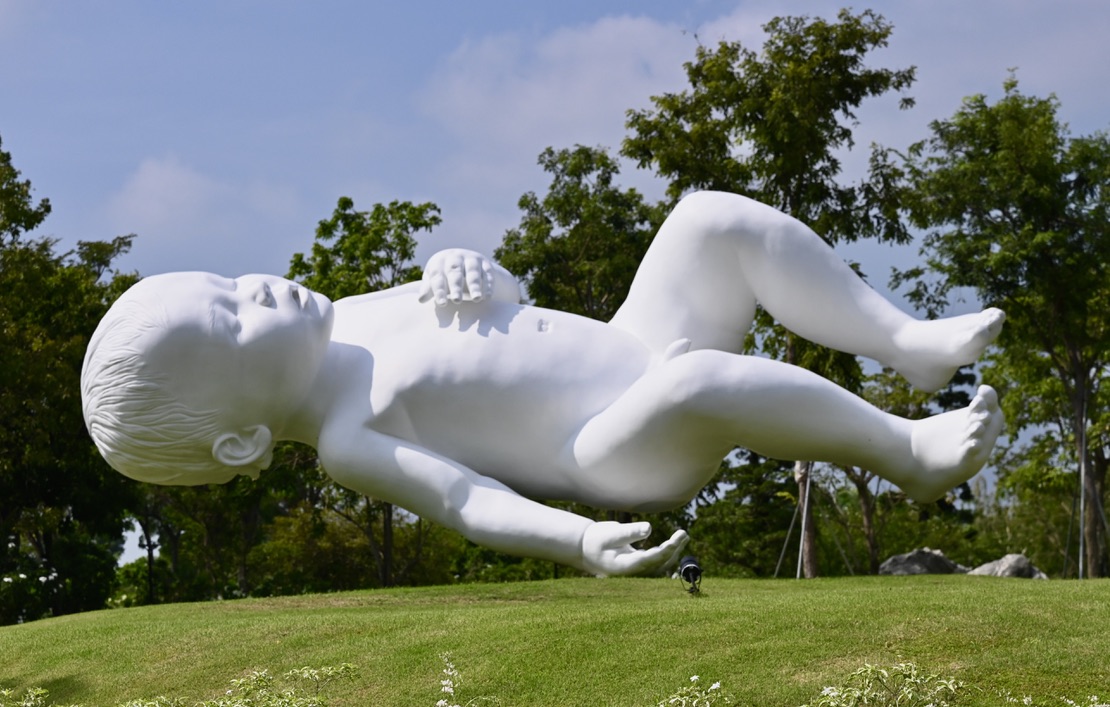
Then we took a serene tram ride through the gorgeous Gardens by the Bay.
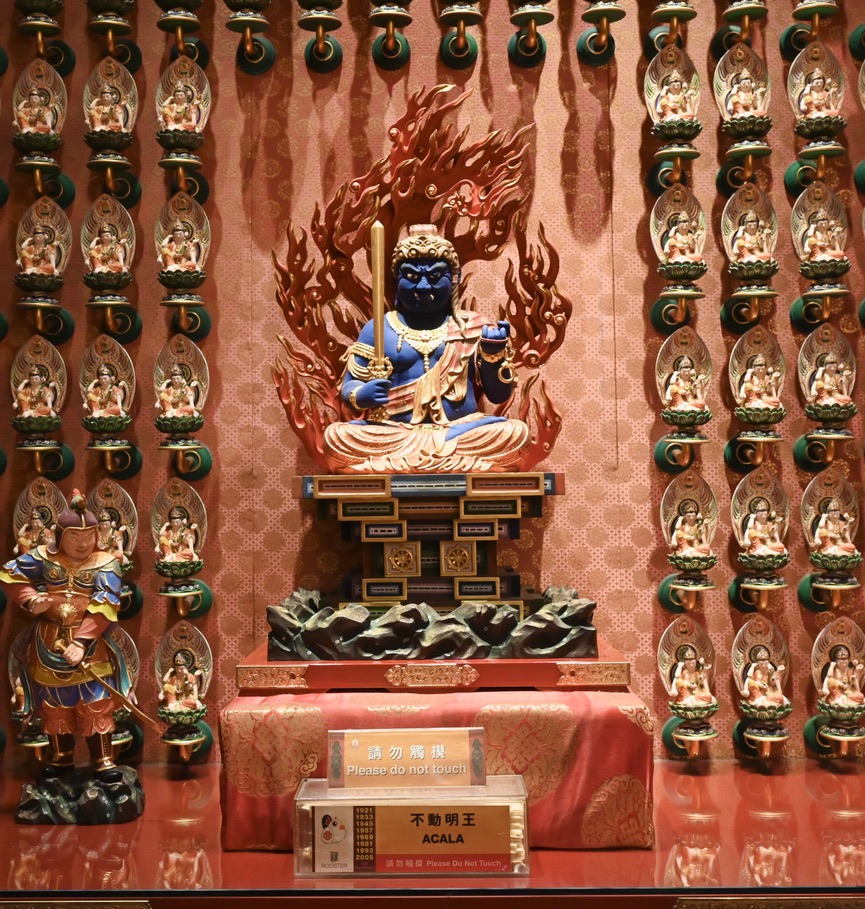
We wandered through old and new Chinatown, visiting a historical Taoist temple and the mammoth, recently built Buddha Tooth Relic Temple (fittingly filled with gold leaf inlays).

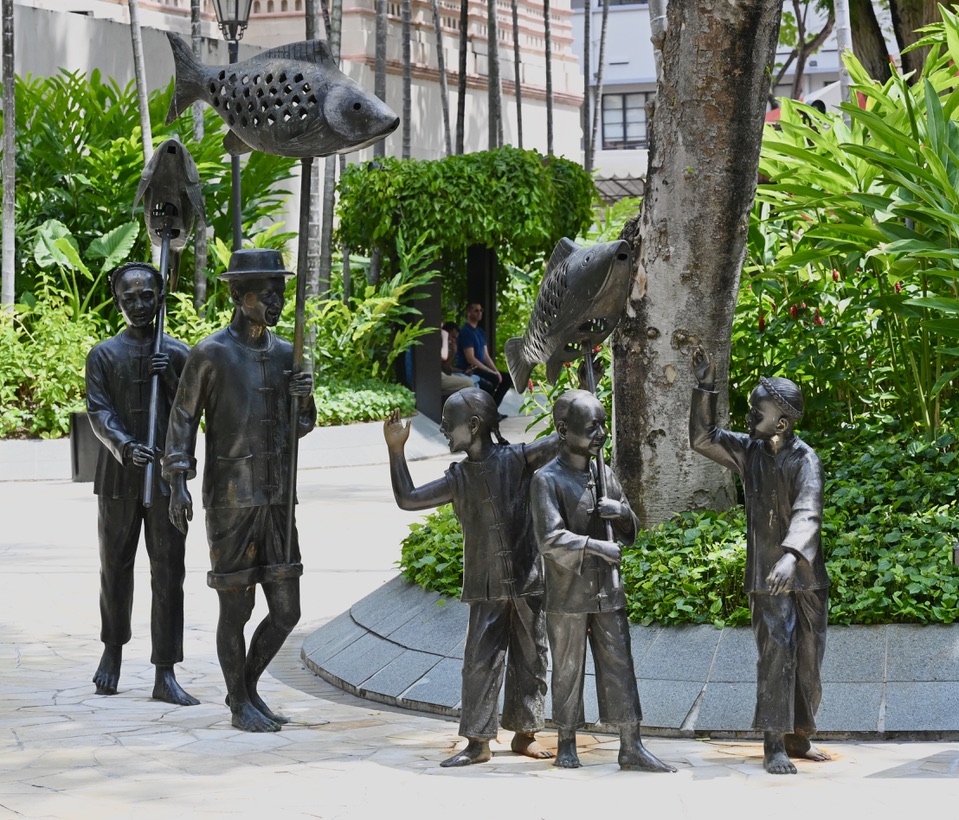
Having built up an appetite, we ate lunch in the Telok Ayer Market, a warren of stalls selling Chinese, Thai, Indian, and Malaysian fare ranging from vegetarian noodles and dumplings to decidedly non-vegetarian Pig’s Organ Soup.
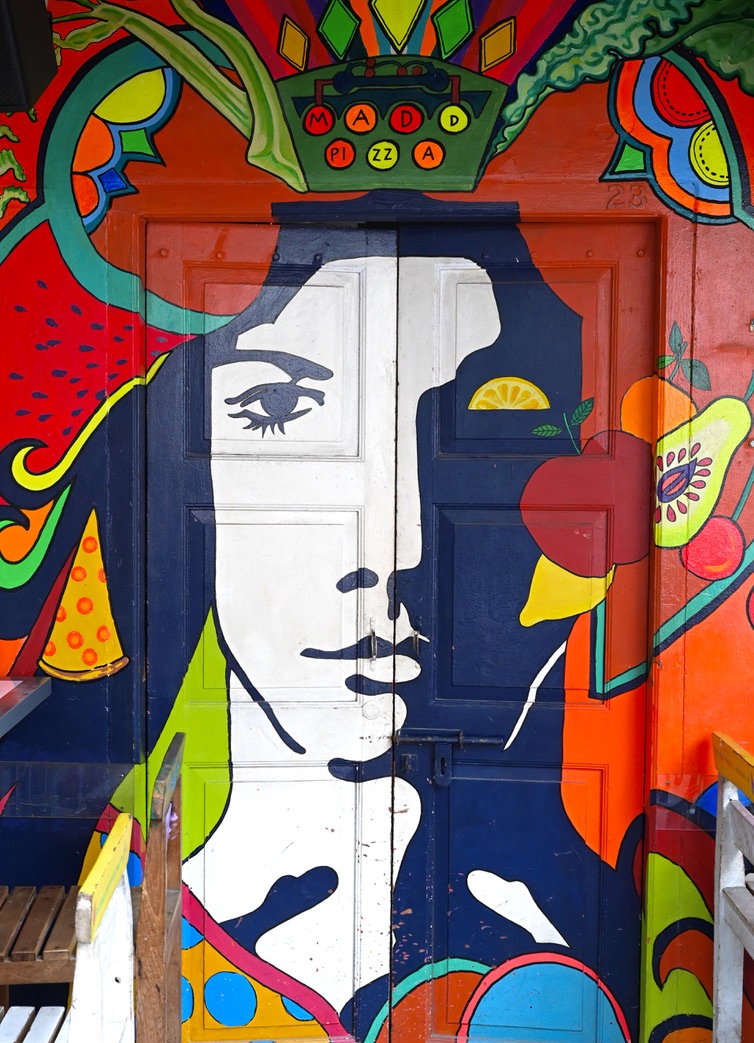
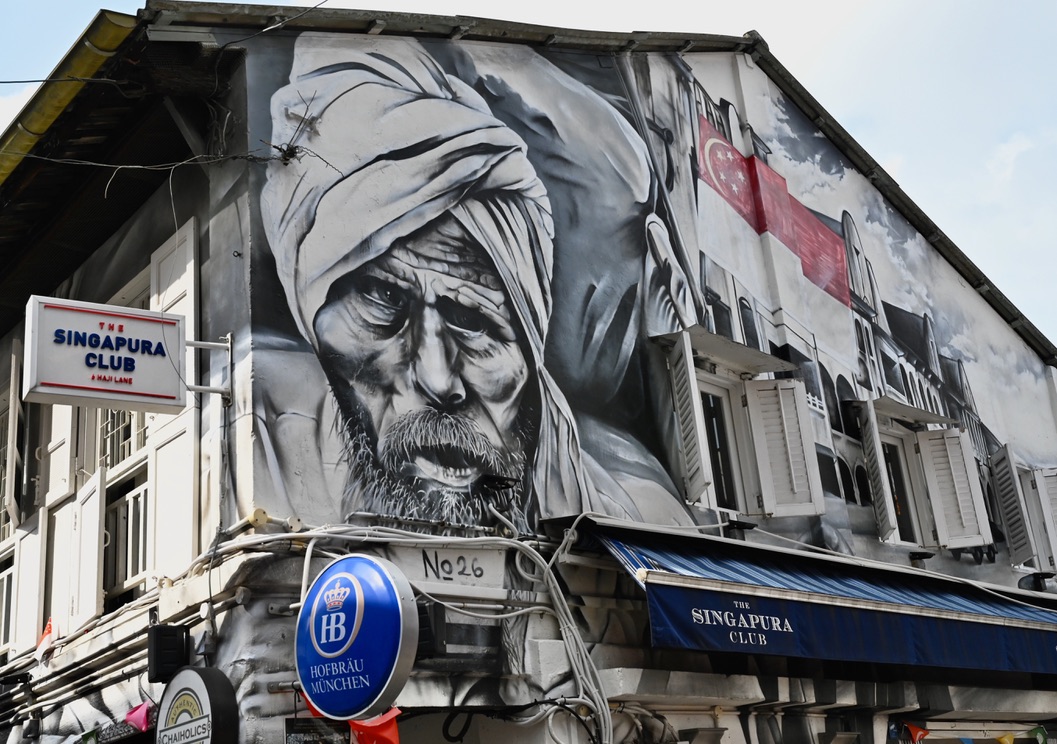
We finished our tour in the Arab Quarter, where lanes lined with Turkish and Lebanese restaurants, coffee shops (including one advertising Selfie Coffee: “We Print Your Favorite Foto Direct on Top of Coffee”), craft stores, bakeries, perfumeries, and vibrant murals radiate from the magnificent Sultan Mosque.
I can’t wait to head to Japan in 3 weeks! Please come back and share my journeys.

 PuffinlessTravel