Bula is the word of the day. In Fiji, it’s an all-purpose greeting, toast, and blessing whose literal meaning is “life.” Everyone you meet will say bula to you and expect you to utter bula in return with the same level of enthusiasm. Enthusiasm could be another word of the day – all the Fijians I talked to leaped the line between good spirits and effervescence.
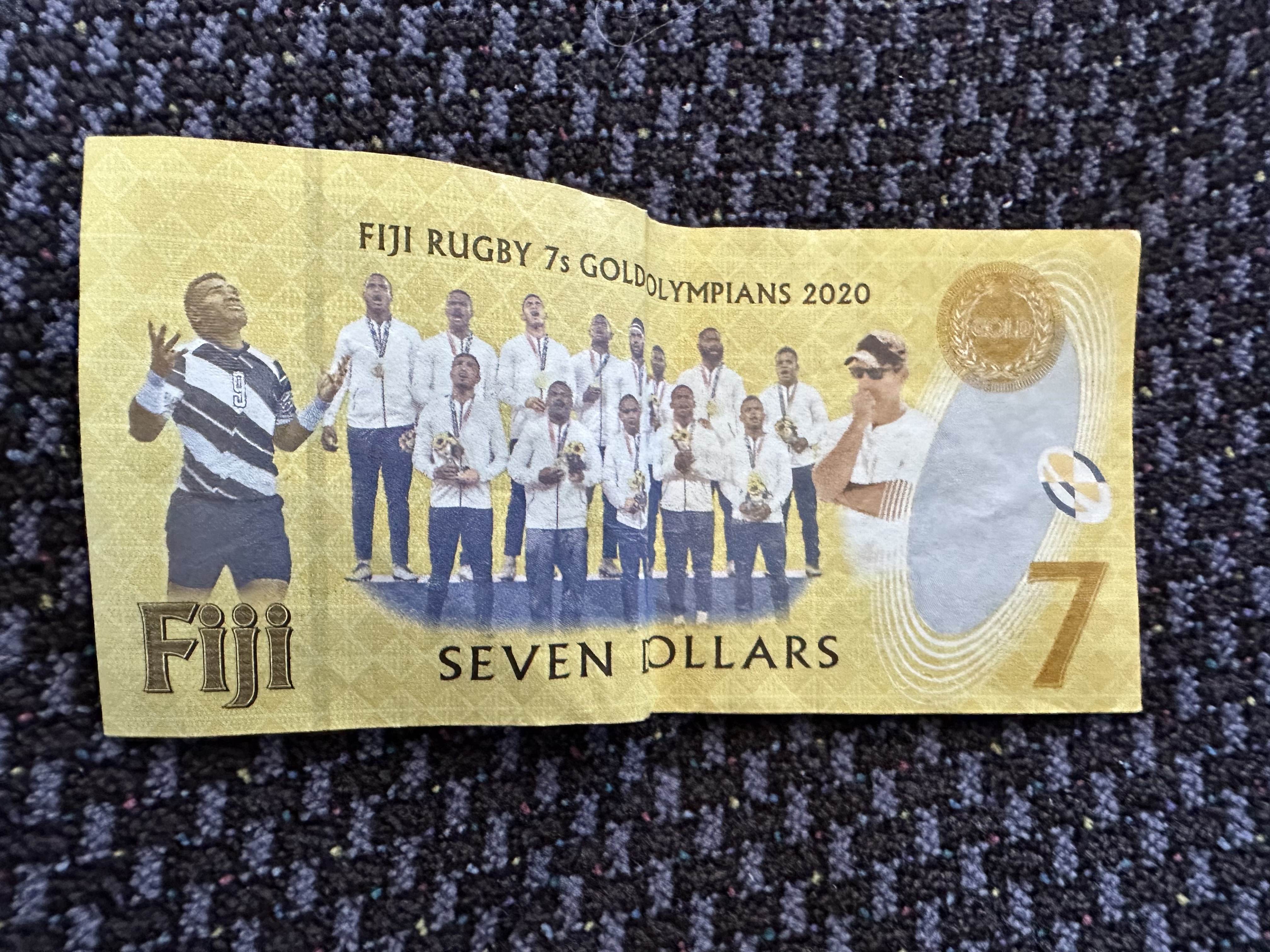
If you want to rocket them into orbit, bring up their Olympic-medal winning Rugby Sevens team. The country is so rugby-besotted that after its team took gold at the 2016 Rio games, the government issued a seven dollar banknote!
Fijians have mastered the art of being simultaneously laid-back and loud. I have to say, the attitude is both contagious and understandable. Fiji is naturally blessed, and its residents are grateful for their good fortune.
Visiting Fiji after the quiet, lost world atmosphere in the two Samoas and Tonga creates a bit of culture shock. Our ship anchored off Port Denarau, a resort development that could be anywhere in the world: a yacht-strewn harbor, chic shops and cafes, 5-star hotels, and multi-million dollar homes. The only distinction I saw between Port Denarau and similar spots in the Caribbean is that the high-end Mexican restaurant at the pier serves a “kavarita” – a margarita infused with kava. (By the way, cruise ships must anchor far offshore, resulting in a 25 minute tender ride.)
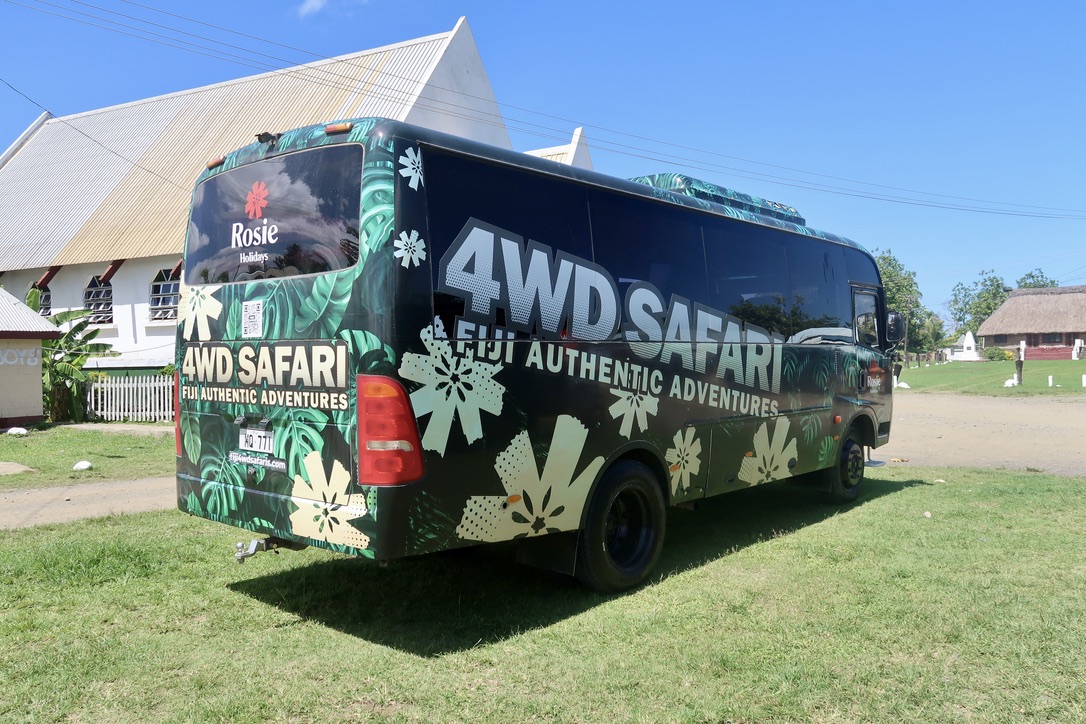
The real Fiji lies across a short bridge from Denarau. I enjoyed a full day as part of a 16-person tour group led by Tui of Fiji 4WD Safaris. (His full name is approximately 25 letters, so “Tui” is what everyone calls him.) Tui wsa an excellent guide – knowledgeable, enthusiastic (he is Fijian, after all), and funny – and our bus was comfortable and blissfully air-coniditioned.
Our itinerary covered five highlights, two of which were new experiences for me.
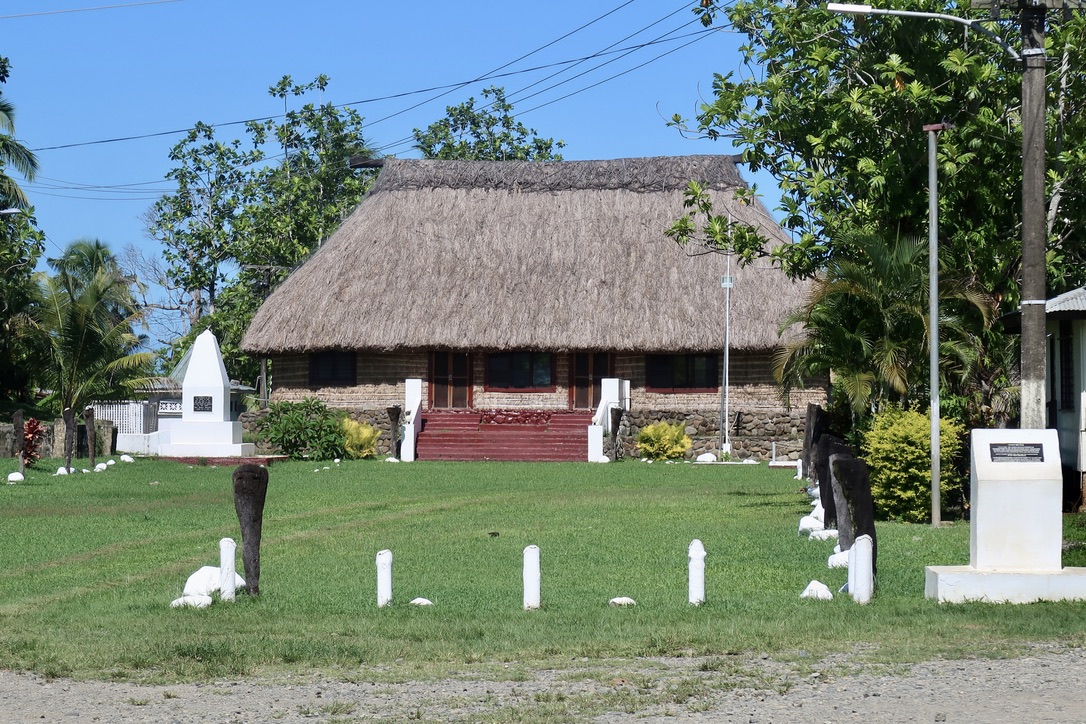
Up first: visiting a traditional Fijian village (Sabeto). Fiji’s government below the level of the parliament and prime minister consists of several levels of chiefs. Each village has its own chief, as does each of Fiji’s fourteen regions and three super-regions (West, East, and North).
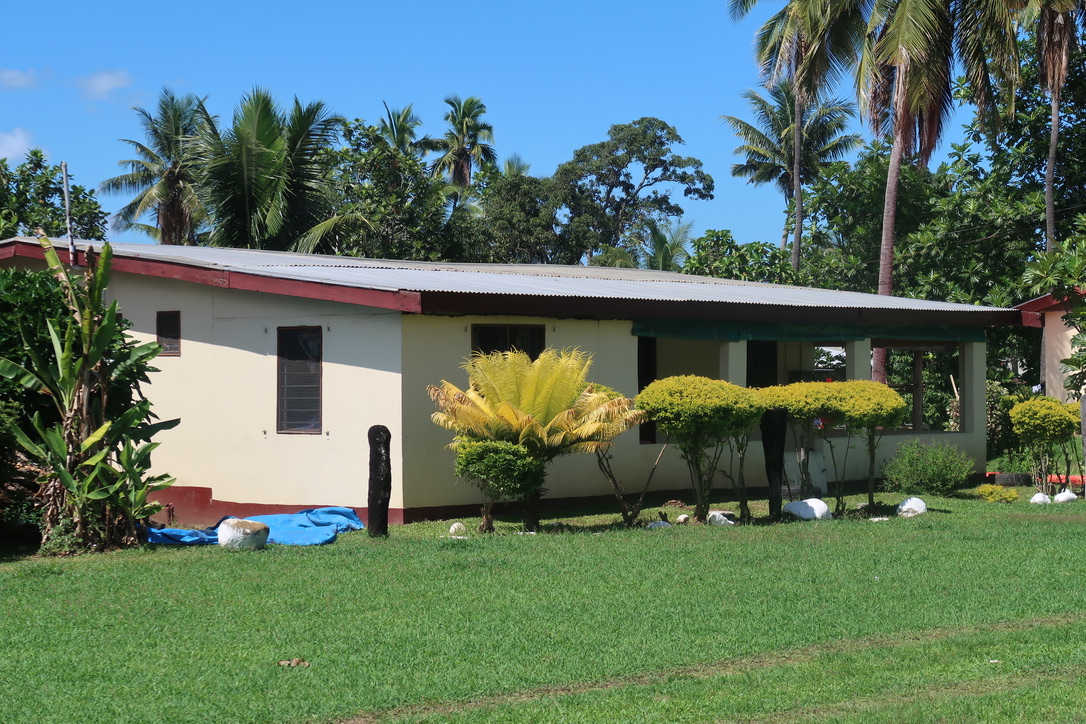
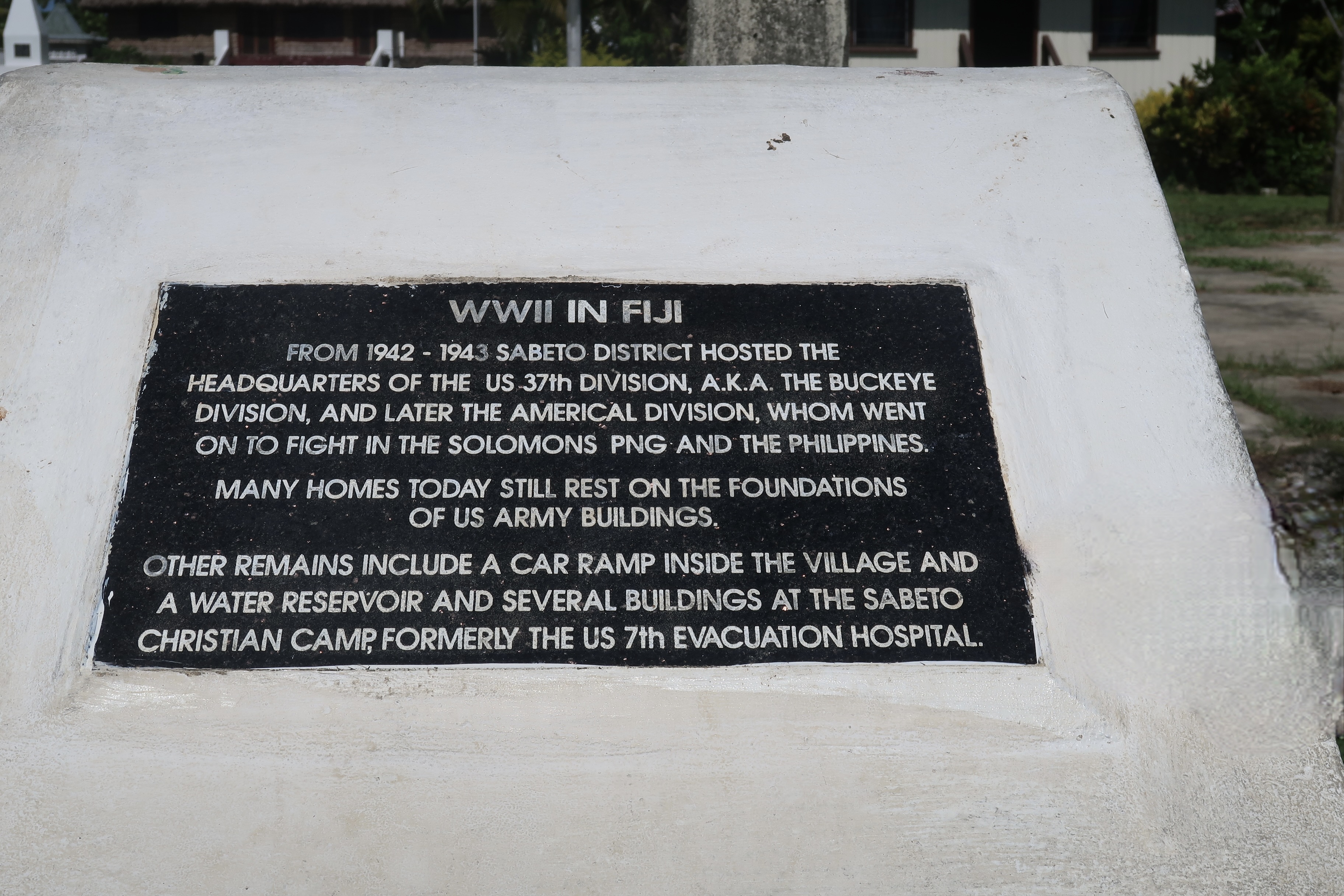
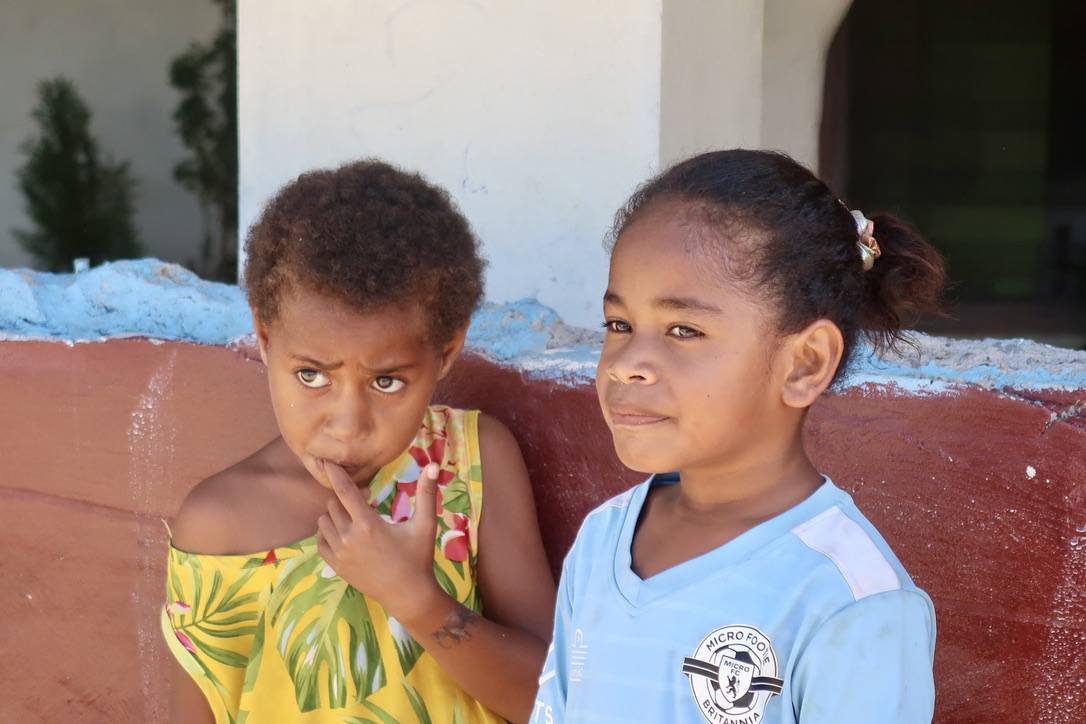
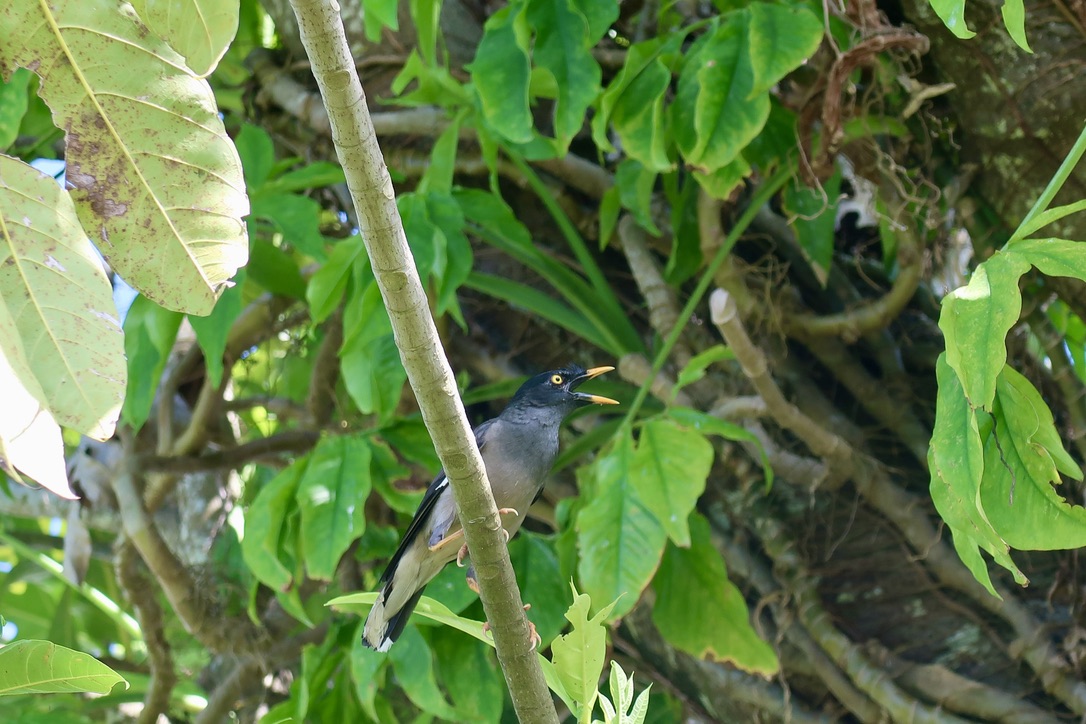
Sabeto is tidy, with low white houses built on the foundations of a World War II US Army base. Kids are everywhere, as are the invasive myna birds, brought on ships from India when Fiji’s sugar cane plantations imported workers from abroad. The chief’s ceremonial house anchors the village green; his actual residence is just outside the village.
Like everwhere else we’ve visited so far, Fijians are generally religious, and a Methodist church is the first thing you see upon entering Sabeto. Most Fijians belong to a Christian denomination, but there is a large Hindu minority.

Our guide stressed that Fiji’s government assures religious freedom and treats all residents as fully Fijian, regardless of whether their background is indigenous, Indian, European, Australian, or anything else.
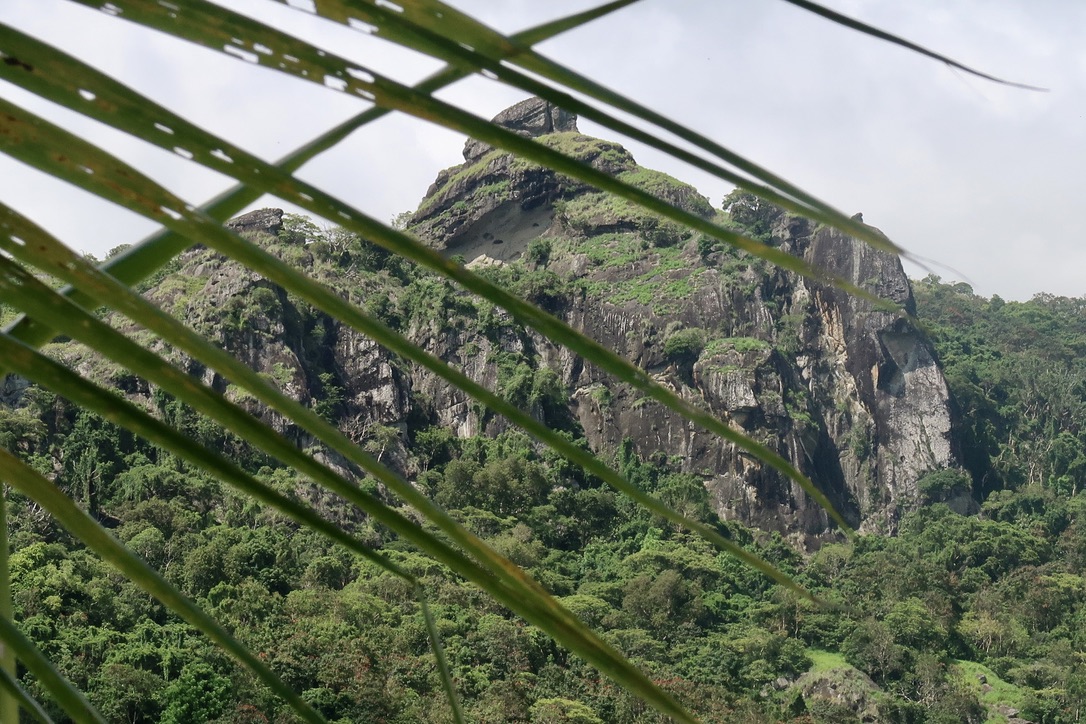
After the village, it was time for new experience number one: ziplining. Leaving the traffic-clogged highway, we jolted up narrow side roads (hence the 4WD) to the slopes of the “Sleeping Giant” – what everyone calls the nearby mountain.
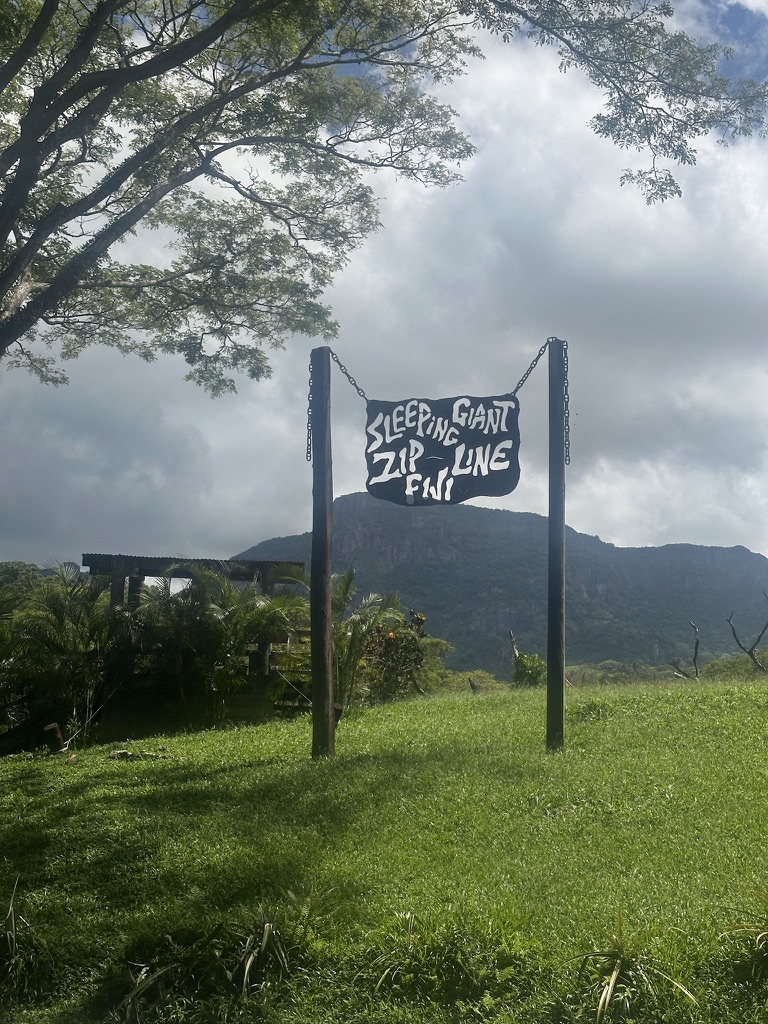
The mountain is verdant in the extreme (again, this is Fiji), and the seven-segment zipline course winds through tall trees and above a small river, beginning and ending at a tiny café that’s home to the Sleeping Giant Zipline company.
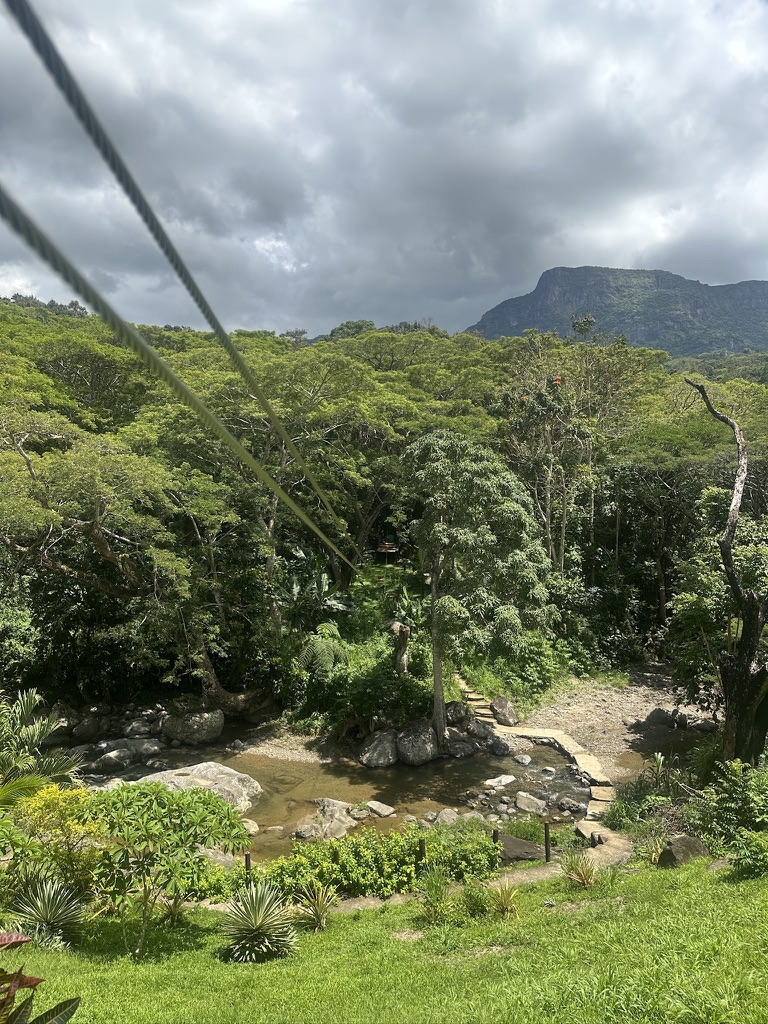
Between the first two segments, there’s an arduous uphill hike of around 200 meters, but each subsequent segment is interconnected.
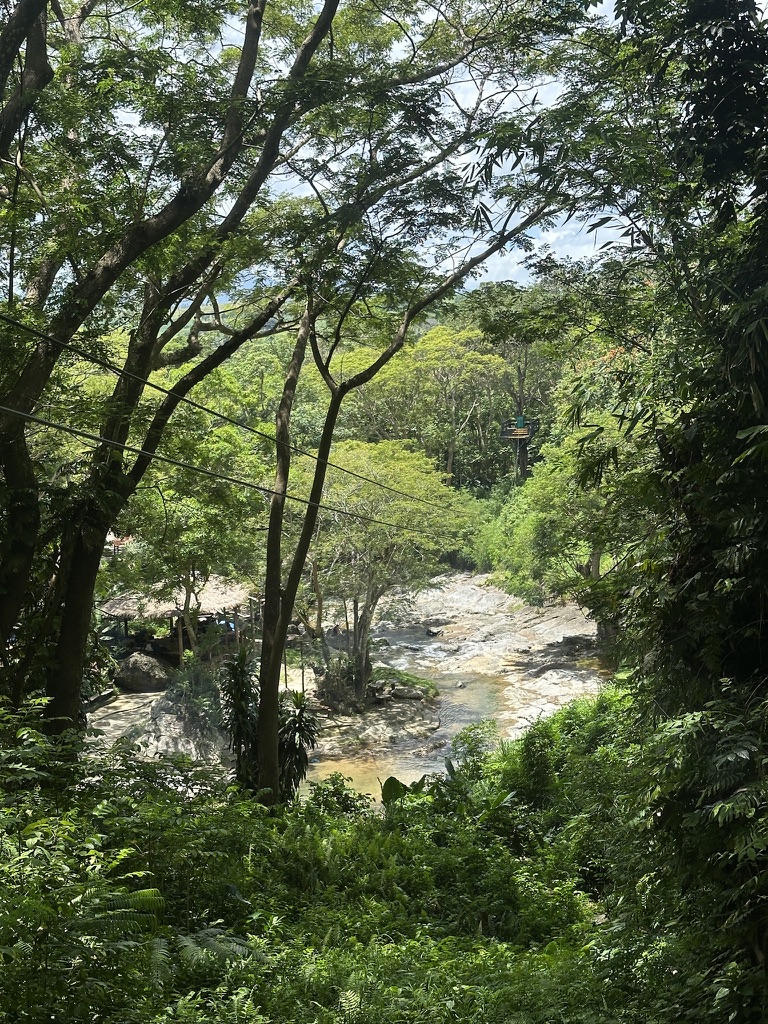
I enjoyed the experience, but I think once is enough. Yes, it’s a bit of a thrill, but I found it more of a novelty than an adrenaline rush. If you’re interested in the experience and you’re not on a tour, the price is 199 FJD, roughly 95 USD.

Just down the road from the ziplining spot, the Garden of the Sleeping Giant was our third stop. (Admission is 30 FJD, around 14 USD, if you’re not with a tour group.) The Garden started as the private orchid collection of Raymond Burr (of “Perry Mason” and “Ironsides”) fame.

It overflows with hundreds of orchid varieties as well as other native Fijian plants, and it’s a delightful, though hot and humid, place to spend some time. The visitors center, by the way, serves a delicious drink made of orange juice, pineapple juice, and passionfruit juice, which helped us cool off and rehydrate after the tour.

Vee’s organic farm was our next point of interest. It’s a modestly-sized tract between the mountain and the flats filled with tropical fruit-yielding trees, herbs, and beehives. Vee (her full name, like Tui’s, is much longer) used to be a flight attendant for Fiji Airlines. She suffered a massive stroke in 2010 and, after spending years relearning how to talk and walk, bought an abandoned sugar cane plantation and converted it into the organic farm. She and her friend Joe (another ex-flight attendant) have built a thriving organic produce and honey business and also hand-manufacture various creams and lotions Our brief visit was inspirational, and the fruit was scrumptious.
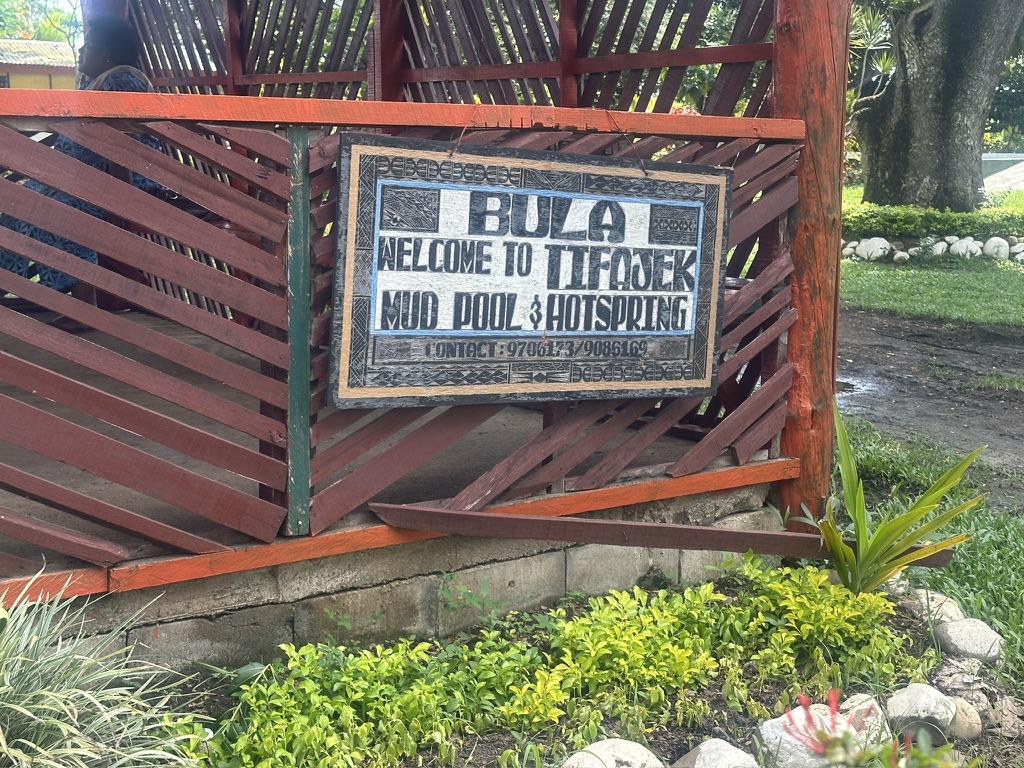
We closed the tour with new experience number two for me: a mud bath at Tifajek Mud Pool and Hot Spring. It was relaxing but a bit gross. After slathering myself in rich black mud from a bucket and baking in the sun for ten minutes to let it dry (there are no pictures!), I stepped into the geothermal cleansing pool, which was partly disgusting and partly wonderful. The disgusiting part was the bottom – slippery rocks covered in several inches of ooze – but the heated water was delicious. After the cleansing pool, I waded into the even hotter “detox” pool, which had the same slippery rocks but thankfully lacked the ooze. After a cold shower, I felt quite at peace. I then meditated for fifteen minutes or so – some in our group got massages – and boarded the bus back to the pier feeling refreshed and renewed.
As is traditional in Fiji, I’ll say sota tale (see you later), not moce (good-bye). Tomorrow we’ll be in Vanuatu.

 PuffinlessTravel