Our final port on this Azamazing (Azamara’s favorite adjective) voyage was Naples, where I said good-bye this evening to my brilliant friends Denis and Joyce. I’ll have more good-byes in my next post, as well as a trip summary, Azamara scorecard (spoiler alert: all A’s), and post-trip thank-yous.
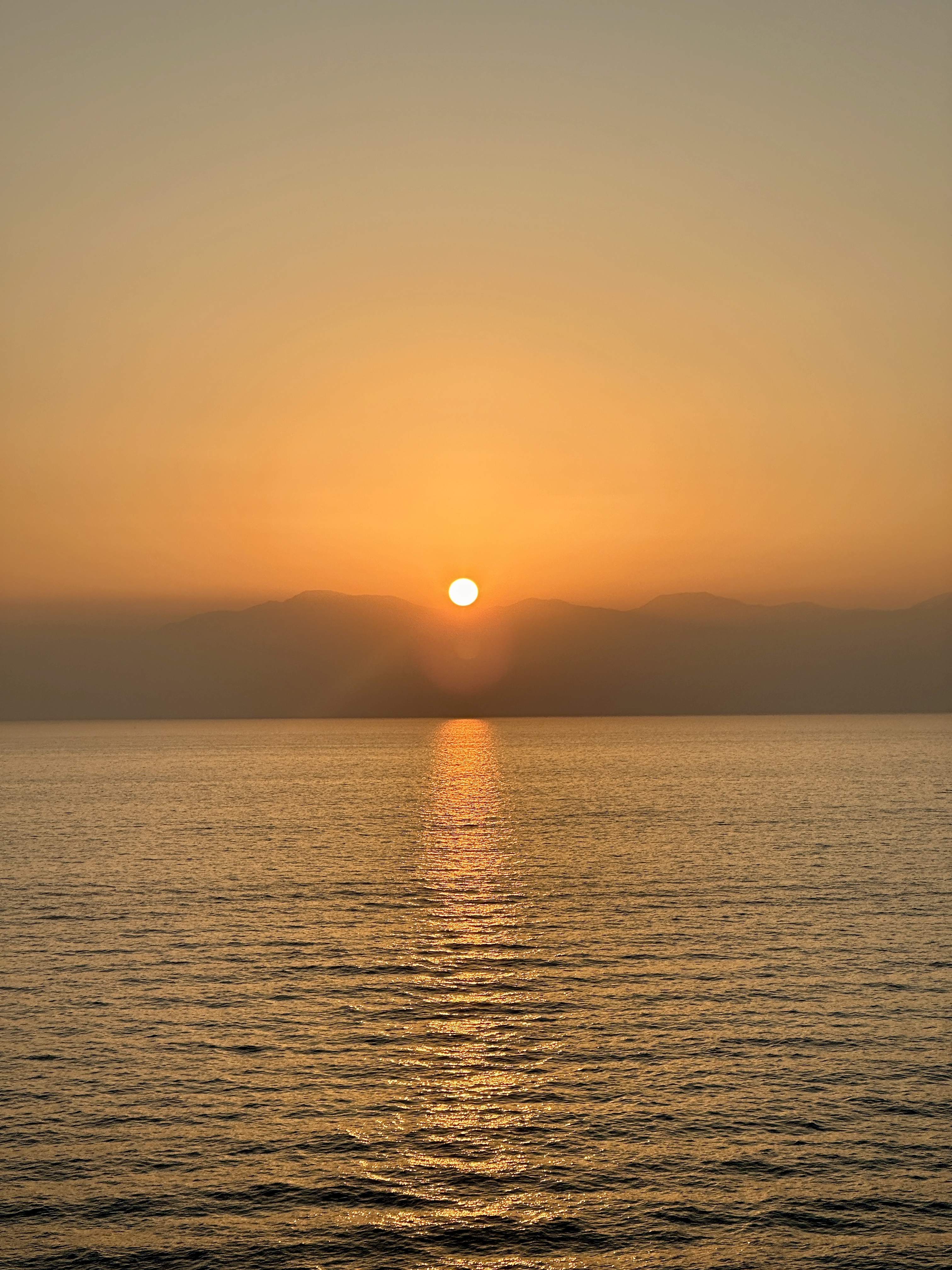
For now, though, I’ll tell you about a tour to Herculaneum by way of a coral and cameo factory.
This is my second visit to Naples. I was there in 2014 on a cruise with extended family, when all ten of us squeezed into a van and toured Pompeii and the Amalfi Coast, with stops in Positano and Sorrento. You can read about that here.
Having already seen Pompeii, and being a bit of an archeology nerd (to go with my various other nerdy fascinations), I opted for the ship’s tour to Herculaneum, a seaside resort town that met the same fate as Pompeii during the eruption of Vesuvius in 79 CE.
First, though, we made a brief visit to the Donadio Coral and Cameo factory.
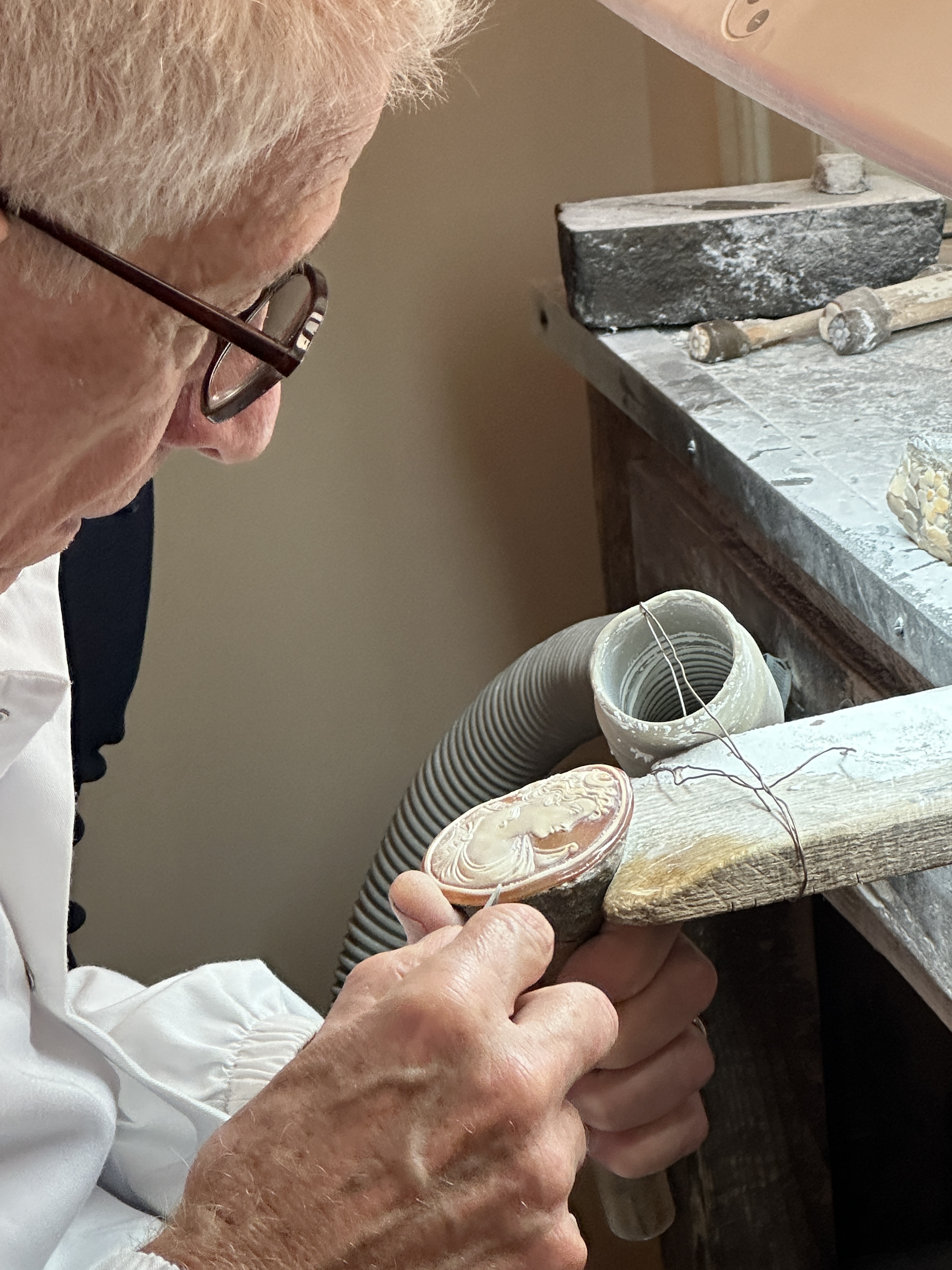
Some fellow travelers expressed annoyance at a commercial interruption when they’ve paid for a premium service. I have a different take: I’m awed by people who can look at a piece of wood/stone/shell, imagine a finished design, and make it come to life.
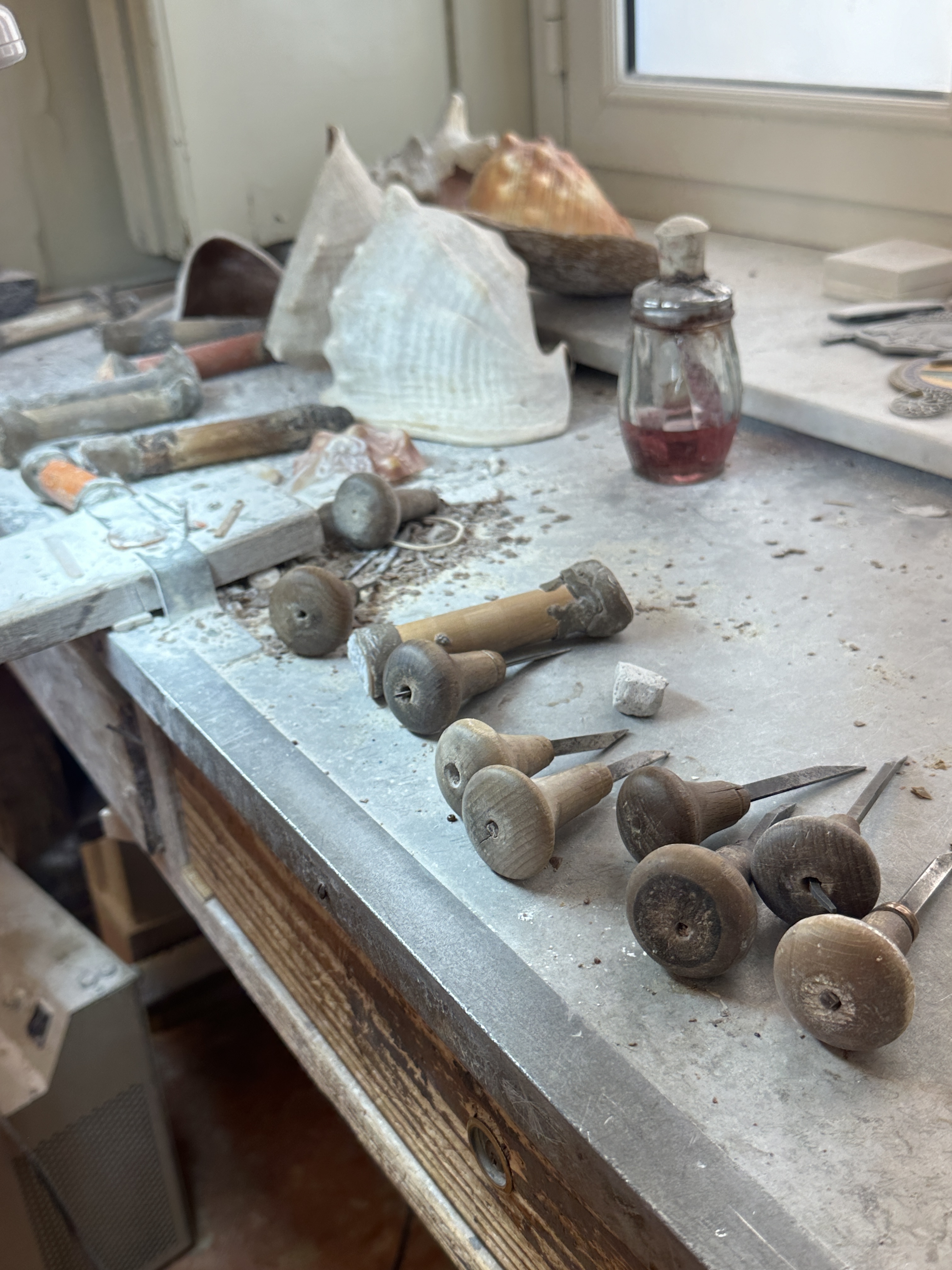
I ignored the showroom and watched an artisan work on a cameo, using techniques and tools that probably date back centuries.

Creativity in any form (except with regard to the truth) should be celebrated and supported, even if that has to involve commercialism.
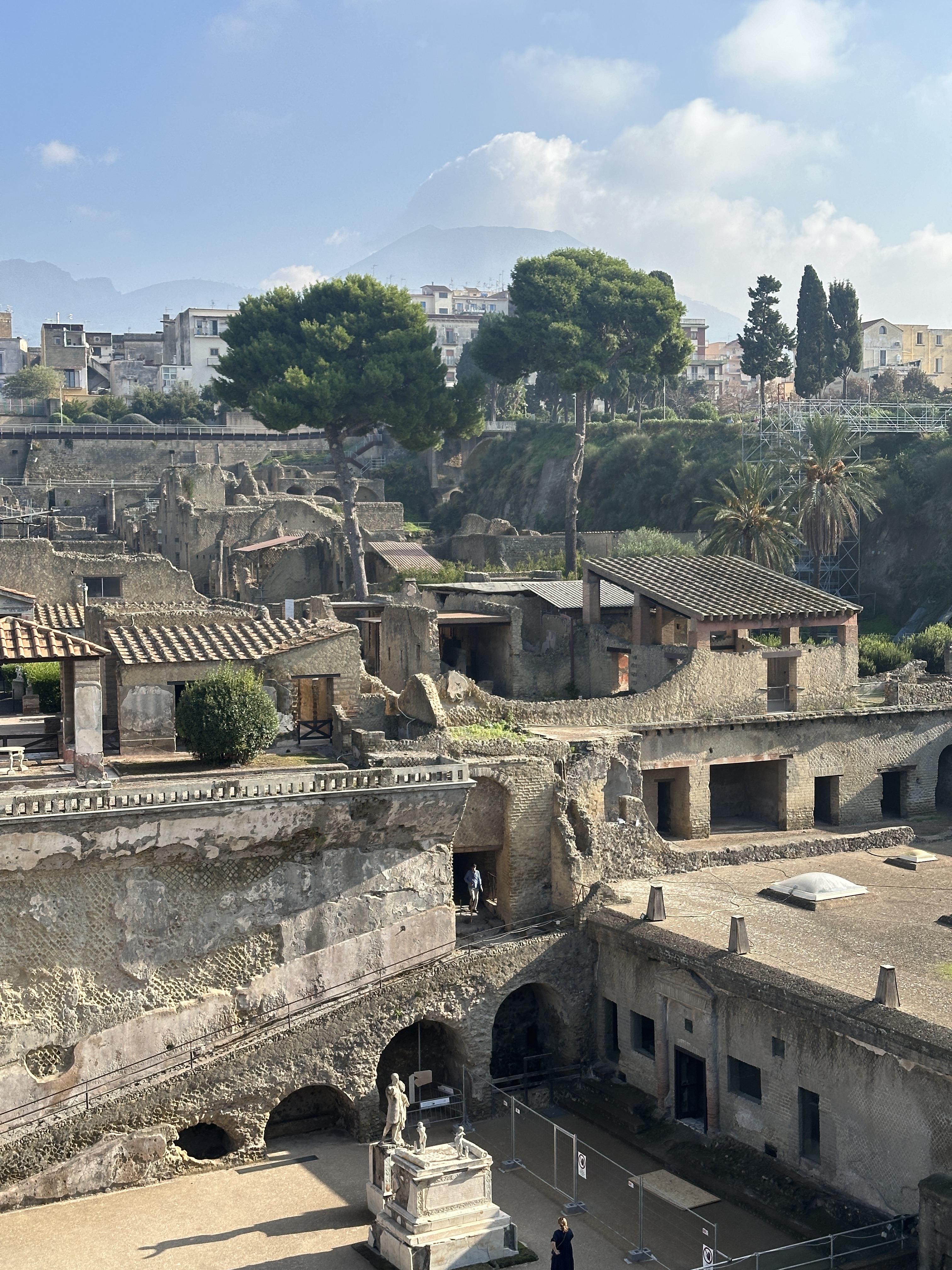
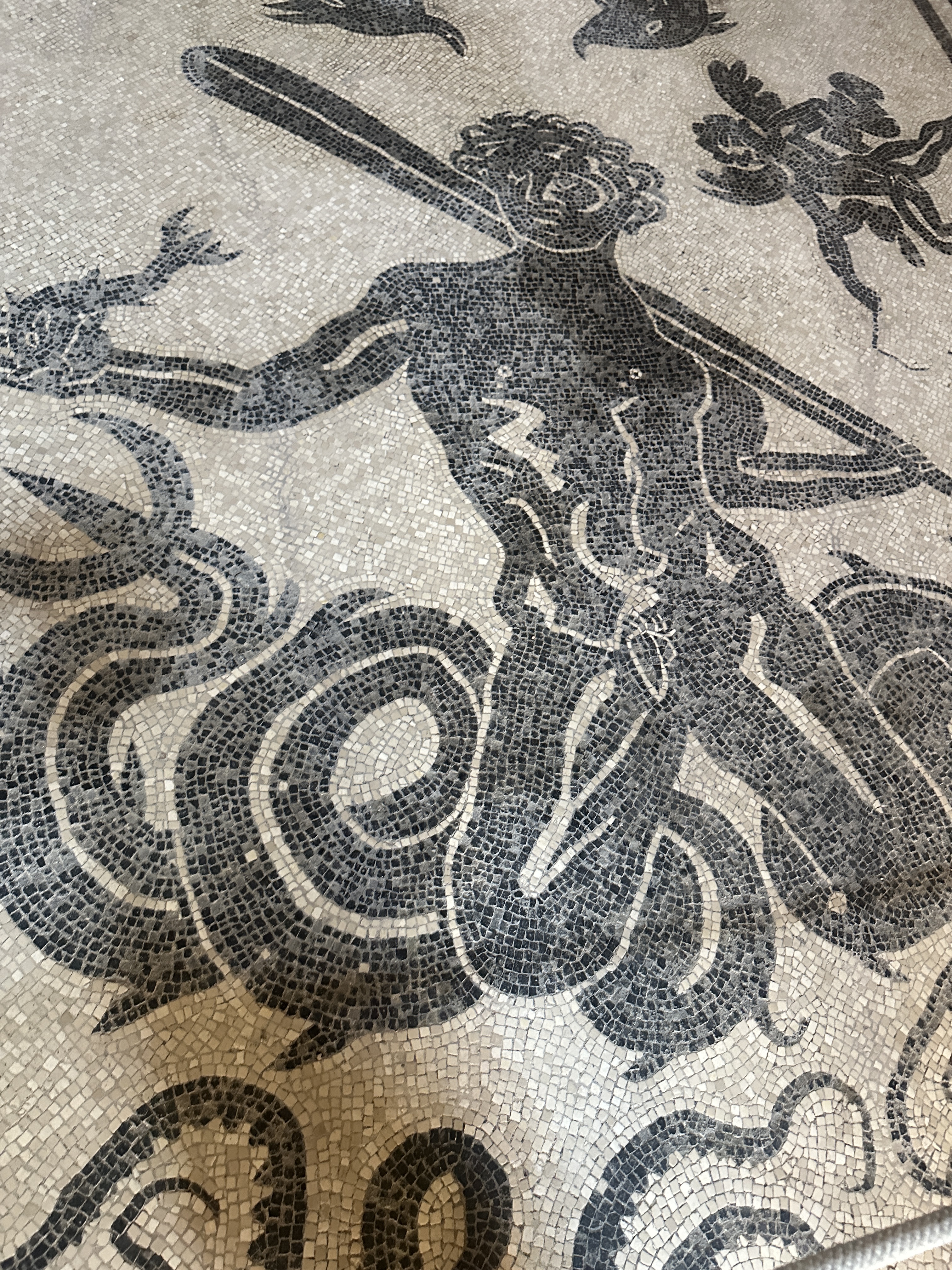
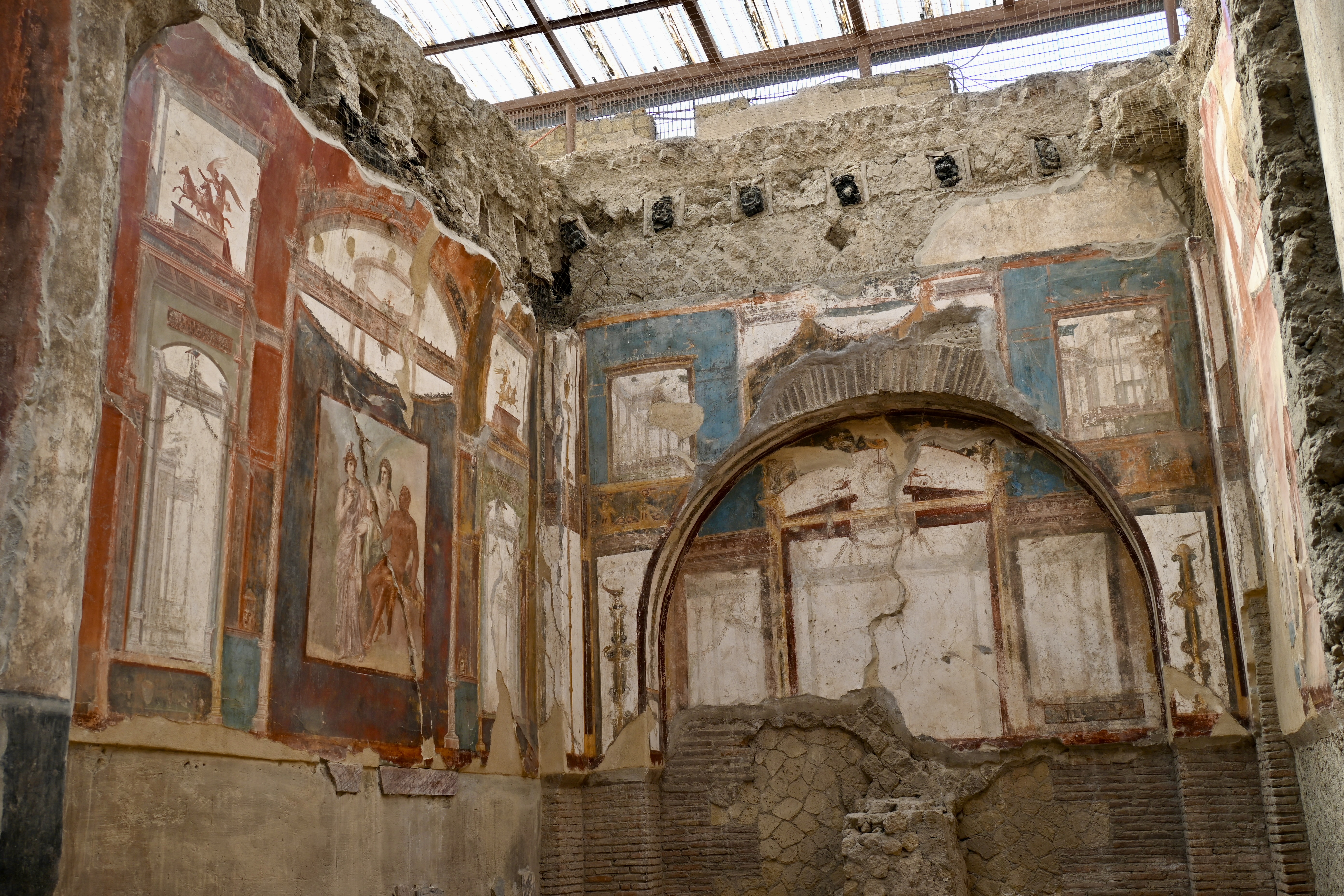
On to Herculaneum. Two millennia ago, this was a seaside resort town for wealthy Roman families, with ornate villas and gardens. Eighteen hours after Pompeii erupted, it was buried under several meters of rock.
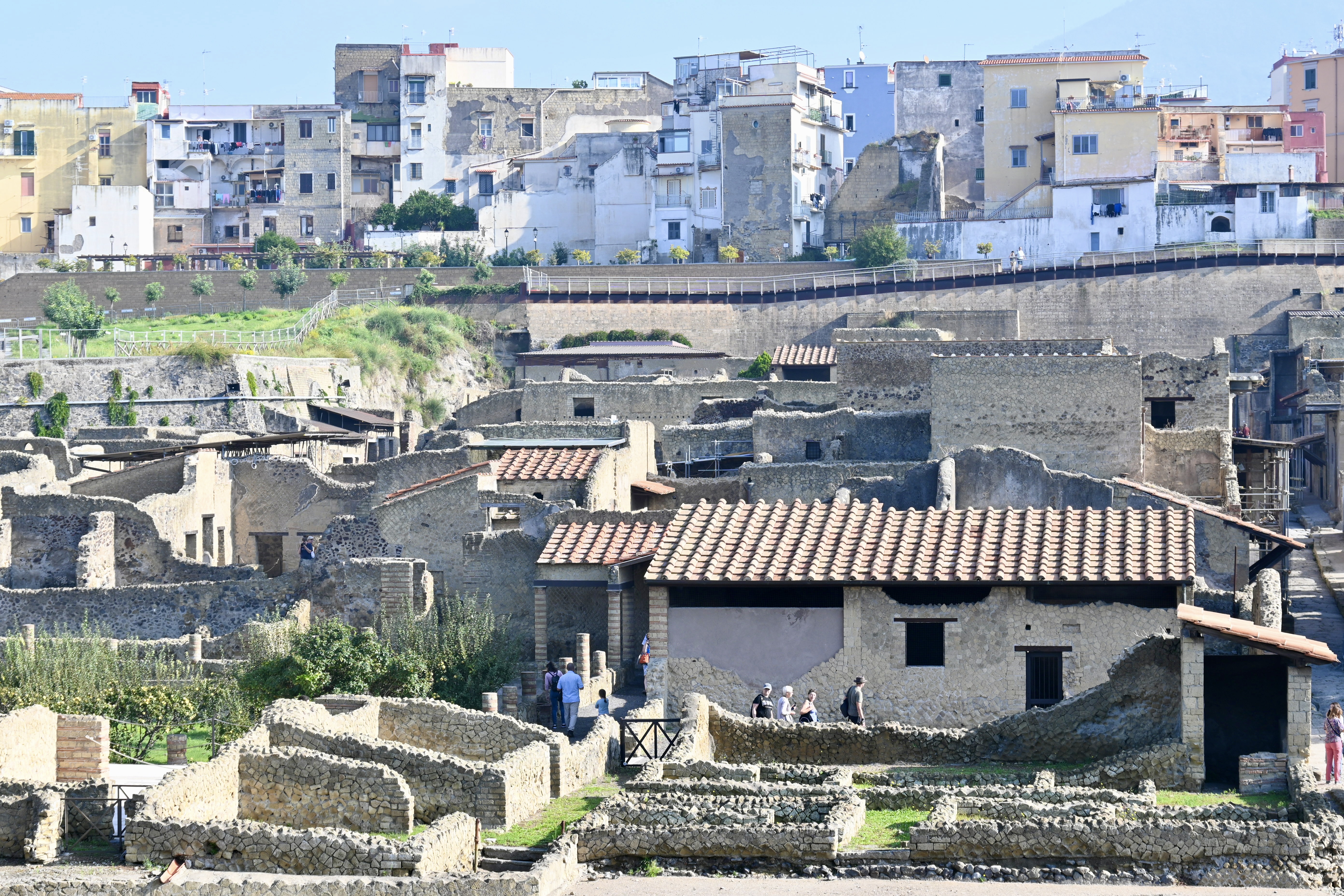
In the intervening centuries, the shoreline has retreated and the site has been surrounded by houses and apartment buildings. Unlike Pompeii, whose ruins remain a bit isolated, Herculaneum has been swallowed up by the city.

Herculaneum and Pompeii are alike in many ways, even though Herculaneum is much smaller (the ancient town extends under the surrounding modern city but government efforts to convince residents to move came to nought, so further excavation is impossible).
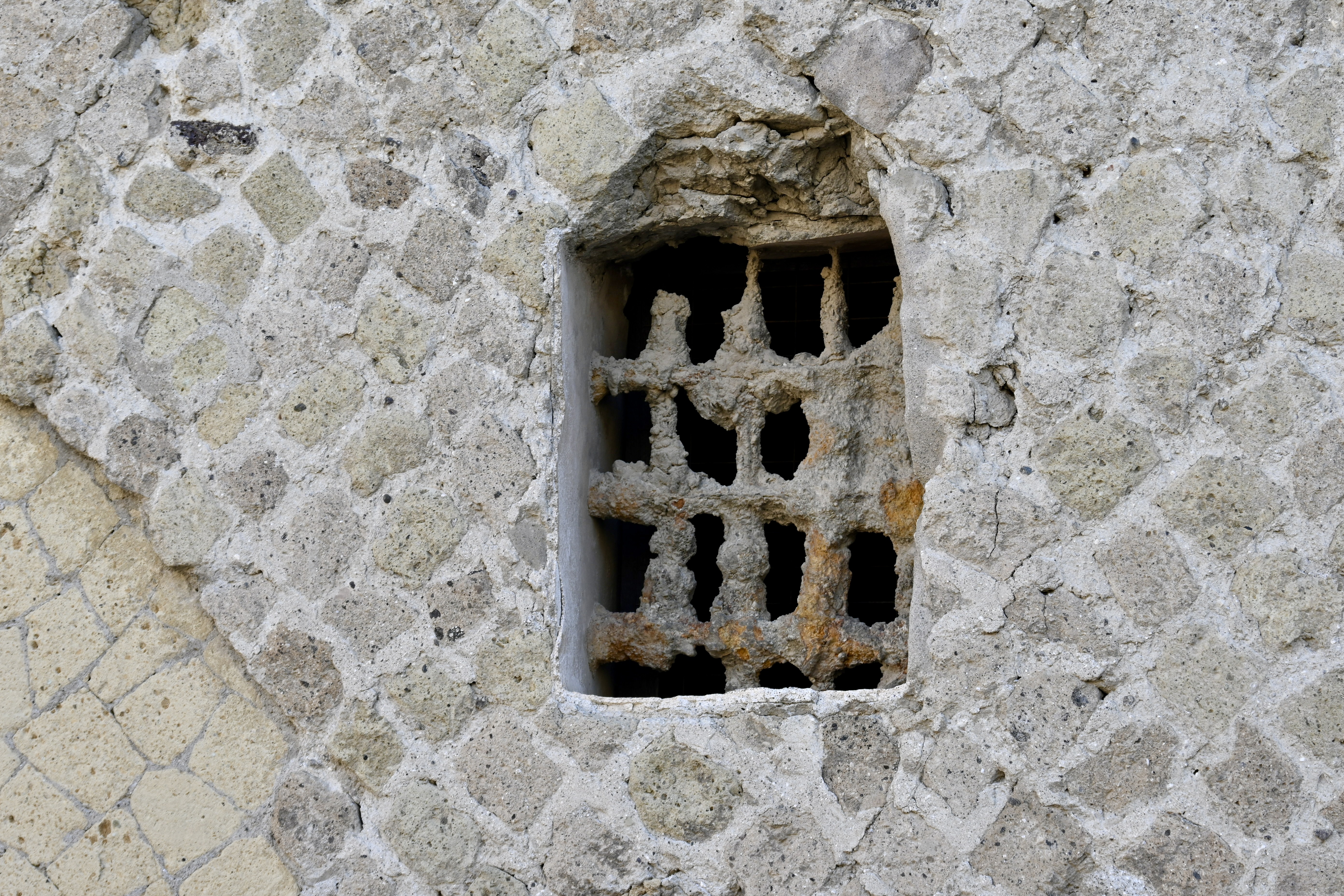
One new thing they share is the ability to see parts of the site through VR headsets that provide a three-dimensional view of what those parts probably looked like in the days before Vesuvius erupted.
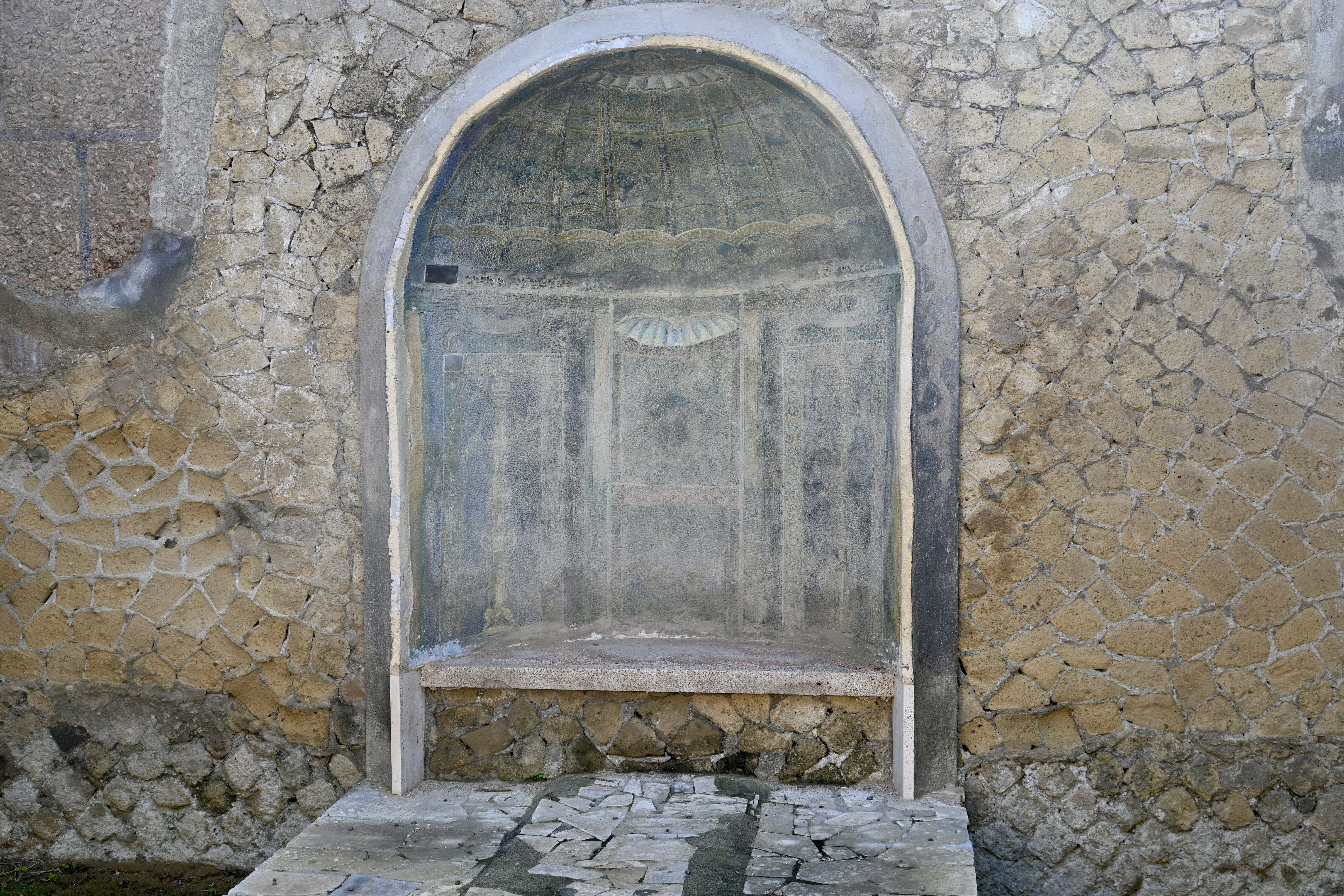
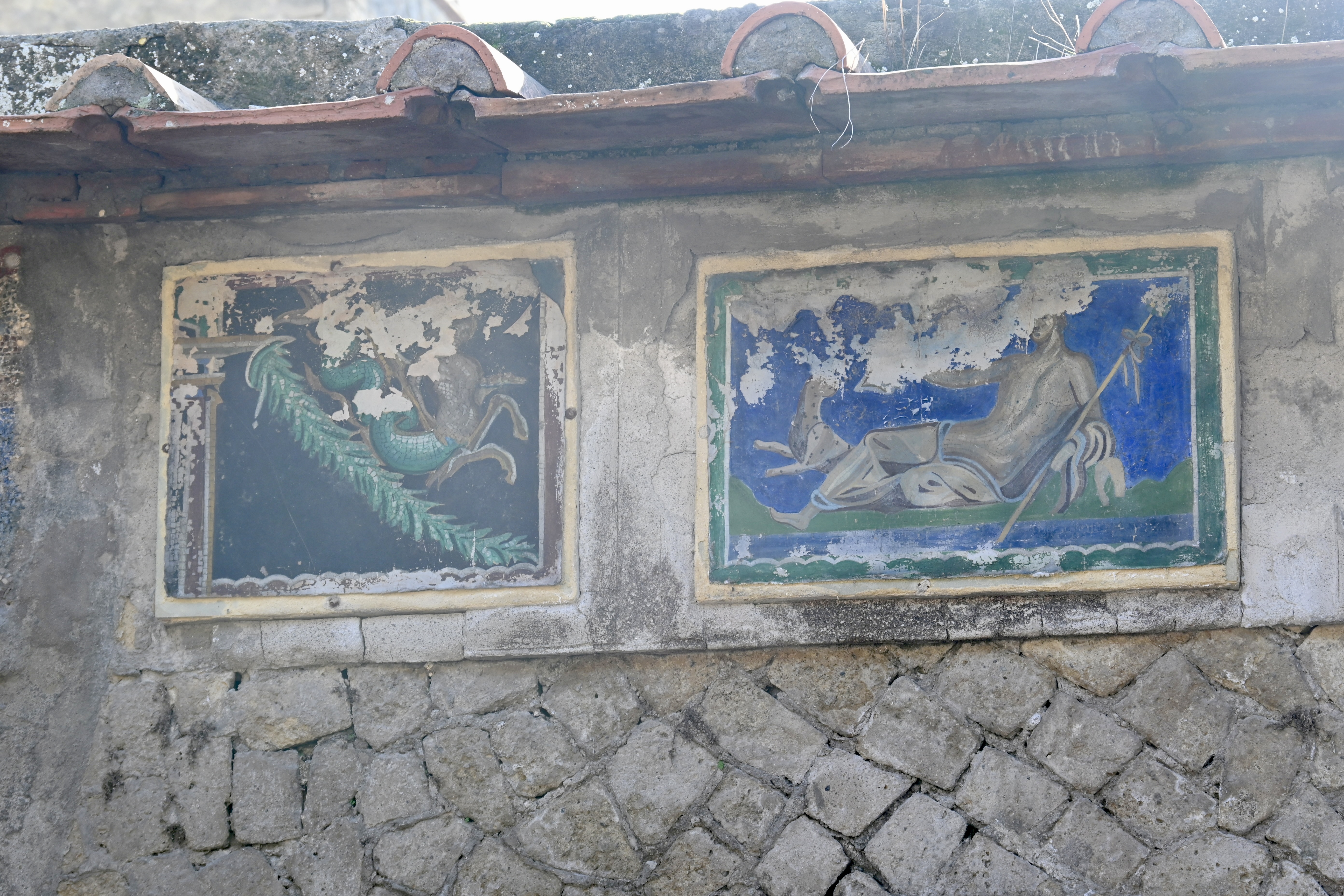
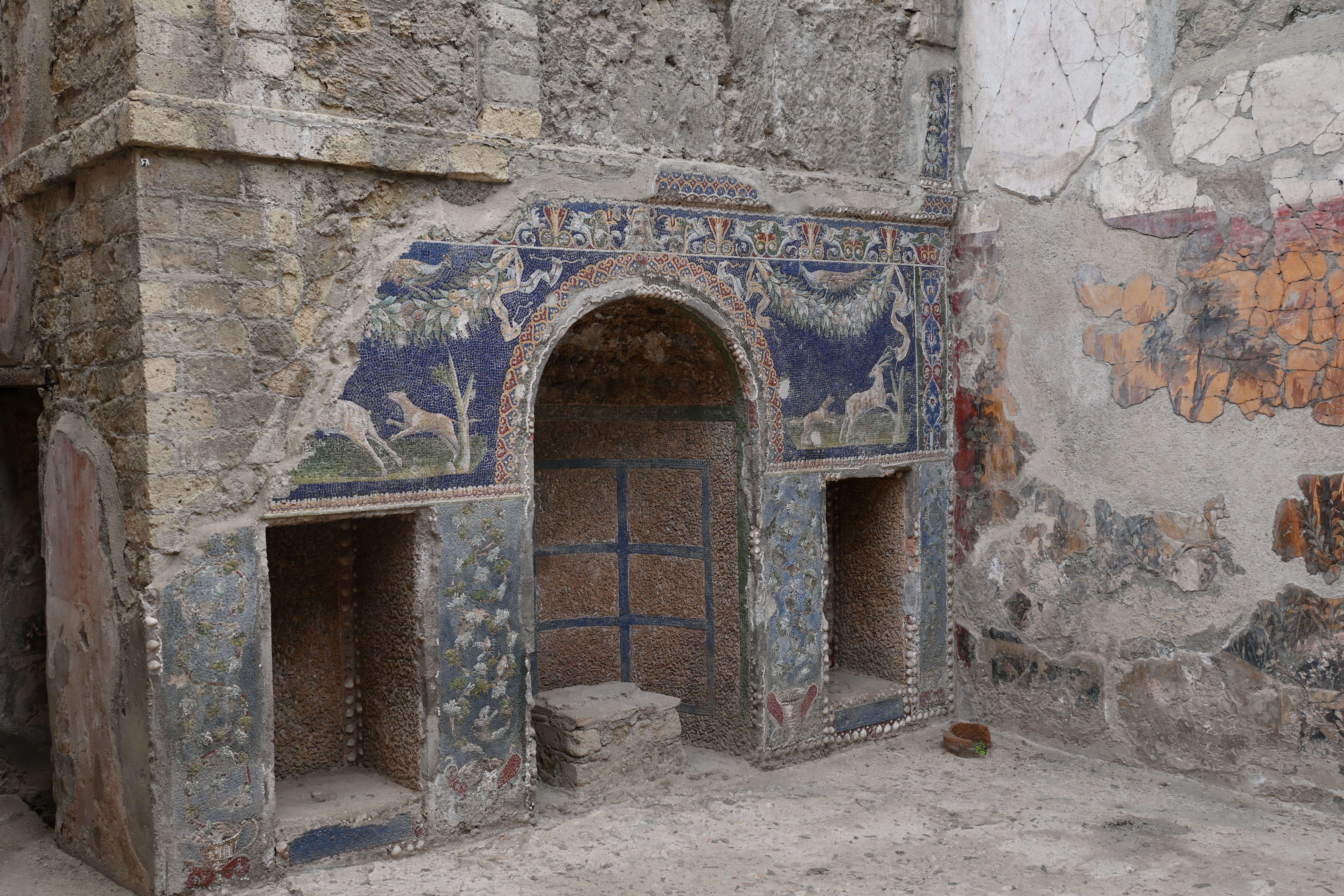
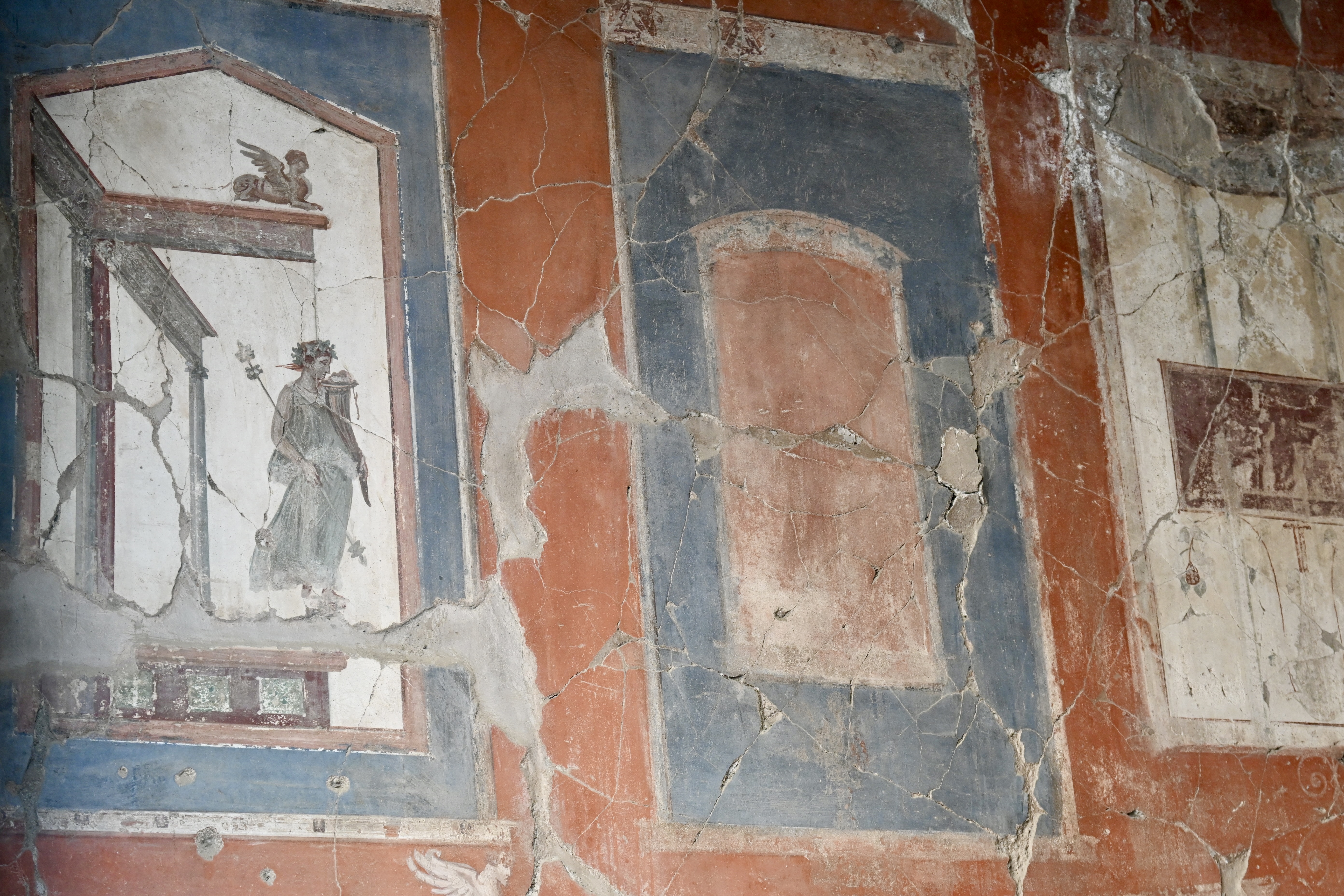
Both sites have gorgeous frescoes, public fountains, restaurants, bath houses,and plumbing (in the original sense of the word: lead pipes to bring fresh but unhealthy water to the villas).

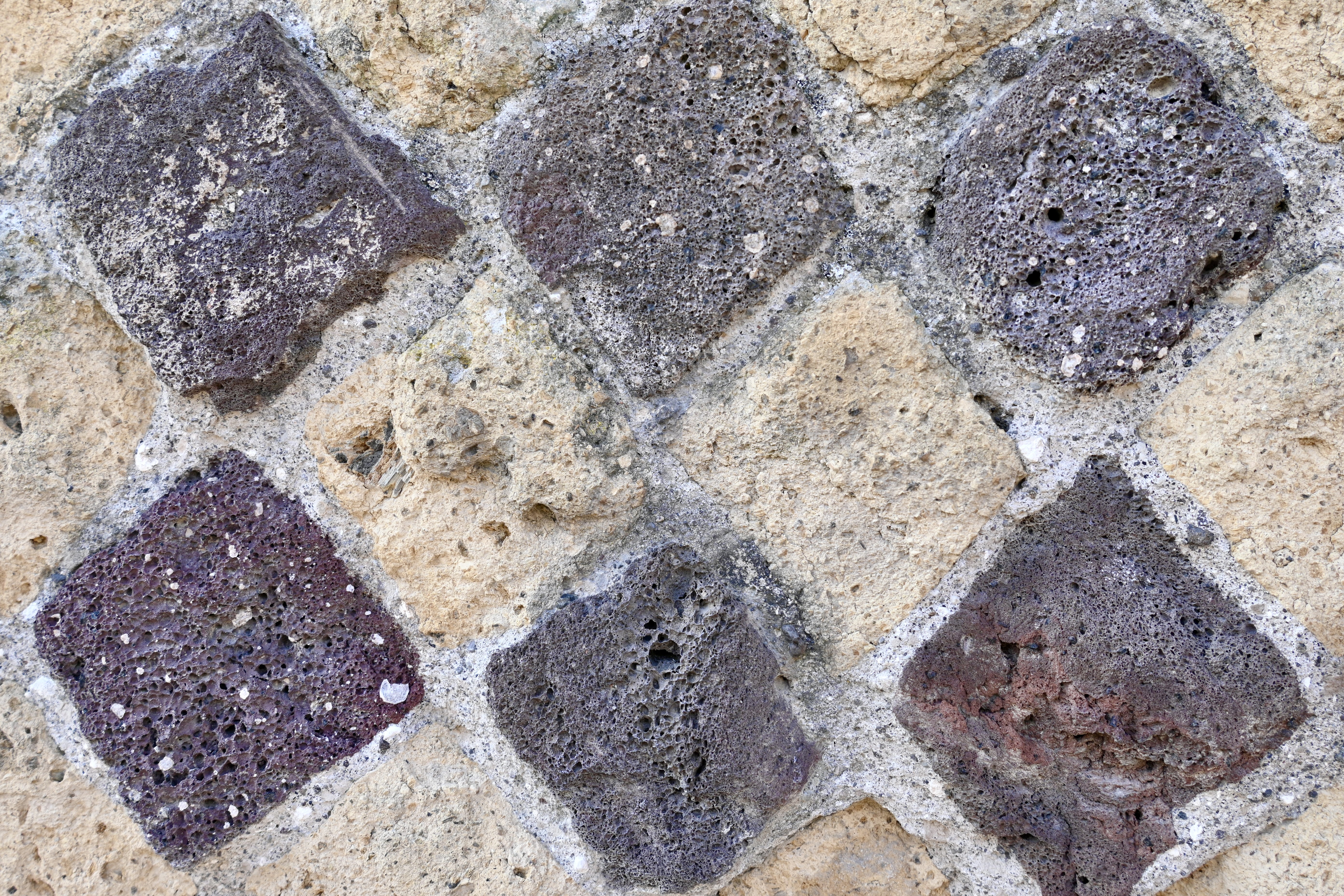
Being larger, Pompeii also has an amphitheater and many more public spaces.
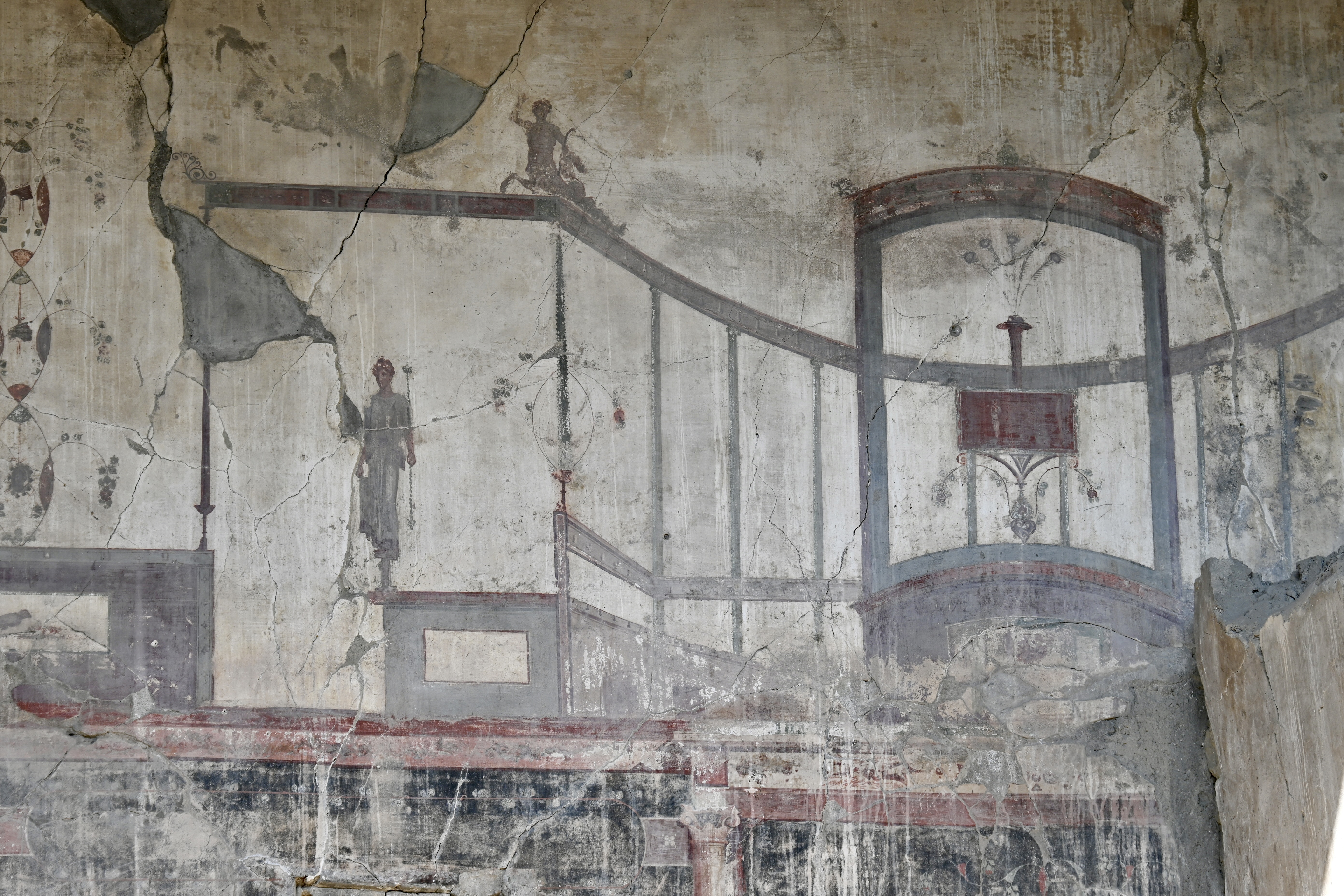

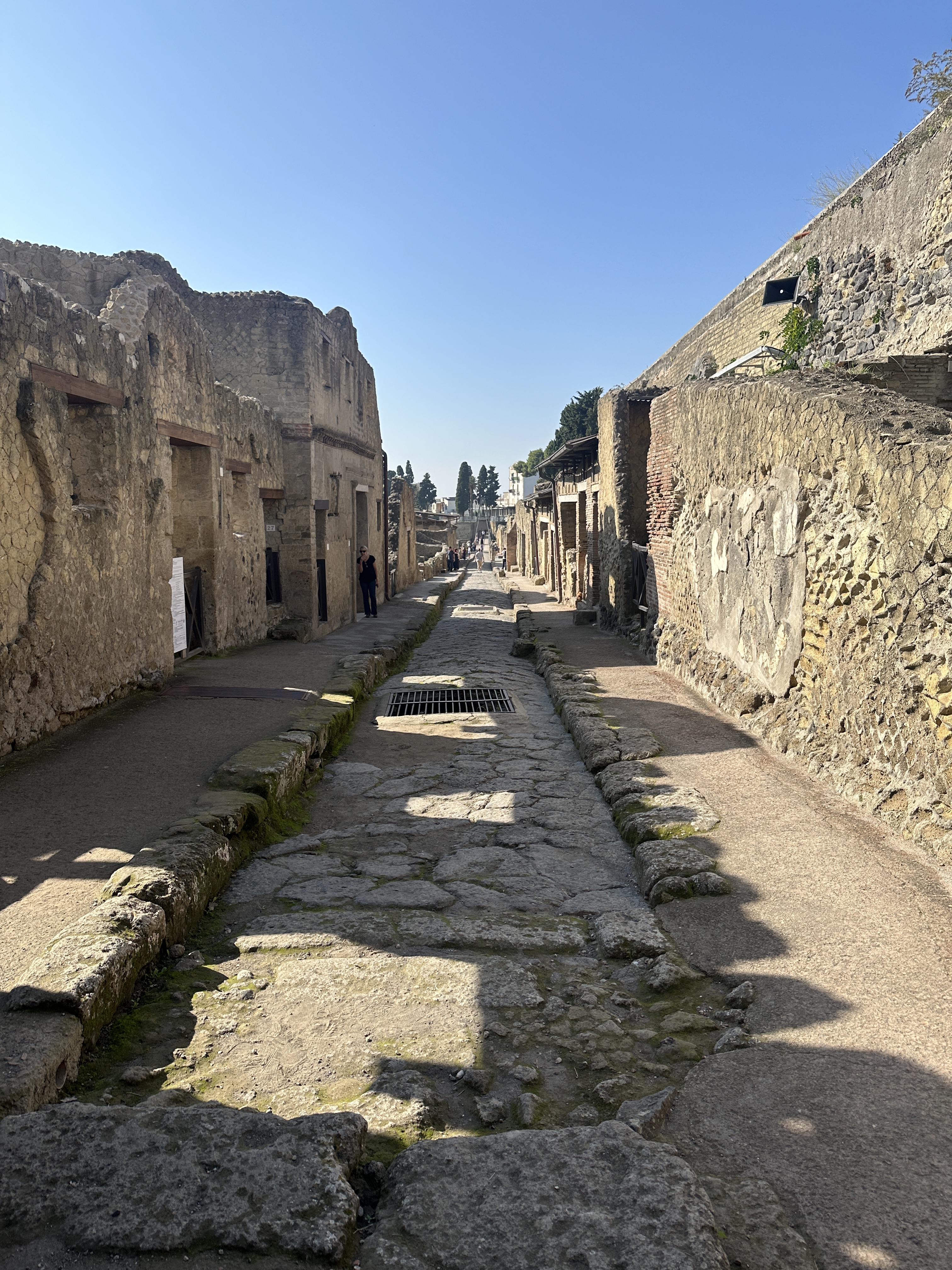
Is it worth seeing both sites? Yes, if you’re fascinated by archeology. But if you only have time for one, Pompeii is far more impressive.

In hindsight, I’d rather have taken the tour of the Bourbon tunnels – built in the mid-17th century as an escape route for King Ferdinand II of Bourbon, used as bomb shelters in World War II, and now home to a fantastical assortment of rusted vehicles and other cultural detritus, though not, as far as I know, any Woodford Reserve. My friend Joyce’s photos of the site are surreal and wondrous, and I’m sorry I missed seeing it in person.
And so ends another great trip, which netted me four new countries (Monaco, Slovenia, Montenegro, and Bosnia and Herzegovina), two new good friends, and one slightly expanded waistline, which I intend to eliminate before my next voyage: a trip from Tahiti to Melbourne with my brother, commencing in late November.

 PuffinlessTravel