Before yesterday’s visit, I would have been hard-pressed to distinguish Montenegro from Monty Python. Now I know it’s something completely different – it has fewer parrots and many, many more cats!
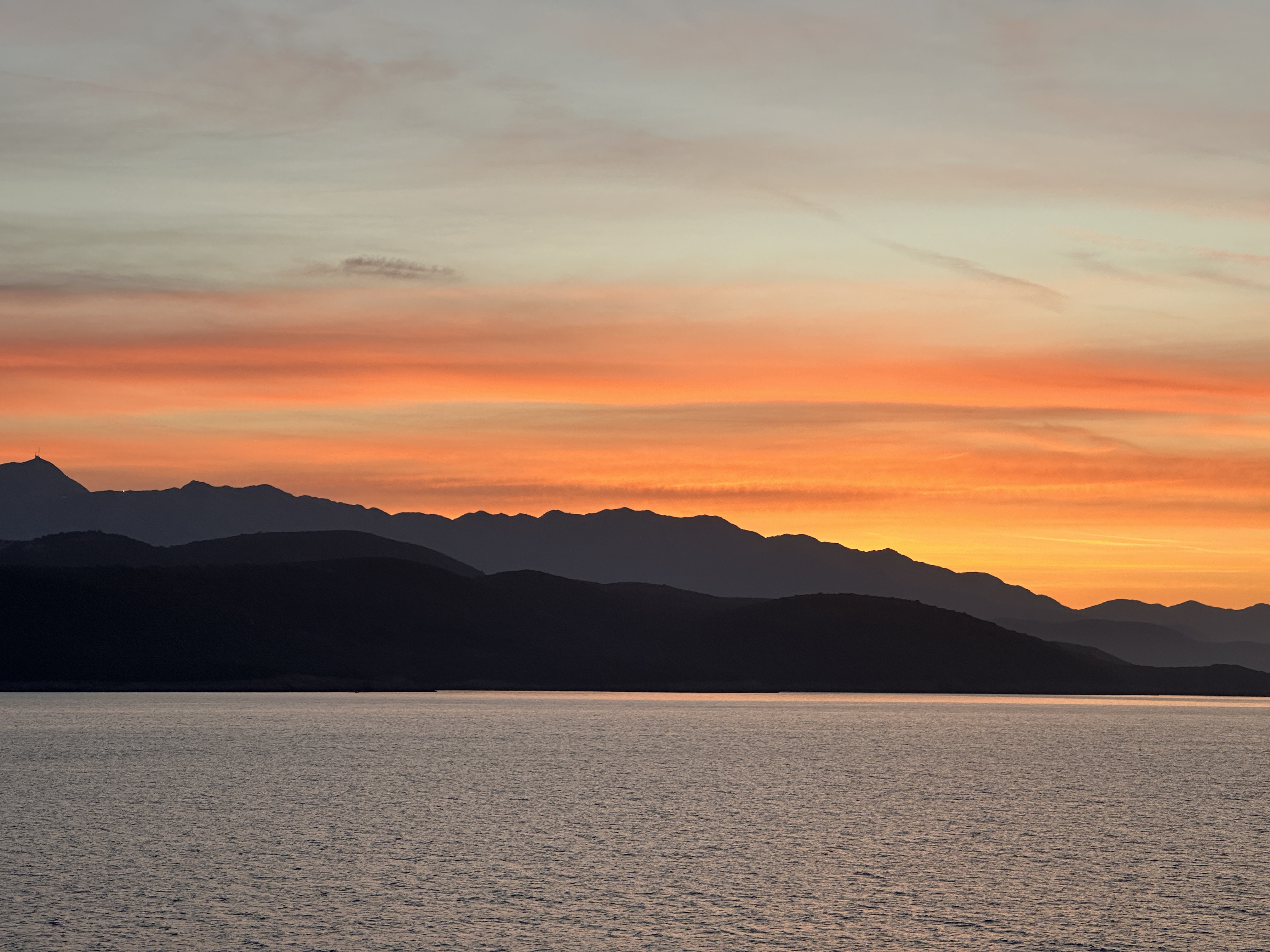
It’s also a lovely, welcoming place. Our port of call was Kotor, an ancient city (probably founded around 200 BCE) facing a bay surrounded on three sides by steep mountains.

Our guide, Mirko Pantovič (Spot Travel, +382 69 199 838)) was terrific, giving us a crash course in Montenegran politics, history, sports, culture, and mythology while expertly conducting us to and through three stunning spots: Budva, Perast, and Kotor.
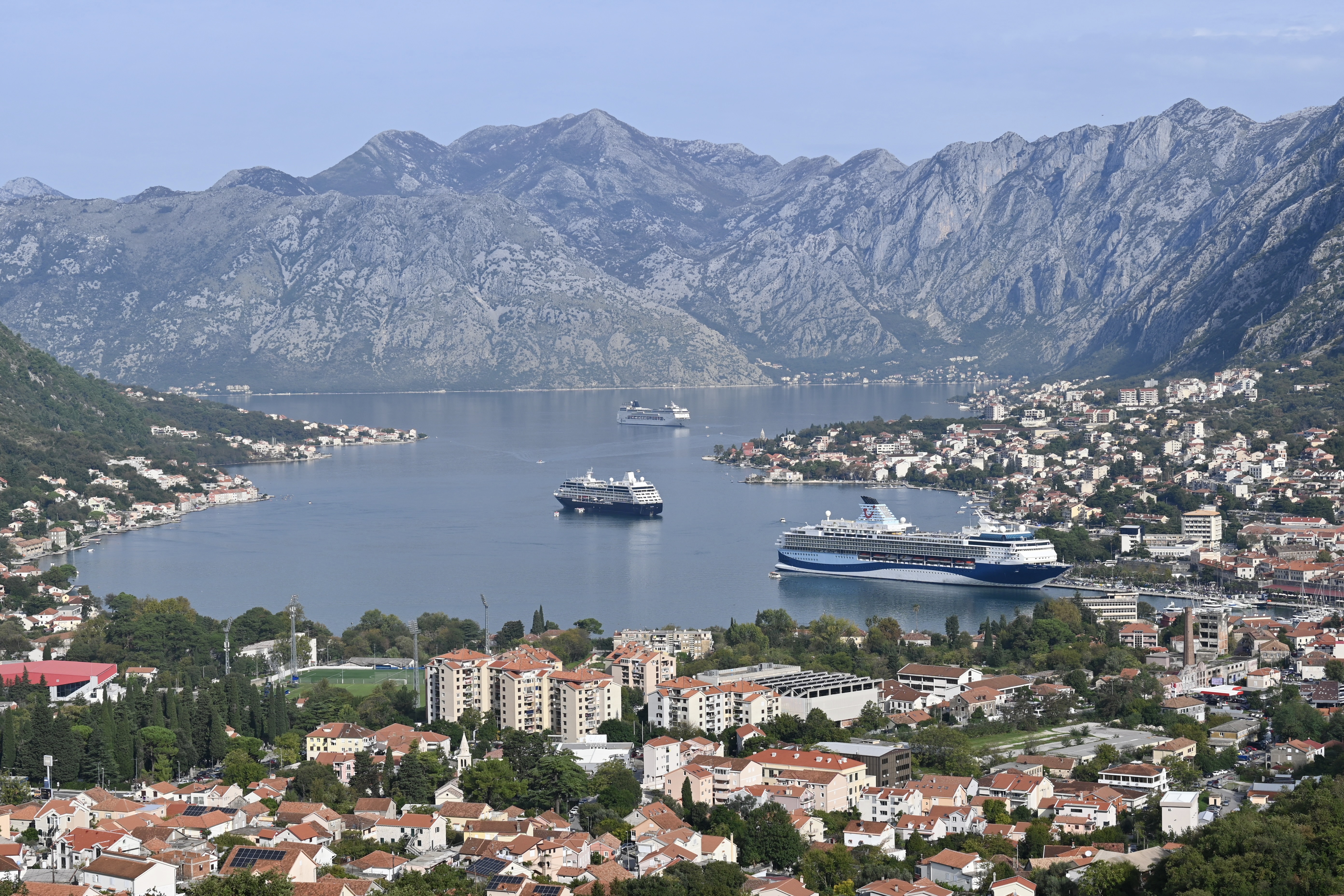
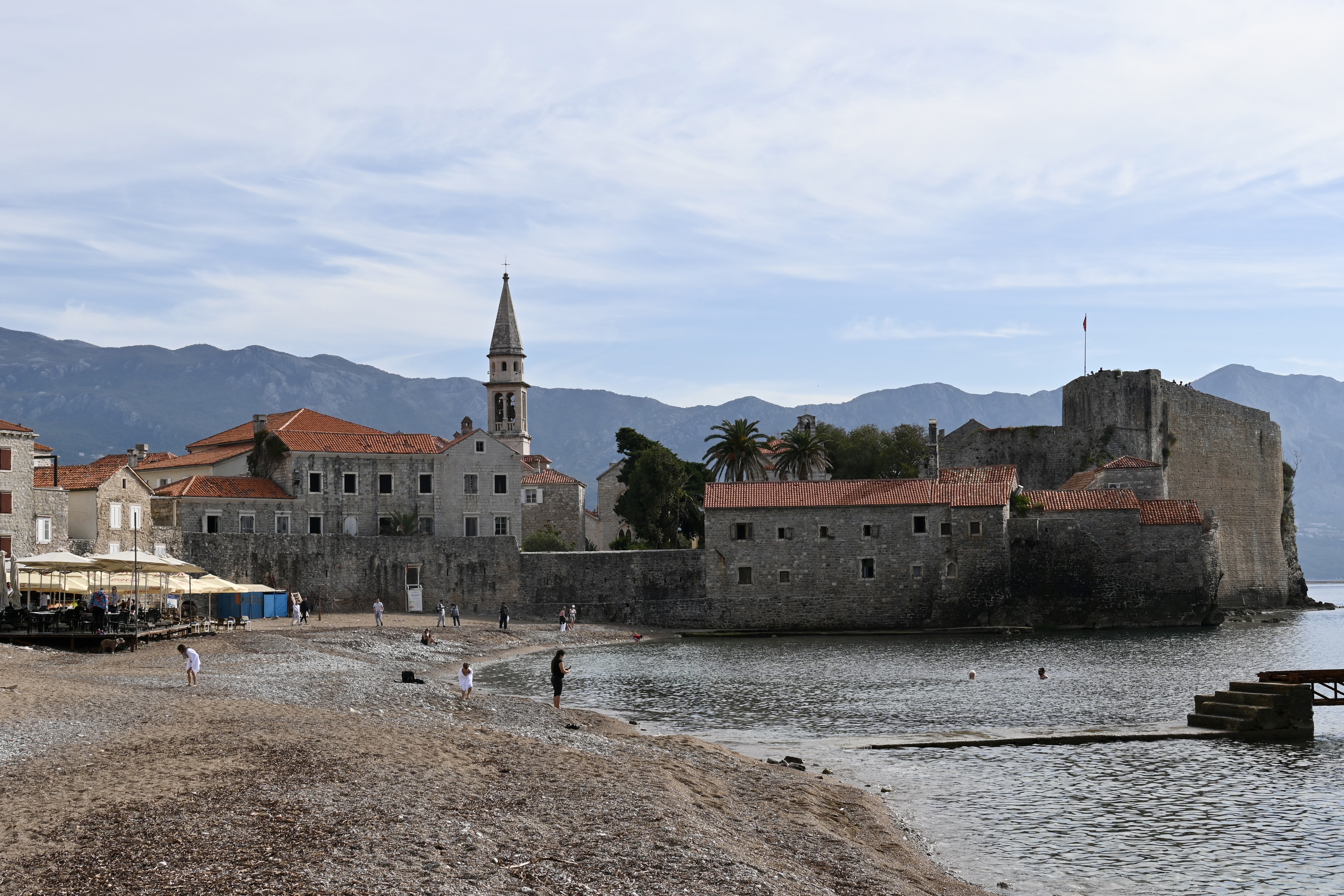
Budva has an even older pedigree than Kotor, having been founded by the Greeks in the 6th century BCE. Over the years, it’s been controlled by Romans, Byzantines, Ottomans, Venetians, Hapsburgs, Austrians, Italians (during World War II), and finally Yugoslavia, before Montenegro finally gained independence in 2006.
Today, it’s facing a peaceful but economically and environmentally disruptive invasion by Russians and Ukrainians fleeing the war.
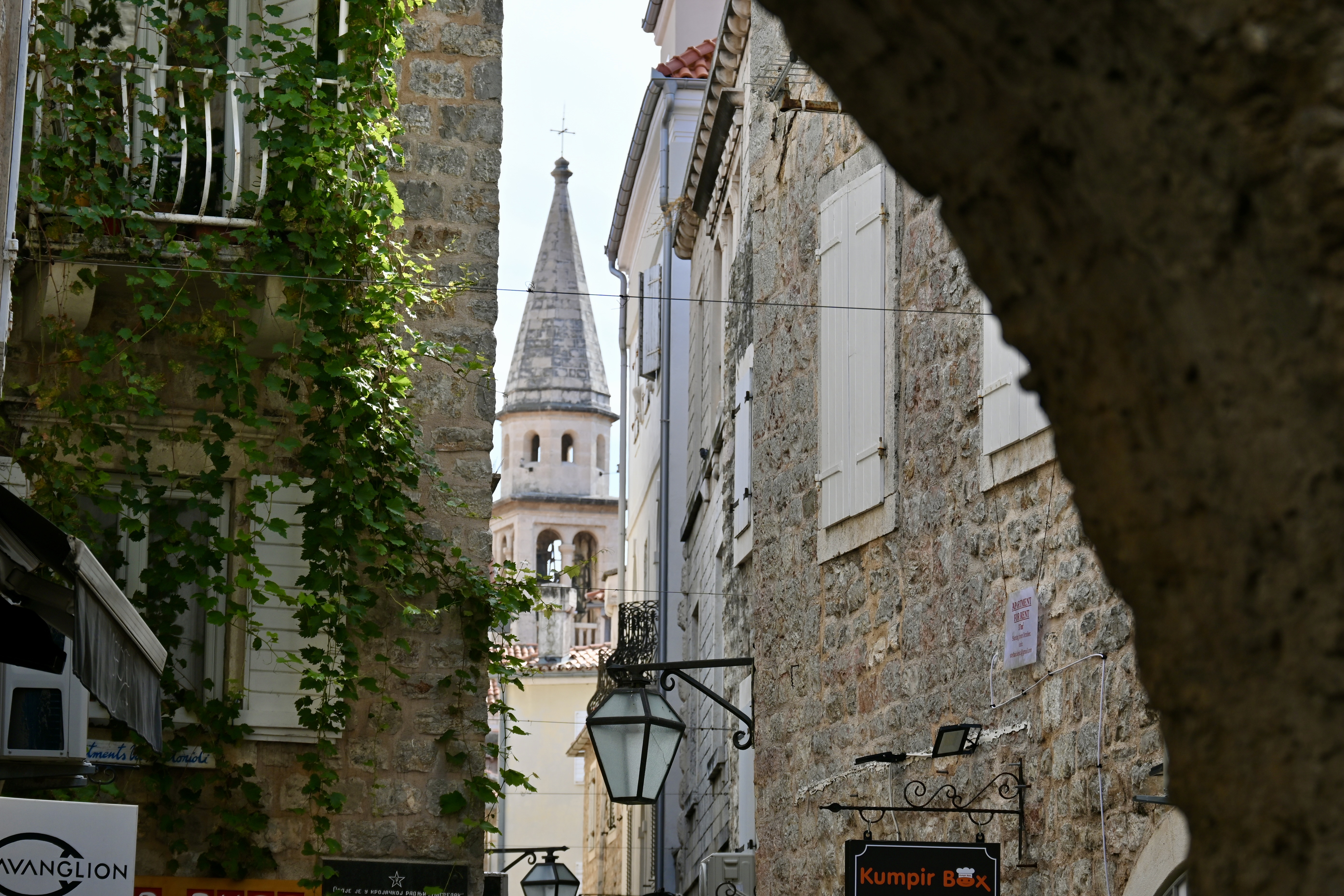
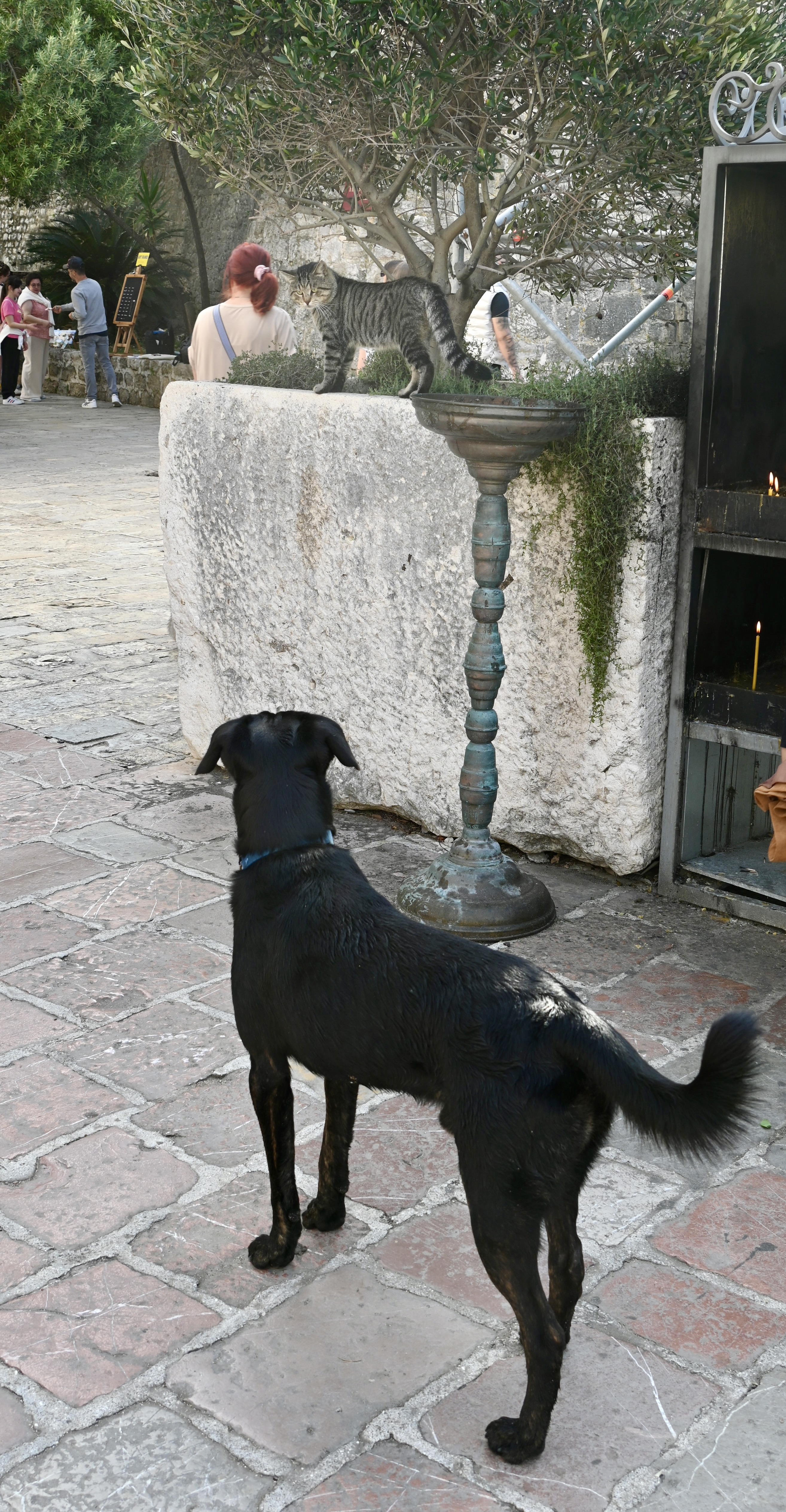
Despite all that, Budva remains charming. The walls of the Stari Grad (Old City) abut a beautiful seafront. The area immediately inside the entrance to the Old City is commercialized (including a Hard Rock Café), but a bit further on there are beautiful churches, pristine squares, and many, many cats.
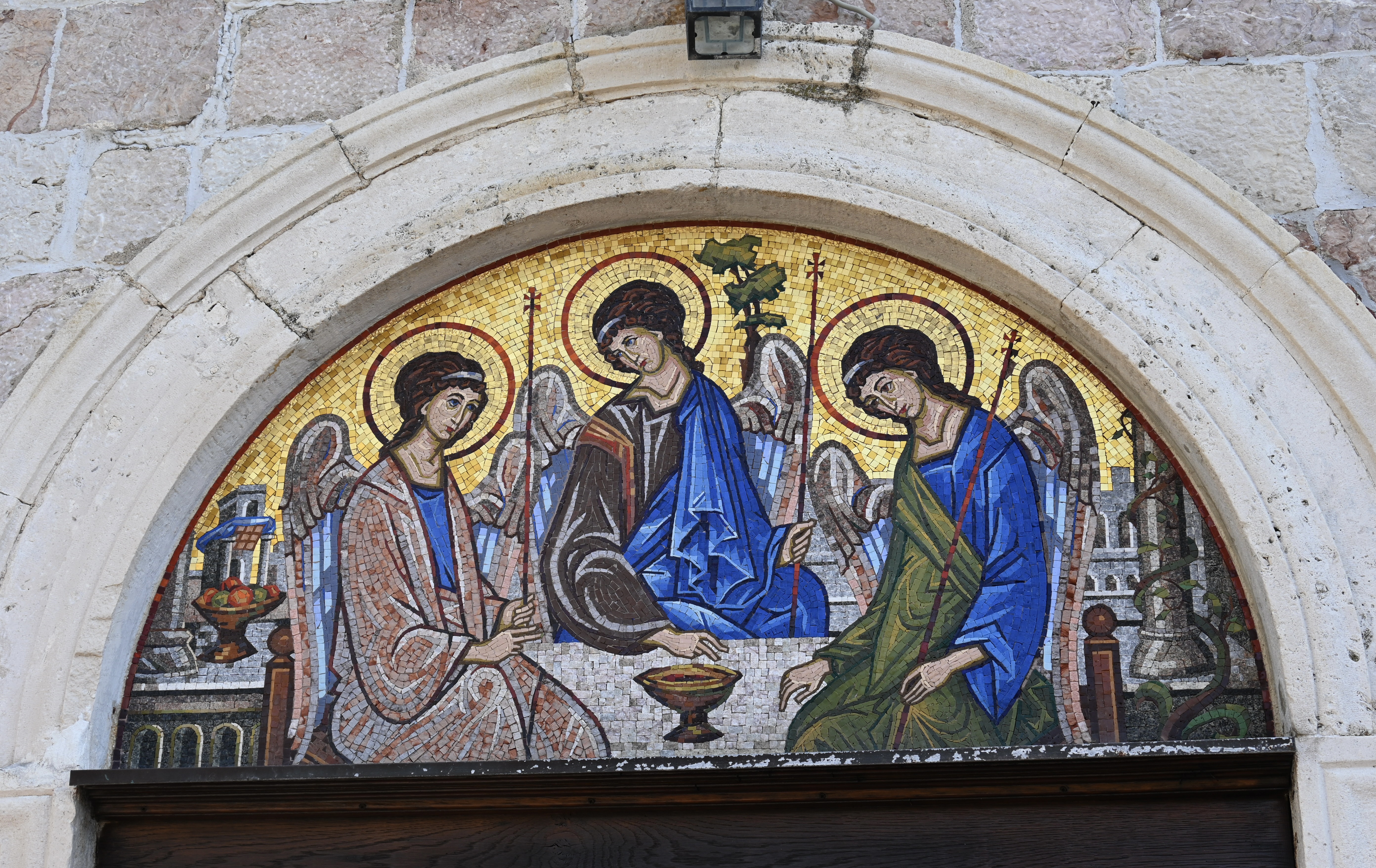
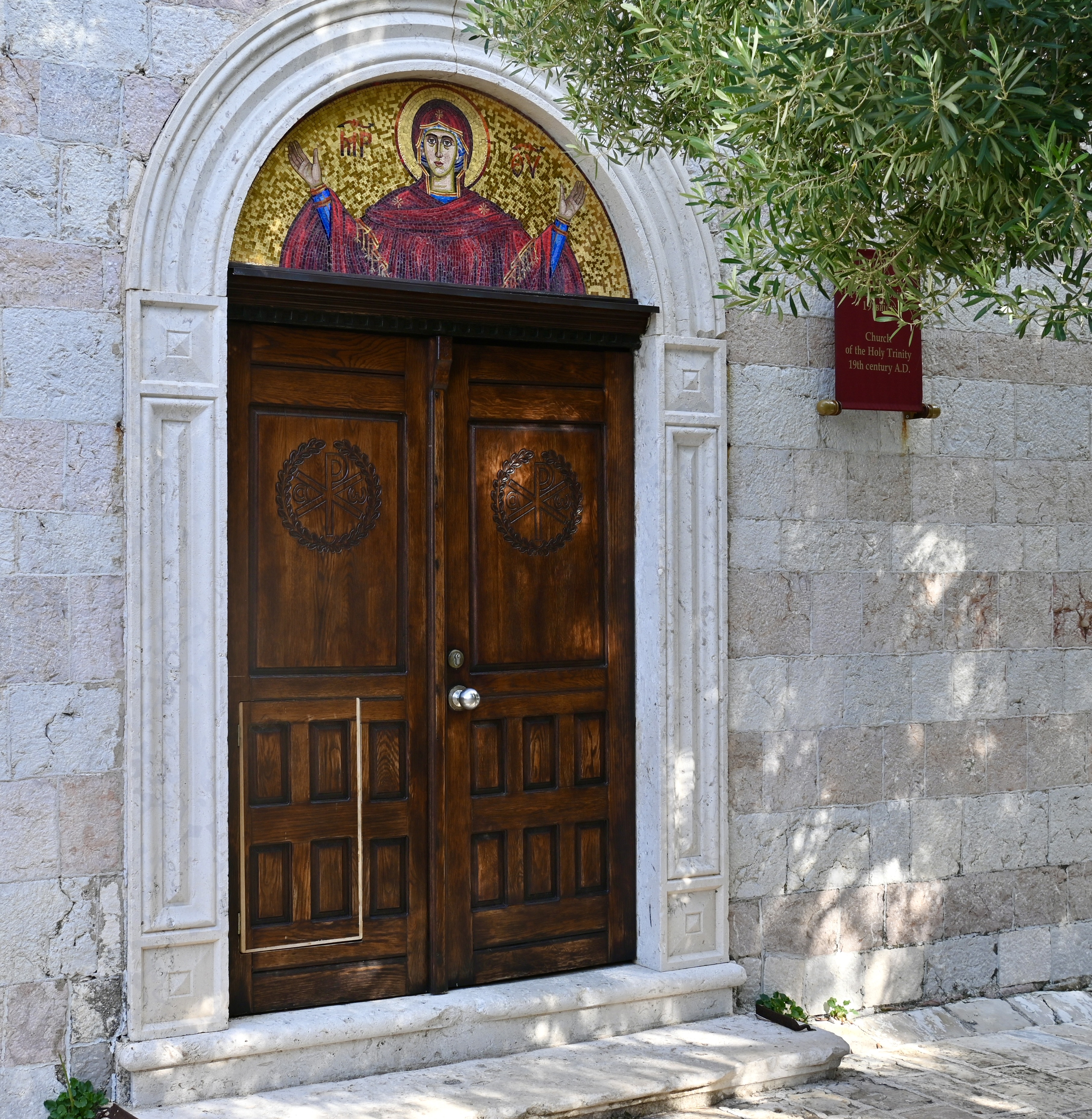
Why so many cats? They’ve been revered since medieval times, when they killed infected rats. Even centuries later, they are coddled and cherished – more on that when I talk about Kotor in a few paragraphs.
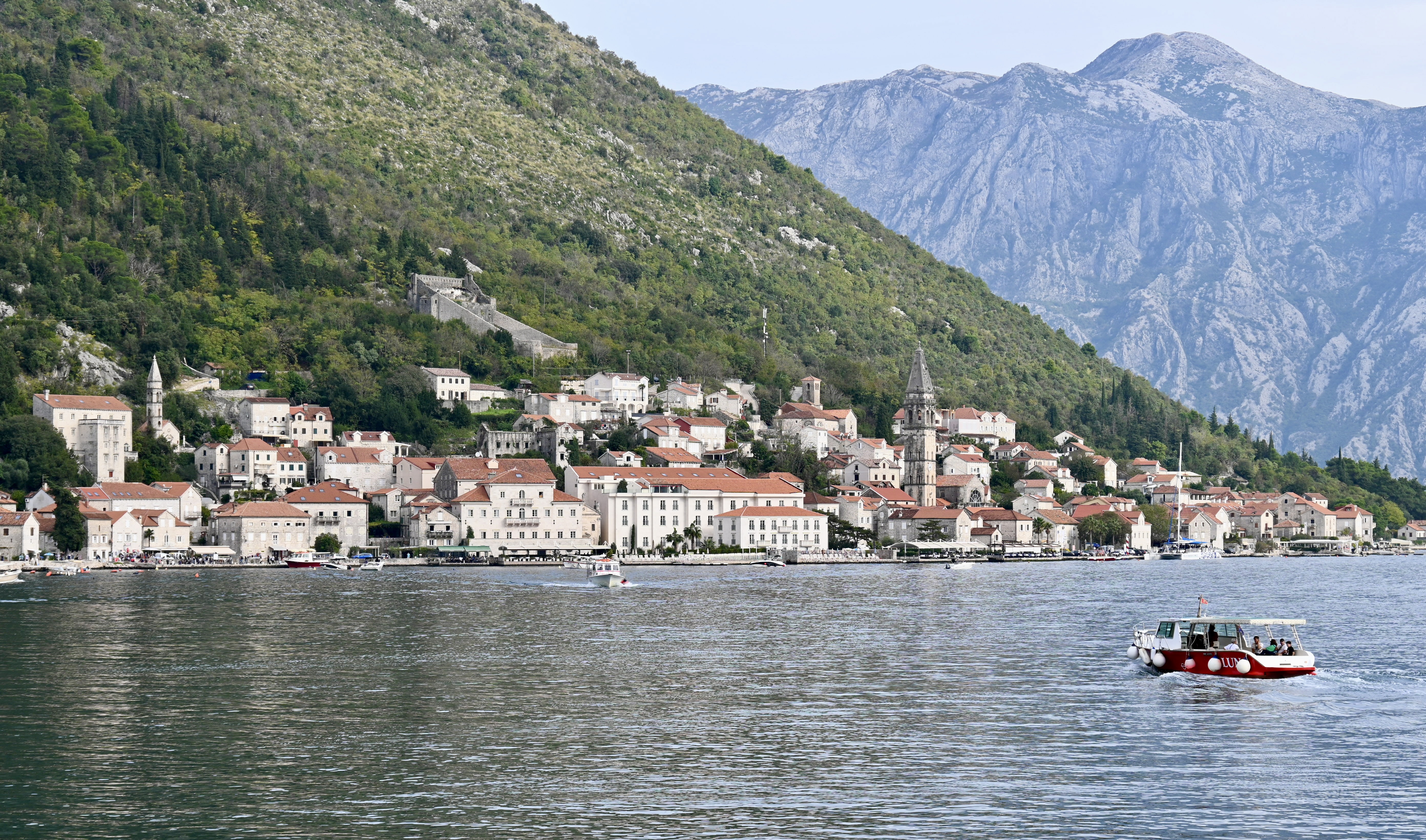
Our next stop was Perast, a tiny town (population around 200 people) jammed between the bay and the mountains. Perast is famous for two offshore islands, one natural (St. George) and one (Our Lady of the Rocks), man-made.

Legend has it that sailors once found an icon of the Madonna and Child on a rock and added their own rocks each time they returned from a successful voyage.
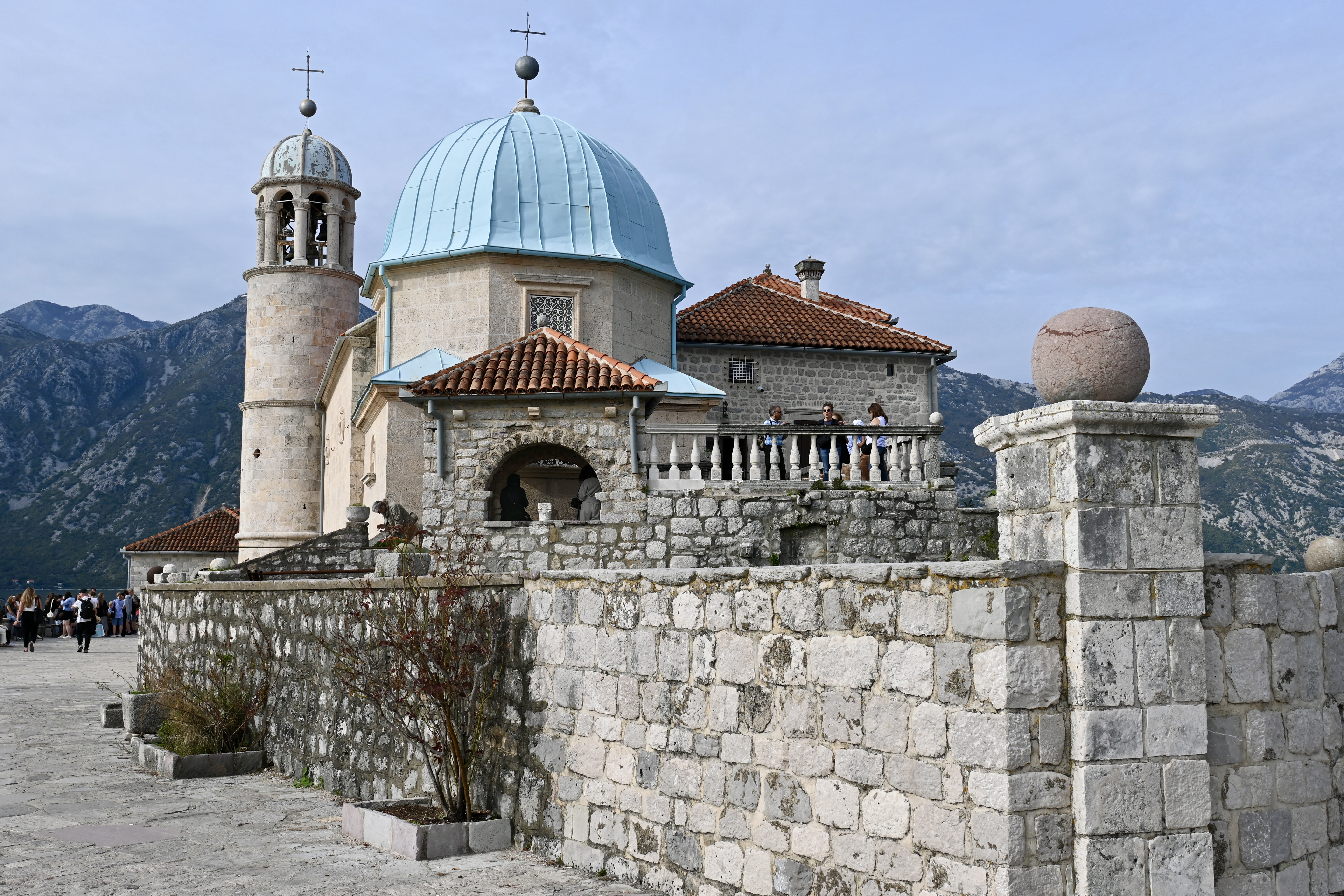
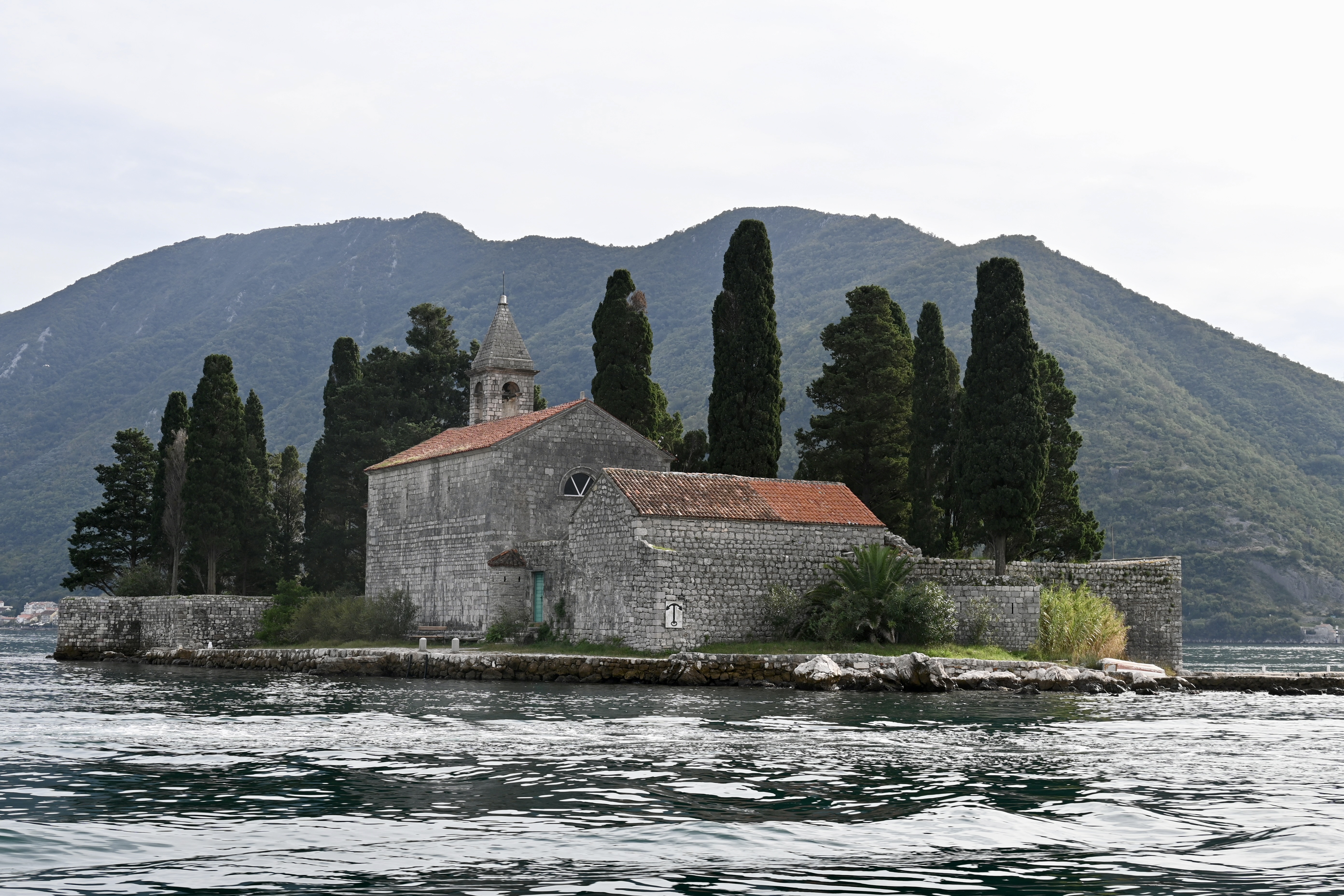
The island is dominated by a church (you can guess the name) and small but interesting museum.
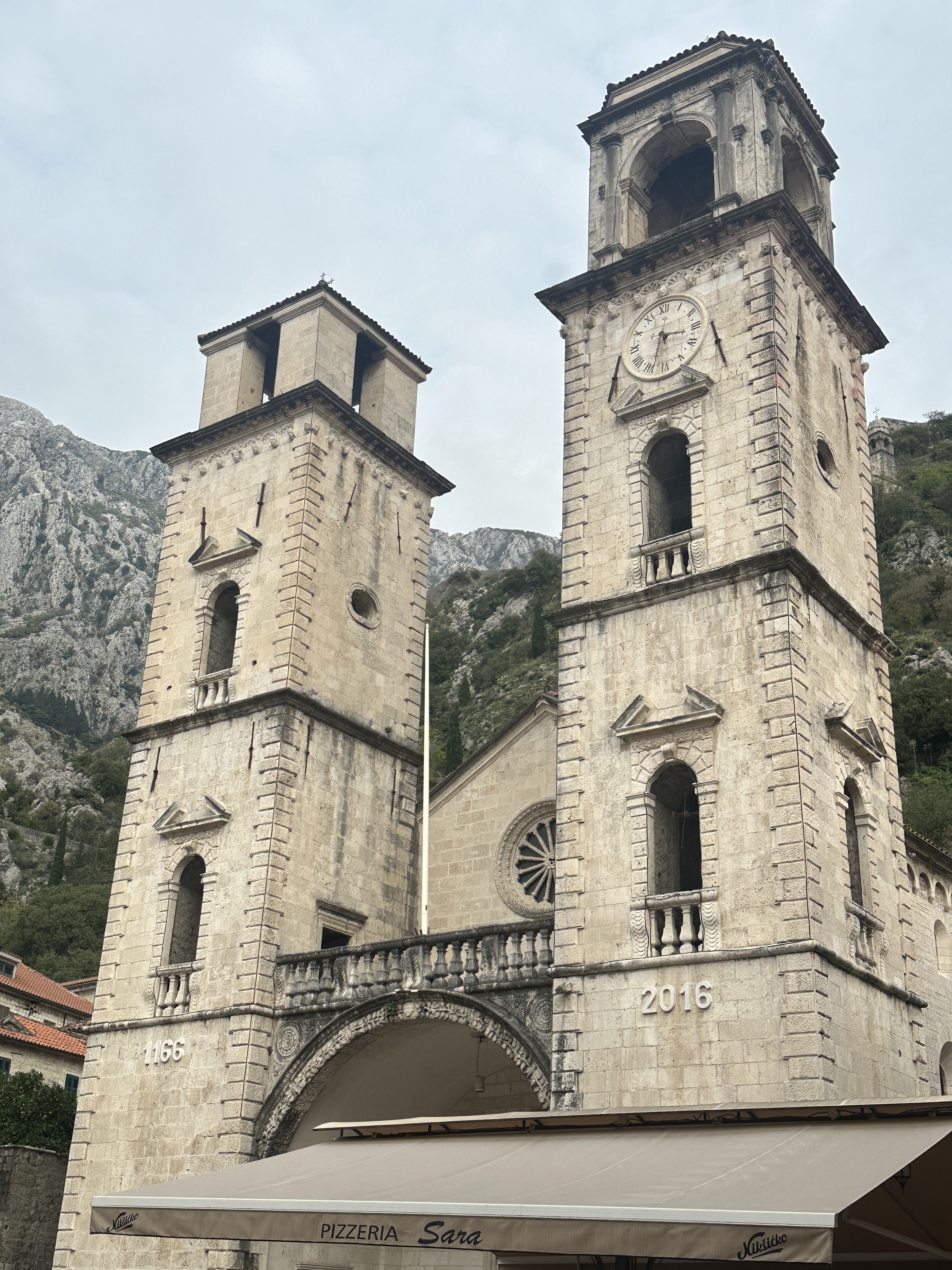
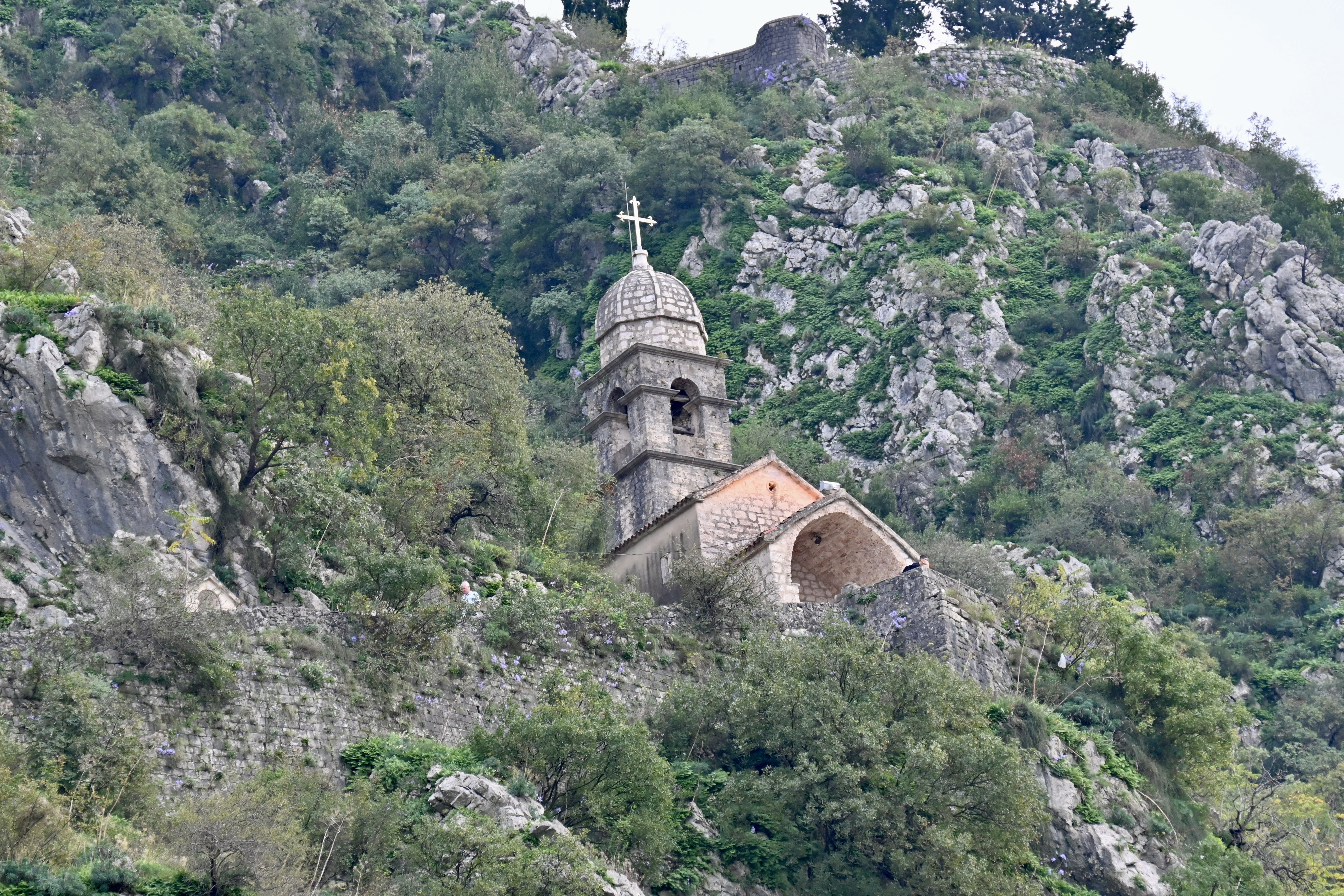
We ended our tour in Kotor, whose Old City is magnificent; indeed, it’s a double UNESCO World Heritage Site.


Highlights include a beautiful Orthodox Church, centuries-old administrative buildings (many of which had to be reconstructed after a devastating earthquake in 1979), the Cathedral of St. Tryphon (1166), and, of course, the Cats’ Square.
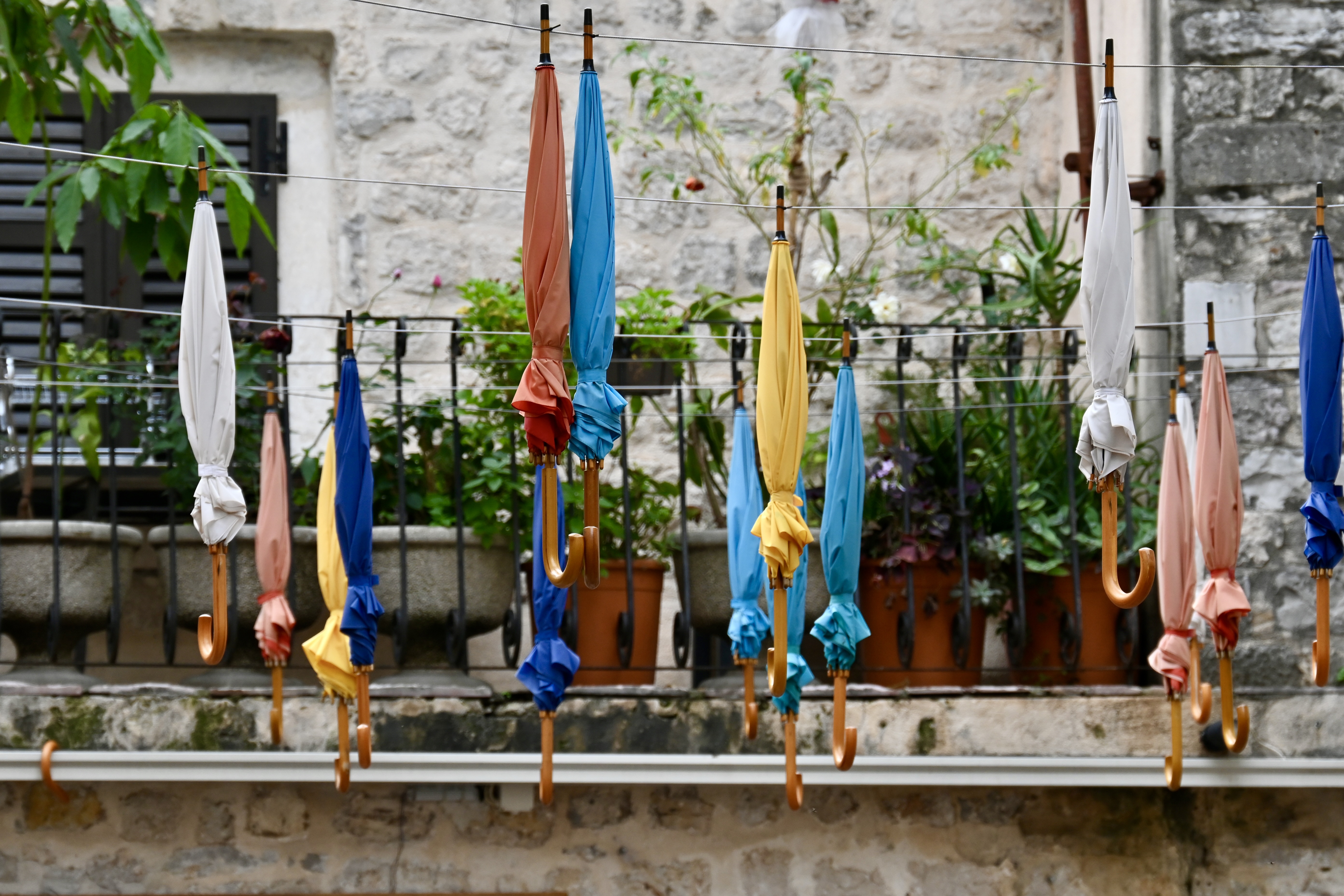

I’m much more of a dog person, but I have to admit the hundreds of cats enhance the allure of an already charming place.

Ciao for now, and meow all your travels be joyful!

 PuffinlessTravel
I was at this port in 2014! Your blog brought back memories…
Lauren