I had a spirited discussion with the hotel’s concierge this morning about the many ways in which Americans mispronounce Èze, all of which seemed to trigger inordinate glee on her part. However you pronounce it – the Francophone version is something like “Esz” – it’s a charming place to spend a couple of hours.
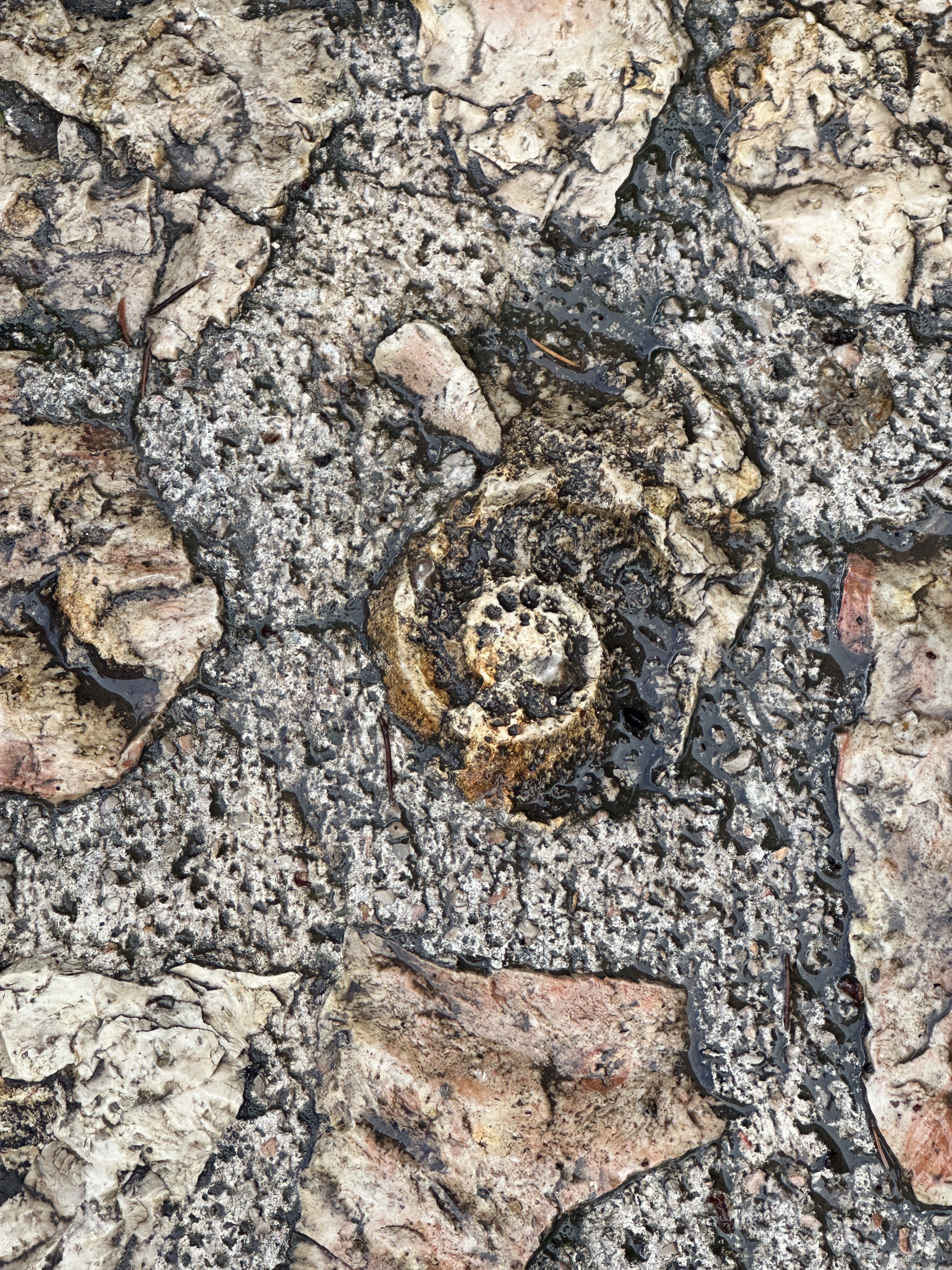
Èze is a beautifully maintained village dating to medieval times. It hugs a clifftop 400 meters above the ocean, just a few kilometers outside Monaco. (The 20-minute taxi ride costs around 50 Euros.) I got there at 9 a.m. under beautiful blue skies and left at 11 with an apocalyptic thunderstorm looming. (If you go, make sure you tell the cabbie you want to visit the old village, not the newer part of Èze at the bottom of the cliff, where my driver said there is ”nothing to do.”)
At 9 a.m., the traffic heading into Monaco was gridlocked; the driver explained that most people who work in Monaco can’t afford to live there, and I can see why. I enjoy looking at the listings in the windows of real estate offices – immobiliers in French, I guess connoting fixed as opposed to personal property – and studio apartments in Monaco start at one million Euros. I saw penthouses going for over 20 million Euros, and some listings are “prix sur demande,” which makes me wonder just how many zeroes are involved.
Alas, I have digressed, to nobody’s surprise. Back to Èze: the taxi dropped me at a small parking lot below the entrance to the old town.
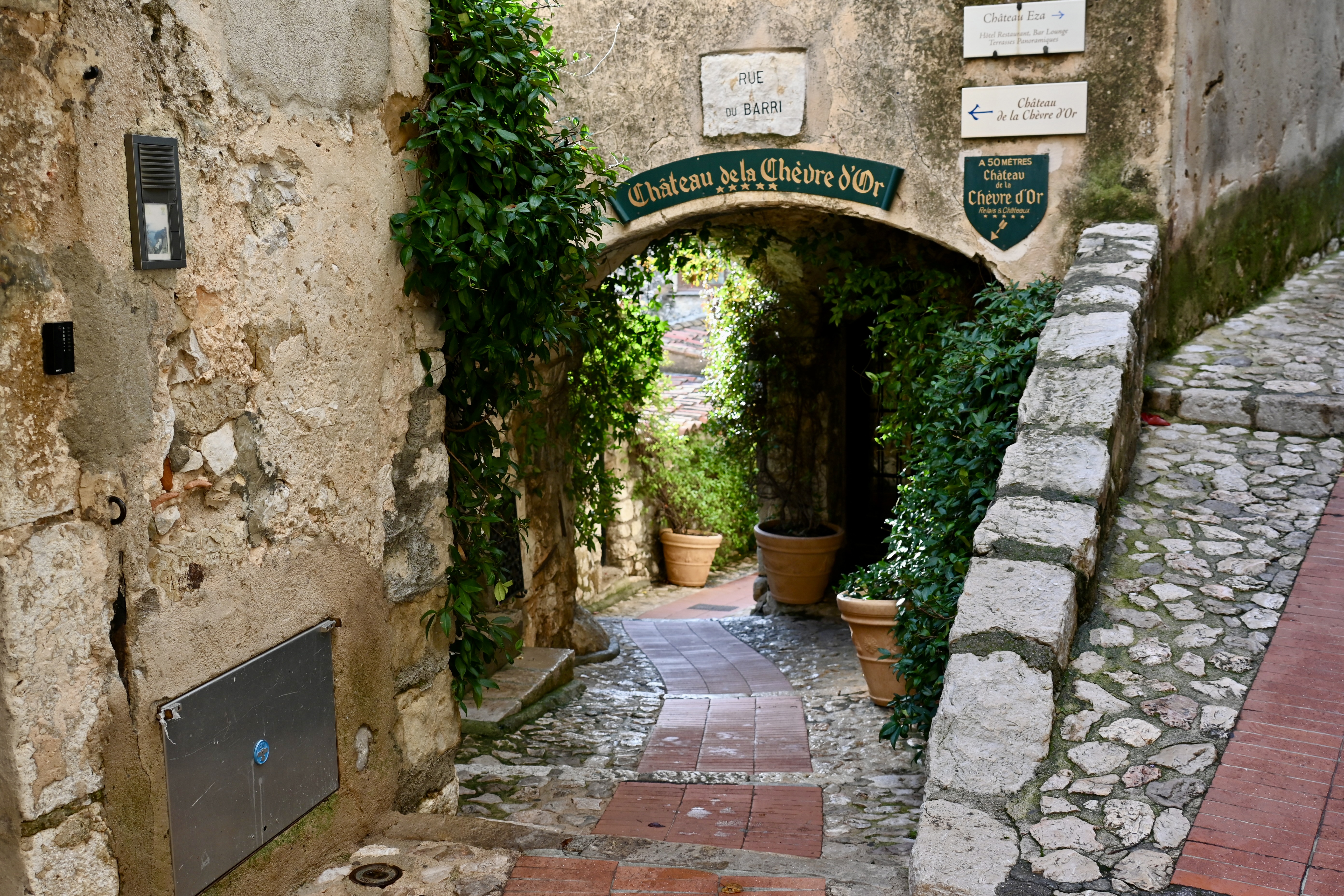
From there, you head up a twisting path, passing the imposing gates of the luxurious Château de la Chèvre d’Or (no goats, gold or otherwise, were evident, to my disappointment). Perhaps 50 meters farther on is the actual entrance to town.
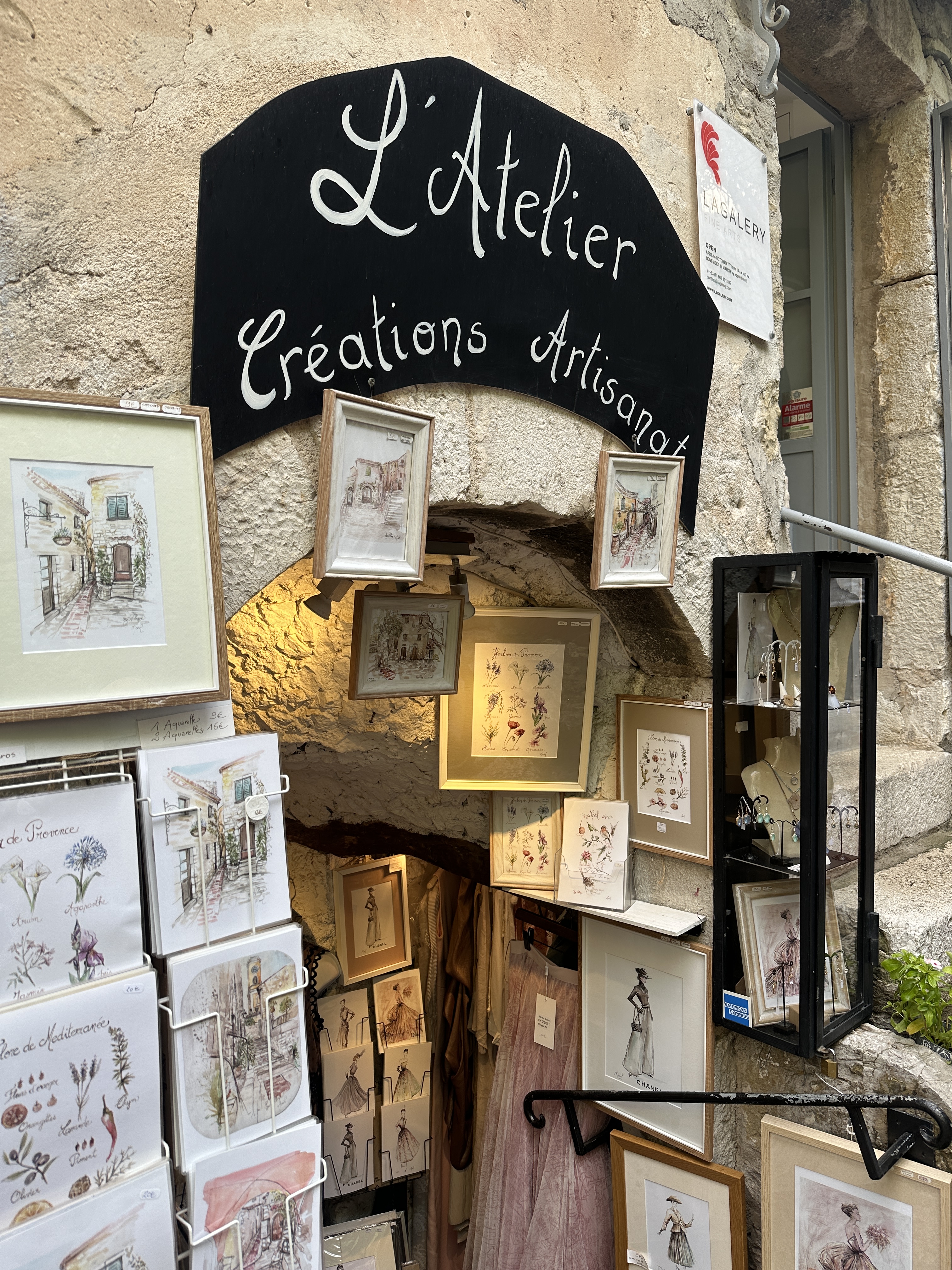
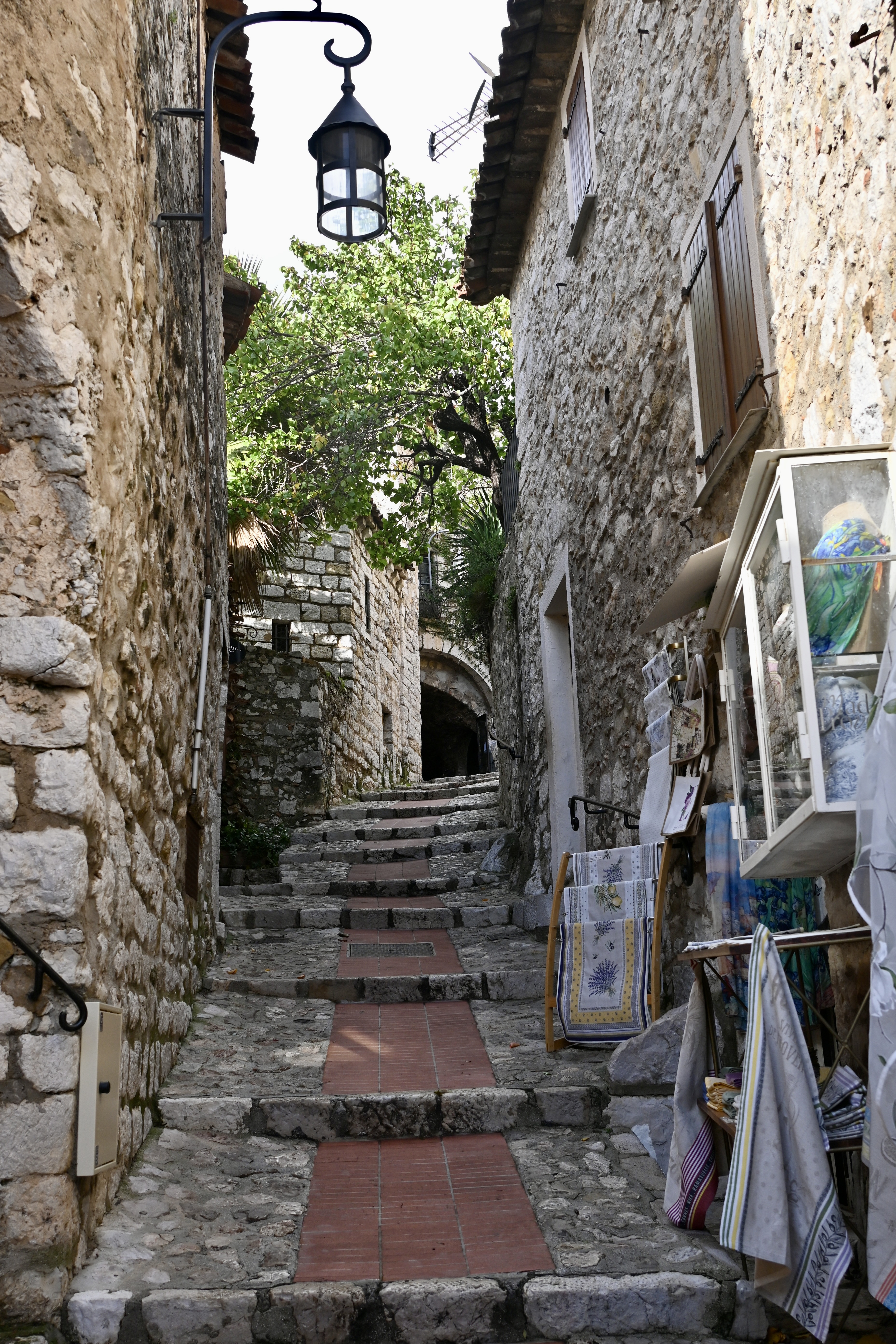
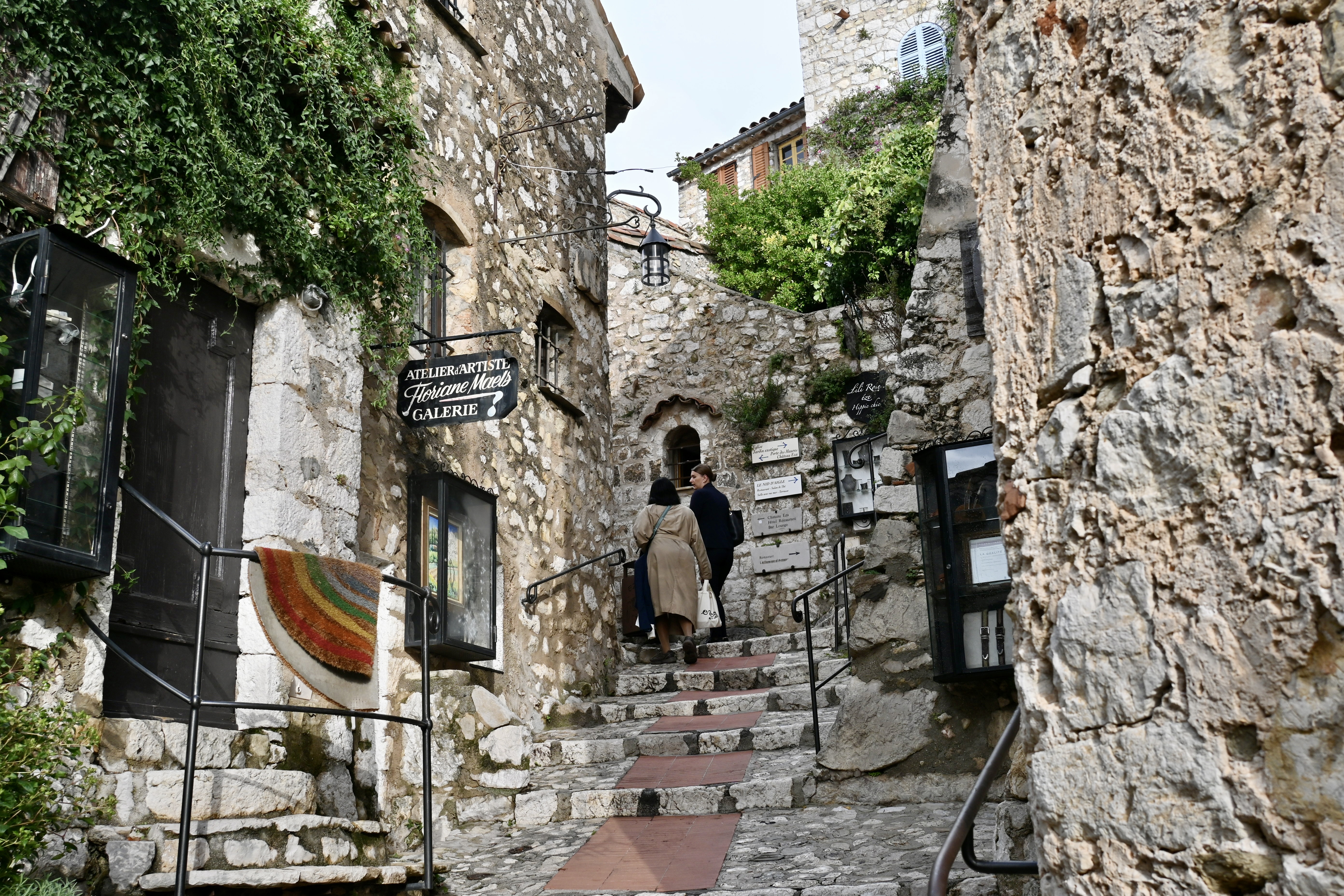
Èze iis comprised of narrow, twisting, looping lanes made of stone, with a brick walkway in the middle that provides better footing than the uneven stone. Restaurants, tea shops, and ateliers occupy stone buildings dating to the 14th century. (A note on the restaurants: a mouthwatering smell of frying onions and melting cheese pervaded portions of the town. Having eaten breakfast at 8, I wasn’t quite ready for lunch at 10.)
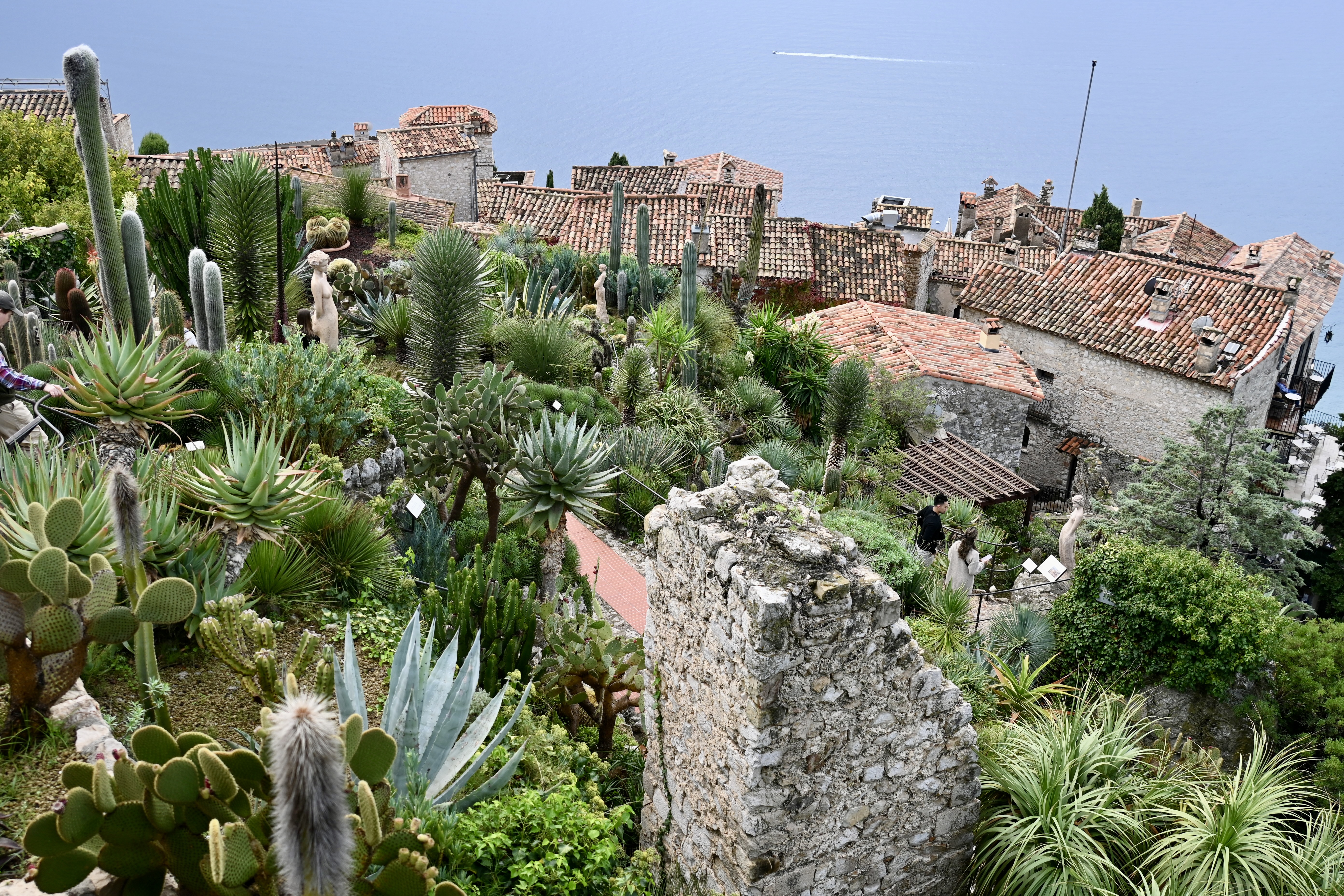
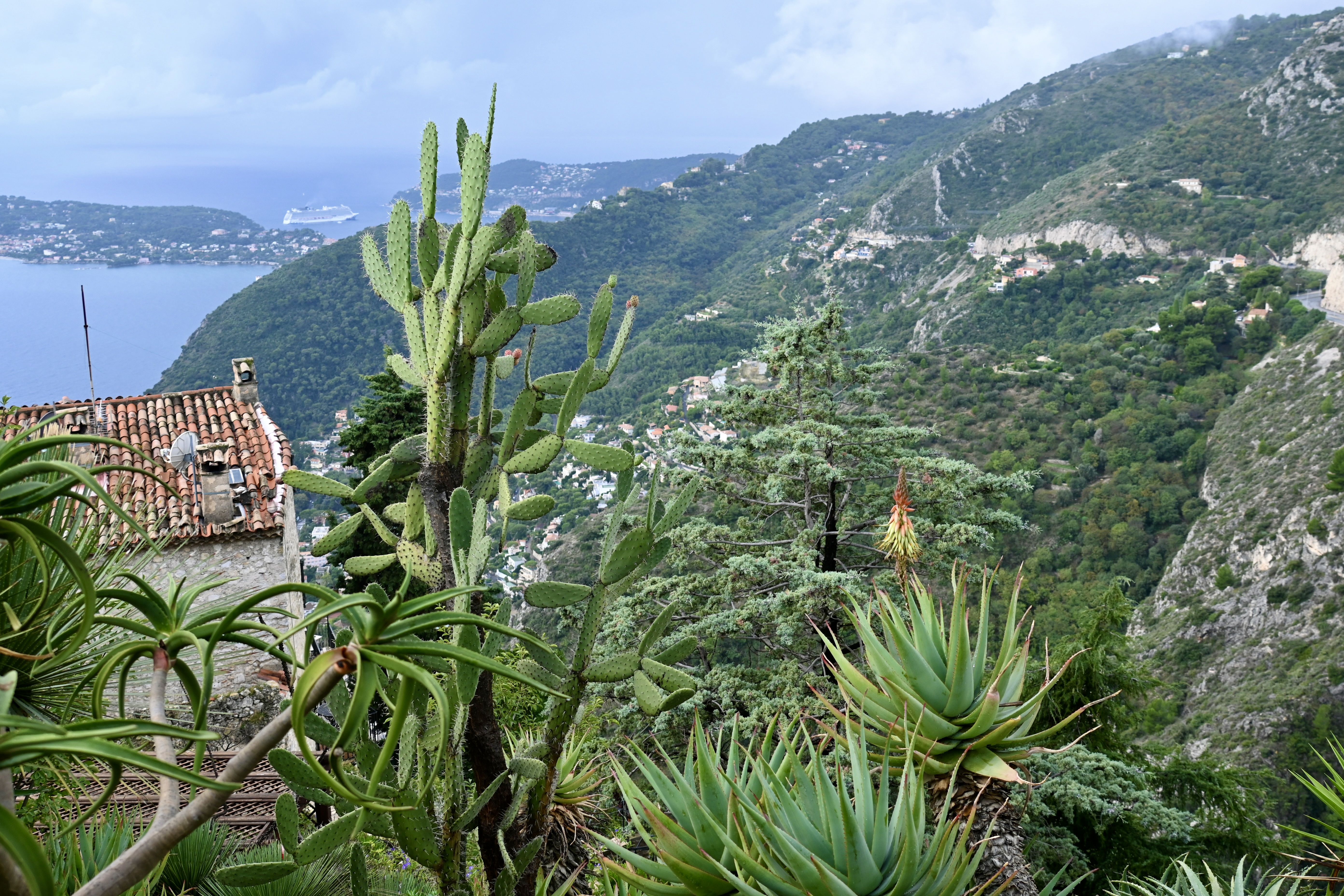
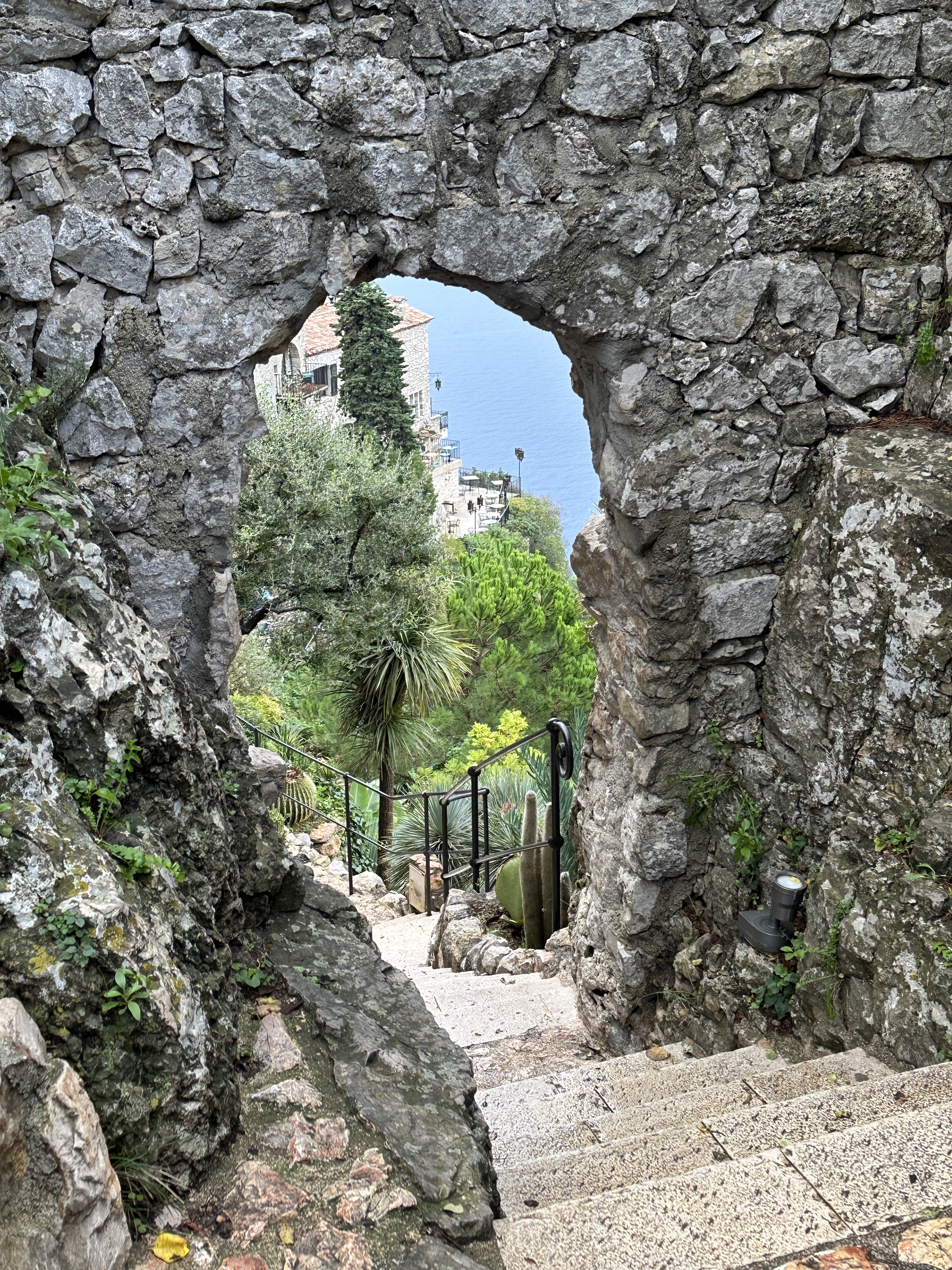
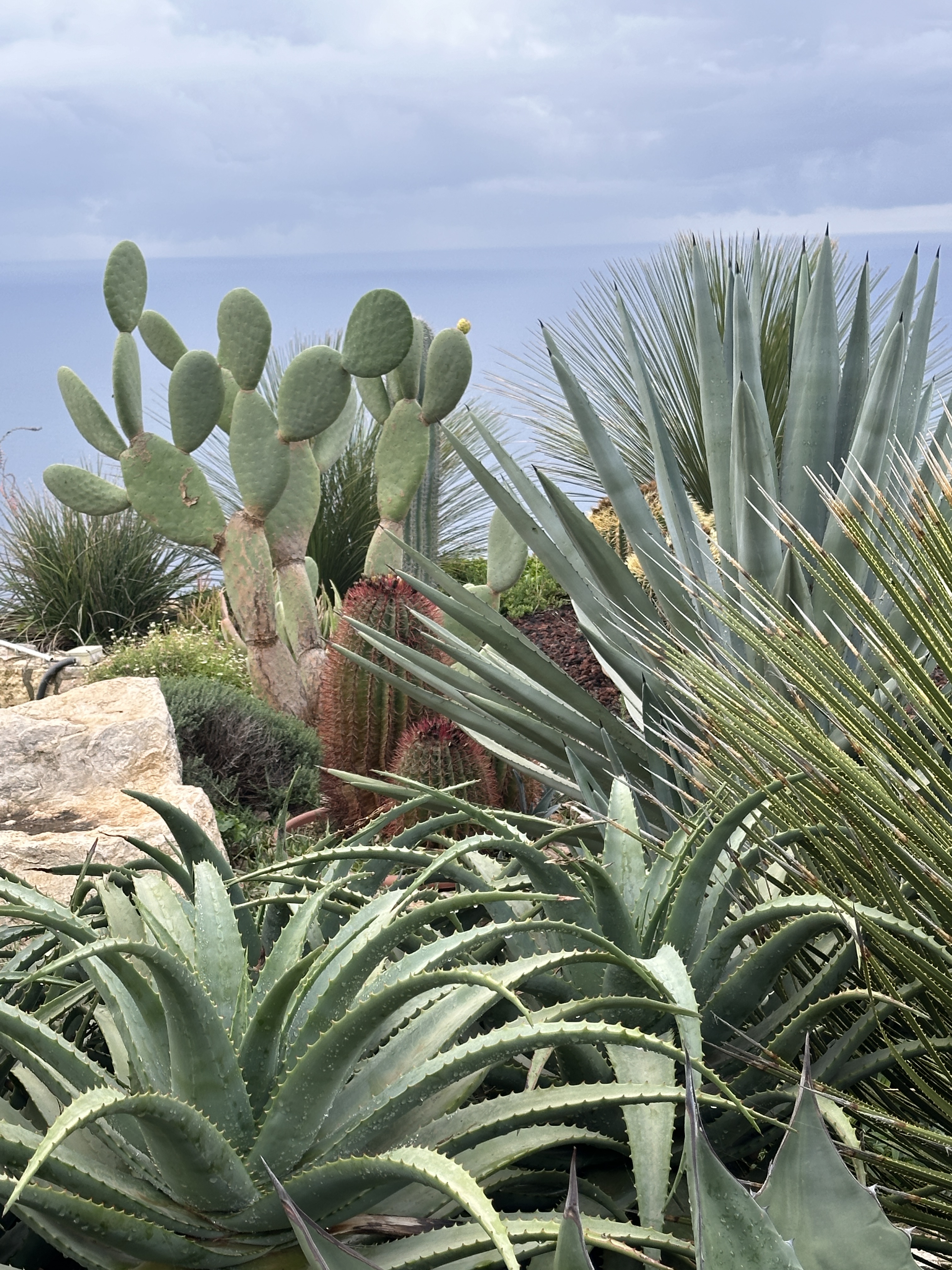
It’s worth climbing all the way to the top of the town, where the “Jardin Exotique” offers panoramic views from the sea to the mountains. Entry to the gardens cost 8 Euros. Inside, there’s an impressive display of cacti and succulents, as well as native Mediterranean bushes and trees.
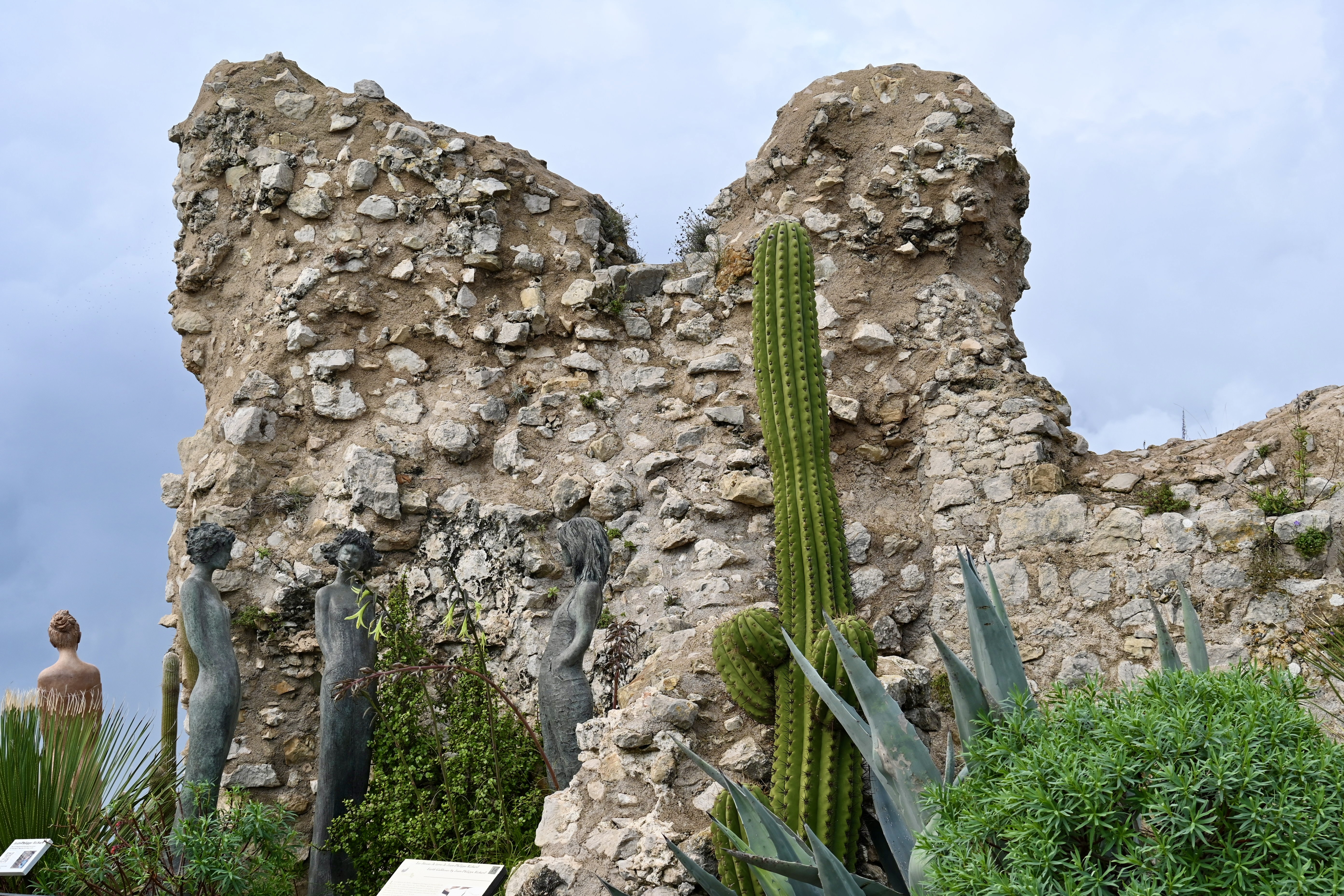
There is also a selfie-taking hot spot – a/k/a the ruins of a 13th century fortress – at the very summit. Unfortunately, anyone (such as me) hoping to photograph the surrounding beauty instead of themselves has a hard time finding a clear shot and avoiding selfie sticks.
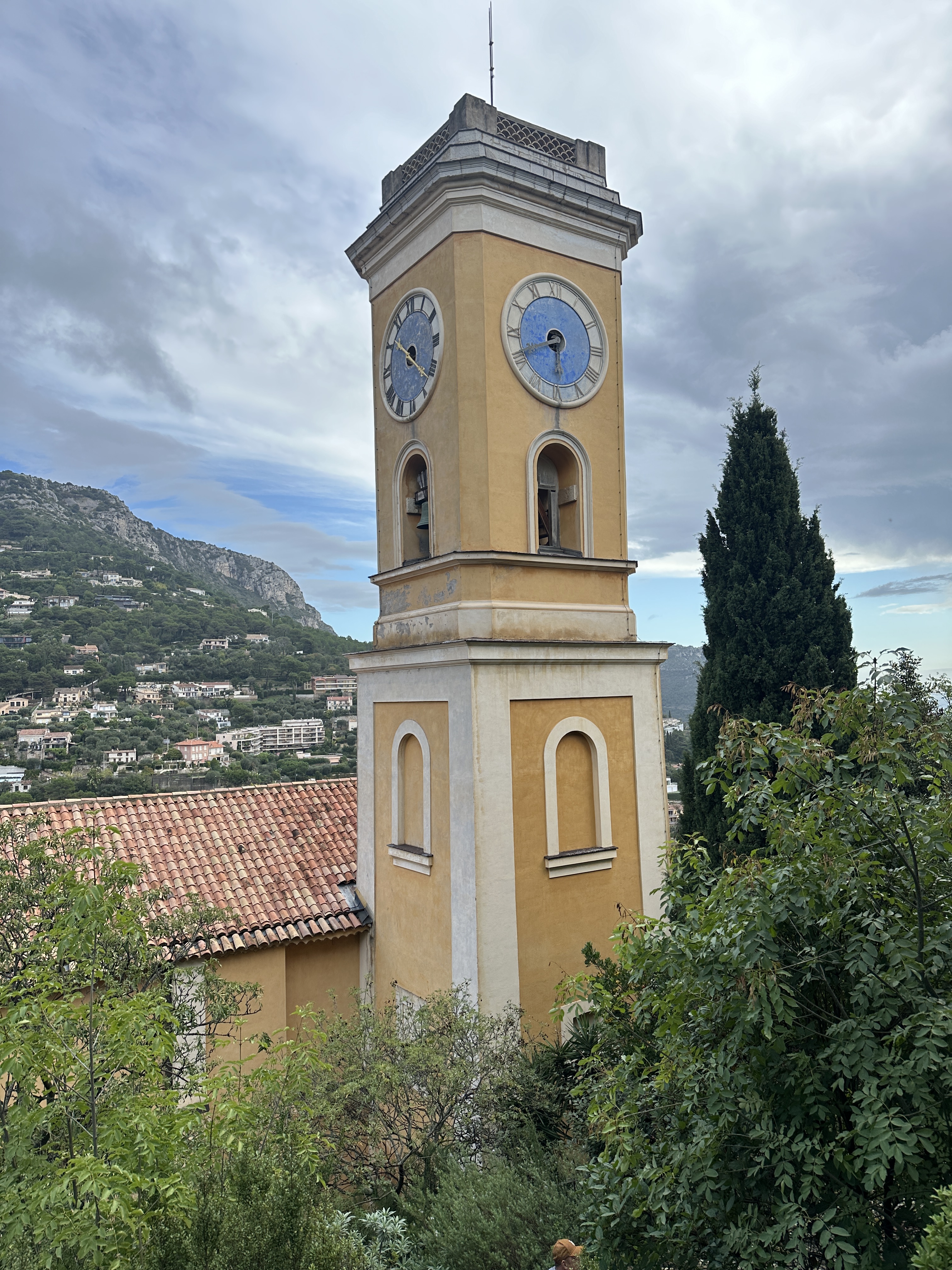
Èze also has an 18th century church, built on the site of a 12th century church, which in turn was built on the site of an ancient Phoenician temple to Isis, the goddess who gives the town its name. The church is undergoing restoration, so it’s not currently open to the public.
_________________
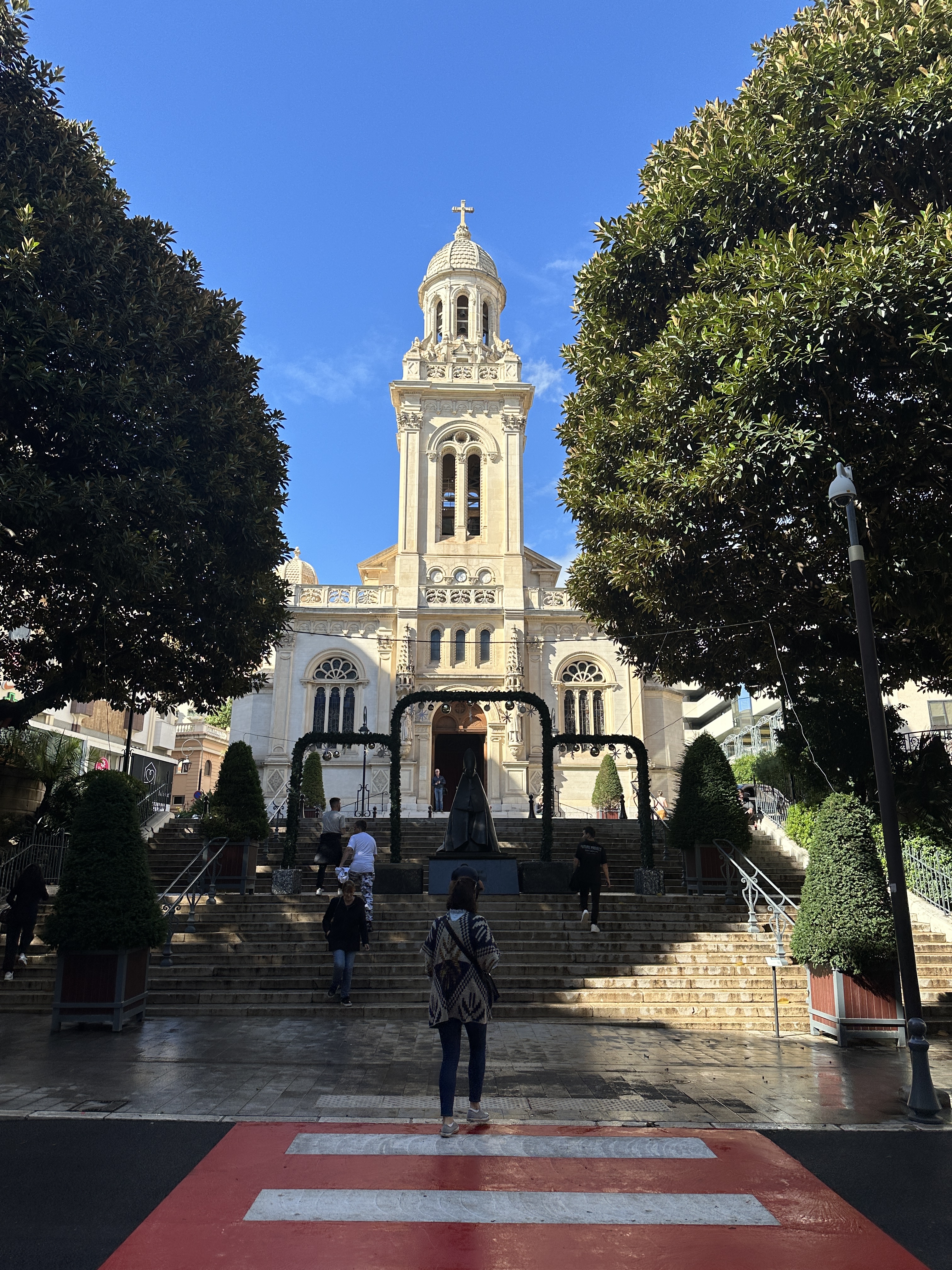
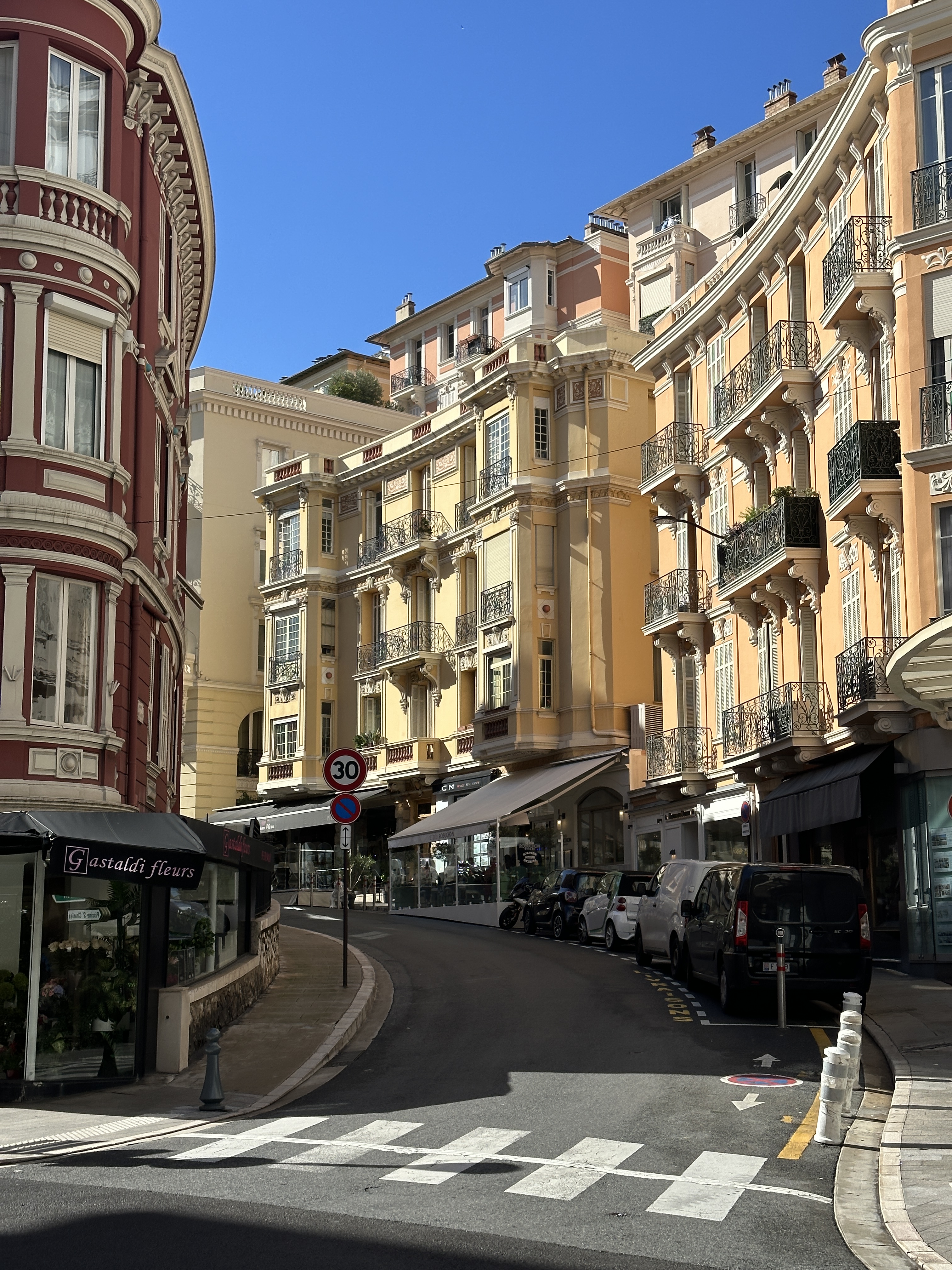
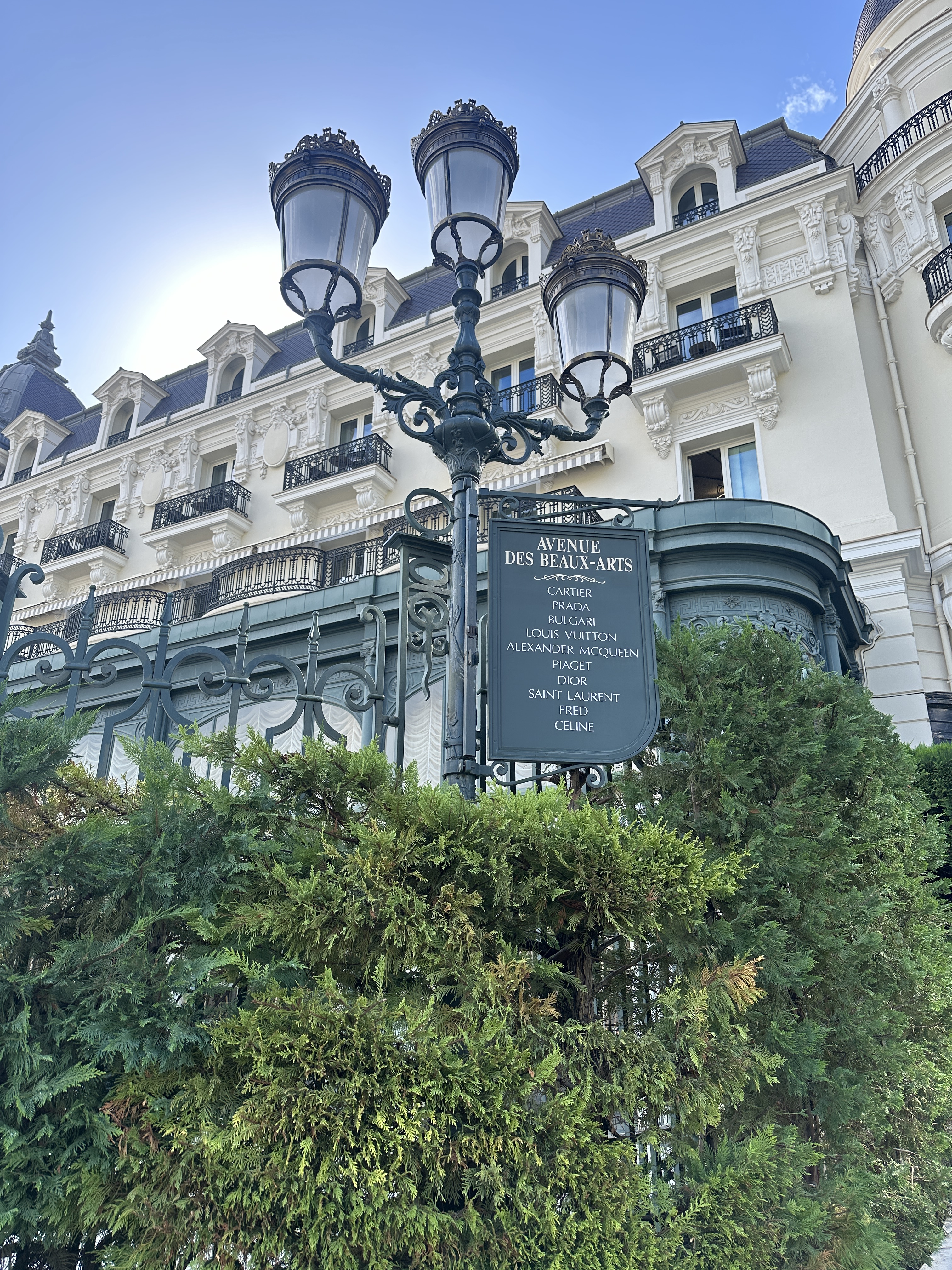
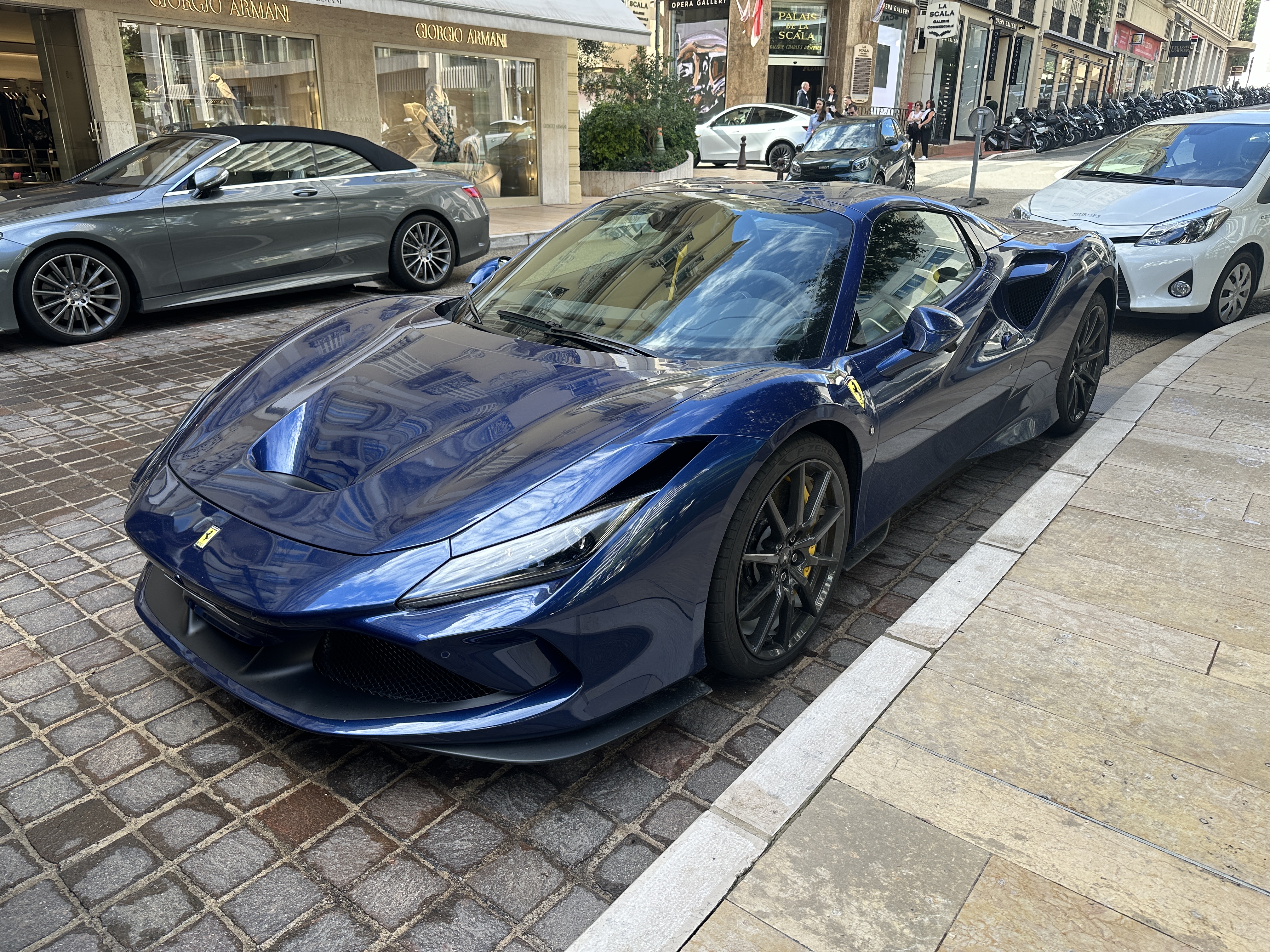
I’m writing this while sitting in the lobby of the Hermitage waiting for my ride to the airport, from where I’ll fly to Venice. I’ll leave you for now with a few final photos from Monaco, taken during a post-lunch walk in the transitory sunshine.

 PuffinlessTravel
One thought on “Èze, France, Oct. 18”