Let the tour begin! After breakfast this morning I met our tour guide, Nick, who hails from Scotland but has been leading tours in Iceland for years, following stints in Egypt and Malaysia as a dive instructor. (He also runs a diving school in Costa Rica in the Icelandic off-season.) I think we’re in for a good week: he’s interesting, funny, knowledgeable, and fully understandable to American ears despite his Scottish heritage.
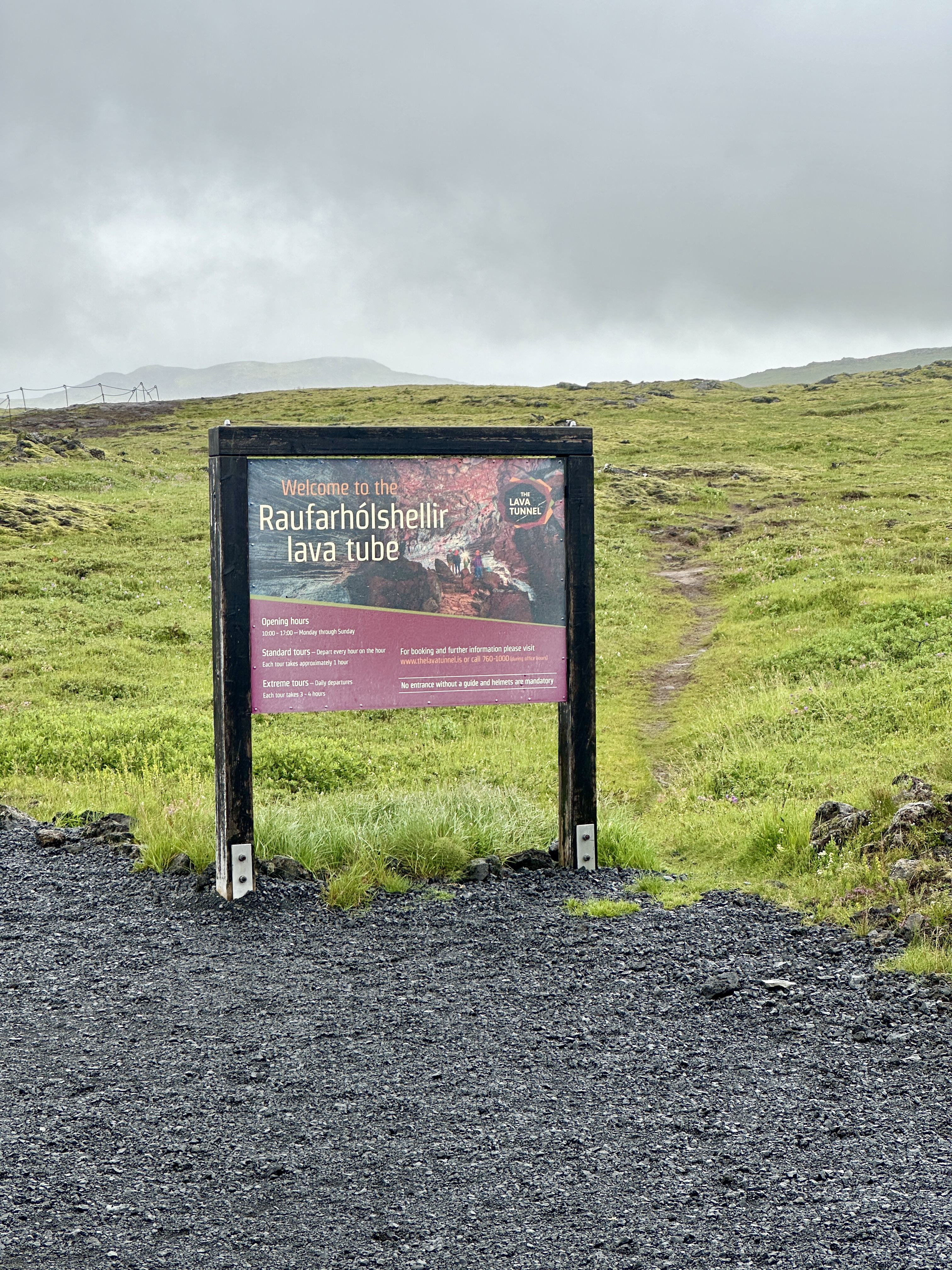
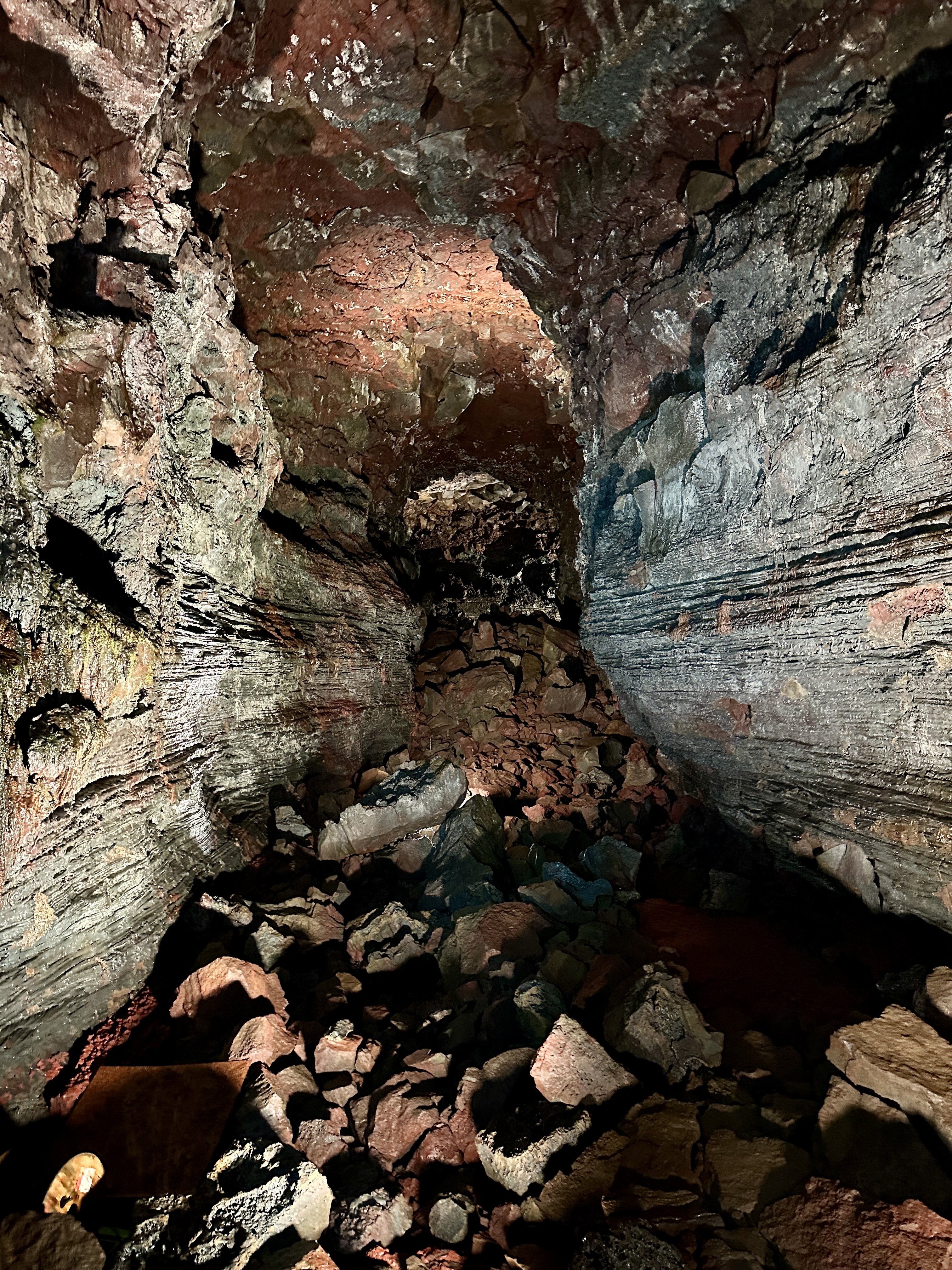
Most of our first day was spent in and around Reykjavik. We began with a walk through the fascinating Raufarhóllshelir lava tube – a 1.4 km passage left behind from an ancient eruption. I’ve been to lava tubes in Hawaii and the Galapagos, but this one is much longer and more interesting.
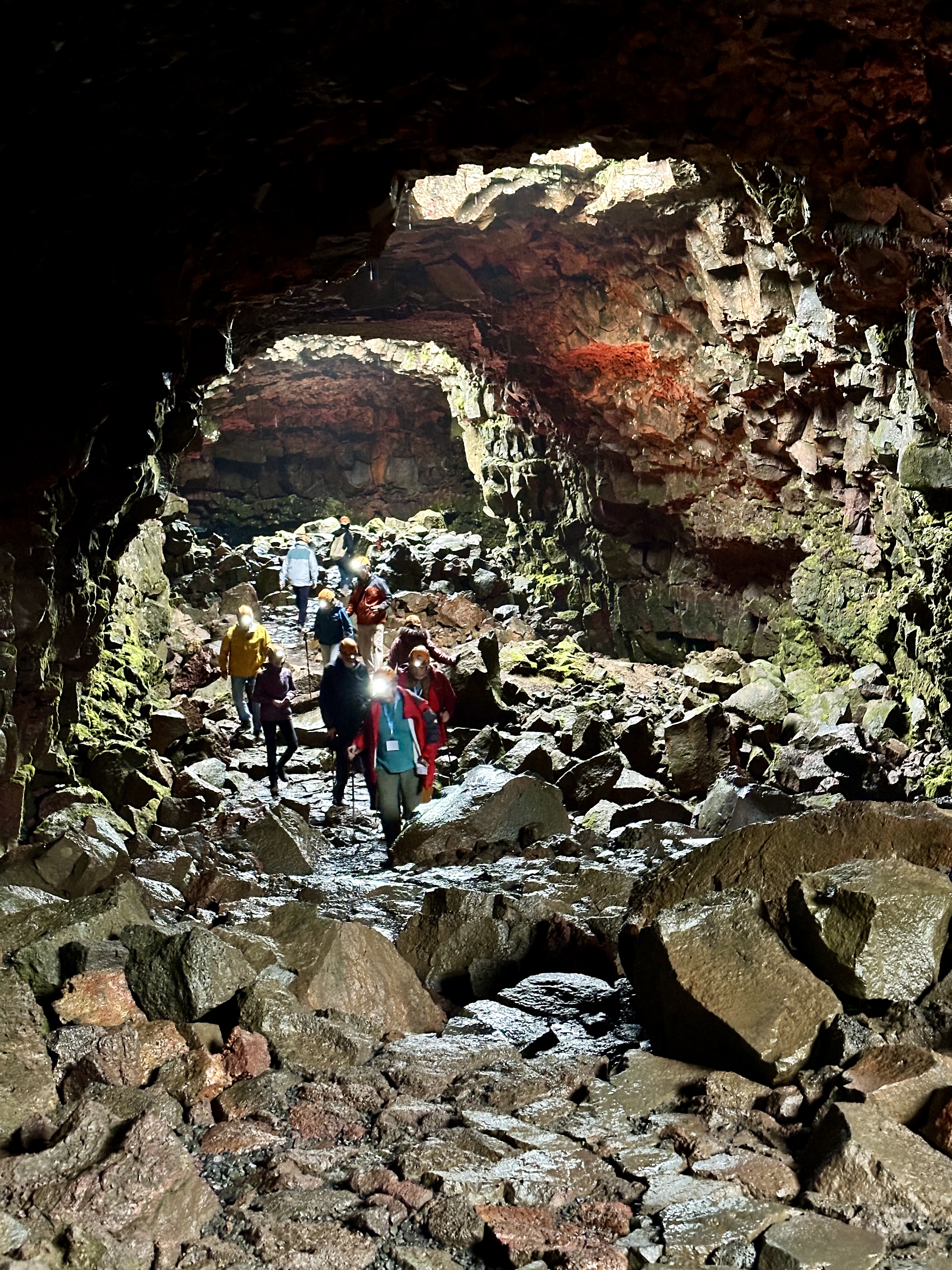
The first 400 meters – the part we visited – is easily negotiated, though wet and sometimes slippery. The ceiling is high and the walls are wide, so no one in the group mentioned any claustrophobic feelings.
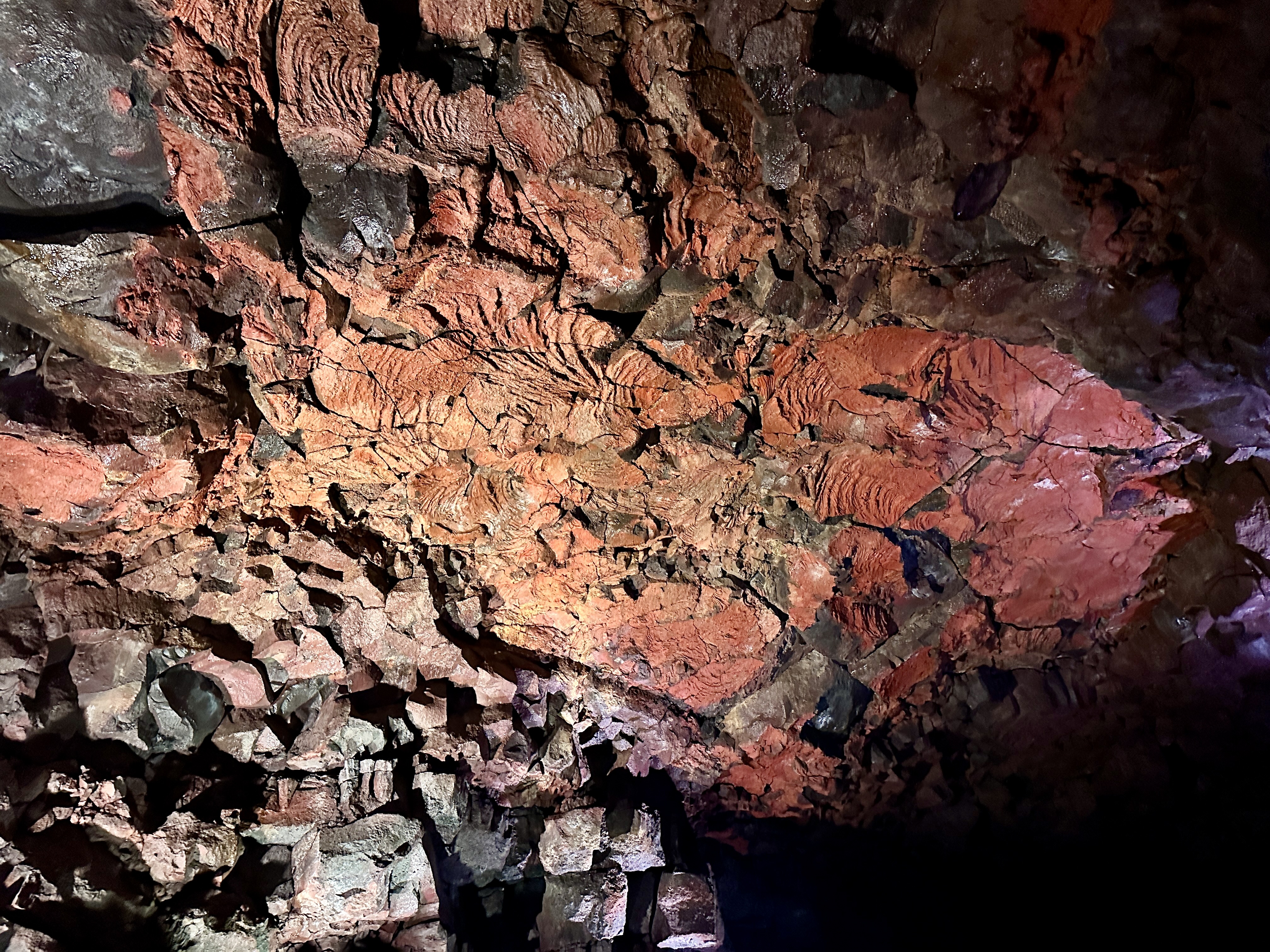
The tube is almost alive in its complexity. There are different types of lava and basaltic rocks, colonies of white actinobacteria, the only life that can survive in the chamber (it feeds on iron in the rock), interesting basalt ridges in the walls that look like a road milled for paving, and “lava drips” and “lava straws” hanging from the ceiling. There are no stalactites or stalagmites, which generally form in limestone caves.
At one point our guide in the cave (Sonia, who was terrific) turned off all the lights and we got to experience profound darkness like I’ve never seen (never not seen?) before.
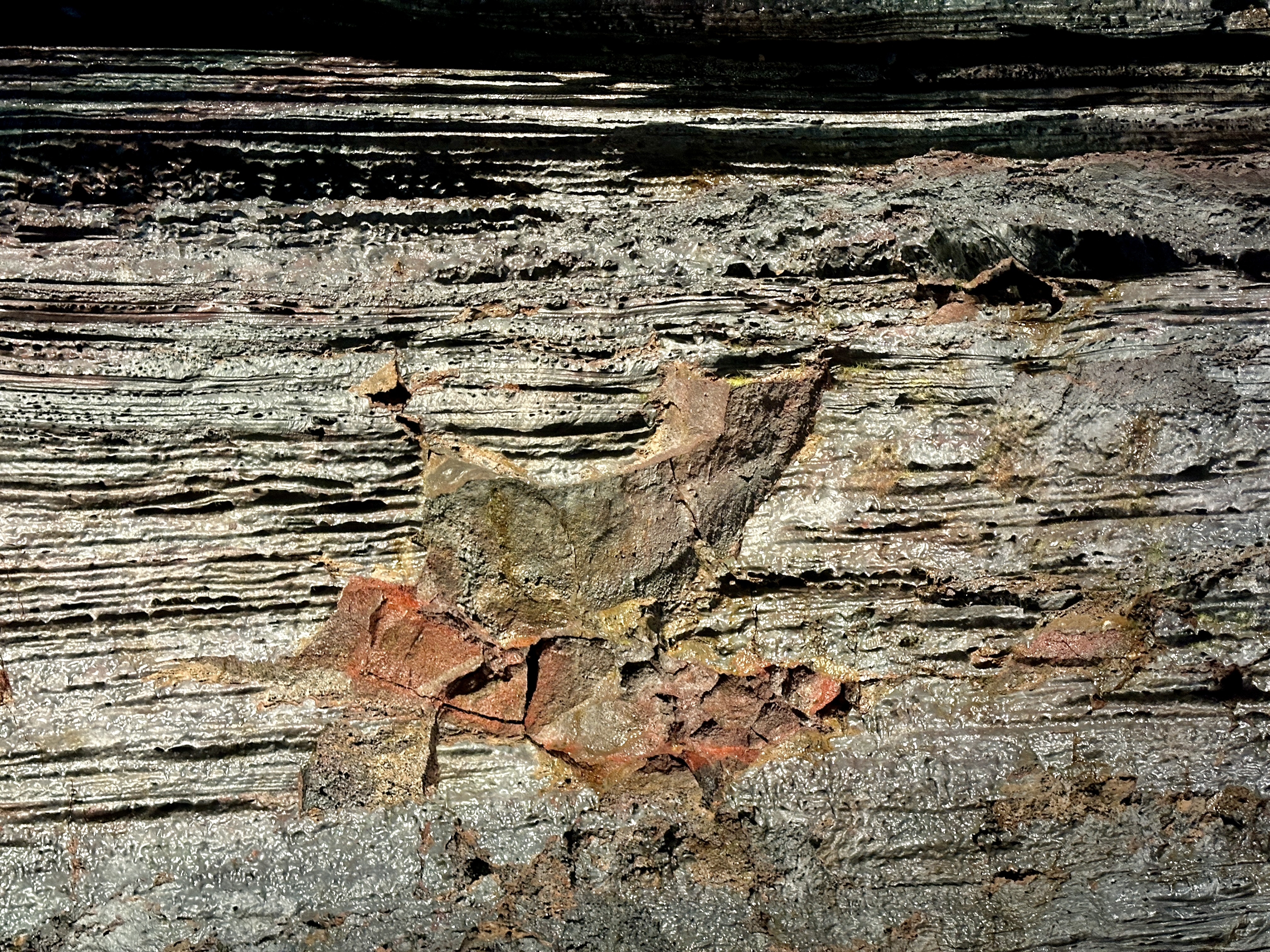
At the turnaround point Sonja showed us the beginning of the “extreme” passage that covers the remaining kilometer – a hike that takes five hours.
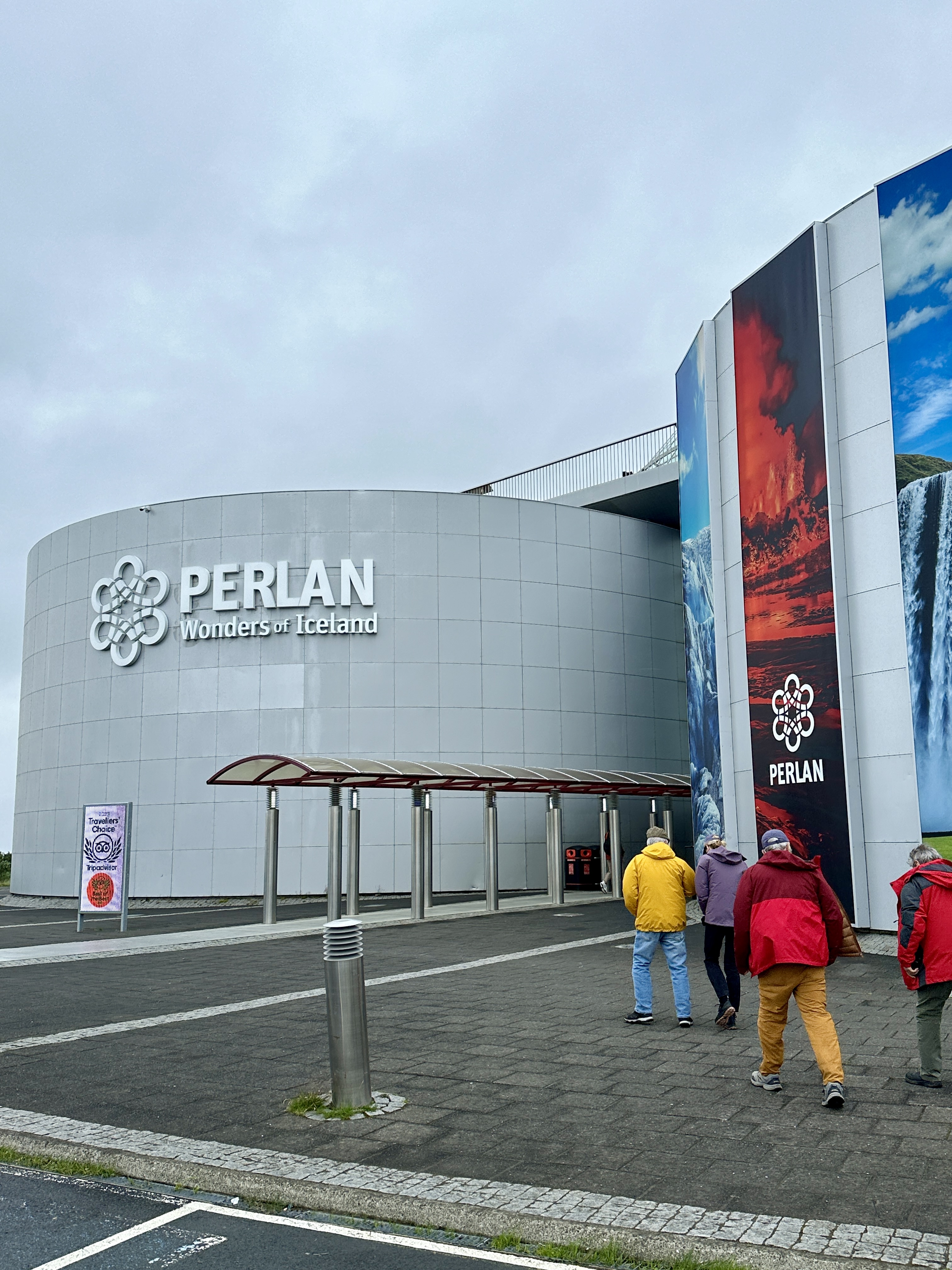
Our next stop was the Perlan Museum, which focuses on Iceland’s unique natural history, particularly its incredible geology. There are three floors of exhibit space, including interactive explanations of Iceland’s glaciers and volcanos and the impact of the plate boundary that runs through the middle of the island. (The fourth floor has an ice cream parlor, gift shop, and an outside walkway with panoramic views of the Reykjavik area and fiercely whipping winds. The fifth floor has a very crowded restaurant.)
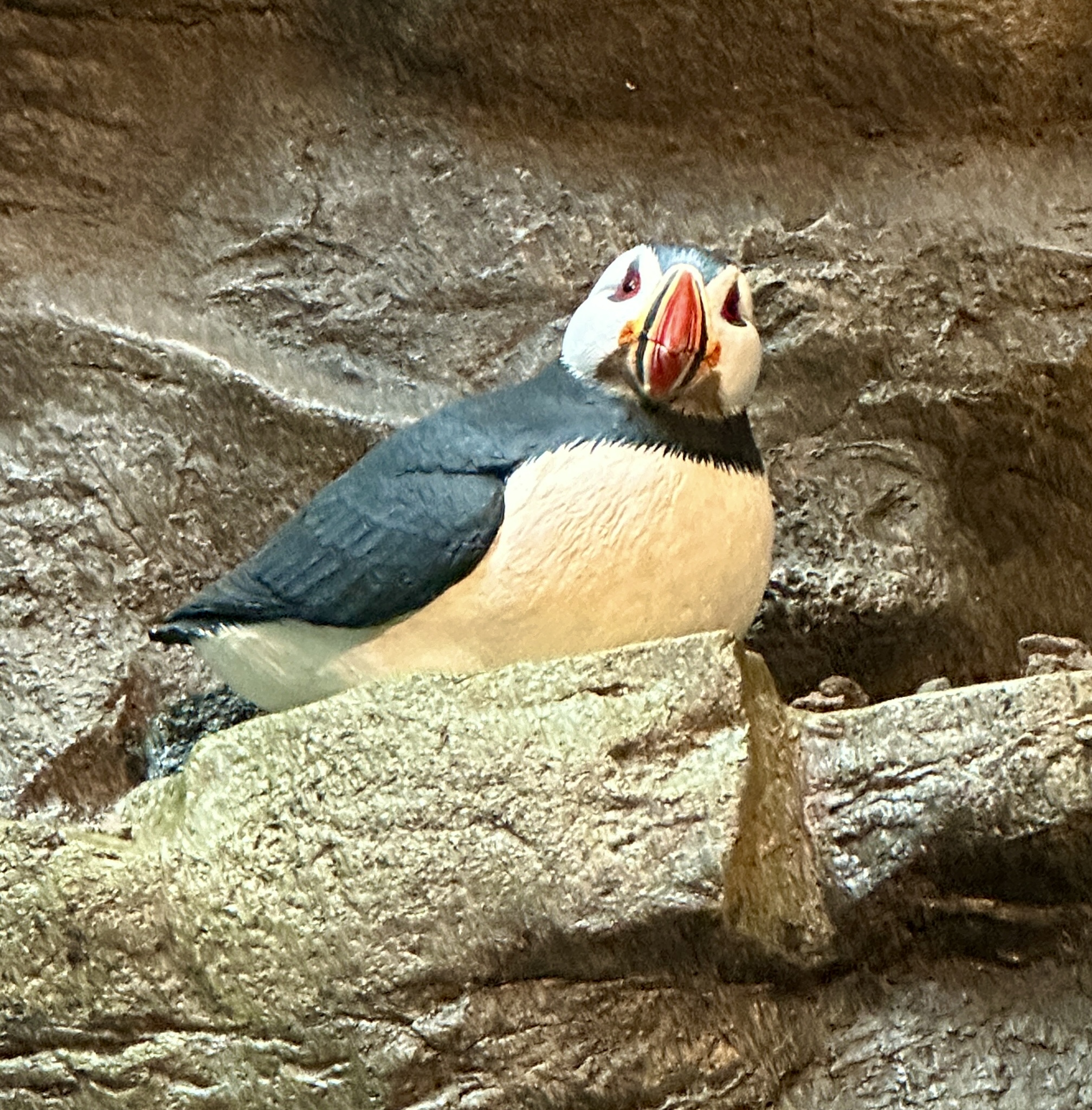
Other exhibits concern Iceland’s aquatic and bird life. No dinosaurs or “charismatic megafauna”; just a single Arctic Fox, the island’s sole indigenous mammal, which is plenty charismatic but not exactly mega.
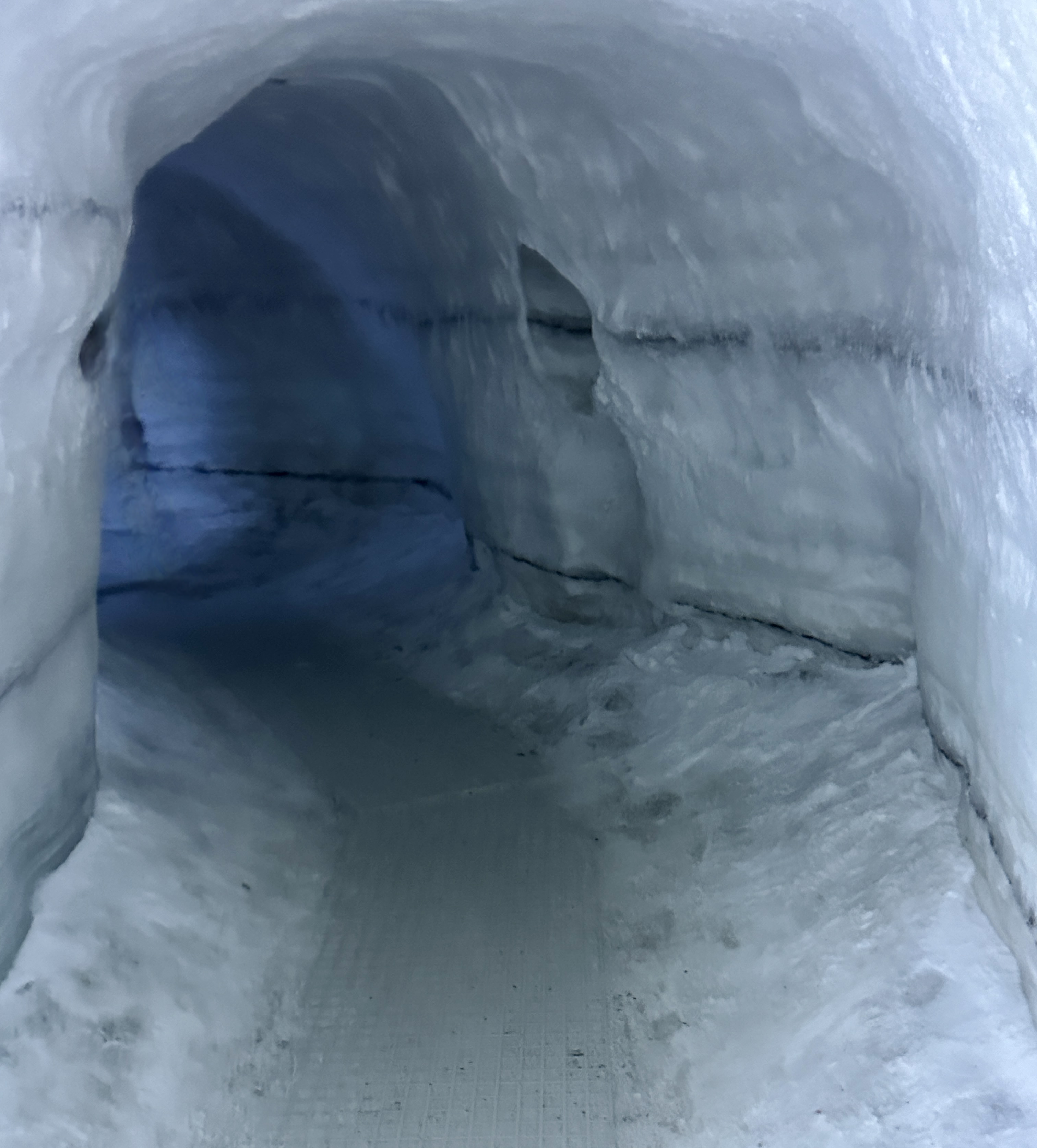
The price of admission includes several brief movies (all good) and a walk through an ice cave. The cave is 100 meters long and kept at -10 degrees C. It’s supposed to be a less than two-minute excursion, but that doesn’t account for the stuck door at the exit, which kept us shivering for an additional five minutes or so. Despite the bonus time in the ice cave, I definitely recommend visiting the museum if you’re in Reykjavik.
Following the museum, we headed by bus to Bogarnes, a town on Iceland’s southwest coast a bit over an hour from Reykjavik. There’s not much here, but it will be our base of operations for the next two days as we explore the gorgeous Snæfellsnes Peninsula.
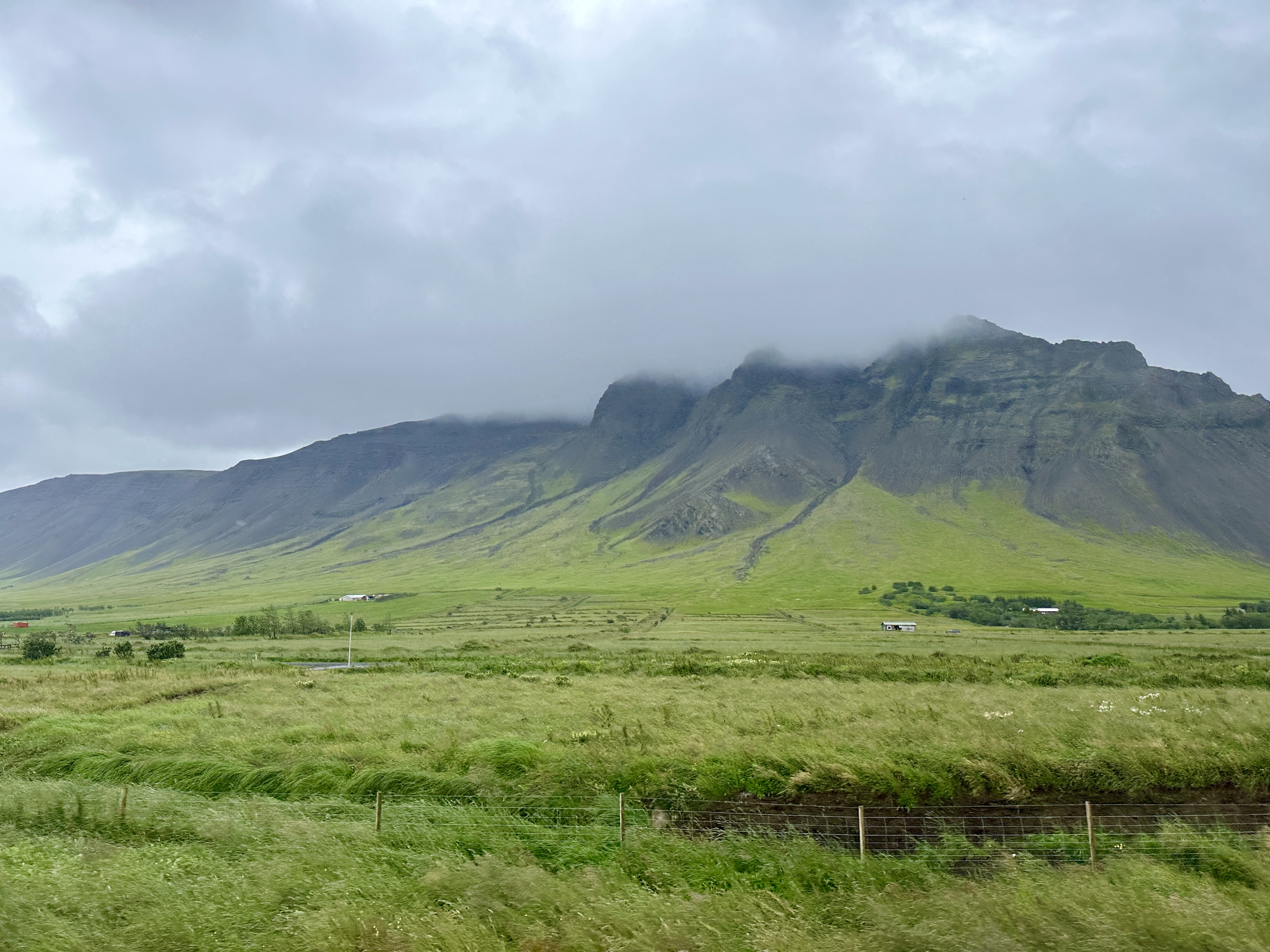
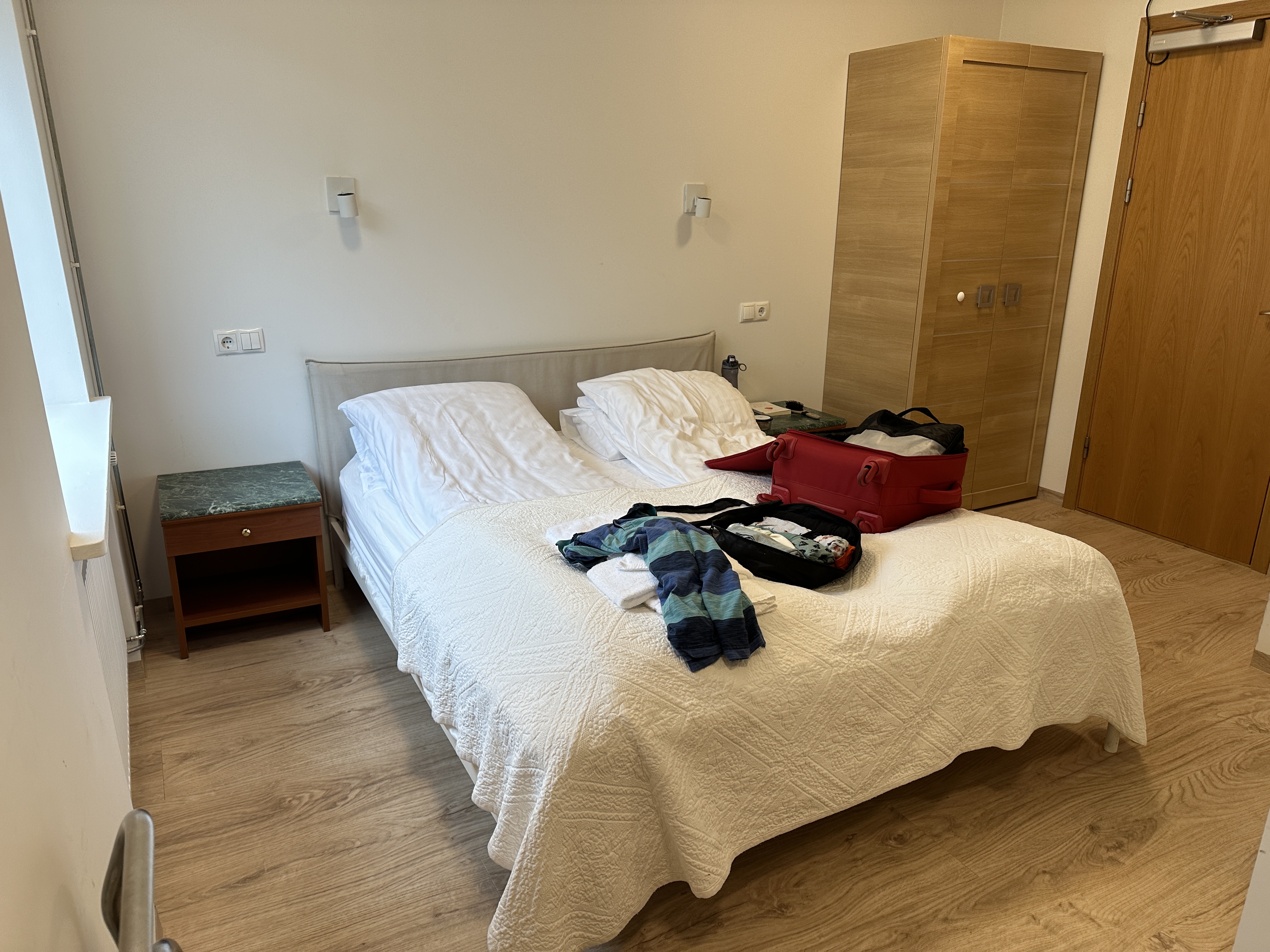
We’re staying at the Hotel Bogarnes, which is utilitarian but comfortable. It’s a short walk from the shore.
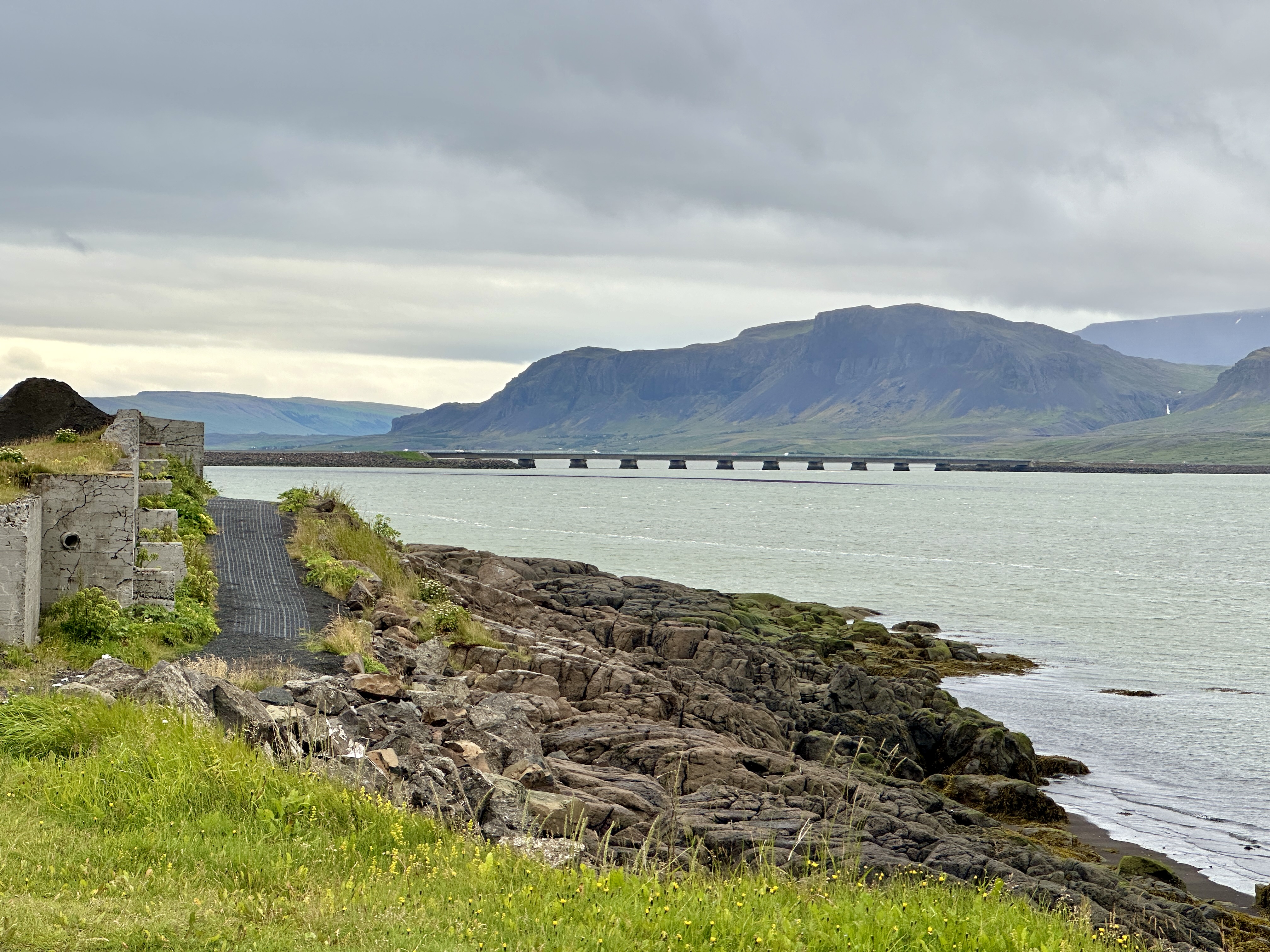
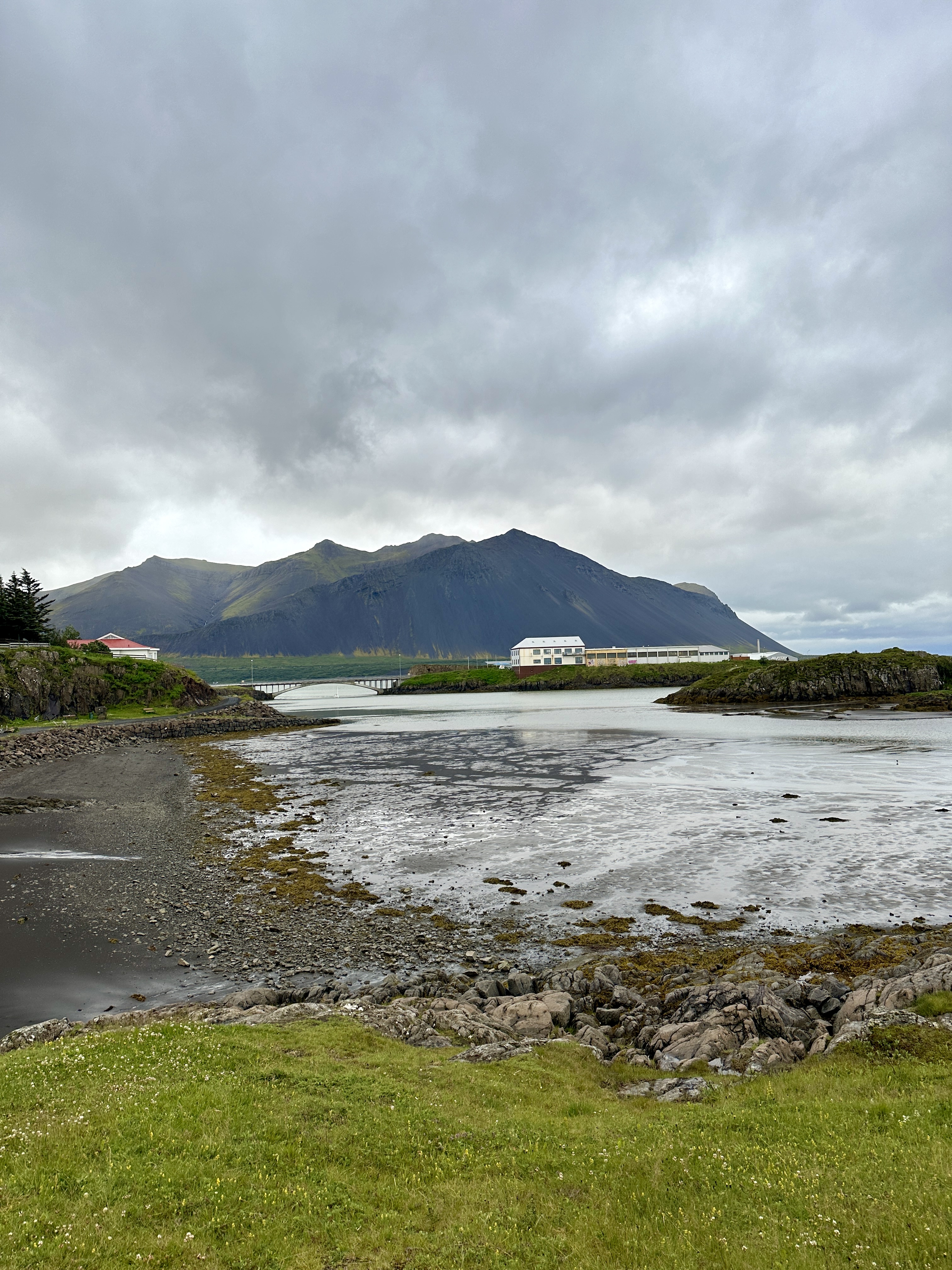
The coast here is starkly beautiful: louring gray clouds, basalt boulders, tiny yellow, white, and blue wildflowers, and a slate sea.

 PuffinlessTravel