
A few months ago, I came to the shocking realization that I had no trips abroad scheduled between my March extravaganza in Southeast Asia and a Mediterranean cruise in October. Fortuitously, the Smithsonian Journeys catalog arrived shortly after I began wondering how to fill the gap. I’ve traveled with Smithsonian Journeys twice before: Peru, Ecuador and the Galapagos in September 2022, and the Dordogne and Basque country (touring caves containing paleolithic art) in April 2023. Both were wonderful experiences; you can read posts about those trips here on the blog.
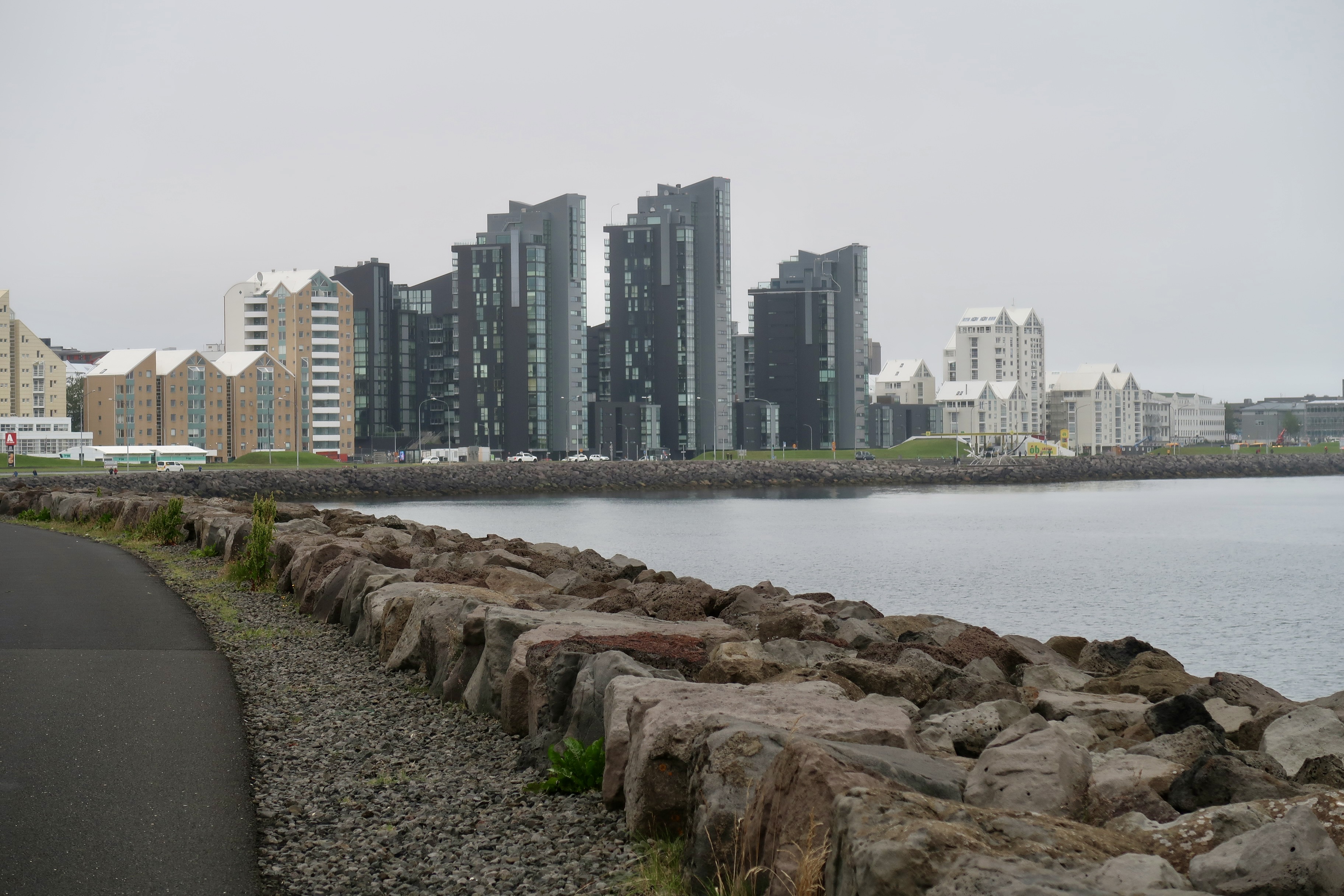
My first thought was to go somewhere new, but the description of a hike in Iceland sold me on a return trip to that fascinating island, parts of which I’d visited on a cruise in 2010. I’m now on that trip, called “Glaciers and Waterfalls: An Active Journey to Iceland,” curated by Smithsonian Journeys and operated by G Adventures.
More precisely, I’ll be on that trip as of 10 a.m. tomorrow. Being perpetually cautious about travel arrangements – and at the recommendation of my wonderful travel agent, Lauren Clark – I came in a day early so I could spend some time in Reykjavik and not fret about flight delays.
Introduction
The flight from the east coast to Iceland takes less than six hours. I flew Icelandair, which is the only decent choice out of Washington Dulles. Service was fine, but I was disappointed that the plane (a 737 Max) lacked lie-flat seats in Business Class. I don’t think the upgrade is worth the extra money, given the relatively short flight and the old-fashioned seats. (This was financial mistake number one.)
Reykjavik’s airport is small and manageable. As seems to happen increasingly often, we deplaned away from a gate and had to take a bus to the terminal. There were no lines at passport control, however, so the entire trip from getting off the plane to exiting the airport took 25 minutes. (I didn’t check baggage.)
Time for financial mistake number two, although it’s a difficult one to avoid: the only choices for getting into town, which is 45 minutes from the airport, are a bus that runs infrequently and drops off in an inconvenient location, or a taxi. There is no Lyft or Uber in Iceland. Taxis are ridiculously expensive; it cost the equivalent of $160 for the ride. Had I arrived just in time for the tour, Smithsonian/G Adventures would have provided a shuttle van. Unlike other tour companies (Viking, Tauck, A&K), Smithsonian doesn’t extend a courtesy pickup to early guests.
Anyway, having vigorously exercised my credit card, I got to my hotel (the Reykjavik Grand) a bit before 8 a.m., dropped my bags, ate breakfast (the buffet gets a B-), and headed out into the cold mist. Yes, it’s summer, but that’s what summer means in this part of Iceland. So far this year the high temperature here in the capital has been 17 degrees C. (around 60 degrees F.), and the chance of seeing the sun is roughly the same as the odds of the Nats making the playoffs this year.
Reykjavik
The hotel is fine, but it’s a 30-minute walk to the city’s main attractions. There are sidewalks the whole way and relatively little traffic, so it’s not like trying to survive a half-hour walking in Amsterdam or Ho Chi Minh City. It’s just what I needed after a sleepless night – everyone is different, but I can overcome jet lag easily if I hit the ground running (figuratively; my running days are well and truly over).
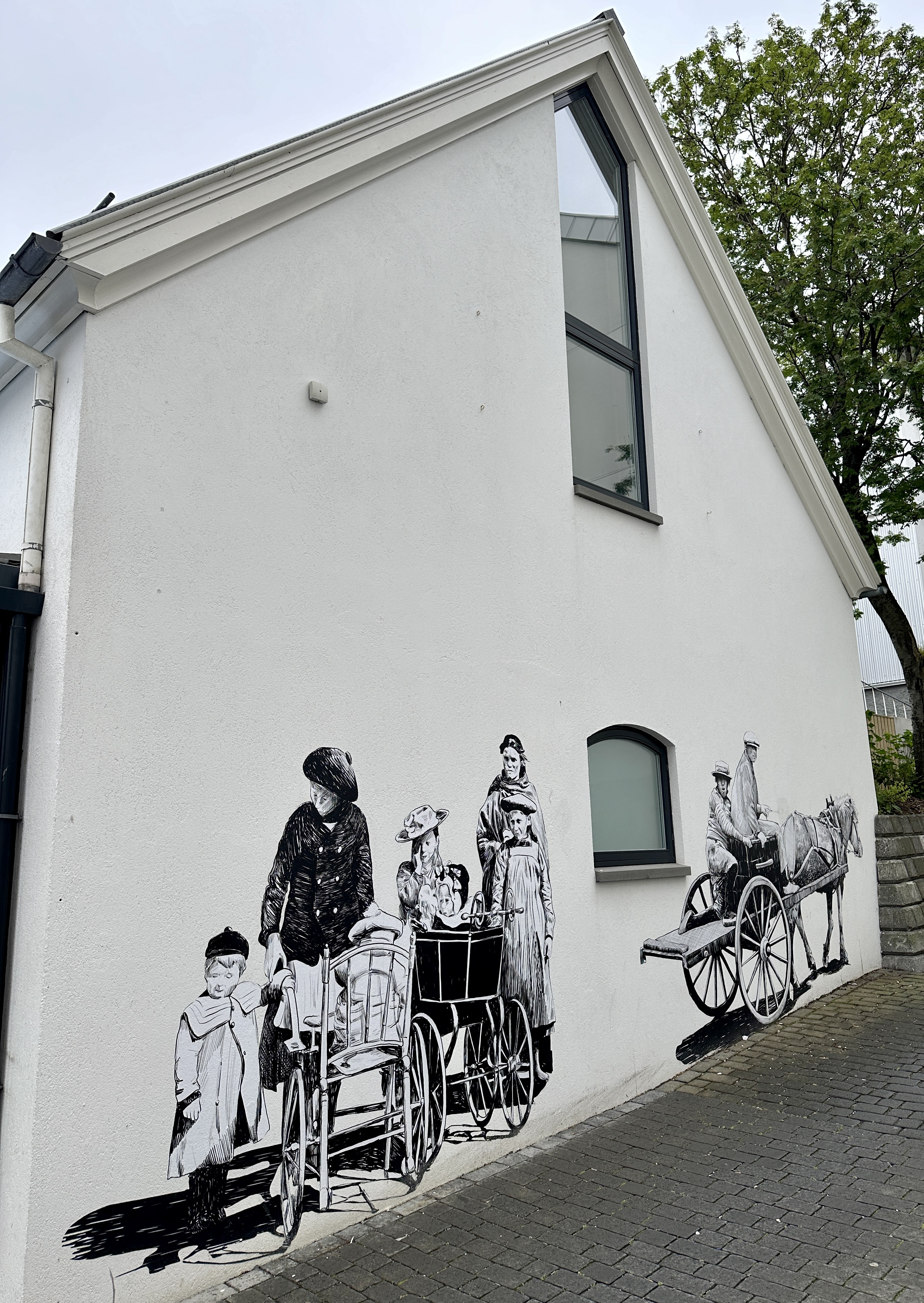
I spent the morning at a couple of museums. My first stop was the Reykjavik City Museum (Borgarsögusafn Reykjavíkur, Aðalstræti 10), which occupies what used to be a house built in the mid-1700s. It’s a small, well-curated space tracing the city’s history from its earliest settlement (around 870) to the present. From the bottom level you can walk through a passageway to the Settlement Exhibition (Landnámssýningin), which showcases an early Norse long house that was unearthed several years ago when the city began to construct an underground parking garage. The garage plans were scuttled; preservation won out. Admission is 2350 Kr., around $17 U.S.
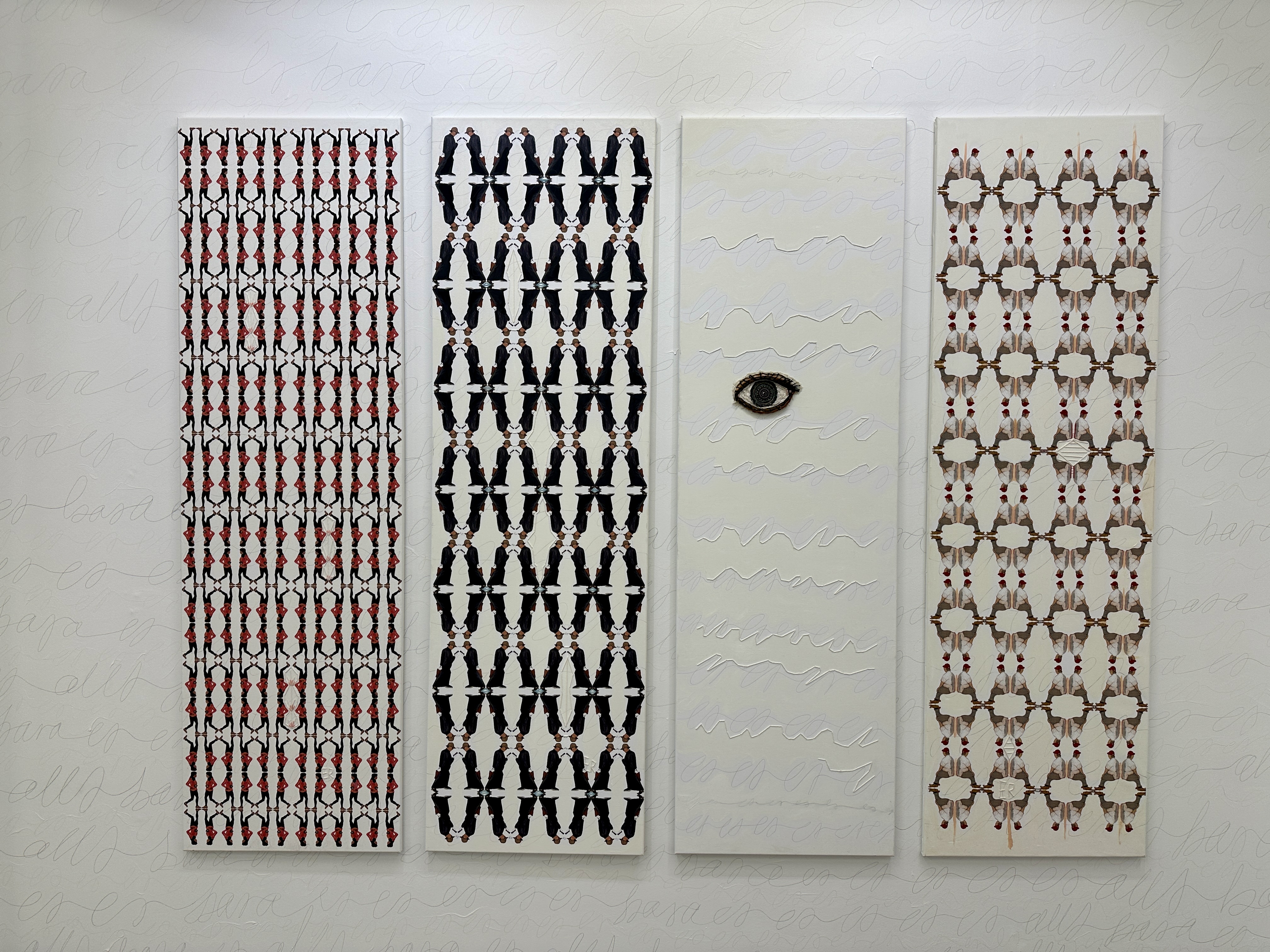
Two blocks from the City Museum is one of Reykjavik’s many art museums, the Hafnarhús (Tryggvagata 17). This one focuses on contemporary artists. I’m not a huge fan of much contemporary art, but I thought the collection was attention-grabbing. A major current exhibit concerns the idea of repetition, as illustrated by dozens of intricate, meticulous paintings, drawings, and installations.
The permanent collection contains hundreds of pieces by Erro, a pop artist known for his paintings of superheros. Admission is the same as at the City Museum, but it gets you 24-hour access to three major art museums in town.

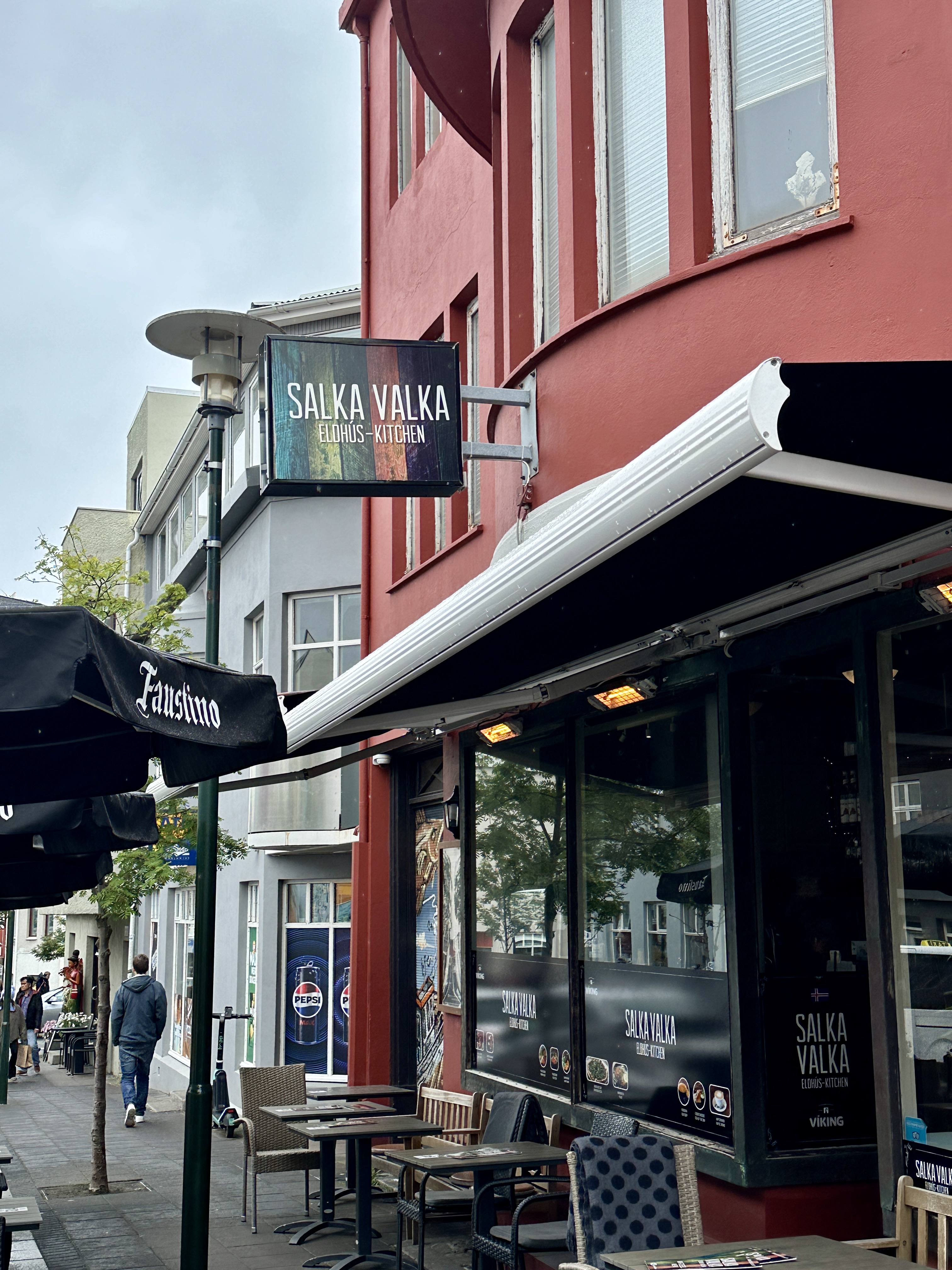
Following a scrumptious lunch at Salka Valka (Skólavörðustígur 23), an informal spot a few blocks down from the massive Hallgrimskirkje Cathedral, I headed up to the Cathedral to meet the owner of Funky Iceland.
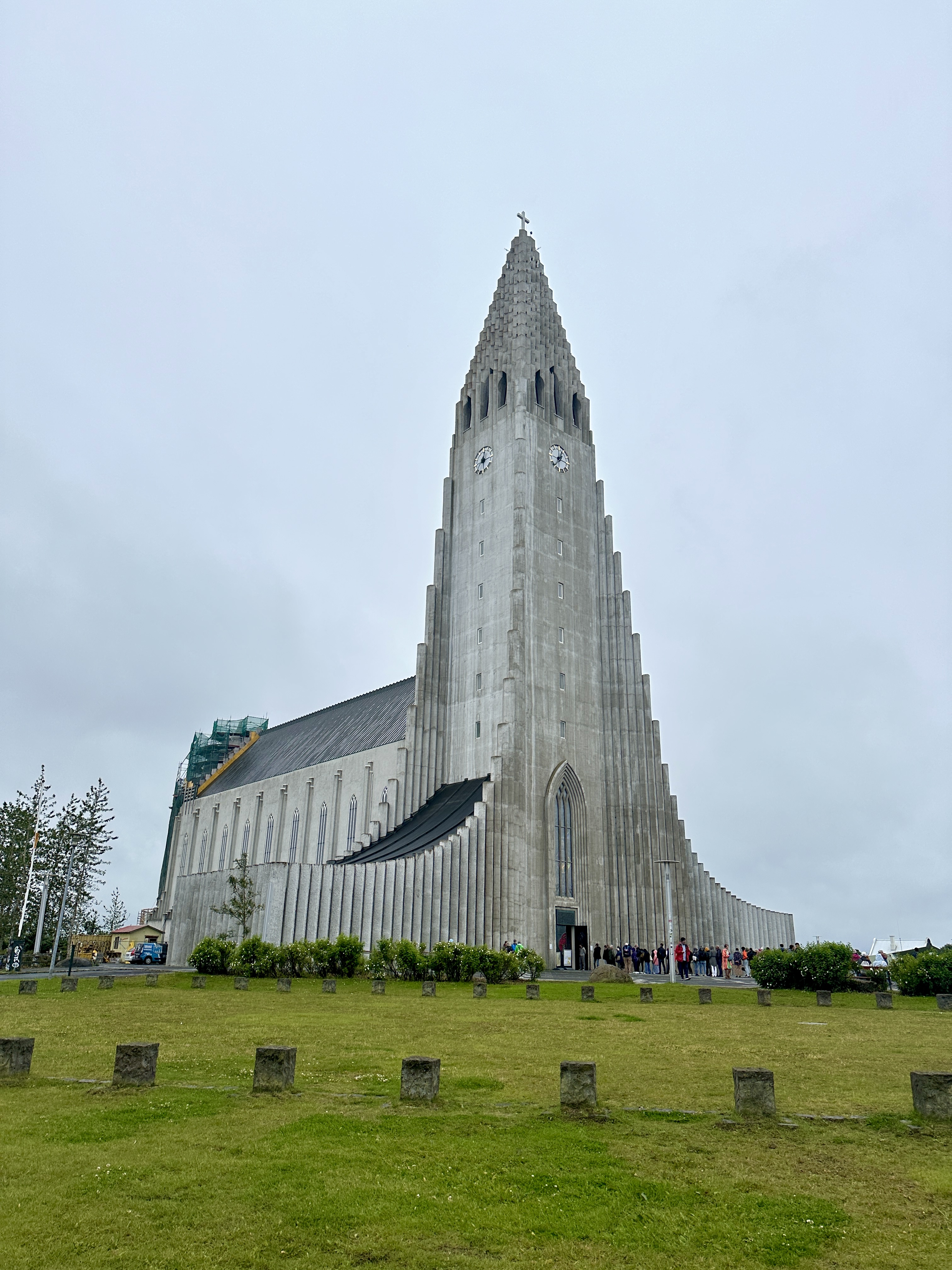
This is a new tour company consisting of the owner (Lalli) and a friend. Lalli is a born storyteller, amiable and entertaining. He spent two-and-a-half hours walking us around the downtown area and regaling us with fascinating, unvarnished stories about Iceland’s past and present. I encourage anyone visiting Reykjavik to contact him directly (FunkyIcleand.is). In addition to the history tour, he also leads a food and beer tour.

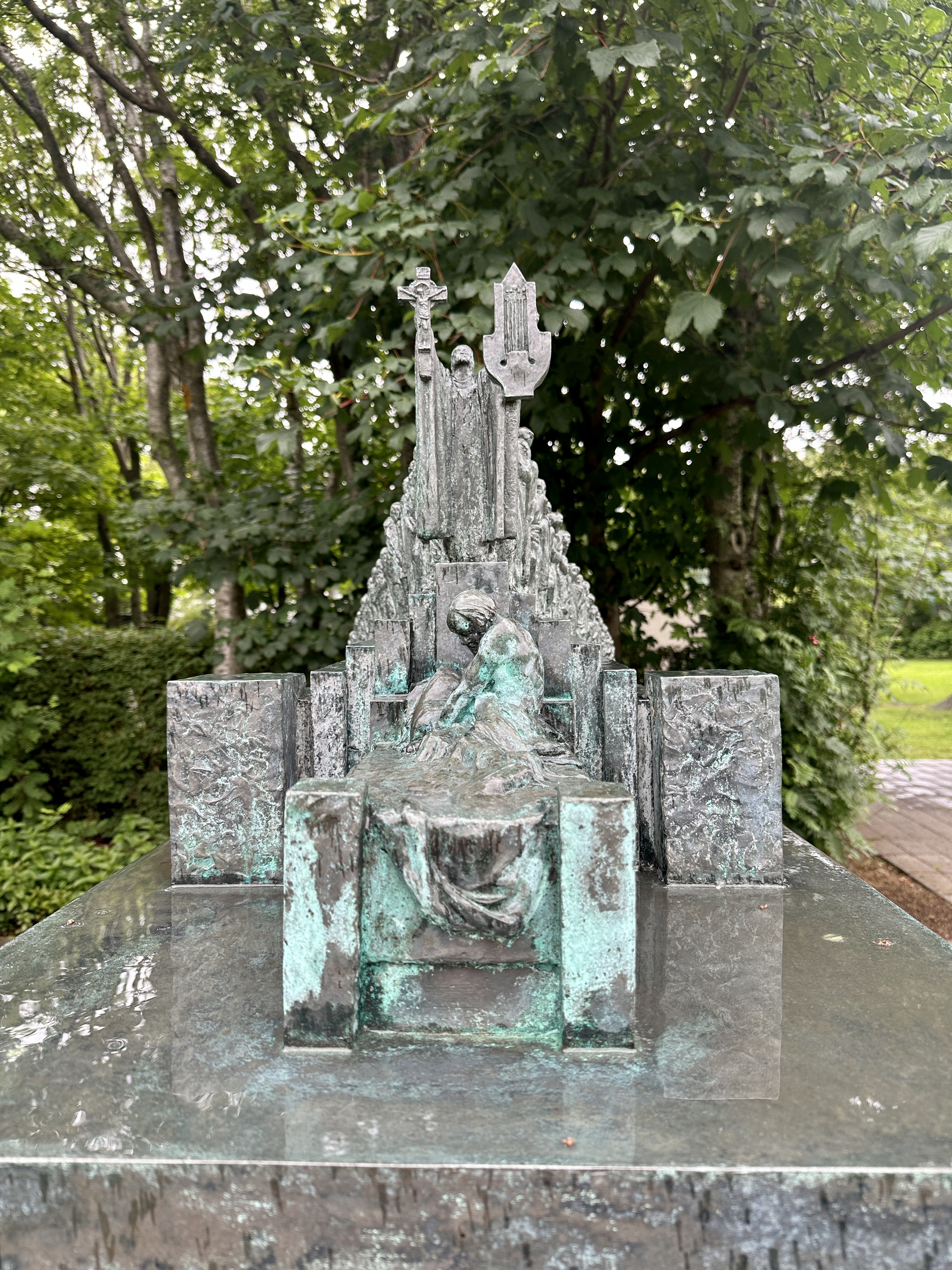
Adjacent to the Cathedral is the Einar Jonsson museum. Jonsson was a sculptor of worldwide renown who focused on themes of motherhood and mythology. We didn’t have time to enter the museum, but the garden in back displays several of his pieces.
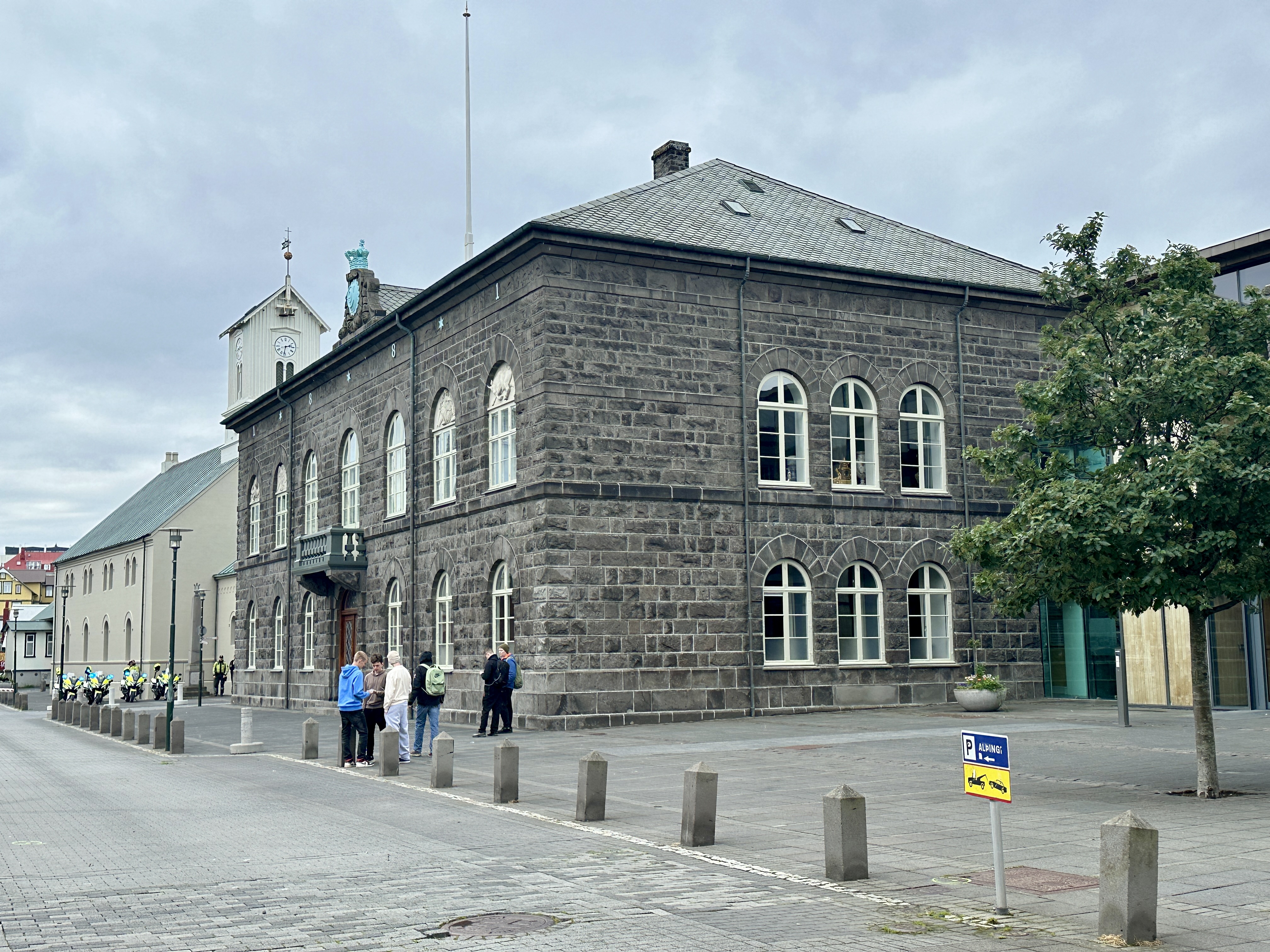
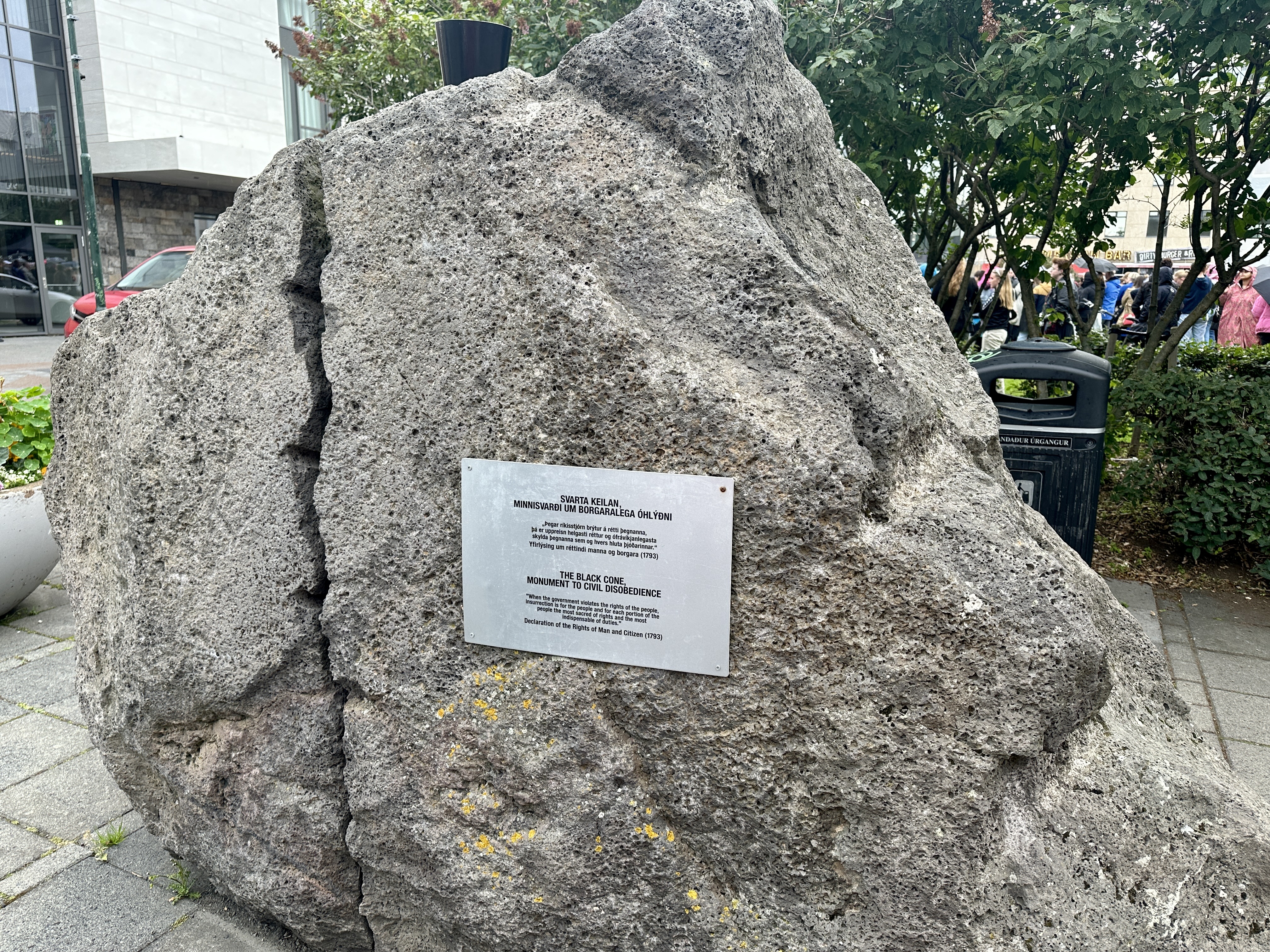
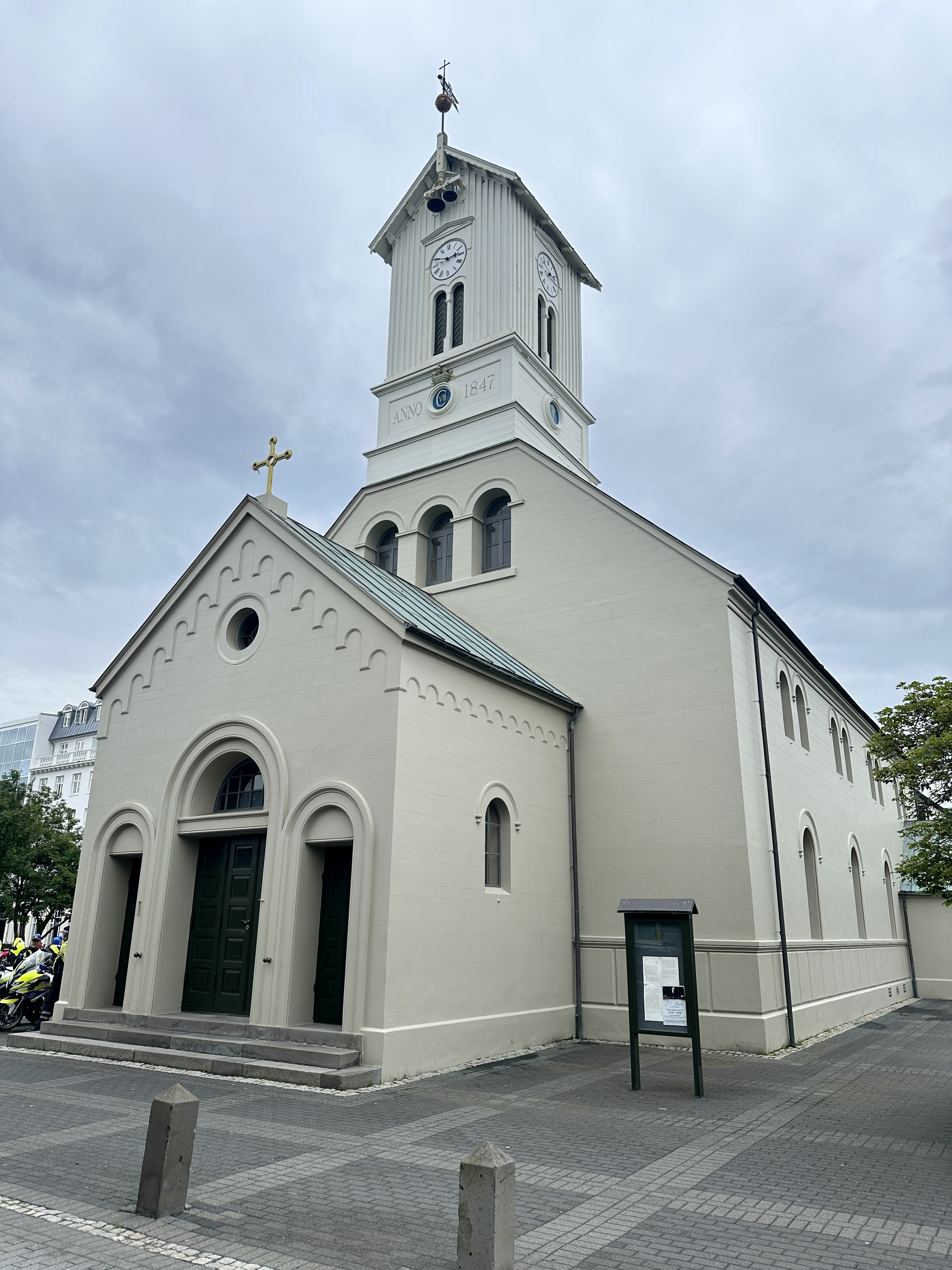
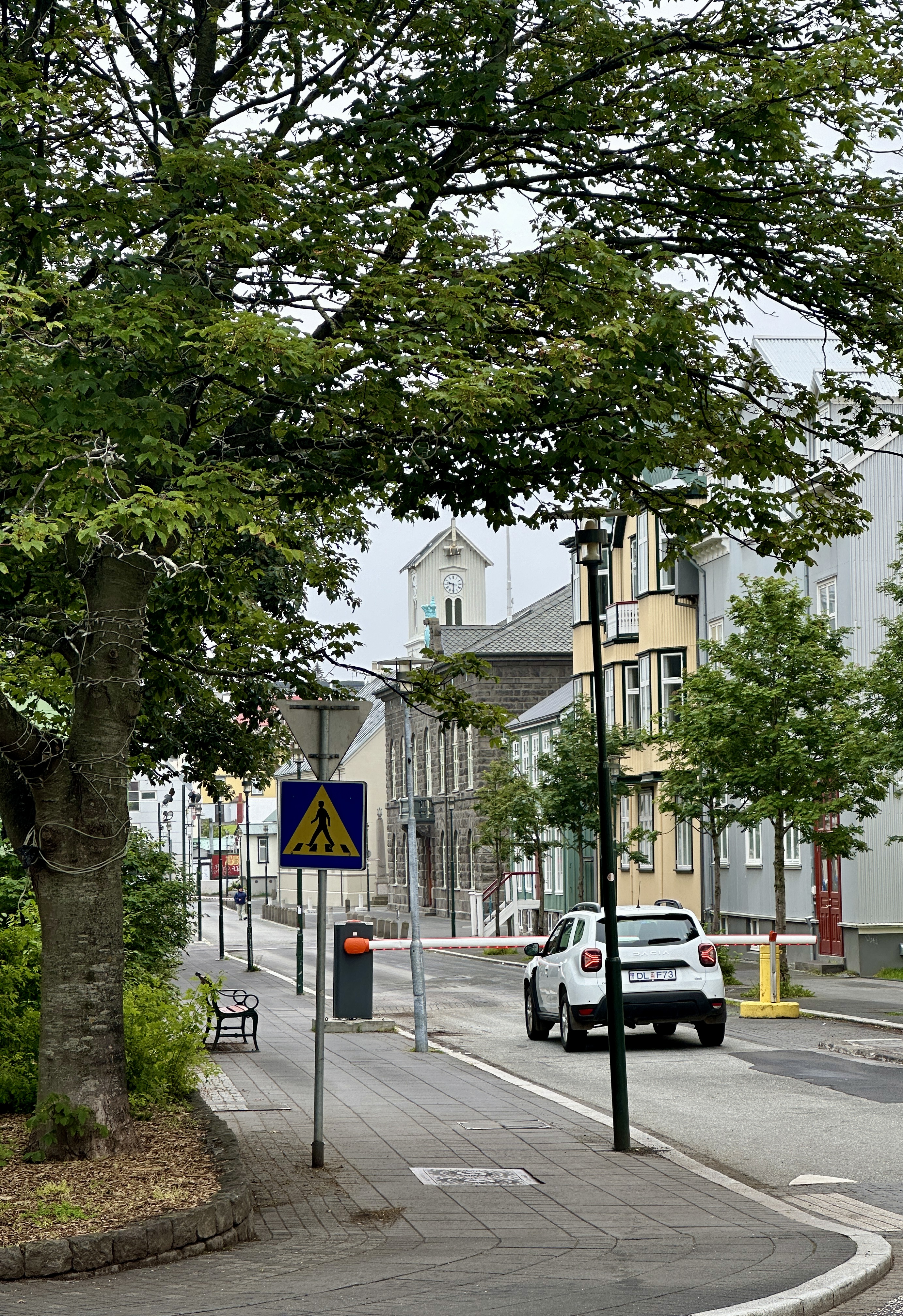
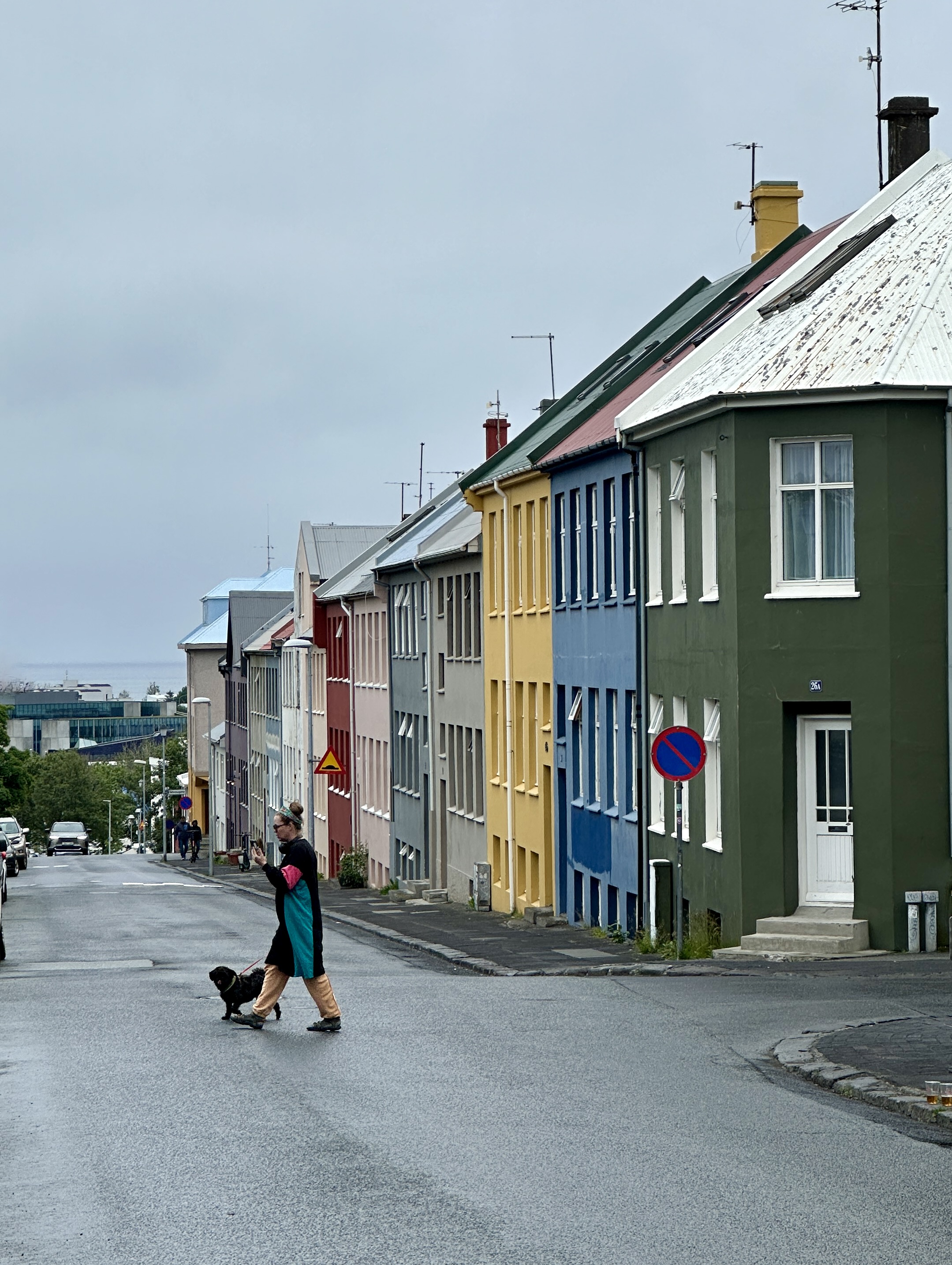
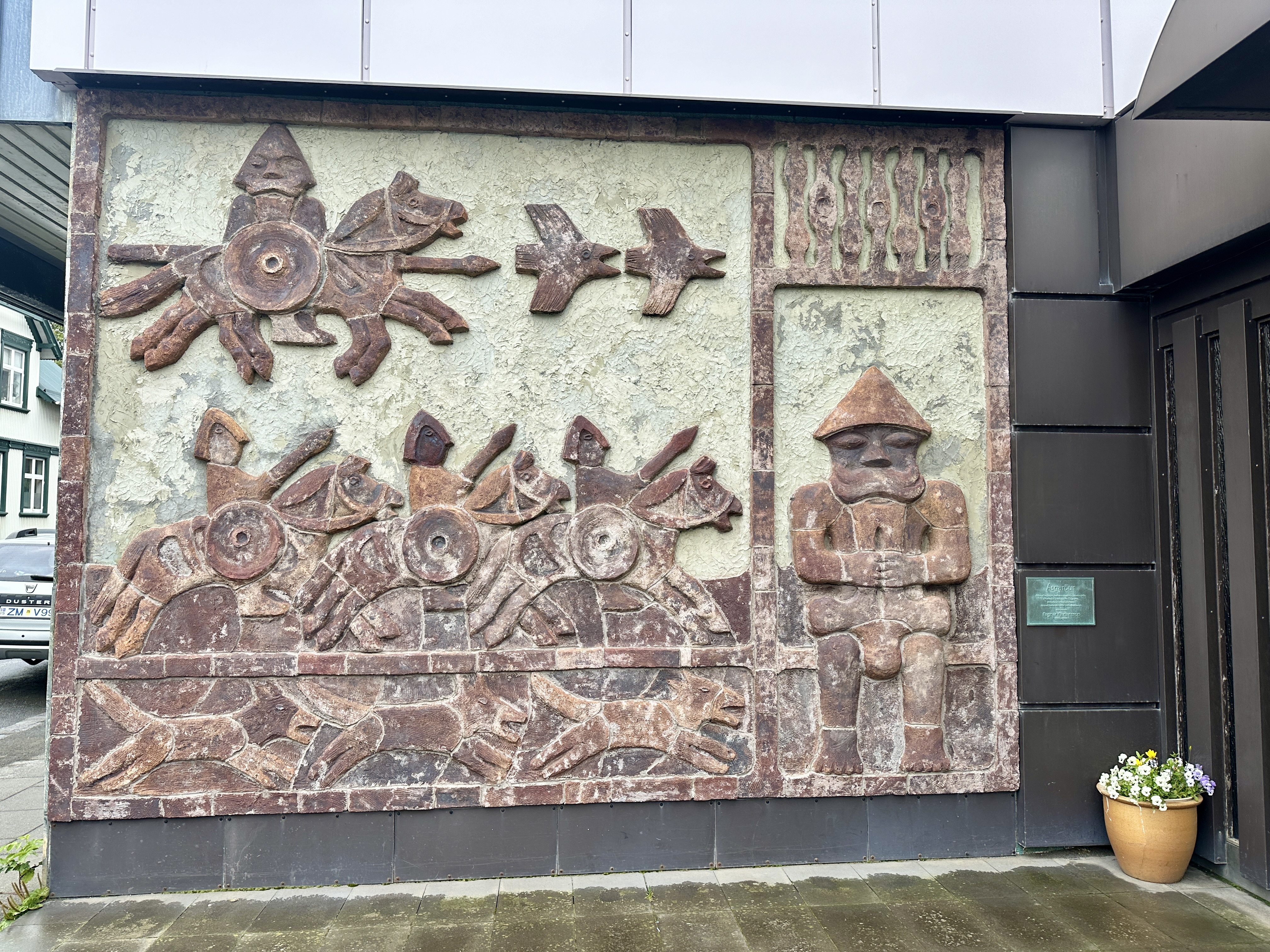
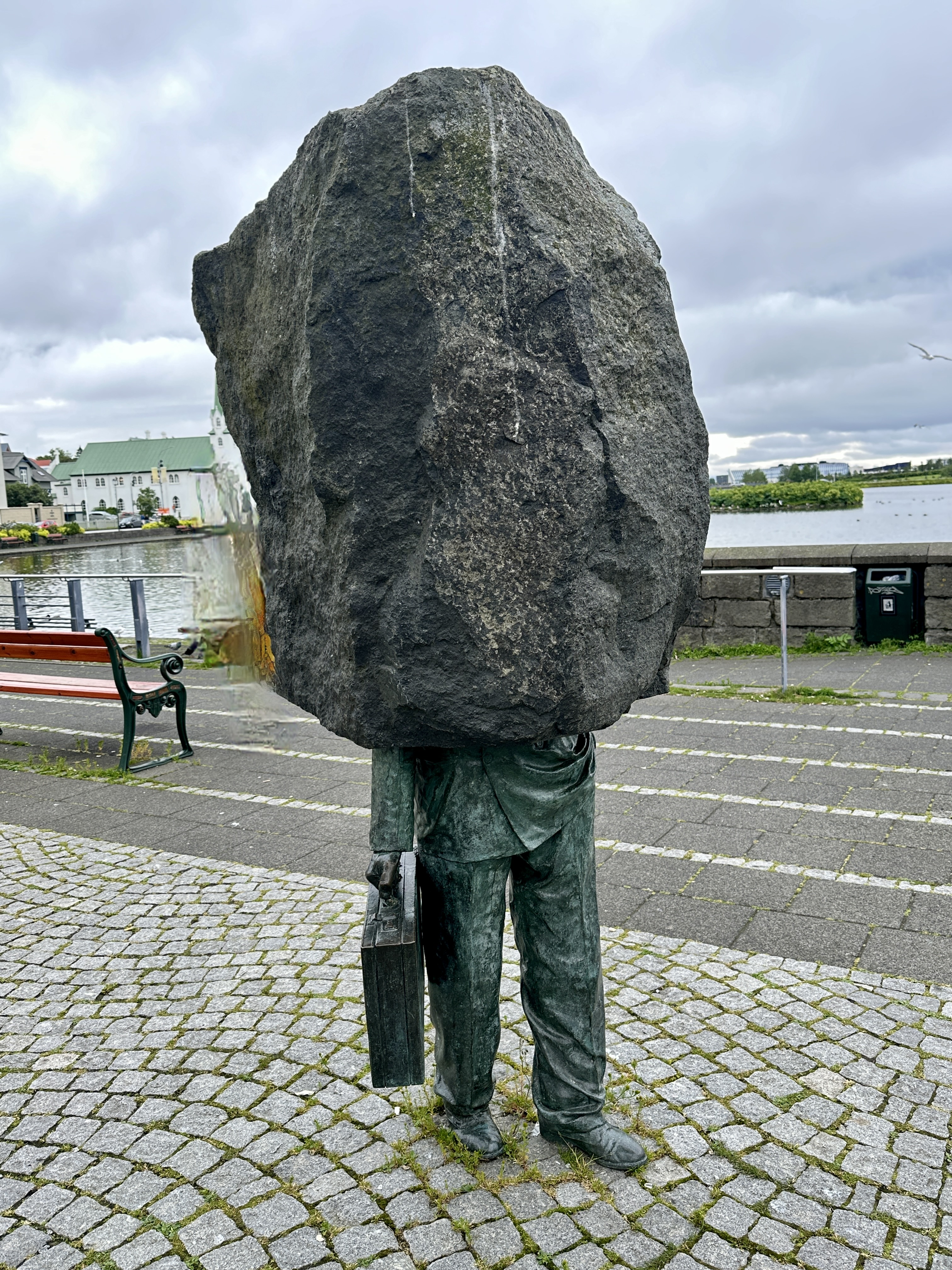
From there, we headed to Reykjavik’s downtown, which is tiny but lined with colorful houses, galleries, murals, and statues.

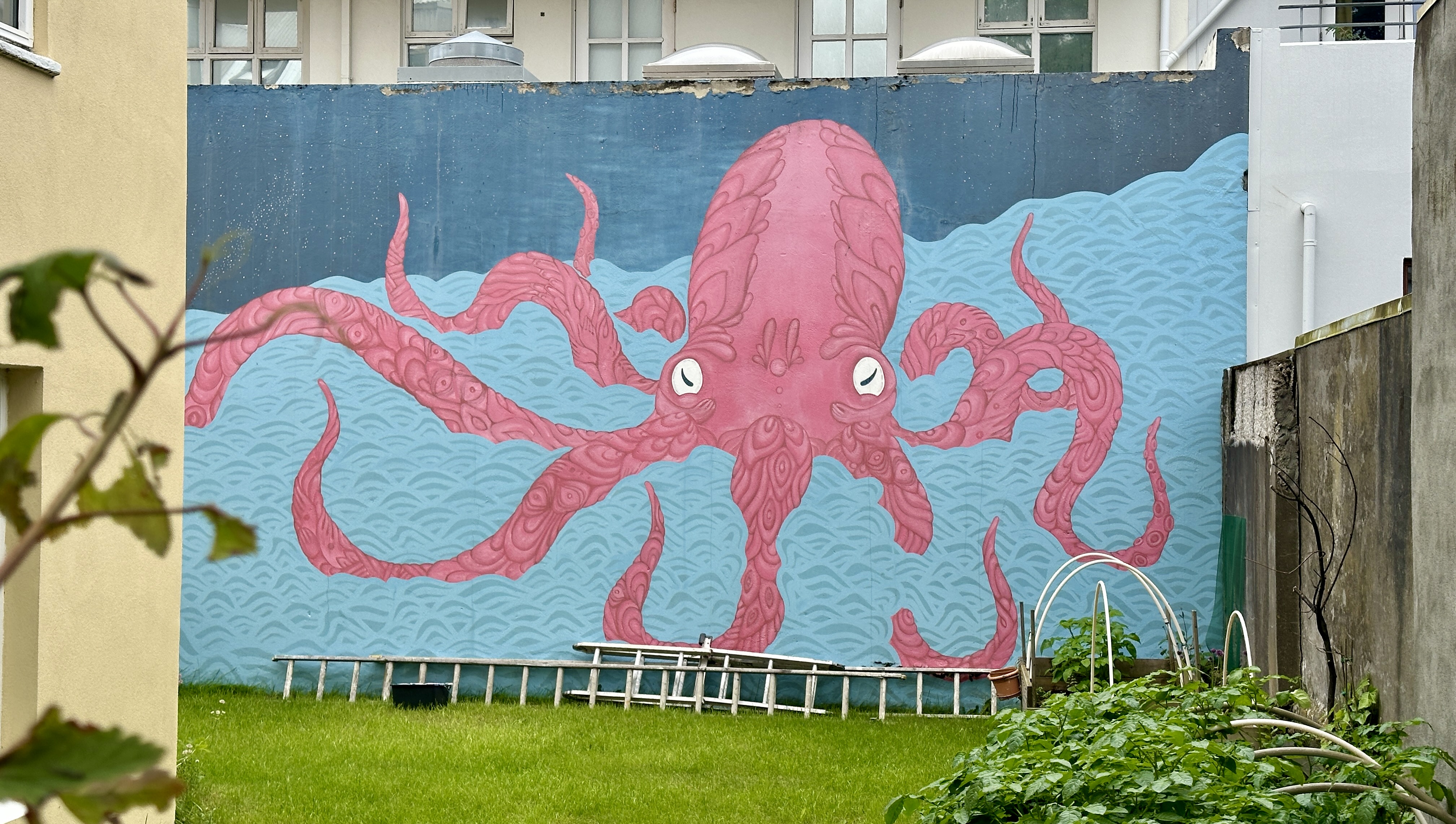
I’ll leave you with some of my favorites; come back in the next couple of days for posts about the hiking trip.


 PuffinlessTravel