One of my favorite authors, Jess Walter, wrote a wonderful novel called “Beautiful Ruins.” The book has nothing to do with Cambodia (much of it takes place in Italy and Hollywood), but the title describes both the focus of our time in Cambodia and the country itself.
The area surrounding Siem Reap, where we are staying, is known for its ancient Hindu and Buddhist temple complexes. We are visiting four of them: Ta Prohm, Banteay Srei, Angkor Thom, and the most famous one, Angkor Wat. Today’s post will focus on the first two, after some brief background on Cambodia and a review of our hotel.
I’ll also talk about a visit to a tiny village, one of many in which Abercrombie & Kent Philanthropy supports construction of wells to bring potable water to the inhabitants. My next post will cover the final pair of temples and offer some final thoughts on visiting Cambodia.
Background
Cambodia has a tragic recent history. As anyone who has seen “The Killing Fields” knows, from 1975 to 1979 a quarter of the country’s population died as the result of two million executions by Pol Pot’s murderous regime, starvation, and literally being worked to death. Even after Pol Pot’s ouster, subsequent wars and violence claimed thousands more lives until stability came in 1997. As a result, almost sixty percent of the country’s population is under 18. Moreover, the country remains quite poor and undeveloped, with 80 percent of the nation having no access to clean water (more on that in a bit) and a paltry average monthly income of a bit over two hundred dollars.
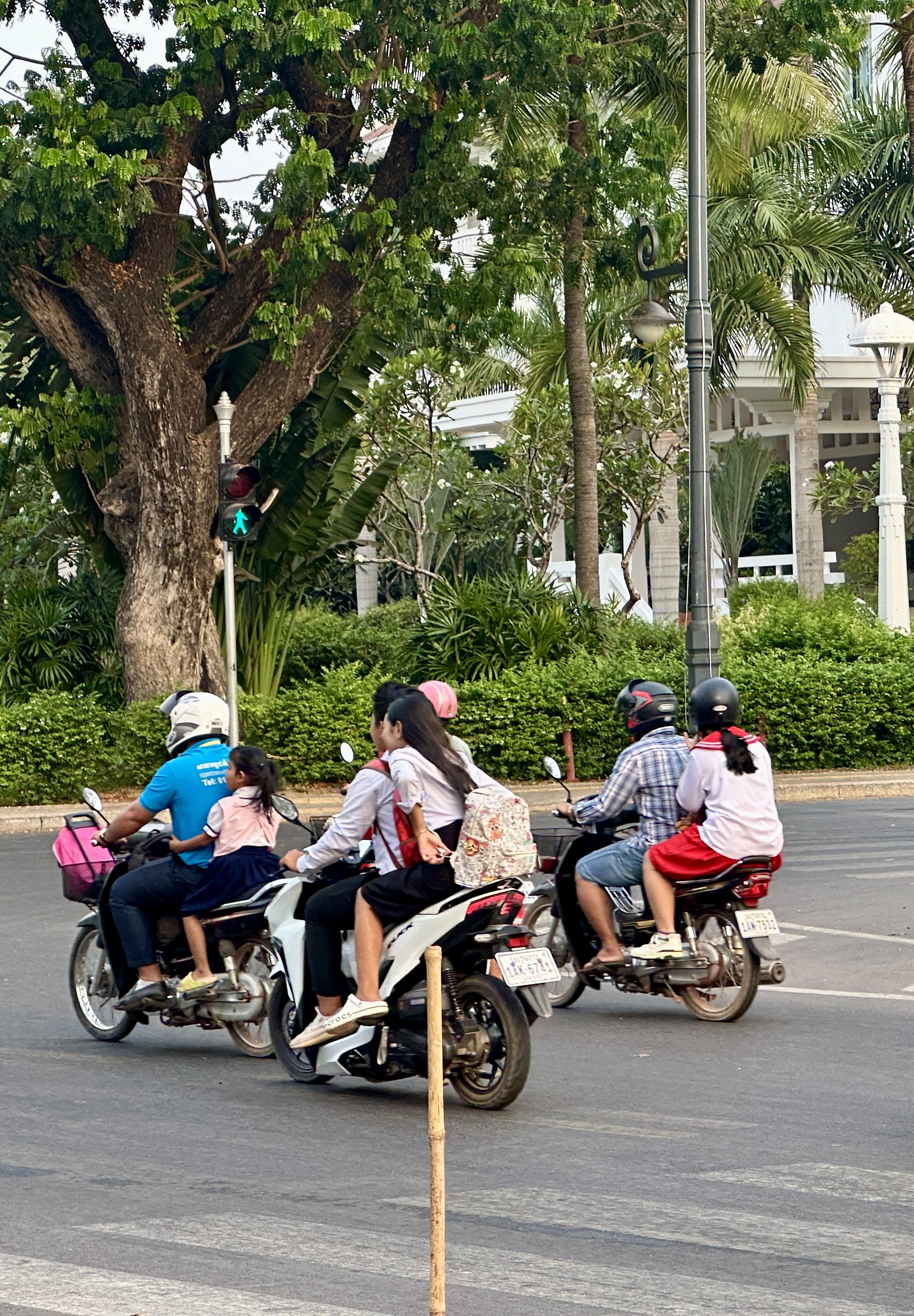
Remarkably, there seems to be no national PTSD. Our excellent tour guide, who has seen horrors that you wouldn’t wish on your worst enemy, is upbeat and hilarious. And all around us, life goes on.
The Grand Hotel D’Angkor
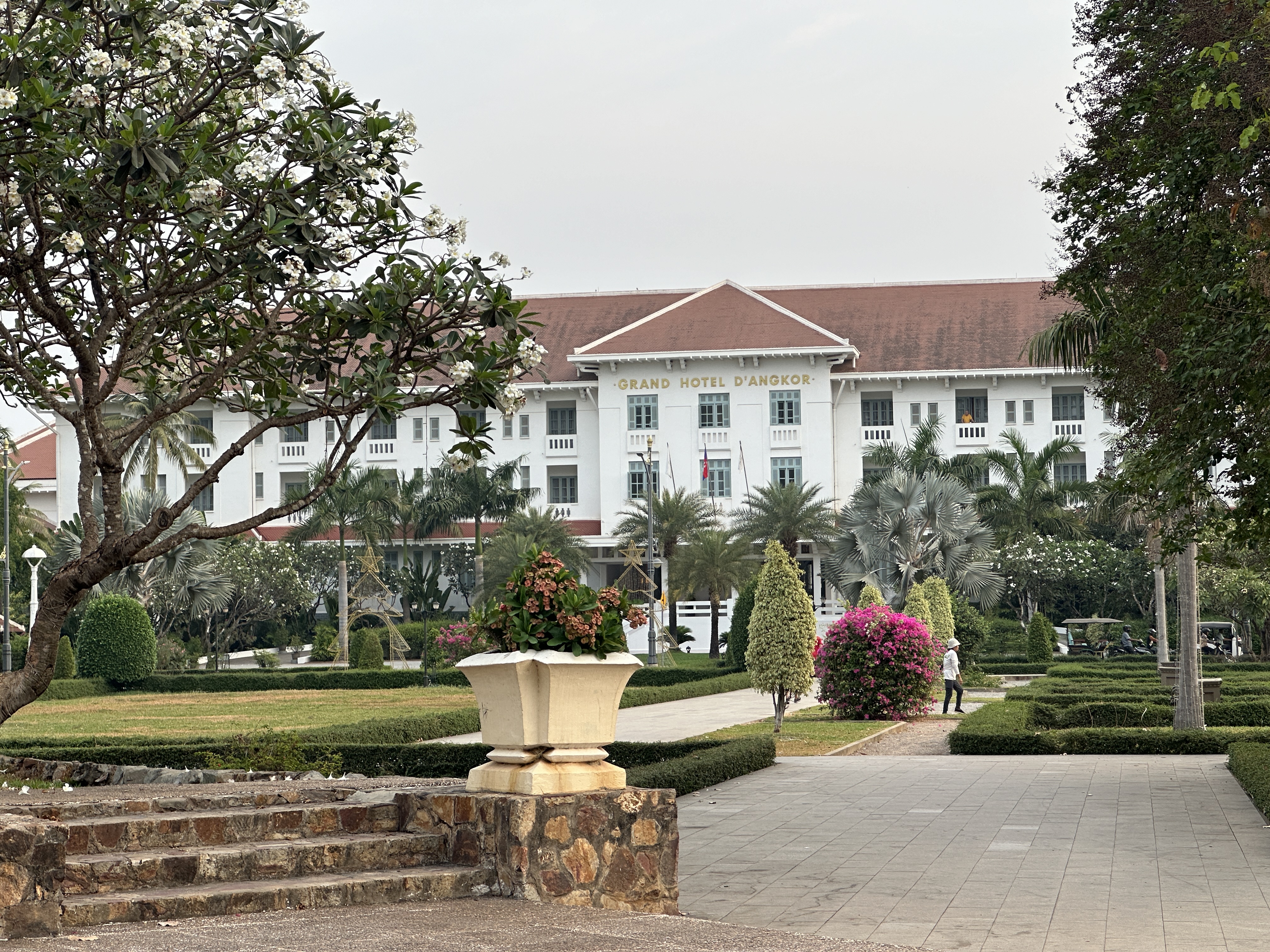
Our hotel, a Raffles property, is much more to my taste than the flashy Reverie Saigon. I’m certainly no fan of colonialism, but the French sure knew how to build elegant, tasteful buildings.
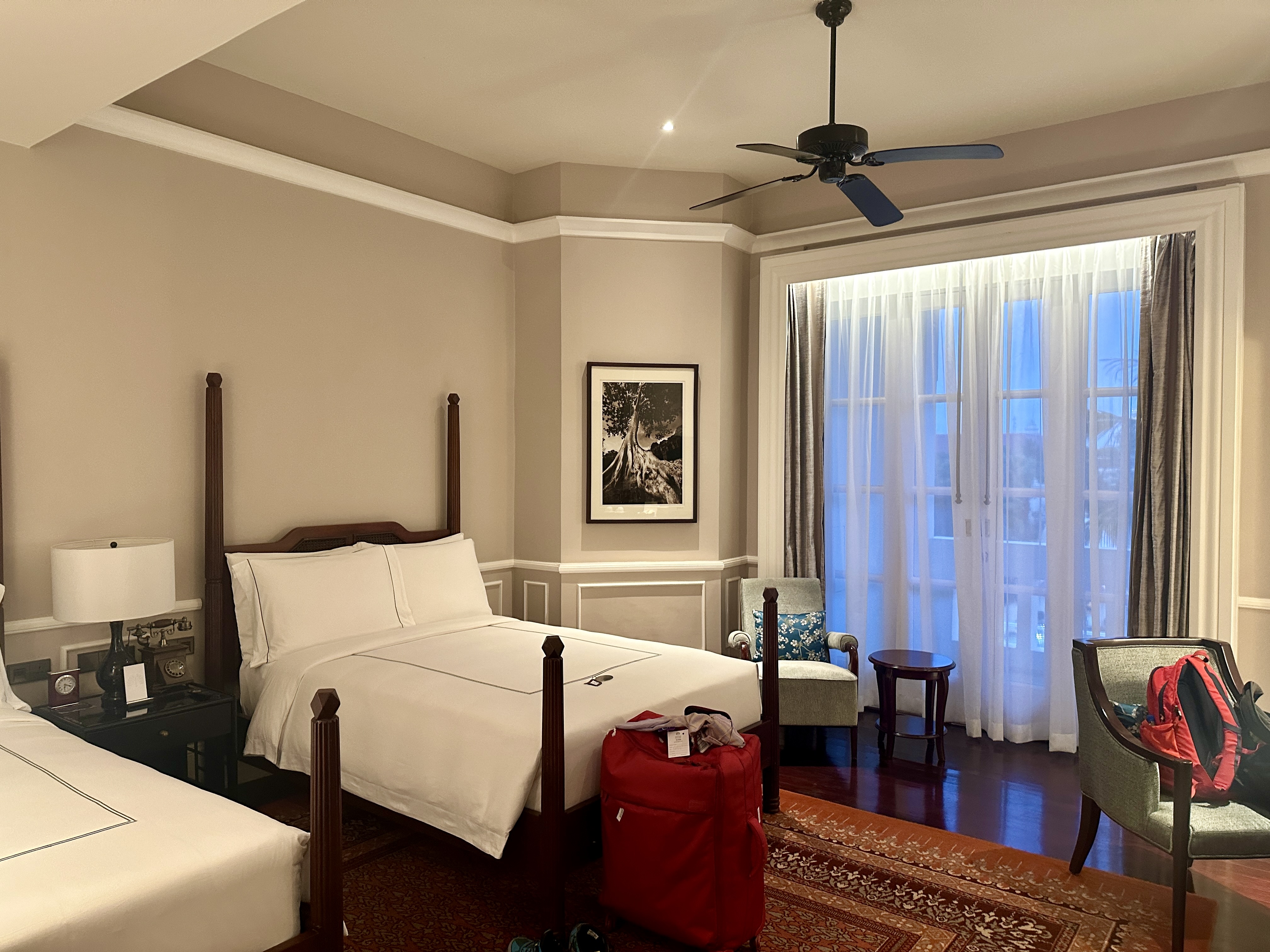
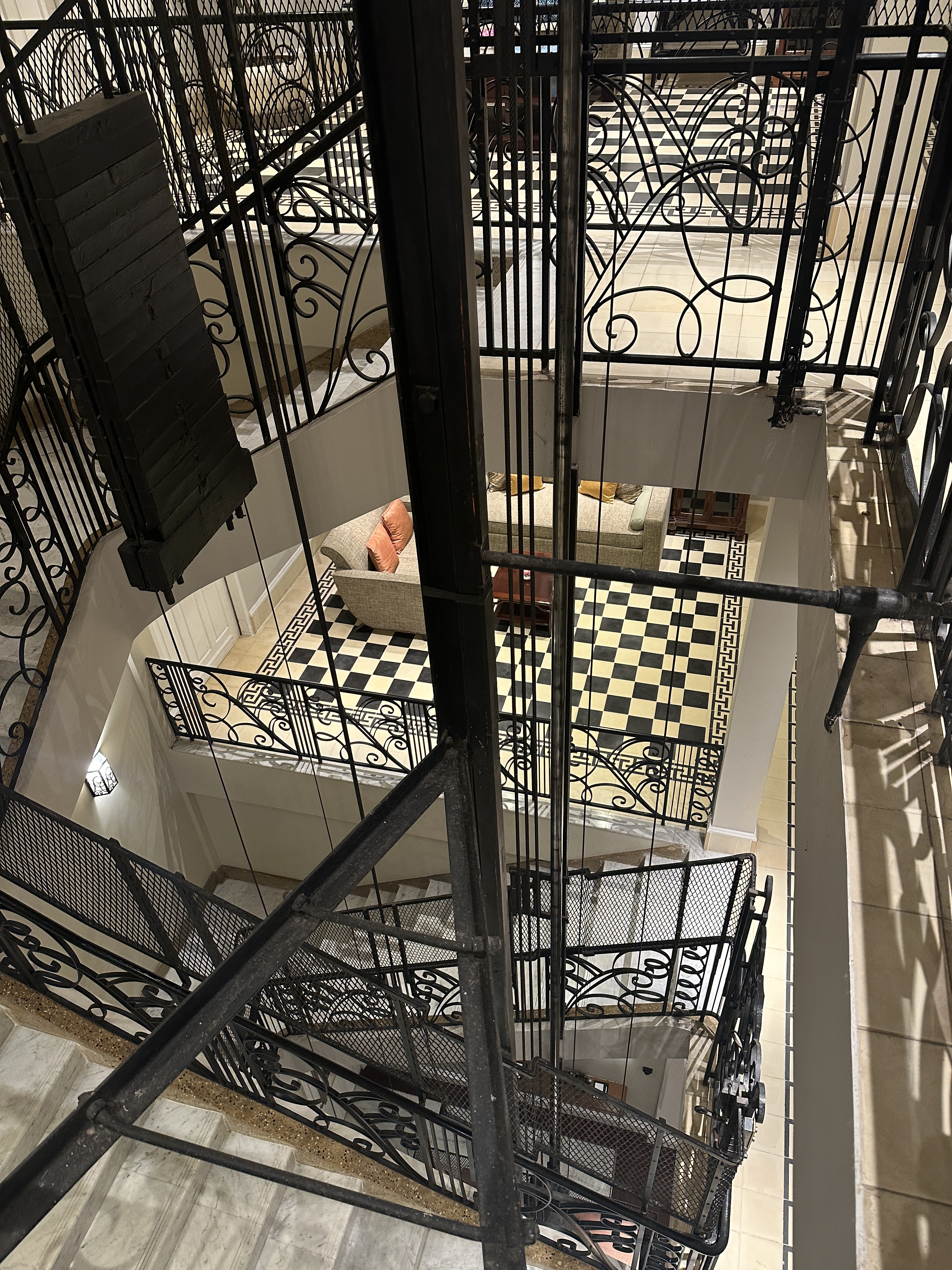
The hotel was built in 1932 and retains an aura of being lost in time, with refined accommodations, an archaic-looking (but fully functional) elevator, and stylish rotary phones.

As throughout this trip, the service has been impeccable and the food delicious.
Ta Prohm
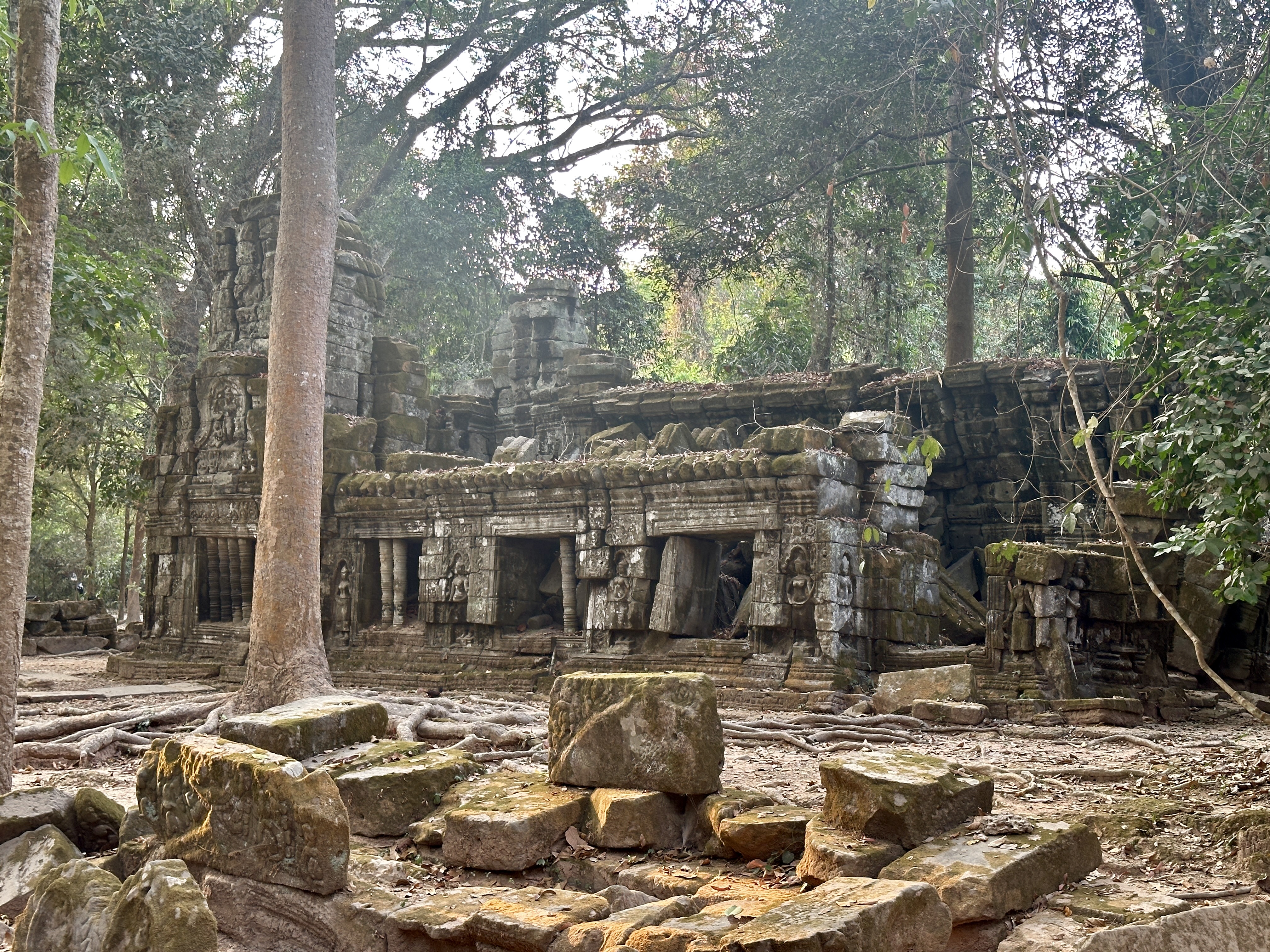
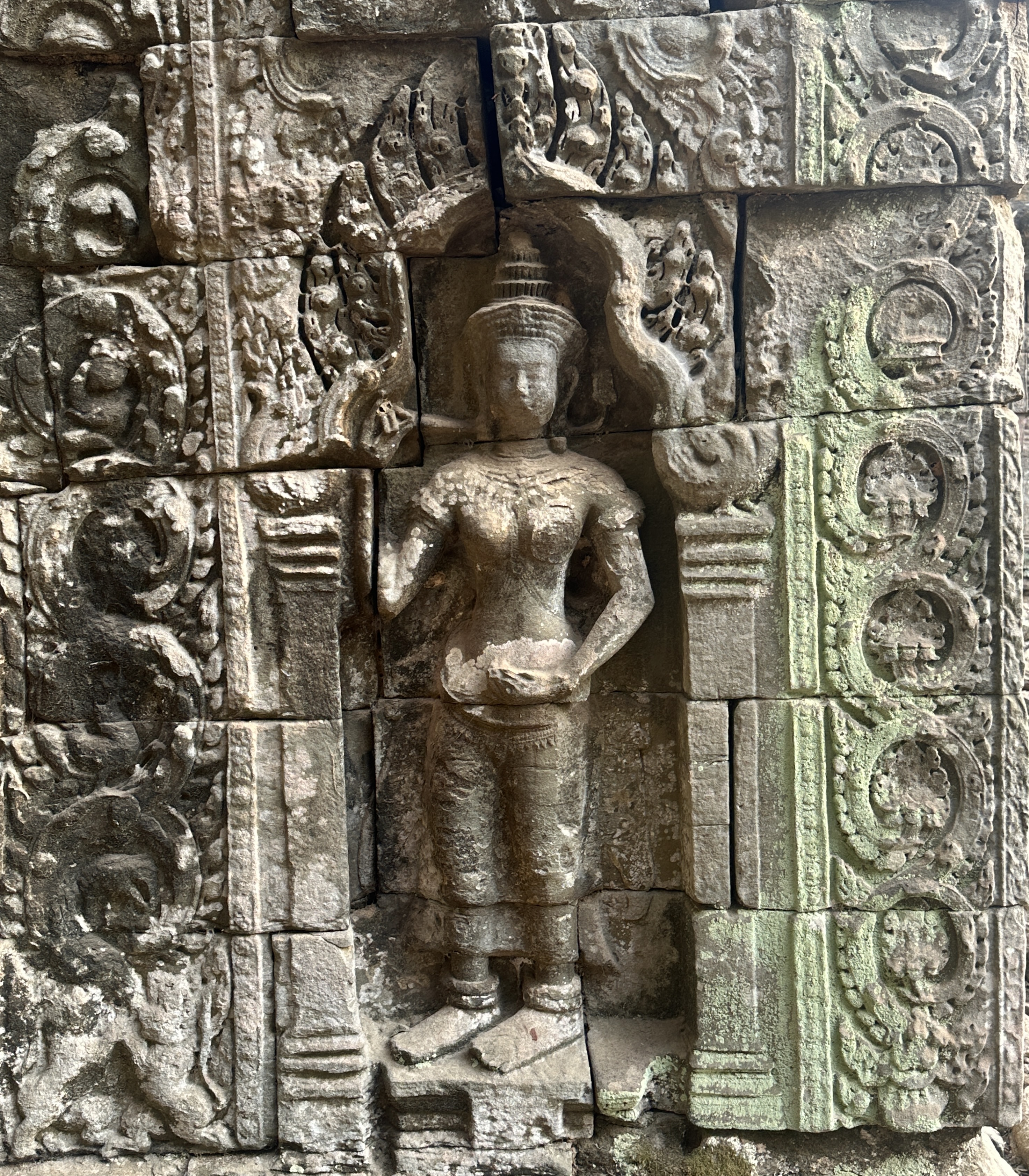
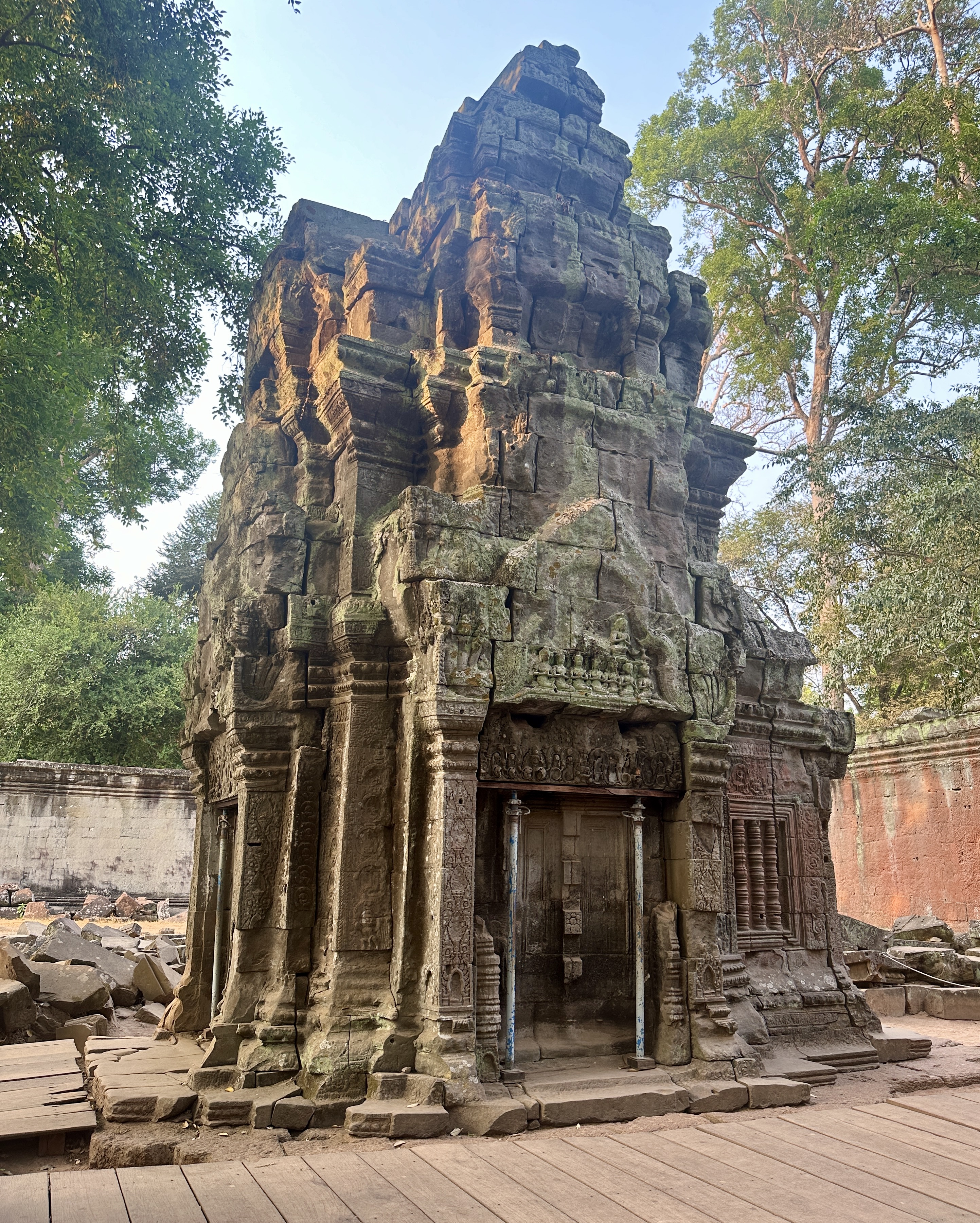
Ta Prohm Temple, a Buddhist sanctuary built in the 12th century, is a large complex of buildings in which more than 10,000 people once lived. It was abandoned centuries ago, and in the intervening years giant silk cotton and ficus trees have draped their roots over the ancient structures like so many giant snakes. (In addition to being a World Heritage Site, part of “Lara Croft: Tomb Raider” was filmed here.)
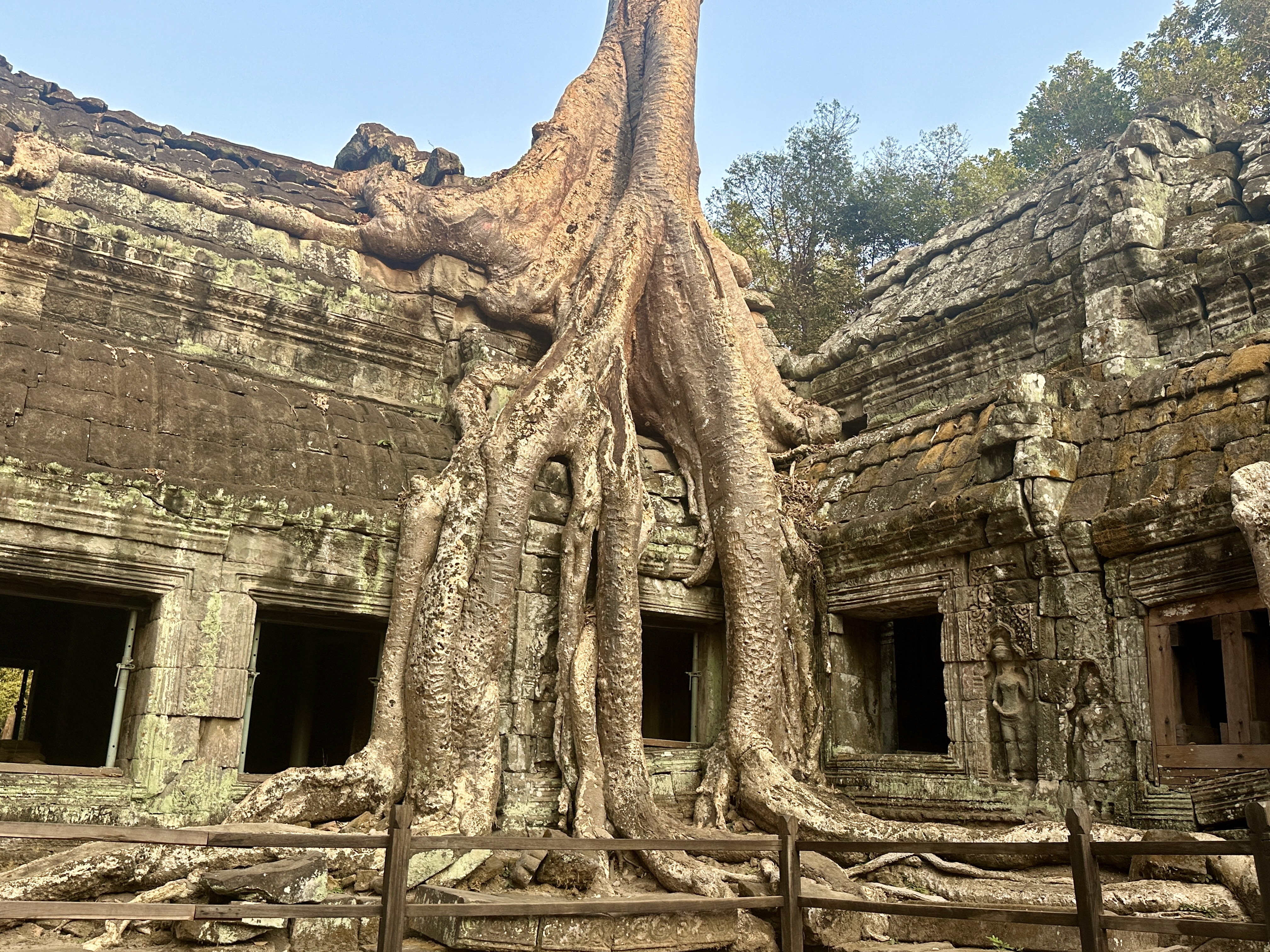
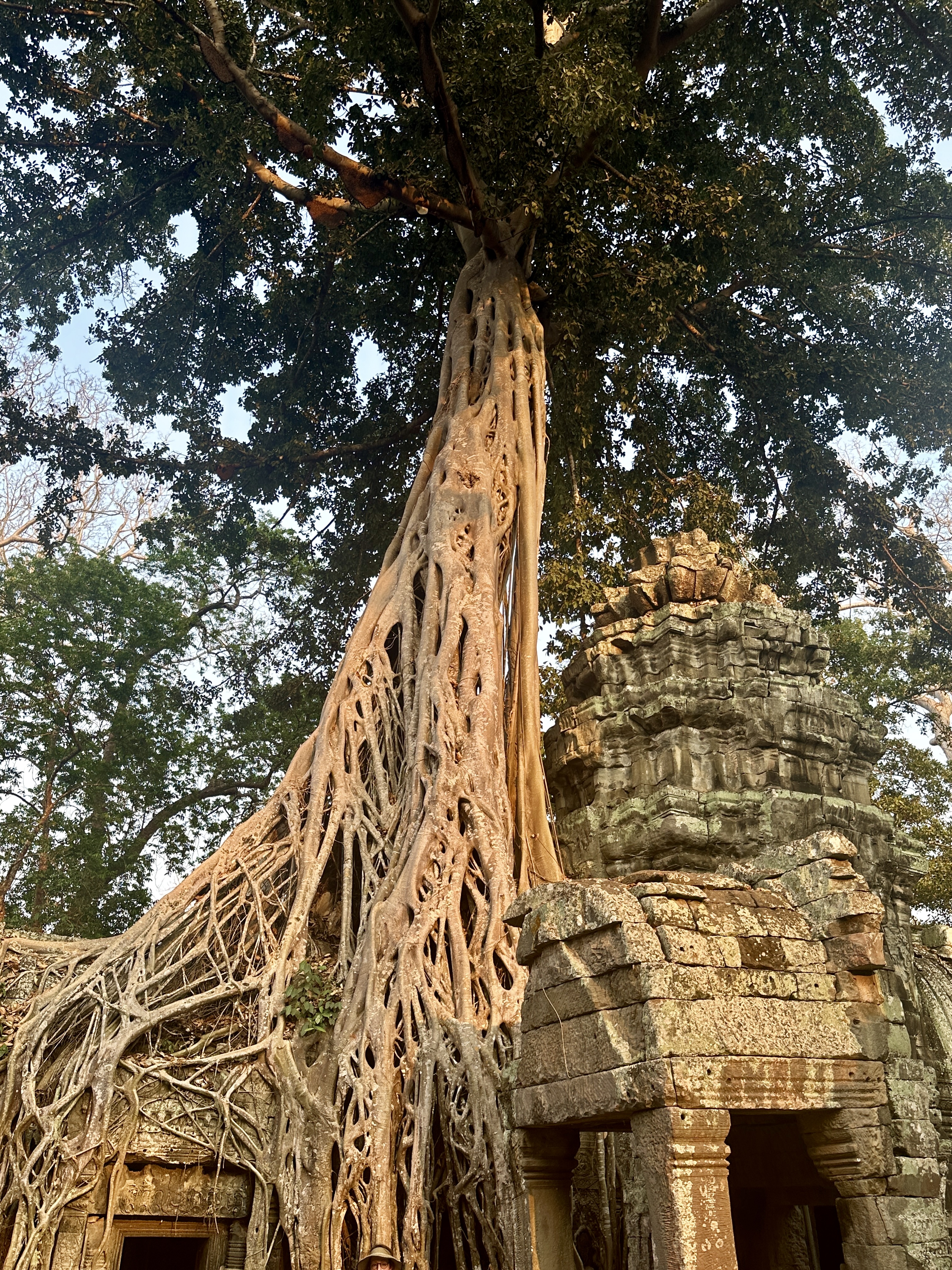
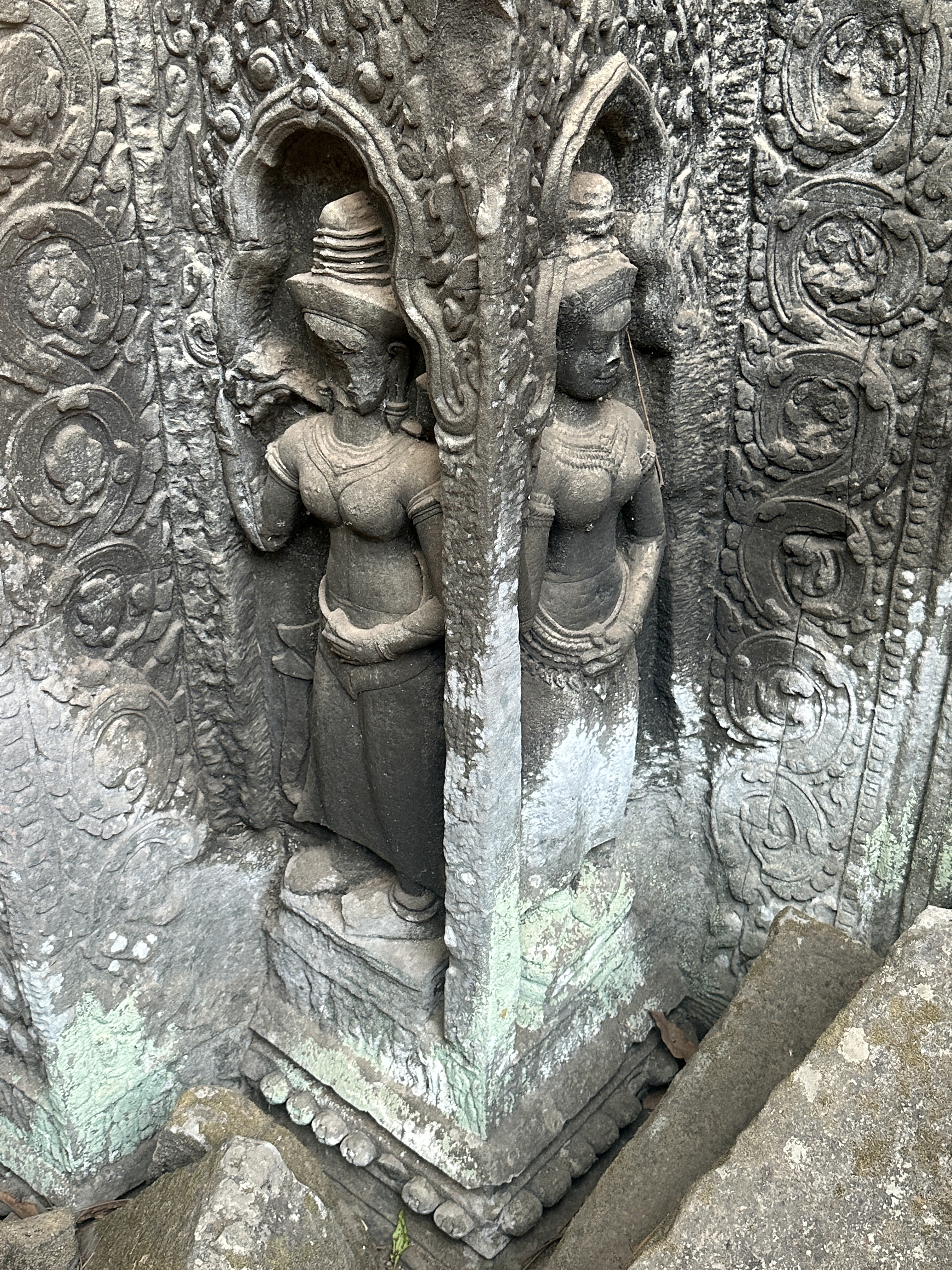
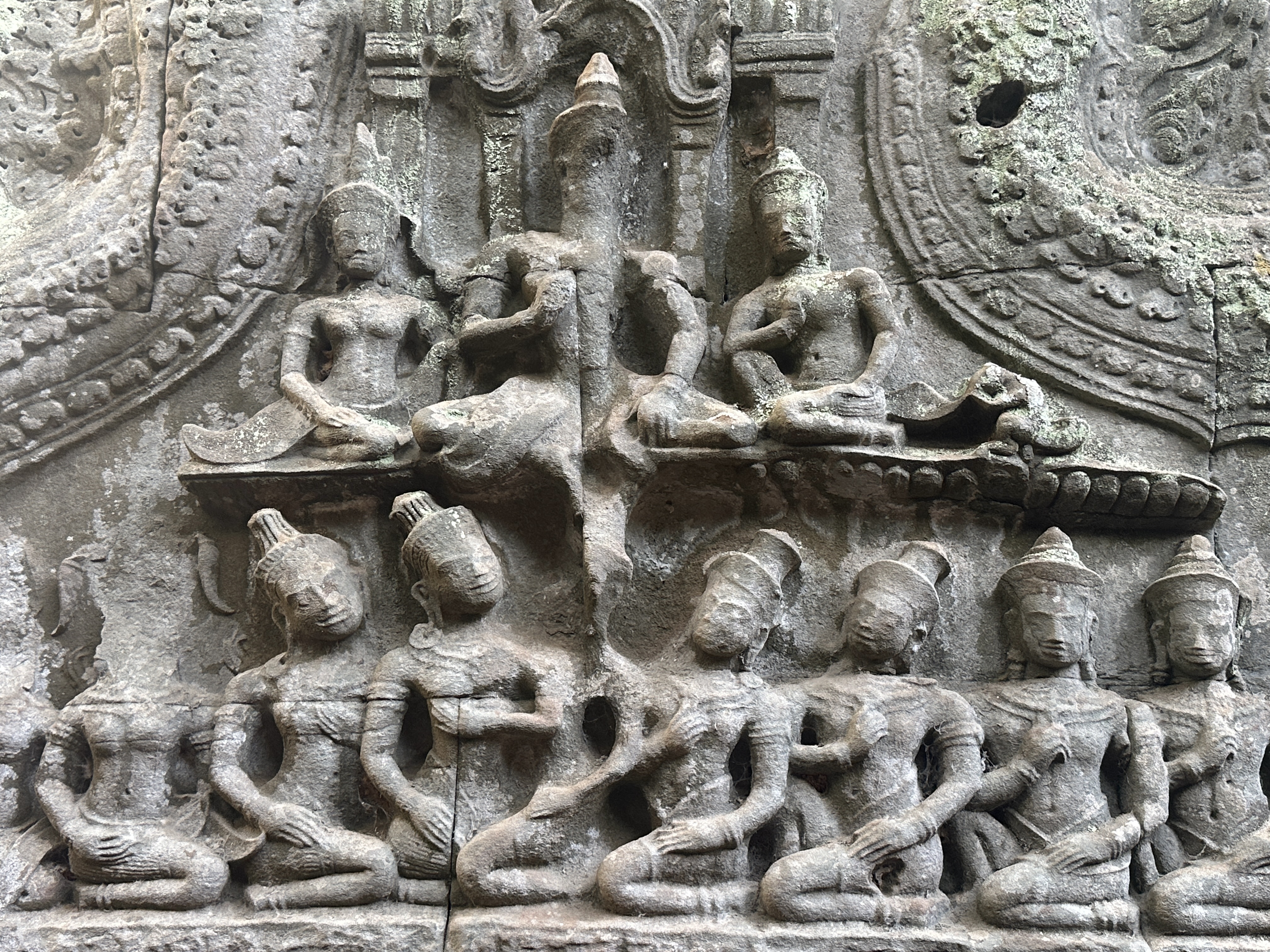
The buildings sport intricate carvings, mostly of topless women. (I wouldn’t be surprised if further excavations unveiled a millennium-old Hooters.)
Banteay Srei
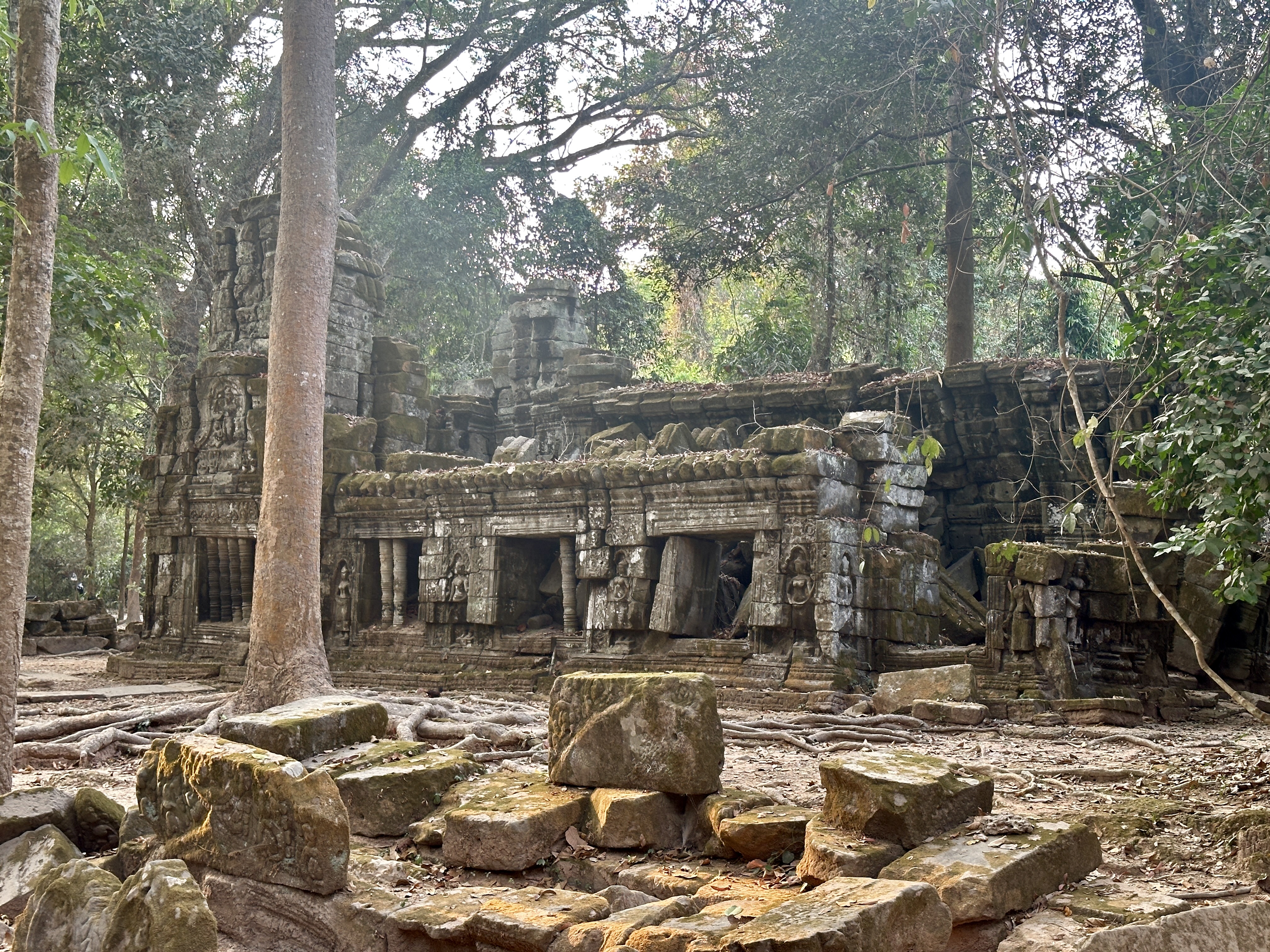
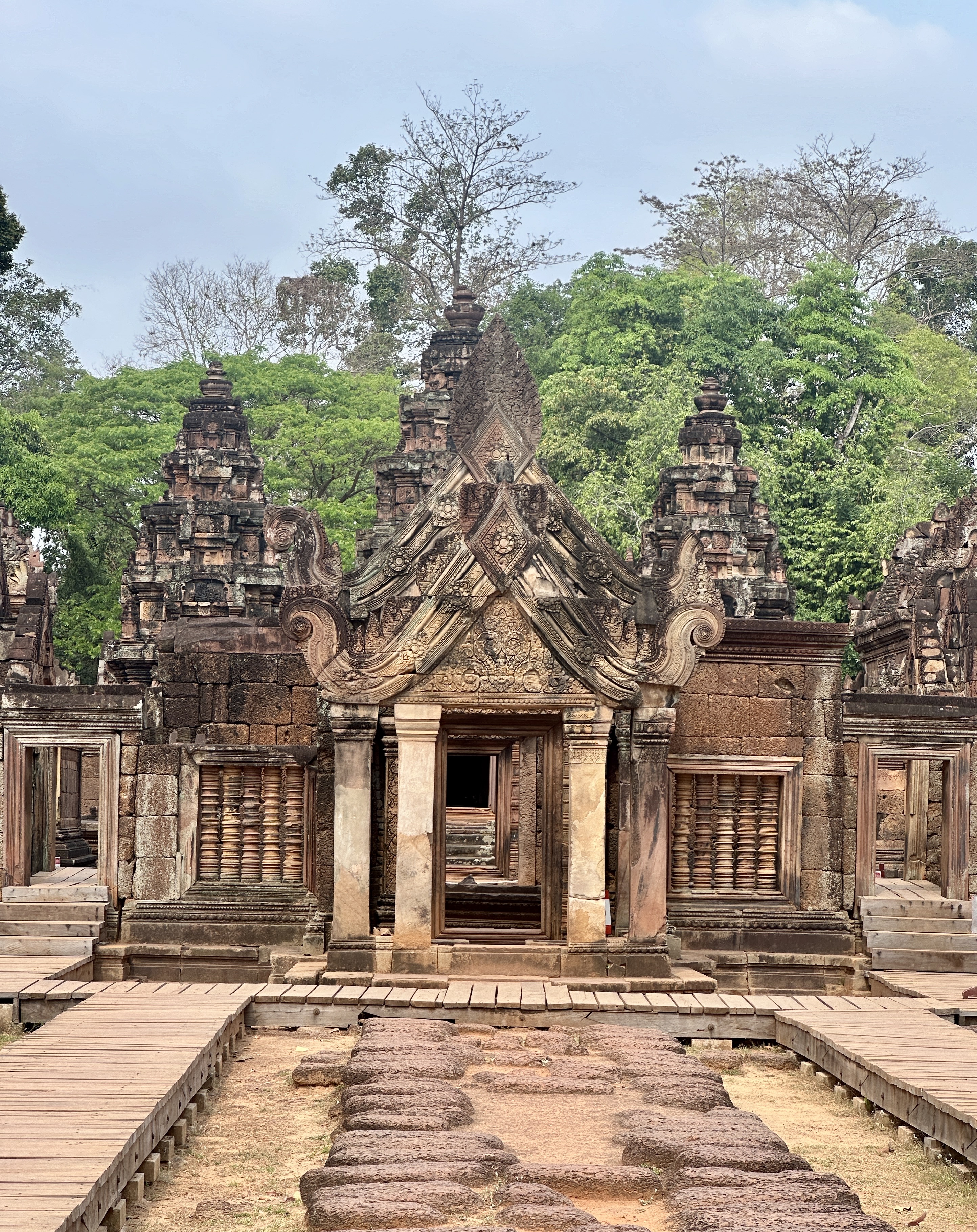
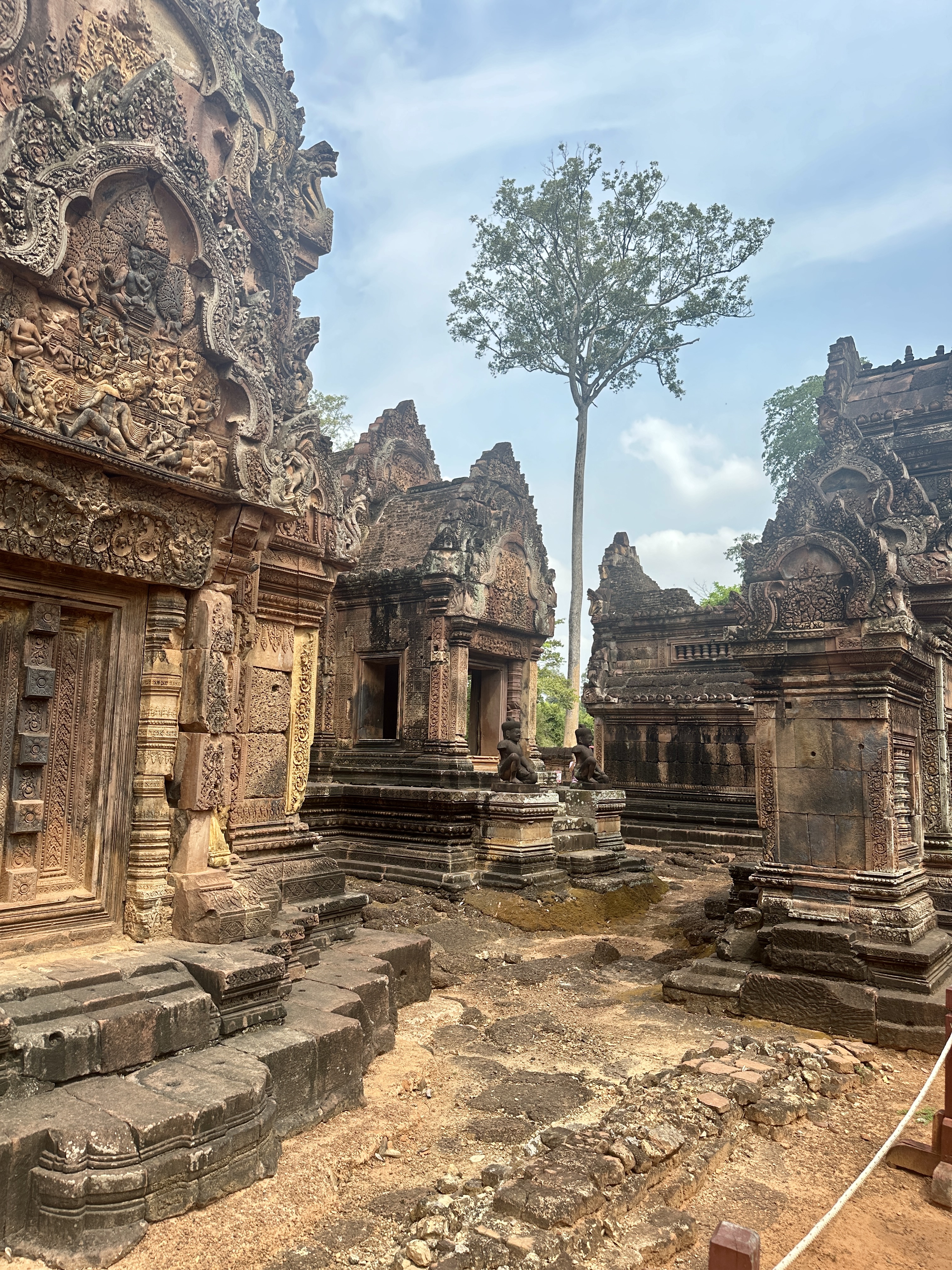
Banteay Srei, a Hindu temple built more than 1000 years ago, is stunning. Its sandstone buildings include two libraries and sanctuary, located in the innermost of three rectangular enclosures.
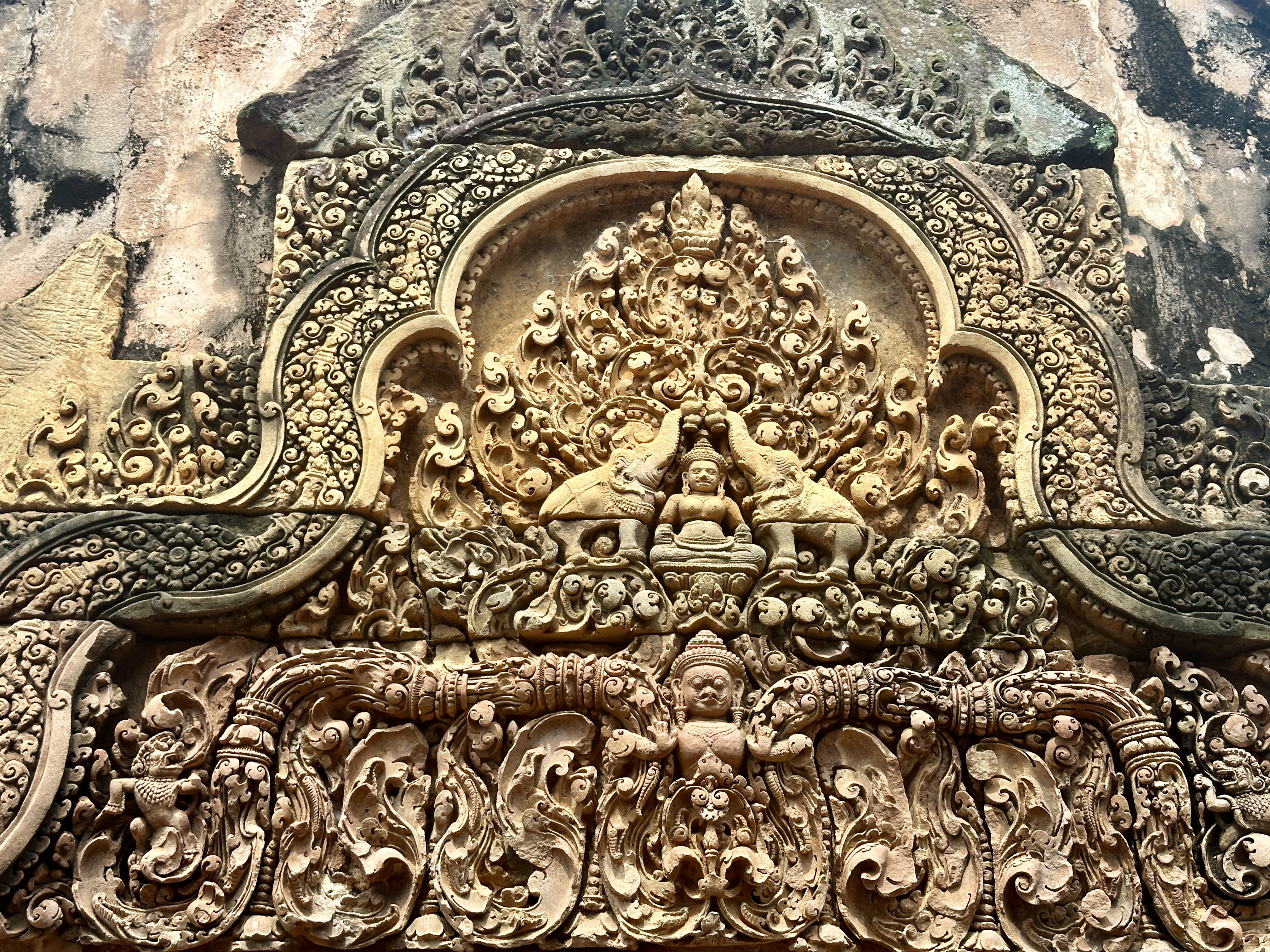
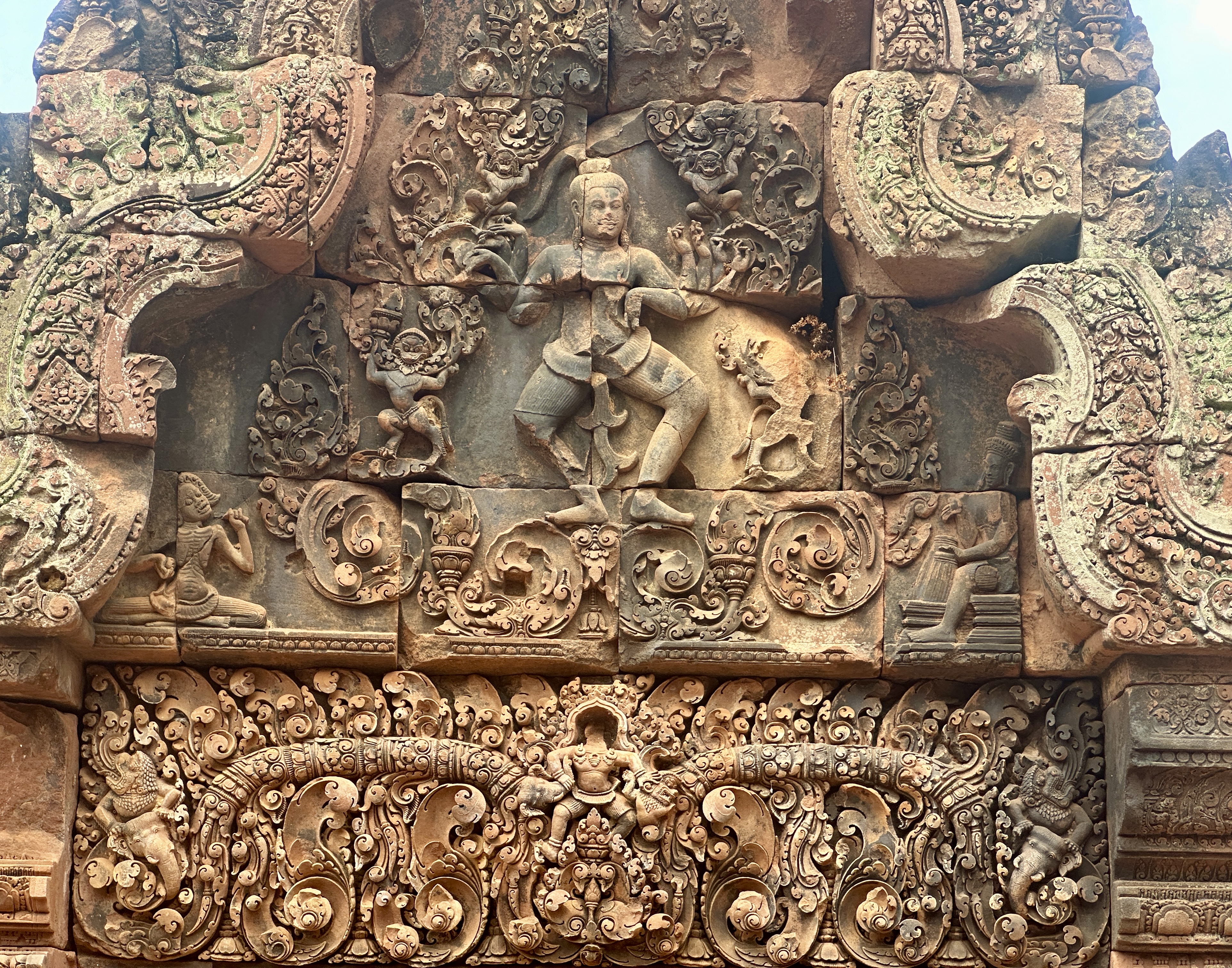
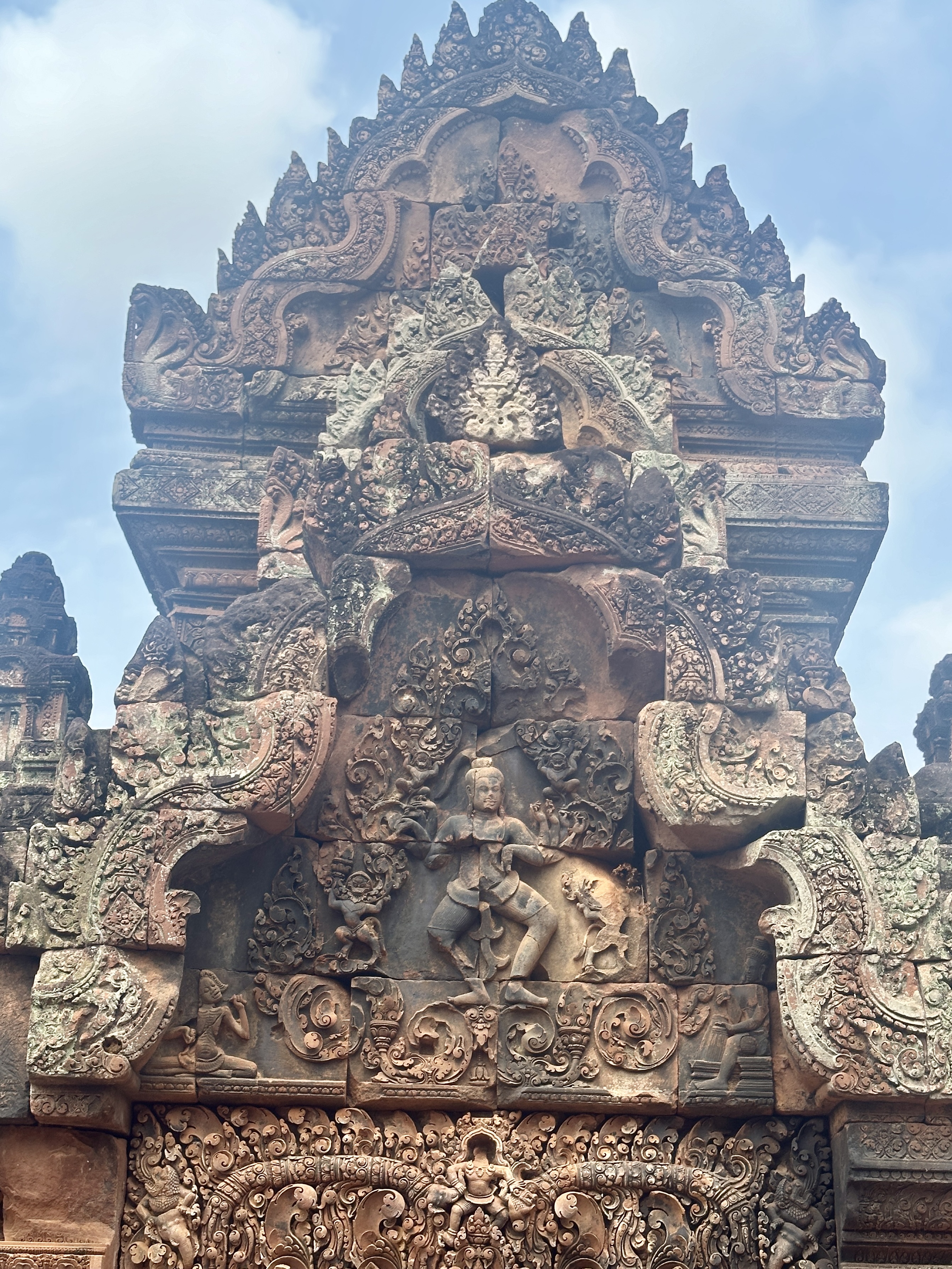
Amazingly detailed bas relief carvings depict Shiva (to whom the temple is dedicated), Lakshmi, Hanuman, and other deities going about their (often violent) business.
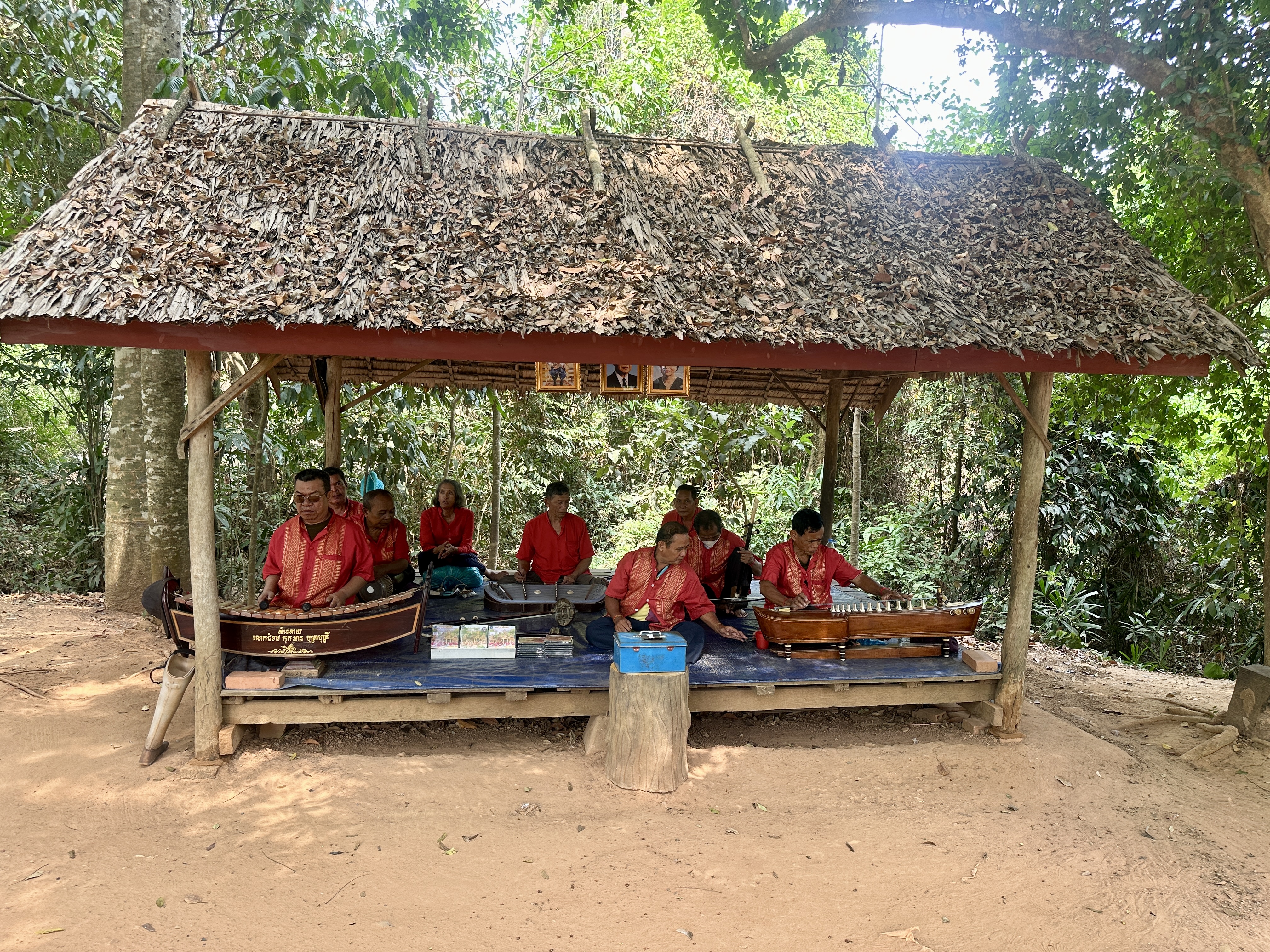
Cambodia Clean Water Project
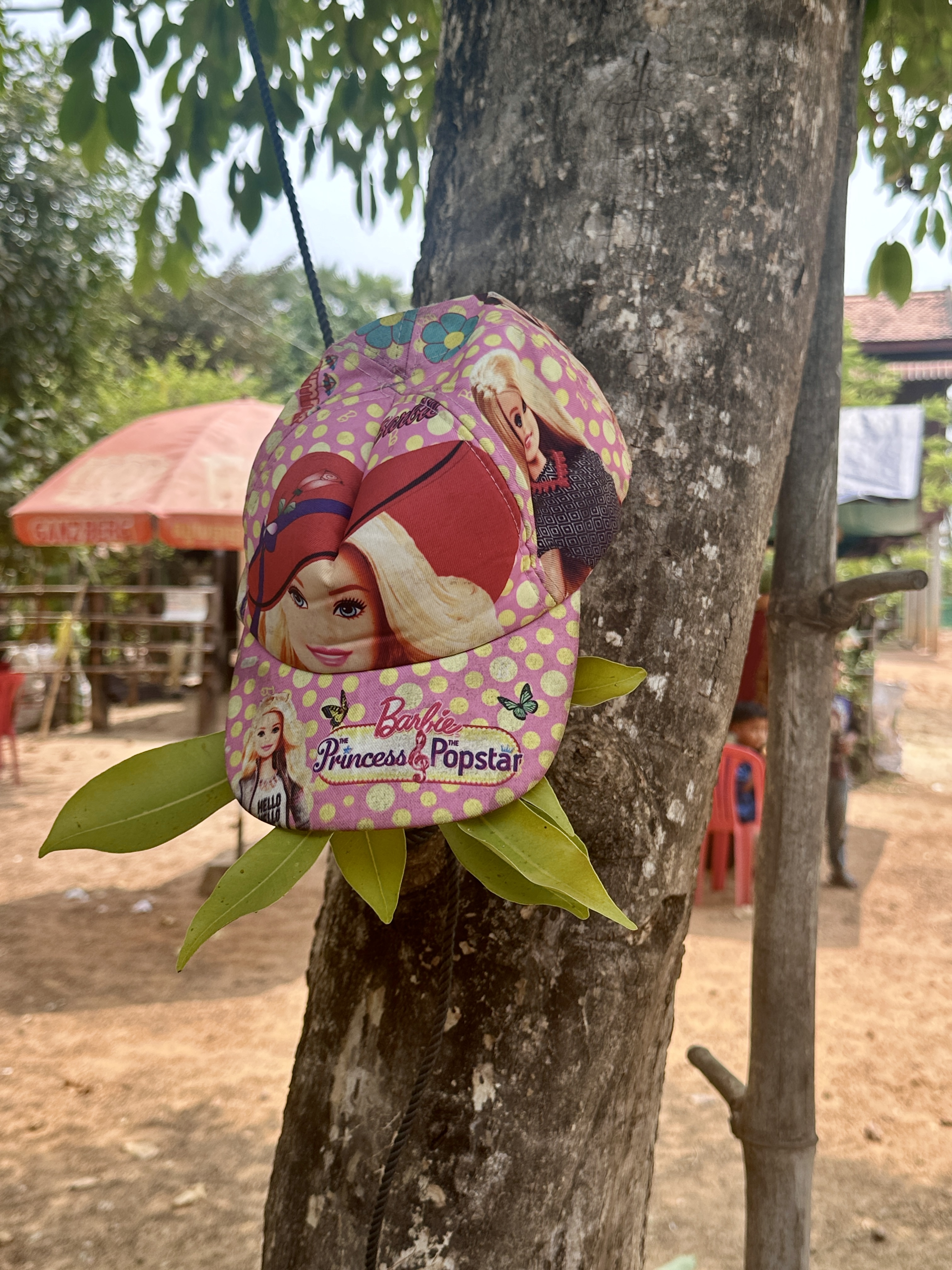
I mentioned above that the vast majority of Cambodians have no access to clean drinking water. The Cambodia Clean Water Project, funded by Abercrombie & Kent Philanthropy, builds pumping wells in rural communities.
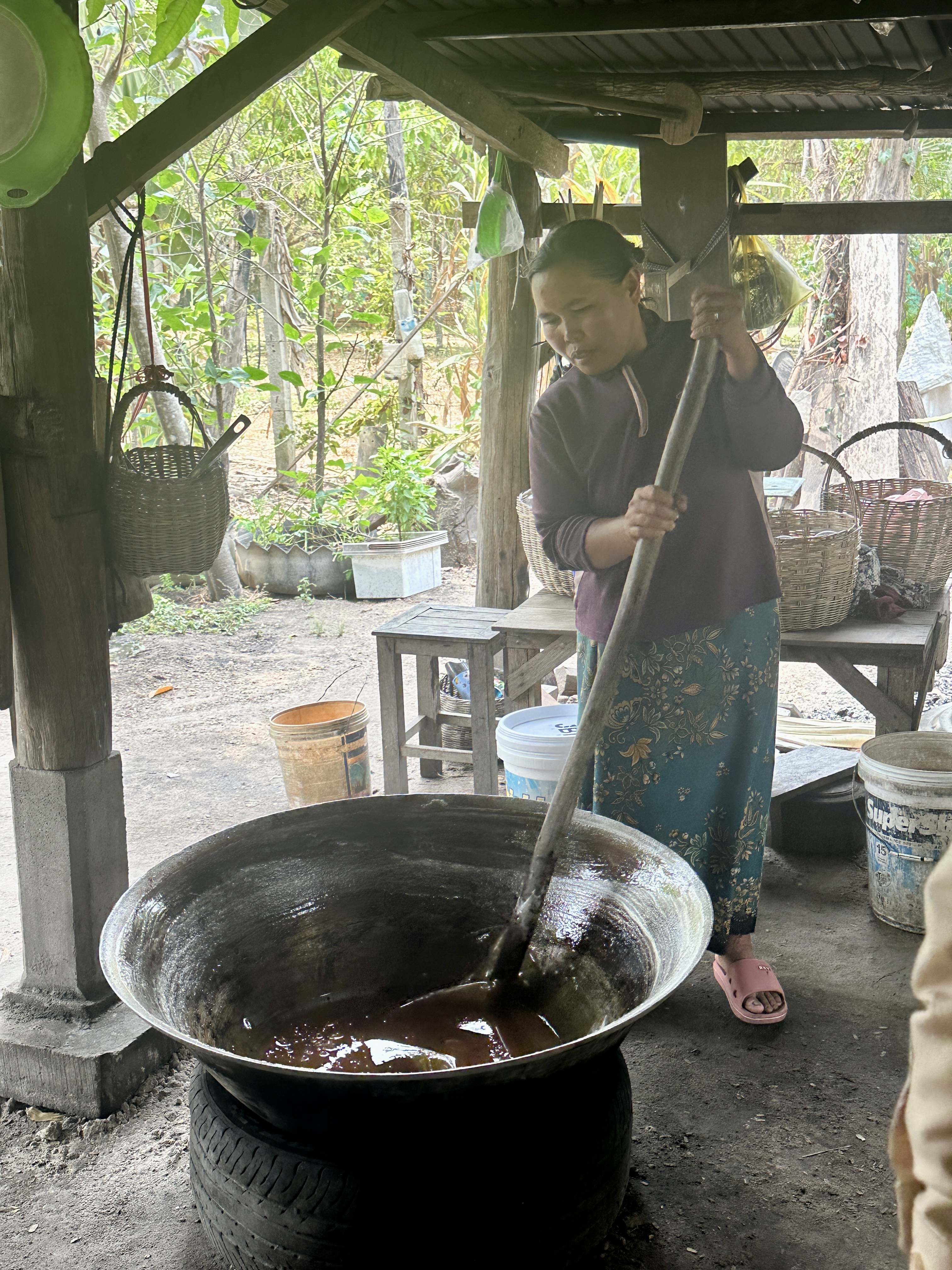
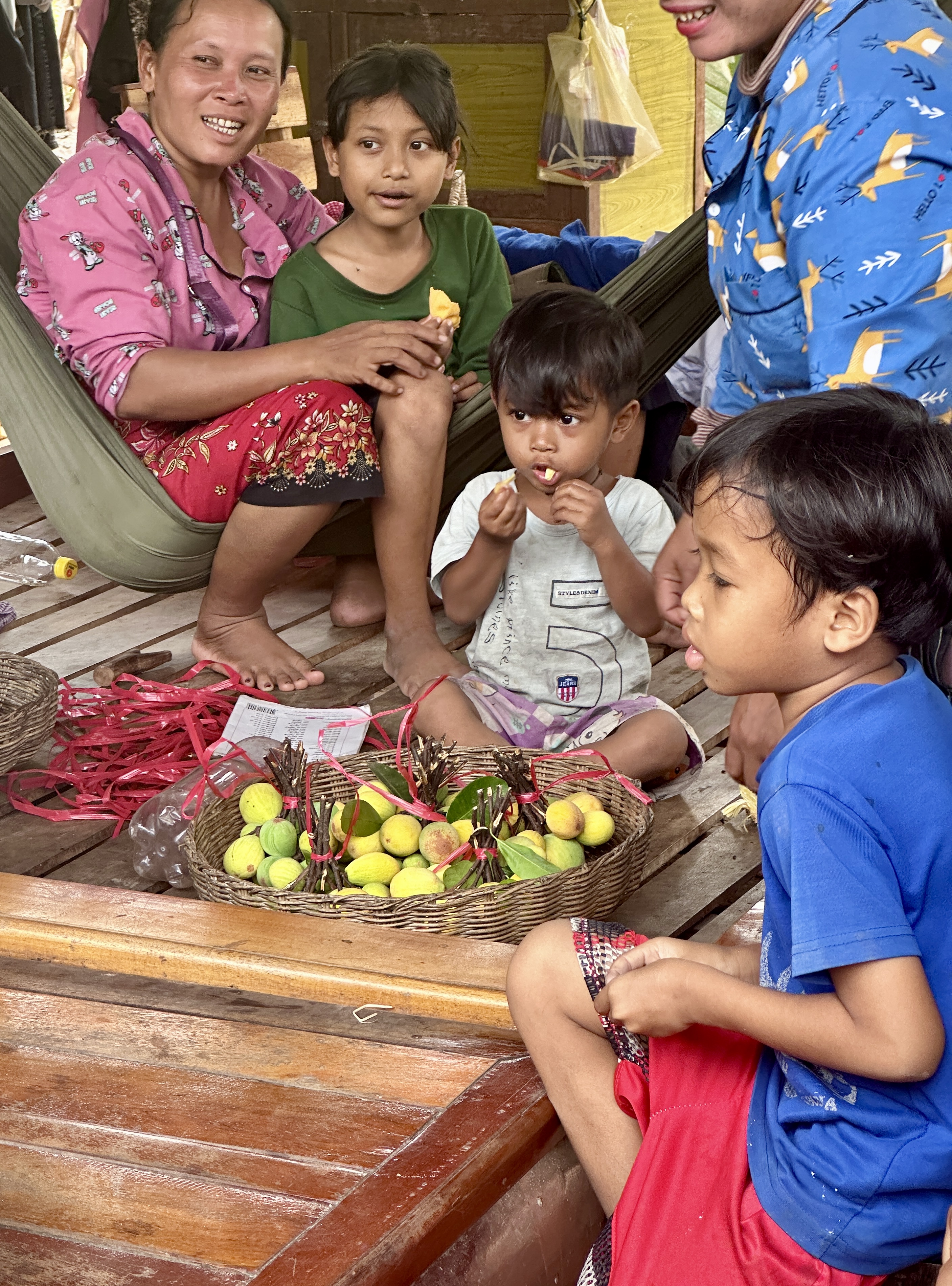
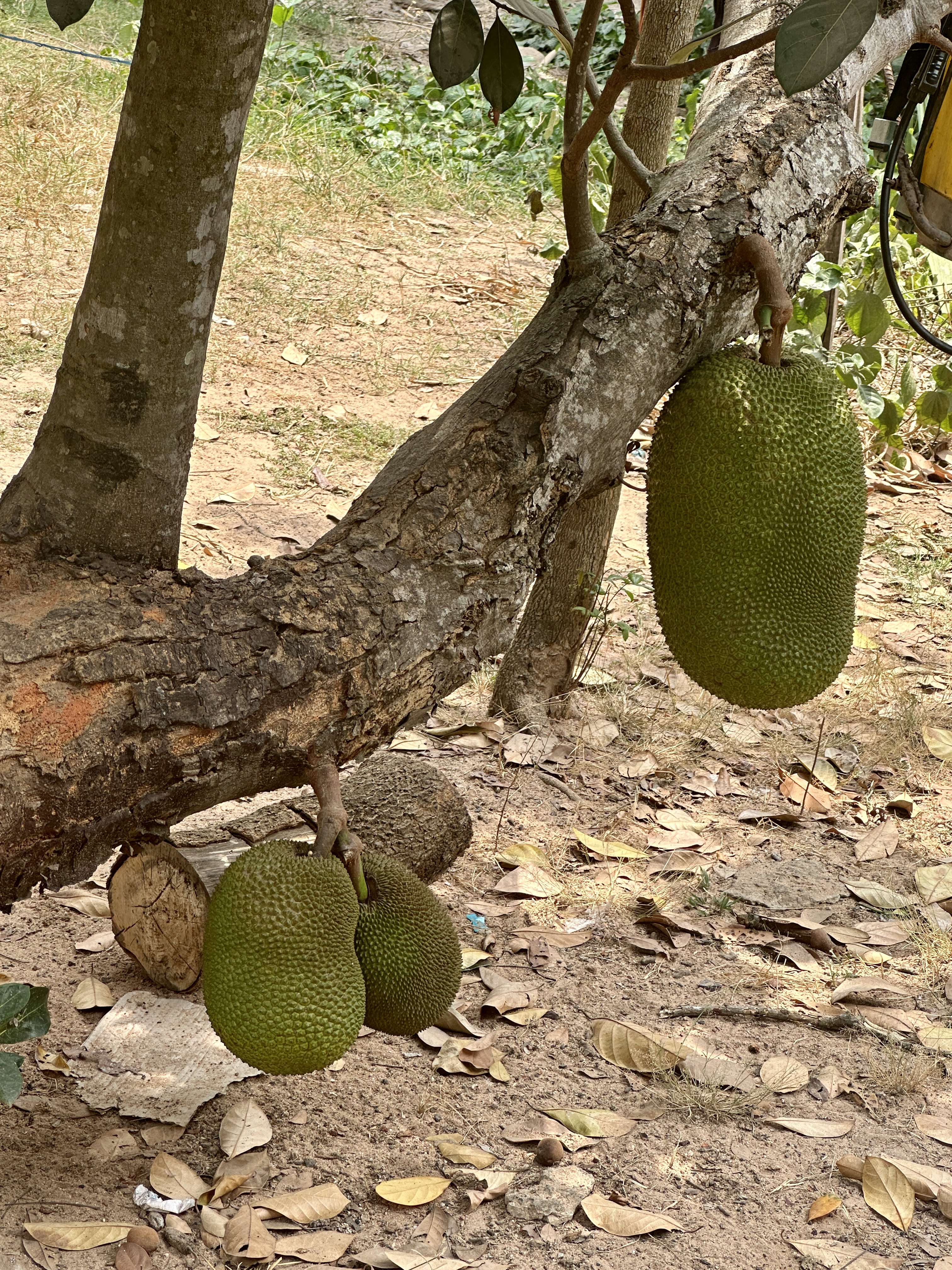
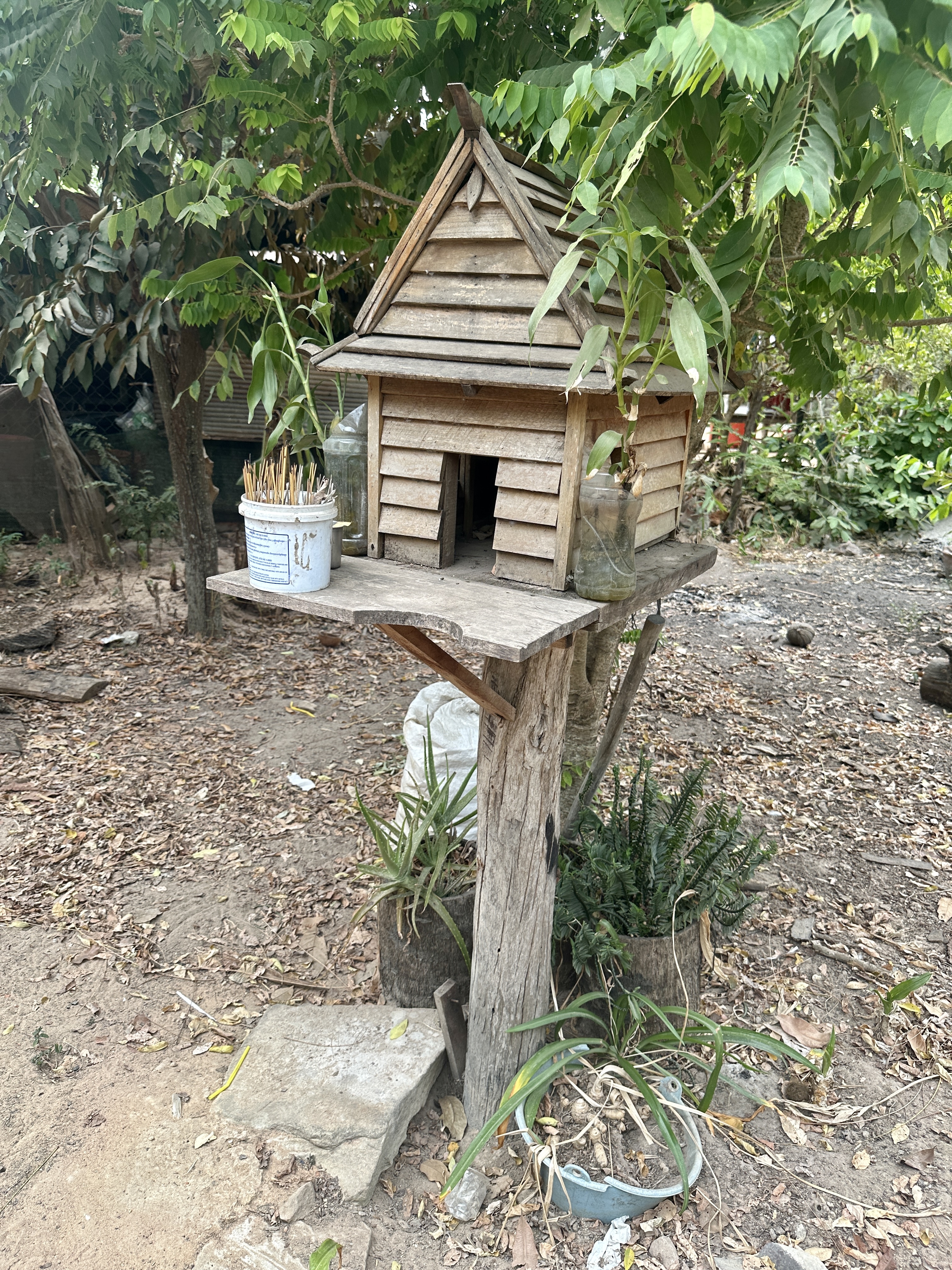
We stopped at one of those villages – home to six families – and saw not just the well but a slice of rural life in Cambodia.
Kudos to A&K for its efforts to meet the needs of underserved people in the countries in which it operates, and for bringing us to witness the fruits of its efforts.
* * *
I’ll close this post with a wish: may the vigorous life springing from the ruins of Ta Prohm foreshadow a similar reinvigoration of this tragedy-stricken but remarkable nation.

 PuffinlessTravel