The Nitty-Gritty of Getting to Cuba
American citizens can travel to Cuba if they qualify under one of several permitted categories. Our tour operator, Intrepid, designed a fantastic tour to fit the “Support for the Cuban People” category. The itinerary brought us all around the western half of the island, staying and eating with Cuban families and meeting musicians, artists, potters, farmers, chefs, and small business owners. (Under this category, US visitors to Cuba must not patronize government-owned hotels and restaurants.)
Documentation requirements are easily satisfied:
- A one-page affidavit, supplied by Intrepid, confirming that the tour fits within the “Service to the Cuban People” category
- A Cuban health/customs form, completed online within 48 hours before arriving in Cuba and printed out to show Cuban immigration. (In the upper right of the online form there’s an icon that allows you to translate the document into English.) Intrepid provided a link to this form, which is readily accessible online.
- A visa, which you can obtain at your departure airport. I flew through Houston. At the Houston airport there’s a Cuba check-in desk on the lower level of Terminal C opposite door 105. You can also obtain the visa at the departure gate. The cost is $85, not the $50 shown online, which has not been updated.
Going through immigration and customs in Havana is a simple 3-step process. First, there is a table where officials scan the bar code on the health/customs form. Behind the table is passport control. My experience was that the lines to the right are shorter, but all the lines moved quickly. Once you clear passport control, you must put your carry-on luggage on a belt to be x-rayed and then walk through a very sensitive scanner. Baggage claim and the airport exit are immediately beyond the scanner. All the airport personnel were helpful and welcoming (unlike, say, my bête noire airport, Frankfurt).
Leaving Havana for home likewise is a simple process. Even if you have checked in online you will need to do so again at the airport and get a printed boarding pass. Passport control is between halls A and B of the international terminal. Officials there will collect your visa. You will not receive a passport stamp upon either entry or exit, thanks to our government’s inane policy.
Finally, reentry into the US from Cuba is no different than from any other international location, at least in Houston.
What To Expect and What To Bring
Music and Art. In addition to the warmth, humor, and resilience of its people, what most impressed me about Cuba is how central music and art are in Cuban society. Unlike in the US, where STEM careers are emphasized almost to the exclusion of all else, Cuba – in addition to producing top-notch scientists and engineers – revels in the arts and art education. In fact, musicians and artists are among the best-paid Cubans.

Music spills from every bar and restaurant, and even my balky, 65-year old hips couldn’t help but sway creakily to the beat. (Volume levels in restaurants make it difficult to converse with anyone who’s not next to you, which can be either a good thing or a bad thing, so plan accordingly!) It’s wonderful to hear the joyful, energetic tunes during the day and evening, but especially in Havana, music often continues into the wee hours. So, Tip #1: bring earplugs.
Roads. Cuba’s ribbons of roads are rather frayed. Potholes, pond-sized puddles, and loose gravel are more prevalent than pavement, especially in the mountains. In addition, the mountain roads have more twists and turns than a salsa dancer. Tip #2: If you’re prone to motion sickness, bring wrist bands or Dramamine. (I did neither, but was rescued by one of my “fellow travelers,” if I may use that term in a non-political sense, who had an extra pair of wrist bands. Thanks again, Susie!)
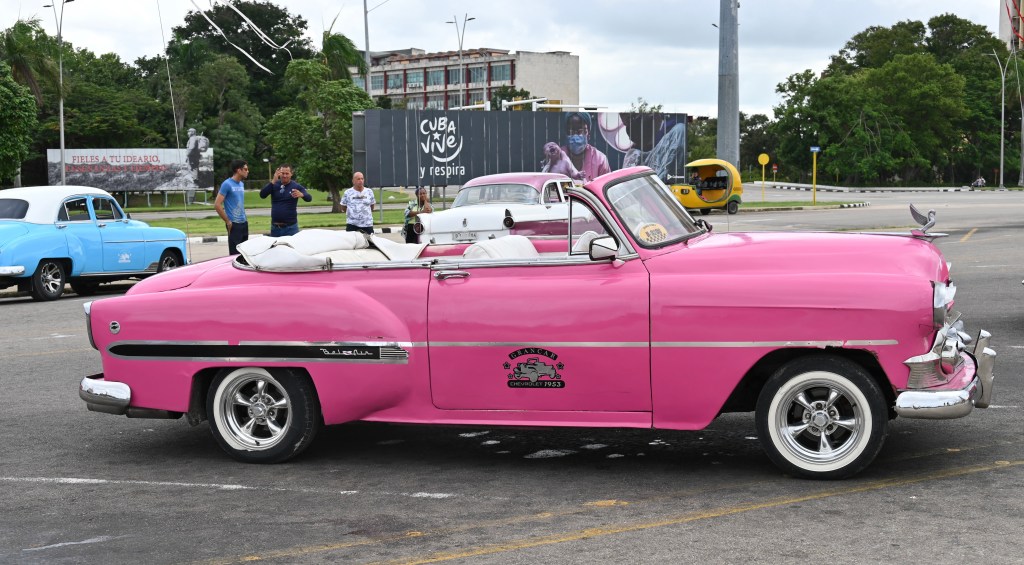
Outside the major cities, there is little traffic on the roads, for the simple reason that many Cubans cannot afford a car. Traffic is further reduced by a serious fuel shortage, which requires ordinary Cubans either to wait in lines reminiscent of the US in the early 1970s, or to pay much higher black market prices. (Gas in the official stations is around 20 cents per liter if you can find it.)
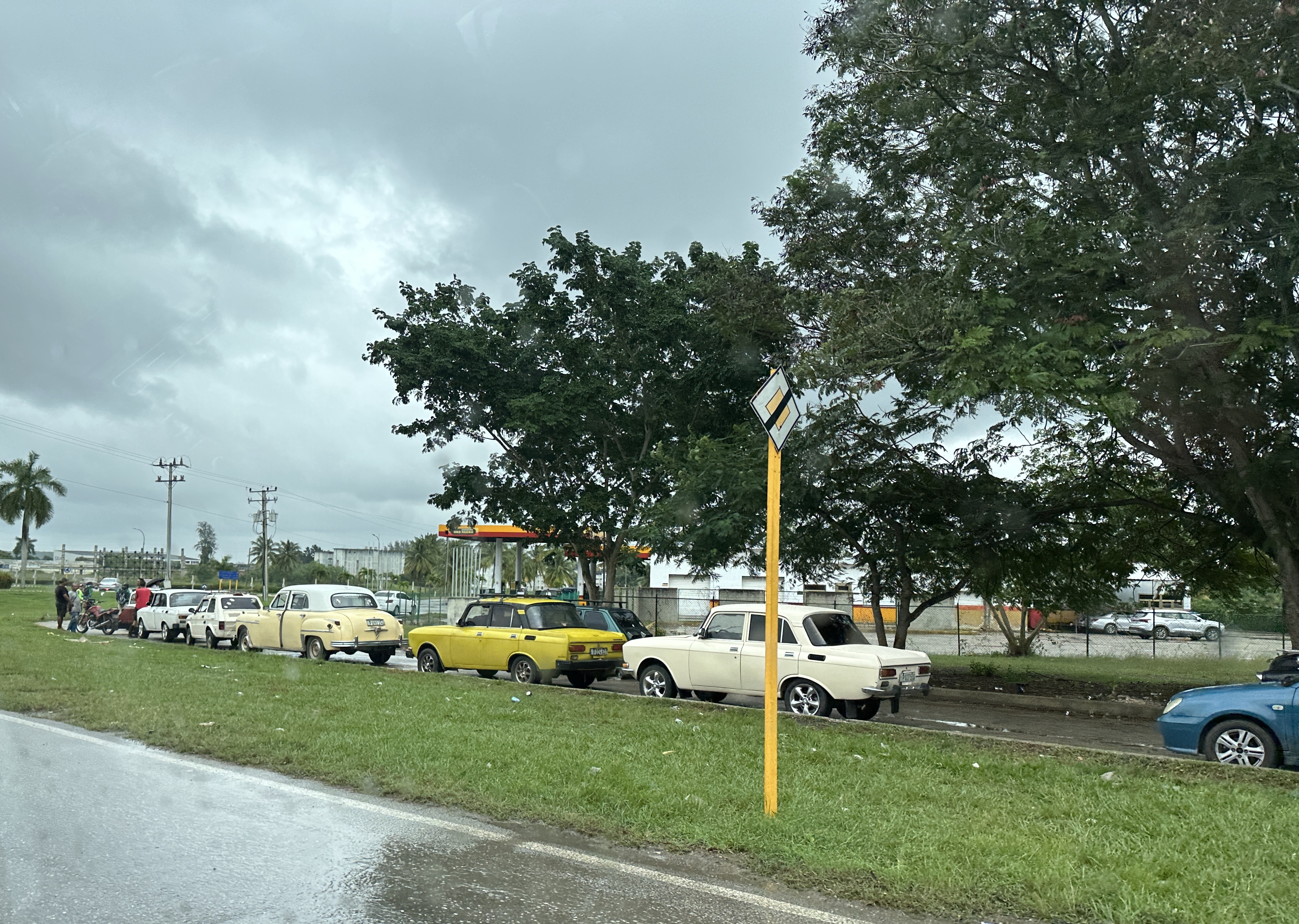
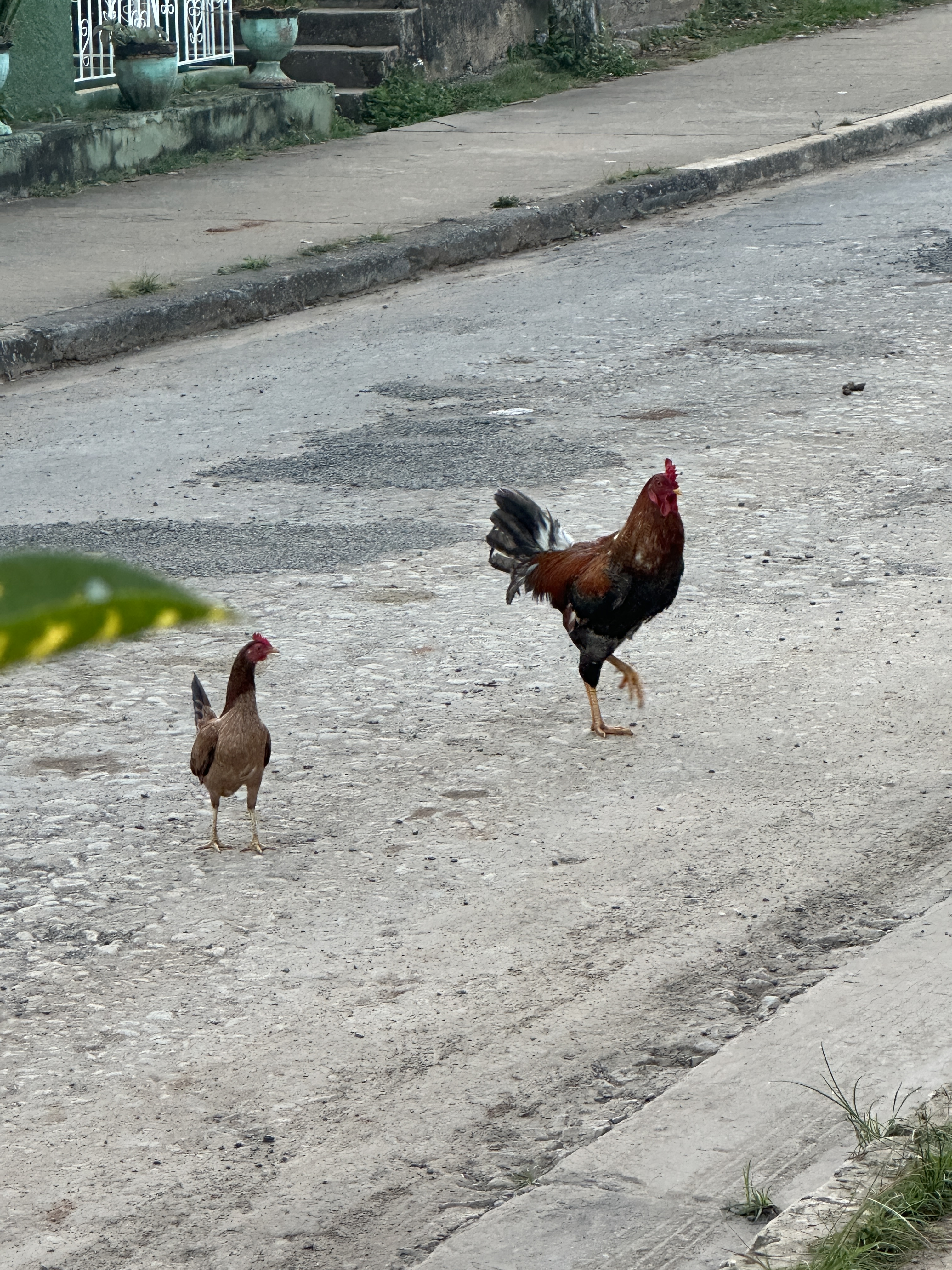
Motorized traffic is split between ancient American cars (more on that in the Havana post), Russian-made Ladas, and small Korean cars. Without exaggeration (for once), the non-motorized traffic on the roads and highways is as common as the cars and trucks. Bicycles, horse-drawn carts, and even pedicabs share the road, as do chickens (despite multiple opportunities, I did not inquire into their road-crossing motives), cows, and dogs.

Money matters. Cuba is the least expensive place I’ve ever visited. I don’t know what our accommodations cost since our rooms were included in the price of the tour, but food and drinks are a tiny fraction of American prices. For example, our first night in Havana, six of us went out to dinner. We had two pizzas, three other entrees, and four or five alcoholic drinks, and the bill, with a generous tip, came to forty dollars. Beers and cocktails are usually around two or three dollars.
Crafts and clothing also are inexpensive. I bought two “Trinidadian” shirts – similar to guayaberas – for myself and two dresses for my granddaughter. All were hand-sewn and beautifully hand-embroidered. The total cost was only eighty dollars. Bargaining is possible, but I didn’t bother. For people with an average monthly income of twenty dollars, any money I would have saved means a lot more to them than to me.
Tip #3: Restaurants are good places to change US dollars to Cuban pesos because they offer better rates than you’ll find in financial institutions. (Do not change money on the street if you want a good rate.) You can’t just walk into a paladar and ask them to convert American money, but you can pay with US bills and ask for the change in pesos. Before doing so, ask what rate they will give you. Right now anything between 230-250 pesos per dollar is good, but the rate swings wildly.
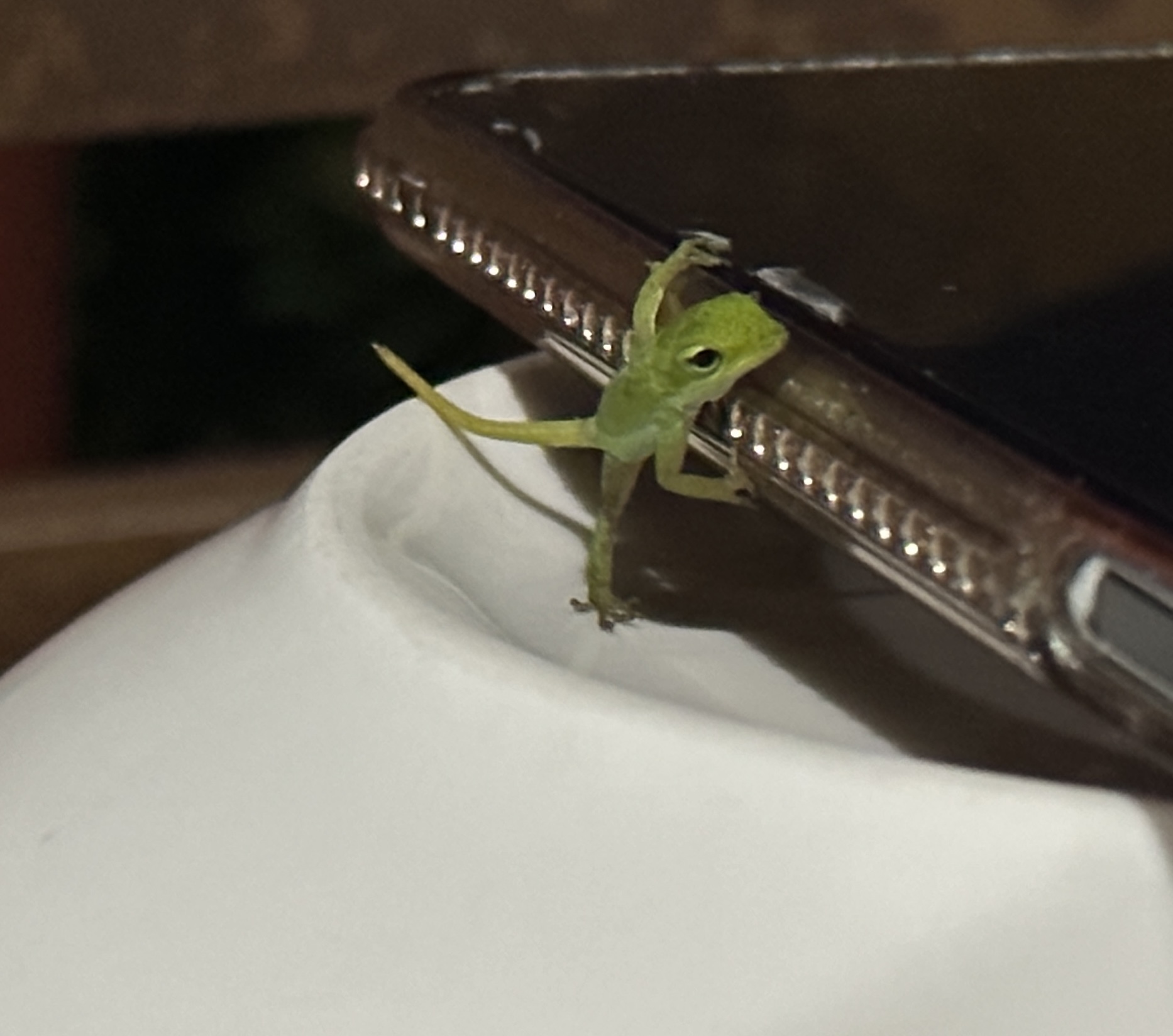
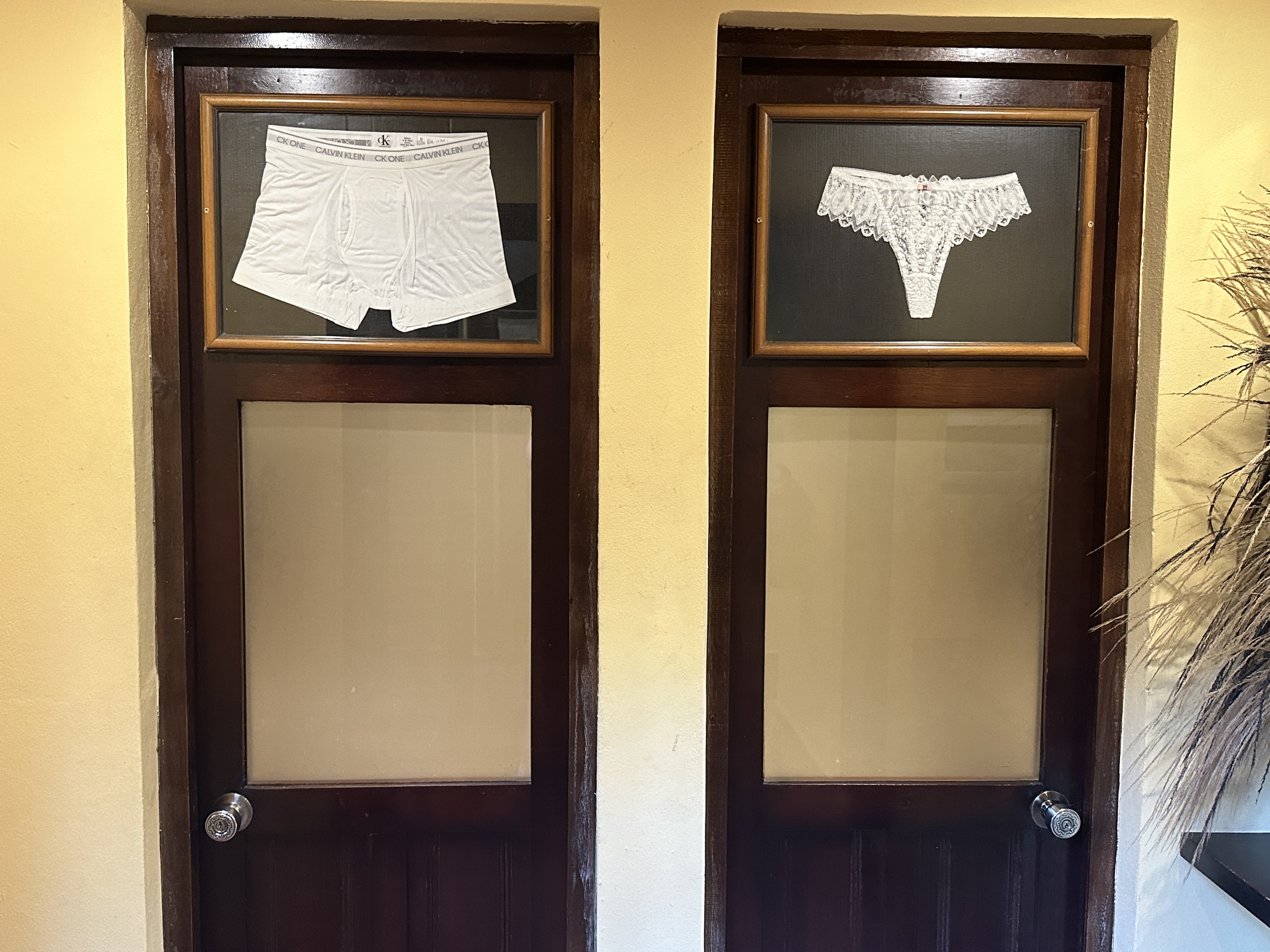
Bathrooms. Ay, but there’s the rub, quite literally and sometimes uncomfortably. Almost every public toilet, for unexplained reasons, has no seat, and the single-ply toilet paper could be used to scour the most stubborn stains. Most of the bathrooms have no soap or paper towels. And all public bathrooms, even in restaurants, have an attendant at the door who controls access to toilet paper. You’re expected to leave a tip, but it’s not obligatory. Fifty Cuban pesos (around 20-25 cents) is the usual, but I generally left a dollar bill until I ran out of them. Many of these attendants have no other source of income.
Tip #4: Bring lots of small bills, which will also be useful for leaving tips in restaurants (see “Food and Drink” below). Bring hand sanitizer. And if you have a particularly sensitive backside, you may want to bring a roll of US toilet paper.
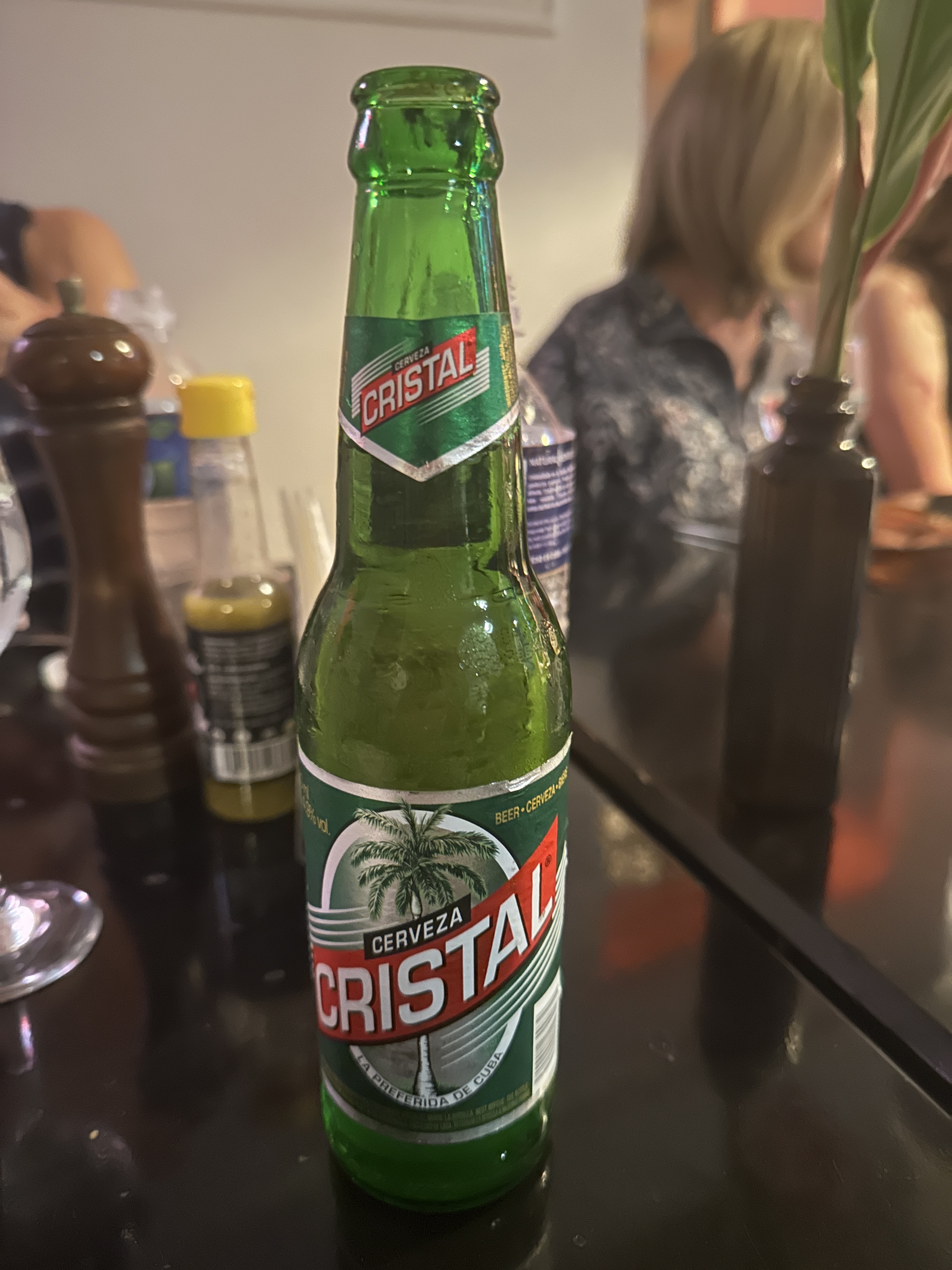
Food and drink. Tap water is not potable, though I had no problems using it to brush my teeth. Unless your guide tells you a restaurant is safe, it’s better not to have ice with your drink. (I had ice in the “safe restaurants” with no ill effects). The real star of Cuban drinks, of course, is rum, and the galaxy of drinks featuring “Vitamin R” is extensive and delicious. The main Cuban beer, a light lager called Cristal, is quite satisfying on a hot day (i.e., any day in Cuba).
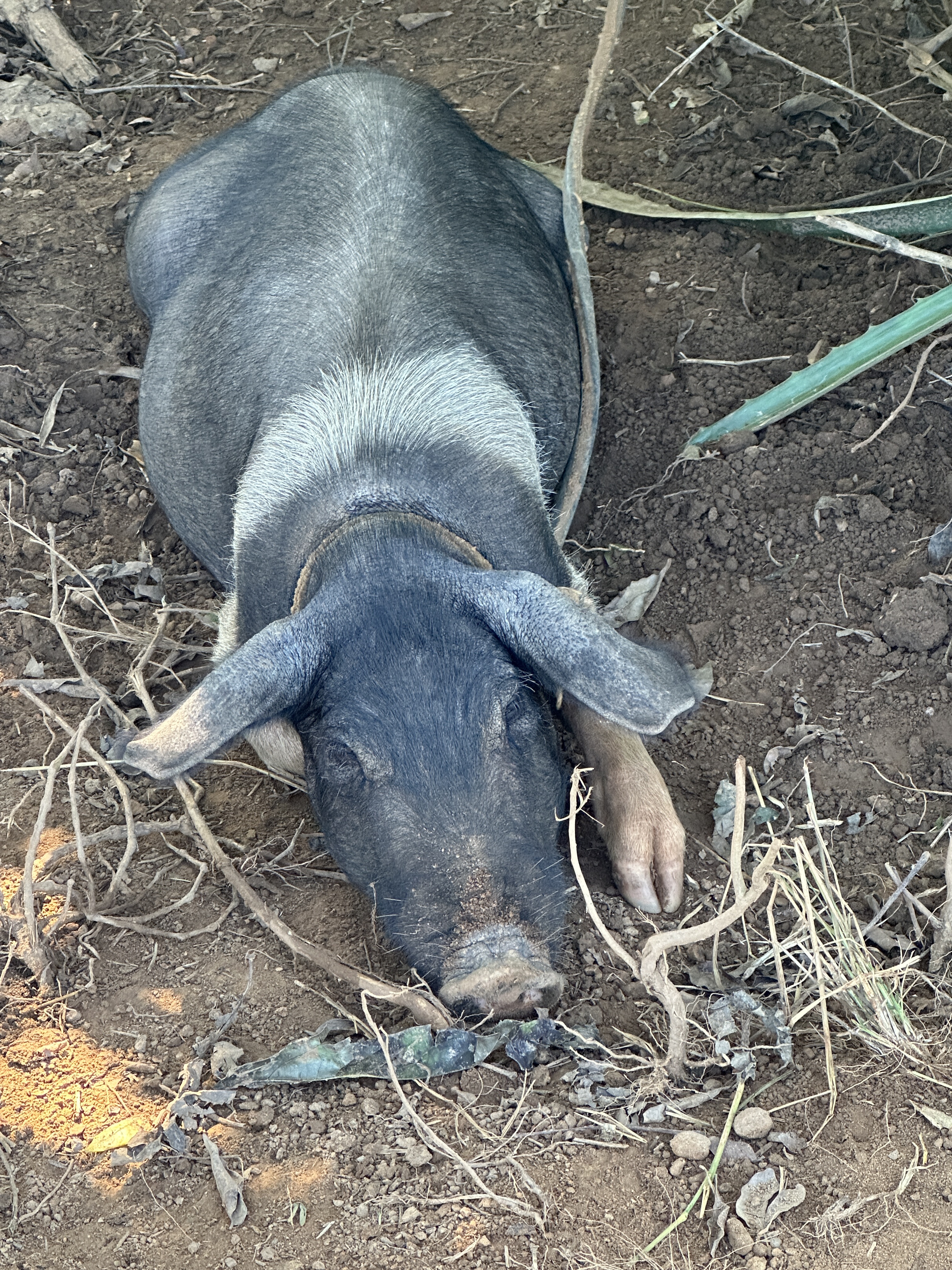
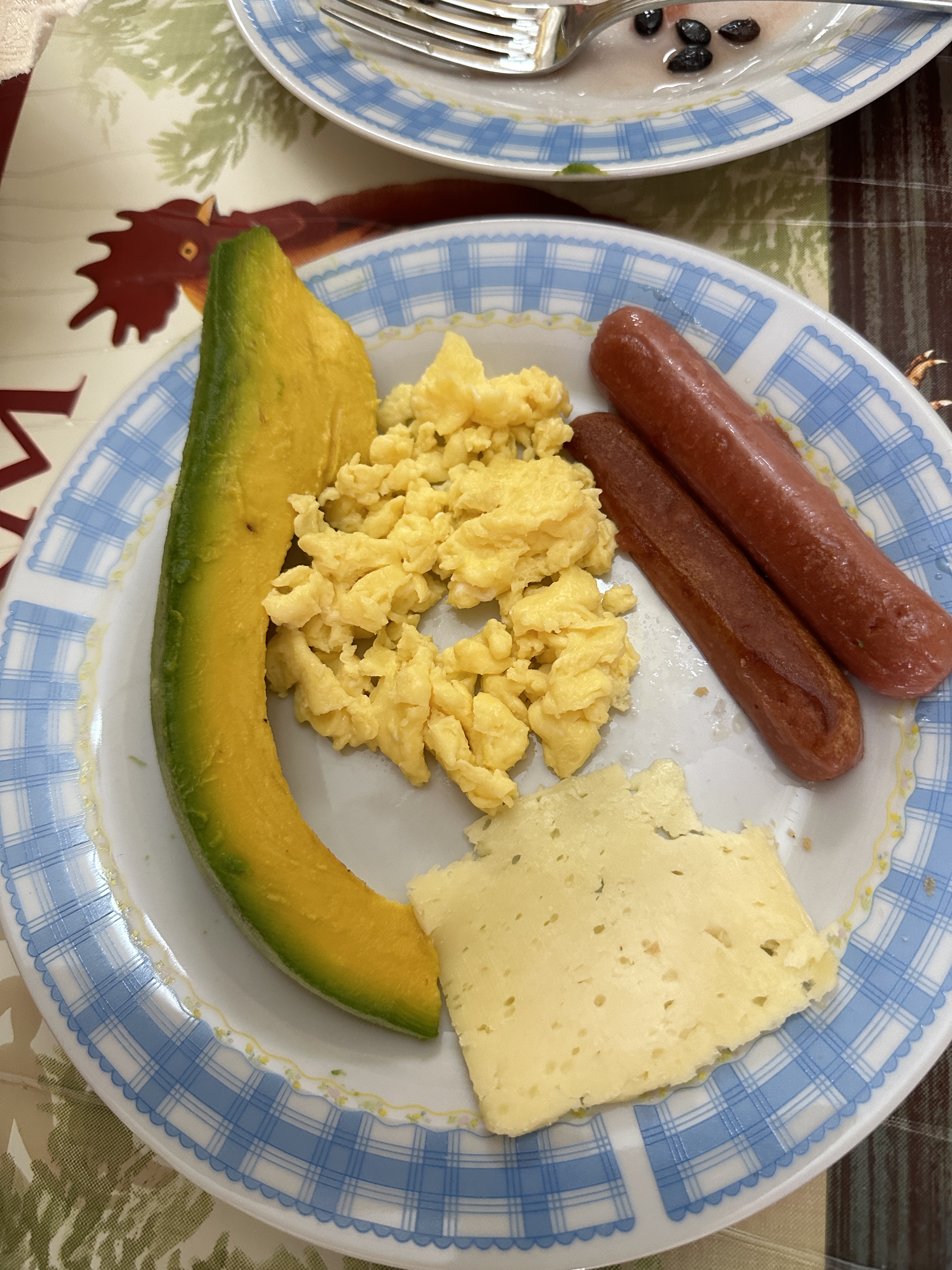
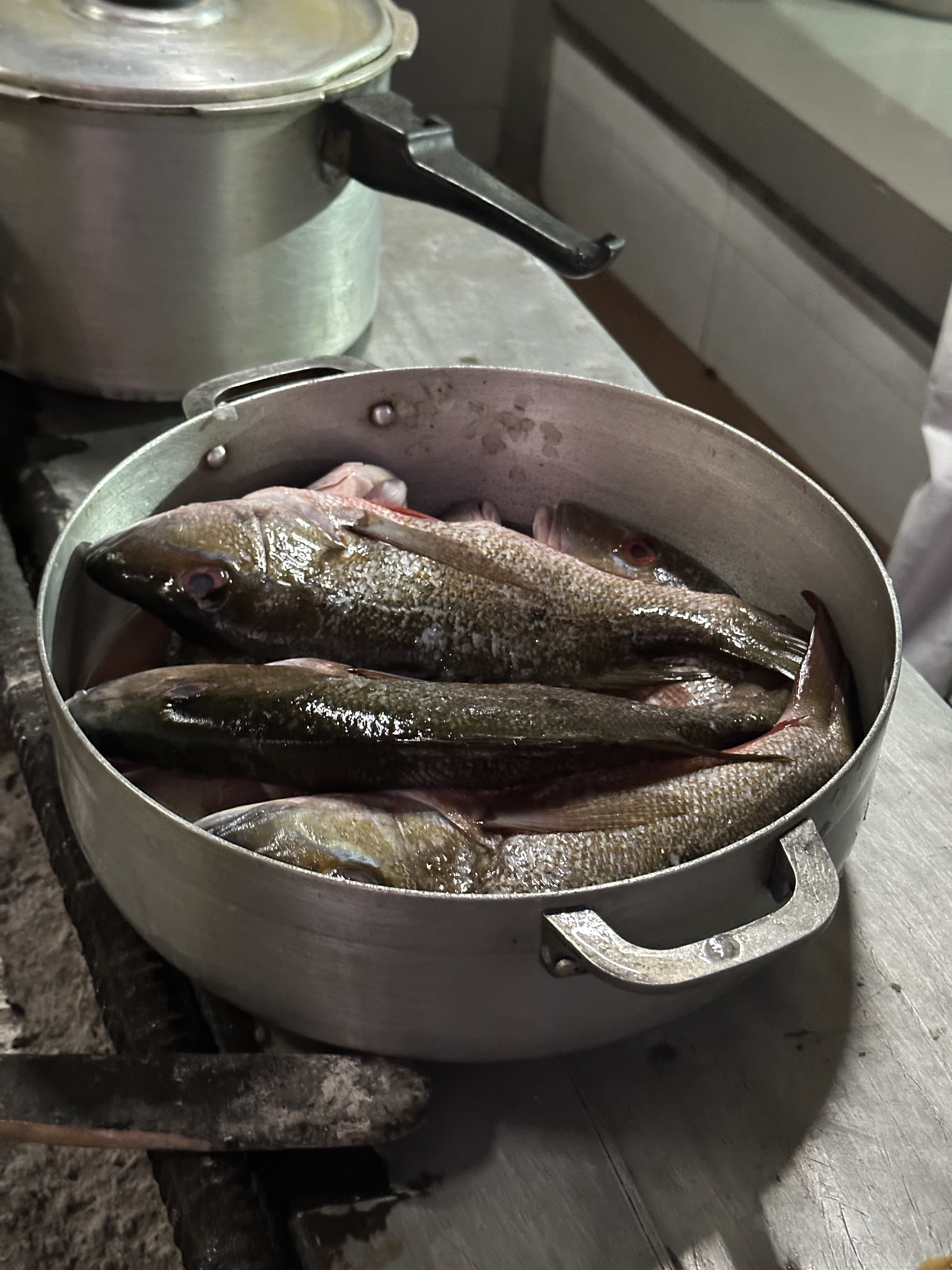
Like most Latin American countries, pork is the main meat, though ropa vieja (shredded beef), chicken, and fish (usually tilapia, tuna, red snapper or sea bass) also are widely available. Vegetarians need not fear, though vegetarian cuisine is not emphasized. Rice and beans are ubiquitous, but they’re often cooked with pork, so be sure to ask them to be prepared without meat. Omelets are widely available, as is “pizza,” which I put in quotations because Cubans have not yet mastered the art of a decent pizza crust. If you’re vegan, you’ll have a tougher time but should still be able to get by. And everyone should enjoy the delicious Cuban fruits – bananas, guava, papaya, tamarind, star fruit, giant avocados, and many others.
For large groups a service charge of ten percent normally is added to the bill. I usually left a tip of a few dollars on top of that.
Tip #5: Bring a refillable water bottle (and don’t leave it in a taxi, as I did. Remarkably, Will tracked it down and returned it to me on our last day!). Large plastic jugs of spring water are inexpensive and you can refill as needed without generating lots of plastic waste. If you’re vegetarian, make sure to ask that rice and beans, soups, etc. be cooked without meat.
Accessibility. People with limited mobility will face a challenging time in Cuba. Elevators and ramps are uncommon, and guest houses generally are two to three stories with steep stairs. (I assume the state-owned hotels are more accessible but did not patronize any, so I couldn’t tell you.) In addition, sidewalks, where present, are uneven, and streets may be cobbled and will be filled with potholes, which sounds logically inconsistent, but you know what I mean.
Tip #6: If you have mobility issues, ensure ahead of time that the places you hope to stay and eat are accessible. I’m sure you’d do that anyway, but your options in Cuba may be narrower than in more developed countries.
Internet access. Visiting Cuba presents a wonderful opportunity to step back from constantly checking email and social media. (Silver lining alert!) Because US carriers are not permitted to enter operating agreements with the Cuban telephone company, cellular data and voice are prohibitively expensive.
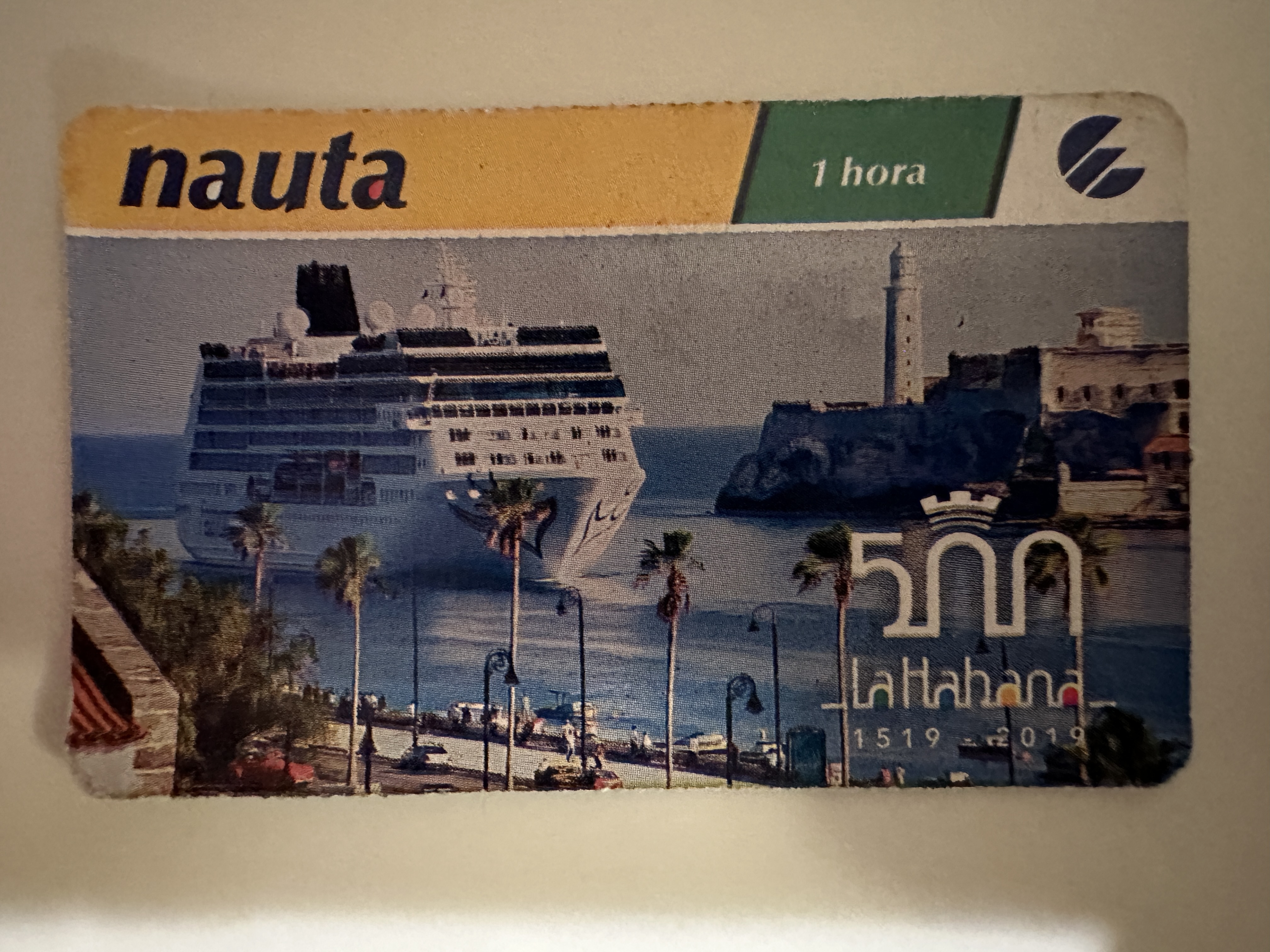
WiFi (pronounced “wee-fee”) is available in public squares. You need to purchase an Internet card (one dollar for one hour), usually available at a blue Cuban telephone company building near the square. Connection speeds may be glacial in peak hours (i.e., when people are awake). Many guest houses have free WiFi, but service is more aspirational than real.
Tip #7: Leave your phone in airplane mode to avoid incurring massive charges. Manage your expectations. Better yet, unplug for the duration of your visit if you can.
Blackouts. For several reasons, Cuba is enduring a period of insufficient electricity generation. As a result, outside Havana there are frequent planned blackouts, generally for four hours at a time.
Cuba would be a natural spot for solar or wind power, but those technologies are prohibitively expensive, especially in light of the US financial embargo. I was told that Cuba has struck major deals with China and India for renewable power generation, but it’s not clear how long it will take for these efforts to bear fruit. The US embargo thus hurts not just the Cuban people, but also American companies, which are precluded from bidding on renewable energy production in Cuba, instead ceding the business to our major global competitors.
Tip No. 8: You may want to bring a solar charger for your phone, and you should make sure you have enough charge to use your phone’s flashlight for an extended period.

Tomorrow I’ll post about Havana. Hasta mañana!

 PuffinlessTravel