Nearly ninety years ago, a remarkable woman was born in Jaruco, a small town in Cuba’s mountainous middle. Her parents had fled to Cuba from Russia, where several family members had been murdered in pogroms.

Why Cuba? Several years earlier, in one of the US government’s periodic fits of antisemitic pique, Congress had passed a law sharply restricting direct immigration from Russia. So her parents had to hopscotch their way to America, first to Cuba, then to Puerto Rico when the woman was 3, and finally, when the woman was 13, to New York, where she became a citizen.

That remarkable woman was my mother. Mom was a world traveler, having danced with tribal elders in Africa, communed with koalas in Australia, and brought school supplies to remote Amazon villages. She and my father repeatedly visited every continent except Antarctica. She never made it back to Cuba, though, before passing away in March 2022.

Hence this trip. My brother, sister, brother-in-law, and I just returned from a family pilgrimage to this fascinating, beautiful, troubled island. I’d like to think that Mom somehow was able to experience Cuba through us – to taste the tostones, marvel at the architecture, promenade in the old cars, and most of all, shake her hips to the music she so loved.
Traveling with Intrepid
This was my first trip with Intrepid, but it won’t be the last. Our guide, Will, was fabulous: funny, organized, unflappable, and a font of knowledge about all things Cuban. At the beginning of the trip, he advised us to “enjoy Cuba, but don’t try to understand it” – counsel we heard from several other Cubans – but through Will’s efforts I feel like our entire group came away with a deep appreciation for and understanding of Cuba and its people.
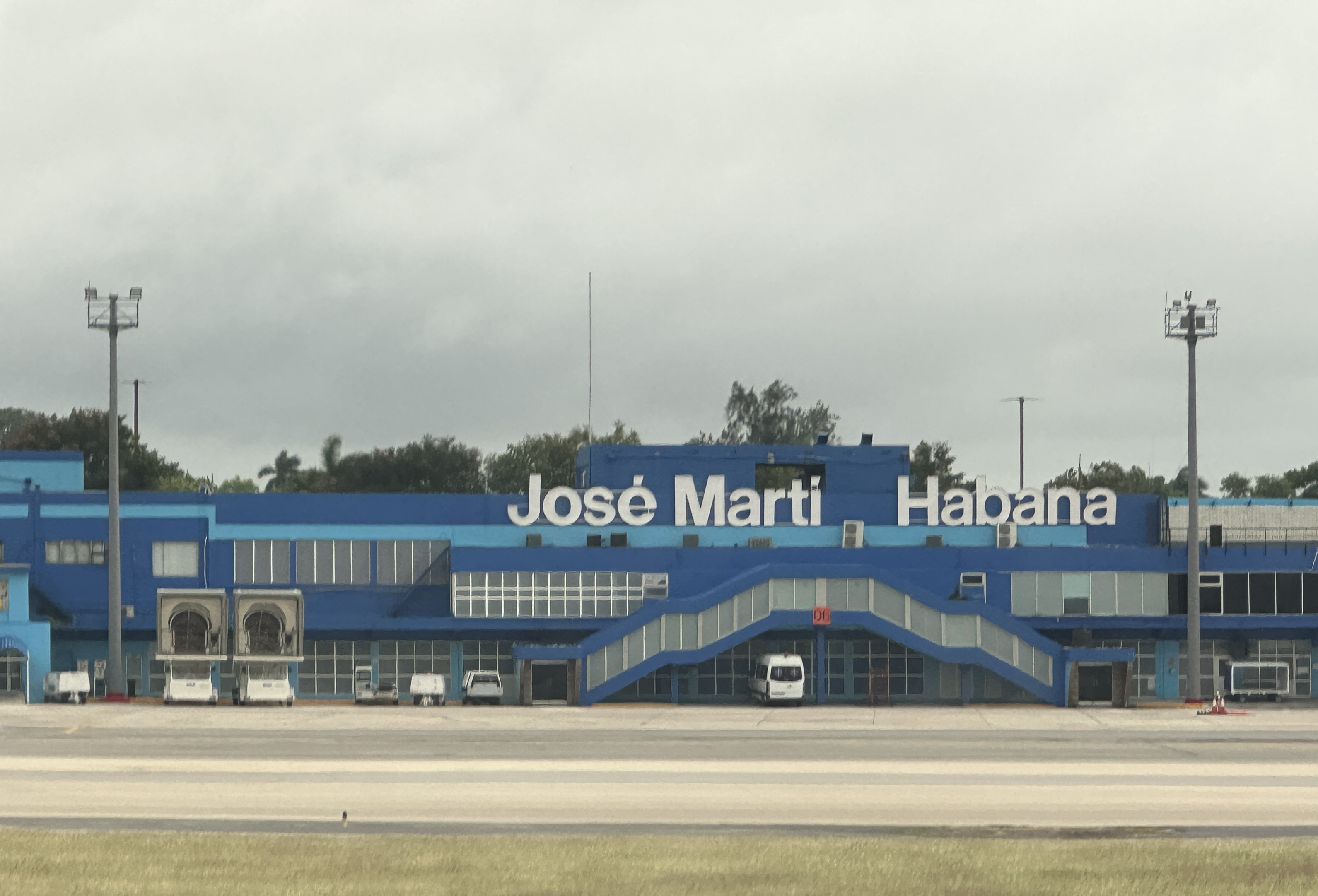
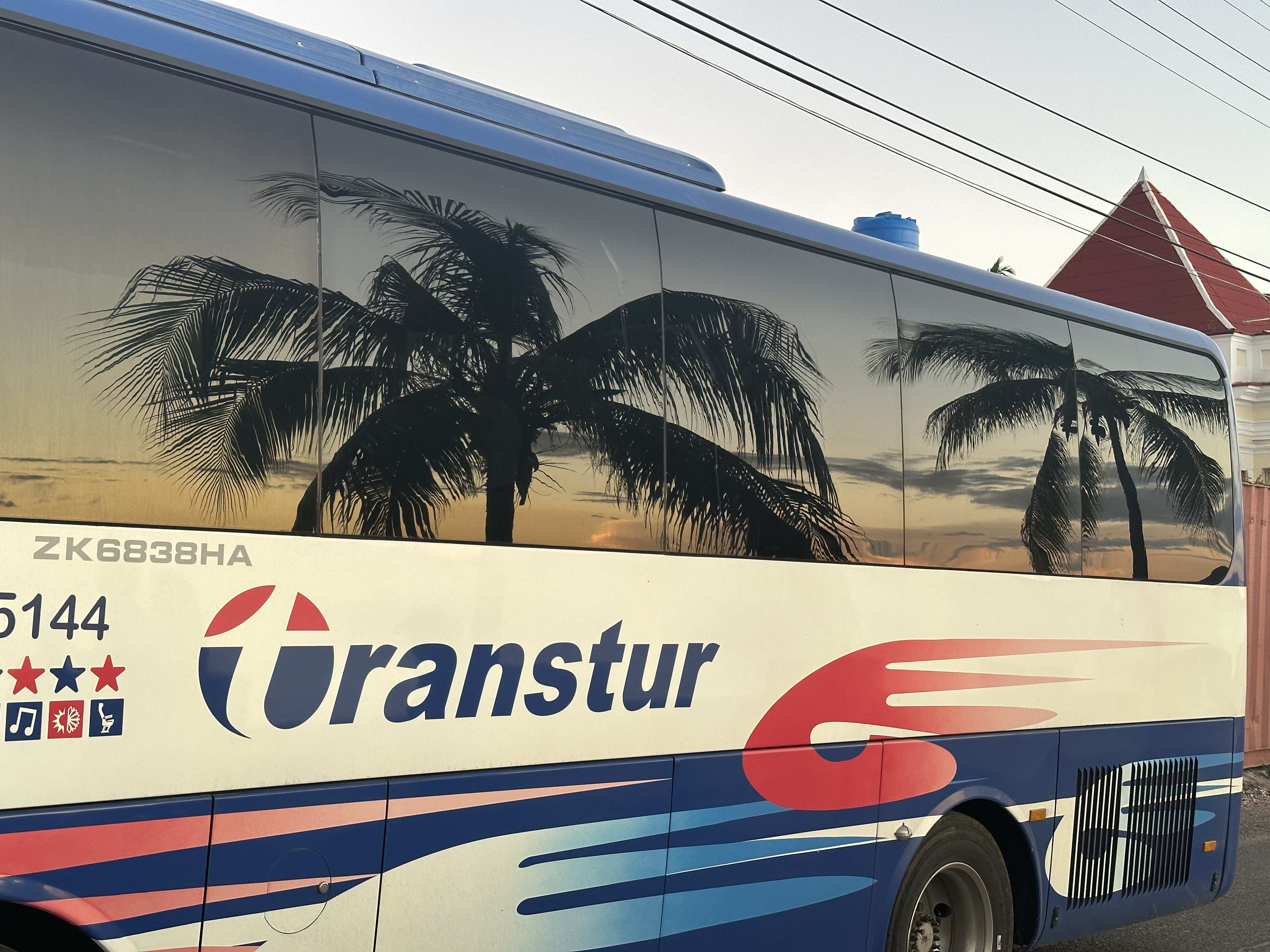
Will was assisted by his trainee, Claudia, who is a talented guide in her own right. And driving us safely around the island (no small feat) was George, who handled our bus masterfully and showed genuine pleasure in getting to know us.
Intrepid sets high standards for the guest houses it patronizes: they must be clean, have AC in the bedrooms (A and C are now my favorite letters of the alphabet after a week of sun and steam), hot and cold running water in the sink and shower, and WiFi. I’ll talk about the individual guest houses in upcoming site-specific posts, but all of them were clean and pleasant and had marvelous AC, even if they didn’t always meet Intrepid’s other requirements (WiFi in particular). The only substandard house was in Havana on our last night, where part of our group was initially placed in an apartment with mold and no AC. Will quickly found high-quality alternative lodging.

So, two thumbs up for Interpid. The itinerary, guides, and entire trip experience were wonderful.
Cuba: An Overview
With a little imagination (or perhaps more than a little “Vitamin R,” as our guide calls rum), Cuba looks like a hammerhead shark. One eye points toward Africa and the other toward Latin America, as befits the island’s syncretic culture, where Catholicism and Santeria are practiced side by side and African rhythms propel Spanish songs of love and longing.

Cuba shares the lush beauty of many other Caribbean islands, with broad beaches, misty mountains, deep jungles, and stately colonial architecture (some in disrepair, some gorgeously restored). These features alone make it a wonderful destination. For me, though, Cuba’s real charm flows from its people.

Decades of deprivation – especially after the implosion of the Soviet Union and withdrawal of Russian aid – have made Cubans the most resilient group I’ve ever had the pleasure of getting to know. They are resigned to shortages – will there be milk today? Vamos a ver (we’ll see). Will the electricity cut out? Vamos a ver. Will the road be passable after last night’s storm? Vamos a ver.

But Cubans do not sit back and suffer: “somos fuertes” – we’re strong – is a constant refrain. Entrepreneurship is everywhere. With the government’s permission, private homeowners offer rooms for rent in “casas particulares” (guest houses). Citizens can own and operate bars and restaurants (“paladars”) with certain restrictions. Many homeowners (private ownership is permitted) use their front room as a shop for crafts, linens, or food. During the day, the front door is open and customers can view their wares from the street.

This small-scale capitalism can succeed only if tourists visit the island. Unfortunately, the indefensible US travel and financial embargo – about which I will have much more to say, none of it good, in my final post about this trip – squashes the very people our government should be supporting.
In addition to being resilient and resourceful, every Cuban person I spoke with (probably around fifty from many walks of life) was warm, welcoming, and thrilled that an American tourist (especially one with “Cuba en el sangre,” however diluted) was visiting their island and interested in their lives. Among the Cuban people there is no ill will toward Americans, even though for the past six decades (with some liberalization during the Obama presidency, quickly reversed by his successor) our government has done everything in its power (and some things not in its power) to make their lives even more miserable than their own government already has done.
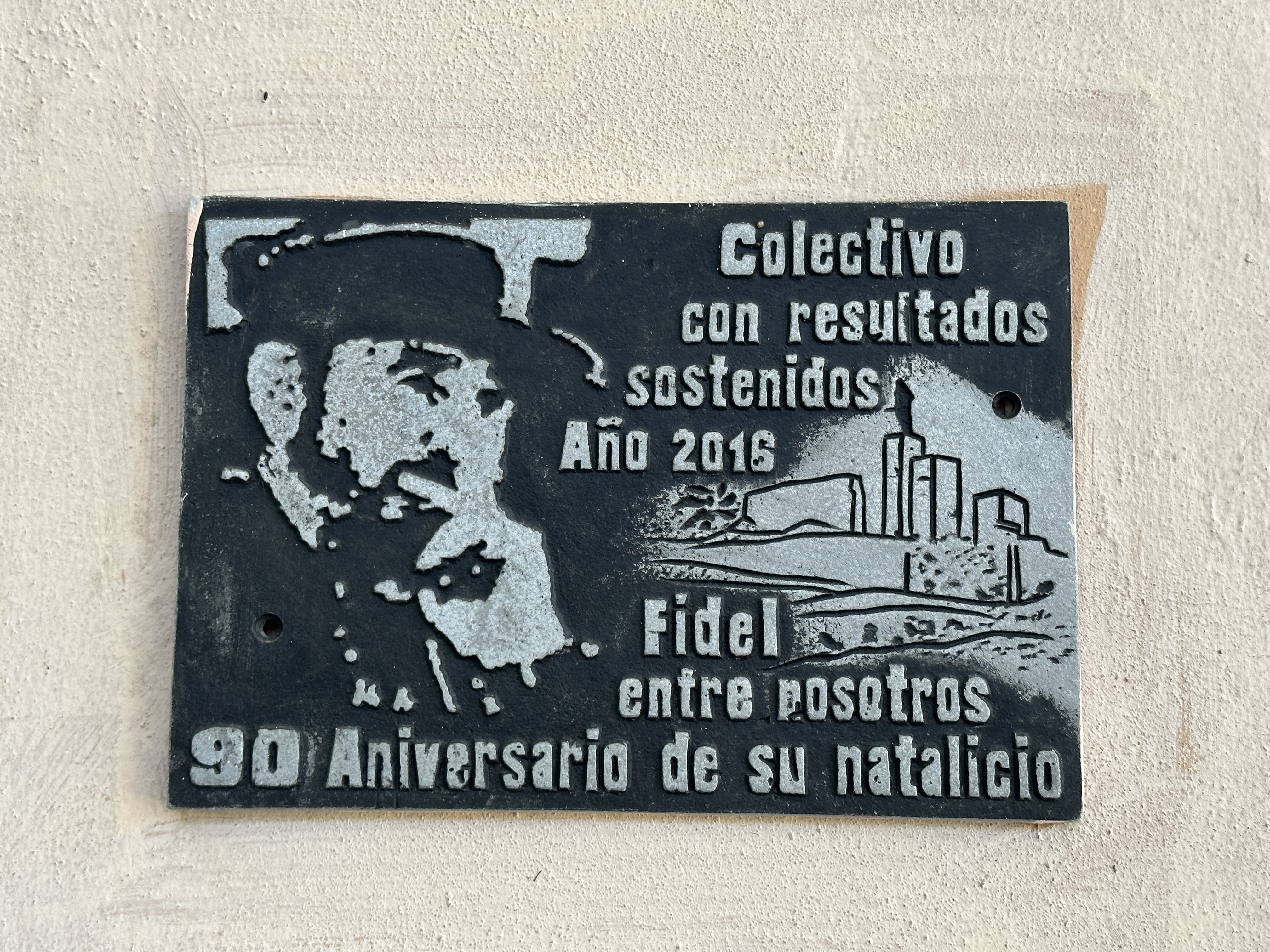
There are signs everywhere glorifying the Cuban Revolution – nobody refers to it as the “Revolution”; it’s the “Triumph of the Revolution” – but Cuba, while Communist (they refer to themselves as socialist) isn’t a threat to any other country’s way of life. The Cuban Revolution was driven by a desire for true independence. Until 1902 Cuba was a Spanish colony, and between 1902 and 1959 it was essentially a client state of the US (or, more accurately, of American industry).
Castro gave the Cubans the independence they craved, and he must be given credit for establishing free access to health care (there’s a doctor in every town) and free education through university level. Although health care is widely available, Cuba faces the additional disadvantage of chronic shortages of medicine and medical supplies – in some part due to our government’s antipathy toward Cuba. (Castro also promised adequate housing, but 60 years after the Revolution there is a long way to go: A joke going around Cuba is that the government is playing reverse Monopoly, building hotels before houses.)
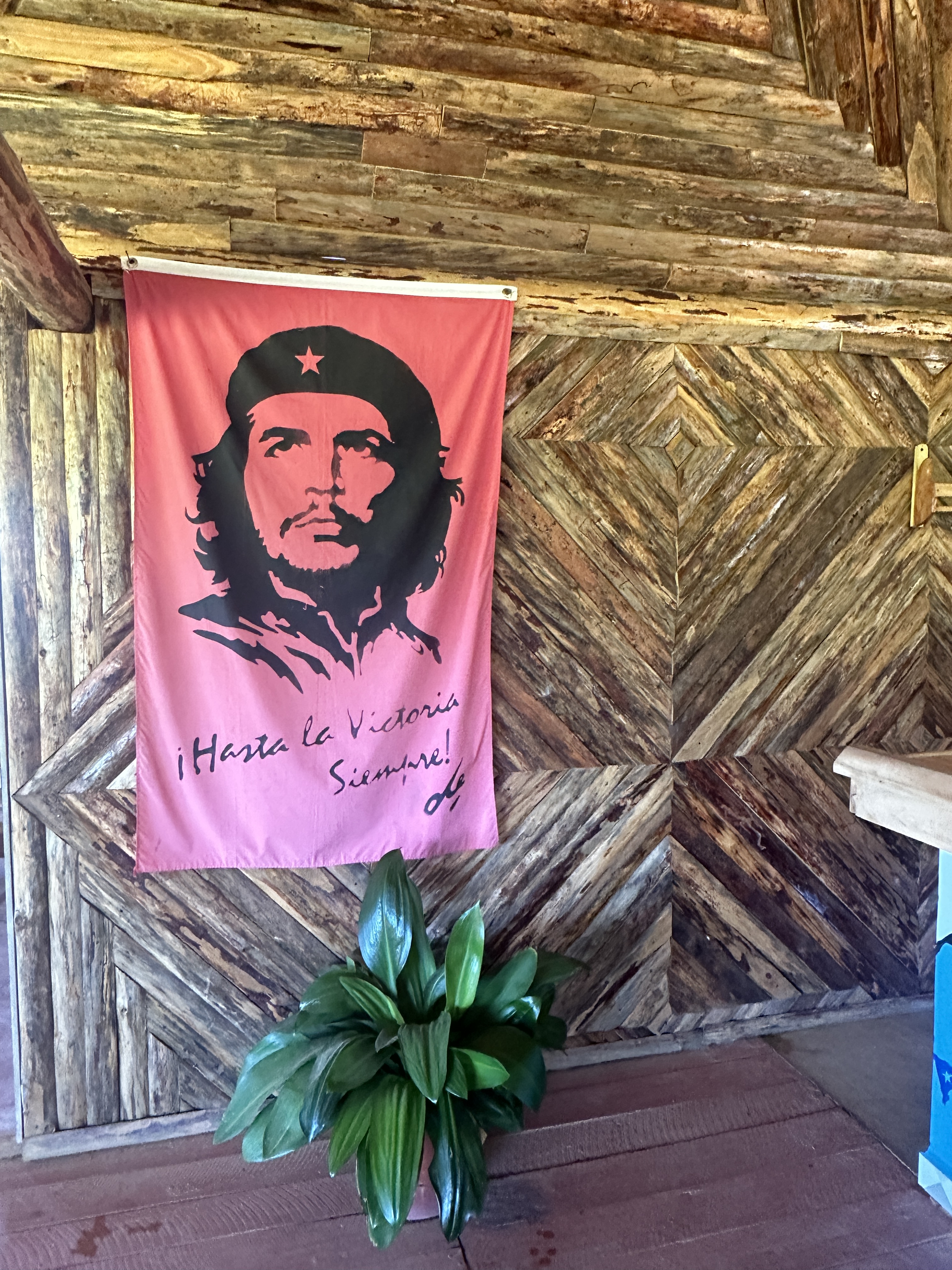
I’m not suggesting Castro, Che, and their companions deserve unalloyed admiration. Castro’s brand of reform has involved massive expropriations, “disappearance” of enemies, decades of shortages, and harsh restrictions on basic human rights. Cuba is far from the egalitarian paradise that I think Castro genuinely envisioned. (A joke I overheard: Why was Castro a bad bartender? Because he couldn’t even make a Cuba Libre.)

So, my advice: visit Cuba, marvel at the classic cars, glory in the scenery, savor the cuisine, take a salsa dancing lesson, and imbibe plenty of Vitamin R. For a true Cuban experience, though, don’t stay in a government-owned luxury hotel or eat in fancy government-owned restaurants. Patronize the casas particulares, eat in the paladars, and really get to know the Cuban people. Many do not speak English, but even if you have no Spanish you will quickly realize what a wonderful lot they are. They need your support – don’t withhold it!
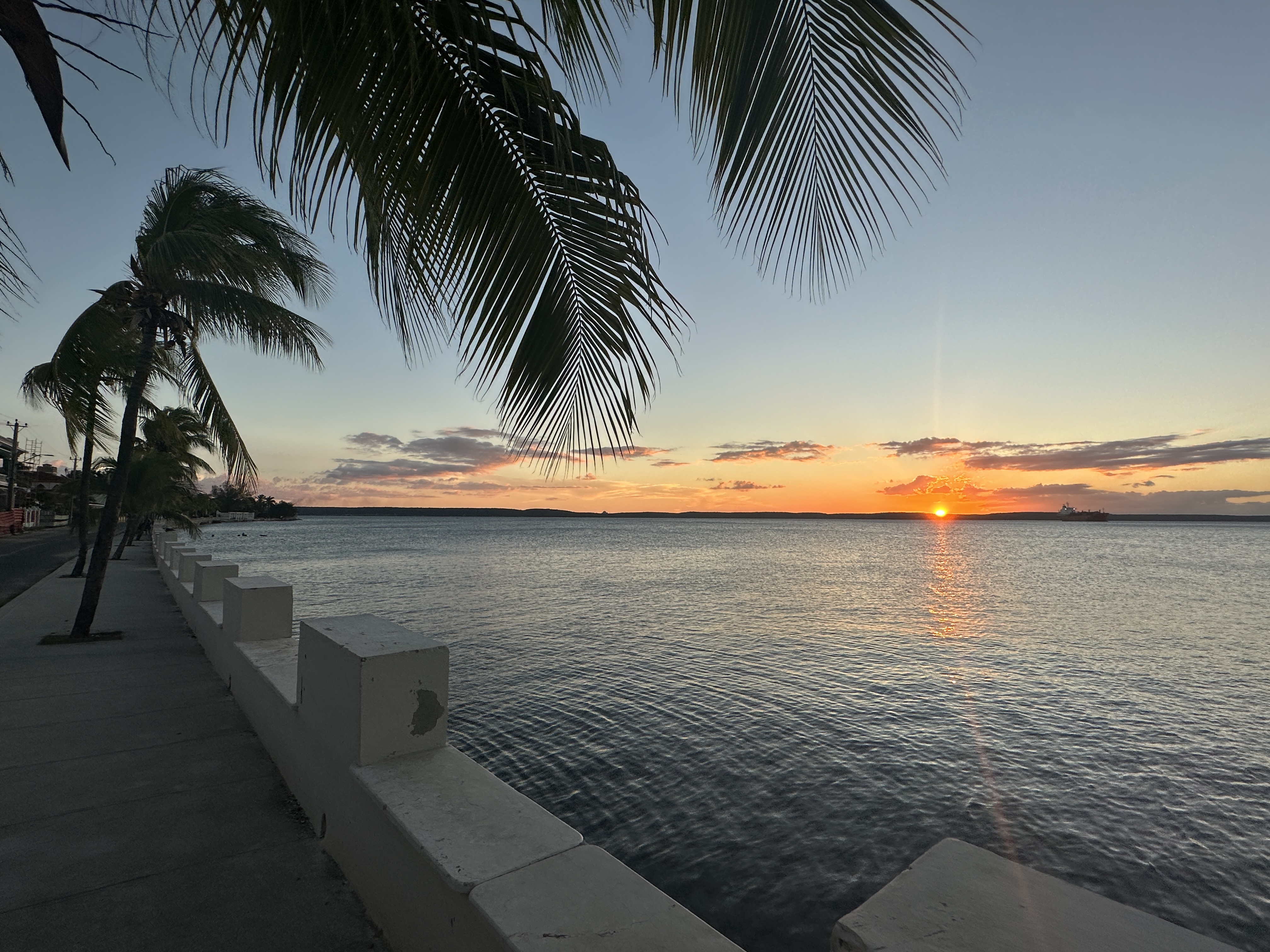
The next post will address how Americans can visit Cuba under the “Support for the Cuban People” exception to our draconian embargo and provide tips on what to expect and what to bring. Following that I’ll revert to a traditional travelogue discussing the five places we visited: Havana, Viñales, Cienfuegos, Trinidad, and Santa Clara.

 PuffinlessTravel
I just read this first post. Absolutely fantastic, though you should’ve warned me to have tissues nearby!
Sent from my iPhone
<
div dir=”ltr”>
<
blockquote type=”cite”>