Our ship docked this morning in Mohács, a UNESCO World Heritage Site where, in 1526, the Ottoman army routed the Hungarian army, effectively ending the Hungarian Empire. We did not tour Mohács because, in the words of one of our tour directors, “there’s nothing to see there.”
Instead, we pressed on to Pécs, the prettiest and liveliest town we’ve seen on this trip. On the way, we passed fields of brilliant sunflowers, corn, and wheat. (My attempts to photograph the sunflowers from the moving bus met with “incomplete success,” and have been consigned to the digital dustbin.)

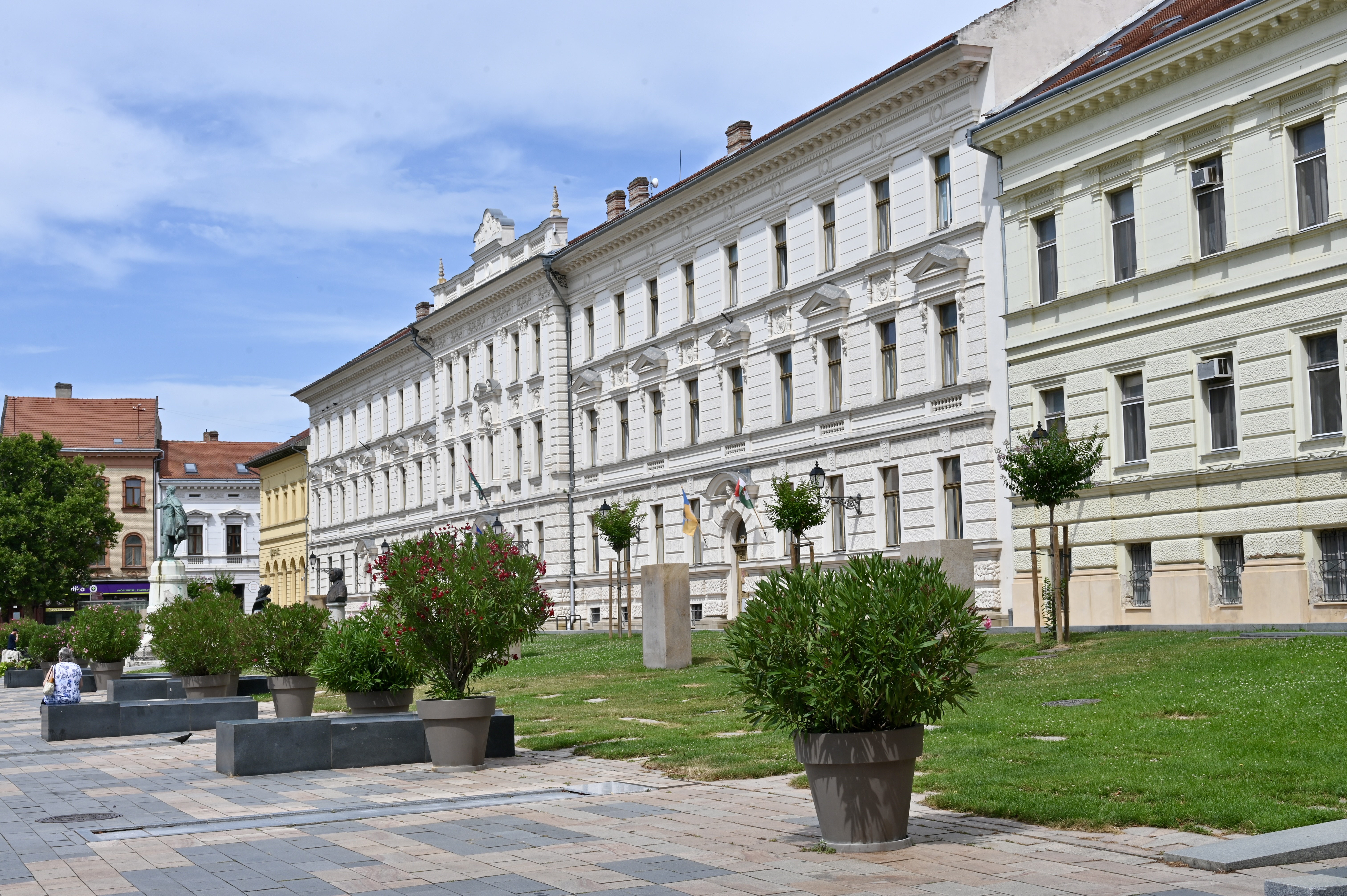
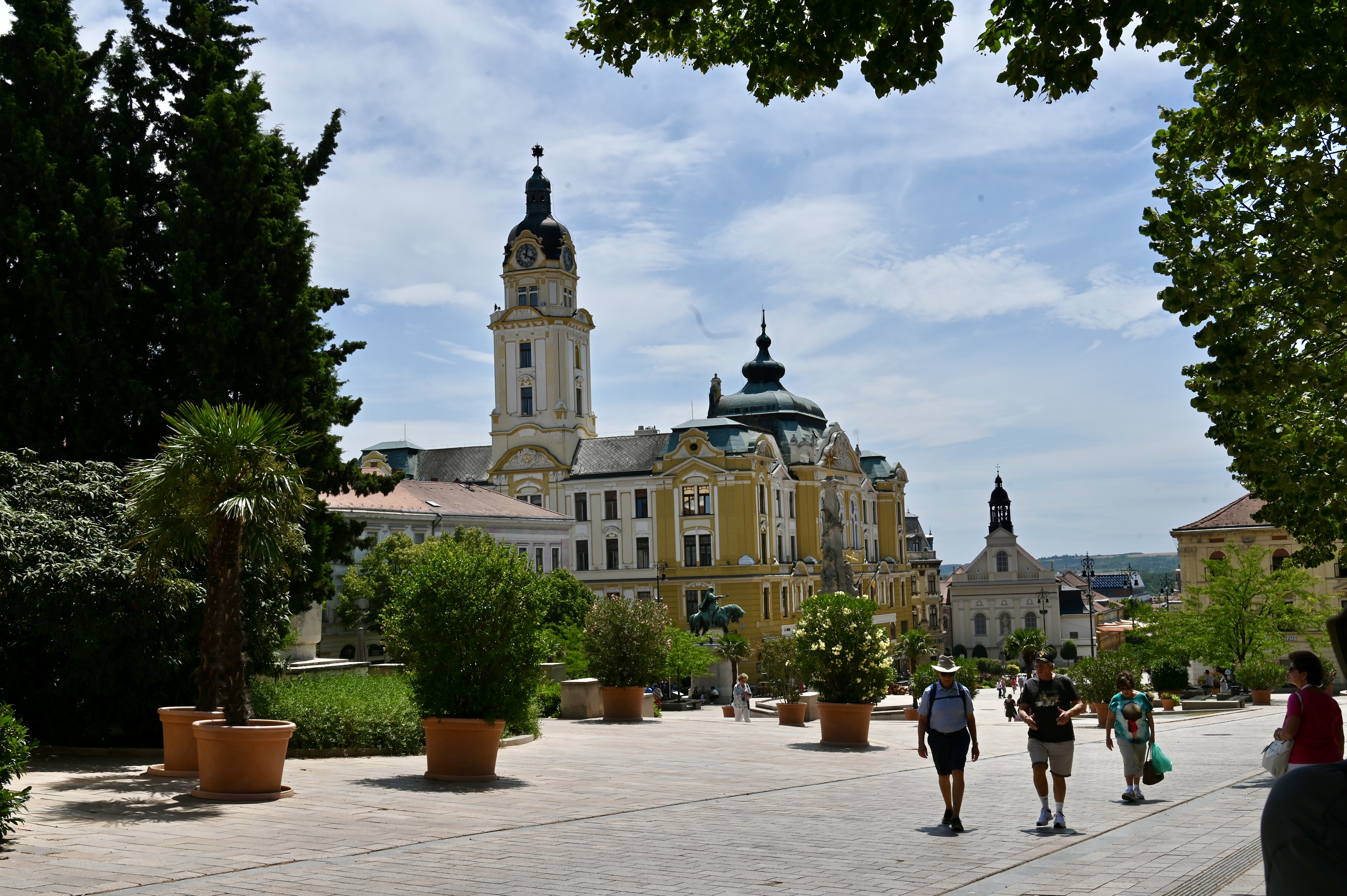
Pécs was founded in Roman times, making it an averagely old city in this part of the world. The center city includes at leastnthree significant places of worship, impressive Hapsburg-style buildings that look like they’re scrubbed clean on a daily basis, and an enormous plaza. Kids splashed in fountains, tourists shopped and clicked, and locals sipped coffee.
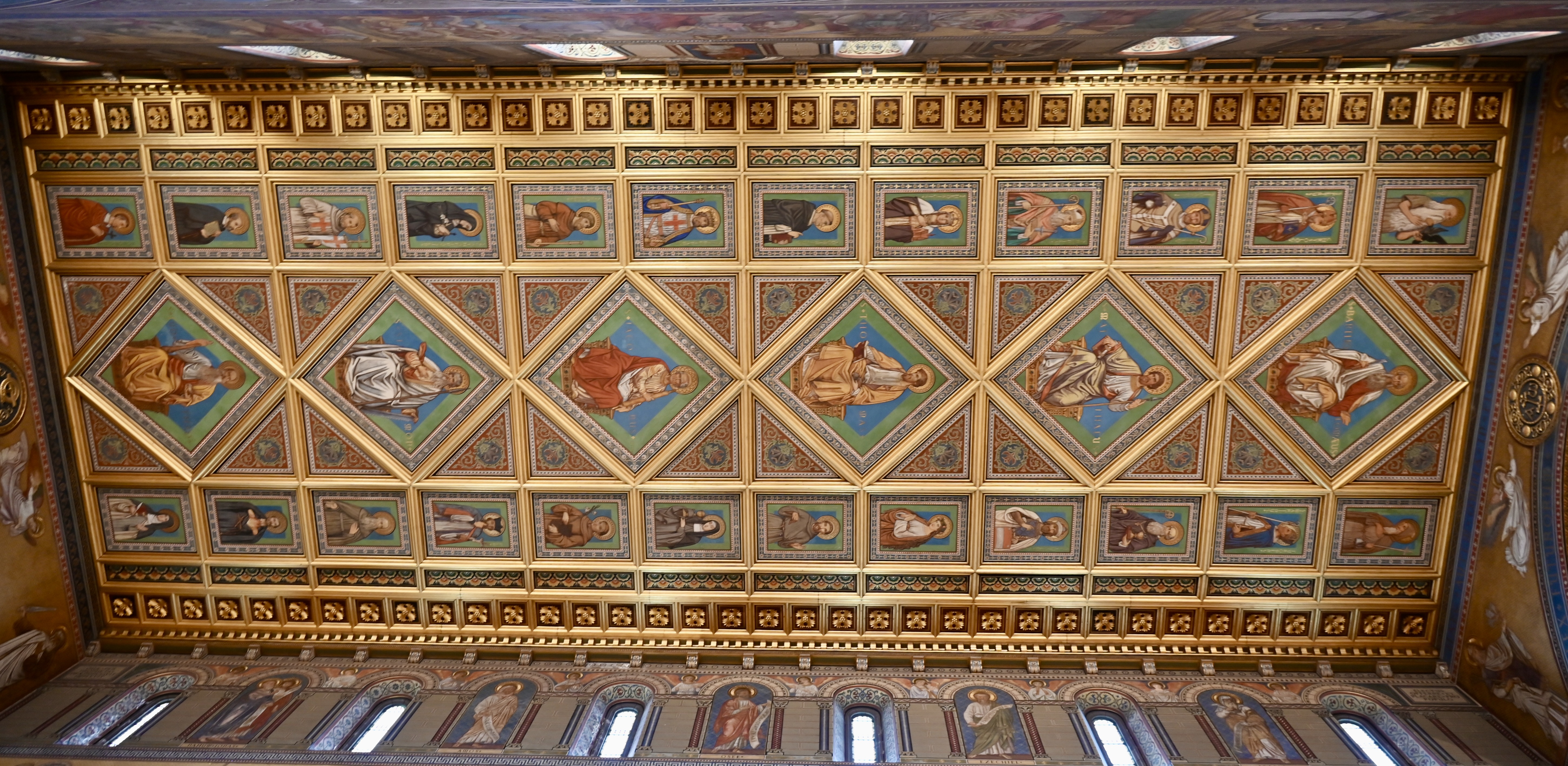
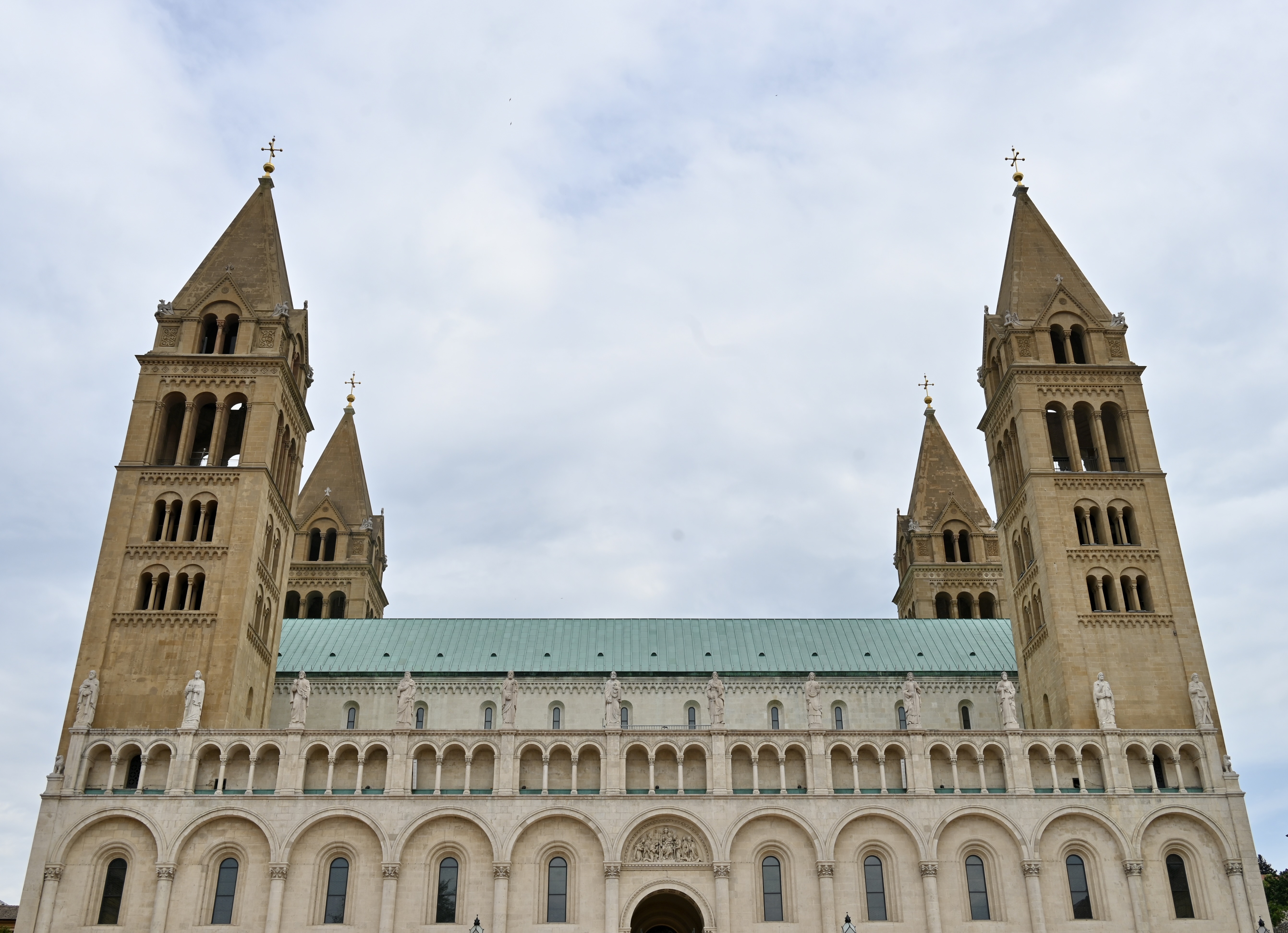
Our first stop, the Cathedral, was built in the 11th century and renovated in the 19th century. Beneath the rather plain exterior (four towers and a fairly small footprint for a cathedral) lies a gem of an interior, with beautiful artwork and a spectacular organ. I found it one of the most attractive cathedrals I’ve seen: the interior is airy and majestic, and the relative simplicity of the décor adds to the sense of awe.
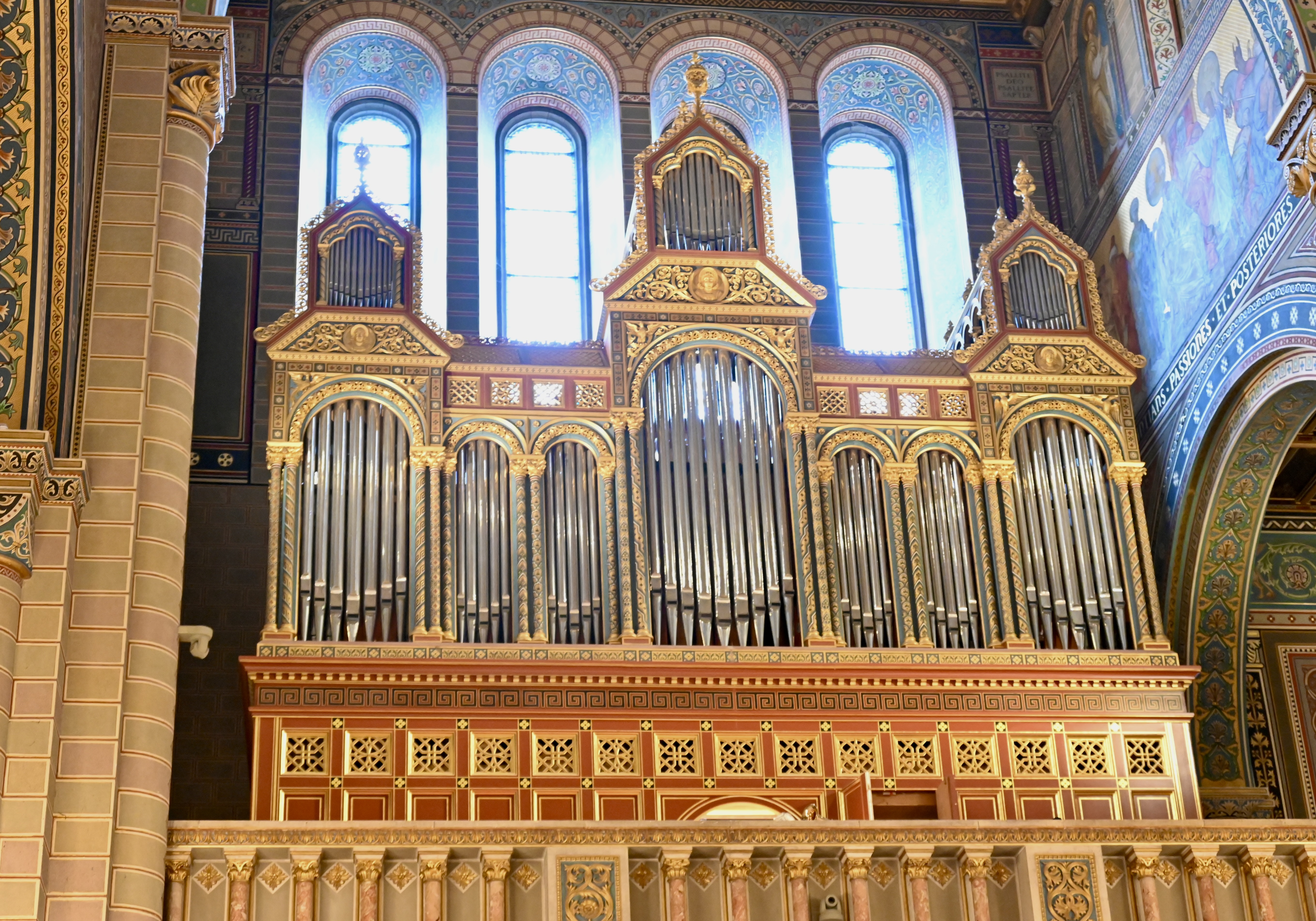
At the Cathedral, we were treated to a concert including music by Purcell and Mozart and traditional Hungarian folk tunes. For the Mozart, the organist stepped away to play trumpet (or perhaps flugelhorn; it had a mellow sound) against a recorded background. The music swelled around us and filled the space almost palpably.
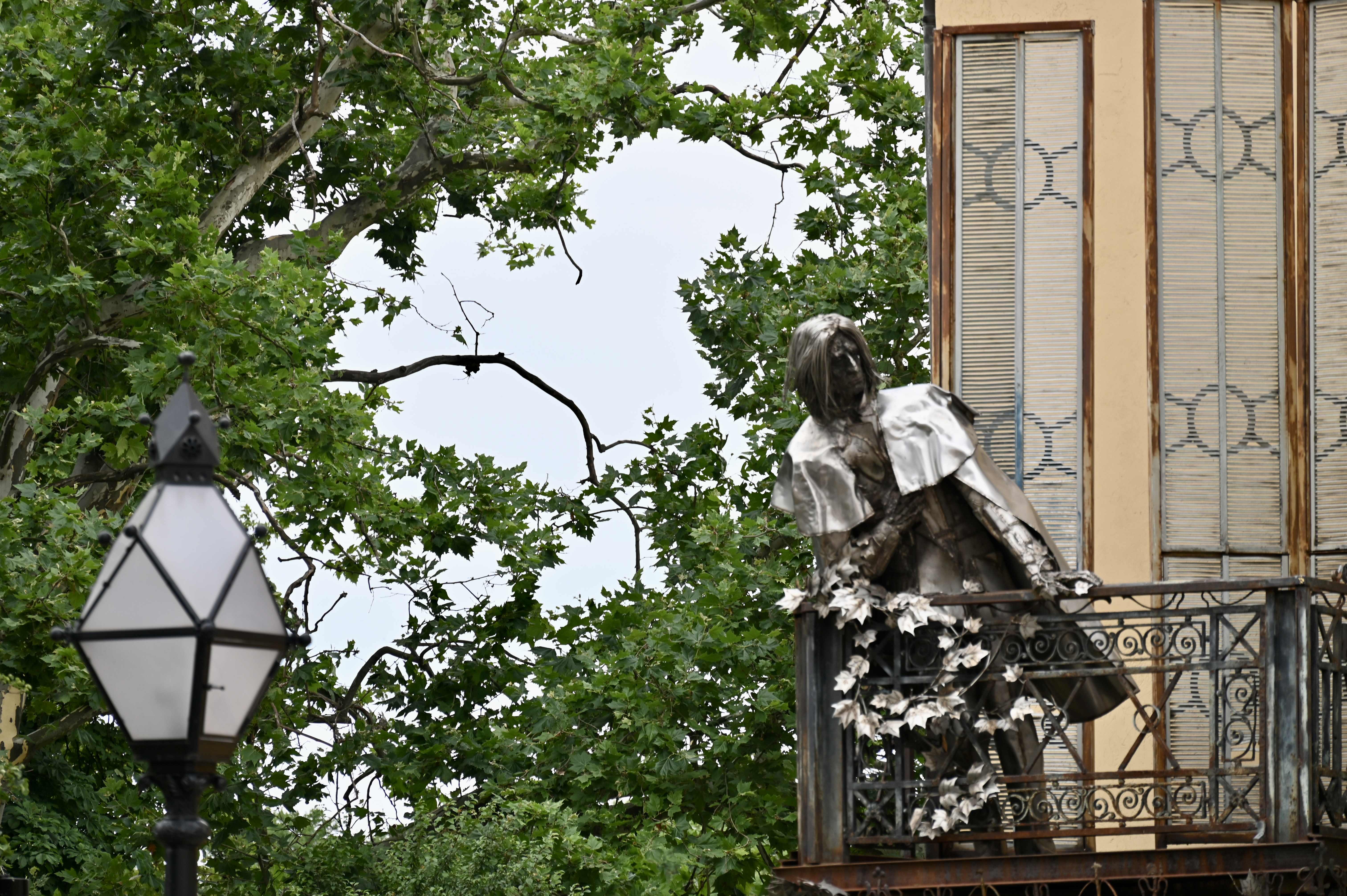
Just outside the Cathedral, craning his neck from the balcony of the old bishop’s house (the house was old, not necessarily the bishop, whose age I do not know), Franz Liszt gazed toward the cathedral. His statue looks quite life-like, not to mention dashing.
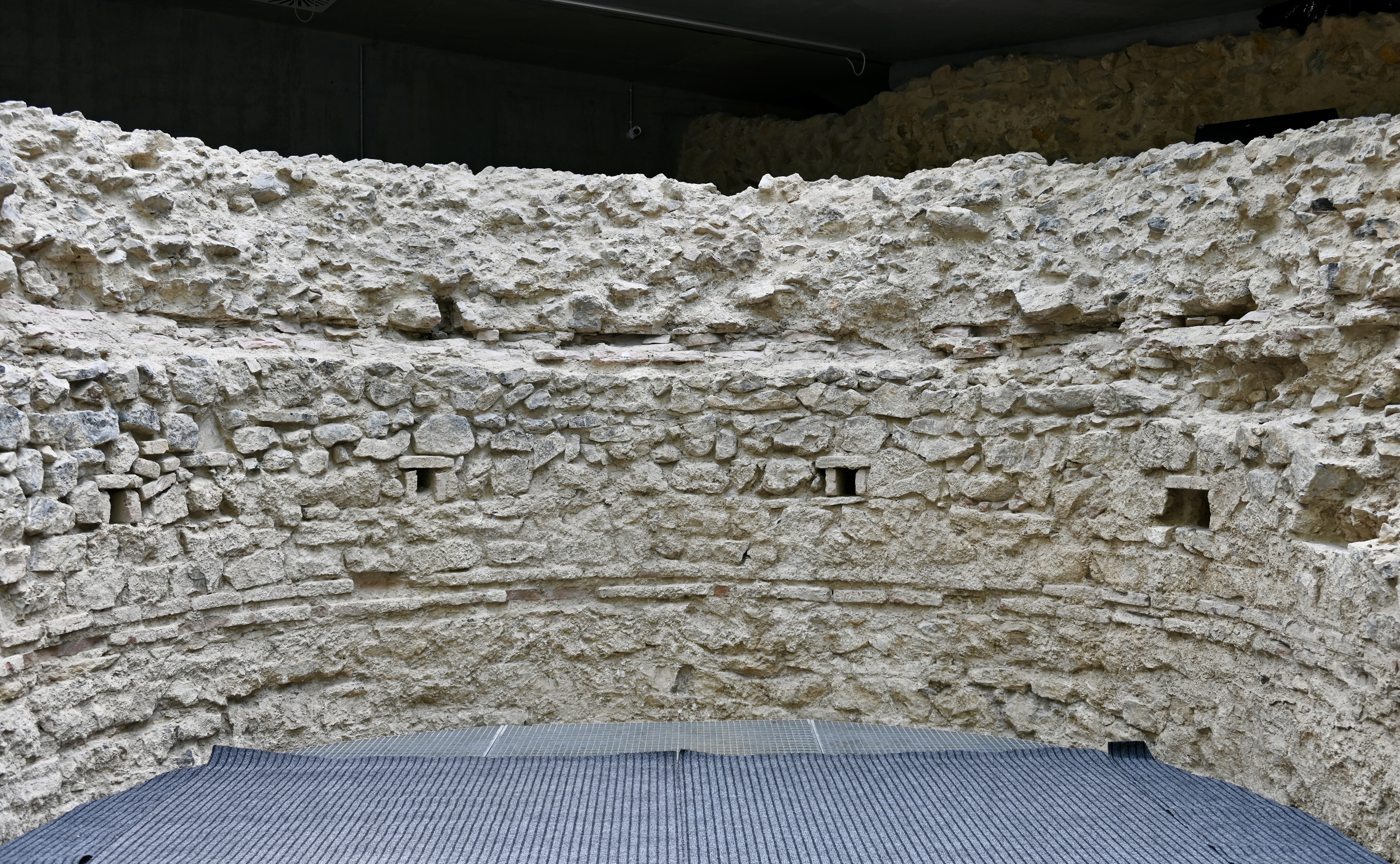
Adjacent to the Cathedral lies Celli Septichora, a 4th century Christian cemetery. We walked through what’s been unearthed of the interior, including a mausoleum and several crypts. The site is impressive for its antiquity, but in all honesty, it’s not that interesting inside.
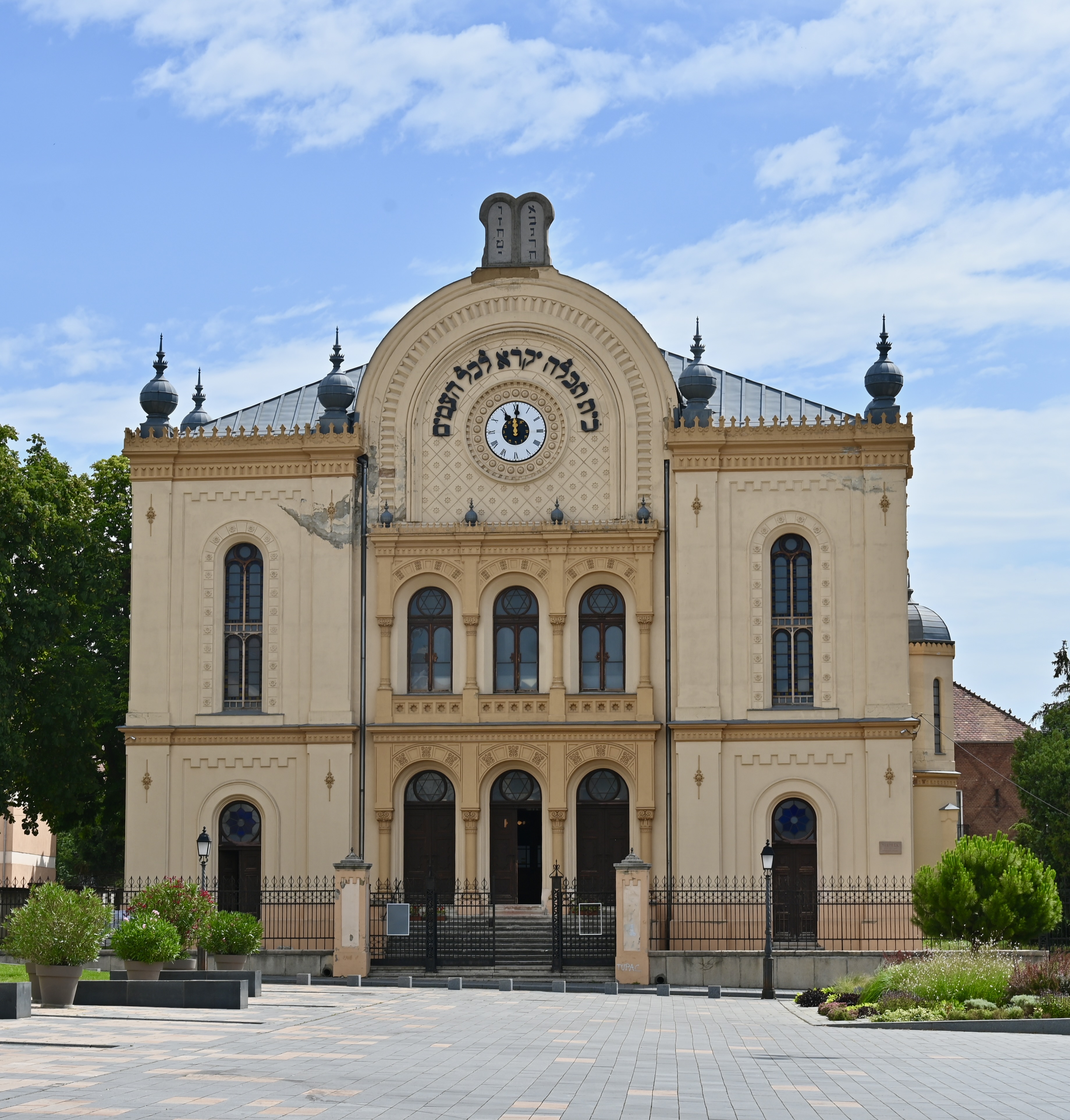

Around the corner from Celli Septichora is Pécs Synagogue, built in 1869. Even though it’s not used for services, it’s a stately building with a simple but attractive wooden interior. Ninety percent of the Jews of Pécs were murdered in the holocaust and only three hundred returned after the war. The vast majority of those left under communism, and if I understood our tour guide correctly, only thirty remain in town. Those who attend services due to in a small building next to the synagogue.
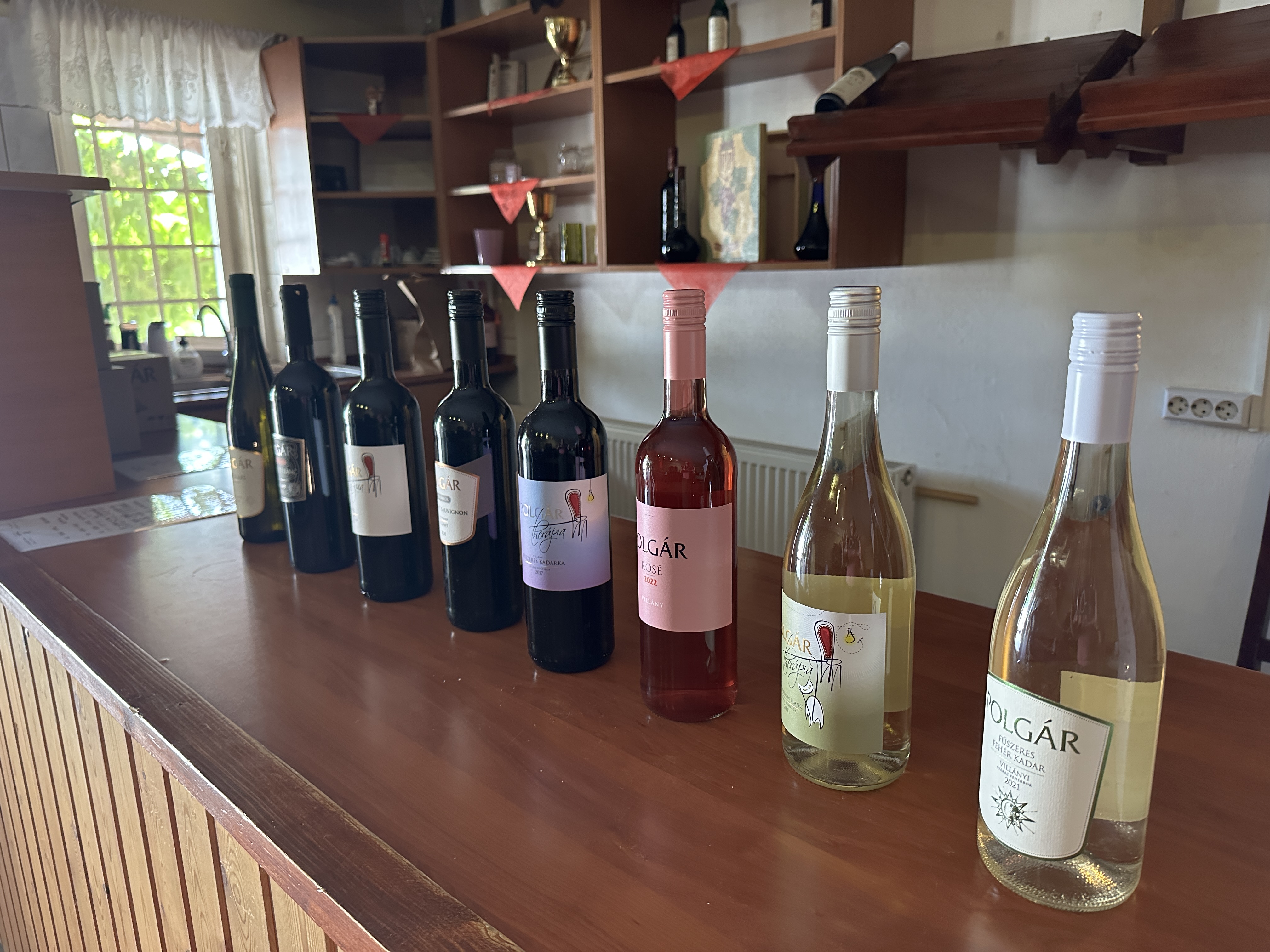
Following our city tour, we headed to Polgar Winery in the jewel box town of Villány. The owner, who sports a magnificent mustache, introduced each of the eight wines that we tasted (three whites, a rosé, three reds, and a dessert wine).
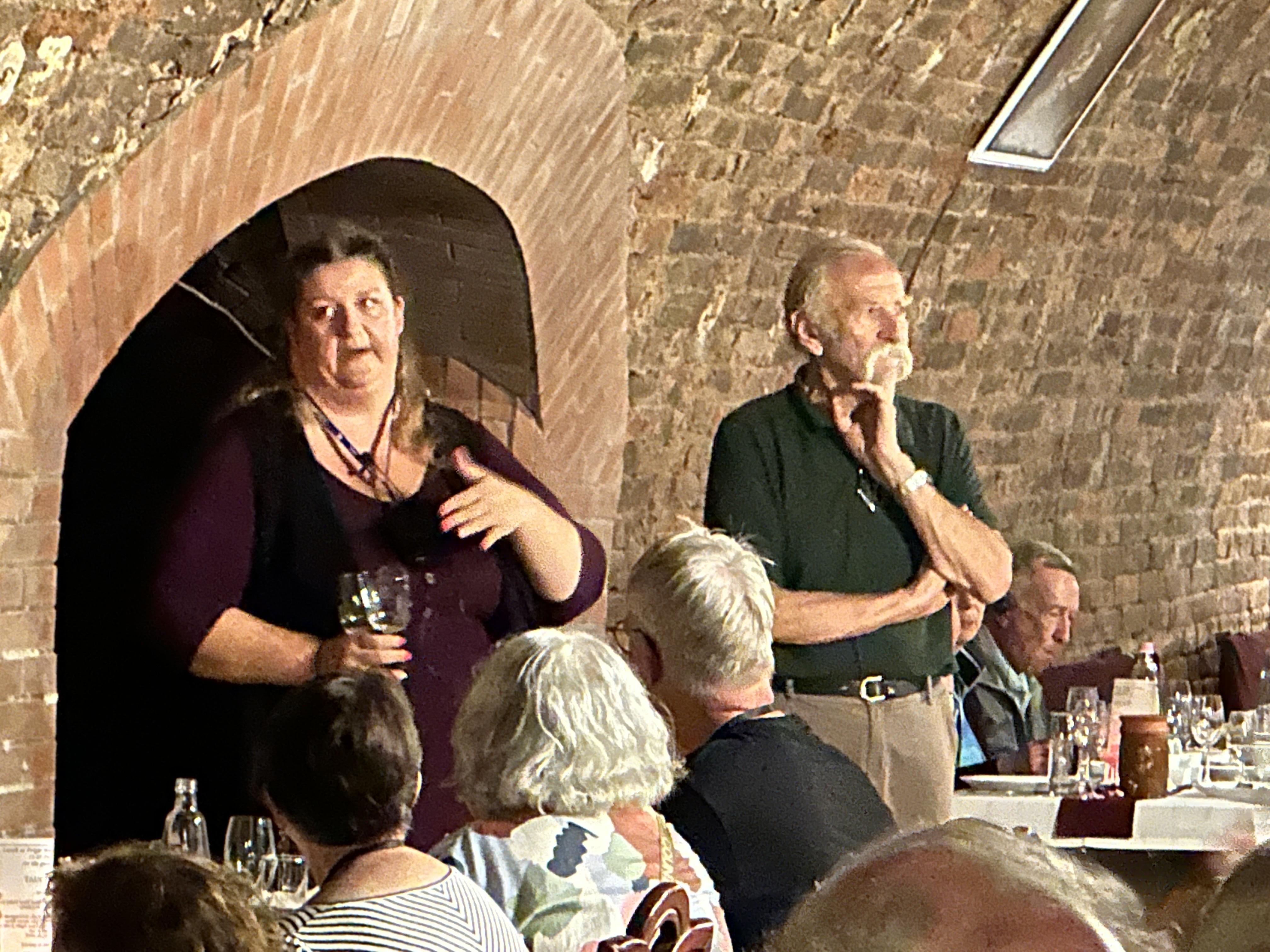
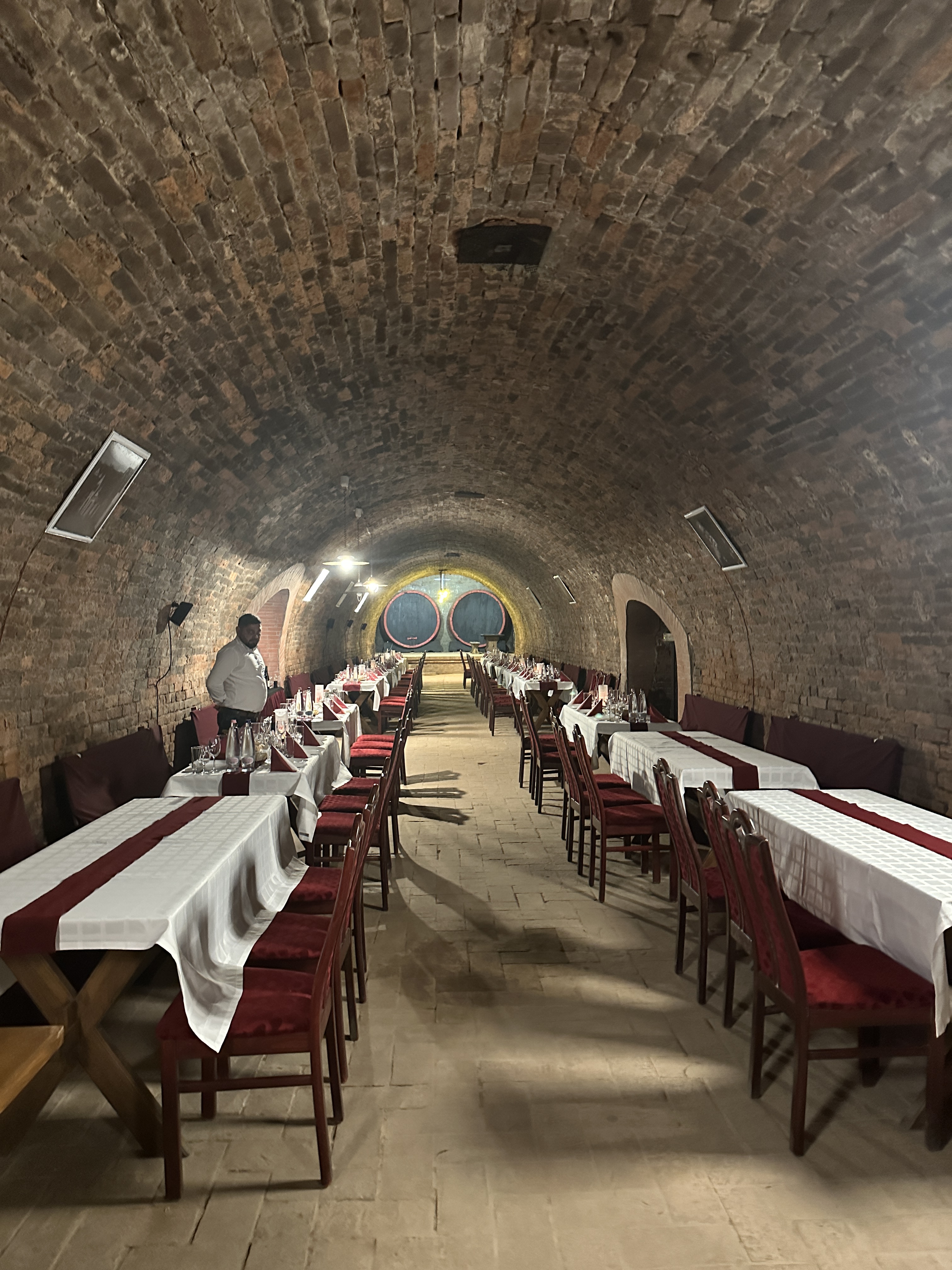
Alas, I didn’t find the wines nearly as notable as the owner’s facial hair, but the venue was interesting (we ate in a wine cellar, which got progressively louder as the one wine succeeded the next) and the food good.
Even though I had only a sip or two of seven of the wines – the only one I liked enough to finish was a Spicy Kadarka – I enjoyed a pleasant nap on the ride back to the ship.

 PuffinlessTravel