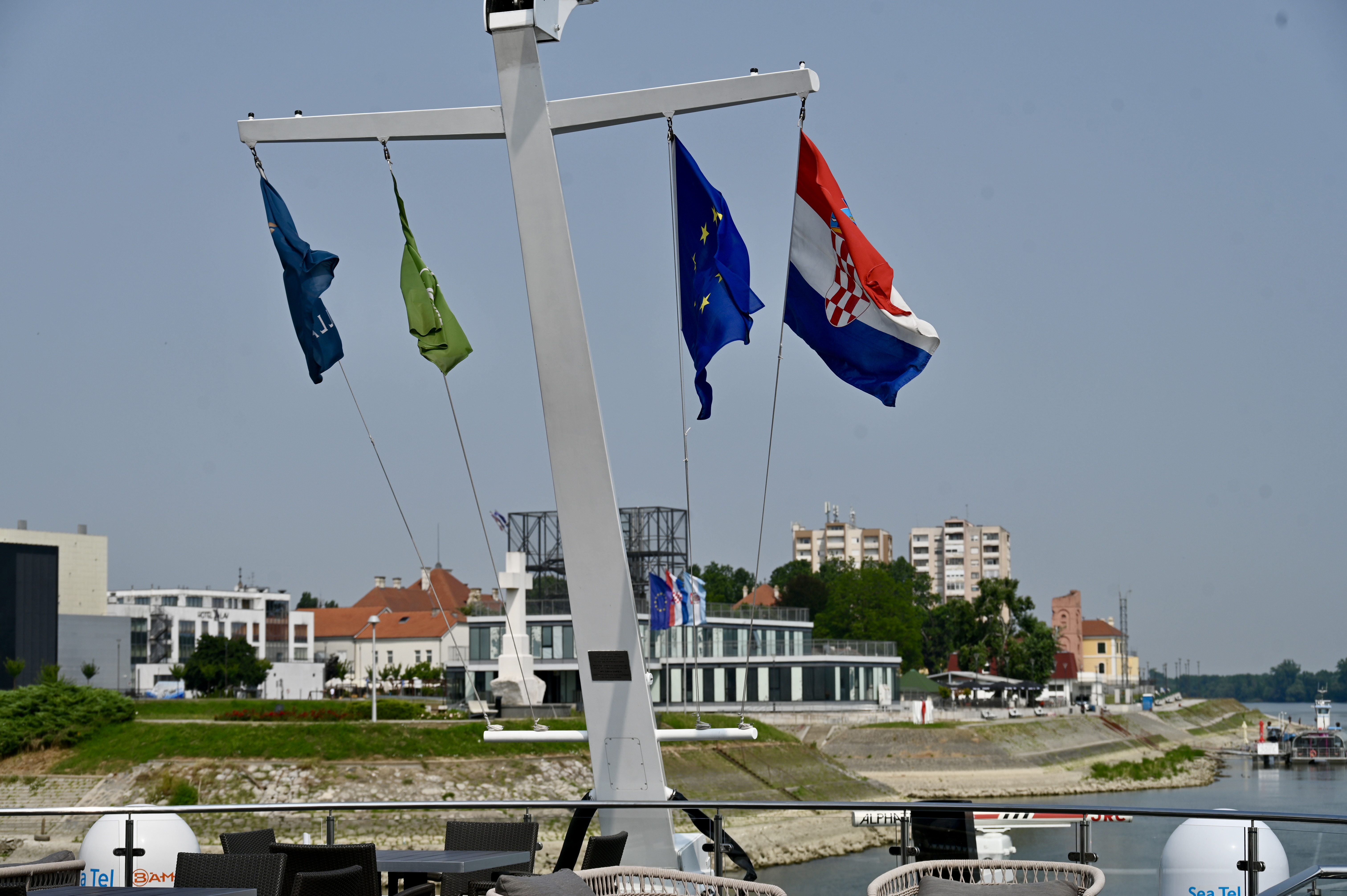
In yesterday’s post, I noted that Serbia has been on the receiving and giving end of some truly barbaric behavior. Today we saw the results of their barbarity during the War of Croatian Independence (if you’re a Croat) or War of Yugoslav Secession (if you’re a Serb).

Vukovar was ground zero for the fighting during much of the 1990s. This town, which sits immediately across the Danube from Serbia, was 95 percent destroyed by Slobodan Miloševič’s army in the early 1990s, and residents had to move elsewhere before they were allowed back late in the decade. (One of our cruise directors, who comes from a town twenty miles away, said her village was under siege for seven years.) Of course, the Croats weren’t entirely blameless; prior to the start of hostilities nearly one hundred Serbs living in the town were killed or “disappeared.”
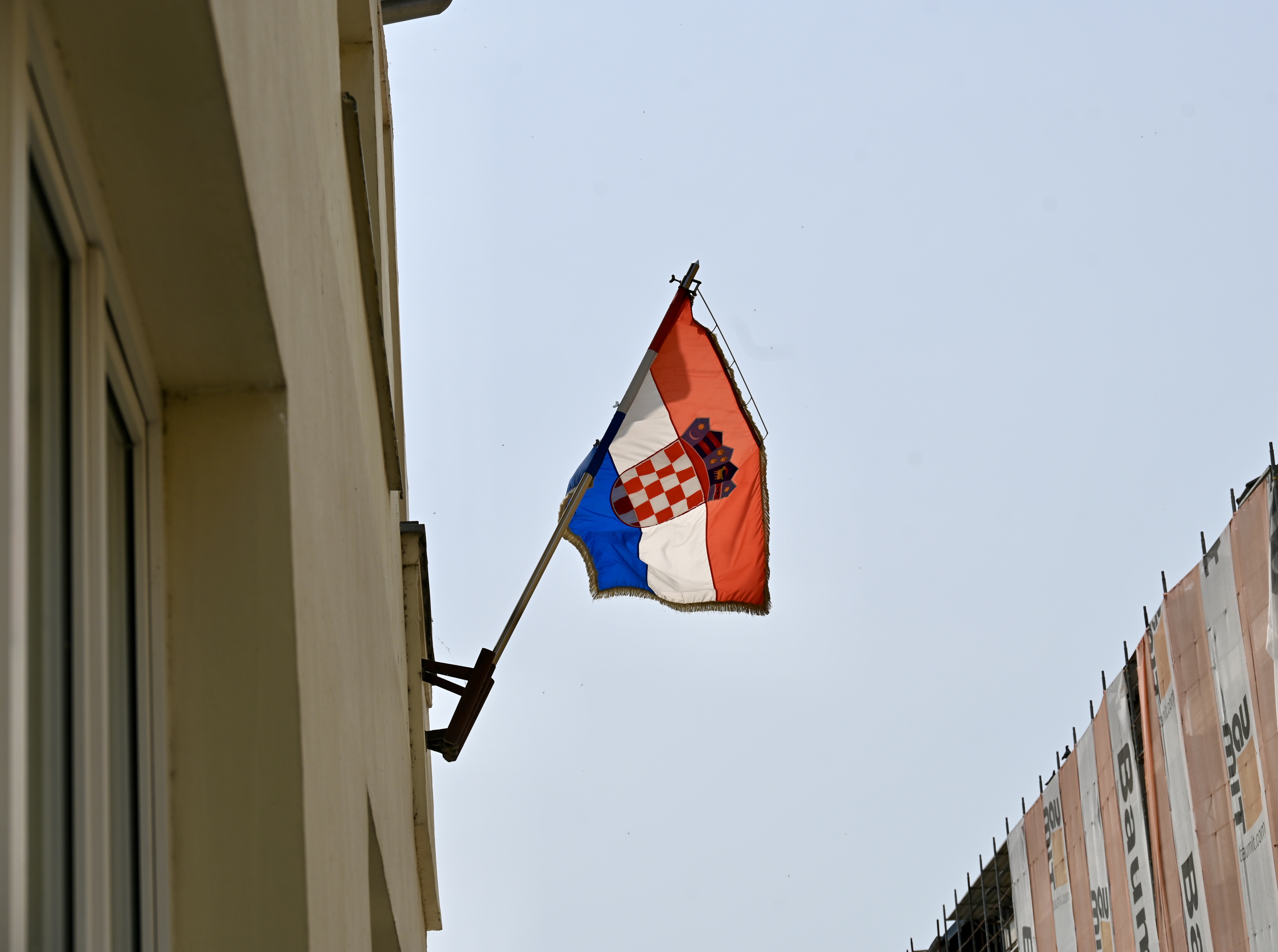
The day began innocently enough with a talk from an expert in Croatian history. After the usual lesson in the region’s recent, tragic past, she showed slides of famous Croatians, starting with Nikola Tesla – whom the Serbs consider their own. In yesterday’s lecture, the Serbian history expert said that Tesla had a Serbian father but was born “in the Austro-Hungarian Empire.” This is true as far as it goes, but he neglected to mention that the part of the Empire where Tesla was born happened to be Croatia – and that Tesla never set foot in Serbia!
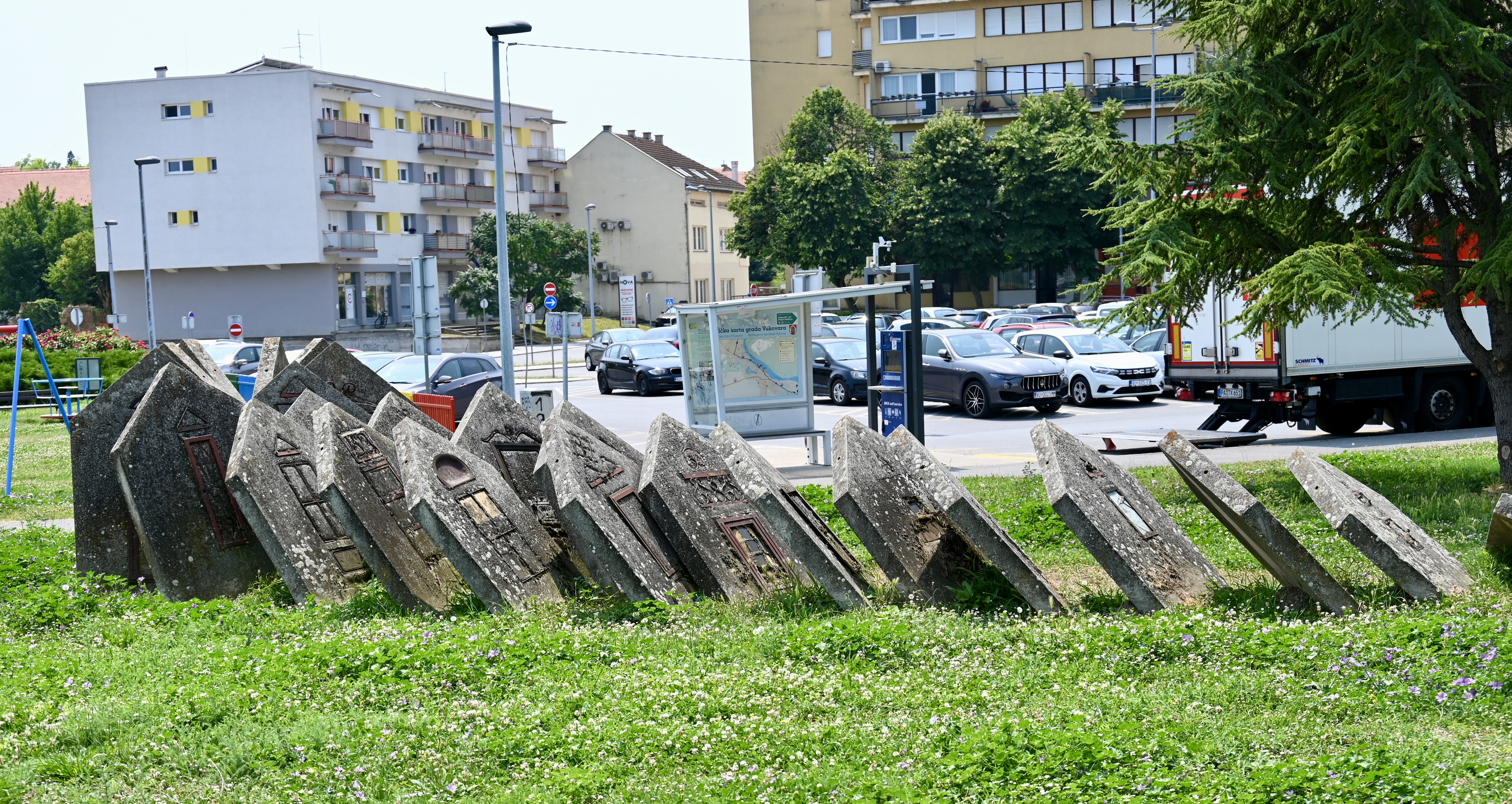
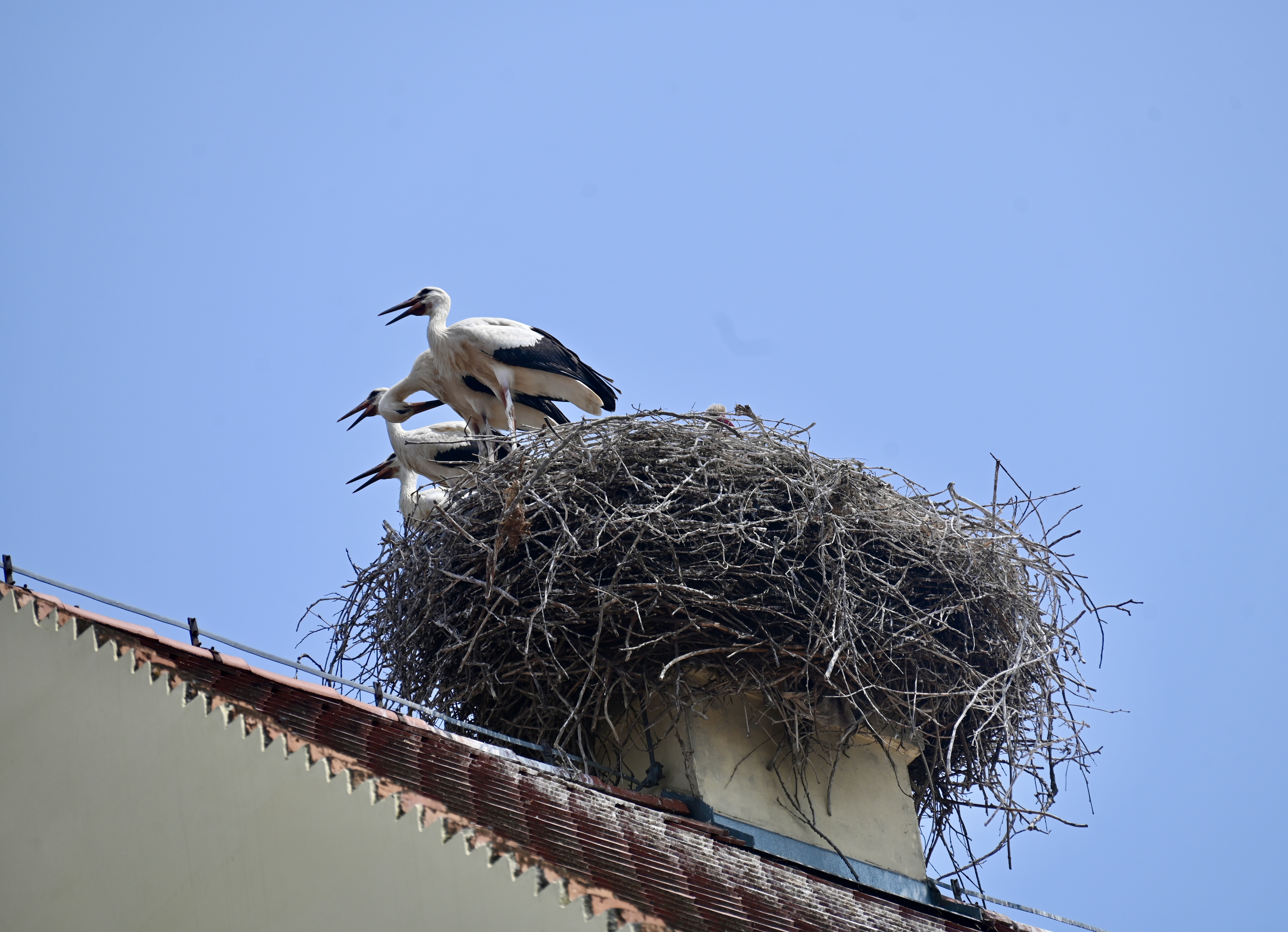
Then came our tour. We took a twenty-minute walk around this charming town, which has been largely rebuilt. There are lots of flowers, art installations, and nicely restored/reconstructed public buildings. Vukovar also is the summer home of dozens of storks; come winter they will all fly to North Africa.


But there are also reminders everywhere of the slaughter that took place between 1991 and 1999. The town pharmacy and the Vukovar train station intentionally were left in ruins, and some houses still bear bullet marks and shrapnel damage.
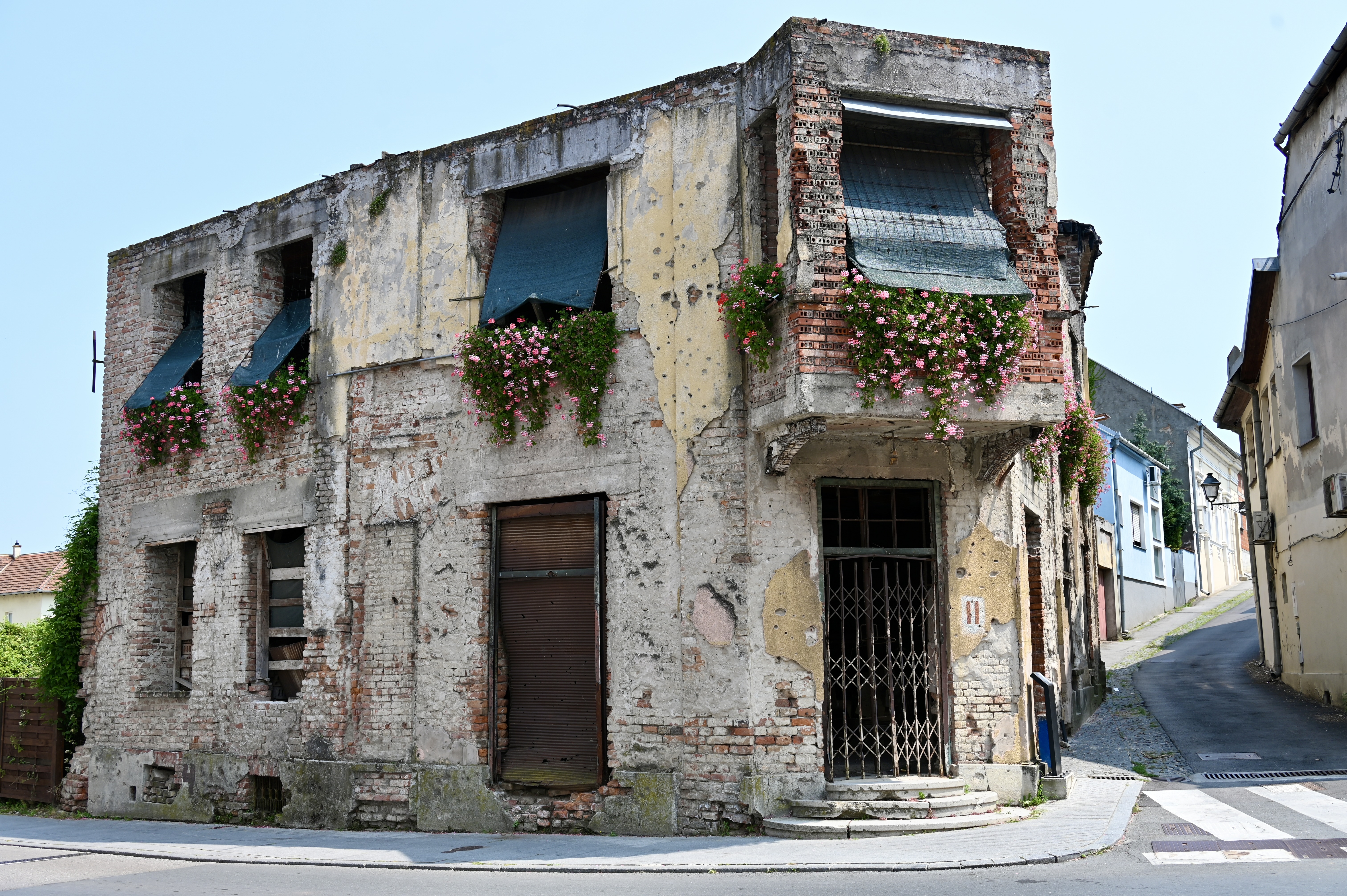

After this sobering stroll, we were taken by bus for “home visits” in the tiny town of Aljmaš, population 300 (down from over 1000 before the war). This town, which likewise was devastated during the war, now features small, tidy houses with well-manicured lawns and gardens.
We visited with Rozika (Rosa), a woman who has been through it all yet remains volubly positive. The war began shortly after she got married and became pregnant with her first child. She and her new husband had to relocate to a nearby city for the duration of the war. As she was evacuating with other civilians on a barge, Serbian snipers were shooting at them. Many years later when she returned, she found her house almost completely destroyed, with the remainder so trashed by Serbian soldiers that it was unlivable.
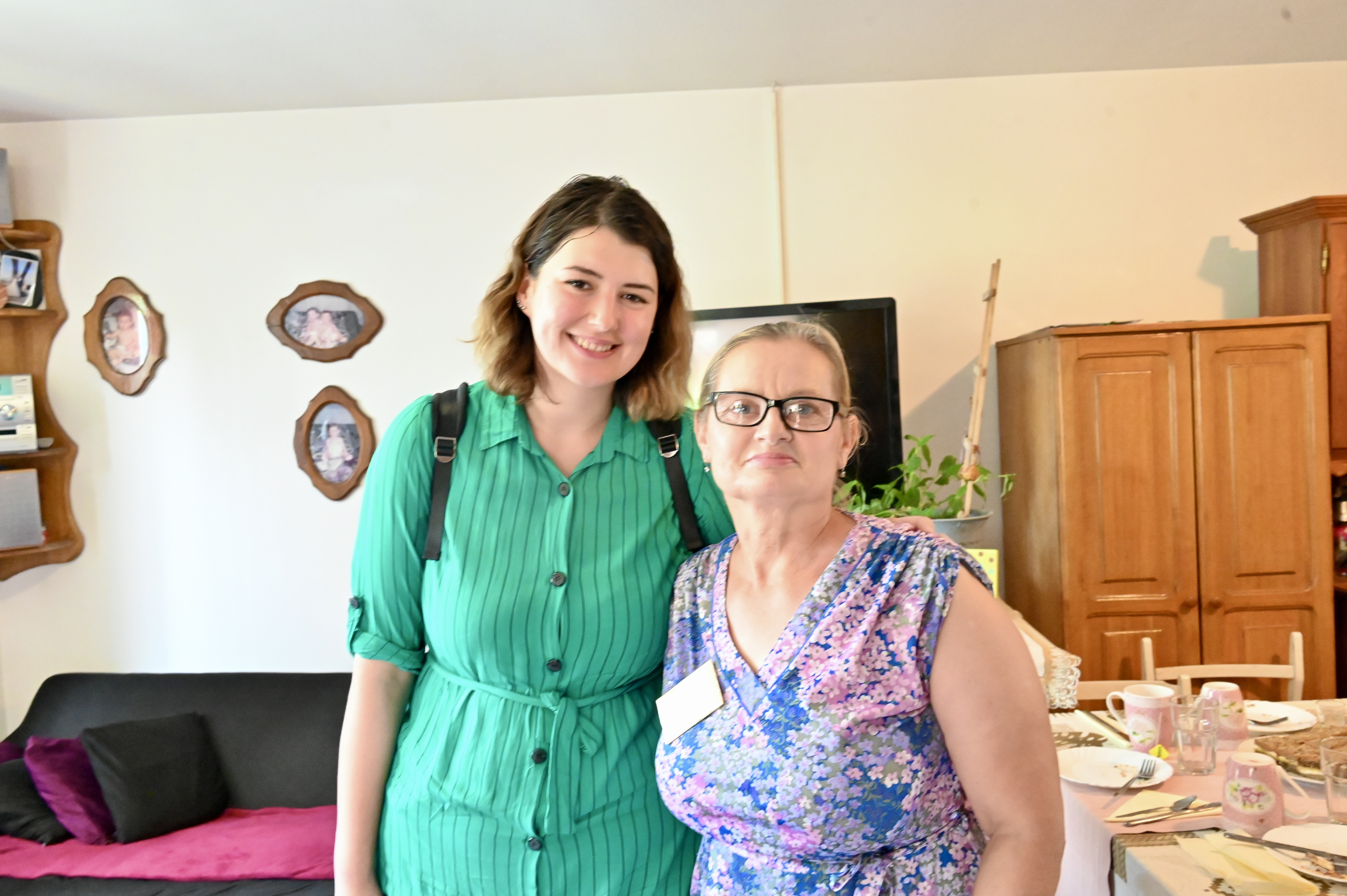
After the war, the Croatian government helped families rebuild their houses, but they could only provide enough building materials for her family to construct a home half as large as their old one. Then, less than five years later, her husband died and she’s been trying to make it on her own, with two daughters, ever since.
To its great credit, Tauck instituted a series of home visits around twenty years ago, where passengers have an opportunity to visit with “real people,” and those people, in turn, are compensated for their hospitality by Tauck and thus have a slightly better standard of living than they’d otherwise have had.
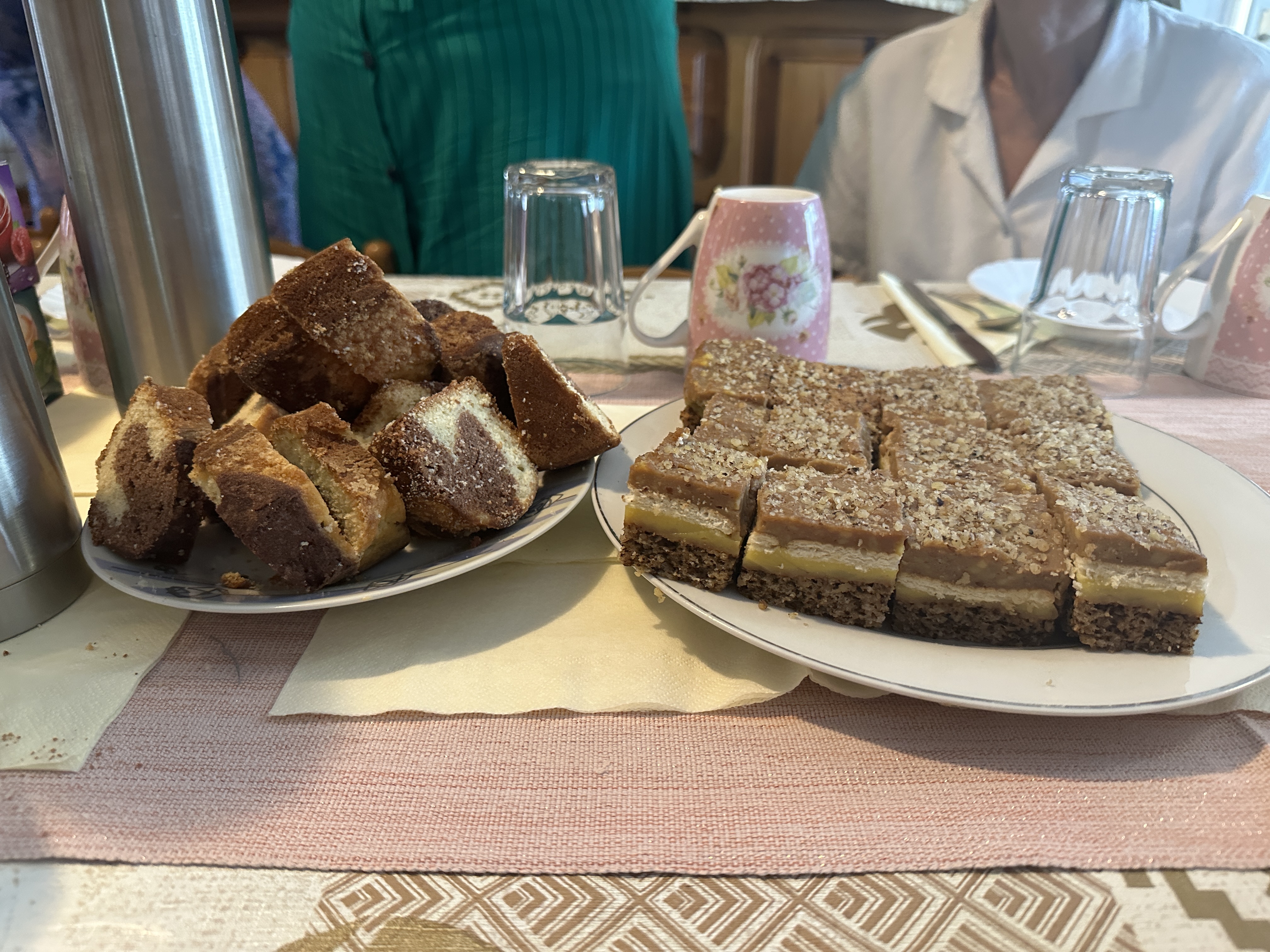
It turns out Rosa works in a commercial bakery, and she provided us with her homemade “Triple Fantasy” cake, composed of hazelnuts, walnuts, chocolate pudding, and a tea biscuit. Scrumptious, simply scrumptious! There was also apple strudel, marble cake, fresh blueberry juice (wonderful), and 100 proof rakija (also known as slivovitz and probably usable as paint thinner), all of which I sampled.
During our visit, I asked our translator (Doris) and Rosa if there was still animosity between Serbs and Croats, and amazingly, they both said no. Doris is only in her twenties, and she has several Serbian friends. But even after everything she’s been through, Rosa, who is probably in her mid-50s, claimed she doesn’t bear Serbians any ill will.
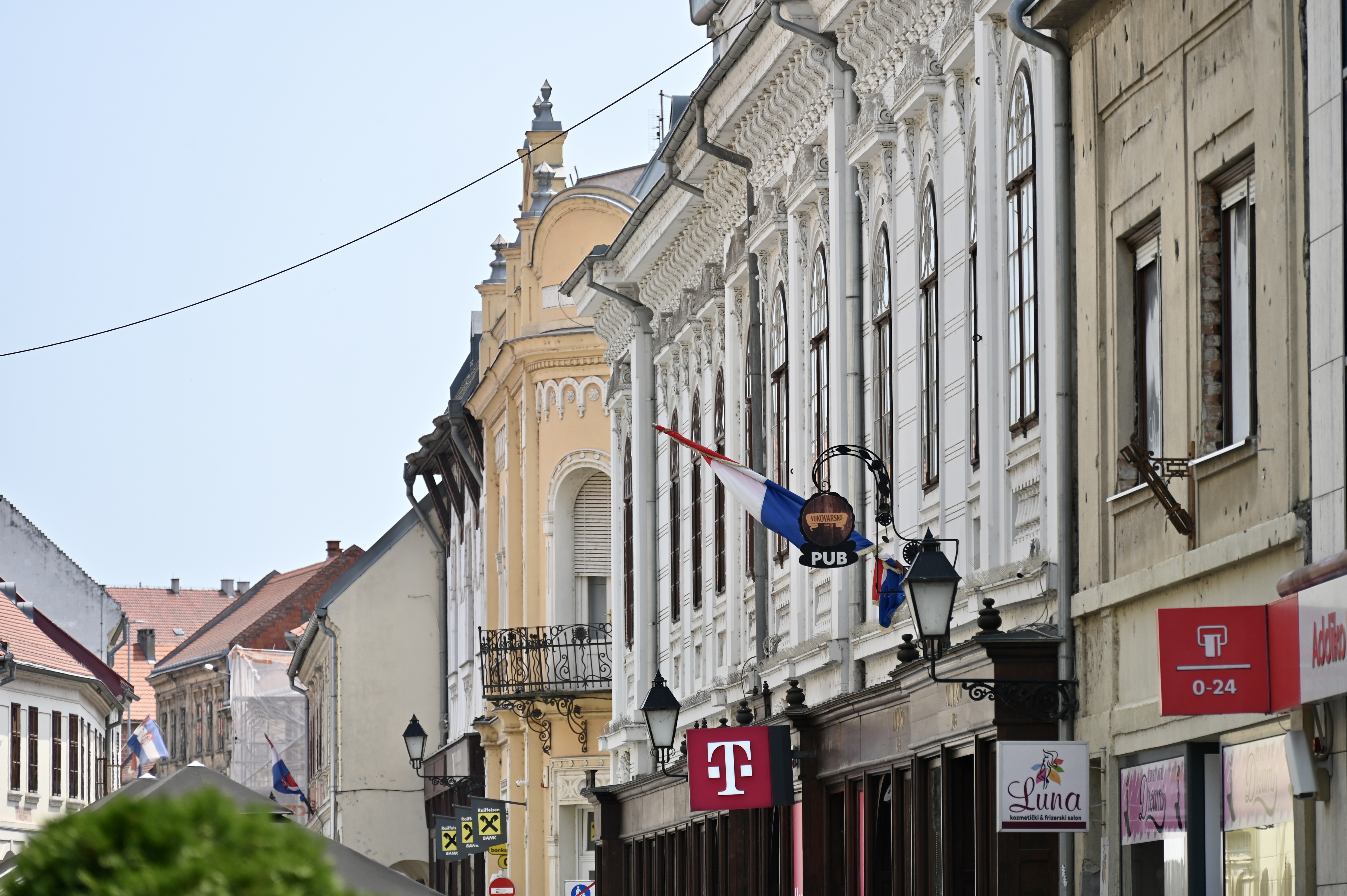
Whether that’s true or not, things seem pretty normal now: people are going about their business, there’s no sign of military presence, and the resilience of the population is awe-inspiring. Tomorrow we head to Hungary, so stay tuned.

 PuffinlessTravel