Having spent the day exploring the Namib Desert, I can now say “been there, dune that.” (Whether I should is a different question.)
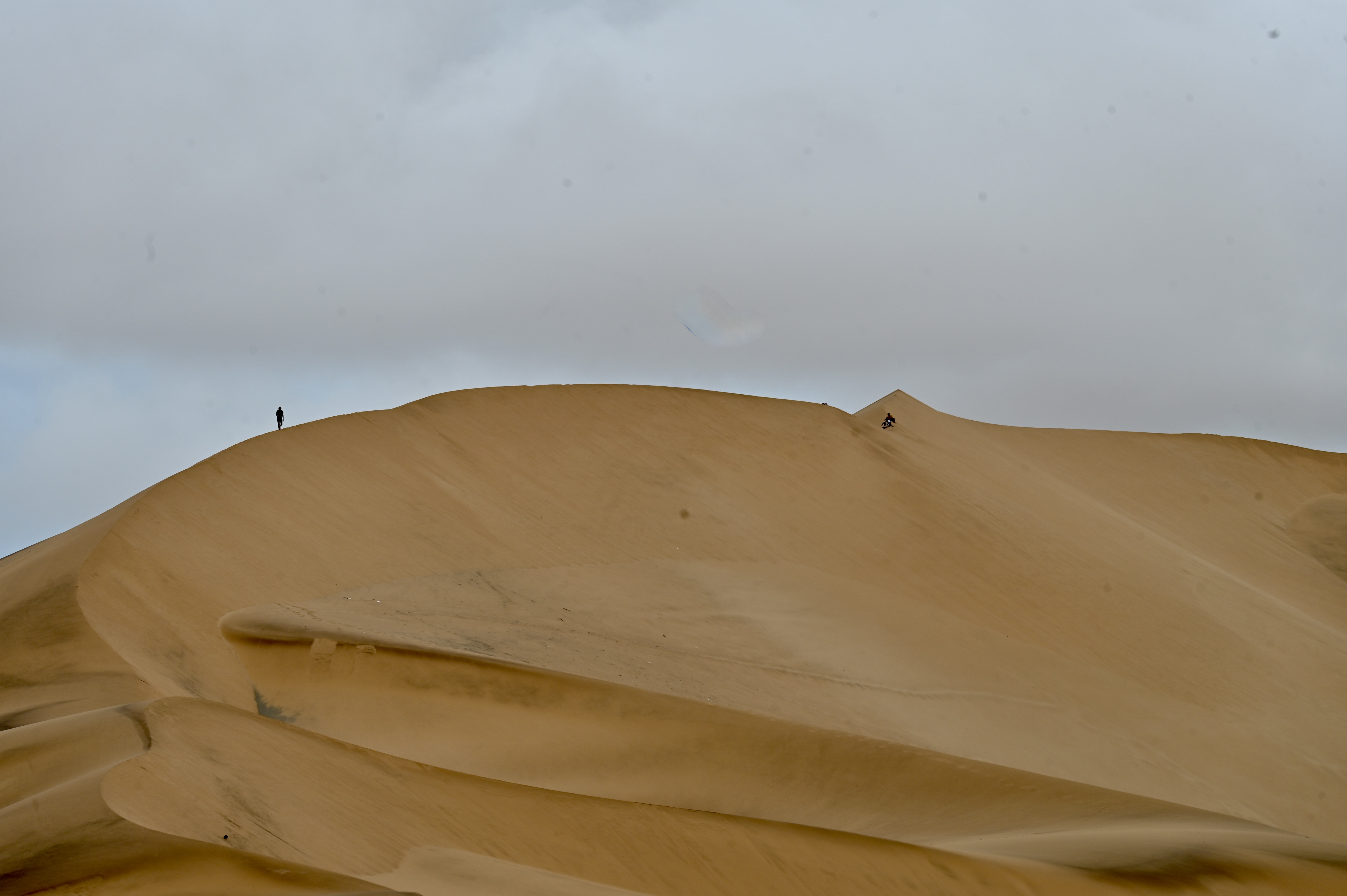
This was my favorite tour of the trip, led by an enthusiastic naturalist who showed us the beauties of the desert. I’ll get into the details after a couple of observations:
First, Walvis Bay is a tidy town of tidy houses that could be anywhere in the world. It even has a mall in which, as one of the guides put it, “you won’t see anything you haven’t seen elsewhere.” It’s fine as a jumping-off point for the desert or the resort area of Swakopmund, but certainly is not a freestanding attraction.
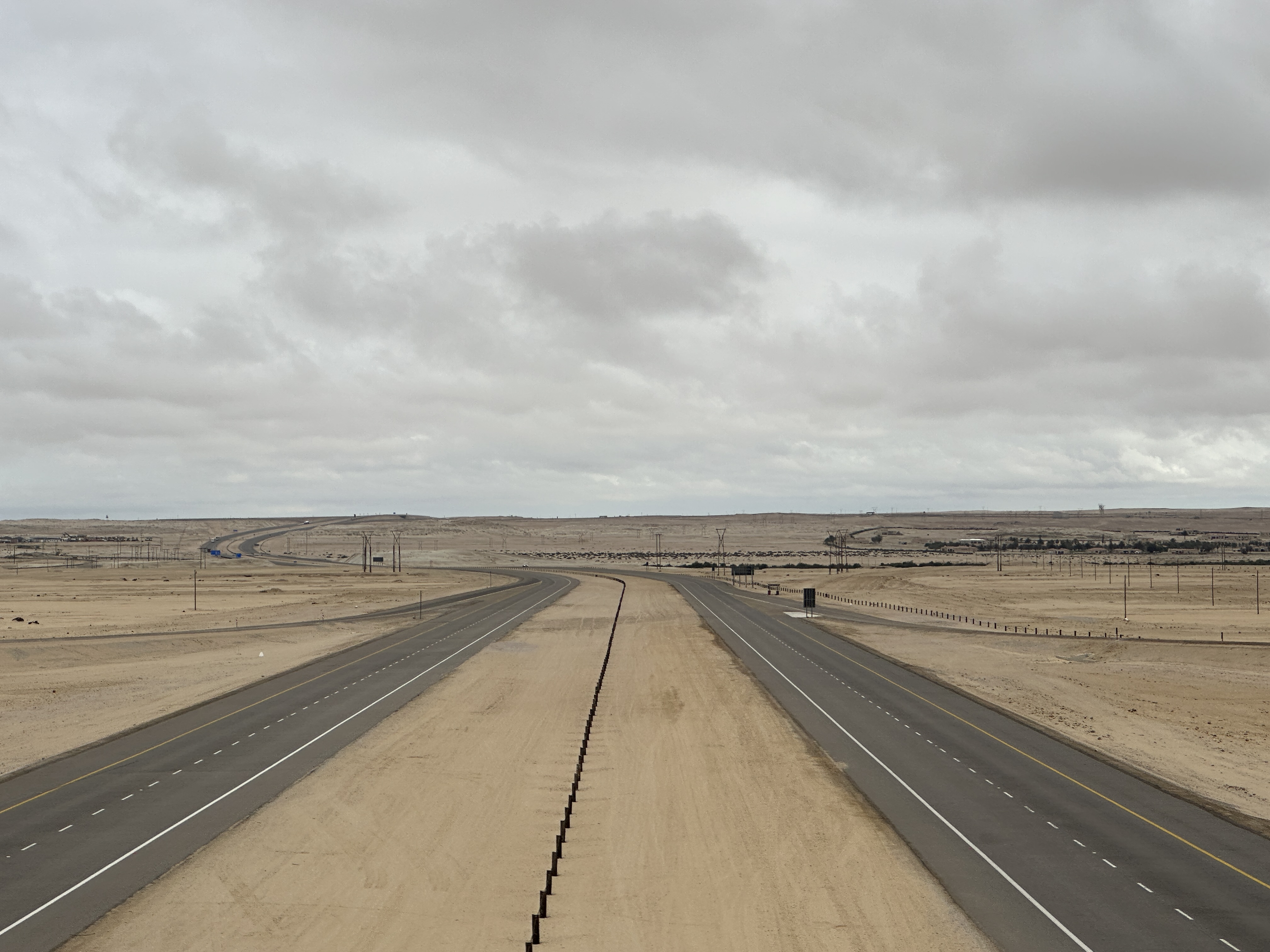
Second, Namibia (once known as Southwest Africa) used to be “administered” by South Africa, and even though it gained independence in 1990, its apartheid past remains evident. Our (White) guide admitted that the educational and economic deprivations of the past have had long-lasting consequences, and most Black Namibians still live in poor neighborhoods separate from Whites. (Of course, the same can be said of many areas in the United States.)
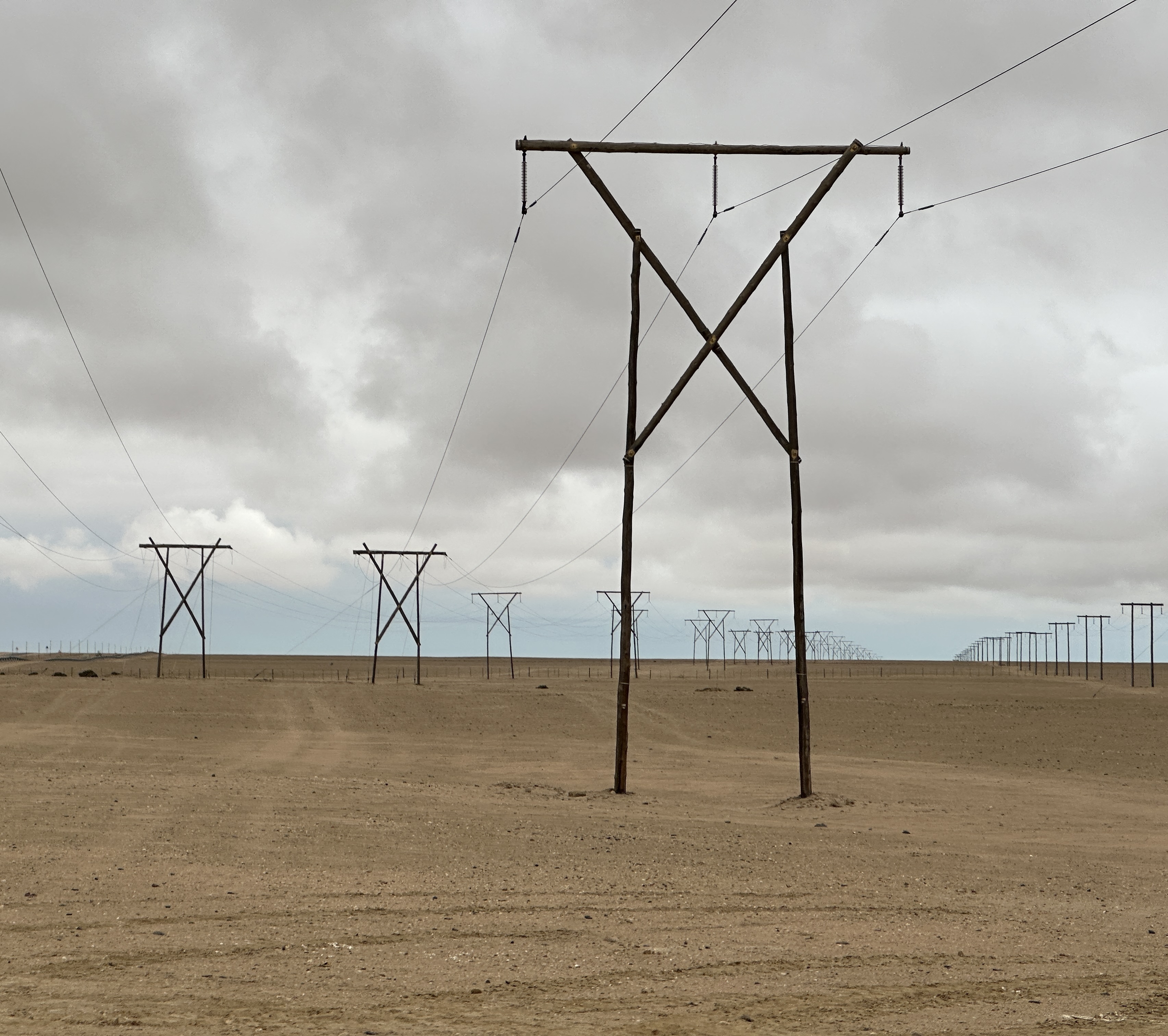
Leaving Walvis Bay, we headed east along pancake-flat roads before turning north by “Dune 7,” a massive hill of sand that people like to climb and then “surf” down. It gets its ever-so-evocative name from its status as the seventh dune past the Tsauchab River. A practical people, these Namibians.
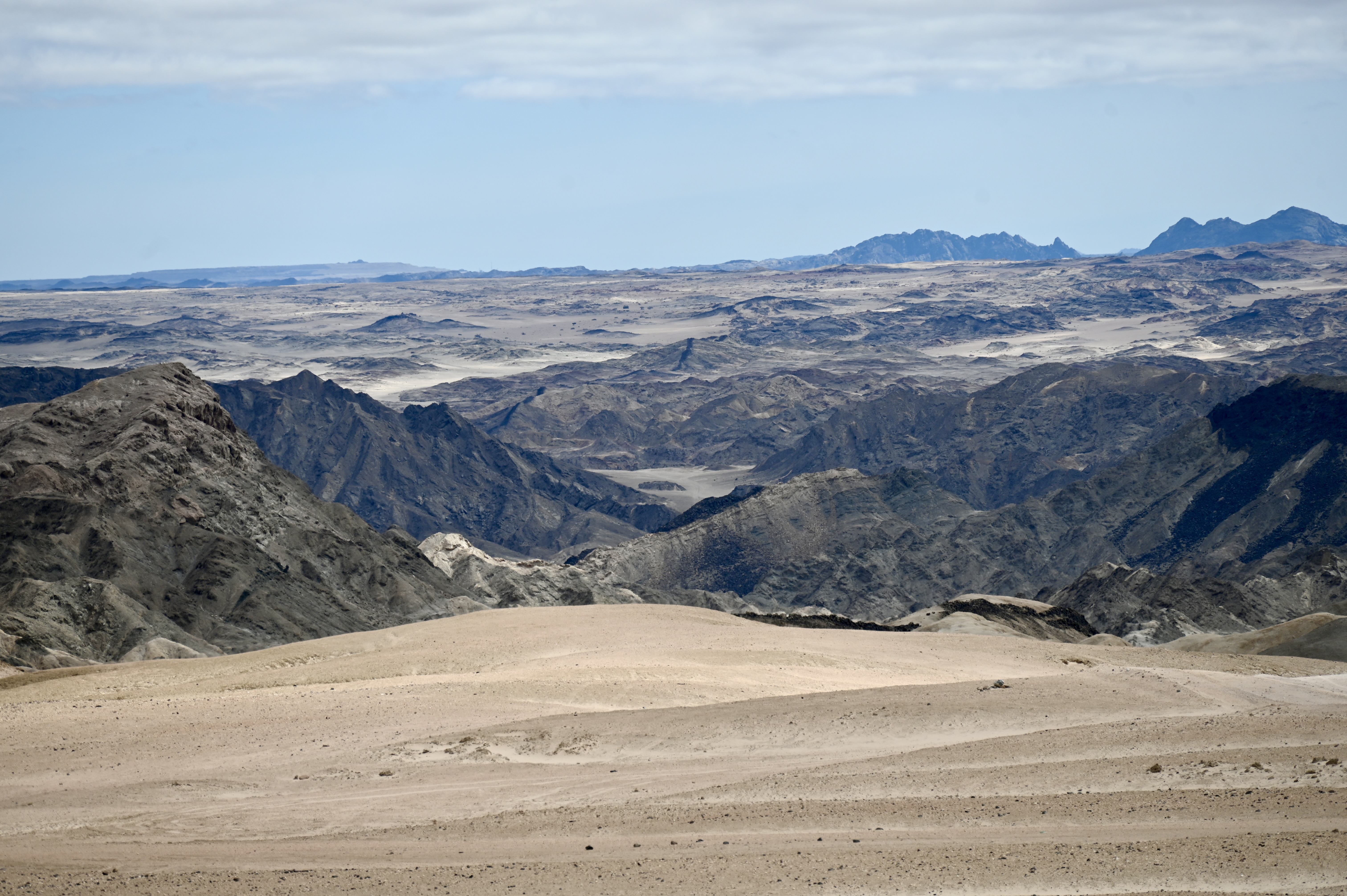
Several kilometers on, we pulled over to view the “Moon Landscape,” a cratered and ridged part of the desert whose contours appear to change with every shift in the light. After stopping a bit further on to learn about the lichens colonizing the rock – far more entertaining than you might imagine; after all, lichens are “fungi(s)” – we left the paved road and jostled along dusty trails to an area of dolorite and Welwitschia.
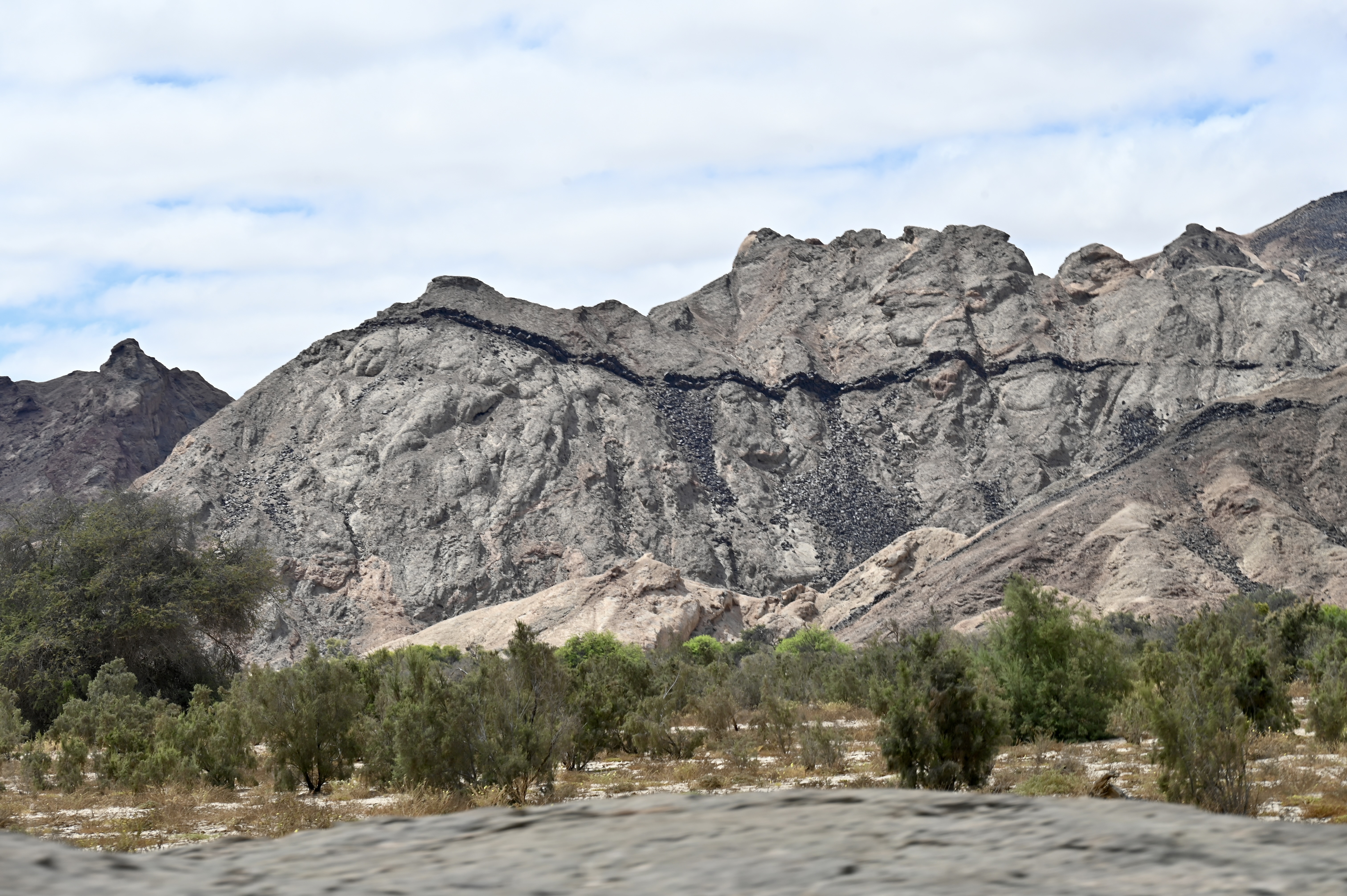
“Huh?”, I hear you say …. Dolorite, I learned yesterday, is a basaltic rock with high iron content, roughly 60 percent. When struck with another rock, it rings like an anvil! Seams of the rock, remnants of ancient lava flows, wind below ridgelines and spill down the slopes.
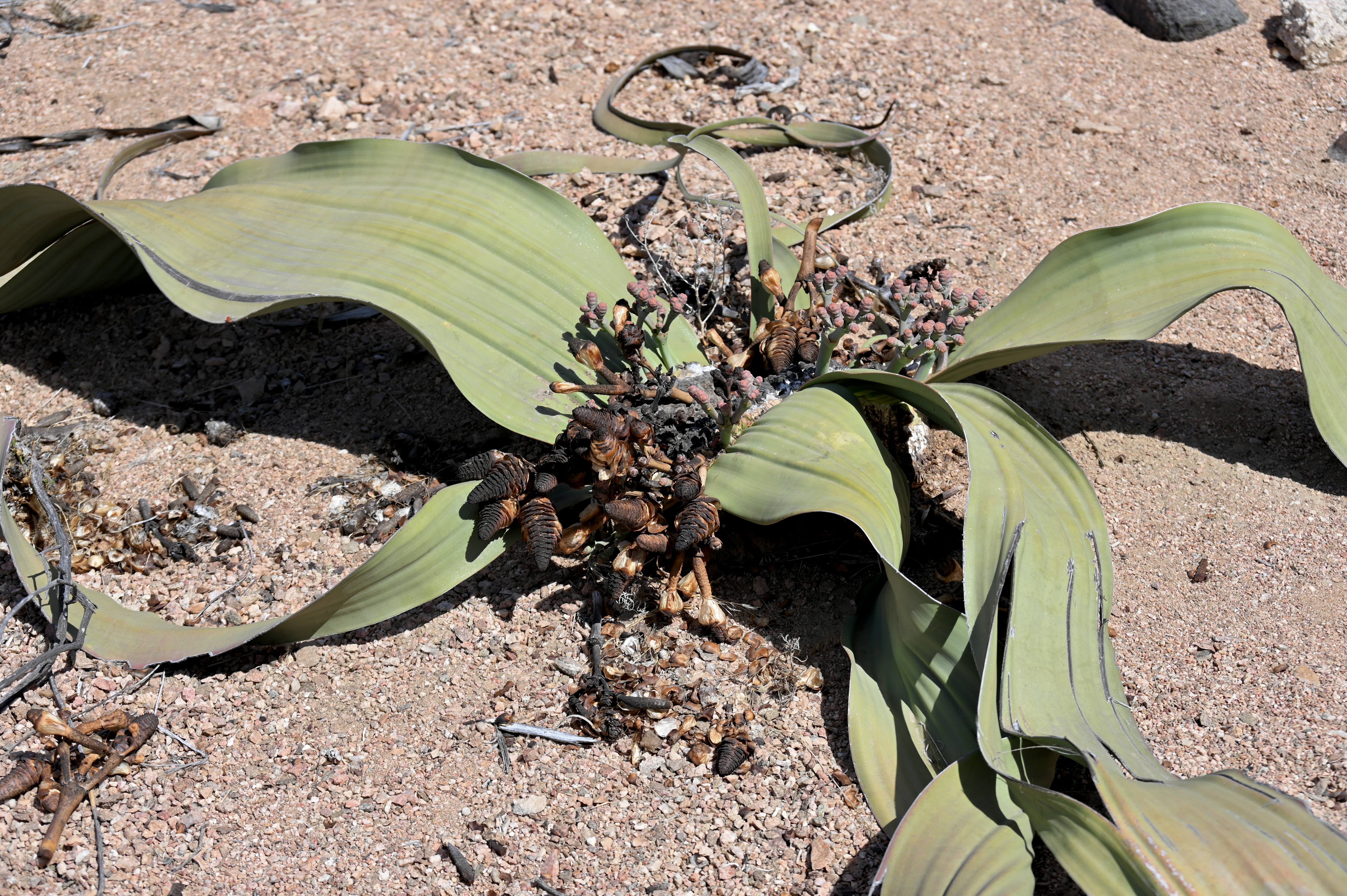
Botanists regard Welwitschia as a missing link between gymnosperms (seed-bearing plants) and angiosperms (flowering plants). In Welwitschia, the females are seed-bearing and the males flower. The plants live for centuries; the ones we saw were an impressive 500 years old, but the oldest one on record lived for 1500 years.
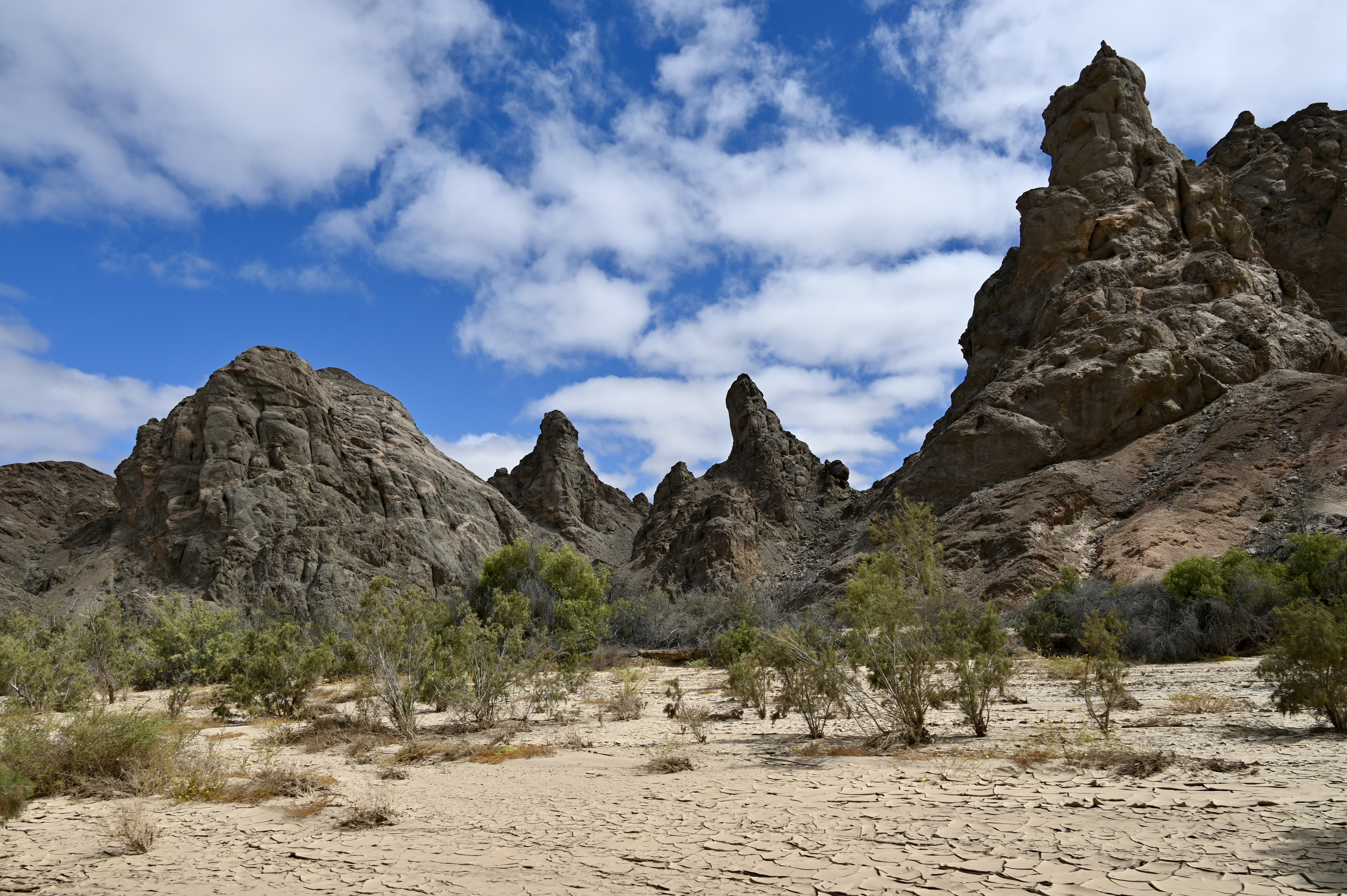
Following the dried-out bed of a seasonal river, we passed “riparian forests” – stands of scrubby trees – and post-apocalyptic crags (Mad Max was filmed here in part) on our way to Goanikontes Oasis.
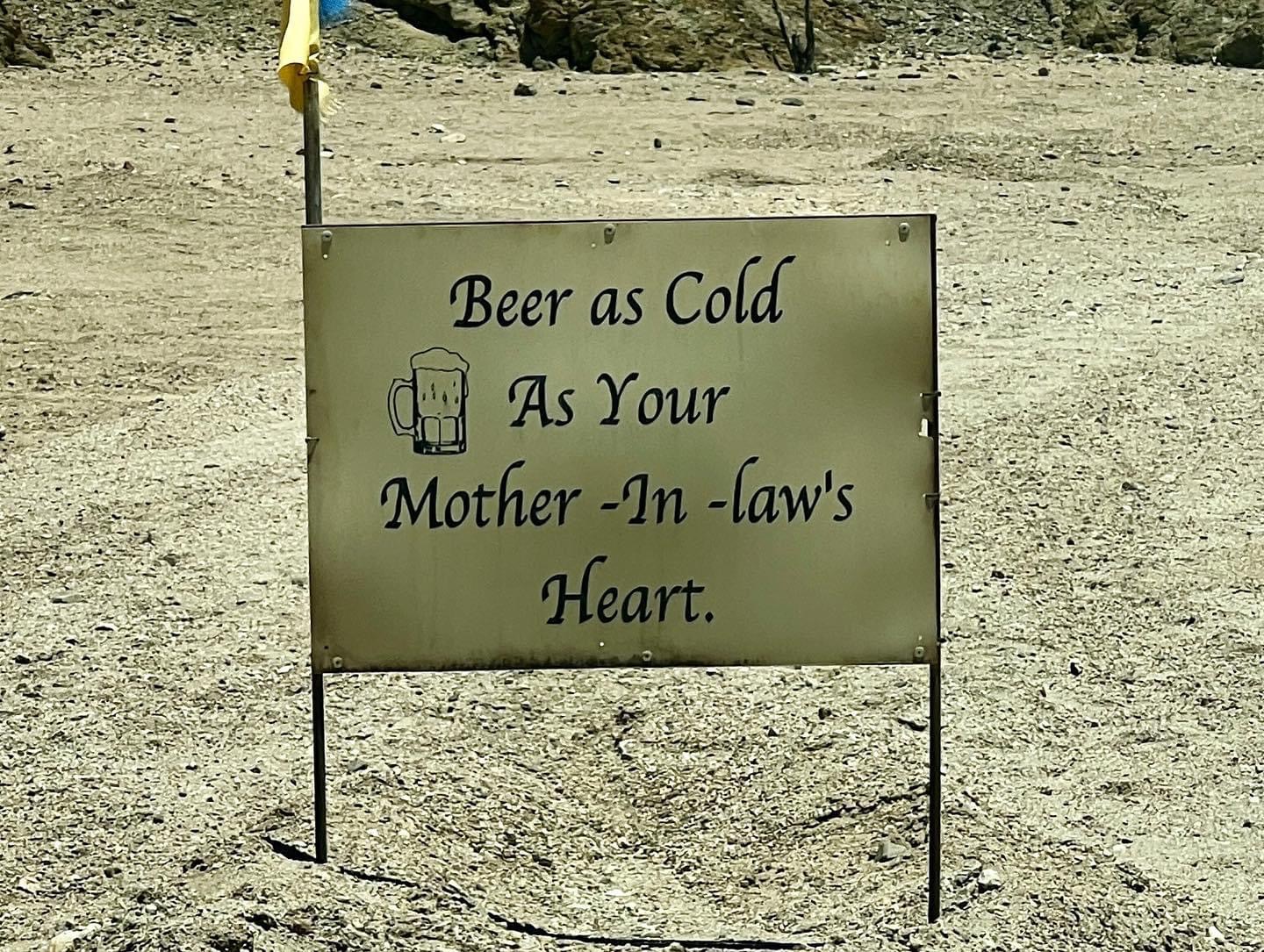
This longstanding respite for desert travelers now features a beautiful small lodge where we enjoyed ice-cold beer (see sign above) and luscious fresh fruit (two of the four main food groups, I’m pretty sure).
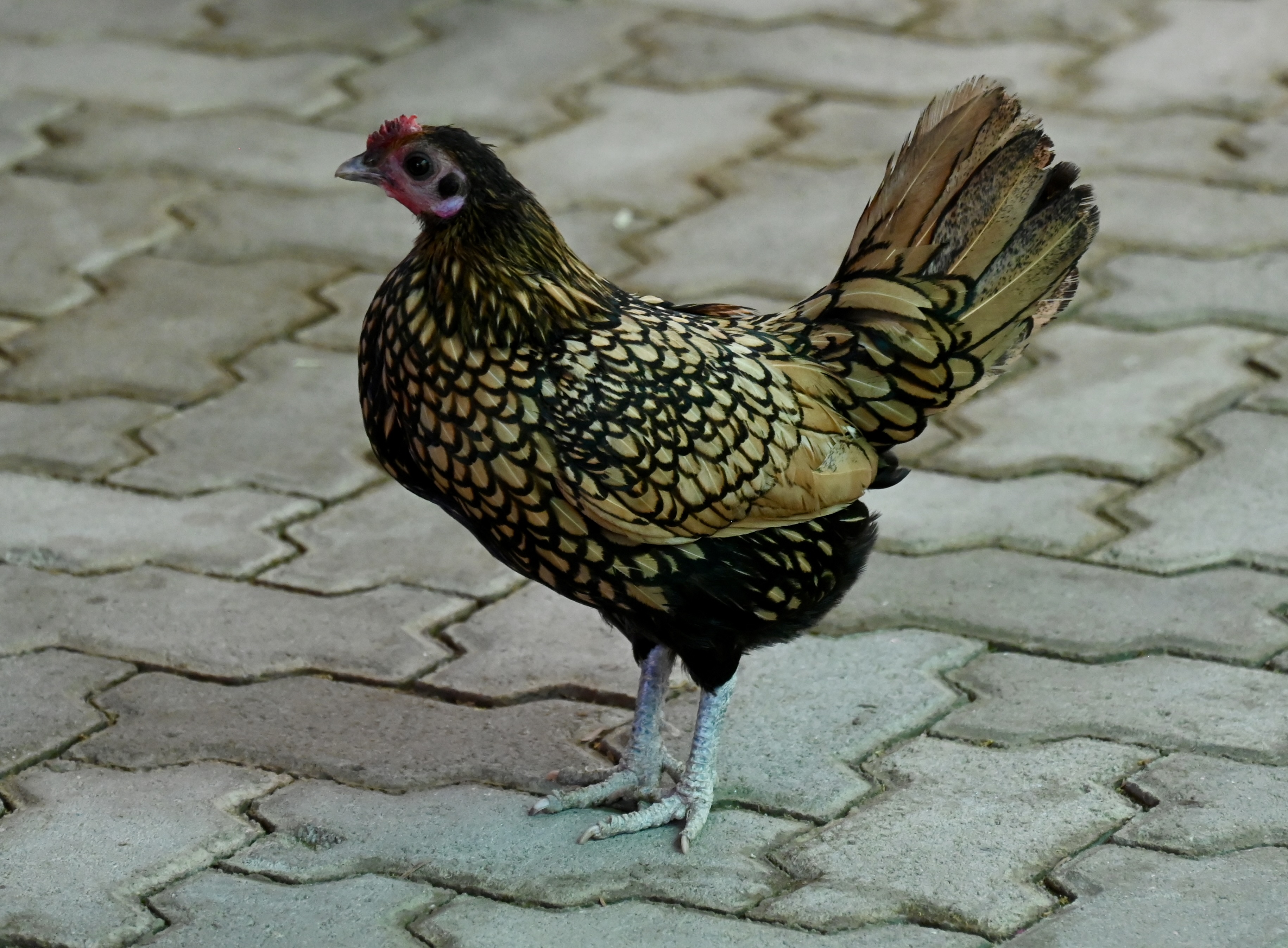
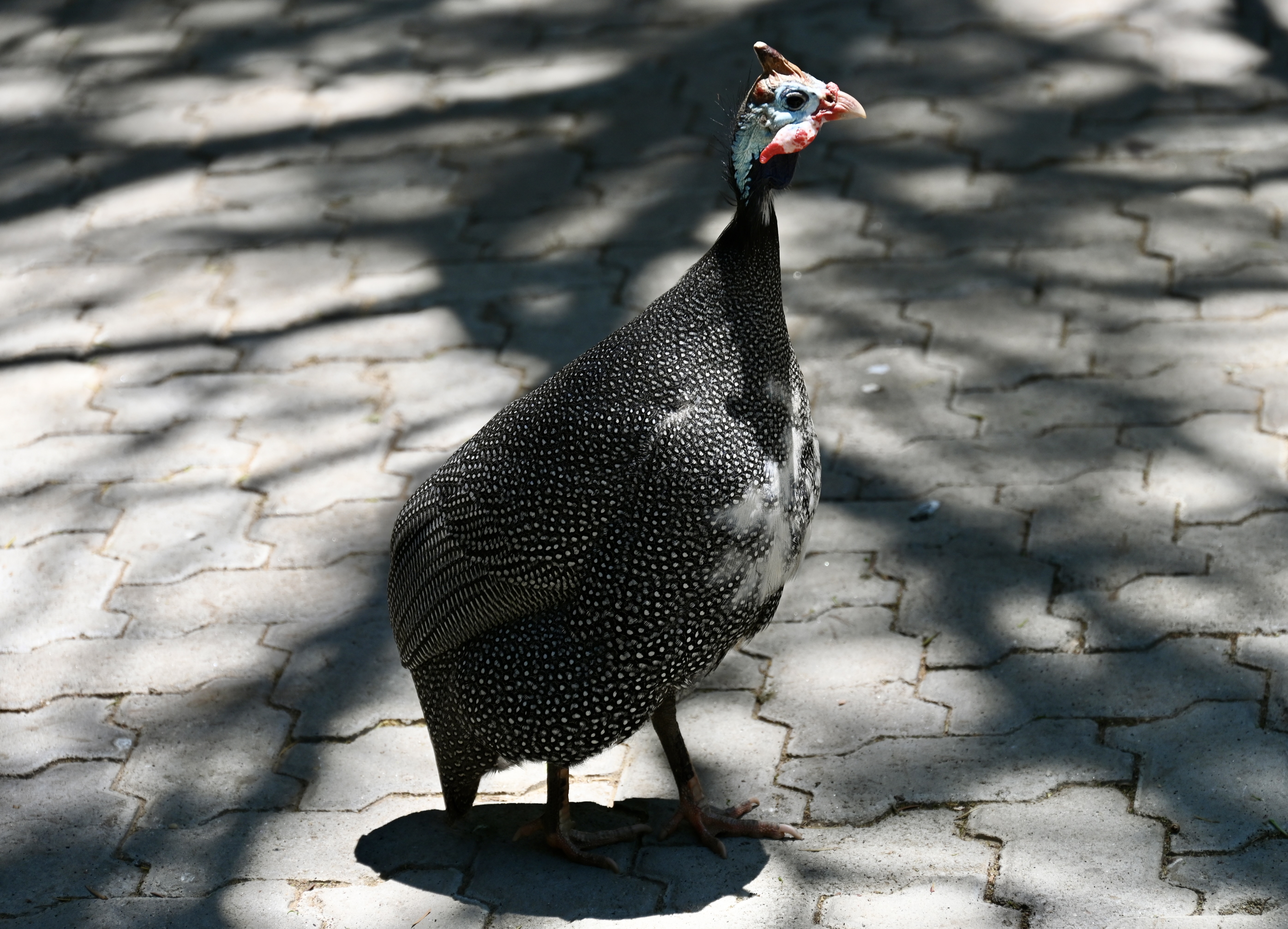
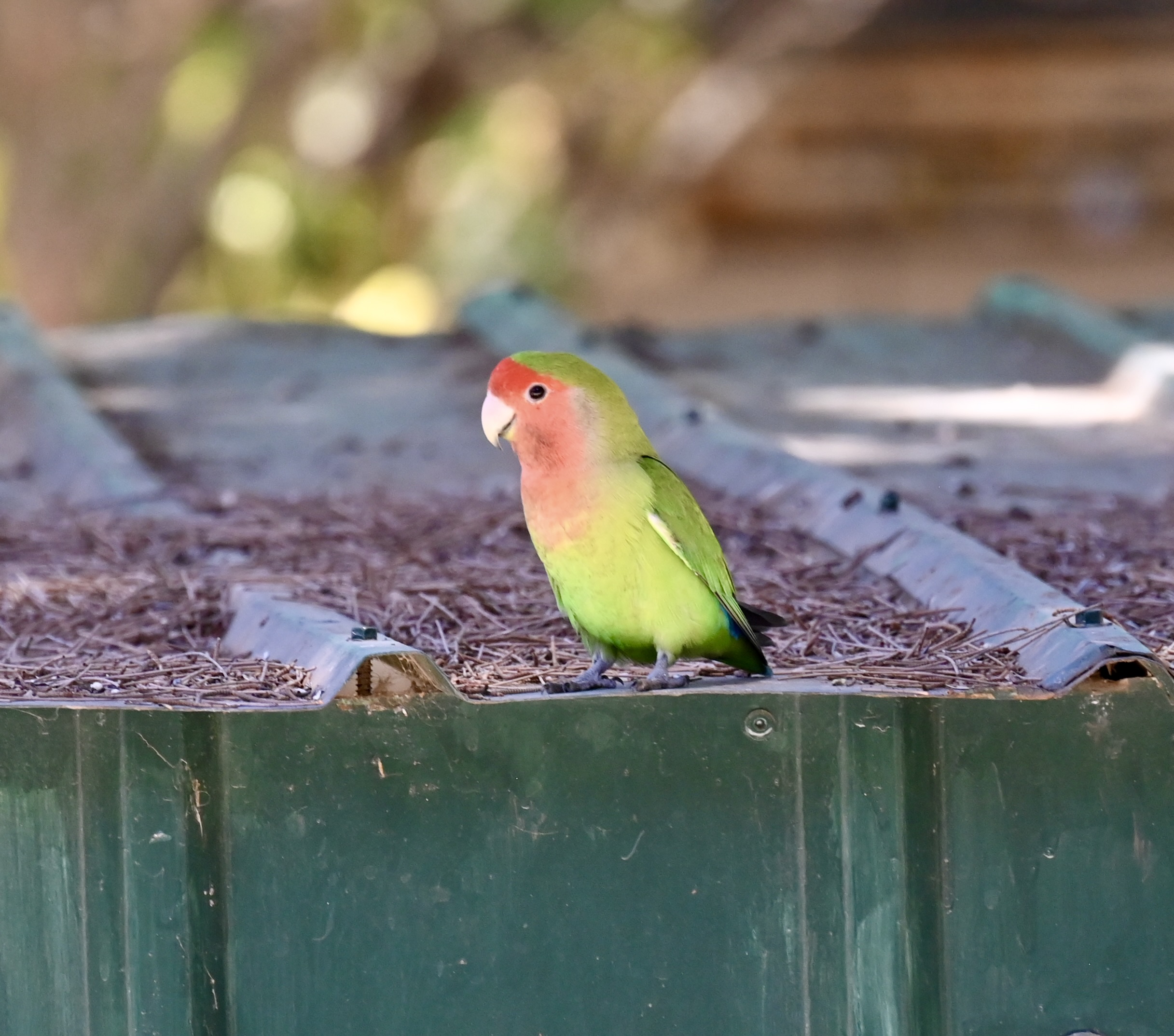
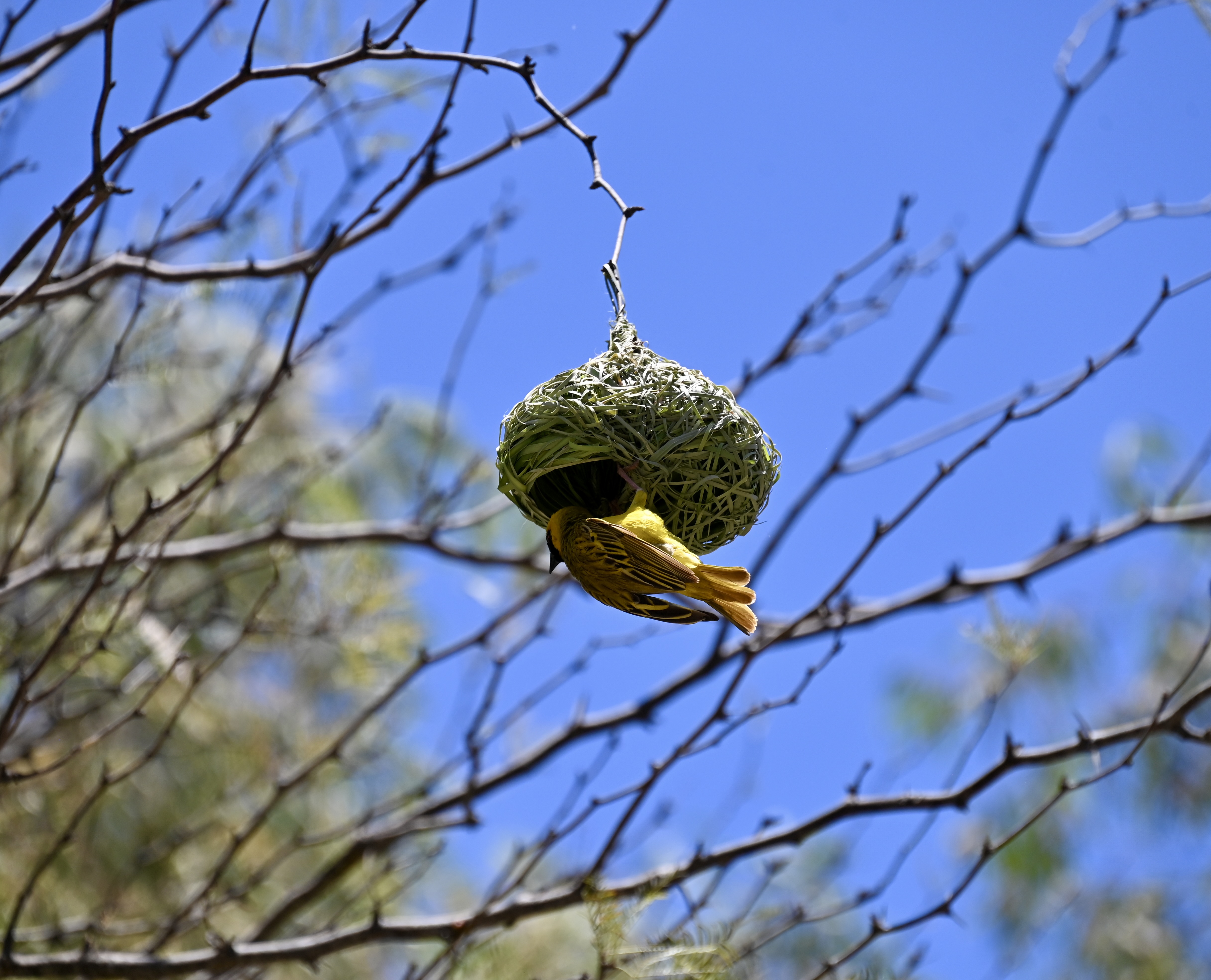
Guests who stay at the lodge are invited to participate in night-time scorpion hunts, but all the daytime denizens were stingless: Gorgeous chickens with Art Deco feathers strutted about, guinea fowls with pinpricked black and white plumage skittered around, brilliant green parakeets flitted above, and neon yellow weaverbirds darted in and out of their globular nests.
Suitably refreshed, we rejoined a main road and drove through Swakopmund, a coastal town north of Walvis Bay. It’s a wealthy area; many of the houses would fit in along Route A1A in Florida.
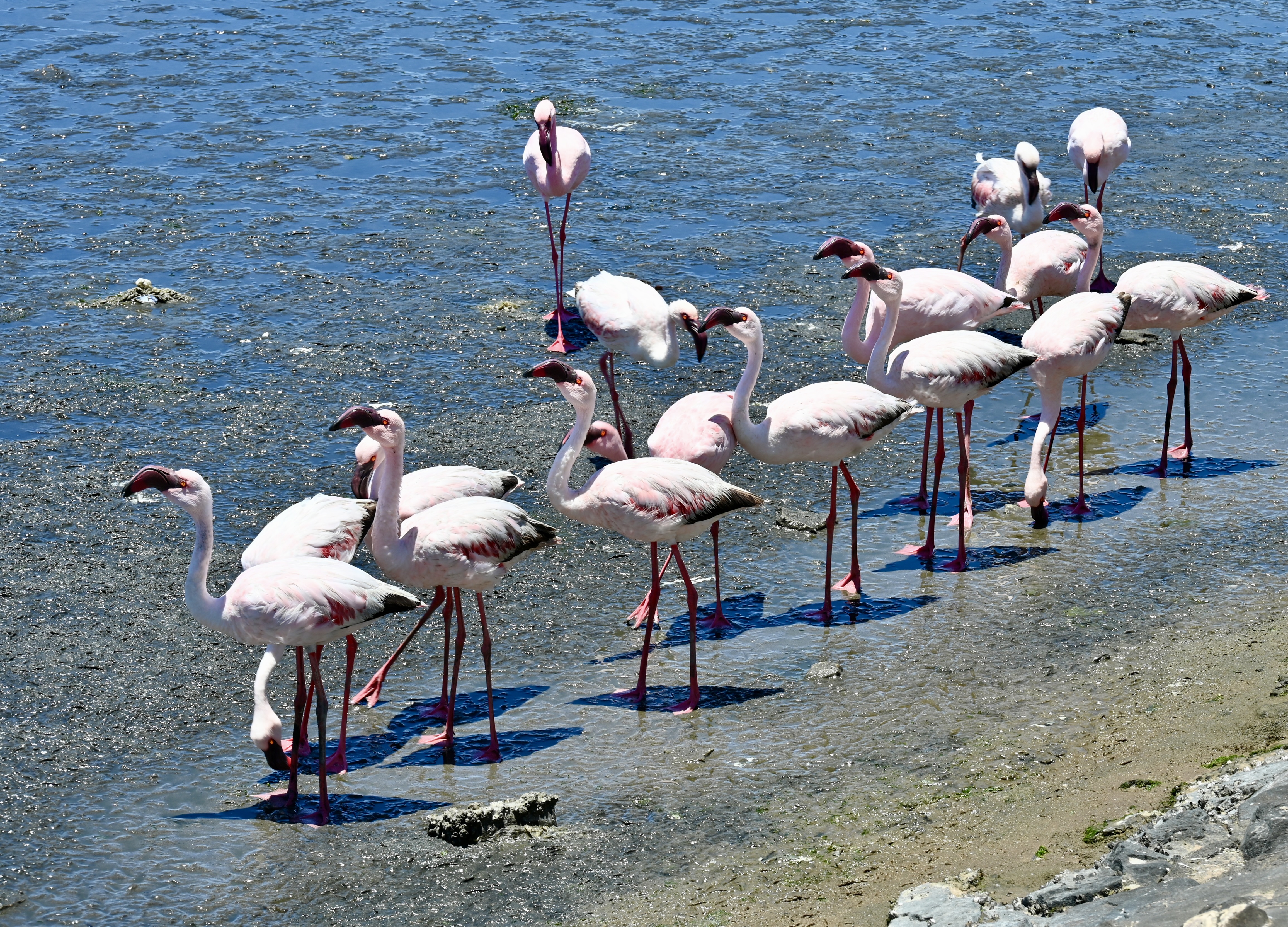
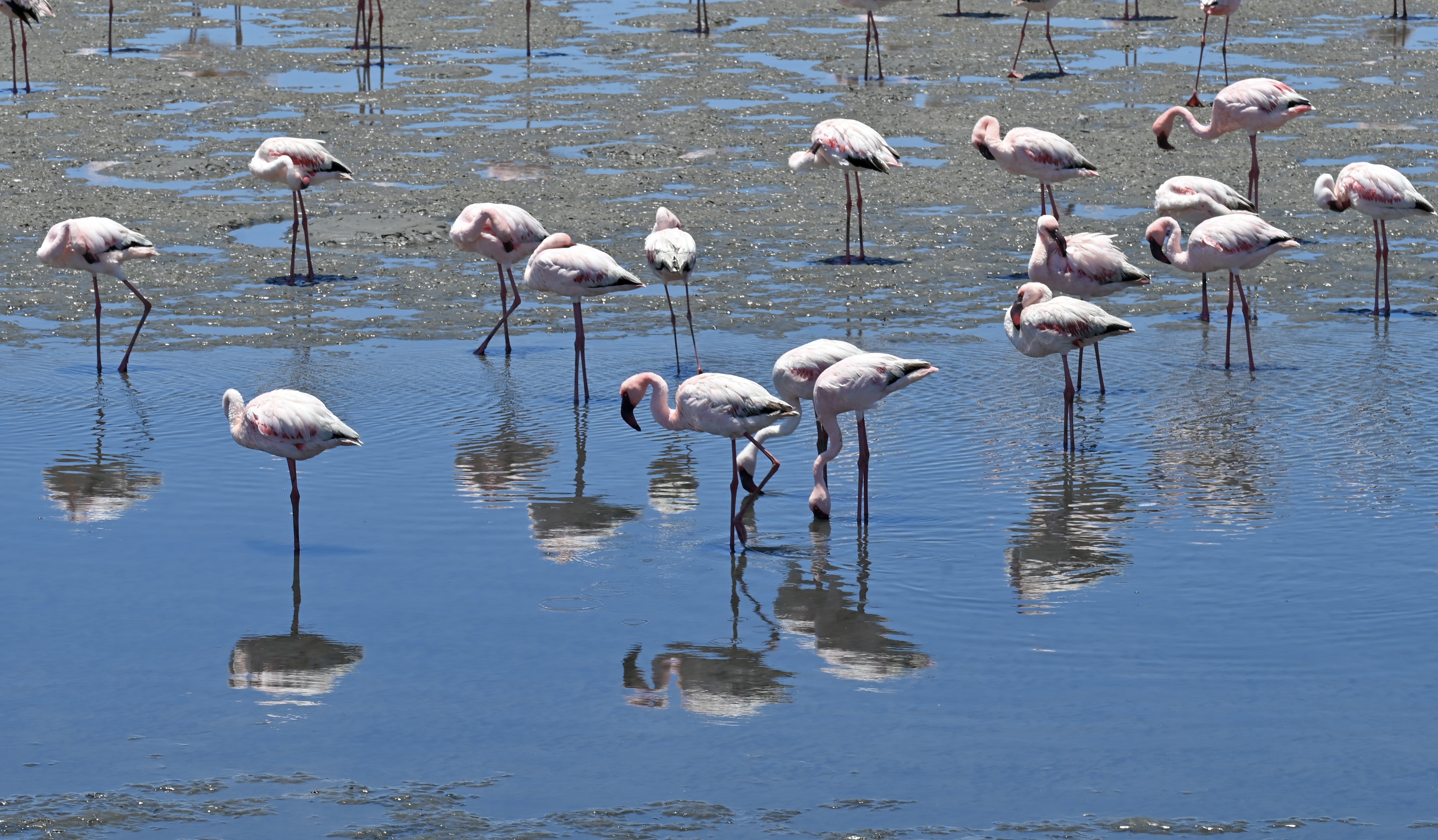
Our final stop was a lagoon where hundreds of flamingos sieved the sand for tiny crustaceans, algae, and other delicacies. Graceful from a distance, up close they seem almost reptilian. In flight, they resemble pterodactyls, and in the afternoon sun, their ungainly bodies cast fascinating, leaf-shaped shadows. (This part of Namibia also has ostriches, springboks, and oryxes, which my brother saw on his tour, as well as baboons, which none of us saw.)
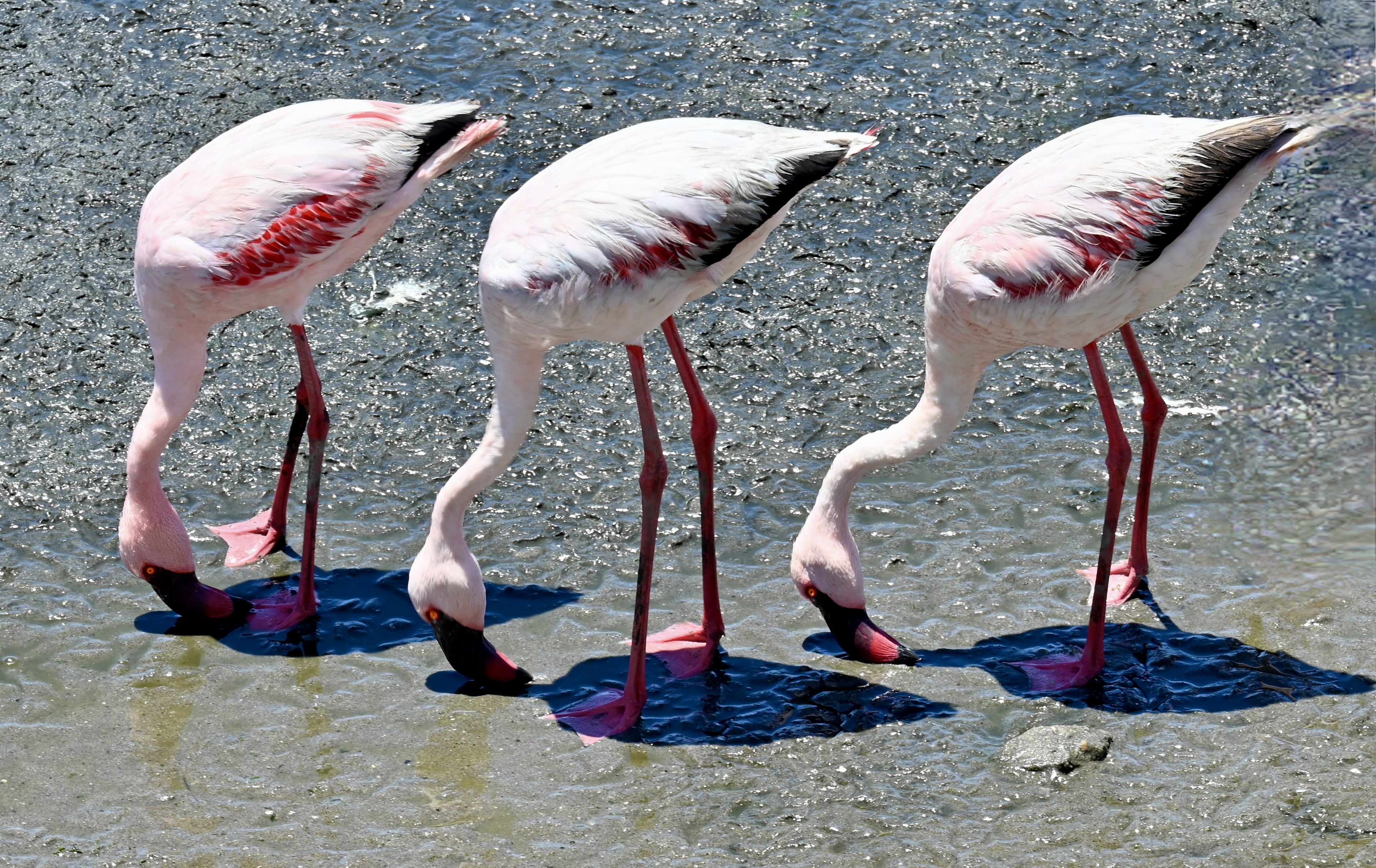
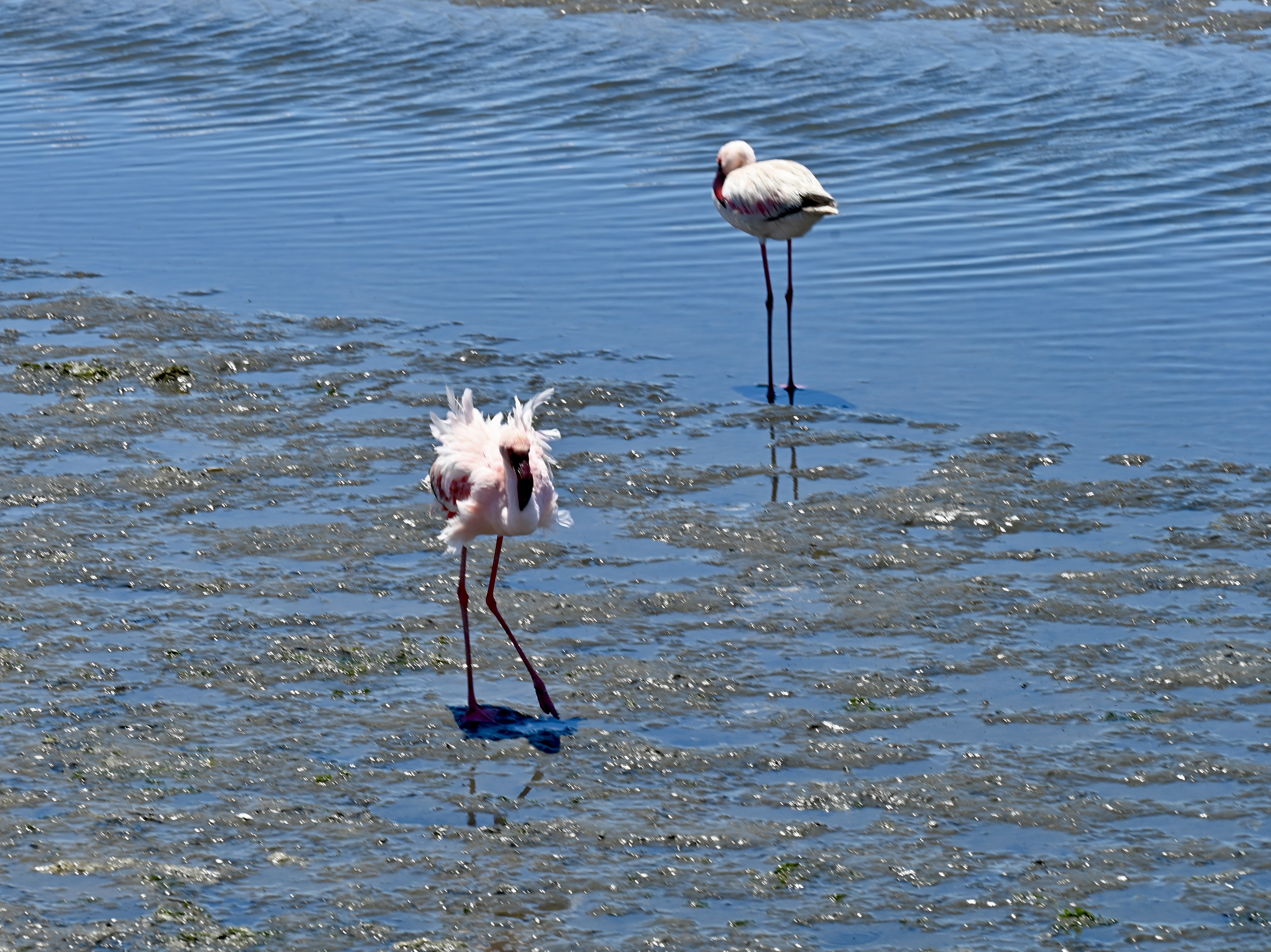
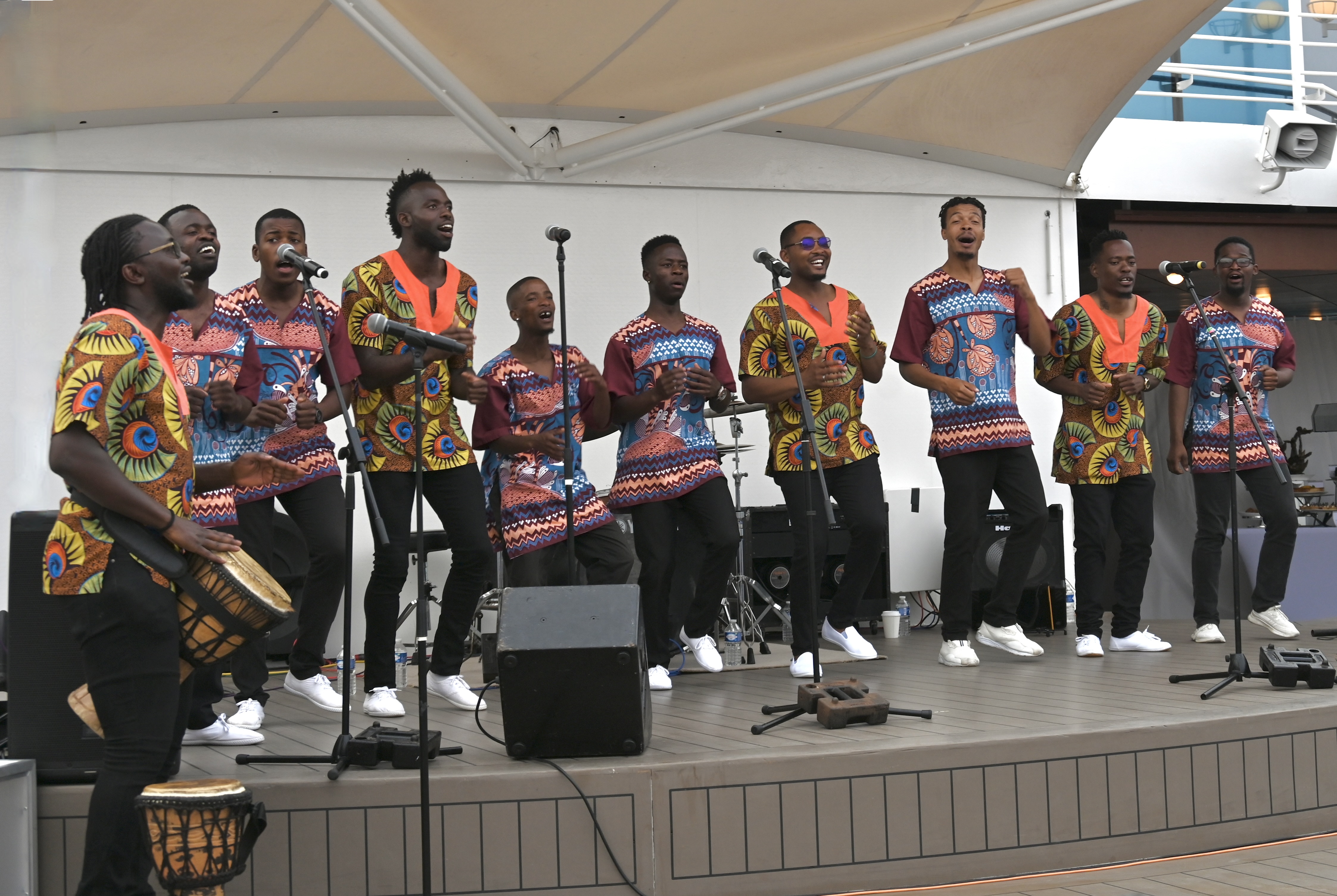
My wonderful day in Namibia continued into “White Nights,” Azamara’s end-of-cruise gala. We were entertained by a terrific Namibian a capella group reminiscent of Ladysmith Black Mambazo, whose propulsive rhythms and uplifiting major chord harmonies accompanied an abundant, delicious dinner.

 PuffinlessTravel