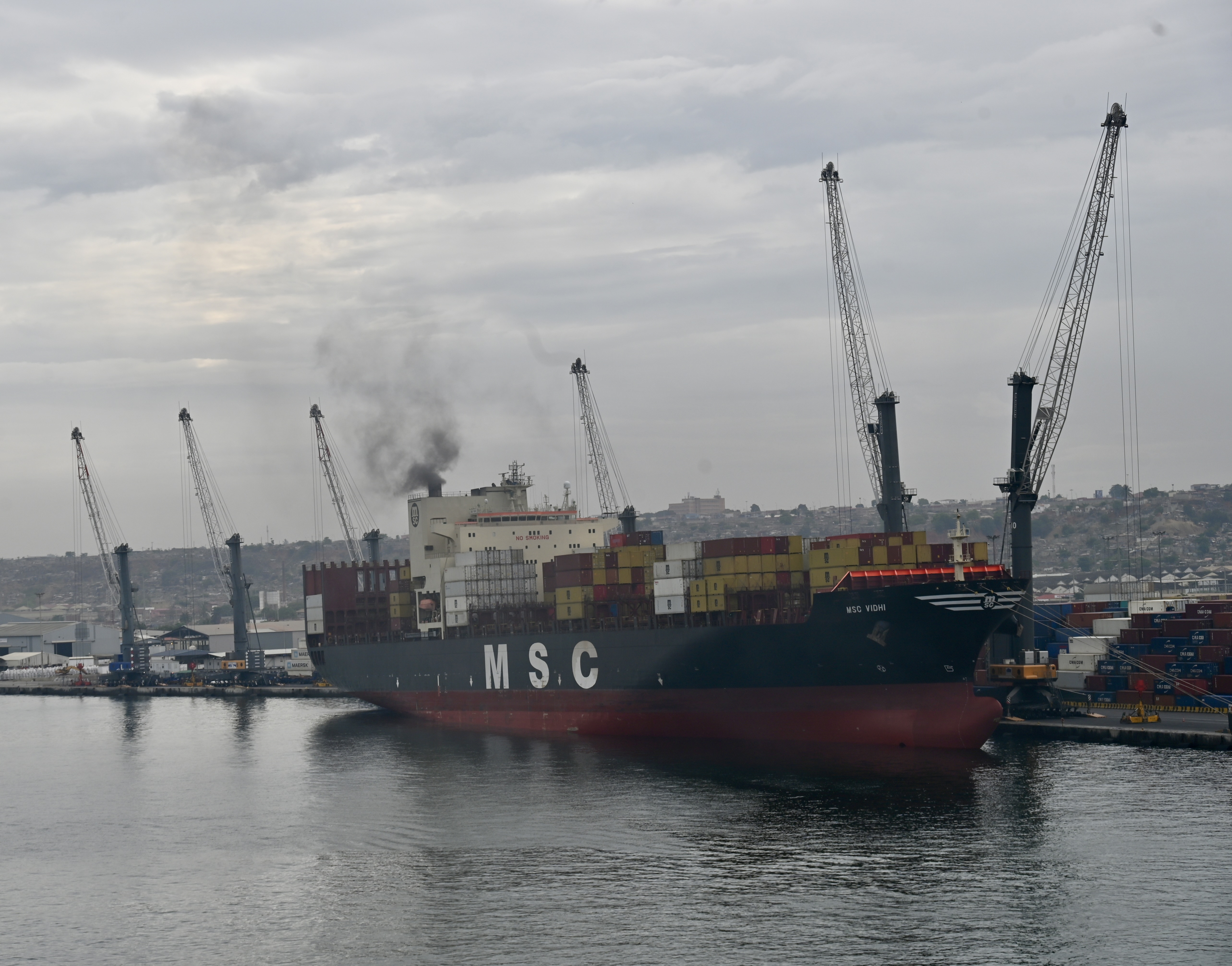
For anyone used to cruising in Europe or the Caribbean, West African ports are an eye-opener: noisier, smellier, messier, and altogether more authentic. No sleek cruise ship terminals greet the debarking passenger. Your luxury vessel must squeeze between hulking, smoke-spewing cargo ships.
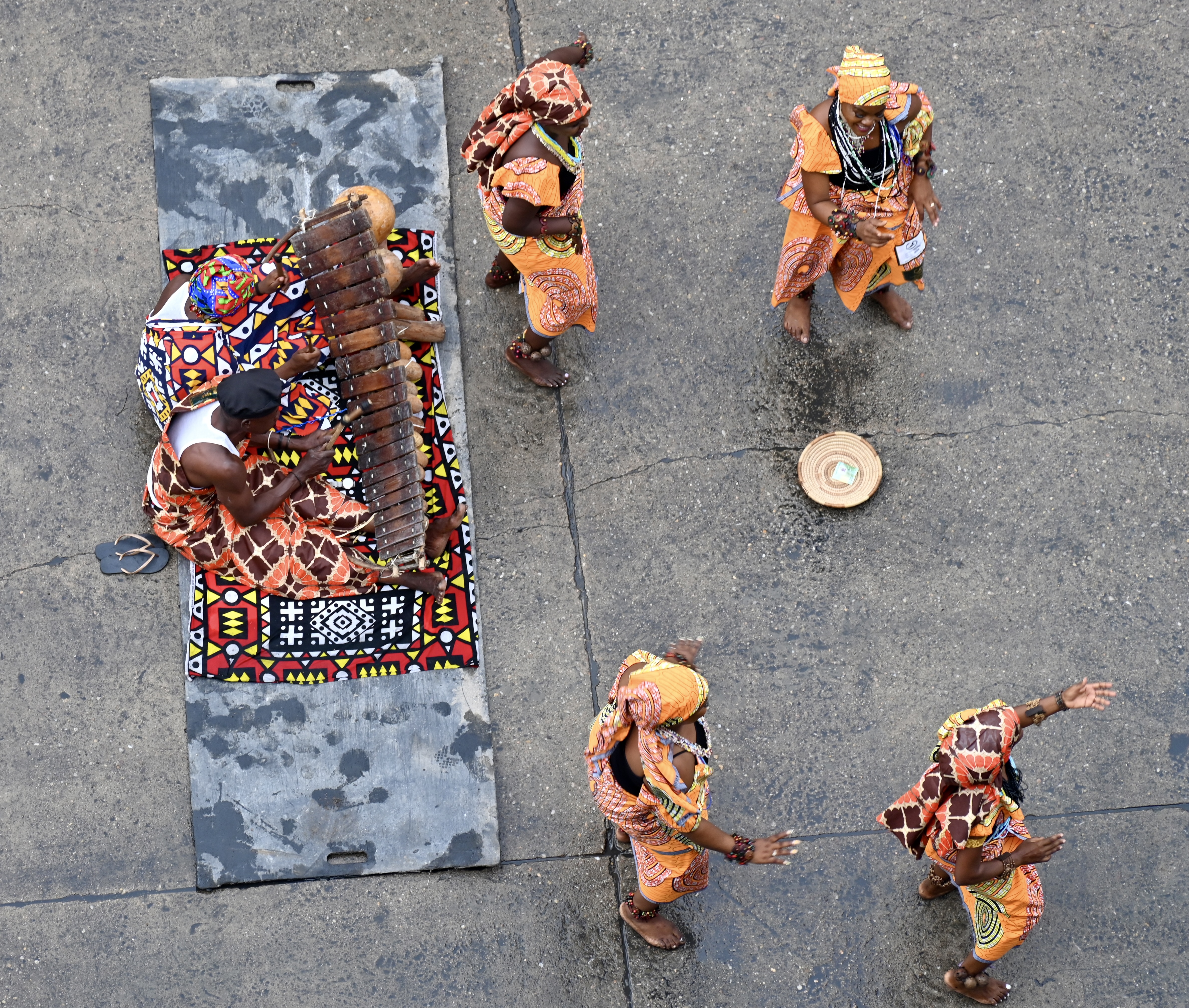
When you get off, local artisans man folding tables piled with clothes, carved figurines, and beads. This morning, a woman sitting on a colorful carpet played a balafon – a wooden African xylophone – while four other women danced. In this way, the arrival experience confirms that you are travelling in a unique country from the moment you set foot on land.
Alas, this unique country, or at least its capital (Luanda), has little to justify a visit. Angola has stunning waterfalls, spacious animal reserves, and sweeping sand dunes, none of which were on the ship’s tours. Our visit was confined to Luanda, a gritty, poverty-stricken city that still seems traumatized twenty years after the end of Angola’s tragic, quarter-century civil war. In Ghana, The Gambia, and Senegal, most people appear genuinely happy. In Luanda, I heard no laughter or music and saw few smiles.
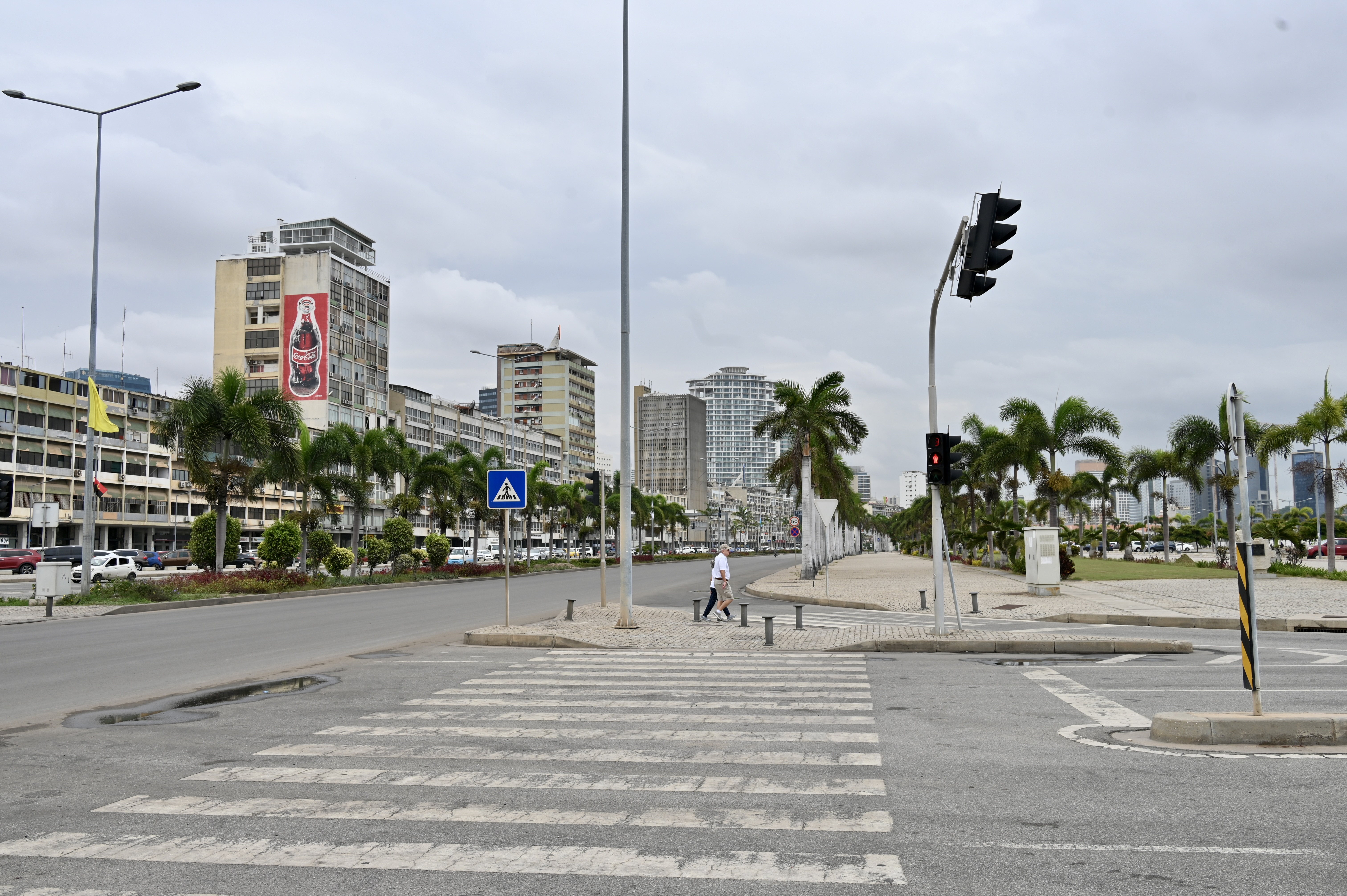
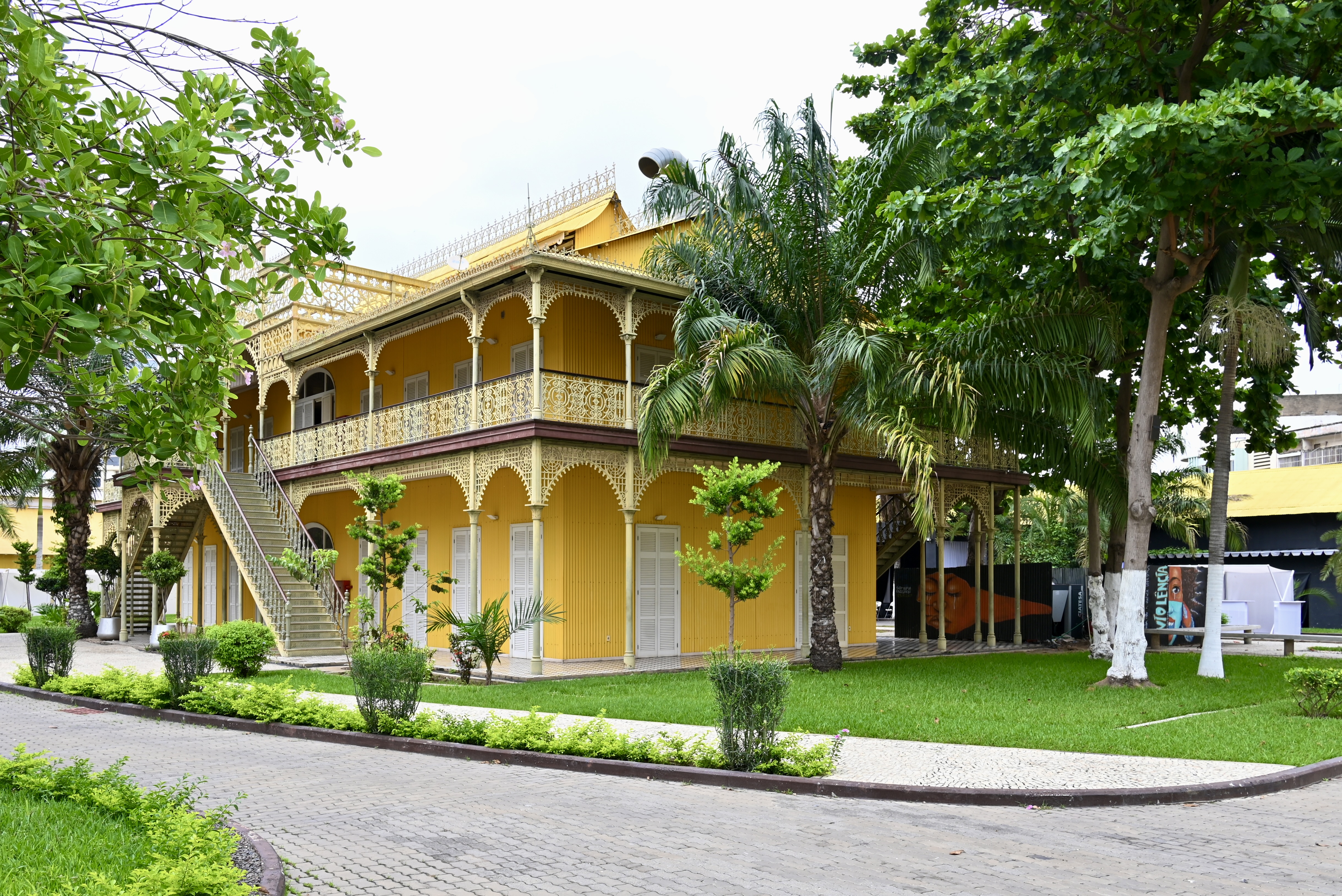
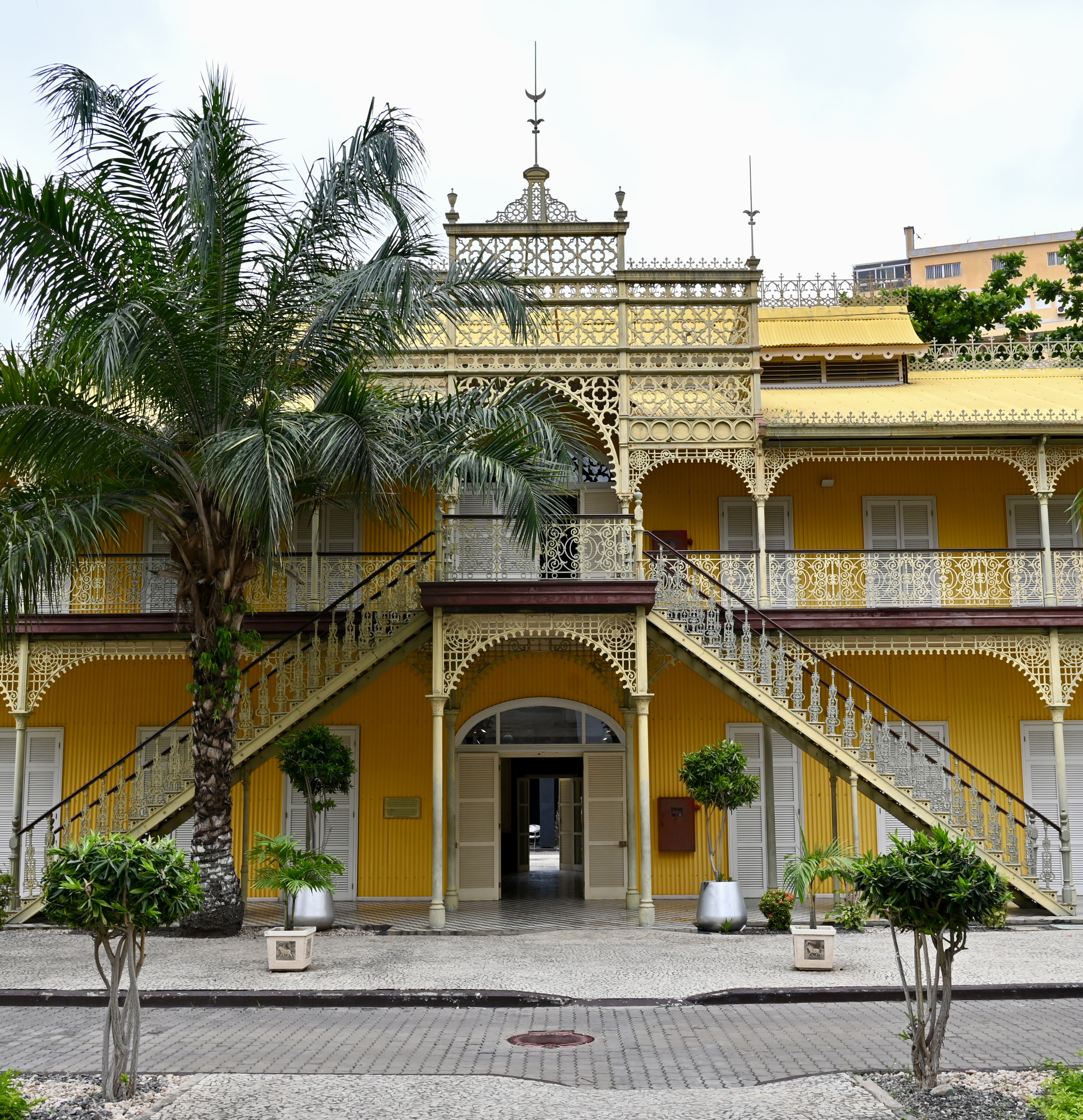
The ship’s tours here were outrageously expensive and included little we couldn’t see on our own, so my brother and I walked for a while along the crescent-shaped waterfront, then turned inland. We stopped to take pictures of the Palacio de Ferro (“Iron Palace”), which was designed by either Gustave Eiffel or one of his associates and was the most attractive building we saw (there was scant competition).
Following that, we returned to the waterfront road, walking along sidewalks smelling of urine, leavened occasionally by the aroma of fried plantains. We passed several nondescript government ministries and a few banks, each of which had armed guards flanking the doors. After strolling through a crafts market, we returned to the ship.
Later, we found out that the ship’s tours had police escorts and accompanying ambulances, and that both those tours and private tours were followed by camera-wielding officials, who intend to produce a video showing tourists enjoying their visit.
For all its oil wealth, Angola is not yet a welcoming destination. Friends who took private tours said there is potential: outside the city, the land is green and filled with peanut farms, and there is an interesting geographic feature, the Miradoura da Lua, or “Viewpoint of the Moon,” where geographic strata lie exposed. They also said the old fort is well-maintained and might become a UNESCO World Heritage site.
I hope Angola can transform itself into a worthy port of call. Doing so will be essential because the country’s oil supply, its only source of significant revenue, is slowly running out.

 PuffinlessTravel