Lush yet dry, a little rich yet a lot poor, unspoiled yet trash-strewn, the slice of Ghana we saw was consistently inconsistent. Nonetheless, two constants emerged: the Ghanaian people are devout, and they are welcoming. (I don’t believe the two qualities are correlated, but that’s a topic for a different type of blog.)
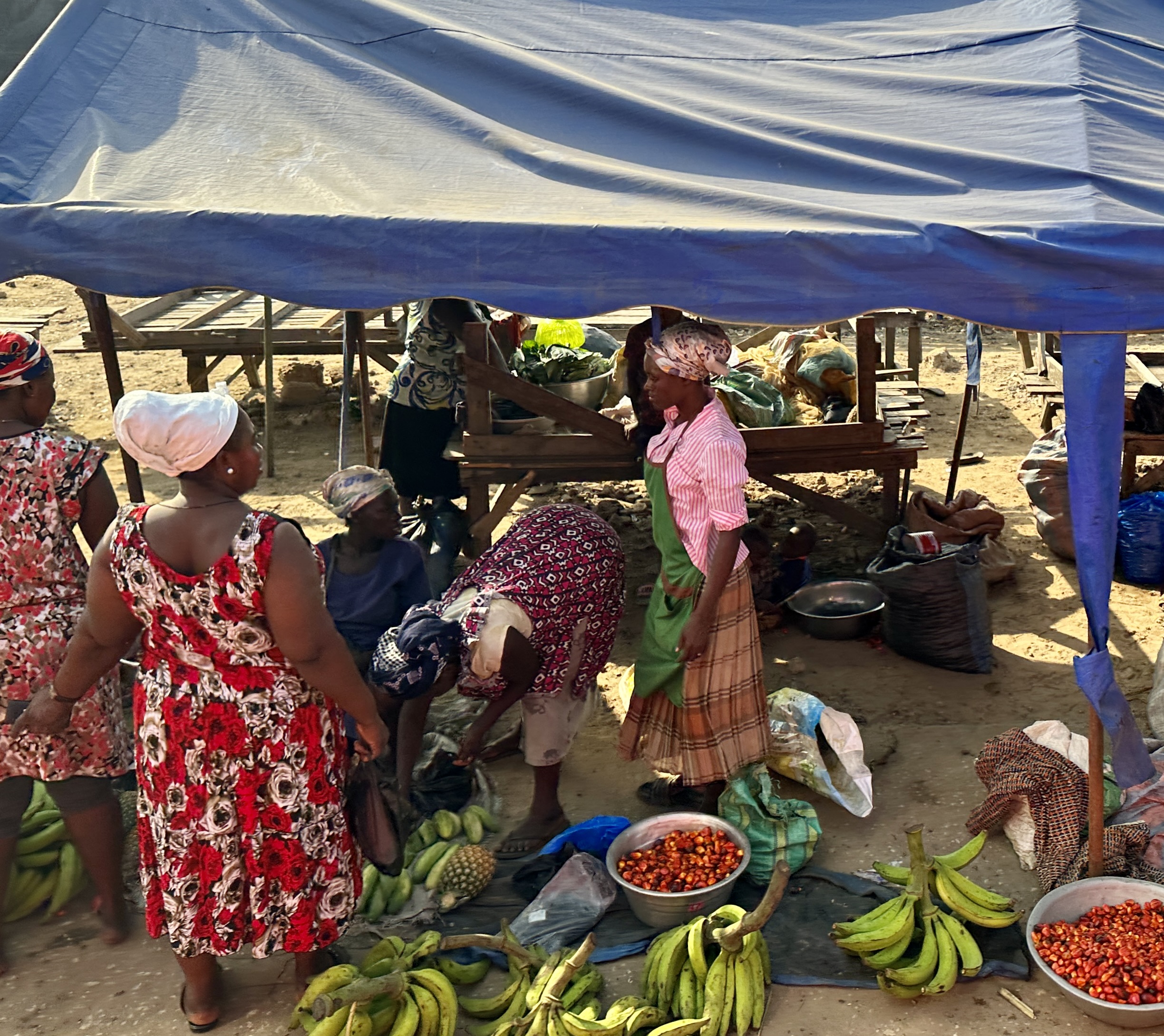
We met our guide, Yao, ship-side, and were bundled onto a bus with legroom designed for people even shorter than my modest 5’7” (ok, it’s more like 5’6” unless gravity is having an off day). Yao received his name because he was born on a Thursday; he explained that it is traditional for names to indicate the day on which you were born.
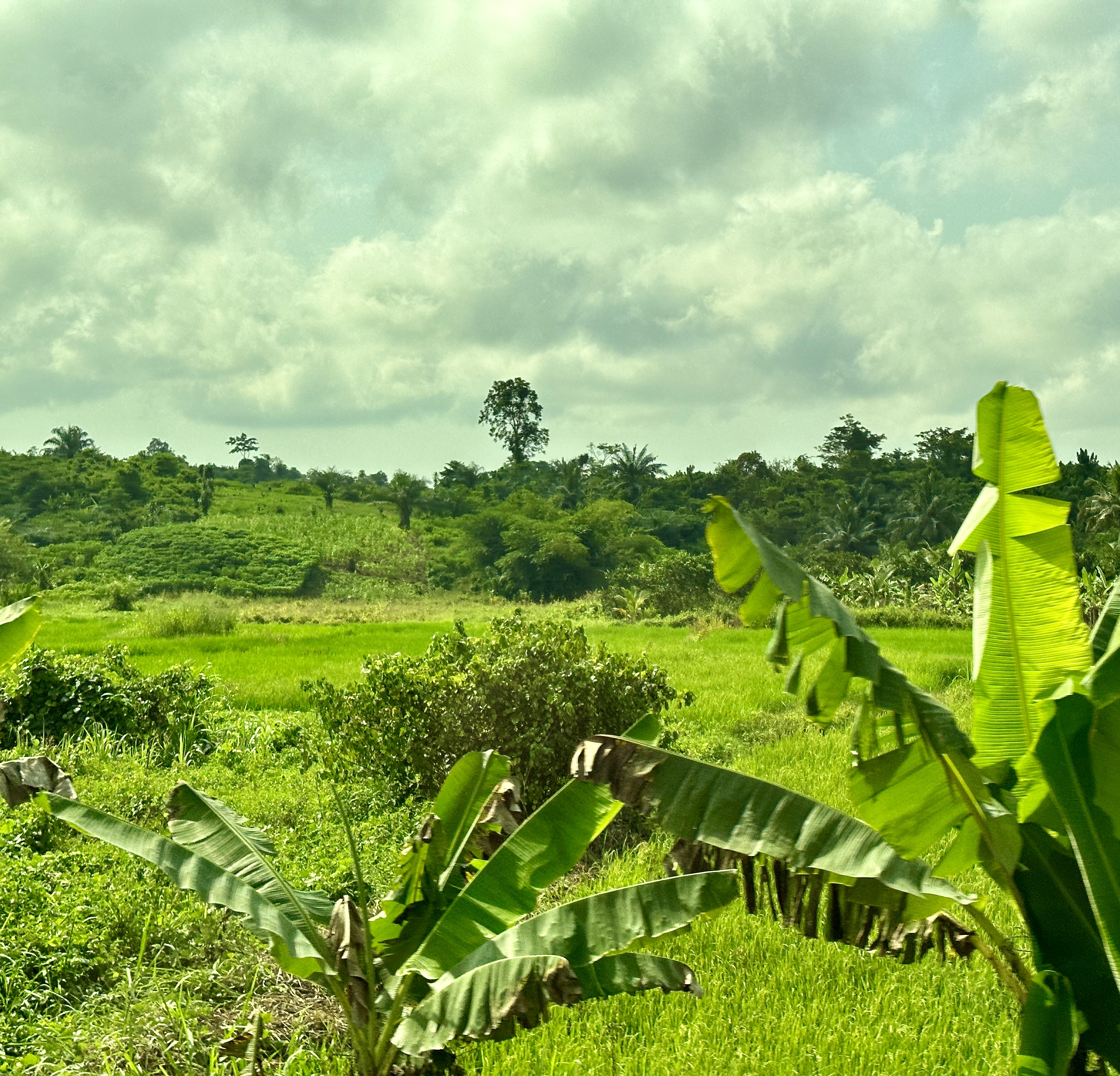
Driving through the twin cities of Takoradi and Sekondi, we wound past crowded open-air markets and ramshackle cinder block buildings until we emerged on to the Trans-West African Coastal Highway, a two-lane road with more speed bumps than cars. (Based on what I saw in The Gambia, Senegal, and Ghana, the speed bump lobby has something on the development authorities.)
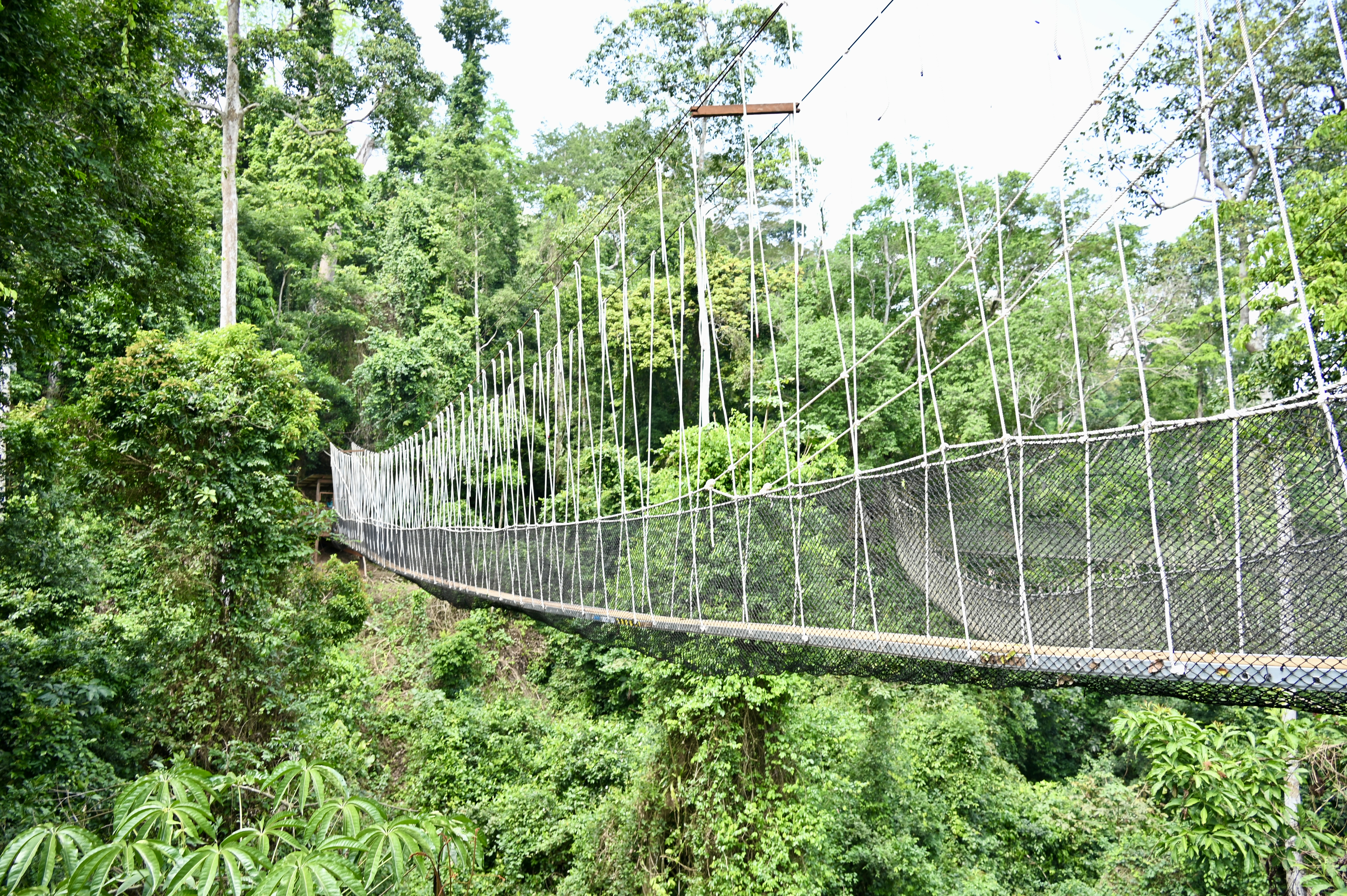
Palms, rice paddies, and plantain and banana plants line the road on the way to Kakum National Park, evidencing the persistent influence of the rainy season despite the dust. The highlight of Kakum – a largely virgin forest of ironwood, esa, umbrella, and fig trees along with countless other species – is the canopy walk. Covering seven bridges suspended between the trees, the walk gently sways 100 feet above the forest floor and reveals views of a lush woodland stretching to the horizon.
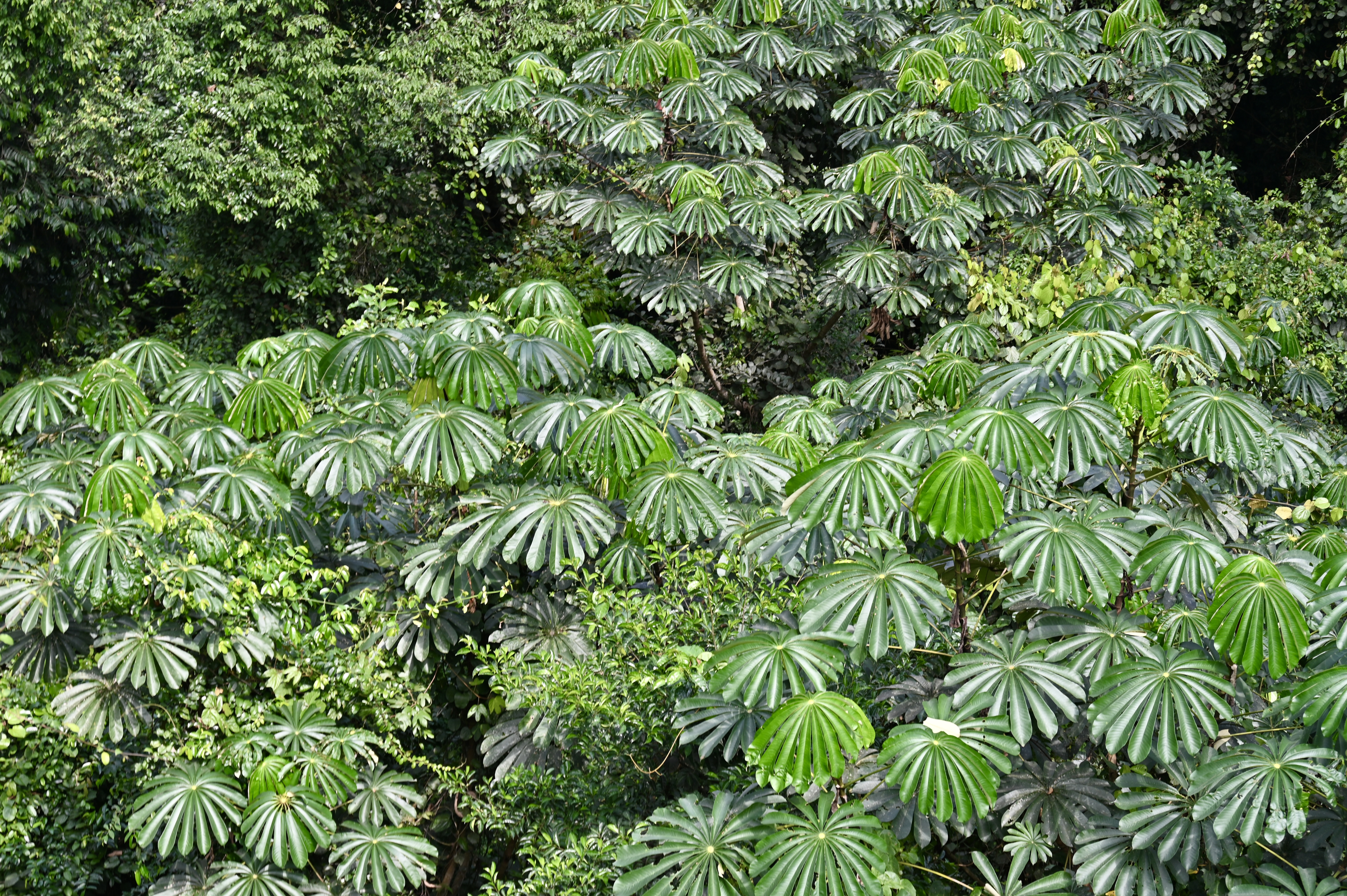
What it does not reveal is views of any animals, other than fleeting glimpses of monkeys’ tails as they scamper through the foliage. According to our guide and Wikipedia, the park is home to elephants, bongos (the antelope, not the drums), duikers, civets, and 266 species of birds. Unfortunately for us, almost all are nocturnal, a fact that the ship’s shore excursion description neglected to mention. (I did see an impressive millipede and a couple of skittering lizards.)
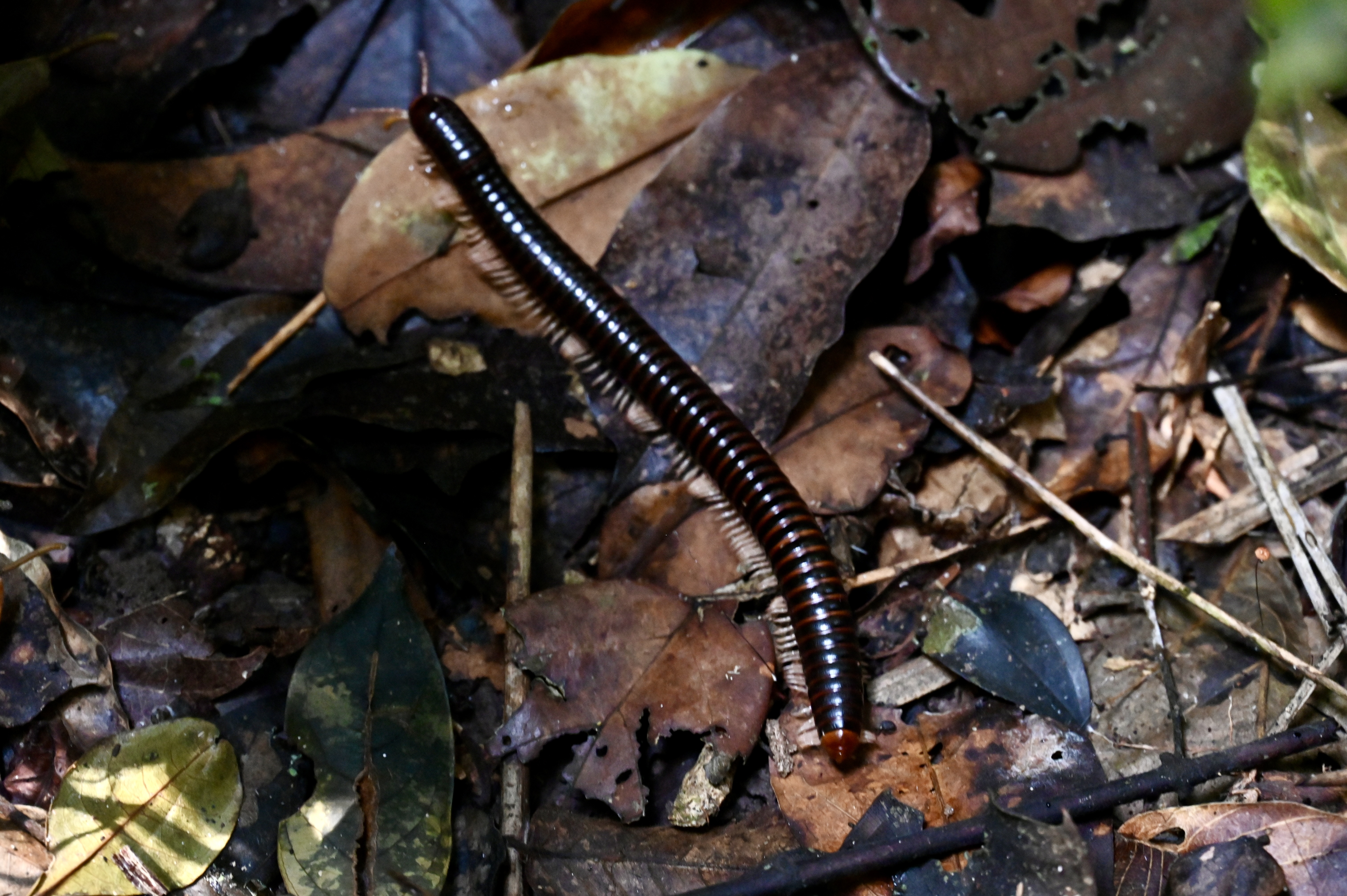
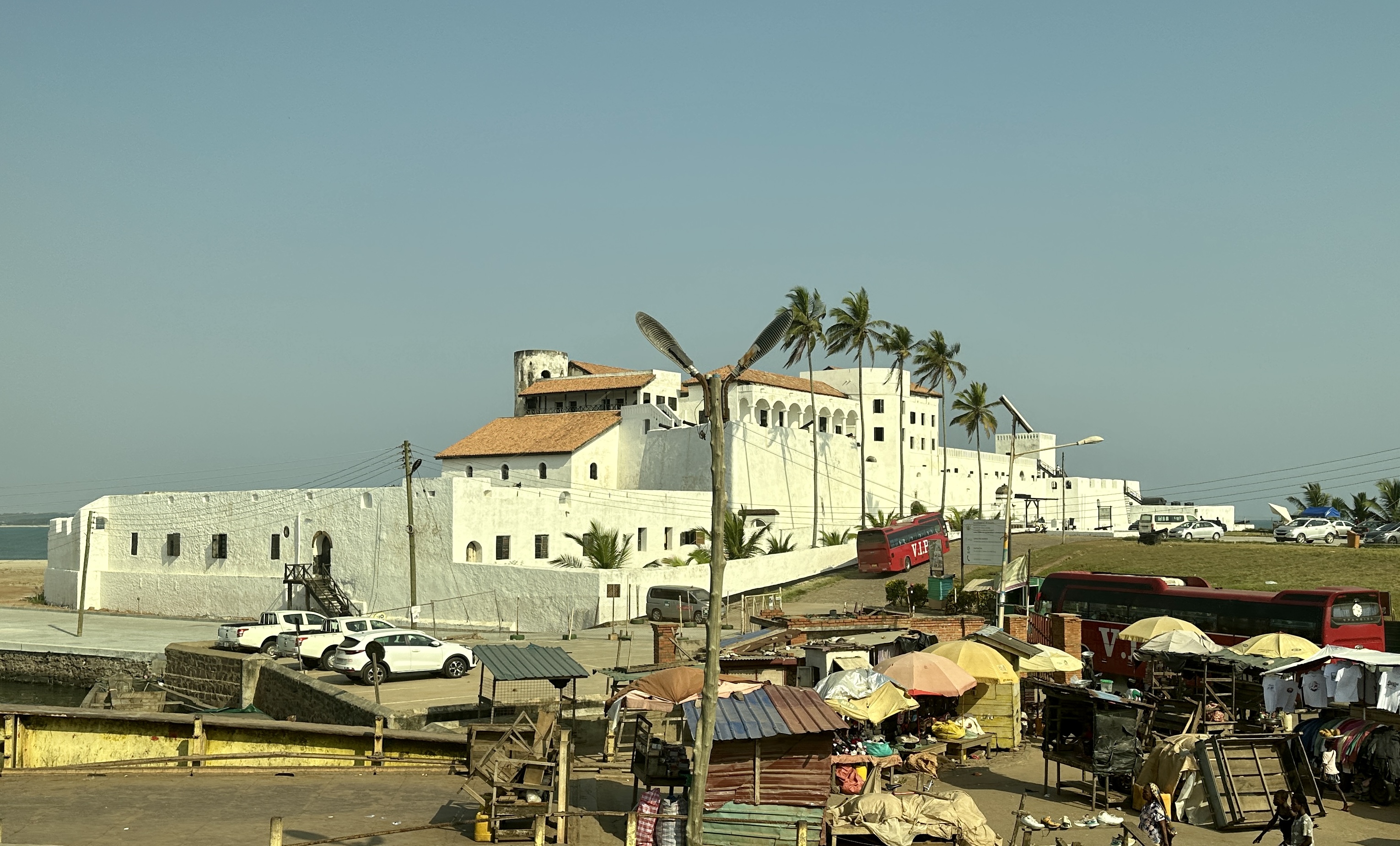
Bottom line: it’s a nice, though short (perhaps 20 minutes) walk above the trees, but it’s not a worthy centerpiece of an 8-hour tour. In retrospect, I should have gone on the tour that went to Elmina Castle, where slaves were held before being shipped to the New World. Friends who went on that tour found it a powerfully emotional experience.
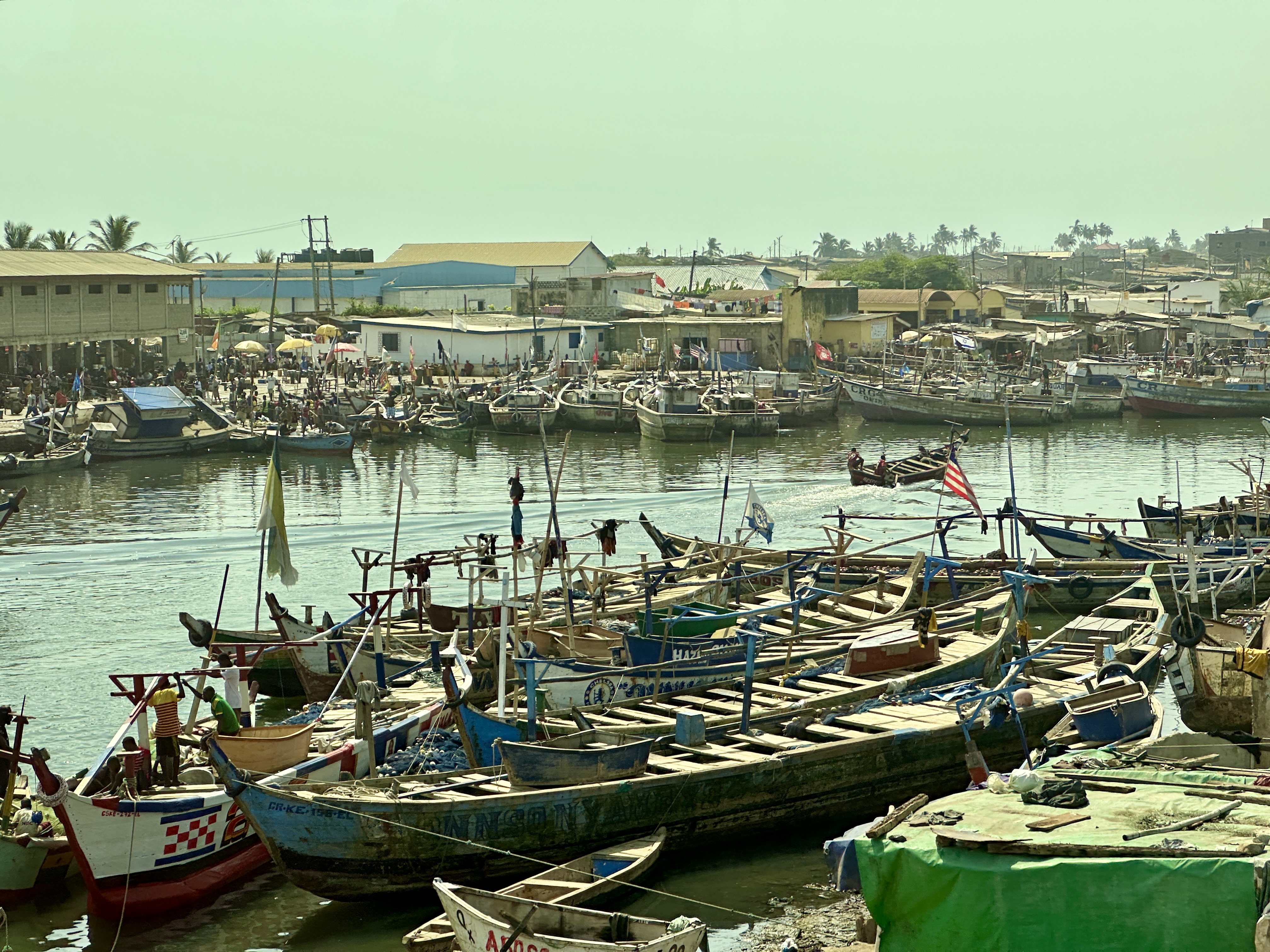

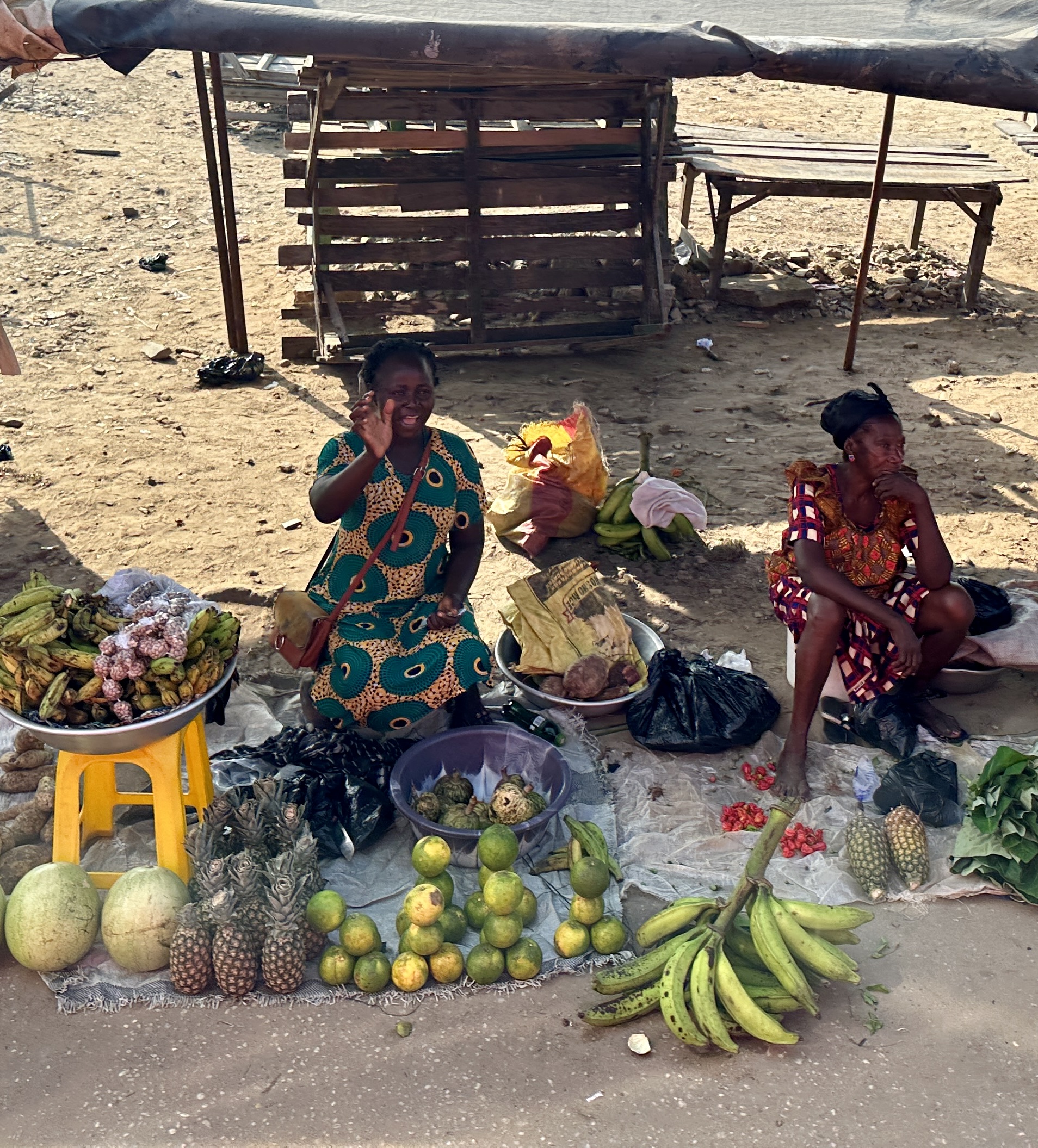
What saved the tour for me was the chance to get a glimpse of rural Ghana. Every village along the road was composed of tiny, tin-roofed houses strung with laundry and separated by narrow, dusty paths. Women and children set up roadside stands selling coconuts, pineapples, and bananas.
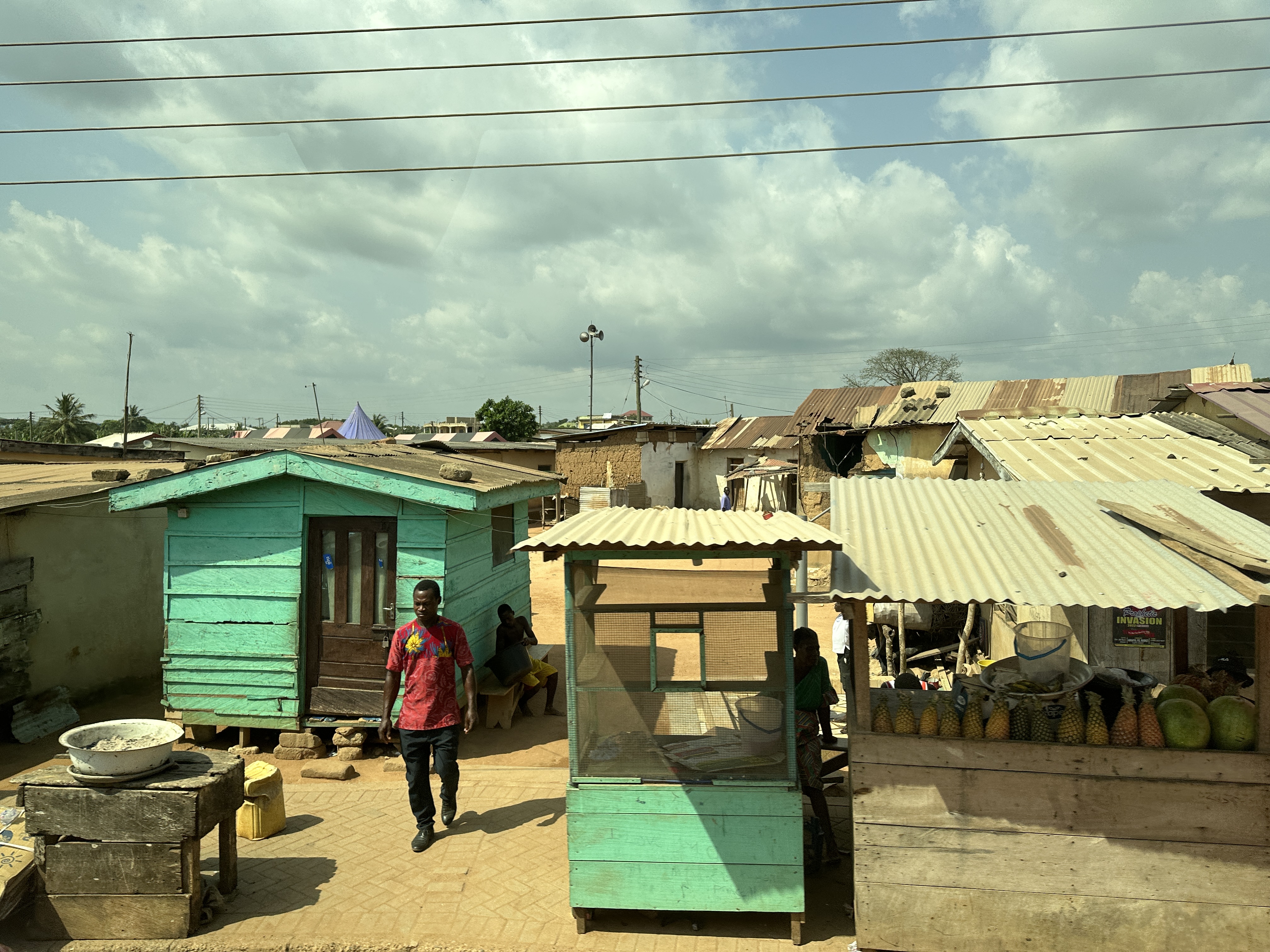
Goats probably outnumber people (I “kid” you not), but each settlement has at least one small Pentecostal or Apostolic church and occasionally a slightly larger Catholic, Methodist, or LDS church or gleaming mosque.
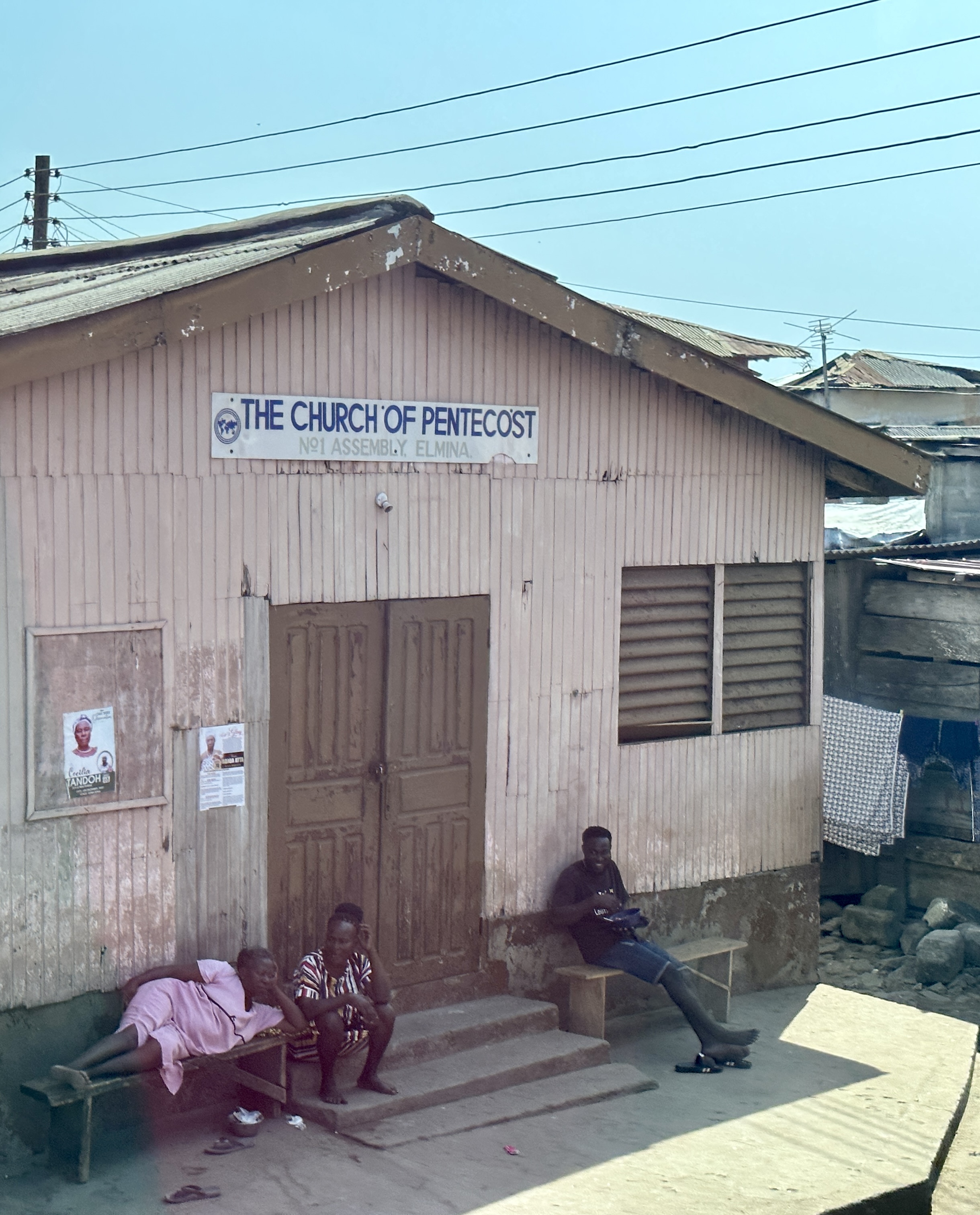
Most businesses have religiously-inspired names, including:
Hope to Christ Beauty Salon (not sure that sends the right message)
Wait on the Lord Pub (does He have a reserved table?)
God Is Alive Provisions (obviously Nietschze never shopped there)
Behold the Lord Cement Company (do they mean to imply their cement is truly that strong?)
The Lord Is My Shepherd Fashion Design (specializing in wool, evidently)
And my favorite, God Provides Service mobile phone store (presumably offering ubiquitous coverage)
Despite their poverty, people in the villages gave us genuinely warm smiles and waves as our bus jostled over the speed bumps. I’ve known several Ghanaian immigrants to the US, each of whom was remarkably kind and caring. Those qualities seem important in West African culture – we saw the same heartfelt waves and smiles in The Gambia and Senegal – and I only wish they were as valued in America.

 PuffinlessTravel