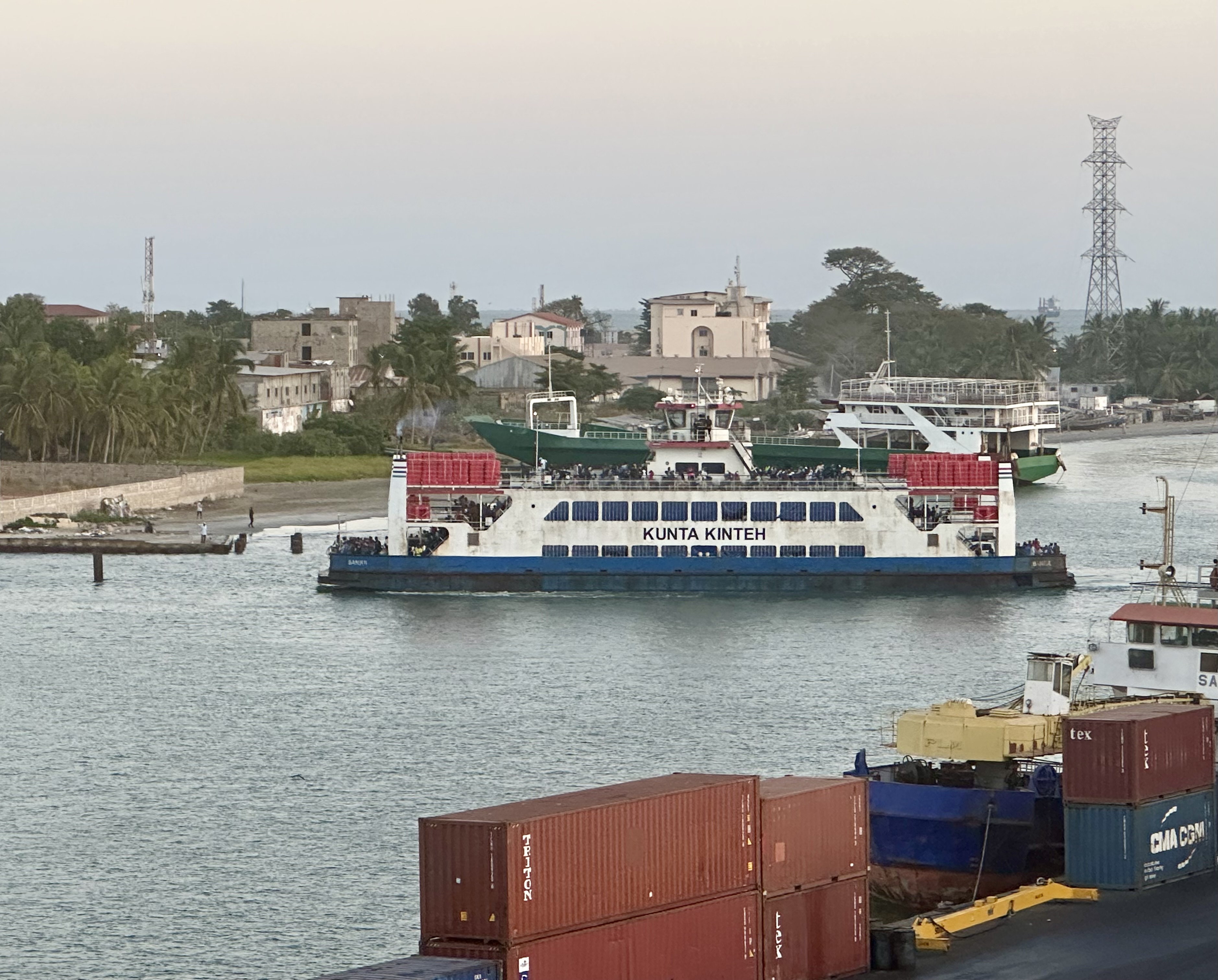
Stepping off the ship this morning, I felt like I was stepping into the pages of an Alexander McCall Smith novel. The bustle of vendors, the vivid colors, and the sounds and smells had me on the lookout for Mma Ramotswe.
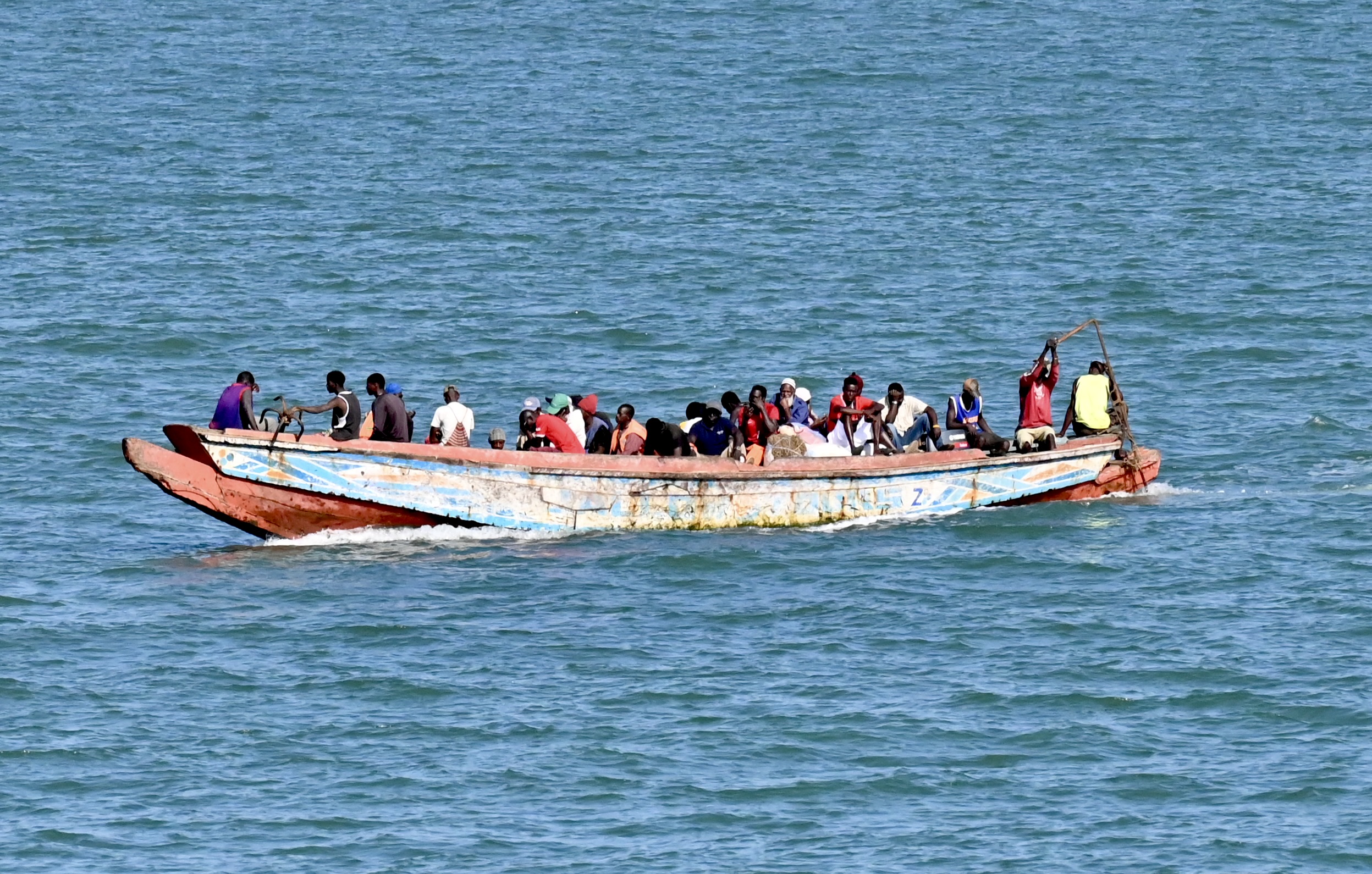
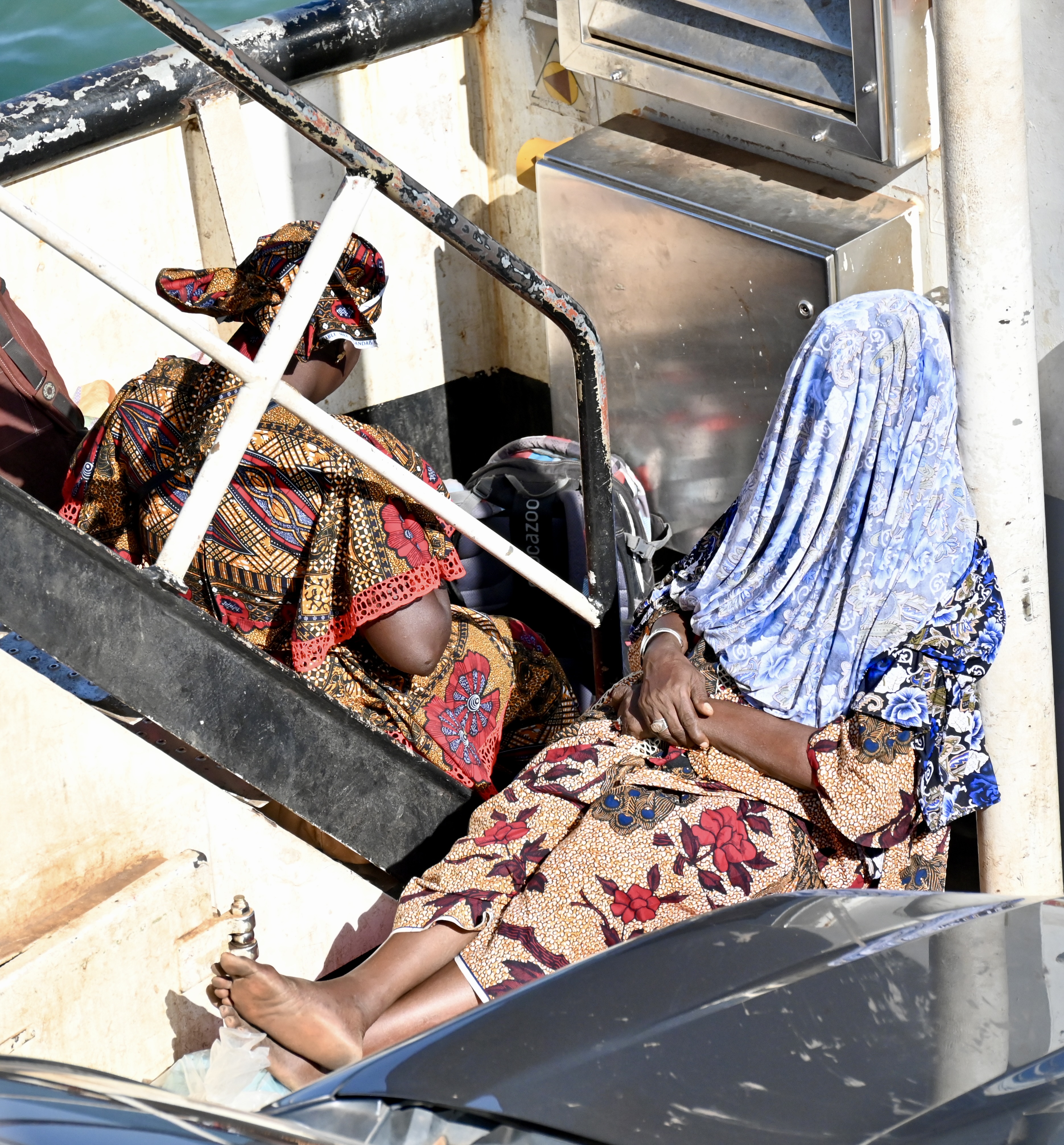
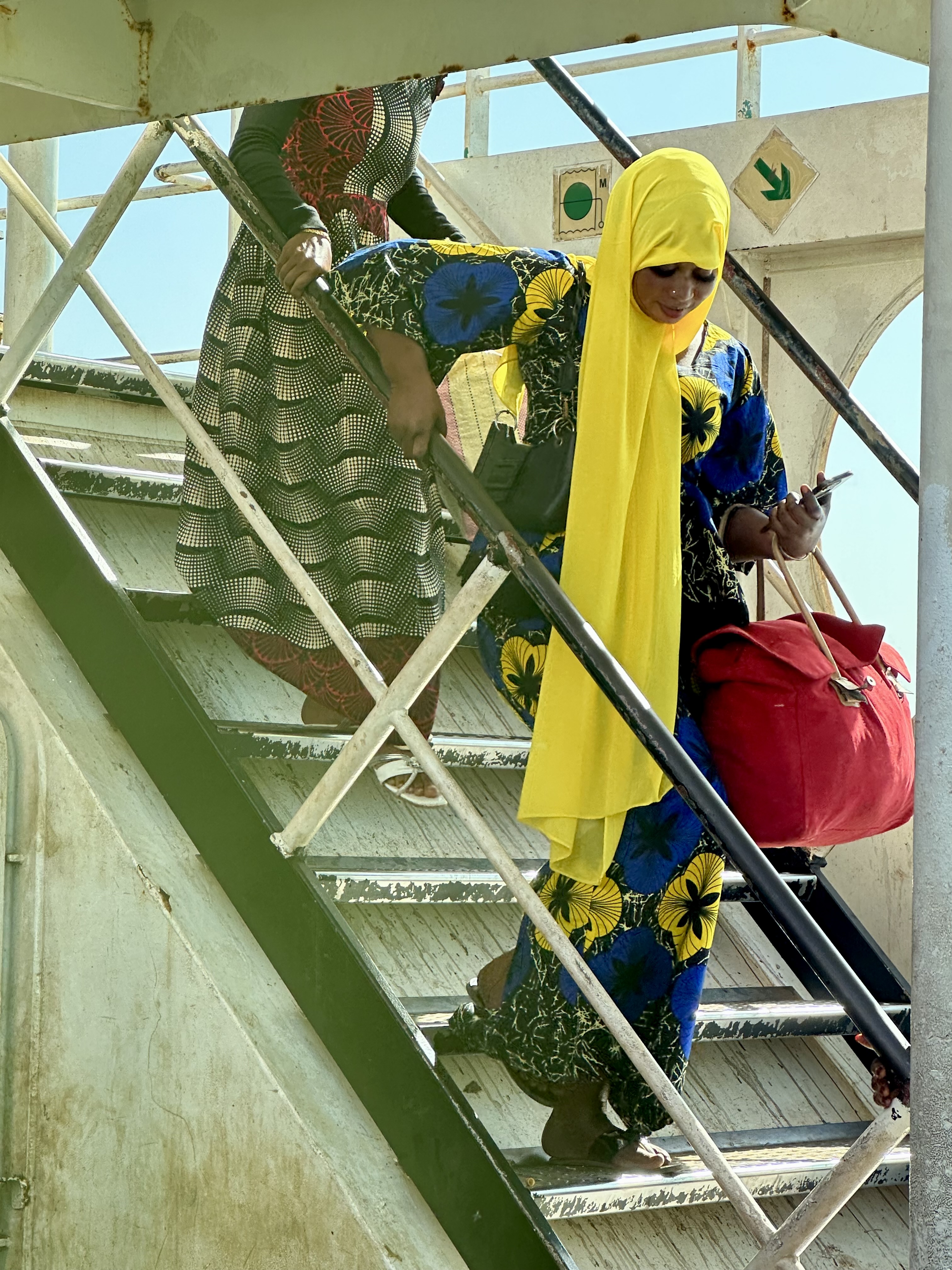
Banjul, where we docked, lies on the south bank of the Gambia River. We took a ferry across to Batta on the north bank, and the ferry ride itself – mundane as it must have been for the locals – was to me everything I would have wanted for my introduction to West Africa. Most women were dressed in vibrantly-patterned, free-flowing garments called grandmubas. Many of them, majestically erect, balanced baskets of cashews or oranges on their heads. Lilting Mandingo and West African-accented English filled the air, and overcrowded “water taxis” – basically motorized canoes – zipped past us.
The road from Batta to Senegal cuts through scrub and tall grasses in a flat, straight line; the only change in elevation comes from the profusion of speed bumps. Donkeys and goats grazed along the roadside as we passed through villages of cinder-block houses, small mosques, and tiny stores selling food, tires, pots and pans, and other of life’s necessities.
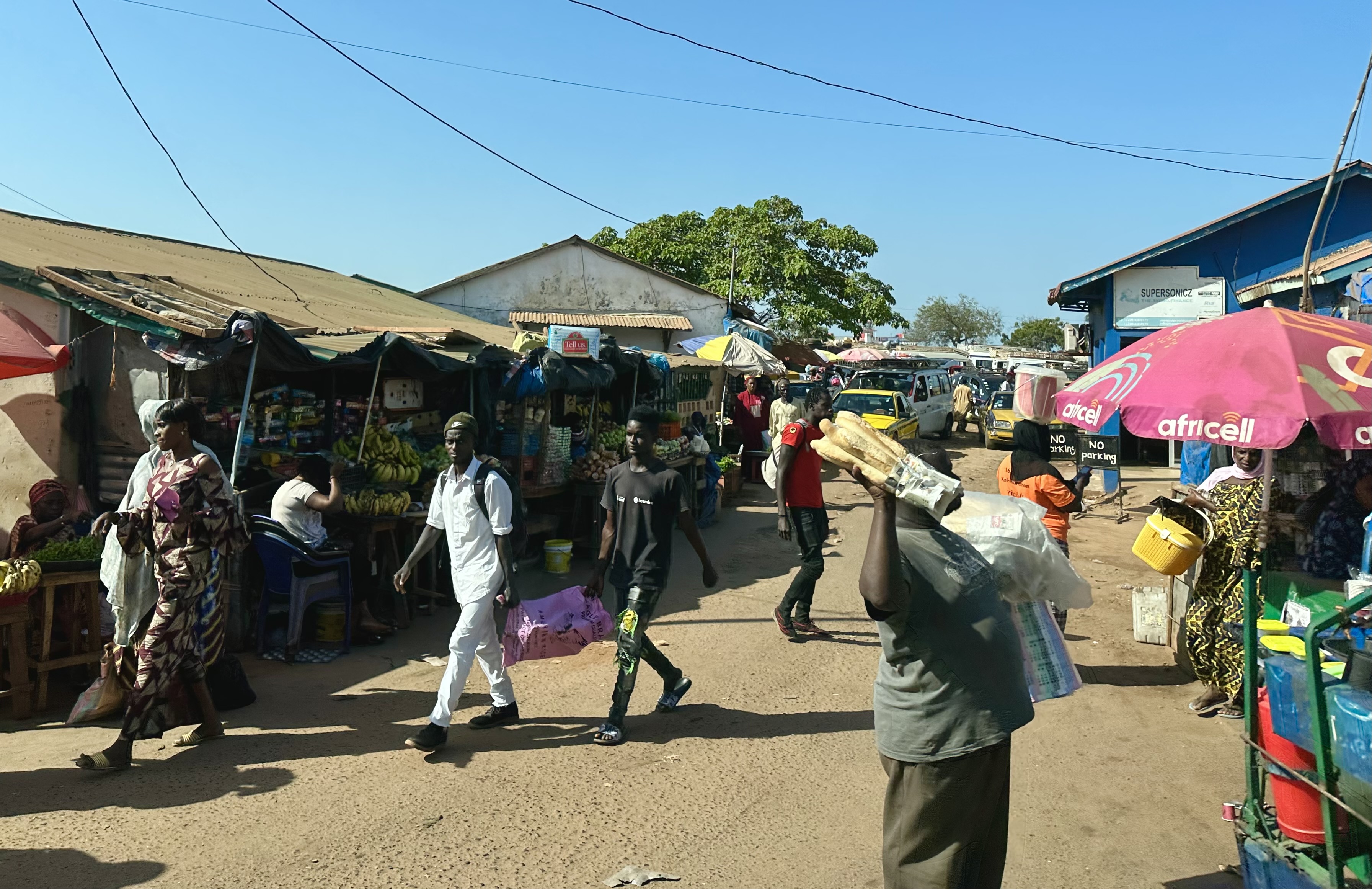
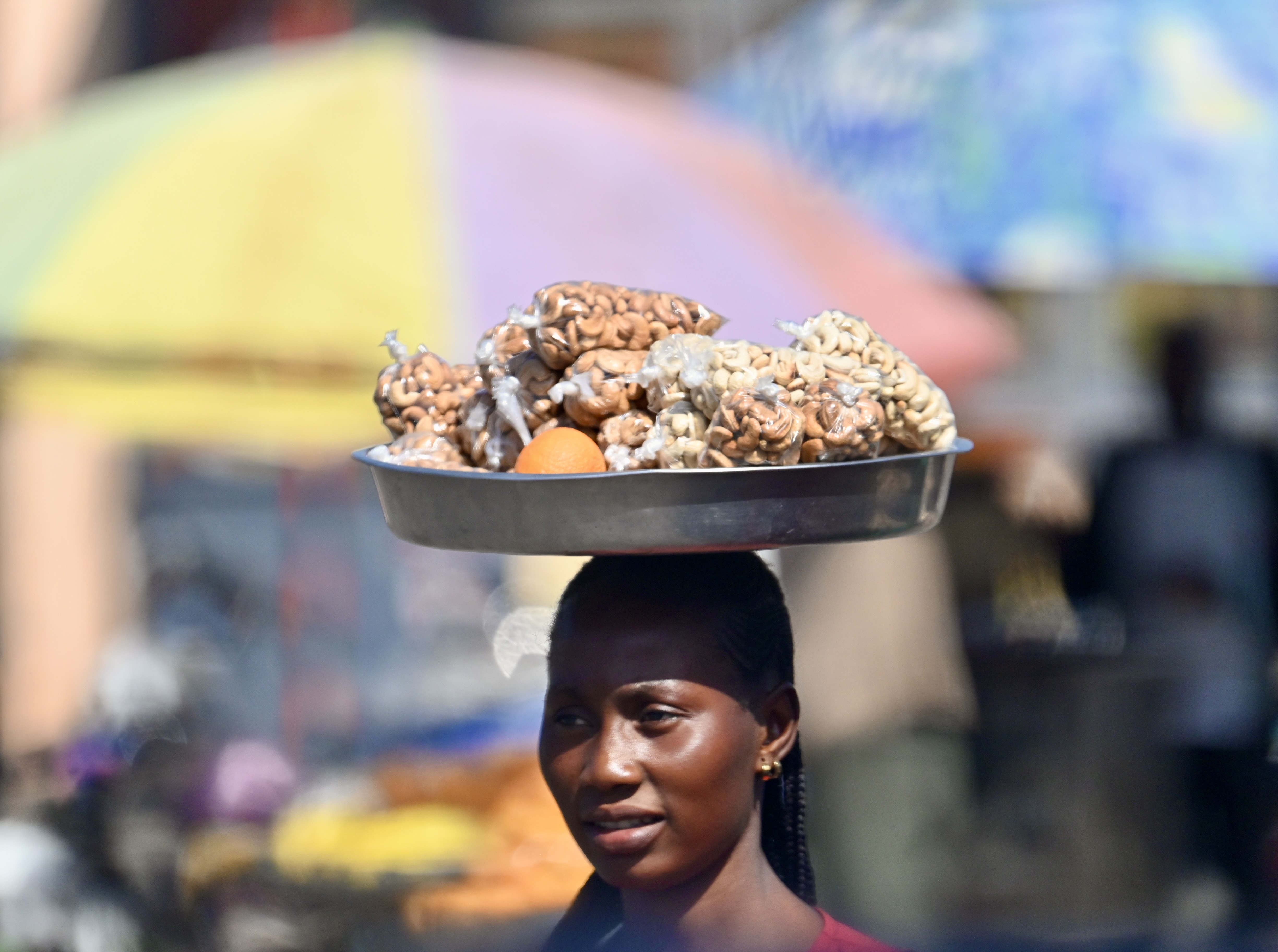
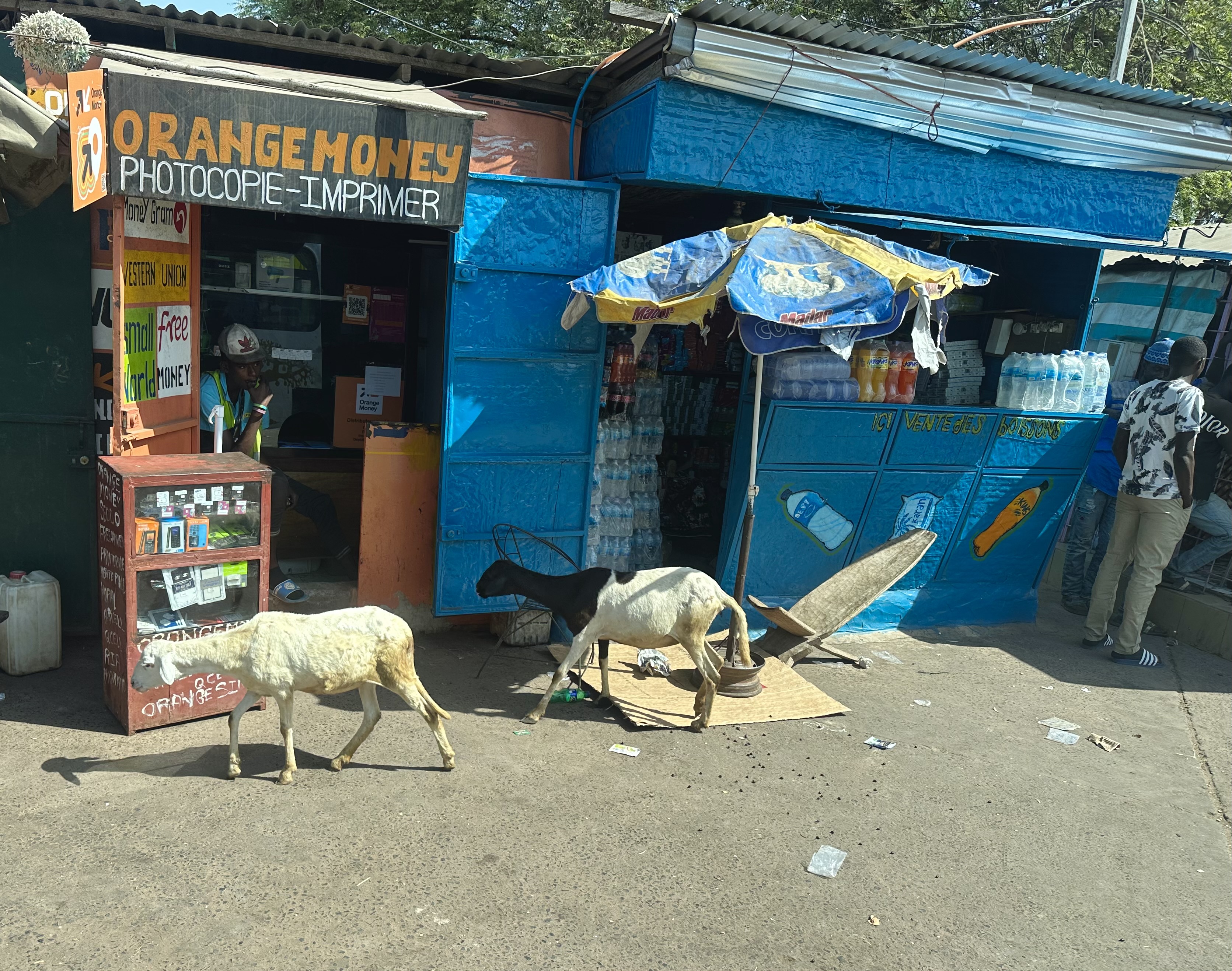
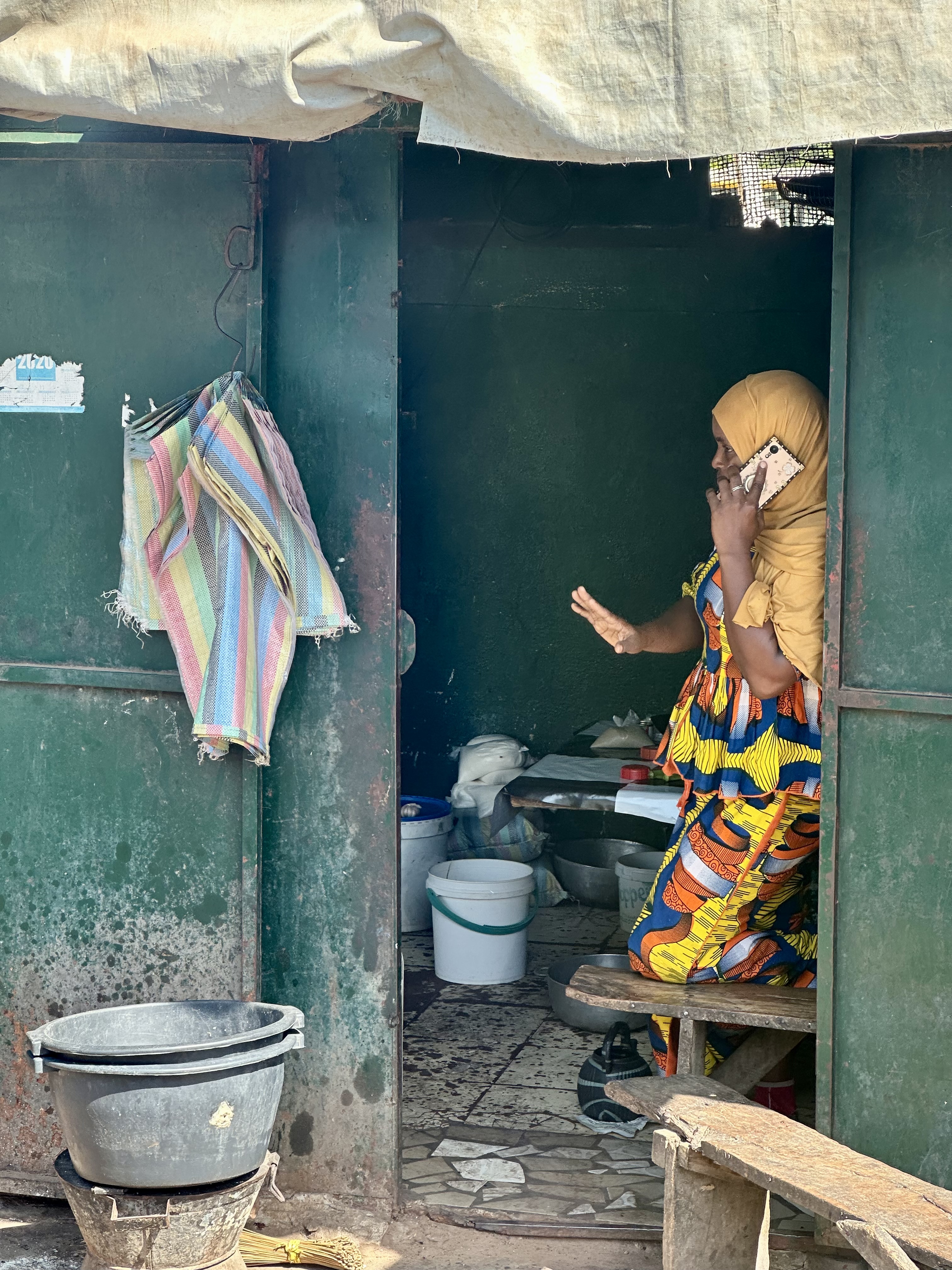
Everything ground to a halt at the border. Gambia had no problems letting us leave, but Senegal’s visa requirements are country-specific, and apparently those in our group from Iceland and Australia needed visas, while Americans and Canadians didn’t. Sorting out the situation took time, which I happily spent watching the parade of donkey carts, horse carriages, free-roaming goats, ancient cars, and people noisily going about their business.
Finally allowed to enter Senegal, we drove for a few minutes to the Fathala Wildlife Reserve, a 6000-hectare animal park where my initial impression was the smell – but not in the way you probably think. The rutted dirt paths are lined with wild mint, and the air is redolent with its refreshing fragrance. The park is a protected area of “original forest,” including majestic mahogany trees, acacias, and mango bushes.
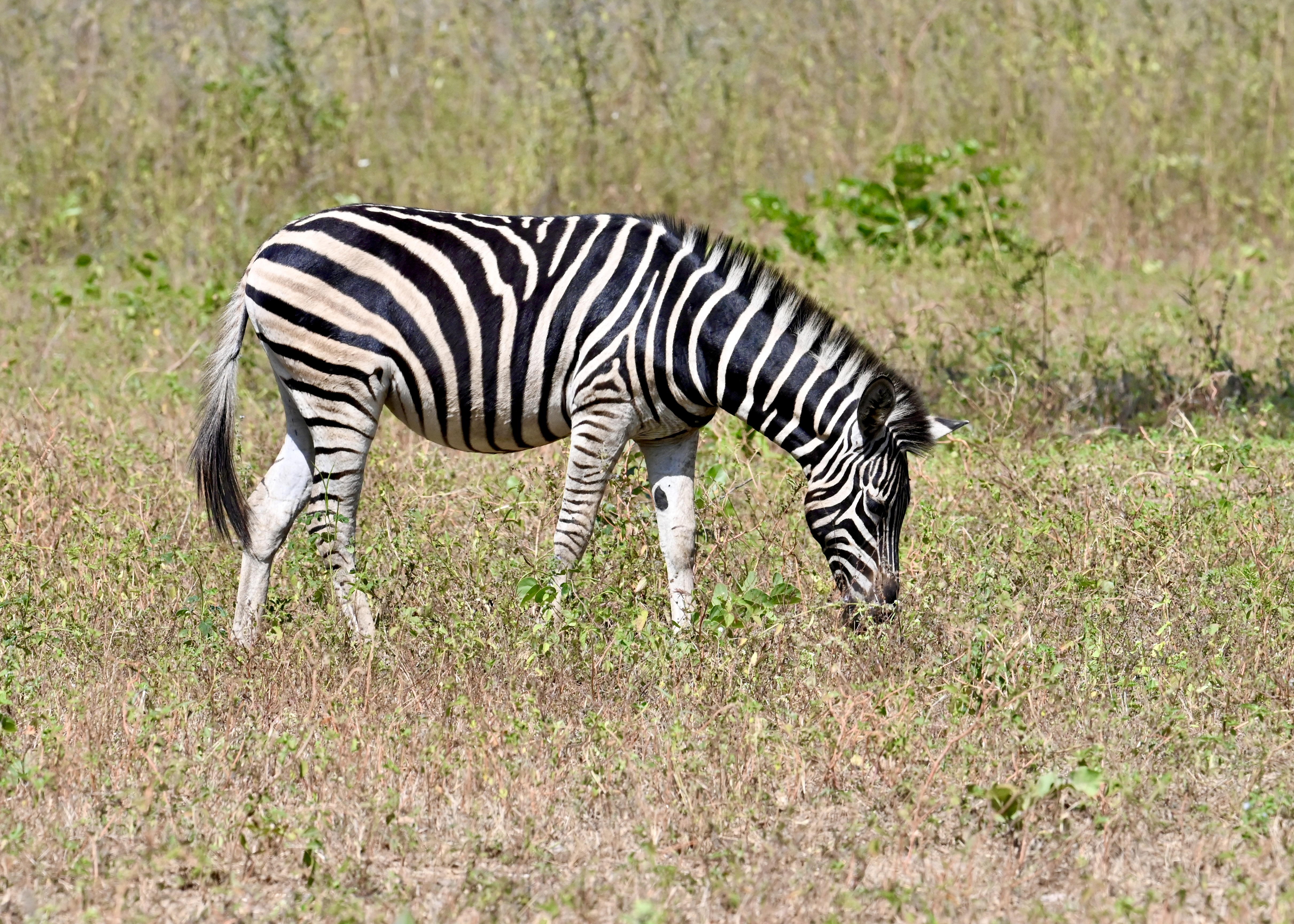

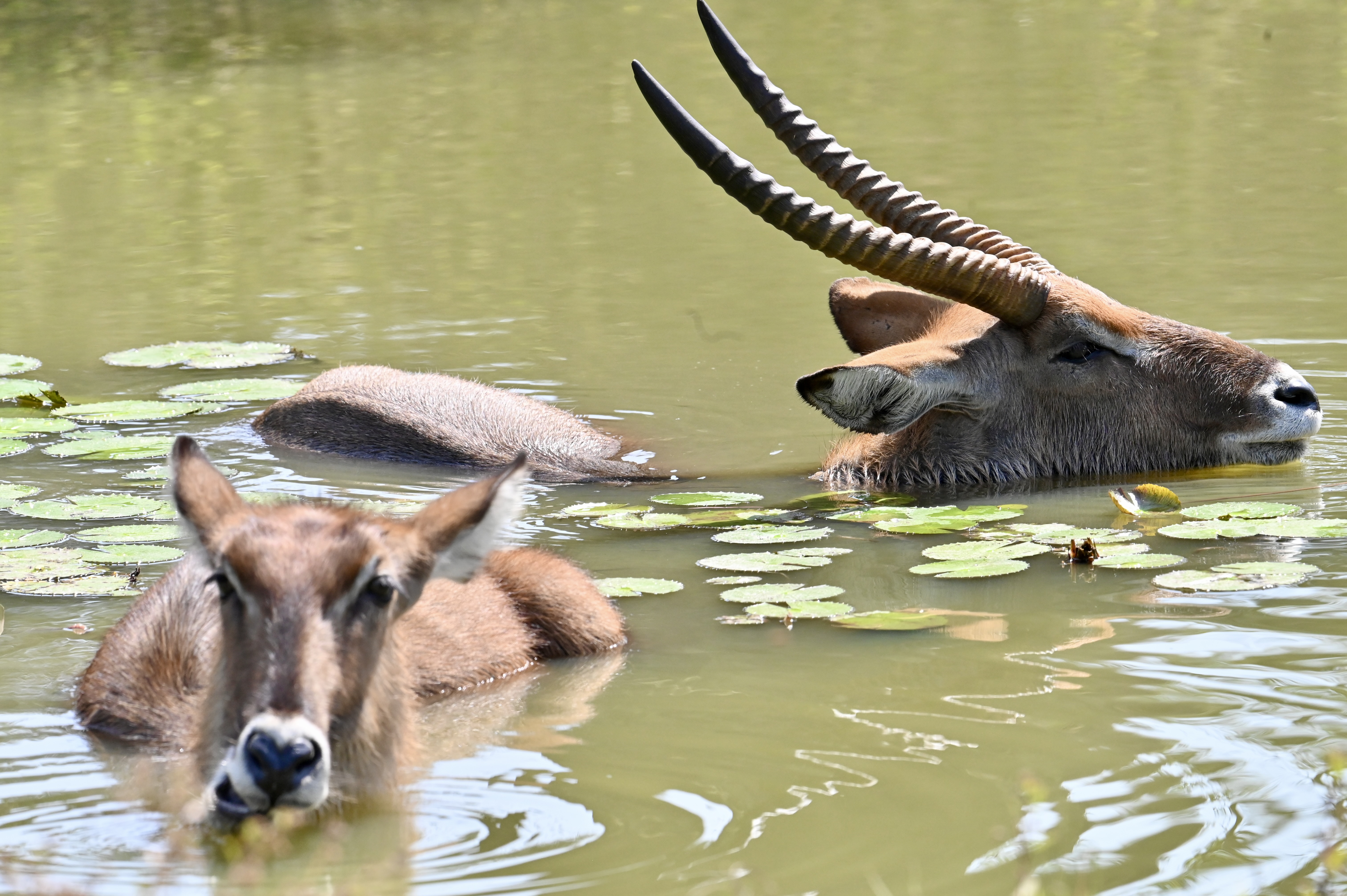
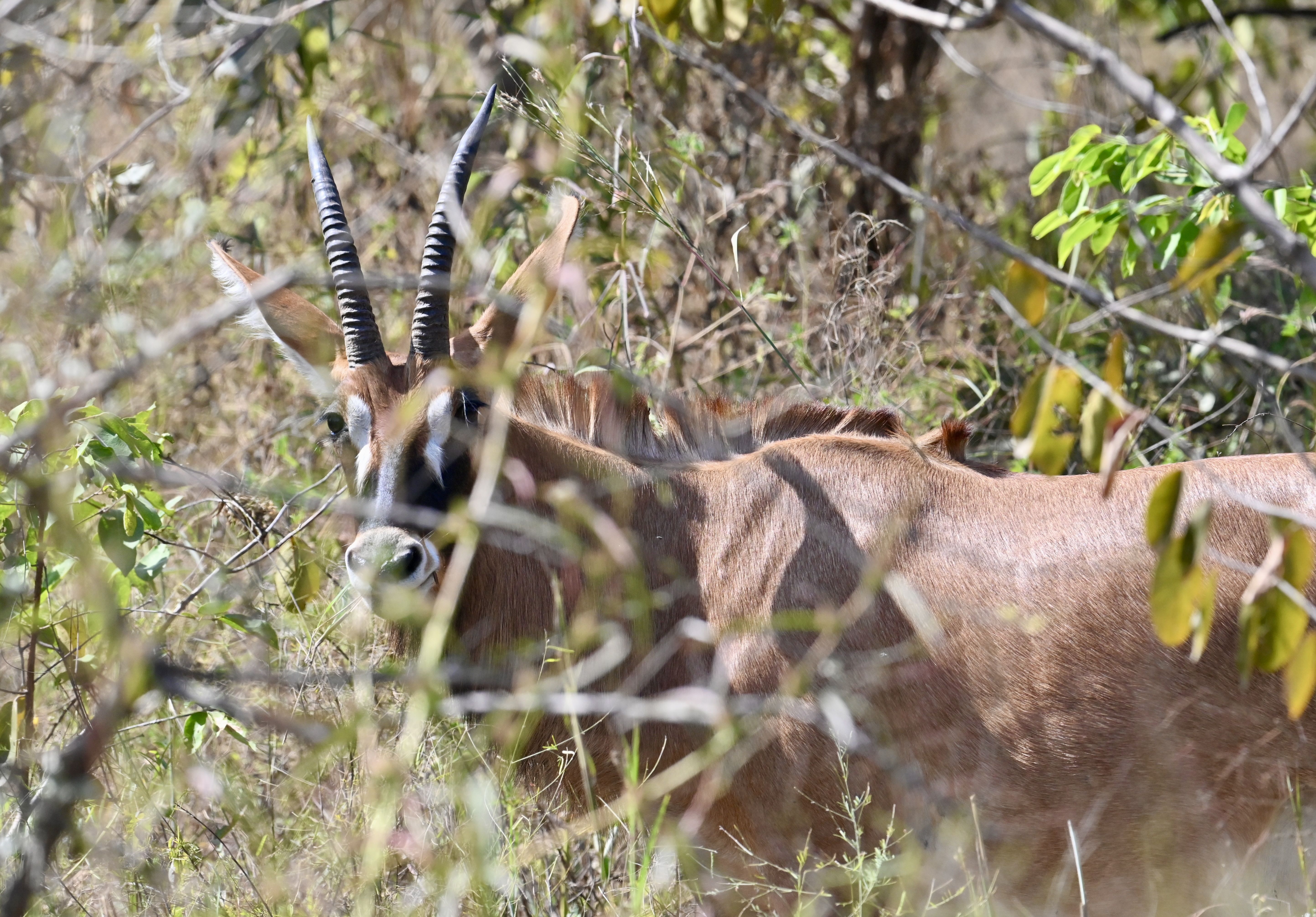
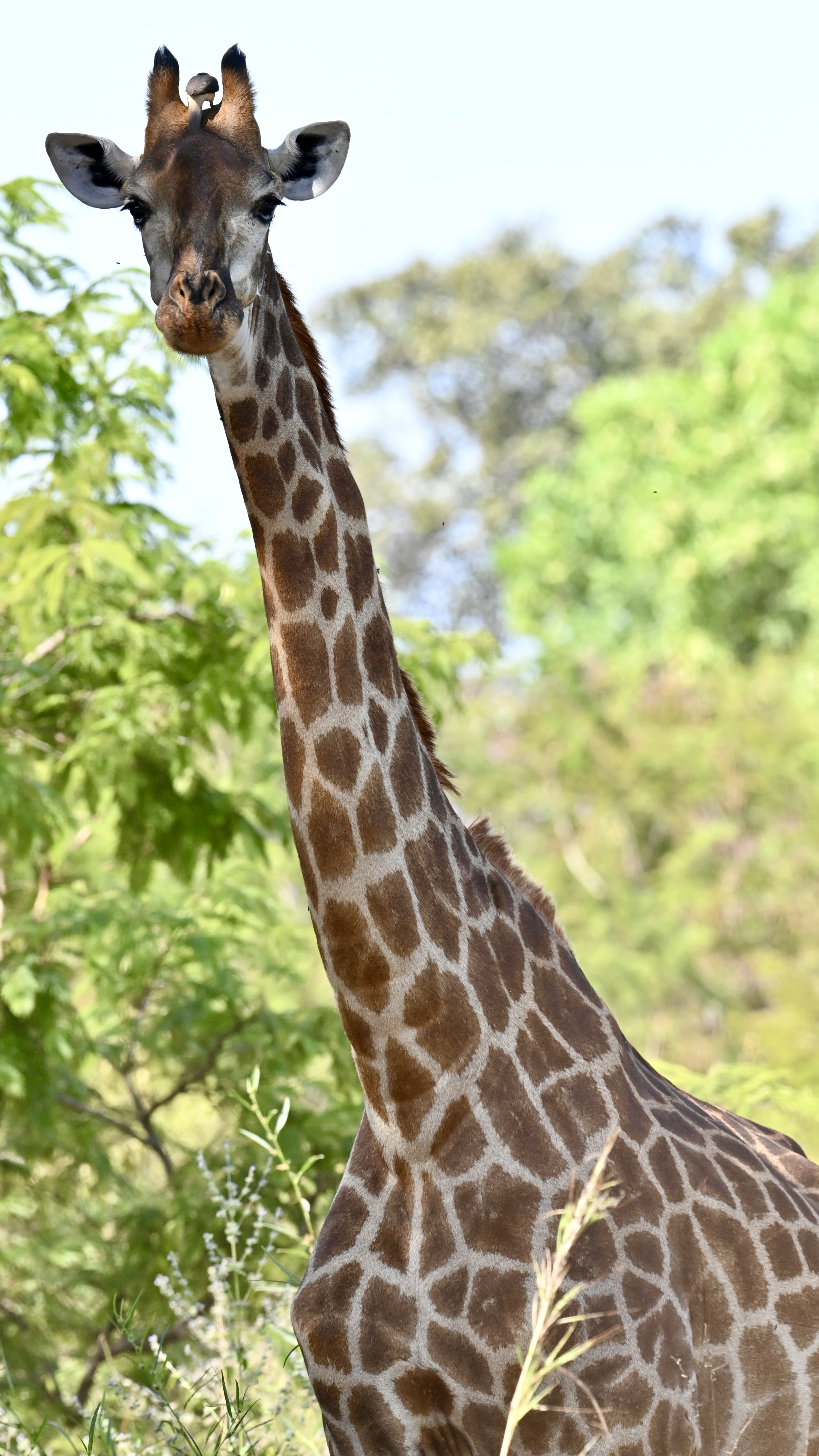
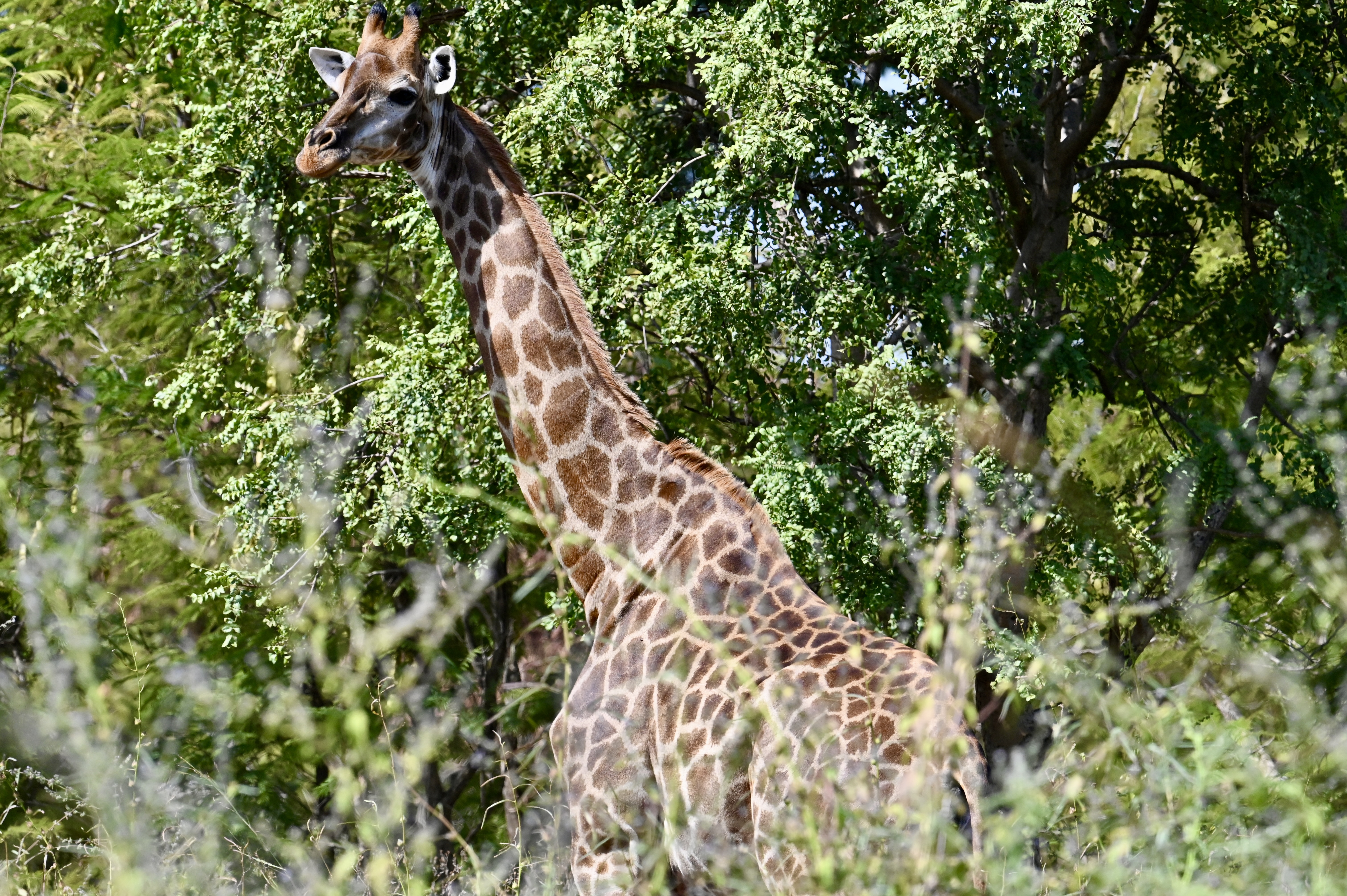
Our tour featured the “African massage”: jostling over sun-baked trails in safari trucks whose suspensions were distant memories. During our roughly 2-hour excursion, we saw families of zebras (smaller than I’d thought), giraffes (taller than they appear in zoos and quite graceful), three kinds of antelopes (eland, water bucks, and roan), colobus monkeys, and bush pigs. [Question: if you crossed an eland with a musk ox, would the offspring be Eland Musk?]
Following lunch (for us non-meat eaters, a paltry portion of rice with steamed vegetables), we headed back to the border, the ferry, and ultimately, the ship. What a wonderful day!


 PuffinlessTravel