Today we ventured into Portugal’s frenemy, Spain. Portugal seems to have something of an inferiority complex, being the older but far smaller country, and our Portuguese guides seize every opportunity to cast good-natured aspersions on Spanish customs, history, wine, food, industriousness, and so forth. Nonetheless, the two countries are wedded by far more than geography, and like all good siblings, I think (hope) there is respect and even love underneath the rivalry.
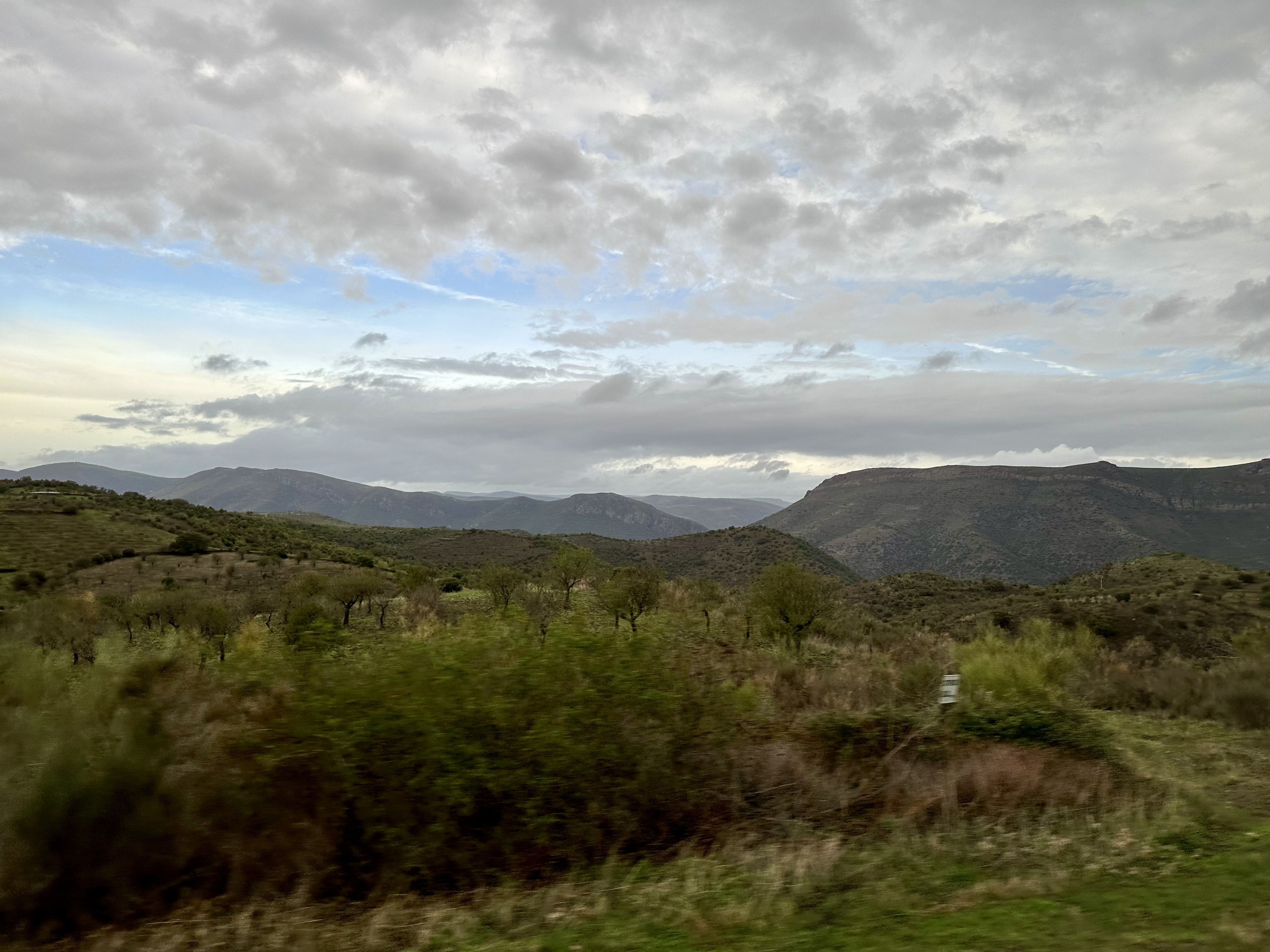
Salamanca lies two hours east of the border along a flat road through rather featureless surroundings. The land is low, the trees are low, the buildings are low, the stone walls are low, and the sky (surprise, surprise) was low, gray, and spitting. Salamanca, however, is anything but featureless.
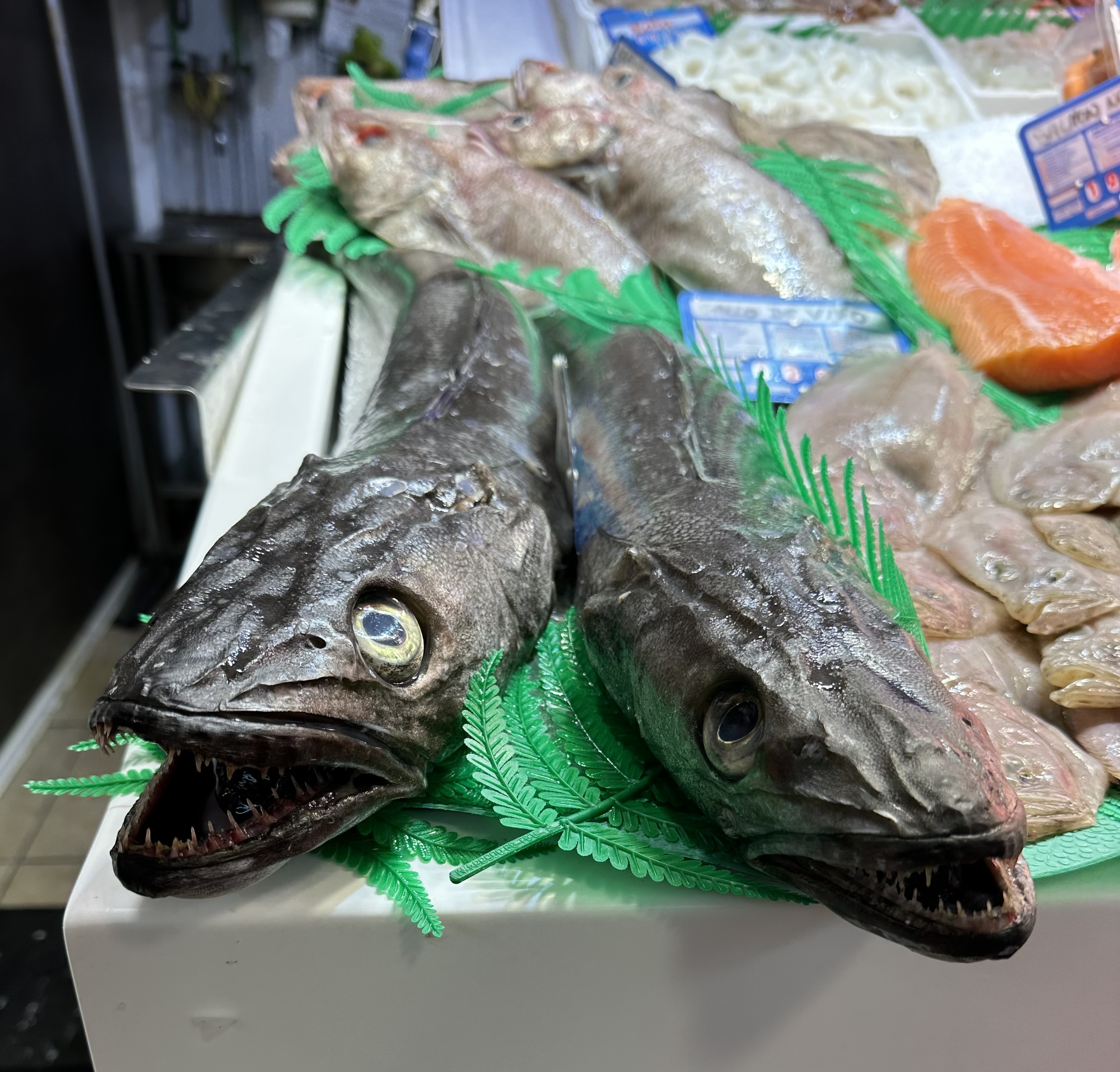
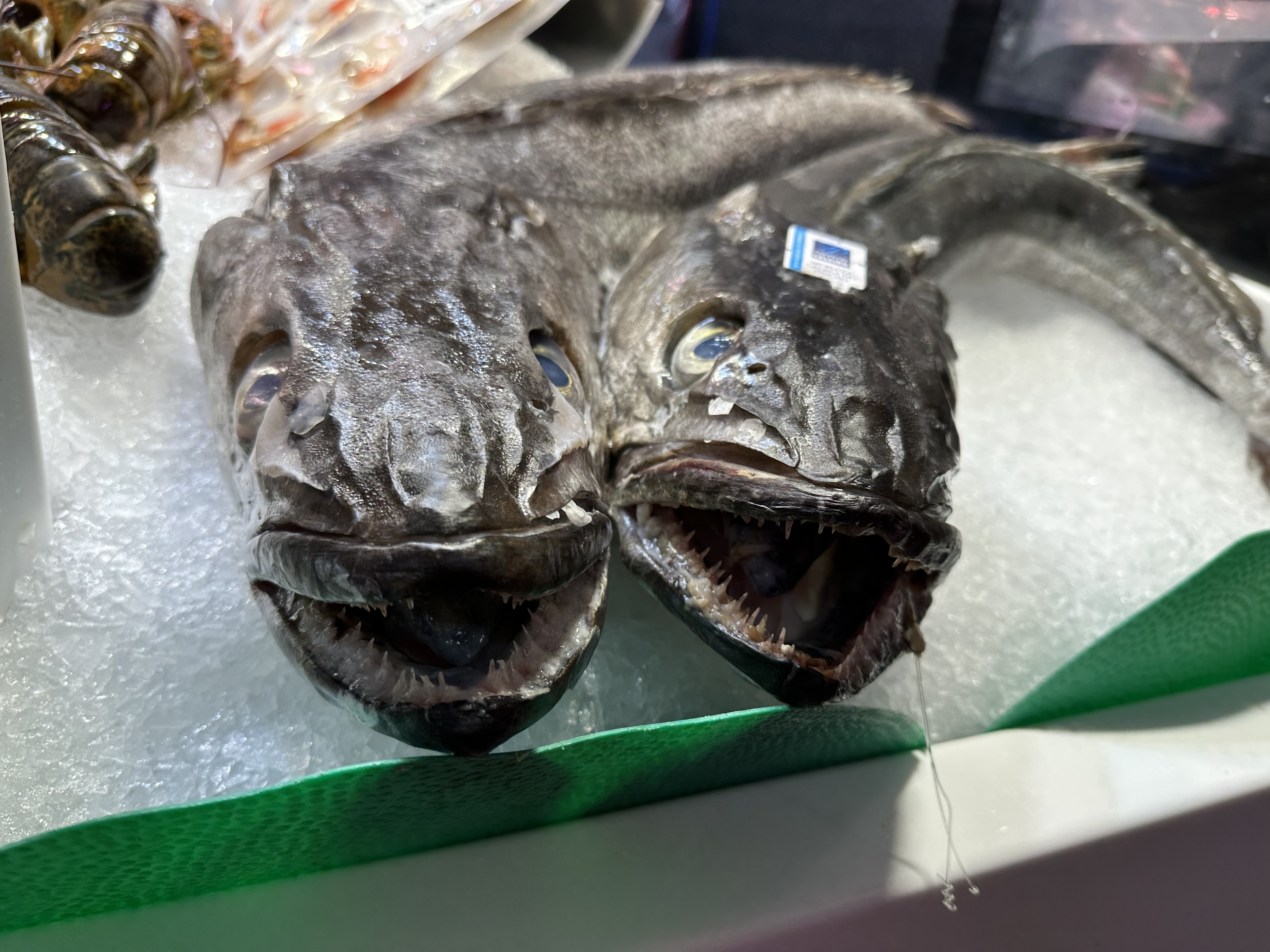
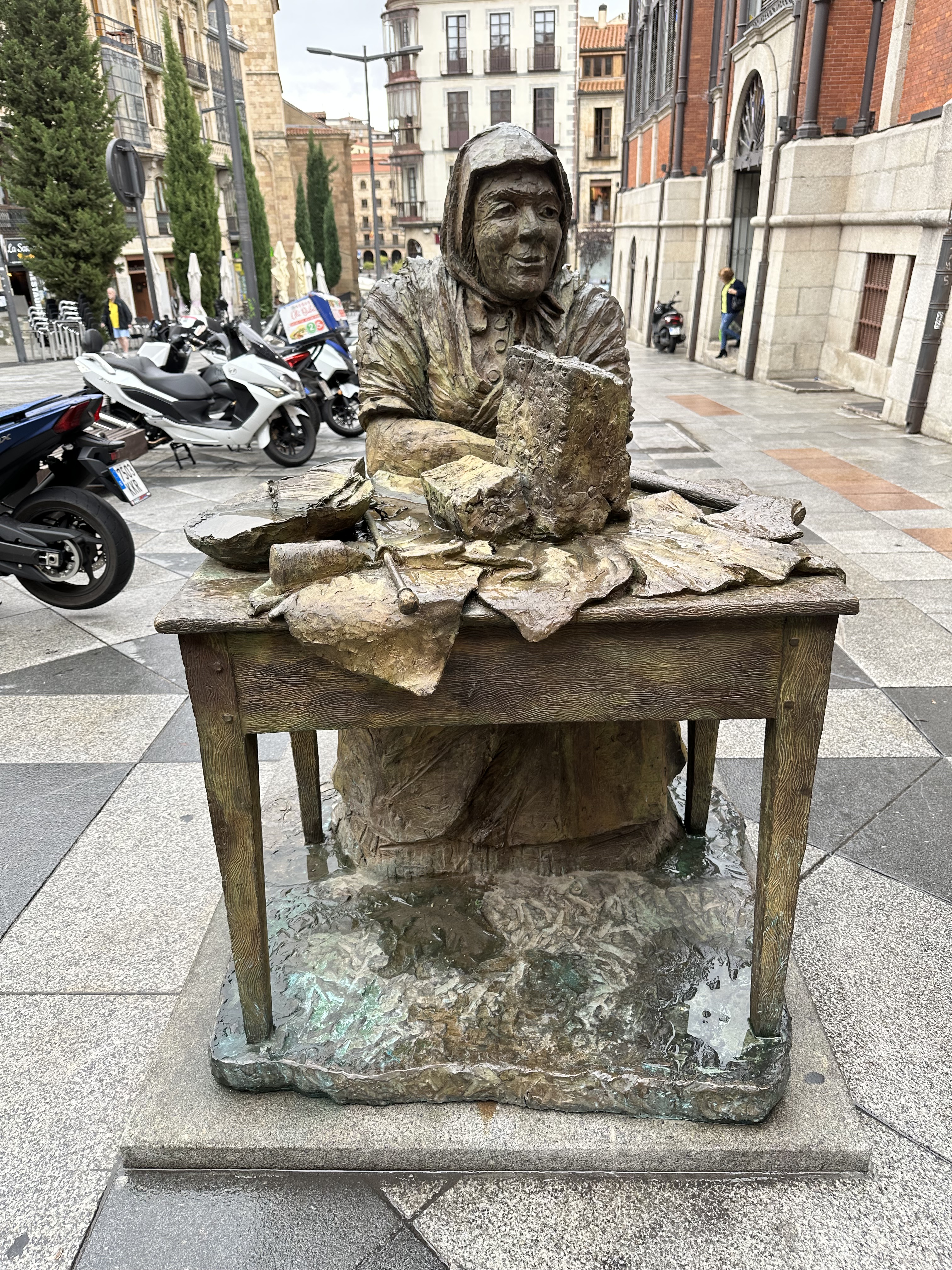
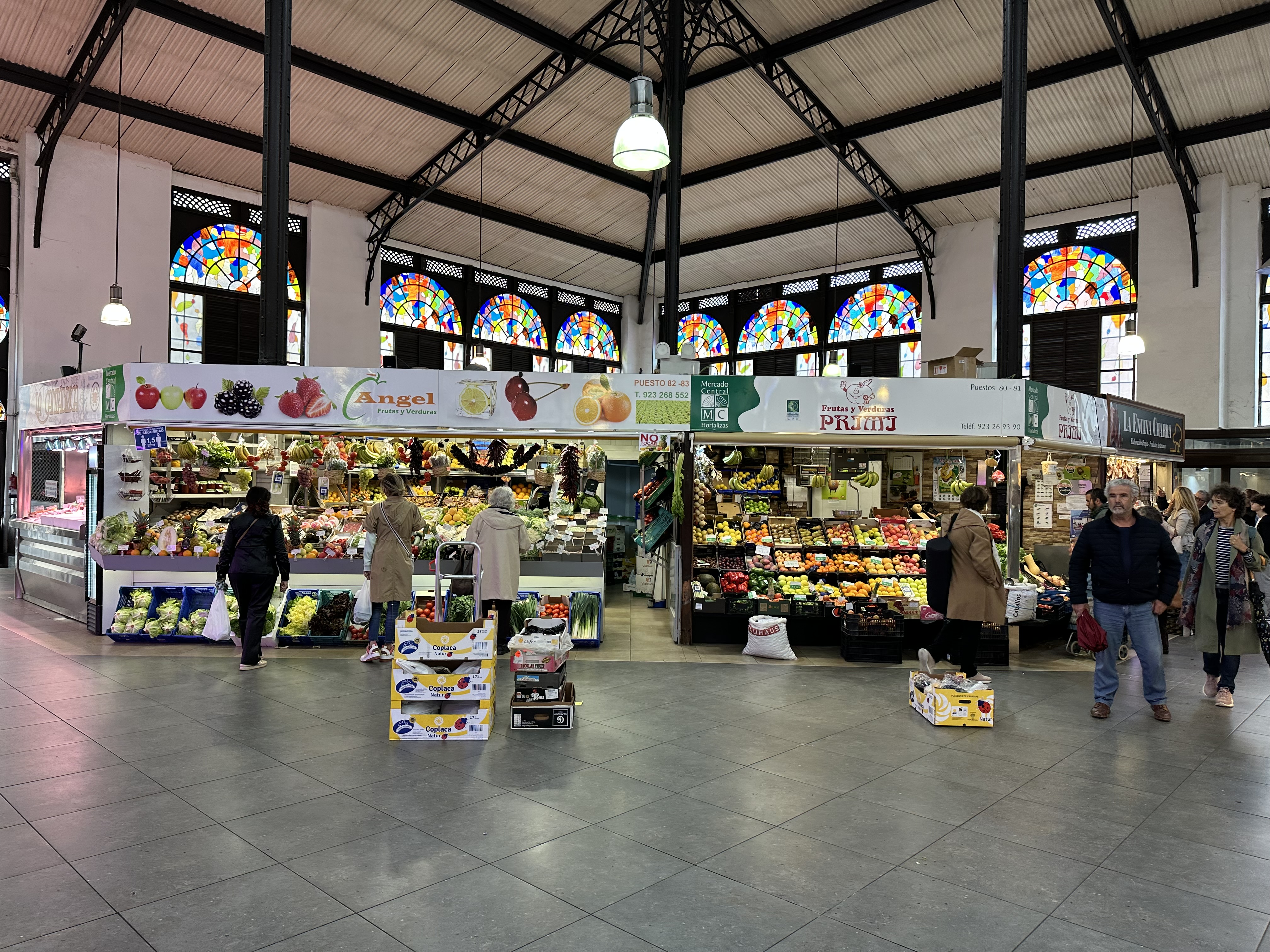
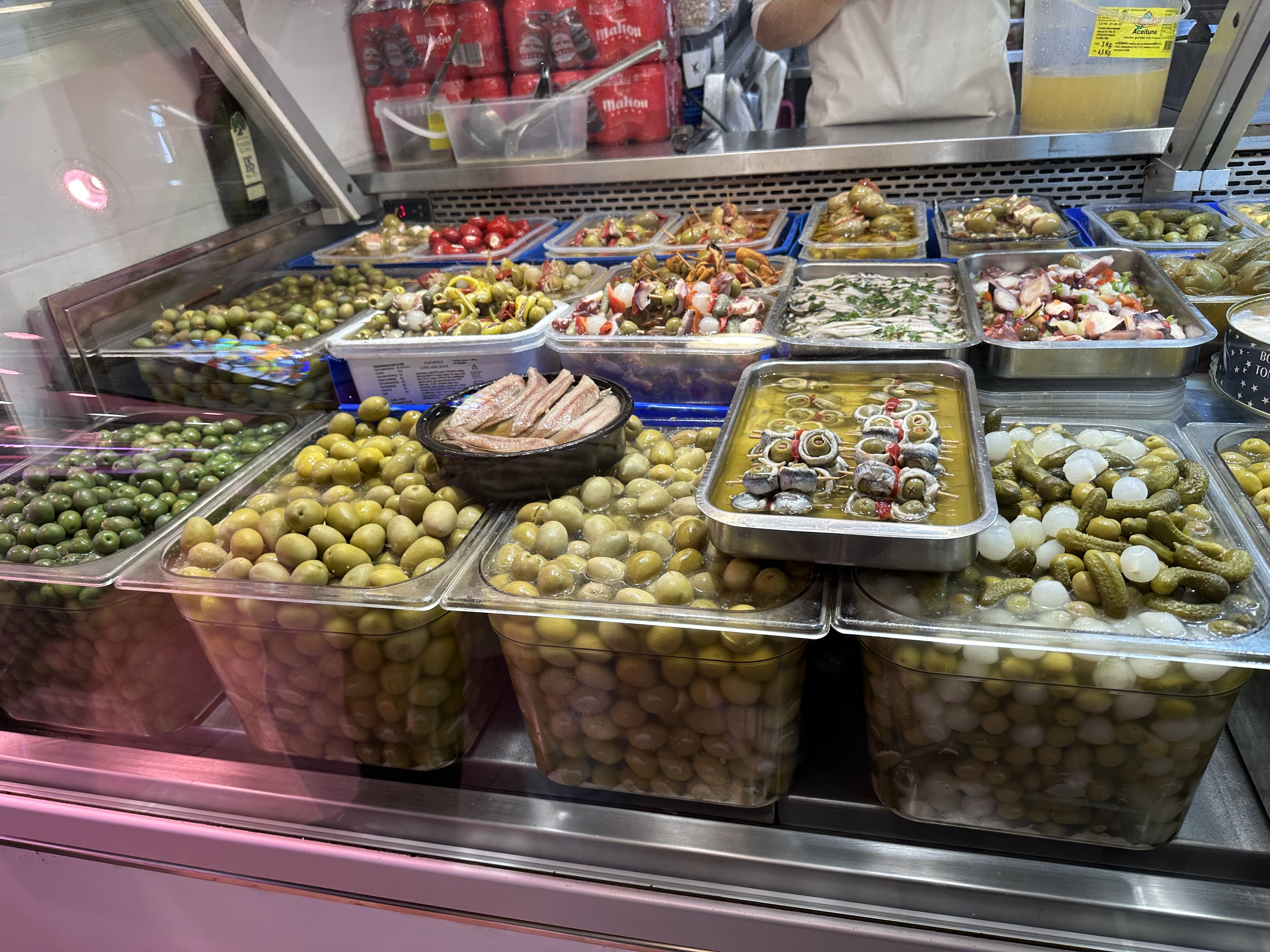
We began our tour at the Mercado de Salamanca, a well-lit, spotless collection of kiosks selling cheeses, olives, fish, and every conceivable kind of pork product. The highlight of the market tour was a tasting session involving cheese – customarily eaten with quince marmalade, a delightful combination – two kinds of wine, olives, and (for the meat eaters), sausage.
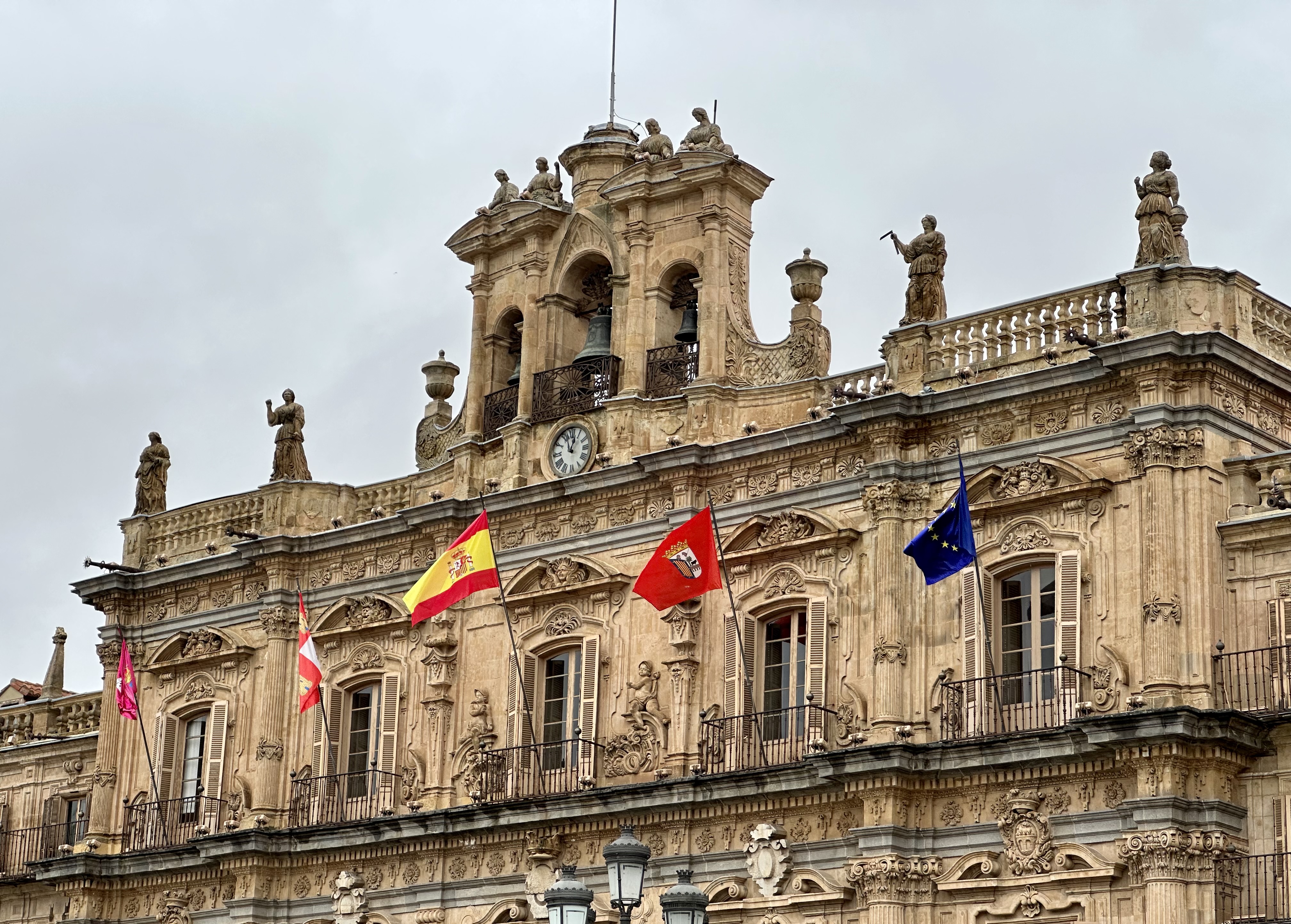
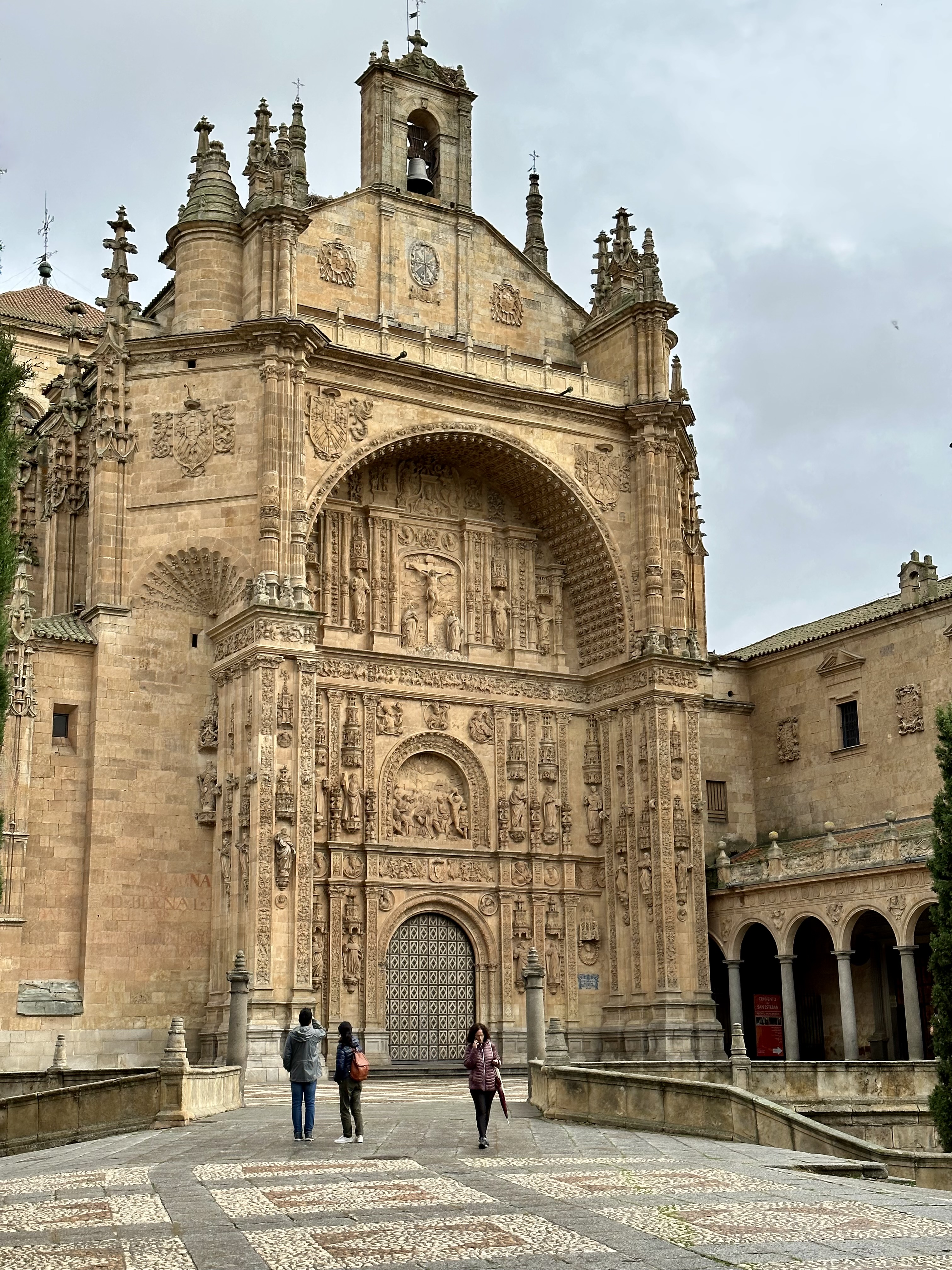
From the market we walked to the Plaza Mayor, a large, attractive square surrounded by yellowish-brown sandstone buildings. From a corner of the square we walked along narrow streets past the Universidad de Salamanca (founded in 1218), one of the oldest universities in the world, and entered La Catedral Nueva: the “new” cathedral, begun in 1513 and finished more than two hundred years later.
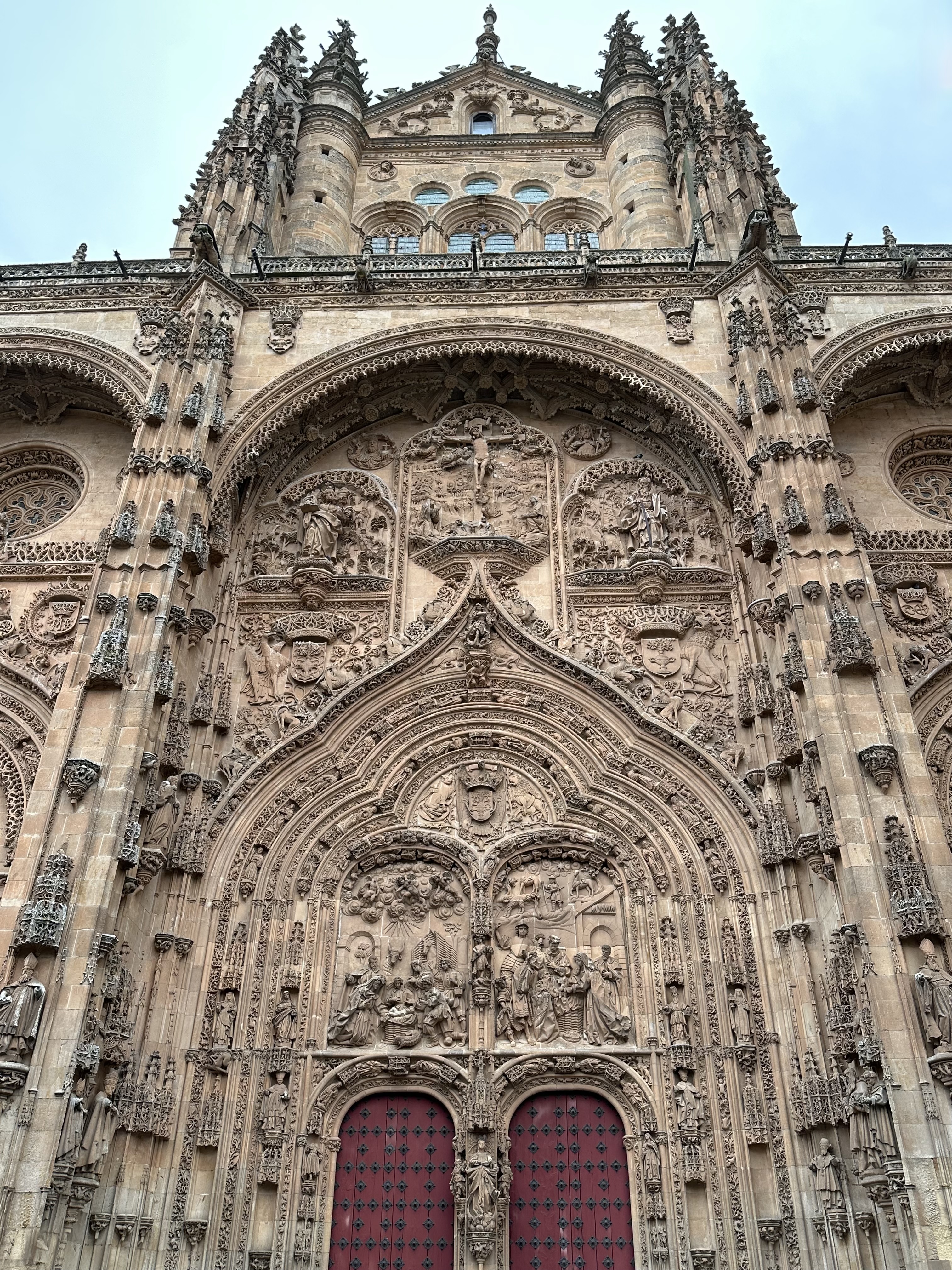
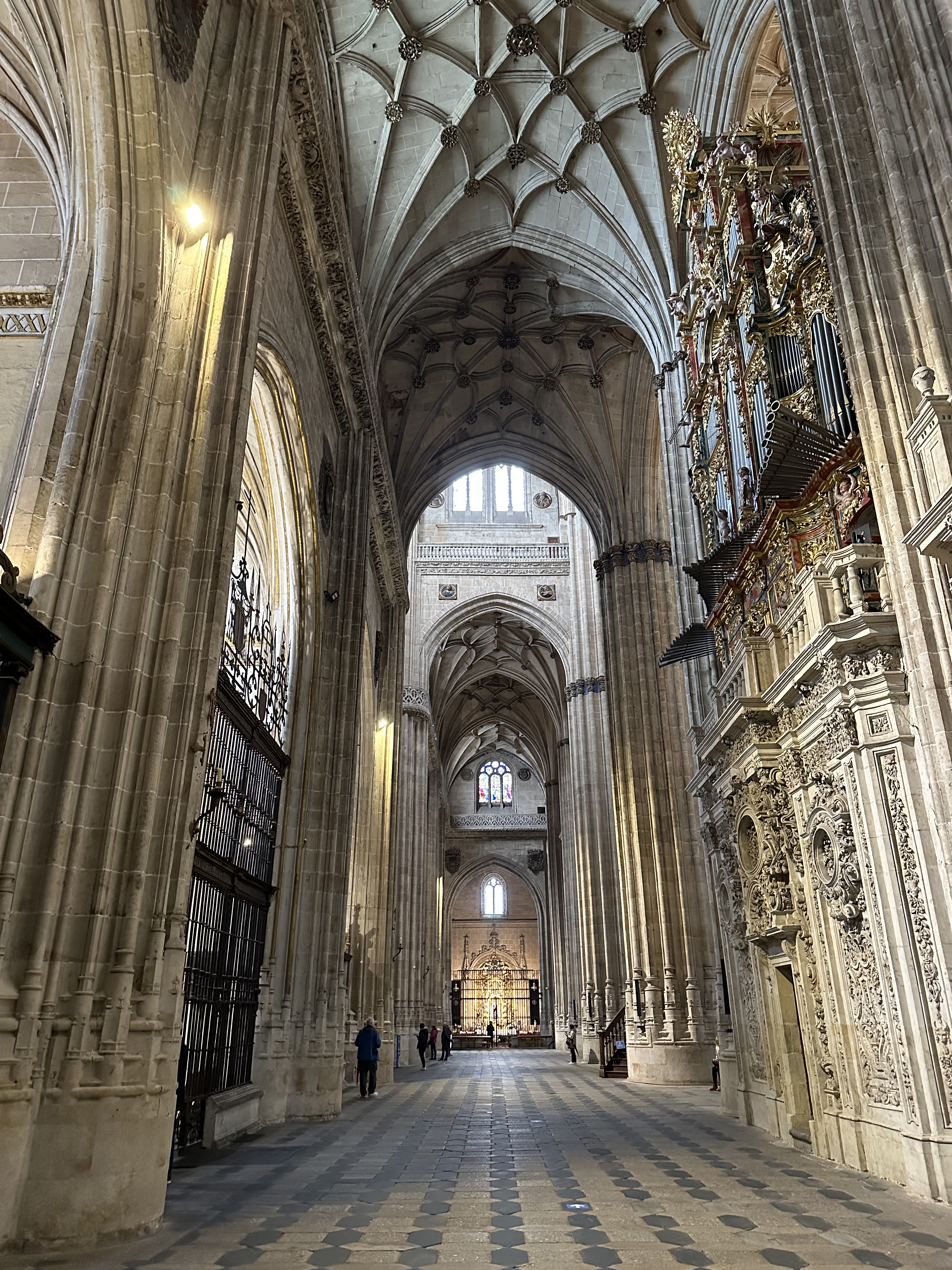
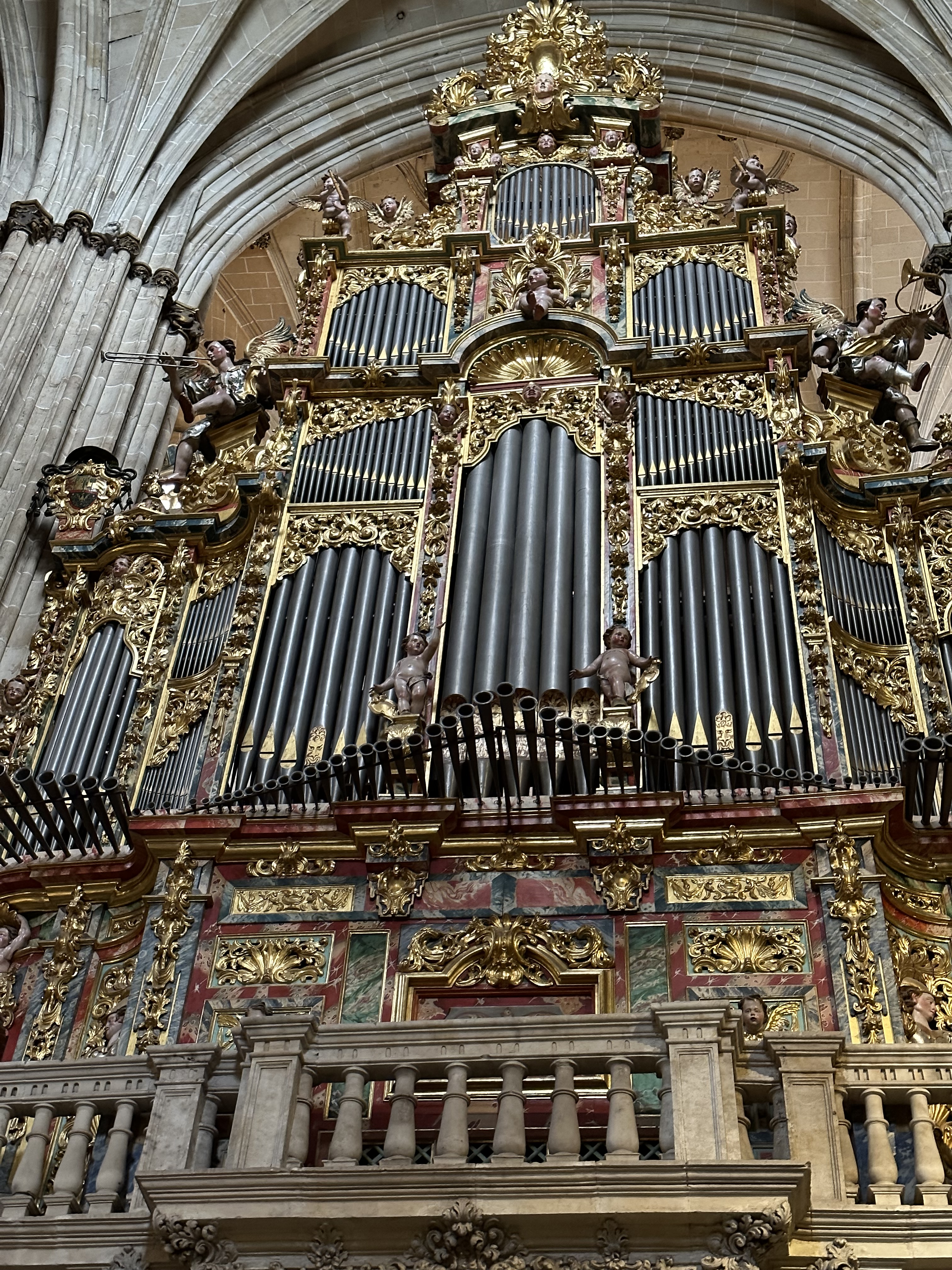
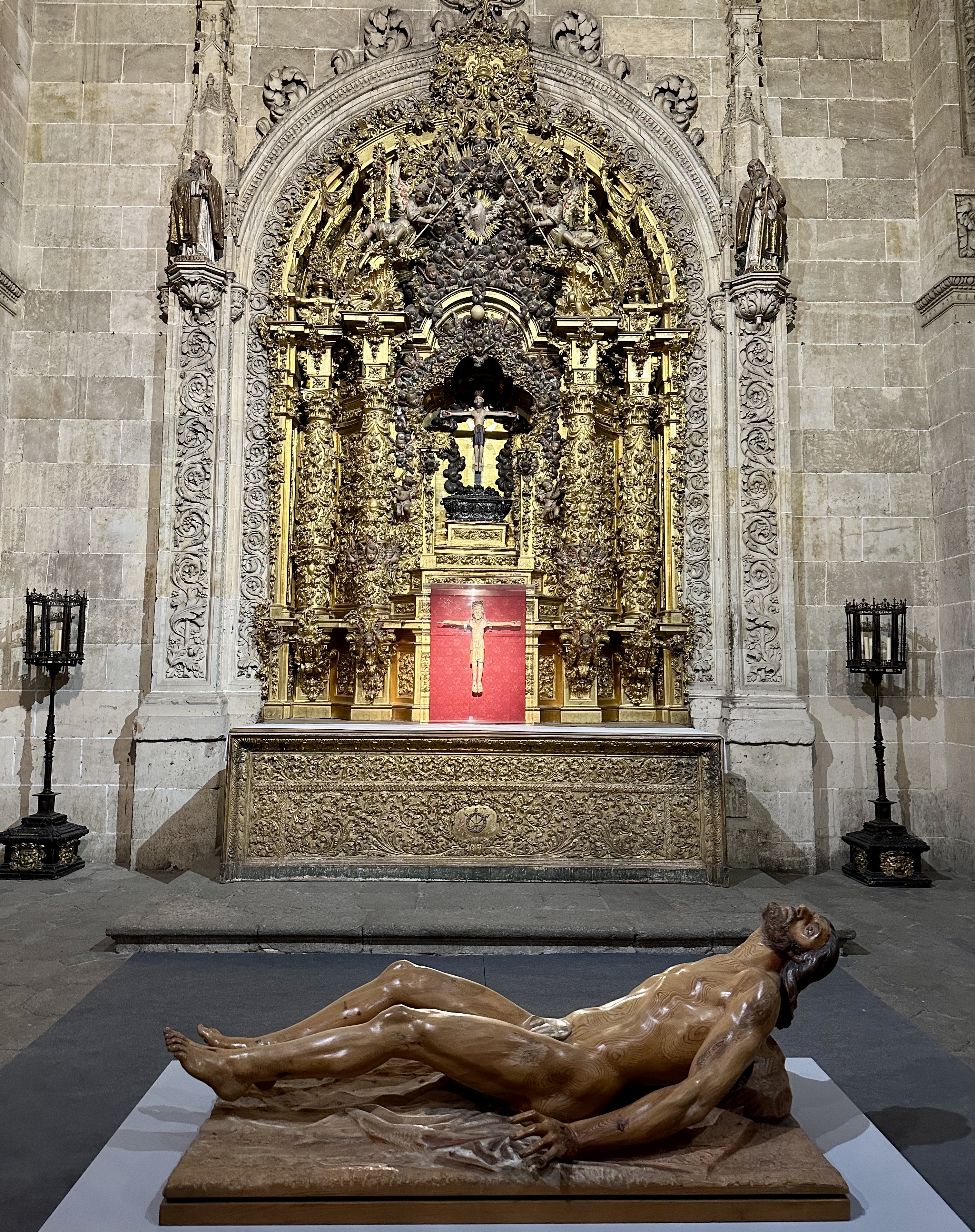
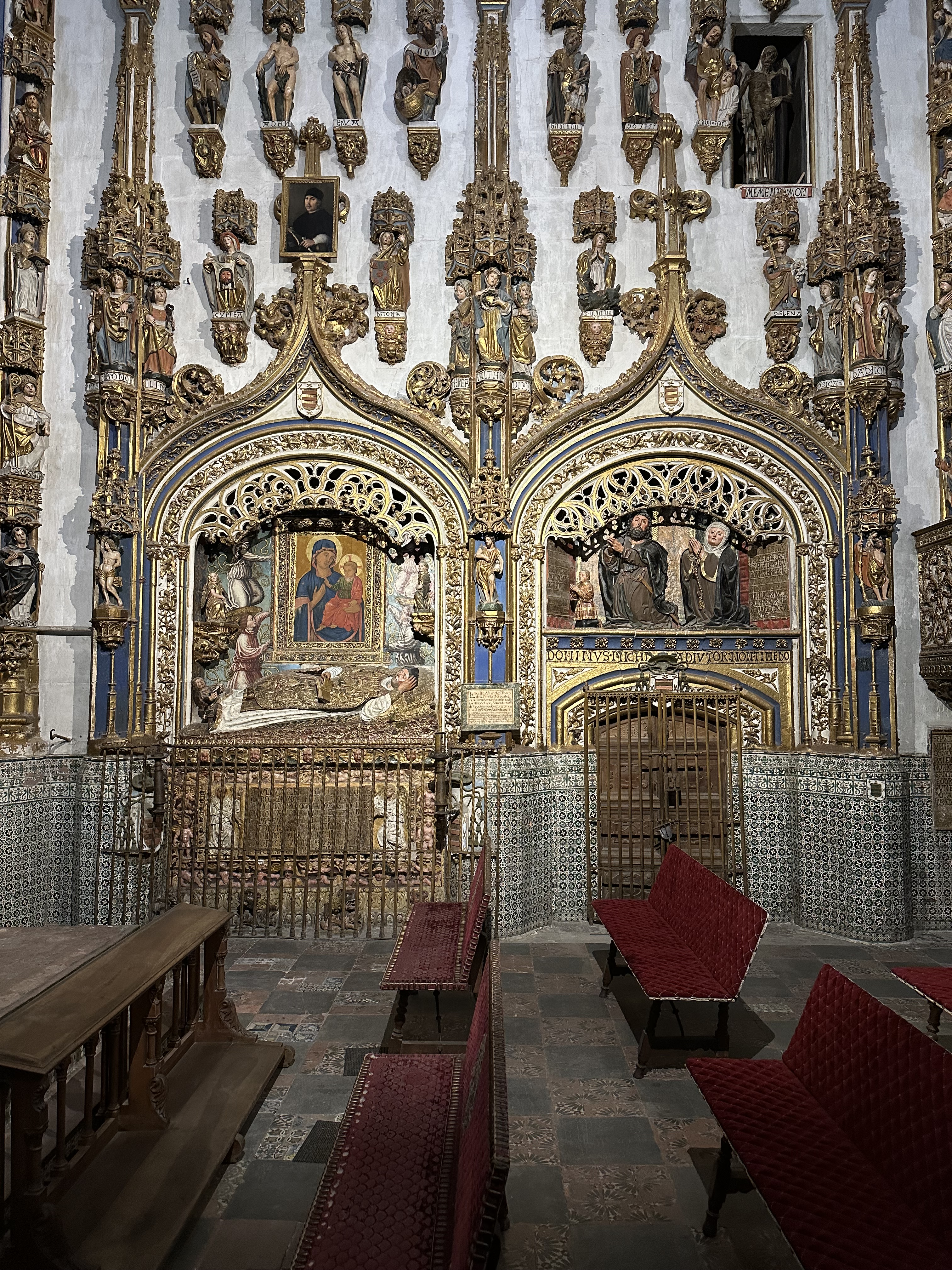
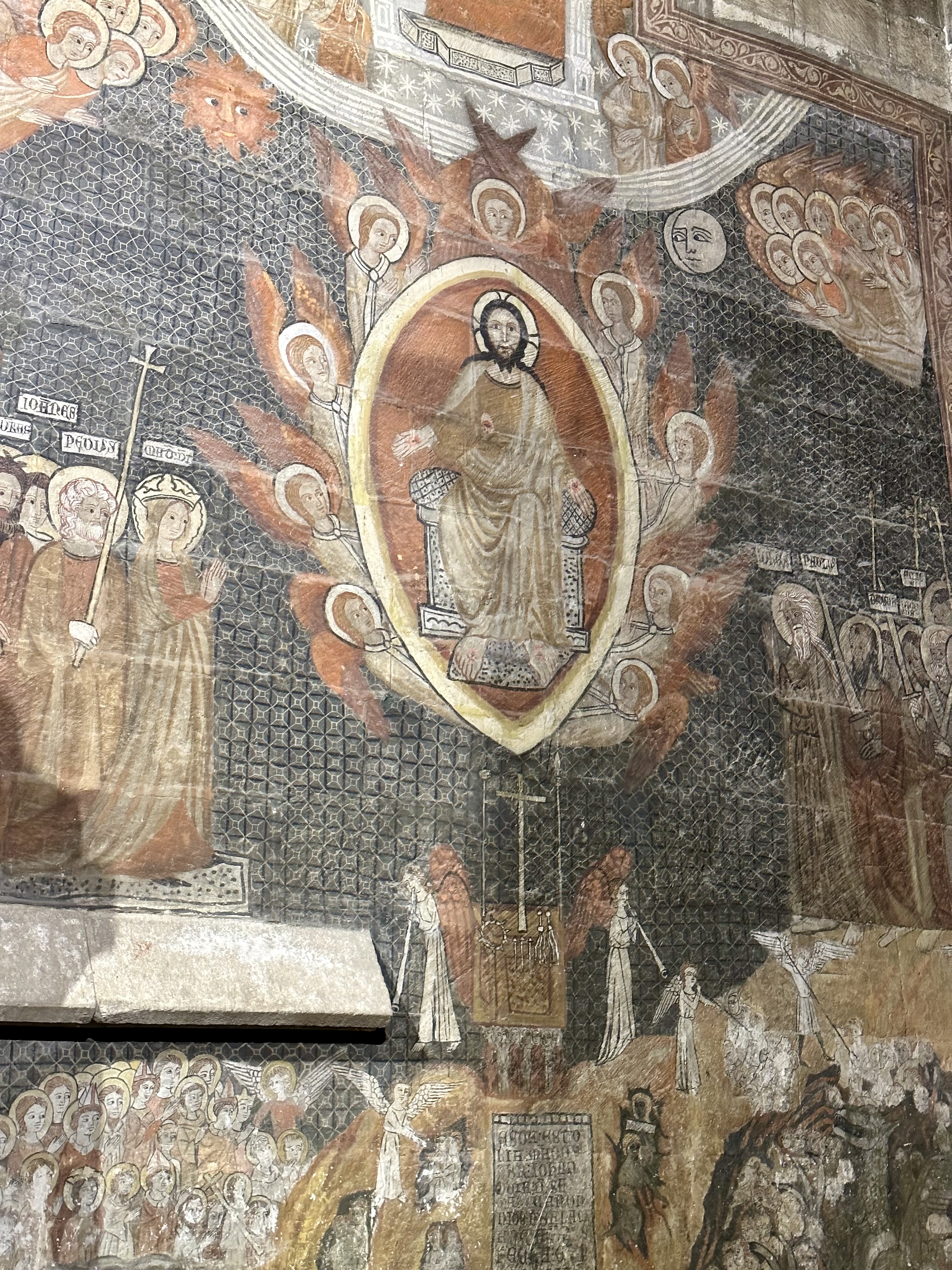
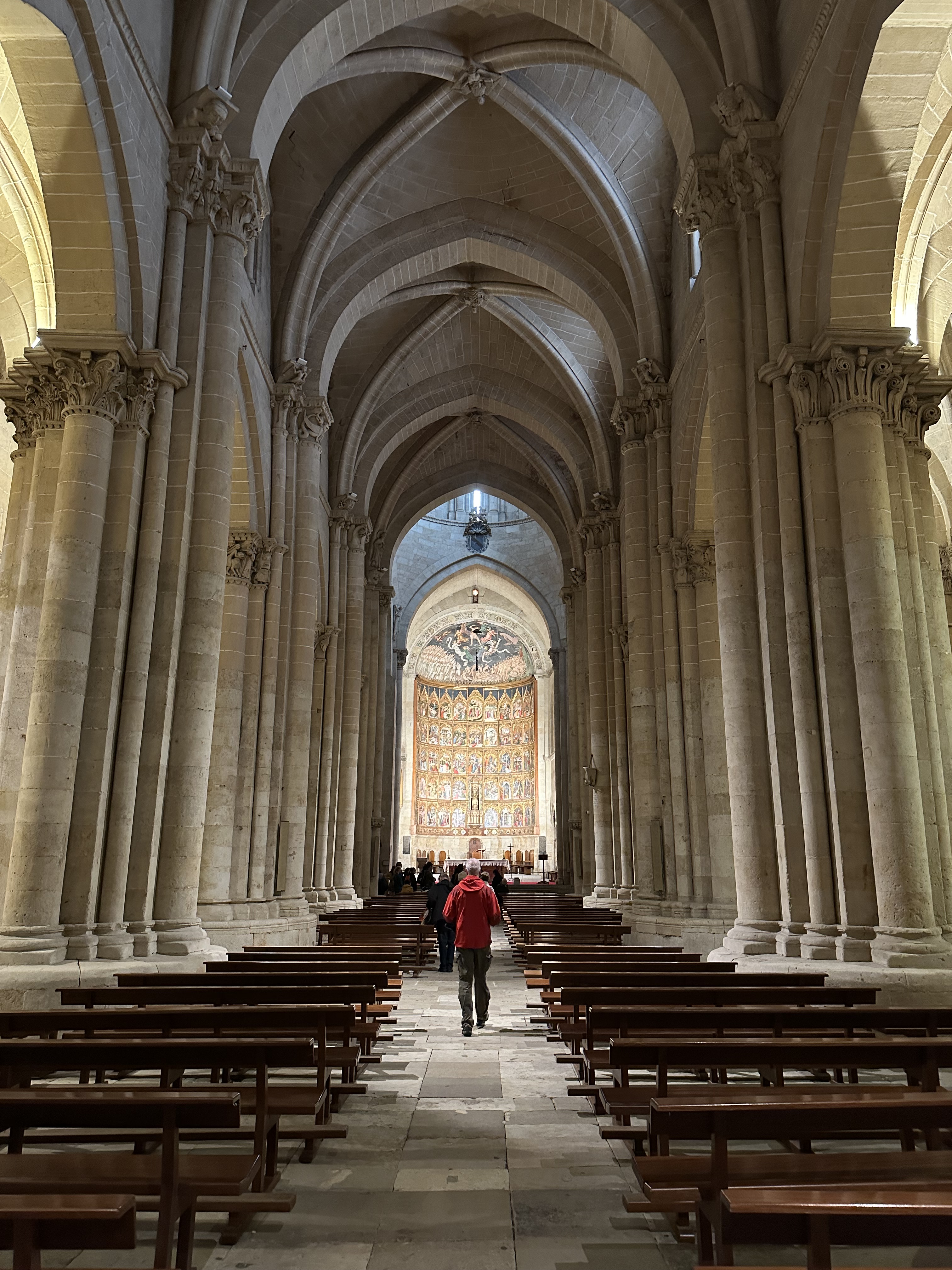
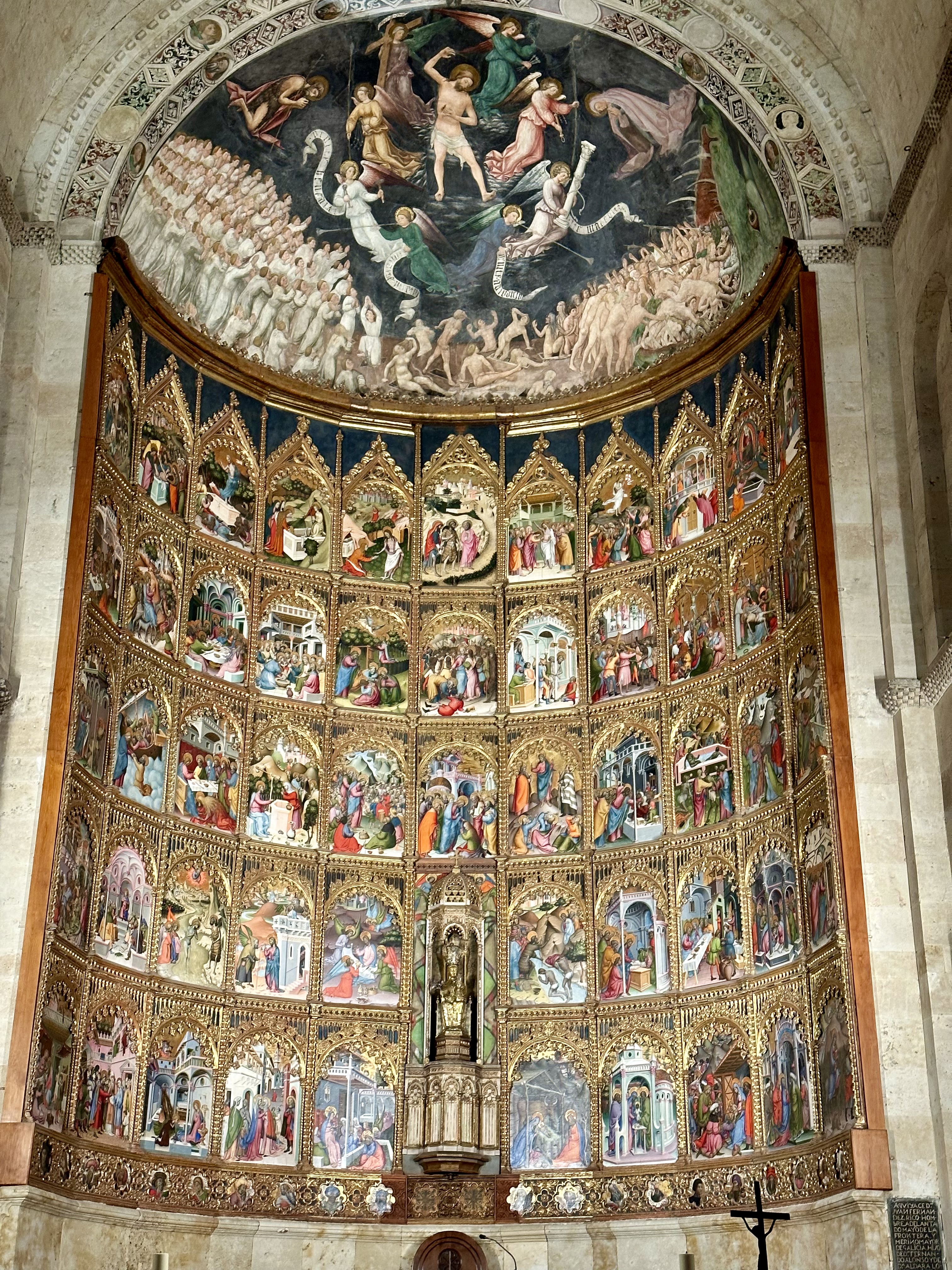
La Catedral Nueva is a Gothic edifice with some Baroque elements. It has a soaring cupola, a proliferation of ornate side chapels, and a majestic organ (get your mind out of the gutter, people; this is a house of God!). The new cathedral abuts the old cathedral (Catedral Vieja de Santa Maria), which dates back to the 12th century. The art in the two cathedrals differs strikingly: the old cathedral’s paintings were medievally two-dimensional, while the new cathedral showcases Renaissance techniques, producing far more lifelike depictions.
Jumping ahead several centuries, we walked out the rear of the Old Cathedral and across a plaza to Casa Lis, the Museum of Art Nouveau and Art Deco. This small museum is now one of my favorites. It’s filled with sleek, colorful designs including lovely vases from Lalique and Emile Gallé, terrific bronze and nickel sculptures that seem to channel the kinetic energy of their subjects, all manner of fanciful jewelry, and a gift shop with unexpectedly modest prices on beautiful keepsakes.

 PuffinlessTravel