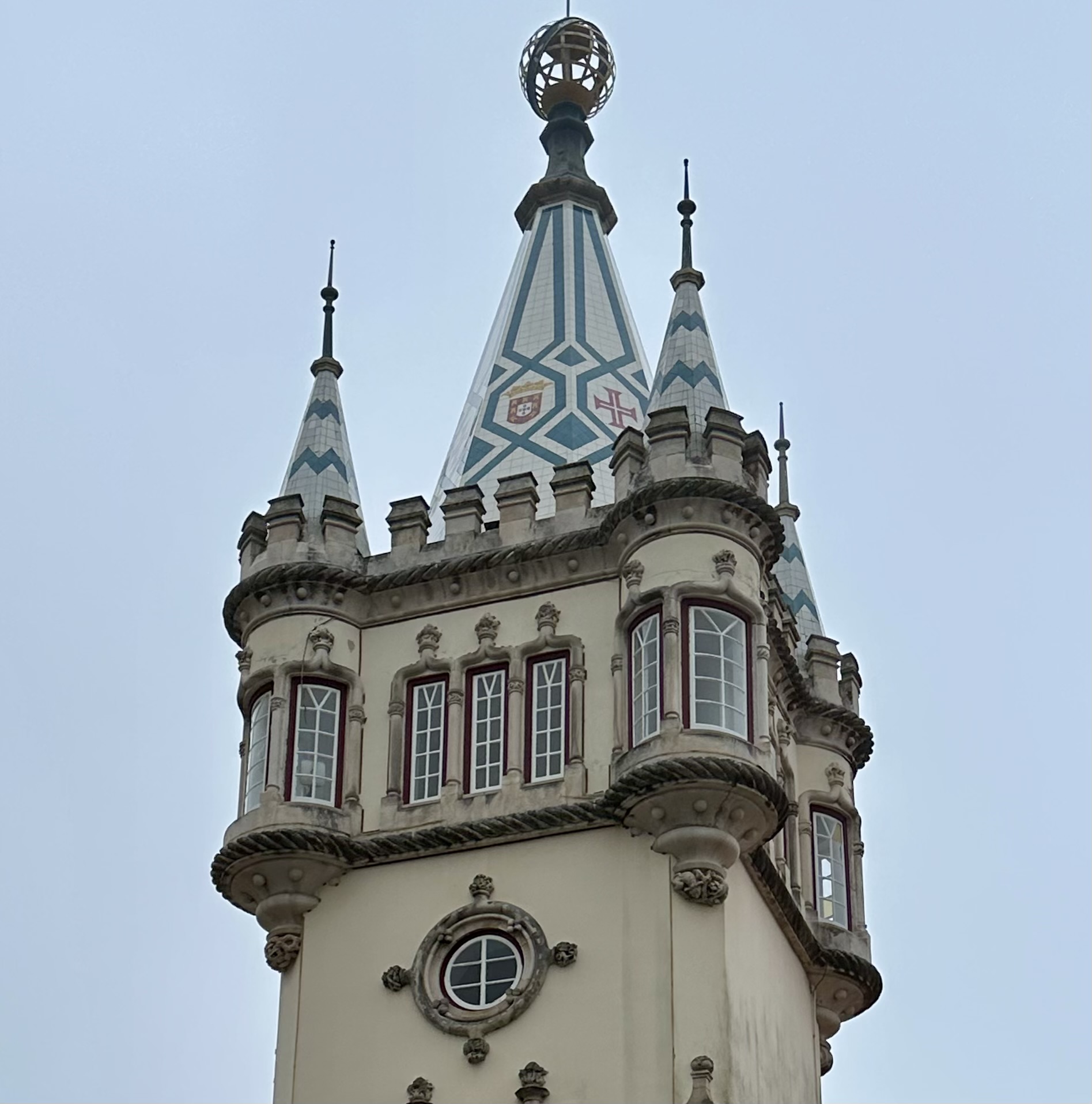
With apologies to George and Ira Gershwin: “A foggy day in Sintra town/Had me blue and had me down” – except it didn’t, not by a long shot. With gracious thanks to new friend Bridgett, I and my traveling companions, Andy and Char, were invited along on a private tour of several highlights between Lisbon and Porto. It was a wonderful day: awe-inspiring scenery, great company, an accomplished and informative driver (Paolo), and a mix of fado, Earth Wind & Fire, the Red Hot Chili Peppers, and Brazilian pop playing in the car.

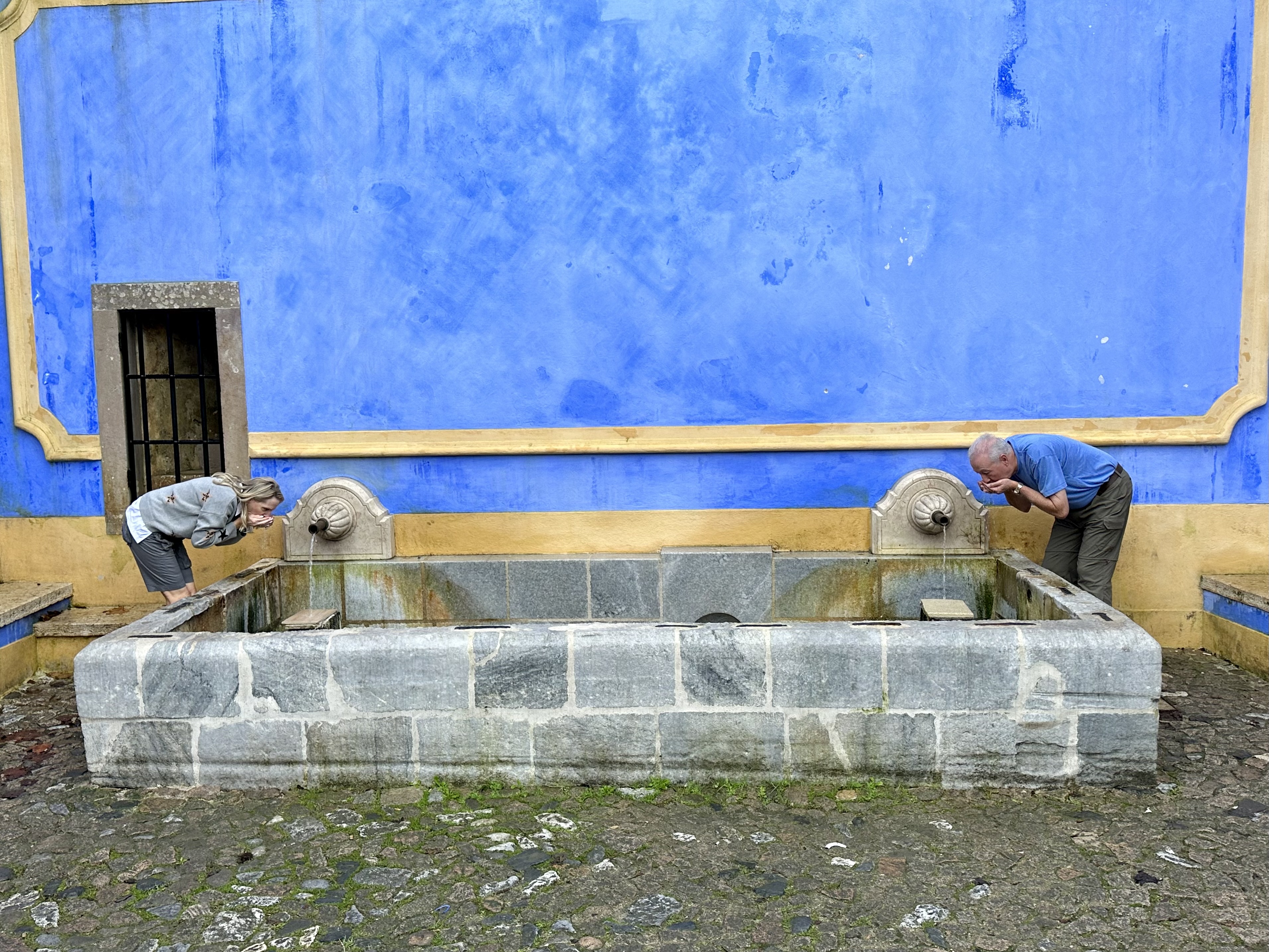
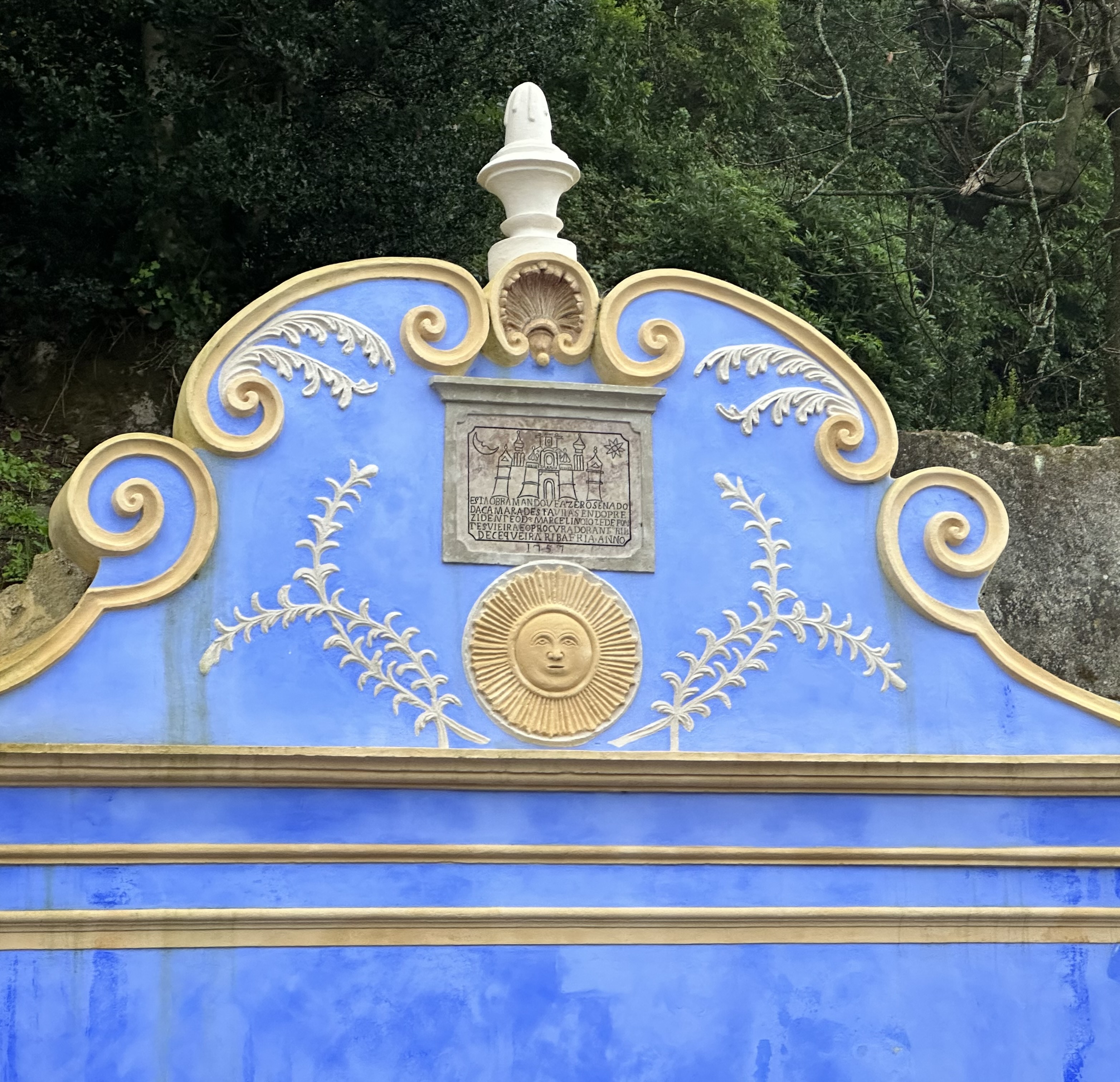
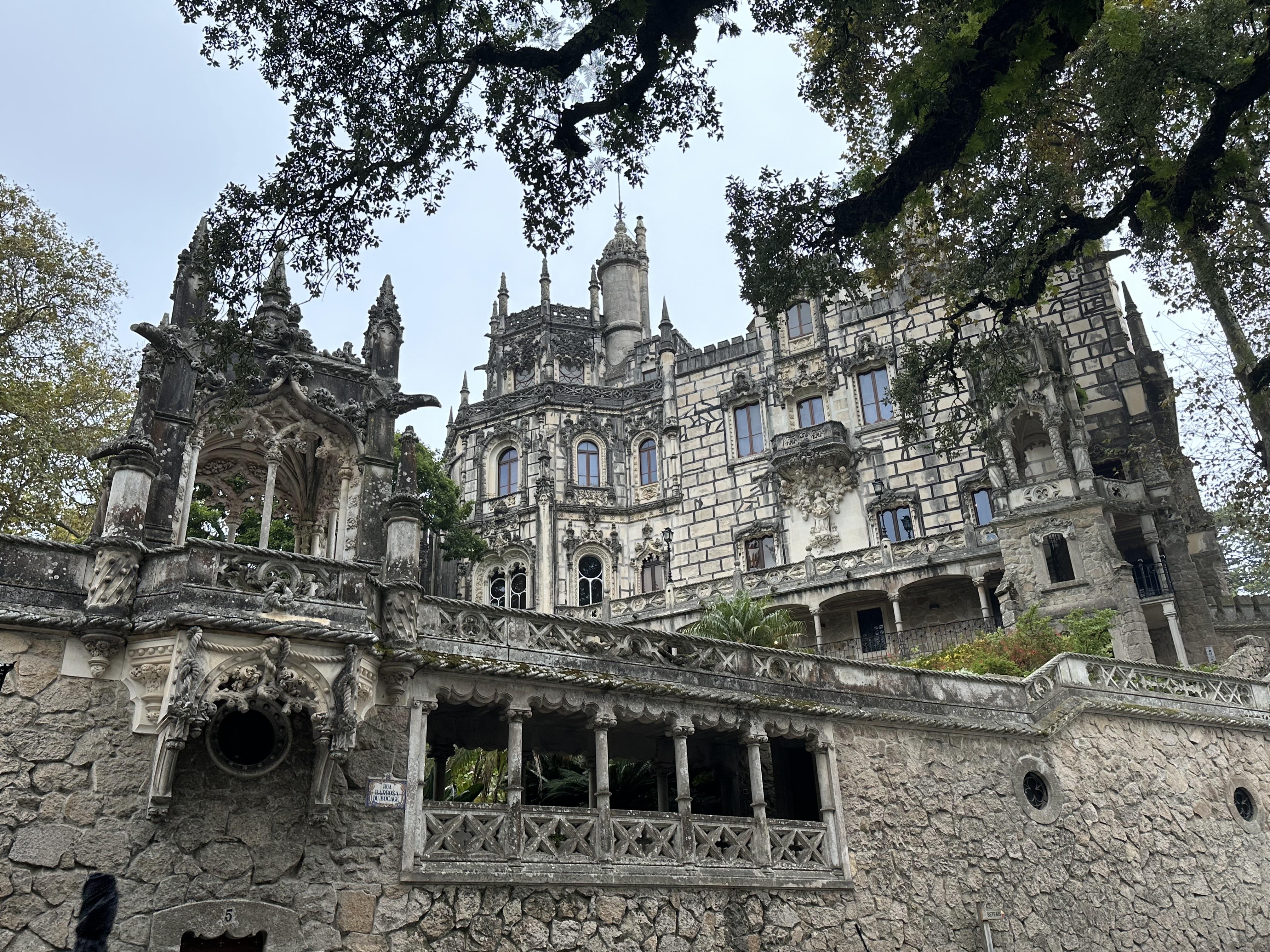
Our first stop, Sintra, is a UNESCO world heritage site that picked today to shroud its charms in a fog that, if not quite pea soup, was certainly thicker than chicken broth. Even with the mist in the air, though, Sintra won us over with its twisting, narrow, stone wall-lined lanes, postcard-perfect houses, and elegant palaces (at least those we could see). While descending from Sintra’s heights, we stopped at a roadside “fountain of youth.” I drank heartily, but so far have noticed no lessening of gray in my hair or aches in my joints. I’ll give it some time.
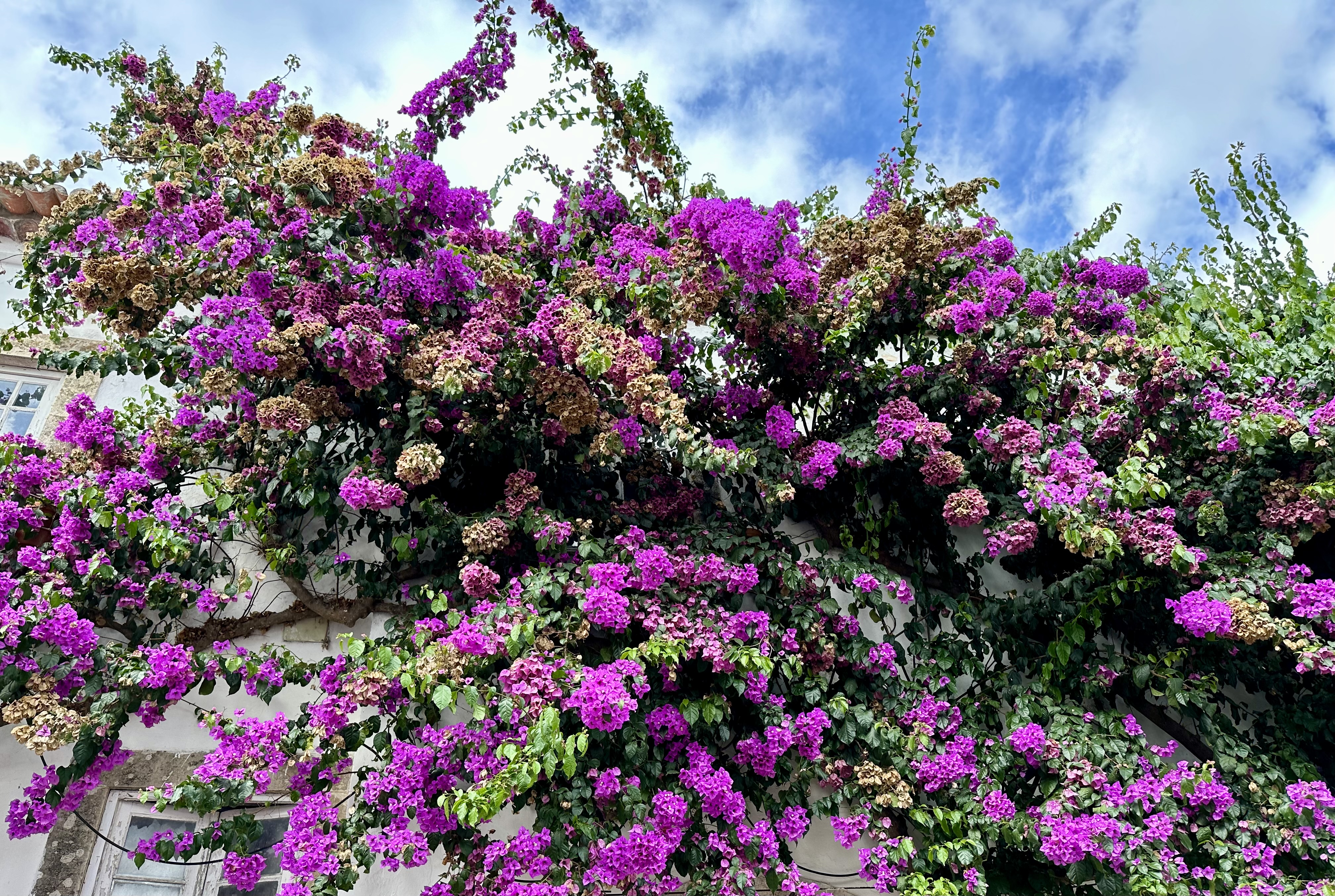
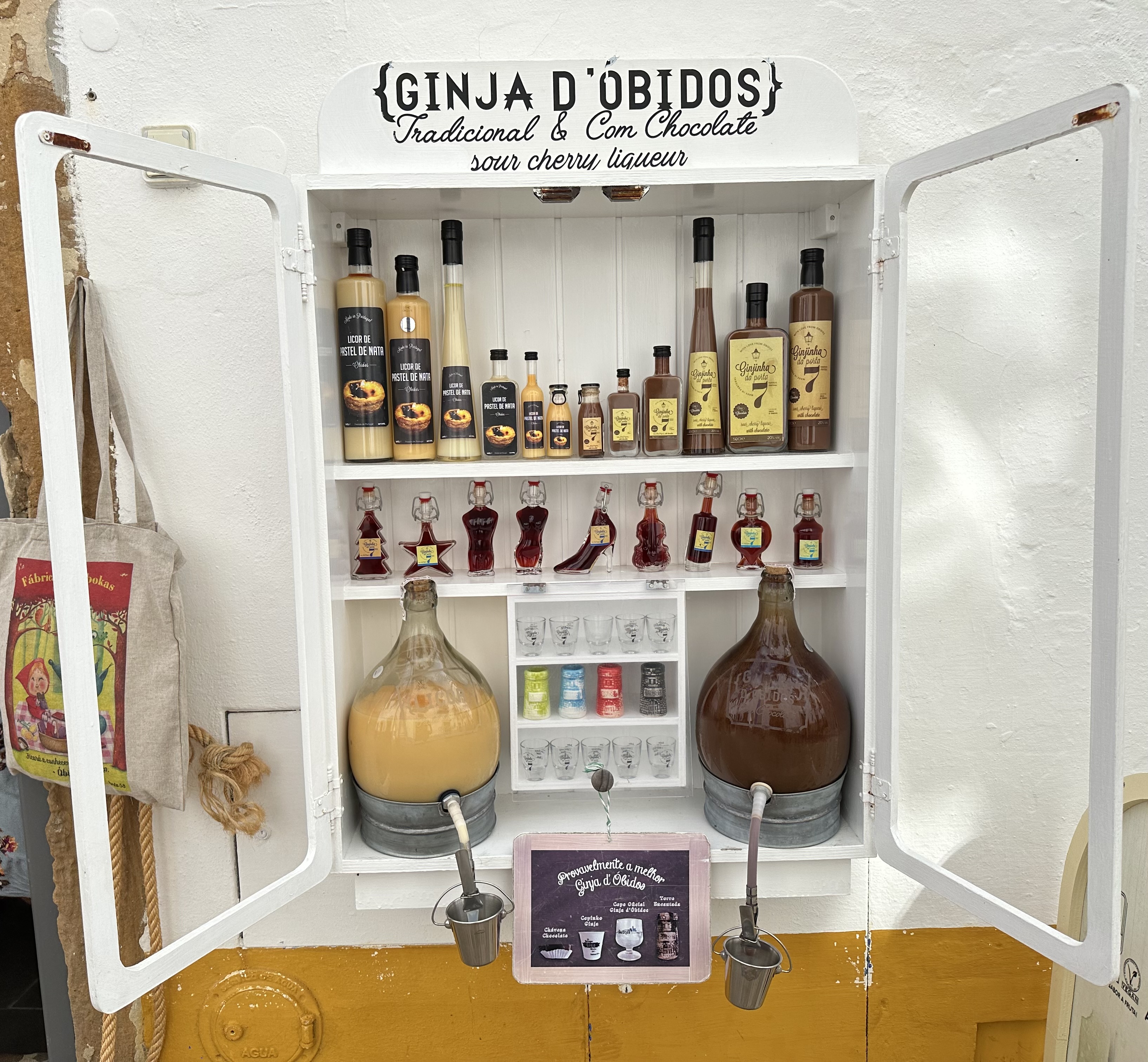
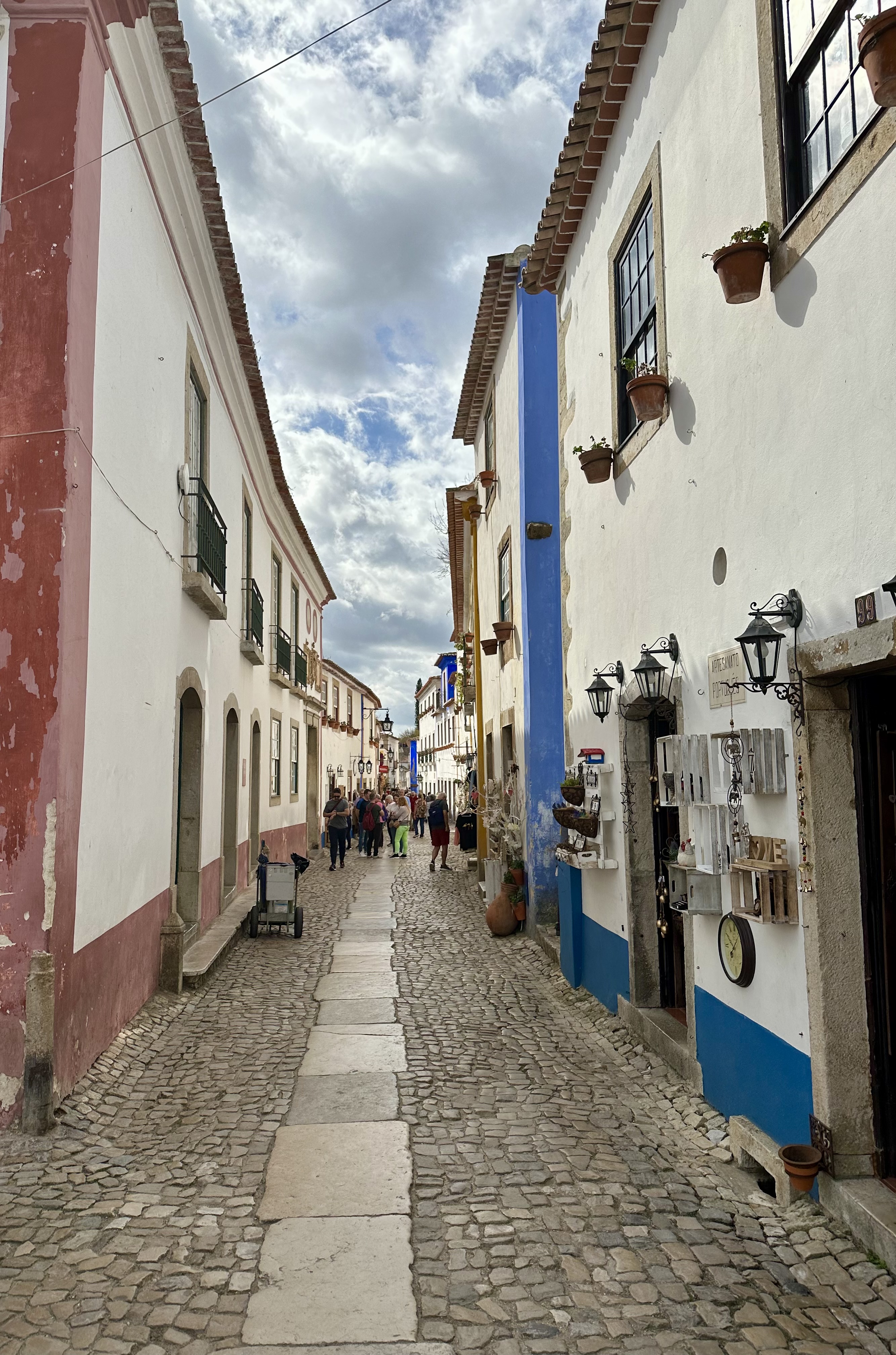
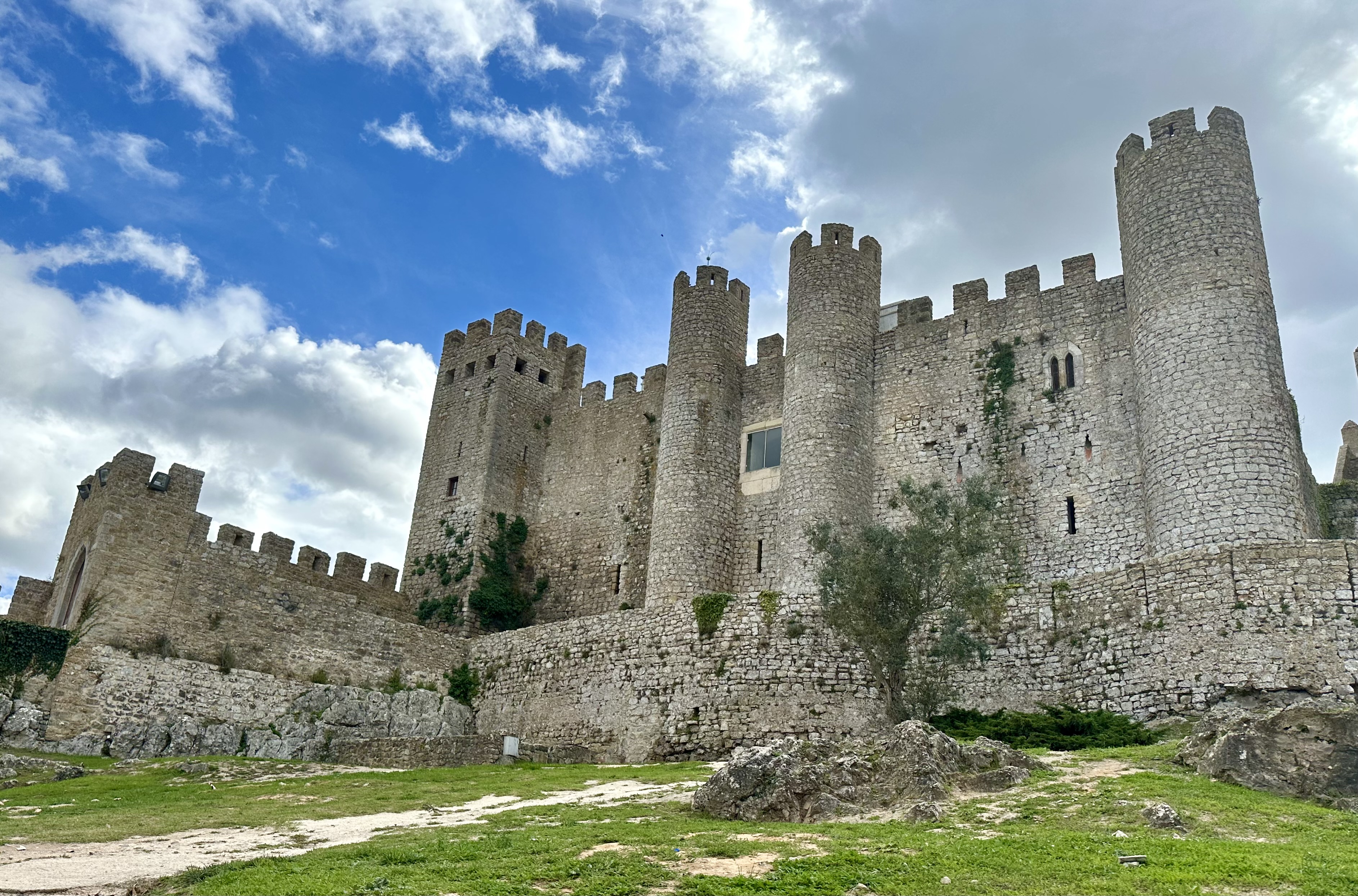
From Sintra, our driver, Paolo, took us to Óbidos, a town partly inside a centuries-old castle with roots in an 8th century Moorish settlement. The narrow streets host craft shops, inns, restaurants, and, most notably, purveyors of Ginja d’Óbidos, a cherry liqueur served inside a delicious but distressingly fragile chocolate cup. Many buildings are draped in bougainvillea. At the top of the main street, there are outstanding views of the vineyards and valleys below.

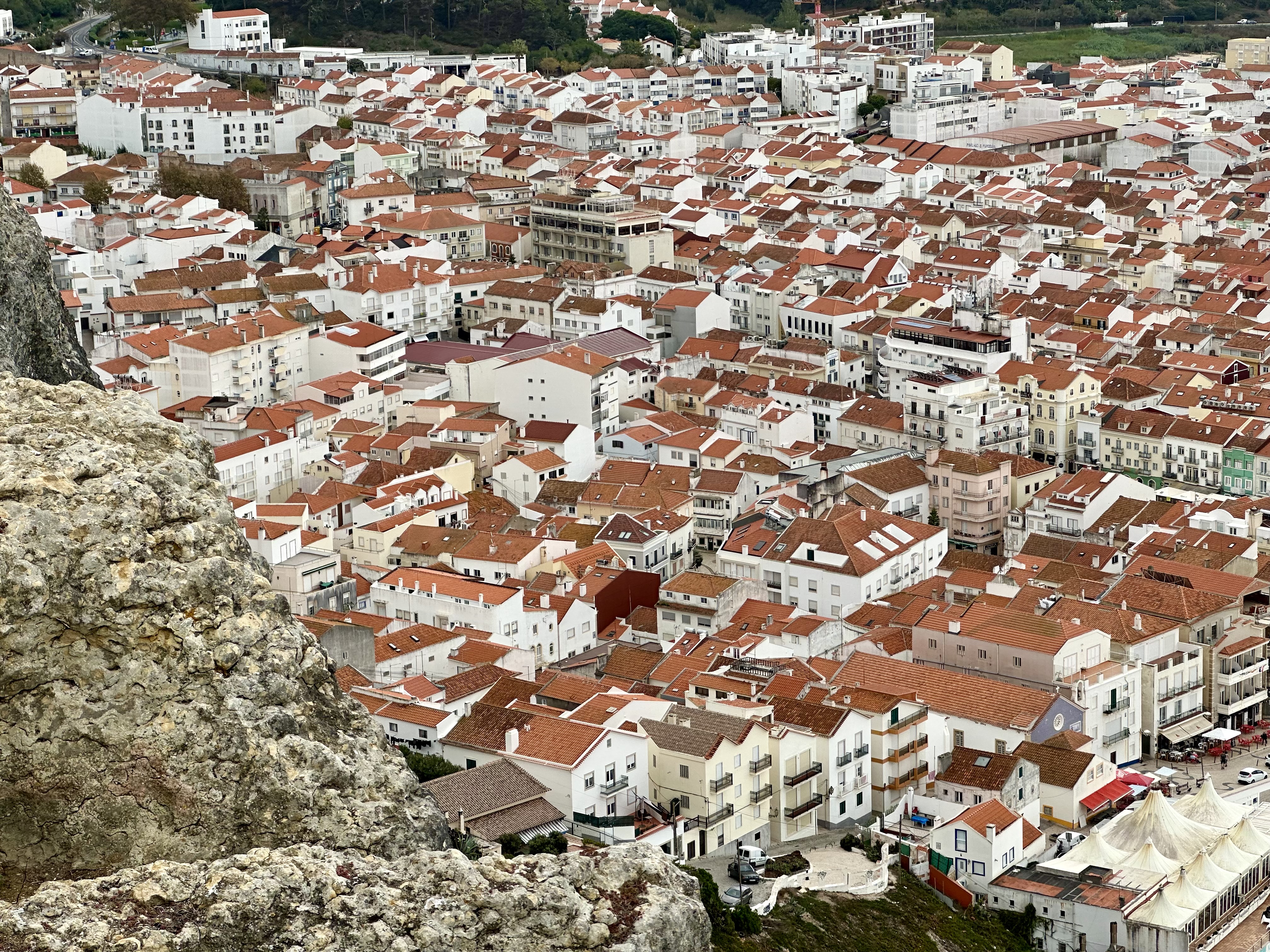
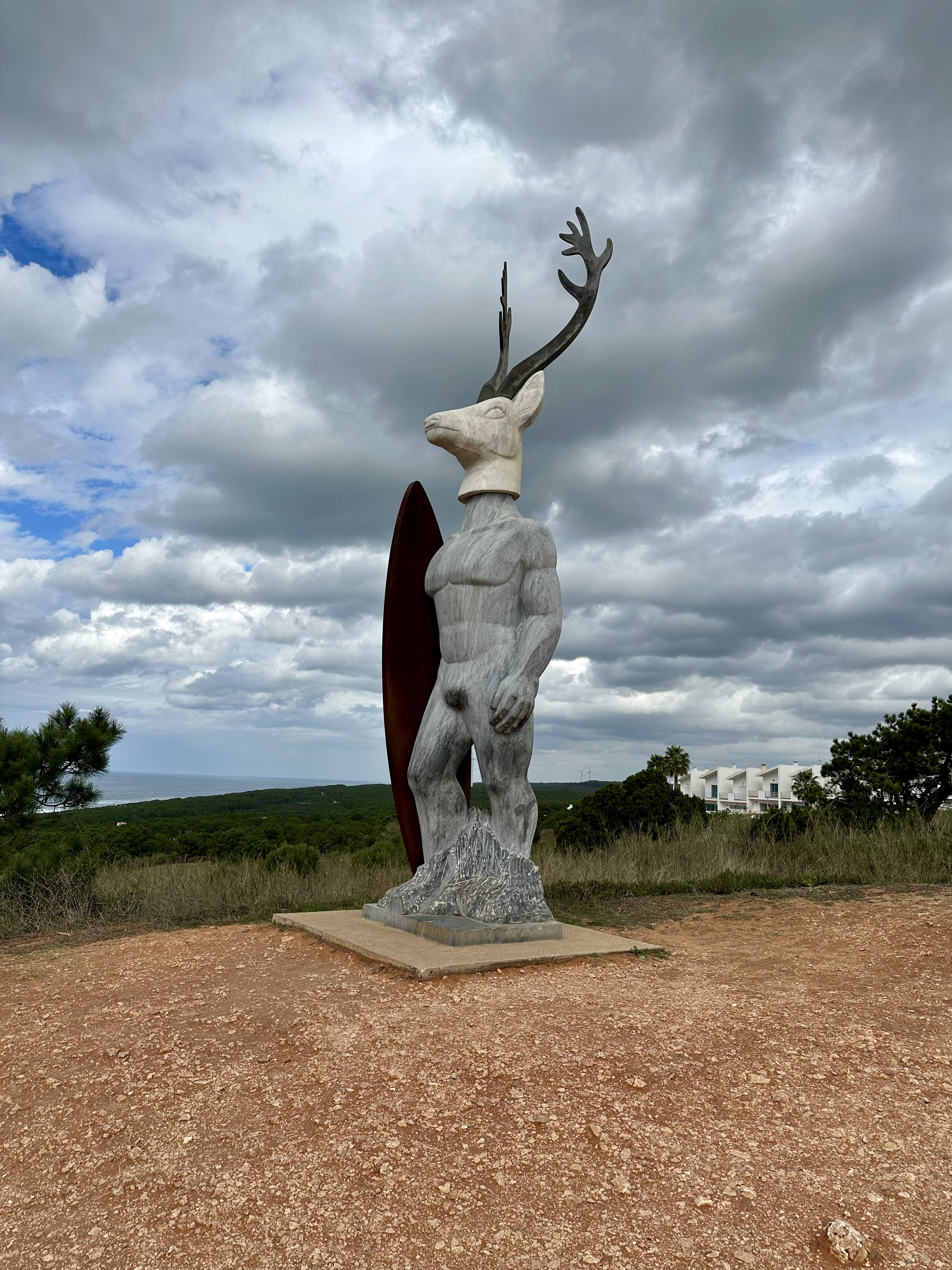
Our next stop was Nazaré, famed among surfers for the extreme waves breaking below the cliff upon which the town sits. We didn’t see any fearsome surf today, although we did spot a rather alarming statue of a man with a deer’s head holding a surfboard. Beyond its attraction for surfers, Nazaré is a beautiful seafront town with red tile roofs, sweeping beaches, and an imposing church.


Before reaching Porto, we stopped in Fátima, a shrine of great significance to Catholics because of the alleged appearance of the Virgin Mary to three children in 1917. We saw devout pilgrims walk the final hundred yards or so to the shrine on their knees, and hundreds of people lit candles outside the sanctuary seeking absolution of sins and cures for ailments. The sanctuary itself is refreshingly light but a bit austere, save for gorgeous stained-glass windows illustrating the Stations of the Cross.

Two hours later, we arrived in Porto at our ship, the Viking Helgrim. As I’ve come to expect from Viking, it is sleek, well-appointed vessel with a talented chef and well-trained staff – although the between-deck stairs are too narrow and uncomfortably steep, particularly for my well-seasoned demographic.
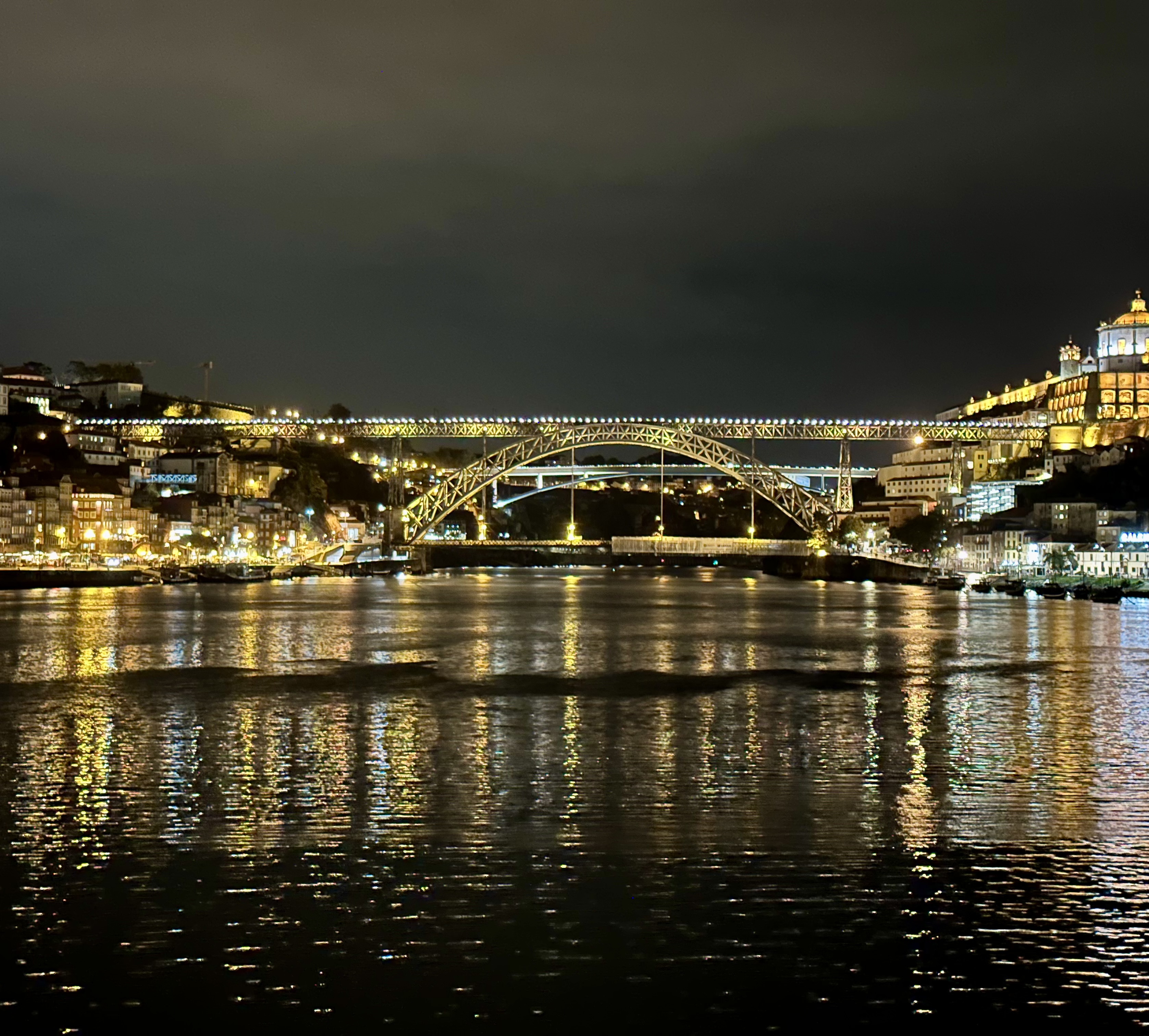
I’ll have more to say about Porto when we finish our voyage here in a few days. For now, here is picture of Porto’s Dom Luís bridge taken from the ship after dinner.

 PuffinlessTravel