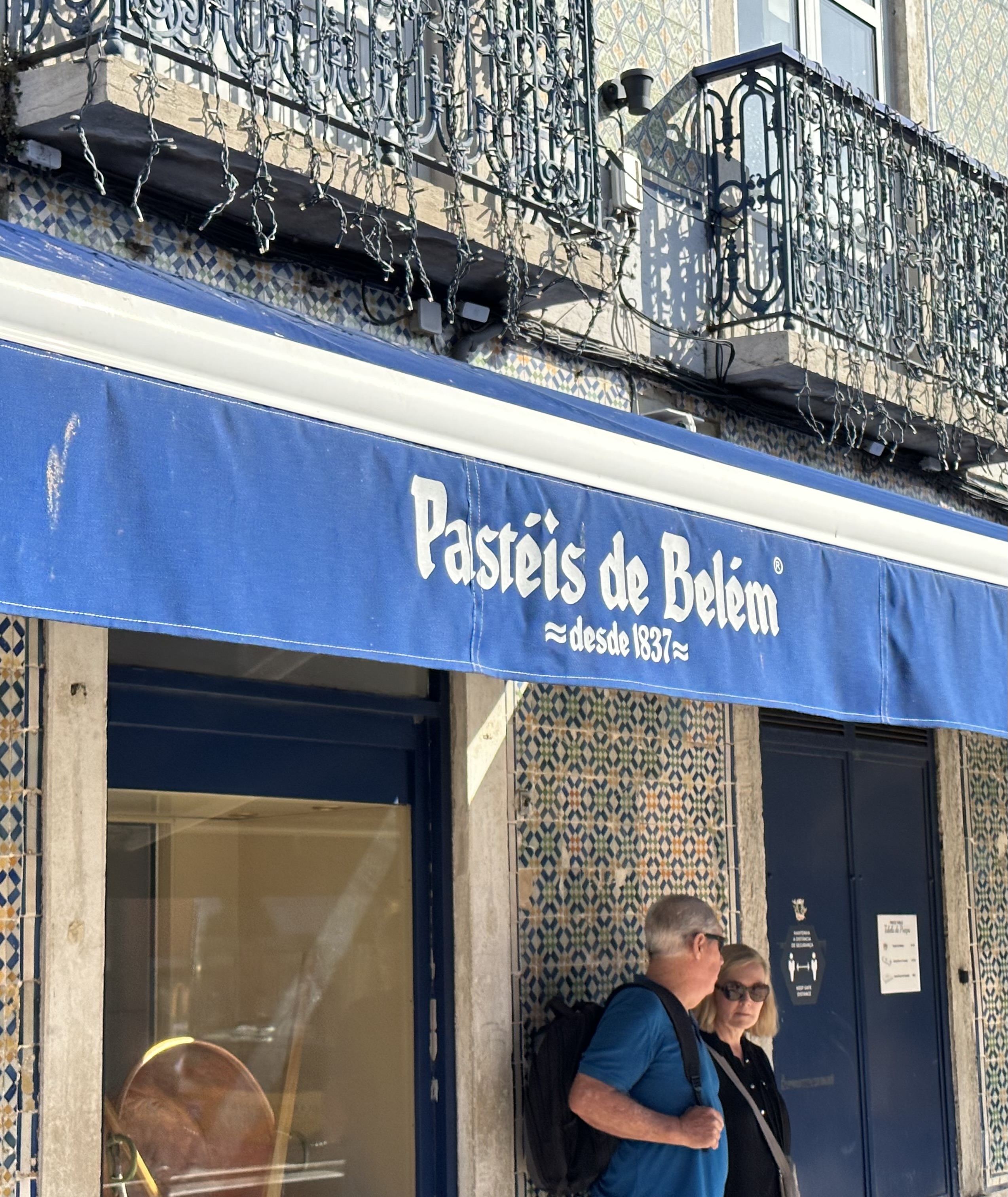
So now I understand why pastéis de nata are such a big deal here: these custard tarts, the de facto national dessert of Portugal, are as delicious as they are unhealthy. (Why must the two go together so cozily?) Our guide explained that in the early 19th century, the government thought the Catholic Church was too powerful – who’d’ve believed it? – and closed all the monasteries and convents.

The monks and nuns, suddenly jobless, found themselves left with nothing but their chickens and eggs. They used the egg whites to clean their robes (I’m not sure how that works, and I’m not inclined to replace my Tide), leaving the yolks. Needs must, and some culinarily-inclined and, based on the taste, divinely-inspired holy men/women developed this delightful treat. (I sampled them – to be honest, it was a bit more than sampling – at Pastéis de Belém, the only bakery still following the clerics’ secret recipe from nearly 200 years ago.)
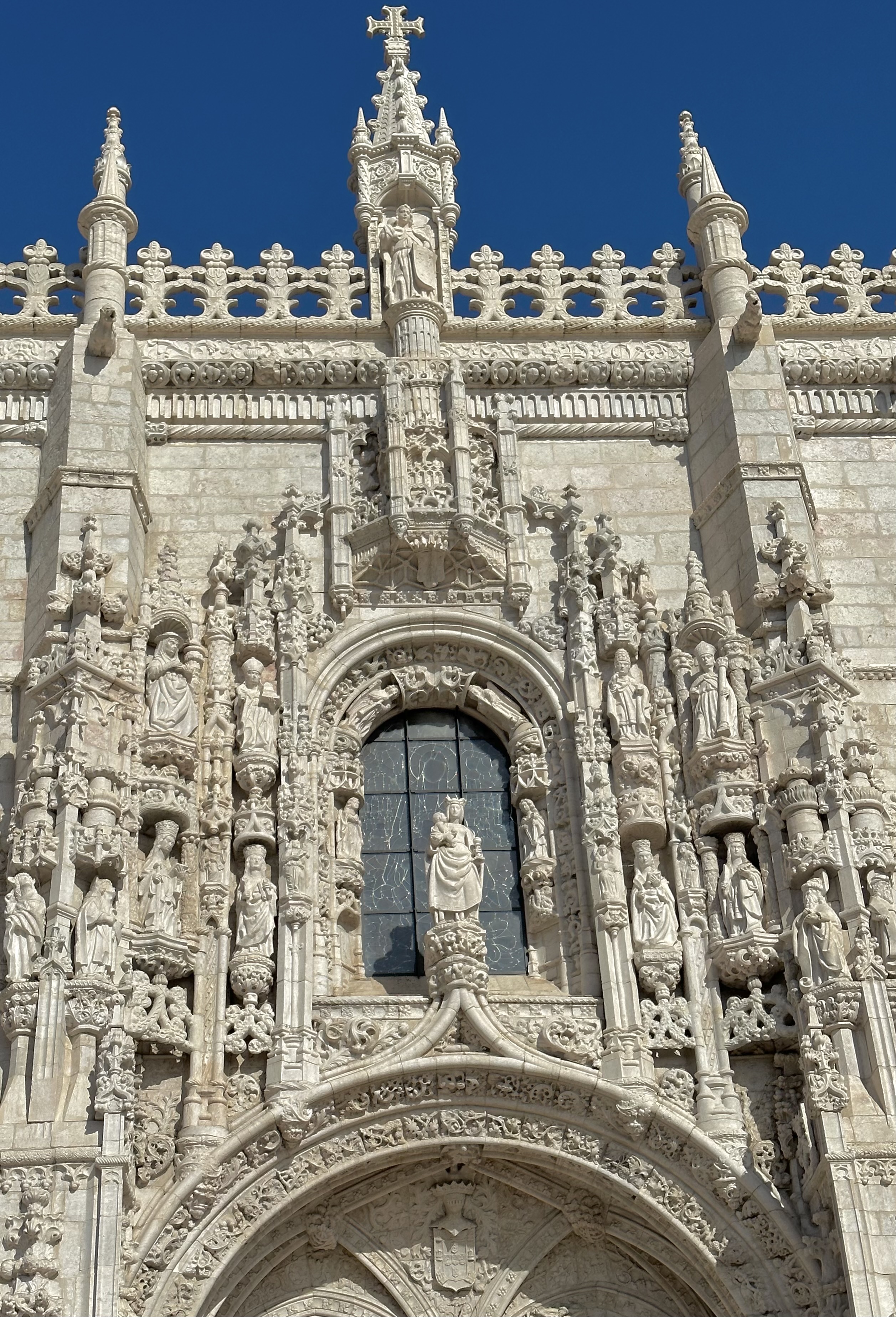
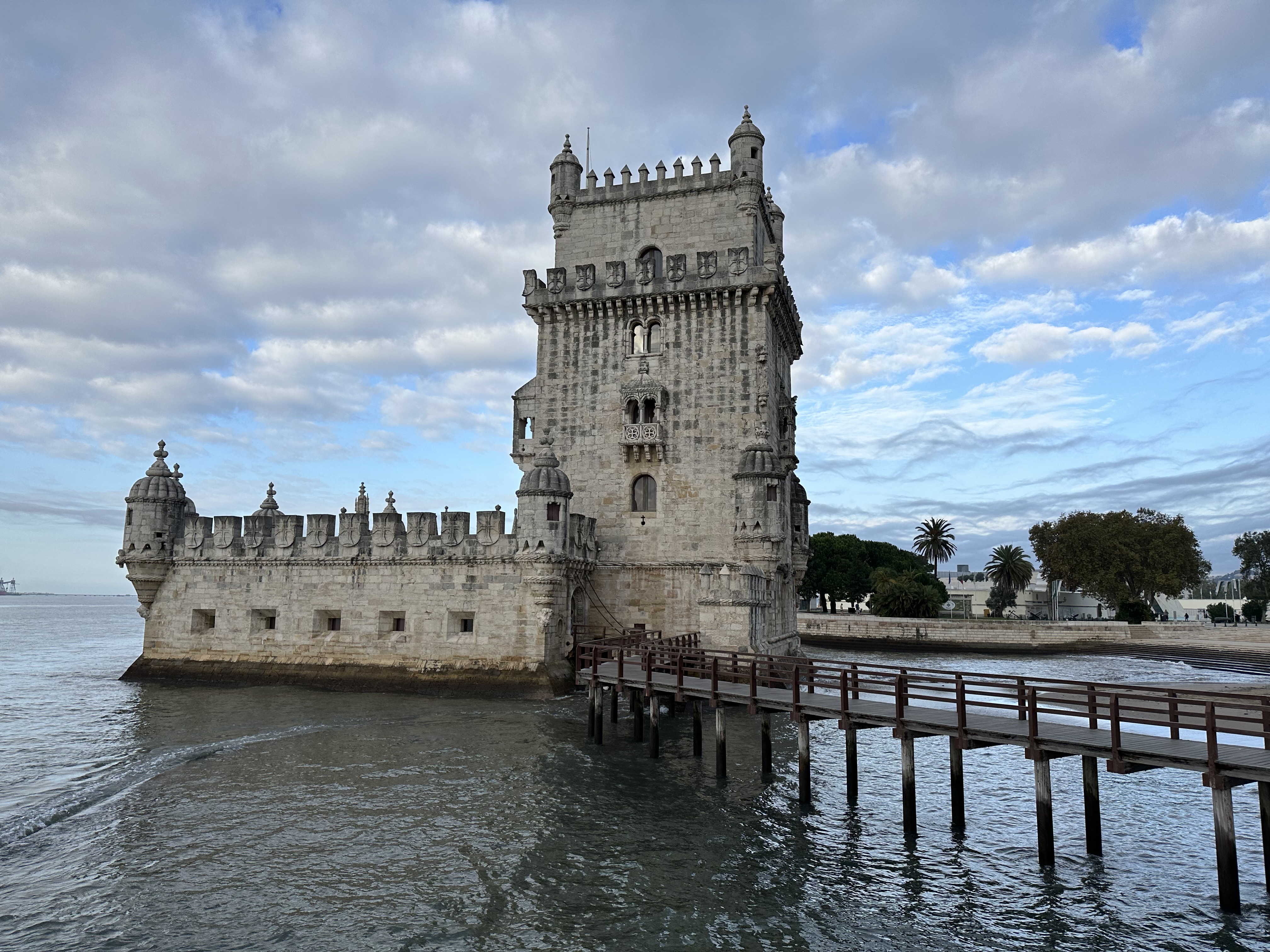
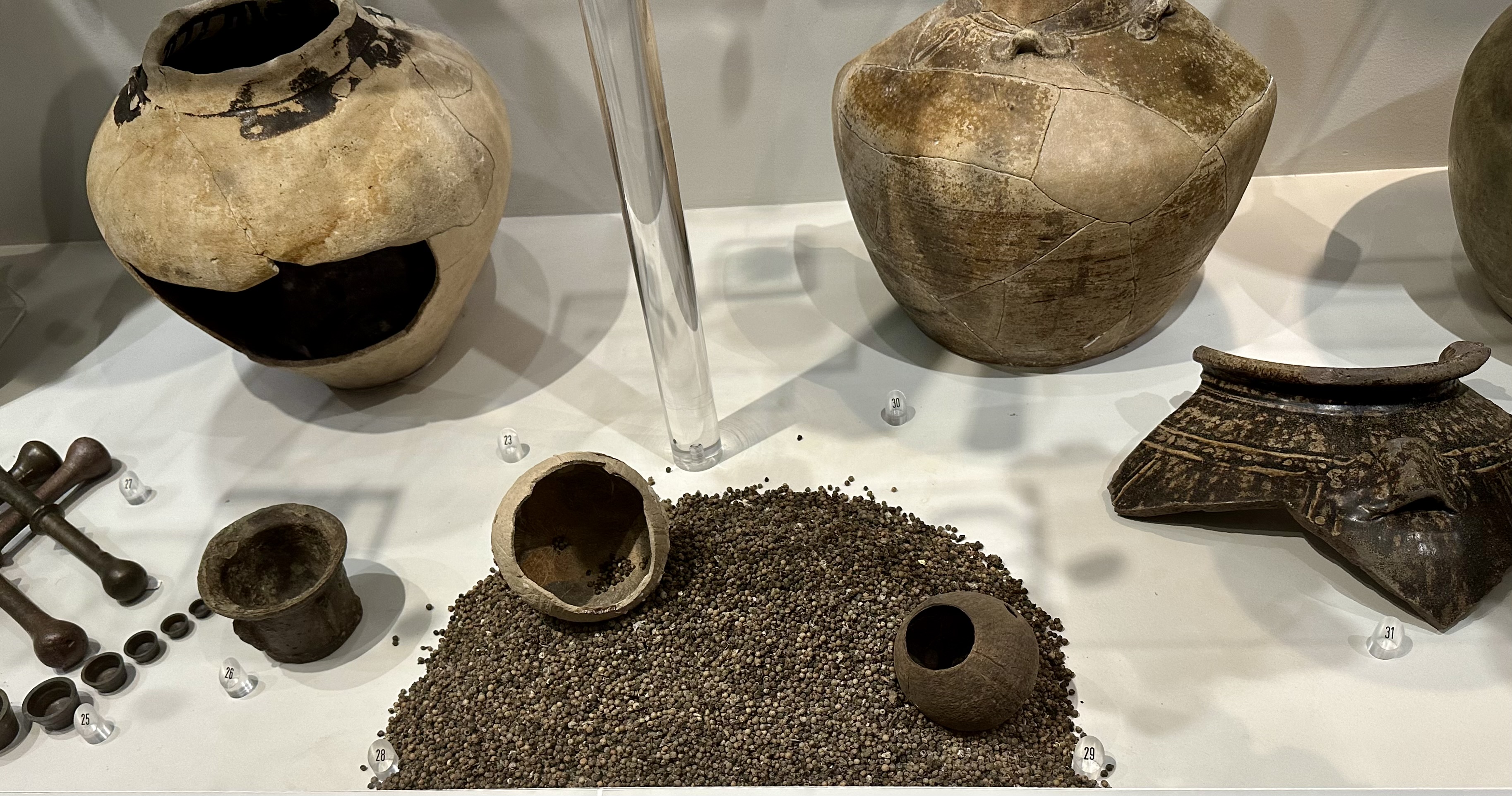
I learned this on a morning tour of the Mosterio de Jerónimos, which now houses the Museu de Marinha (Maritime Museum). The museum has a wonderful collection of relics and maps, as well as scale models of the explorers’ ships. Our terrific and entertaining tour guide, Daniel, filled our heads (albeit temporarily; mine already is close to full capacity) with lots of interesting facts. Most notable was a lesson in 16th century tax avoidance. Merchants brought back all kinds of goods from Africa and Asia, including coconuts and pepper. Coconuts were lightly taxed; pepper was much more heavily burdened. What to do? Hollow out coconuts, fill them with pepper, and put them back together, thereby importing pepper but paying only the duty on coconuts.
Food for thought is all well and good, but this afternoon was all about food for consumption. Daniel led a group of us on a culinary tour of the Campo de Ourique neighborhood. (He explained that Ourique is an old Arabic word for “defeated,” and that after the Portuguese defeated the Arabs in the 12th century they allowed Arabs to stay in Lisbon as long as they worked in the fields; hence “Field of the Defeated.”)

After wandering through a small market (rather tame compared to the bustle and aromas of markets I’ve written about in Ecuador, Mumbai, and Barcelona) we stopped at an establishment named `A da Bia and feasted on fried cod croquettes, fried shrimp croquettes, zucchini/nut mini-muffins (I baked rather than fried), a bruschetta-like creation with mackerel (ditto), and beer (definitely not fried). Pretty, pretty, pretty good, to quote Larry David.
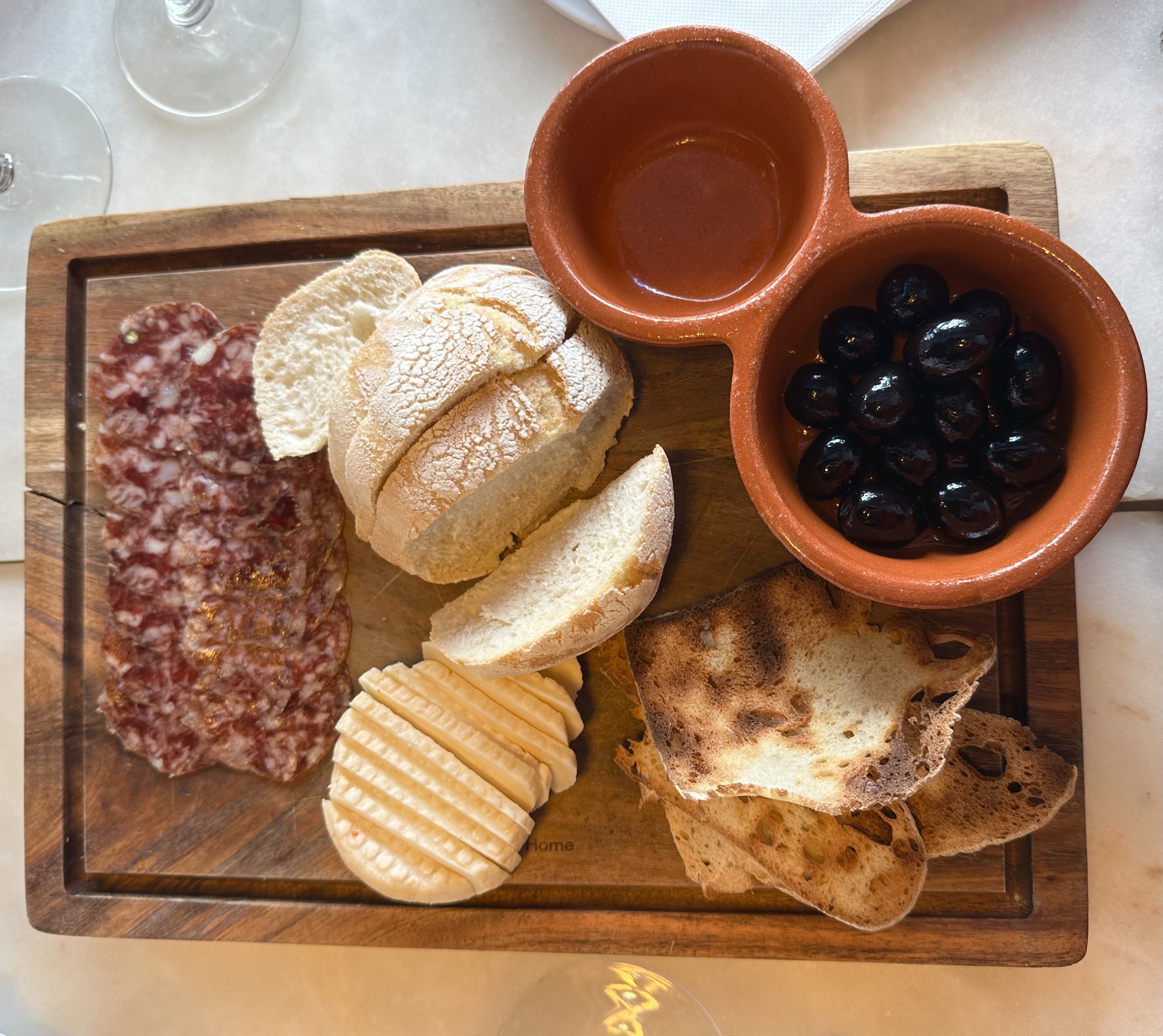
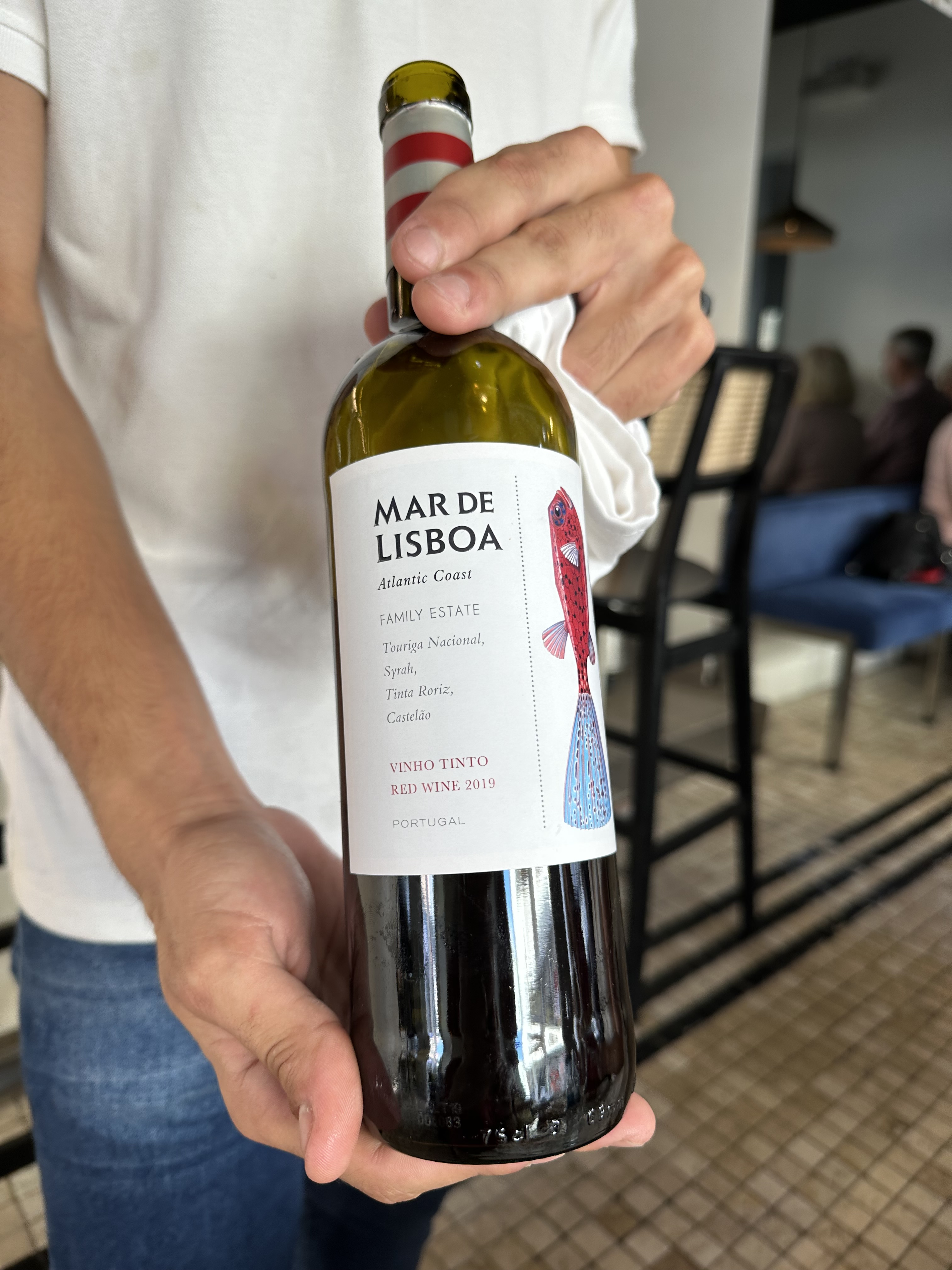
Next up: a wine bar where we had olives (Portugal has phenomenal olives, no debate possible), cheese, and, for the meat eaters, thinly sliced sausage, accompanied by a white and a red wine. (It was 5:00 somewhere, just not by us.) How to top that? Round 4 was, of course, pastéis de nata, accompanied by decidedly non-alcoholic (and for me, non-caffeinated) espresso. I couldn’t answer the bell for the pastéis, having exhausted my monthly custard quotient this morning. I’ll have to train harder for the next Jeff v. food experience.
Amazingly, Lisboetas (I looked that up, thank you Google) as a rule are thin. I suspect they don’t eat three medium-to-large meals a day like most Americans do, don’t have pastéis regularly, and don’t have fried food all that often despite its prevalence on restaurant menus. Or perhaps there’s some cosmic principle under which every pound/kilo/ton gained by vacationing Americans is offset by the loss of weight by Alfacinhas (the other name by which locals are called, thank you again, Google).

I’ll close today’s post with a point I’ve made frequently over the years: travel is broadening, and not just to the waist. You try new foods, learn (and occasionally retain) new facts, experience new ways of viewing the world, and most importantly, make new friends, whether fellow travelers (in a non-political sense; I don’t think our group contains many Marxists) or locals. Get out there, people!

 PuffinlessTravel